
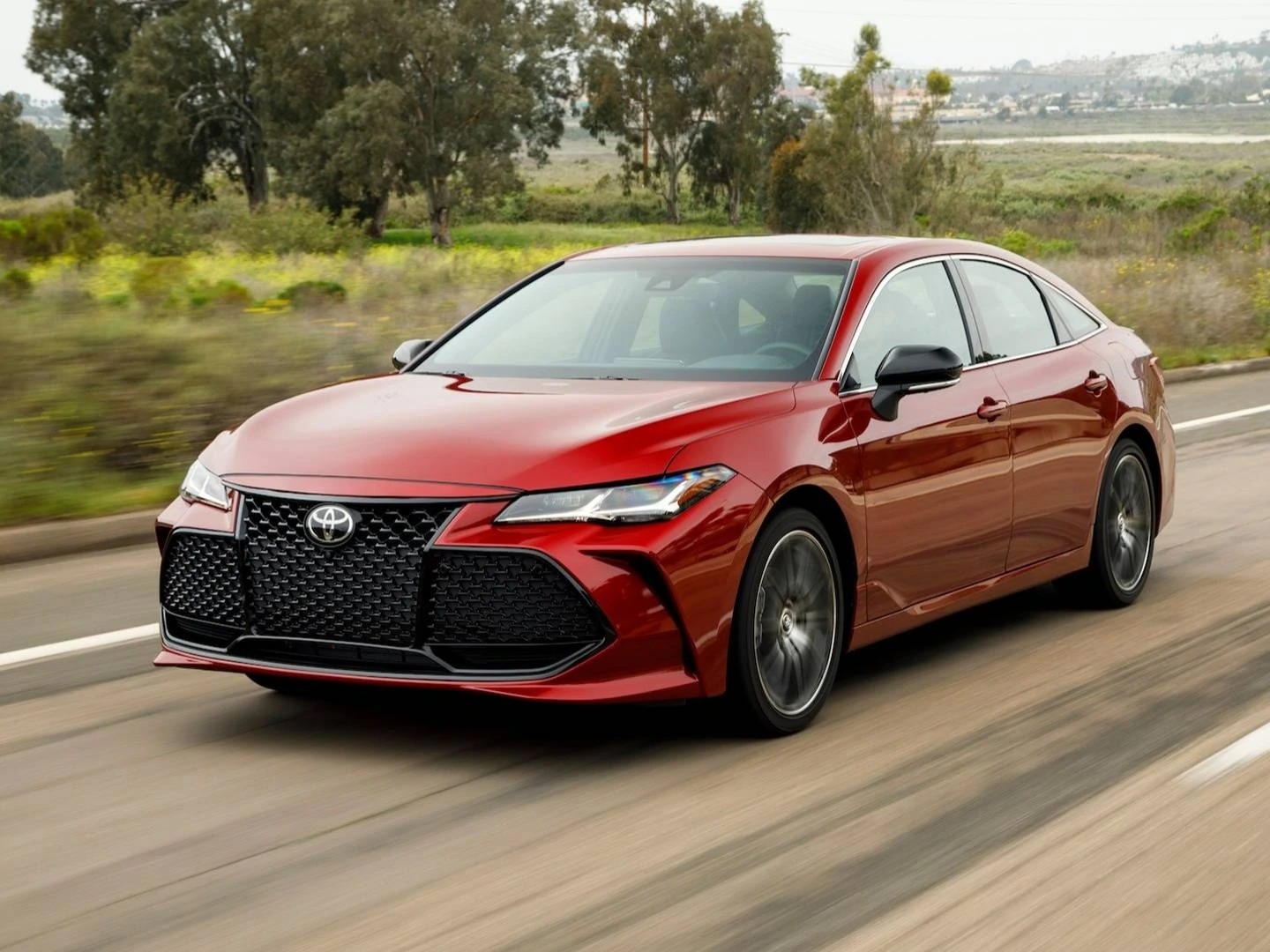
Toyota has long been recognized as one of the most reliable and durable automotive brands, with a reputation built over decades of producing vehicles that can withstand years of demanding use. For many car owners, reaching high mileage is not just a goal but a testament to proper maintenance, engineering quality, and practical design.
Among various car manufacturers, Toyota consistently stands out for producing models capable of surpassing 400,000 miles, provided they receive regular maintenance and careful attention.
Achieving this level of mileage is not an accident; it results from the combination of robust engineering, dependable engine performance, and thoughtful manufacturing that prioritizes longevity over fleeting trends. While other brands may offer vehicles with impressive features or initial appeal, Toyota’s models are known to reward owners who prioritize consistency and reliability over time.
The engineering philosophy behind Toyota emphasizes simplicity, durability, and repairability. Engines are designed to perform efficiently with minimal complications, transmissions are built to last hundreds of thousands of miles, and body structures resist corrosion and wear more effectively than many competitors.
Components are generally easy to replace, which allows owners to keep their vehicles in service far longer than average. This design ethos extends to both sedans and SUVs, as well as pickup trucks, highlighting Toyota’s ability to craft vehicles that can endure the stresses of daily commuting, heavy hauling, long road trips, and even commercial use.
Toyota vehicles have consistently appeared on lists of the longest-lasting cars, and this reputation is supported by numerous anecdotes from owners who have driven their vehicles beyond 300,000 miles.
High-mileage Toyotas are also appealing because of their resale value and the long-term cost of ownership. Even after years of use, these vehicles maintain higher resale prices than competitors, reflecting their reputation for reliability.
Owners often experience fewer unexpected repairs, lower maintenance costs relative to other brands, and satisfaction that comes from owning a vehicle that continues to perform well beyond the expected lifespan.
Vehicles that reach 400,000 miles are typically supported by a community of knowledgeable mechanics and enthusiasts, ensuring that replacement parts are widely available and repairs can be carried out efficiently.
This article highlights 12 Toyota models that regularly achieve 400,000 miles. The focus is on vehicles known for engine durability, transmission reliability, and structural longevity. Each model has proven itself over decades of real-world use and demonstrates why Toyota has earned its position as a global standard for dependability.
The following sections detail these models, discussing their mechanical strengths, design features, and factors that contribute to their ability to reach such remarkable mileage.

1. Toyota Land Cruiser
The Toyota Land Cruiser has earned a reputation as one of the most durable SUVs ever produced. From its early models to recent releases, it is engineered to handle extreme terrain, heavy towing, and long-term daily driving.
The body-on-frame construction allows it to withstand stress that would compromise many other SUVs, and the suspension system is built for both comfort and durability. Owners report that, with routine maintenance, engines in Land Cruisers often exceed 400,000 miles without significant issues.
Engine design is a key factor in the Land Cruiser’s longevity. Many models are equipped with inline-six engines or V8 options, both known for their robust construction and ability to handle prolonged high mileage.
Cooling systems are designed to prevent overheating, even under demanding conditions, and fuel delivery systems remain reliable over time. This combination of mechanical integrity and simplicity contributes to the Land Cruiser’s reputation as a vehicle capable of lasting several decades.
Transmission systems in the Land Cruiser are equally impressive. Manual and automatic transmissions are both durable, with some models exceeding 300,000 miles before requiring a major overhaul.
The drivetrain is built for heavy loads and frequent off-road use, reducing wear on critical components. Routine maintenance, such as timely fluid changes and inspections, can extend the lifespan even further, making this SUV a favorite among those who require dependable long-term performance.
Another important aspect of the Land Cruiser’s durability is its attention to detail in construction. High-quality materials resist corrosion, even in harsh climates, and interior components are designed to withstand long-term use.
Seats, electronics, and interior fittings remain functional for hundreds of thousands of miles, ensuring the vehicle remains comfortable and practical over its lifespan. Collectively, these features contribute to a driving experience that is both reliable and enduring.
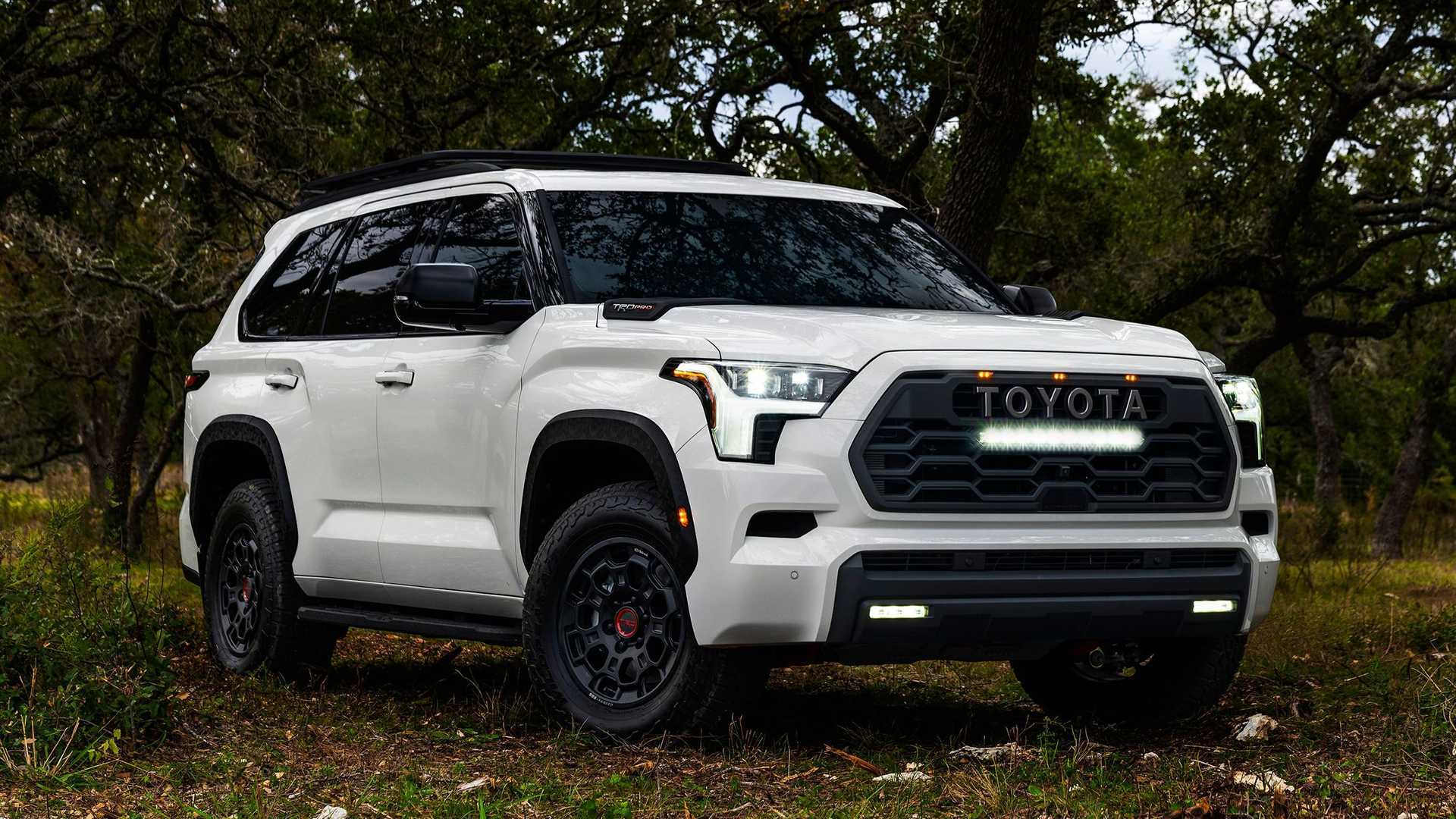
2. Toyota Sequoia
The Toyota Sequoia is another SUV known for high mileage potential. Built on a sturdy frame and featuring powerful V8 engine options, it is designed for both family use and heavy-duty performance.
Owners frequently cite its reliability and endurance, noting that with consistent maintenance, these vehicles often reach 400,000 miles. Its size and build quality make it suitable for towing and long trips, allowing it to function well under demanding conditions.
The Sequoia’s engine is a significant factor in its longevity. V8 engines in particular provide ample power while being engineered to last hundreds of thousands of miles.
They feature durable components such as strong pistons, reliable timing mechanisms, and robust cooling systems. When properly maintained, the engine continues to perform efficiently, even after prolonged high-mileage use. Oil changes, spark plug replacements, and other routine services play a crucial role in extending engine life.
Transmission durability also contributes to the Sequoia’s high-mileage capability. Automatic transmissions are designed to handle heavy loads without frequent failure, and maintenance schedules are straightforward enough to ensure long-term reliability.
Drivetrain components are engineered to endure stress from towing and off-road driving, which helps preserve the vehicle’s performance over time. Many Sequoia owners report minimal transmission issues even after extensive use.
In addition to mechanical durability, the Sequoia’s structural and interior design support its long life. The frame resists corrosion, and suspension components are built for both comfort and longevity.
Interior elements such as seats and dashboard controls are made from materials that endure years of use without significant wear. This combination of reliability, comfort, and strength makes the Sequoia a vehicle capable of surpassing 400,000 miles while maintaining functionality and performance.
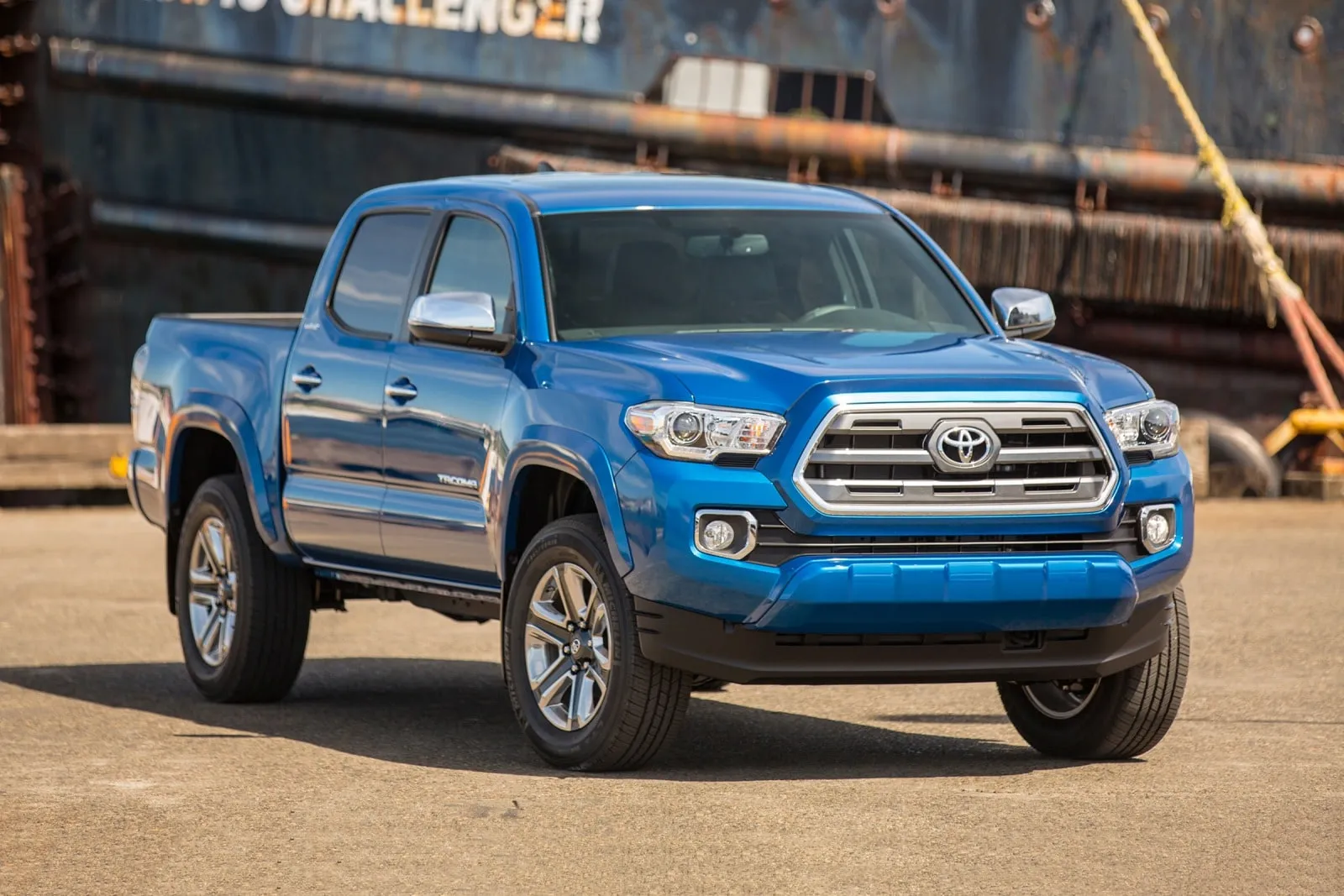
3. Toyota Tacoma
The Toyota Tacoma is a midsize pickup truck widely regarded for its long-term dependability. Its compact size combined with rugged construction allows it to handle both daily driving and off-road challenges effectively.
Owners often report that Tacomas remain mechanically sound well beyond 300,000 miles, with some vehicles surpassing 400,000 miles under consistent maintenance practices. This durability has contributed to its enduring popularity in the pickup truck segment.
Engine performance plays a central role in the Tacoma’s longevity. Four-cylinder and V6 engines are designed to be robust and straightforward, reducing the risk of failures due to complex components.
Fuel systems, cooling mechanisms, and engine internals are built to endure repeated stress over many years. With regular oil changes and attention to the timing chain or belt, the engine continues to deliver reliable performance even after extensive use.
The Tacoma’s transmission system is another key factor in its reputation for longevity. Both manual and automatic transmissions are designed to withstand years of heavy-duty use.
Drivetrain components such as axles and differentials are robust, allowing the truck to handle loads and off-road terrain without major wear. Proper maintenance, including fluid changes and periodic inspections, ensures the transmission continues to function reliably for hundreds of thousands of miles.
Durability is not limited to the mechanical components. The Tacoma’s frame resists rust and corrosion, especially when cared for properly, and suspension components are engineered for extended use under varying loads.
Interior materials are chosen for wear resistance, allowing the cabin to remain functional and comfortable over time. This combination of strength, reliability, and simplicity makes the Tacoma a vehicle capable of reaching 400,000 miles for dedicated owners.
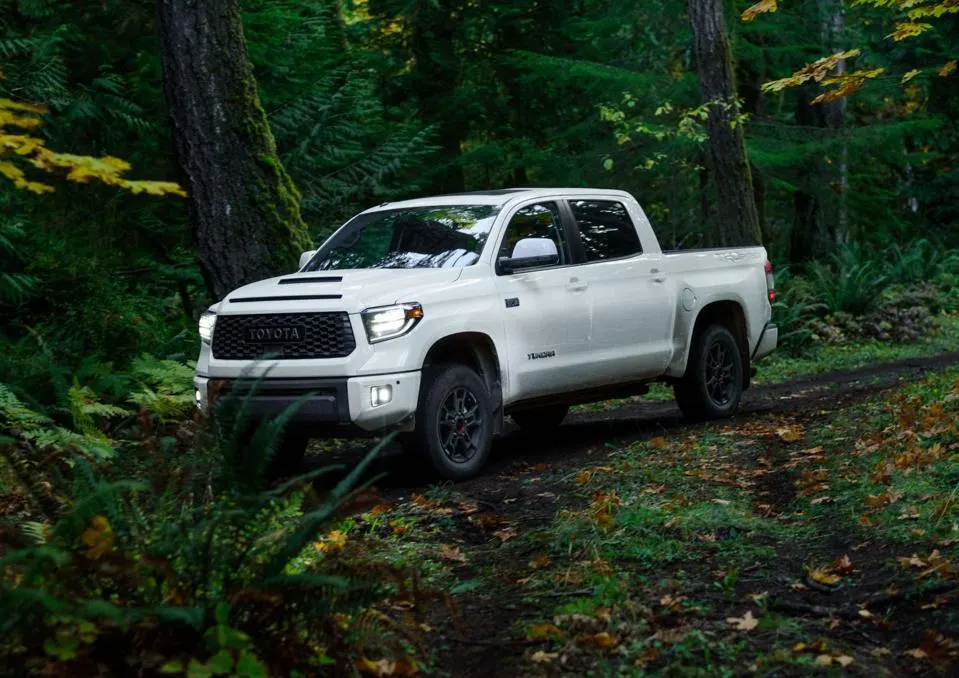
4. Toyota Tundra
The Toyota Tundra is a full-size pickup truck built with longevity in mind. With powerful V8 engine options and a rugged body-on-frame design, it is engineered for both work and long-term reliability.
Many owners report that with careful maintenance, Tundras can reach 400,000 miles while retaining much of their original performance and functionality. Its strength and reliability have made it a popular choice for those seeking a durable vehicle capable of heavy-duty use.
Engine design in the Tundra emphasizes durability. V8 engines feature reinforced components, strong cooling systems, and simple, reliable fuel injection setups.
These engines can endure extensive daily use, towing, and long trips, with proper maintenance ensuring consistent performance over hundreds of thousands of miles. Regular oil changes and adherence to recommended service intervals are essential for maximizing engine life.
Transmission and drivetrain components further support the Tundra’s high-mileage potential. Automatic transmissions are built to handle heavy loads and frequent towing, reducing the risk of early failure.
Differentials, driveshafts, and other drivetrain parts are engineered for long-term durability, ensuring that the vehicle maintains reliability under demanding conditions. With timely inspections and fluid changes, these components continue to operate effectively over time.
The Tundra’s structural and interior durability also contributes to its longevity. Its frame is resistant to corrosion, and suspension components can handle both heavy payloads and off-road terrain without significant wear.
Inside, the cabin remains comfortable and functional even after years of daily use, thanks to durable materials and quality construction. Collectively, these factors make the Tundra a vehicle capable of achieving 400,000 miles for dedicated and attentive owners.
5. Toyota 4Runner
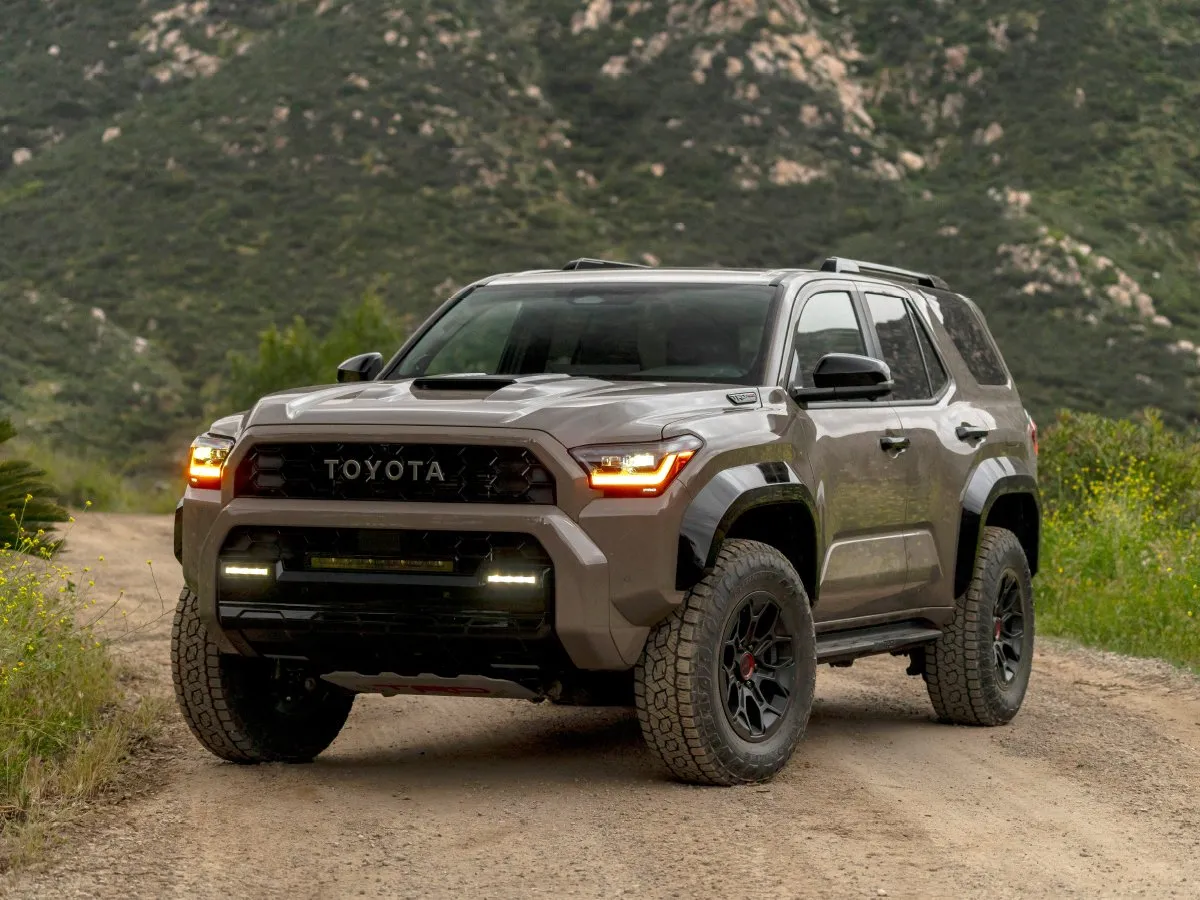
The Toyota 4Runner is widely recognized for its remarkable durability and off-road capability. Built on a rugged body-on-frame platform, it has proven capable of handling both daily driving and demanding terrains over hundreds of thousands of miles.
Many owners report 4Runners surpassing 400,000 miles, making it one of Toyota’s most long-lasting SUVs. Its reliability stems not only from strong mechanical design but also from the simplicity of its engineering, which allows for easy maintenance and fewer potential points of failure.
The combination of sturdy suspension, resilient drivetrain, and high-quality materials ensures that the vehicle remains functional and dependable even after years of heavy use.
The engine in the 4Runner is particularly for its longevity. Many models are equipped with inline-six engines, which are praised for their durability, straightforward design, and ability to deliver reliable power over extended use.
These engines are less prone to overheating and generally resist issues that commonly affect other SUVs, such as premature timing chain wear or oil sludge buildup.
V6 and V8 variants are also well-regarded, especially when owners adhere to recommended maintenance schedules, including regular oil changes, coolant checks, and timely replacement of wear items like belts and spark plugs.
Transmission reliability is another factor that allows the 4Runner to reach high mileage. Automatic transmissions are generally robust, capable of handling heavy loads and repeated off-road excursions. Manual transmission models, though less common, offer similarly dependable performance.
Regular transmission fluid changes and occasional inspections of the transfer case in four-wheel-drive models help preserve the longevity of the drivetrain. Many high-mileage 4Runner owners attribute their vehicle’s endurance to careful attention to these systems, which remain remarkably resilient even after decades of use.
Beyond mechanical components, the 4Runner’s structural design and interior contribute significantly to its longevity. Its body and frame resist rust and corrosion, a key factor for vehicles frequently exposed to harsh weather conditions.
Suspension components are durable and engineered to withstand off-road stress, while interior materials such as upholstery, dashboard elements, and electronics remain reliable over time. This combination of structural integrity, mechanical resilience, and practical design allows the 4Runner to maintain functionality, comfort, and dependability well past the 400,000-mile mark.
6. Toyota Prius
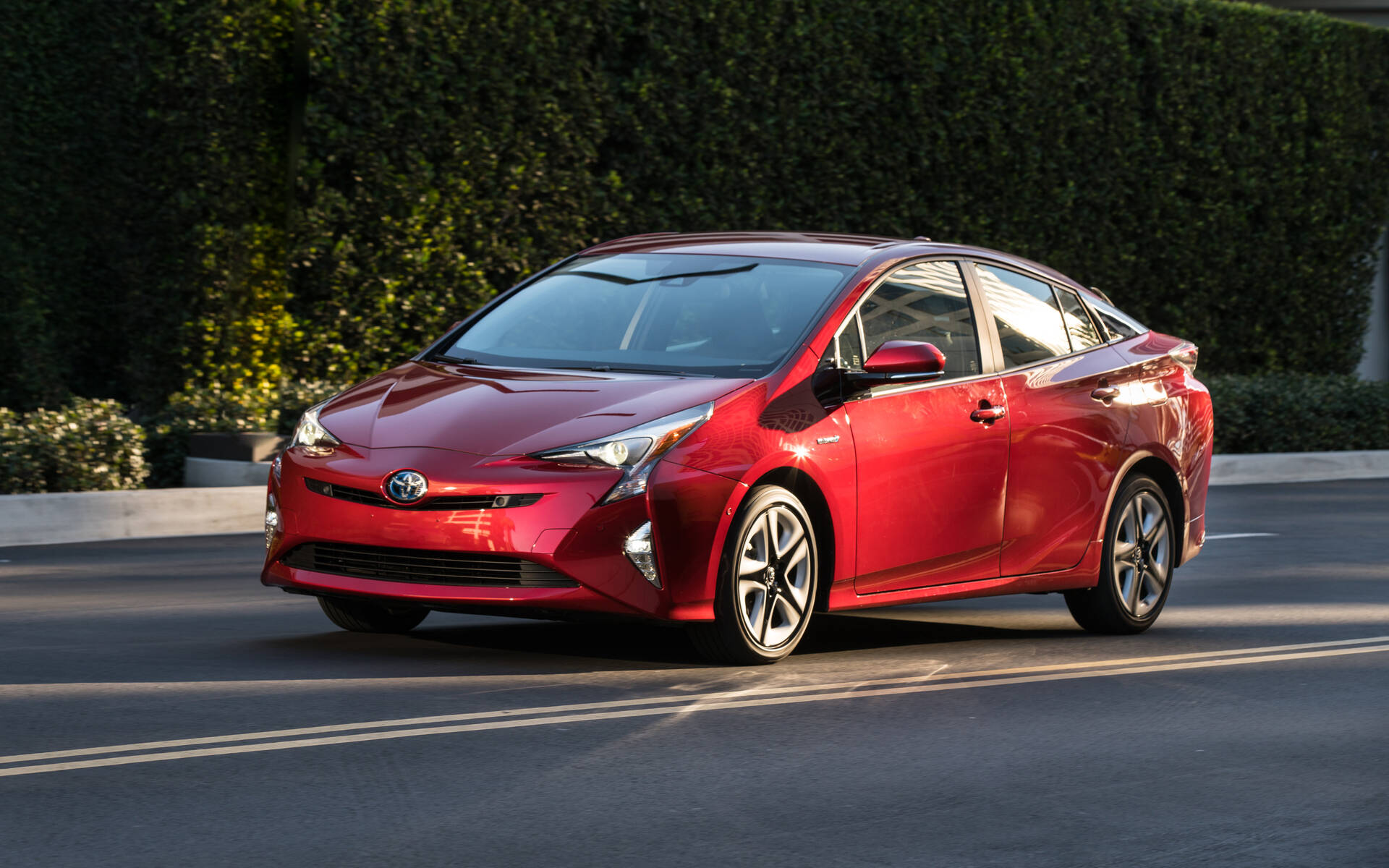
The Toyota Prius is renowned for both fuel efficiency and remarkable longevity. While often associated with hybrid technology, which can seem complex at first glance, the Prius has consistently proven capable of high-mileage performance when properly maintained.
Many Prius owners report vehicles exceeding 400,000 miles, highlighting the durability of both the gasoline engine and hybrid battery system. Its combination of efficiency, engineering reliability, and straightforward maintenance makes it a standout in the realm of high-mileage vehicles.
The hybrid powertrain in the Prius contributes significantly to its longevity. The gasoline engine is designed to operate efficiently at moderate loads, often running in tandem with the electric motor to reduce stress on internal components.
The hybrid battery system, when properly maintained and replaced if necessary, can last for many years without compromising vehicle performance. Regular inspections of cooling systems, inverter components, and hybrid-related electronics help maintain this balance and ensure that the Prius remains capable of long-term service.
Transmission systems in the Prius are also designed for durability. The continuously variable transmission (CVT) is engineered to operate efficiently under a wide range of driving conditions, and it generally requires minimal maintenance beyond periodic fluid changes.
CVTs in other vehicles are often criticized for longevity, but Toyota’s design has proven reliable over hundreds of thousands of miles. This, combined with the reduced mechanical stress from hybrid operation, allows Prius owners to achieve mileage numbers comparable to larger SUVs and trucks.
The Prius’s interior and body structure also support its long-term viability. Lightweight yet corrosion-resistant materials help prevent rust, while interior components such as seats, controls, and infotainment systems are built for durability.
Many Prius owners find that the cabin remains comfortable and functional even after years of consistent use. Together, the hybrid powertrain, durable transmission, and resilient body design contribute to a vehicle that can not only achieve 400,000 miles but also maintain reliability and efficiency over that extended lifespan.
7. Toyota Camry
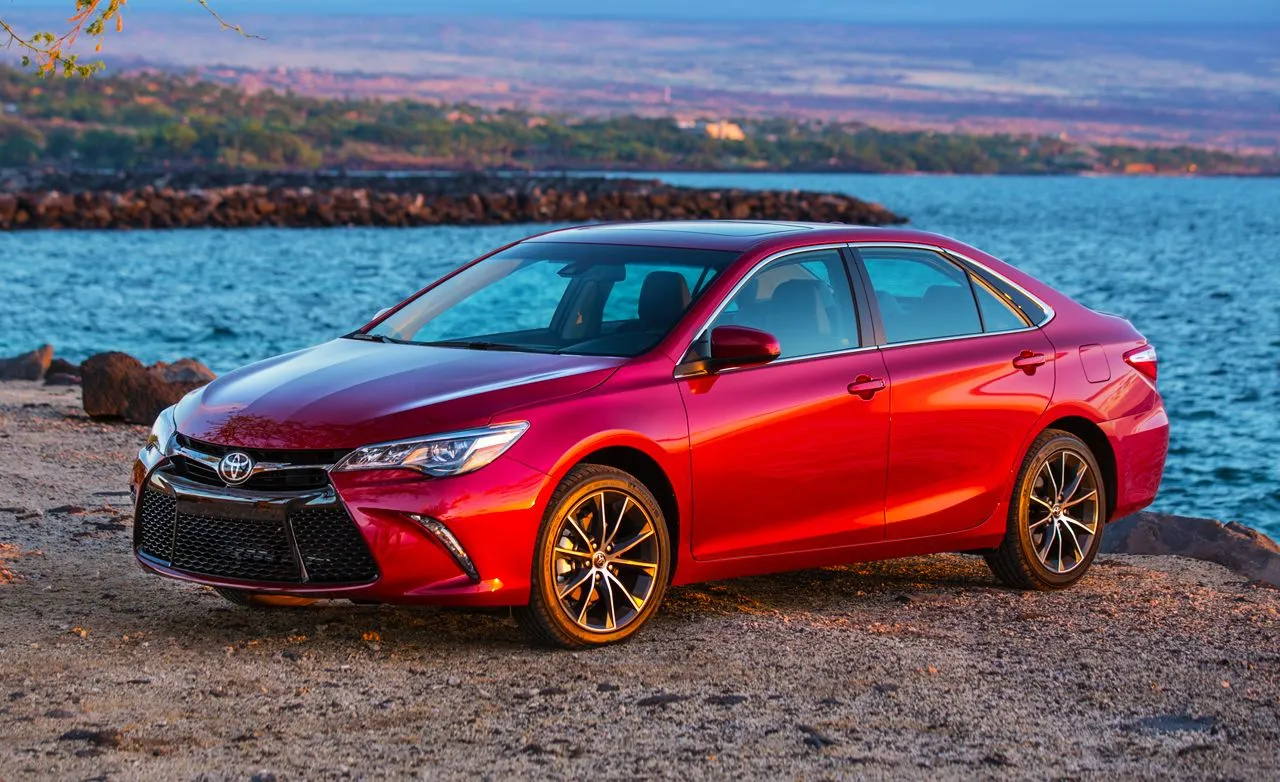
The Toyota Camry has long been one of the most popular sedans in the United States, and part of its appeal comes from its proven ability to reach very high mileage.
Many Camry owners report vehicles exceeding 400,000 miles, and the reasons are closely tied to its reliable engine designs, durable transmissions, and straightforward mechanical construction. The Camry is designed to deliver smooth, consistent performance over time, making it a preferred choice for those seeking longevity in a mid-size sedan.
The Camry’s engine lineup is central to its long-term reliability. Both four-cylinder and V6 engines are known for their durability, simplicity, and ability to handle extensive use.
These engines are designed to operate efficiently under varied conditions, and their components, including pistons, valves, and timing mechanisms, are built to withstand extended stress. With regular oil changes, cooling system maintenance, and periodic inspections of belts and hoses, Camry engines often remain functional and efficient well beyond the 400,000-mile mark.
Transmission systems in the Camry are also remarkably dependable. Automatic transmissions, paired with the engine, are designed to minimize wear and handle daily driving stresses over the long term.
Manual transmission models, while less common, also demonstrate longevity when properly maintained. Regular maintenance, including fluid changes and inspections, is key to extending transmission life, but the engineering design contributes significantly to the Camry’s high-mileage reputation.
Beyond mechanical reliability, the Camry’s structural design and interior quality support its long-term use. Corrosion-resistant materials and high-quality suspension components allow the vehicle to endure years of driving without significant degradation.
Interior elements, including seats, dashboard controls, and electronics, are designed for durability, ensuring comfort and functionality remain intact even after extended use. This combination of durable engineering, reliable powertrains, and well-constructed interiors makes the Camry a vehicle capable of exceeding 400,000 miles with proper care.
8. Toyota Corolla
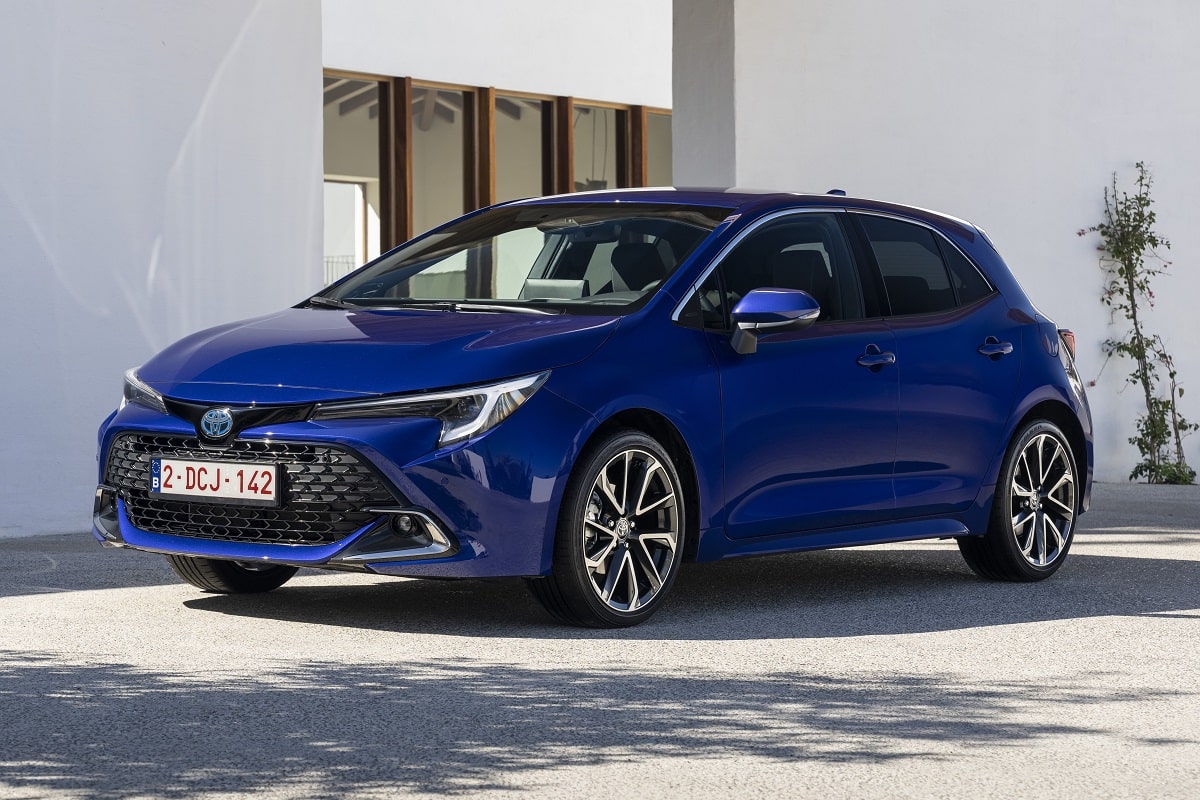
The Toyota Corolla is often recognized as one of the most reliable compact cars ever produced. Its longevity is a direct result of simple yet durable engineering, efficient engine designs, and components that are both robust and easy to maintain.
Many Corolla owners report vehicles reaching 400,000 miles, demonstrating that compact cars can achieve high-mileage performance when properly cared for. The combination of dependable mechanics, corrosion-resistant construction, and practical interior design ensures the Corolla remains functional over decades of use.
Corolla engines are designed with reliability in mind. Four-cylinder engines dominate the lineup, offering both simplicity and durability. These engines feature reinforced internal components, reliable timing chains or belts, and efficient cooling systems.
Regular maintenance, including oil changes, filter replacements, and inspections of critical components, allows the engine to operate consistently for hundreds of thousands of miles. This reliability makes the Corolla a standout among compact vehicles when evaluating long-term performance.
Transmission systems in the Corolla are similarly robust. Both automatic and manual transmissions are designed to withstand long-term use, with straightforward designs that reduce the likelihood of premature failures.
Automatic transmissions, in particular, often reach hundreds of thousands of miles with minimal issues when properly serviced. Drivetrain components are also engineered for durability, ensuring smooth and reliable operation over extended use.
The Corolla’s structural and interior design further enhances its longevity. Rust-resistant body panels and durable suspension components allow the car to endure years of driving under varied conditions. Inside, high-quality materials in seats, dashboard controls, and electronics maintain functionality and comfort for long periods.
Together, the mechanical reliability, transmission durability, and robust construction make the Corolla a compact car capable of surpassing 400,000 miles when carefully maintained.
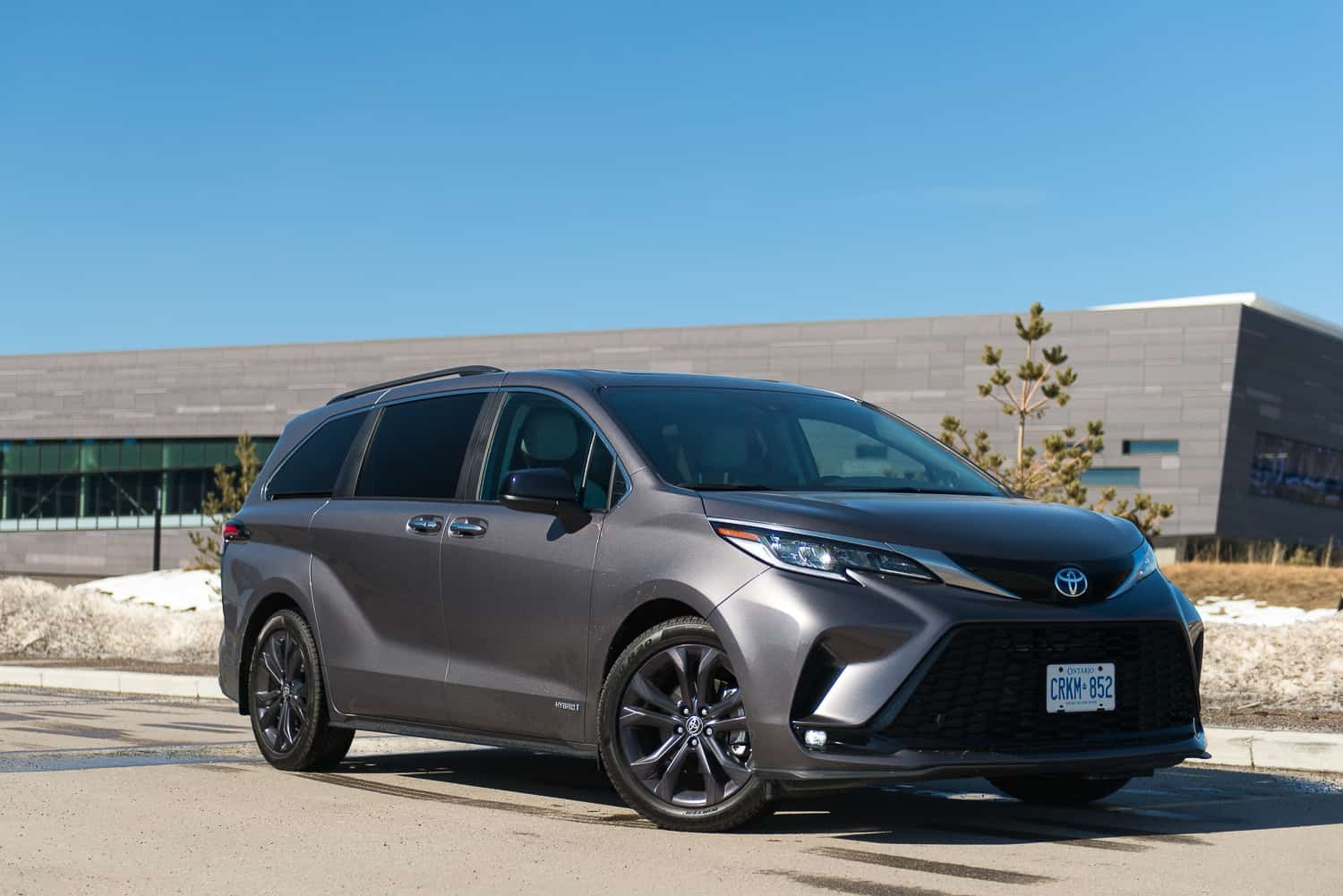
9. Toyota Sienna
The Toyota Sienna is one of the few minivans that combines family-oriented practicality with long-term reliability. Its robust engineering allows it to endure high mileage, with many owners reporting vehicles exceeding 400,000 miles.
The Sienna’s reputation stems from its durable engines, strong transmissions, and solid chassis, making it suitable for daily commutes, road trips, and heavy family use over many years. Its reliability ensures that it remains a favorite among families who need both versatility and longevity in a vehicle.
The Sienna’s engine options are central to its high-mileage potential. V6 engines, in particular, are designed for durability and consistent performance. Components such as pistons, timing chains, and cooling systems are built to endure extensive use.
Regular oil changes, coolant flushes, and inspection of engine belts contribute to maintaining engine longevity. When properly maintained, Sienna engines continue to deliver reliable power for hundreds of thousands of miles.
Transmission and drivetrain reliability are also key factors in the Sienna’s long-term performance. Automatic transmissions are robust and engineered to handle daily driving, heavy loads, and long-distance travel without premature failure.
Drive components such as axles, differentials, and CV joints are designed for durability, ensuring that the vehicle remains functional even under challenging conditions. Maintenance practices such as fluid replacement and periodic inspections help preserve drivetrain integrity.
The Sienna’s structural design and interior durability further enhance its long-lasting nature. Its frame is resistant to corrosion, while suspension components are engineered to endure years of use without major degradation.
The interior remains comfortable and practical over long periods, with seats, controls, and storage areas maintaining functionality despite heavy family use. This combination of mechanical reliability, structural strength, and practical design allows the Sienna to exceed 400,000 miles with consistent care.
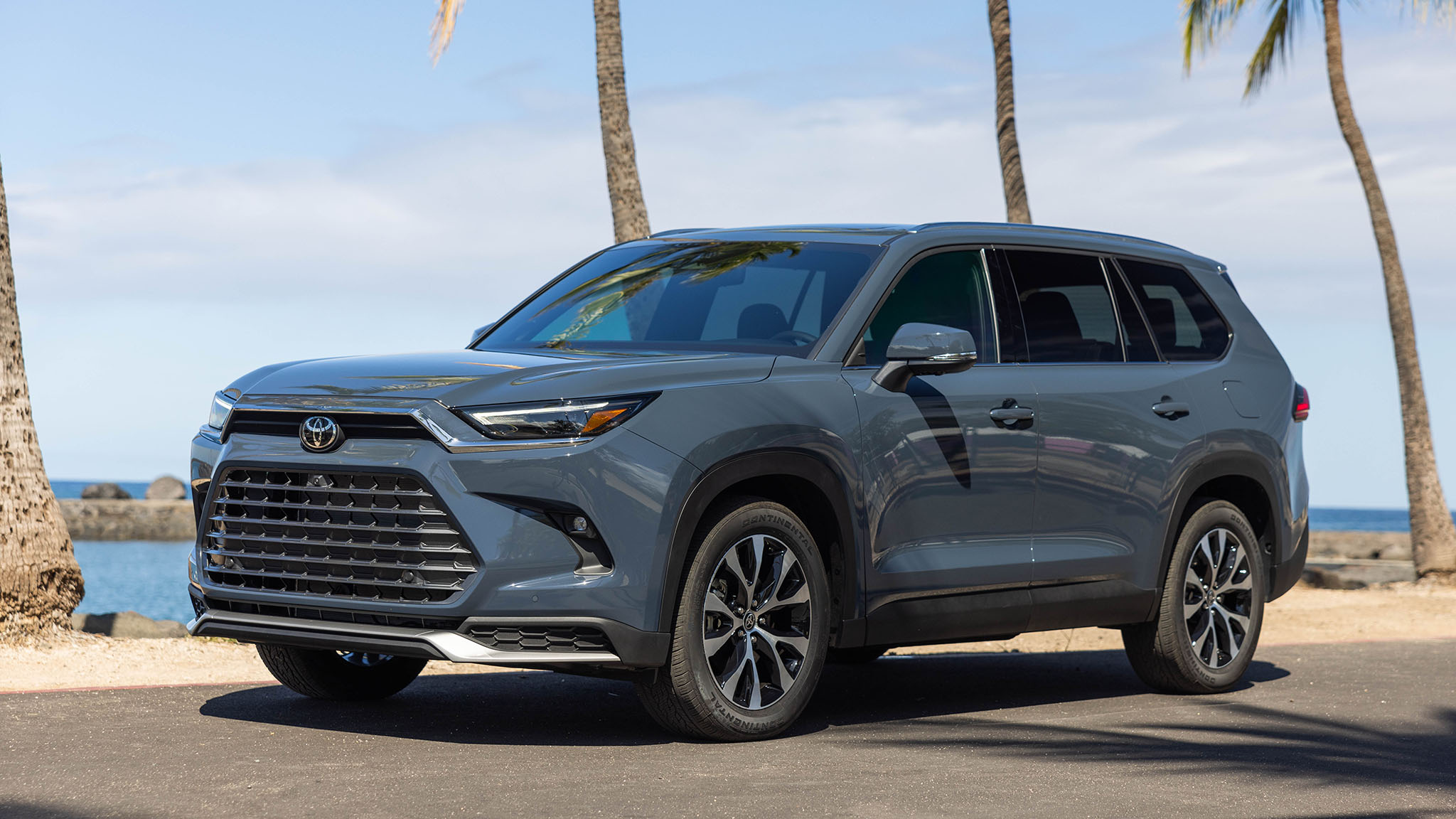
10. Toyota Highlander
The Toyota Highlander is a mid-size SUV that balances performance, comfort, and long-term durability. Many Highlander owners report vehicles surpassing 400,000 miles, making it a reliable choice for families and commuters alike.
Its ability to achieve high mileage is a result of robust engine designs, dependable transmissions, and durable structural components. The Highlander combines reliability with practicality, offering a vehicle that maintains functionality and comfort over extended periods of use.
Highlander engines are designed for longevity, with both four-cylinder and V6 options offering durable construction. Components such as timing mechanisms, pistons, and cooling systems are engineered to withstand prolonged stress and maintain consistent performance.
Proper maintenance, including regular oil changes, coolant checks, and replacement of wear items, ensures that the engine continues to operate efficiently over hundreds of thousands of miles.
Transmission systems in the Highlander are similarly dependable. Automatic transmissions are designed to handle varying loads and driving conditions without premature failure.
Drivetrain components, including axles, differentials, and transfer cases in all-wheel-drive models, are built to endure heavy use. Maintenance practices such as periodic fluid changes and inspections help sustain transmission performance and extend the vehicle’s lifespan.
The Highlander’s structural integrity and interior durability also contribute to its high-mileage capability. Rust-resistant materials, strong suspension components, and well-built interiors ensure that the vehicle remains functional and comfortable even after extensive use.
Seats, controls, and electronics maintain reliability over time, allowing the Highlander to provide a long-lasting, dependable driving experience. This combination of mechanical reliability, structural durability, and interior resilience makes the Highlander capable of exceeding 400,000 miles with consistent care.
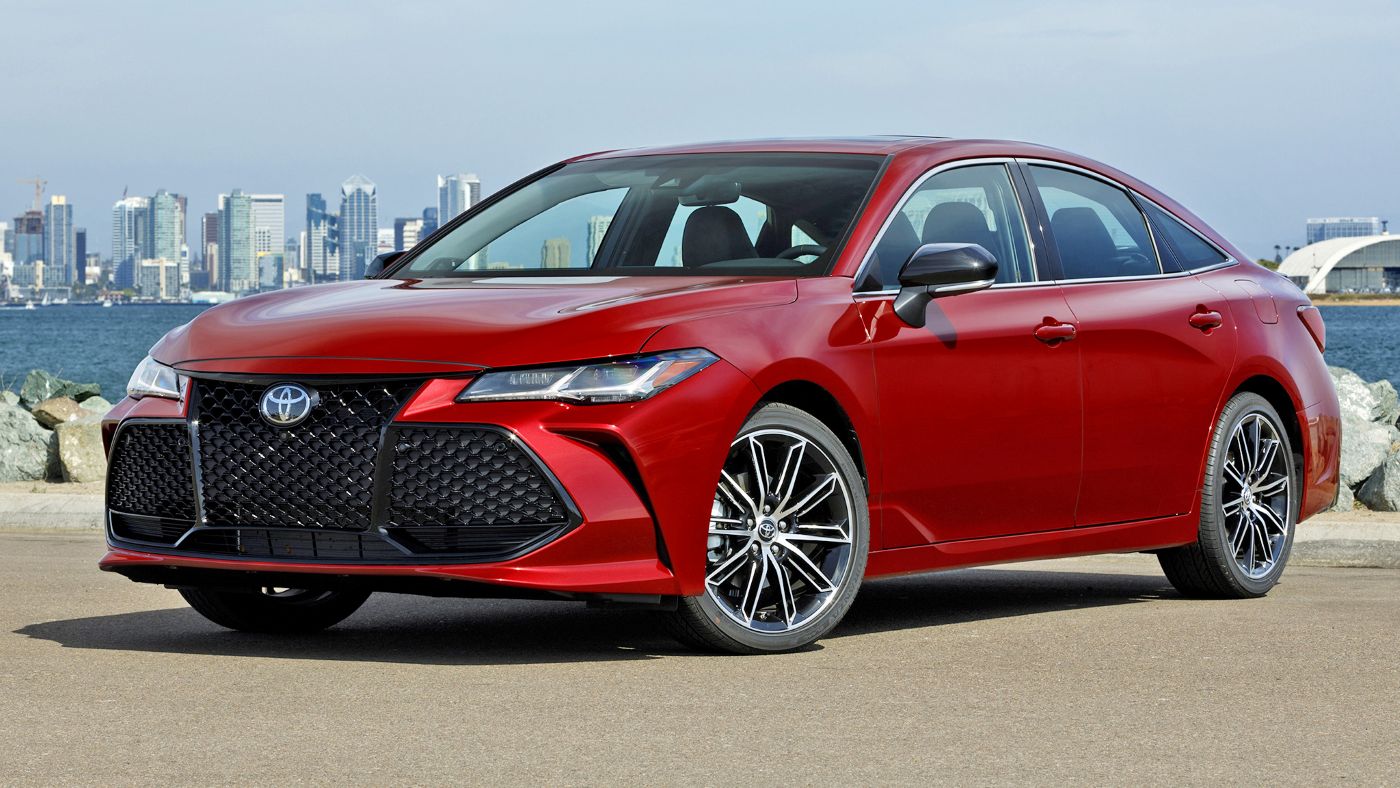
11. Toyota Avalon
The Toyota Avalon is a full-size sedan that combines luxury-like comfort with Toyota’s signature long-term reliability. Unlike sportier or more compact sedans, the Avalon prioritizes smooth, stress-free performance and durability.
Many Avalon owners have reported vehicles surpassing 400,000 miles, making it a prime example of a large sedan built to endure extensive use. Its reputation for longevity comes from a combination of robust engines, durable transmissions, and high-quality construction that can withstand the stresses of daily commuting and long-distance driving.
The engine in the Avalon is a key contributor to its long-lasting performance. V6 engines dominate the lineup and are engineered to be both smooth and durable. These engines feature reinforced internals, reliable timing chains, and efficient cooling systems.
Regular maintenance such as oil changes, filter replacements, and inspections of belts and hoses is essential to keeping the engine running smoothly for hundreds of thousands of miles. The design also emphasizes low stress on internal components, which reduces wear over long periods.
Transmission systems in the Avalon are equally reliable. Automatic transmissions are designed to handle high mileage with minimal issues, and the shift mechanisms are engineered for consistent performance under daily use.
Proper maintenance, including regular fluid changes, ensures that the transmission continues to function effectively over time. Drivetrain components, including axles and differential assemblies, are built with durability in mind, allowing the Avalon to maintain smooth performance over extended use.
Beyond mechanics, the Avalon’s interior and structural integrity contribute to its longevity. The cabin is constructed with durable materials that resist wear and tear, while the suspension and chassis are designed for long-term durability without sacrificing ride comfort.
Seats, controls, and electronic components remain functional over time, making the Avalon not only reliable but also comfortable for drivers and passengers even after hundreds of thousands of miles. The combination of engine reliability, transmission durability, and thoughtful construction makes the Avalon a true high-mileage sedan.
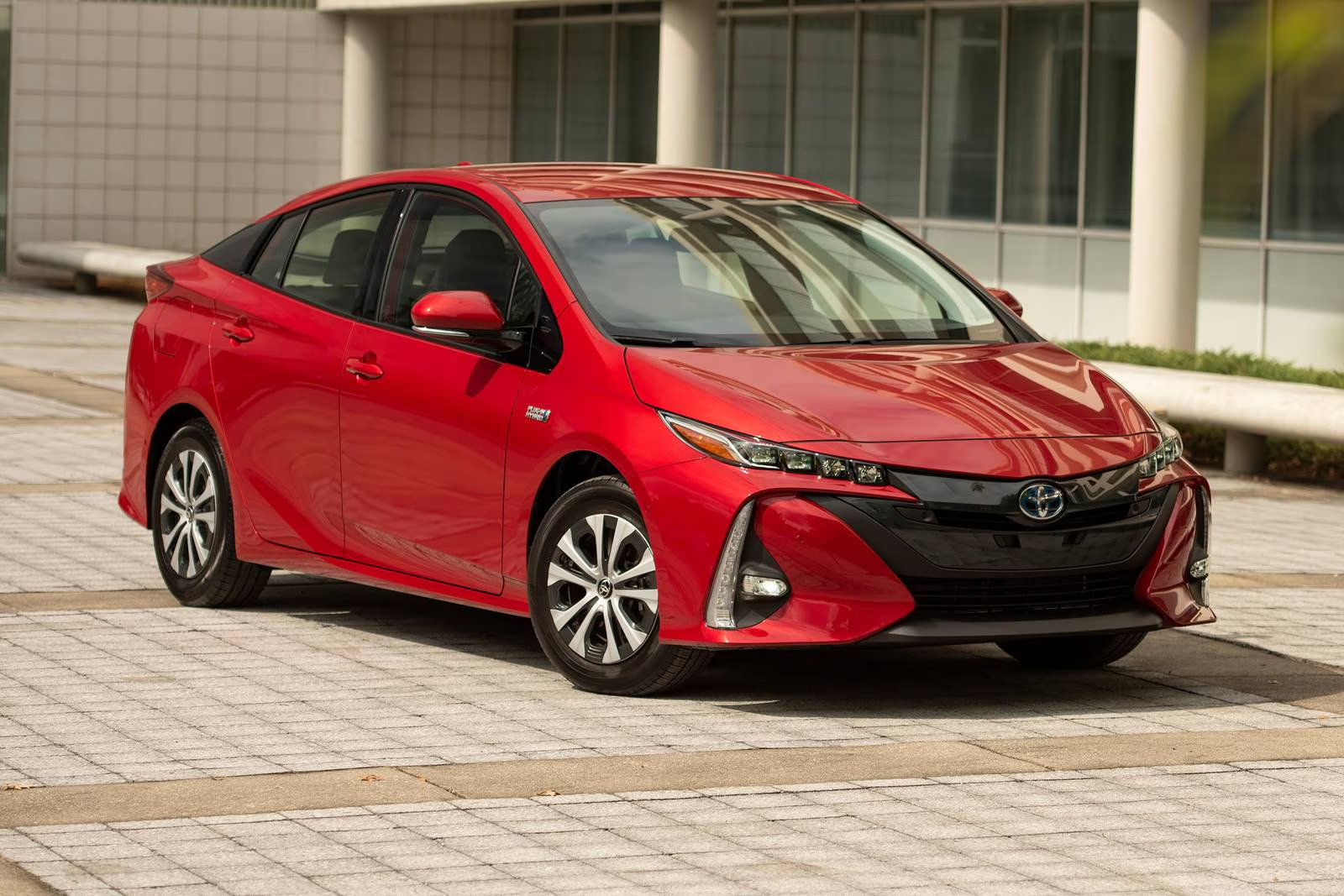
12. Toyota Prius Prime
The Toyota Prius Prime is a plug-in hybrid version of the Prius, offering enhanced fuel efficiency and advanced hybrid technology while maintaining Toyota’s hallmark reliability.
Like the standard Prius, the Prius Prime has demonstrated the ability to reach high mileage with proper care. Many owners report exceeding 400,000 miles, thanks to the combination of a durable gasoline engine, resilient hybrid system, and thoughtful engineering. The vehicle’s design allows it to remain efficient and reliable even after extensive use.
The Prius Prime’s hybrid powertrain is built for longevity. The gasoline engine operates in tandem with electric motors to reduce wear and stress, which extends engine life. The hybrid battery system is designed to last many years and can be replaced or refurbished to further extend the vehicle’s lifespan.
Regular maintenance of the cooling system, inverter components, and other hybrid-related systems ensures the vehicle remains fully operational over time. This careful engineering allows the Prius Prime to achieve long-term durability comparable to other high-mileage Toyotas.
Transmission systems in the Prius Prime, particularly the electronically controlled CVT, are engineered for smooth operation and minimal wear. Unlike traditional automatic transmissions, the CVT reduces mechanical stress by providing seamless power delivery.
With proper maintenance, including fluid checks and timely servicing, the transmission continues to perform reliably even after extensive mileage accumulation. The combination of hybrid operation and CVT reliability allows the Prius Prime to sustain efficient, trouble-free driving over hundreds of thousands of miles.
In addition to mechanical resilience, the Prius Prime’s structural and interior design supports its high-mileage performance. Lightweight, corrosion-resistant body panels protect against rust, while interior materials such as seats, controls, and displays are built to withstand years of use.
The combination of reliable hybrid components, durable transmission, and quality construction ensures that the Prius Prime remains a vehicle capable of exceeding 400,000 miles, offering both fuel efficiency and long-term dependability to owners who maintain it properly.
