
GMC has long been a name associated with strength, reliability, and performance in the automotive industry. For decades, the brand has focused on producing vehicles capable of handling tough conditions while offering comfort and durability. Among the many elements that define a GMC vehicle, the drivetrain stands out as a critical factor in its capability.
The drivetrain is the system that delivers power from the engine to the wheels, and it plays a pivotal role in determining how a vehicle performs under load, on uneven terrain, or during towing. For drivers who rely on their vehicles daily for work or recreation, a strong, dependable drivetrain is essential.
GMC has consistently invested in engineering vehicles that offer robust power delivery, responsive handling, and long-lasting components that reduce the risk of failure even in demanding situations.
The appeal of GMC trucks and SUVs goes beyond raw power. Consumers value vehicles that maintain performance over years of ownership without requiring frequent, costly repairs.
Drivetrains that are engineered with precision and durability provide peace of mind, allowing drivers to confidently transport heavy loads, navigate challenging road conditions, or travel long distances without hesitation.
In addition to mechanical reliability, GMC has integrated technology and design choices that enhance the efficiency and resilience of these drivetrains. For example, certain models benefit from advanced transmission systems, reinforced axles, and carefully tuned suspension setups, which all contribute to a smoother and more capable driving experience.
Over the years, some GMC models have become legendary for their mechanical dependability. Trucks like the Sierra series and SUVs like the Yukon have built reputations for delivering power when it is needed most while maintaining structural and mechanical integrity.
These vehicles often serve professionals who require their trucks for towing, hauling, or off-road use, as well as families seeking a vehicle that can handle both daily life and weekend adventures. Drivers tend to notice the difference when a vehicle’s drivetrain functions flawlessly, whether during heavy towing on steep grades or when maneuvering through inclement weather.
This article highlights ten GMC models recognized for their rock-solid drivetrains. Each model demonstrates the brand’s commitment to engineering vehicles that combine power, reliability, and longevity.
By examining their mechanical strengths, features, and real-world performance, this discussion aims to provide an informative look at why these GMC vehicles continue to be trusted by drivers who demand excellence.
Whether a reader is considering a new purchase or reflecting on past experiences with GMC trucks and SUVs, the following sections illustrate the capabilities and reputation that these vehicles have earned over time.
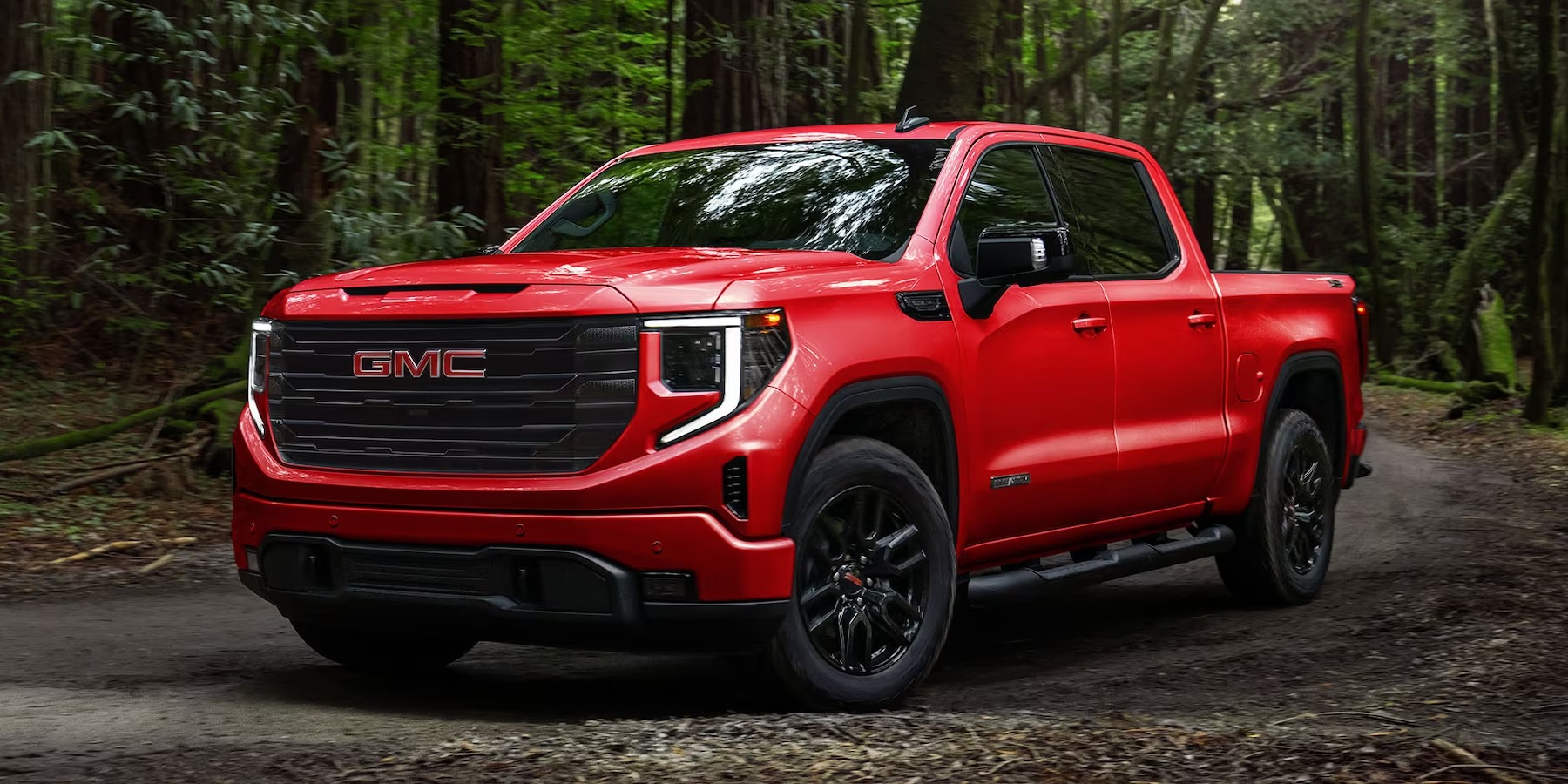
1. GMC Sierra 1500
The GMC Sierra 1500 has long been recognized as a cornerstone of GMC’s truck lineup, and its drivetrain is one of the main reasons for this reputation. Designed to handle a variety of demanding tasks, the Sierra 1500 combines powerful engine options with transmissions that are both responsive and durable.
Many drivers appreciate that the truck’s drivetrain can manage heavy payloads without excessive strain, a testament to the careful engineering behind its components. The transfer of power from the engine to the wheels is smooth, and the truck maintains strong traction even on slippery or uneven surfaces.
Whether hauling equipment, towing trailers, or simply highways, the Sierra 1500 provides a level of consistency and reliability that few competitors in the half-ton pickup category can match. The combination of high-strength steel framing, reinforced axles, and advanced transmission technology contributes to the vehicle’s long-term resilience, allowing it to maintain performance over tens of thousands of miles.
A closer look at the engine and transmission pairing reveals why the Sierra 1500’s drivetrain is so highly regarded. The truck has historically offered a range of engines, including V6 and V8 options, each tuned to balance fuel efficiency with torque and horsepower necessary for demanding applications.
The transmissions paired with these engines, including automatic and occasionally manual options, are designed to optimize power delivery while minimizing wear and tear on components.
This synergy between engine and transmission ensures that the Sierra 1500 can accelerate smoothly under load, maintain steady speeds while towing, and handle steep inclines without hesitation.
Drivers often note the responsiveness of the drivetrain when merging onto highways or tight city streets, highlighting the combination of strength and control that defines this model. Additionally, the truck’s drivetrain components are constructed to resist overheating and stress, contributing to a long service life even when regularly exposed to heavy towing or off-road conditions.
The suspension system and drivetrain integration also play a critical role in the Sierra 1500’s capability. Unlike vehicles that prioritize comfort at the expense of durability, the Sierra balances ride quality with mechanical toughness.
Suspension components work in concert with the drivetrain to absorb shocks from rough terrain, reducing strain on the engine, transmission, and axles.
This design not only improves ride comfort but also protects critical drivetrain elements from premature wear. The truck’s four-wheel-drive options, often available with advanced traction control systems, enhance off-road performance and maintain consistent torque distribution across all wheels.
Drivers frequently report confidence in the truck’s ability to snow, mud, or gravel without losing traction, making it a dependable choice for work sites, rural roads, and recreational areas where less robust vehicles might struggle.
Longevity and maintenance considerations further underscore the Sierra 1500’s reputation for having a rock-solid drivetrain. Many owners have documented high-mileage experiences where the truck’s powertrain components continued to operate efficiently after years of use.
Routine maintenance, such as fluid changes and inspection of drive shafts, keeps the drivetrain in optimal condition, but even under moderate neglect, the Sierra often demonstrates resilience. This durability is not accidental but a result of careful engineering, materials selection, and attention to detail during assembly.
For consumers seeking a truck that combines daily usability with the ability to endure heavy-duty tasks, the Sierra 1500 represents a benchmark in the half-ton pickup segment. Its drivetrain, built for consistency and strength, remains a central reason why the truck continues to be a popular choice for both professional and personal use.
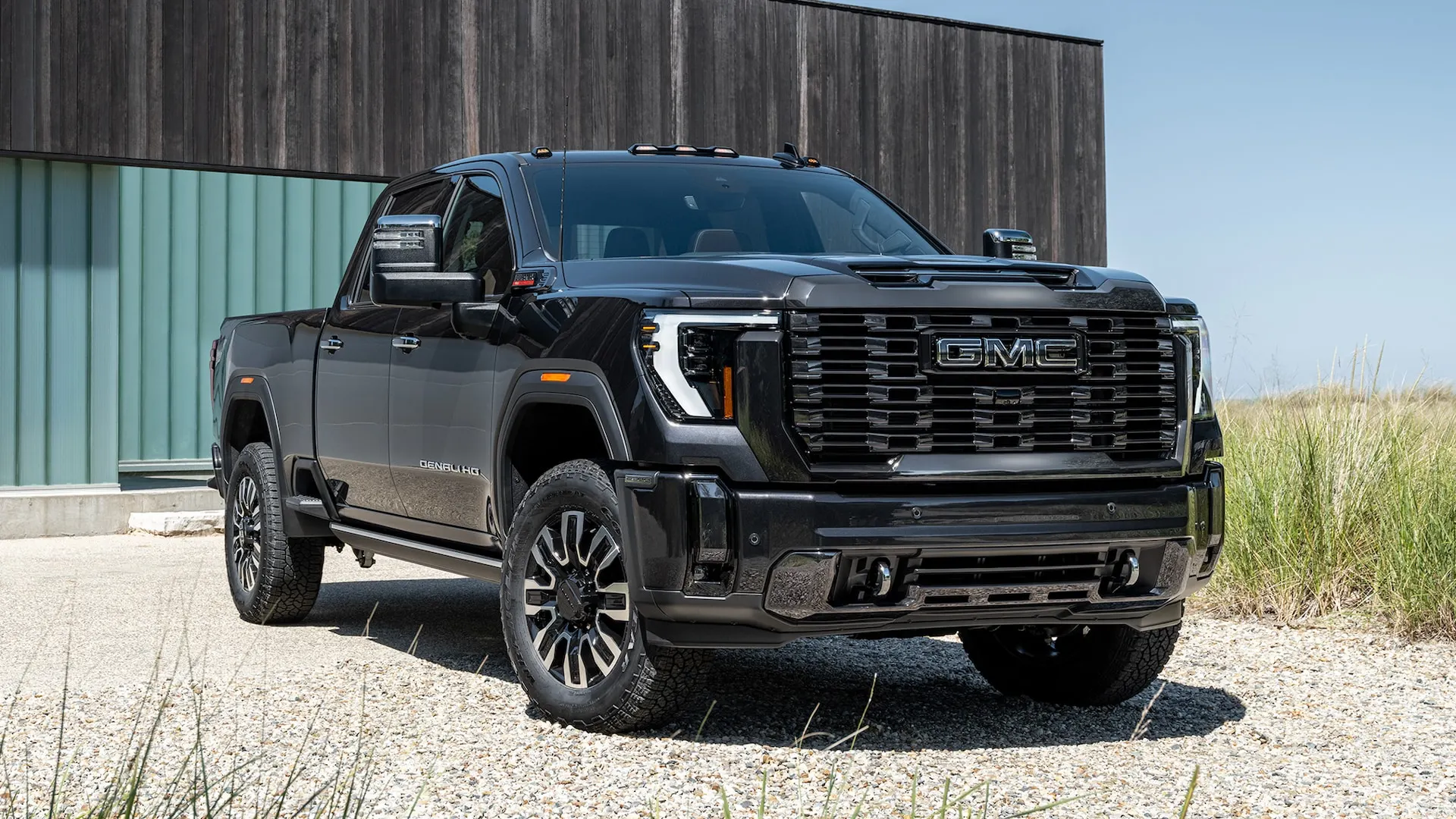
2. GMC Sierra 2500HD
The GMC Sierra 2500HD is a heavy-duty pickup that has earned a reputation for being one of the most dependable trucks in GMC’s lineup. Built to handle extreme towing, hauling, and worksite demands, its drivetrain is engineered for strength and endurance.
Unlike lighter trucks, the 2500HD features reinforced components, including heavy-duty axles, a more robust transmission, and stronger driveshafts that can endure sustained stress without failure. Drivers appreciate the truck’s ability to maintain performance even when carrying maximum payloads or towing large trailers over long distances.
The drivetrain’s reliability extends to both the two-wheel-drive and four-wheel-drive configurations, offering consistent power delivery regardless of terrain.
By combining a durable frame with a well-calibrated drivetrain, the Sierra 2500HD demonstrates why it remains a top choice for those who require a truck that can meet professional standards while still offering a comfortable driving experience.
The engine options in the 2500HD contribute significantly to the strength of its drivetrain. Typically, buyers can choose between powerful V8 gasoline engines and turbo-diesel variants, each designed to deliver exceptional torque for towing and hauling.
The diesel engine, in particular, has become a standout feature for drivers who regularly handle heavy trailers or equipment. Its high torque output at low RPMs allows for smooth acceleration under load, reducing stress on the transmission and axles.
The transmission system, whether an automatic or manual option, is specifically calibrated to match the engine’s characteristics, ensuring that power is efficiently transferred to the wheels without hesitation.
This attention to mechanical harmony ensures the truck can maintain steady speeds, climb steep grades, and manage demanding conditions without compromising reliability. Many owners cite the truck’s engine-transmission pairing as one of the key reasons for its long-lasting drivetrain performance.
Off-road and adverse condition performance are also central to the Sierra 2500HD’s reputation. The truck’s suspension is integrated with its drivetrain in a manner that allows it to absorb impacts while keeping power delivery consistent.
Advanced traction control systems and four-wheel-drive options ensure that torque is distributed appropriately to maximize grip on slippery, uneven, or rugged surfaces.
The combination of high ground clearance, reinforced differentials, and durable axles allows the truck to navigate rough terrain that would challenge lighter vehicles.
These features are particularly valuable for drivers in construction, farming, or outdoor recreational work, where the truck must perform reliably day after day. The 2500HD’s drivetrain, therefore, is not only about raw power but also about maintaining that power under demanding conditions.
Maintenance and longevity further highlight the 2500HD’s mechanical resilience. The heavy-duty components are designed to withstand high-mileage use and intensive workloads. With routine maintenance, such as fluid checks, filter replacements, and drive shaft inspections, the truck’s drivetrain can last for hundreds of thousands of miles without significant issues.
Even in situations where maintenance has been less frequent, the 2500HD often continues to deliver dependable performance, a testament to the quality of materials and engineering invested in its drivetrain.
For those who require a truck that can handle both work and recreational needs while minimizing the risk of mechanical failure, the GMC Sierra 2500HD remains a top-tier option. Its drivetrain stands as one of the strongest examples of GMC’s commitment to durability and long-term reliability in the heavy-duty truck segment.
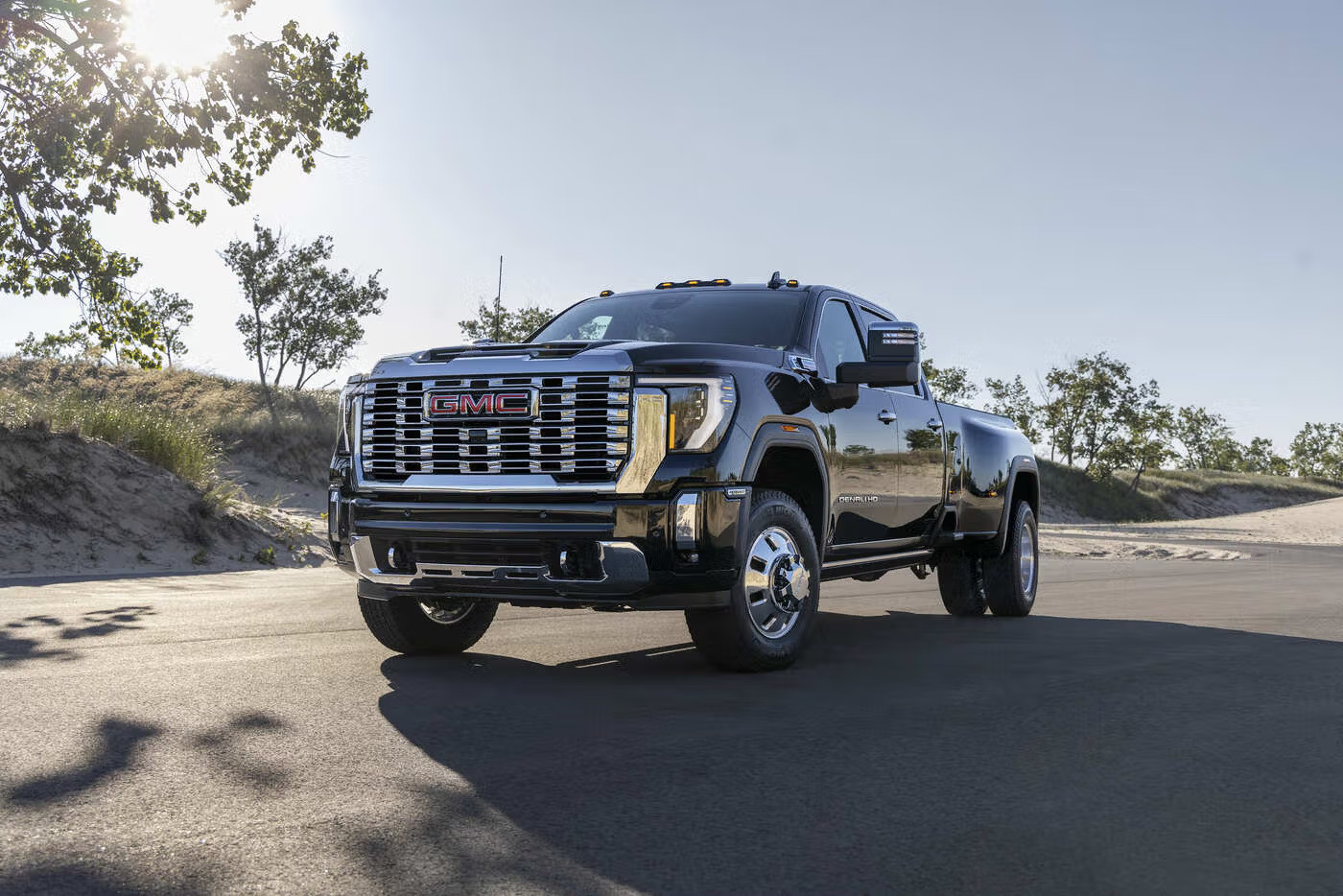
3. GMC Sierra 3500HD
The GMC Sierra 3500HD is designed to meet the needs of drivers who require maximum towing and hauling capacity. Its drivetrain is engineered to handle extreme workloads that far exceed what standard pickups are capable of managing.
Heavy-duty axles, reinforced transmission components, and a robust driveshaft work together to deliver consistent power even under the most demanding conditions.
The truck’s frame and suspension are designed to support heavy payloads without compromising stability, which is critical when carrying large equipment or towing massive trailers. The drivetrain is not just about strength; it is engineered to maintain smooth operation, providing predictable handling even when the truck is loaded to its maximum capacity.
Drivers who rely on the Sierra 3500HD for commercial or personal use often note that its mechanical reliability is unmatched in the heavy-duty segment, making it a trusted workhorse.
Engine options for the 3500HD provide both versatility and raw power. Standard offerings include V8 gasoline engines and powerful turbo-diesel units capable of delivering exceptional torque. The diesel engine, in particular, is highly praised for its ability to produce high torque at low RPMs, making it ideal for towing heavy trailers over long distances.
Coupled with a reinforced automatic transmission, the drivetrain transfers power efficiently to the wheels, ensuring minimal strain on mechanical components. This setup allows the Sierra 3500HD to maintain steady acceleration and consistent performance under load, providing drivers with confidence whether highways, mountain passes, or construction sites.
Many owners highlight the durability of the engine and transmission combination as a defining feature of the truck, contributing to its reputation as a vehicle that can endure years of intensive use.
The integration of the suspension and drivetrain in the 3500HD enhances both performance and durability. The truck’s suspension is designed to manage extreme payloads while absorbing shocks from uneven terrain, which reduces wear on drivetrain components.
Heavy-duty differentials and axle designs ensure that power is distributed evenly to maintain traction, even in off-road or low-grip situations. Four-wheel-drive models provide additional capability for work or recreational scenarios, allowing the truck to maintain grip on snow, mud, or gravel.
This combination of strength, stability, and reliability makes the 3500HD a favorite among commercial drivers, farmers, and outdoor enthusiasts who demand a vehicle that will not falter under pressure.
Long-term durability is a hallmark of the Sierra 3500HD’s drivetrain. The use of high-strength materials and precise engineering ensures that the truck can maintain performance over hundreds of thousands of miles. Routine maintenance, such as oil changes, filter replacements, and inspections, further enhances its longevity, but even under heavy workloads, the truck often continues to perform reliably.
Owners consistently report that the drivetrain retains its capability years after purchase, a testament to GMC’s dedication to building trucks that prioritize strength and mechanical integrity. For those seeking a pickup capable of extreme towing, heavy hauling, and consistent long-term performance, the Sierra 3500HD is an exceptional choice.
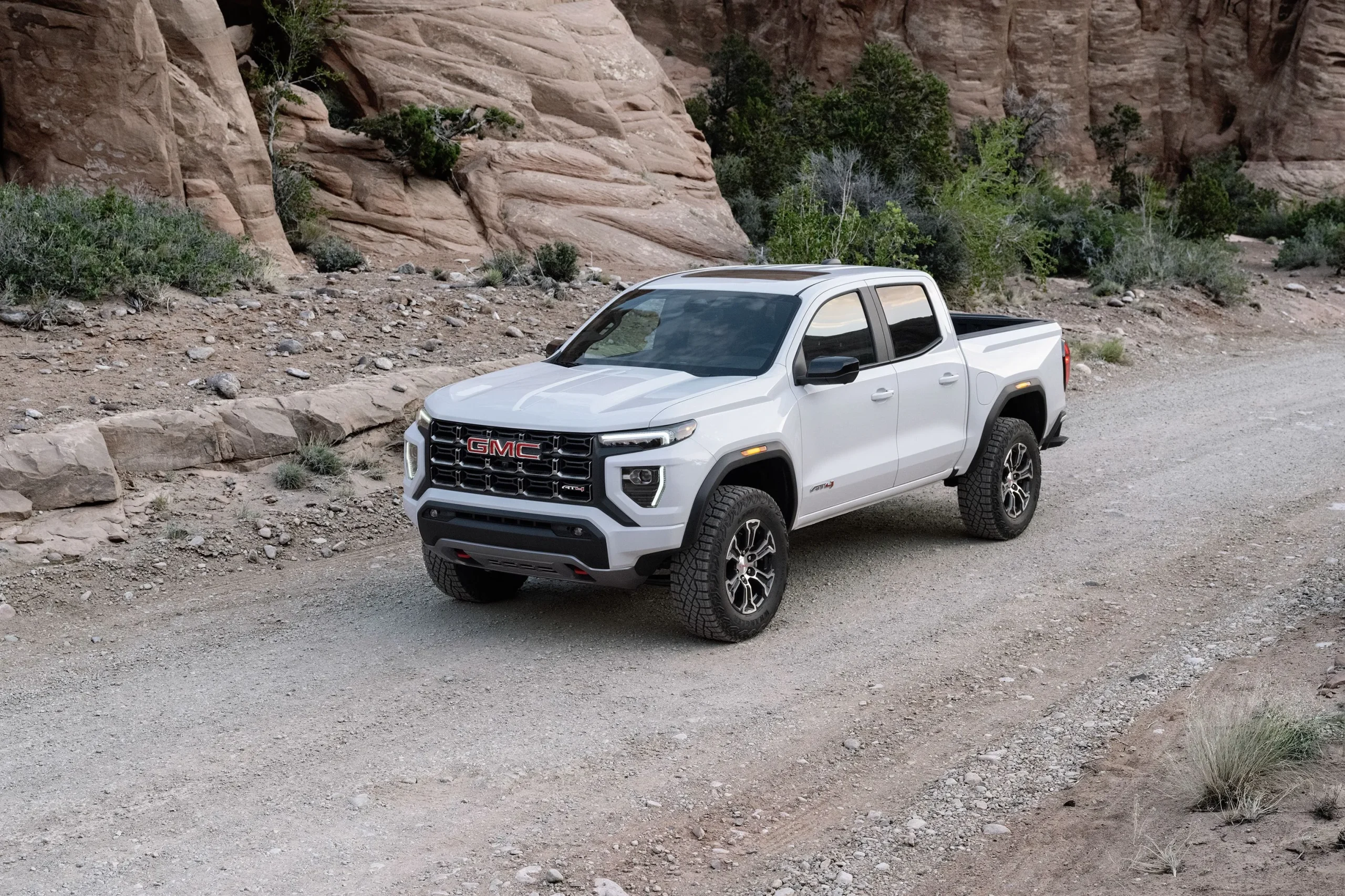
4. GMC Canyon
The GMC Canyon provides a mid-size truck option with a surprisingly robust drivetrain. While smaller than the Sierra lineup, the Canyon offers strong performance for drivers who need durability without the size and weight of a full-size truck.
Its drivetrain is designed to provide balanced power, capable of handling moderate towing, off-road excursions, and daily driving needs with ease.
The truck’s engine options and transmission system work in tandem to deliver smooth acceleration and consistent torque, allowing the Canyon to perform reliably under various conditions.
Unlike smaller pickups that may struggle with load capacity, the Canyon maintains mechanical integrity even when carrying gear or light trailers, making it a dependable choice for contractors, adventurers, and everyday drivers alike.
Engine options in the Canyon offer a balance of efficiency and power. Four-cylinder and V6 engines are paired with transmissions designed to maximize durability while delivering reliable acceleration and fuel economy. The drivetrains are engineered to distribute torque evenly, which improves traction and reduces strain on individual components.
The four-wheel-drive variant further enhances the truck’s capability, allowing it to handle adverse conditions such as mud, snow, or uneven terrain without compromising stability. This thoughtful engineering ensures that the Canyon’s drivetrain provides dependable performance across a wide range of scenarios, whether on highways, rural roads, or construction sites.
The suspension system is closely integrated with the drivetrain to manage loads effectively. Even when the truck is carrying cargo or towing a small trailer, the suspension absorbs shocks while maintaining stability. This reduces stress on the axles, transmission, and driveshaft, which contributes to long-term reliability.
Drivers often note that the Canyon delivers a smooth ride and predictable handling, even on rough roads, which is unusual for a mid-size pickup. The balance between comfort and mechanical durability demonstrates GMC’s attention to detail in engineering the drivetrain for everyday use and occasional heavy-duty applications.
Maintenance and longevity are also aspects of the Canyon’s drivetrain. With proper care, the components retain performance for years, and the truck is often cited for high reliability in real-world use.
The drivetrain’s strength, combined with moderate size and versatility, makes the Canyon ideal for buyers seeking a dependable vehicle without the bulk of a full-size pickup. It continues to stand out in its class for offering mechanical resilience, practicality, and a satisfying driving experience.
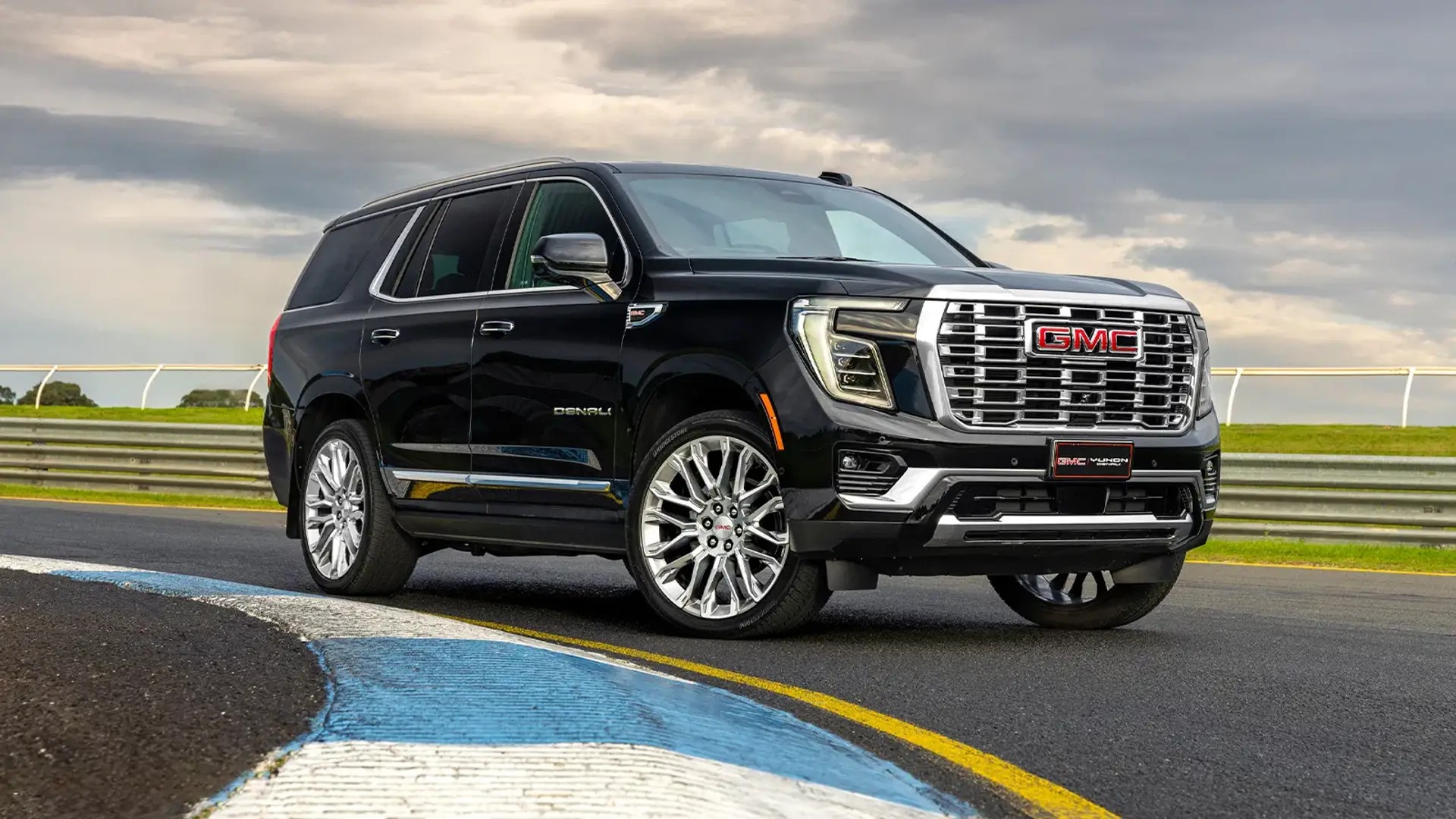
5. GMC Yukon
The GMC Yukon is a full-size SUV built to provide both luxury and rugged capability, and its drivetrain is a key contributor to this balance. Designed for towing, off-road excursions, and family transportation, the Yukon’s drivetrain combines powerful engines with durable transmissions that can handle a variety of tasks.
The SUV’s rear-wheel-drive or four-wheel-drive configurations allow it to maintain consistent performance across different terrains and conditions. Its heavy-duty axles, reinforced differentials, and strong driveshafts contribute to reliability, ensuring that the Yukon can carry passengers, cargo, or trailers without compromising stability or power delivery.
Many owners report confidence in the vehicle’s ability to perform consistently in both urban and rural environments, underscoring the drivetrain’s versatility.
The engine lineup in the Yukon typically includes V8 options designed to deliver both high horsepower and substantial torque. These engines are paired with transmissions that are calibrated to provide smooth shifts under load, minimizing wear and ensuring long-term reliability.
Diesel variants, when available, offer high torque at low RPMs, ideal for towing and heavy hauling. The synergy between engine and transmission allows the Yukon to maintain consistent acceleration and handling, even when fully loaded or in challenging driving conditions.
Drivers often highlight the drivetrain’s ability to manage high towing capacities without strain, making it a dependable choice for families and professionals alike.
The Yukon’s drivetrain is complemented by its suspension and chassis engineering. Heavy-duty suspension components absorb road impacts and uneven terrain while maintaining balance, which reduces stress on drivetrain components.
Four-wheel-drive versions include advanced traction control and torque management systems, enhancing grip in snow, mud, or loose surfaces. The combination of durability, power, and smooth operation makes the Yukon a vehicle that can perform reliably under daily driving conditions as well as more demanding recreational or work-related use.
Long-term reliability is a hallmark of the Yukon’s drivetrain. Owners often report that even after high mileage, the drivetrain continues to operate smoothly with minimal issues, provided routine maintenance is performed.
High-strength materials, reinforced components, and thoughtful engineering ensure that the Yukon maintains performance over years of use. For consumers seeking a full-size SUV with a balance of luxury, capability, and dependable mechanics, the GMC Yukon remains a standout option, largely due to the resilience of its drivetrain.
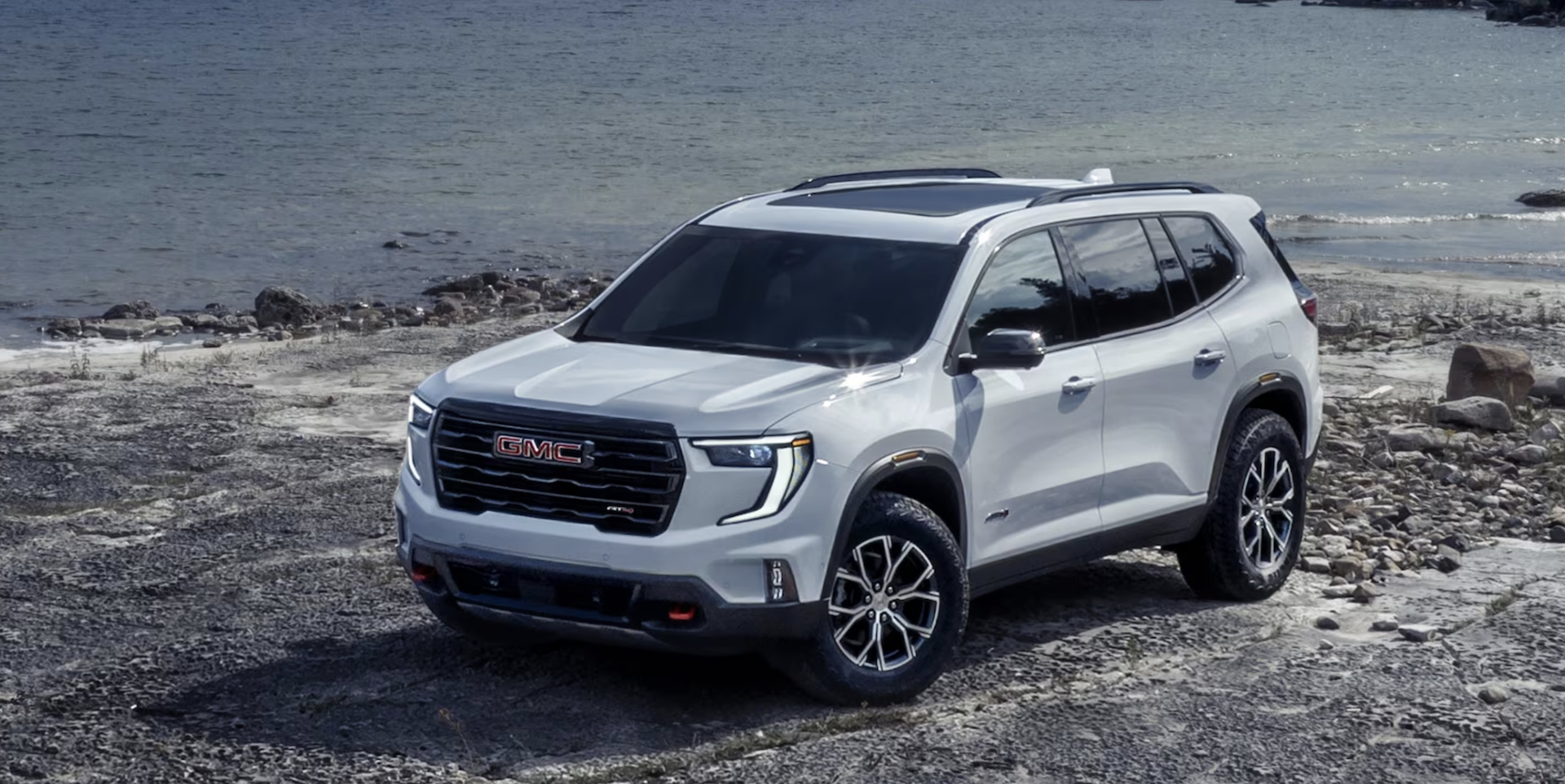
6. GMC Acadia
The GMC Acadia is a mid-size SUV designed to combine family-friendly features with a dependable drivetrain capable of handling moderate towing and daily driving needs. While smaller than the Yukon, the Acadia still provides a robust powertrain that balances performance and efficiency.
Its drivetrain includes a selection of V6 and four-cylinder engines paired with reliable automatic transmissions, which ensures smooth acceleration, responsive handling, and consistent torque delivery.
Drivers appreciate that the Acadia maintains stability even when fully loaded with passengers or cargo, making it suitable for both city driving and longer highway trips. Reinforced differentials and well-engineered axles contribute to the vehicle’s mechanical reliability, reducing the likelihood of unexpected failures.
The Acadia’s engine options are designed to provide versatility for a wide range of driving conditions. The V6 engine offers ample power for highway merging, overtaking, and moderate towing tasks, while the four-cylinder engine provides a balance of fuel efficiency and smooth operation.
The transmissions paired with these engines ensure that torque is distributed evenly, which improves traction and reduces stress on the drivetrain. The combination allows the Acadia to handle inclines, curves, and loaded conditions with confidence.
Drivers often cite the smooth shifting and responsiveness of the drivetrain as one of the Acadia’s key strengths, making it a reliable choice for families and commuters who require both performance and dependability.
The suspension and drivetrain integration in the Acadia ensures a comfortable yet controlled ride. The suspension absorbs bumps and uneven surfaces while maintaining alignment between the drivetrain components, reducing wear on axles, driveshafts, and transmission components.
For all-wheel-drive models, torque management systems enhance grip on slippery surfaces, allowing the SUV to maintain power delivery even in rain, snow, or light off-road conditions. This integration contributes to both driver confidence and the longevity of the mechanical systems, making the Acadia a practical choice for those who expect reliability over extended use.
Maintenance and durability are key reasons why the Acadia’s drivetrain has a strong reputation. Routine checks, fluid changes, and inspections of drivetrain components keep the vehicle performing reliably for years.
Even under moderately demanding conditions, such as occasional towing or loaded travel, the drivetrain continues to deliver smooth operation without excessive wear.
For consumers seeking a mid-size SUV that combines dependable mechanics with everyday practicality, the GMC Acadia offers a solid drivetrain that consistently meets the expectations of reliability and performance.
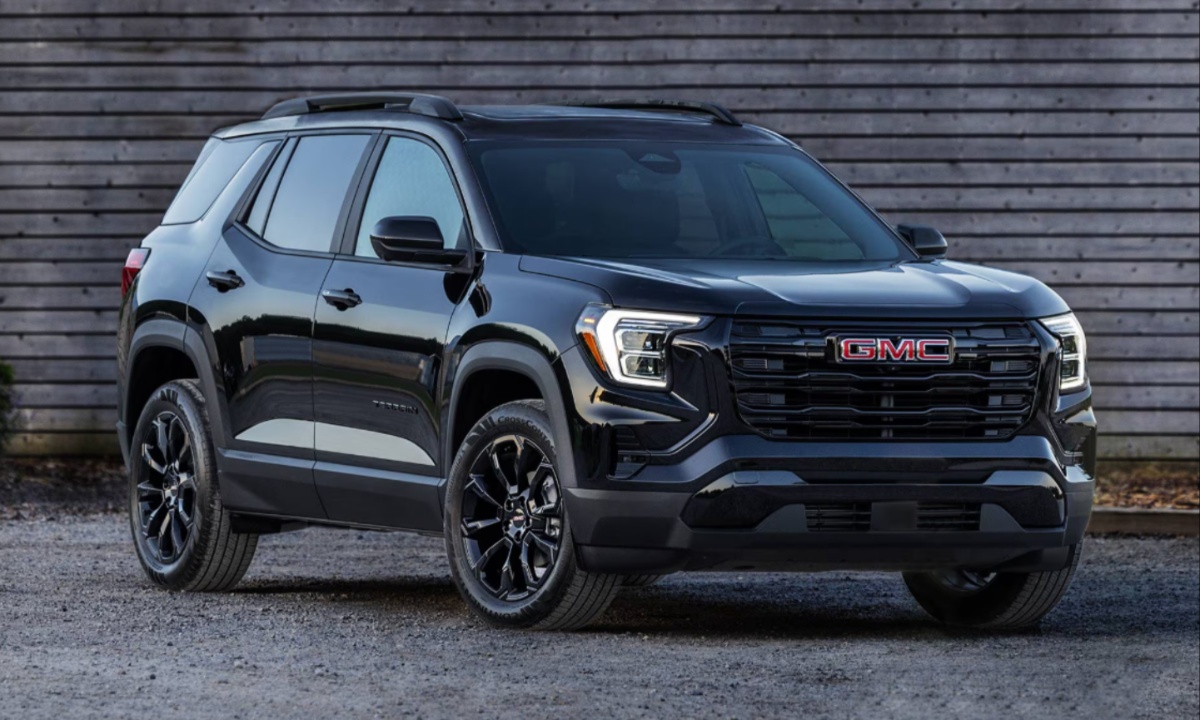
7. GMC Terrain
The GMC Terrain is a compact SUV that offers drivers a smaller, more fuel-efficient option while still providing a robust and reliable drivetrain. Despite its size, the Terrain is engineered to handle a variety of driving conditions, including urban streets, highways, and light off-road excursions.
Engine options typically include turbocharged four-cylinder units paired with automatic transmissions that are designed for longevity and consistent performance. Drivers notice the Terrain’s drivetrain for its smooth operation, responsive acceleration, and efficient torque management, all of which contribute to a dependable driving experience in a compact package.
Reinforced axle assemblies and carefully engineered differentials ensure that power is transmitted effectively to the wheels, even under challenging conditions.
The Terrain’s engine and transmission pairing emphasizes both efficiency and capability. Turbocharged four-cylinder engines provide adequate power for city commuting, highway cruising, and light towing, while the automatic transmission ensures smooth gear transitions and minimizes wear on drivetrain components.
All-wheel-drive variants enhance traction, particularly in wet or snowy conditions, distributing torque appropriately to maintain grip and control.
This combination allows the Terrain to manage inclines, curves, and varying road surfaces with confidence, highlighting the vehicle’s versatility despite its smaller footprint. Drivers often report satisfaction with the drivetrain’s ability to deliver consistent performance without requiring frequent maintenance.
All-wheel-drive systems include traction control and torque distribution features that enhance stability on slick or uneven surfaces. The Terrain’s combination of mechanical reliability, predictable handling, and responsive power delivery makes it a practical choice for those seeking a compact SUV with a long-lasting drivetrain.
Longevity and maintenance are central to the Terrain’s reputation. Proper servicing, including transmission and differential fluid changes, as well as regular inspections of axles and driveshafts, ensures that the drivetrain continues to operate reliably over time.
Many owners report that the drivetrain maintains smooth performance for several years of daily use, even when subjected to moderate towing or loaded driving. For drivers seeking a smaller SUV that combines practicality with mechanical resilience, the GMC Terrain offers a dependable drivetrain capable of handling everyday challenges with confidence.
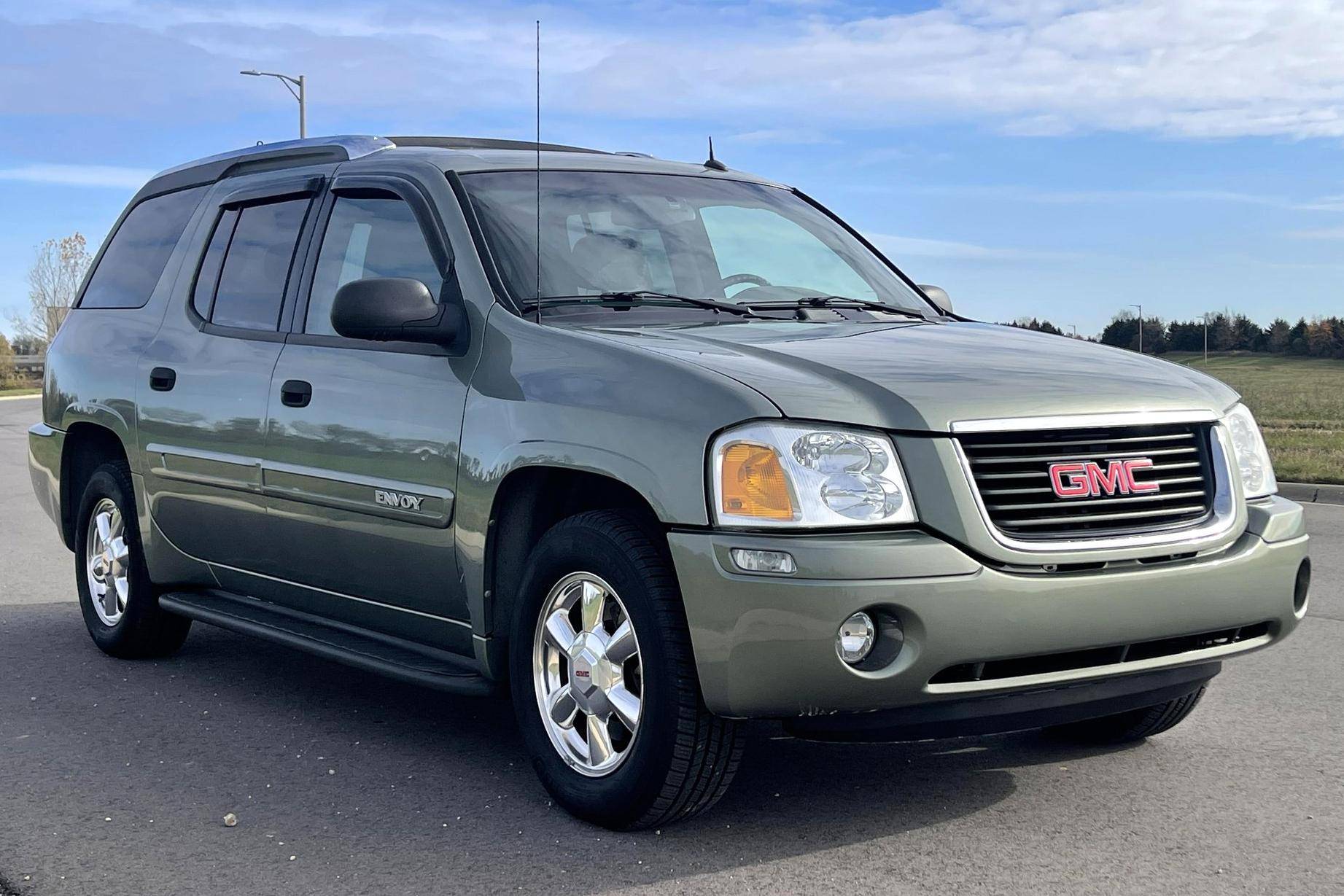
8. GMC Envoy
The GMC Envoy was a mid-size SUV produced with a focus on reliable drivetrain performance and versatility. Its drivetrain combined V6 engine options with automatic transmissions, creating a balance of power and efficiency suitable for both highway and off-road driving.
The Envoy’s drivetrain was engineered to handle moderate towing, carry passengers and cargo comfortably, and maintain performance in various road conditions.
Reinforced axles, durable differentials, and a well-calibrated transmission contributed to the vehicle’s reputation for long-lasting reliability, making it a popular choice among families and professionals during its production years.
Engine options in the Envoy provided adequate power for a mid-size SUV while maintaining fuel efficiency. The V6 engines delivered sufficient torque for towing small trailers and managing loaded conditions, while the automatic transmission ensured smooth gear changes and consistent power delivery.
Four-wheel-drive models enhanced traction and control on slippery or uneven surfaces, distributing torque evenly to reduce wear on mechanical components. Drivers frequently praised the vehicle’s drivetrain for its smooth acceleration, steady handling, and dependable performance, which were key factors in the Envoy’s positive reputation.
The suspension and drivetrain integration in the Envoy emphasized durability and ride quality. The suspension absorbed road irregularities while maintaining proper alignment between the drivetrain components, reducing strain on axles, transmission, and driveshafts.
All-wheel-drive variants included traction management systems that ensured power was effectively transmitted to the wheels in challenging conditions. This combination of design and engineering allowed the Envoy to provide a stable, reliable ride in both urban and light off-road environments.
Long-term reliability of the Envoy’s drivetrain was one of its defining characteristics. Owners consistently reported that the drivetrain maintained performance over years of use, provided regular maintenance was performed. The vehicle’s construction used durable materials and reinforced components, which helped prevent premature wear or failure.
For those seeking a mid-size SUV that could handle daily commuting, occasional towing, and moderate off-road use, the GMC Envoy offered a dependable drivetrain that was both strong and enduring.
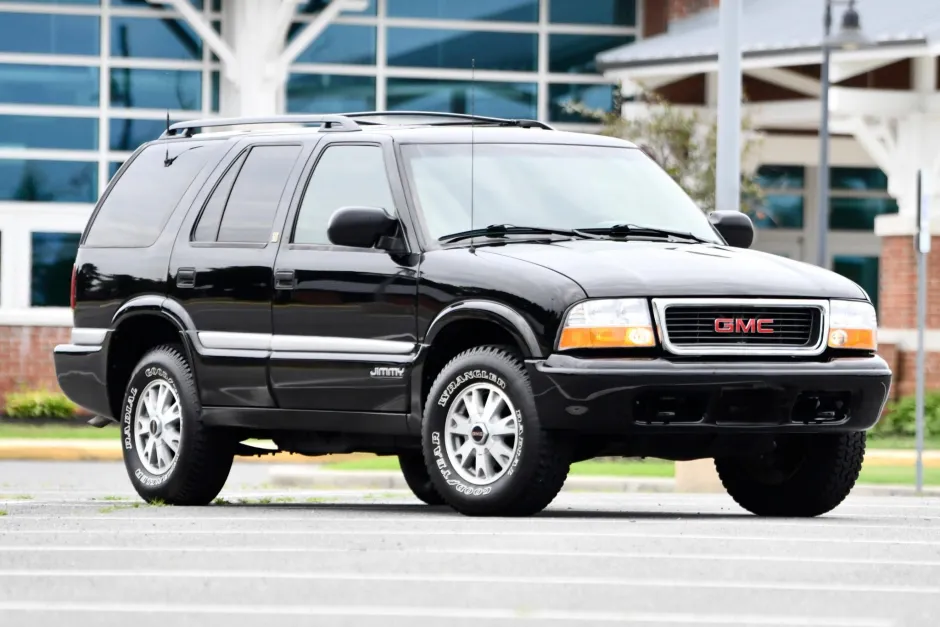
9. GMC Jimmy
The GMC Jimmy, a compact SUV known for its rugged capability, was built with a drivetrain designed for off-road and all-weather performance. Its powertrain consisted of four-cylinder or V6 engines paired with manual or automatic transmissions, providing adequate power and torque for both city driving and outdoor adventures.
Jimmy’s drivetrain featured reinforced axles, durable differentials, and robust transfer cases in four-wheel-drive models, which allowed it to handle slippery or uneven terrain reliably. Drivers valued the Jimmy for its predictable handling and the confidence it offered when navigating both paved roads and rough trails.
The engine and transmission combination in the Jimmy emphasized reliability and longevity. V6 engines provided sufficient torque for carrying passengers and gear, while the manual or automatic transmission ensured smooth and efficient power delivery to the wheels.
The four-wheel-drive system allowed for effective traction distribution, enhancing stability in mud, snow, or loose gravel. The synergy between engine, transmission, and drivetrain components made the Jimmy a vehicle that could endure long-term use while maintaining consistent performance under various conditions.
Suspension design and drivetrain integration contributed to the Jimmy’s off-road capability and ride comfort. The suspension absorbed shocks from rough terrain while maintaining proper alignment between drivetrain components, reducing stress on axles and driveshafts.
Traction management in four-wheel-drive models further enhanced the vehicle’s stability, allowing for confident handling in slippery or uneven conditions. Drivers consistently reported that the Jimmy delivered a reliable and controlled ride, both on and off the road, highlighting the mechanical durability of its drivetrain.
Maintenance and durability were strong points of the Jimmy. Routine inspections, fluid changes, and attention to drivetrain components allowed the vehicle to perform reliably over many years.
Even under moderate off-road or towing use, the drivetrain components maintained smooth operation, earning the Jimmy a reputation as a rugged and dependable compact SUV. Its strong drivetrain continues to be recognized by enthusiasts and owners as a key reason for the model’s lasting appeal.
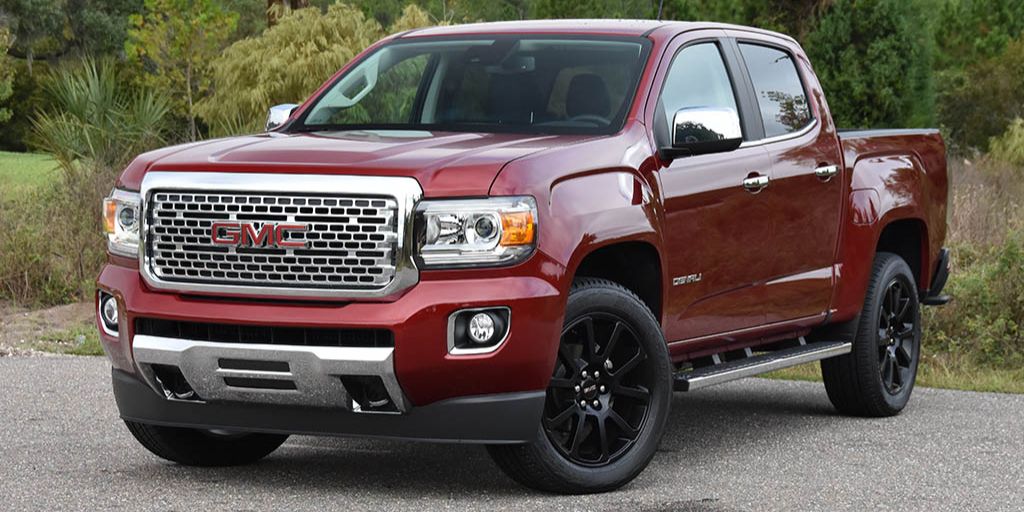
10. GMC Canyon Denali
The GMC Canyon Denali is the premium version of the mid-size Canyon, featuring not only luxury touches but also a drivetrain capable of heavy-duty performance. Its drivetrain combines a powerful V6 engine with a durable automatic transmission, delivering smooth, reliable power for towing, hauling, and everyday driving.
Reinforced axles and well-engineered differentials ensure that torque is effectively transmitted to the wheels, allowing the Denali to maintain performance under various load conditions. Drivers appreciate that the drivetrain can handle heavy cargo, moderate towing, and off-road challenges without compromising reliability or comfort.
The V6 engine in the Canyon Denali provides strong acceleration, ample torque, and consistent performance, whether driving on highways, navigating city streets, or traversing rugged terrain. The automatic transmission is carefully calibrated to work in harmony with the engine, optimizing fuel efficiency and mechanical durability.
All-wheel-drive versions enhance traction and stability, distributing torque evenly across the wheels to maintain control in adverse conditions. This combination of power, efficiency, and traction management ensures that the Canyon Denali’s drivetrain meets the demands of drivers who require both capability and refinement.
Suspension and drivetrain integration in the Denali model contribute to a smooth and stable ride. Suspension components absorb road imperfections while maintaining alignment between the drivetrain parts, reducing wear on axles, driveshafts, and the transmission.
This integration also enhances handling, making the Denali feel more stable during cornering or when carrying a full load. Four-wheel-drive systems include advanced traction control features, allowing the truck to maintain grip on slippery or uneven surfaces without overloading the drivetrain.
Longevity and maintenance considerations further enhance the Canyon Denali’s appeal. With routine care, including transmission and differential inspections, fluid changes, and general maintenance, the drivetrain can continue to operate reliably for years.
Owners often report that the Denali maintains smooth, consistent performance even under moderate towing and heavy cargo conditions. For buyers seeking a mid-size truck that offers luxury, capability, and a dependable drivetrain, the GMC Canyon Denali stands out as an exceptional choice, blending refinement with mechanical resilience.
