
Maintaining a vehicle is often one of the most significant expenses for car owners. While fuel and insurance costs are recurring and predictable, the cost of brake and suspension repairs can vary widely depending on the vehicle model. Brakes and suspension systems are essential for both safety and comfort, making their upkeep a necessity.
Many car buyers do not consider the long-term cost of replacing these parts when purchasing a vehicle. For some models, brake pads, rotors, shocks, struts, and control arms can be remarkably expensive, while others benefit from the widespread availability of inexpensive replacement parts and a robust aftermarket.
Cars that are mechanically simple, widely produced, and have long-standing popularity tend to have lower replacement part costs. This is because manufacturers and third-party suppliers compete to produce components, and mechanics are generally familiar with the systems, reducing labor costs.
Understanding which vehicles have affordable brake and suspension components can save owners hundreds, even thousands, of dollars over the life of the car.
Additionally, the reliability and durability of these parts play a role. Certain vehicles not only have cheap parts but also experience slower wear, meaning replacements are less frequent.
When evaluating cost, it is also important to consider both the front and rear brake systems, the number of shocks or struts, and the complexity of suspension geometry, as these all affect the price.
Cars that balance affordability, reliability, and performance in their braking and suspension systems are often ideal choices for budget-conscious owners, first-time buyers, and those who prefer to maintain their vehicles themselves.
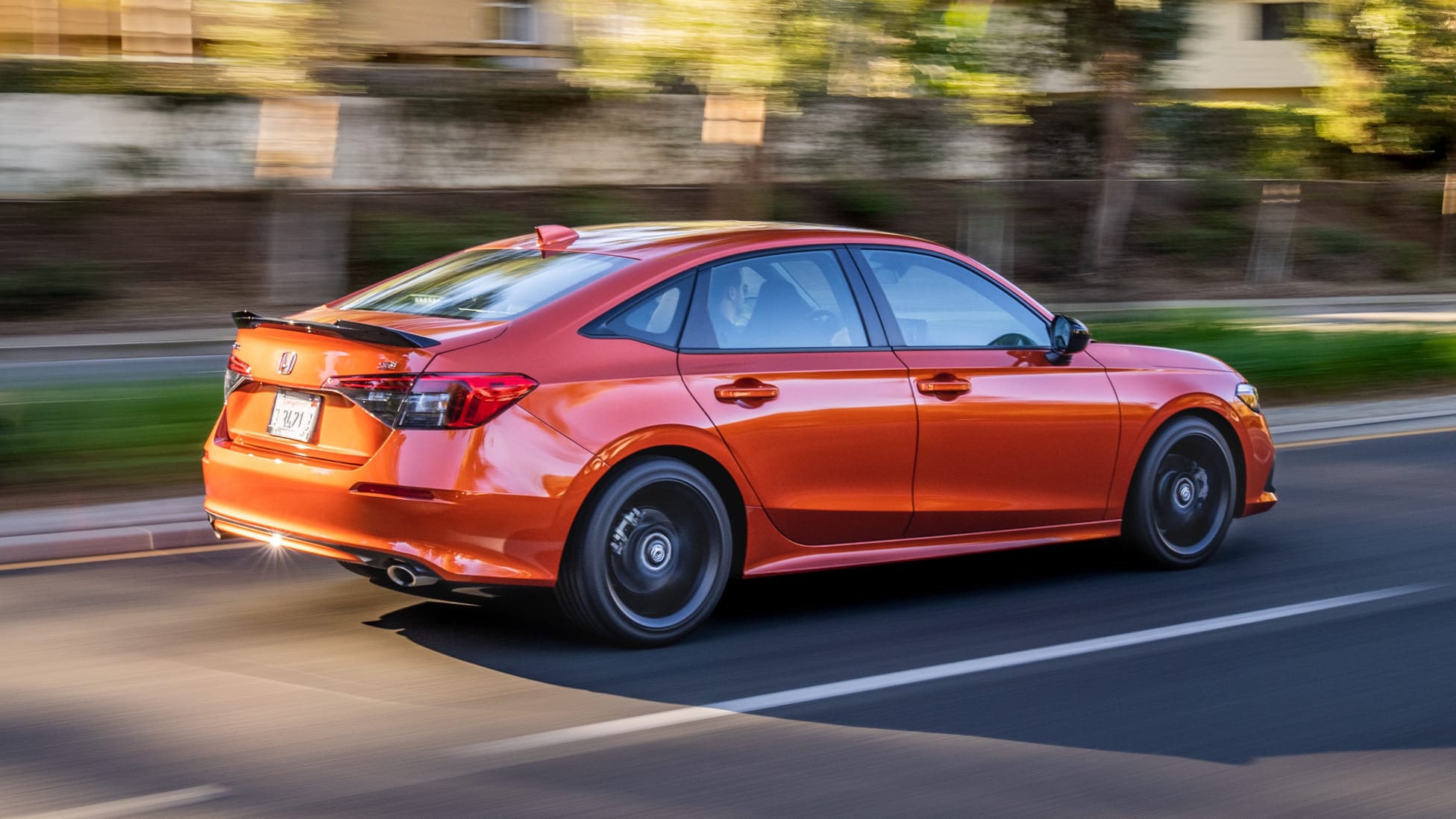
1. Honda Civic
The Honda Civic has long been celebrated for its reliability, fuel efficiency, and ease of maintenance. One of the major factors contributing to its low-cost ownership is the affordability of its brake and suspension components.
Front brake pads and rotors are widely available, with aftermarket options that often cost a fraction of OEM parts, yet still maintain good quality and performance. The Civic uses simple disc brake designs on most trims, which reduces the complexity of replacement and lowers labor costs.
Mechanics across the country are very familiar with the Civic’s braking system, which further keeps service costs manageable.
Additionally, Honda Civics have been produced for decades with consistent mechanical designs, so parts from older models often fit newer vehicles, adding to the availability and affordability. Because of this, even individuals who prefer DIY repairs can access components easily, reducing maintenance expenses.
The rear braking system in the Civic is similarly straightforward. Lower-end trims often use drum brakes, which are extremely inexpensive to maintain, while higher trims feature disc brakes that are still affordable due to widespread aftermarket production.
The simplicity of the system means that less specialized tools are required, and replacement procedures are easy to follow for both professionals and hobbyists.
Regular maintenance, such as replacing pads every 30,000–50,000 miles and rotors every 70,000 miles, ensures consistent braking performance without incurring high costs. The Civic’s braking components are durable, which reduces the frequency of replacements, making the car more cost-effective in the long run.
The Civic’s suspension system is also a strong factor in its low maintenance costs. Most models use MacPherson struts in the front and a simple rear setup, such as a torsion beam or multi-link design, depending on the generation.
Replacement shocks and struts are widely available and affordable, and the mechanics performing the work are familiar with the standard replacement procedures.
Other components such as sway bars, control arms, and bushings are inexpensive and durable, often lasting over 100,000 miles with proper care. The relatively simple suspension layout also means that labor costs remain low, even if multiple components need replacement simultaneously.
Many Civic owners also report being able to perform minor suspension maintenance themselves, further saving money over the car’s lifetime.
Another advantage of the Civic is its extensive aftermarket support. Almost every major brand produces compatible brake pads, rotors, struts, shocks, and control arms, which creates competition that drives prices down. Even for those who prefer premium parts, costs remain reasonable compared to less common vehicles.
The combination of low-cost components, widespread availability, and mechanic familiarity makes the Honda Civic a standout choice for anyone seeking affordable brake and suspension maintenance. Its long-lasting performance, simplicity, and accessibility of parts make it a model that consistently ranks highly among budget-conscious car owners.
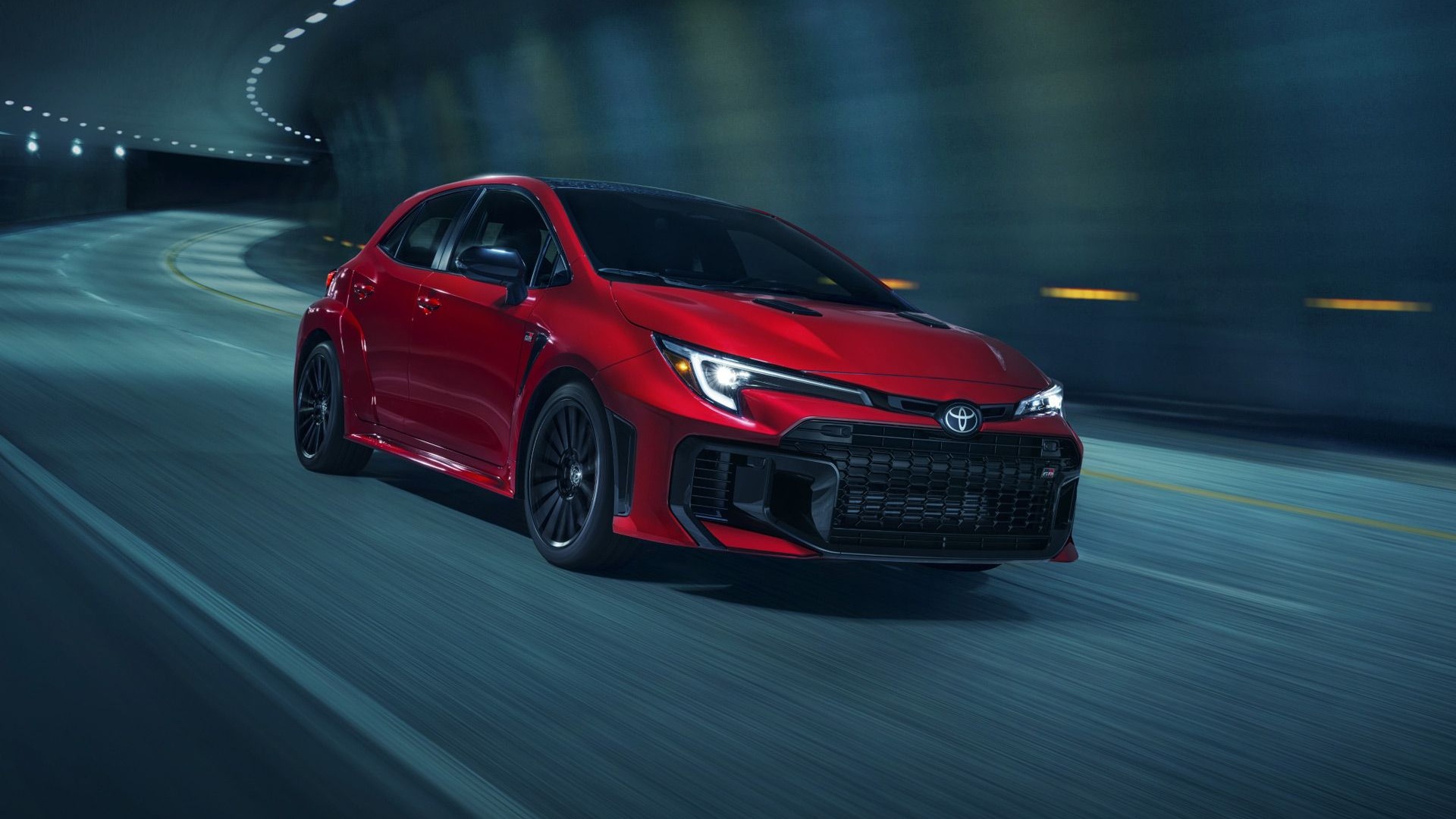
2. Toyota Corolla
The Toyota Corolla is one of the most popular compact cars worldwide, and its reputation for durability extends to its brake and suspension systems. The Corolla’s front brakes are typically standard disc brakes, while the rear can include either disc or drum brakes depending on the trim and model year.
Replacement pads and rotors are extremely affordable and widely available from both dealerships and aftermarket suppliers. The simplicity of the braking system ensures that even first-time mechanics can complete maintenance efficiently, saving on labor costs.
Toyota’s consistent design across multiple generations of the Corolla has also ensured that parts remain compatible across several model years, which increases availability and further lowers costs.
Corolla suspension is similarly budget-friendly. The front suspension typically uses MacPherson struts, while the rear suspension is often a torsion beam or a simple independent setup, depending on the trim. These configurations allow for inexpensive replacement of shocks, struts, and other suspension components.
Many owners report that the suspension on Corollas tends to last significantly longer than competitors, reducing the need for frequent maintenance.
Control arms, bushings, and sway bars are easily accessible and widely stocked in auto parts stores nationwide, making repair straightforward and inexpensive. Even when replacing multiple components at once, total costs remain low compared to other compact cars.
Another advantage of the Corolla is the wide availability of aftermarket parts. Many companies produce brake pads, rotors, shocks, and struts that match or exceed OEM quality at lower prices. This abundance of choice allows owners to select parts that fit their budget while maintaining safety and performance.
Mechanics are also highly familiar with the Corolla’s systems due to its popularity, which reduces labor time and costs. For owners who prefer DIY maintenance, the Corolla’s simple layout, widely available guides, and abundant parts make home repairs feasible, allowing even further cost savings.
The Corolla also benefits from durability and reliability that extend the life of its components. Brake pads often last 30,000–50,000 miles, and rotors can last twice that in many cases. Suspension parts are similarly long-lasting, and when replacements are needed, parts remain inexpensive nationwide.
This combination of affordability, durability, and wide availability ensures that Corolla owners spend far less on brake and suspension maintenance compared to other vehicles in its class. For drivers seeking practical, cost-effective ownership, the Corolla remains a standout choice.
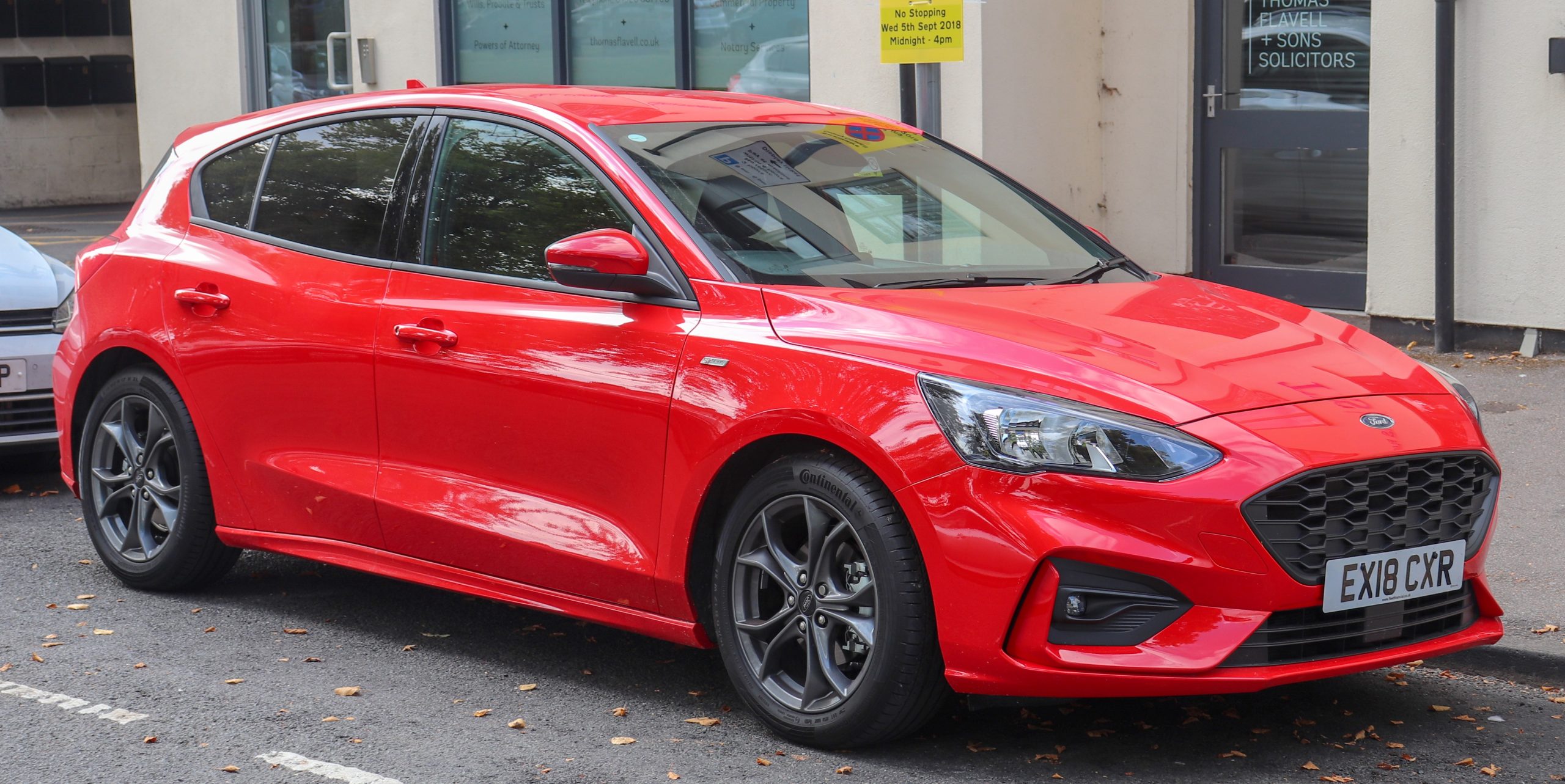
3. Ford Focus
The Ford Focus, particularly models from the 2010s, is recognized for its accessible and affordable maintenance. Its braking system is simple and widely compatible with aftermarket parts, which drives prices down. Front disc brakes and rear disc or drum brakes are standard, and replacement pads and rotors are inexpensive and widely available.
The straightforward design reduces labor costs because mechanics are familiar with replacement procedures, and the parts themselves are easy to install. The Focus also benefits from a large presence in the U.S. market, ensuring that replacement parts are stocked in auto parts stores nationwide and can be sourced quickly without expensive shipping fees.
Suspension maintenance on the Focus is similarly affordable. Its front MacPherson struts and rear torsion beam or independent suspension setups allow for easy replacement of shocks, struts, and bushings.
Control arms, sway bars, and bushings are low-cost and durable, often lasting many miles before requiring attention. Mechanics’ familiarity with the Focus suspension system further reduces labor costs and ensures efficient repairs. Even when replacing multiple components at once, the cost remains reasonable due to the availability of inexpensive parts.
Aftermarket support is a key factor in the Focus’s affordability. Numerous brands produce compatible brake pads, rotors, shocks, and struts, which creates competition and keeps prices low. Drivers have the option of using OEM parts or high-quality aftermarket replacements that often cost significantly less.
This extensive aftermarket support also ensures that replacement components are available nationwide, reducing the time and cost associated with sourcing parts. DIY enthusiasts also benefit from guides and videos specifically for the Focus, allowing minor repairs to be done at home with minimal expense.
The Focus also maintains reliable performance despite the low-cost nature of its components. Brakes remain responsive and effective, while suspension parts provide a comfortable and stable ride.
The durability of these systems, combined with affordable replacement costs and widespread parts availability, makes the Ford Focus an excellent choice for individuals seeking a compact car with low maintenance expenses. Owners enjoy both safety and cost efficiency, which reinforces its reputation as a budget-friendly option.
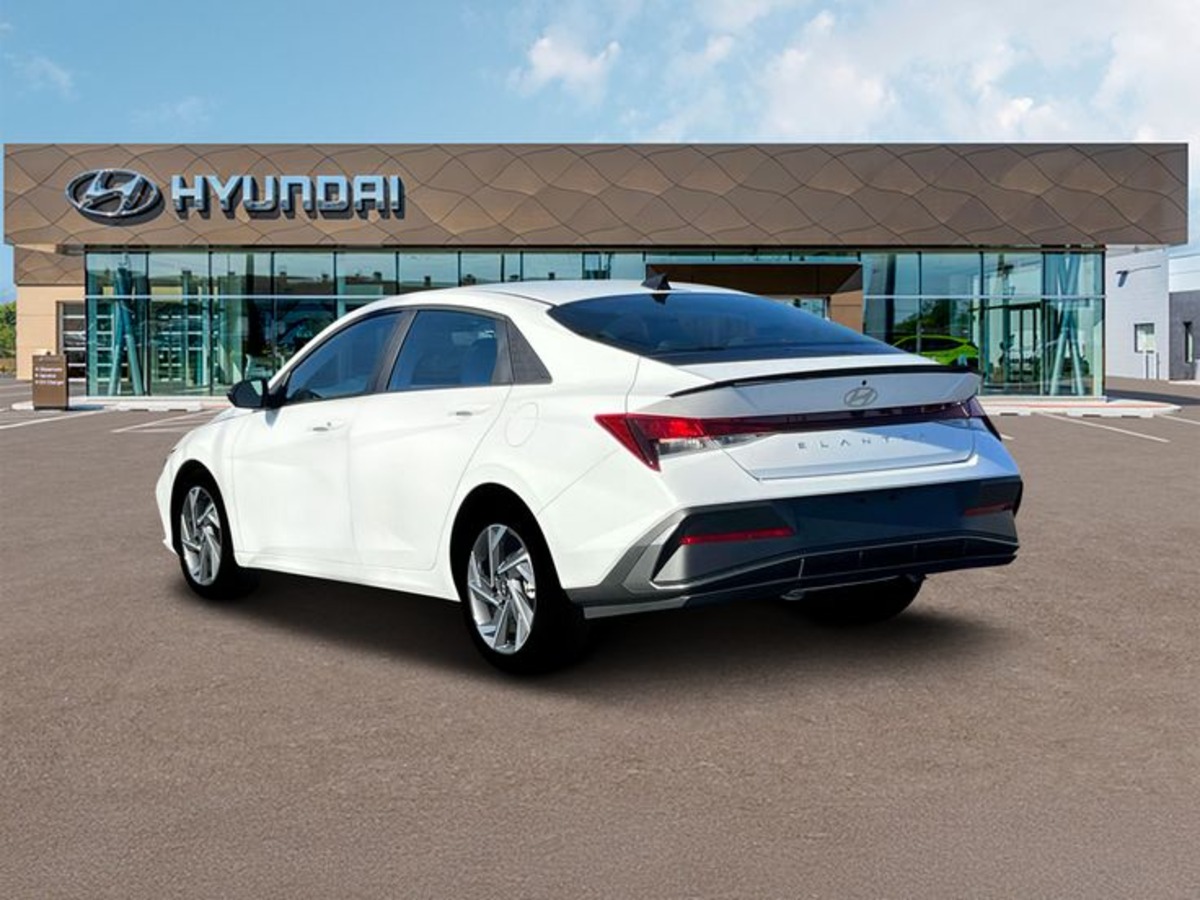
4. Hyundai Elantra
The Hyundai Elantra has gained a reputation for affordability in maintenance and repairs. Its braking system consists primarily of front disc brakes and rear disc brakes on most trims, with some older base models featuring rear drums. Replacement brake pads and rotors are inexpensive and widely available, both from Hyundai dealerships and the aftermarket.
The simple design allows for easy installation, which keeps labor costs low. The Elantra’s popularity has ensured that aftermarket brands produce a wide range of compatible parts, maintaining competitive pricing nationwide. Even for higher-end trims, brake component costs remain manageable, making the Elantra one of the most cost-effective compact cars for brake maintenance.
The Elantra’s suspension system contributes significantly to its low maintenance cost. Front MacPherson struts and a torsion beam or independent rear suspension allow inexpensive replacement of shocks, struts, and related components.
Control arms, bushings, and sway bars are durable and cost-efficient, often lasting tens of thousands of miles without requiring replacement. Mechanics are highly familiar with the Elantra’s suspension layout, which minimizes labor fees. DIY enthusiasts can also replace minor components without specialized tools, making the ownership experience economical.
Aftermarket support for the Elantra is robust. Numerous brands manufacture compatible brake pads, rotors, struts, shocks, and control arms at competitive prices. Availability of these parts nationwide ensures that owners can maintain their vehicles efficiently without paying premiums for rare components.
The combination of affordable parts and mechanic familiarity allows for regular maintenance to be completed quickly and inexpensively. Owners benefit from the cost-effectiveness of both DIY and professional service options.
Finally, the Elantra delivers reliable braking and suspension performance despite the low cost of replacement parts. Drivers can maintain consistent stopping power and ride comfort without spending excessively. Regular maintenance keeps the car safe, and replacement parts remain inexpensive and widely available.
These factors make the Hyundai Elantra a strong choice for those seeking a compact vehicle with affordable nationwide brake and suspension parts.
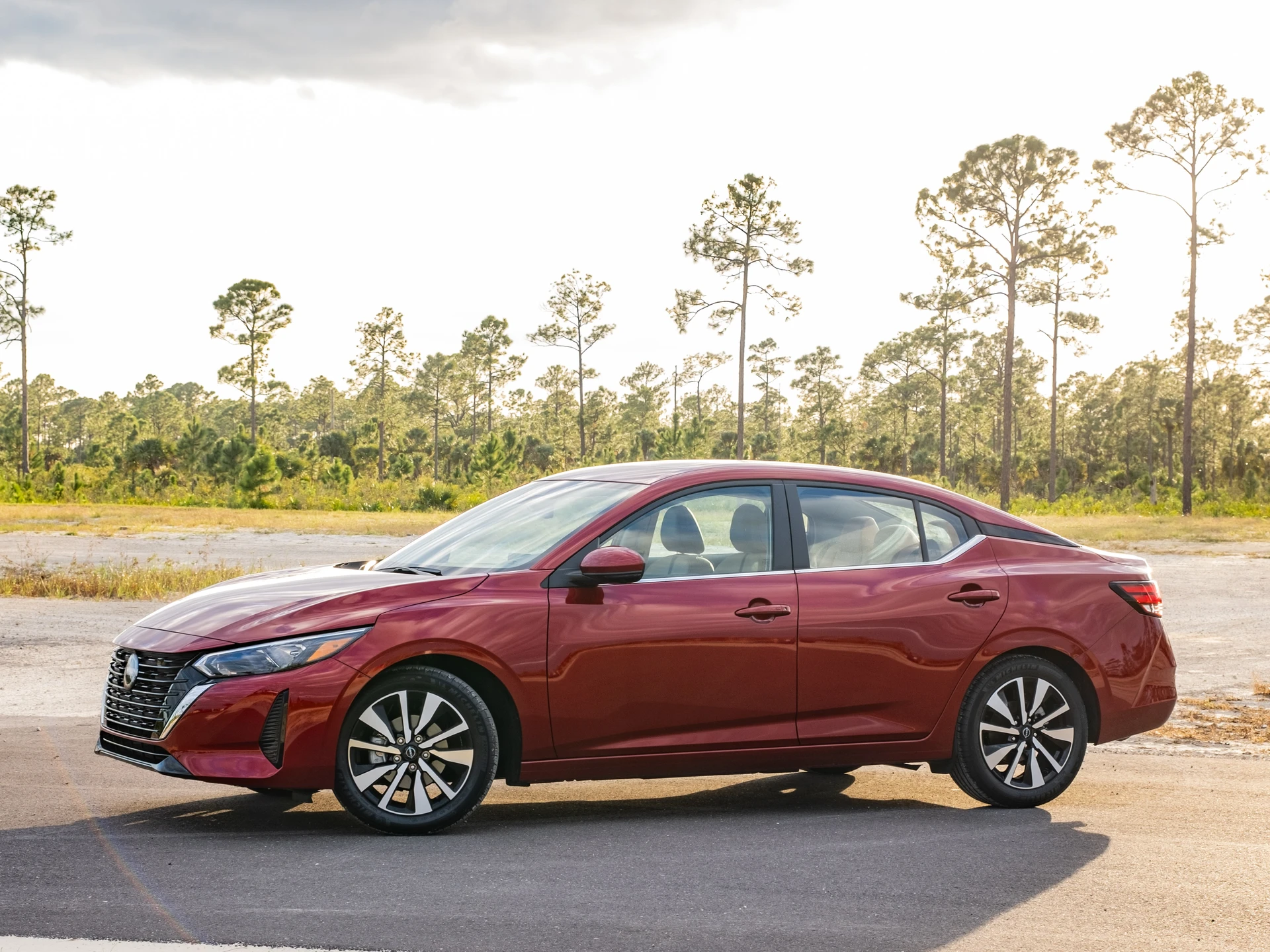
5. Nissan Sentra
The Nissan Sentra is known for its low-cost maintenance, particularly for brake and suspension systems. Front disc brakes and rear disc or drum brakes are standard across most trims, and replacement pads and rotors are inexpensive and widely available.
The straightforward braking system reduces labor costs because mechanics are familiar with it, and parts can often be sourced from multiple suppliers nationwide.
This ensures that Sentra owners rarely face premium pricing or long wait times for replacement components. Affordable brakes combined with reliable stopping performance make the Sentra a practical and cost-effective vehicle for budget-conscious drivers.
The Sentra’s suspension system is similarly economical. Front MacPherson struts and a torsion beam or independent rear suspension allow for straightforward replacement of shocks, struts, and control arms. Components such as bushings, sway bars, and control arms are inexpensive, durable, and widely stocked.
Mechanics’ familiarity with the Sentra suspension layout reduces labor costs, and many parts are compatible with multiple model years, increasing their availability. This combination of durable components and low-cost replacements keeps ownership expenses low.
Brake replacement on the Sentra is both inexpensive and effective. Pads and rotors are widely stocked, and both OEM and aftermarket options are available at affordable prices. Drum brakes on the rear of base models are extremely cost-effective, while disc brakes on higher trims remain affordable due to strong aftermarket competition.
The simplicity and availability of these parts help keep routine maintenance costs low, while still maintaining reliable stopping performance for everyday driving.
Finally, the Sentra’s durability contributes to its low total cost of ownership. Suspension components often outlast those in similar vehicles, and brakes can remain functional for many miles between replacements.
The combination of widespread parts availability, affordability, and mechanic familiarity ensures that owners spend far less on maintenance compared to other compact cars. For drivers seeking a safe, reliable, and economical vehicle, the Nissan Sentra continues to be an excellent option for low-cost brake and suspension maintenance.
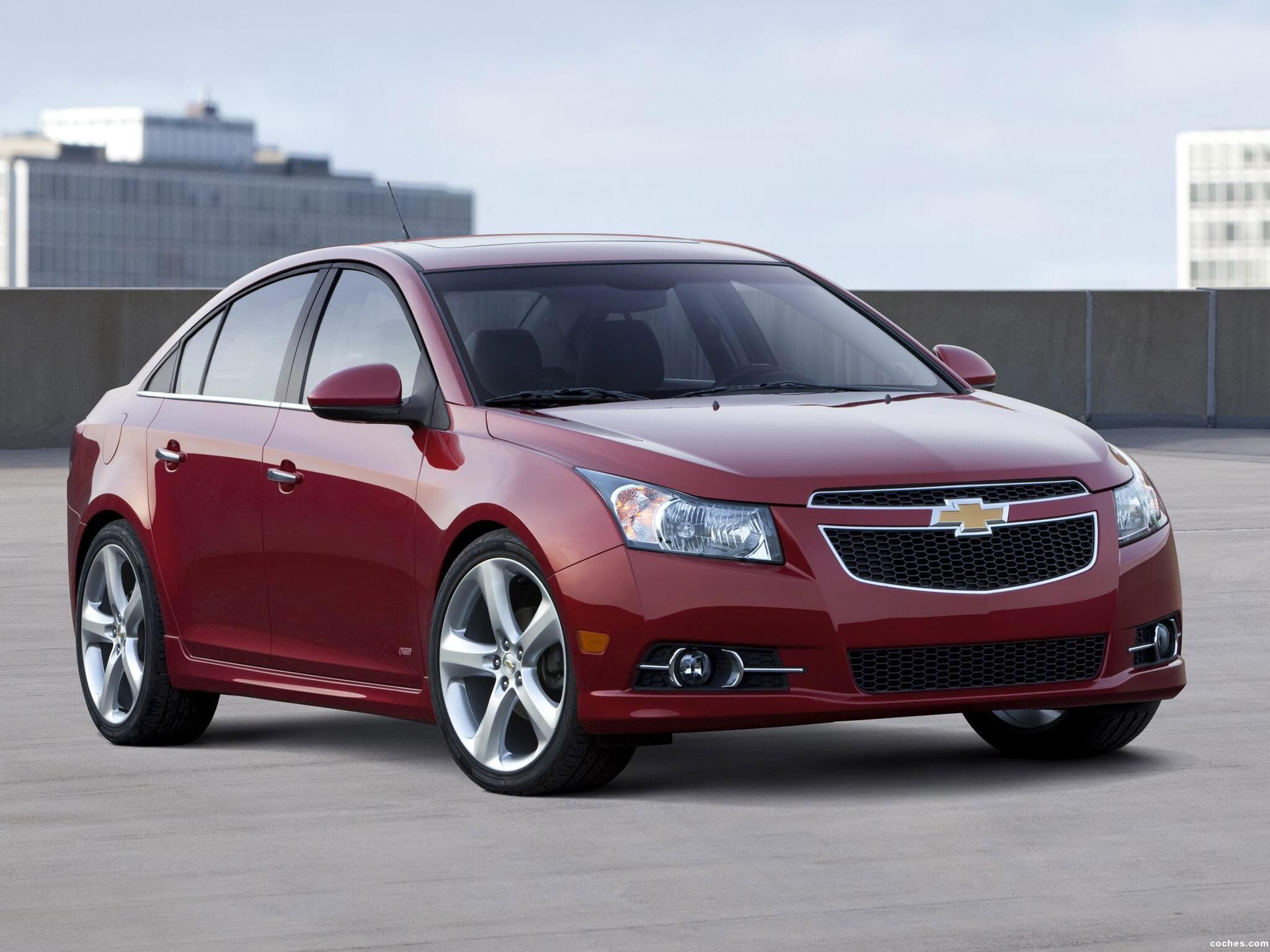
6. Chevrolet Cruze
The Chevrolet Cruze is recognized for combining affordability with a relatively simple mechanical layout, which makes brake and suspension maintenance accessible nationwide.
Front disc brakes and rear disc or drum brakes are standard depending on the model year and trim. Replacement brake pads and rotors are inexpensive and widely available from both OEM and aftermarket suppliers. The Cruze’s braking system is straightforward, which reduces labor costs since mechanics are familiar with its configuration.
Parts are compatible across multiple model years in many cases, which increases availability and lowers costs further. This accessibility ensures that Cruze owners do not face excessive pricing or long delays when replacement is needed.
The Cruze’s suspension system is similarly cost-effective. Front MacPherson struts and a rear torsion beam or independent setup allow for inexpensive replacement of shocks, struts, and other components. Control arms, bushings, and sway bars are durable and widely available, often lasting many tens of thousands of miles before requiring replacement.
Mechanics across the country are familiar with Cruze suspension designs, which minimizes labor costs and ensures repairs are completed efficiently. Even when multiple components need attention simultaneously, the total repair costs remain manageable due to the affordability of parts.
Aftermarket support plays a significant role in keeping the Cruze affordable to maintain. Numerous companies manufacture compatible brake pads, rotors, shocks, struts, and control arms, allowing owners to choose between OEM-quality parts or high-quality aftermarket alternatives at lower costs.
The widespread availability of these parts nationwide ensures that owners can source components easily, avoiding delays or premium pricing for rare items. DIY enthusiasts also benefit from the abundance of maintenance guides and videos available for the Cruze, making simple repairs at home feasible and affordable.
Finally, the Cruze provides reliable performance without excessive maintenance costs. Brakes remain effective and responsive, while the suspension provides a comfortable and stable ride.
The durability of components, combined with low-cost replacement options and nationwide parts availability, makes the Chevrolet Cruze an excellent choice for those seeking a compact vehicle that is easy and affordable to maintain. Owners benefit from consistent performance and minimal financial strain, reinforcing its position among cost-conscious drivers.
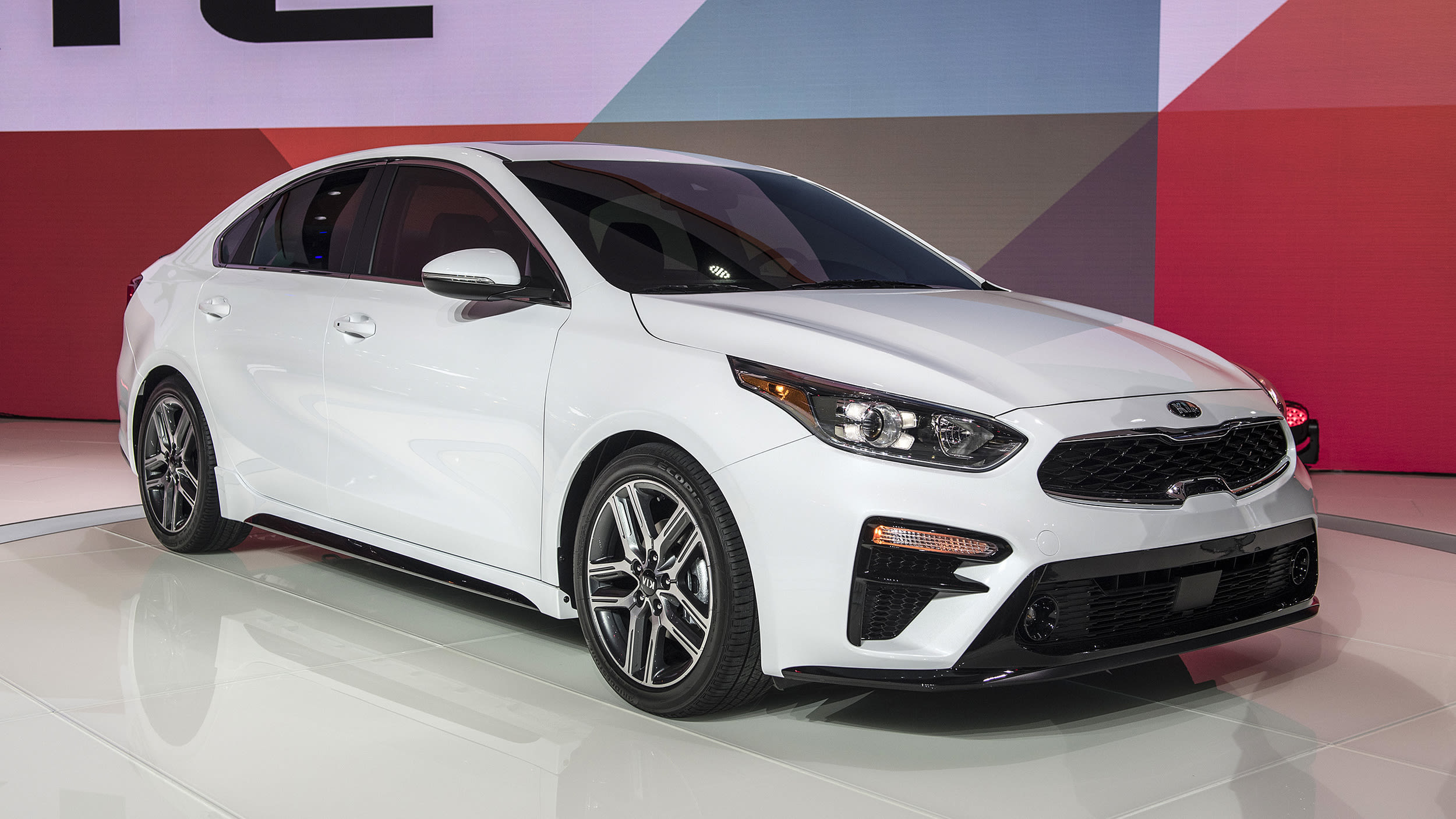
7. Kia Forte
The Kia Forte is a practical compact car with a strong reputation for low-cost maintenance, particularly for brake and suspension systems. Front disc brakes and rear disc or drum brakes are standard depending on the trim and model year, with replacement pads and rotors widely available and reasonably priced.
The braking system is simple, which keeps labor costs low because mechanics are familiar with its design. Availability of parts is excellent nationwide, and aftermarket suppliers produce many high-quality options that are often more affordable than OEM components.
This combination of affordability, reliability, and widespread access makes the Forte an ideal choice for drivers seeking cost-effective maintenance. The Forte’s suspension system contributes significantly to its low maintenance costs.
Front MacPherson struts and a rear torsion beam or independent suspension allow for inexpensive replacement of shocks, struts, and associated components. Bushings, sway bars, and control arms are durable and easily accessible, often lasting over 100,000 miles before replacement becomes necessary.
Mechanics nationwide are familiar with the Forte’s suspension layout, which reduces labor fees and ensures repairs are performed efficiently. Even when multiple components require replacement at the same time, the total cost remains reasonable due to the affordable nature of the parts.
Aftermarket support for the Forte is extensive. Many brands manufacture compatible brake pads, rotors, shocks, struts, and control arms, creating competition that keeps prices low. Owners have the option of choosing OEM-quality parts or high-quality aftermarket alternatives at more economical prices.
Widespread availability ensures that replacement components can be sourced quickly and affordably anywhere in the country. Additionally, DIY enthusiasts can perform minor repairs themselves with relative ease, thanks to the simple layout and abundant online guides, further reducing maintenance expenses.
The Forte also benefits from the durability of its components. Brake pads often last 30,000–50,000 miles, while rotors and suspension parts remain functional for significantly longer under normal driving conditions.
The combination of affordable, durable components and nationwide availability ensures that owners can maintain a safe and comfortable vehicle without incurring high costs. For those seeking a practical, reliable, and budget-friendly compact car, the Kia Forte consistently delivers on affordability and ease of maintenance.
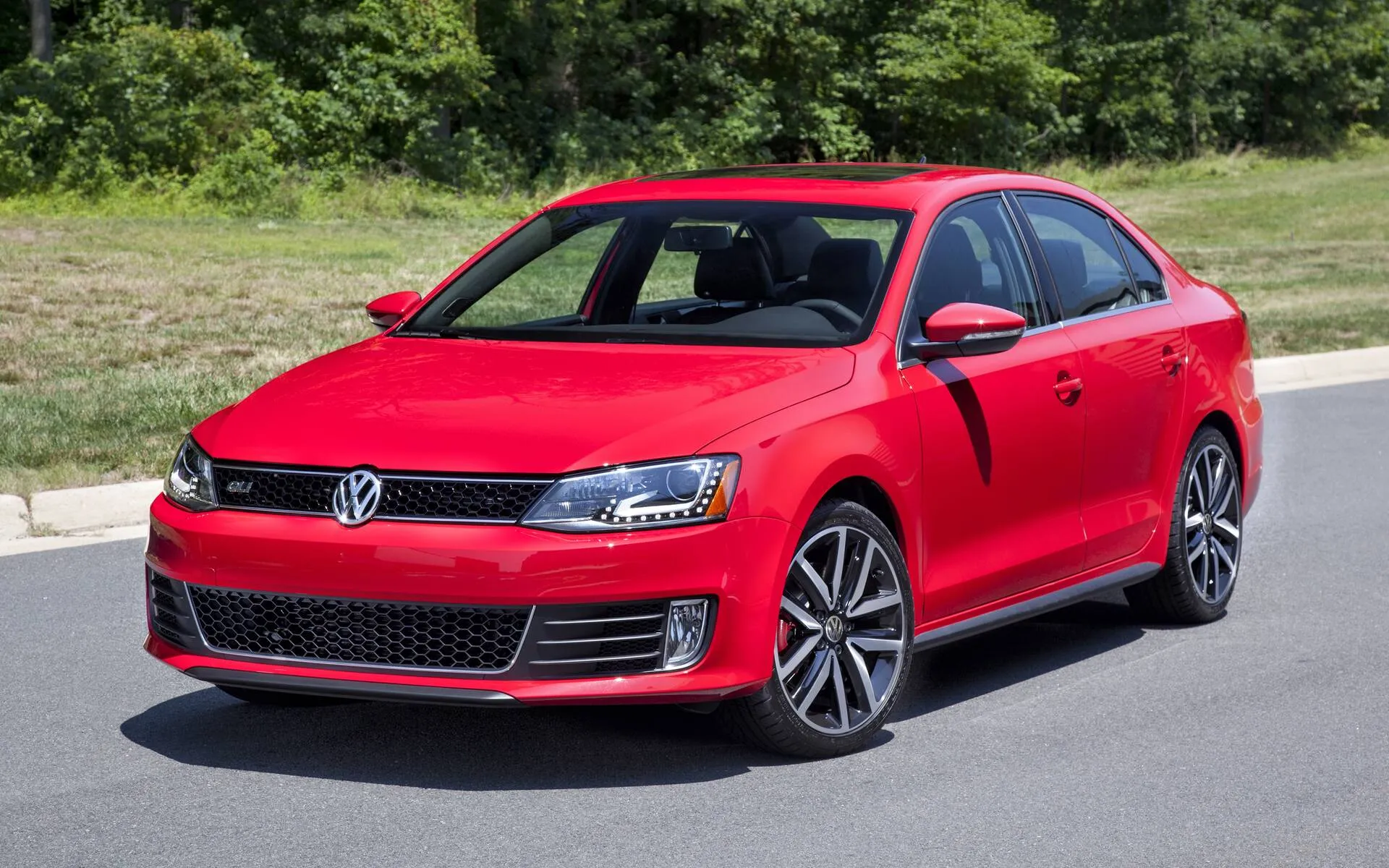
8. Volkswagen Jetta
The Volkswagen Jetta is a popular compact sedan with a reputation for solid build quality and accessible brake and suspension maintenance. Front disc brakes and rear disc brakes are standard on most trims, with replacement pads and rotors widely available and reasonably priced.
The Jetta’s braking system is straightforward and familiar to mechanics nationwide, which reduces labor costs and ensures that replacements can be completed efficiently.
Availability of both OEM and aftermarket parts means owners have flexibility in choosing cost-effective components. Even older model Jettas share many components with newer models, enhancing parts compatibility and keeping prices low.
Suspension maintenance on the Jetta is similarly economical. Front MacPherson struts and a rear multi-link independent suspension system are common, allowing for relatively straightforward replacement of shocks, struts, control arms, and bushings.
Sway bars and other suspension components are durable and widely stocked in auto parts stores, ensuring quick and affordable repairs.
Mechanics are generally well-versed in the Jetta’s suspension layout, which minimizes labor fees and ensures reliable repair outcomes. Even when multiple suspension components need replacement simultaneously, the total maintenance cost remains reasonable due to affordable parts availability.
Aftermarket support plays a key role in maintaining the Jetta’s cost-effectiveness. Numerous brands produce compatible brake pads, rotors, shocks, struts, and control arms at competitive prices, offering owners multiple options for balancing quality and cost.
This robust aftermarket ecosystem ensures that parts are available nationwide, preventing delays or inflated prices for less common components. DIY enthusiasts also benefit from abundant resources, including maintenance manuals and instructional videos, allowing minor repairs to be completed at home and reducing maintenance costs.
The Jetta’s durability further enhances its affordability. Brake pads and rotors are designed to last many miles before replacement, and suspension components remain reliable under normal driving conditions.
Combined with widespread availability and low-cost aftermarket options, this ensures that owners can maintain safety and ride comfort without incurring high expenses. For drivers seeking a reliable, cost-conscious compact sedan, the Volkswagen Jetta continues to be an excellent choice for affordable brake and suspension maintenance nationwide.
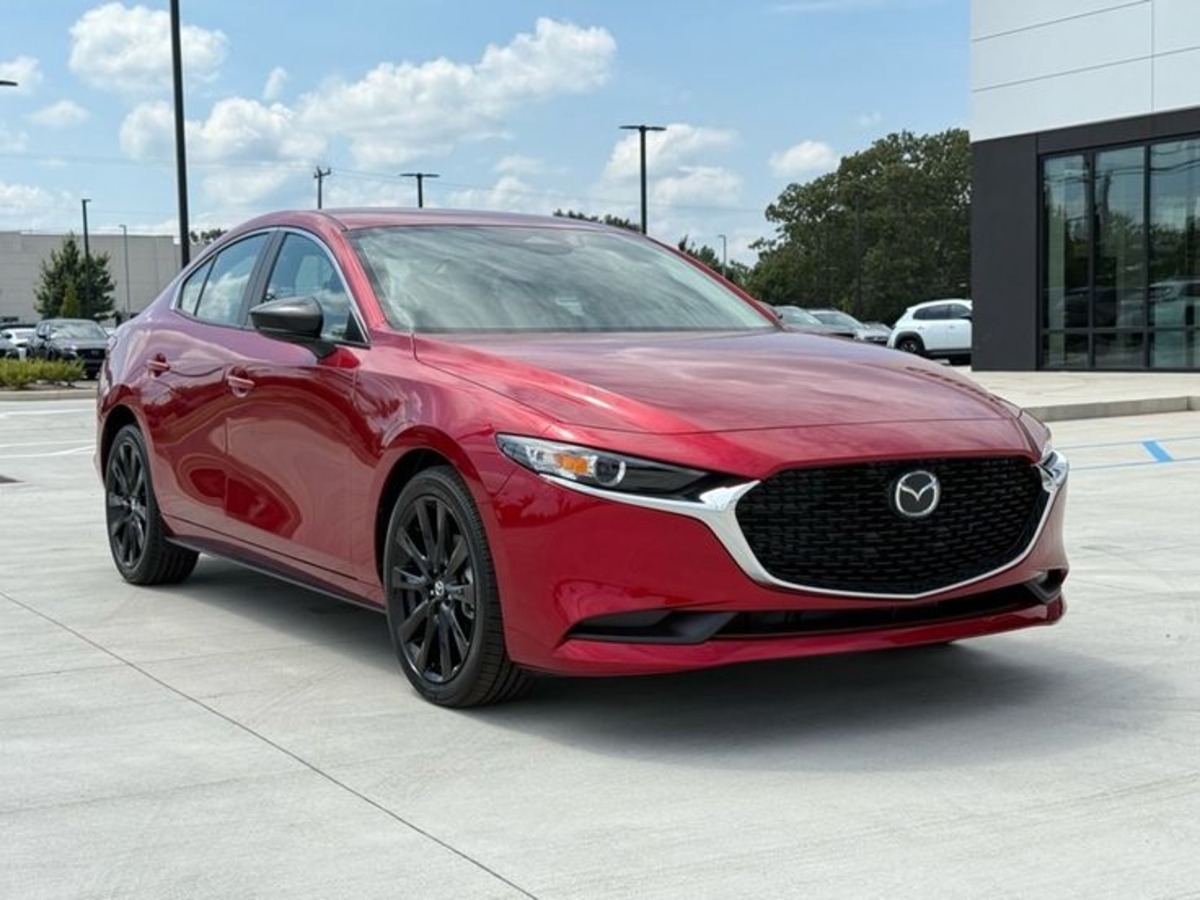
9. Mazda3
The Mazda3 is recognized for offering a balance of sporty handling and low maintenance costs. Front disc brakes and rear disc or drum brakes are standard depending on the trim, with replacement pads and rotors widely available and reasonably priced. The braking system is straightforward, which keeps labor costs low because mechanics are familiar with its configuration.
OEM and aftermarket parts are plentiful, ensuring that Mazda3 owners can source components at affordable prices across the country. Even older models share many parts with newer versions, further increasing availability and reducing costs.
The Mazda3’s suspension system contributes significantly to its affordability. Front MacPherson struts and a rear torsion beam or independent multi-link setup allow for simple replacement of shocks, struts, control arms, and bushings.
Components such as sway bars and bushings are durable and widely stocked, which minimizes the time and cost associated with maintenance.
Mechanics are highly familiar with the Mazda3’s suspension layout, reducing labor fees and ensuring efficient repairs. Even when multiple parts require replacement simultaneously, costs remain reasonable due to the widespread availability of affordable components.
Aftermarket support is extensive for the Mazda3. Many brands manufacture compatible brake pads, rotors, shocks, struts, and control arms, creating a competitive market that keeps prices low. Owners can choose between OEM-quality or high-quality aftermarket components, depending on budget and preference.
Nationwide availability ensures that repairs can be completed quickly, and DIY enthusiasts can handle minor maintenance tasks at home with guidance from online resources. This combination of accessibility and affordability makes maintaining the Mazda3 convenient and economical.
Finally, the Mazda3 offers reliable performance without high maintenance costs. Brake pads typically last 30,000–50,000 miles, and suspension components are durable under normal driving conditions.
The combination of affordable, readily available parts and mechanic familiarity ensures that owners spend less on upkeep while maintaining safety and comfort. For budget-conscious drivers seeking a compact car with reliable handling and low-cost maintenance, the Mazda3 remains a strong choice nationwide.
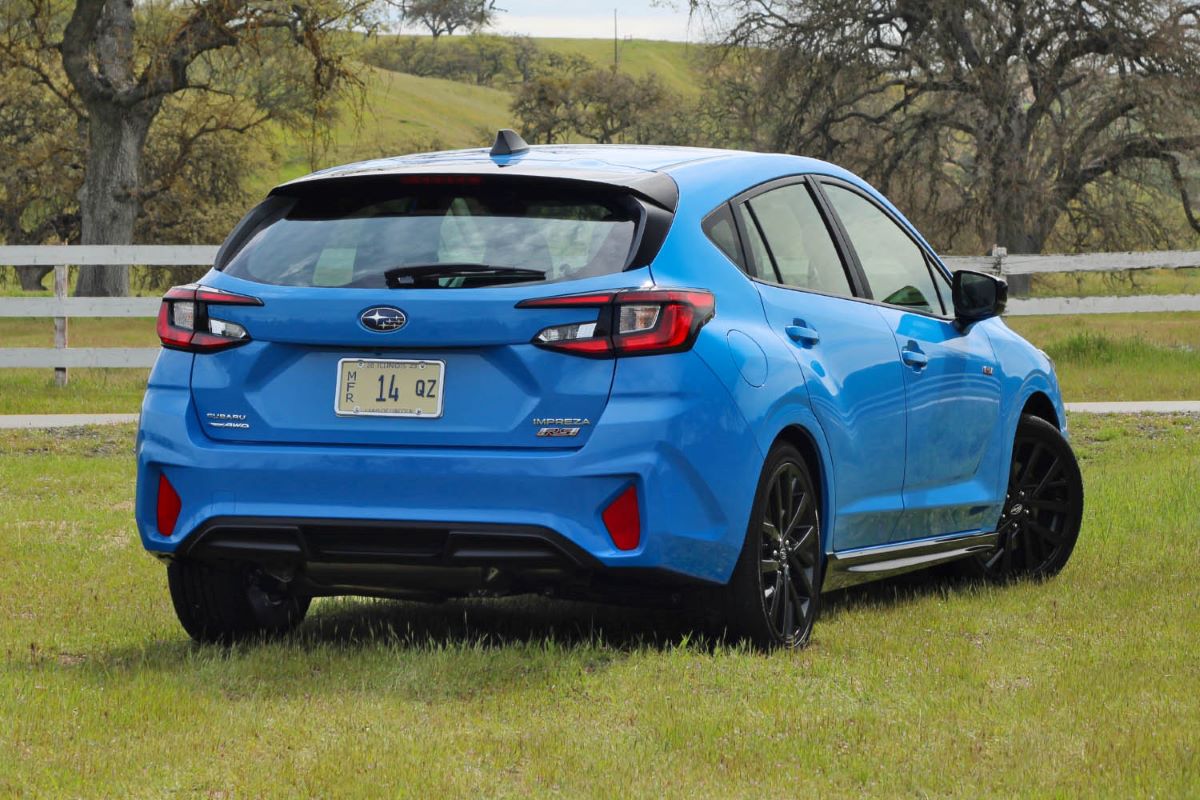
10. Subaru Impreza
The Subaru Impreza is known for its all-wheel-drive capability and reliable performance, paired with relatively affordable maintenance for brakes and suspension components. Front disc brakes and rear disc or drum brakes are standard depending on the trim, with replacement pads and rotors widely available and reasonably priced.
The braking system is straightforward, which keeps labor costs low because mechanics are familiar with it. OEM and aftermarket components are abundant nationwide, ensuring that owners can access affordable parts for routine maintenance without delays. Subaru’s consistent mechanical design over multiple years also enhances parts compatibility, reducing replacement costs further.
The Impreza’s suspension system is similarly cost-effective. Front MacPherson struts and a rear independent multi-link setup allow for relatively easy replacement of shocks, struts, control arms, and bushings. Components like sway bars and bushings are durable, widely available, and inexpensive, which minimizes repair expenses.
Mechanics across the country are familiar with the Impreza’s suspension, reducing labor fees and ensuring repairs are efficient. Even when multiple suspension components need attention simultaneously, the total maintenance cost remains reasonable due to the affordability and availability of parts.
Aftermarket support is another factor in the Impreza’s low maintenance costs. Numerous brands produce compatible brake pads, rotors, shocks, struts, and control arms at competitive prices. Owners have the flexibility to choose OEM-quality parts or high-quality aftermarket alternatives based on budget and preference.
The availability of parts nationwide ensures that repairs can be completed quickly and affordably. DIY enthusiasts also benefit from guides and instructional resources specifically for the Impreza, allowing minor repairs to be done at home, reducing maintenance expenses.
The Impreza is durable and reliable, which further reduces long-term maintenance costs. Brake pads and rotors often last 30,000–50,000 miles, while suspension components remain functional under normal driving conditions for tens of thousands of miles.
Combined with the affordability and availability of parts, this ensures that owners can maintain safety, comfort, and performance without overspending. For drivers seeking a practical, all-wheel-drive compact car with low-cost brake and suspension maintenance, the Subaru Impreza continues to be an excellent choice nationwide.
