
The appeal of classic cars extends far beyond their aesthetic design or engineering feats. For collectors and enthusiasts, the date a car was built can significantly influence its value, desirability, and historical significance.
Cars produced in the earliest years of a model’s life often embody a unique blend of originality, innovation, and craftsmanship that later production runs may not fully capture. These early examples frequently feature distinct design elements, engine configurations, or mechanical setups that were later altered or refined in subsequent versions.
This makes them highly sought after by those who appreciate the nuances of automotive history. Early production models also tend to have a certain cachet among collectors because they represent the inception of a model’s legacy.
Owning one is like holding a piece of the story of that vehicle, where every component and design decision reflects the automaker’s original vision.
Moreover, early build dates can be an indicator of rarity. Manufacturers often make small adjustments or improvements in later production runs, meaning the earliest examples may include features that are no longer available. This could be anything from a particular trim, a specific engine option, or even subtle differences in body panels and interior layouts.
These details contribute to the car’s identity and differentiate it from the more standardized versions that followed. In the collector’s market, this can make the difference between a car being desirable and becoming a true icon. For enthusiasts who value originality and historical significance, the first few hundred or thousand examples of a model often become the most coveted.
Additionally, early models tend to showcase the raw, unrefined engineering that made a car unique. While manufacturers often respond to early feedback by tweaking engines, transmissions, suspension systems, or electronics, the earliest cars remain faithful to the original concept.
They provide insight into the automaker’s initial intentions, unmodified by subsequent improvements that may have dulled the vehicle’s original character.
This is especially true for models that later become mainstream or mass-produced. Early builds capture the spirit of experimentation, craftsmanship, and engineering daring, elements that resonate with enthusiasts who appreciate the story behind the machine rather than just the machine itself.
Finally, early build dates often carry a psychological appeal. For many collectors, owning the earliest possible example of a model is akin to owning a first edition book or an original work of art. There is a sense of prestige in being able to say you own not just the model but the beginning of its journey.
These cars often appreciate more quickly than later examples and are celebrated at car shows, auctions, and in automotive literature.
The following list highlights 10 car models where the earliest production years are generally regarded as the most desirable, offering collectors and enthusiasts both a connection to automotive history and a potential investment in a vehicle whose legacy continues to grow.
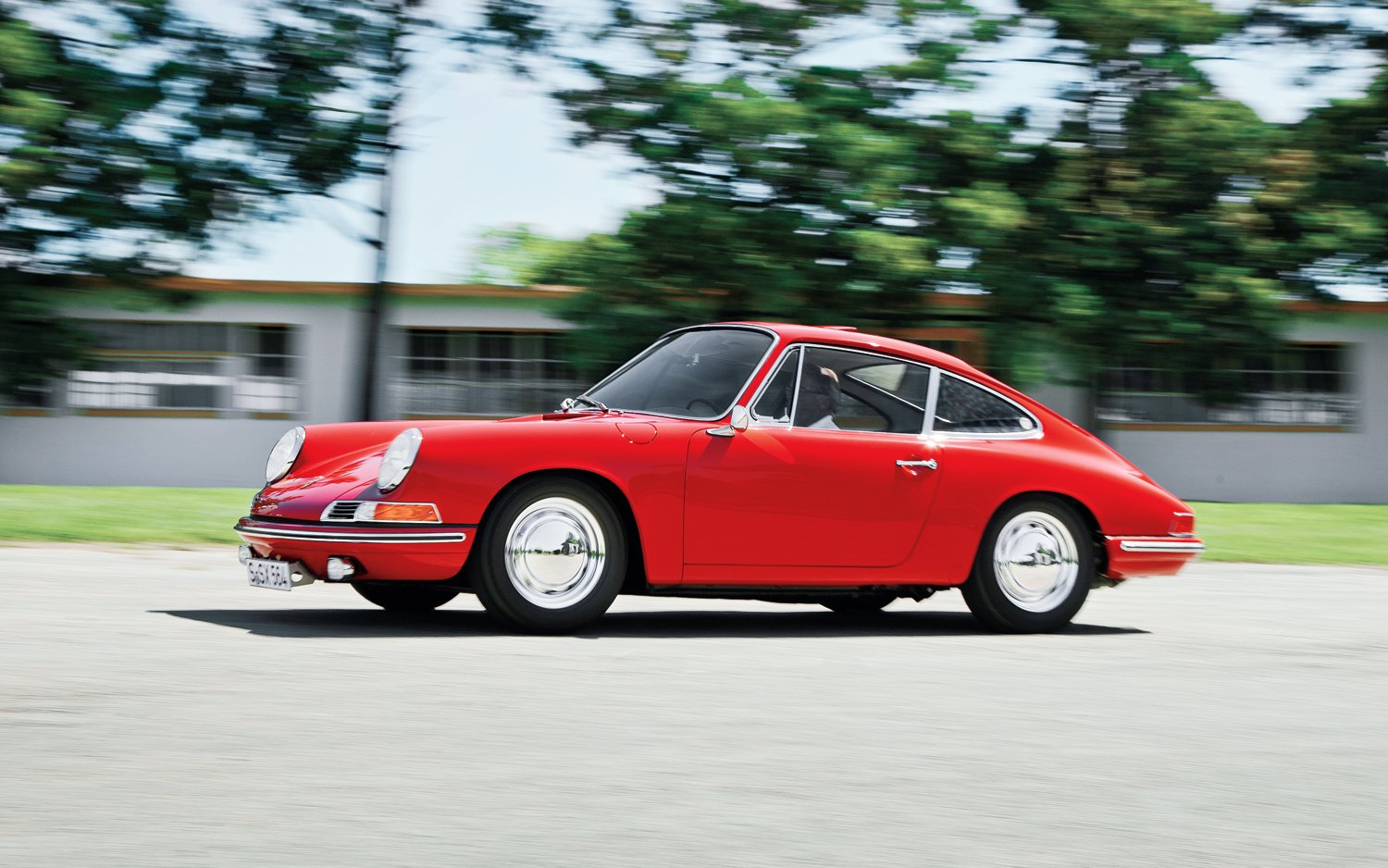
1. Porsche 911 (1964–1969)
The Porsche 911 is one of the most iconic sports cars in automotive history, and the earliest models from 1964 to 1969 hold a special place in the hearts of collectors. These cars represent the initial vision of Ferdinand Alexander Porsche, capturing a balance of elegance, performance, and engineering innovation.
Early 911s featured the original air-cooled flat-six engine, which was relatively modest in displacement but provided a distinctive sound and driving experience that later models evolved from but never exactly replicated. The build quality, attention to detail, and mechanical simplicity of these first generations make them highly prized today.
Collectors particularly value the early short-wheelbase models, produced before Porsche made adjustments to improve stability and handling for mass markets. The suspension setup, lightweight body panels, and original interior features remain faithful to the first production concept.
These cars often include subtle styling cues, such as smaller bumpers, thinner window trim, and distinct wheel designs, that were phased out in subsequent iterations. For those who seek authenticity, these details are critical and add to the car’s collectible status.
Another factor contributing to the early 911’s desirability is its racing pedigree. Many of these early cars were either directly involved in motorsport or served as the blueprint for Porsche’s legendary racing variants.
Enthusiasts value cars that retain original engine specifications, bodywork, and mechanical components, as these reflect the car’s performance potential and historical significance. Even minor deviations from the early formula can reduce the collectible value.
Finally, early 911s offer a driving experience that is often described as more “connected” and engaging than later models. The feedback from the steering, throttle, and suspension feels raw yet precise, creating an intimate connection between driver and machine.
The combination of historical importance, unique mechanical features, and driving character makes the earliest 911s among the most sought-after Porsches today.
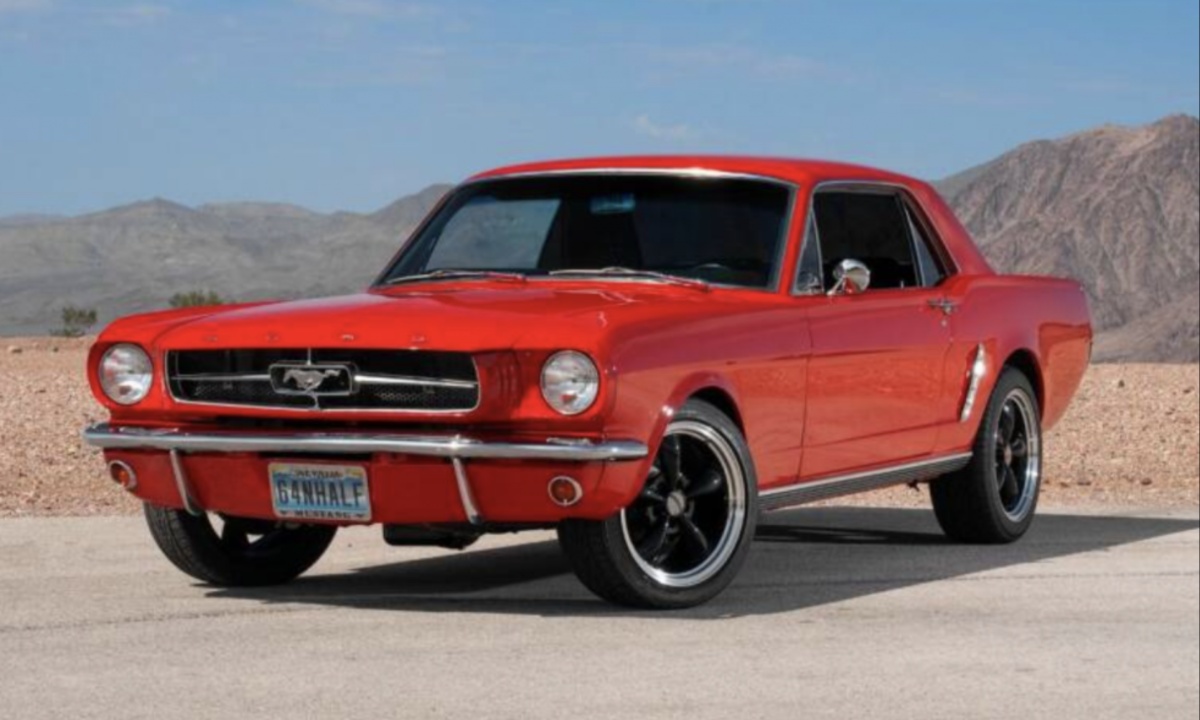
2. Ford Mustang (1964–1966)
The Ford Mustang’s debut in 1964 introduced a new segment to the automotive world: the pony car. Early Mustangs, especially the 1964½ and 1965 models, are highly collectible due to their role in establishing the model’s iconic status.
These cars featured distinctive styling cues such as the original grille design, the unique side scoops, and the first generation of the “C” interior layout, which would later be modified.
The early production Mustangs also offered a variety of engine options, including the original 170-cubic-inch inline-six and small-block V8s, which reflected the brand’s flexibility in catering to different buyers.
Early Mustangs also carry historical significance as cultural icons of the 1960s. They were inexpensive, sporty, and stylish, appealing to a young generation of drivers eager for performance and individuality.
These cars often retain their original trim, badges, and interior details, which are critical to collectors. Original paint colors and factory-installed options like the deluxe interior or GT package add value and authenticity to these early builds.
Mechanically, the first Mustangs were relatively simple, making them easier to maintain and modify, which contributed to their popularity both in the showroom and on the street.
Early builds often have a more visceral driving experience, with less insulation and a more direct connection to the engine and road. This rawness is part of what makes them desirable compared to later, more refined models.
Finally, rarity plays a role in the collectibility of early Mustangs. As the model became wildly successful, production numbers grew, and some early options or configurations became harder to find.
For example, the original 260- and 289-cubic-inch V8s with manual transmissions are particularly sought after by collectors who value historical accuracy and originality. These early Mustangs remain a symbol of American automotive innovation and continue to appreciate in value among enthusiasts.
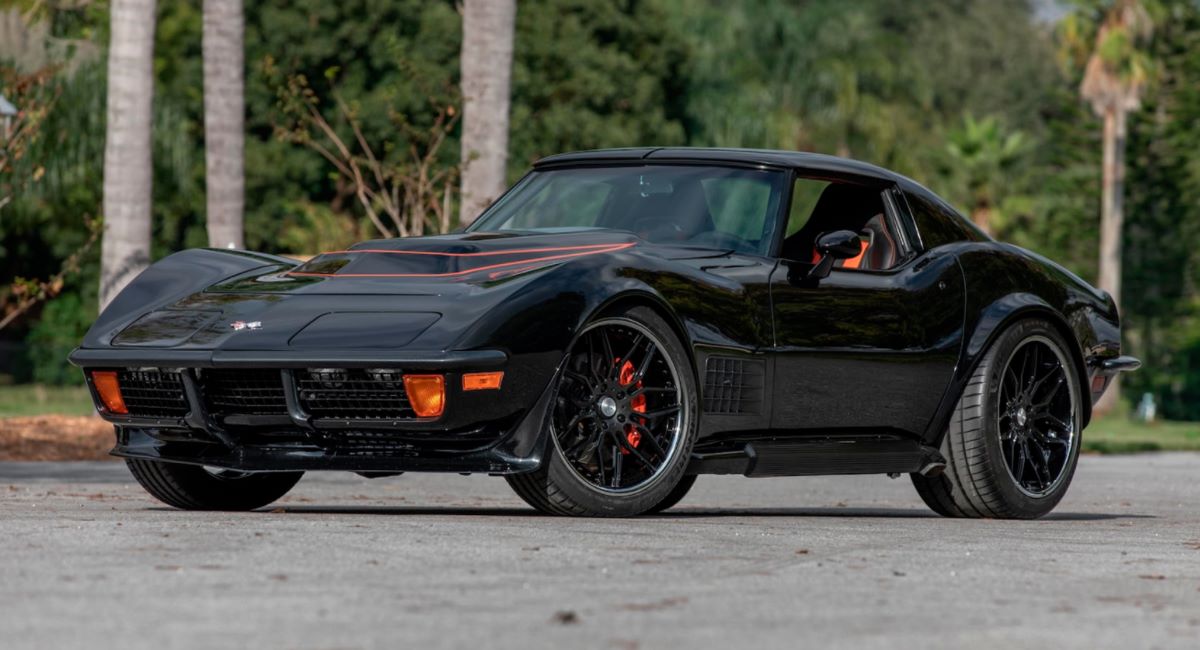
3. Chevrolet Corvette (C1, 1953–1962)
The first-generation Chevrolet Corvette, known as the C1, is a benchmark in American sports car history. Early C1s from 1953 to the late 1950s are among the most collectible vehicles for enthusiasts of the brand.
These cars marked Chevrolet’s entry into the two-seat sports car market and featured a fiberglass body, an innovative material at the time, which made them lighter and more resistant to rust than traditional steel-bodied cars. The earliest Corvettes also offered modest engines, which were gradually upgraded in later years, making the original small-blocks highly valued by collectors today.
Design details make the early C1s particularly appealing. The first models have subtle differences, including chrome trim variations, dashboard layouts, and early wheel designs. Collectors prize these distinctions because they reflect Chevrolet’s evolving design language and engineering experimentation. Early examples also tended to have lower production numbers, increasing their rarity and desirability.
Mechanically, the earliest Corvettes were simple but effective. The suspension, braking systems, and drivetrain were straightforward yet tunable, allowing enthusiasts to modify or restore the cars with relative ease. These cars also retain a certain driving charm, characterized by lightweight construction and a responsive feel that later models, which became heavier and more powerful, could not replicate.
Finally, the cultural impact of the first-generation Corvette adds to the collectibility of early builds. They became symbols of post-war American optimism, technological advancement, and leisure culture.
Early C1s were featured in films, magazines, and advertisements, cementing their status as automotive icons. The combination of rarity, historical importance, and distinctive styling makes the earliest Corvettes some of the most coveted American cars on the collector market.
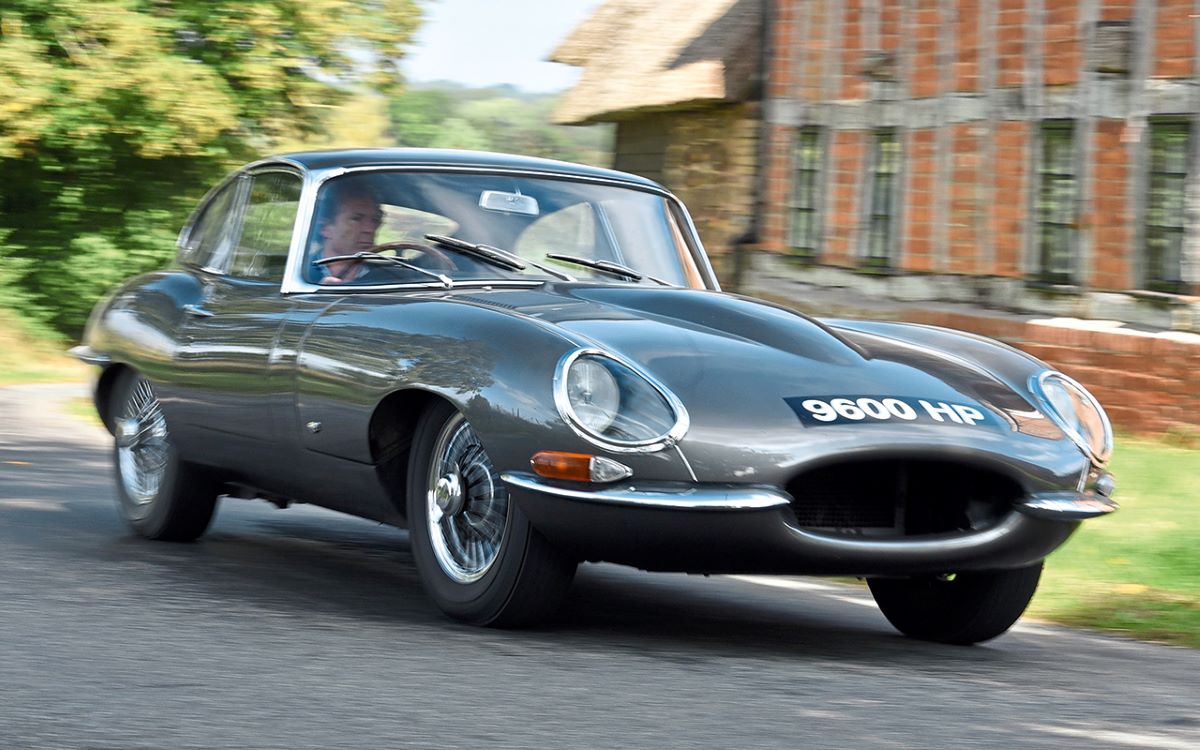
4. Jaguar E-Type (1961–1964)
The Jaguar E-Type, introduced in 1961, is widely regarded as one of the most beautiful cars ever built. Early production models from 1961 to 1964 are particularly prized because they showcase the car in its original, unaltered form.
These vehicles featured the legendary inline-six engine, independent rear suspension, and lightweight aluminum components, which combined performance and elegance in a way that few cars have matched. The initial build quality, detailing, and mechanical setup of the early E-Types set the standard for subsequent models.
Collectors value these early cars for their distinctive styling cues. Early Series 1 E-Types have covered headlights, small grille openings, and original chrome trim that were later modified or simplified in later builds.
These details contribute to the car’s unique identity and are essential for authenticity in restoration or exhibition. Original factory interiors, dashboard layouts, and switchgear also add to the historical value of early builds.
Mechanically, early E-Types are admired for their driving experience. The combination of lightweight, balanced chassis, and responsive steering gives these cars a connected, agile feel.
Early engines deliver smooth, linear power, making them enjoyable to drive as well as to display. Enthusiasts often regard these first models as purer, more faithful representations of Jaguar’s engineering vision.
Finally, early E-Types carry a strong historical and cultural significance. They epitomize 1960s British automotive design and were celebrated by celebrities, journalists, and car enthusiasts alike.
The original models helped define Jaguar’s reputation for producing sports cars that combined performance, style, and sophistication. Today, owning a first-year E-Type represents both a tangible connection to automotive history and a valuable investment in a timeless classic.
5. Toyota 2000GT (1967–1970)
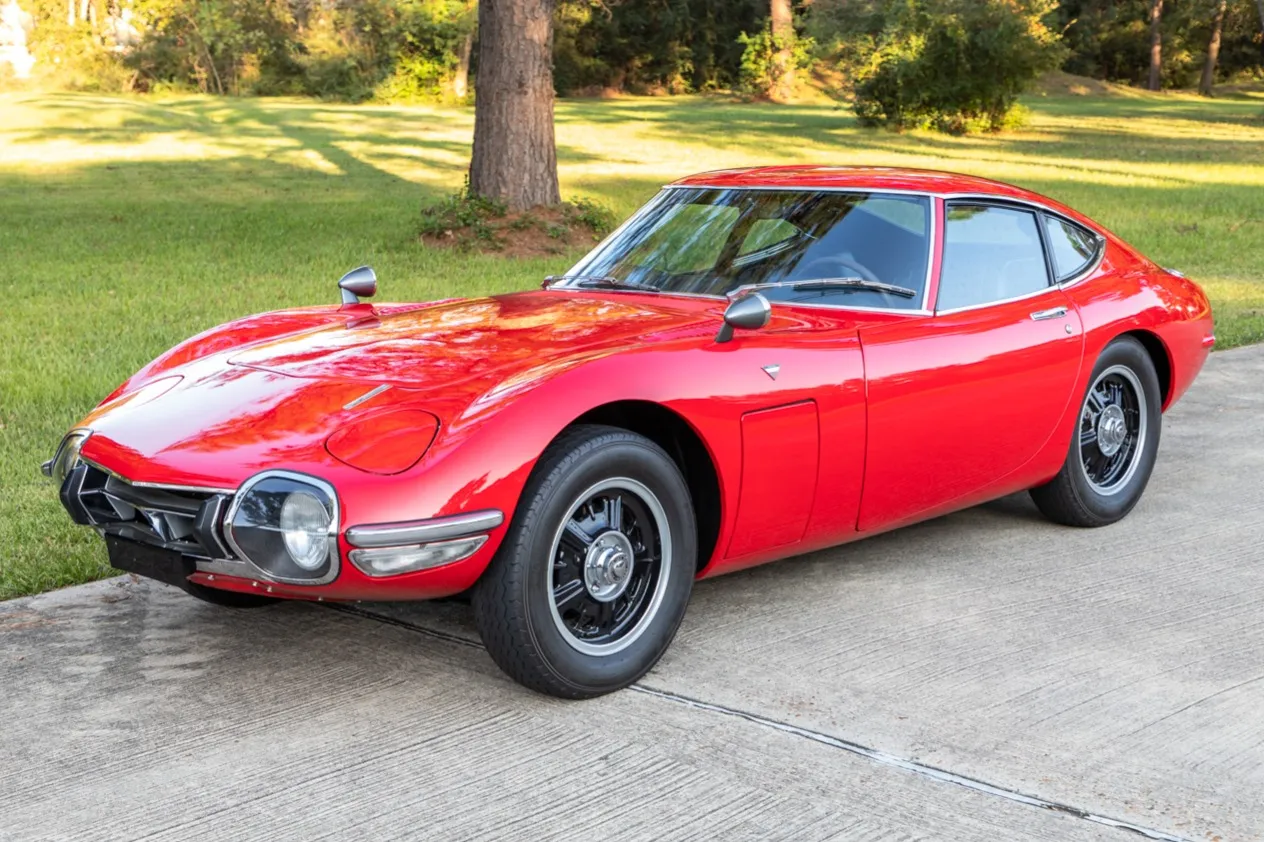
The Toyota 2000GT, produced in limited numbers between 1967 and 1970, is widely regarded as Japan’s first supercar. Early builds are particularly valuable due to their rarity and historical importance.
These vehicles were developed as a statement of Toyota’s engineering capabilities and featured a straight-six engine, five-speed manual transmission, and advanced suspension systems for their time. Early examples often retain original components and unique build characteristics that were modified in later units, making them highly collectible.
The design of the early 2000GTs is elegant and aerodynamic, reflecting Japanese attention to detail and craftsmanship. Subtle differences in body panels, trim, and interior finishes distinguish early builds from later ones.
Collectors prize these cars for originality, as modifications or replacements can diminish their value and historical authenticity. Limited production numbers further enhance the appeal of early units, making them some of the rarest and most expensive Japanese cars on the market.
Mechanically, early 2000GTs offer a refined driving experience. The balance, handling, and power delivery reflect Toyota’s ambition to compete with European sports cars. Enthusiasts often note that the earliest builds retain a certain responsiveness and mechanical purity that later examples, produced in slightly larger numbers, may lack. Maintaining these original characteristics is crucial for both collectors and historians.
Finally, early 2000GTs carry significant cultural and historical importance. The car represented a turning point for Japanese automotive engineering, demonstrating that Japanese manufacturers could produce world-class performance vehicles.
These cars also gained international recognition through appearances in media and motorsport, cementing their status as icons. Owning an early 2000GT is a testament to both the car’s rarity and its enduring legacy in the automotive world.
6. Ferrari 250 GTO (1962–1964)
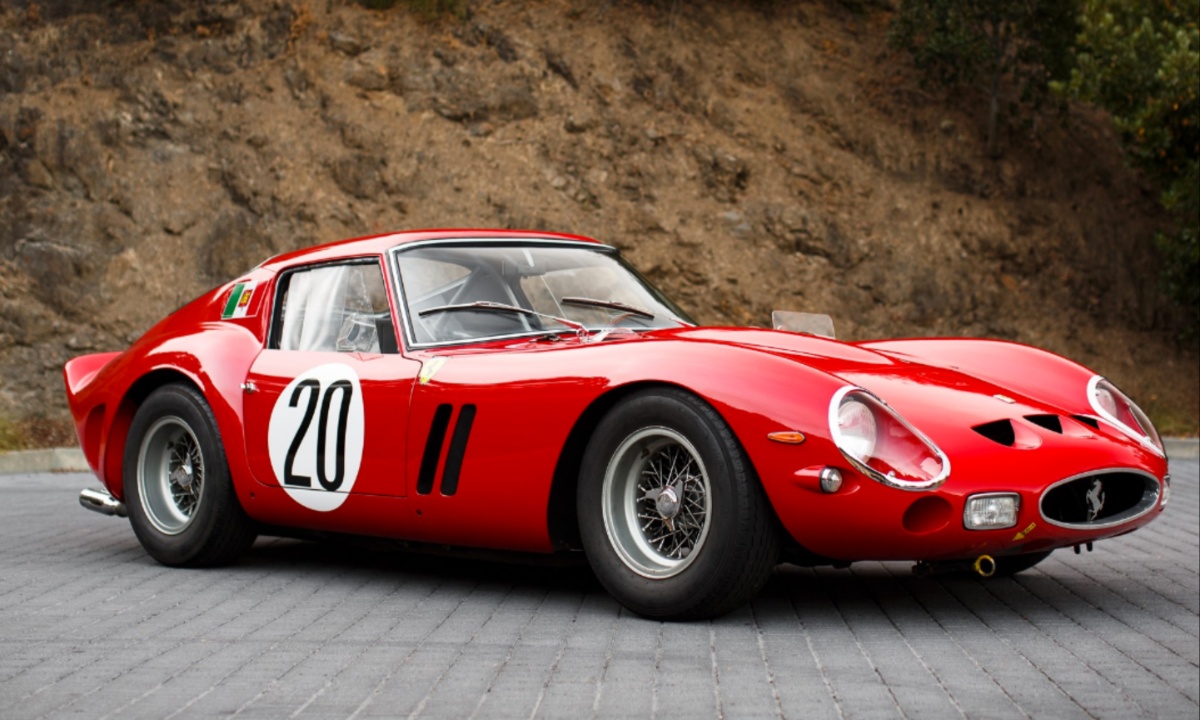
The Ferrari 250 GTO is often considered the pinnacle of 1960s sports car engineering, combining extreme performance with a timeless design. Early production examples from 1962 to 1964 are especially prized because they represent Ferrari’s first attempt to create a homologation car for GT racing that could also be sold to private collectors.
These cars were designed under the direction of Giotto Bizzarrini and later refined by Mauro Forghieri, blending lightweight construction, a potent 3.0-liter V12, and aerodynamic bodywork.
The earliest units are distinguishable by subtle bodywork differences, such as unique vents, grille shapes, and front-end styling that were modified in later models. Collectors highly value these original details because they signify the very beginning of the 250 GTO’s legacy.
The engineering of early 250 GTOs is another factor in their desirability. Ferrari’s approach to chassis design and weight distribution made these cars incredibly balanced for their era, providing exceptional handling and feedback. The original suspension geometry, engine tuning, and lightweight body panels reflect the raw, unfiltered intent of Ferrari’s racing philosophy.
Later production runs incorporated minor refinements to improve reliability and aerodynamics, but these early builds capture the purest expression of the model’s performance goals. For enthusiasts who value the engineering behind the car, owning one of the first examples is akin to holding a tangible piece of Ferrari’s racing DNA.
The rarity of the earliest 250 GTOs further enhances their appeal. Only thirty-six units were ever produced, and the earliest examples are even more scarce, often distinguished by original engine numbers, chassis configurations, or factory options.
These cars have consistently commanded astronomical prices at auctions and private sales, reflecting both their exclusivity and historical importance. Collectors not only seek them for their performance and aesthetics but also as investment-grade vehicles that are likely to continue appreciating in value due to their scarcity.
Finally, early 250 GTOs embody a cultural and historical significance that transcends their mechanical attributes. These cars were dominant in international GT racing, competing successfully against rival marques like Aston Martin and Jaguar.
They also became symbols of automotive artistry, combining function and beauty in a way that few cars have achieved. Owning one of the earliest 250 GTOs allows enthusiasts to experience the same engineering and aesthetic vision that made Ferrari a legend in motorsport, connecting them directly to a pivotal moment in automotive history.
7. Lamborghini Miura (1966–1969)
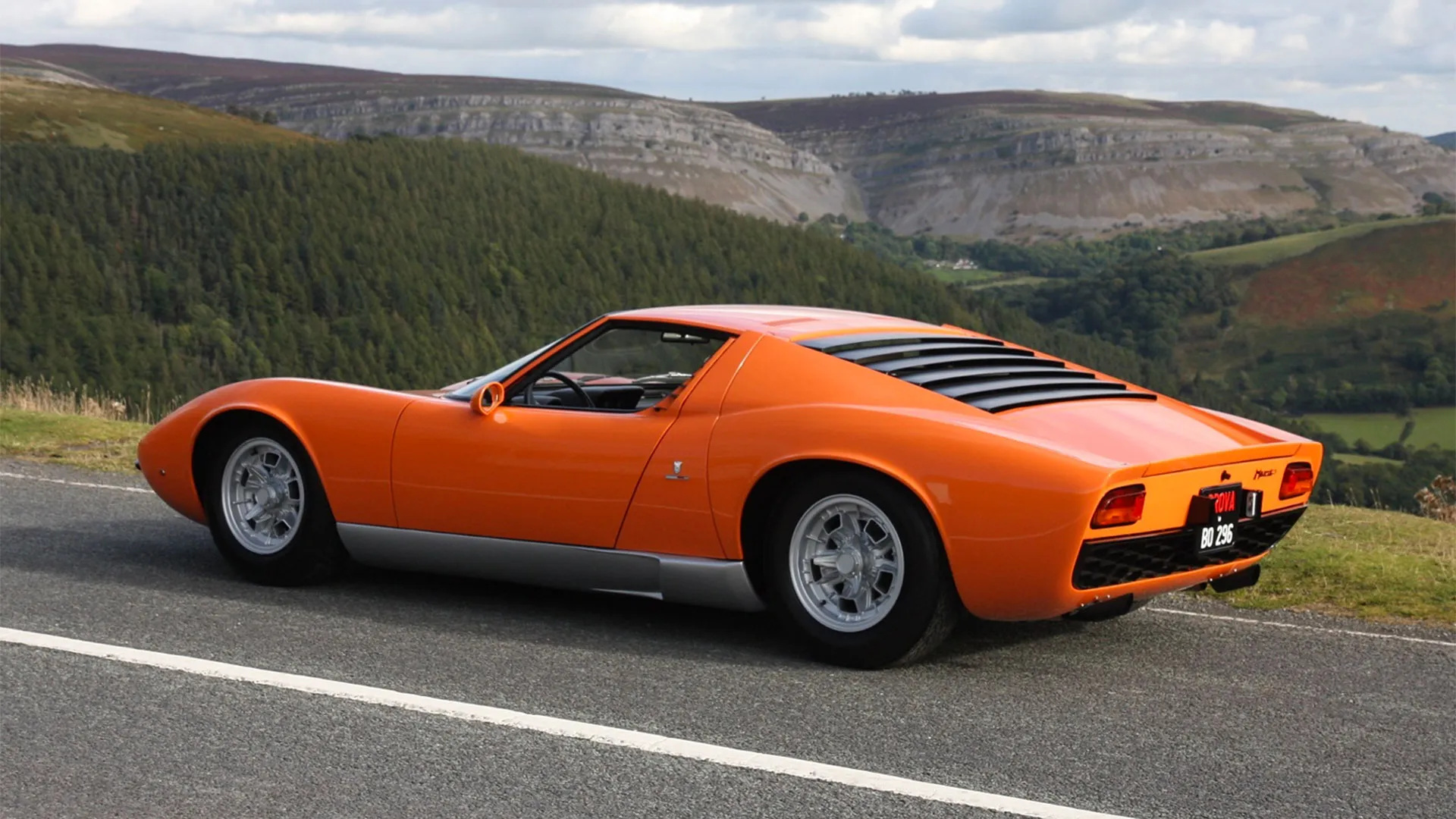
The Lamborghini Miura is widely recognized as the world’s first supercar, and the early production models from 1966 to 1969 are highly sought after by collectors. These cars introduced the mid-engine layout to high-performance road cars, a radical departure from the traditional front-engine design prevalent at the time.
The earliest Miuras, known as the P400 and later the P400S, featured a transverse-mounted V12, lightweight aluminum panels, and exceptional suspension design, creating a combination of performance and elegance that redefined automotive expectations.
Subtle differences in early models, including headlight configuration, interior trim, and chassis details, set them apart from later production vehicles and add to their collectible value.
Performance characteristics of the earliest Miuras are another reason for their desirability. The combination of a high-revving V12 engine and innovative suspension design resulted in a car that was agile, fast, and thrilling to drive.
Early builds often display a rawness and immediacy in handling that later models, which incorporated incremental refinements for comfort and reliability, could not fully replicate. Collectors prize these early cars for their unfiltered performance and the way they communicate the driver’s inputs directly to the road.
Rarity is also an important factor. Lamborghini produced relatively few Miuras in the first three years, and each car had unique features or factory specifications that were later standardized. For example, early interior layouts, wheel designs, and even exhaust configurations differ slightly from later versions, making each early car distinctive.
This scarcity, combined with the car’s significance as an automotive icon, has made early Miuras highly sought after at auctions and in private collections worldwide.
Beyond performance and rarity, the early Miuras carry immense cultural significance. They helped define Lamborghini as a manufacturer of exotic, flamboyant, and high-performance vehicles and inspired future generations of supercars.
Their striking design by Marcello Gandini at Bertone remains influential, and owning one of the first Miuras is not only a testament to automotive history but also a celebration of daring engineering and design innovation. For enthusiasts, the earliest Miuras represent a perfect marriage of artistry, engineering, and historical importance.
8. BMW 2002 (1968–1972)
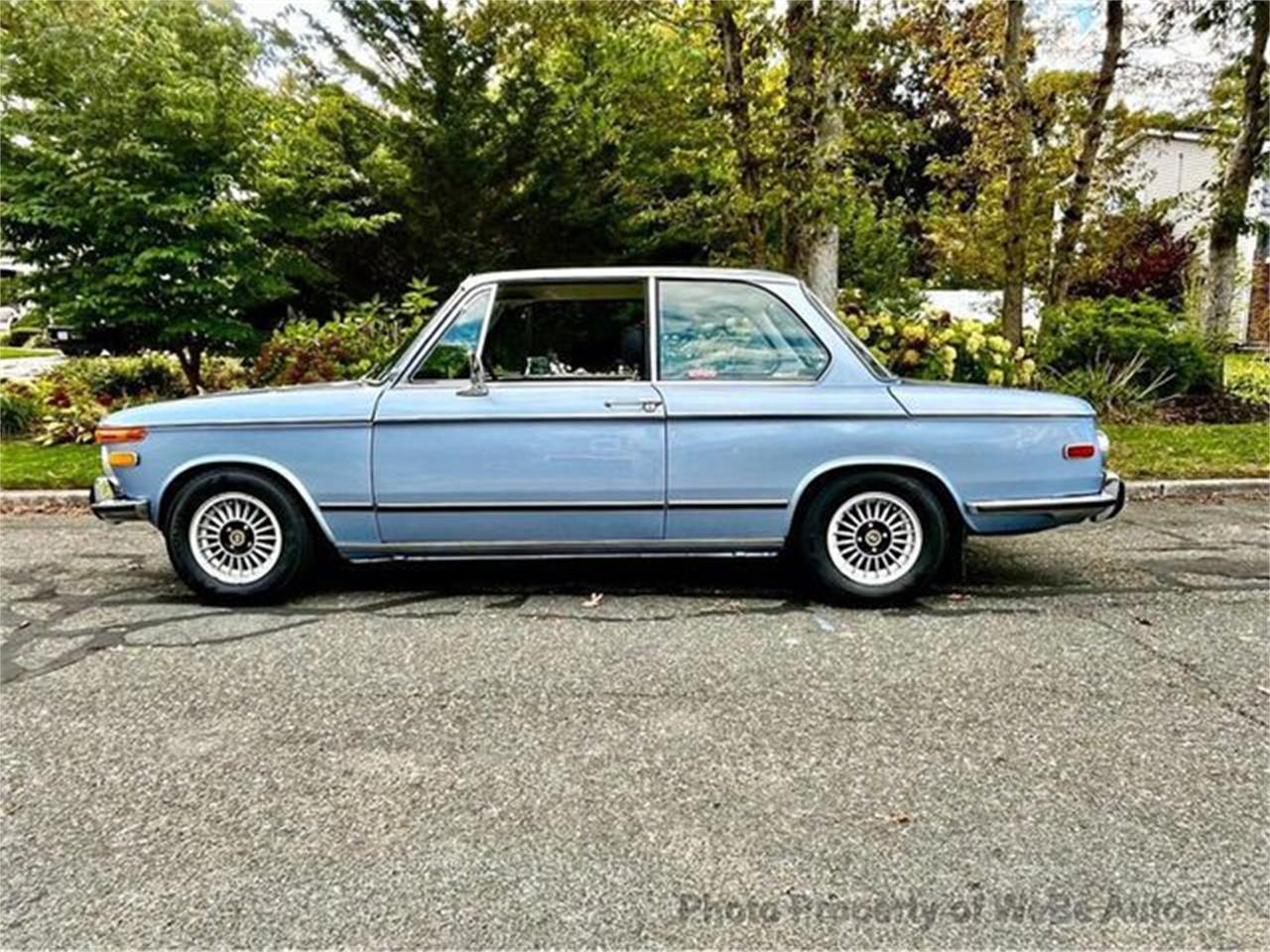
The BMW 2002, introduced in 1968, is a landmark in the history of compact sports sedans, and early builds are particularly prized for their mechanical purity and historical significance. These cars were powered by a simple but efficient 2.0-liter four-cylinder engine, paired with a lightweight chassis and precise suspension geometry.
Early production 2002s exemplify the original vision for the model: a fun, affordable, and reliable sports car that could perform impressively both on the street and on the track. Collectors value these early examples for their authenticity and the way they reflect BMW’s engineering priorities before incremental changes were implemented in later production runs.
Styling details of early 2002s also contribute to their appeal. Original trim levels, grille designs, and interior layouts differentiate these cars from later examples, which often saw subtle design updates.
Features such as chrome accents, original badging, and early wheel options are critical to collectors who value historical accuracy. The early 2002 models often retained a minimalist, driver-focused interior that emphasizes functionality and engagement, reinforcing the car’s reputation as a pure driving machine.
Mechanically, the early 2002s offered a responsive and engaging experience that became the benchmark for BMW’s later sports sedans. The original suspension tuning, steering feel, and power delivery are praised for their balance and predictability.
Enthusiasts particularly value early examples for their lightweight construction and mechanical simplicity, which make them enjoyable to drive and relatively easy to maintain. These characteristics embody BMW’s approach to performance during a period when driving dynamics were prioritized over comfort and convenience.
Finally, the early BMW 2002 models hold historical importance as the progenitors of the brand’s “Ultimate Driving Machine” ethos. They laid the groundwork for future BMW M models and helped establish the company’s reputation for producing cars that combine performance, reliability, and driving pleasure.
Collectors value the earliest builds because they capture this vision in its most authentic form, making them highly sought after among enthusiasts who appreciate both historical significance and engaging driving dynamics.
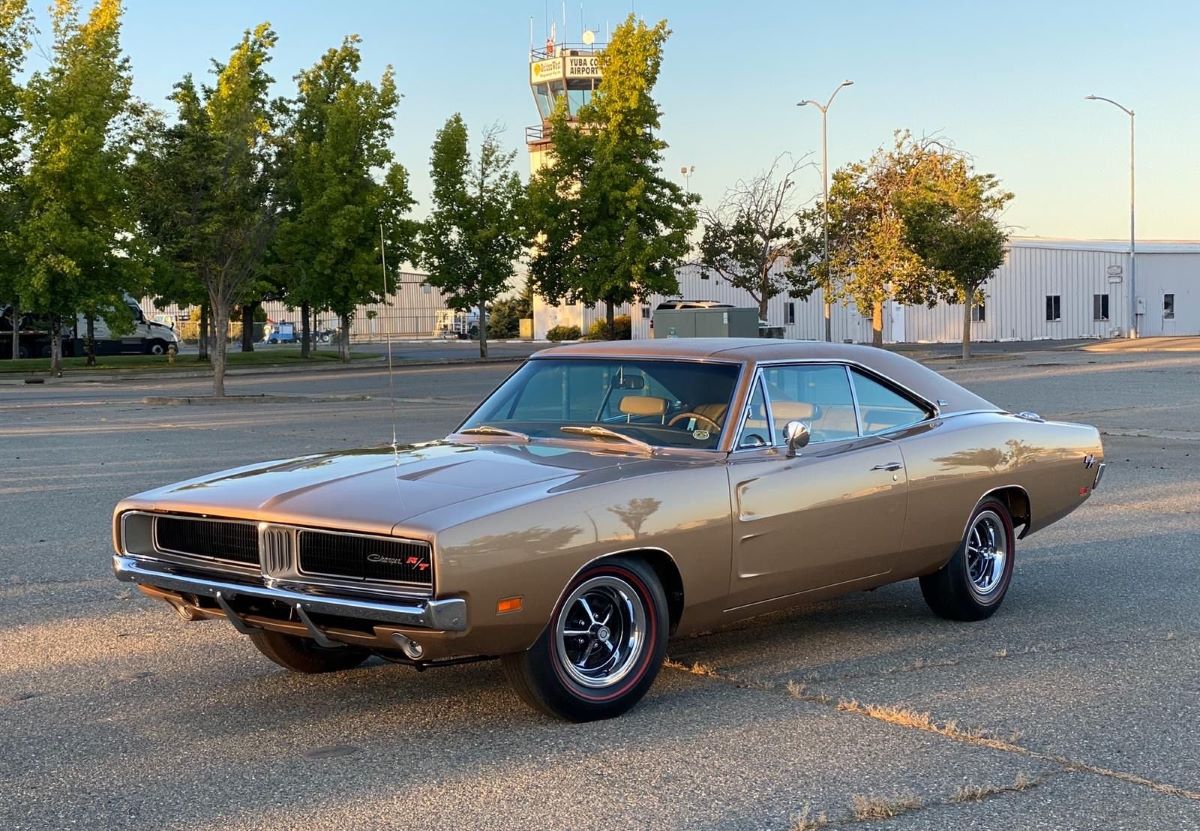
9. Dodge Charger (1966–1969)
The Dodge Charger, introduced in 1966, quickly became an American muscle car icon, and the earliest production models are highly desirable among collectors. Early Chargers from 1966 to 1969 feature the original fastback styling, distinctive grille design, and lightweight body construction that defined the model’s first generation.
These cars were built with a focus on performance, offering a range of engines from small-block V8s to the legendary 426 Hemi. Early builds often include features that were later modified or eliminated, such as specific trim packages, interior layouts, and suspension setups, making them especially collectible.
Performance and mechanical character contribute to the early Charger’s appeal. The original V8 engines delivered raw, unfiltered power, paired with suspension and braking systems that were designed for high-speed stability and road-holding capability.
Early examples retain a certain immediacy and responsiveness that later production models, which were modified for broader market appeal or improved durability, may not fully replicate. Enthusiasts prize these early Chargers for their authentic muscle car experience and the visceral connection between driver and machine.
Rarity plays a significant role in the collectibility of early Chargers. Certain engine options, like the 426 Hemi, were produced in very limited numbers, and factory-installed performance packages such as the R/T trim make these early builds even more valuable.
Subtle differences in styling, including taillight designs, hood configurations, and badging, further distinguish these early examples from later production runs. These factors create a sense of exclusivity that enhances their status among collectors and enthusiasts.
Culturally, early Chargers are celebrated as symbols of American automotive power and style in the 1960s. Their combination of performance, aggressive design, and customization options made them highly popular in motorsport, film, and popular culture.
Owning an early Dodge Charger allows enthusiasts to experience a key chapter in the muscle car era and preserves a piece of automotive history that is both visually striking and mechanically significant.
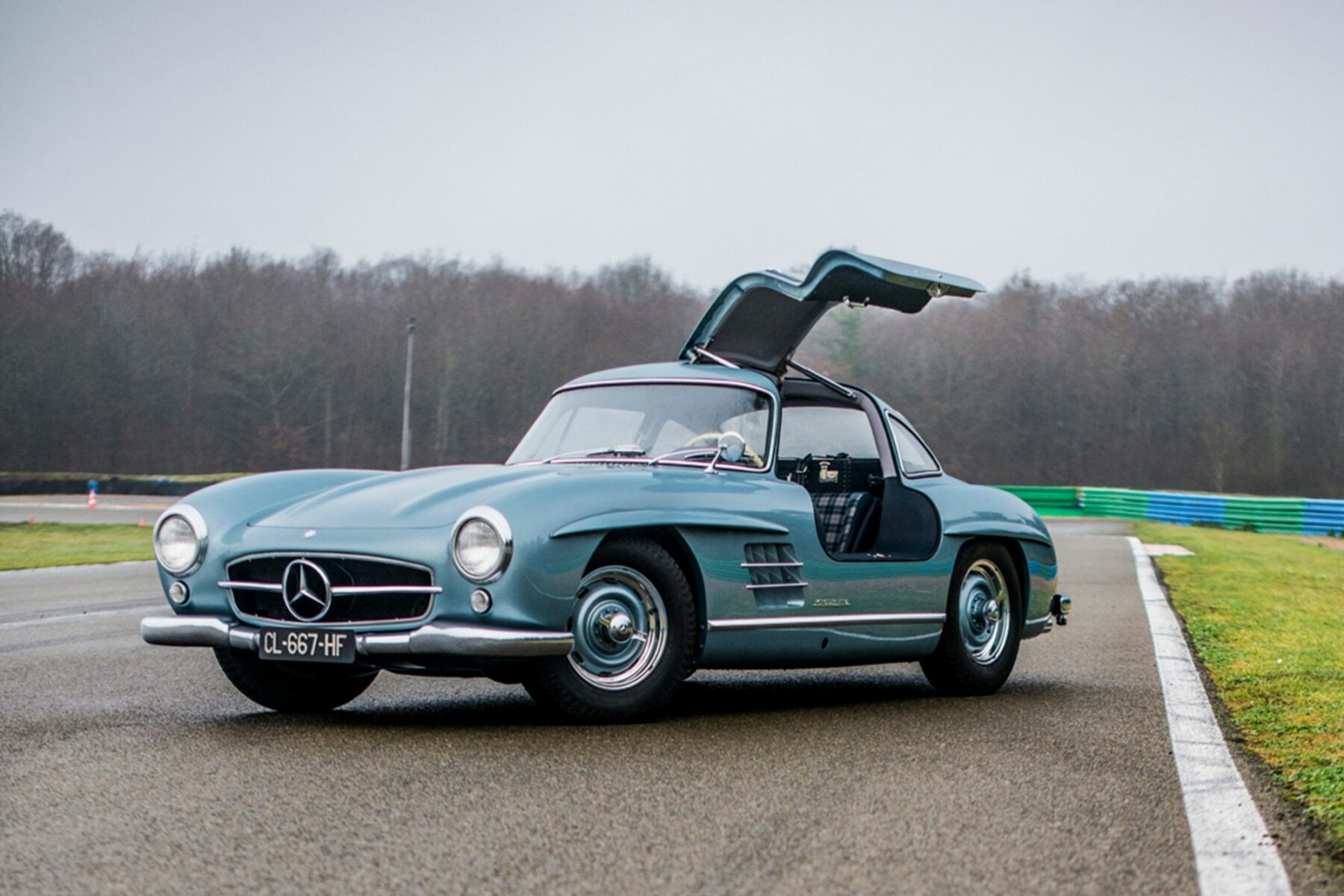
10. Mercedes-Benz 300SL (1954–1957)
The Mercedes-Benz 300SL, introduced in 1954, remains one of the most iconic and revered sports cars ever produced. Early builds are especially sought after due to their historical significance and distinctive engineering features, including the famous gullwing doors, tubular space frame, and fuel-injected inline-six engine.
These cars represented the pinnacle of post-war automotive innovation, blending performance, luxury, and cutting-edge engineering. Collectors prize early examples because they often retain original components and detailing that were modified in later production models, preserving the purity of the 300SL’s original design.
Design details of early 300SLs add to their appeal. The gullwing doors, long hood, and aerodynamic profile make the car instantly recognizable, while subtle changes in trim, grille design, and interior finishes differentiate early builds from later versions.
Original paint schemes, factory-fitted options, and authentic interior materials are especially important for collectors who value historical accuracy and originality. These features enhance both aesthetic appeal and market value, making early 300SLs highly prized among enthusiasts and investors alike.
Mechanically, early 300SLs offered groundbreaking performance for their era. The fuel-injected engine produced more power than many contemporaries, and the lightweight chassis contributed to exceptional handling and agility.
Early builds retain the mechanical characteristics that made the car revolutionary, including responsive steering, precise braking, and a balanced suspension setup. This combination of engineering excellence and driving experience makes these early examples highly desirable for collectors who want a car that embodies both innovation and performance.
Finally, the 300SL’s historical and cultural significance cannot be overstated. It was the first production car to feature fuel injection, and it played a pivotal role in establishing Mercedes-Benz as a global leader in sports car engineering.
Early builds are celebrated not only for their technical achievements but also for their impact on automotive design and performance standards. Owning one of the earliest 300SLs allows enthusiasts to connect with a milestone in automotive history, combining rarity, engineering brilliance, and timeless design into a single, extraordinary vehicle.
