
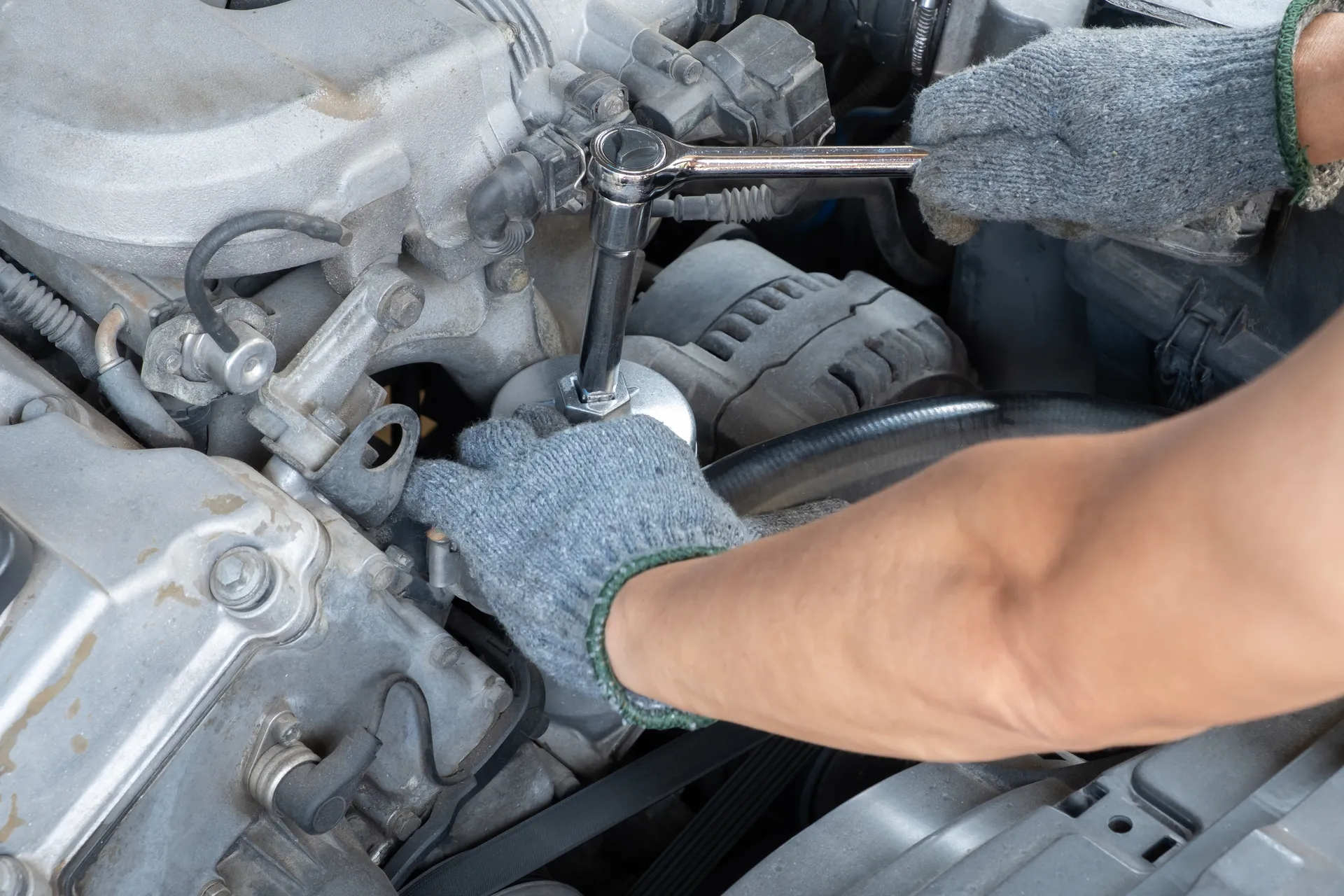
Lift the hood of any vehicle and you’ll quickly notice a clear difference. Some engines are neatly arranged, with parts you can easily recognize and reach. Others look like complicated puzzles sealed under plastic shields, demanding specialized tools and patience just to perform the simplest maintenance.
These differences determine whether a repair is an affordable afternoon task or a costly ordeal that sidelines your car for days.
Engines designed with simplicity in mind save owners huge money as time goes on. They’re easy to service, parts are plentiful, and most mechanics can diagnose issues without expensive diagnostic systems.
Repairs don’t require disassembling half the motor to reach a single component, and because millions of similar engines exist globally, replacement parts are cheap and accessible. These designs ensure that breakdowns remain minor inconveniences instead of financial burdens.
At the other end of the spectrum are engines that test patience and bank balances. Even basic maintenance demands extensive disassembly. Specialized diagnostic tools, often exclusive to dealerships, make independent repairs difficult. Parts come with steep price tags, and labor costs multiply as simple fixes turn into hours-long procedures. What starts as a small issue quickly escalates into a budget-breaking nightmare.
This difference matters because every car will eventually need repairs, no matter how well it’s built. Straightforward engines make those moments manageable, while overly complicated ones turn ownership into a source of constant frustration and expense.
Our analysis below highlights ten vehicles divided between these extremes. Five are powered by engines that both mechanics and owners appreciate for their practicality and affordability. The other five conceal mechanical designs so troublesome that even skilled technicians hesitate to touch them. Knowing which engines belong to which group helps you avoid expensive surprises and choose a car that’s truly worth keeping.
Cars With Simple, Repairable Engines
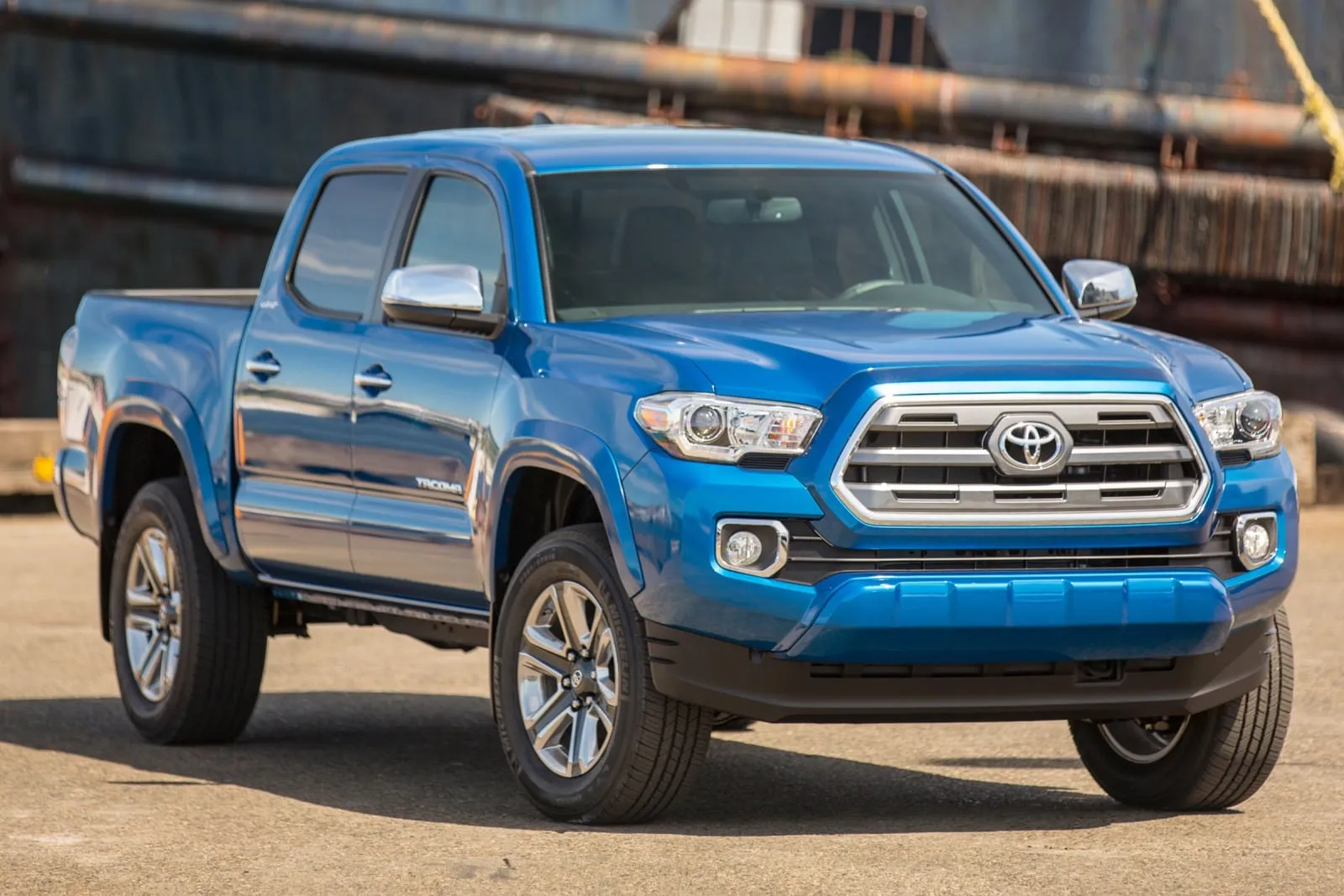
1. Toyota Tacoma SR5 (2016-2023)
Four-cylinder and V6 options in these mid-size trucks demonstrate old-school engineering that prioritizes serviceability. Pop the bonnet and you’ll actually see the engine rather than plastic covers hiding everything. Components are logically arranged and easily accessible. Any competent mechanic can work on these powertrains without cursing Toyota engineers or requiring special tools.
2.7-litre four-cylinder engines are beautifully simple. Timing chains live outside the engine, where you can inspect and replace them without tearing everything apart. Spark plugs are accessible from above without removing intake manifolds.
Oil filters sit in logical locations where you won’t dump oil everywhere during changes. Every design decision suggests that engineers considered future repairs rather than just assembly convenience. 3.5-litre V6 engines continue this sensible tradition. Direct injection adds some modern technology but doesn’t require dealer-only equipment for service.
Access to components remains good despite transverse mounting. Spark plugs require removing intake components, but the job is straightforward rather than nightmarish. Everything is designed to be serviced by humans with standard tools.
Parts availability is exceptional because millions of these engines power Toyota vehicles globally. Walk into any auto parts store, and they’ll have what you need in stock. Aftermarket suppliers offer quality alternatives to expensive dealer parts. Used components are plentiful from salvage yards. This availability keeps repair costs reasonable even when multiple components need replacement.
Reliability is legendary, but when problems do appear, diagnosis is straightforward. Engine management systems use simple logic without excessive complications. Sensors are accessible and affordable. Fault codes actually point toward problems rather than creating diagnostic mysteries. Mechanics spend time fixing issues rather than hunting them down, reducing labour costs dramatically.
Cooling systems are simple and serviceable. Radiators are easily accessible for inspection and replacement. Hoses are visible and reachable. Water pumps sit where you can actually see and service them. Everything about cooling system design suggests that engineers remembered that components eventually fail and need replacement.
Fuel systems use modern direct injection but remain relatively simple. Fuel pumps are accessible without dropping tanks. Filters can be replaced without special procedures. Injectors can be removed and tested without engine removal. Everything is designed to be serviced rather than replaced as complete assemblies.
Electrical systems are straightforward with logical wiring and accessible components. Starters and alternators mount where you can reach them. Batteries sit in normal locations rather than being buried under seats or in fender wells. Nothing is hidden or requires removing half the vehicle for access.
What makes these Tacoma engines special is Toyota’s commitment to serviceability alongside reliability. They built powertrains that last, then made them easy to fix when age eventually catches up. This philosophy creates ownership experiences where repairs are manageable rather than catastrophic.
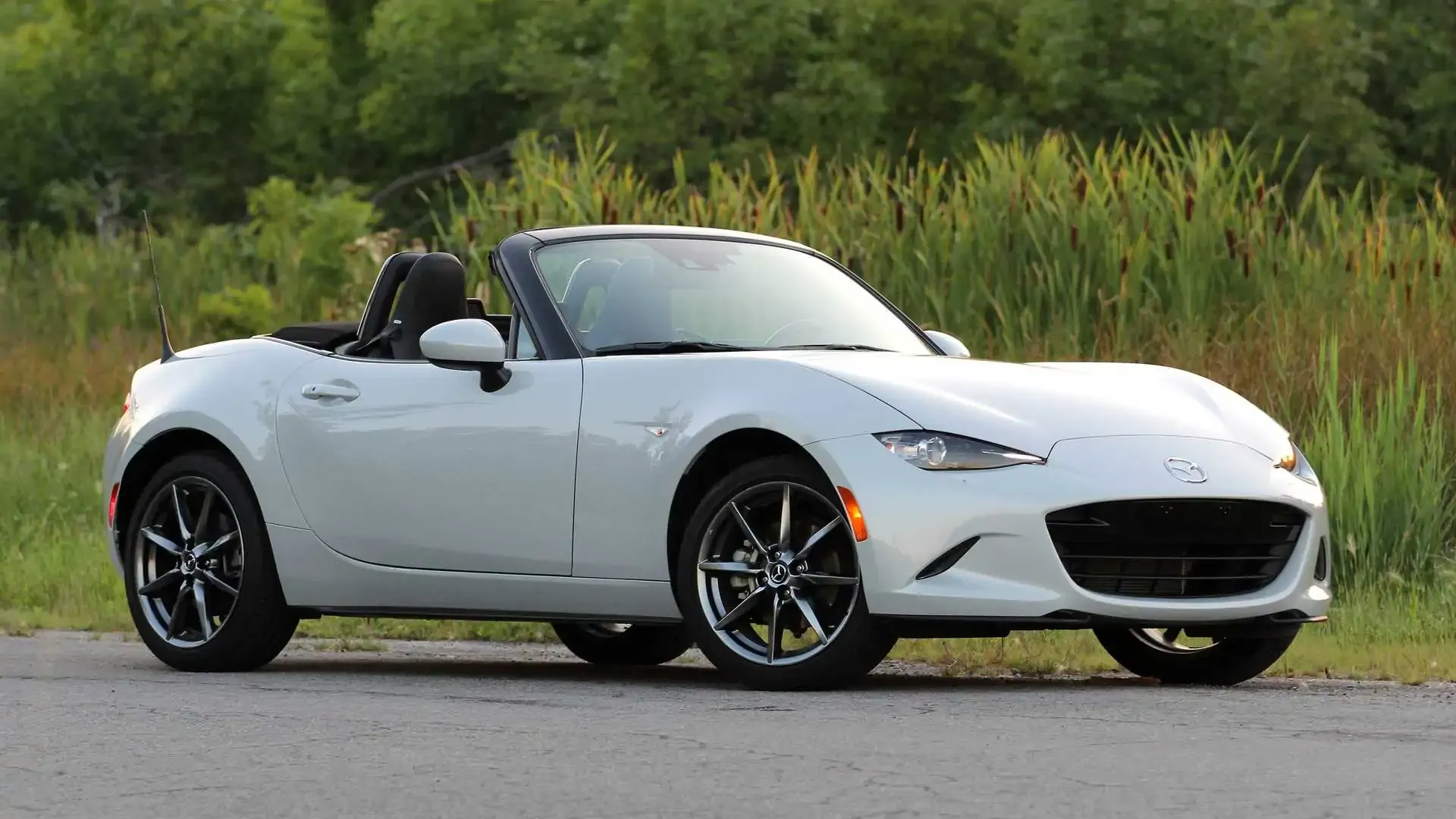
2. Mazda MX-5 Miata Sport (2016-2023)
Lightweight roadsters perform best with uncomplicated engines, and the fourth-generation Mazda Miata embraces that philosophy perfectly. Its naturally aspirated inline-four engines sit lengthwise under a hood designed for quick access, allowing nearly every part to be reached without hassle.
The layout feels as if it were built with mechanics in mind, turning maintenance into an easy task rather than a dreaded one. The 2.0-litre Skyactiv engine stands as a reminder that simplicity still has value in the modern age.
It operates without turbochargers or complicated direct injection setups, relying instead on dependable port fuel injection that rarely causes trouble.
Replacing spark plugs or ignition coils is effortless because they are positioned right where you can see them. Everything reflects Mazda’s focus on durability and owner-friendly service.
A timing chain replaces the more fragile timing belt, removing the risk of costly replacements and major failures. Since the chain is positioned where it can be checked easily, maintenance remains stress-free and inexpensive.
Cooling components are arranged just as thoughtfully, with radiators up front, hoses in plain sight, and thermostats exactly where logic says they should be. Even the water pump is mounted externally, making repairs far less involved.
Routine servicing feels refreshingly human-centered. Oil filters are reachable without burns or scraped knuckles, and drain plugs and filler caps are placed sensibly.
Finding parts is rarely a challenge because many components are shared with other Mazda vehicles, and aftermarket suppliers keep prices reasonable.
Electrical wiring follows a logical path, and connectors are accessible without removing major parts.
Fuel systems stick to proven port injection, allowing simple maintenance with ordinary tools. Altogether, these engines reflect Mazda’s devotion to purity in engineering, creating cars that thrill to drive yet remain affordable and easy to keep on the road.
Also Read: 9 Cars That Make Every Commute Enjoyable

3. Subaru Forester Base (2014-2018)
Boxer engines have unique characteristics, but fourth-generation Forester powertrains remain relatively simple and serviceable.
Naturally aspirated four-cylinders avoid turbocharger complications while providing adequate performance. Access isn’t perfect, but it’s manageable. Mechanics familiar with Subaru layouts can work efficiently without excessive cursing.
2.5-litre boxer engines are straightforward designs without excessive technology. Port fuel injection keeps things simple. Spark plugs are accessible from above despite the horizontal layout.
Valve covers are removable for inspections without massive disassembly. Everything suggests that engineers balanced packaging with serviceability reasonably well.
Timing belts require regular replacement, but jobs are straightforward for experienced mechanics. Access isn’t terrible.
Procedures are well-documented because millions of these engines exist. Labour costs stay reasonable because competent shops can complete work efficiently. Parts are affordable from multiple suppliers.
Cooling systems are simple and serviceable. Radiators sit accessibly at the front. Hoses are visible and reachable.
Water pumps are belt-driven externally. Thermostats mount logically. Everything can be inspected visually and replaced without excessive drama.
Oil changes are straightforward despite the boxer layout. Filters sit accessibly on engine sides. Drain plugs are positioned reasonably. Fill procedures are simple. Nothing about routine maintenance requires special tools or dealer visits.
Parts availability is excellent because Subaru sold millions of these engines globally. Any auto parts store stocks common components.
Aftermarket suppliers offer quality alternatives. Salvage yards have abundant used parts. Affordability stays reasonable throughout ownership.
Electrical systems are relatively simple with logical layouts. Wiring routes sensibly around boxer engines.
Sensors are accessible for testing and replacement. Connectors are reachable without excessive disassembly. Diagnosis is straightforward because systems avoid unnecessary complications.
Fuel systems use traditional port injection that any mechanic understands. Pumps are accessible inside fuel tanks. Filters can be replaced normally. Injectors are visible and serviceable. Nothing requires specialized dealer equipment for basic repairs.
All-wheel drive adds some mechanical components but doesn’t complicate engine repairs excessively.
Powertrains can be serviced without removing drivetrains completely. Access remains manageable for routine work. Everything balances capability with serviceability reasonably well.
What makes these Forester engines appealing is Subaru’s focus on reliability through simplicity. They avoided excessive technology that complicates repairs, creating powertrains that serve owners faithfully while remaining affordable to maintain long-term.

4. Honda Civic LX (2016-2021)
The tenth-generation Honda Civic combines advanced performance with the kind of practicality that keeps long-term maintenance simple. Honda’s engineers managed to include modern turbocharged technology without burdening owners with excessive complicated.
Everything under the hood is designed to be reachable, logical, and cost-effective when repairs or servicing are needed, earning appreciation from mechanics who value thoughtful engineering. The 1.5-litre turbo engine offers an ideal blend of efficiency and accessibility.
The turbo unit itself can be checked or replaced without dismantling half the car, while spark plugs and filters are positioned where anyone with basic tools can handle the job easily.
Even with direct injection, Honda avoided unnecessary overengineering. Fuel injectors, pumps, and lines are all arranged so that experienced technicians can service them quickly and affordably.
The use of a timing chain instead of a belt eliminates a common maintenance headache. Chains are visible enough for routine inspection and can be replaced without major disassembly.
Cooling components follow the same practical pattern, with the radiator right up front, hoses and thermostats placed intuitively, and everything designed for quick access when repairs arise.
Oil changes are refreshingly easy for a modern turbo engine, thanks to accessible filters, clearly located drain plugs, and logical filler points.
Replacement parts are plentiful and inexpensive because Honda produced millions of these engines, making components easy to find in auto shops or salvage yards around the world.
Electrical layouts follow sensible paths, allowing easy diagnosis and straightforward sensor replacement. Even with direct injection, the fuel system remains manageable without specialized dealership equipment.
Honda succeeded in creating engines that combine today’s performance standards with old-school serviceability, ensuring Civic owners enjoy modern driving without worrying about expensive or complicated repairs.
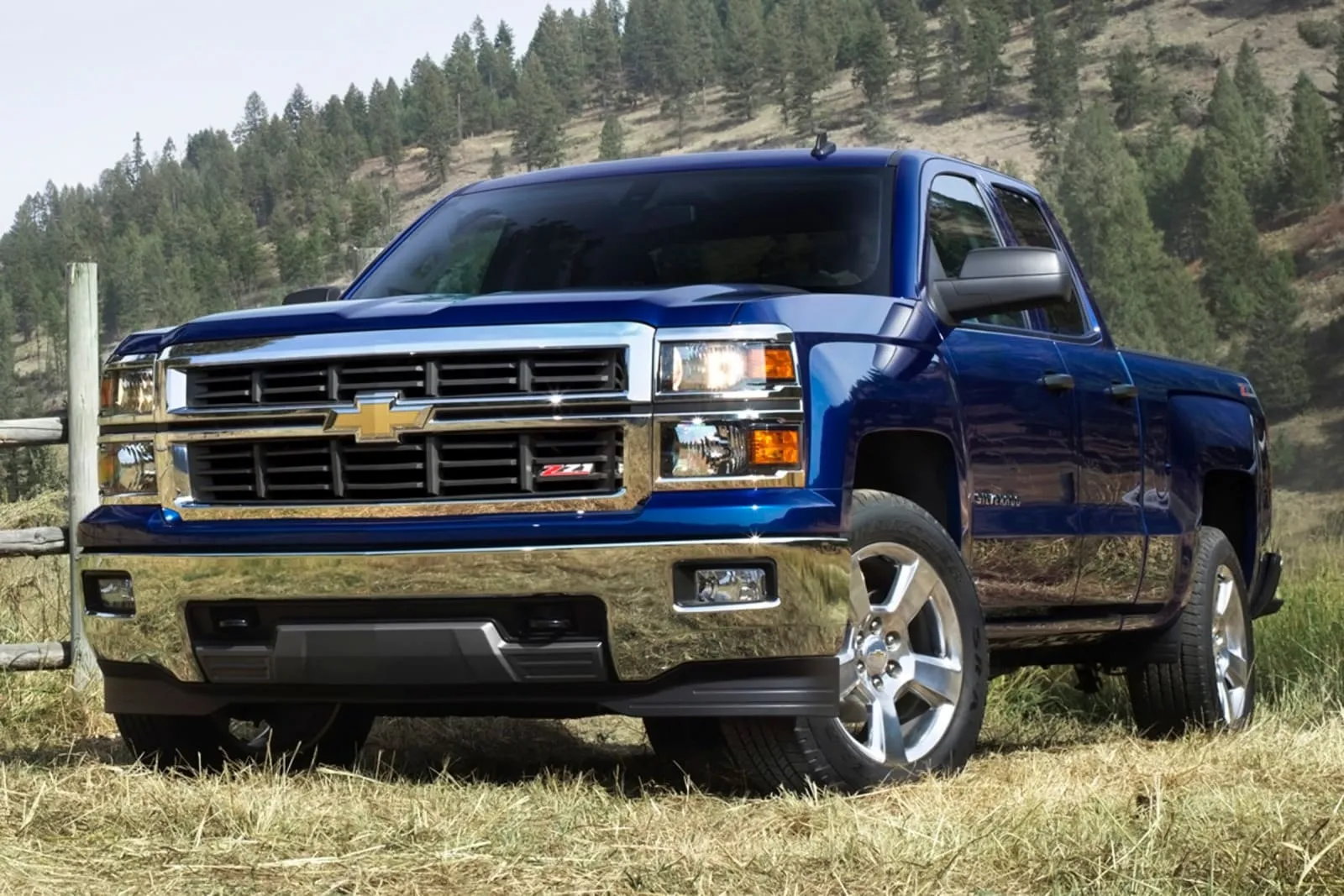
5. Chevrolet Silverado 1500 LT (2014-2018)
American V8 engines represent ultimate simplicity in the modern era. Fifth and sixth-generation Silverado powertrains continue this proud tradition with pushrod designs that are easy to understand and service.
Any mechanic can work on these engines competently. Parts are cheap and plentiful. Everything about ownership is straightforward and affordable.
5.3-litre V8 engines are beautifully simple despite modern fuel injection. Pushrod valvetrains eliminate timing chain complications that plague overhead cam designs.
Spark plugs are easily accessible from above. Ignition coils sit where you can see and replace them without removing half the engine. Everything is logical and reachable.
Variable valve timing adds some modern technology but doesn’t complicate repairs excessively.
Systems are robust and rarely fail. When problems do appear, diagnosis is straightforward. Repairs don’t require specialized tools or dealer visits. Everything stays manageable.
Cooling systems are simple and serviceable. Radiators are massive and easily accessible. Hoses are visible and reachable.
Water pumps are belt-driven externally. Thermostats mount logically. Everything can be inspected and serviced without drama.
Oil changes are simple with filters positioned accessibly. Drain plugs are reachable without crawling underneath awkwardly. Fill procedures are straightforward. Routine maintenance is genuinely easy.
Parts availability is exceptional because millions of these engines power GM trucks globally. Any auto parts store stocks everything.
Aftermarket suppliers offer countless alternatives. Salvage yards overflow with used components. Affordability stays excellent throughout ownership.
Electrical systems are relatively simple despite modern electronics. Wiring is routed logically. Sensors are accessible. Connectors are reachable. Everything about diagnosis and repair is straightforward.
Fuel systems use port injection that any mechanic understands. Pumps are accessible inside fuel tanks. Filters can be replaced easily. Injectors are visible and serviceable. Nothing requires dealer-exclusive equipment.
What makes these Silverado engines special is GM’s commitment to proven technology that works.
They resisted temptations to complicate everything, creating powertrains that serve owners reliably while remaining affordable to maintain long-term.
Cars That Are a Mechanic’s Nightmare
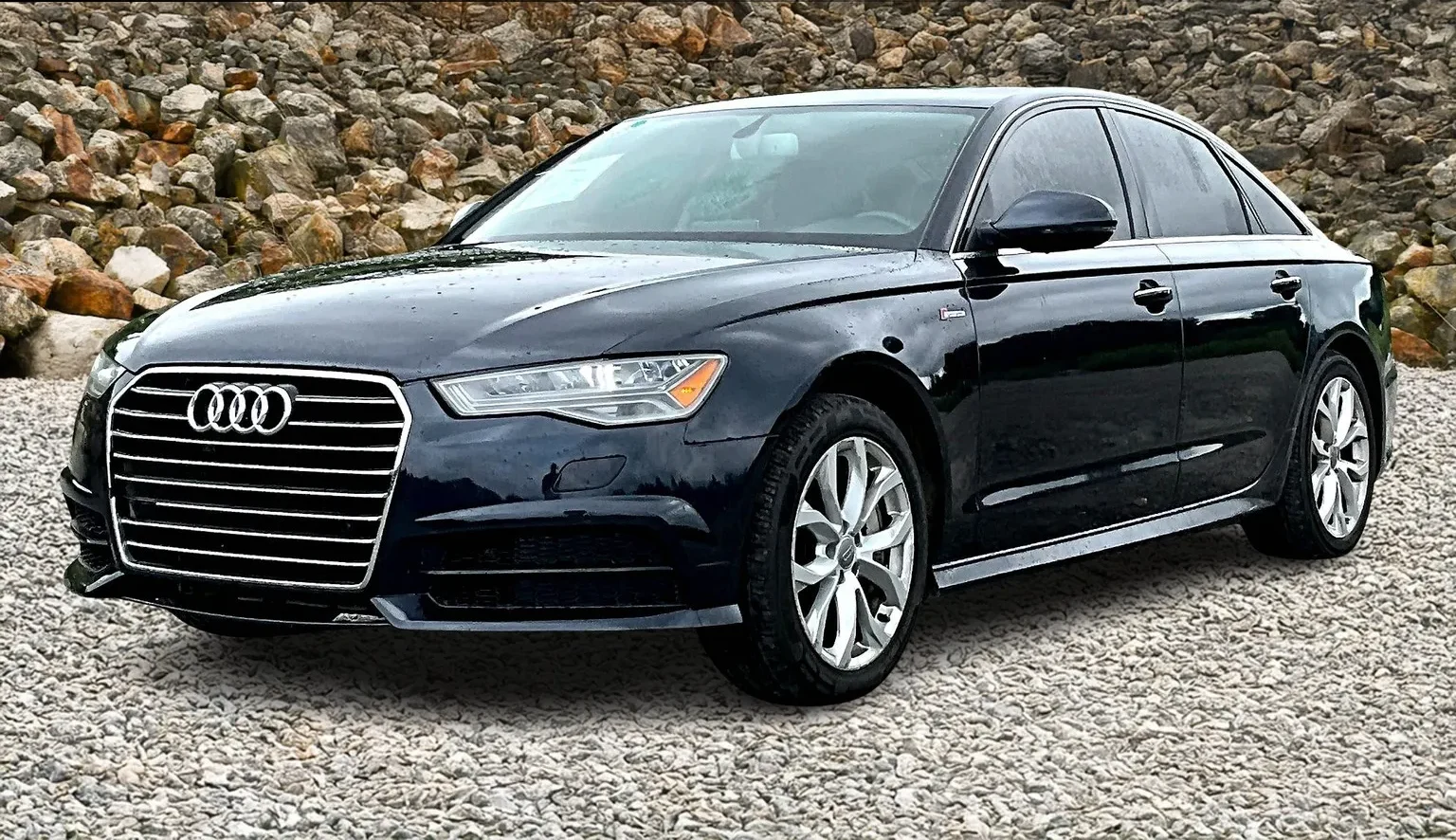
1. Audi A6 3.0T Premium Plus (2016-2018)
German performance cars often impress with power but frustrate with their complications. The supercharged V6 engines used in many models deliver strong acceleration yet punish anyone attempting to maintain them.
Each repair feels unnecessarily difficult, with even minor jobs demanding extensive teardown. Technicians often groan at the sight of these engines, knowing that simple fixes will consume hours and inflate costs.
The 3.0-litre supercharged setup is a maze of parts crammed tightly beneath layers of plastic and sensors. Reaching valve covers requires stripping off manifolds, rails, and wiring.
Replacing spark plugs, a routine task in most cars, becomes an expensive procedure due to the amount of disassembly involved. Accessibility simply wasn’t part of the design.
Timing chains, hidden deep within the engine block, can’t be checked without removing major components.
When they eventually stretch, repairs demand complete engine removal, leading to astronomical labour bills that often exceed the car’s market value.
Cooling systems add more frustration, featuring multiple pumps, thermostats, and convoluted hoses that turn a simple leak into a multi-hour diagnostic job.
Even oil changes are far from simple. Filters sit in awkward places, drain plugs release oil onto suspension parts, and refilling requires electronic sensors instead of dipsticks. Parts sourcing makes things worse since most components are dealer-only and come with high price tags.
Electrical systems and fuel delivery are equally daunting, filled with modules and sensors requiring specialized diagnostic tools. Direct injection leads to carbon buildup, needing costly cleaning services every few years.
Forced induction hardware, such as superchargers and turbo units, adds more potential failures, with oil line issues and tight packaging compounding repair difficulty.
These engines showcase performance brilliance but disregard practicality, punishing owners with repair bills that make maintaining them a financial ordeal.

2. BMW X5 xDrive35i (2014-2018)
Turbocharged inline-six engines deliver impressive performance wrapped in maintenance disasters. Everything is buried under plastic covers and surrounded by components.
Access is terrible. Diagnosis requires expensive dealer equipment. Repairs cost fortunes in parts and labour. Mechanics charge premium rates just to deal with these nightmares.
N55 turbocharged engines suffer numerous problems that are expensive to diagnose and repair. Valve cover leaks are common, but fixing them requires removing intake manifolds and countless components. Simple gasket jobs become expensive services.
Timing chains stretch prematurely, creating catastrophic internal damage if not addressed. Diagnosis requires expensive inspection procedures.
Repairs demand engine removal and complete front-end disassembly. Labour alone costs thousands. Parts add thousands more. Total bills often exceed vehicle values.
Cooling systems are complicated nightmares with electric water pumps that fail regularly. Replacements require extensive disassembly.
Plastic components crack prematurely. Hoses route through impossible locations. Everything about cooling system service is expensive and frustrating.
Oil changes require special filters buried under engines. Drain procedures dump oil onto subframes. Fill procedures are complicated by electronic level sensors replacing traditional dipsticks. Simple maintenance becomes dealer-dependent.
Parts availability is limited to dealers for many components. Prices are astronomical. Aftermarket alternatives exist, but quality is questionable. Used parts are risky because failures are common. Everything stays expensive.
Electrical systems are nightmarishly complicated, with modules controlling everything. Diagnosis requires dealer equipment.
Faults cascade through interconnected systems. Simple problems become expensive diagnostic nightmares. Repairs often require replacing entire modules.
Fuel systems use direct injection with high-pressure pumps that fail regularly. Replacements require extensive disassembly. Carbon buildup requires expensive cleaning services. Everything about fuel system maintenance is expensive.
Turbochargers fail prematurely with wastegate rattles announcing impending expensive replacements. Access requires removing multiple components. Labour costs are devastating. Parts are expensive. Total bills make grown adults weep.
What makes these BMW engines nightmares is the complete disregard for serviceability, combined with terrible reliability. They break constantly and cost fortunes to fix, creating financially devastating ownership experiences.

3. Land Rover Range Rover Sport HSE (2014-2019)
British luxury SUVs impress with their commanding presence and power, but are plagued by severe reliability problems and astronomical maintenance costs.
The supercharged V6 and V8 engines deliver strong performance yet are infamous for mechanical fragility and difficult designs that frustrate even experienced technicians.
Each repair seems engineered to drain wallets, with every component buried beneath layers of parts that make basic servicing a costly ordeal.
These engines are notorious for a range of failures. Timing chains stretch prematurely, superchargers wear out faster than expected, and cooling systems constantly spring leaks.
Nothing lasts as long as it should, and diagnosing faults often requires specialized dealer tools. Once the problem is identified, extensive disassembly drives labour charges sky-high. Even routine maintenance quickly turns into a financial burden.
Accessing engine components is a nightmare. Reaching valve covers or spark plugs means removing several layers of intake parts, turning simple jobs into half-day projects.
Cooling system repairs are equally dreadful, with fragile plastic parts and crossover pipes that crack easily, sometimes requiring engine removal to replace.
Oil changes, which should be routine, involve hidden filters, complicated drain procedures, and digital resets.
Parts can be obtained almost exclusively through dealerships at premium prices, and some must be shipped directly from the United Kingdom, leading to long delays and high costs.
The electrical layout adds another headache. Dozens of control modules communicate through fragile systems that fail in chains, forcing owners to replace expensive assemblies rather than individual parts.
Direct-injection fuel systems clog with carbon buildup, demanding periodic, high-cost cleaning. Air suspension systems collapse regularly, compounding the repair burden.
Altogether, Range Rover engines represent luxury without longevity, vehicles that impress in performance but punish their owners financially, turning what should be prestige ownership into an unending series of costly mechanical problems.
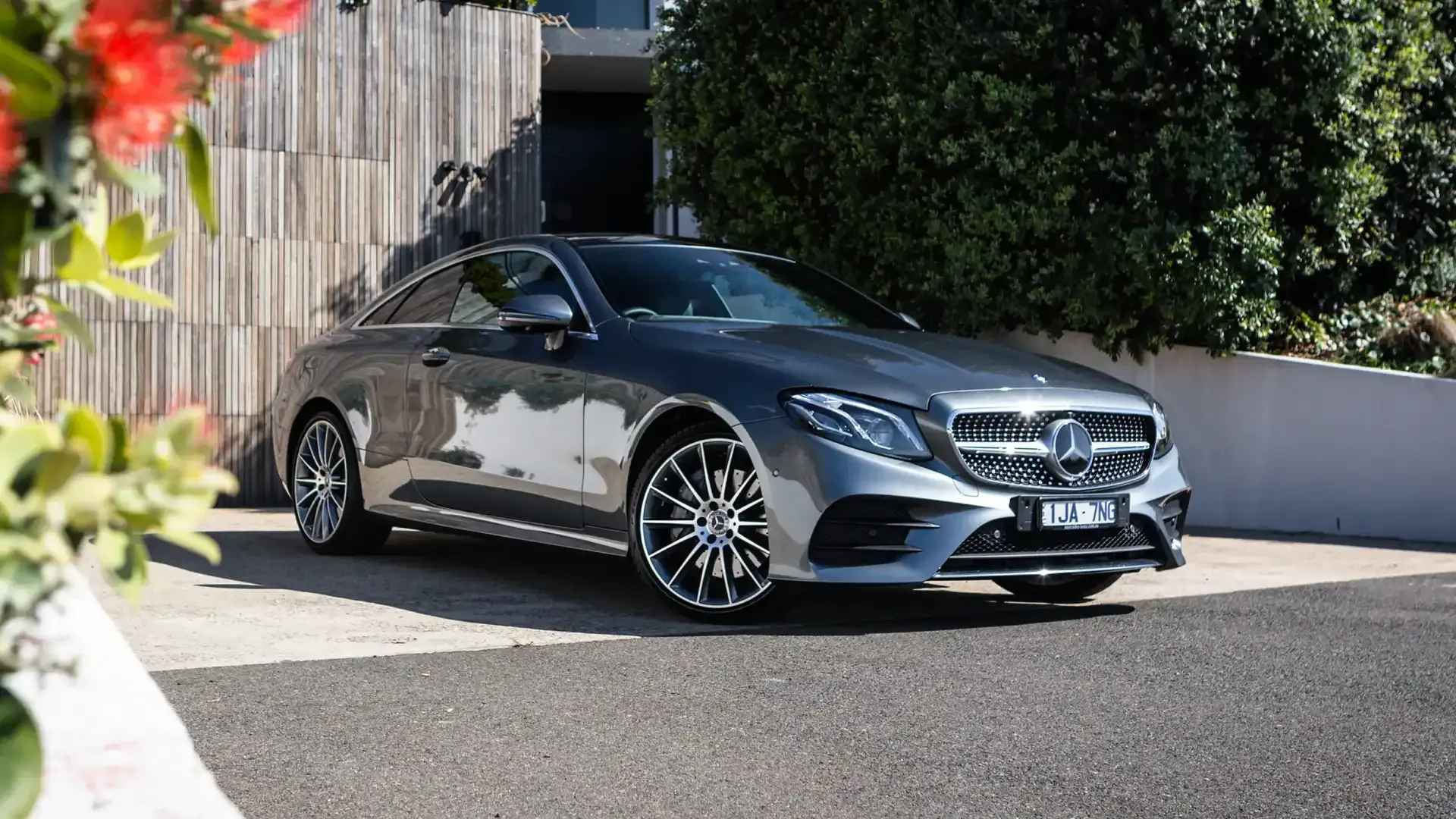
4. Mercedes-Benz E400 4MATIC (2017-2020)
German luxury creates impressive sedans containing maintenance nightmares. Twin-turbocharged V6 engines produce excellent power, but serviceability is terrible. Everything is buried under plastic covers. Access is awful. Repairs are expensive. Mechanics dread working on these powertrains.
Twin-turbo 3.0-litre engines are complicated nightmares. Turbochargers are buried under intake systems.
Access requires removing multiple components. When turbos fail, as they often do, repairs cost thousands in labour before parts are even ordered.
Timing chains live inside engines, where you can’t inspect them. When they stretch, repairs require complete engine removal and disassembly. Labour costs alone exceed many vehicles’ values. Parts add thousands more to devastating bills.
Cooling systems are complicated with electric water pumps and multiple thermostats. Components fail regularly. Replacements require extensive disassembly. Plastic parts crack prematurely. Everything about cooling system service is expensive.
Oil changes require special filters and procedures. Access is terrible. Drain plugs dump oil onto subframes. Fill procedures are complicated by electronic systems. Simple maintenance becomes dealer-dependent.
Parts availability is limited to dealers. Prices are astronomical. Aftermarket alternatives are limited. Everything stays expensive throughout ownership. Electrical systems are nightmarishly complicated. Modules control everything. Diagnosis requires dealer equipment. Faults cascade through systems. Simple problems become expensive nightmares.
Fuel systems use direct injection with high-pressure components buried inside engines. Carbon buildup requires expensive cleaning services. Access to anything requires extensive disassembly.
What makes these Mercedes engines nightmares is the complete disregard for serviceability. Engineers prioritized performance while ignoring that humans would need to fix things, creating powertrains that bankrupted owners.
Also Read: 9 Cars That Handle High Mileage Better Than Expected

5. Volkswagen Touareg V6 Executive (2011-2017)
The Volkswagen Touareg V6 Executive from 2011 to 2017 showcases strong German performance but hides a world of mechanical frustration beneath its polished image.
While the supercharged and turbocharged V6 engines deliver smooth power and refinement, they come with questionable durability and sky-high maintenance bills.
Owners often face a long list of recurring mechanical issues. Common repairs involve removing several parts just to reach routine service points.
Tasks that should take minutes on other vehicles often turn into lengthy procedures, and every visit to the workshop leaves a noticeable dent in the wallet.
Timing chain replacements are particularly dreaded, demanding precision tools, technical expertise, and hours of labour that make the service financially draining. The cooling system adds to the misery.
Plastic connectors and pipes fail frequently, leading to persistent leaks and expensive overhauls that require major disassembly.
Even something as simple as an oil change becomes a hassle, often requiring dealership intervention due to specialized tools and procedures. Independent mechanics rarely take on the job, and genuine parts are mostly available through dealerships at premium prices, with aftermarket support nearly nonexistent.
Electrical and fuel systems introduce their own complications. The Touareg’s wiring network is overly complicated, and diagnosing issues requires dealer-grade equipment.
Fuel injectors and pumps, located deep within the engine, are difficult to access and prone to carbon buildup, necessitating costly cleaning services.
Altogether, the Touareg V6 Executive offers power and prestige but fails on practicality and reliability.
Ownership often becomes a financial burden, as constant maintenance and repair costs turn what should be a premium SUV experience into an exhausting and expensive commitment.
