
Road trips have long been a symbol of freedom, adventure, and the joy of traveling on your own schedule.
The open road, changing industry, and the sense of control over your journey make hitting the highway a unique experience. However, the enjoyment of a long drive often depends less on the destination and more on the vehicle carrying you there.
Cars are not created equally when it comes to long-distance travel. Some vehicles are comfortable, reliable, and efficient, making hours behind the wheel almost pleasurable.
Others may seem practical in city driving but can turn even a short trip into a test of patience and endurance when used for extended road travel.
Comfort, fuel efficiency, storage space, and handling are just a few of the critical factors that can make or break a road trip experience.
A car that feels cramped, vibrates excessively, or has poor mileage can leave drivers fatigued and frustrated. Similarly, insufficient storage for luggage and essentials can make even a scenic route stressful.
Safety features and technology also play a role. Vehicles with advanced driver-assistance systems, adaptive cruise control, and intuitive infotainment systems allow drivers to maintain focus and reduce the strain of long journeys.
Conversely, cars lacking these conveniences can contribute to distraction and discomfort, making every mile feel longer than it is.
Choosing the right car for a road trip involves a careful balance between performance and practicality. Sports cars may offer speed and style but often compromise comfort and storage. Large SUVs may provide space and stability but consume excessive fuel.
Sedans and crossovers can strike a balance, combining comfortable seating, smooth rides, and ample cargo room.
Drivers also need to consider factors like climate control, seating ergonomics, and cabin quietness, as prolonged exposure to road noise or uncomfortable seating can quickly sap energy and enjoyment.
In this article, we will examine ten vehicles, divided into two categories: five that enhance road trip experiences and five that can make them miserable. By comparing different models, we aim to provide a guide for anyone planning extended travel by car.
Whether you prioritize comfort, efficiency, technology, or driving satisfaction, understanding which vehicles excel on the highway can help ensure your next road trip is memorable for the right reasons.
Equally important is recognizing which cars may introduce frustration, fatigue, or unnecessary stress during long drives. The following sections provide a detailed look at these vehicles and the factors that define their performance on the open road.
5 Cars That Are Great for Road Trips
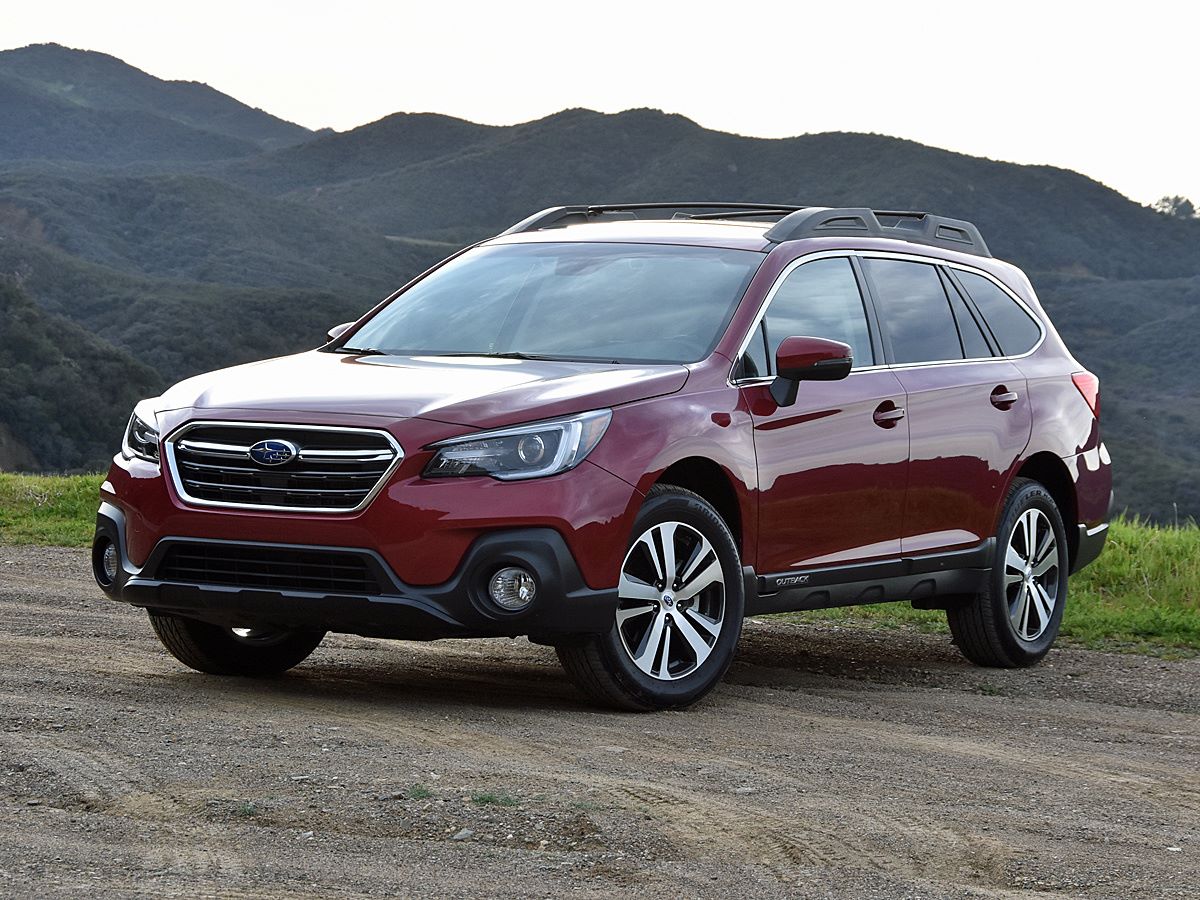
1. Subaru Outback
The Subaru Outback has earned a reputation as one of the most versatile vehicles for road trips, largely because it strikes a rare balance between comfort, capability, and practicality.
Its interior is designed to maximize space without feeling bulky, which is particularly important on extended drives where passenger comfort is crucial.
The front seats are wide and supportive, providing ergonomic cushioning that reduces strain on the back and hips over long hours.
Rear passengers also benefit from generous legroom and headroom, making it easier for families or groups of friends to travel without feeling cramped.
The vehicle’s ride quality contributes heavily to its appeal. The suspension system is finely tuned to absorb road imperfections, including potholes, gravel roads, or uneven pavement, resulting in a smoother, more relaxed ride. Even at highway speeds, the cabin remains quiet, reducing fatigue from constant road noise.
Its all-wheel-drive system ensures confident handling in a variety of weather conditions, whether rain, snow, or dry roads, making it a reliable companion for unpredictable conditions. Drivers can take on mountain passes or coastal highways without feeling insecure about traction or stability.
Cargo space in the Outback is both generous and flexible. The rear hatch provides easy access, and folding rear seats allow travelers to carry larger items such as camping gear, bicycles, or luggage for multiple people.
The storage compartments are well-thought-out, including side pockets, underfloor storage, and cupholders, which help keep items organized and easily accessible. For road trips involving long distances and multiple stops, having this level of organization can significantly reduce stress and enhance the travel experience.
Technology and safety features further improve the road trip experience. Modern Outback models come equipped with adaptive cruise control, lane-keeping assist, and an intuitive infotainment system that supports Apple CarPlay and Android Auto. These tools allow drivers to maintain focus on the road while staying connected and entertained.
Additionally, Subaru’s EyeSight system offers collision avoidance and other driver-assistance features that contribute to a safer, less tiring drive.
The combination of comfort, practicality, and technology makes the Subaru Outback a well-rounded choice for anyone seeking a reliable, enjoyable vehicle for long-distance travel.
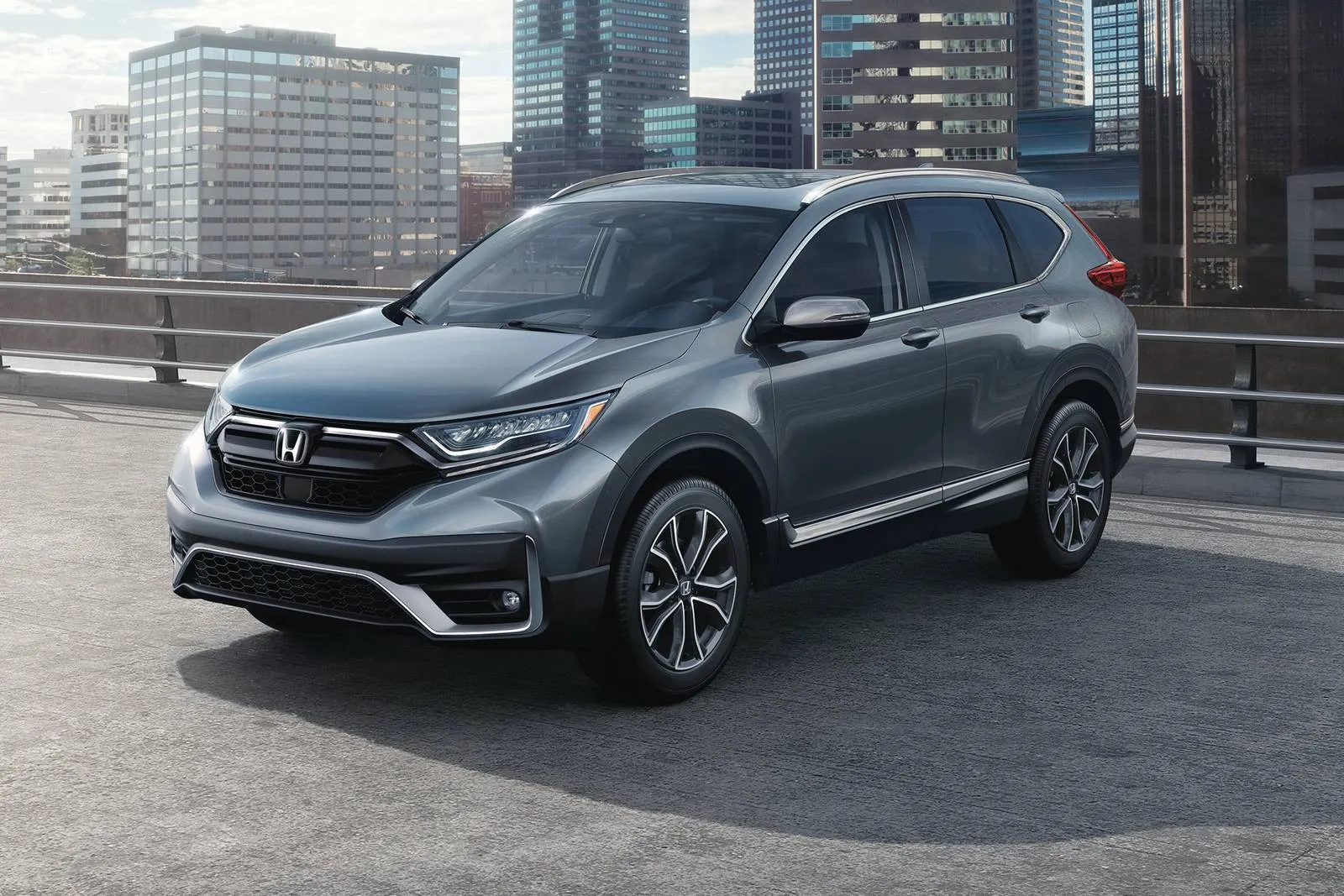
2. Honda CR-V
The Honda CR-V has long been recognized for its combination of practicality and comfort, making it a strong contender for road trips. Its interior space is thoughtfully designed to accommodate both passengers and cargo without compromising comfort.
Front seats are wide and supportive, featuring adjustable lumbar support in higher trims to prevent fatigue on long drives.
Rear passengers benefit from ample legroom, making it suitable for adults as well as children. The cabin layout is intuitive, ensuring that controls and storage areas are within easy reach.
The CR-V’s ride quality is smooth and controlled. Its suspension absorbs minor bumps and irregularities in the road, resulting in a quieter cabin and reduced fatigue for both the driver and passengers.
The vehicle handles corners and highway driving with stability, and its steering response is predictable, which adds confidence on unfamiliar routes. This combination of smoothness and stability makes the CR-V ideal for long trips where consistency and comfort are key.
Cargo space is another area where the CR-V excels. The rear seats can fold flat, creating a large, usable area for luggage, coolers, or other gear. Smaller compartments and cupholders are strategically placed to keep essentials organized.
This flexibility ensures that travelers can pack everything they need without cluttering the cabin or sacrificing comfort. For families or groups with diverse packing needs, this feature can make a substantial difference in the experience.
Modern technology and convenience features enhance the CR-V’s suitability for road trips. Many models include adaptive cruise control, lane-keeping assist, touchscreen navigation, and smartphone integration. These systems make driving less stressful, particularly on long stretches of highway or during heavy traffic.
Combined with the vehicle’s reliable engine and efficient fuel economy, the Honda CR-V provides a balanced and comfortable experience for both short excursions and extended road journeys, making it a dependable companion for travelers.
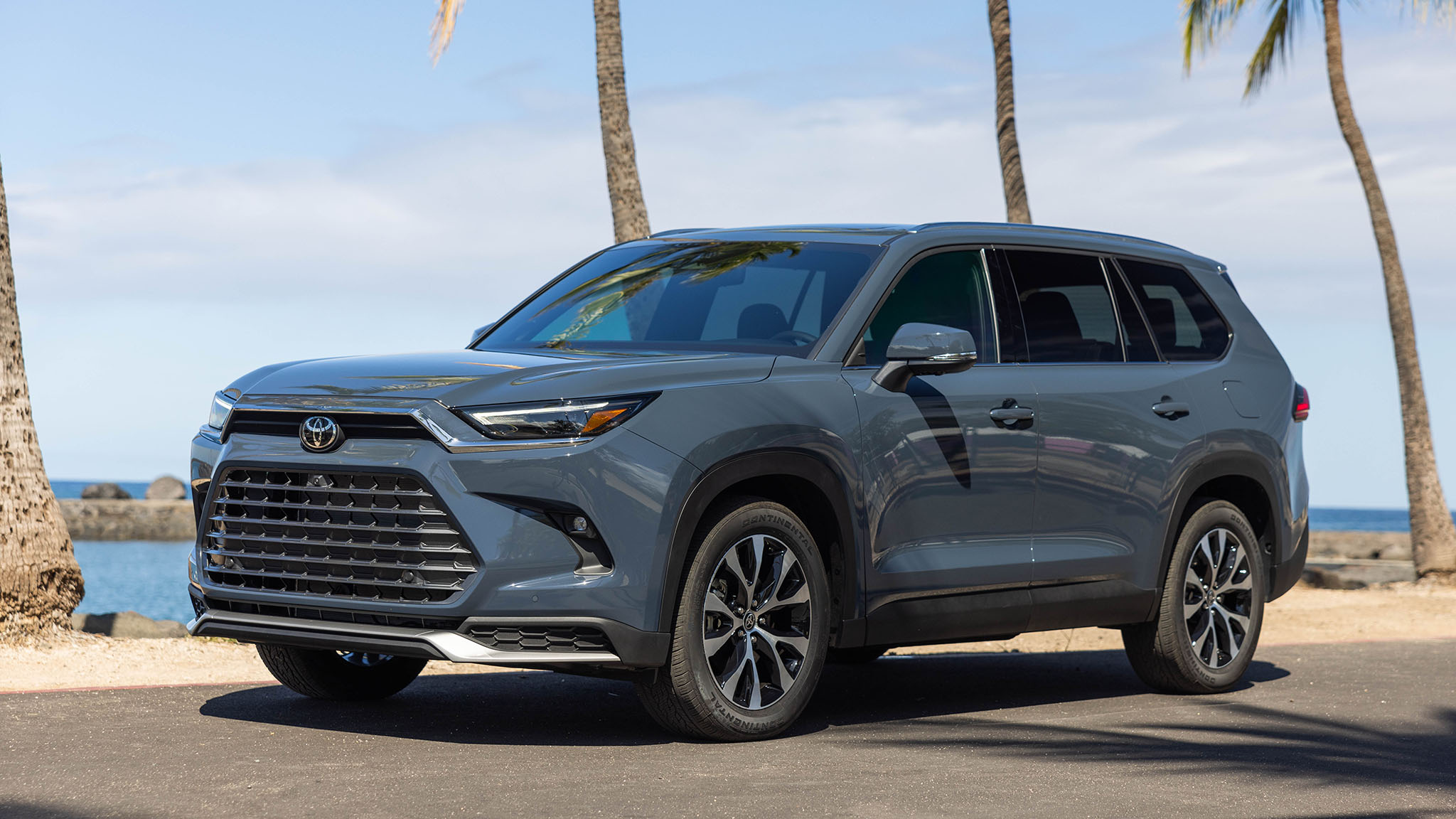
3. Toyota Highlander
The Toyota Highlander is a midsize SUV that offers exceptional versatility, comfort, and performance for road trips. Its spacious interior provides ample seating for up to eight passengers in certain configurations, and even models with fewer seats offer generous legroom and headroom.
The seats are designed for ergonomic support, with adjustable features that help prevent discomfort during long hours behind the wheel. Climate control systems with multiple zones ensure that both driver and passengers can maintain their preferred temperature, which is critical on trips that cross different climates.
Ride quality in the Highlander is smooth, stable, and predictable. The suspension absorbs road imperfections effectively, making long drives on highways or secondary roads more comfortable.
Steering response is precise, which allows for confidence on winding roads or in unfamiliar terrain. The vehicle’s quiet cabin design minimizes road and wind noise, creating a more relaxing environment where passengers can converse, listen to music, or enjoy audiobooks without constant distraction from the outside environment.
Cargo space is another strength. The Highlander’s rear seats fold flat to create a large, flexible area for luggage, camping equipment, or sports gear.
For travelers with families or multiple passengers, this feature ensures that everyone’s belongings can fit comfortably without impinging on passenger space. Fuel efficiency, particularly in hybrid models, is reasonable for a midsize SUV, allowing for longer stretches between fuel stops and reducing both travel time and cost.
Safety and technology features make the Highlander an attractive choice for extended trips. Adaptive cruise control, lane-keeping assist, blind-spot monitoring, and a responsive infotainment system reduce driver stress and enhance convenience.
Its reliability is well-documented, and maintenance is generally straightforward, which increases confidence when traveling to areas far from urban centers.
With these attributes, the Toyota Highlander is a strong contender for travelers seeking a vehicle that combines space, comfort, and performance over long distances.
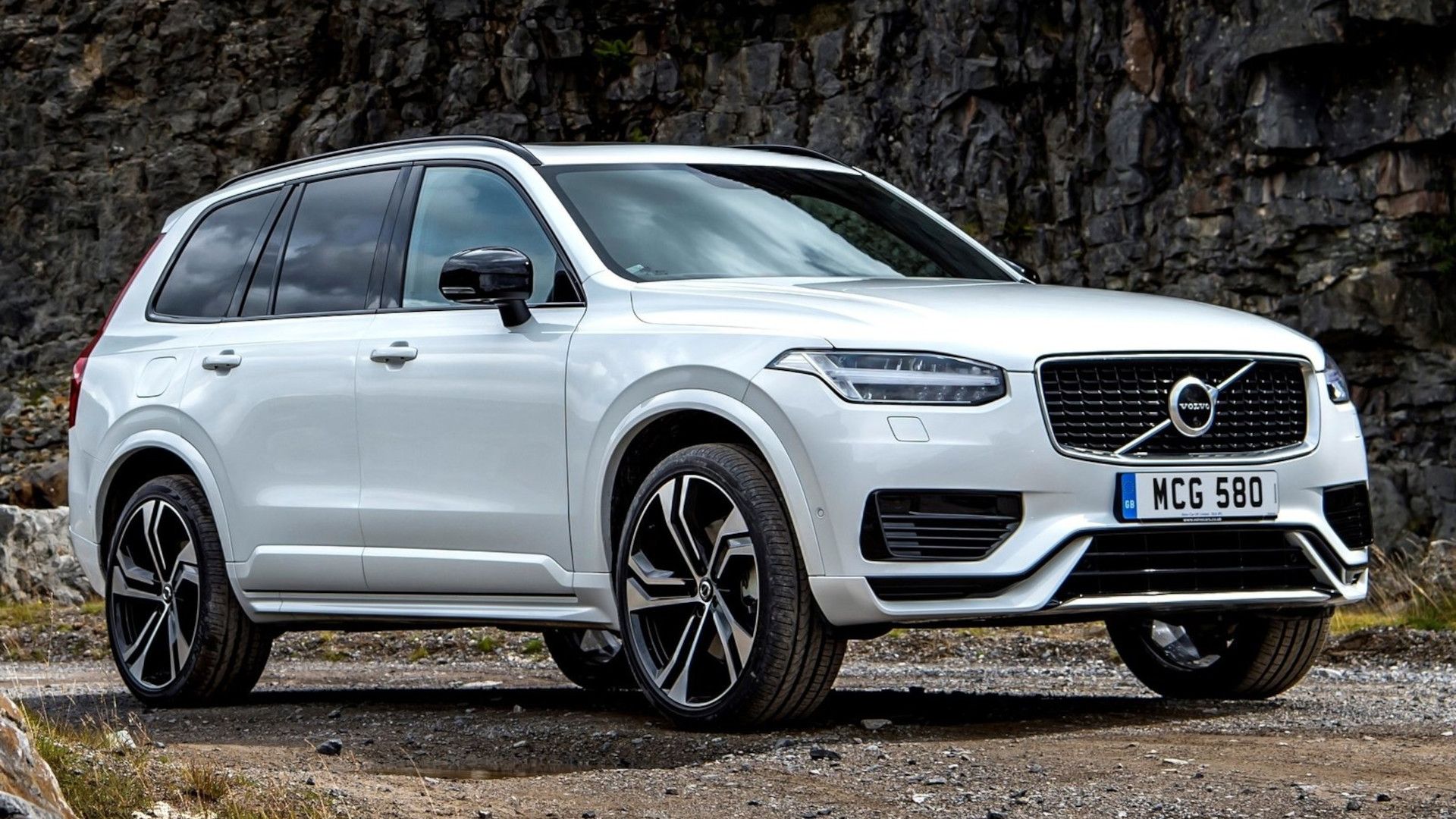
4. Volvo XC90
The Volvo XC90 is a luxury SUV that combines comfort, safety, and sophistication, making it particularly well-suited for extended road trips. Its interior is meticulously designed with high-quality materials, ensuring both driver and passengers experience a refined, comfortable environment.
Ergonomically designed seats with adjustable lumbar support help reduce strain during long drives, while ample legroom and headroom contribute to a feeling of spaciousness that larger families or groups will appreciate.
The XC90’s ride quality is excellent, with a suspension system that absorbs road imperfections while maintaining stability and control. Handling is confident and predictable, whether navigating winding roads, highways, or uneven rural terrain.
Its quiet cabin further enhances the driving experience, allowing passengers to relax, converse, or enjoy in-car entertainment without constant exposure to road noise. Even at higher speeds, the XC90 maintains composure, which reduces fatigue on longer journeys.
Cargo space is versatile, with the ability to fold down the second and third rows to create additional room for luggage or other essentials.
For travelers carrying significant gear, such as camping equipment, sports items, or multiple suitcases, the XC90 offers the flexibility needed to make packing and storage manageable. Fuel efficiency is competitive for its class, and the vehicle’s reliability track record suggests it can handle extended travel without frequent mechanical issues.
Advanced safety technology is a defining feature of the XC90. It includes collision avoidance systems, blind-spot monitoring, adaptive cruise control, and lane-keeping assistance. These features help reduce stress for the driver and increase safety for passengers.
Combined with its spacious and luxurious interior, smooth handling, and versatile cargo options, the Volvo XC90 provides a comprehensive solution for road trips, offering comfort, peace of mind, and high performance over long distances.
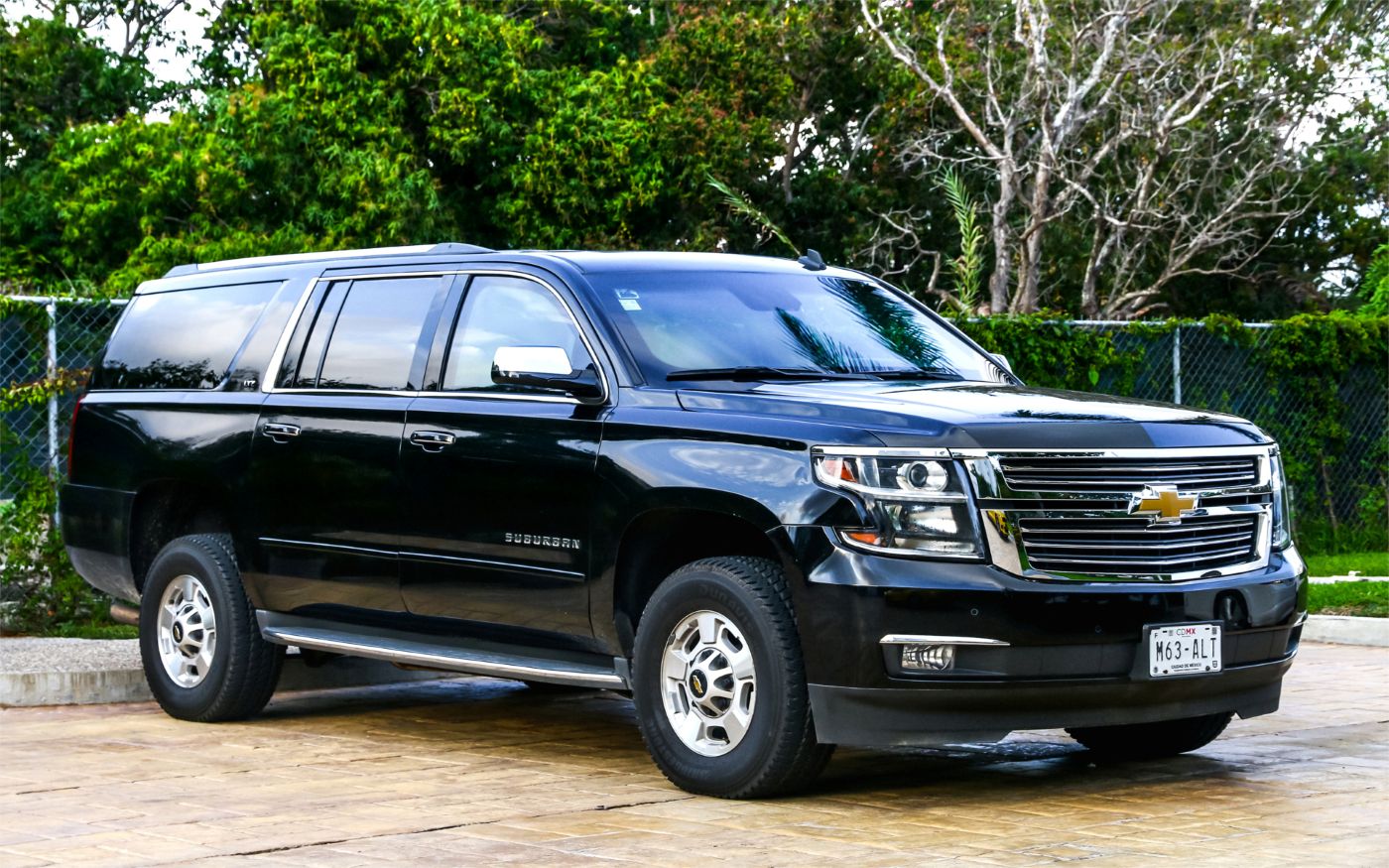
5. Chevrolet Suburban
The Chevrolet Suburban is a full-size SUV that excels at long-distance travel, particularly for families or larger groups. Its interior is vast, providing seating for seven to eight passengers with generous legroom, headroom, and cabin space.
Seats are designed for extended comfort, with sufficient padding and support to minimize fatigue over long hours on the road. Passengers can stretch out and relax, which is especially valuable for multi-hour trips.
Ride quality is smooth despite the vehicle’s size, with a suspension system capable of absorbing bumps, rough pavement, or uneven terrain.
Handling remains stable and predictable, even with a full passenger load or heavy cargo, allowing drivers to maintain confidence on highways or during challenging driving conditions.
The Suburban’s size also contributes to a commanding view of the road, which many drivers find reassuring on long trips.
Cargo capacity is enormous, with foldable rear seats creating a flexible space for luggage, gear, or recreational equipment.
This makes it ideal for travelers who need to carry multiple bags, sports gear, or camping supplies without sacrificing passenger comfort. While fuel economy is lower than smaller vehicles, the Suburban’s large engine and towing capabilities allow it to handle trailers or boats, adding versatility for more adventurous trips.
Technology and convenience features enhance the travel experience. Adaptive cruise control, advanced infotainment systems, and driver-assistance features make long drives less stressful and more enjoyable. Safety features, including blind-spot monitoring and collision avoidance systems, contribute to peace of mind on highways or during multi-day road trips.
For those who prioritize space, comfort, and versatility, the Chevrolet Suburban is a vehicle that transforms long-distance travel into a manageable and even enjoyable experience, making it one of the best options for extended road trips.
5 Cars That Make Road Trips Miserable
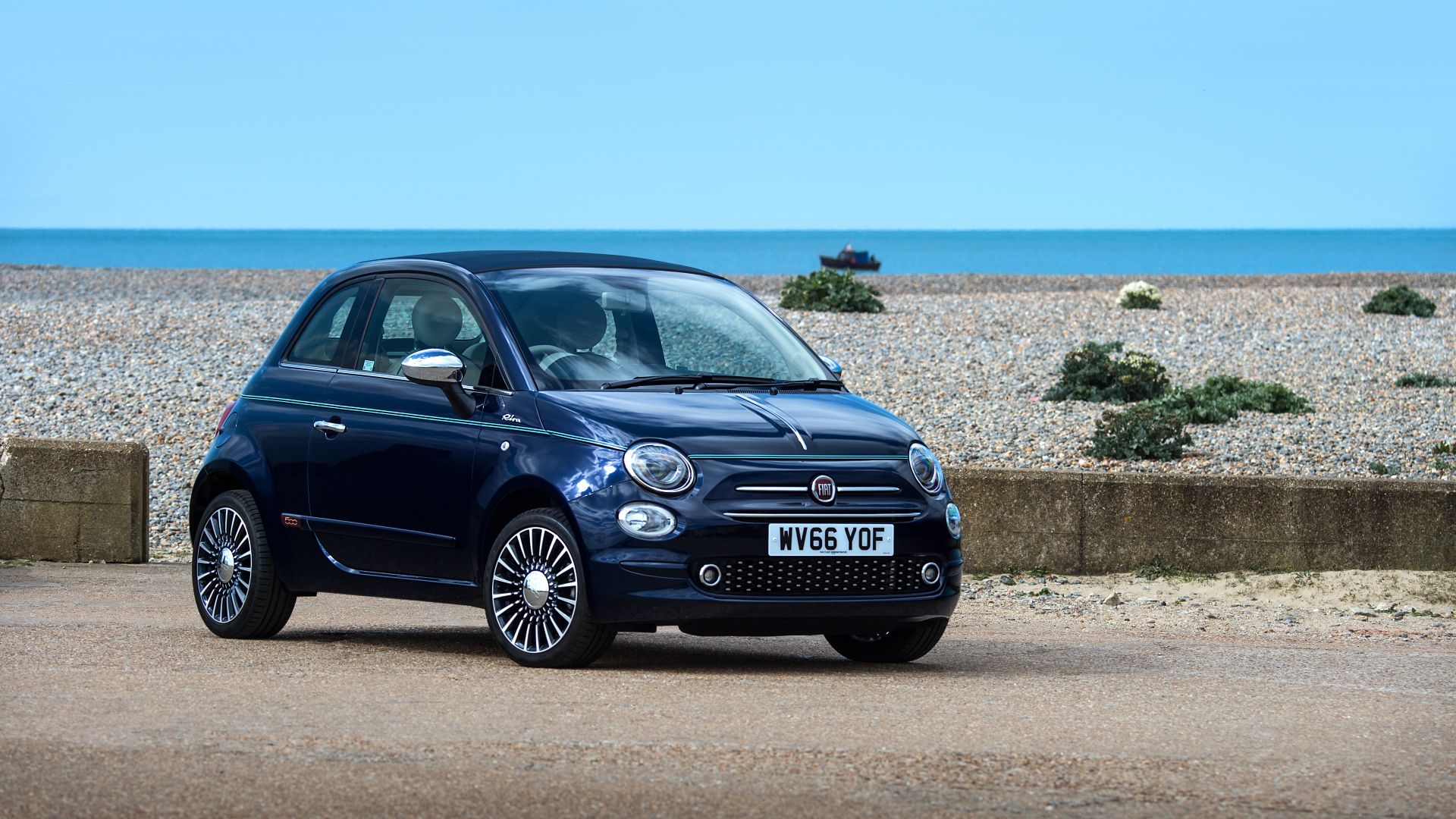
1. Fiat 500
The Fiat 500 is a small city car that struggles when taken on long-distance journeys. Its compact size, which makes it excellent for urban driving and parking, becomes a significant disadvantage on highways or open roads. The cabin is cramped, offering limited legroom and headroom for both front and rear passengers.
Adults, in particular, can quickly feel uncomfortable on trips longer than a couple of hours, and there is little flexibility to adjust seating positions to relieve strain. Additionally, the rear seats are nearly unusable for adults, making it a poor choice for family travel.
Ride quality in the Fiat 500 leaves much to be desired on extended trips. The short wheelbase and light suspension system result in a bouncy, unstable ride, especially on uneven roads, highways with expansion joints, or rural routes.
Passengers feel every minor bump or pothole, which can lead to fatigue, discomfort, and even motion sickness over time.
On highways, the car can feel vulnerable to crosswinds or large vehicles passing closely, creating anxiety for the driver. Its compact size also reduces storage capacity, making it difficult to carry luggage, groceries, or road trip essentials without severely cramping the cabin space.
Cargo space is minimal in the Fiat 500. The trunk is small and shallow, accommodating perhaps a couple of small suitcases or backpacks, but any larger items or multiple bags quickly exceed its capacity.
This lack of space forces travelers to compromise on what they can bring along, which can lead to frustration or the need for additional storage solutions, such as rooftop carriers, which can be awkward to install and further impact fuel efficiency.
Even for couples traveling light, the limited storage can make packing feel like a strategic puzzle rather than a simple task.
Technology and comfort features are limited in many Fiat 500 models. While some newer trims include touchscreen systems and basic connectivity, the car lacks advanced driver-assistance systems that ease highway driving, such as adaptive cruise control or lane-keeping assistance.
The engine is underpowered compared to larger vehicles, which can make highway merging or overtaking slower and more stressful.
In combination, the cramped interior, bumpy ride, limited storage, and underwhelming performance make the Fiat 500 a car that can turn a fun road trip into a tiring and uncomfortable experience.
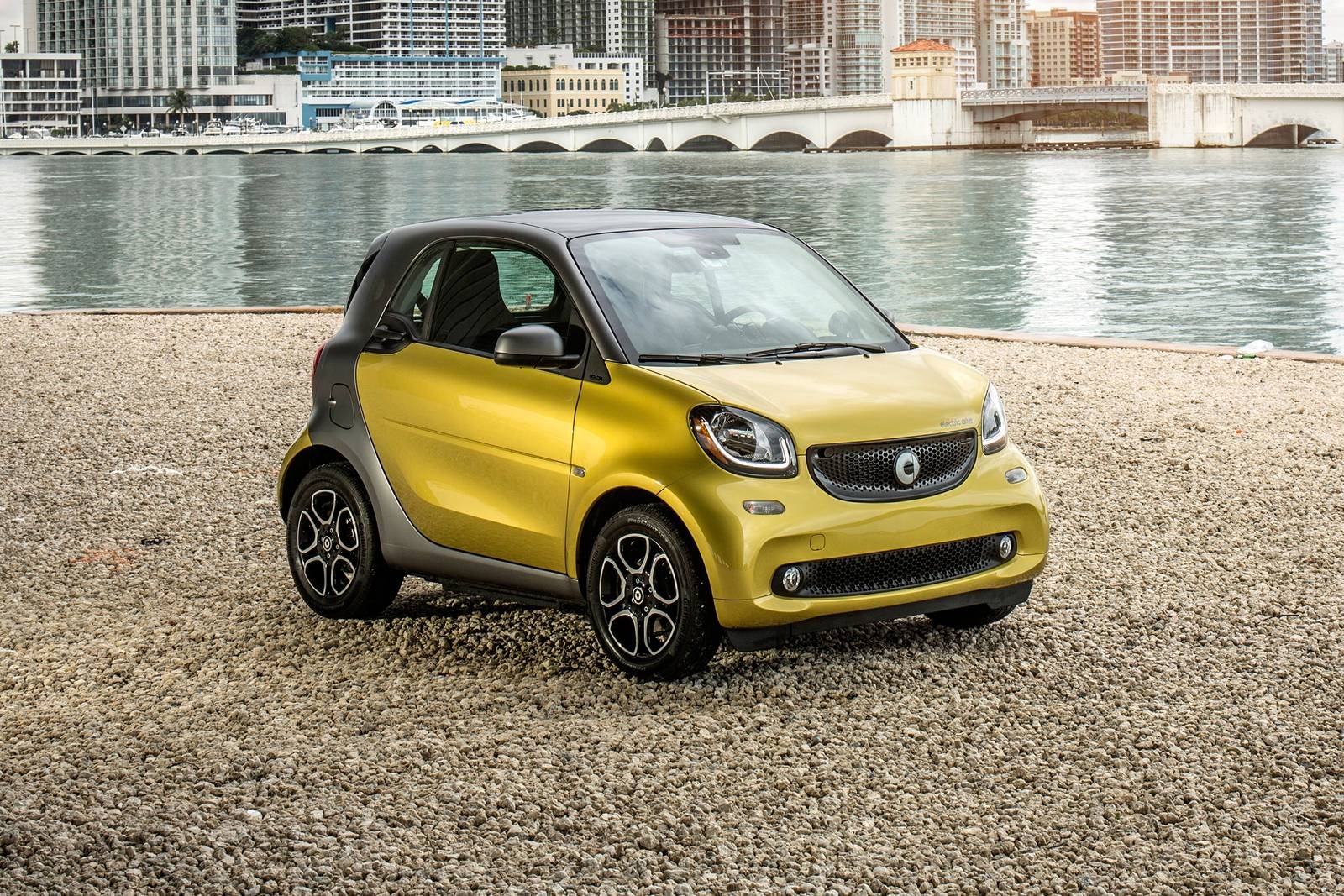
2. Smart Fortwo
The Smart Fortwo is another example of a city-centric vehicle that struggles with long-distance travel. Its design emphasizes maneuverability and compactness, which works well in dense urban areas but makes highway driving challenging and unpleasant.
The interior is extremely tight, and two adult passengers may feel confined over even moderately long drives. Visibility can also be limited compared to larger vehicles, which increases driver stress on highways or in heavy traffic.
Ride comfort is minimal. The Fortwo has a very short wheelbase, and its suspension is designed for low-speed urban driving rather than smooth long-distance travel. Passengers feel every imperfection in the road, from potholes to uneven asphalt, and the ride can feel harsh or jarring over time.
Wind and road noise are also amplified due to the car’s lightweight construction, which can create a constant hum in the cabin that leads to fatigue. The car’s small tires and limited grip further reduce confidence on highways, especially in rainy or windy conditions.
Cargo space is virtually nonexistent. With only a tiny trunk, it is nearly impossible to carry luggage or travel essentials for more than one or two people. Even small items can clutter the interior, creating a cramped and uncomfortable environment.
This lack of practicality makes the Smart Fortwo poorly suited for traditional road trips or journeys that require more than the bare minimum of gear. Road trip necessities like coolers, blankets, or spare tires often have to be left behind, limiting travel options.
Performance issues add to the misery. The car has a small engine that struggles with steep inclines or highway passing, making overtaking slower and more stressful. Cruise control is usually absent or minimal, and driver-assistance features are rare, meaning long hours at high speeds can be exhausting.
Combined with limited interior space, uncomfortable seats, and poor storage capacity, the Smart Fortwo demonstrates why some vehicles that are perfect for city life fail spectacularly when used for extended road trips.
3. Mini Cooper
The Mini Cooper is known for style, agility, and fun in city settings, but these qualities often come at the expense of long-distance comfort.
The interior is compact, and while front seats are reasonably supportive, the rear seats are cramped and uncomfortable for adults, especially on trips lasting several hours. Tall passengers may find legroom insufficient, and the lack of adjustable seating options can lead to discomfort or back pain over time.
Ride quality is firm and bouncy due to its sporty suspension setup. While this provides responsive handling in urban and twisty roads, it translates into a jarring ride on highways, rough pavement, or long stretches of uneven asphalt.
Noise insulation is limited, so wind and road noise are more noticeable, increasing fatigue during extended periods of driving. The car’s small size can also make it feel unstable when passing trucks or strong crosswinds, adding stress for the driver.
Cargo space is very limited. The small trunk cannot accommodate significant luggage, forcing travelers to leave behind items or use awkward rooftop storage.
Packing efficiently becomes a necessity rather than a convenience, which can create stress, especially for families or groups with multiple bags. Even the front passenger space may feel tight when additional items are brought inside the cabin for easy access.
Technology and features vary depending on the model, but many Minis lack long-distance comfort enhancements like adaptive cruise control, lane assist, or advanced infotainment options.
Fuel efficiency is decent, but the engine can feel strained on extended highway drives, particularly when the car is loaded with passengers or luggage.
While the Mini Cooper shines as a fun, agile city car, its small size, firm suspension, limited storage, and cramped interior make it an uncomfortable and tiring choice for road trips.
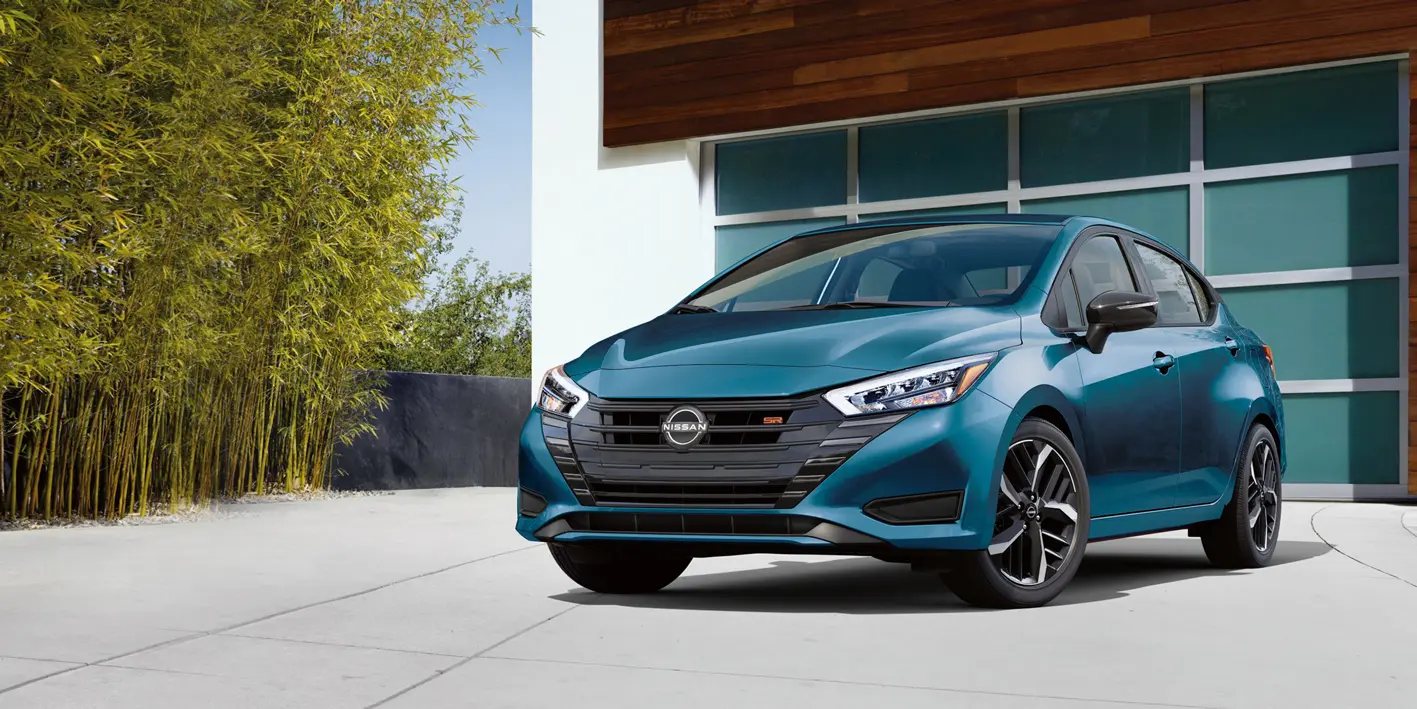
4. Nissan Versa
The Nissan Versa is an affordable compact car designed primarily for short commutes, which shows in its shortcomings for long-distance travel. Interior space is minimal, particularly for rear passengers, and the seats are basic with limited cushioning or ergonomic support.
On extended drives, occupants may experience discomfort, back pain, or fatigue. The cabin feels sparse, and the materials used can feel cheap, reducing the sense of comfort over many hours on the road.
Ride quality is another weak point. The Versa’s suspension is basic and tuned for city roads, meaning passengers experience every bump, pothole, or uneven patch of asphalt. Noise insulation is poor, allowing engine and road noise to penetrate the cabin, which can make conversations difficult and increase stress over time.
Long drives become tiring, and the lack of stability at higher speeds can reduce driver confidence. Steering is light but can feel imprecise, making highway maneuvers less secure compared to larger vehicles.
Cargo space is limited, with a small trunk that restricts the amount of luggage or gear that can be carried. Even a couple of medium-sized suitcases may take up nearly all available space, leaving little room for essentials.
This lack of flexibility can make packing feel frustrating and reduce the practicality of the vehicle for extended trips. Carrying additional items inside the cabin may further cramp space and diminish passenger comfort.
Performance is modest at best. The small engine can struggle with steep inclines, highway merging, or overtaking, particularly when fully loaded. Acceleration feels sluggish, and fuel efficiency, while reasonable, is not enough to offset the discomfort on long journeys.
The absence of advanced driver-assistance features adds to fatigue, as the driver must remain constantly alert.
Taken together, the Nissan Versa is an economical city car that becomes a source of frustration and discomfort on road trips, highlighting why some vehicles that work well in the city are unsuitable for extended travel.
5. Mitsubishi Mirage
The Mitsubishi Mirage is an entry-level subcompact that emphasizes affordability and fuel economy, but it is ill-equipped for enjoyable long-distance travel.
The interior is small, and seating offers minimal cushioning or ergonomic support, which can quickly lead to discomfort for both driver and passengers on extended trips.
Rear seats are extremely tight, with little legroom or headroom, making it uncomfortable for adults or taller passengers to sit for more than short periods.
Ride quality is poor due to its short wheelbase and light suspension system. The car feels unstable on uneven roads, highways, or in windy conditions, and passengers experience a bouncy, jittery ride.
Noise insulation is minimal, and engine, wind, and road sounds are highly noticeable, creating a tiring environment for long hours of travel.
Handling is adequate for city streets but can feel unstable or unnerving at highway speeds, particularly when passing larger vehicles or navigating curves.
Cargo space is extremely limited, with a tiny trunk that can only hold a few small bags. Long trips requiring luggage, camping gear, or other essentials are difficult without creative storage solutions, which may involve roof racks that negatively affect driving dynamics and fuel efficiency.
For travelers who need space for multiple passengers and belongings, the Mirage quickly proves inadequate.
Performance is modest, and the engine often feels underpowered on highways, making overtaking or climbing hills a stressful experience.
Advanced features like adaptive cruise control, lane assist, or modern infotainment are absent in most trims, meaning the driver must focus heavily on driving without the support of modern convenience technologies.
Combined with its cramped interior, uncomfortable seats, poor ride quality, and limited cargo capacity, the Mitsubishi Mirage is a car that turns road trips into frustrating and exhausting experiences rather than enjoyable journeys.
