
Transmission strength plays a crucial role in the reliability, longevity, and driving experience of any vehicle.
While the engine is often seen as the heart of a car, the transmission serves as its nervous system, transferring power efficiently and ensuring that every shift in gear feels seamless and dependable.
A strong transmission allows a vehicle to handle stress, deliver consistent torque, and provide smoother performance under demanding conditions such as towing, spirited driving, or long-term use.
In contrast, a weak transmission can undermine even the most powerful engine, leading to premature wear, jerky shifting, and costly repairs. The difference between strong and weak transmissions can often define how a car’s reputation stands the test of time.
Over the years, some vehicles have earned admiration for their transmission strength, precision, and durability, especially those from brands with a legacy of engineering excellence.
Others have struggled with transmission failures that became notorious among drivers and reviewers alike.
These problems can stem from poor design, cost-cutting measures, or mismatched components that do not handle the torque demands of the engine.
Cars with solid transmissions tend to have smooth power delivery, consistent performance over hundreds of thousands of miles, and minimal need for major repairs. Vehicles with weaker systems, on the other hand, often leave owners frustrated with slipping gears, unexpected failures, or high repair bills.
This article compares five vehicles recognized for having strong, well-built transmissions with five that have weaker ones, focusing on performance, design philosophy, and long-term reliability.
While opinions may vary, the following analysis reflects general automotive consensus, technical insights, and observed reliability trends.
The goal is to highlight what sets great transmissions apart from problematic ones, providing useful insight for anyone considering reliability as a deciding factor in their next purchase.
The strength or weakness of a transmission not only shapes the driving experience but also defines the trust a driver places in their machine. Understanding this difference reveals much about how engineering choices influence real-world dependability.
Cars with Strong Transmissions
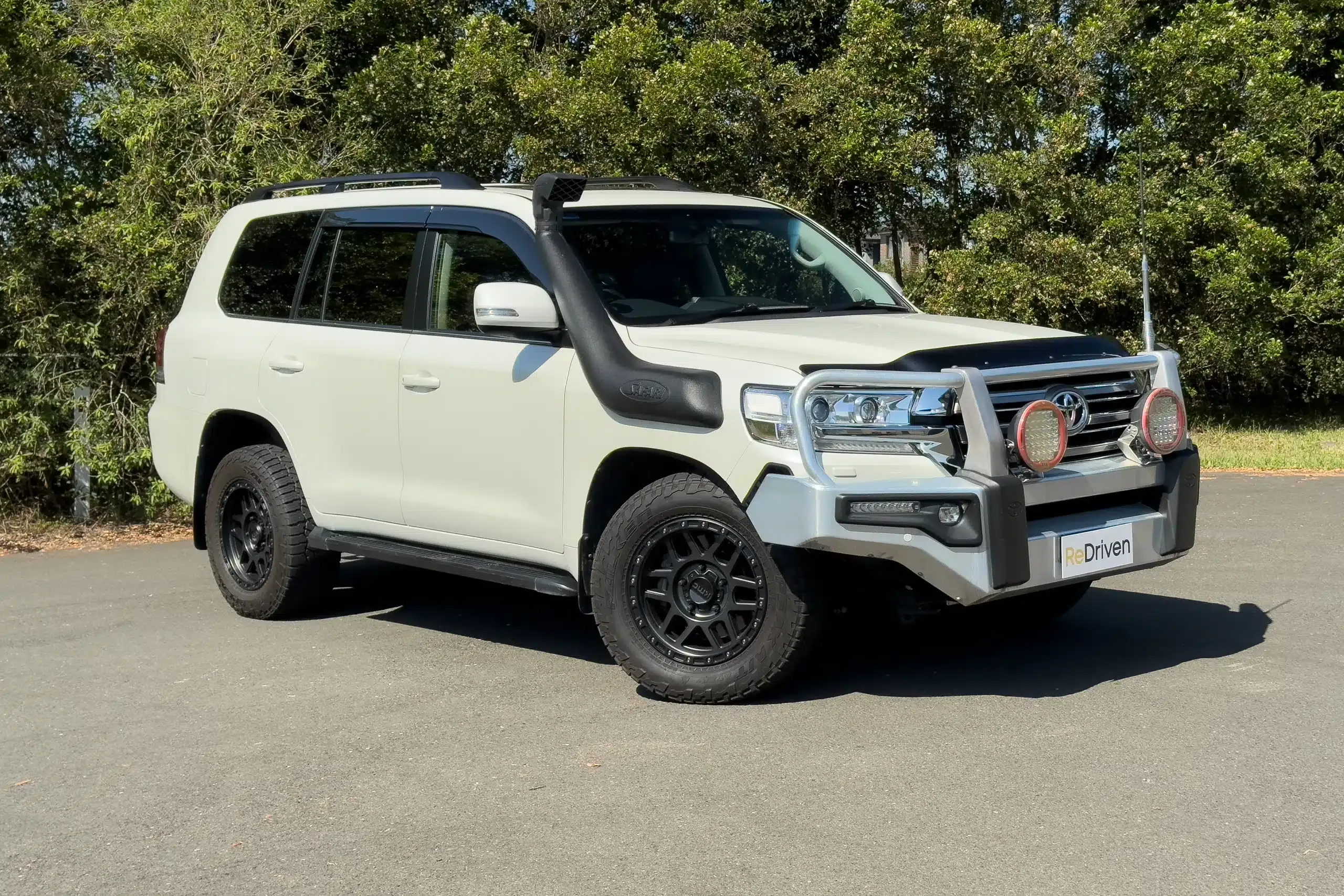
1. Toyota Land Cruiser
The Toyota Land Cruiser’s transmission is often described as one of the most reliable ever fitted to an SUV. This is no accident.
Toyota’s engineers built the gearbox to withstand severe conditions where failure could mean more than inconvenience; it could mean being stranded hundreds of miles from help.
Owners who use their vehicles for heavy towing, off-road exploration, or long-distance expeditions routinely praise the way the gearbox handles weight and heat.
It shifts with a deliberate smoothness that emphasizes stability over flashiness, showing that durability and refinement can coexist in a single unit.
The heart of this reliability lies in Toyota’s partnership with Aisin, one of the world’s most respected transmission manufacturers. The heavy-duty torque converters and reinforced planetary gear sets are designed to manage constant stress without overheating or slipping.
The Land Cruiser’s transmission fluid cooling systems are larger and more efficient than in most SUVs, allowing the gearbox to maintain consistent temperature control during intense use.
This careful engineering ensures that the vehicle performs just as reliably after hundreds of thousands of miles as it does on day one.
Many owners have reported driving Land Cruisers well past 300,000 miles with only routine maintenance such as fluid changes and filter replacements.
Drivers feel confident knowing that every shift is predictable, precise, and built to last. The seamless coordination between engine and transmission creates a strong mechanical harmony that few competitors can replicate.
The system’s smoothness on highways, combined with its strength off-road, showcases Toyota’s ability to engineer components that exceed expectations in every category of reliability.
This combination of mechanical simplicity and over-engineering results in one of the most respected powertrains ever produced. Maintenance is straightforward, replacement parts are widely available, and the system rarely surprises owners with sudden problems.
The Land Cruiser’s transmission embodies Toyota’s philosophy that long-term dependability is not an option but a requirement.
Its strength has become a major reason why so many of these vehicles remain operational decades after leaving the factory, earning a legendary status among mechanics and drivers alike.
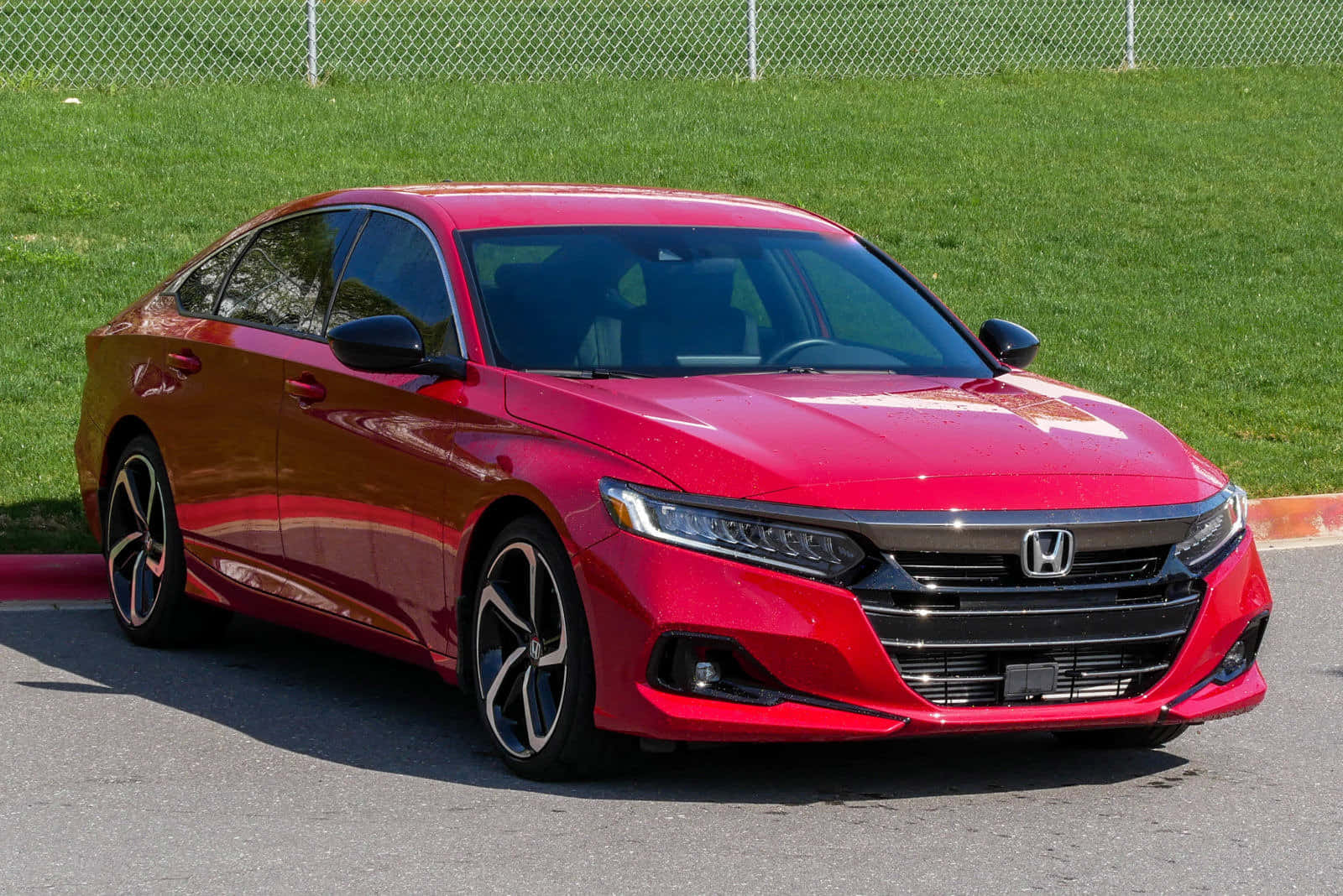
2. Honda Accord (Manual and Automatic Variants)
The Honda Accord’s transmissions, both manual and automatic, have earned a reputation for longevity and responsiveness. Honda’s approach to transmission design is based on precision machining, extensive testing, and an obsession with mechanical smoothness.
For manual versions, every shift feels deliberate and satisfying, with gear ratios tuned to match the car’s engine powerband perfectly.
The automatic versions demonstrate the same commitment to refinement, providing smooth, quick shifts that maintain efficiency without sacrificing driving engagement. This balance has helped make the Accord one of the most trusted vehicles for drivers who value consistency and mechanical soundness.
Honda’s attention to detail begins long before the gearbox reaches the production line. Every component, from synchronizers to torque converters, is produced with extremely tight tolerances. This precision ensures that internal friction remains minimal, reducing heat and wear.
The result is a transmission capable of lasting far beyond typical service life expectations. Many Accords routinely surpass 250,000 miles without experiencing significant issues. When maintained with proper fluid changes, these transmissions often outlive the engines themselves.
It is not uncommon for transmission specialists to describe Honda gearboxes as “bulletproof,” given their resistance to common failure points such as valve body wear or clutch slippage.
One key reason for this durability is Honda’s emphasis on balance. The Accord is engineered as a whole system, not as a collection of separate parts. This means the transmission is perfectly matched to the power output and torque curve of its engines.
Drivers experience this harmony through consistent performance in all conditions. Acceleration feels smooth, gear changes are unobtrusive, and downshifts occur naturally when more power is needed.
The car never struggles or hesitates, even after years of use. This predictability builds trust, allowing owners to focus on the road rather than worry about mechanical failures.
In addition to reliability, the Accord’s transmission is a joy to use. Manual variants provide crisp engagement, making them favorites among enthusiasts who enjoy full control of their vehicles. The automatic options prioritize comfort but still maintain a responsive character that feels far from dull.
Honda’s engineers successfully combined efficiency, strength, and driver engagement in one cohesive design. It is a rare accomplishment that few manufacturers manage to sustain over multiple generations of a model.
The Accord’s gearbox remains a benchmark in the midsize segment, a reminder that quality craftsmanship and thoughtful engineering are the true foundations of reliability.
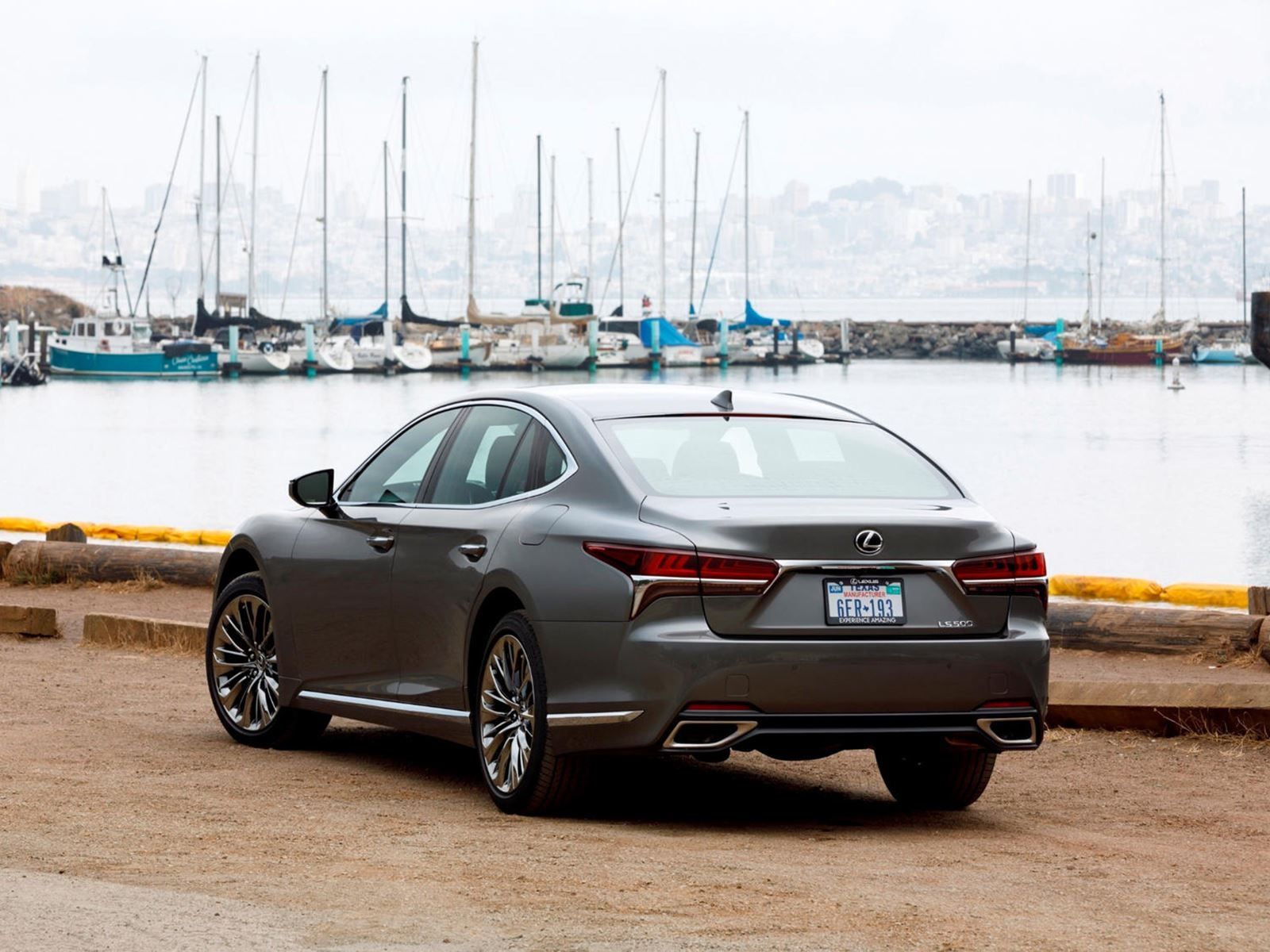
3. Lexus LS
The Lexus LS was designed to redefine what luxury meant when it first appeared, and its transmission was one of the key elements that set it apart. Every aspect of the gearbox was engineered to deliver absolute smoothness, quietness, and durability.
Unlike many luxury brands that prioritized performance alone, Lexus balanced refinement with endurance. The automatic transmissions in the LS, often produced by Aisin, were built to handle the torque of large V8 engines with unmatched composure.
Even under demanding use, the transmission rarely falters or exhibits signs of wear, reinforcing Lexus’s commitment to long-term quality.
The LS transmission features advanced hydraulic control systems and meticulously calibrated gear ratios that ensure seamless transitions between gears. Drivers often describe the experience as almost imperceptible. There is no jolt, no pause, and no unnecessary drama during acceleration.
This precision not only enhances comfort but also reduces internal stress on components, leading to exceptional longevity.
Each shift is executed with a level of care that makes the gearbox feel more like a piece of fine machinery than a mere automotive component. Even after hundreds of thousands of miles, the smoothness remains largely unchanged, a testament to how well it is engineered.
Lexus also focused on rigorous quality testing. Before the LS transmission was approved for production, prototypes underwent thousands of hours of continuous operation under simulated extreme conditions. The goal was to ensure that every system could handle the equivalent of decades of real-world use without failure.
This obsessive testing process paid off, as instances of LS transmission breakdowns are exceptionally rare. The attention to detail extended to manufacturing processes as well, with hand-checked assembly points and computer verification ensuring absolute precision.
Each unit was expected to meet exacting standards that few other manufacturers even attempted to enforce at the time.
The result is a transmission that exemplifies the Lexus philosophy of quiet strength. It functions so flawlessly that most owners never think about it, which is the highest praise any mechanical component can receive.
Its reliability contributes heavily to the LS’s long-standing reputation as one of the most dependable luxury sedans ever made.
This transmission shows how refinement and resilience can coexist without compromise, turning everyday driving into a nearly effortless experience. Its durability continues to influence how modern luxury vehicles are designed today, proving that excellence in engineering never goes out of style.
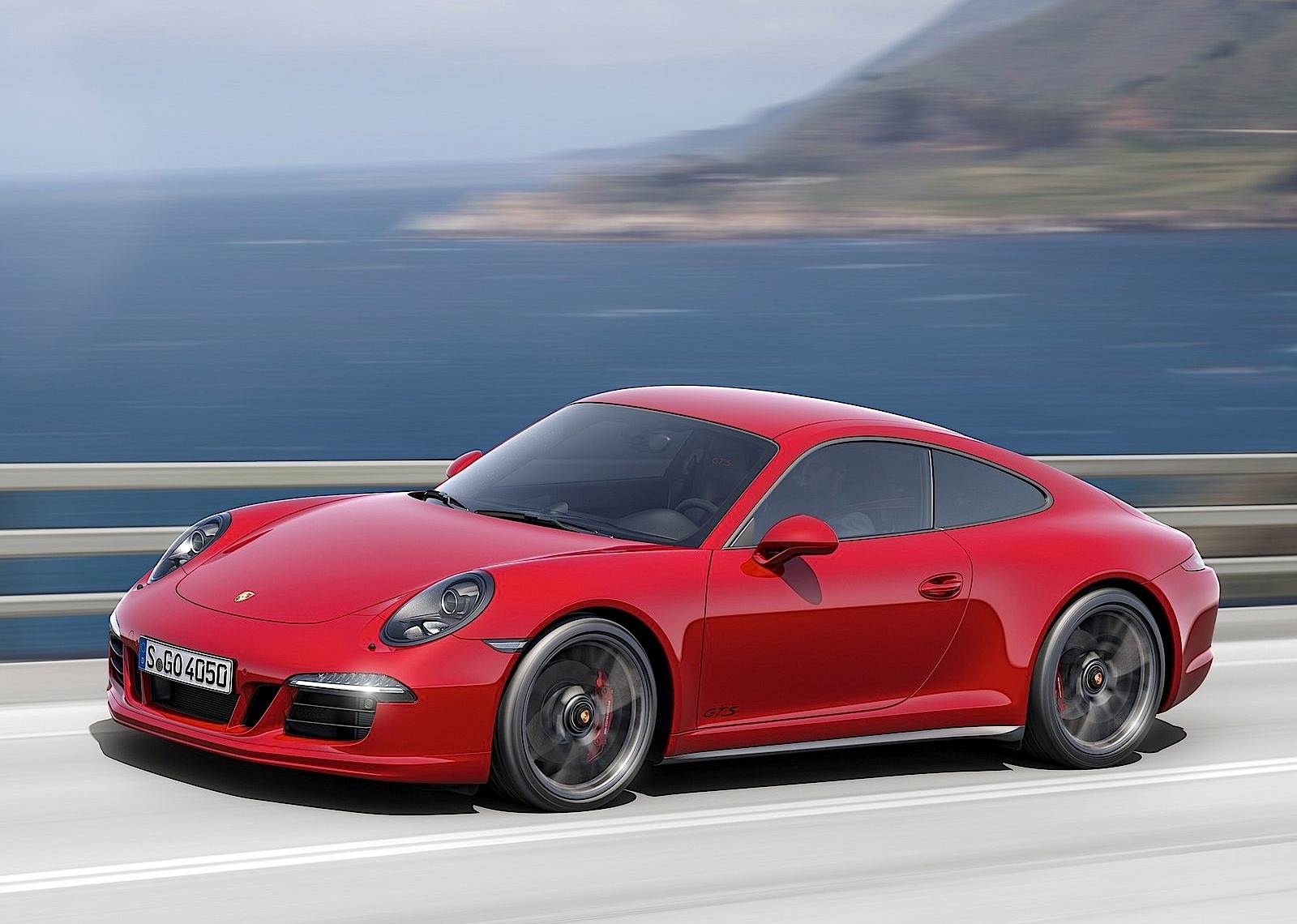
4. Porsche 911 (PDK Transmission)
The Porsche 911’s PDK transmission stands as one of the finest examples of what modern engineering can achieve when performance and endurance share equal importance.
Designed as a dual-clutch system, it provides rapid gear changes that enhance driving dynamics while maintaining long-term reliability rarely seen in performance cars.
The PDK delivers lightning-fast shifts measured in milliseconds, yet its precision is matched by its robustness.
Owners and track enthusiasts alike have praised its ability to withstand repeated high-speed driving sessions without showing signs of degradation or overheating.
It manages the full range of Porsche engines, from base models to high-performance variants, with remarkable efficiency and control.
Behind this strength lies an extraordinary level of craftsmanship. The PDK transmission uses two separate clutches to manage odd and even gears simultaneously, ensuring that one gear is always pre-selected for instantaneous engagement.
This design not only provides breathtaking acceleration but also minimizes mechanical strain by spreading torque evenly between components.
Porsche invested years in developing lubrication systems that keep internal temperatures stable, even during prolonged track use. The gearbox housing and internal shafts are made from high-strength materials that resist warping and fatigue, extending service life even under intense use.
Another advantage of the PDK is its adaptability. Whether the driver is cruising through city streets or pushing the car at high speed, the transmission adjusts instantly. It senses throttle pressure, braking patterns, and road conditions to deliver the ideal response.
The driver never feels disconnected from the car, as every shift occurs at precisely the right moment. This intelligence reduces wear by ensuring gears engage smoothly rather than abruptly.
It also keeps performance consistent, allowing the 911 to perform with the same precision year after year. Few high-performance transmissions offer this combination of responsiveness and endurance.
Maintenance is also relatively straightforward compared to older performance gearboxes. Regular fluid changes and system checks are usually enough to keep the PDK in top condition for years.
Many owners have driven their 911s for over a decade without any significant transmission issues, a rarity among sports cars with such sophisticated technology.
This reliability has enhanced Porsche’s reputation for building vehicles that are not only thrilling to drive but also dependable.
The PDK proves that advanced technology, when properly engineered and tested, can achieve both excitement and resilience. It has become a benchmark for other automakers, symbolizing the perfect harmony between innovation and durability.
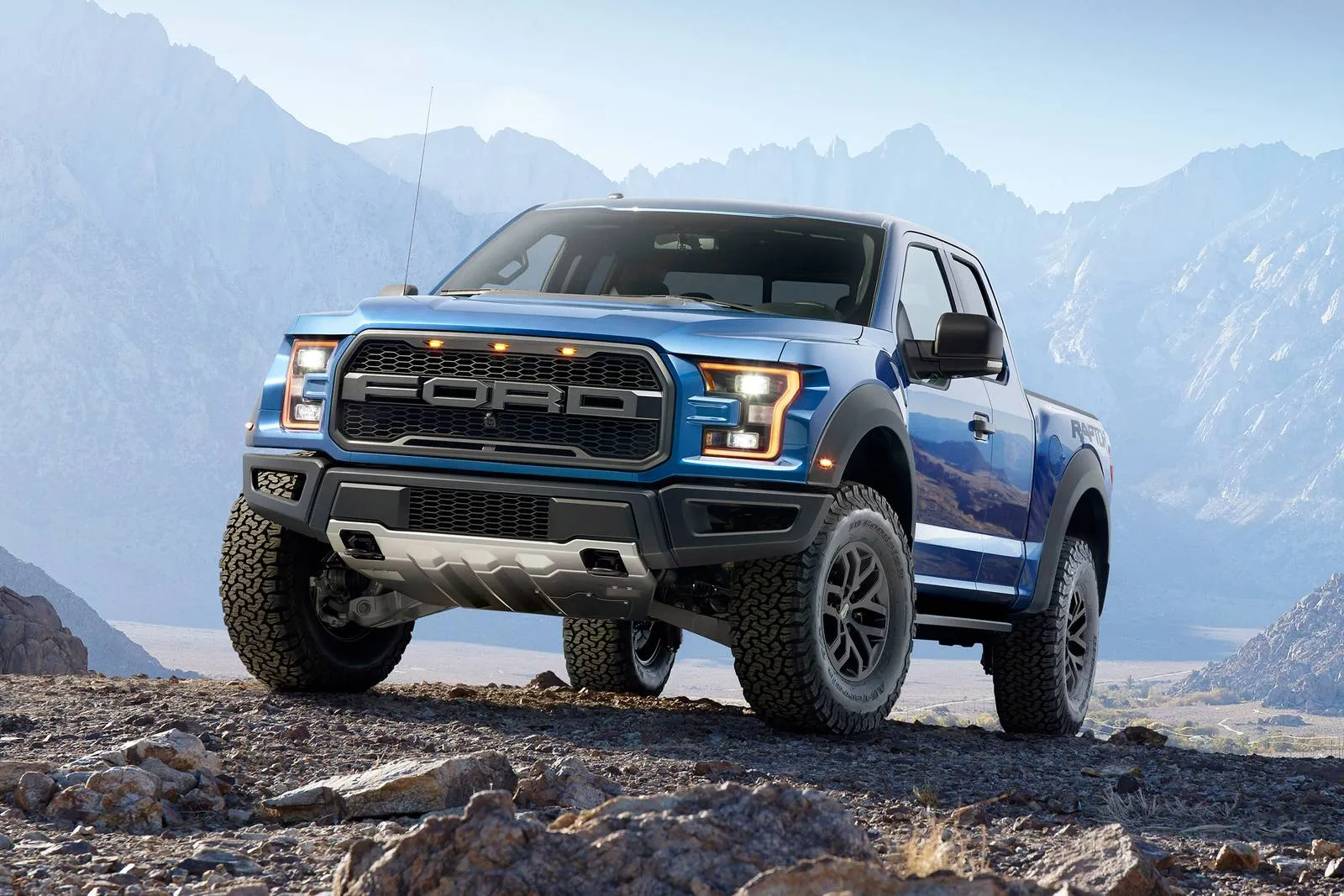
5. Ford F-150 (10-Speed Automatic)
The Ford F-150’s 10-speed automatic transmission represents a successful blend of modern engineering and practical durability.
Designed to handle the heavy-duty demands of a full-size pickup, it manages everything from highway cruising to towing massive loads with impressive confidence.
This transmission, co-developed with General Motors, was built to provide flexibility across multiple powertrains, including turbocharged V6s and powerful V8 engines.
Its wide gear range allows the engine to operate efficiently while maintaining smooth performance under all driving conditions. Despite initial skepticism about its complexity, the 10-speed has proven remarkably reliable in long-term use.
The secret behind its success lies in its smart internal design and robust construction. The gearbox uses multiple clutch packs and advanced hydraulic systems to control torque distribution precisely.
Each shift is carefully calibrated to deliver a balance between smoothness and speed, preventing unnecessary strain on internal components.
The transmission fluid system features enhanced cooling pathways, ensuring that heat buildup does not compromise performance during towing or off-road operation.
Ford engineers designed it to withstand heavy loads for extended periods, a must for commercial fleets and drivers who rely on their trucks daily.
Another key strength of the F-150’s transmission is its adaptability to driving style and terrain. Through computer-controlled shift logic, it constantly evaluates road conditions and driver input to determine the optimal gear selection. This intelligence prevents hunting between gears, which often causes wear in less advanced systems.
The smooth transitions not only improve comfort but also protect the transmission from internal stress, contributing to its long service life.
When combined with Ford’s commitment to rigorous pre-production testing, these design choices result in a gearbox capable of delivering years of consistent performance.
Owners who maintain their F-150s properly often find that the transmission remains just as smooth after 150,000 miles as it was when new. Reports of major failures are rare, and most issues relate only to fluid maintenance rather than mechanical weakness.
The 10-speed’s success has influenced Ford’s entire lineup, with versions of it now used in SUVs and performance vehicles. It exemplifies how thoughtful engineering can transform a complex system into a dependable and efficient powerhouse.
The F-150 transmission stands as one of Ford’s proudest modern achievements, reinforcing the company’s reputation for strength and innovation in its most iconic vehicle.
Cars with Weak Transmissions
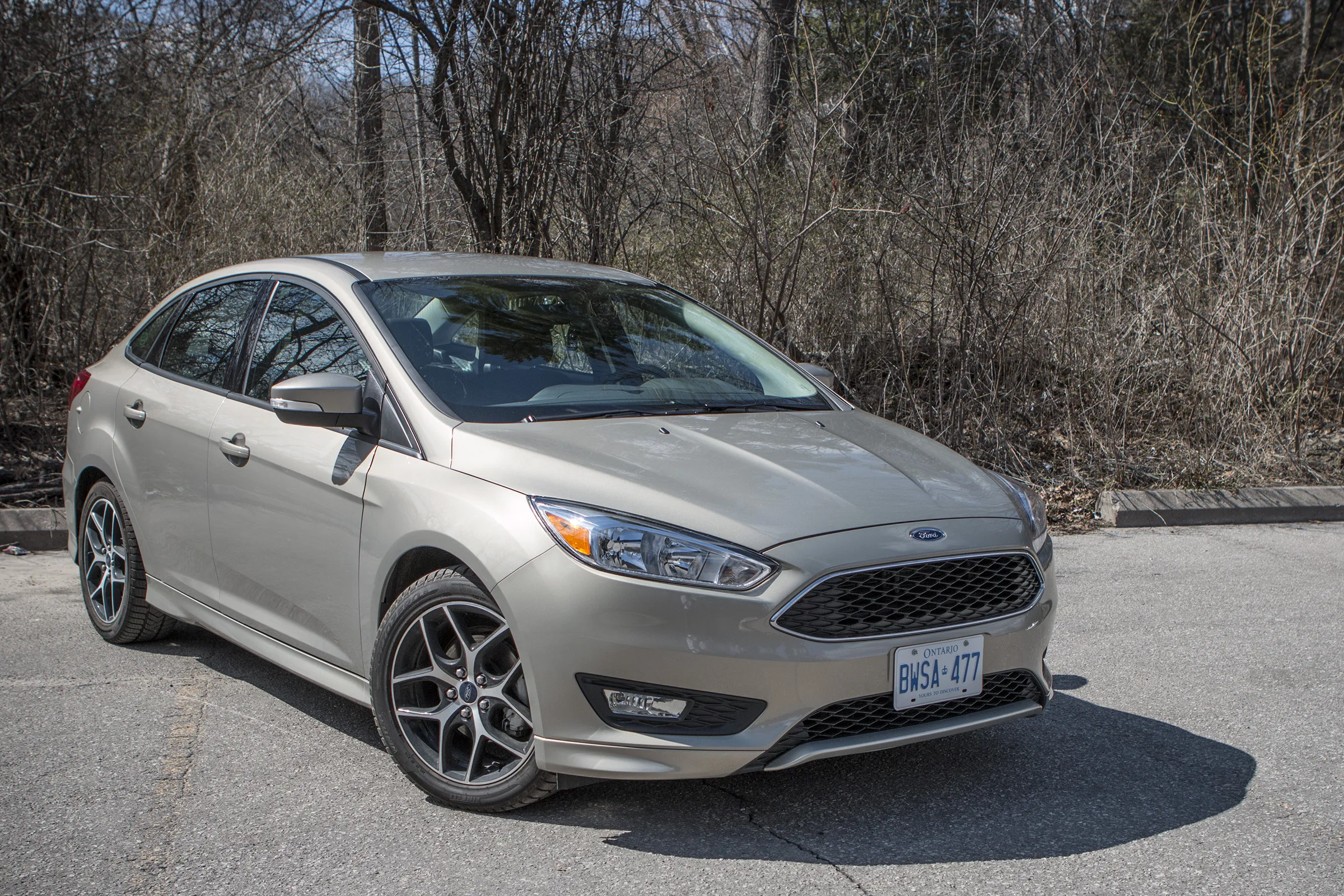
1. Ford Focus (2012–2016 Dual-Clutch)
The Ford Focus models built between 2012 and 2016 are often remembered not for their agile handling or practicality but for the frustration caused by their troubled dual-clutch automatic transmission.
Ford attempted to combine the fuel efficiency of a manual gearbox with the convenience of an automatic, resulting in the “PowerShift” system.
On paper, it promised the best of both worlds, but in real-world driving, it exposed a series of flaws that affected thousands of owners.
The system was designed without a traditional torque converter, relying instead on two dry clutches that alternated between odd and even gears. This setup should have provided quick, smooth shifts, but instead produced erratic behavior, including shuddering at low speeds, hesitation, and frequent jerks when shifting.
One of the major weaknesses of this transmission was its inability to handle stop-and-go driving. The clutches overheated easily, and the software controlling them struggled to maintain consistent engagement.
Drivers often found themselves in uncomfortable situations where the car would lurch forward unpredictably or fail to accelerate smoothly from a stop.
Many owners reported multiple repairs and replacements, yet the same issues returned after only a few thousand miles.
Ford released several software updates and service campaigns in an effort to reduce the symptoms, but these fixes rarely addressed the underlying mechanical problems that caused the erratic performance in the first place.
The root cause of these failures can be traced to an overcomplicated design that lacked proper testing before mass production.
Engineers attempted to integrate advanced control algorithms to simulate automatic shifting behavior, but the sensors and actuators used to manage clutch engagement could not operate with the precision needed under real driving conditions.
The dry clutch system was also more vulnerable to contamination from dust and wear particles, leading to further degradation. This design flaw created an ongoing cycle of warranty claims, legal disputes, and customer dissatisfaction that damaged Ford’s reputation for years.
While the rest of the Focus was competent, the transmission issues overshadowed its strengths. Even those who loved its steering feel or fuel economy could not overlook the daily frustration of unpredictable shifting.
Ford eventually abandoned the system in favor of more conventional automatic designs, but by that time, the damage had been done. The Focus PowerShift stands as one of the clearest examples of how ambitious innovation without adequate durability can lead to widespread reliability problems and a lasting loss of consumer trust.
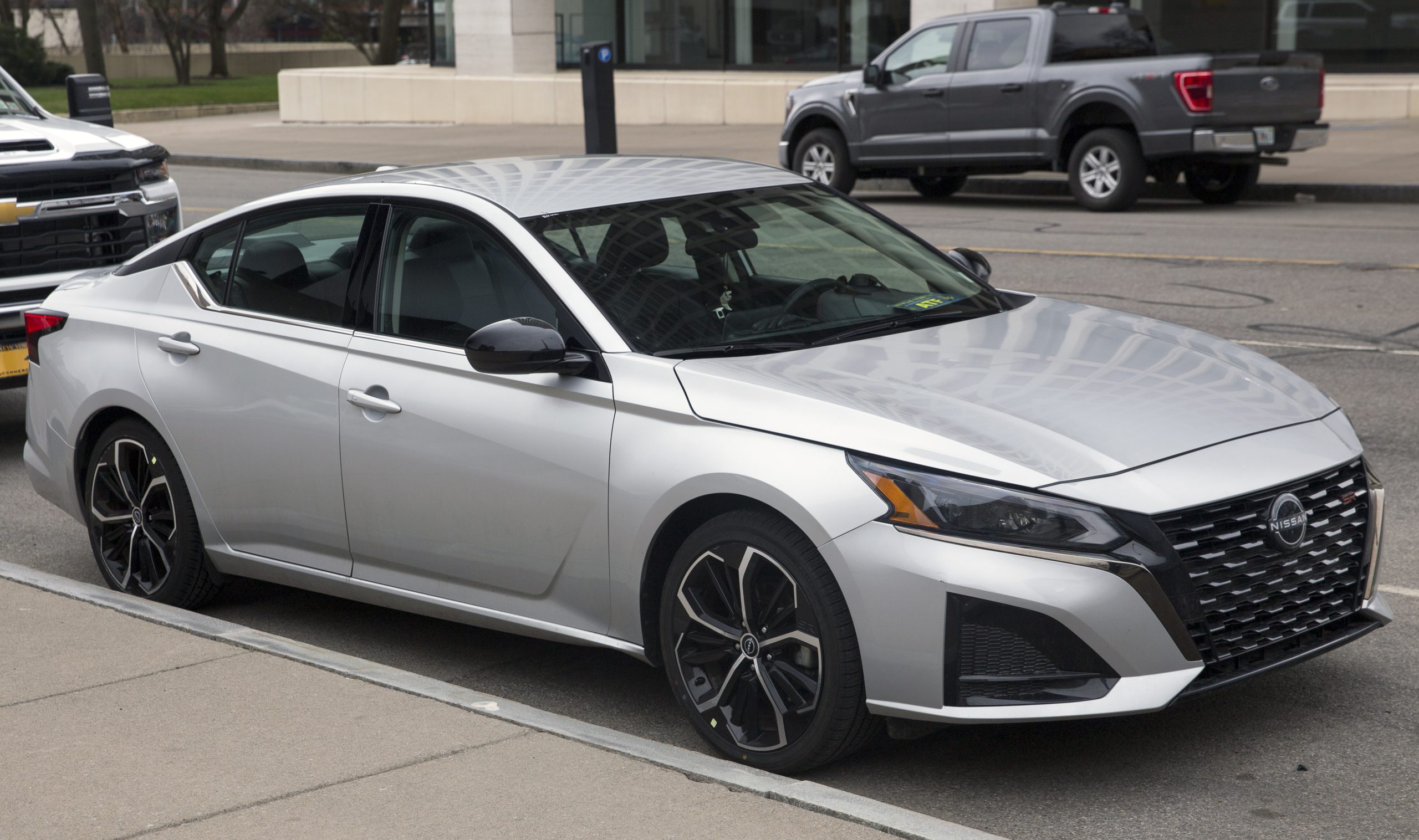
2. Nissan Altima (CVT Models)
The Nissan Altima’s continuously variable transmission, or CVT, was intended to provide a smooth and efficient driving experience, but in practice it became one of the model’s most controversial features.
Unlike traditional automatics that use fixed gear ratios, a CVT employs pulleys and a metal belt to create a seamless range of ratios.
While this theoretically improves fuel economy and eliminates gear-hunting, it places heavy mechanical demands on the belt and pulleys.
Early Nissan CVTs, particularly those used in Altimas from the late 2000s through the mid-2010s, often failed to handle the torque and heat produced during regular driving. This led to complaints of slipping, surging, whining noises, and sudden loss of power.
The most common failure point in these transmissions was excessive heat buildup. Without proper cooling, the transmission fluid would degrade rapidly, losing its ability to lubricate and protect the moving components.
Once this happened, the metal belt and pulleys began to wear unevenly, leading to jerky acceleration or total transmission failure.
Many owners reported needing full replacements before reaching 100,000 miles, which is unusually early for a major drivetrain component.
Nissan extended warranties and issued technical service bulletins to address the growing number of complaints, but for many drivers, the damage had already affected their confidence in the brand.
Part of the issue stemmed from Nissan’s decision to standardize CVTs across much of its lineup without fully adapting the systems to each model’s unique demands. The Altima’s size and weight placed more strain on the transmission than lighter vehicles could manage.
The CVT was also particularly sensitive to maintenance intervals; missing a single fluid change could lead to rapid deterioration. However, even drivers who followed recommended schedules sometimes faced premature wear, suggesting that the problem was rooted in the fundamental design rather than in owner neglect.
The fluid itself also required a special formula that was more expensive and less widely available, increasing the cost of ownership.
Beyond mechanical failures, the CVT altered the driving character of the Altima in ways many found unpleasant.
Acceleration often felt rubbery or delayed, with engine speed fluctuating oddly compared to traditional automatics. This lack of direct mechanical feedback made the car feel disconnected and sluggish, further frustrating drivers.
Over time, Nissan improved its CVT designs, adding better cooling and stronger components, but the legacy of early Altima models remains a cautionary tale about prioritizing efficiency metrics over robust engineering.
The weak CVT tarnished what was otherwise a capable sedan, demonstrating how a single flawed system can undermine an entire vehicle’s reputation.
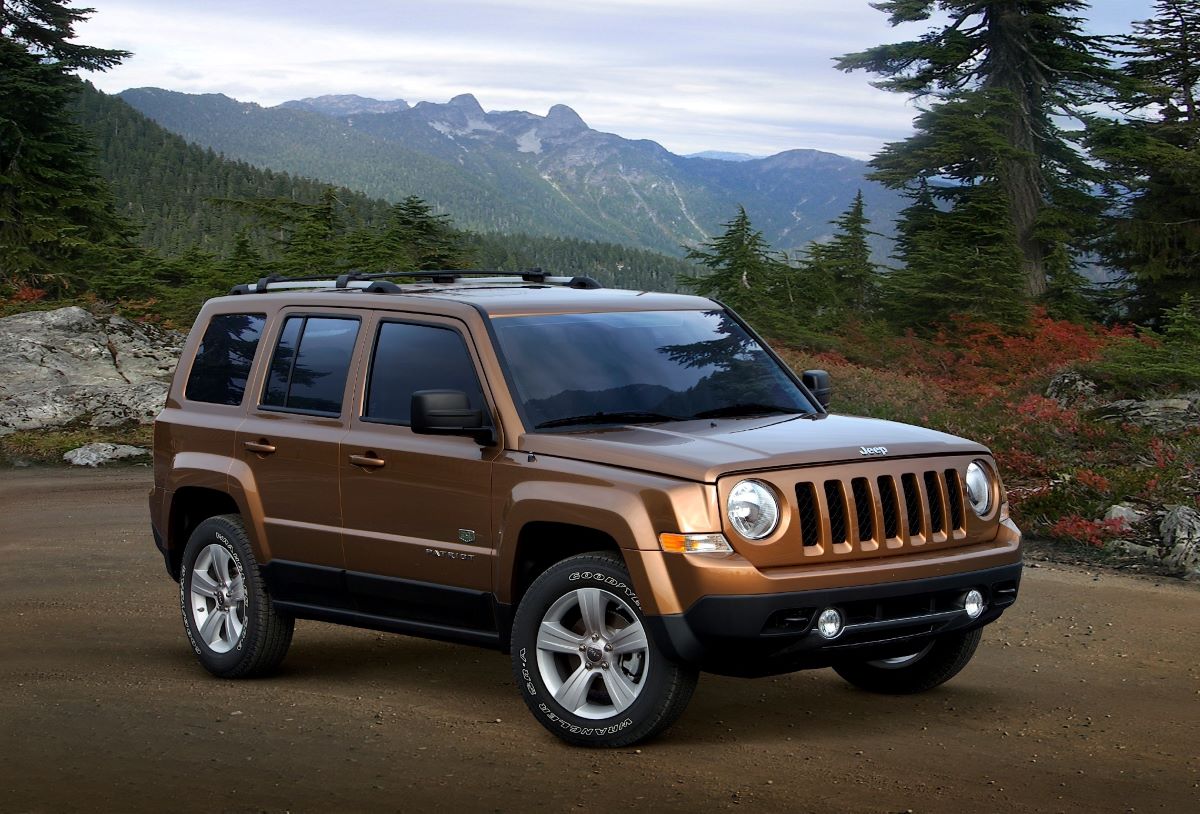
3. Jeep Patriot
The Jeep Patriot entered the market with the promise of rugged dependability, carrying the Jeep name that evokes images of durability and adventure. Unfortunately, the transmission fitted to many Patriot models told a different story.
The vehicle used a continuously variable transmission similar to that found in smaller sedans, which was never designed to endure the stress of towing, off-road driving, or prolonged heat exposure.
As a result, Patriot owners frequently encountered problems ranging from whining noises and slipping to complete transmission failure. Many reported that the vehicle struggled to maintain consistent acceleration, especially on highways or steep grades.
The primary weakness in the Patriot’s transmission was its tendency to overheat. The cooling system was inadequate for the demands placed upon it, particularly in warmer climates or when the vehicle was used for hauling or hill climbing.
Once overheated, the transmission would often enter a “limp” mode, drastically reducing power to prevent further damage.
This not only created safety concerns but also made long trips inconvenient and stressful. Drivers sometimes had to pull over and wait for the transmission to cool before continuing.
Over time, repeated heat cycles led to premature wear of the internal belt and pulleys, necessitating expensive repairs.
The mismatch between the Patriot’s rugged marketing and its fragile transmission created a credibility problem for Jeep. Owners who expected off-road capability found themselves dealing with mechanical limitations more common in compact commuter cars.
Even with regular maintenance, the CVT could not consistently withstand the torque demands of the 2.4-liter engine.
Replacement transmissions were costly, and the same design weaknesses often resurfaced in rebuilt units. The resale value of affected models dropped significantly, as word of these problems spread among consumers and mechanics.
For a brand built on toughness, the Patriot’s transmission failure represented a fundamental contradiction. It showed how using an inappropriate drivetrain design to save manufacturing costs can backfire.
Jeep eventually phased out the CVT in favor of more traditional automatics in later models, but the Patriot’s reputation never recovered.
It remains an example of how a vehicle’s perceived strength can be undone by one poorly matched component. Drivers who once trusted the Jeep name for rugged dependability learned the hard way that appearances could be deceiving when cost-saving measures compromise mechanical integrity.
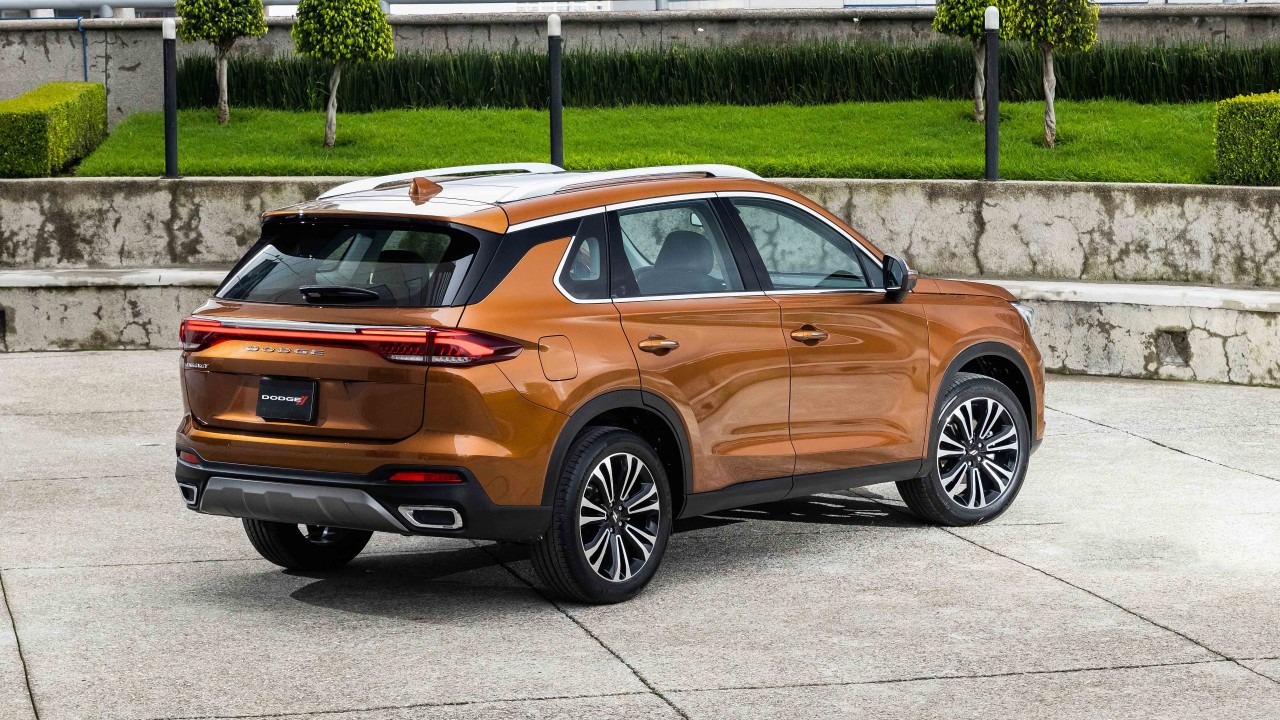
4. Dodge Journey
The Dodge Journey, despite offering a comfortable interior and versatile seating, developed a long-standing reputation for transmission problems that overshadowed its practicality. Many versions of the Journey were equipped with a six-speed automatic transmission that struggled to deliver smooth and consistent performance.
Drivers frequently reported harsh or delayed shifts, unexpected gear changes, and slipping during acceleration.
These symptoms often appeared at relatively low mileage, raising concerns about the quality and durability of the transmission design. What should have been a dependable family vehicle instead became known for unpredictable mechanical behavior.
A significant part of the problem lay in the transmission’s hydraulic system and valve body design.
The system responsible for directing fluid pressure to control shifting was prone to internal leaks and clogging, which caused erratic performance. Inconsistent fluid flow led to jerky transitions between gears and poor response under acceleration.
Over time, these stresses caused additional wear on clutches and seals, compounding the problem. Drivers often found themselves visiting service centers multiple times without receiving a permanent solution, as repairs were expensive and not always effective.
Heat management also proved to be a major weakness. When the transmission was subjected to long drives or heavy loads, the fluid would quickly degrade, losing its protective qualities. Once the fluid broke down, friction between internal components increased, leading to early failure.
Dodge issued several service bulletins to address these issues, advising software updates or fluid replacements, but these measures were often temporary fixes. The underlying mechanical flaws remained, leaving owners frustrated with recurring problems and high maintenance costs.
The impact on the Journey’s reputation was significant. Despite its practicality and affordability, many potential buyers avoided it after learning about the transmission’s reputation for unreliability. Owners who experienced repeated issues often traded their vehicles early, further reducing resale values.
The Journey’s transmission story highlights how critical it is for manufacturers to prioritize durability over short-term cost savings. A family vehicle must inspire confidence, and a weak transmission undermines that entirely.
For Dodge, this model became a reminder that even a well-designed cabin and versatile layout cannot compensate for a powertrain that fails to deliver consistent, trustworthy performance.
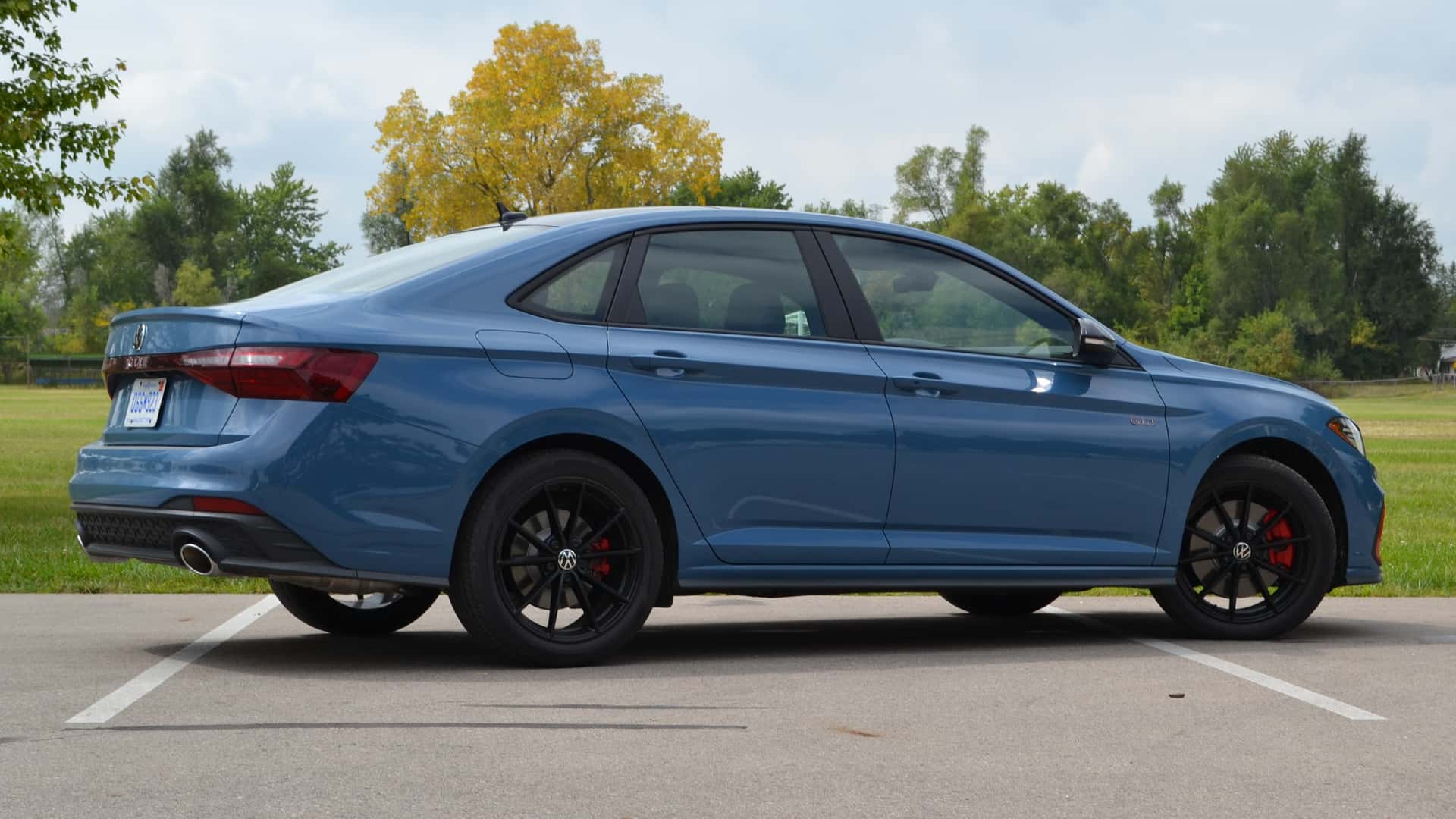
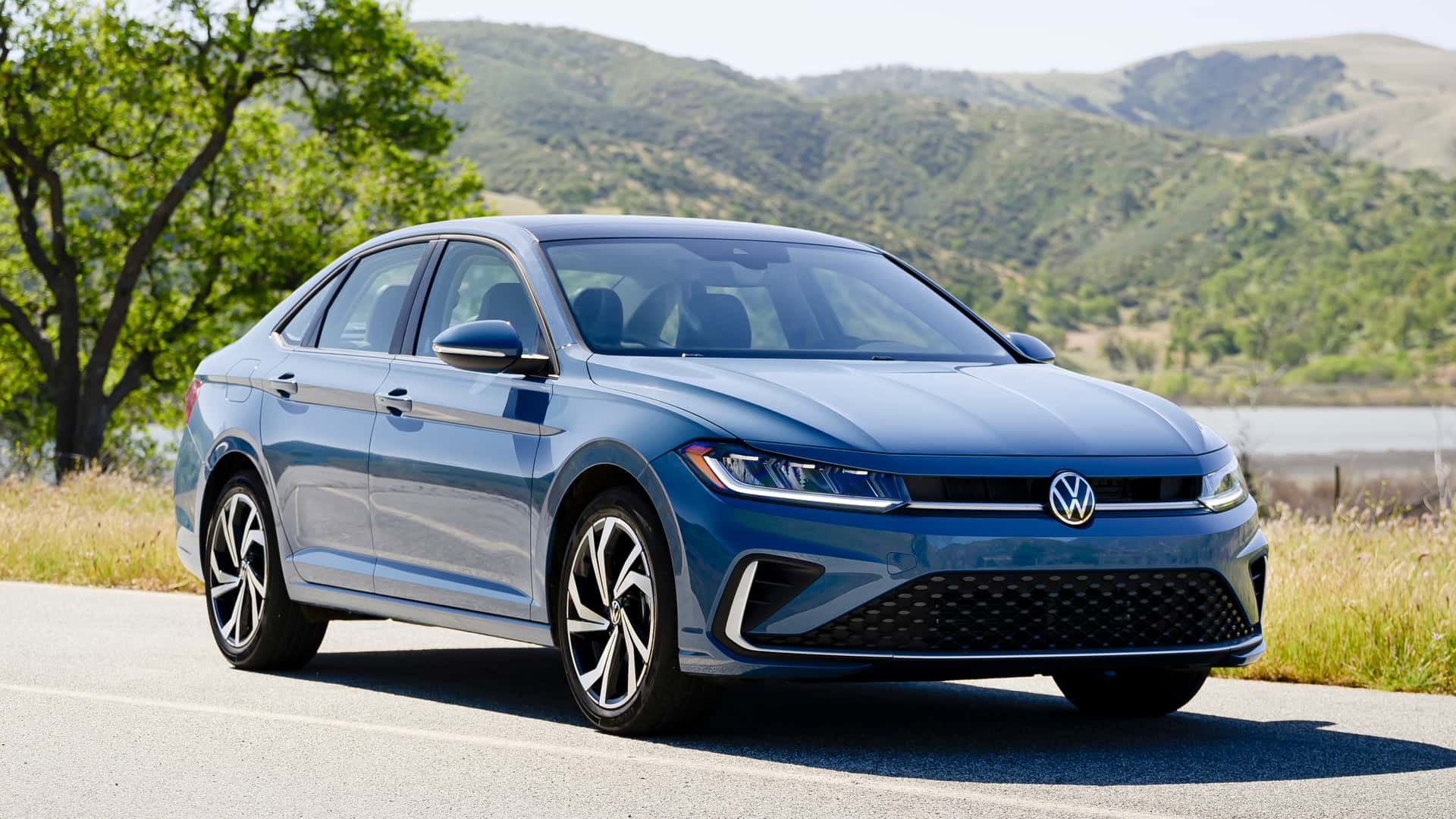
5. Volkswagen Jetta (Early DSG Models)
The Volkswagen Jetta, especially the models equipped with early DSG transmissions from the late 2000s and early 2010s, faced significant reliability issues that dented consumer confidence.
The DSG, or dual-clutch gearbox, was initially celebrated for providing quick, efficient shifts similar to high-performance sports cars.
However, many early units suffered from mechanical and electronic flaws that caused unpredictable behavior.
Drivers reported problems such as sudden loss of power, rough engagement, and complete failure of the mechatronic control unit, which manages clutch operation. These issues often appeared without warning, leaving owners facing costly repairs.
The dual-clutch system is inherently complex, relying on precision coordination between hydraulic pressure, electronics, and mechanical parts. In the early Jetta DSG units, the mechatronic module was particularly prone to failure due to heat and fluid contamination.
Once this component malfunctioned, the transmission could slip, refuse to shift, or suddenly disengage altogether.
Volkswagen attempted to address these failures through recalls and extended warranties, but the repairs were expensive, and replacement units were not always reliable either. The result was a wave of customer complaints that hurt Volkswagen’s image as a maker of high-quality European vehicles.
Another issue stemmed from the clutches themselves, which were designed for efficiency rather than durability. In heavy traffic or frequent stop-and-go driving, the dry clutch design overheated and wore prematurely. This led to jerky starts, shuddering, and vibrations that worsened over time.
For drivers expecting German engineering precision, the experience was disappointing. Even after multiple software updates aimed at smoothing out gear changes, the basic mechanical vulnerabilities remained.
Owners often faced repair bills in the thousands, with little assurance that replacements would last any longer than the originals.
Over time, Volkswagen improved the DSG’s design with better cooling systems and revised software, but the stigma from the early models persisted. The transmission that once symbolized innovation became a warning against overengineering without sufficient long-term testing.
The Jetta’s early DSG problems serve as a case study in how complexity can undermine reliability when real-world conditions expose weaknesses that laboratory simulations miss.
Although later versions of the DSG earned praise for their performance and dependability, those early models remain a cautionary reminder that advanced technology must be supported by durable, well-tested foundations.
