
The modern SUV market is a battlefield of design philosophies and engineering ambitions. Buyers expect versatility, comfort, performance, and aesthetic appeal all in a single package.
For many, the SUV has become more than a means of transport; it is a lifestyle statement, an expression of identity on four wheels.
Yet, as automakers strive to meet every possible demand, the line between practicality and extravagance has blurred.
Some manufacturers manage to merge everyday usability with striking design, creating vehicles that please both the eye and the driver. Others, however, fall short, delivering bulky, uninspired models that fail to impress on any front.
The balance between utility and style is delicate. Too much emphasis on aesthetics can compromise cargo space, handling, and comfort. On the other hand, focusing solely on utility often leads to dull, uninspiring machines that lack character.
The best SUVs achieve equilibrium by combining functional design with thoughtful details that enhance both performance and presence. These vehicles provide comfort without excess, capability without pretension, and design that feels both modern and timeless.
Unfortunately, not every SUV meets that standard. Some models, weighed down by awkward styling, confusing interiors, or disappointing mechanical choices, seem to miss the very essence of what makes an SUV appealing.
These vehicles neither inspire admiration nor provide satisfaction behind the wheel. They appear lost in translation between rugged utility and modern sophistication.
This article compares ten SUVs divided into two groups. The first five stand as examples of how thoughtful engineering and design can coexist harmoniously. The other five illustrate what happens when that balance is ignored.
Together, they paint a clear picture of how subtle choices in proportion, functionality, and innovation can determine whether an SUV thrives in the market or fades from relevance.
Let’s examine which models achieve the ideal balance of style and substance, and which ones stumble trying to be everything at once.
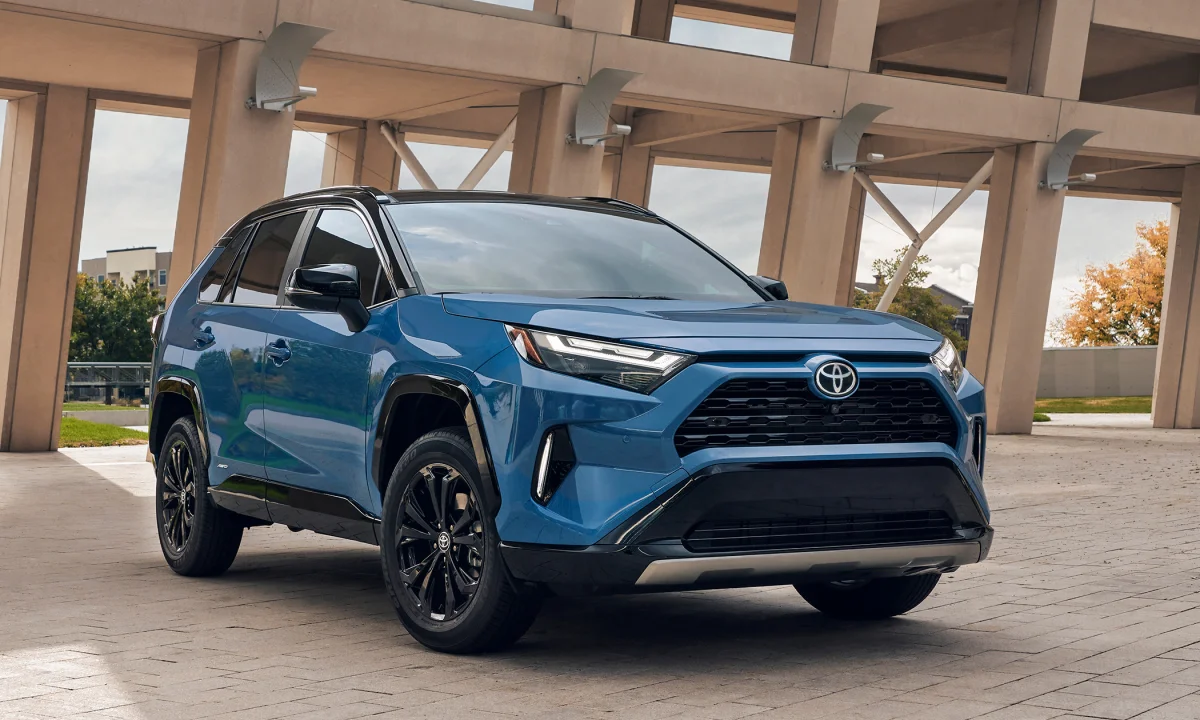
1. Toyota RAV4
The Toyota RAV4 consistently delivers the kind of all-around excellence that buyers expect from a reliable SUV. It manages to be handsome without overreaching, practical without being dull. The design language is crisp and assertive, marked by angular body lines and a confident stance.
Toyota’s attention to proportion ensures that the vehicle feels balanced, whether viewed from the front or side. Inside, the RAV4’s cabin is intuitive, featuring high-quality materials arranged in a way that makes sense for daily life.
Buttons and controls fall naturally under hand, creating a sense of ease that is often missing in more complicated competitors.
Performance-wise, the RAV4 offers a blend of efficiency and capability. The hybrid variant adds extra power without sacrificing fuel economy, while its all-wheel-drive system gives it composure on rough roads.
The suspension tuning strikes an ideal middle ground between comfort and responsiveness, keeping passengers relaxed even on longer journeys. It doesn’t pretend to be a sports car, yet it handles with a predictability that inspires confidence.
Toyota’s reputation for reliability adds another layer to the RAV4’s appeal. Owners know that they’re investing in a vehicle that will last, and the low maintenance costs contribute to its practicality.
The RAV4’s resale value remains strong, proof that buyers trust it to perform well over time. This is an SUV that serves families, commuters, and adventurers alike without feeling compromised.
In a segment filled with bold promises and exaggerated styling, the RAV4’s approach feels refreshing. It doesn’t need aggressive lines or outlandish features to make an impression. Instead, it focuses on getting the fundamentals right.
Its success lies in restraint, demonstrating that functionality and style can coexist when design is guided by purpose rather than marketing trends.
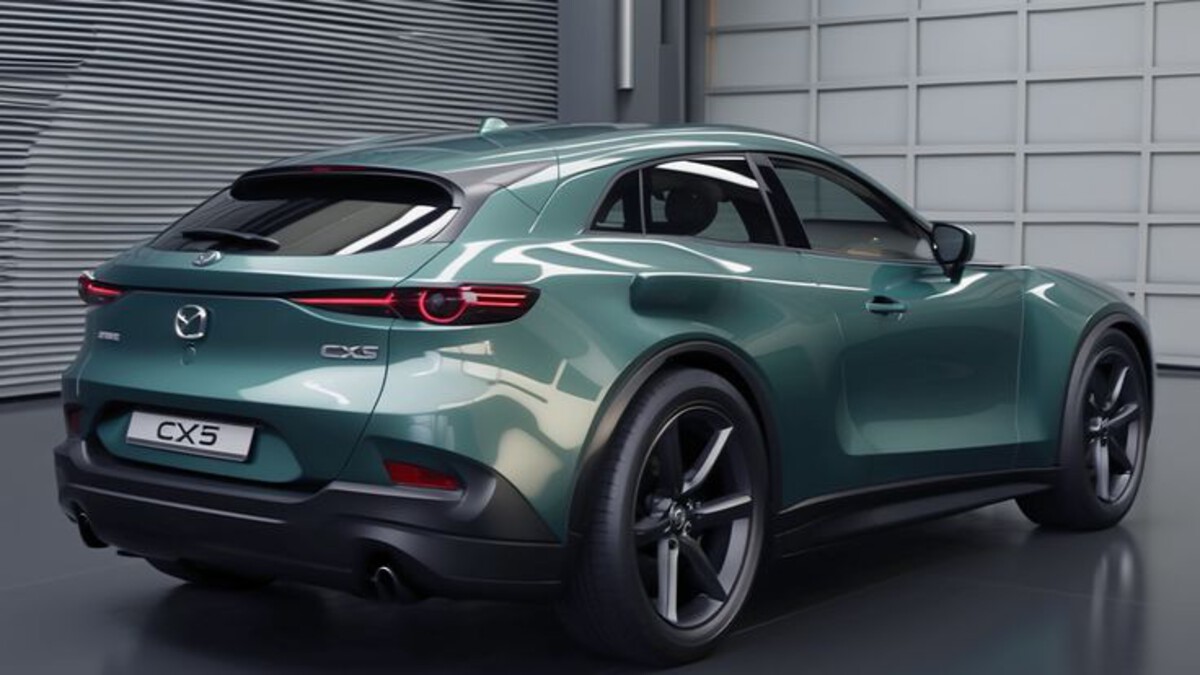
2. Mazda CX-5
The Mazda CX-5 stands out because it makes driving enjoyable without giving up practicality.
Its exterior design is clean and fluid, reflecting Mazda’s philosophy of creating movement even when the car is still. Unlike many SUVs that rely on bulk for presence, the CX-5 feels athletic and composed.
The proportions are near-perfect, giving it a sleek profile that catches attention without shouting for it. This careful design work continues inside, where soft-touch materials, minimalist layouts, and cohesive color schemes create a cabin that feels more premium than its price suggests.
Driving the CX-5 is where the SUV truly distinguishes itself. The steering is precise, the suspension is tuned for responsiveness, and the chassis feels balanced through corners.
It offers a driving experience that’s rare among compact SUVs, providing feedback and control that appeal to enthusiasts while maintaining comfort for everyday use.
The noise insulation and ride quality show how much effort Mazda put into fine-tuning small details that influence how a vehicle feels on the road.
Utility has not been sacrificed for style either. The CX-5 offers ample cargo space, flexible seating arrangements, and a thoughtful layout that supports both daily errands and longer trips.
It’s not the biggest in its class, but its efficiency in space usage makes it feel larger than it is. The ergonomics make long drives less tiring, and visibility remains clear in all directions.
The CX-5 demonstrates that practical cars can also be emotionally engaging. It feels carefully crafted rather than mass-produced, showing that passion for design and engineering can result in something greater than the sum of its parts.
It’s an SUV that respects the driver’s desire for beauty and performance while still meeting every demand of modern practicality.
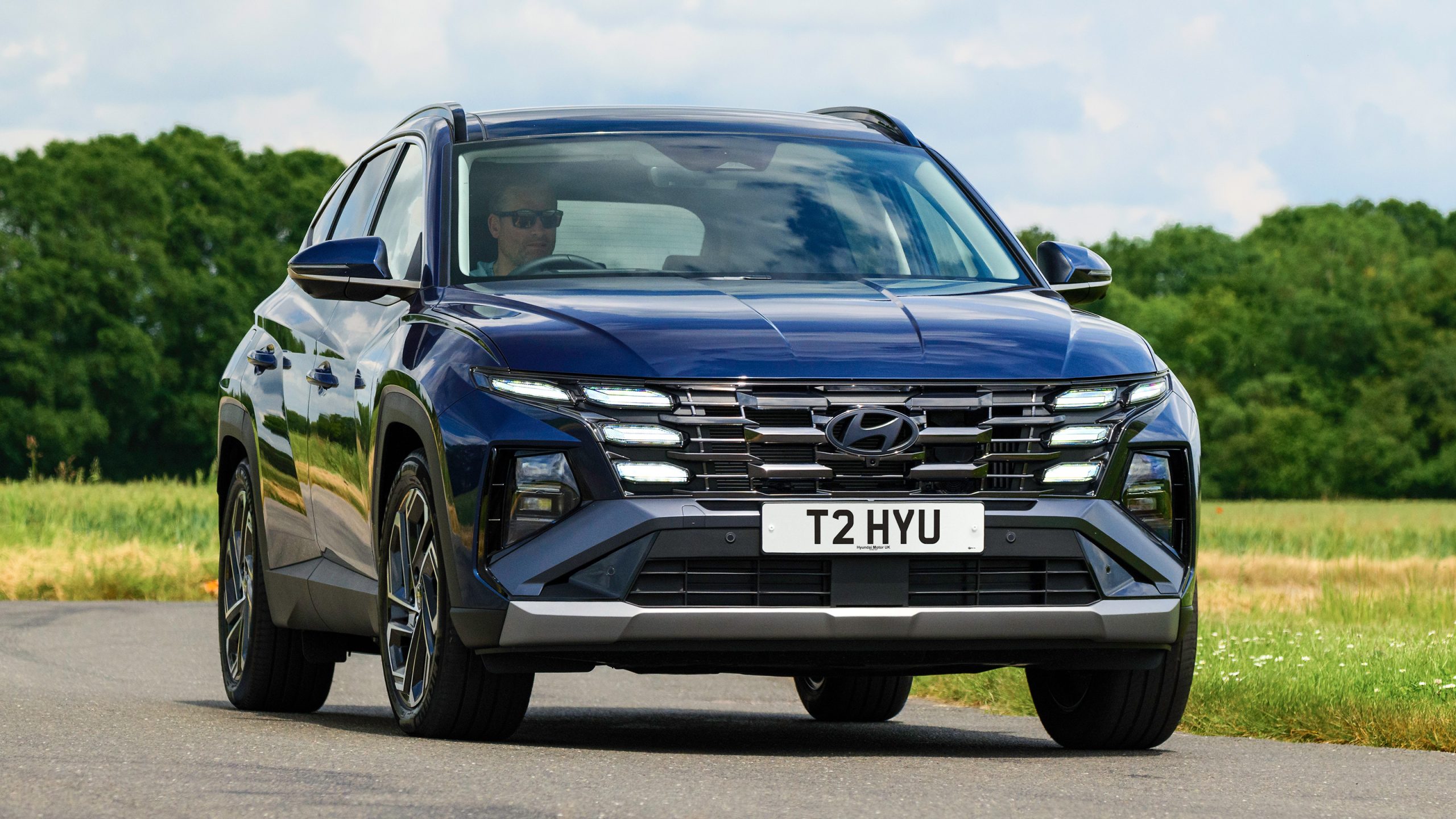
3. Hyundai Tucson
The Hyundai Tucson redefines what a compact SUV can be in terms of design and technology. It makes a strong first impression with its bold geometric shapes and distinctive lighting elements.
Unlike some vehicles that rely on superficial features, the Tucson’s design feels deeply integrated into its structure.
Every line has intent, giving it a futuristic yet functional appearance. Inside, the cabin reinforces that modern identity, presenting a clean dashboard layout dominated by smooth surfaces and well-organized digital controls.
Performance is balanced between efficiency and capability. The available hybrid powertrain delivers strong acceleration while maintaining excellent fuel economy. Its handling is steady and predictable, with a suspension system that absorbs bumps gracefully.
Hyundai’s engineering team has clearly prioritized driver confidence, making the Tucson easy to maneuver in both urban settings and open highways. The steering feels natural, and braking performance is smooth yet firm.
Where Tucson shines is in its thoughtful use of technology. The infotainment system is user-friendly, and the integration of driver-assist features feels natural rather than intrusive.
Features like adaptive cruise control and lane-keeping assistance operate seamlessly, adding to the sense of refinement. The use of high-quality materials throughout the cabin, combined with intelligent packaging, gives the impression of a much more expensive vehicle.
The Tucson is an example of how a mainstream manufacturer can deliver premium results without premium pricing. It manages to be stylish without being pretentious, modern without feeling overdesigned, and functional without losing its visual appeal.
By focusing on substance rather than spectacle, Hyundai has created a model that proves innovation and practicality can move forward together.
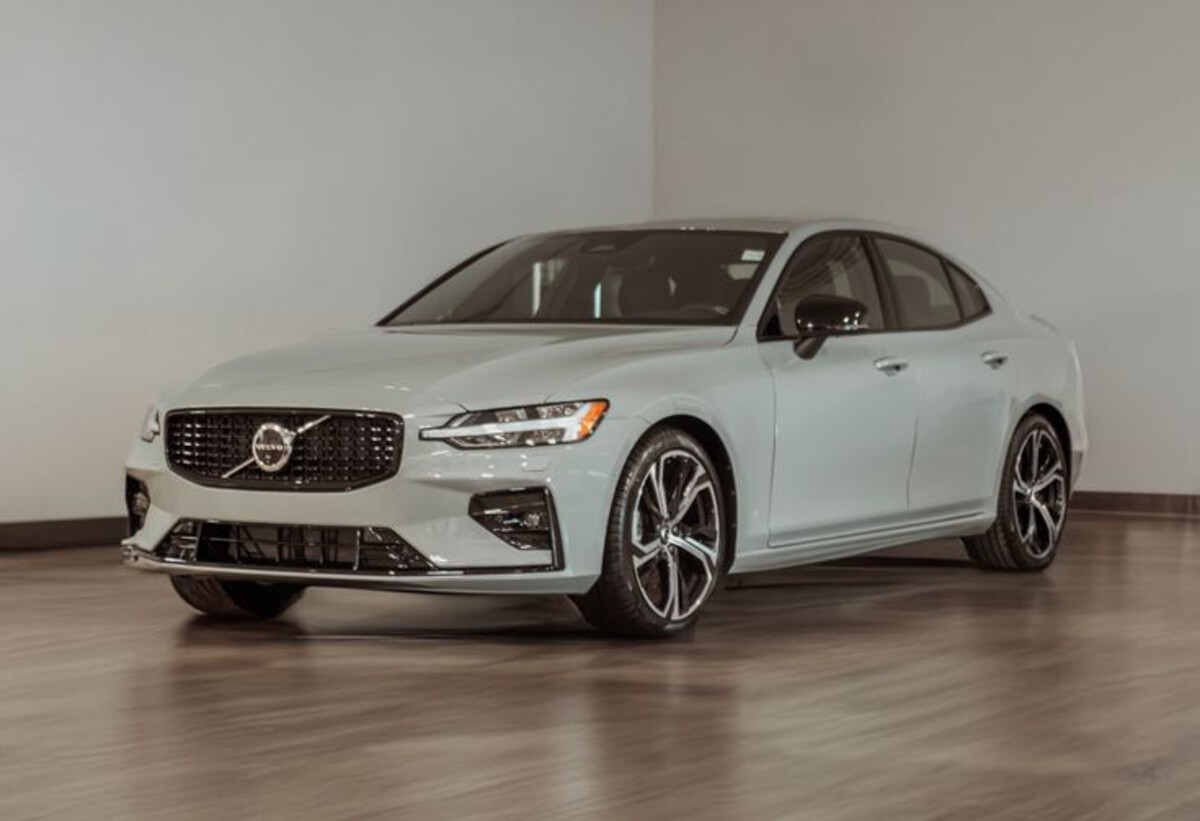
4. Volvo XC60
Volvo has long been known for its dedication to safety and understated design, and the XC60 embodies both qualities in perfect harmony. Its exterior design is elegant and proportionate, defined by clean surfaces and subtle detailing.
There are no unnecessary flourishes or aggressive lines; instead, the XC60 projects confidence through simplicity. The signature lighting elements and strong shoulder line communicate a quiet strength that feels timeless rather than trendy.
Inside, the cabin offers a sanctuary-like experience. The design philosophy emphasizes calmness, with natural materials and uncluttered surfaces that create a sense of balance.
The seats are exceptionally supportive, reflecting Volvo’s long-standing commitment to ergonomic excellence. Every control feels thoughtfully placed, reinforcing the impression that the XC60 was built around human comfort rather than digital distraction.
Performance complements its design philosophy. The engine options provide smooth and efficient power delivery, while the suspension tuning ensures a composed ride even on rough roads. It’s not a performance-focused SUV, yet it handles confidently and predictably.
The emphasis is clearly on stability and comfort, qualities that make long drives effortless. The plug-in hybrid variant adds an environmentally conscious dimension, blending modern technology with traditional Volvo practicality.
What sets the XC60 apart is its sense of authenticity. It doesn’t attempt to imitate luxury brands or chase fleeting design fads. Instead, it focuses on delivering genuine quality and a cohesive identity.
That integrity gives it a distinct personality, one that resonates with buyers seeking sophistication rooted in function. The XC60 proves that true style does not have to be loud, it only needs to be thoughtful.
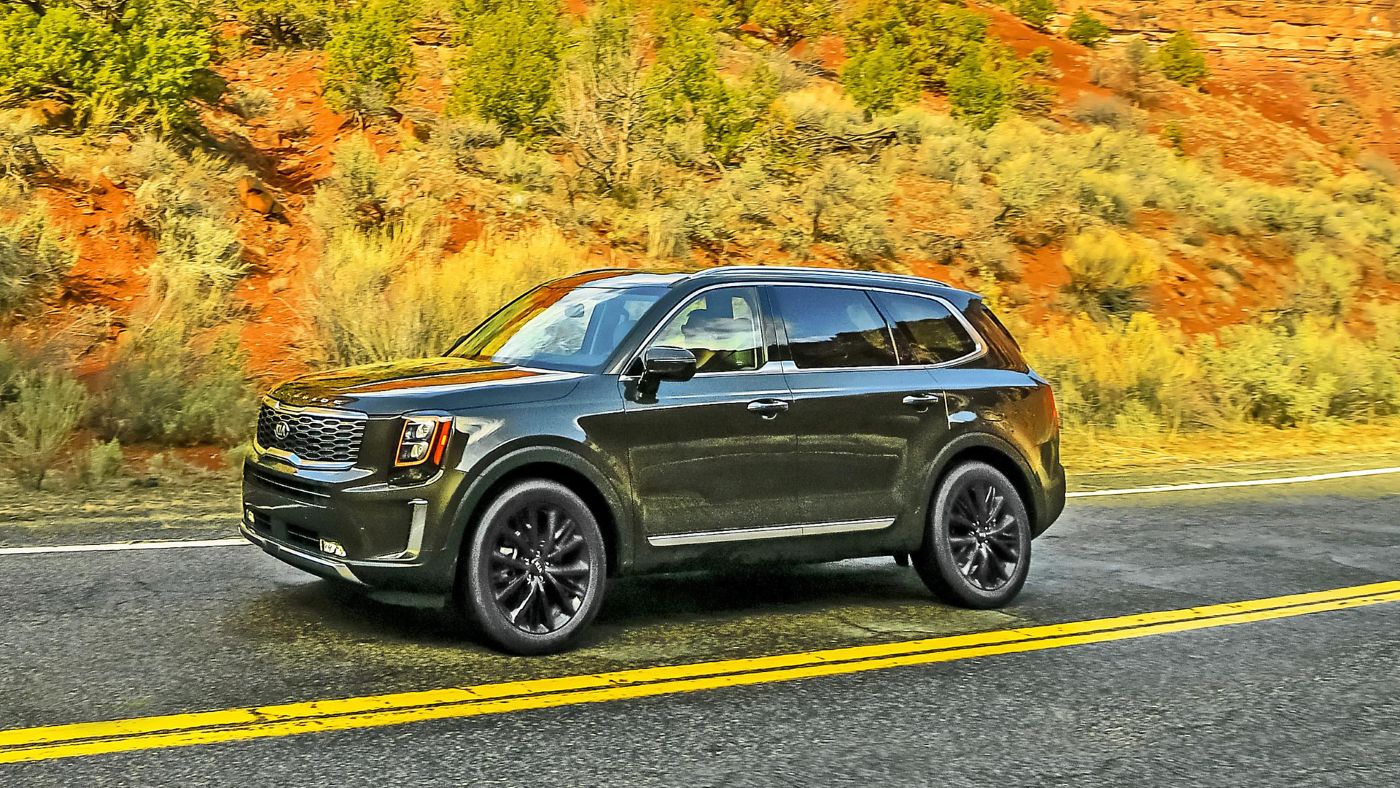
5. Kia Telluride
The Kia Telluride has rapidly become one of the most admired SUVs in its class. It strikes a near-perfect balance between rugged utility and refined comfort, achieving a level of polish few competitors can match.
The exterior design exudes confidence through its squared-off proportions and upright stance. It manages to look both commanding and tasteful, with details like the signature grille and vertical headlights giving it a premium identity.
Inside, the Telluride continues to impress with a layout that feels both luxurious and practical. The materials are soft to the touch, and every surface seems designed for longevity.
The three-row configuration provides ample space for families, yet the design never feels overwhelming or cluttered. Every seat is supportive, and access to the third row is surprisingly easy compared to many competitors.
Driving the Telluride reinforces the sense that this SUV was engineered with real-world needs in mind. The V6 engine delivers smooth, confident acceleration, and the ride quality is calm and controlled.
Kia’s chassis tuning allows for composed handling even when the vehicle is fully loaded. The result is an SUV that feels both solid and graceful, a combination that encourages confidence in every situation.
The Telluride’s success lies in its balance. It looks sophisticated without appearing fragile, feels premium without being overpriced, and performs consistently without pretense.
It represents how far modern design and engineering have progressed when guided by a clear purpose. Among family SUVs, few vehicles express such harmony between style, function, and value.
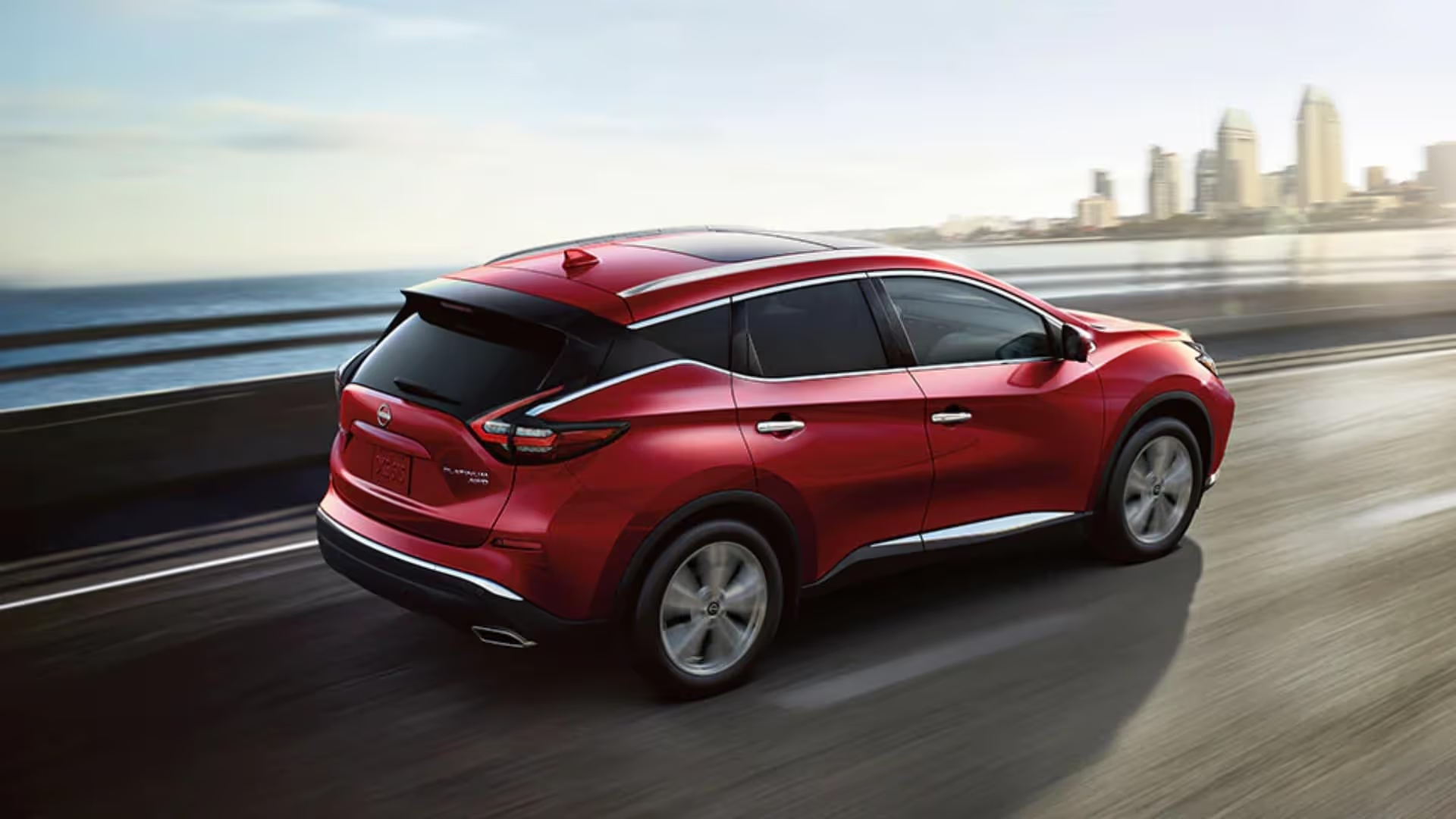
6. Nissan Murano
The Nissan Murano once carried a distinctive identity, but its current form feels unsure of what it wants to be.
The exterior design appears trapped between futuristic ambition and outdated execution. Its heavily sculpted sides and exaggerated curves give it an oddly inflated look that neither communicates strength nor elegance.
The proportions are awkward, with a roofline that slopes dramatically toward the rear, compromising both visibility and cargo space.
What might have been intended as a bold, expressive design instead results in confusion, as though several styling concepts were combined without a clear direction.
The interior continues this sense of identity crisis. While Nissan intended for the Murano to feel upscale, the abundance of shiny plastics and mismatched trim finishes creates an environment that feels dated rather than luxurious.
The center console layout looks busy, with buttons scattered across surfaces that are difficult to reach comfortably.
Even though the seats are supportive, the cabin experience feels more like a design experiment than a cohesive space. The digital systems lack the polish seen in newer competitors, and the infotainment graphics make the interior feel several years behind.
From a functional standpoint, the Murano struggles to justify its size. The sloping rear design limits cargo volume, while the absence of any real off-road or towing capability makes it less practical than rivals in its price range.
The driving dynamics lean heavily toward softness, which might be acceptable for comfort, but the steering lacks feedback and precision. The result is a detached experience that fails to inspire confidence, especially when cornering or maneuvering in tighter spaces.
The Murano’s biggest issue is that it tries too hard to appear upscale without offering the mechanical refinement or structural integrity that would make it feel genuinely premium.
It is neither a tough utility vehicle nor an elegant crossover. It occupies an uncomfortable middle ground that satisfies neither need. What was once a trendsetter has become an example of how lack of focus can dull both character and purpose in automotive design.

7. Ford EcoSport
The Ford EcoSport was meant to deliver an affordable, compact SUV experience for urban drivers. Unfortunately, it manages to highlight nearly every shortcoming that can occur when practicality and design are handled carelessly.
Its exterior design seems undecided between a hatchback and a small crossover, with an upright stance that feels forced rather than natural.
The proportions are stubby, and the rear-mounted spare tire (on certain trims) gives it a clumsy, almost unfinished look. The attempt to make it rugged comes across as artificial, which undermines its appeal in a market already filled with more refined small SUVs.
Inside, the problems continue. The cabin layout feels cramped, especially in the rear seats, where legroom and headroom are tight for adults.
The materials used inside do little to improve the experience; they feel more suited to a budget economy car than a modern SUV.
The infotainment screen sits awkwardly on top of the dashboard like an afterthought, and the interface lacks responsiveness.
Small storage areas are insufficiently designed, and the driving position feels awkwardly elevated without providing the clear visibility one expects from a crossover.
Performance is another disappointment. The base engine struggles with acceleration, particularly when merging onto highways or climbing steep grades. The transmission often hesitates, creating jerky shifts that make the vehicle feel unrefined.
The suspension, though soft, does not fully absorb rough surfaces, leaving passengers feeling every imperfection on the road. Despite its compact footprint, the EcoSport does not deliver the agile handling that might have redeemed its other flaws. Instead, it feels sluggish and underpowered, which only adds to its sense of inadequacy.
The EcoSport’s failure lies in its inability to define its purpose. It offers neither the efficiency of a small car nor the capability of a true SUV. Even its name suggests adventure and sportiness, qualities that its engineering never delivers.
Rather than feeling practical and stylish, it feels compromised in both respects. It serves as a reminder that simply increasing ride height and adding plastic cladding does not make a vehicle genuinely useful or appealing.
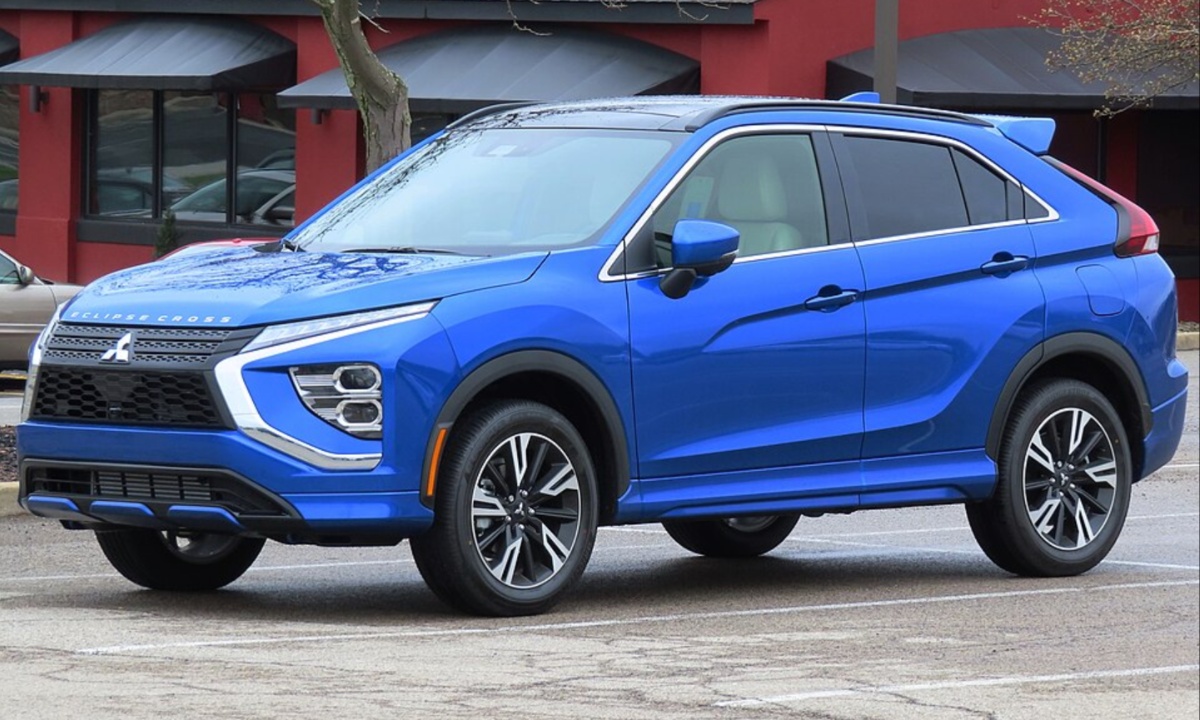
8. Mitsubishi Eclipse Cross
The Mitsubishi Eclipse Cross carries a name that once represented sportiness and excitement, but in its SUV form, it fails to live up to that legacy. The exterior styling attempts to convey energy through sharp creases and an unusual split-window design at the rear.
Unfortunately, the result feels awkward and overcomplicated. The angular surfaces do not align gracefully, giving the impression of a design that was revised one too many times.
Instead of appearing modern or daring, it looks disjointed, as though the design language was never finalized before production began.
Inside, the experience does little to redeem the vehicle. The dashboard design feels bulky and unrefined, with an infotainment system that is both slow and unintuitive.
The use of materials feels inconsistent, mixing decent soft-touch areas with hard plastics that cheapen the impression.
The rear visibility, hindered by the strange split glass, is among the poorest in its class. This design choice, meant to be distinctive, instead creates frustration for daily driving, especially when reversing or navigating crowded parking spaces.
Driving dynamics are similarly disappointing. The turbocharged engine offers modest power, but the continuously variable transmission saps much of its potential, leaving the SUV feeling hesitant during acceleration.
The suspension tuning tries to strike a balance between comfort and control but fails to deliver either convincingly. The steering feels vague, offering little sense of connection between driver and road. These shortcomings combine to create a driving experience that lacks character and precision.
The Eclipse Cross represents a missed opportunity for Mitsubishi to rebuild its reputation through a compelling product. Rather than focusing on cohesive engineering, the company appears to have relied on styling gimmicks and branding nostalgia. The result is a vehicle that feels confused about its own purpose.
It neither honors the spirit of the original Eclipse sports car nor establishes itself as a competitive SUV. This lack of direction makes it one of the clearest examples of an SUV that fails both stylistically and functionally.
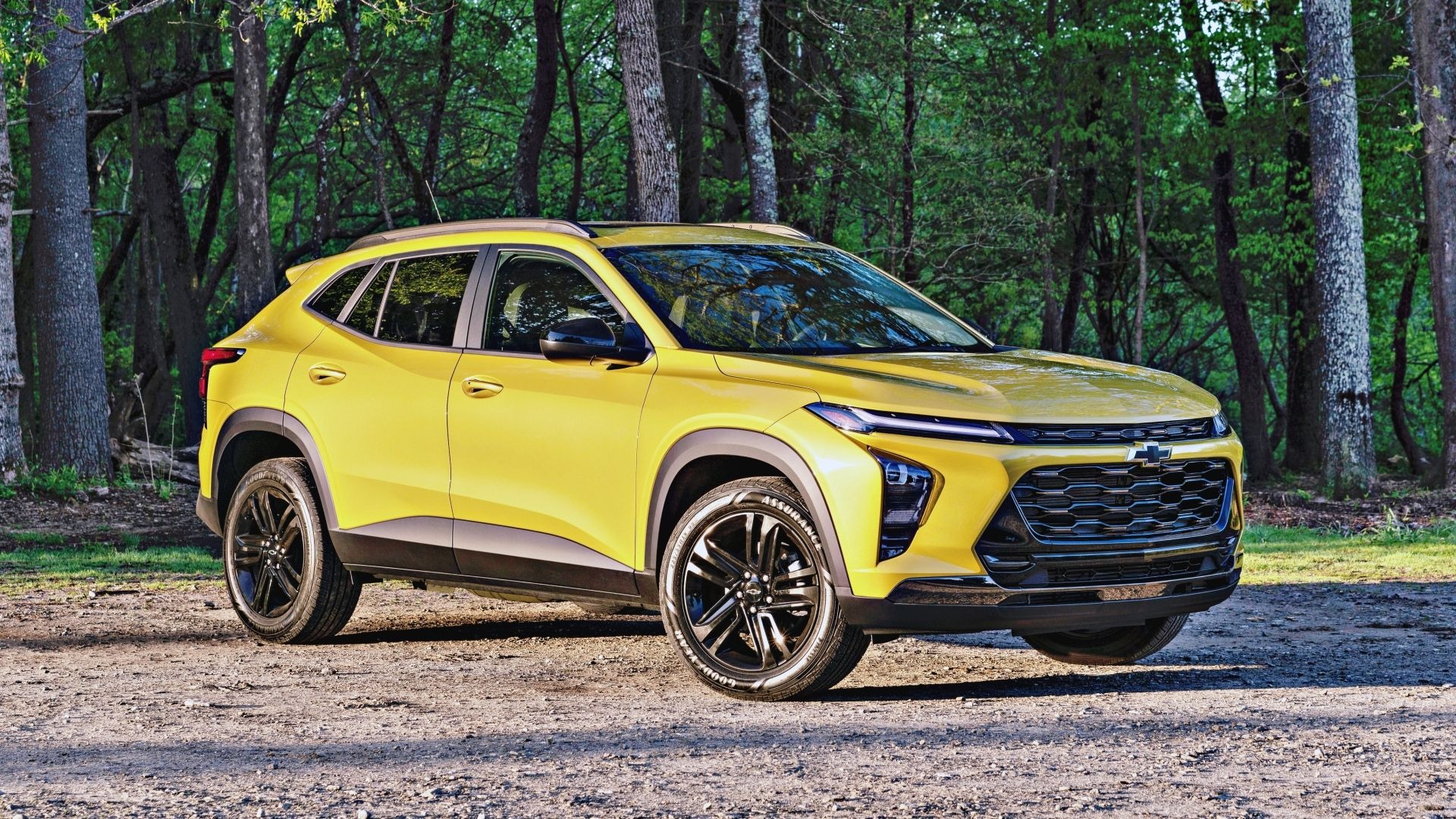
9. Chevrolet Trax
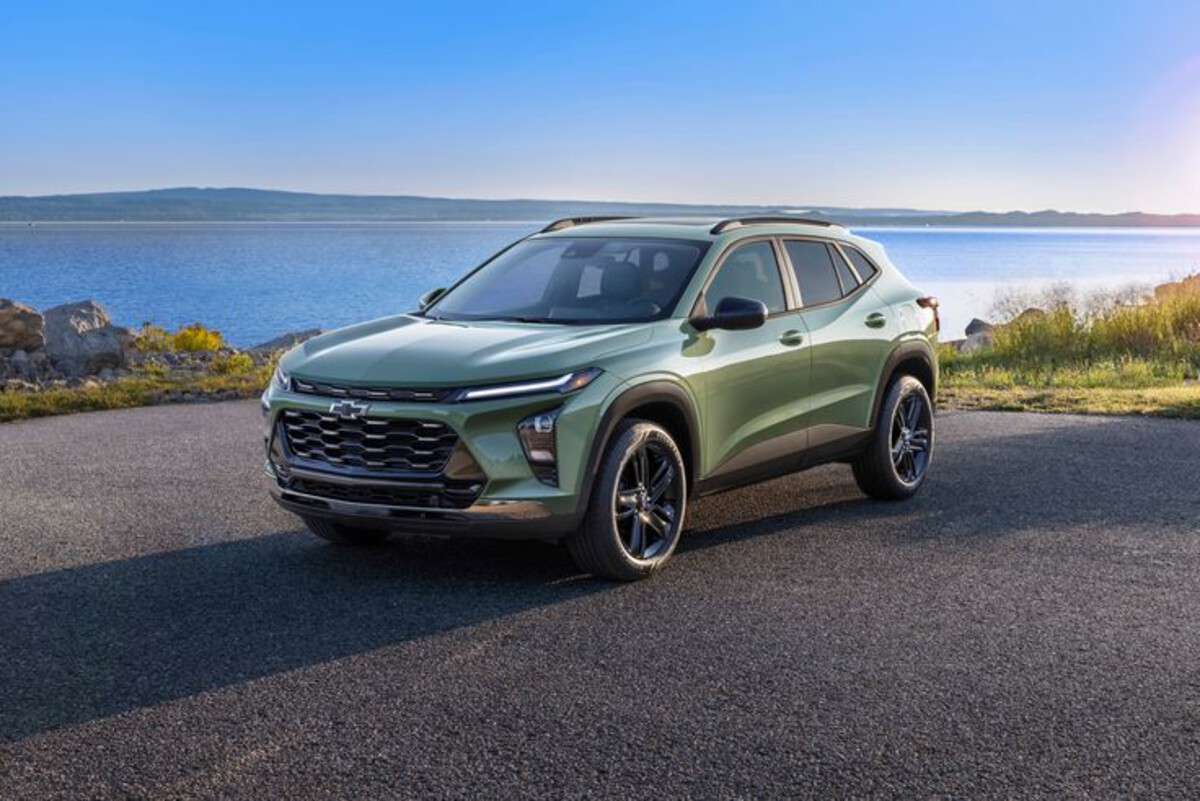
The Chevrolet Trax exists in a segment filled with tough competitors, yet it struggles to define itself. Its design is generic to the point of invisibility. While some SUVs strive for flair, the Trax seems to have been engineered to blend into parking lots without notice.
The shape lacks distinction, and the detailing does little to give it personality. It feels like a product created to fill a space in the lineup rather than a thoughtfully designed vehicle meant to inspire confidence or pride of ownership.
The interior follows the same pattern of mediocrity. Although functional, it lacks any real design coherence. Hard plastics dominate the cabin, and the seating feels thin and unsupportive on longer trips.
The infotainment system, while simple to use, cannot disguise the bare-bones environment surrounding it. Practicality is limited by a small cargo area, and rear-seat passengers will find legroom minimal.
Every element of the cabin seems to prioritize cost-saving over user experience, leaving the vehicle feeling stripped of warmth or innovation.
On the road, the Trax offers little excitement. The small engine provides adequate power for city driving, but the performance feels lethargic. The handling is predictable yet uninspiring, and the suspension tuning results in a bouncy ride on uneven pavement.
Noise insulation is minimal, and the constant engine hum adds fatigue during longer journeys. It’s a vehicle that performs just well enough to move people from point A to B, but without any of the refinement or engagement that makes driving enjoyable.
The Trax fails not because it is catastrophically bad, but because it is forgettable. In a market where design and personality matter as much as functionality, its anonymity becomes its greatest weakness. Buyers seeking value can find more efficient and better-equipped alternatives elsewhere.
The Trax demonstrates how a lack of creative ambition can make a vehicle irrelevant, even if it technically fulfills its purpose.
10. Jeep Compass
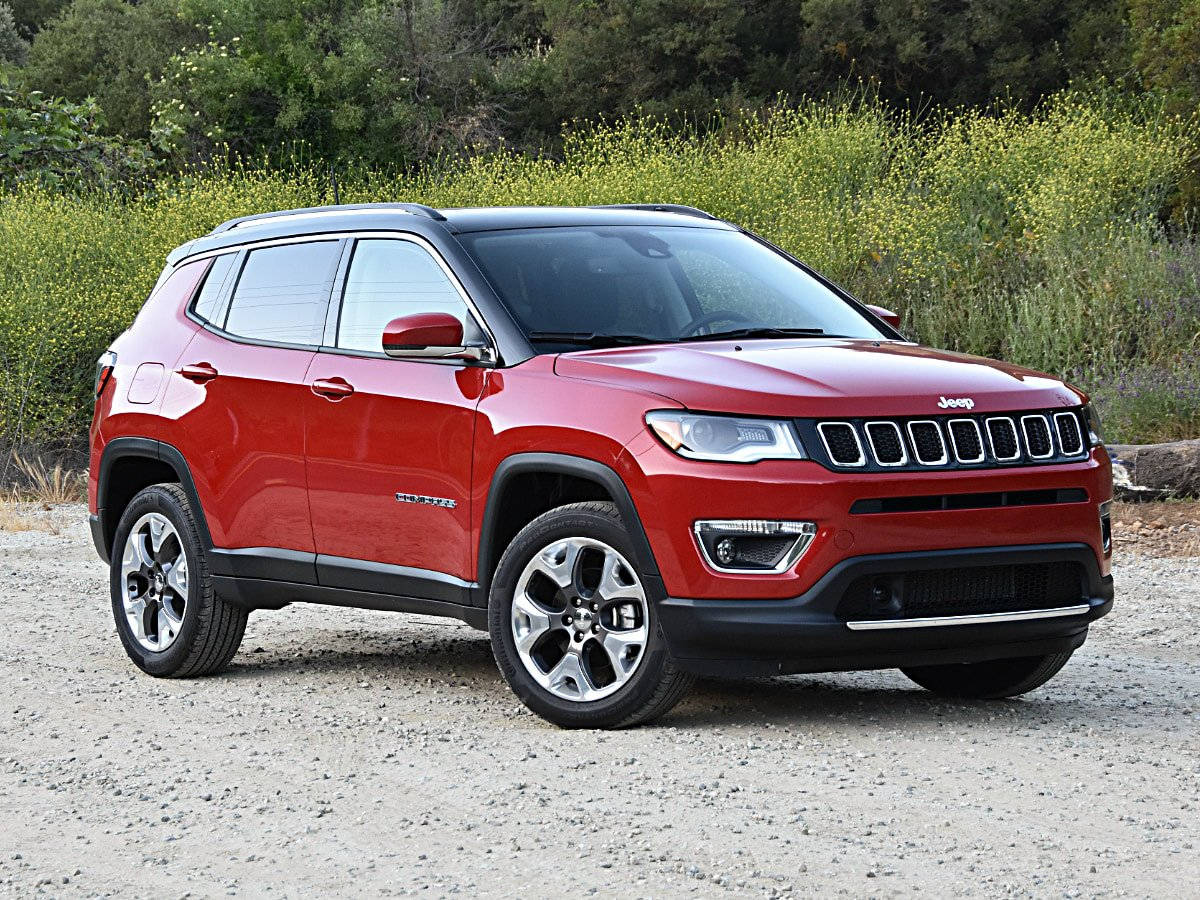
Jeep is a brand built on heritage, yet the Compass often feels disconnected from that identity. Its design borrows cues from larger, more capable models but struggles to translate them effectively into a smaller frame.
The result is an SUV that appears unsure of itself, neither rugged enough to evoke off-road confidence nor sleek enough to appeal to urban buyers.
The proportions seem off, with a bulky front end that clashes with an otherwise modest body size. This visual imbalance prevents the Compass from achieving a unified aesthetic.
Inside, the experience is mixed at best. The materials have improved over time, but the cabin still feels confined, particularly in the rear seats.
The layout of controls lacks intuitive flow, and while the infotainment system is competent, the impression is more functional than inviting.
The interior design does not match the adventurous spirit the Jeep badge promises. Instead, it feels like a compromise aimed at mass appeal, which satisfies neither the purist nor the casual commuter.
Performance remains one of the Compass’s weakest points. The available powertrains often feel underwhelming, struggling to deliver confident acceleration, especially on highways. While the all-wheel-drive system gives it some credibility on light trails, the capability falls short of what most expect from a Jeep.
The suspension tuning errs on the side of stiffness, which affects comfort without meaningfully improving handling. In essence, the Compass tries to wear a rugged image without delivering the mechanical integrity to support it.
The Compass’s greatest failure is that it misrepresents the values associated with its brand. It neither embodies true off-road toughness nor delivers the refined comfort of more urban-focused SUVs. Instead, it lands somewhere in the middle, burdened by compromises that make it difficult to recommend wholeheartedly.
For a nameplate with such strong historical associations, the Compass feels like a missed opportunity, a reminder that heritage alone cannot sustain a product that lacks cohesion in design and execution.
The SUV market demands versatility, but that versatility must come with a sense of purpose. The vehicles that succeed, such as the RAV4, CX-5, Tucson, XC60, and Telluride, all share one defining characteristic: clarity. Each was built with a clear understanding of what its buyers value most.
They combine appealing aesthetics with tangible practicality, ensuring that the design serves the driver rather than merely impressing from a distance. They demonstrate that when a vehicle’s engineering, styling, and user experience align under a single vision, the result is an SUV that feels complete.
Conversely, the models that fail at both style and utility, Murano, EcoSport, Eclipse Cross, Trax, and Compass, illustrate the dangers of losing focus. Their shortcomings are not simply aesthetic; they stem from a fundamental misunderstanding of purpose.
Overdesign, misplaced priorities, and compromises made for cost or marketing reasons have left them adrift in a highly competitive field.
They try to be many things at once but end up excelling at none. The result is vehicles that neither appeal to the emotions nor deliver the functionality that buyers depend on.
A great SUV does not need to be extravagant or perfect in every metric. What it must do is feel cohesive. It should reflect thoughtful design choices where every feature, proportion, and engineering decision contributes to a unified experience.
When automakers pursue that harmony, they create vehicles that age gracefully and build loyalty over time. The best examples in this list have achieved precisely that, becoming trusted choices for both families and individual drivers alike.
For consumers, understanding this balance can make all the difference when choosing their next vehicle. The distinction between utility and style should not be a choice, it should be an integration.
The SUVs that achieve it are the ones that will continue to define the segment’s future, while those that fail to adapt will serve as reminders that good design begins not with flash, but with purpose.
