

Motor mounts are small parts that play a big role. They hold the engine in place, absorb vibration, and maintain alignment between the engine and the transmission. When they wear out or fail, the driver feels it immediately: rough idling, clunking when shifting, or a harsh shudder during acceleration.
Some vehicles are infamous for burning through mounts far too quickly, often because of design flaws, excessive torque, or poor-quality materials.
However, a handful of cars and trucks have built reputations for being remarkably gentle on motor mounts. These vehicles balance engine smoothness, durable mount construction, and solid frame design to minimize stress. The result is a smoother drive, less maintenance, and a more reliable ownership experience.
A car that doesn’t “eat motor mounts” tends to share certain traits. Its engine is mounted in a way that distributes vibration evenly, and its drivetrain geometry is optimized to reduce harsh torque reactions.
Manufacturers that prioritize long-term reliability usually invest in stronger rubber or hydraulic mounts, or in some cases, advanced mount materials that resist oil and heat degradation.
Driving style matters, of course, but the foundation of mount longevity is in the vehicle’s engineering. Owners of well-designed cars often report driving tens or even hundreds of thousands of miles before needing to replace a mount.
This article focuses on 12 specific models known for keeping their motor mounts intact. The selection spans different categories: compact sedans, family SUVs, performance cars, and rugged trucks. What connects them is the fact that, across years of ownership, they rarely present mount-related issues unless severely abused.
The following sections discuss each model in depth, highlighting design features, real-world performance, and the reasons behind their resilience. For drivers who value reliability and hate unnecessary repairs, these ten vehicles stand out as examples of strong design and smart engineering.
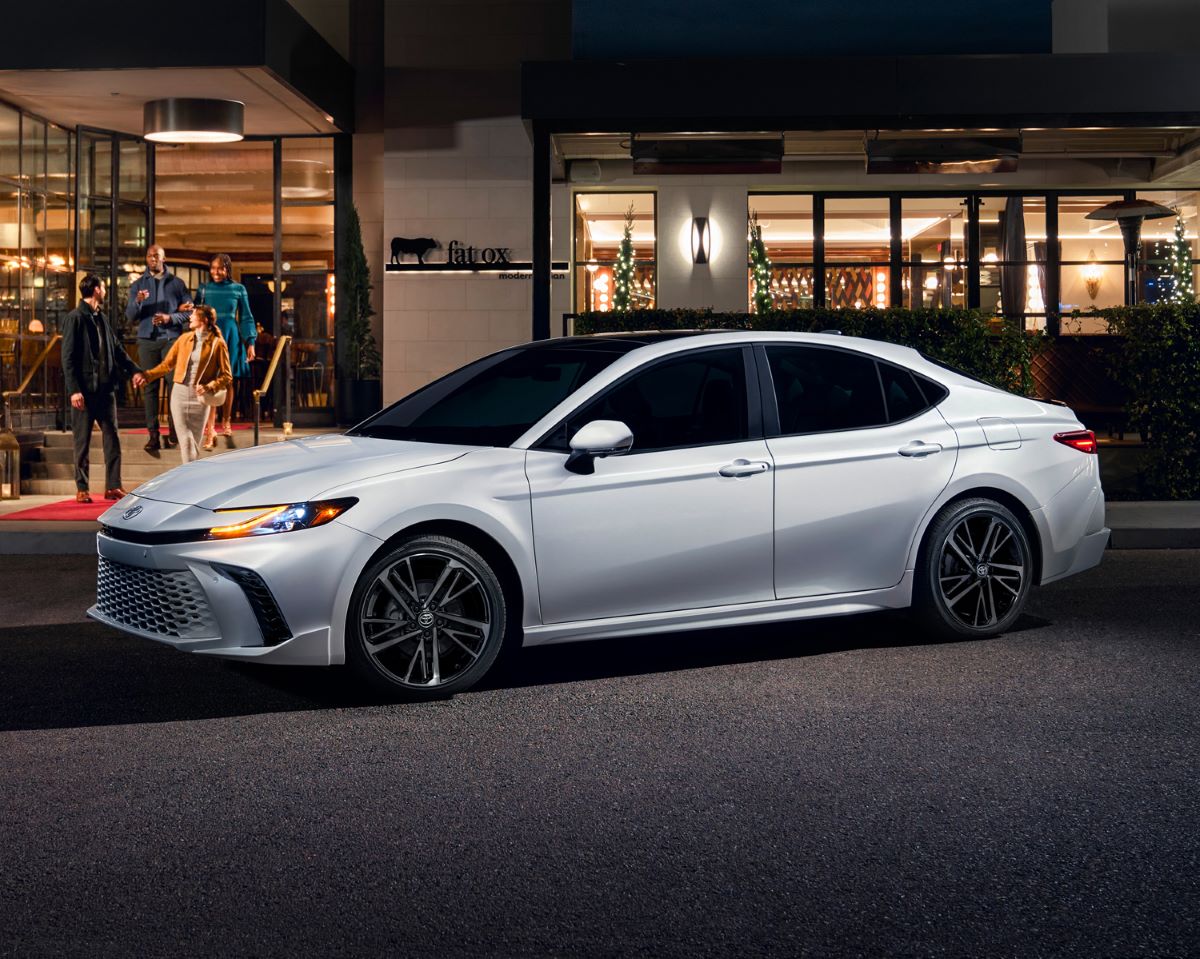
1. Toyota Camry
The Toyota Camry has earned a reputation for being one of the most durable mid-size sedans ever built. Its reliability stems not only from a refined powertrain but also from its attention to small but crucial details, such as motor mount design. Toyota engineers designed the Camry’s engine bay to maintain excellent balance between torque output and chassis rigidity.
The mounts are positioned in a way that absorbs vibration efficiently, keeping the engine stable under both acceleration and deceleration. Because of this thoughtful engineering, motor mount failures are exceedingly rare, even after many years of daily use.
Another reason the Camry avoids eating motor mounts is the smoothness of its power delivery. The four-cylinder and V6 engines both produce linear torque curves without sudden spikes that could strain the mounts. Drivers often report that the car idles quietly with minimal cabin vibration, a sign that the mounts are doing their job effectively.
The vehicle’s automatic transmission also plays a part, shifting smoothly without harsh jolts that can weaken the rubber components over time. This combination of engine refinement and transmission harmony results in very little stress on the mounting points.
Toyota’s approach to materials adds another layer of reliability. The factory-installed mounts use high-quality rubber compounds that resist heat and oil contamination. Unlike cheaper aftermarket parts that might harden or crack after a few years, the OEM components maintain flexibility, keeping the engine isolated and secure.
Even when the Camry ages past 150,000 miles, it’s not unusual for the original mounts to still be in good condition. Regular oil changes and avoiding fluid leaks also help preserve them.
Finally, the Camry’s driving character complements its engineering. It’s not a car built for aggressive acceleration or hard launches. Most owners drive it conservatively, which naturally extends the life of mechanical components.
Combined with its balanced design, that’s why this model rarely ends up on the mechanic’s list for mount replacements. It’s a practical car that proves reliability doesn’t need to be complicated.
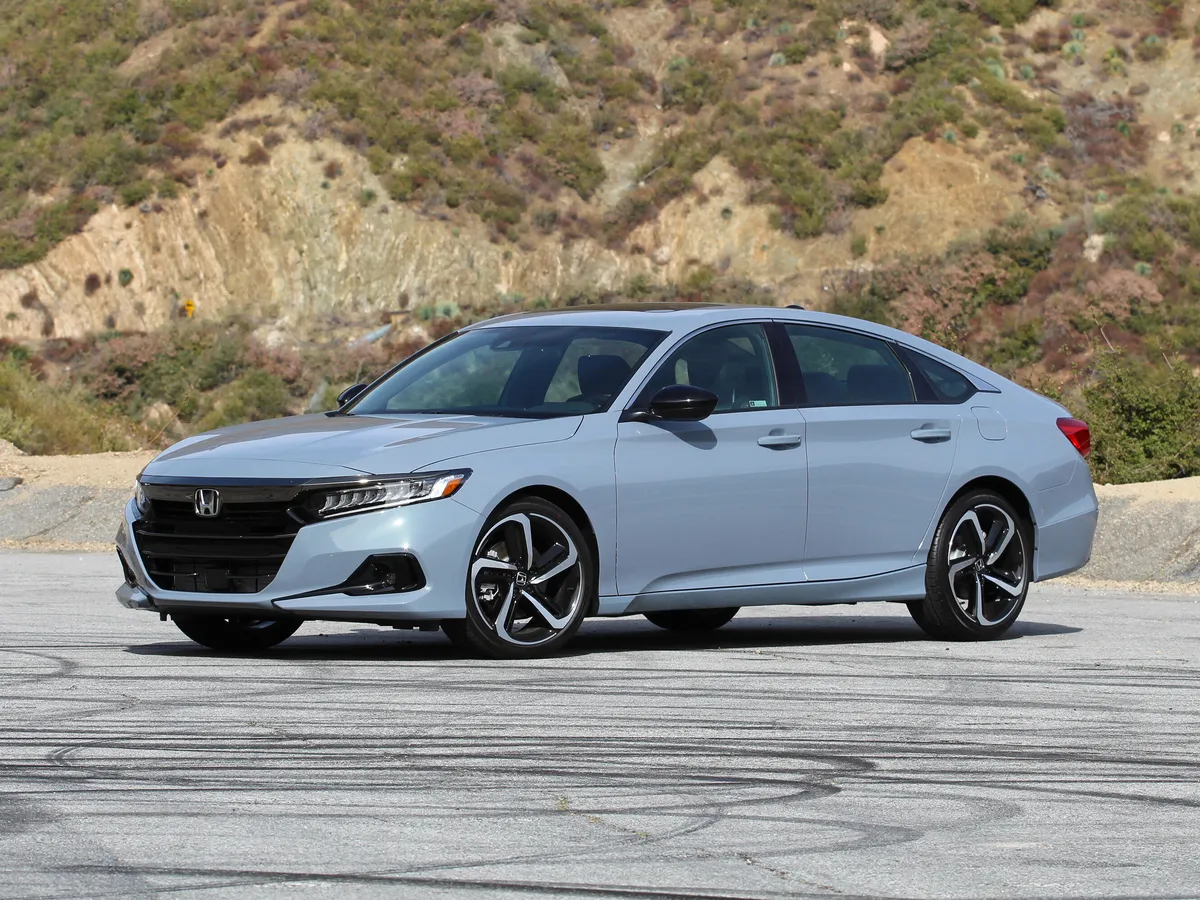
2. Honda Accord
The Honda Accord is another mainstay among cars known for strong mount durability. Over multiple generations, Honda has refined the Accord’s structure to achieve a blend of performance and comfort. The company’s use of rigid subframes and precision mounting positions reduces unnecessary engine movement.
Because of this, the Accord’s mounts aren’t forced to compensate for misalignment or excessive flexing. Owners often enjoy smooth operation throughout the car’s lifespan with minimal vibration, even after years of daily driving.
One of the biggest advantages the Accord has is its drivetrain balance. The engine and transmission are designed to work as a single, well-tuned unit. When torque is applied, the mounts handle controlled motion rather than chaotic rocking. This design principle means the mounts experience consistent loads rather than sudden shocks.
Drivers who keep up with routine maintenance rarely encounter mount issues unless the car has suffered fluid leaks or accident damage. In many cases, the mounts last as long as the suspension bushings or longer.
Honda’s engineering focus on NVH (Noise, Vibration, Harshness) reduction also contributes to the Accord’s reputation. Engineers have invested decades in tuning the rubber density and positioning of mounts to achieve a balance between stiffness and comfort.
A stiffer mount reduces motion but can transmit vibration; a softer one isolates vibration but may allow too much movement. The Accord achieves a rare harmony between the two, allowing the engine to feel refined without sacrificing durability.
Long-time Accord owners often note that even after a decade of use, they don’t notice any major increase in vibration at idle or while accelerating. That’s a testament to consistent quality control and thoughtful engineering.
While no component lasts forever, the Accord demonstrates how a manufacturer can create longevity simply by understanding the physics of powertrain design. It’s one of the few family sedans that consistently avoids chewing through mounts despite regular commuting and occasional spirited driving.
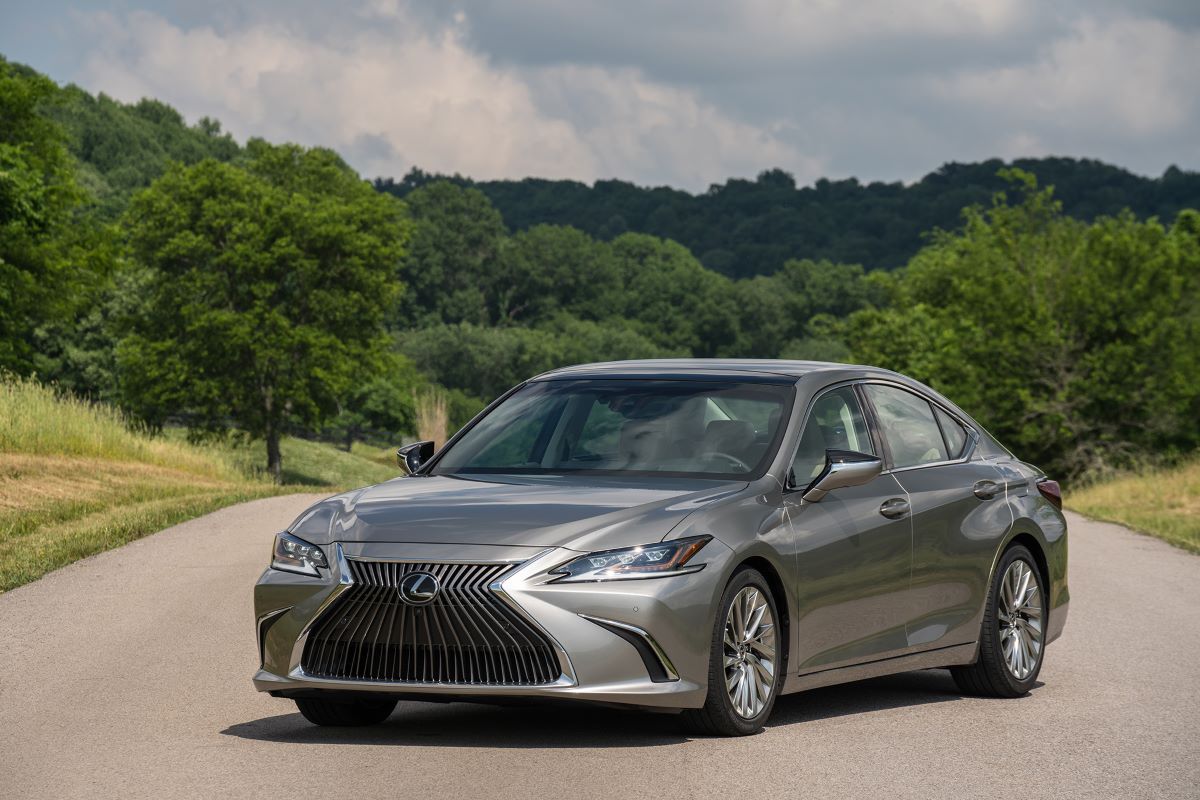
3. Lexus ES
The Lexus ES shares much of its mechanical foundation with the Toyota Camry, but with added refinement and higher-grade components. Because it’s built to meet luxury standards, Lexus ensures that every detail, including motor mount design, receives extra attention.
The ES uses hydraulic mounts on many of its trims, which incorporate fluid-filled chambers to absorb vibrations more effectively than traditional rubber. This technology not only enhances ride comfort but also prevents the harsh impact forces that often lead to premature mount failure.
Another strength of the Lexus ES lies in its engine calibration. Lexus engines are known for their buttery-smooth idle and seamless power delivery. Such refinement directly benefits the mounts, as consistent and gentle torque output translates to reduced stress on all mounting points.
Even in the V6 versions, where torque is higher, the powertrain operates so smoothly that owners rarely notice any harsh movement during shifting or acceleration. The mounts, therefore, live an easy life compared to those in more aggressive vehicles.
Maintenance also plays a role in why ES mounts last. Lexus owners are generally meticulous with upkeep, ensuring that engine oil, transmission fluid, and cooling systems remain in good condition. Fluid leaks are one of the main reasons mounts degrade, as oil exposure causes rubber to soften and separate from metal brackets.
The brand’s customer base tends to prevent such problems before they start. This combination of good engineering and careful ownership gives the ES an edge in long-term reliability.
Lastly, the chassis tuning of the Lexus ES is oriented toward comfort rather than performance aggression. The suspension absorbs road imperfections gracefully, preventing sudden jarring motions from reaching the engine bay.
The result is a luxury sedan that not only pampers its passengers but also preserves its mechanical components with remarkable efficiency. For anyone seeking a quiet and dependable ride, the ES stands as proof that refinement and reliability can coexist without compromise.

4. Subaru Outback
Subaru’s Outback has built its reputation on toughness and dependability, especially in challenging climates and rough terrain. One reason for its durability is the horizontally opposed engine layout, commonly known as the boxer design.
This type of engine sits lower in the chassis and produces balanced forces as its pistons move in opposite directions. That symmetry significantly reduces vibration compared to inline or V-shaped engines. With fewer secondary forces acting on the mounts, they endure much less stress throughout the vehicle’s life.
Another benefit of the Outback’s design is its use of solid subframe connections that keep the drivetrain firmly supported. Because of Subaru’s all-wheel-drive system, the entire powertrain assembly is designed to withstand constant torque distribution to all four wheels.
This structure means the mounts aren’t carrying uneven loads or sudden torque shocks. The system’s smooth engagement ensures that each component, including the mounts, experiences steady and predictable stress rather than abrupt jerks.
Subaru’s material quality has also improved over time. In older models, some rubber components would harden due to exposure to cold temperatures or engine fluids. However, modern Outbacks use improved compounds and better sealing to protect against degradation.
Many owners report driving over 200,000 miles without needing to replace mounts, a remarkable testament to their robustness. Proper care, such as checking for oil leaks and maintaining cooling system integrity, further extends lifespan.
The Outback’s real-world performance reinforces its reputation. Whether traversing gravel roads, snow-covered highways, or city streets, the mounts endure varied conditions with composure. Its balanced drivetrain and strong chassis allow for steady operation under stress, and that reliability appeals to outdoor enthusiasts and families alike.
Among vehicles capable of off-road activity, the Outback remains one of the few that keeps its mounts intact even after years of hard service.
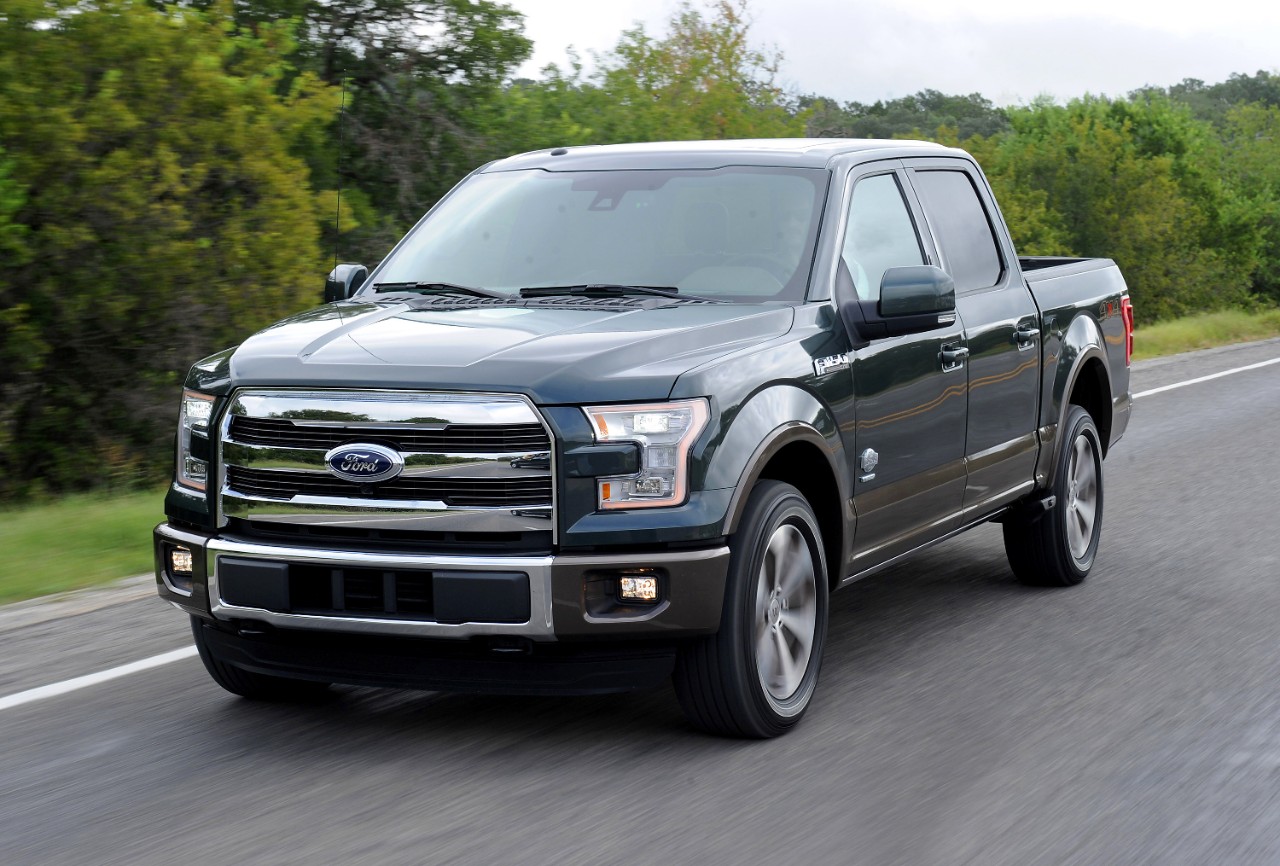
5. Ford F-150
Among pickup trucks, the Ford F-150 has long been known for its durability, and one of the less-discussed benefits of its design is that it doesn’t chew through motor mounts like some competitors. The truck’s robust frame construction and body-on-frame design create a stable foundation for the engine and transmission.
Instead of relying on the mounts to absorb large amounts of vibration or chassis twist, the structure itself handles those forces. That means the mounts primarily serve their intended purpose, isolating engine vibration rather than fighting against frame flex. This distinction is key to their longevity.
The F-150’s range of engines, from the naturally aspirated V6 to the turbocharged EcoBoost variants, are all mounted with reinforced brackets and high-grade rubber or hydraulic mounts. Ford engineers designed these with truck duty in mind, accounting for towing, hauling, and off-road use.
During heavy acceleration or when pulling a trailer, the mounts keep the engine secure without allowing it to lurch forward or backward. Even with high torque output, the stress remains within acceptable limits. Many long-term owners report that mount failure is extremely uncommon unless the truck has suffered physical damage or severe neglect.
Another reason for the F-150’s resilience lies in Ford’s continuous improvement across generations. Engineers consistently analyze vibration data from earlier models and adjust mount composition or geometry to address weak points. This ongoing refinement has resulted in components that balance comfort and strength remarkably well.
Despite being a large vehicle, the F-150 delivers surprisingly smooth cabin feedback, with minimal engine vibration reaching the driver. Such refinement wouldn’t be possible if the mounts were constantly overworked or degrading prematurely.
In addition, the F-150’s widespread use in commercial fleets has provided ample testing in extreme conditions. Whether used for construction, delivery, or farming, these trucks endure punishing workloads daily. The fact that mounts often last as long as the truck itself speaks volumes about their design.
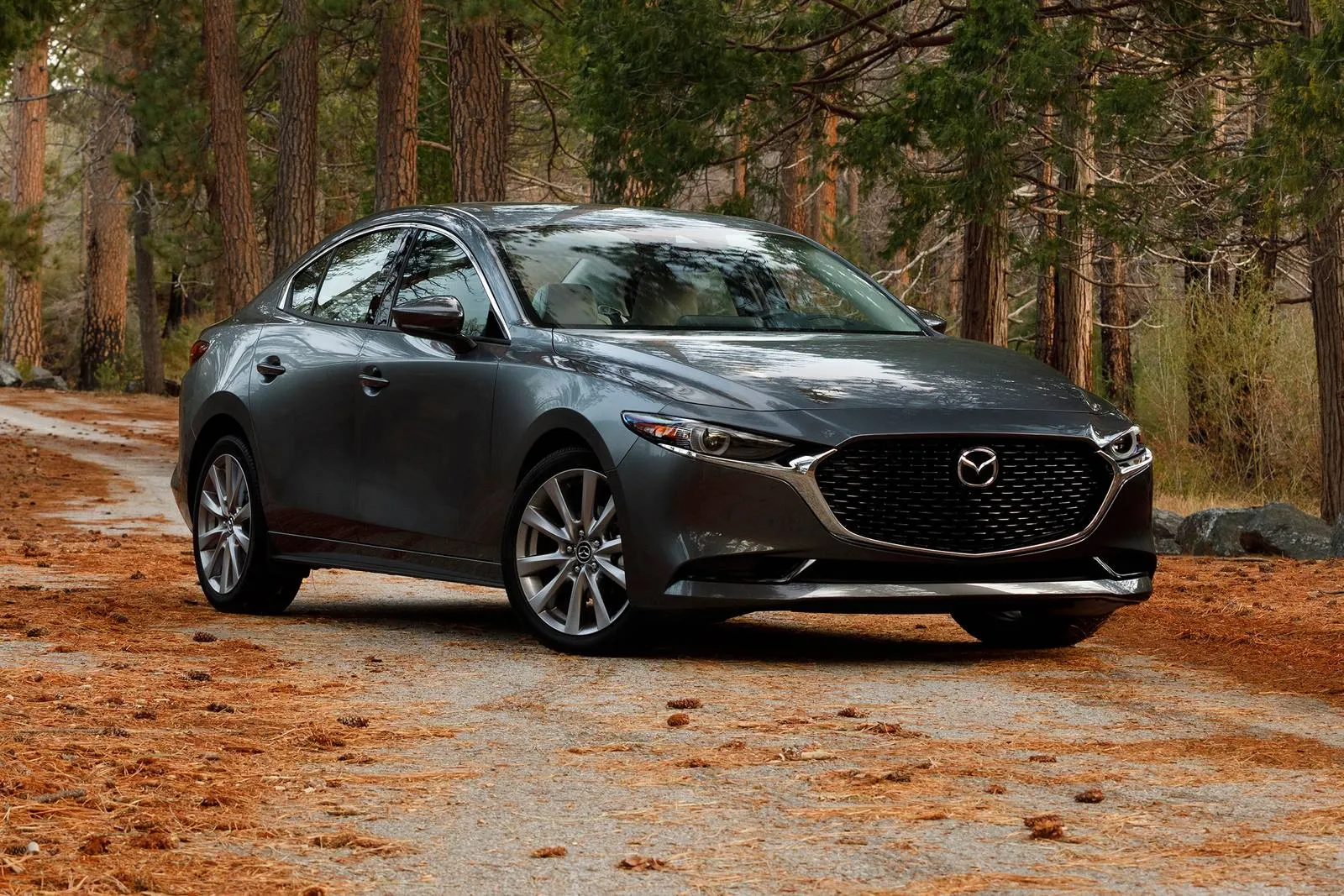
6. Mazda 3
The Mazda 3 stands out in the compact segment not just for its sporty handling but also for its impressive build quality and mechanical balance. This car’s design philosophy focuses on harmony between driver input, engine response, and chassis behavior.
That harmony extends to the way its powertrain is mounted. Mazda engineers developed a layout that minimizes unwanted movement, using carefully positioned mounts that support both comfort and performance.
Because the car handles so predictably, the mounts don’t face sudden loads from body roll or torque steer, reducing long-term stress. Mazda’s SkyActiv technology, introduced in recent generations, emphasizes efficiency and reduced internal friction.
The smoother the engine runs, the less punishment the mounts receive. These engines deliver steady torque rather than abrupt bursts, so the rubber and metal components connecting them to the frame don’t get hammered by sharp vibrations.
Many owners have noted that even after years of spirited driving, the Mazda 3 continues to feel tight and composed, which indicates that its mounts remain in good condition.
Another factor behind this durability is Mazda’s commitment to material science. The company uses high-quality rubber compounds that retain flexibility across a wide temperature range. This means the mounts won’t harden in cold weather or soften excessively in heat, both of which can accelerate wear.
They’re also resistant to common automotive fluids, so even if there’s a small oil or coolant leak, the rubber is less likely to deteriorate quickly. This kind of attention to detail separates long-lasting mounts from those that fail early.
Beyond engineering, the Mazda 3’s driving style naturally favors mount longevity. It’s a car designed for balance and precision rather than brute force. The power delivery is refined, the gearbox shifts smoothly, and the suspension absorbs most road shock before it reaches the engine bay.
Combined, these qualities ensure that the mounts lead an easy life. For drivers who appreciate a fun yet reliable compact car, the Mazda 3 proves that performance and durability can coexist beautifully.
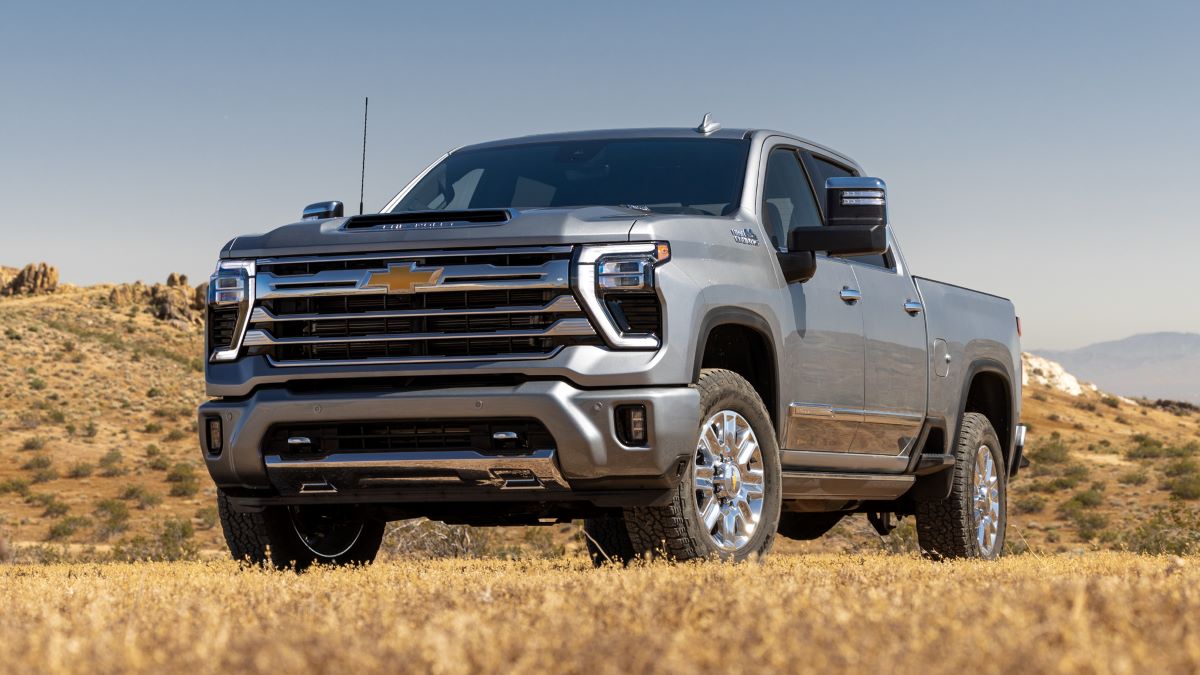
7. Chevrolet Silverado
The Chevrolet Silverado has a long history as one of America’s workhorse trucks, and one aspect that contributes to its reliability is the strength of its engine mounting system. Trucks that tow and haul need motor mounts capable of handling large torque loads without breaking down, and the Silverado’s engineering reflects this requirement.
Its heavy-duty frame supports the drivetrain with reinforced crossmembers, which distribute the weight and vibration evenly. This reduces the demand placed on each individual mount and prevents them from deforming under stress.
Chevrolet equips the Silverado with mounts that have thick rubber or hydraulic cores designed to resist the shearing forces common in truck applications. These mounts are not only larger than those found in passenger cars but are also built to operate under constant load variations.
Whether the truck is idling, towing a trailer uphill, or navigating rough terrain, the mounts adapt to different vibration frequencies. This versatility helps the Silverado maintain engine stability and cabin comfort even under heavy strain.
The design of the Silverado’s engine options also contributes to mount longevity. Whether powered by a V8 gasoline engine or a Duramax diesel, each configuration maintains a steady torque curve that avoids sudden spikes.
Diesel models, in particular, benefit from lower engine speeds, which generate consistent, predictable vibration patterns rather than abrupt surges. The mounts are tuned to absorb these forces efficiently. As a result, Silverado owners rarely face premature mount failure unless the truck is used in extreme off-road conditions or neglected for years.
Perhaps the most telling evidence of the Silverado’s durability comes from fleet use. These trucks are often driven in harsh conditions, with high mileage and constant load-bearing tasks. Yet, the mounts hold up remarkably well, often outlasting other suspension or drivetrain components.
This reliability gives the Silverado a reputation not only for raw strength but also for mechanical longevity that extends beyond its engine and transmission. In short, it’s a vehicle that truly earns its keep, mile after mile.
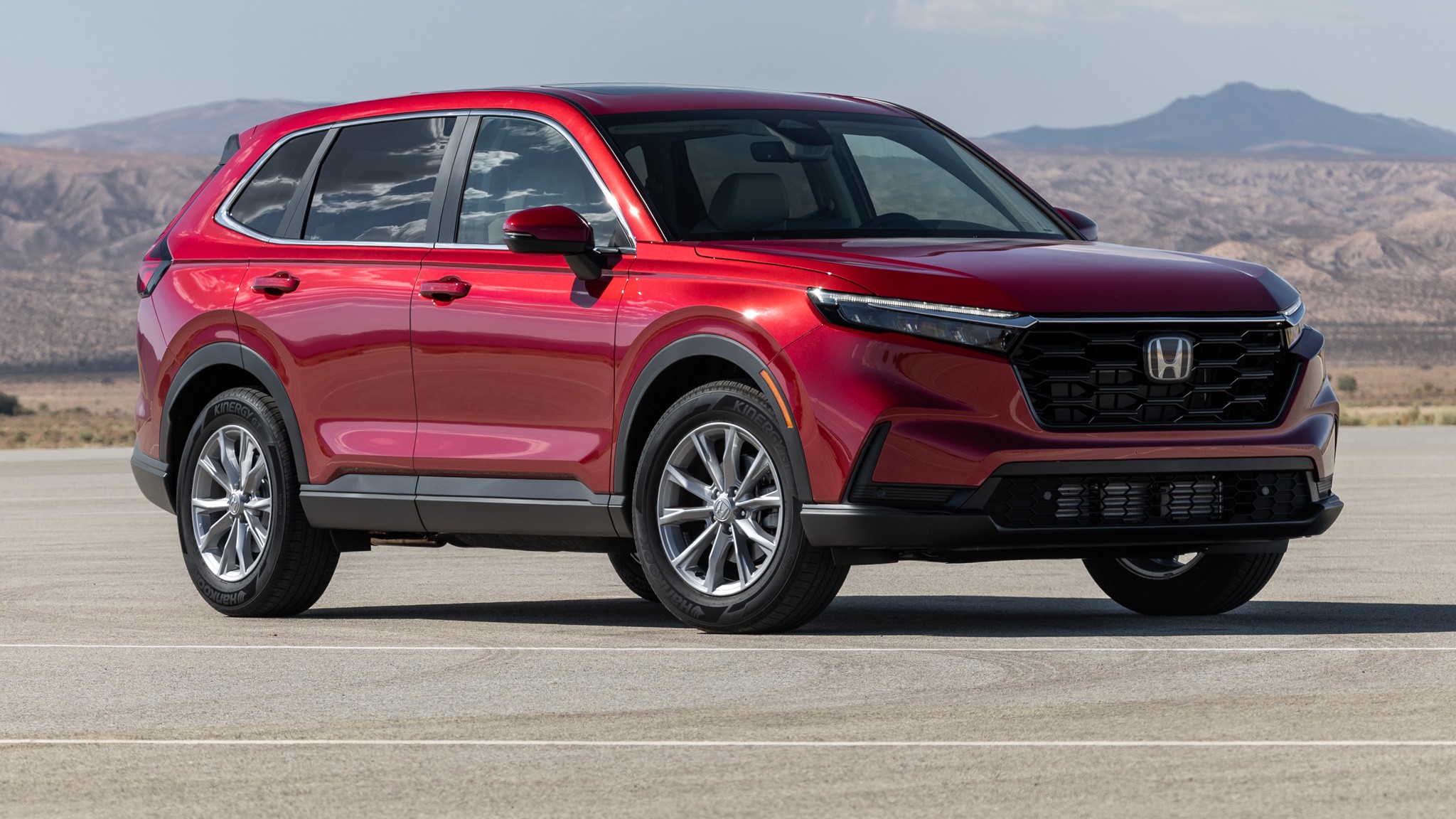
8. Honda CR-V
The Honda CR-V represents a blend of comfort, utility, and engineering excellence, and one of the less-discussed benefits of that excellence is its long-lasting motor mounts. Honda designed the CR-V to serve as a family-friendly compact SUV capable of handling a variety of driving environments without compromising comfort.
Its powertrain is mounted on subframes engineered for stability and reduced vibration. This structure prevents excessive movement between the engine and chassis, which in turn keeps the mounts from wearing prematurely.
CR-V engines are known for their smooth, consistent operation. The inline-four layout balances vibration naturally, and Honda’s engine management systems ensure that torque delivery is predictable.
This steadiness translates into reduced dynamic load on the mounts, which helps them last much longer than those in vehicles that experience harsh or unbalanced forces. The result is a quiet cabin and an engine bay that remains solidly composed even after years of use.
Honda also uses high-quality mount materials that resist temperature variation and chemical exposure. Since the CR-V is often driven in urban environments with frequent starts and stops, the mounts must endure constant changes in engine load and temperature.
Honda’s mounts do this well, maintaining elasticity and adhesion between rubber and metal. Even on older CR-Vs, worn mounts are rarely a cause of major complaints unless there’s been oil leakage or severe neglect.
An additional factor in the CR-V’s mount longevity is the vehicle’s general lack of abuse. Most CR-V owners use their cars for commuting, family errands, or light road trips, not aggressive driving.
This gentle use pattern, combined with Honda’s careful engineering, leads to outstanding mechanical durability. The CR-V proves that a practical SUV can also be mechanically sound and inexpensive to maintain, making it a favorite among reliability-conscious drivers.

9. Toyota 4Runner
Few vehicles embody mechanical endurance like the Toyota 4Runner. Designed with an emphasis on off-road capability and longevity, the 4Runner’s entire drivetrain system is built to take punishment without faltering. One of its unsung strengths is how well its motor mounts endure over time.
The engine bay is structured around a strong ladder frame that carries the weight of the engine and transmission evenly. This frame rigidity means that the mounts aren’t constantly flexing or twisting with body movement. Instead, they hold the engine securely in a stable environment where vibration is absorbed but never amplified.
Toyota’s engineers understand that the 4Runner’s customers use their vehicles for more than simple commuting. Whether climbing rocky trails, hauling equipment, or enduring extreme heat and cold, the vehicle must keep its mechanical systems intact. The motor mounts are therefore designed with a higher-than-average load tolerance.
They use thick rubber cushions and metal brackets capable of withstanding the repeated torsional stress caused by four-wheel-drive engagement and torque transfer. Even when the SUV is crawling over obstacles or pulling heavy loads, the mounts remain reliable and seldom show signs of deterioration.
Another major contributor to the 4Runner’s mount longevity is its relatively low-stressed engine. Toyota’s 4.0-liter V6 and newer powerplants are tuned for consistent, linear power rather than excessive horsepower. This approach results in fewer torque spikes that could jolt the mounts.
Combined with the naturally balanced characteristics of the engine, the drivetrain operates smoothly across all RPM ranges. It’s a simple but effective formula: fewer violent movements mean fewer chances for wear. Owners who maintain regular oil service and keep the undercarriage clean can easily drive a 4Runner for hundreds of thousands of miles before any mount issues arise.
There’s also a cultural aspect to how 4Runners survive so long. Many owners are enthusiasts who take pride in maintaining their vehicles. They inspect rubber components regularly, replace worn bushings before they cause secondary stress, and keep the drivetrain properly aligned.
This type of care amplifies an already solid design. The combination of robust engineering, careful maintenance, and moderate power output makes the 4Runner one of the toughest SUVs ever built, and certainly one that doesn’t “eat” motor mounts.
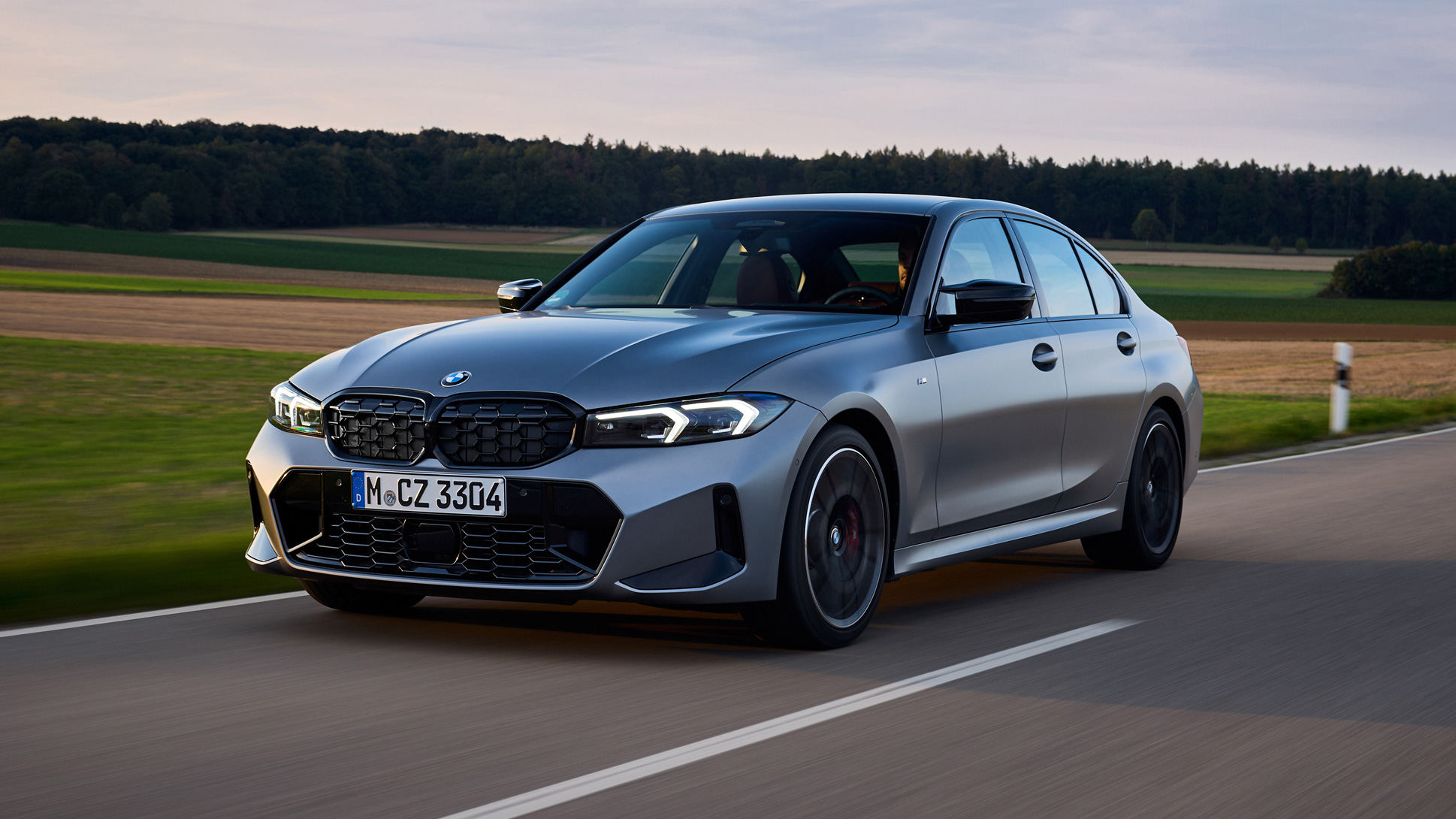
10. BMW 3 Series (Naturally Aspirated Generations)
Among European cars, few have achieved the balance of performance and refinement found in older BMW 3 Series models, particularly the naturally aspirated ones produced before the turbo era. The straight-six engines in these cars are legendary for their smooth operation, and that inherent smoothness plays a major role in protecting the motor mounts.
Inline-six engines are perfectly balanced by design, generating minimal secondary vibration. This means that the mounts don’t need to fight constant oscillations or torque fluctuations, which greatly reduces fatigue over time.
BMW’s engineering philosophy emphasizes precision. In the 3 Series, this manifests in a powertrain layout where the engine, transmission, and driveshaft form a straight, perfectly aligned axis. Because everything is in harmony, torque transfers cleanly to the rear wheels without excessive twisting of the mounts.
The result is not only better handling but also mechanical longevity. Even when pushed hard, the mounts absorb predictable, controlled motion rather than chaotic forces. Enthusiasts who enjoy spirited driving can do so without constantly worrying about component degradation.
Another factor in the 3 Series’ resilience is the quality of the materials used in the mounts. BMW’s OEM mounts employ high-density rubber designed to isolate vibration while maintaining structural integrity. In many cases, they also include small hydraulic chambers that further smooth engine movement.
When these mounts are kept free from oil contamination, they last for well over a decade. The company’s dedication to tight tolerances and balanced weight distribution ensures that each mount carries its intended share of the load rather than being overstressed.
While newer turbocharged versions of the 3 Series have introduced higher torque levels that challenge mounts more aggressively, the older naturally aspirated models remain paragons of smoothness and balance. They represent a time when mechanical simplicity and thoughtful design were in harmony.
For owners who value not just performance but also mechanical grace, these BMWs demonstrate how intelligent engineering can yield lasting strength. They’re cars built to be driven hard yet remain composed, their mounts quietly doing their job year after year.
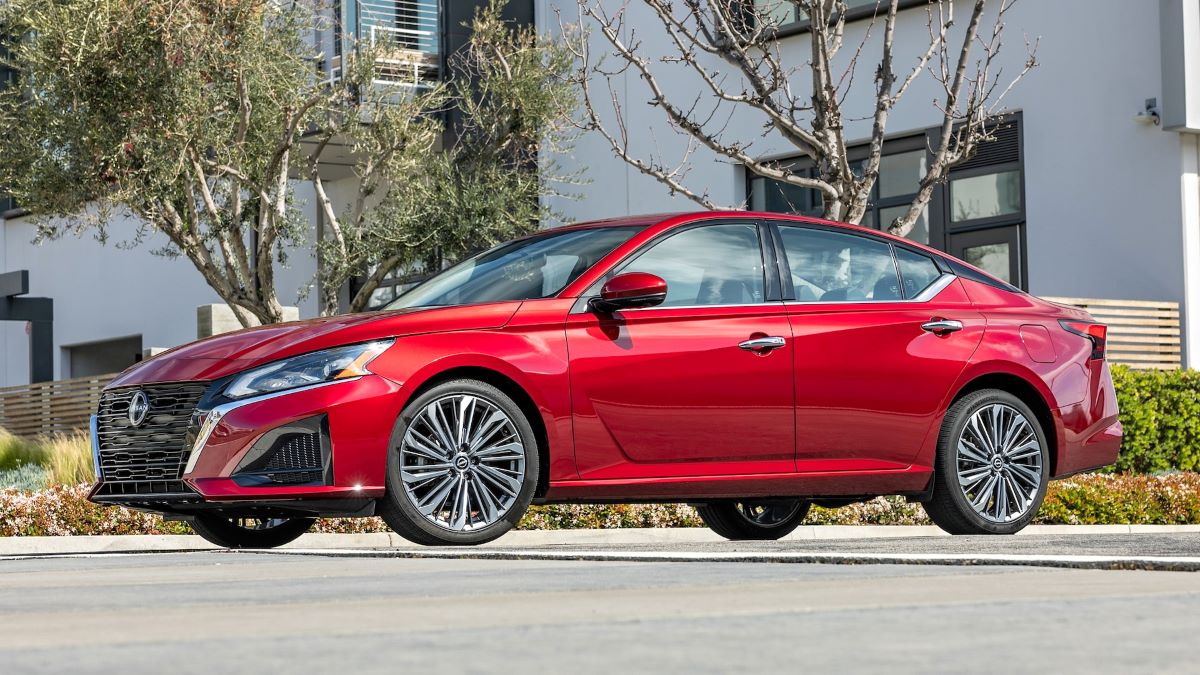
11. Nissan Altima
The Nissan Altima often flies under the radar when discussions of long-term durability arise, yet its engineering quietly deserves praise. The Altima’s engines, especially the 2.5-liter four-cylinder and the 3.5-liter V6, have proven themselves over decades of production as smooth, balanced powerplants that rarely cause excessive drivetrain vibration.
The mounts that support these engines are positioned for optimal weight distribution, keeping the powertrain stable while minimizing motion under torque. This thoughtful arrangement means that the mounts aren’t constantly flexing or absorbing unnecessary shock, allowing them to last for many years without failure.
One of the Altima’s most important strengths is its structural integrity. The chassis and subframe are designed to resist flexing, ensuring predictable engine movement. In some vehicles, weak structural design forces the mounts to compensate for misalignment or twist, but in the Altima, the frame geometry and mounting points are sturdy and precise.
Nissan has also invested in improving the quality of the rubber and hydraulic materials used in its mounts. Earlier generations relied on simple rubber designs, but modern Altimas employ mounts filled with hydraulic fluid that absorb micro-vibrations without sacrificing stiffness.
These components are engineered to operate in a wide range of temperatures, from freezing cold to sweltering heat, maintaining their flexibility and strength. When owners keep up with regular oil change intervals and prevent leaks, the mounts often last the entire life of the car without needing replacement.
Drivers who appreciate quiet operation also benefit from this mount design. The Altima’s engine noise and vibration levels are impressively low for its class, a sign that the mounts are functioning exactly as intended. Over long commutes, that refinement contributes to a more pleasant driving experience while sparing the mounts from premature wear.
The car’s ability to stay composed, even after high mileage, shows that Nissan has balanced comfort and mechanical reliability in a way that few sedans manage. For those seeking an affordable yet robust vehicle that resists common wear issues, the Altima remains a solid and often underestimated choice.

12. Jeep Grand Cherokee
The Jeep Grand Cherokee stands as one of the most enduring midsize SUVs on the road, blending off-road prowess with everyday comfort. Despite its rugged mission, it rarely suffers from chronic motor mount failure, a testament to Jeep’s sturdy design philosophy.
From its earliest models to its modern iterations, the Grand Cherokee has been built on strong underpinnings designed to handle both city driving and trail duty.
The mounts that secure its engine to the frame are thick, heavy-duty components capable of enduring the high torque generated by its V6 and V8 engines. Even in demanding off-road conditions, these mounts manage vibration and twisting forces with surprising resilience.
One factor behind this durability is Jeep’s approach to engine placement and balance. The Grand Cherokee’s powertrain sits low and centered within the frame, creating a stable weight distribution that minimizes drivetrain strain. When climbing, towing, or traversing uneven ground, the mounts don’t experience excessive stretch or compression because the engine remains properly aligned with the drivetrain.
The structure surrounding the engine bay also absorbs much of the shock before it reaches the mounts, which reduces wear over time. This combination of intelligent layout and rugged construction ensures that the mounts can handle both comfort-oriented highway cruising and the mechanical punishment of off-roading.
Jeep also uses high-grade materials for its mounts, including heat-resistant rubber blends that maintain elasticity even in extreme conditions. Some modern versions use fluid-filled mounts to enhance vibration isolation without sacrificing strength.
These components are designed to work alongside the vehicle’s electronic stability systems, ensuring smooth power delivery and minimal drivetrain lash.
The result is a driving experience that feels composed and refined even when the vehicle is tackling uneven surfaces or towing heavy loads. Few SUVs with off-road capability maintain this level of smoothness, and that balance speaks volumes about the engineering behind the Grand Cherokee.
Over the years, real-world performance has confirmed the strength of Jeep’s approach. Many long-term owners have logged well over 200,000 miles without replacing a single mount, even in vehicles that regularly tow or see off-road duty.
The Grand Cherokee’s combination of sturdy subframes, controlled engine geometry, and durable materials has made it a standout example of how a tough SUV can also maintain smoothness and reliability.
For drivers who need a capable yet refined machine, the Grand Cherokee exemplifies mechanical balance and stands proudly among the few that don’t devour motor mounts.
