
Wheel bearings are among the most overlooked yet critical components of any vehicle’s performance and longevity. They are the small, precisely machined assemblies that allow a wheel to rotate smoothly around its hub while supporting the weight of the vehicle.
When bearings fail prematurely, the results can range from annoying humming noises to catastrophic wheel loss in extreme cases. Bearing wear can stem from poor materials, inadequate sealing, incorrect preload during installation, or simply weak suspension and hub designs that place unnecessary stress on them.
Drivers who want dependable, low-maintenance cars often seek models known for sturdy suspension geometry, precise tolerances, and long-lasting hubs that rarely cause trouble. While no bearing lasts forever, some cars are well-known for keeping them intact for hundreds of thousands of miles without complaint.
The most durable cars in this regard tend to share certain traits. They have strong but balanced suspension systems that distribute weight evenly and resist side loading. They are engineered with quality components, often featuring proper bearing seals that keep out moisture and road grit.
These vehicles are also supported by thoughtful design philosophies that emphasize mechanical simplicity over gimmicks, with many coming from brands that value durability above styling trends. Maintenance habits also play a role, but the foundation begins with smart design. When a car’s hubs and axles are overbuilt, the bearings benefit naturally.
The following list of ten cars includes a mix of sedans, SUVs, and compact vehicles that have earned reputations for rarely giving their owners bearing-related headaches. While every driver’s experience can differ, and driving conditions have a major impact on wear rates, these models stand out for their sturdy wheel-end assemblies and balanced chassis design.
Some are modern examples of good engineering discipline, while others are long-standing names that have carried the same reliable fundamentals through multiple generations. What unites them all is their consistent ability to protect bearings from the abuse that daily driving dishes out.
Each of the ten vehicles described below shows what happens when thoughtful engineering meets long-term reliability. These cars are not necessarily the flashiest or the fastest, but they embody an honesty of construction that ensures the small but vital parts, such as wheel bearings, live full and trouble-free lives.
For anyone who has endured the nuisance of a humming hub or the expense of premature bearing failure, these examples highlight what makes certain machines quietly dependable year after year.
1. Toyota Camry
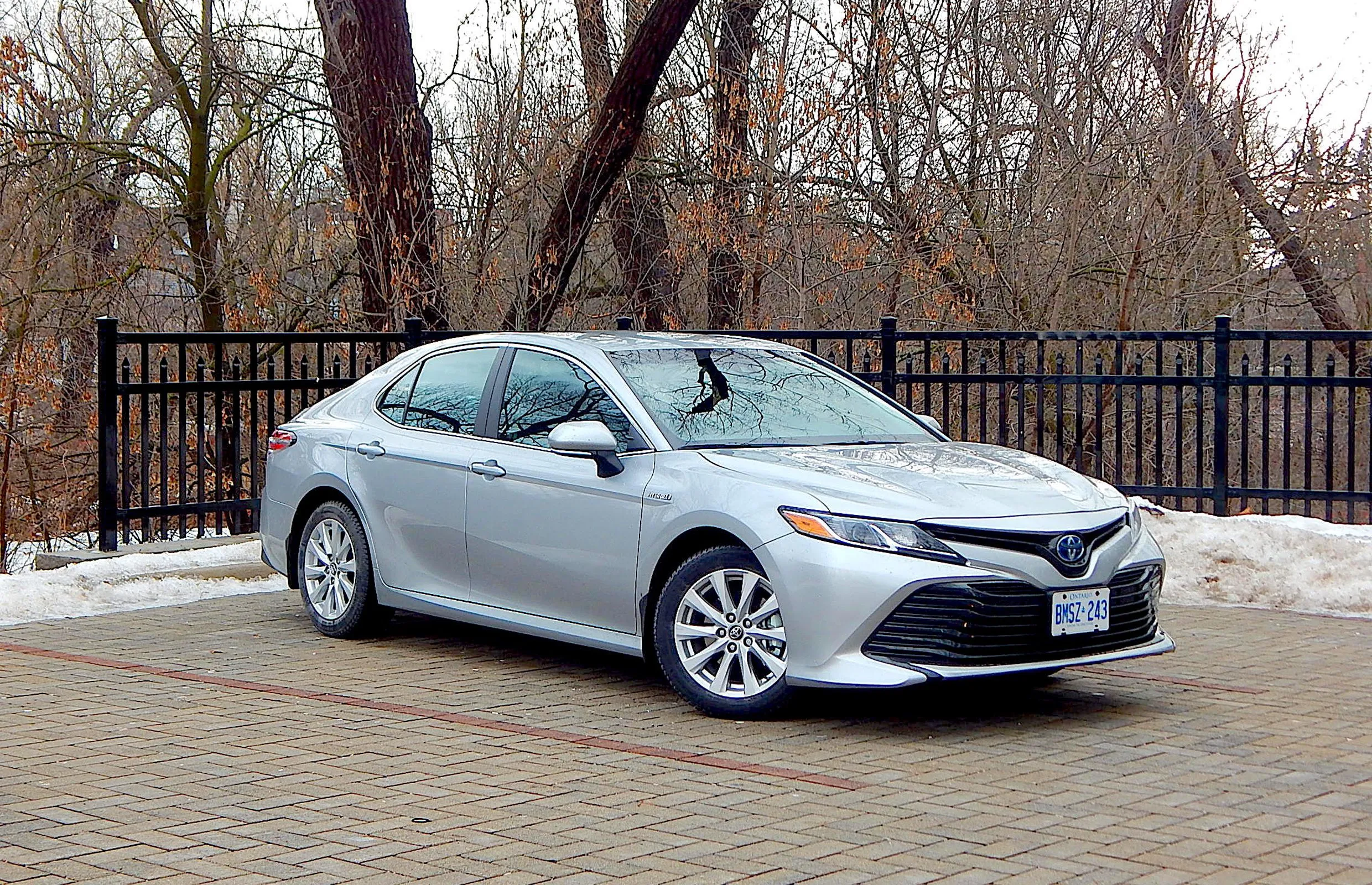
The Toyota Camry has long been associated with consistency and long-term dependability, and its success in keeping wheel bearings alive is no accident. Its suspension and chassis are engineered for even load distribution, minimizing stress on individual components.
The front-wheel-drive layout puts predictable strain on the front hubs, but Toyota compensates with robust materials and high-quality bearing assemblies. The Camry’s predictable weight transfer characteristics and conservative suspension tuning reduce side loads on the front hubs during cornering, which is a common cause of premature bearing failure in sportier vehicles.
Another reason the Camry’s bearings tend to last is Toyota’s insistence on proper sealing and tolerances. The bearing units are usually double-sealed and pre-lubricated with high-temperature grease that resists breakdown even under extended highway conditions.
Owners who stick to stock wheel sizes and avoid overly aggressive aftermarket modifications rarely encounter any issues. When a bearing replacement is needed, it is often due to mileage beyond 150,000 miles rather than poor design. This record of longevity gives the Camry its reputation as a set-and-forget car.
Additionally, the Camry’s moderate curb weight plays a part in its bearing-friendly nature. Heavier vehicles, especially crossovers, can push bearing loads to their limits, but the Camry’s balance between mass and strength helps it remain steady.
Its hubs are not oversized, yet they are engineered with sufficient rigidity to prevent flexing that could lead to misalignment of the bearing races. This means the bearing surfaces stay properly seated, minimizing uneven wear. The result is a quiet, vibration-free ride that lasts for years without costly maintenance.
Toyota’s global focus on quality control also ensures that each bearing assembly is produced within tight manufacturing tolerances. Unlike vehicles that rely on multiple third-party suppliers, Toyota maintains close oversight of parts sourcing, which translates into consistent reliability across model years.
For owners, this means fewer surprises, smoother driving experiences, and less downtime at repair shops due to premature bearing failure. The Camry embodies the principle that thoughtful engineering and quality assurance are the best tools for preventing component fatigue.
2. Honda Accord
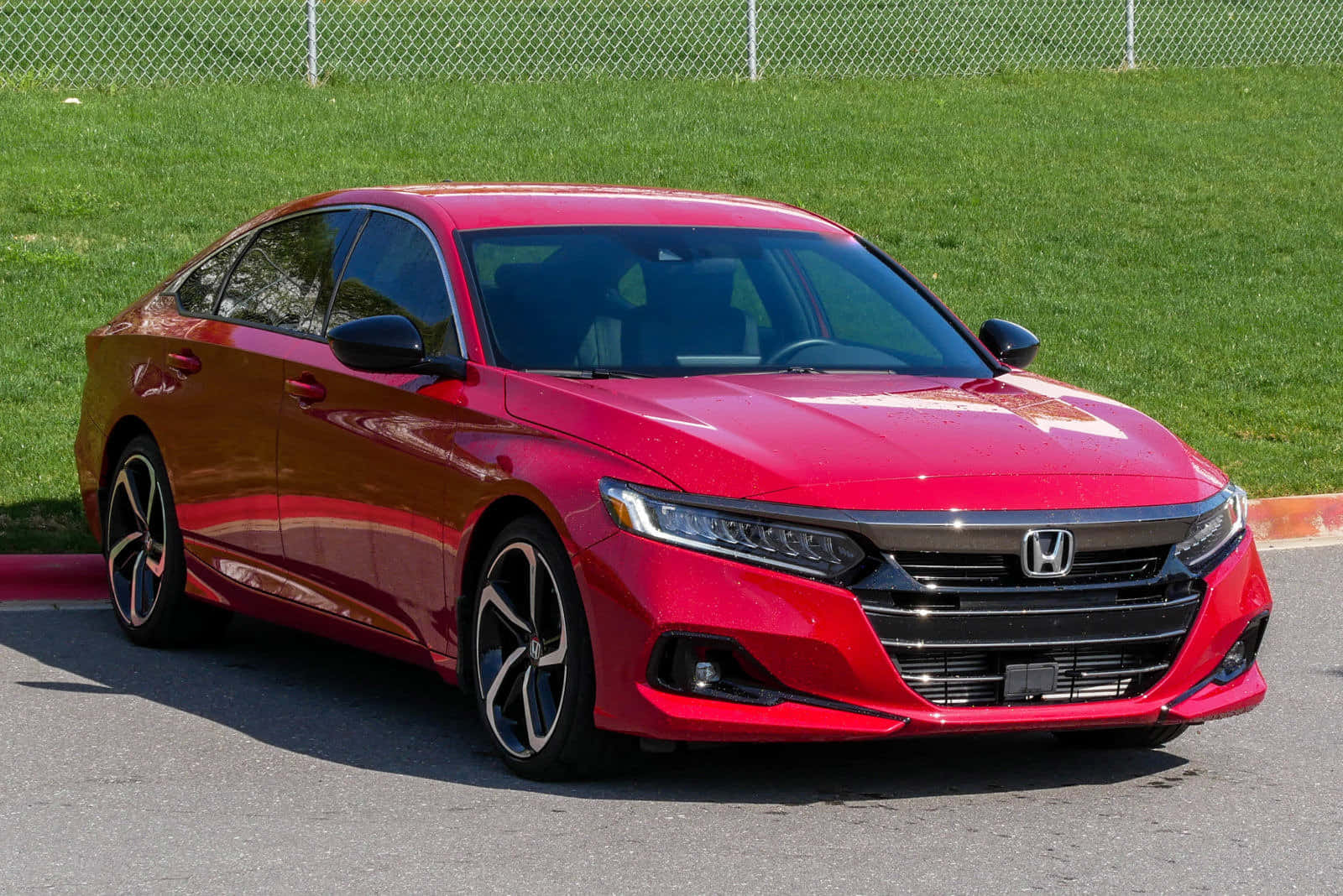
The Honda Accord shares much of its reputation with the Camry but approaches durability from a slightly different philosophy. Honda has always emphasized chassis rigidity and balance, which directly benefits the wheel bearings.
The Accord’s suspension is designed to maintain optimal wheel alignment even under spirited driving, reducing the lateral loads that cause bearing strain. Honda engineers pay close attention to geometry, ensuring that forces travel cleanly through suspension arms rather than bending or twisting hubs.
The quality of materials used in the Accord’s wheel-end assemblies contributes significantly to their durability. The bearings themselves are often sourced from suppliers that produce for aerospace and industrial applications, which ensures precise fitment and consistency.
The grease used inside the bearings is engineered for high shear stability, meaning it stays intact through temperature swings and heavy loads. This attention to detail results in a bearing that maintains its internal lubrication far longer than average, preserving its smooth rotation and preventing metal-to-metal contact.
Owners who keep their Accords properly maintained often find that bearing replacements are rare events, usually occurring only when the odometer passes high milestones.
Even in regions with harsh winters or frequent road salt exposure, the Accord’s bearing seals hold up impressively well. The use of anti-corrosion coatings and integrated dust shields around the hub assembly helps keep contaminants out, which is critical to bearing health. The end result is a car that retains its quiet ride and tight steering feel for well over a decade of use.
The Accord’s well-balanced suspension tuning also ensures driver comfort without sacrificing precision. This balance means that wheel bearings are never punished by excessive shock loads or impacts that come from overly stiff setups.
The smooth compliance of the suspension absorbs most of the road’s harshness before it reaches the hubs, protecting the delicate rolling elements inside. The outcome is a sedan that glides over pavement without stressing its mechanical heart, reflecting Honda’s ability to blend performance and reliability seamlessly.
3. Subaru Outback
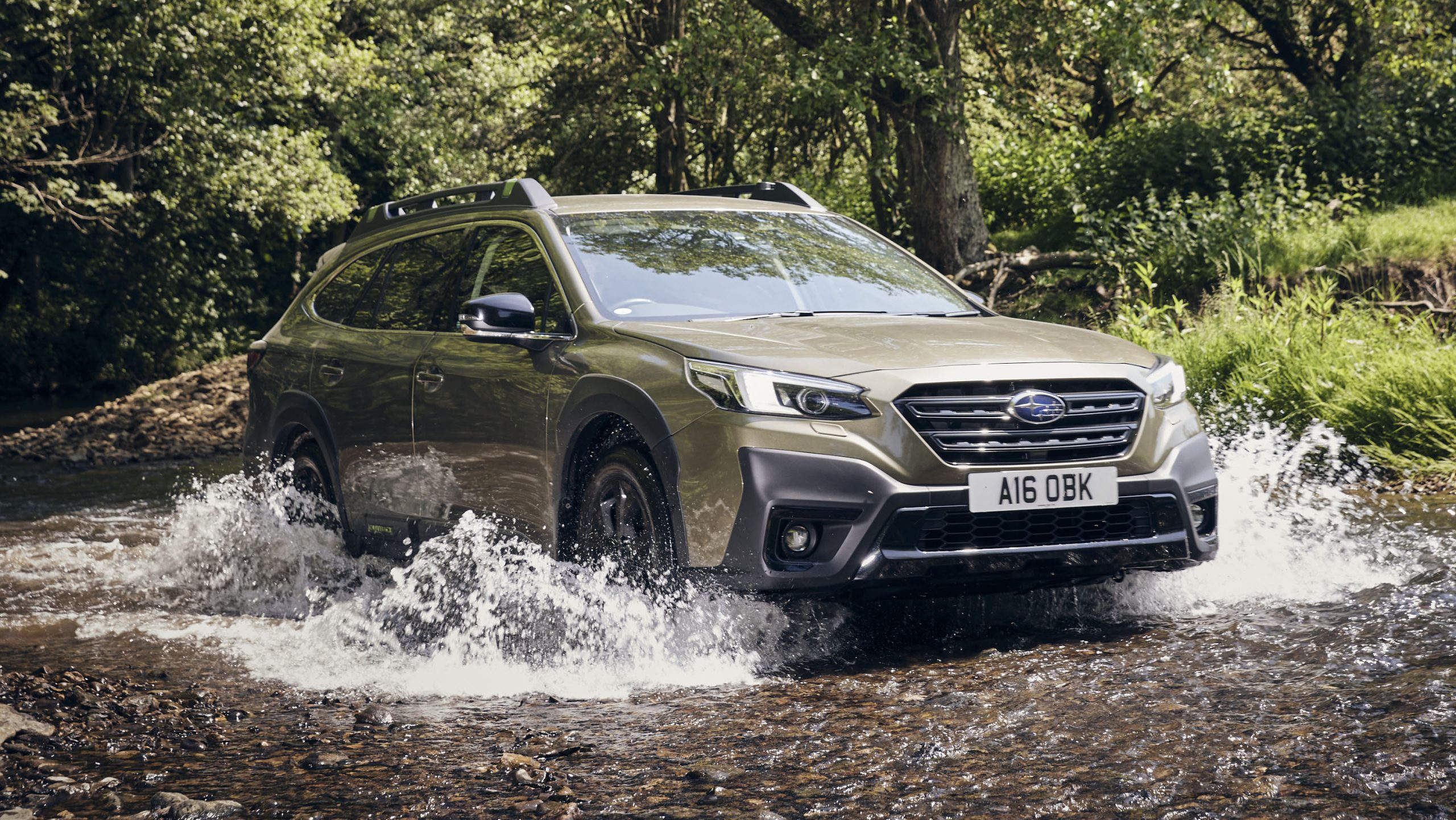
The Subaru Outback is designed for adventure, and its longevity in wheel bearings is impressive considering the terrain it often tackles. Subaru’s symmetrical all-wheel-drive system evenly distributes torque to all four wheels, preventing overloading on any single bearing.
This balance, combined with a low center of gravity provided by the flat-four engine, helps the Outback stay stable and predictable even on uneven surfaces. Such characteristics reduce the sharp impacts and side forces that typically shorten bearing life.
A key factor in the Outback’s bearing durability is its robust hub design. The wheel bearings are often housed in sturdy, corrosion-resistant assemblies that can withstand mud, water, and gravel exposure.
Subaru engineers designed the seals with an understanding that Outback drivers are likely to encounter dirt and moisture, so the sealing system is both tight and flexible.
The double-lip seal structure prevents intrusion of abrasive materials while allowing for thermal expansion without stress on the bearing itself. This is why many Outbacks run well beyond 200,000 miles without bearing issues.
Even though the Outback deals with more demanding conditions than typical sedans, it manages to protect its mechanical parts remarkably well. The independent suspension at each corner absorbs most of the vertical forces from rough trails, isolating the wheel bearings from direct impact.
Additionally, the use of quality steel and heat treatment processes ensures the bearing races maintain their shape and surface finish over time. This metallurgical integrity means the rolling elements glide smoothly with minimal friction and wear.
Subaru’s commitment to real-world testing also deserves credit. The company routinely subjects its vehicles to extreme temperature and terrain tests that simulate years of driving abuse.
Because the Outback must perform equally well in snowy mountain regions and dry deserts, every mechanical interface, including bearings, is designed with broad tolerances for environment-induced stress.
As a result, owners often report years of reliable use without the telltale hum or vibration that signals bearing wear. The Outback exemplifies the advantage of designing for ruggedness from the ground up.
4. Lexus RX
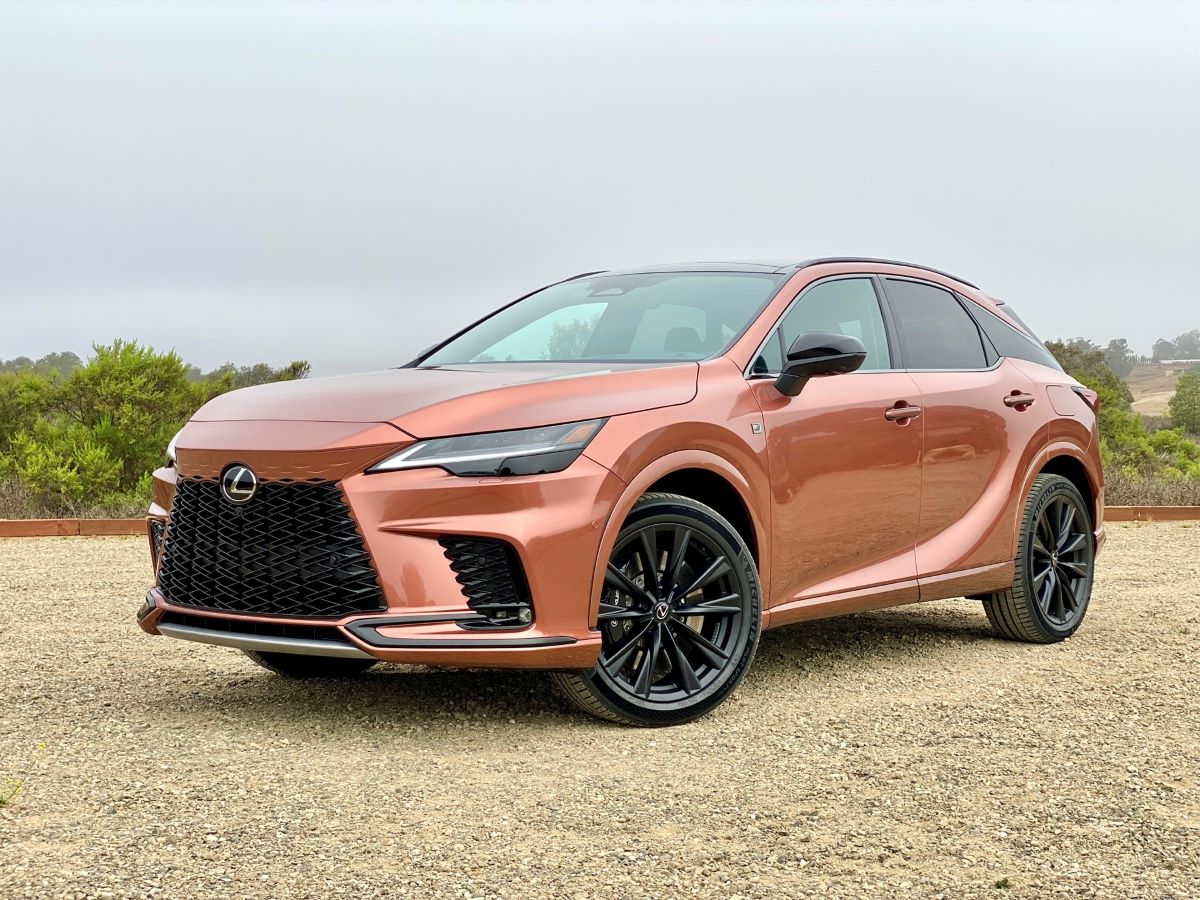
The Lexus RX combines comfort and reliability in a package that feels effortless behind the wheel. One of the secrets behind its refined ride is the precision of its wheel hub and bearing assemblies. Lexus uses a multi-seal bearing design that is resistant to both heat and contamination.
The quality of materials and the precision of the fit between the bearing and hub make it unlikely for premature wear to occur. This engineering precision gives the RX its signature quiet cabin, free from mechanical vibrations that might otherwise reach the interior.
The RX’s suspension is tuned for smoothness rather than aggression, which benefits bearing life immensely. While sport-oriented vehicles may subject their hubs to strong lateral loads through aggressive cornering, the RX glides along with composure.
Its moderate suspension stiffness and refined damping keep bearing stress within safe limits even on imperfect roads. The suspension geometry is designed so that wheel alignment angles remain consistent under load, ensuring the bearings rotate without binding or offset pressure.
Another factor working in the RX’s favor is weight distribution. Although it is a heavier vehicle compared to compact sedans, the chassis balance and suspension layout prevent uneven bearing loads. The front strut and rear multi-link systems cooperate to spread forces evenly across all four corners.
Lexus engineers also use advanced materials and noise-dampening polymers in the bearing housings to reduce vibration transmission. This not only enhances comfort but also prevents micro-fretting within the bearing seats, which can shorten their life in lesser designs.
Finally, Lexus’s rigorous quality control processes guarantee that every hub assembly meets or exceeds factory specifications. Bearings are tested for roundness, preload accuracy, and sealing integrity before installation. Such meticulous inspection ensures that each RX delivers consistent reliability over time.
Owners who perform basic maintenance, such as proper tire inflation and avoiding impact damage from potholes, can easily achieve well over 200,000 miles without ever hearing the dreaded growl of a failing bearing. The RX demonstrates that luxury and durability can coexist seamlessly.
5. Mazda CX-5
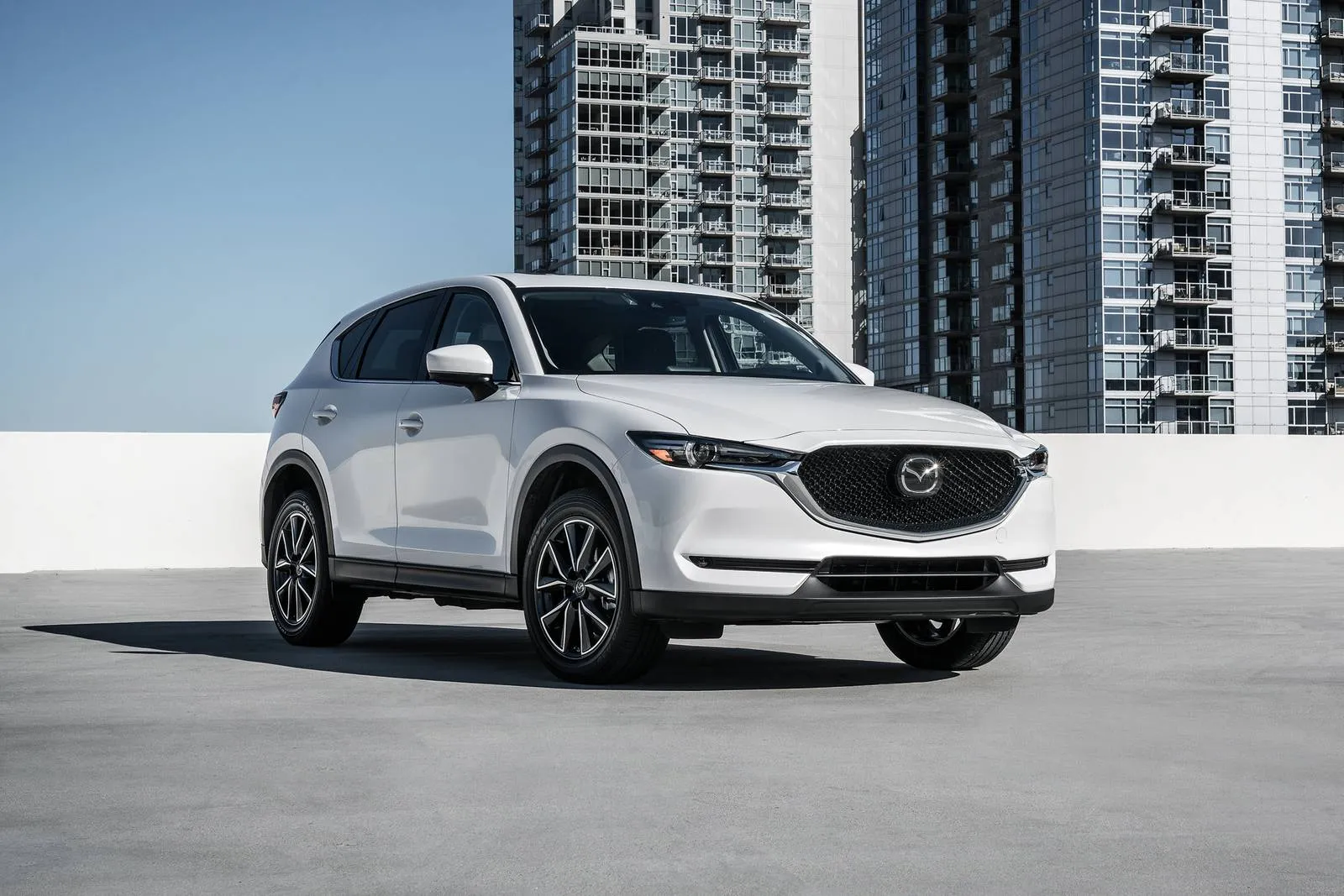
The Mazda CX-5 represents a thoughtful balance between agility and reliability. Mazda engineers designed the vehicle with an emphasis on mechanical harmony, where every component contributes to a unified driving feel. This extends to the wheel bearing assemblies, which benefit from Mazda’s lightweight yet rigid chassis construction.
The CX-5’s SkyActiv platform uses high-strength steel strategically throughout the structure, reducing flex that could otherwise cause misalignment at the hubs. The reduced unsprung weight means that bearings are not constantly fighting against inertia, allowing smoother rotation and less mechanical fatigue over time.
Mazda also places great importance on proper suspension geometry. The CX-5’s front strut and rear multi-link layout maintain stable wheel angles under load, minimizing side pressure on bearings. Many vehicles wear bearings prematurely when the suspension permits excessive camber change during cornering or braking, which forces the bearings to endure uneven forces.
Mazda’s careful alignment control prevents this, ensuring that the rolling elements remain evenly loaded throughout their life. This precision is one reason why the CX-5’s handling feels so natural and predictable while staying mechanically gentle on its components.
Another reason for the CX-5’s bearing longevity is its attention to sealing integrity. Mazda uses high-grade synthetic grease and multi-lip seals that resist both high temperatures and moisture intrusion. This approach keeps contaminants away from the rolling surfaces, a crucial factor in preventing corrosion and pitting.
Even in regions with frequent rain or salted winter roads, the CX-5’s bearing assemblies rarely suffer from the water ingress that can plague cheaper designs. The benefit to the owner is fewer service interruptions and a consistently smooth, quiet ride throughout the vehicle’s life.
Mazda’s commitment to real-world testing ensures that even its more refined crossovers can handle tough conditions. The CX-5 is often praised for its driving dynamics, but hidden within that praise is the reality that every component was engineered for resilience as much as precision.
Bearings that fail prematurely can ruin a car’s refinement, but Mazda’s careful choice of materials and manufacturing partners helps maintain consistency. Many long-term owners report that the CX-5 feels as solid at 150,000 miles as it did new, which is a testament to the understated but crucial role of its hub and bearing engineering.
6. Toyota 4Runner
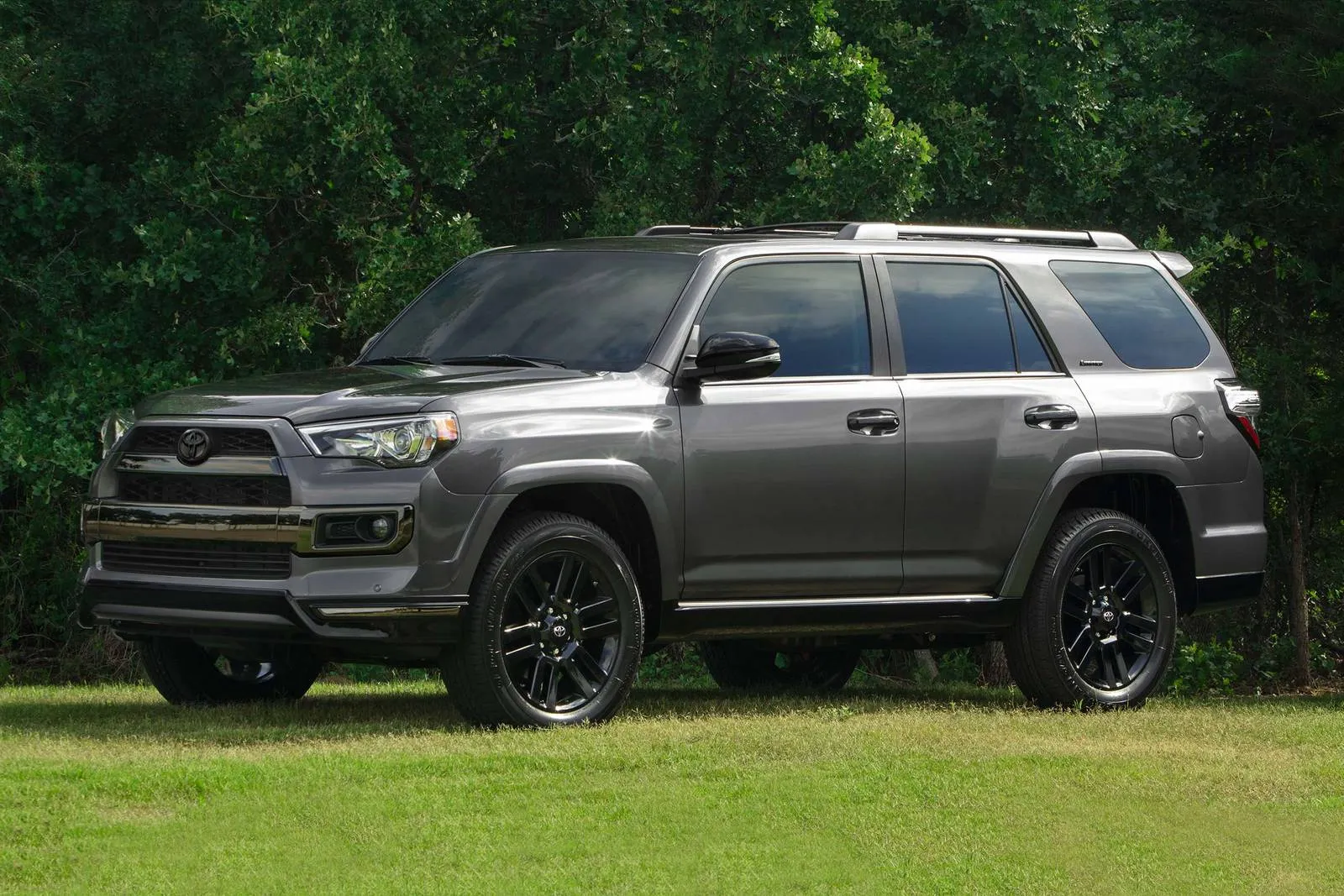
The Toyota 4Runner stands as one of the most durable SUVs ever built, and its wheel bearings are a prime example of this dependability. Designed for serious off-road duty, the 4Runner uses heavy-duty bearing assemblies that are capable of enduring shock loads far greater than what most vehicles experience.
Toyota developed these systems with high-strength steel cages and thick bearing races that resist deformation. Whether crawling over rocks or hauling heavy loads, the 4Runner’s bearings maintain alignment and lubrication under extreme stress, a feature that separates it from many modern crossovers that prioritize comfort over durability.
The 4Runner’s body-on-frame construction plays a critical role in protecting its wheel bearings. Unlike unibody vehicles, which can flex slightly over uneven terrain, the 4Runner’s rigid frame isolates the suspension components from body distortion.
This rigidity keeps the bearing housings perfectly aligned, preventing the small angular misalignments that lead to accelerated wear. The truck-based architecture also allows for larger bearing assemblies, which spread loads across a greater surface area. This extra strength translates directly to longer life and consistent performance even after years of off-road abuse.
Maintenance accessibility is another hidden advantage. Many 4Runner owners appreciate how straightforward it is to inspect and service their bearings compared to more compact designs. This ease of maintenance means that when lubrication or seal inspection is needed, it can be done without major disassembly.
Because of this, even those who subject their 4Runners to harsh conditions can keep the wheel-end components in top shape for decades. Regular grease inspection combined with Toyota’s robust engineering nearly eliminates bearing failure as a concern.
Finally, the 4Runner’s reputation for durability is reinforced by Toyota’s long-term parts compatibility philosophy. The same basic hub and bearing designs have been refined but not overcomplicated through several generations. This continuity ensures that the parts are proven, field-tested, and produced to exceptionally high standards.
Owners frequently see their vehicles surpass 250,000 miles without ever needing to replace a bearing. For drivers seeking a combination of rugged capability and mechanical simplicity, the 4Runner remains one of the best examples of a vehicle that treats its bearings with respect.
7. Honda CR-V
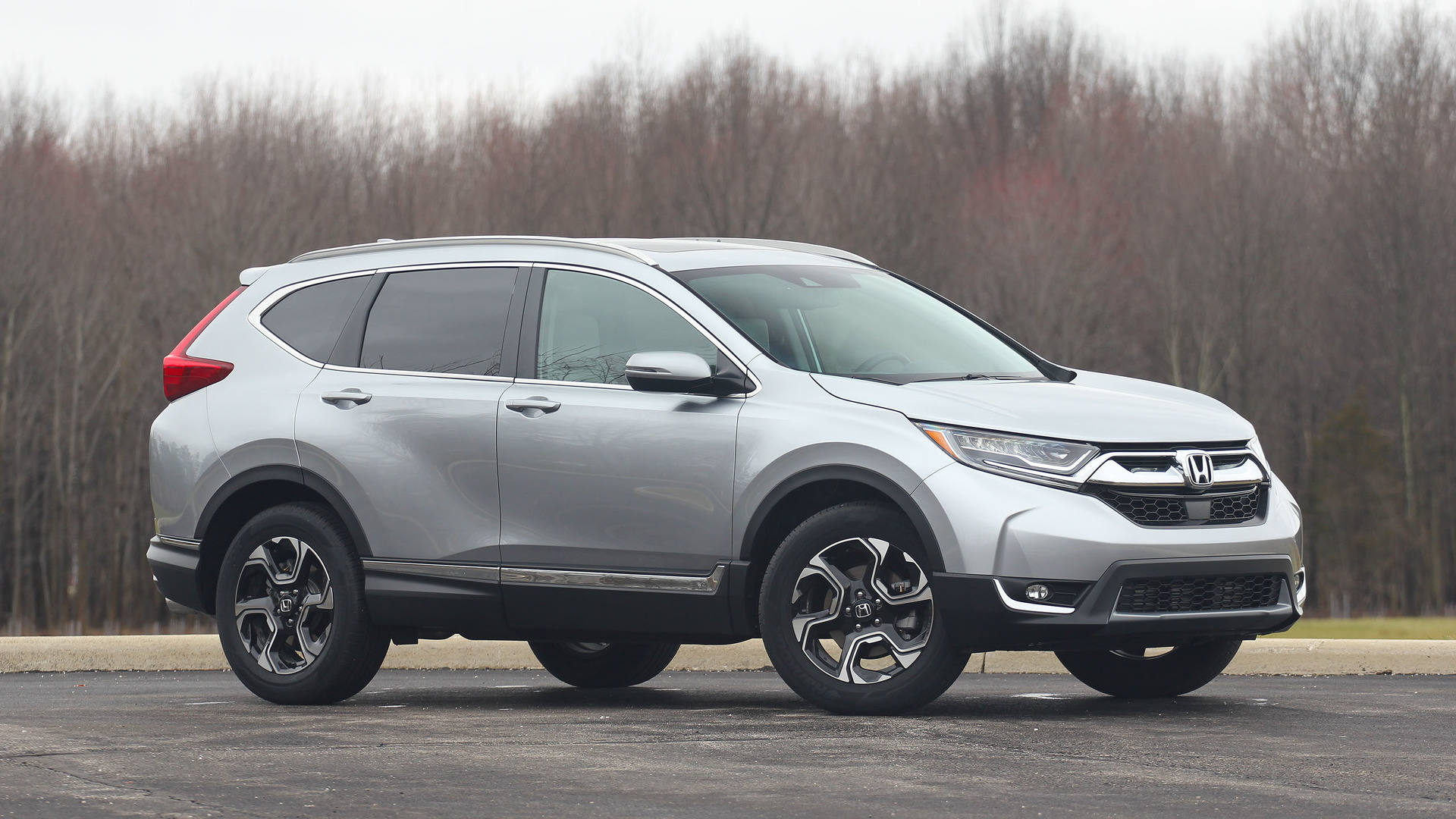
The Honda CR-V blends family practicality with enduring mechanical reliability, and its wheel bearing performance is no exception. Built on a platform derived from the Civic and Accord lineages, the CR-V benefits from Honda’s precision engineering and consistent assembly quality.
The wheel bearings are compact yet strong, designed to handle the higher loads of an SUV without excessive wear. The all-wheel-drive variants also distribute torque intelligently, ensuring that no single bearing is overloaded during acceleration or cornering.
One of the CR-V’s strengths lies in its lightweight design. Although classified as a crossover, it avoids the mass penalty that often burdens larger SUVs. Less weight translates to reduced bearing loads, which directly extends component life.
Honda’s suspension engineers have carefully tuned the geometry to maintain alignment even as the suspension articulates over bumps or uneven roads. This stability minimizes side loading on the bearing races and allows the rolling elements to maintain an even contact pattern, preventing localized stress that can cause pitting or premature noise.
The bearing materials themselves benefit from Honda’s global sourcing standards. Each bearing assembly is built to exacting tolerances, with precision-ground races and seals that maintain grease integrity for years. The grease is formulated to handle both high-speed highway driving and slow-speed stop-and-go use without breaking down.
Owners who follow simple maintenance routines, such as tire rotation and balanced alignment, often find their CR-Vs run quietly for decades without any bearing hum. The design prioritizes consistency over complexity, and that decision pays dividends over time.
Because many CR-Vs operate in suburban or urban environments, Honda engineers paid attention to the subtle vibrations and sounds that can come from worn bearings. The use of noise-dampening materials around the wheel hubs and the tight machining tolerances ensure that the CR-V’s ride remains refined even as it ages.
This attention to mechanical detail is what makes it a favorite among owners who value quiet operation and minimal maintenance. The CR-V demonstrates that dependability doesn’t require heavy overengineering; it just needs careful execution and attention to the fundamentals.
8. Ford F-150
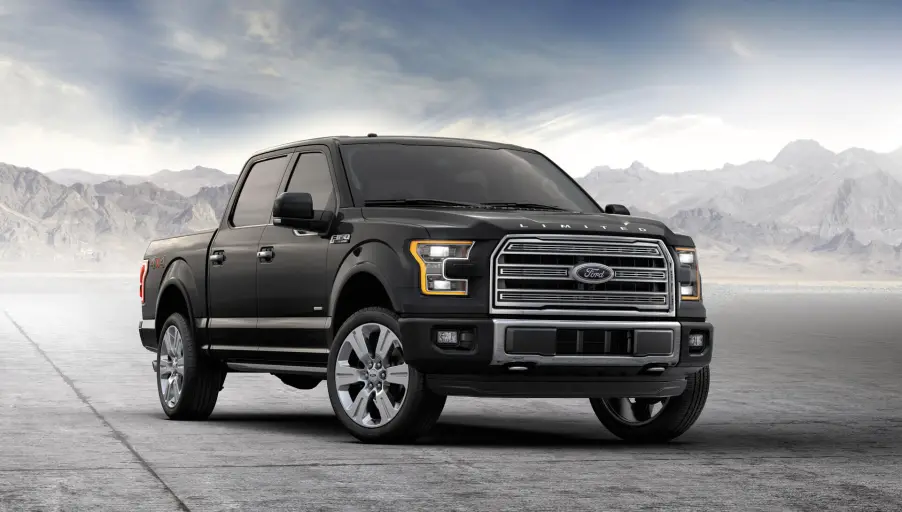
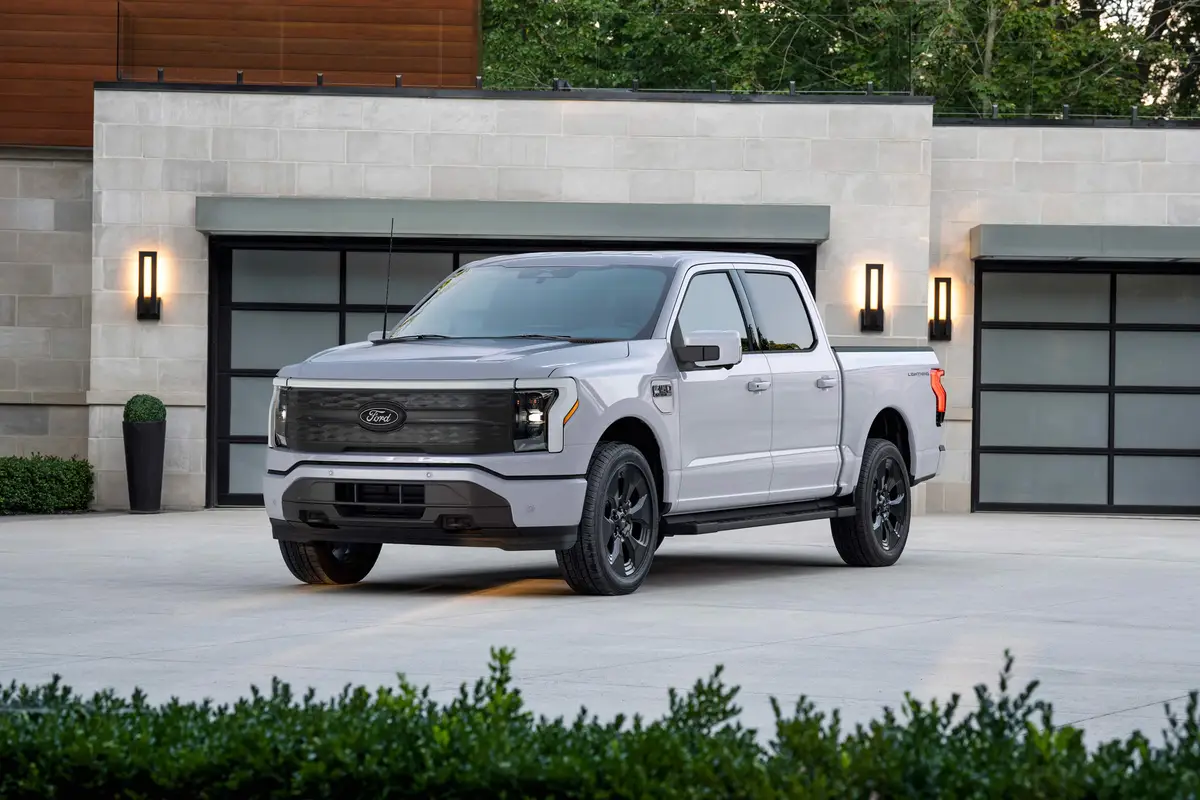
The Ford F-150 has earned its reputation as a reliable workhorse by combining brute strength with decades of design evolution. Bearing reliability is a cornerstone of that reputation. Trucks like the F-150 endure loads and stresses far beyond what typical passenger vehicles experience, from towing heavy trailers to traversing construction sites.
Ford addresses these demands through large, tapered roller bearings and robust hub assemblies that can handle both radial and axial loads efficiently. These components are built to survive repeated shock loading without deforming, giving the F-150 unmatched resilience in its class.
The switch from older solid front axles to modern independent front suspension on many F-150 models also improved bearing life. Independent systems distribute loads more evenly and prevent the severe angular stress that older setups imposed during turns or uneven terrain.
The modern F-150’s front hubs are precision-machined to keep bearing preload within exact tolerances, ensuring that the rolling elements maintain optimal pressure distribution. This stability prevents excessive heat generation, which is one of the most common causes of premature bearing wear in heavy-duty applications.
Another advantage of the F-150 lies in its focus on sealing and corrosion resistance. Ford engineers designed the hub assemblies with layered seals that block out dust, water, and road salt. Because many F-150s operate in harsh climates or on job sites, this added protection is essential.
The bearings are often packed with synthetic grease that resists high temperatures and oxidation, allowing for extended service intervals. When replacements are needed, parts availability and ease of servicing make maintenance straightforward, keeping downtime to a minimum for working owners.
Lastly, the F-150 benefits from Ford’s commitment to iterative design improvement. Each new generation builds upon decades of data regarding wear patterns, material fatigue, and customer feedback. This accumulated experience has refined the truck into a nearly bulletproof machine when maintained properly.
It is not unusual for an F-150 to surpass 200,000 miles with original bearings still intact. The combination of robust construction, modern engineering precision, and real-world testing makes the F-150 a shining example of how durability is achieved through refinement rather than excess.
9. Lexus ES
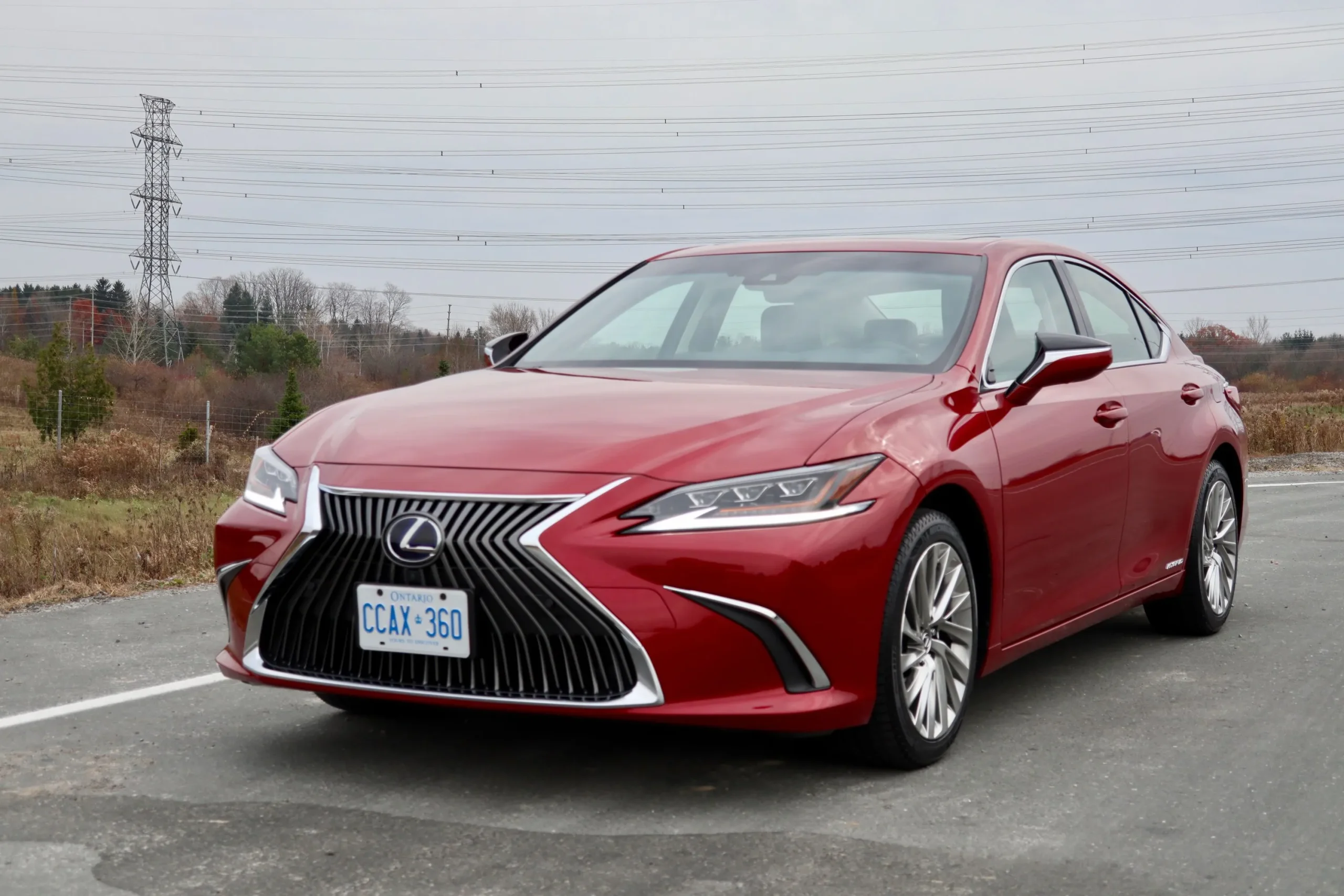
The Lexus ES is often seen as the luxury twin of the Toyota Camry, and it inherits much of its mechanical robustness. The ES takes the same reliable foundation and adds layers of refinement, including further improvements to noise and vibration control.
Its wheel bearings are engineered for near-silent operation, using precision-ground surfaces that minimize friction and vibration. The assembly process for Lexus bearings includes individual noise testing at the factory, ensuring that each unit meets the brand’s strict refinement standards. This meticulous approach leads to remarkable longevity and smoothness over time.
The suspension of the ES is tuned for stability and comfort, both of which indirectly protect its wheel bearings. Soft yet controlled damping prevents sharp impacts from transferring directly to the hubs. Unlike sport sedans that often trade comfort for cornering stiffness, the ES absorbs imperfections gracefully, keeping stress levels on bearings moderate.
This suspension behavior allows the lubricants within the bearings to remain evenly distributed and prevents localized overheating, both key to extending service life. The result is a car that feels effortless to drive even after years of use.
Lexus also employs premium materials throughout the bearing assemblies. The steel used in the races and rolling elements undergoes advanced heat treatments that increase surface hardness while retaining toughness. The seals are constructed from high-quality elastomers that maintain flexibility across extreme temperatures.
This ensures that contaminants stay out and lubrication stays in, even during prolonged exposure to rain, dust, or temperature swings. The consistent quality of these materials gives the ES its reputation for mechanical silence and minimal maintenance requirements.
The ownership experience of the Lexus ES reinforces why this model belongs among cars that rarely chew through bearings. Owners routinely report hundreds of thousands of miles of quiet, trouble-free operation. The combination of balanced design, meticulous manufacturing, and conservative suspension tuning creates an environment where mechanical parts can thrive.
The ES exemplifies the engineering philosophy that preventing stress is better than overbuilding components to survive it. This quiet competence has made it a long-term favorite among those seeking enduring quality.
10. Toyota Land Cruiser
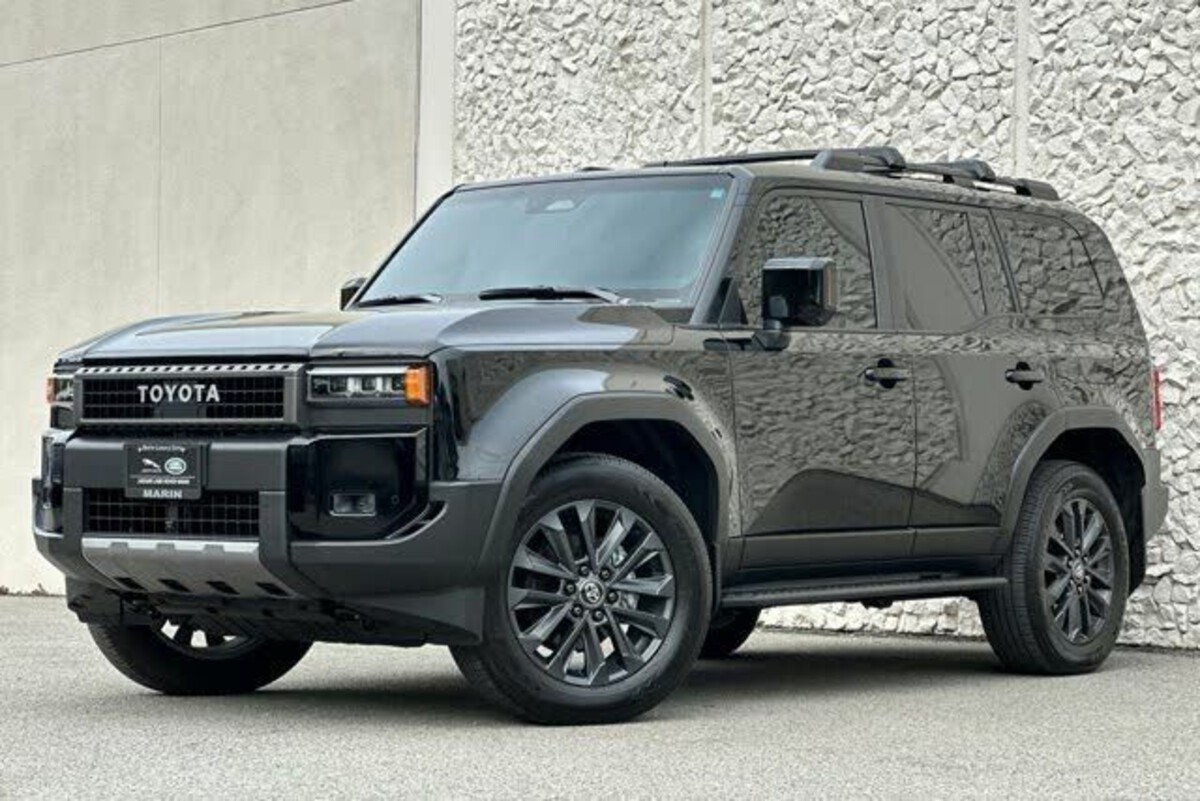
Few vehicles have a reputation for mechanical immortality like the Toyota Land Cruiser. Designed from the start to survive the most punishing environments on earth, it possesses one of the most overbuilt wheel and hub systems of any vehicle.
The Land Cruiser uses large, tapered roller bearings in all four corners, capable of handling massive loads from off-road use and heavy towing. The bearing housings are constructed from thick, precision-cast metal that resists deformation under shock. This design ensures alignment remains perfect even when the suspension is under severe articulation.
Another hallmark of the Land Cruiser’s bearing design is its serviceability. Unlike sealed units in many modern vehicles, its bearings can be inspected, cleaned, and repacked with grease. This allows owners to maintain them proactively, a practice common in harsh environments where parts availability may be limited.
The ability to maintain lubrication integrity gives these bearings extraordinary longevity, often lasting the entire life of the vehicle when serviced correctly. The Land Cruiser’s global reputation for reliability stems in part from this simple but effective design philosophy.
The sealing system in the Land Cruiser’s hubs is exceptionally robust. Multi-layered seals keep mud, sand, and water from penetrating the bearing cavity, while breather ports prevent internal pressure buildup that could compromise the seals.
This attention to environmental sealing enables the Land Cruiser to travel through deserts, rivers, and snowfields without suffering the bearing failures that would immobilize lesser vehicles. The engineering is practical and focused entirely on reliability, a reflection of Toyota’s understanding of the global markets where this vehicle must perform without fail.
Finally, the Land Cruiser’s mechanical design demonstrates that simplicity can coexist with sophistication. While it features advanced traction systems and suspension components, the underlying mechanical assemblies remain accessible and overbuilt.
Owners who maintain their vehicles according to factory recommendations often see them exceed half a million miles with original or easily serviceable bearings still functioning perfectly.
