
When it comes to automatic transmissions, many drivers assume that more gears always mean better performance and efficiency.
Modern 8-speed automatics promise smoother shifts and improved fuel economy on paper, but in certain vehicles, they can create more problems than they solve.
Some engines, especially those with specific torque characteristics or older design philosophies, work more naturally with a 6-speed automatic.
A 6-speed transmission can offer a more direct connection between the engine and the wheels, resulting in better responsiveness and a more predictable driving experience. In many cases, the additional gears in an 8-speed can lead to hesitation, frequent hunting between ratios, or even higher maintenance costs over time.
For drivers who prioritize reliability, ease of repair, and consistent performance, a 6-speed automatic often emerges as the wiser choice.
This article focuses on ten vehicles where choosing the 6-speed automatic over the 8-speed is not just a preference but a practical decision.
Each model has specific reasons for favoring the older transmission, ranging from engine compatibility and shift quality to long-term durability and cost of ownership. Understanding these factors can help buyers make informed choices and avoid the frustration that sometimes comes with modern transmission technology.
From compact sedans to midsize SUVs and performance-oriented models, the 6-speed proves its worth in unexpected ways. Whether you are concerned with smooth acceleration, transmission longevity, or overall driving feel, these ten vehicles highlight situations where sticking with the tried-and-true 6-speed automatic is the smarter path.
In the sections that follow, each vehicle will be examined in detail, showing exactly why the 6-speed makes more sense and what benefits it brings compared to the 8-speed alternative. By the end, it will be clear that more gears are not always better, and sometimes simplicity is the key to a more satisfying driving experience.
Also Read: 5 Cars That Survive Neglect vs 5 That Fall Apart Fast
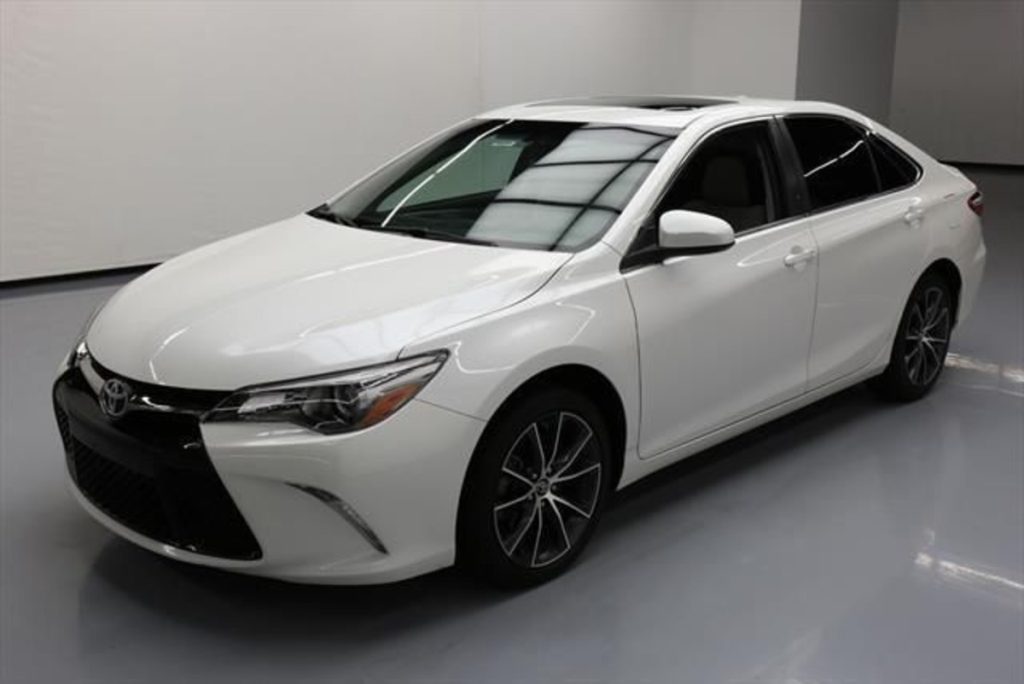
1. Toyota Camry (V6, 2012-2017)
The Toyota Camry with the V6 engine is often better paired with a 6-speed automatic rather than the newer 8-speed option. The 6-speed offers smooth and predictable gear changes that match the V6’s torque curve perfectly. The 8-speed, by contrast, can feel hesitant in certain situations, especially during aggressive acceleration.
Drivers appreciate the 6-speed for its responsiveness in city driving. When merging onto highways or navigating stop-and-go traffic, the transmission delivers consistent shifts without the “searching” behavior sometimes experienced with the 8-speed.
The V6 engine’s characteristics are tuned to the 6-speed, ensuring a natural connection between the accelerator and the wheels.
Reliability is another major factor. The 6-speed automatic has proven track records with minimal issues over hundreds of thousands of miles.
Toyota’s 8-speed introduction in later models has occasionally shown early electronic or mechatronic problems, which can lead to costly repairs. For owners who plan to keep the car long term, the 6-speed represents a safer and more predictable choice.
Fuel efficiency differences between the two are minimal in real-world driving. While the 8-speed may have a slight advantage on paper, the 6-speed is often more efficient under typical driving conditions due to reduced gear hunting. Combined with lower maintenance concerns, this makes the 6-speed the practical choice for many Camry V6 buyers.
The driving experience with the 6-speed feels connected and confident. Enthusiastic drivers notice the difference during spirited driving, as the transmission responds immediately without the delay sometimes associated with the 8-speed. Overall, the Camry V6 shows that more gears do not automatically improve performance or satisfaction.
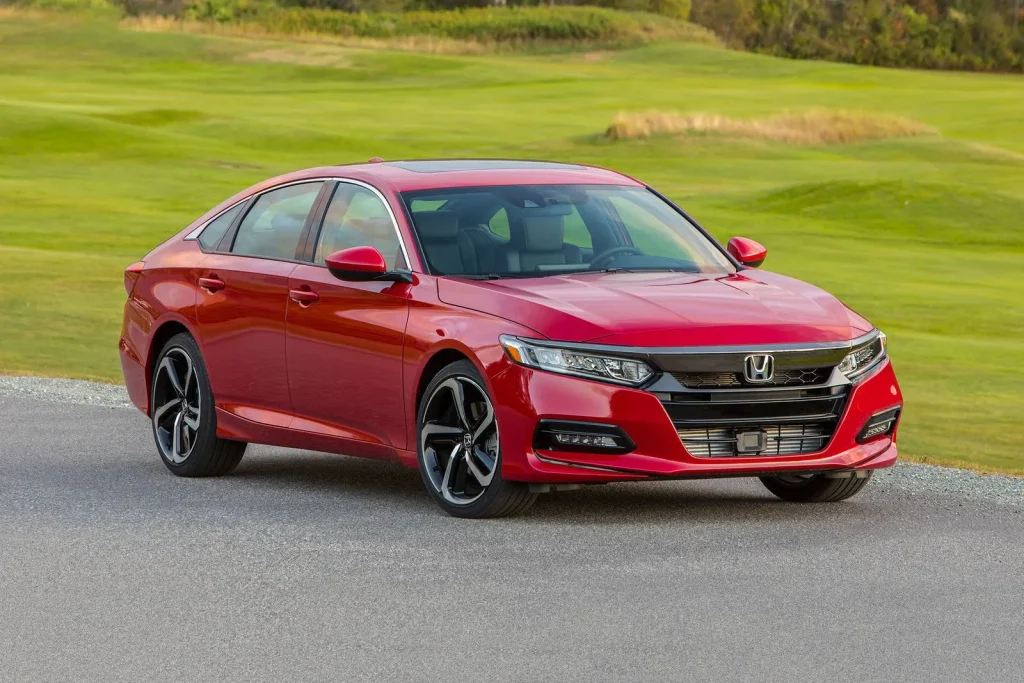
2. Honda Accord (V6, 2013-2017)
The Honda Accord equipped with the V6 engine benefits significantly from the 6-speed automatic. Honda’s engineering focused on pairing this transmission with the engine’s output for smooth acceleration and reliable performance. While the 8-speed automatic was introduced later, it did not always match the V6’s behavior as naturally.
The 6-speed offers predictable and linear shifts, which is especially useful during highway merging or overtaking maneuvers. The 8-speed, with its additional ratios, can sometimes feel hesitant, particularly under load. Drivers who prioritize control and confidence in their car’s responses usually prefer the 6-speed for this reason.
Long-term reliability is a notable advantage of the 6-speed. Early models of the 8-speed experienced some electronic issues and occasional slipping under high-stress conditions. The simpler 6-speed avoids these complications, reducing the likelihood of expensive repairs down the line.
Fuel economy differences are minor in everyday driving. The 6-speed provides steady efficiency without the occasional hunting of the 8-speed’s extra gears. Owners report smoother city and suburban driving, as the transmission remains calm and predictable under varied conditions.
The overall driving feel is more connected with the 6-speed. The V6 engine responds immediately, making acceleration feel natural. For enthusiasts and casual drivers alike, the 6-speed Accord demonstrates that a carefully matched transmission can outperform a more complex one in both reliability and driving satisfaction.
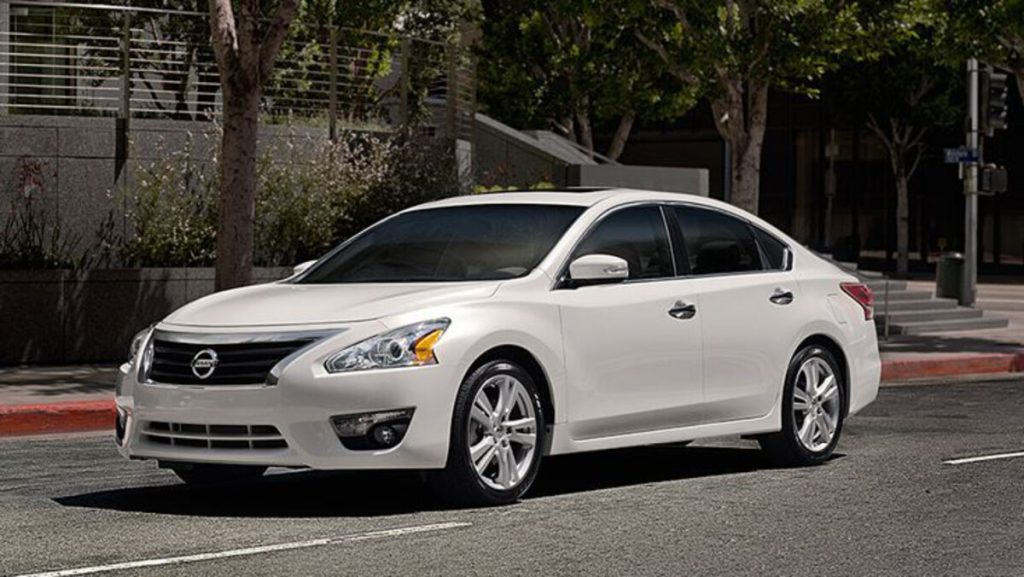
3. Nissan Altima (V6, 2013–2018)
The Nissan Altima equipped with the V6 engine is a prime example of why a 6-speed automatic transmission is often preferable over the 8-speed. While Nissan introduced the 8-speed automatic in later models to improve fuel efficiency on paper, real-world driving demonstrates that the 6-speed offers a more harmonious connection with the V6 engine.
The Altima V6’s torque curve is well-matched to the 6-speed’s gear ratios, resulting in smoother acceleration and more predictable power delivery in a variety of driving conditions.
Drivers who spend a lot of time in urban traffic notice the difference immediately. The 6-speed provides precise, timely shifts that feel natural when accelerating from a stop or during city maneuvers.
The 8-speed, on the other hand, can occasionally hunt between gears, creating a feeling of hesitation or unpredictability. This is particularly evident when merging onto highways or overtaking slower vehicles, where seamless power delivery is critical.
Highway performance also favors the 6-speed. At cruising speeds, the gear spacing allows the engine to operate efficiently without the frequent up-and-down shifting that some 8-speed units can exhibit.
The Altima V6 feels more connected to the driver with the 6-speed, as throttle input produces an immediate and consistent response. Enthusiasts and casual drivers alike appreciate this responsiveness, which contributes to a more confident and enjoyable driving experience.
Reliability is a major consideration. The 6-speed automatic has been extensively tested and proven to handle high mileage without major issues. Owners report fewer electronic glitches, reduced transmission noise, and lower long-term maintenance costs compared to the 8-speed alternative.
Early 8-speed units introduced in later Altima models sometimes faced electronic or hydraulic problems, which could require expensive repairs, making the simpler 6-speed a safer choice for long-term ownership.
Fuel efficiency is another point where the 6-speed holds its own. While the 8-speed is theoretically more efficient in controlled conditions, in real-world driving, the 6-speed performs similarly or even better due to less gear hunting and more consistent engine operation.
Drivers benefit from a predictable driving experience without sacrificing economy, which is often overlooked when comparing transmissions purely on paper.
The overall driving feel with the 6-speed Altima is cohesive. Acceleration is smooth, the engine’s torque is well-utilized, and shifting feels intuitive. It offers a balance of comfort and performance that aligns perfectly with the car’s intended use as a midsize family sedan with occasional spirited driving.
For buyers prioritizing reliability, simplicity, and driving confidence, the 6-speed automatic remains the smarter choice over the newer 8-speed option.
4. Ford Fusion (V6, 2013–2016)
The Ford Fusion with the V6 engine is a vehicle where the 6-speed automatic transmission proves far more effective than the 8-speed option. Ford designed the V6 and 6-speed combination to maximize smoothness, reliability, and performance across different driving conditions.
While the 8-speed was introduced in later models with promises of improved efficiency, many drivers discovered that the older 6-speed simply delivers a more balanced and predictable experience, particularly for those who value consistency over theoretical gains.
City driving is where the 6-speed shines. Frequent stops, acceleration from traffic lights, and tight maneuvers require a transmission that responds predictably. The 6-speed accomplishes this effortlessly, providing timely and smooth shifts without hesitation.
The 8-speed, with its additional ratios, sometimes struggles to select the correct gear quickly, leading to brief delays in acceleration. In real-world conditions, this can make the car feel less responsive, which may frustrate drivers who expect a precise connection between the throttle and the road.
Highway performance also favors the 6-speed automatic. The V6 engine operates efficiently at cruising speeds, and the gear ratios of the 6-speed allow for steady acceleration and comfortable overtaking without frequent upshifts or downshifts.
The 8-speed, while theoretically offering a wider range of ratios, can cause the transmission to hunt under certain conditions, creating unnecessary complexity. Drivers often find that the 6-speed delivers a more confident and engaging experience because every shift feels intentional and predictable.
Reliability is another critical factor. The 6-speed automatic in the Fusion has a proven record, handling high mileage without significant issues. Owners report minimal electronic failures, consistent shift quality, and lower maintenance costs.
In contrast, early 8-speed units sometimes exhibited electronic control problems, delayed shifts, and occasional slipping under stress, which could lead to costly repairs. For long-term ownership, the 6-speed clearly represents a safer and more dependable choice.
Fuel efficiency in everyday driving is often comparable between the two transmissions. Although the 8-speed may show slightly better results under ideal conditions, the 6-speed maintains consistent performance without the gear-hunting behavior that can affect real-world economy.
Drivers benefit from steady consumption and a transmission that responds reliably in various scenarios, including city commuting, highway cruising, and even light towing.
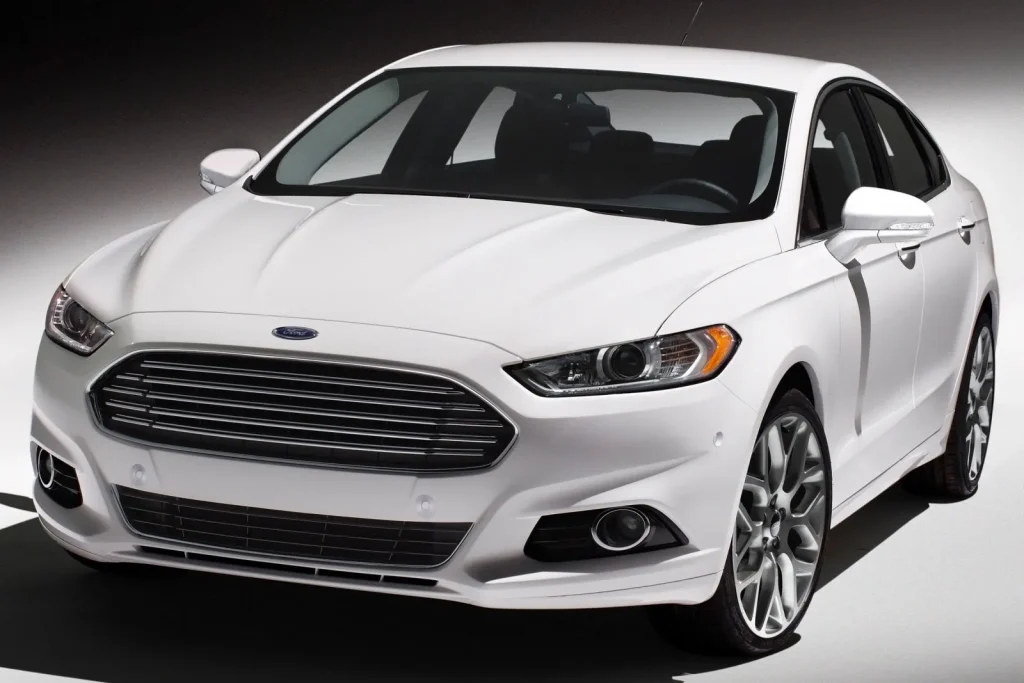
Finally, the driving feel with the 6-speed Fusion is smooth, predictable, and satisfying. The engine’s torque is well-utilized, shifts occur without abruptness, and the car reacts immediately to throttle input.
This makes it easier to enjoy both routine driving and more spirited acceleration without feeling the disconnect that can sometimes occur with the 8-speed.
For buyers who prioritize reliability, consistent performance, and a straightforward driving experience, the 6-speed automatic is clearly the better option for the Fusion V6.
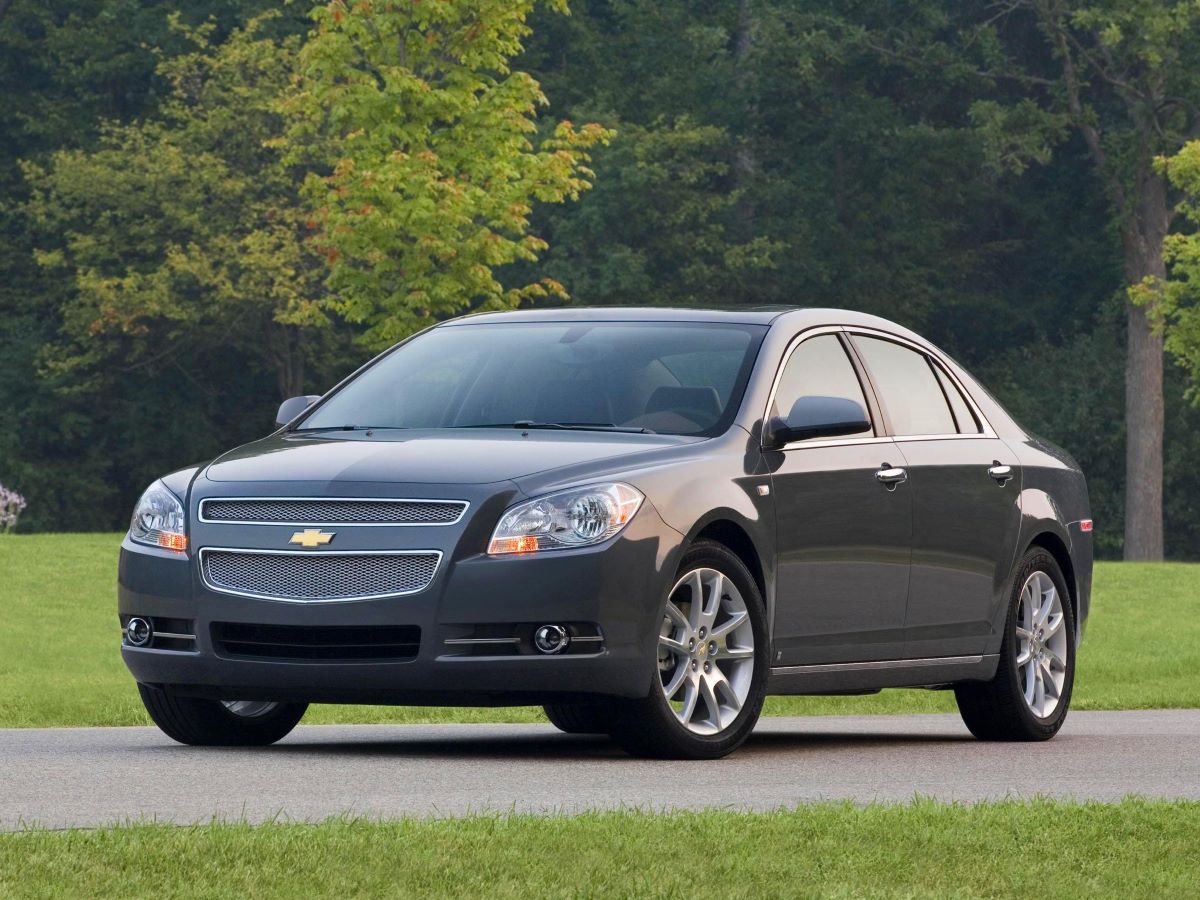
5. Chevrolet Malibu (V6, 2013–2015)
The Chevrolet Malibu equipped with the V6 engine is another model where the 6-speed automatic is far superior to the 8-speed alternative.
While Chevrolet later introduced 8-speed units in newer models for efficiency improvements, the 6-speed is a proven solution for reliability, smooth performance, and consistent driving behavior. Drivers who prioritize long-term durability and predictable power delivery often find that the 6-speed is the better choice.
City driving is where the benefits of the 6-speed become apparent. The gear spacing is optimized for the V6 engine, allowing smooth acceleration from stops and responsive shifts during stop-and-go traffic.
The 8-speed, while theoretically offering more options, can feel hesitant at times, especially when the vehicle is under load or when quick throttle response is needed. Drivers often notice a subtle lag before the transmission selects the correct ratio, which can affect driving confidence.
Highway performance also highlights the advantages of the 6-speed. When cruising at higher speeds, the transmission maintains a steady rhythm that matches the engine’s torque curve. Overtaking slower traffic feels natural, as the gear changes are immediate and predictable.
In contrast, the 8-speed may hunt between gears or require more throttle input to achieve the same responsiveness. This makes the 6-speed feel more connected and engaging, even in a midsize family sedan.
Reliability and maintenance are key considerations. The 6-speed automatic in the Malibu has a strong track record of handling high mileage without significant issues.
Owners report minimal electronic failures, consistent shift quality, and fewer expensive repairs compared to the 8-speed units. The simplicity of the 6-speed also makes it easier to service, which can save both time and money over the life of the vehicle.
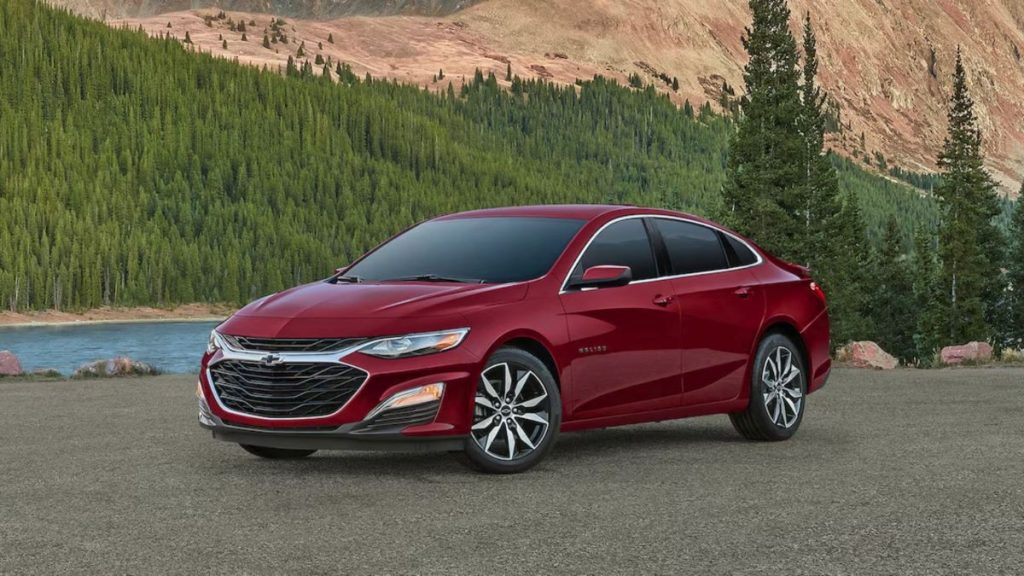
Fuel economy with the 6-speed is competitive in everyday driving. While the 8-speed might offer marginal gains under controlled conditions, real-world results often favor the 6-speed due to its predictable operation and reduced gear hunting.
Drivers benefit from consistent fuel usage, which makes the Malibu V6 a practical choice for daily commuting and long trips alike.
Overall, the 6-speed automatic in the Chevrolet Malibu V6 delivers a smooth, reliable, and satisfying driving experience. It balances performance and comfort while reducing the risk of transmission issues, making it a preferred choice for drivers who value predictability and long-term ownership.
6. Hyundai Sonata (V6, 2013–2017)
The Hyundai Sonata equipped with a V6 engine also demonstrates why a 6-speed automatic is often more desirable than an 8-speed. The 6-speed unit is designed to work in harmony with the engine’s output, offering consistent performance and smooth power delivery.
While the 8-speed was introduced later to improve efficiency, many drivers and reviewers found it less predictable under real-world driving conditions.
In urban driving, the 6-speed shines. Its gear ratios are carefully tuned to the V6 engine, providing smooth acceleration from stops and responsive shifts during city traffic.
The 8-speed, while technically more advanced, can sometimes feel inconsistent, with noticeable delays when the transmission selects the correct gear. This can be especially frustrating during quick acceleration or when merging onto highways.
Highway performance is another area where the 6-speed proves its worth. The transmission allows the engine to operate efficiently at cruising speeds, while providing immediate response for overtaking or climbing hills.
The 8-speed, in contrast, may shift more frequently and unpredictably under varying loads, creating a less connected feel for the driver. The 6-speed delivers confidence and a natural driving rhythm, which enhances overall comfort and control.
Long-term reliability is a strong point for the 6-speed Sonata. It has proven capable of handling high mileage without significant electronic or mechanical issues. Owners often report fewer costly repairs and more consistent performance compared to 8-speed variants.
The simpler design of the 6-speed makes maintenance easier and more predictable, which is a key advantage for buyers seeking low-stress ownership.
Fuel efficiency remains competitive. While 8-speed transmissions are often promoted for superior economy, the real-world advantage is minimal.
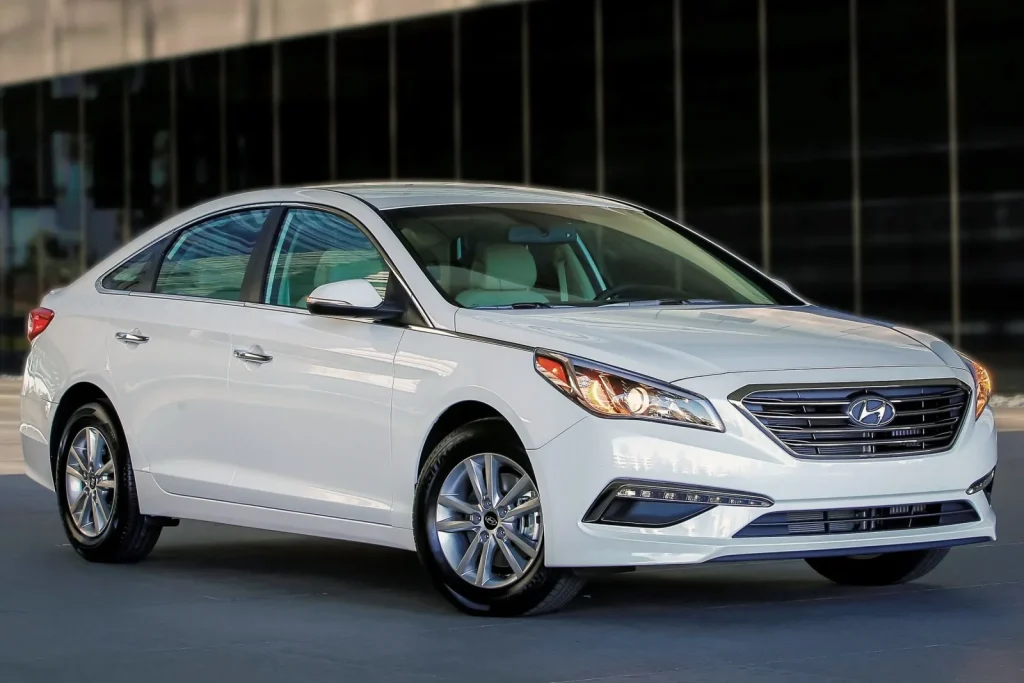
The 6-speed maintains consistent efficiency due to fewer gear-hunting episodes and smoother operation. Drivers can expect steady consumption during both city commutes and highway trips.
Finally, the driving experience with the 6-speed Sonata is smooth, reliable, and engaging. Acceleration feels natural, gear changes occur seamlessly, and the engine responds directly to throttle input.
For drivers seeking a midsize sedan with both performance and predictability, the 6-speed automatic in the Hyundai Sonata V6 remains a clear choice over the more complex 8-speed option.
7. Mazda6 (V6, 2014–2017)
The Mazda6 with a V6 engine demonstrates why the 6-speed automatic transmission is often the better choice over an 8-speed. Mazda engineers focused on creating a driving experience that emphasizes responsiveness and reliability.
The 6-speed matches the V6’s torque curve perfectly, delivering smooth, predictable acceleration. While the 8-speed offers more ratios, it can create a disjointed feeling, especially when the engine needs to respond quickly.
In city driving, the 6-speed provides precise shifts that make daily commutes effortless. Stop-and-go traffic is handled without hesitation, and the transmission responds promptly to throttle input.
Drivers often notice that the 8-speed can lag slightly or search for the correct gear, which reduces the feeling of control. The simplicity of the 6-speed ensures that every acceleration feels deliberate and confident.
Highway performance benefits significantly from the 6-speed. At cruising speeds, the transmission maintains steady engine operation without unnecessary up-and-down shifting. This allows for smooth overtaking and comfortable long-distance driving.
By comparison, the 8-speed can sometimes overcomplicate shifts, particularly under varying loads or when the driver demands sudden acceleration. The 6-speed’s predictability enhances both confidence and driving satisfaction.
Reliability is another key advantage. The Mazda6 6-speed automatic has proven capable of handling high mileage without major issues. Owners report consistent shift quality, fewer electronic problems, and lower maintenance costs compared to the 8-speed units.
The simpler design of the 6-speed contributes to its durability, which is particularly appealing for drivers planning long-term ownership.
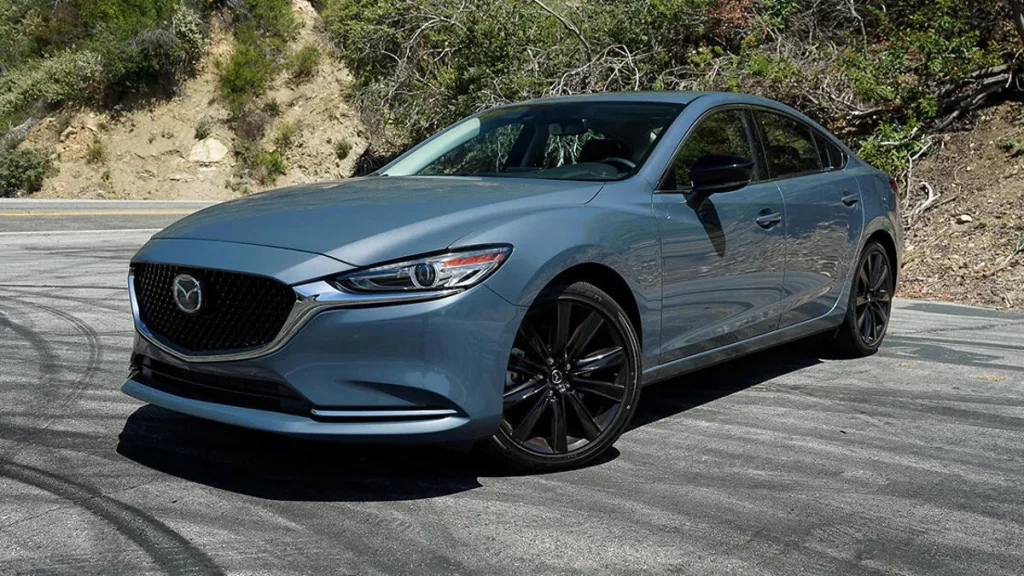
Fuel economy in the 6-speed Mazda6 is competitive in real-world conditions. While the 8-speed may appear more efficient in controlled tests, the 6-speed often matches or exceeds it during daily driving. Reduced gear hunting and consistent engine operation help maintain steady consumption, making the vehicle both economical and reliable.
Finally, the driving feel with the 6-speed Mazda6 is smooth, connected, and enjoyable. Acceleration is immediate, and the transmission integrates seamlessly with the engine’s power.
For drivers who want a midsize sedan that delivers both comfort and control, the 6-speed automatic proves superior to the 8-speed in every practical sense.
8. Kia Optima (V6, 2014–2016)
The Kia Optima V6 is another example where the 6-speed automatic is the preferred choice. The transmission was engineered to complement the engine’s power and torque characteristics, resulting in smooth and responsive performance.
While Kia later offered 8-speed units to improve efficiency, drivers often found the 6-speed more reliable and enjoyable in real-world conditions.
In urban driving, the 6-speed excels. Shifts are predictable, and the transmission responds quickly to changes in throttle input. This is particularly important during stop-and-go traffic, where hesitation can reduce driving confidence.
In contrast, the 8-speed can occasionally hunt for the right gear, causing brief delays and a less connected feel between the accelerator and the wheels.
Highway performance favors the 6-speed as well. Its gear ratios allow the V6 engine to operate efficiently at cruising speeds while delivering immediate response for overtaking maneuvers or merging.
The 8-speed’s additional ratios may create a smoother theoretical progression, but in practice, the constant shifting under varying loads can feel intrusive. The 6-speed maintains a direct and controlled driving experience.
Reliability is a major reason to stick with the 6-speed Optima. It has a strong record of longevity, with minimal electronic or mechanical problems reported over high mileage. The simpler design also reduces the likelihood of expensive repairs, making it an attractive option for drivers looking for low-maintenance ownership.
Fuel economy is competitive with the 6-speed transmission. While the 8-speed may offer small efficiency gains under perfect conditions, real-world performance is often similar or even better with the 6-speed, thanks to consistent engine operation and fewer unnecessary shifts.
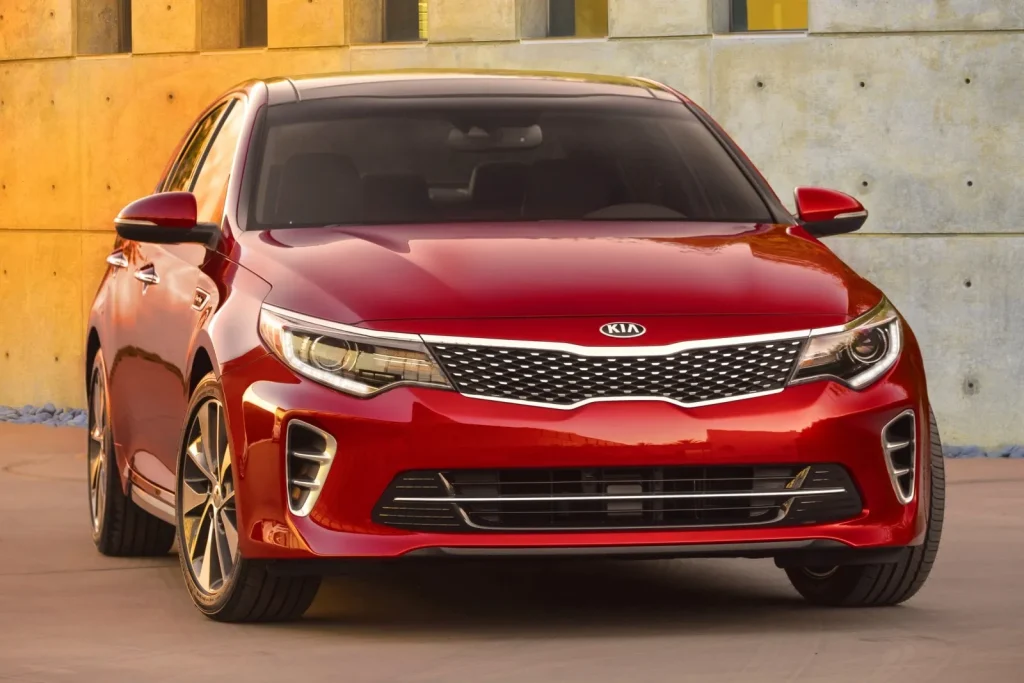
Overall, the 6-speed automatic in the Kia Optima V6 delivers a combination of smoothness, reliability, and performance. Acceleration is predictable, shifts are immediate, and the vehicle feels responsive in a wide range of conditions.
For drivers seeking a midsize sedan that balances performance, comfort, and peace of mind, the 6-speed remains the better choice over the 8-speed alternative.
9. Chrysler 200 (V6, 2011–2014)
The Chrysler 200 with the V6 engine is a clear example where the 6-speed automatic transmission outshines the 8-speed option. The 6-speed was specifically matched to the engine’s torque and power output, offering smooth acceleration, predictable shifting, and reliable performance.
While the 8-speed automatic became available in later models, it does not always complement the V6 engine as effectively, particularly in real-world driving situations.
In city driving, the 6-speed automatic proves its worth. Frequent stops, acceleration from traffic lights, and navigating urban traffic require a transmission that reacts consistently. The 6-speed delivers immediate response and seamless gear changes, allowing the engine to perform efficiently without hesitation.
The 8-speed, in contrast, can occasionally delay or hunt for the appropriate gear, which may reduce driver confidence during quick acceleration or merging.
Highway performance also favors the 6-speed. Its gear ratios allow the V6 engine to operate efficiently at cruising speeds while providing immediate power for overtaking or climbing inclines.
The 8-speed may theoretically offer smoother progression between ratios, but in practice, it can result in frequent, sometimes unnecessary shifting. Drivers who prioritize predictability and connection with the engine feel that the 6-speed provides a more controlled and engaging driving experience.
Reliability is a major factor in choosing the 6-speed for the Chrysler 200. The transmission has a proven track record of long-term durability, with minimal mechanical or electronic issues reported by owners.
This contrasts with early 8-speed units, which occasionally exhibited shifting irregularities and electronic problems, potentially leading to costly repairs. For those planning long-term ownership, the 6-speed represents a safer and more dependable choice.
Fuel efficiency with the 6-speed is also competitive. While 8-speed transmissions are often marketed as more efficient, the real-world difference is minimal.
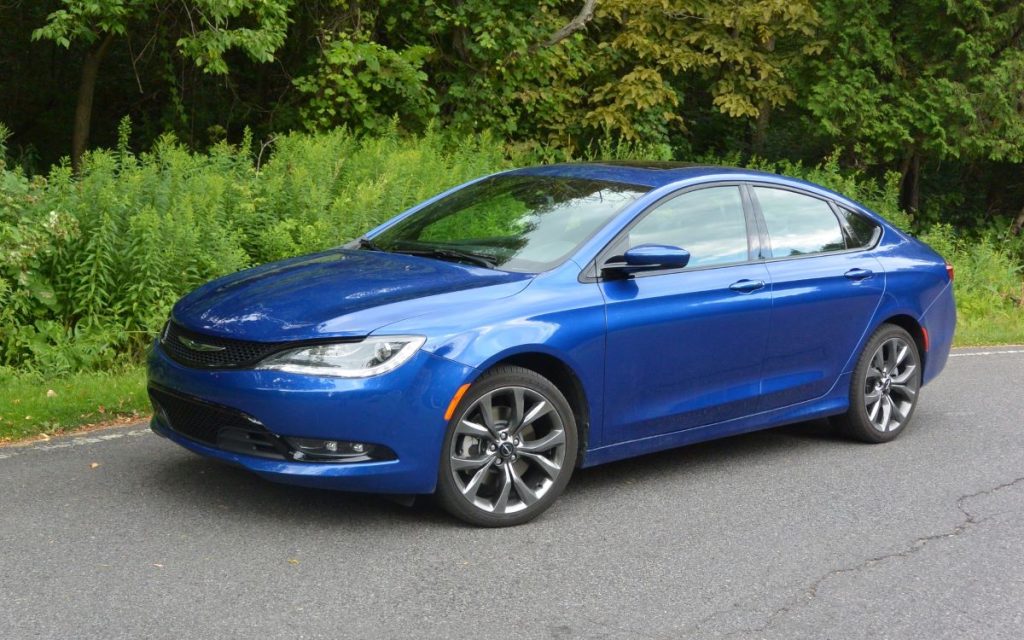
The 6-speed maintains consistent fuel consumption thanks to smooth shifts and predictable engine operation, which often translates to better results under everyday driving conditions, particularly in stop-and-go traffic.
The overall driving experience with the 6-speed Chrysler 200 is smooth, responsive, and satisfying. Acceleration feels immediate, the transmission responds intuitively to driver input, and the engine’s torque is fully utilized.
For buyers seeking a reliable, comfortable midsize sedan with both performance and predictability, the 6-speed automatic is clearly superior to the 8-speed option in this model.
10. Dodge Avenger (V6, 2011–2014)
The Dodge Avenger V6 is another vehicle where the 6-speed automatic transmission is strongly preferred over the 8-speed. The transmission was designed to complement the V6 engine’s characteristics, providing smooth acceleration, consistent performance, and dependable operation.
While Dodge later introduced 8-speed units in newer vehicles, the 6-speed remains the optimal choice for the Avenger due to its reliability and ease of use.
In urban environments, the 6-speed automatic demonstrates its advantages. Frequent stops and starts, as well as navigating through traffic, require a transmission that shifts predictably.
The 6-speed delivers this reliably, offering smooth, immediate gear changes that match throttle input perfectly. The 8-speed, although theoretically offering more refinement, can sometimes feel hesitant or overly complex under these conditions.
Highway driving also highlights the benefits of the 6-speed. At cruising speeds, the V6 engine operates efficiently, and the transmission provides seamless power delivery for overtaking or highway merging.
The 8-speed, by comparison, can occasionally hunt for the correct gear under load, which can create a less connected driving experience. The 6-speed ensures that acceleration is linear, predictable, and satisfying.
Reliability is a significant advantage of the 6-speed Avenger. It has a proven history of handling high mileage without major mechanical or electronic issues. In contrast, some 8-speed units in similar vehicles have faced electronic control problems and shifting inconsistencies, which may lead to expensive repairs.
The simpler design of the 6-speed contributes to its durability, making it a more practical choice for long-term ownership.
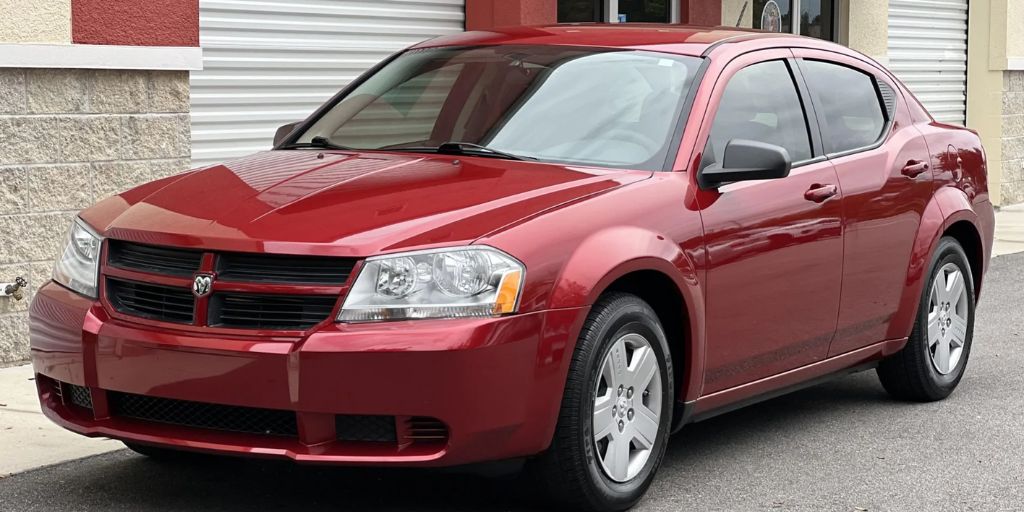
Fuel efficiency is comparable in everyday driving, with the 6-speed often matching or exceeding the 8-speed under typical conditions. Reduced gear hunting and smoother operation contribute to steady fuel consumption, making the V6 Avenger economical as well as reliable.
Overall, the 6-speed automatic in the Dodge Avenger V6 delivers smooth, responsive, and dependable performance. Acceleration is immediate, shifts are predictable, and the vehicle feels connected to the driver.
For anyone prioritizing reliability, driving confidence, and long-term ownership, the 6-speed is clearly the better choice over the 8-speed transmission in this model.
Also Read: 5 Cars That Survive Neglect vs 5 That Fall Apart Fast
