
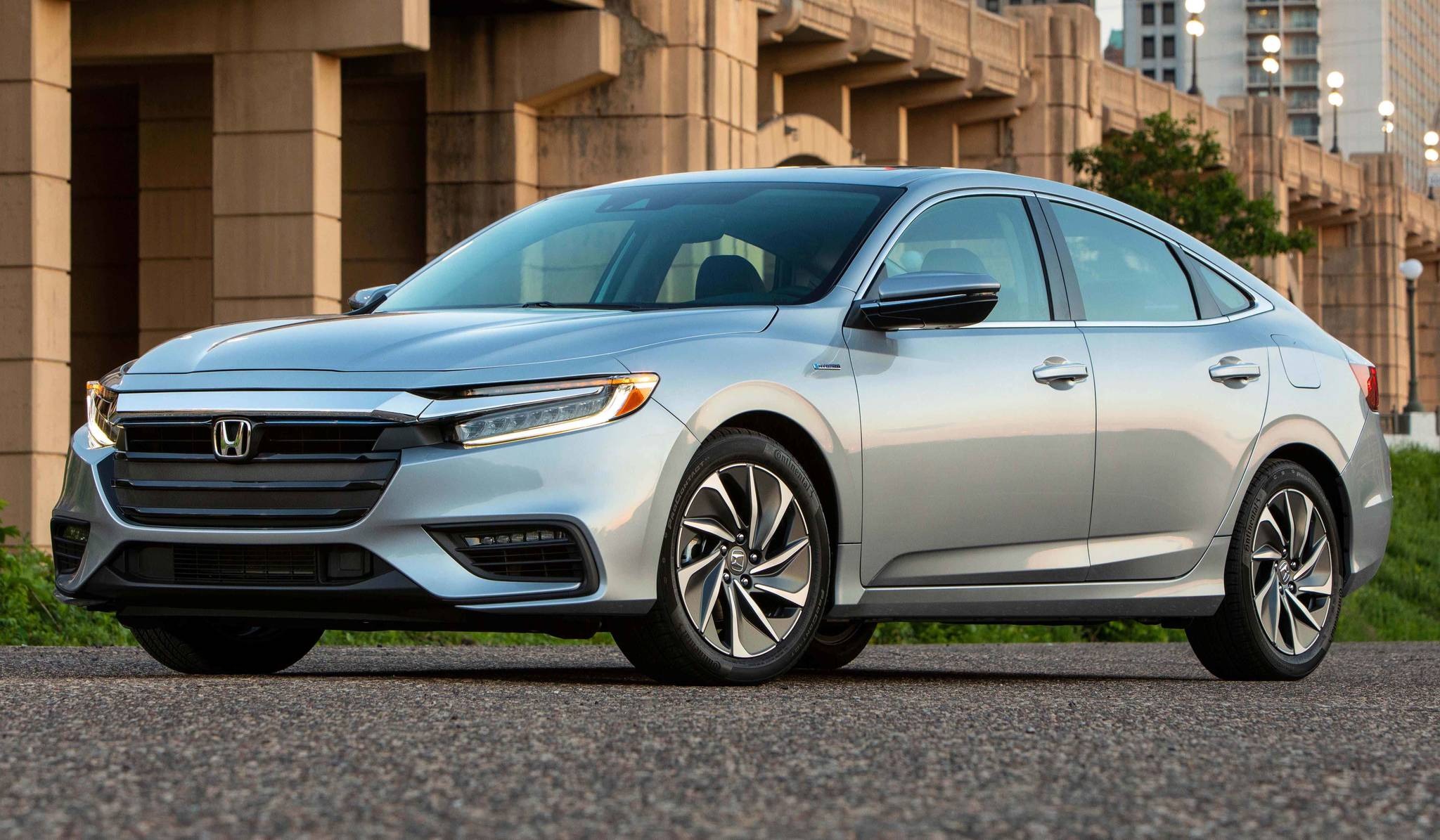
The automotive industry is experiencing a significant shift as hybrid vehicles steadily gain ground against traditional gas-powered cars.
Consumers are beginning to recognize the advantages of combining gasoline engines with electric motors, appreciating the benefits of reduced fuel consumption, lower emissions, and enhanced performance in city driving.
While electric vehicles often receive the most attention in headlines, hybrids are quietly becoming the preferred choice for drivers seeking a balance between conventional fuel systems and greener technology.
These vehicles do not require the same charging infrastructure as fully electric models, making them practical for a broader audience. They appeal to those who want environmental responsibility without committing entirely to electric power.
Hybrids offer versatility in driving conditions that purely electric or traditional gas cars cannot always match. In urban areas, they can maximize fuel efficiency during stop-and-go traffic, while on highways, they maintain performance comparable to conventional vehicles.
Manufacturers have invested heavily in hybrid technology, integrating sophisticated battery systems, regenerative braking, and adaptive engine management to ensure these cars deliver reliability and comfort.
Consumers increasingly prioritize not only fuel economy but also features like safety, connectivity, and interior quality, and hybrid models are rising to meet these expectations.
Another factor contributing to their growing popularity is the cost of ownership. Many hybrids achieve a lower total cost over time due to savings on fuel, maintenance, and sometimes tax incentives. Insurance rates are generally comparable to conventional cars, making hybrids accessible without a major financial penalty.
Additionally, the design and performance improvements over recent years have erased the outdated perception that hybrids are slow or visually uninspiring. Today’s models offer style, acceleration, and handling that can rival or surpass gas-only competitors.
This article will highlight 14 hybrid vehicles that are quietly surpassing traditional gasoline cars in sales. While they may not always dominate headlines, these models are reshaping automotive trends and influencing consumer behavior.
From compact city cars to family SUVs, each entry demonstrates how hybrids can combine efficiency, practicality, and driving satisfaction.
The following sections examine each vehicle’s appeal, performance, and impact on the market, illustrating why hybrids are not just a temporary trend but a sustained evolution in how people choose to drive.
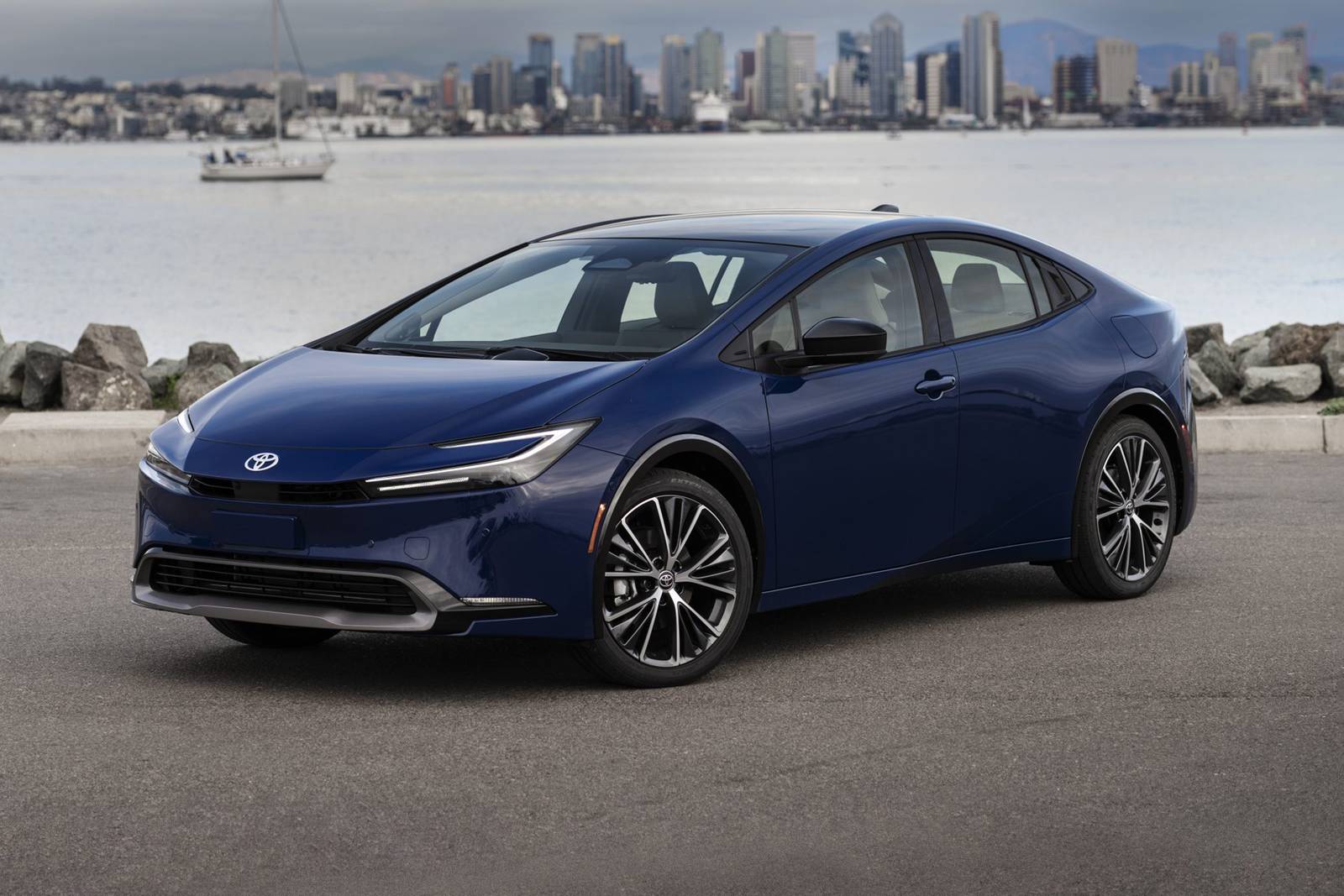
1. Toyota Prius
The Toyota Prius has been synonymous with hybrid technology for decades. It popularized the concept of fuel-efficient vehicles that use a combination of gasoline engines and electric motors, establishing a foundation for the hybrid market. Its longevity in the industry is a testament to its reliability, with millions of units sold globally.
The Prius is known for its exceptional fuel economy, which has consistently exceeded that of most comparable gas-powered vehicles. It achieves this through a sophisticated hybrid system that optimizes engine performance, regenerative braking, and electric motor usage.
Another factor behind the Prius’s sustained success is its practicality. Its spacious interior and cargo capacity make it suitable for small families, commuters, and environmentally conscious drivers alike.
Despite early perceptions that hybrids sacrificed performance, the latest Prius models offer smooth acceleration and quiet operation.
Many drivers find its ride quality comparable to or better than conventional cars in the same category. Technological upgrades, such as advanced infotainment systems and driver assistance features, further enhance its appeal.
Consumer confidence in Toyota’s reputation for durability also plays a key role in the Prius’s popularity. Hybrid technology has been integrated seamlessly, and the company’s long history of reliability reassures buyers that maintenance costs will remain manageable.
Additionally, the Prius has adapted to changing market demands by offering multiple trim levels, allowing buyers to balance features, efficiency, and budget. This flexibility has helped it maintain strong sales even as other hybrid models enter the market.
The Prius also benefits from a strong resale value, encouraging long-term ownership. Its efficiency, combined with low operating costs, ensures that owners experience tangible benefits over the life of the vehicle.
Moreover, as public awareness of environmental issues grows, the Prius remains an attractive option for individuals seeking to reduce their carbon footprint without sacrificing convenience or comfort. Its quiet, steady rise in popularity demonstrates the enduring appeal of hybrid technology.
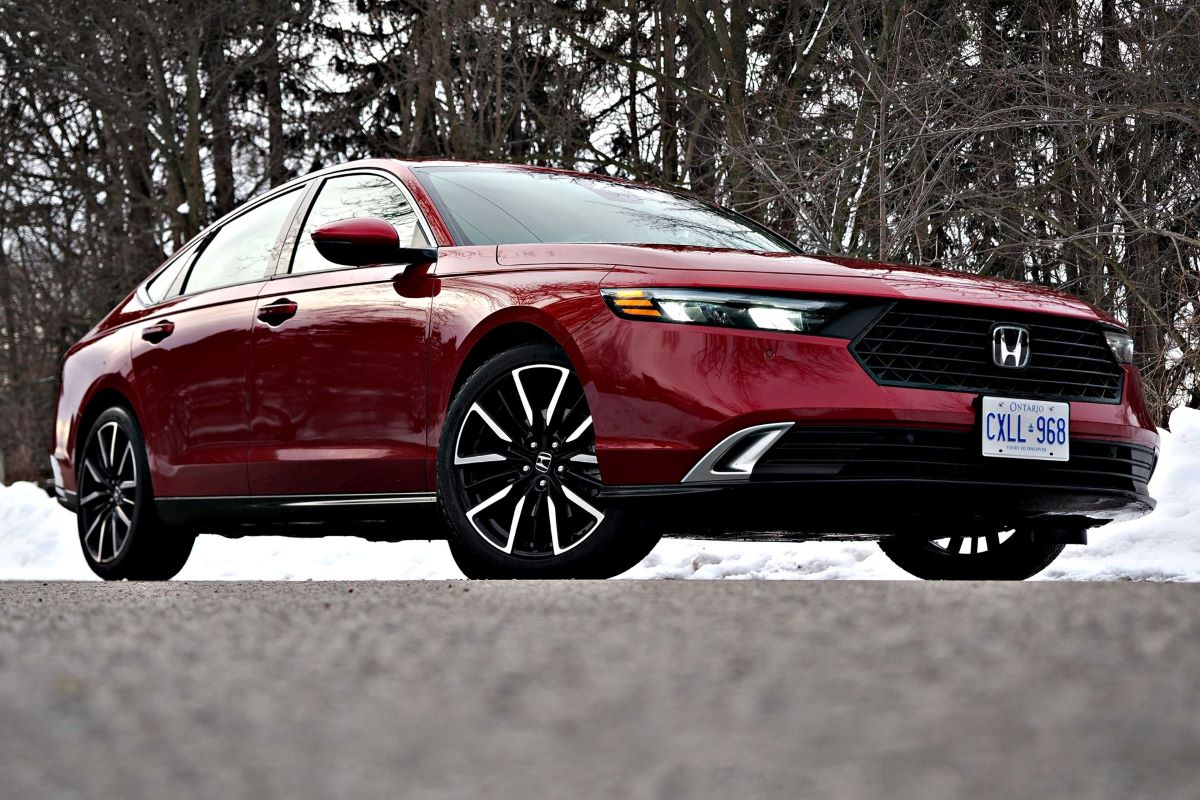
2. Honda Accord Hybrid
The Honda Accord Hybrid blends the spaciousness and comfort of a midsize sedan with a fuel-efficient hybrid system. Its performance and handling rival traditional gas-powered sedans, yet it delivers significantly better fuel economy.
Many drivers appreciate that the hybrid system is unobtrusive, providing seamless transitions between gasoline and electric power. This approach appeals to those who want efficiency without the “hybrid experience” being overly noticeable.
Inside, the Accord Hybrid offers a roomy interior with ample legroom and high-quality materials. It is equipped with advanced safety features, including adaptive cruise control, lane-keeping assistance, and collision mitigation systems.
These additions contribute to the vehicle’s appeal among families and professionals who prioritize both efficiency and safety. Moreover, Honda has optimized the Accord’s design to balance aerodynamics and aesthetics, ensuring that the hybrid version is as stylish as its conventional counterpart.
The vehicle also benefits from Honda’s strong reputation for reliability and durability. Owners often report long-lasting performance with minimal maintenance issues, which is especially important for hybrid systems that may involve complex components such as battery packs and regenerative braking.
The Accord Hybrid’s fuel savings, coupled with a comfortable driving experience, make it an ideal choice for daily commuting or long-distance travel.
Sales of the Accord Hybrid continue to grow steadily as consumers seek alternatives to gas-only sedans. Its combination of efficiency, comfort, and technological sophistication makes it a compelling option in a competitive midsize market.
By maintaining a strong balance between performance and environmental consciousness, the Accord Hybrid quietly outpaces many traditional gas-powered competitors.
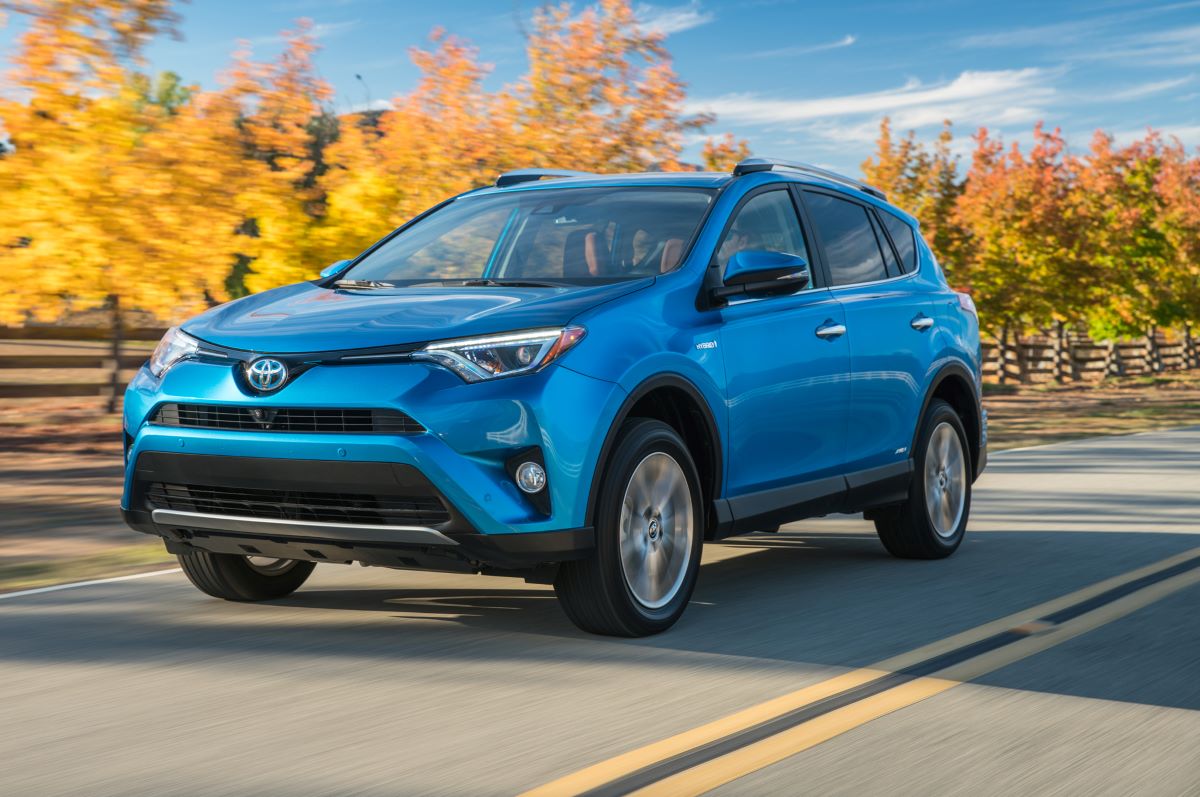
3. Toyota RAV4 Hybrid
The Toyota RAV4 Hybrid brings hybrid technology to the SUV segment, offering both utility and efficiency. Its all-wheel-drive system is optimized to work with the hybrid powertrain, ensuring that drivers experience both power and fuel savings.
In an era where SUVs dominate sales, the RAV4 Hybrid provides a practical choice for families, commuters, and adventure seekers looking for a greener option without sacrificing versatility.
Fuel efficiency is a standout feature for a vehicle of its size. The combination of gasoline and electric power allows the RAV4 Hybrid to achieve considerably better mileage than conventional SUVs, making it ideal for both city and highway driving.
Additionally, the regenerative braking system captures energy that would otherwise be lost, further enhancing efficiency. Owners benefit from lower operating costs over time, contributing to the vehicle’s quiet but consistent popularity.
The interior of the RAV4 Hybrid is designed for comfort and convenience. High-quality materials, an intuitive infotainment system, and ample cargo space make it suitable for families or active lifestyles.
Advanced safety technologies, including automatic emergency braking and blind-spot monitoring, provide added peace of mind. These features ensure that drivers do not have to compromise on comfort, safety, or functionality when choosing a hybrid SUV.
Toyota’s reputation for reliability extends to the RAV4 Hybrid, reinforcing consumer confidence. Many buyers are drawn to the model because it delivers the utility of a traditional SUV while offering the economic and environmental benefits of a hybrid system.
Its consistent performance in sales charts demonstrates that hybrid technology is not limited to sedans or compact cars but is increasingly relevant across larger vehicle categories.
4. Lexus RX Hybrid
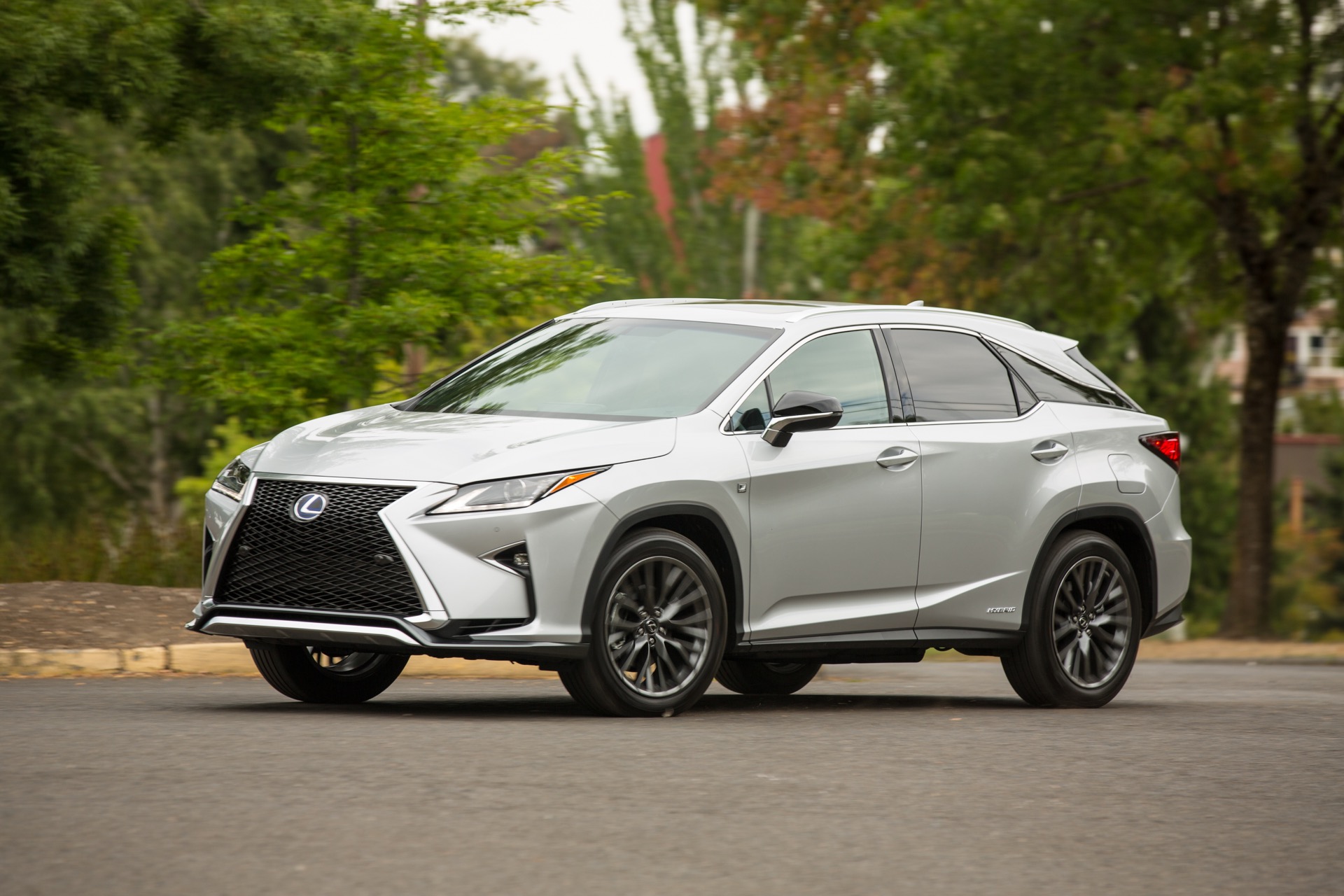
The Lexus RX Hybrid introduces luxury into the hybrid market. It combines refined interior quality, smooth handling, and a fuel-efficient hybrid powertrain.
Lexus has successfully positioned the RX Hybrid as a vehicle that does not force buyers to compromise between comfort and efficiency. The SUV’s quiet cabin, sophisticated materials, and advanced infotainment make it attractive to those seeking a premium driving experience.
Performance is enhanced by a hybrid system that provides both power and responsiveness. The RX Hybrid’s electric motors assist the gasoline engine during acceleration, reducing fuel consumption while maintaining strong performance.
Drivers often note the smooth transition between power sources, creating a driving experience that feels seamless and luxurious. The vehicle’s handling is responsive and stable, with suspension tuning that absorbs road imperfections effectively.
Safety is a key priority for Lexus, and the RX Hybrid includes features such as adaptive cruise control, lane departure warning, and pre-collision systems.
These additions make it particularly appealing to families or professionals who prioritize protection and peace of mind. The vehicle’s hybrid technology is integrated discreetly, ensuring that owners experience convenience without complexity.
The RX Hybrid demonstrates that hybrid technology is not limited to economy-focused vehicles. Its popularity reflects a growing demand for luxury hybrids that offer both style and sustainability.
Buyers are drawn to its combination of environmental consciousness, advanced features, and refined aesthetics, making it a strong contender in the luxury SUV segment. The RX Hybrid quietly outsells many traditional luxury gas models without attracting overt attention.
5. Toyota Camry Hybrid
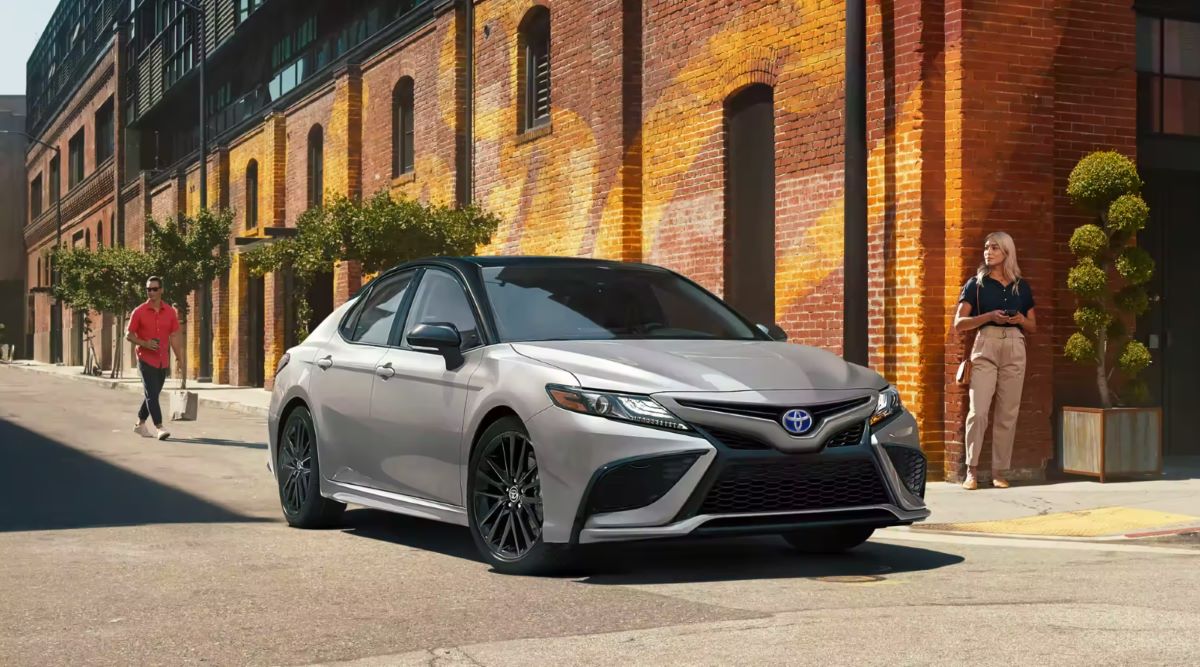
The Toyota Camry Hybrid has emerged as a benchmark for midsize sedans, offering a combination of fuel efficiency, reliability, and comfort that few competitors can match.
Its hybrid powertrain integrates an efficient gasoline engine with electric motors, allowing the vehicle to achieve excellent mileage without sacrificing acceleration or stability.
Many drivers note that the Camry Hybrid maintains a smooth, quiet ride, whether in urban traffic or on open highways. The engine operates with a subtle hum when needed and often switches to electric mode seamlessly, reducing noise and improving fuel economy.
Inside, the Camry Hybrid offers a spacious cabin designed for comfort and convenience. High-quality materials are complemented by an ergonomic layout, ensuring that drivers and passengers can enjoy long journeys without discomfort.
The vehicle also includes advanced infotainment options, from touchscreens to smartphone integration, catering to tech-savvy consumers who prioritize connectivity and convenience.
Additionally, the Camry Hybrid’s seats are designed for long-distance support, making it appealing to commuters who spend significant time on the road.
Safety and driver-assist features further elevate the Camry Hybrid’s value. Toyota equips this model with technologies such as adaptive cruise control, lane departure warning, and automated emergency braking, which enhance both confidence and convenience during daily driving.
These systems are designed to operate intuitively, protecting without overwhelming the driver. As a result, the Camry Hybrid appeals to families and individual buyers who want efficiency without compromising safety or driving enjoyment.
The vehicle’s reputation for durability reinforces its market position. Toyota’s extensive experience with hybrid technology ensures that components such as batteries and electric motors are engineered for long-term reliability.
Owners often experience fewer maintenance challenges compared to other vehicles, and the fuel savings accumulated over the car’s life make it a financially attractive choice.
The Camry Hybrid consistently outsells many traditional gasoline sedans in its segment, demonstrating that efficiency and practicality can coexist with style, comfort, and performance.
6. Honda CR-V Hybrid
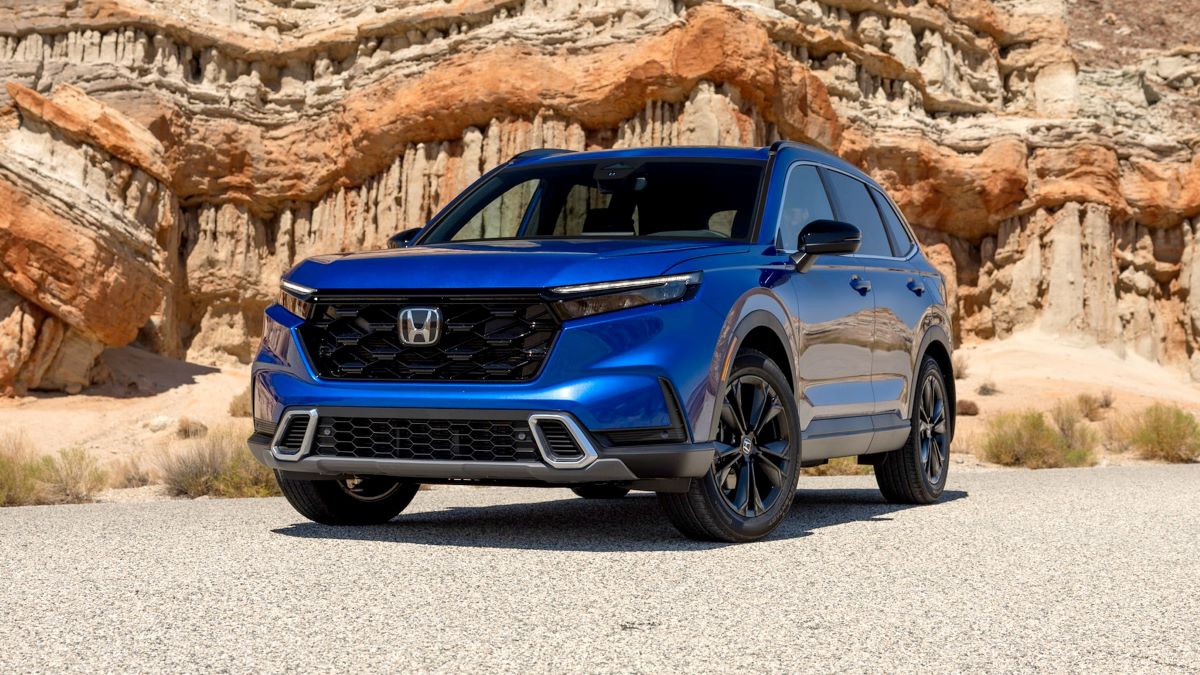
The Honda CR-V Hybrid brings hybrid efficiency to the compact SUV market, providing a versatile vehicle for families, urban commuters, and outdoor enthusiasts. Its hybrid system pairs a gasoline engine with electric motors, creating a powertrain that balances performance and fuel economy.
Drivers appreciate that acceleration feels smooth and responsive, with the electric motors assisting during city driving or highway merging. The system optimizes energy usage automatically, reducing fuel consumption without requiring constant driver input.
Comfort and practicality are standout features in the CR-V Hybrid. The interior provides ample legroom, headroom, and cargo space, making it suitable for daily errands, road trips, or family outings. Materials are durable yet refined, offering a pleasing tactile experience.
Additionally, the cabin is designed to minimize road noise, allowing passengers to enjoy conversations, music, or quiet reflection during long drives. The layout is also intuitive, with easily accessible controls and advanced infotainment systems for a connected experience.
Safety has been a priority in the CR-V Hybrid’s development. Honda’s suite of driver-assist technologies, including adaptive cruise control, lane keeping, and collision mitigation systems, enhances confidence behind the wheel.
These features are particularly valuable in urban environments or on highways, where sudden stops and lane changes can occur. Consumers who value security without intrusive alerts often find the CR-V Hybrid’s safety systems well-balanced and reliable.
The CR-V Hybrid also appeals due to its long-term value. Operating costs are lower than comparable gas-powered SUVs, thanks to improved fuel economy and reduced wear on the engine during city driving.
Honda’s reputation for durability and reliability further assures buyers that their investment will endure. This combination of efficiency, practicality, safety, and value has helped the CR-V Hybrid quietly surpass sales of traditional gasoline SUVs, especially among buyers looking for a family-friendly hybrid solution.
7. Ford Escape Hybrid
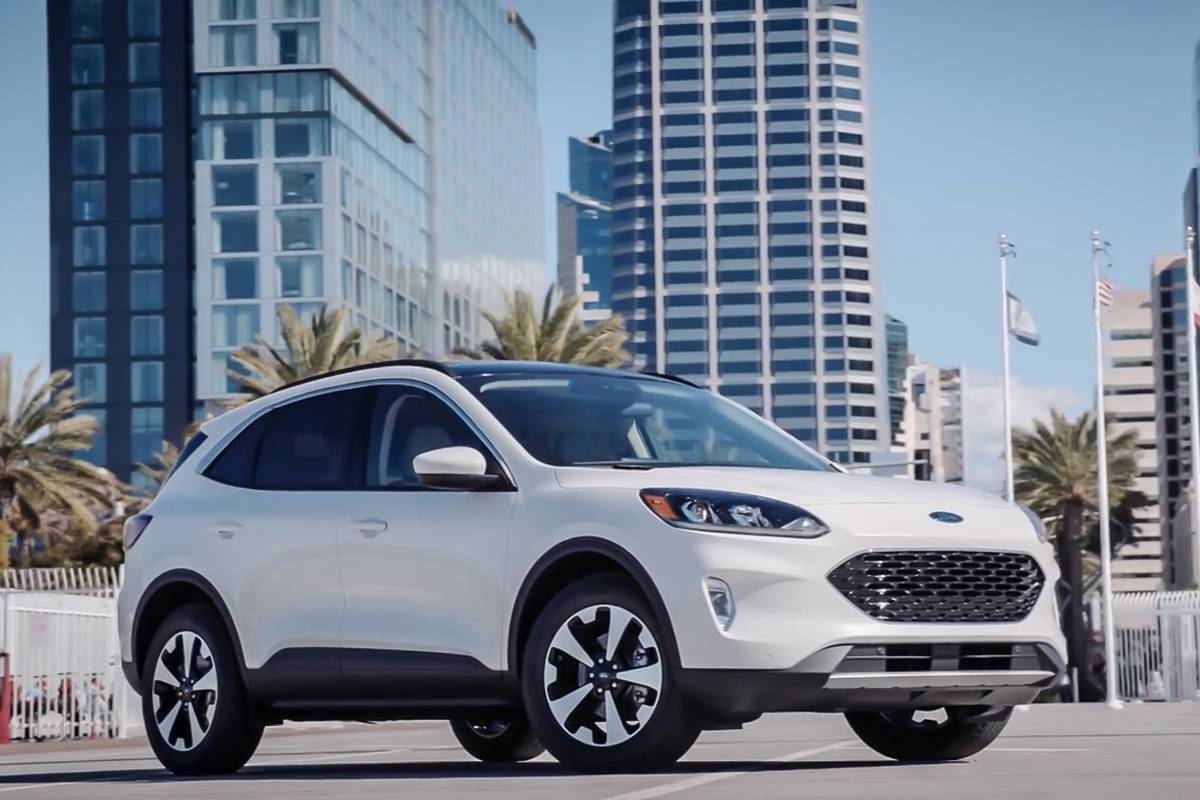
The Ford Escape Hybrid demonstrates that American manufacturers can compete effectively in the hybrid SUV market. Its design focuses on efficiency without compromising power, providing drivers with a dynamic and practical experience.
The hybrid powertrain integrates a gasoline engine with electric motors to achieve strong performance while maintaining fuel economy superior to many gas-only SUVs. The system automatically adjusts energy distribution to maximize efficiency, particularly in stop-and-go traffic, making it ideal for city driving.
Inside, the Escape Hybrid balances functionality with comfort. Passengers enjoy generous space, supportive seating, and intuitive controls. Infotainment options include touchscreens, smartphone integration, and connectivity features that cater to modern drivers.
The interior also emphasizes storage flexibility, with fold-flat rear seats and well-designed compartments, enhancing its utility for daily errands or weekend adventures. Noise insulation and climate control systems add to a comfortable cabin experience.
Safety is another area where the Escape Hybrid excels. Ford equips the model with driver-assist systems such as pre-collision warnings, blind-spot monitoring, and adaptive cruise control.
These features contribute to the vehicle’s appeal for families and commuters alike, offering both confidence and convenience during various driving scenarios. Combined with responsive handling and stability controls, the Escape Hybrid delivers a secure and predictable ride.
Long-term ownership benefits further reinforce the Escape Hybrid’s value proposition. Fuel savings are significant over time, and the vehicle’s hybrid components are engineered for durability. Maintenance is generally manageable, and resale values remain competitive.
This combination of economy, utility, and performance has allowed the Escape Hybrid to quietly outsell many conventional gasoline SUVs, highlighting the growing acceptance of hybrid technology in segments traditionally dominated by gas engines.
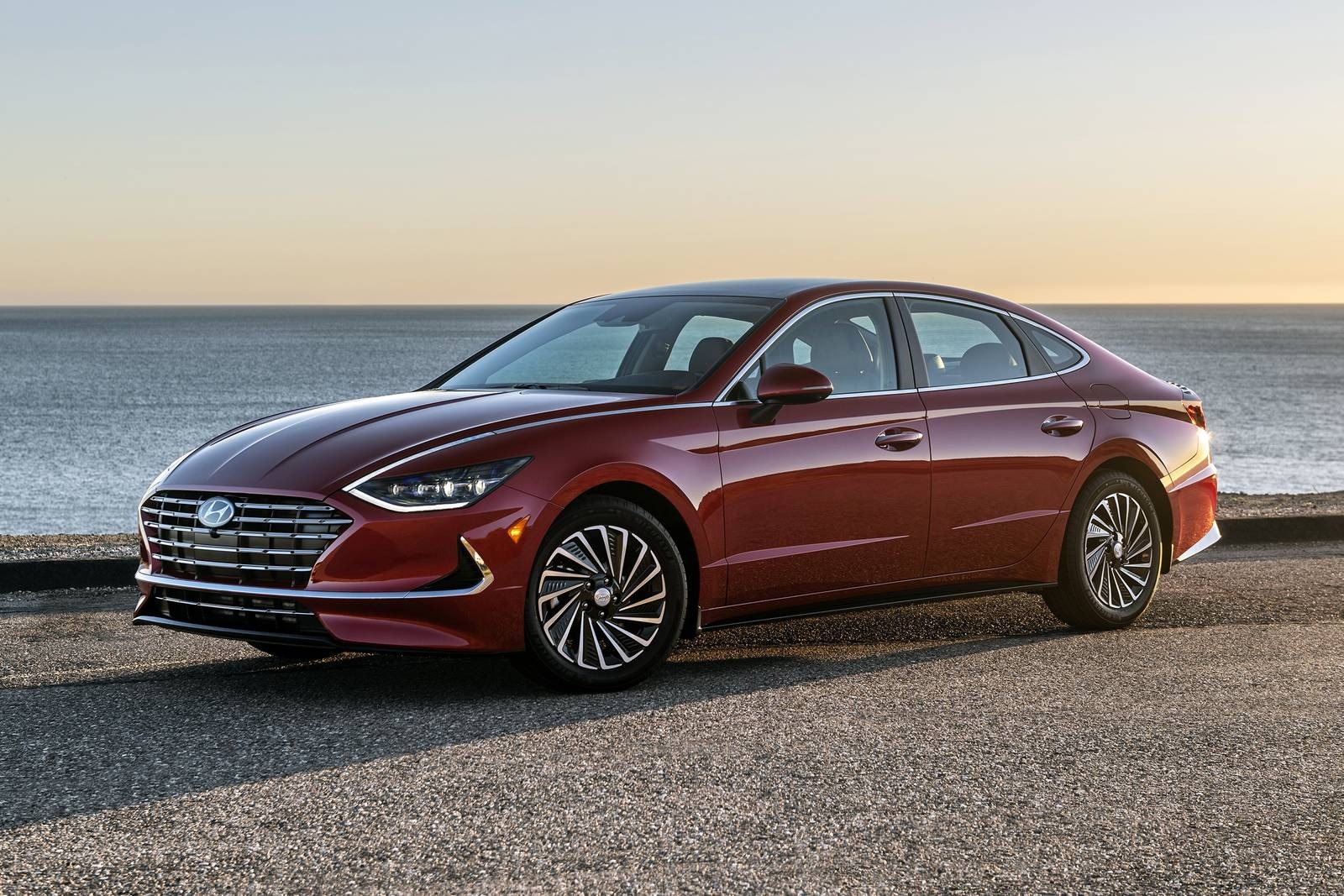
8. Hyundai Sonata Hybrid
The Hyundai Sonata Hybrid is a midsize sedan that balances style, technology, and efficiency. Its hybrid powertrain pairs a gasoline engine with electric motors to provide a smooth and responsive driving experience.
Fuel economy is a major selling point, with the Sonata Hybrid achieving impressive mileage while maintaining competitive acceleration and handling. Drivers often comment on the seamless transition between electric and gasoline power, which contributes to a quiet and refined ride.
The Sonata Hybrid’s interior emphasizes both comfort and technology. Seating is spacious and supportive, with high-quality materials that create an upscale feel. Infotainment and connectivity options, including touchscreens, wireless features, and smartphone integration, cater to tech-minded consumers.
Additional features, such as dual-zone climate control and customizable driving modes, further enhance the driving experience, making it suitable for both daily commutes and long journeys.
Safety systems are integral to the Sonata Hybrid, with forward collision warning, lane keeping assist, and blind-spot detection included. These features provide reassurance in traffic-heavy conditions, offering proactive measures to avoid accidents.
Hyundai has consistently prioritized reliability in its vehicles, and the Sonata Hybrid benefits from this approach, ensuring that hybrid components are engineered to last with minimal maintenance concerns.
Financial considerations also make the Sonata Hybrid attractive. Its fuel savings, coupled with competitive pricing and available incentives, reduce the cost of ownership.
The combination of efficiency, style, and technology has helped the Sonata Hybrid gain traction in a crowded midsize sedan market, quietly outperforming many traditional gas-powered vehicles. Its balance of value and performance makes it an appealing choice for environmentally conscious consumers seeking practicality without compromise.
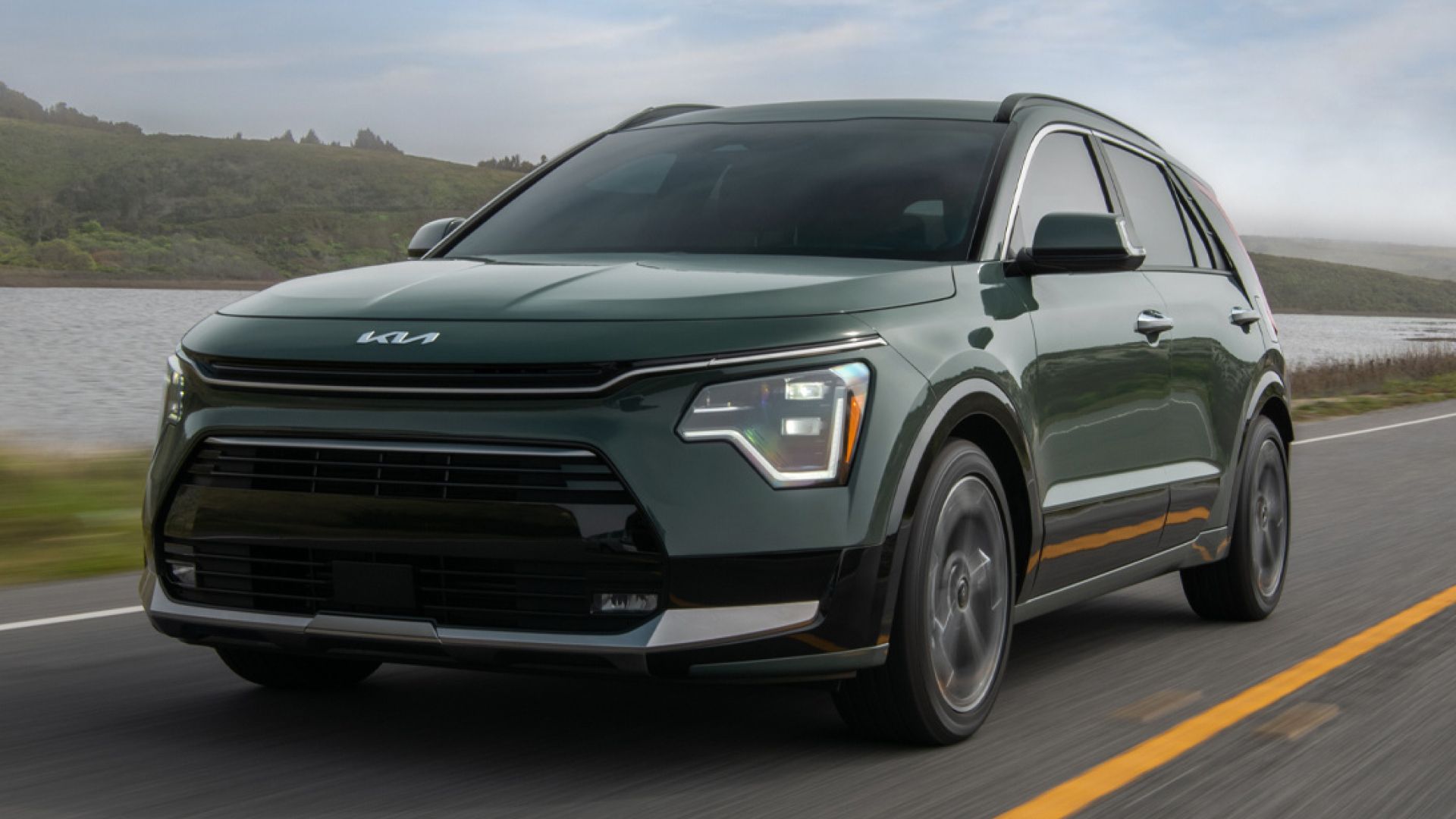
9. Kia Niro Hybrid
The Kia Niro Hybrid offers a compact crossover experience with the efficiency of a hybrid powertrain. It is designed for drivers who want practicality, style, and fuel savings in a single package.
The vehicle combines a gasoline engine with an electric motor to optimize energy use, achieving impressive fuel economy without sacrificing acceleration or stability. City driving is particularly efficient due to regenerative braking and smart energy management, which recaptures energy during deceleration and converts it to usable power.
Inside, the Niro Hybrid prioritizes comfort and functionality. Its cabin is spacious for a compact crossover, with flexible seating and cargo options to accommodate families, commuters, or weekend travelers.
High-quality materials are combined with intuitive controls and modern infotainment systems, including touchscreens, smartphone integration, and voice commands. The cabin is designed for quiet operation, allowing occupants to enjoy conversation, music, or personal reflection during drives.
Safety is a strong selling point for the Niro Hybrid. Kia equips the vehicle with advanced systems, such as lane departure warning, forward collision warning, and blind-spot detection.
These features help drivers navigate urban and highway conditions with confidence, minimizing the likelihood of accidents. Additionally, the hybrid system itself contributes to safety by providing smooth and predictable power delivery, enhancing handling and control.
The Niro Hybrid’s affordability and low operating costs make it an appealing choice for budget-conscious buyers. Fuel efficiency and reduced wear on the gasoline engine help keep long-term expenses down, while Kia’s growing reputation for reliability ensures that hybrid components are durable.
By offering a stylish, practical, and efficient vehicle, the Niro Hybrid has quietly outsold many gas-only models in its category, demonstrating that compact hybrids are gaining real traction among consumers.
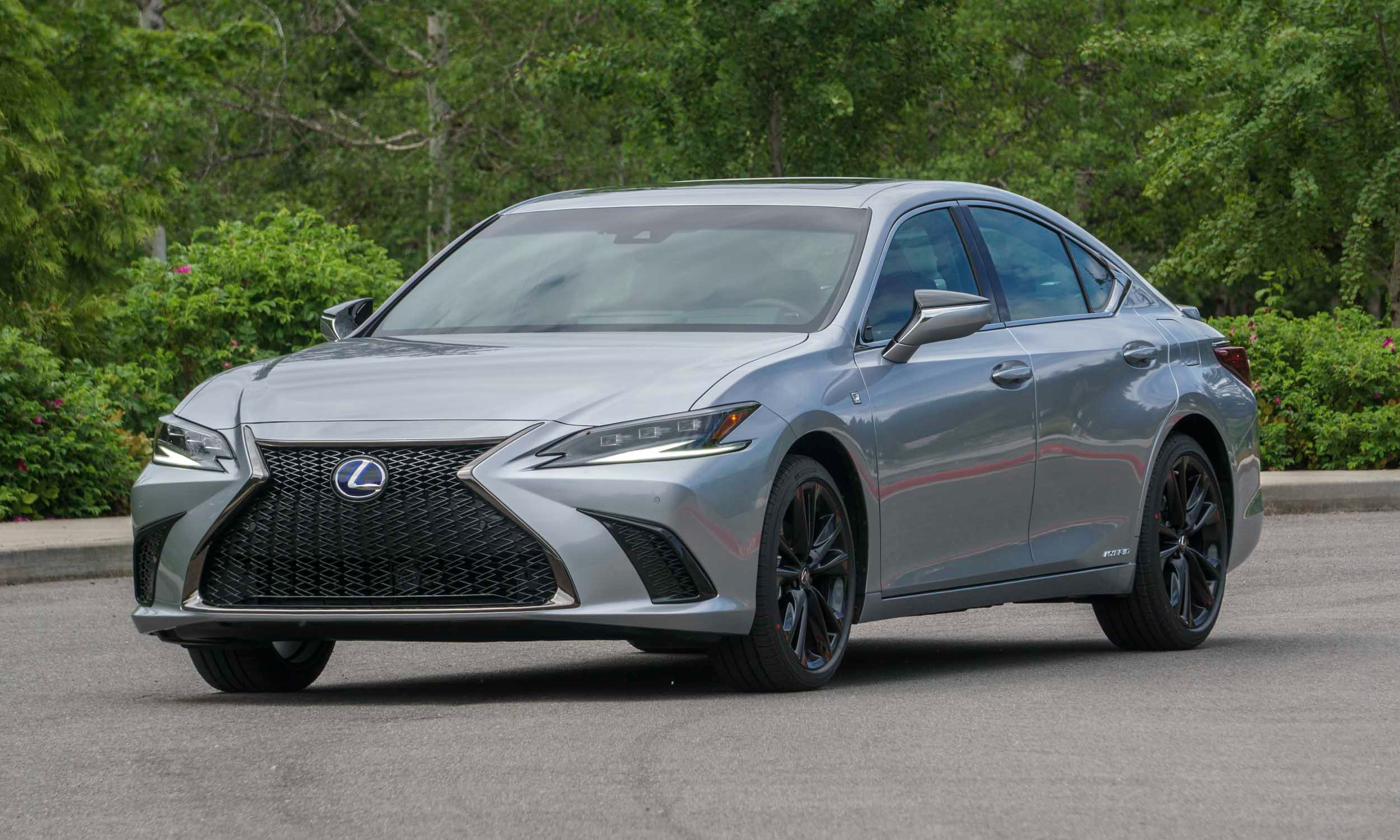
10. Lexus ES 300h
The Lexus ES 300h combines luxury with hybrid efficiency, creating a vehicle that is both sophisticated and environmentally friendly. Its powertrain seamlessly blends a gasoline engine with electric motors, providing smooth acceleration and strong performance.
Drivers appreciate the quiet and refined operation, which enhances the sense of luxury. Fuel efficiency is a significant advantage, especially for a sedan in the luxury segment, offering savings without compromising comfort or style.
Inside, the ES 300h prioritizes passenger comfort and technological sophistication. Plush seating, high-quality materials, and ambient lighting create a refined atmosphere, while intuitive infotainment options ensure connectivity and convenience.
The cabin is spacious, with excellent legroom and headroom, making it suitable for long commutes or weekend getaways. Lexus has also included noise-reducing measures, further enhancing the serene driving experience.
Safety is a core focus, with a suite of systems including adaptive cruise control, lane-keeping assistance, pre-collision braking, and pedestrian detection.
These features provide confidence for drivers navigating complex traffic environments. The hybrid powertrain contributes indirectly to safety by delivering smooth, predictable power, reducing abrupt acceleration or deceleration, and ensuring controlled handling in various conditions.
The ES 300h’s combination of luxury, efficiency, and reliability appeals to buyers who do not want to compromise on any aspect of their vehicle. The hybrid system is designed for longevity, and Lexus’ reputation for quality reassures owners of minimal maintenance concerns.
Its quiet success in sales demonstrates that luxury hybrids can compete with conventional gas-powered sedans, offering an attractive alternative for those seeking elegance alongside fuel efficiency.
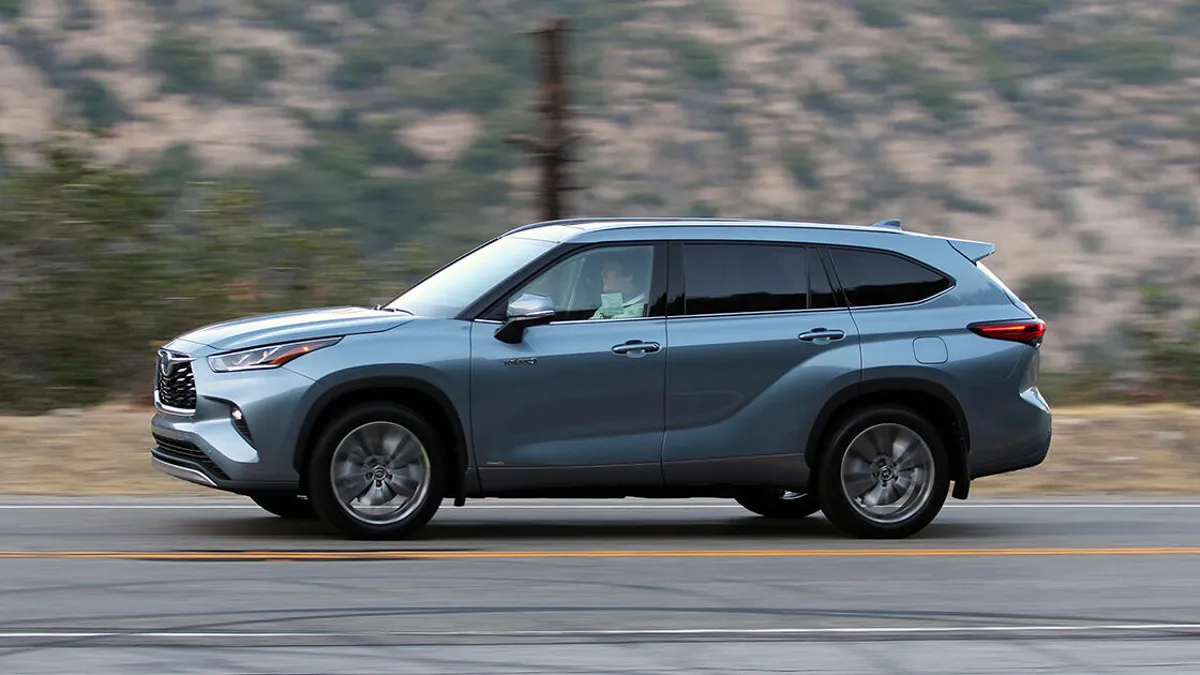
11. Toyota Highlander Hybrid
The Toyota Highlander Hybrid brings hybrid technology to the midsize SUV segment, providing ample space, efficiency, and family-friendly versatility.
Its hybrid system combines a gasoline engine with electric motors to deliver smooth acceleration and reduced fuel consumption compared to conventional SUVs of similar size. Drivers benefit from a reliable all-wheel-drive system that balances traction, power distribution, and efficiency, making it suitable for both urban commuting and long road trips.
Interior space is one of the Highlander Hybrid’s strengths. The cabin accommodates up to eight passengers comfortably, with flexible seating and cargo configurations that cater to diverse needs. High-quality materials, modern infotainment, and climate control features enhance the driving experience for all occupants.
Noise insulation is carefully engineered, ensuring a quiet environment even at highway speeds. Families particularly appreciate the practical design, which allows for easy access, ample storage, and convenient entertainment options for passengers.
Safety features are comprehensive, including adaptive cruise control, lane-keeping assist, blind-spot monitoring, and pre-collision systems.
These technologies enhance confidence during highway travel and city driving, making the Highlander Hybrid a strong choice for family buyers who prioritize protection without sacrificing performance or efficiency. The hybrid powertrain contributes to handling stability, especially in conditions where smooth power delivery is crucial.
Financially, the Highlander Hybrid offers significant advantages. Fuel savings accumulate over time, particularly for families with long commutes or frequent travel.
Toyota’s reliability ensures minimal unexpected maintenance, and the vehicle retains strong resale value. Its combination of practicality, efficiency, and comfort has allowed it to quietly surpass many traditional gasoline SUVs in sales, demonstrating that hybrid technology is viable in larger vehicle categories without compromising utility.
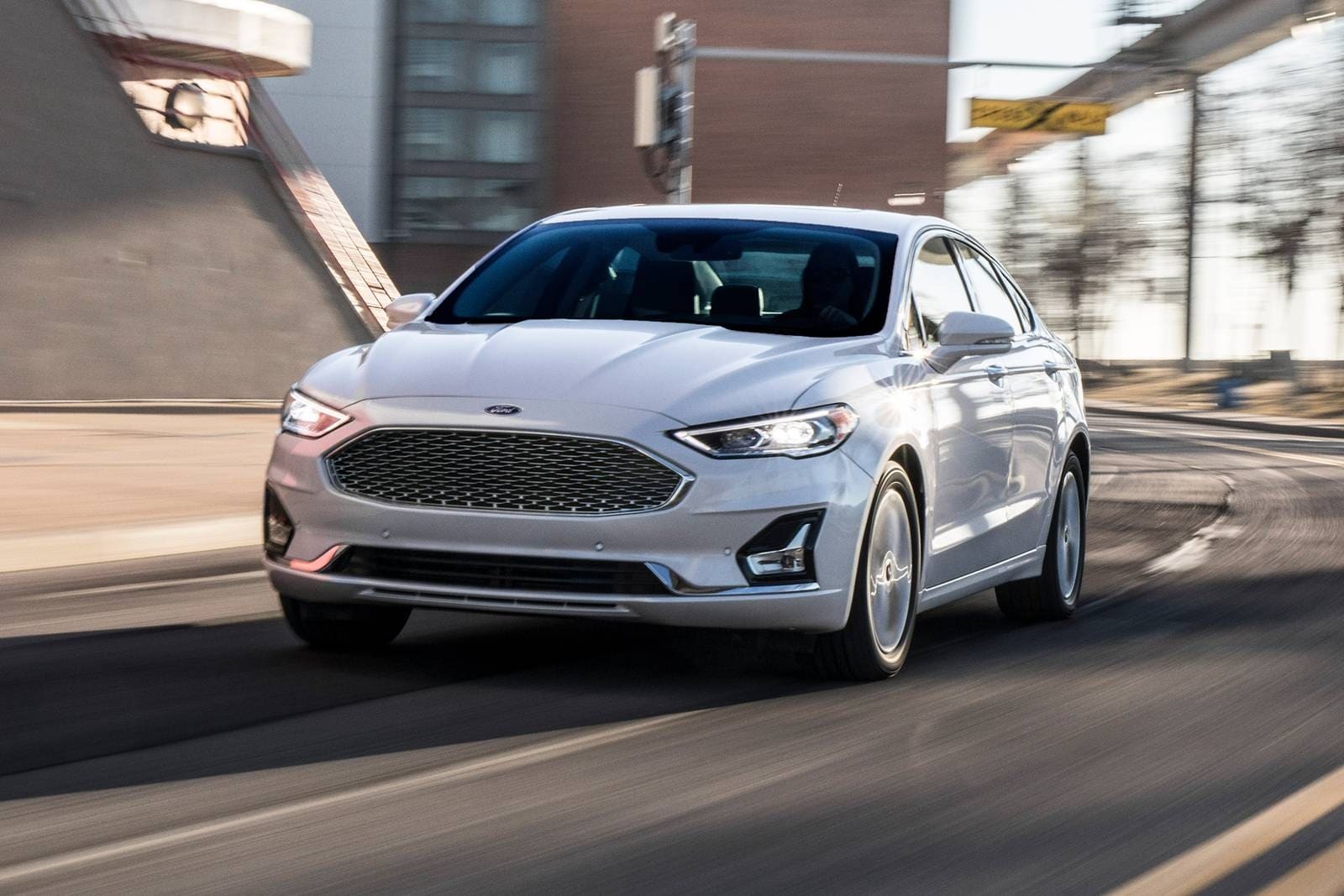
12. Ford Fusion Hybrid
The Ford Fusion Hybrid is a midsize sedan that balances fuel efficiency with refined driving performance. Its hybrid system combines a gasoline engine with electric motors to reduce fuel consumption while maintaining competitive acceleration and handling.
The vehicle provides a smooth, quiet ride, making it suitable for daily commuting as well as longer highway trips. Many drivers appreciate the Fusion Hybrid for its predictable handling and seamless power delivery, which minimizes abrupt transitions between gasoline and electric modes.
The interior emphasizes comfort and modern technology. Seating is supportive and spacious, with materials that enhance tactile satisfaction. Infotainment systems include touchscreens, smartphone integration, and voice controls, allowing drivers to stay connected and entertained.
Dual-zone climate control and adjustable driving modes add to the vehicle’s versatility, ensuring comfort in varying weather and driving conditions.
Safety is an important aspect of the Fusion Hybrid, with features such as forward-collision warning, lane-keeping assist, and automated braking included as standard in many trims.
These systems help drivers navigate busy streets or highways with confidence. The hybrid system’s smooth operation also contributes indirectly to safety, as predictable acceleration allows for better control in emergency maneuvers.
The Fusion Hybrid’s combination of fuel efficiency, comfort, and affordability makes it an appealing alternative to gas-powered sedans.
Operating costs are lower over time, and maintenance requirements are manageable due to Ford’s engineering. Its quiet sales success illustrates that hybrid sedans can compete effectively in the market without attracting overt attention, providing practical value to everyday drivers.
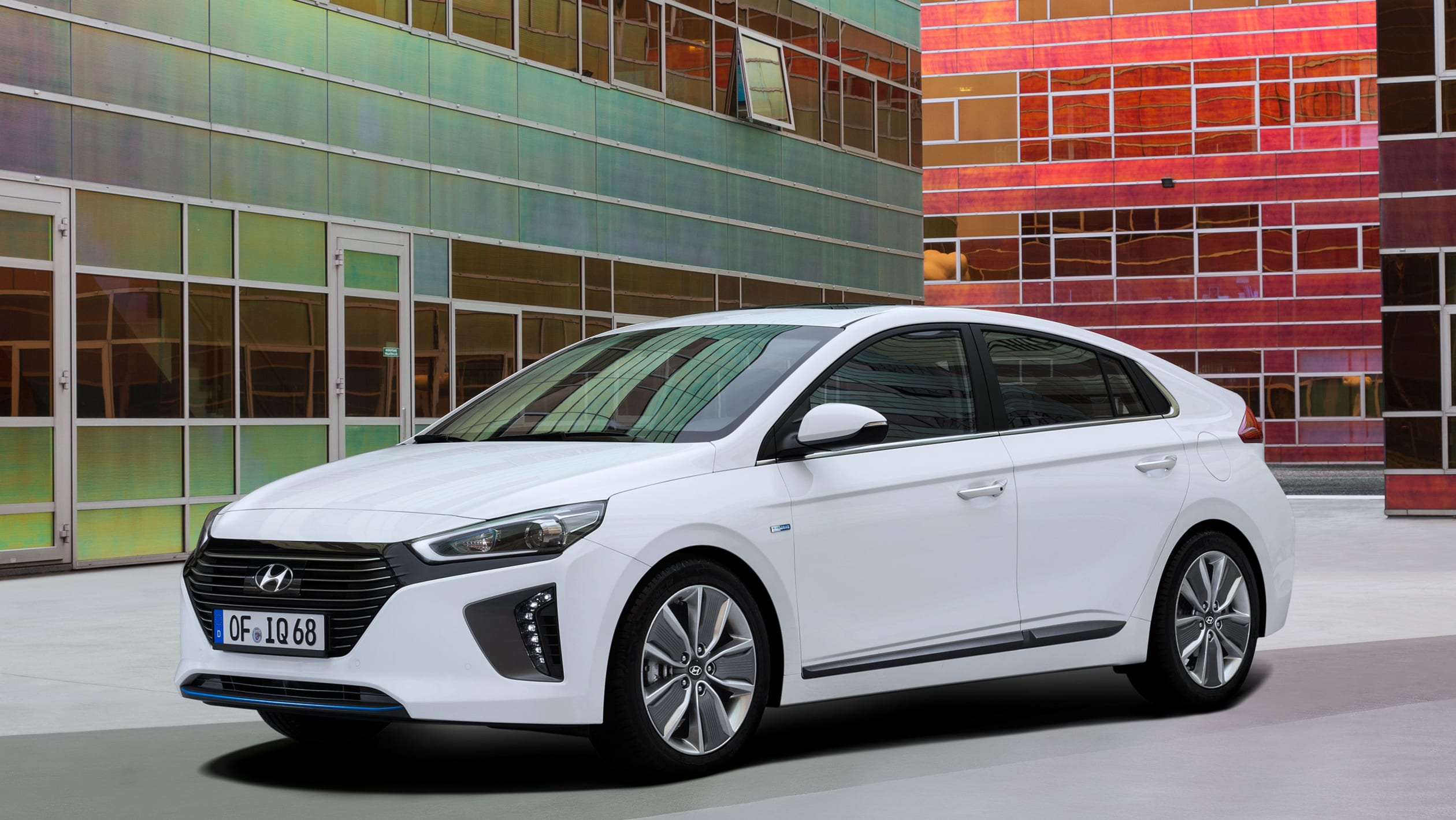
13. Hyundai Ioniq Hybrid
The Hyundai Ioniq Hybrid is designed for efficiency-conscious drivers seeking a practical yet stylish compact car. Its powertrain combines a gasoline engine with electric motors to maximize fuel economy without sacrificing driving performance.
The vehicle excels in city driving, where regenerative braking recaptures energy, and its hybrid system adjusts automatically to optimize power distribution. Drivers often highlight the Ioniq’s smooth acceleration and quiet operation, which make commuting more pleasant and efficient.
Inside, the Ioniq Hybrid features a well-thought-out interior that prioritizes comfort and usability. Seating is ergonomic and materials are high-quality for a compact vehicle.
Technology is also a highlight, with touchscreens, smartphone connectivity, and advanced driver-assist systems included in many trims. Storage space is flexible, and the cabin is designed to minimize noise, providing a comfortable environment for both short trips and extended drives.
Safety features in the Ioniq Hybrid are comprehensive, including forward-collision warning, lane-keeping assistance, and blind-spot detection. These technologies enhance driver confidence and provide proactive measures to reduce the risk of accidents.
Additionally, the hybrid system contributes indirectly to safety by offering smooth, predictable power delivery, which aids control during acceleration and deceleration.
The Ioniq Hybrid is also financially attractive. Its excellent fuel economy reduces long-term operating costs, and its compact size often makes parking and maneuvering easier than larger hybrids. Hyundai’s reliability and growing reputation for hybrid technology further reassure buyers. Its quiet market success demonstrates that small, efficient hybrids can outperform conventional gasoline vehicles in terms of sales and consumer satisfaction.
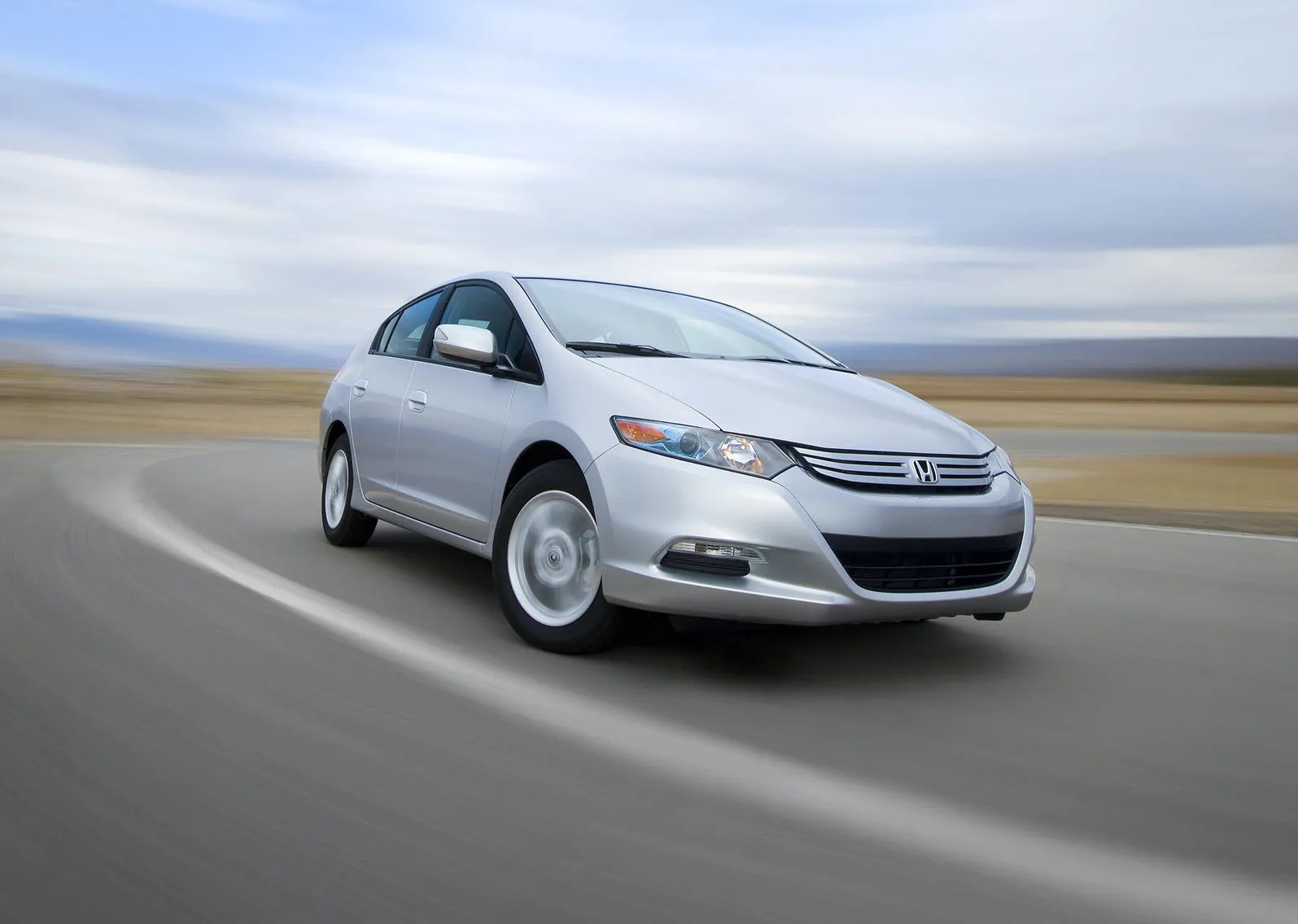
14. Honda Insight
The Honda Insight offers a sophisticated take on hybrid sedans, combining fuel efficiency with a comfortable and stylish design.
Its powertrain integrates a gasoline engine with electric motors, achieving excellent fuel economy while maintaining smooth acceleration and responsive handling. Many drivers appreciate that the hybrid system operates almost invisibly, providing efficiency without intrusive mechanical noise or complex operation.
Interior quality in the Insight is high, with comfortable seating, premium materials, and an intuitive layout. Infotainment systems include touchscreens, smartphone connectivity, and voice commands, allowing for a modern, connected driving experience.
Cabin space is well-utilized, offering comfort for passengers in both front and rear seats. Noise insulation contributes to a quiet and relaxing environment, enhancing the vehicle’s appeal for daily commuting and longer trips.
Safety is central to the Insight’s design, with forward-collision warning, lane-keeping assistance, adaptive cruise control, and automated braking included in most trims.
These features allow drivers to navigate urban traffic and highways with confidence, reducing stress and increasing security. The hybrid system itself indirectly enhances safety by delivering smooth power and predictable acceleration under various driving conditions.
The Insight’s combination of fuel efficiency, comfort, and reliability makes it a compelling alternative to traditional gas-powered sedans.
Its hybrid technology is designed for longevity, and operating costs are lower over time. The Insight’s steady sales reflect a growing preference among buyers for hybrid vehicles that do not compromise practicality, style, or performance.
