
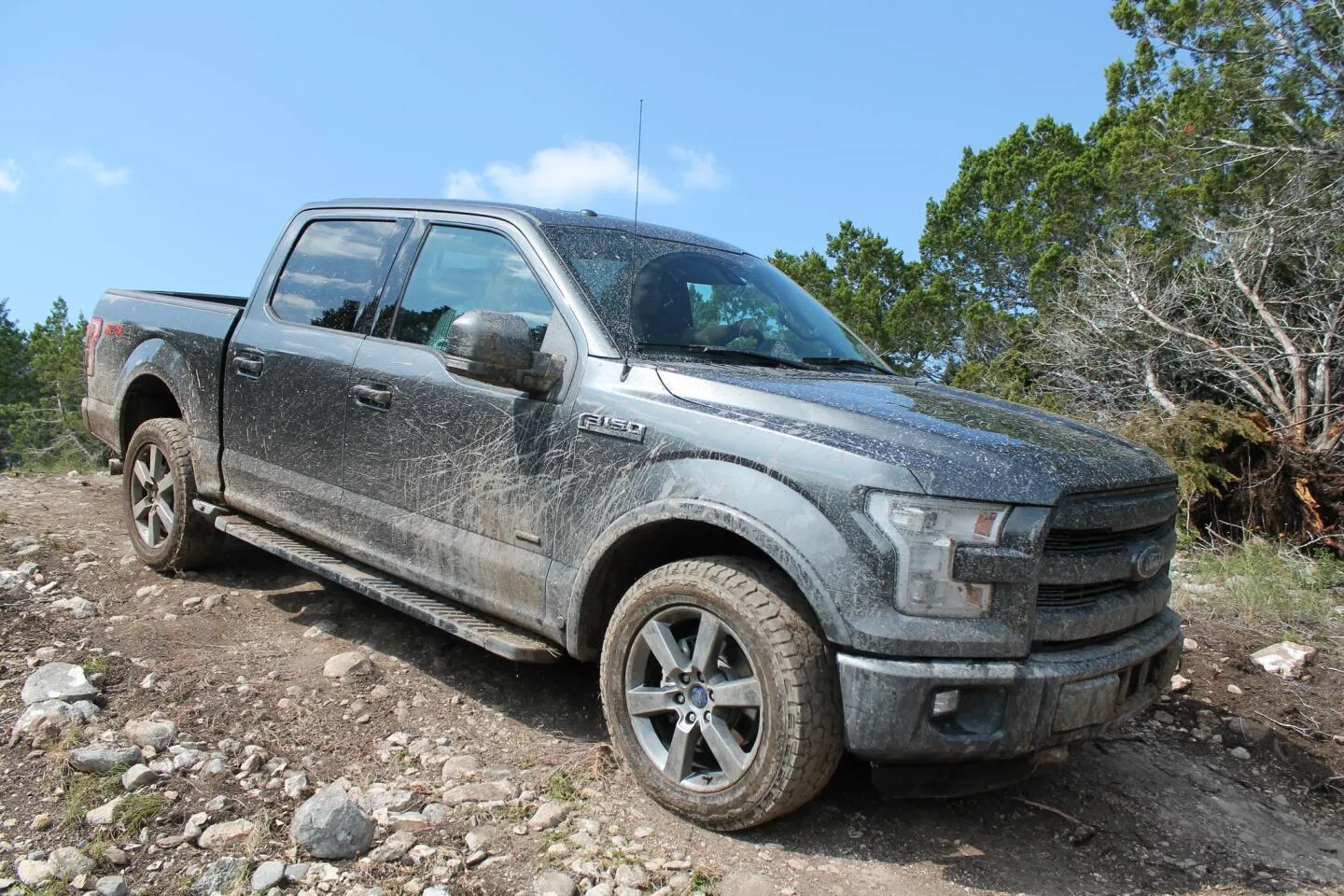
Truck buyers face a serious question these days: Should you trust old-school steel construction or embrace modern aluminum bodies?
This debate has been raging in workshops, forums, and parking lots ever since Ford shocked everyone by switching their F-150 to aluminum. Some people swear aluminum is the future, while others believe steel remains the only choice for real work trucks.
Money is on the line here. We’re not talking about small amounts either. A new truck can cost as much as a small house, and nobody wants to discover five years down the road that their expensive investment is falling apart because they chose the wrong material.
Rust eats steel, dents plague aluminum, and repair costs can drain your savings faster than a leaking fuel tank.
Here’s what makes this decision so frustrating: both sides have valid points. Steel supporters point to decades of proven durability and easier repairs.
Aluminum advocates talk about weight savings, better fuel economy, and rust resistance. Who’s actually right? Which material will keep your truck working hard for years without turning into an expensive pile of problems?
Let’s be honest about something important. This isn’t just about materials; it’s about how these trucks hold up under real-world conditions.
We’re talking about vehicles that haul equipment, tow trailers, survive harsh weather, and get beaten up by daily use. Pretty marketing brochures don’t matter when your truck bed is dented beyond repair or your frame is rotting from underneath.
So which construction method actually delivers better long-term durability? We’re about to compare five trucks from each category and see which ones truly live up to their promises. Get ready for some surprising truths that dealerships won’t tell you.
Steel-Frame Champions: Built Like They Used To
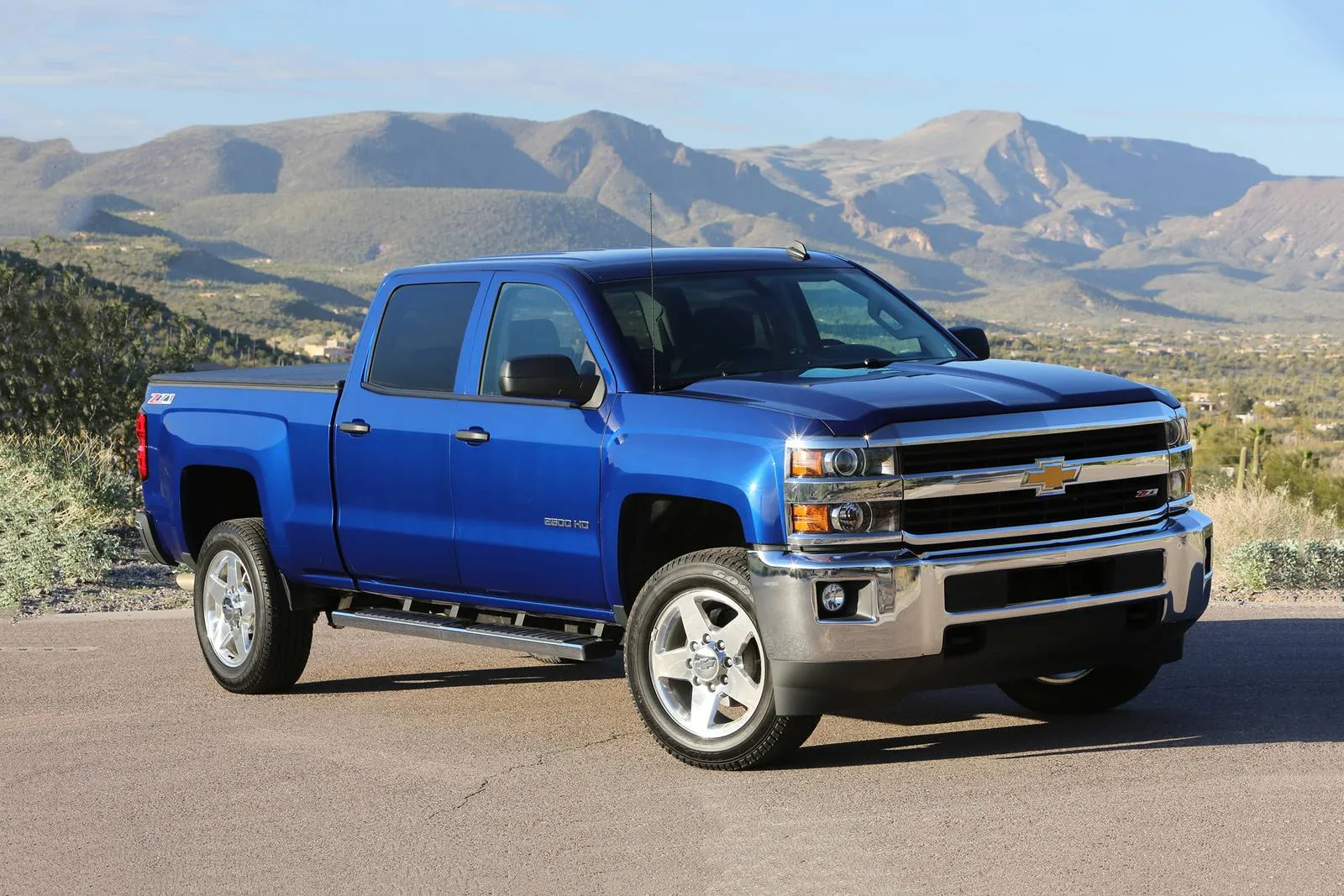
1. Chevrolet Silverado 2500HD LTZ (2019)
Heavy-duty steel construction defines everything about the 2019 Chevrolet Silverado 2500HD LTZ. This truck uses high-strength steel for its frame, cab, and bed, creating a structure that laughs at abuse.
When you slam a toolbox into the bed or scrape against a loading dock, steel takes the hit and keeps going. That’s what work truck owners need: materials that can handle mistakes without requiring expensive bodywork.
Corrosion protection on modern steel trucks has improved dramatically from older generations. Chevy applies multiple coatings to vulnerable areas, including a galvanized layer that acts as a sacrificial barrier against rust.
Yes, steel will eventually rust if you completely neglect it, but proper care keeps these trucks solid for decades. Many Silverados from the early 2000s are still working daily without serious rust issues, proving that treated steel holds up fine.
Repair costs favor steel construction because everybody who shops knows how to work with it. Dent a steel bed, and any decent shop can pull it out or weld in a patch. Parts are affordable because steel components don’t require specialized alloys or manufacturing processes.
Your local welder can fabricate custom solutions if factory parts aren’t available. This accessibility matters when you need repairs done quickly and cheaply. Dent resistance is where steel really shines. Drop a heavy toolbox in an aluminum bed and you’ll likely see permanent damage.
Do the same in a steel bed and you might get a dent, but it won’t catastrophically deform the material. Steel’s strength and flexibility allow it to absorb impacts that would ruin softer metals. That’s why construction workers, ranchers, and anyone who actually uses their truck bed for work tend to prefer steel.
Payload capacity reaches impressive numbers partly because steel’s strength allows engineers to build lighter frames without sacrificing durability. This Silverado can haul over 3,500 pounds in the bed, and that steel bed floor won’t buckle under the weight. Try that with some aluminum beds and you’ll see permanent bowing. For serious work truck duty, steel’s proven track record makes it the safer choice.
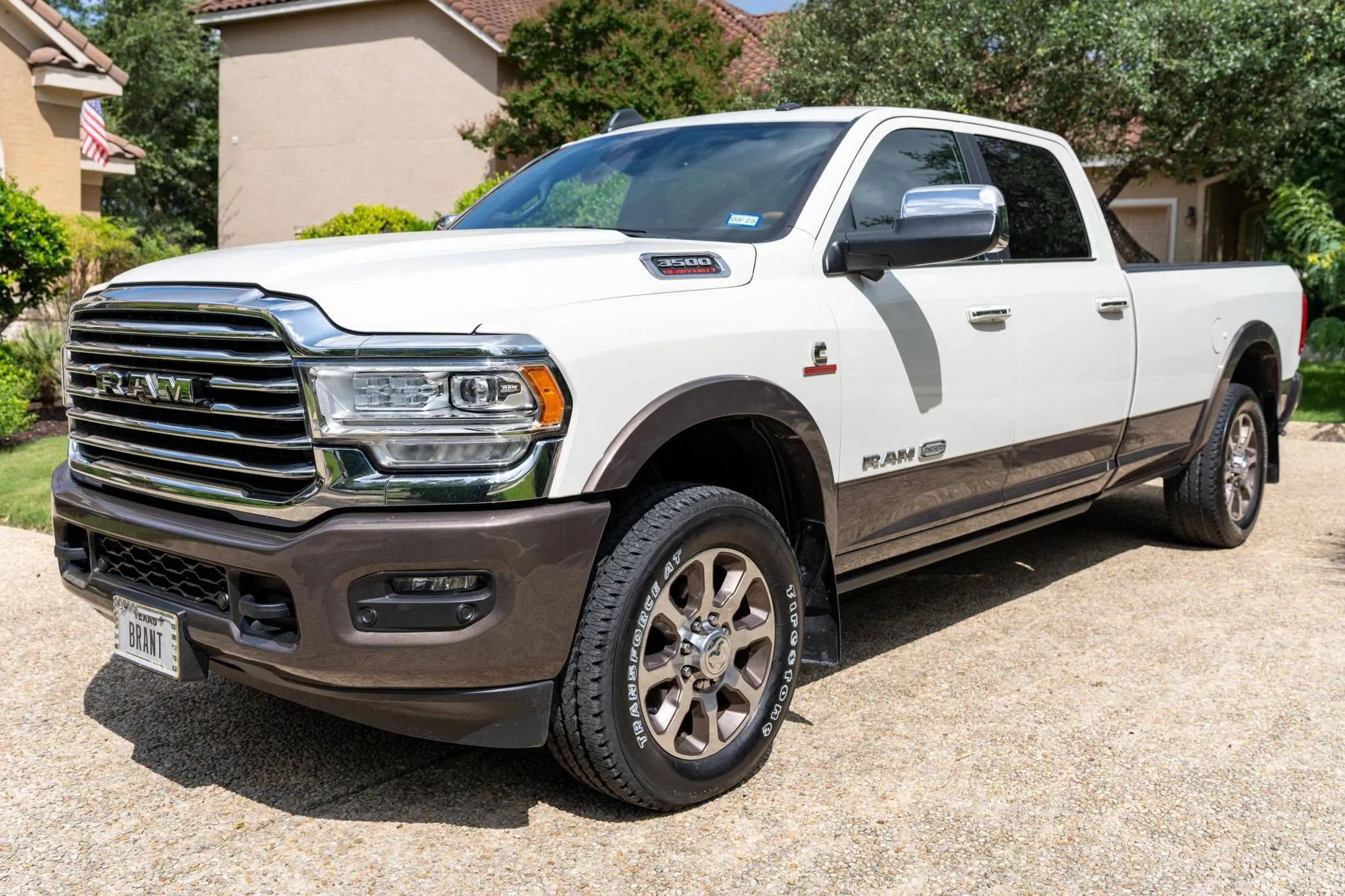
2. Ram 3500 Laramie Longhorn (2020)
Serious towing demands require serious construction, and the 2020 Ram 3500 Laramie Longhorn delivers with its steel frame and body.
This truck can tow 35,100 pounds when properly equipped, which means every component must be built to handle enormous stress. Steel provides the strength and rigidity needed to control heavy trailers without flexing or failing.
Body panels on this Ram are steel, which means hail damage and door dings can be repaired affordably.
Living in areas with severe weather, you’ll appreciate how much cheaper it is to fix steel versus aluminum. Insurance companies know this, too, which is why premiums for steel-bodied trucks are often lower than equivalent aluminum models.
That cost difference adds up over years of ownership. Frame construction uses fully boxed steel rails with massive cross members. This creates a foundation that won’t curve or bend under load.
When you’re pulling a fifth-wheel trailer up a mountain pass, frame rigidity directly impacts control and safety. Steel frames have decades of proven performance in these applications, while aluminum frames are still relatively new and unproven in heavy-duty service.
Paint adhesion works better on steel surfaces, which means your truck’s finish lasts longer with proper care. Steel accepts primers and paints that have been refined over a century of automotive use.
Aluminum requires special treatments and primers, and if the body shop doesn’t prepare the surface correctly, paint will peel off in sheets. Ask any painter which material they prefer working with, and most will say steel.
Long-term durability shows in resale values. Ram 3500s hold their value exceptionally well because buyers trust steel construction for work trucks. A ten-year-old steel Ram with high mileage can still command strong prices if it’s been maintained.
That’s because buyers know what they’re getting: a truck built from materials that won’t surprise them with weird failures or expensive repair bills down the road.
Also Read: 10 Vehicles Where The 6-Speed Auto Is A Must Over The 8-Speed
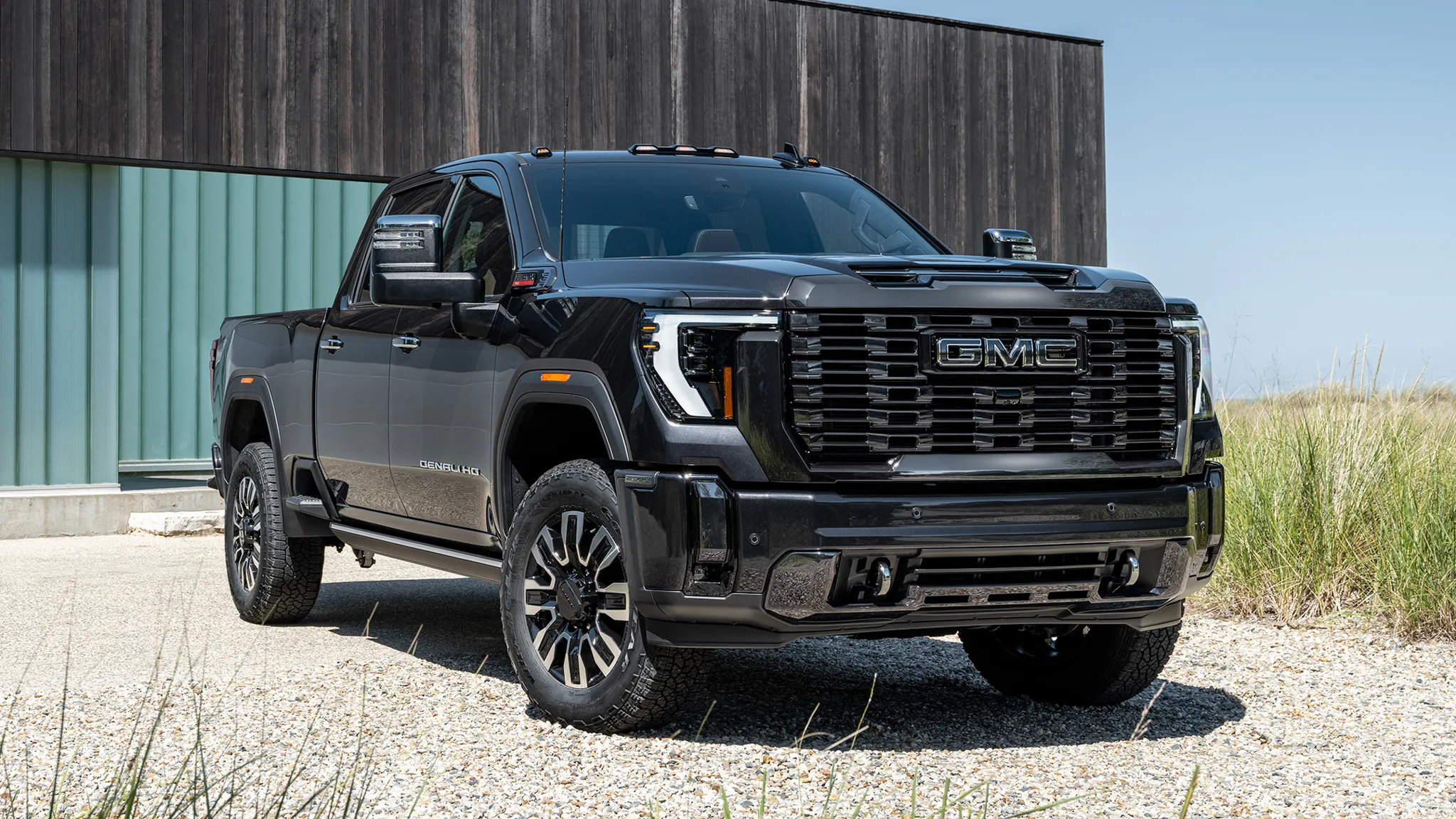
3. GMC Sierra 3500HD Denali (2021)
Premium appointments meet workhorse construction in the 2021 GMC Sierra 3500HD Denali. This truck proves steel doesn’t mean basic or cheap.
GMC wrapped a luxury interior around a steel frame and body that can handle anything you throw at it. High-strength steel in critical areas provides strength without excessive weight, while regular steel in less-stressed areas keeps costs reasonable.
Bed durability matters when you’re loading and unloading equipment daily. This Sierra’s steel bed can handle pallet jacks rolling across it, equipment sliding around, and the general abuse that comes with actual work.
Spray-in bedliners protect the finish, but even if you scratch through to bare metal, a quick touch-up prevents rust. Try doing that with an aluminum bed, and you’re looking at more complicated repairs.
Towing capacity reaches 36,000 pounds with the right configuration, making this one of the strongest trucks available. That capability comes partly from the steel frame’s ability to handle enormous tongue weights without permanent deformation. Aluminum can be strong, but steel’s properties make it naturally suited for applications involving sustained heavy loads and stress.
Cold-weather performance favors steel because it doesn’t become brittle at low temperatures. Aluminum can crack in extreme cold, especially if it’s been work-hardened through repeated stress.
Steel stays tough whether you’re working in -40 degree winters or 120 degree summers. That consistency matters for people who use trucks in harsh climates year-round.
Weld repairs are straightforward with steel construction. If you crack a frame or need to add custom mounting points, any qualified welder can work with steel using standard equipment.
Aluminum welding requires specialized skills, different equipment, and costs even more. For commercial users who need custom modifications, steel’s weldability is a huge advantage that saves time and money.
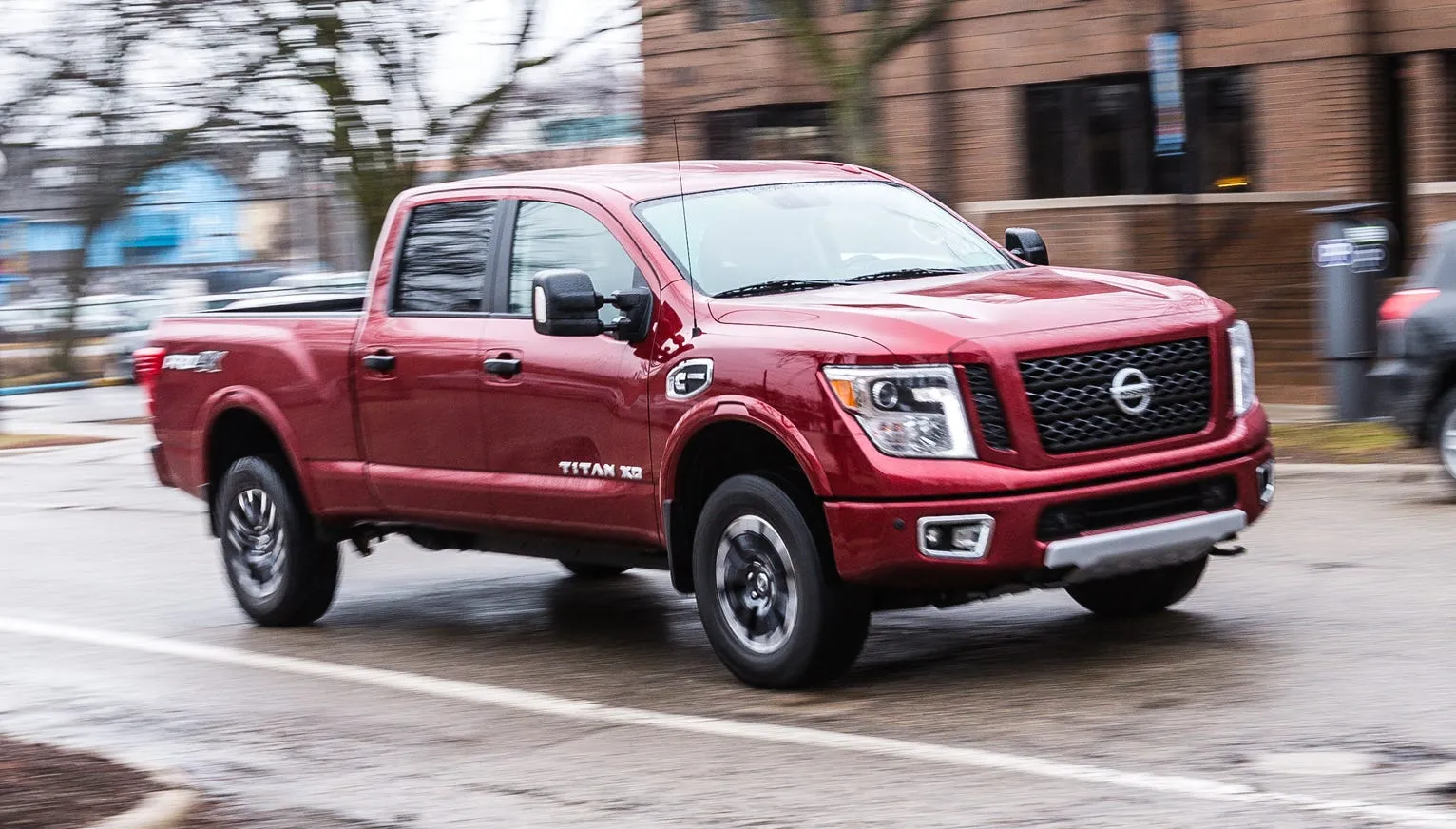
4. Nissan Titan XD Platinum Reserve (2017)
Japanese engineering meets American truck needs in the 2017 Nissan Titan XD Platinum Reserve. This half-ton/three-quarter-ton hybrid uses a steel frame and body to compete with more established American brands.
Nissan applied their manufacturing expertise to create tight panel gaps and excellent corrosion resistance, showing that steel can be built to high-quality standards.
Crash safety benefits from steel’s energy absorption characteristics. When impacts occur, steel deforms predictably, crushing in controlled ways that protect occupants.
Engineers have decades of crash testing data for steel structures, allowing them to optimize designs for maximum safety. Aluminum behaves differently in crashes, requiring different engineering approaches that are still being refined.
The bed configuration in the Titan XD provides a steel surface that can take daily abuse without showing permanent damage.
Construction workers loading lumber, landscapers hauling rocks, and contractors carrying tools all benefit from steel’s toughness. You can treat a steel bed roughly without constantly worrying about causing damage that will hurt resale value.
Undercarriage protection starts with the steel frame itself. Add skid plates and rock sliders, and you have a truck that can handle rough trails without catastrophic damage.
Steel’s ductility means it bends rather than shatters when struck, which can be the difference between driving out of the woods versus being towed out.
The value proposition makes the Titan XD attractive because Nissan prices it competitively while using proven steel construction.
You get a capable truck with a warranty and materials that won’t surprise you with weird behavior. Nissan’s commitment to steel shows they’re confident in traditional construction methods for trucks that need to work hard and last long.
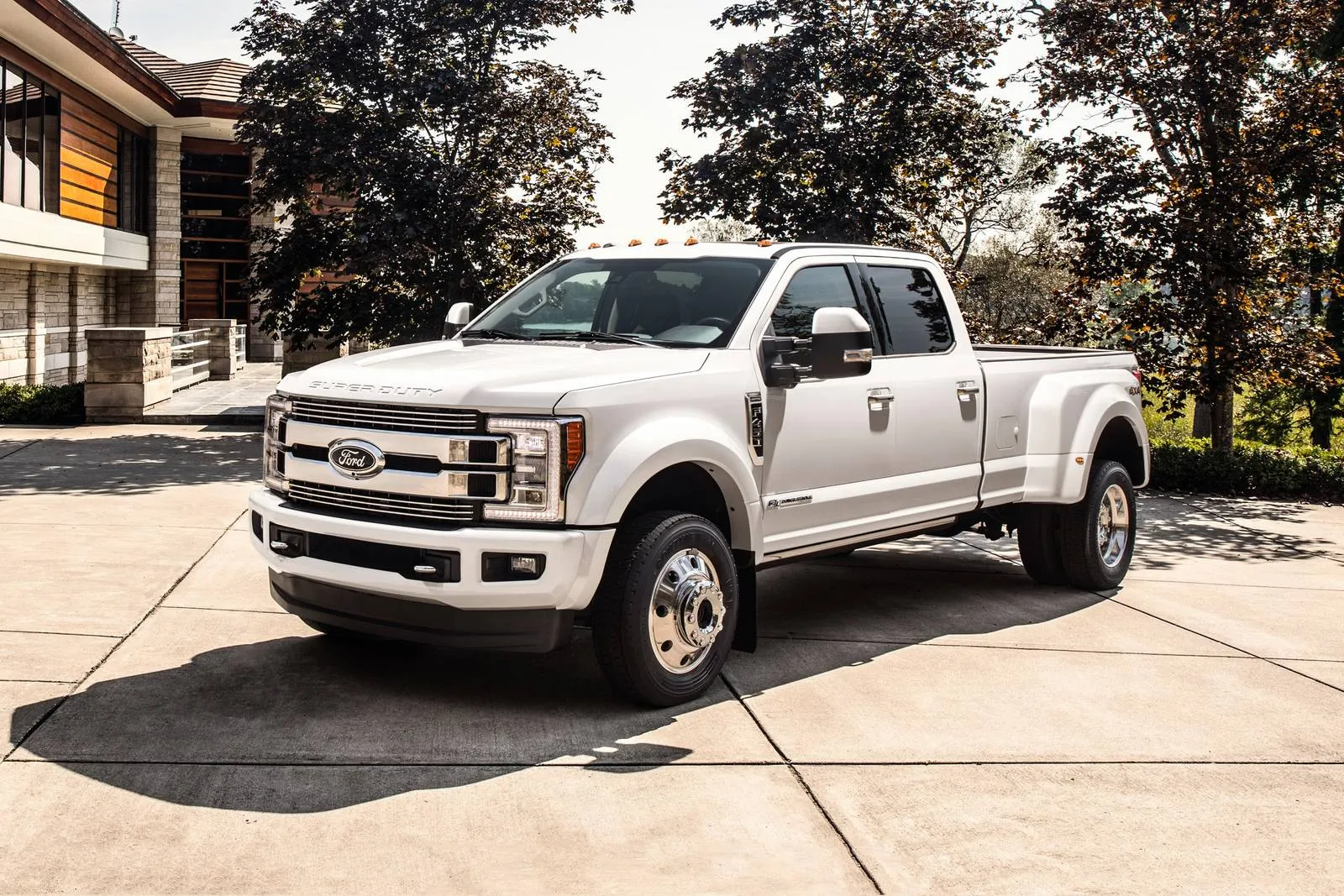
5. Ford Super Duty F-450 King Ranch (2018)
Maximum capability defines the 2018 Ford Super Duty F-450 King Ranch, and Ford chose steel construction for this ultimate work truck.
While they switched the F-150 to aluminum, Super Duty models remained steel because these trucks see serious commercial use where durability cannot be compromised. That decision speaks volumes about which material Ford trusts for real heavy-duty applications.
Gooseneck towing capacity exceeds 31,000 pounds, demanding a frame that won’t flex or fail under load. Steel provides that strength with proven reliability.
Commercial users who depend on their trucks for their livelihoods aren’t interested in being test subjects for new materials. They want what works, and steel works.
Body repairs after accidents are straightforward because steel repair techniques have been perfected over decades. Insurance companies prefer steel for this reason, and repair shops charge less because they’re efficient at working with it.
After a fender bender, you won’t wait weeks for special parts or shops trained in aluminum repair techniques. Modification flexibility lets owners customize these trucks for specific uses. Welding custom racks, mounting equipment, or reinforcing areas for heavy use is simple with steel construction.
Utility companies, tow services, and contractors regularly modify Super Duty trucks, and steel makes those modifications cheaper and easier than alternative materials would allow.
Proven track record across millions of Super Duty trucks gives buyers confidence. These trucks work on farms, construction sites, oil fields, and anywhere serious work happens.
Steel’s durability in these harsh environments has been demonstrated repeatedly. When your business depends on your truck, you choose materials with proven performance, and for heavy-duty applications, that material is steel.
Aluminum-Body Contenders: Light and Modern
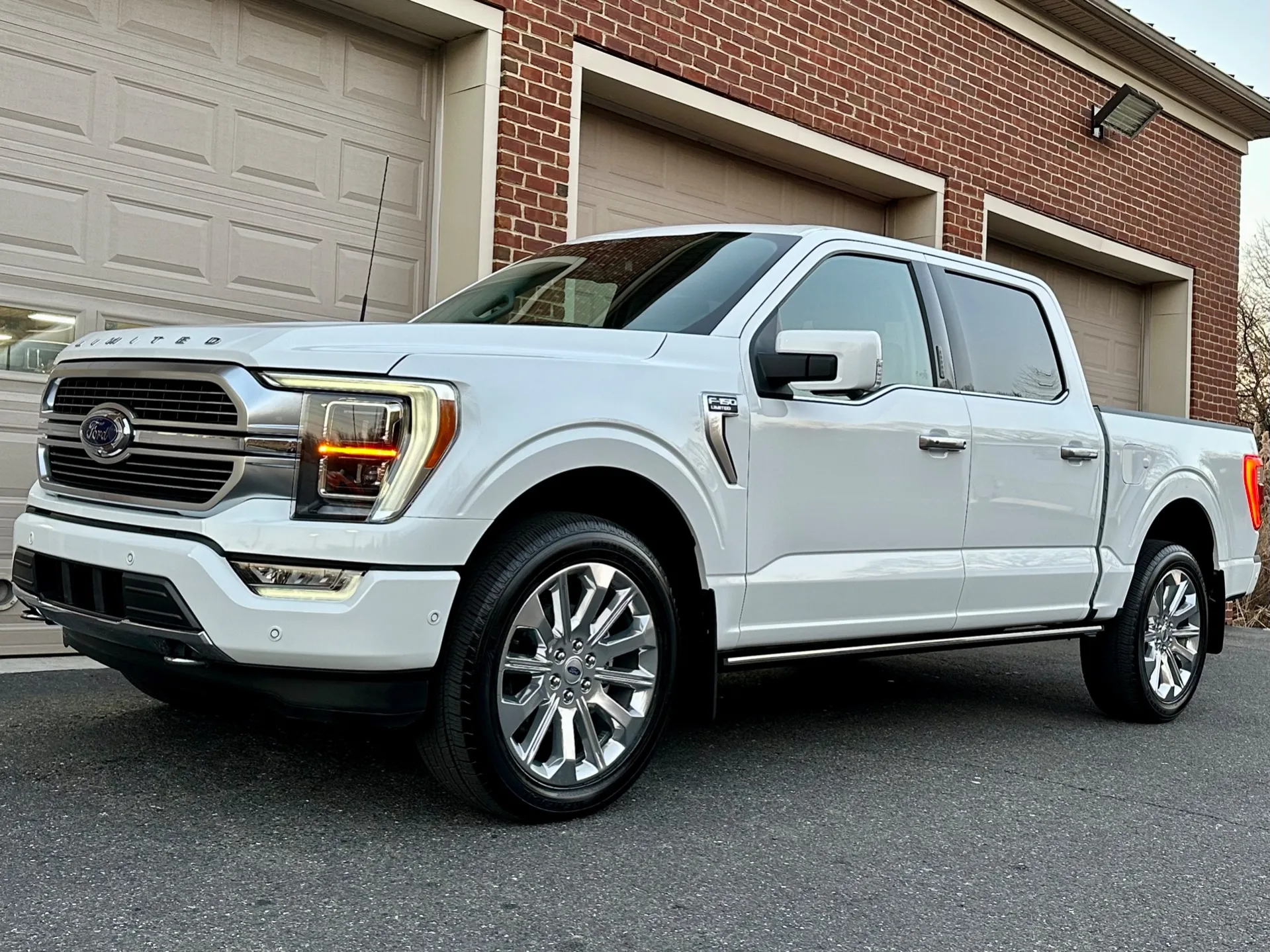
1. Ford F-150 Limited (2022)
Revolutionary aluminum body construction appeared in Ford trucks starting in 2015, and the 2022 F-150 Limited represents the mature version of this technology. Ford uses military-grade aluminum alloys that provide strength comparable to steel at a fraction of the weight.
That weight savings translates to better fuel economy, higher payload capacity, and improved acceleration without sacrificing structural integrity.
Corrosion resistance is aluminum’s superpower. While steel fights rust its entire life, aluminum forms a protective oxide layer that prevents further corrosion.
Coastal environments, snowy climates with road salt, and humid regions all attack steel relentlessly. Aluminum laughs at these conditions, staying solid while steel competitors rot from the inside out. This resistance alone can extend a truck’s useful life by years.
Payload ratings actually increased when Ford switched to aluminum because reducing body weight allowed them to haul more in the bed.
The 2022 F-150 can carry over 3,300 pounds, depending on configuration, which matches or exceeds many steel competitors. Weight savings don’t just help payload; they improve handling, reduce brake wear, and decrease stress on suspension components.
Repair concerns about aluminum have proven largely overblown. Yes, aluminum requires different techniques than steel, but thousands of shops are now certified for aluminum repair.
Insurance data shows aluminum repair costs have dropped as techniques improved and more shops gained experience.
Early horror stories about $10,000 repairs for minor damage no longer reflect reality. Most repairs now cost similarly to steel, and in some cases, less because damaged panels can be replaced rather than requiring extensive metalwork.
Dent resistance is aluminum’s weakness, but Ford addressed this by using different alloy grades in different areas. High-traffic areas like door edges and bed rails use harder alloys, while body panels use softer alloys that absorb impacts better. This strategic material selection minimizes the denting problems that plagued early aluminum vehicles.
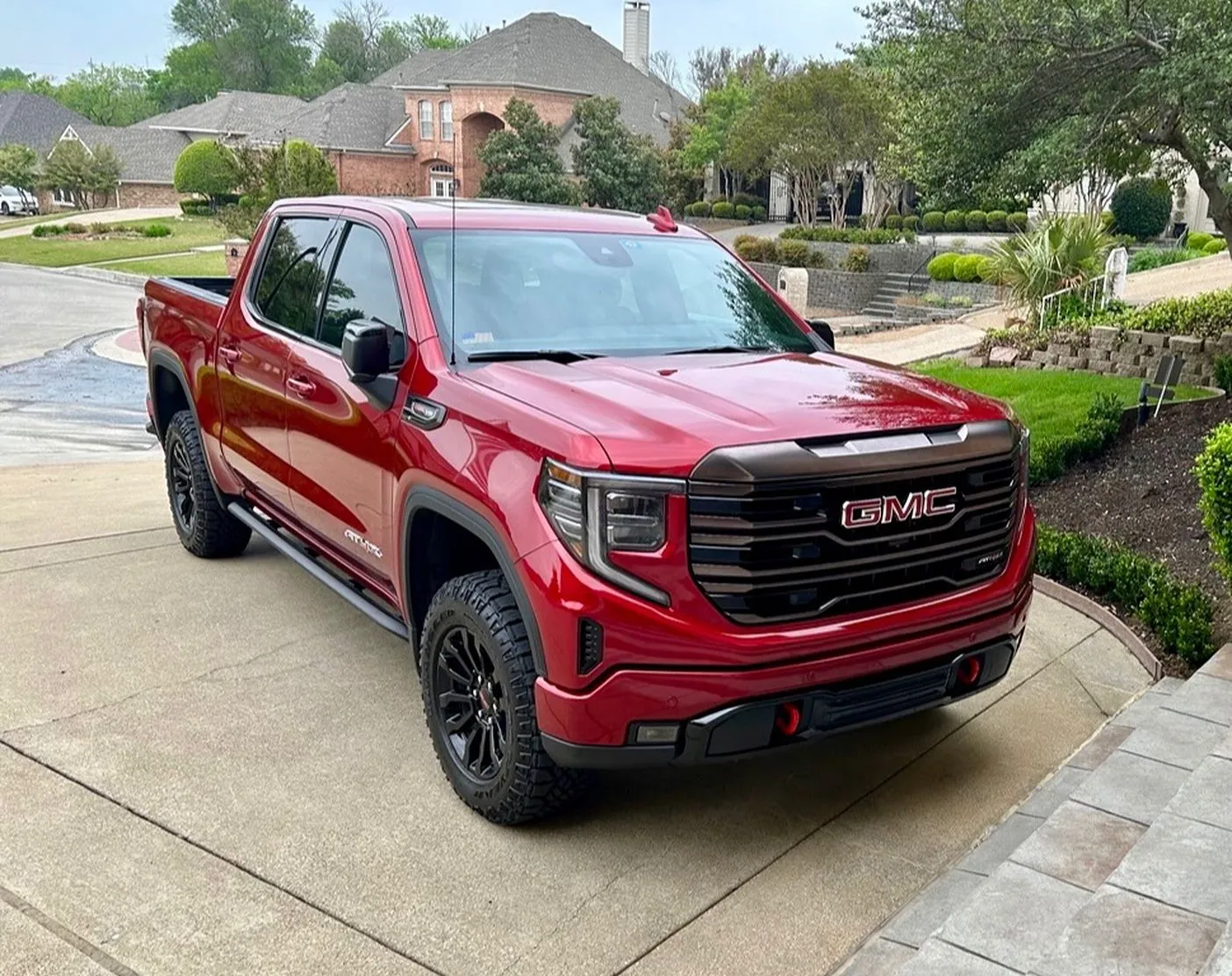
2. GMC Sierra 1500 AT4X (2023)
Military-grade aluminum isn’t just marketing speak in the 2023 GMC Sierra 1500 AT4X. GMC followed Ford’s lead and switched their light-duty trucks to aluminum construction, using advanced alloys that deliver excellent strength-to-weight ratios.
This AT4X variant combines aluminum’s benefits with off-road capability, proving the material can handle serious abuse when properly engineered.
Weight distribution improves when the body weighs less, allowing engineers to add features and equipment without turning the truck into a pig.
This Sierra can be equipped with luxury amenities, advanced technology, and serious off-road hardware while staying under weight limits that would be impossible with steel bodies. That flexibility gives buyers more choices without compromising capability.
Fuel economy gains are real and measurable. Shaving 700+ pounds from body weight means the engine doesn’t work as hard, which directly improves miles per gallon.
Over a truck’s lifetime, those fuel savings add up to thousands of dollars. Gas prices fluctuate, but lighter weight always helps, whether fuel costs $2 or $5 per gallon.
Bed construction uses aluminum with a thick protective coating that prevents the soft metal from showing every scratch. Load heavy items all day, and the bed shows wear, but it won’t rust or corrode.
Some work truck users prefer steel’s dent resistance, but others appreciate knowing their bed won’t dissolve into rusty lace after years of exposure to weather and chemicals. Crash testing shows aluminum bodies perform excellently in safety tests.
High-strength steel reinforcements in critical areas combine with aluminum panels to create structures that protect occupants as well as or better than all-steel designs.
Modern engineering can make any material safe; it’s just a matter of design and implementation. GMC proved that aluminum can be both lightweight and protective.
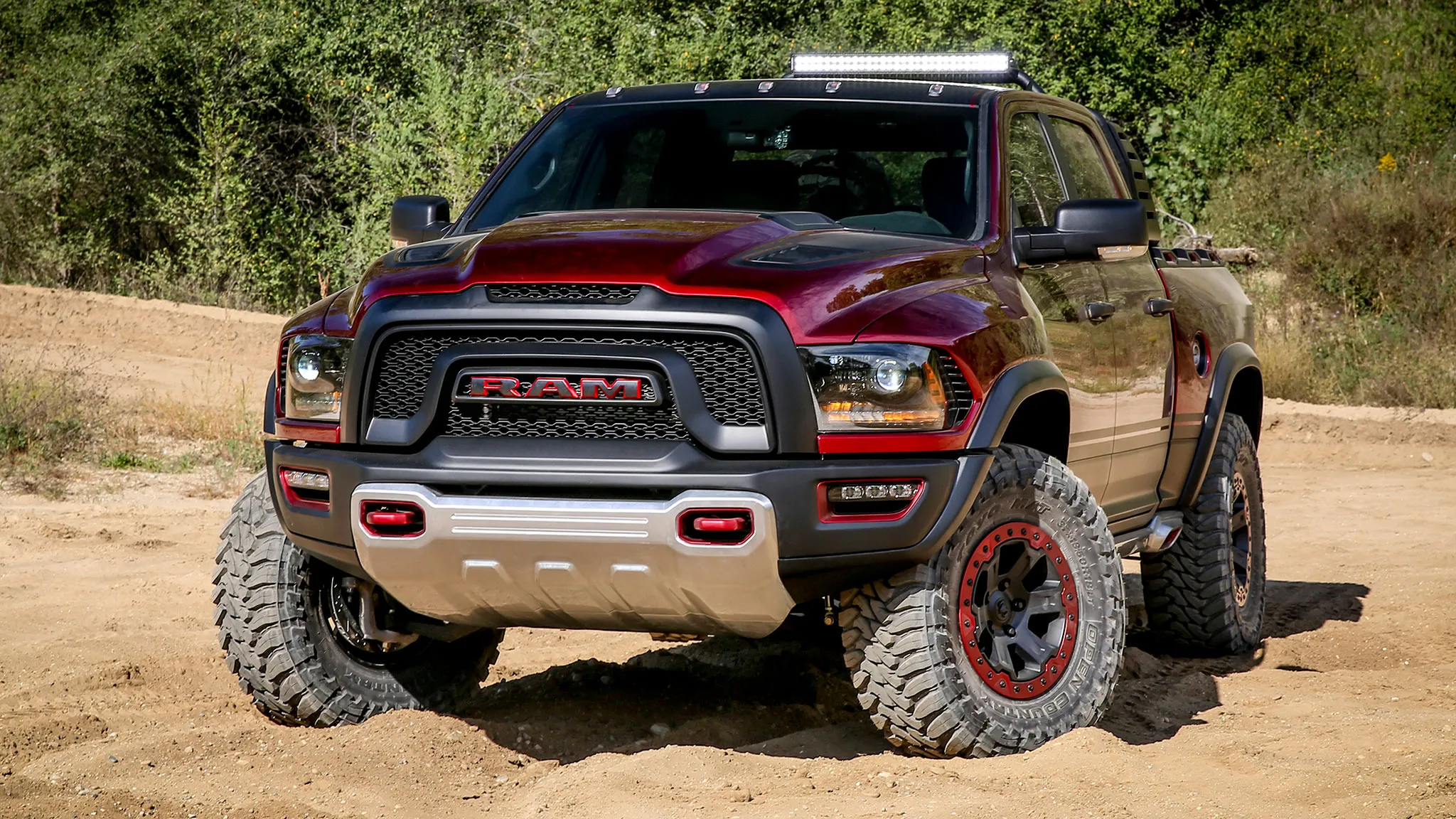
3. Ram 1500 Rebel (2021)
Hybrid construction defines the 2021 Ram 1500 Rebel, which uses aluminum for the hood, doors, and tailgate while retaining steel for the cab and bed.
This mixed approach attempts to capture benefits from both materials while minimizing weaknesses. Ram believes this combination provides better overall durability than going full aluminum, and their reasoning makes sense.
Selective aluminum use targets components where weight savings matter most. Doors that open and close thousands of times benefit from being lighter, reducing stress on hinges and latches.
A lighter hood improves front-end handling balance. These strategic choices show thoughtful engineering rather than blindly following trends.
Bed durability stays excellent because Ram kept steel where it matters most. Construction workers, contractors, and anyone who loads heavy equipment appreciates this decision.
You get some of aluminum’s weight benefits without sacrificing the toughness that makes steel beds preferred for serious work applications. It’s a compromise that actually makes practical sense.
Cost considerations influenced Ram’s mixed-material approach. Full aluminum bodies require expensive, specialized manufacturing equipment and trained assembly workers.
By keeping some steel components, Ram controls costs while still achieving most of aluminum’s benefits. Those savings can be passed to buyers or invested in other areas like powertrains or technology.
Long-term reliability data is still accumulating for Ram’s hybrid approach, but early results look promising. Owners report that aluminum components resist corrosion as expected, while steel sections hold up well with normal care.
This combination might actually prove more durable than either material alone because each is used where its strengths best match the application requirements.
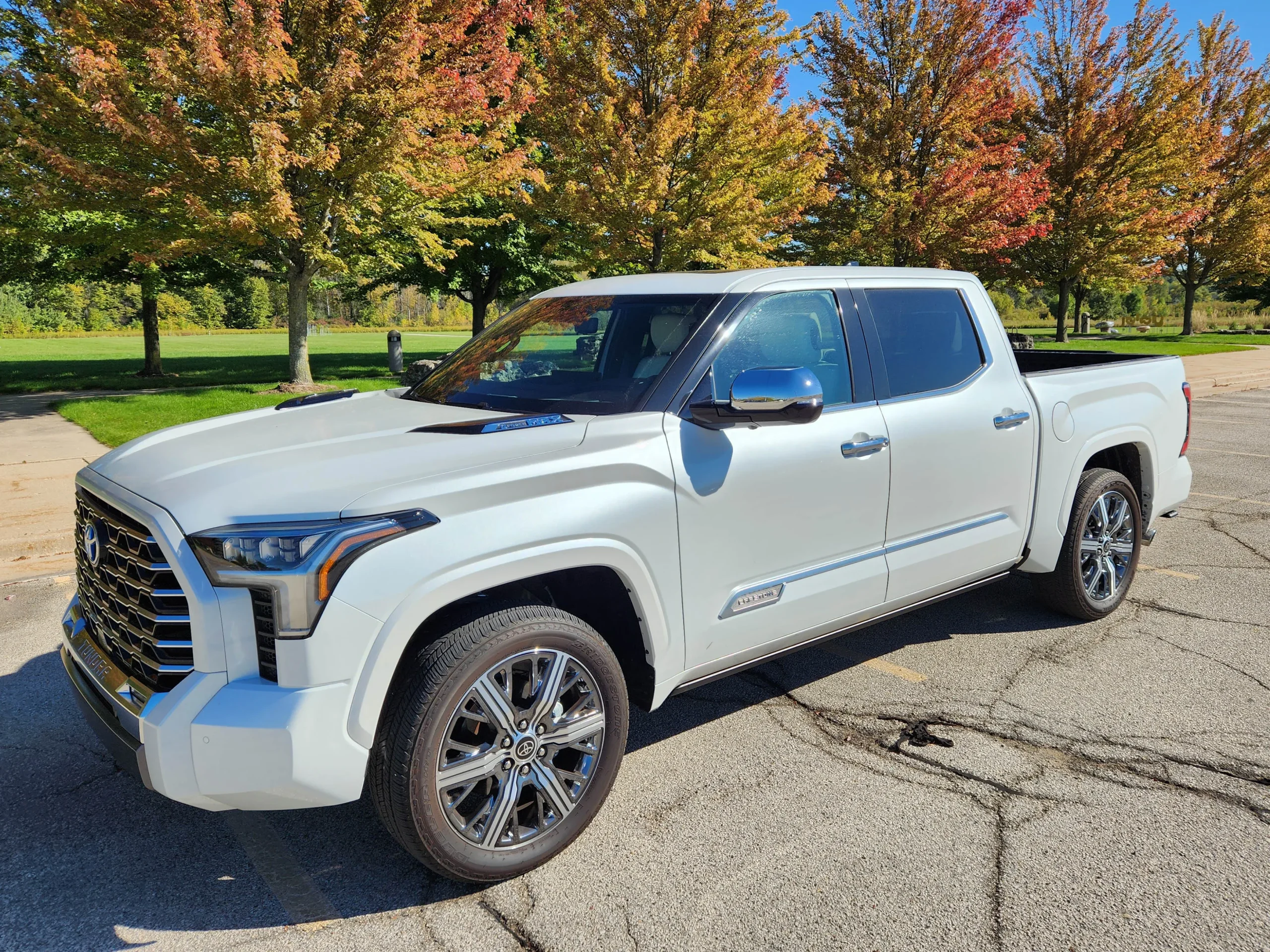
4. Toyota Tundra Capstone (2022)
Complete redesign marked Toyota’s entry into aluminum bodies with the 2022 Tundra Capstone. Known for conservative engineering, Toyota wouldn’t make this switch unless it were confident in aluminum’s long-term durability.
Their reputation depends on building vehicles that last forever, so choosing aluminum signals they believe it’s the right material for modern trucks.
Composite materials join aluminum in this new Tundra, creating a body structure that combines different materials based on their individual strengths.
Aluminum panels attach to steel structural components in a design that maximizes both materials’ benefits. This sophisticated approach shows how far truck engineering has advanced from the simple all-steel construction of past generations.
Rust resistance matters enormously in Toyota’s target markets. Many Tundra buyers live in areas with harsh winters, road salt, and high humidity.
Previous steel-bodied Tundras developed rust problems that tarnished Toyota’s legendary reliability reputation. Switching to aluminum for exterior panels eliminates those issues, helping the Tundra maintain its value longer and work reliably for more years.
Production quality from Toyota means the aluminum body is built to extremely tight tolerances. Panel gaps are precise, welds are clean, and finishes are excellent. When aluminum is manufactured properly, it performs beautifully.
Poor manufacturing creates problems with any material, but Toyota’s obsessive quality control ensures its aluminum construction meets its high standards.
Warranty coverage backs Toyota’s confidence in aluminum durability. They’re willing to guarantee these trucks because they’ve tested them exhaustively.
Toyota doesn’t take chances with its reputation, so its commitment to aluminum bodies suggests the material has proven itself in its rigorous internal testing programs. Time will tell if real-world durability matches laboratory predictions, but Toyota’s track record inspires confidence.
Also Read: 10 Vehicles Where Catalytic Converters Aren’t A Weak Spot
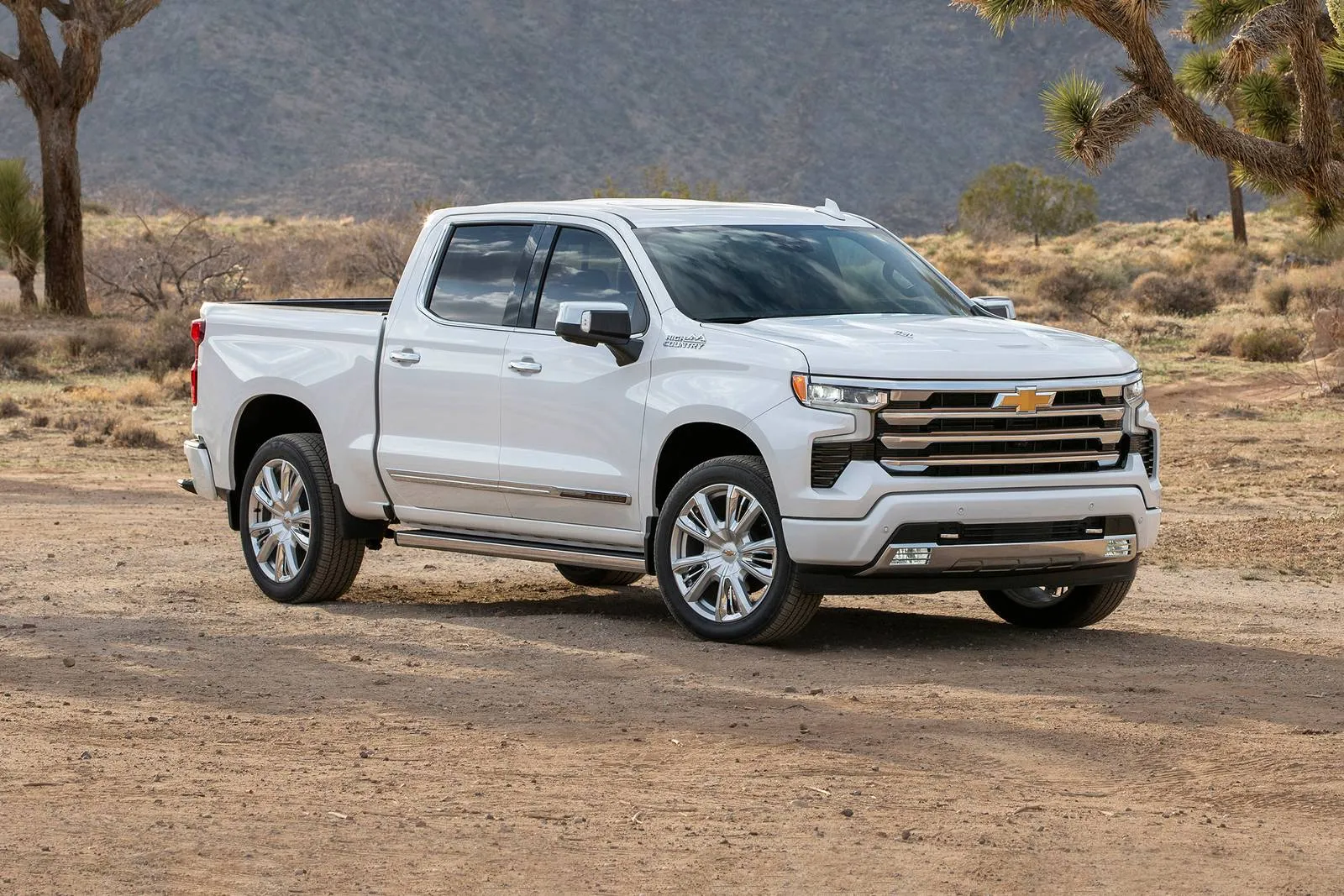
5. Chevrolet Silverado 1500 High Country (2023)
The latest generation Silverado embraces aluminum selectively in the 2023 Silverado 1500 High Country, using it for the hood, doors, and tailgate while keeping steel for the cab and bed.
This mirrors Ram’s approach, suggesting that major manufacturers have concluded that mixed materials provide the best solution for light-duty trucks.
Weight reduction from aluminum components totals about 450 pounds compared to an all-steel equivalent. That might not sound revolutionary, but it allows Chevy to offer better payload ratings and fuel economy without compromising the areas where steel’s toughness really matters.
Engineering is about compromises, and this hybrid approach makes smart choices about where to compromise and where to stand firm.
Technology integration benefits from lighter doors because power window motors, speakers, and wiring don’t have to fight against massive steel panels. Modern trucks are loaded with electronics, cameras, and creature comforts that all add weight.
Using aluminum where possible provides room in the weight budget for features buyers actually want. Pricing stays competitive because Chevrolet didn’t commit to a full aluminum body, requiring completely new manufacturing processes.
Gradual adoption allows them to learn and refine techniques without betting the entire truck line on unproven methods. This conservative approach matches what Toyota did and reflects the lessons learned from Ford’s all-in aluminum gamble.
Future development will likely see more aluminum in Silverados as manufacturing expertise grows and costs decrease. For now, this hybrid approach delivers real benefits without the risks that come from completely abandoning proven steel construction.
Buyers get a truck that’s lighter and more efficient than previous generations without feeling like guinea pigs for experimental materials that might not work out long-term.
