
Among the many features that have reshaped the experience of electric vehicle ownership, cabin pre-conditioning has emerged as a defining one. It is not merely a matter of comfort; it has real effects on range, efficiency, and even long-term battery health.
Pre-conditioning allows a driver to warm or cool the cabin while the vehicle is still plugged in, using grid power instead of battery power. The result is a more comfortable cabin from the moment the journey begins and, ideally, a battery that is already at an optimal temperature for energy delivery and regenerative braking.
When executed effectively, this feature makes an EV feel like an intelligent companion, anticipating the driver’s needs and managing energy with remarkable precision.
Yet, as with most technologies, not all implementations are equal. Some models maintain cabin warmth or cooling with great precision and little drain on the battery, while others provide only mild relief before quickly losing effectiveness once unplugged.
The difference often lies in how the thermal systems are designed. Vehicles that employ integrated heat pumps, insulated battery packs, and efficient climate management software tend to preserve comfort without sacrificing range.
Others, especially older or less expensive designs, rely on simple resistive heaters or inefficient air conditioning systems that consume large amounts of energy.
Software calibration plays a major role as well. Some manufacturers allow precise scheduling, remote app control, and even automatic pre-start activation based on weather forecasts. Others limit functionality to a short timer, reducing the real benefit for daily drivers who want consistency.
Drivers who live in extreme climates notice the contrast most clearly. In cold regions, an EV with an advanced heat pump and battery pre-warming can maintain near-instant comfort, while a less capable system might deliver only tepid air after several minutes of use.
In hot climates, the difference between stepping into a pre-cooled cabin and one that still feels like an oven is dramatic. Because comfort and range are interconnected, efficient pre-conditioning becomes both a convenience and a practical advantage.
Understanding which EVs manage this balance well helps owners make smarter choices, especially if they depend on consistent performance year-round.
The following sections compare ten electric vehicles that represent both ends of this spectrum. The first group demonstrates systems where pre-conditioning remains strong and reliable, even after unplugging from the charger.
The second group consists of models where the system works, but its benefit fades quickly or draws too heavily on the battery.
This comparison focuses on real-world functionality and design logic rather than laboratory figures, aiming to show how engineering decisions translate into meaningful everyday results.
5 EVs That Keep Cabin Pre-Conditioning Effective
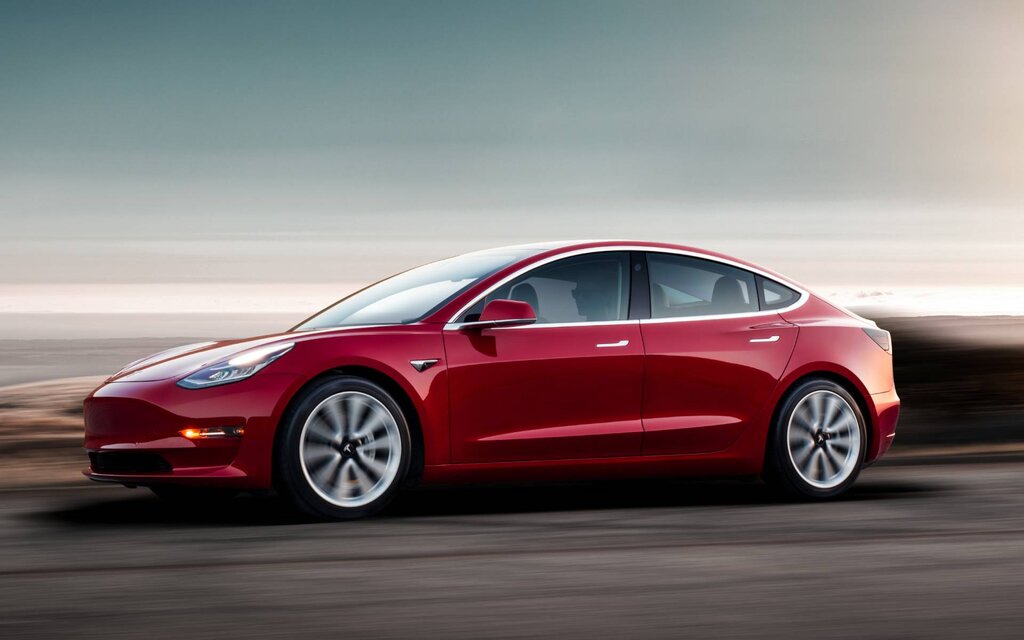
1. Tesla Model 3
Tesla’s Model 3 offers one of the most complete and intelligently managed climate-control systems among electric vehicles.
From its early production years, Tesla emphasized that comfort and energy efficiency should not be separate goals. The Model 3’s pre-conditioning works through a highly integrated system linking the cabin, battery, and drivetrain.
The heat pump, introduced in later models, is supported by a complex network of valves that direct heat where it is needed most. When pre-conditioning begins, the vehicle uses grid power to raise both cabin and battery temperatures, ensuring optimal operation before the first wheel even turns.
The process feels seamless to the user; the car reaches the desired temperature quickly without making the interior feel drafty or uneven. The speed of temperature stabilization and the ability to maintain it demonstrate how software and hardware can function in harmony.
This adaptability means that pre-conditioning does not feel wasteful. The car knows when to stop and when to preserve battery charge, providing a strong balance between comfort and conservation.
Another part of the Tesla advantage lies in insulation and airflow engineering. The Model 3’s compact cabin retains temperature exceptionally well because of precise sealing and multi-layer glass.
Once unplugged, the interior maintains warmth or coolness for a surprisingly long duration, minimizing the need for further energy use during the drive. Tesla’s air ducts are carefully designed to eliminate hot or cold zones, so every seat feels evenly conditioned.
When compared with competitors that rely on single-direction airflow, the difference becomes clear. Even after sitting parked in cold weather for several minutes, the cabin loses heat gradually rather than abruptly. This translates to less fan activity and lower power use once the journey starts.
The Tesla app completes the experience by providing a remote control that feels responsive and informative. Drivers can activate pre-conditioning from anywhere, view current interior temperatures, and monitor progress in real time. Scheduling options ensure that the car is always ready at predictable times, and features like “defrost mode” show attention to detail.
Beyond convenience, Tesla’s pre-conditioning improves battery longevity by keeping it within an optimal thermal range before operation. The end result is a system that blends comfort, technology, and efficiency so smoothly that it becomes second nature to use.
Among modern EVs, few examples demonstrate as clearly how effective cabin pre-conditioning can be when designed as part of a unified thermal architecture.
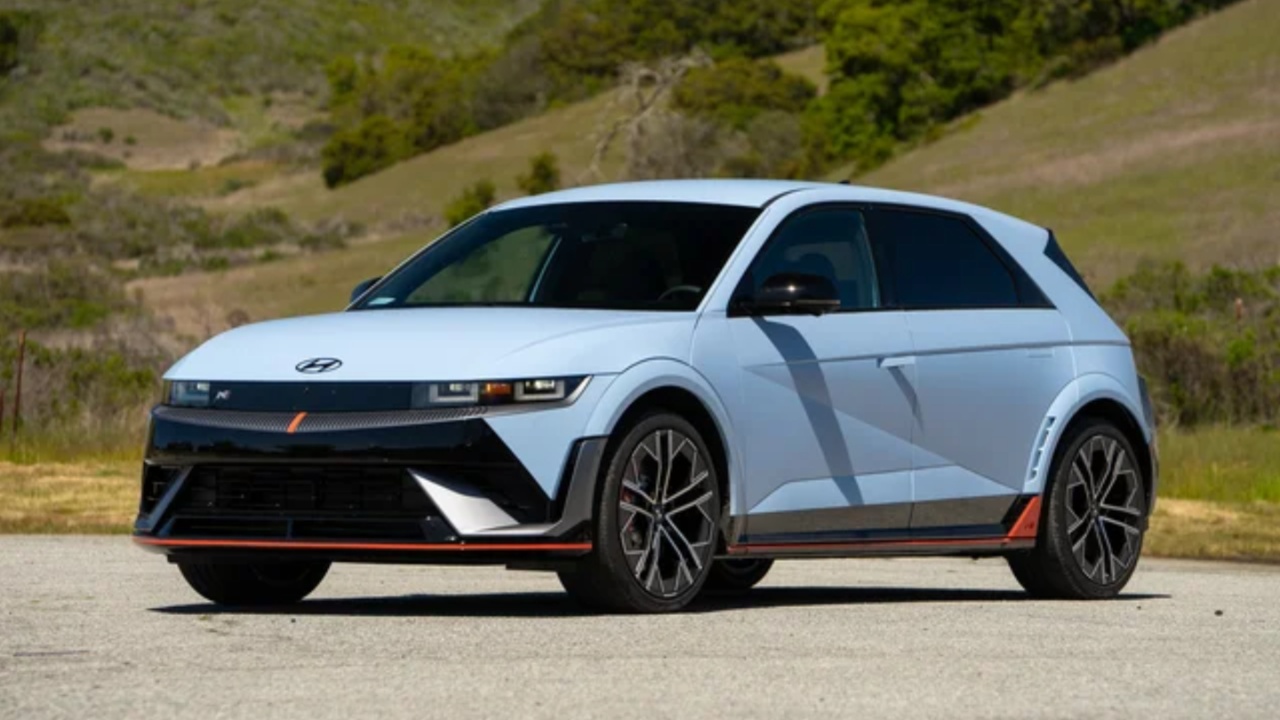
2. Hyundai Ioniq 5
The Hyundai Ioniq 5 demonstrates the company’s strong grasp of thermal efficiency and real-world usability. Its pre-conditioning system is anchored by a high-efficiency heat pump that performs impressively in both cold and hot climates.
Unlike older systems that use resistive heating, Hyundai’s design recovers waste heat from the motor and power electronics, converting it into usable cabin warmth. When activated while the car is plugged in, the system pre-heats the cabin and battery together, drawing energy from the grid instead of the battery pack.
This thoughtful integration ensures that drivers start their journeys with both a comfortable cabin and a battery ready to deliver full power and regenerative braking. The result is a consistent experience that feels both refined and intelligent.
The Ioniq 5’s cabin environment benefits from well-planned insulation and precise air distribution. Airflow is directed through wide vents that deliver even heating or cooling across all seats. When pre-conditioning is complete, the temperature remains stable longer than in many rival EVs.
Hyundai’s engineers balanced the size of the heat pump, fan speeds, and cabin volume so that energy use remains modest even when conditions outside are extreme. This makes a noticeable difference for owners living in areas with cold winters or intense summer heat.
The car’s climate sensors continually adjust performance to maintain comfort without sudden changes in airflow. The absence of abrupt temperature swings reinforces a feeling of calm and efficiency.
The vehicle’s digital interface further enhances usability. Through the Bluelink app, owners can start pre-conditioning remotely, set schedules, and monitor progress. The app allows detailed timing so that the car reaches the target temperature exactly at departure time.
Real-world reports highlight how effective the Ioniq 5 remains after unplugging. Even when temperatures drop below freezing, the cabin continues to feel warm and insulated without needing constant climate adjustments. The car’s heat pump keeps operating at an efficient level, ensuring comfort while minimizing drain.
For summer driving, the system’s ability to pre-cool the cabin prevents energy spikes during the early minutes of a trip.
By designing pre-conditioning as part of the energy management system rather than an afterthought, Hyundai created a setup that delivers practical benefits daily. This makes the Ioniq 5 one of the most balanced and capable electric vehicles for drivers who value both comfort and range preservation.
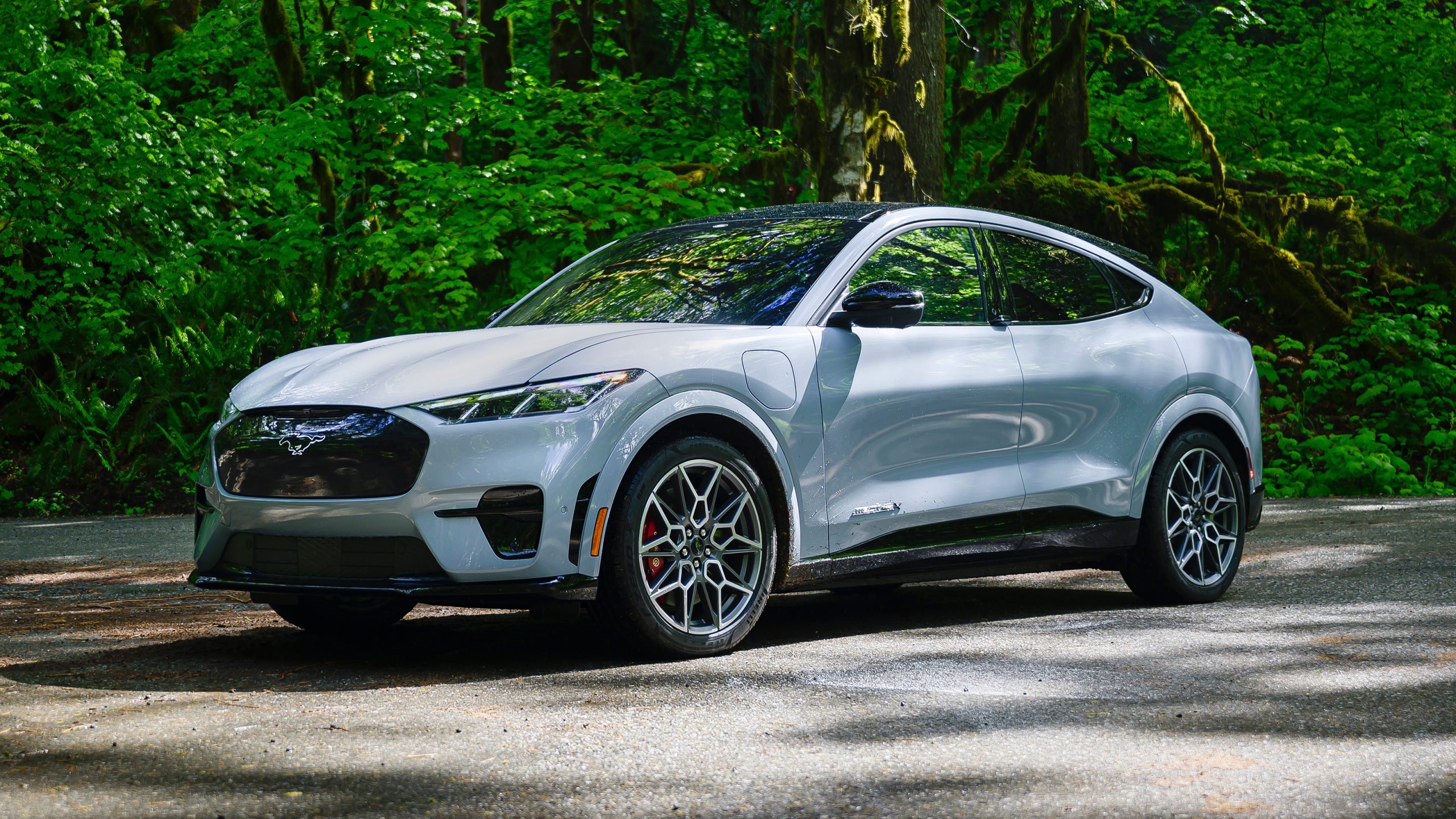
3. Ford Mustang Mach-E
Ford’s Mustang Mach-E illustrates how legacy automakers have adapted quickly to the needs of modern EV comfort. The Mach-E’s climate system features a capable heat pump in many trims and integrates battery and cabin management into a single coordinated process.
When pre-conditioning begins, the system uses available wall power to raise or lower the temperature to preset levels while also preparing the battery for optimal performance.
This simultaneous approach ensures that both the car and the driver are ready for immediate use, even in difficult weather conditions. It feels seamless to activate pre-conditioning through the FordPass app, and the results are noticeable from the first moment inside the cabin.
Ford’s engineers gave careful attention to airflow distribution and insulation. The Mach-E’s vents are positioned for even circulation, minimizing temperature differences between front and rear seats. Warm air spreads consistently without creating hot spots, while the cooling system achieves uniform comfort on hot days.
Because of this balance, the cabin retains its conditioned state longer than expected once unplugged. The vehicle’s air management reduces rapid temperature loss, which often plagues less refined designs.
The use of quality materials inside the cabin, such as dense door panels and sound insulation, contributes not only to a quieter ride but also to better heat retention.
Customization is another highlight of the Mach-E’s preconditioning system. Through FordPass, drivers can set repeating schedules tied to departure times or external temperature thresholds. The system can activate automatically when the vehicle senses a cold morning or an upcoming drive.
Performance remains stable across conditions, a sign that Ford took software tuning seriously. The Mach-E’s sensors communicate with the battery management unit to coordinate heating needs efficiently. As a result, the cabin remains warm or cool even when unplugged for extended periods.
This balance between mechanical hardware and digital intelligence makes the Mach-E’s preconditioning highly effective. It does not rely on brute energy draw but instead on calculated control.
That efficiency reflects Ford’s growing sophistication in electric design and ensures that the Mach-E stands as one of the more dependable EVs for maintaining comfortable cabin conditions before and during a trip.
4. Polestar 2
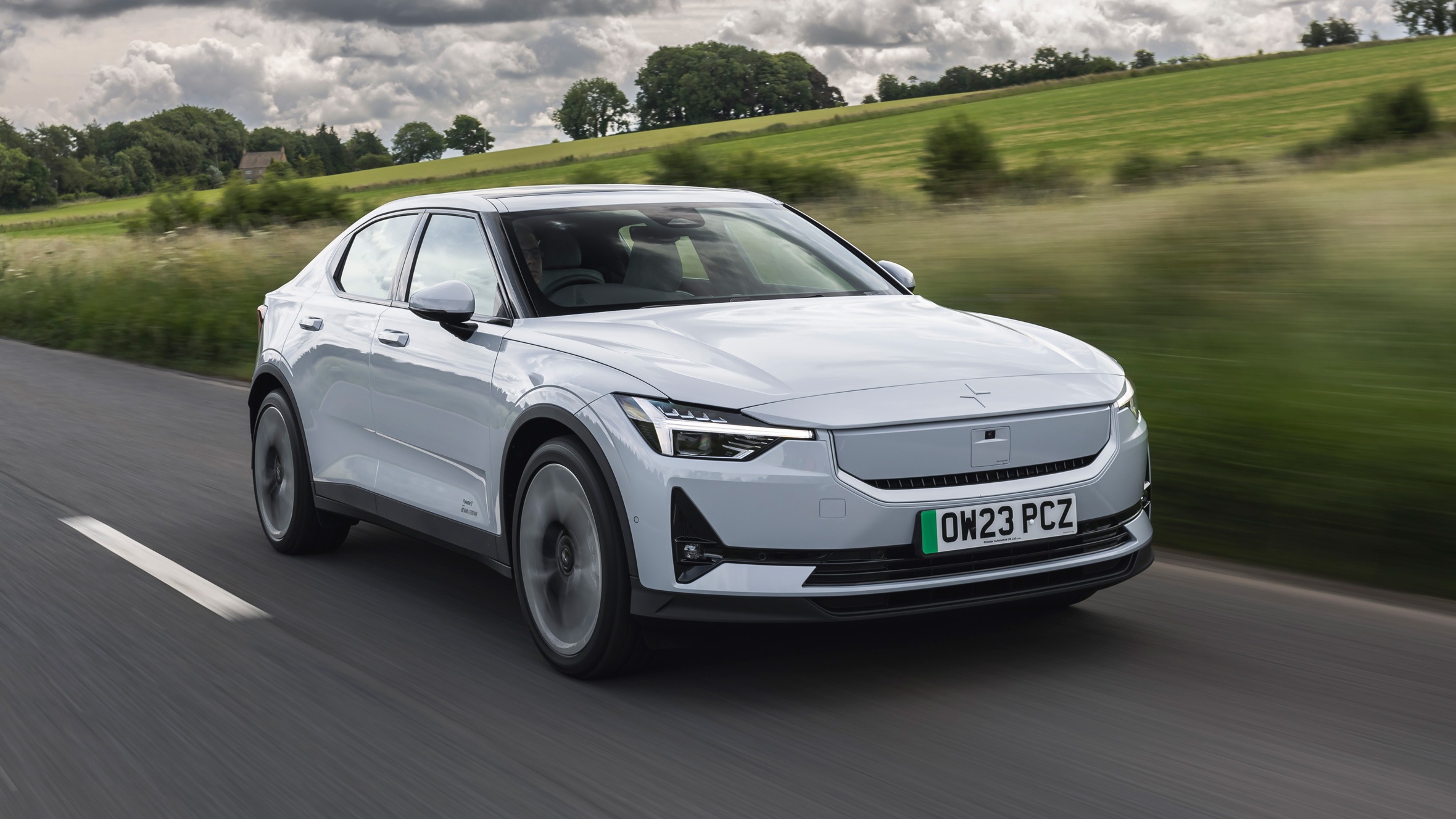
The Polestar 2 exemplifies the Scandinavian approach to comfort, emphasizing function, clarity, and stability. Its pre-conditioning system operates quietly and effectively, using a modern heat pump to manage both energy efficiency and comfort precision.
The car can be pre-heated or pre-cooled while plugged in, ensuring minimal impact on range. Polestar’s engineers designed the system to provide rapid temperature stabilization, allowing the driver to step into a cabin that feels calm and consistent from the start.
The battery also benefits from thermal preparation, enabling better performance in cold weather without excess energy drain.
Insulation and airflow in the Polestar 2 are among the best in its class. The cabin’s structure retains heat exceptionally well due to thick glass and carefully sealed door frames. Even after unplugging, the interior holds warmth or cool air longer than many competing vehicles.
Polestar’s app-based controls add precision and reliability. Through the mobile interface or the car’s infotainment system, users can program departure times, monitor climate progress, and adjust preferences. The car automatically adapts to weather forecasts and battery temperature, modifying its pre-conditioning cycle accordingly.
This means that during extreme cold, the system begins earlier and applies more gradual heating to reduce stress on components. The process feels effortless to the driver yet displays deep technical coordination under the surface. The result is consistent comfort that requires minimal thought from the user.
What distinguishes the Polestar 2 is its ability to blend environmental awareness with practical comfort. The pre-conditioning process avoids excessive noise, consumes power efficiently, and delivers steady cabin conditions that remain stable long after the car leaves the plug.
For drivers in northern climates, this reliability is invaluable. The car feels ready each morning without wasting energy, reflecting a mature and responsible approach to EV climate design.
Polestar’s heritage of engineering vehicles for harsh winters gives it an advantage that becomes clear every time a driver steps into a perfectly tempered interior without sacrificing range.
5. BMW i4
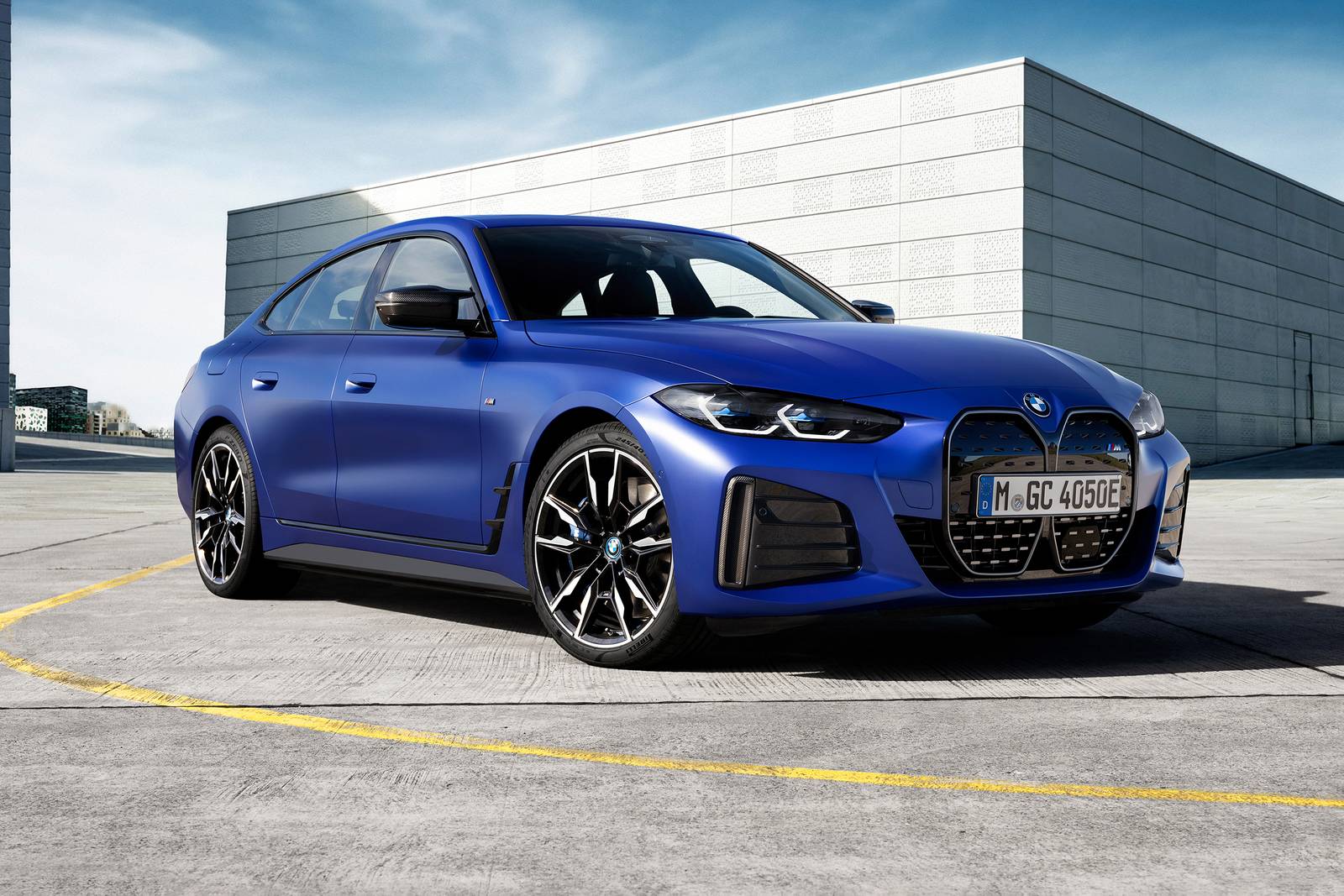
The BMW i4 represents a fusion of traditional luxury and cutting-edge electric efficiency. Its pre-conditioning feature works not only to provide immediate comfort but also to enhance energy management and long-term battery health. When activated, the i4 coordinates multiple systems at once: the heat pump, coolant circulation, and battery heating or cooling loops.
The process begins by drawing power from the grid to reach the driver’s preset temperature before departure.
Because the system is integrated into the car’s navigation and charging planner, it can automatically begin conditioning when a trip is scheduled. This seamless coordination makes the i4 feel intelligent and intuitive, aligning perfectly with BMW’s reputation for precision.
Cabin comfort is achieved through carefully engineered airflow and premium materials. The i4 uses high-grade insulation that keeps conditioned air trapped effectively. The system warms or cools the cabin evenly, avoiding the uneven distribution seen in less refined models.
Once unplugged, the interior holds temperature remarkably well, meaning that pre-conditioning provides lasting benefits instead of fading quickly.
The design also includes acoustic glass and sealed body joints that reduce drafts, helping retain thermal stability. This ensures that drivers experience a genuine sense of warmth or coolness rather than a temporary surface effect.
BMW’s digital interface offers detailed control and transparency. Through the MyBMW app, users can remotely activate pre-conditioning, schedule times, or integrate it with their navigation routes. The app confirms whether grid or battery power is being used and reports the estimated cabin temperature.
Such feedback reinforces confidence that the system is operating efficiently. Inside the car, the large display presents clear icons and quick response, showing that BMW’s user experience design philosophy extends to even routine tasks. The ease of use encourages drivers to rely on pre-conditioning regularly, maximizing its benefit.
The i4’s true distinction lies in its consistency and depth of engineering. It maintains predictable performance across weather extremes, whether heating in sub-zero temperatures or cooling during high heat. The system adapts smoothly, minimizing strain on the battery while keeping passengers comfortable.
The balance between performance and refinement reflects BMW’s understanding of what luxury means in an electric era. Drivers benefit from a cabin that always feels composed, and the system’s quiet operation adds to that impression. As a result, the BMW i4 stands among the best EVs for maintaining effective and reliable cabin pre-conditioning, achieving comfort without compromise.
5 EVs Where Cabin Pre-Conditioning Barely Helps
1. Nissan Leaf
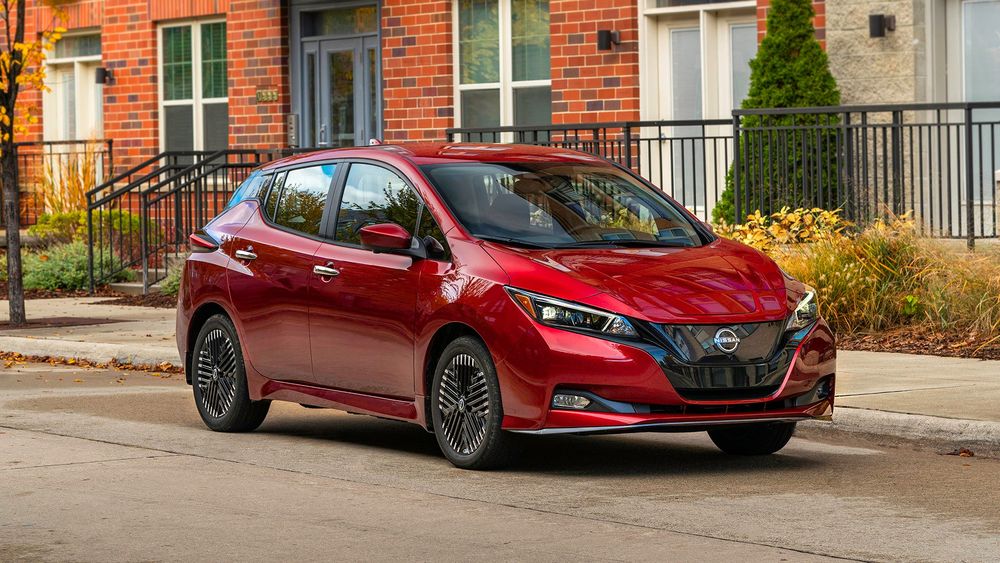
The Nissan Leaf holds historical importance as one of the first mass-market electric vehicles, yet its approach to cabin pre-conditioning shows its age. Early versions depended on a simple resistive heater that drew heavily on battery power and offered very little sustained comfort.
Even when pre-conditioning was activated while the car remained plugged in, the effect faded soon after disconnecting. The cabin would initially feel slightly warmer on a cold morning or somewhat cooler in summer, but the temperature dropped back toward ambient levels within minutes.
This issue stems from a basic HVAC design that lacks advanced thermal integration between the cabin and the battery pack. Unlike newer systems that recycle waste heat or use heat pumps, the Leaf’s heater functions much like a conventional household element, providing limited efficiency.
Another complication is how slowly the system reacts to temperature changes. On freezing mornings, the Leaf’s fan system must run at high speed for several minutes to achieve modest warmth, and by the time the driver begins moving, much of the gained heat dissipates through poorly insulated panels.
This pattern has persisted across multiple generations of the car, especially in markets with harsh winters. The lack of a closed-loop heat exchange means that energy consumed during pre-conditioning is often wasted.
For drivers in temperate climates, the difference might seem small, but in colder regions, it becomes a daily frustration that reduces range noticeably.
In many cases, the cabin reaches the desired temperature only after the process stops, leaving the driver to adjust manually. This lack of sophistication makes the feature feel unfinished, particularly when compared with modern EVs that manage timing and airflow automatically.
Even later iterations of the Leaf with optional heat pumps show mixed performance. The cabin warms faster, but insulation remains insufficient, causing quick heat loss. Because the system does not coordinate with the battery heater, energy usage still rises sharply in extreme conditions.
Preconditioning thus provides minor comfort but little long-term benefit. While the Leaf remains a practical commuter car, its thermal design illustrates the limits of early EV engineering, where cabin climate was treated as a separate system rather than an integrated part of vehicle efficiency.
2. Chevrolet Bolt EV
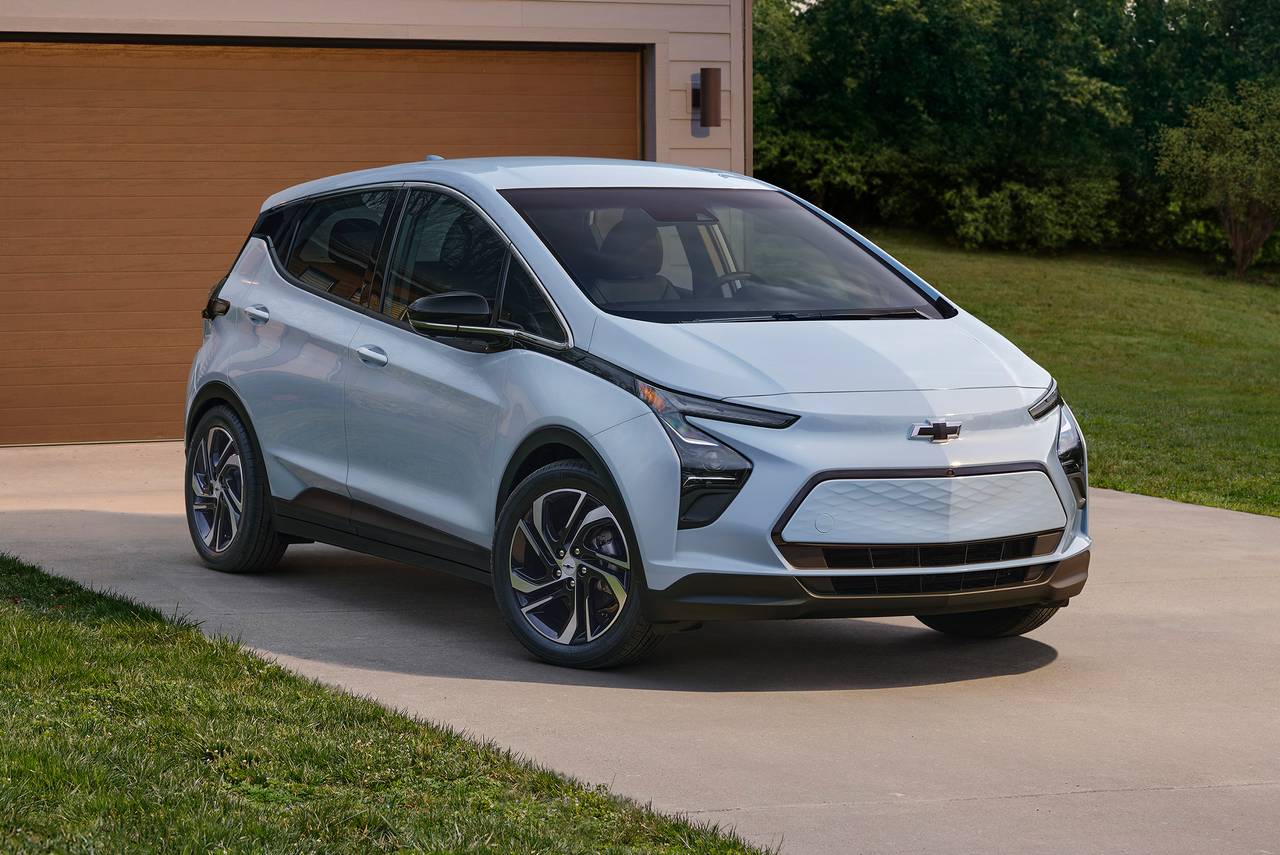
The Chevrolet Bolt EV demonstrates how an otherwise competent electric car can struggle with pre-conditioning that feels underdeveloped.
The feature exists and functions on paper, yet its effect on real comfort is minimal. The Bolt relies primarily on resistive heating, which converts electricity directly into warmth with limited efficiency.
When activated remotely, the system can warm or cool the cabin to a degree, but the results fade quickly once unplugged. The lack of a proper heat pump means that power consumption during pre-conditioning is high, eroding range even before the trip begins.
In colder climates, this limitation becomes immediately apparent. The Bolt’s cabin warms unevenly, often leaving cold air pockets near the doors and footwells. Because the insulation is thin and airflow is basic, the system must continue running to maintain comfort.
The vehicle’s control software also restricts user flexibility. The MyChevrolet app allows remote start and temperature adjustment but lacks advanced scheduling tied to real-time data. There is no feature to automatically begin preconditioning based on weather forecasts or driving patterns.
Users must set timers manually each time, which reduces convenience. In addition, communication delays between the app and the vehicle can sometimes lead to failed activations, leaving drivers uncertain whether the process has started. This inconsistency discourages regular use, making the system more of a novelty than a dependable tool.
The Bolt EV’s thermal management system focuses primarily on battery safety rather than occupant comfort, which explains its conservative behavior. The car will reduce cabin heating if it senses high power draw to preserve battery health. While this is logical from an engineering standpoint, it leaves the user with modest comfort at best.
The result is a system that technically supports pre-conditioning but rarely provides the sustained effect that drivers expect. It highlights the difference between implementing a feature for marketing purposes and refining it into a genuinely helpful technology.
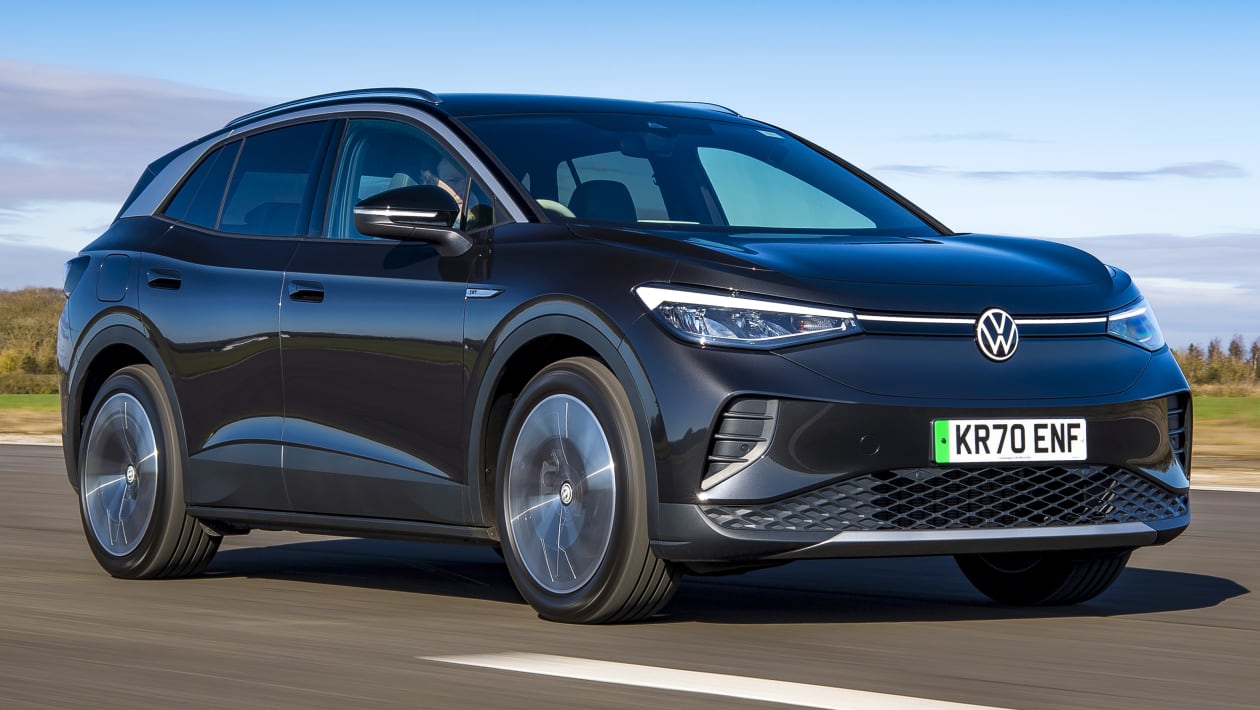
3. Volkswagen ID.4
Volkswagen’s ID.4 presents a more modern EV architecture, yet its pre-conditioning performance remains inconsistent. Some variants include a heat pump, while others rely on traditional resistive heating. This variability leads to wide differences in real-world results.
Drivers who purchase base models often find that pre-conditioning brings only temporary relief. Even when activated through the infotainment system or the mobile app, the cabin’s temperature tends to revert to outdoor levels soon after unplugging.
The effect is noticeable during winter mornings when frost reappears on windows within minutes of leaving the charger.
One issue lies in the vehicle’s energy management priorities. Volkswagen programs the system to protect driving range, so it limits the power delivered to the heater or air conditioner during pre-conditioning. This conservative approach prevents deep heating or cooling, producing air that feels mild rather than genuinely comfortable.
The result is an interior that is slightly improved but far from ideal. When combined with average insulation, the heat or cold quickly dissipates once driving begins. In regions with extended winters, this can make the ID.4 feel unprepared compared to rivals that maintain comfort longer.
Since the car does not actively monitor external temperature to adjust timing, the feature’s precision is limited. Many owners end up manually turning on climate control just before departure, negating much of the benefit of pre-conditioning.
Even with the optional heat pump, performance varies depending on ambient humidity and outside temperature. In very cold weather, the system struggles to extract sufficient heat from the air, resulting in modest airflow temperatures. While the ID.4 excels in efficiency during driving, its pre-conditioning remains more symbolic than practical.
It shows that strong hardware cannot compensate for software that prioritizes conservation over comfort. Volkswagen’s system performs adequately for mild climates but fails to maintain the steady and enduring comfort that defines the best EV thermal designs.
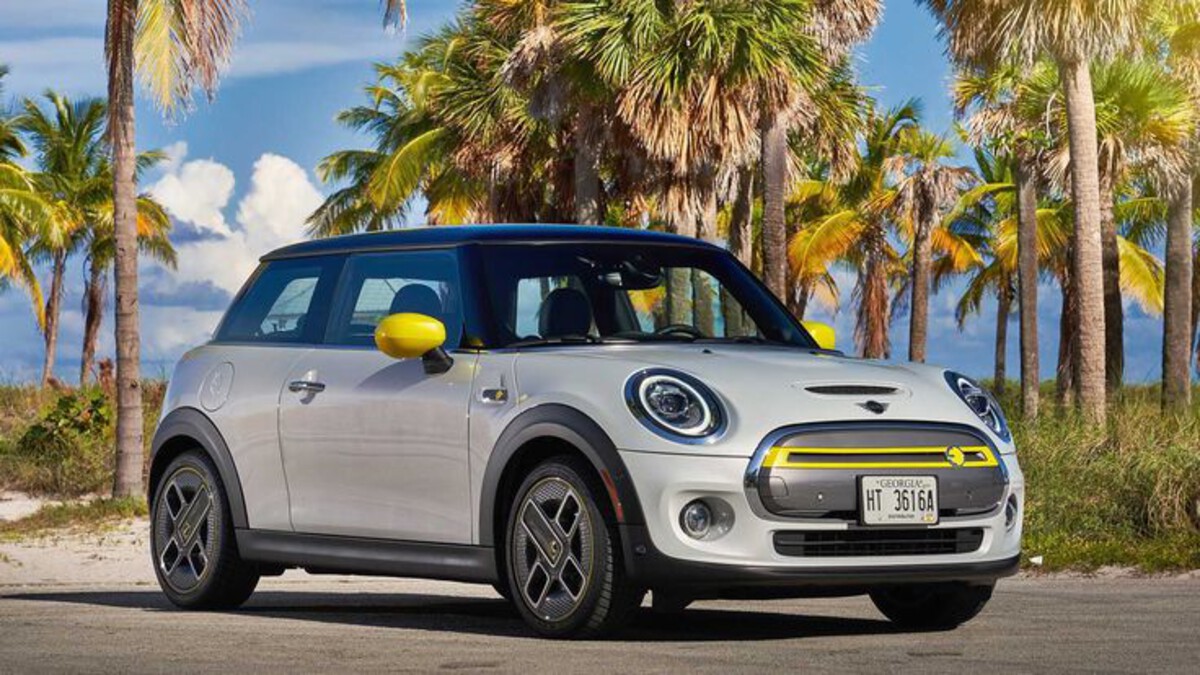
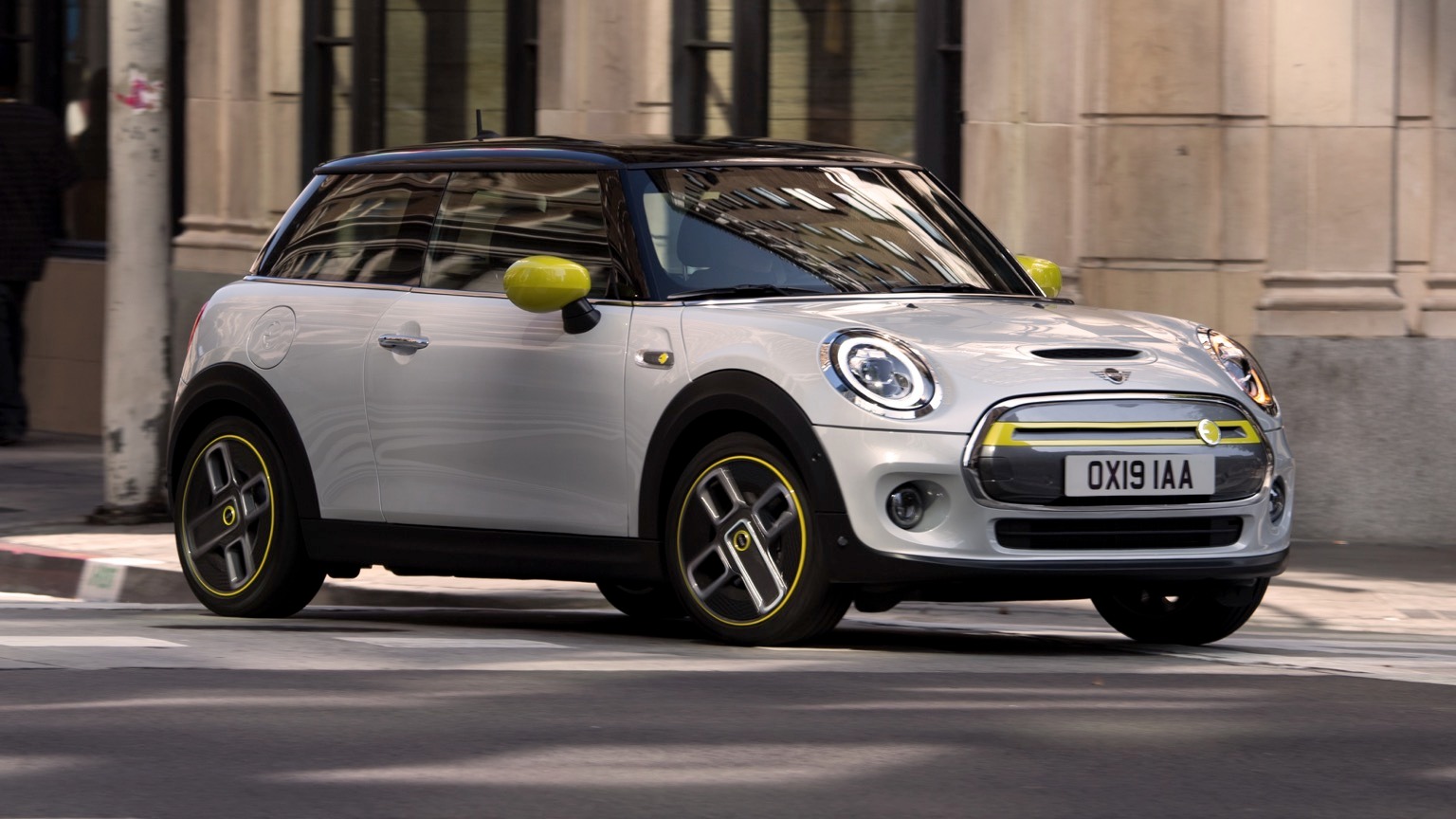
4. Mini Cooper SE
The Mini Cooper SE delivers spirited handling and a distinct design, yet its cabin preconditioning system is one of its weaker points. The vehicle uses a compact HVAC setup designed to fit within a small chassis, which limits the size and capability of its heating components.
When pre-conditioning is activated, the car can warm or cool quickly due to its small interior volume, but the comfort fades almost immediately after unplugging.
This happens because the Mini lacks a dedicated heat pump and instead uses a standard electric heater that consumes significant power. The small battery capacity further restricts how aggressively the system can operate without reducing driving range.
While the Mini’s small size means that air circulates quickly, it also means that temperature changes occur rapidly in both directions. During cold weather, heat dissipates through thin doors and glass areas within minutes. The vehicle’s sporty construction favors lightness over insulation, so even a well-conditioned cabin cools fast once external airflow begins.
On hot days, the opposite happens; the interior warms again soon after air conditioning shuts off, requiring frequent restarts of the climate system. The result is a car that never quite maintains equilibrium, forcing the driver to adjust controls manually to stay comfortable.
The app interface provides only basic functionality. It allows the driver to start pre-conditioning remotely, but the process lacks refinement. There are limited scheduling options, and the system cannot account for fluctuating weather conditions.
Because the feature must balance energy consumption with the car’s modest range, it often shuts off before reaching full comfort levels.
Drivers who expect a fully warmed or cooled interior may be disappointed to find only partial improvement. This can make the car feel less convenient in everyday use, particularly for those in climates with strong temperature contrasts.
This limitation underscores how smaller EVs often struggle to balance performance, cost, and convenience in areas beyond driving dynamics.
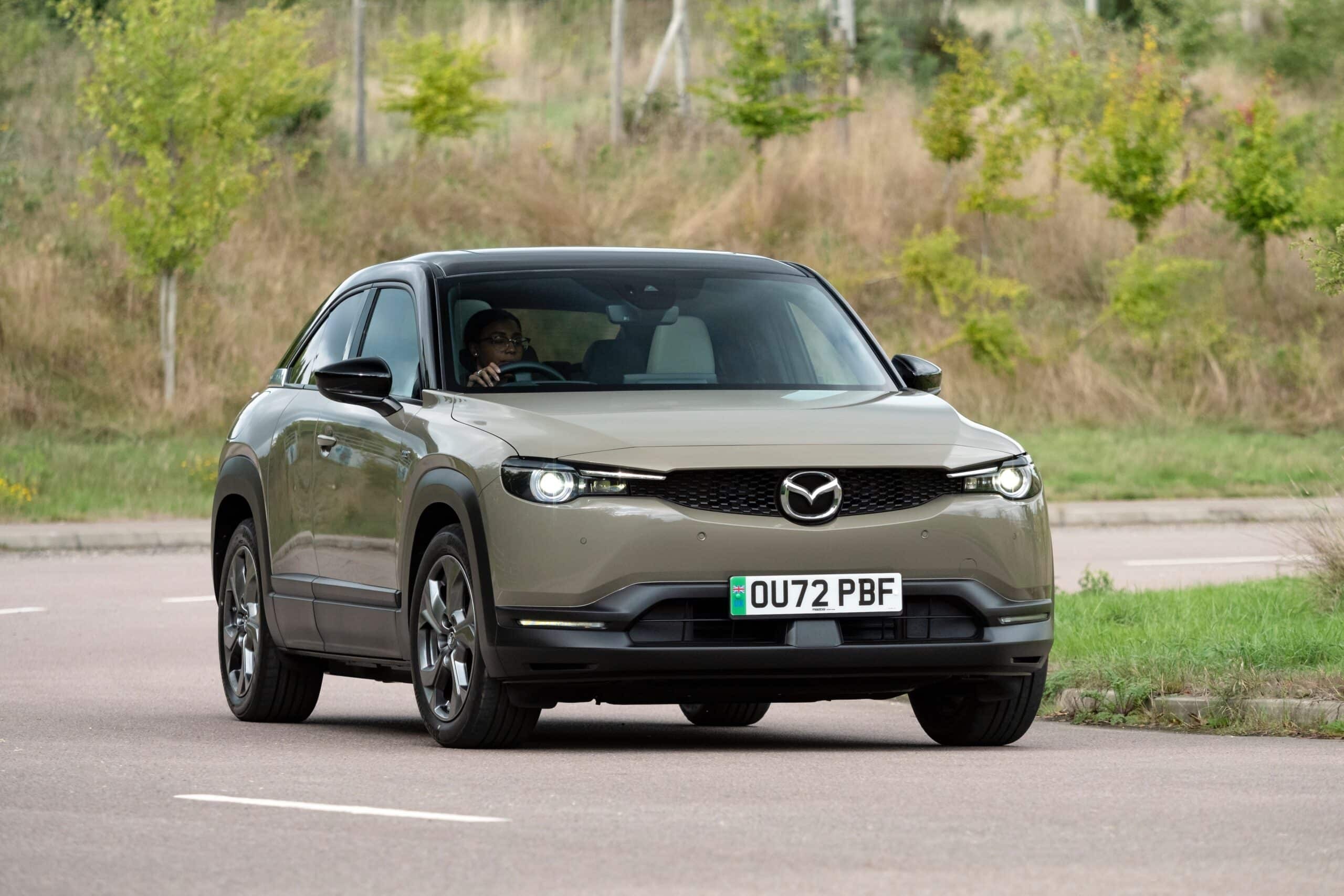
5. Mazda MX-30
Mazda’s MX-30 stands out for its elegant interior and distinctive styling, yet its pre-conditioning system highlights the challenges of designing an efficient climate control setup within a compact electric platform. The MX-30 uses a relatively conventional heating and cooling system rather than a dedicated high-efficiency heat pump.
As a result, pre-conditioning consumes a noticeable amount of energy while providing only modest results. The car can warm or cool while plugged in, but the temperature does not remain stable for long once disconnected. For drivers in colder regions, this means that comfort fades rapidly within the first few minutes of driving.
The vehicle’s small battery pack exacerbates the problem. Because energy reserves are limited, Mazda’s software restricts how long pre-conditioning can run and how much power it can draw. This cautious programming avoids battery depletion but significantly reduces the benefit of the feature.
The car might achieve a mild improvement in cabin comfort but not enough to make a substantial difference. The lightweight construction, which helps handling, also reduces thermal retention. Thin panels and large windows allow external temperatures to influence the interior quickly, undermining the effect of any pre-conditioning achieved while charging.
The control system itself is simple but lacks the sophistication seen in more advanced EVs. The companion app allows remote activation and a few scheduling options, yet it provides little feedback or predictive control. There is no adjustment based on weather forecasts or recurring routines, meaning that users must set timers manually.
The lack of battery pre-warming further limits cold-weather usability. Drivers who attempt to use preconditioning frequently will notice reduced driving range, which discourages regular activation. This creates a cycle where the feature is used less often because its benefits feel disproportionate to its energy cost.
For drivers in mild environments, this may be acceptable, but in demanding climates, it underscores how essential integrated heat management has become for modern electric vehicles.
The MX-30 illustrates that strong design aesthetics cannot compensate for limited pre-conditioning capability, especially when long-term comfort and efficiency are central to the EV experience.
