

Few drivers realize just how much the seat defines their long-term relationship with a car. It is the one component that’s constantly in contact with you every mile, every commute, and every road trip. A well-designed seat should support your body, maintain its shape, and resist sagging even after years of use.
Yet some manufacturers prioritize style or initial softness over longevity, leaving owners with seats that collapse far too soon. Seat foam plays a major role in this difference.
It’s not just about cushion thickness or leather quality; the density, layering, and chemical formulation of the foam determine how it ages under real-world stress.
Over time, temperature swings, driver weight, humidity, and daily use all contribute to foam fatigue. A premium seat may look beautiful at first but begin to lose firmness as its internal structure breaks down. When that happens, drivers notice more than just aesthetic decline.
Poor foam retention can change the driving posture, strain the lower back, and even affect the perception of vehicle quality. Meanwhile, seats with dense, well-engineered foam maintain comfort and alignment long after the new-car smell fades.
The automotive market has seen both successes and disappointments in this area. Some models are praised for seats that remain supportive past 100,000 miles, while others have gained a reputation for prematurely flattening cushions.
In this article, we’ll look at ten examples: five vehicles that have earned a reputation for lasting seat comfort and five that struggle to keep their shape by year four.
The goal isn’t to shame or praise any brand outright but to highlight how design decisions influence the long-term feel of a car.
Seat foam durability might sound minor, but it has a real impact on resale value, owner satisfaction, and physical comfort. Understanding why certain seats last longer than others can help future buyers make better decisions and manufacturers build better products.
Five Models Known for Strong, Supportive Seat Foam
1. Toyota Camry
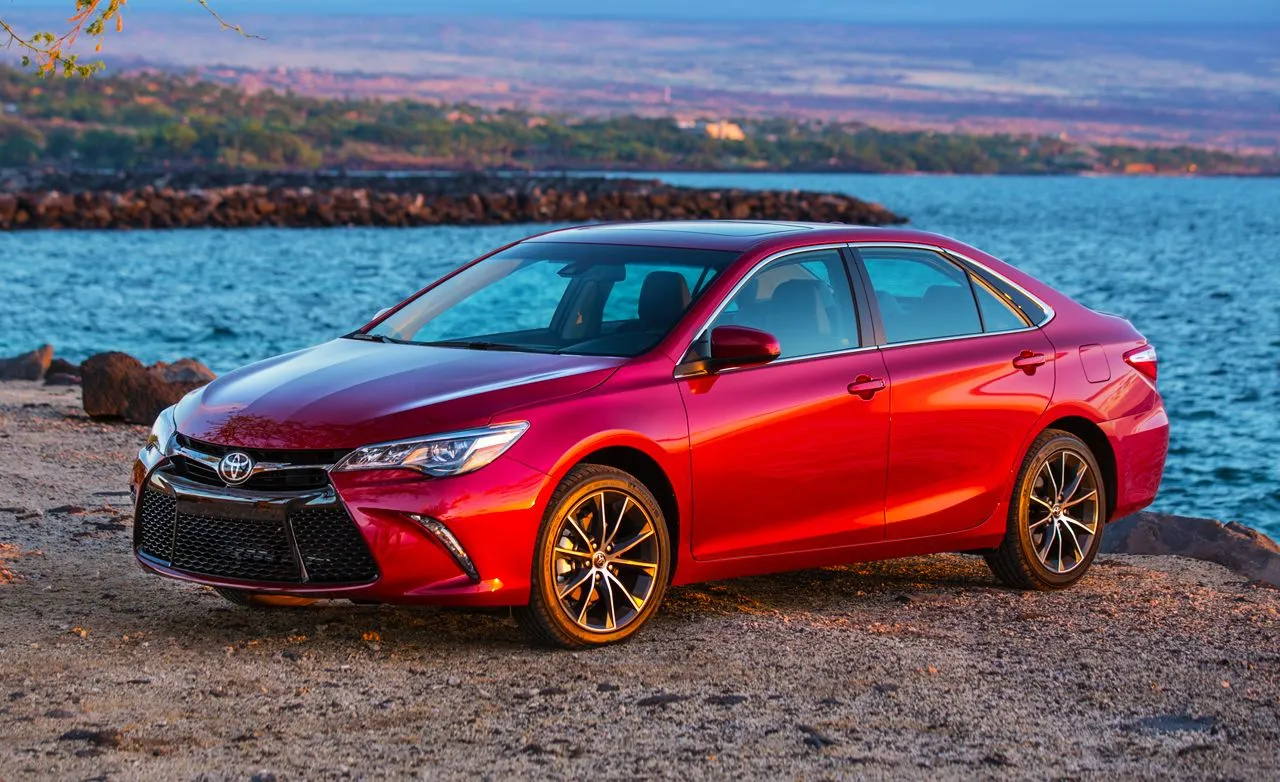
The Toyota Camry’s seats represent a benchmark in practical engineering and durability. Toyota has long understood that its buyers value longevity and dependability as much as comfort, so the seat foam is designed to withstand both time and mileage.
The company’s engineers employ multi-density foam that combines layers of varying firmness. The uppermost layer gives a gentle cushion that feels comfortable during short drives, while the deeper sections provide resistance to long-term compression.
This design ensures the foam doesn’t collapse unevenly under the driver’s weight. Even in high-mileage cars, the foam retains its shape and continues to provide support where it’s needed most.
One of Toyota’s strategies involves optimizing the foam’s chemical composition for rebound resilience. Foam can fail in two ways: it can harden and crack, or it can soften and lose structure. The Camry’s material avoids both problems by maintaining flexibility and elasticity across temperature extremes.
Whether the car sits in summer heat or winter frost, the foam retains its responsiveness. Long-term owners often note that their Camrys still feel “new” in seating comfort even after a decade of use. This reliability in seat structure contributes to Toyota’s reputation for vehicles that age gracefully.
In addition to the foam, the Camry’s seat frame and internal bracing play a big role in protecting the foam from fatigue.
Instead of letting the foam absorb all the stress, Toyota distributes weight across metal reinforcements and tension springs. This reduces pressure on any single section of foam, allowing it to maintain its original contour.
The frame geometry is designed to mirror the spine’s natural shape, so when combined with resilient foam, it prevents the sinking sensation that cheaper seats often develop.
Finally, Toyota’s production quality control ensures that every seat maintains the same standard regardless of where the car is built. Uniform curing times for foam, controlled storage humidity, and precise assembly tolerances all contribute to consistent seat quality.
The result is a cushion that ages predictably and remains supportive throughout the vehicle’s lifespan. For commuters, families, and taxi drivers alike, the Camry demonstrates how careful material science can transform a simple seat into a lasting symbol of comfort.

2. Volvo XC60
Volvo’s XC60 is often praised for its seating comfort, and much of that reputation stems from the quality of its foam. The company views seats not as accessories but as integral safety and comfort components. Every XC60 seat is designed to support proper spinal alignment while minimizing long-term fatigue.
To achieve this, Volvo uses a carefully balanced combination of high-density polyurethane foam and strategic layering that provides both immediate softness and lasting firmness. Unlike single-density designs, Volvo’s foam compresses gradually, avoiding sudden loss of structure.
One of Volvo’s biggest advantages lies in its collaboration with ergonomics researchers. The brand works closely with orthopedic experts to determine ideal pressure distribution zones for the human body. These studies influence the foam’s density mapping, ensuring that no area bears excessive weight.
Over the years, this focus has resulted in seat foam that retains its original support characteristics even after extended daily use. The consistency of the foam’s response also contributes to even wear, preventing the “tilted” feel that develops in lesser seats after a few years.
Volvo also invests heavily in the chemical stability of its foam. The company uses formulations that resist oxidation and hydrolysis, two processes that cause foam to crumble or lose elasticity over time. This durability is vital for vehicles in regions with variable climates, where temperature and humidity fluctuate.
The XC60’s foam retains its firmness and shape across countless heating and cooling cycles, meaning drivers can depend on consistent comfort no matter the season.
Another reason the XC60 stands out is the quality of its seat coverings and how they interact with the foam beneath. Leather and textile materials are tightly fitted, preventing excess movement that could wear down the foam’s surface. Ventilation and moisture control are also crucial, as trapped heat can accelerate degradation.
Volvo’s attention to breathability helps extend foam life while keeping the cabin comfortable. After years of ownership, most XC60 drivers find their seats remain nearly as supportive as the day they bought the car, which is rare in modern vehicles.
3. Lexus RX
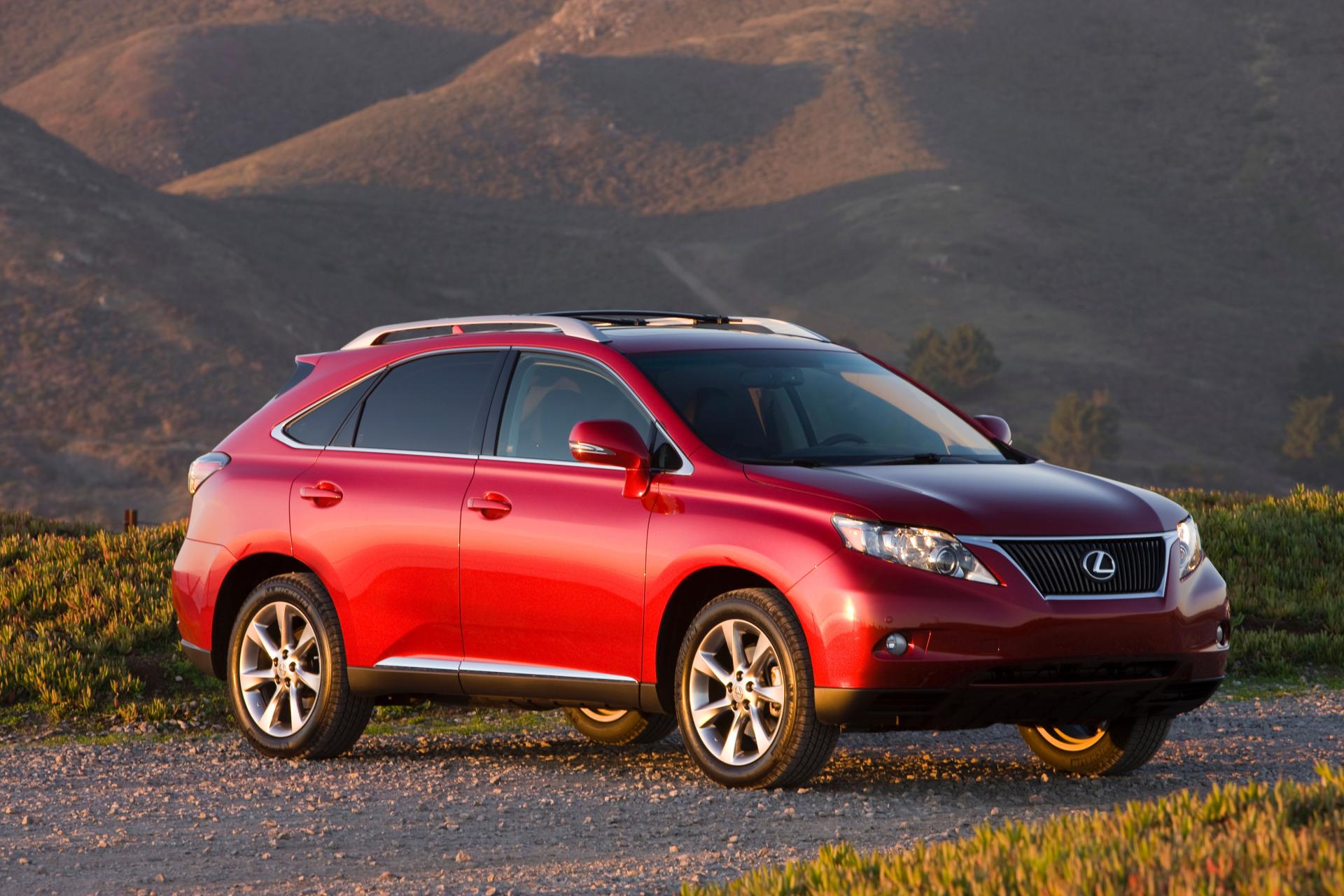
The Lexus RX offers one of the most refined seating experiences in its class, combining luxury comfort with long-term durability. Its foam composition is a result of meticulous engineering rather than guesswork.
Lexus employs a dual-layer structure where the upper foam is soft enough to mold to the occupant’s shape, while the lower layer is denser and acts as the main structural support.
This approach provides a blend of plushness and firmness that holds up over time, avoiding the overly soft feeling that often leads to premature sagging.
The RX also benefits from Lexus’s Takumi craftsmanship philosophy, which emphasizes precision and consistency. Each seat is hand-checked during assembly to ensure uniform foam density and perfect fitment. The foam curing process is tightly monitored so that each batch maintains the same elasticity and strength.
This consistency ensures that no part of the seat weakens faster than another, maintaining symmetry and comfort over years of daily driving. It’s one of the reasons Lexus vehicles often feel newer than their actual age.
Heat and moisture resistance further contribute to the RX’s impressive seat longevity. Lexus uses foam materials that resist breakdown under high temperatures, which is crucial for leather-trimmed interiors frequently exposed to sunlight.
The surface material is perforated to allow air exchange, keeping the foam cooler and reducing internal stress. Even in humid environments, the foam resists mold and deterioration. These protective measures mean that the RX’s seats maintain firmness and elasticity long after similar vehicles show wear.
Another key factor in Lexus’s seat endurance is its holistic design philosophy. Engineers consider how the seat frame, padding, and upholstery interact. The structure supports the foam evenly, minimizing stress points. The foam is bonded carefully to the frame to prevent shifting or gaps that could cause uneven wear.
This integration produces a stable, enduring cushion that keeps the driver properly aligned. Many RX owners report that after years of ownership, the seats remain both luxurious and supportive, reflecting Lexus’s commitment to craftsmanship and comfort that lasts.
4. Honda Accord
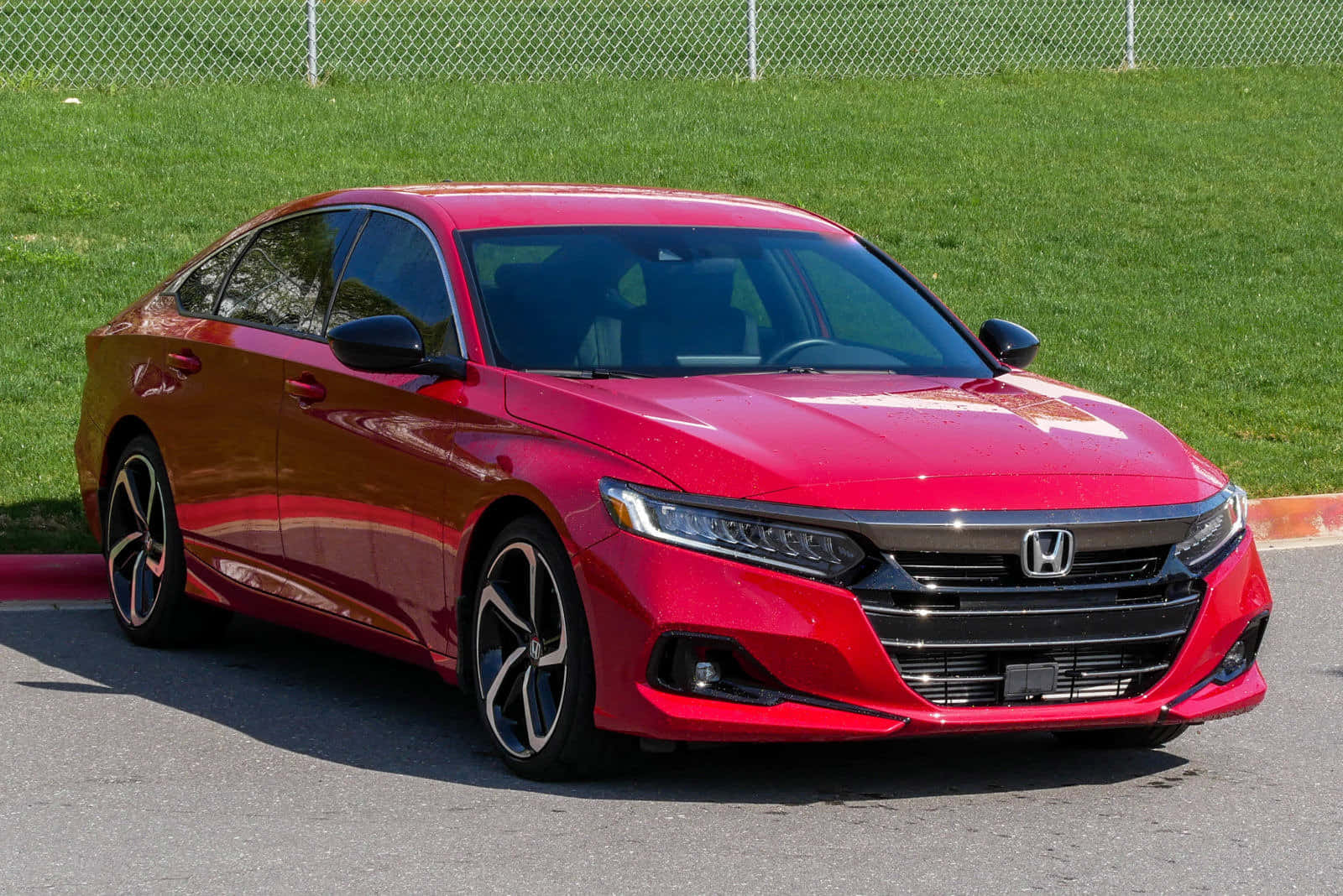
The Honda Accord stands out as one of the few mid-priced sedans whose seat foam maintains performance for well over a decade. Honda’s engineers design every component with long-term practicality in mind, and the seat foam follows that philosophy perfectly.
Instead of chasing initial softness, Honda opts for medium-firm foam with high rebound resilience. The foam returns quickly to its original shape after compression, reducing permanent deformation. This means that even after extensive daily commuting, the driver’s seat stays supportive and balanced.
Durability testing is a major reason for the Accord’s success in seat longevity. Honda’s development process includes simulated wear cycles where seats are repeatedly compressed thousands of times by robotic actuators that mimic real driver motion.
The foam is also exposed to fluctuating temperatures to measure its stability. Only materials that retain at least ninety percent of their original firmness after testing are approved for production. This attention to testing ensures that Accord seats maintain comfort even as the vehicle ages.
Another critical detail is Honda’s focus on proper frame design. The company’s engineers integrate the foam and support structure so that the cushion doesn’t have to bear all the weight. The seat pan uses tensioned springs and reinforced crossbars that absorb stress, leaving the foam to provide comfort rather than structural support.
This design prevents the foam from breaking down prematurely and allows it to maintain its shape longer than in cars where foam must handle all the load.
Ergonomics and human factors research also influence the Accord’s foam quality. The contour of the seat and the thickness of the foam are carefully matched to typical body shapes, ensuring even weight distribution. Because the foam’s density is consistent across seating zones, no single area compresses faster than another.
As a result, drivers experience uniform comfort even after high mileage. Owners who keep their Accords for many years often remark that the seat comfort remains impressively steady, confirming Honda’s thoughtful approach to durability.

5. Subaru Outback
The Subaru Outback’s reputation for toughness extends to its seat foam, which is designed to handle a wide range of conditions and driver lifestyles.
Subaru engineers understand that Outback owners often engage in outdoor activities, subjecting their vehicles to frequent entry and exit, wet clothing, and fluctuating temperatures.
To cope with these realities, the Outback’s seat foam is formulated with a resilient mid-density core that provides both comfort and durability. This type of foam compresses slightly for softness but rebounds completely when pressure is removed.
One of Subaru’s clever design choices is layering different foam types to achieve both comfort and structural integrity. The base layer is firm and supports the body’s weight, while the top layer is softer and conforms to the body.
This approach prevents the foam from collapsing into a permanent shape. After years of use, the seat’s height and contour remain nearly the same as when new. The material resists “bottoming out,” where the foam thins until the occupant feels the seat frame beneath them.
Another advantage is Subaru’s emphasis on water resistance and environmental durability. Moisture is one of foam’s greatest enemies, as it accelerates breakdown and promotes bacterial growth.
The Outback’s seats often use treated textiles and sealed foam barriers to prevent water intrusion. Even in climates with heavy rain or snow, the foam remains stable and odor-free.
Combined with durable stitching and UV-resistant coverings, this design ensures that both the look and feel of the seats stay intact through years of use.
Lastly, Subaru’s approach to ergonomics contributes to the foam’s lasting comfort. The Outback’s seats are shaped to maintain spinal alignment and reduce pressure on the hips and thighs. The foam density supports this design by resisting flattening that could alter posture.
On long road trips or rough terrain, this firmness keeps drivers and passengers comfortable and alert. The combination of smart materials, structural integrity, and ergonomic precision makes the Outback one of the few adventure-focused vehicles with seats that truly last the life of the car.
Five Models Known for Foam That Pancakes by Year Four
1. Nissan Altima
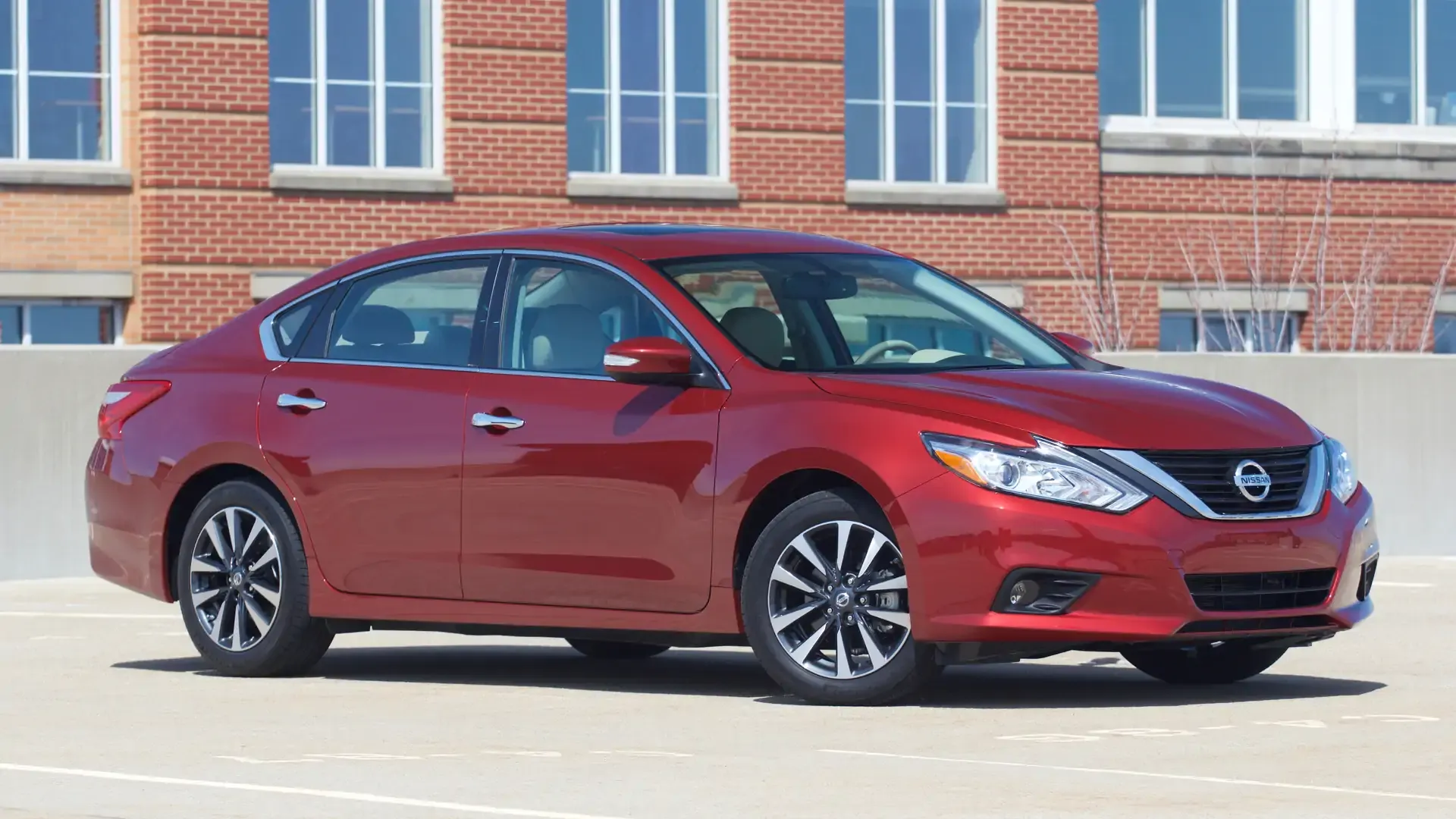
The Nissan Altima has earned a reputation for seats that start off comfortable but lose their firmness within a few years. Initially, the seats feel plush and inviting, thanks to a soft foam layer designed for immediate comfort. Drivers often notice a pleasant cushioning effect that absorbs minor road bumps well.
However, this early softness comes at a cost. The foam used in the seat’s core is lower in density, which means it compresses more easily under sustained pressure. After regular commuting over a couple of years, the foam begins to flatten, causing the seat to feel less supportive.
Part of the issue stems from weight distribution. The foam is not reinforced with sufficient structural support underneath, so it bears almost the full weight of the occupant. Repeated use in the same areas—such as the driver’s seat bottom and sides, causes uneven wear.
Over time, the seat develops noticeable depressions where the body rests most often. Owners frequently report that these areas become soft and hollow, creating a sensation of sinking into the seat rather than sitting on it.
This degradation impacts long-term comfort, particularly on long trips or for drivers who spend several hours a day behind the wheel.
Temperature sensitivity also contributes to the Altima’s foam compression. In warm climates, the foam can soften temporarily, accelerating wear and making the collapse more apparent. Cold weather, on the other hand, can make the foam rigid, causing it to break down unevenly when pressure is applied.
Combined with daily use, these environmental factors mean the foam loses its shape faster than higher-density alternatives. Nissan’s approach to cost efficiency likely favors lighter, cheaper foam that meets initial comfort expectations but sacrifices long-term durability.
Finally, the seat’s surface material does little to protect the foam underneath. Standard cloth or thin leather coverings allow direct compression stress and friction to affect the foam, causing it to flatten more rapidly.
Unlike vehicles with reinforced or layered designs, the Altima’s seat lacks additional cushioning elements to distribute weight. As a result, by the fourth year of ownership, many drivers notice a clear difference between the new and worn feel, marking the Altima as one of the models where foam longevity is compromised.
2. Chevrolet Malibu
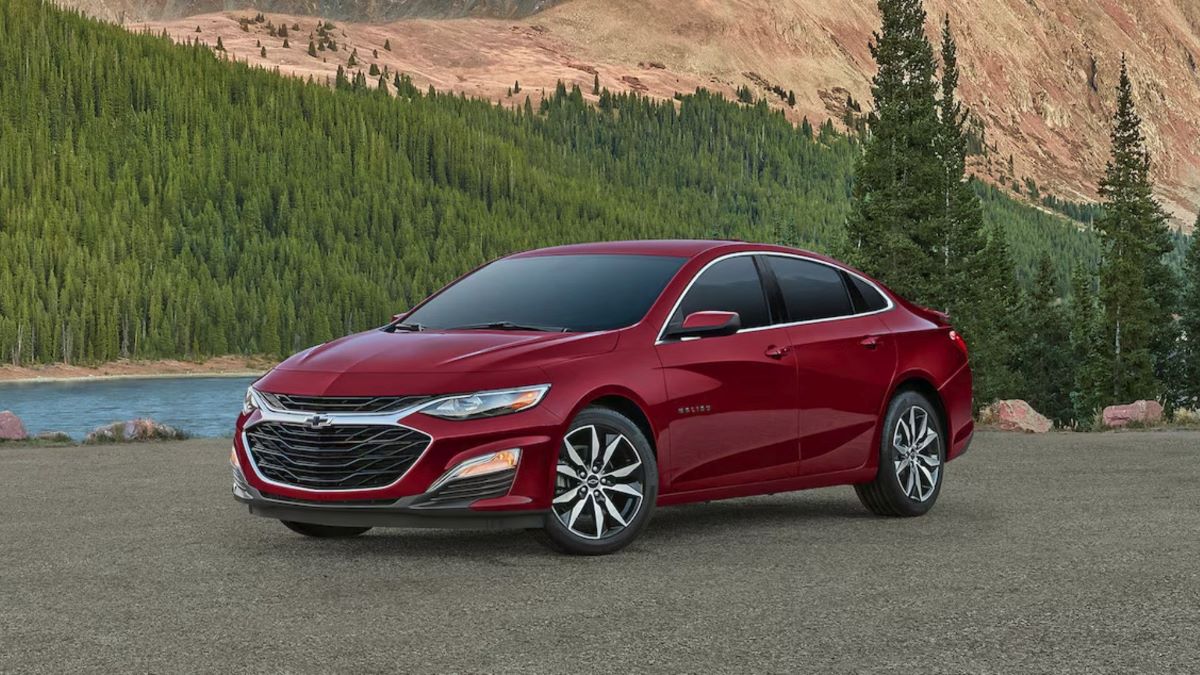
The Chevrolet Malibu is another example of a mid-sized sedan with seats that deteriorate faster than expected. The initial ride comfort is often praised, as the foam provides a soft, welcoming feel. However, this comfort comes from low-density foam that cannot maintain resilience over time.
Within a few years of daily commuting, the foam compresses significantly, leaving impressions that do not spring back.
Drivers often describe the feeling as sitting in a shallow bowl rather than on a supportive cushion. This early degradation can create fatigue on longer trips, as the lower foam layer no longer properly supports the thighs or lower back.
One factor contributing to foam collapse is the seat’s lack of multi-layer design. Unlike vehicles with high-density base foam and softer top layers, the Malibu relies heavily on a single foam block. This design choice reduces manufacturing complexity but makes the seat more prone to permanent compression.
The uniform softness, which feels luxurious initially, cannot sustain long-term stress from repeated use. Over time, the seat begins to sag in the areas where occupants sit most frequently, particularly in the driver’s seat. The difference in comfort between a new Malibu and one with three to four years of mileage can be stark.
Environmental factors further affect the foam’s longevity. Temperature changes, sunlight exposure, and even humidity can accelerate the breakdown of the polyurethane material used. Warm climates make the foam more pliable, which initially feels comfortable but eventually leads to faster deformation.
Cold weather can cause uneven compression, leading to permanent indentations when the occupant applies pressure. The combination of environmental exposure and daily use explains why the Malibu’s seats often fail to maintain firmness beyond the third or fourth year.
Finally, the surface covering contributes to the problem. Fabric and thin synthetic leather do not provide enough protection to the foam underneath. Friction from sliding in and out of the seat, combined with pressure on the foam core, accelerates flattening.
Additionally, the seat’s frame does little to distribute weight effectively, forcing the foam to carry most of the load. By year four, many owners notice a significant loss of support, resulting in discomfort on longer drives.
The Malibu’s seat design prioritizes immediate comfort and cost efficiency over long-term durability, which is why it frequently falls into the “foam pancakes” category.
3. Ford Fusion
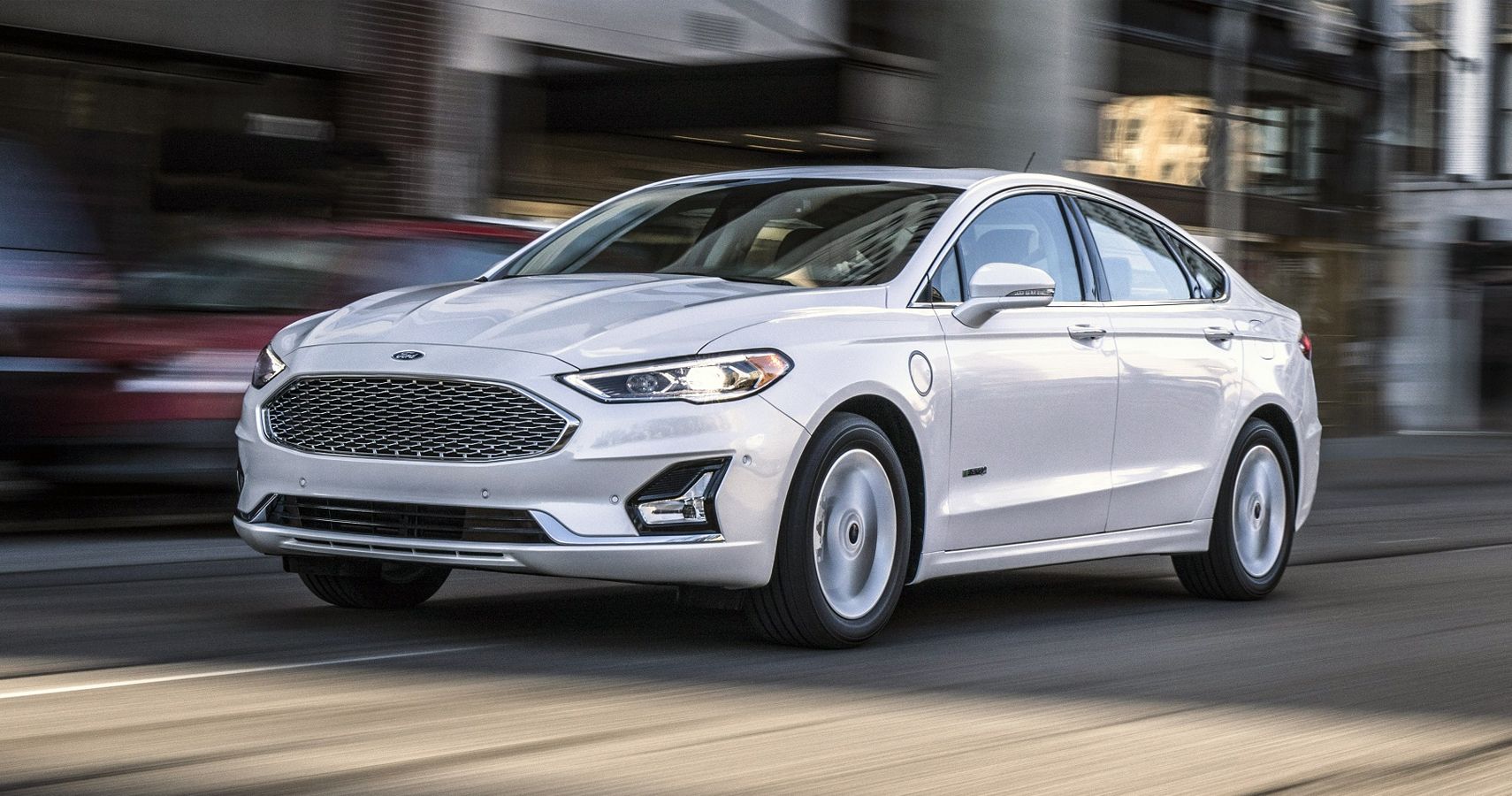
The Ford Fusion begins life with seats that feel plush and ergonomic, offering a cushioned experience that absorbs minor road vibrations. Initially, this design is appealing, as the foam provides a soft, inviting surface for daily commuting. However, the foam density is relatively low compared to other models in its class.
While this softness creates short-term comfort, it lacks the resilience required to maintain structure under repeated compression. By the time the vehicle reaches its third or fourth year of use, the foam begins to lose its original shape, particularly in high-contact areas like the driver’s seat and passenger seating surfaces.
Part of the problem lies in weight-bearing distribution. The Fusion’s seats rely primarily on the foam itself to absorb stress, with minimal reinforcement from the seat frame or internal springs. This means that the foam endures nearly all of the occupant’s weight.
Over time, repeated use causes the foam to compress unevenly, creating depressions where the body consistently rests.
Drivers often notice that their lower back or thighs no longer feel properly supported, and passengers report a less stable seating experience. In some cases, the foam can even feel hollow in certain areas, reducing comfort significantly.
Environmental conditions can further exacerbate foam degradation in the Fusion. Temperature fluctuations cause the foam to expand and contract, which weakens its structural integrity. Sun exposure, especially in vehicles parked outdoors for extended periods, accelerates the breakdown of low-density polyurethane foam.
Moisture and humidity also contribute, softening the material and increasing susceptibility to permanent compression. Combined, these factors mean that Fusion owners often encounter noticeable sagging well before the five-year mark, a common complaint among mid-life Fusion vehicles.
Another contributing factor is the seat covering and its interaction with the foam beneath. The standard cloth or thin leather materials offer minimal protective function, allowing friction and repeated body pressure to wear the foam faster.
Unlike cars that employ multi-layer cushioning or denser base foam, the Fusion’s design prioritizes cost and short-term comfort. The result is a seat that initially feels inviting but quickly loses resilience, marking it as a model where the foam “pancakes” by the fourth year of ownership.
4. Hyundai Sonata
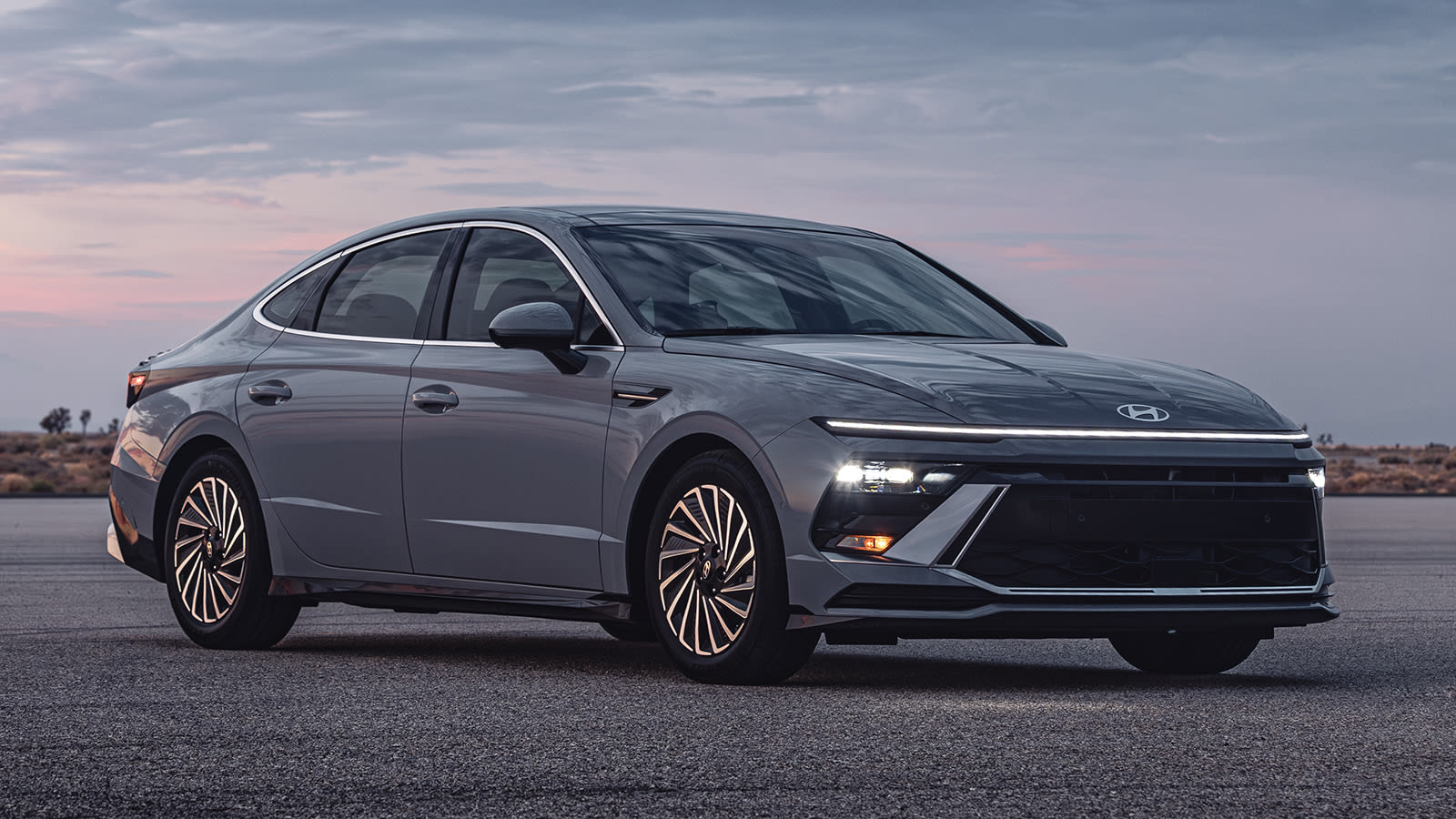
The Hyundai Sonata offers a smooth and comfortable ride when new, but its seat foam often shows early signs of wear.
The initial softness is appealing, as the foam feels inviting and gently contours to the occupant’s body. However, this early comfort is largely due to low-density polyurethane, which is prone to permanent compression.
While the seat initially seems supportive, the foam’s lack of rebound resilience means that even moderate daily use quickly reduces its structural integrity. By the fourth year, the driver’s seat bottom often develops noticeable dips where the body rests most frequently.
Weight distribution is a central factor in the Sonata’s foam collapse. The foam bears nearly all of the occupant’s pressure, with minimal support from internal springs or seat reinforcements. Repeated daily use concentrates stress in certain areas, particularly the edges of the seat pan and the area supporting the lower back.
Over time, these zones compress faster than the surrounding foam, creating uneven seating surfaces that compromise comfort. Passengers often notice a sinking feeling, and drivers report increased fatigue on long trips due to reduced support.
Temperature and environmental stress further accelerate foam deterioration. Heat exposure softens the foam temporarily, making it feel comfortable initially, but this softness leads to faster compression over time. Cold weather, meanwhile, makes the foam more rigid, which can cause uneven wear when weight is applied.
Humidity and moisture also penetrate the surface layers, further weakening the foam’s structure. These factors explain why Sonata owners frequently notice a significant decline in seating quality by the vehicle’s fourth year, even with moderate use.
Finally, the Sonata’s seat covering materials offer limited protection. Standard fabric or thin leather allows friction and repeated movement to stress the foam directly. The lack of layered cushioning or high-density base foam means there is little resistance to permanent compression.
Even with careful use, owners often find that their seats feel noticeably flatter and less supportive within a few years, underscoring Hyundai’s focus on short-term comfort rather than long-term durability in this model.
5. Kia Optima
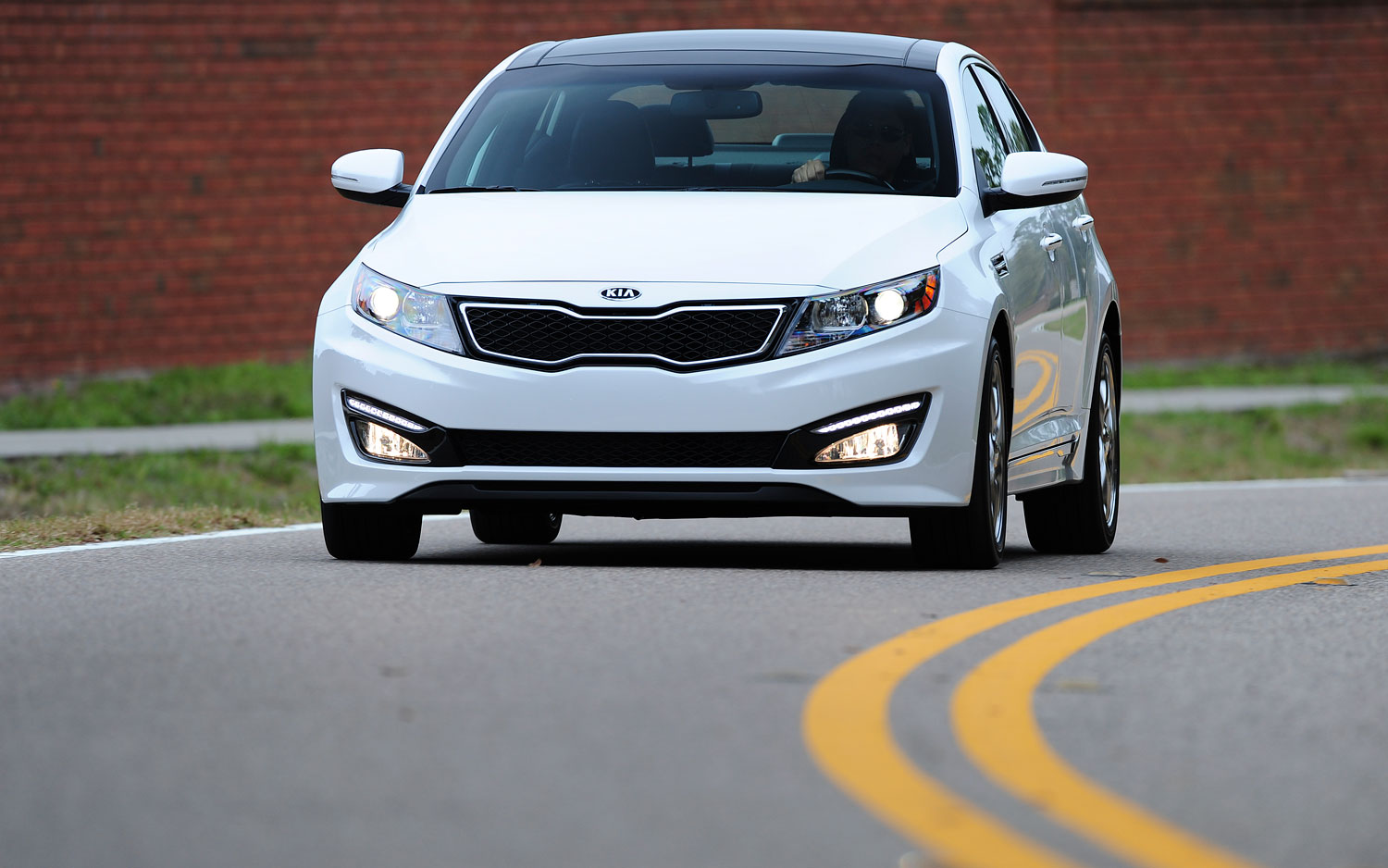
The Kia Optima delivers initial seating comfort with a soft, welcoming feel that many first-time drivers appreciate.
The foam is designed to provide a cushioned experience that absorbs minor road shocks effectively. However, the material is relatively low in density, which compromises its ability to maintain structure over time.
The early plushness is deceptive; repeated daily use quickly leads to compression, particularly in areas with the greatest contact such as the seat bottom and lumbar support zones. By year four, many owners notice the foam has “pancaked,” losing both height and firmness.
The foam’s inability to sustain long-term support is compounded by the seat frame design. The Optima relies heavily on the foam itself to bear weight, without significant reinforcement from tensioned springs or crossbars. This results in concentrated pressure points that accelerate degradation.
Over time, depressions form where the body presses most often, leaving the seats uneven and less supportive. The difference between a new and moderately used Optima seat can be substantial, especially in the driver’s area, reducing comfort on longer journeys.
Environmental factors play a significant role in foam breakdown. Temperature fluctuations, particularly heat exposure in parked vehicles, soften the foam and speed up permanent compression. Cold conditions make the foam less flexible, causing uneven wear under repeated pressure.
Moisture and humidity can further compromise the material, weakening its resilience and accelerating sagging. These combined factors contribute to the early foam failure experienced by many Optima owners, even under normal driving conditions.
The seat’s surface covering also influences longevity. Standard fabric or synthetic leather does little to prevent foam wear, allowing friction from sliding in and out of the seat to directly impact the cushion.
Unlike vehicles that incorporate multiple foam layers or high-density cores, the Optima’s design sacrifices durability for initial comfort. By the fourth year, many drivers notice reduced support and a flatter seating surface, confirming the Optima as one of the models where foam degradation occurs relatively quickly.
