
The wheel-speed harness is a critical yet often overlooked component in modern crossover vehicles, serving as the electrical link between the wheel speed sensors and the vehicle’s electronic control systems.
Its primary function is to transmit precise rotational data from each wheel to the vehicle’s electronic control units, enabling features such as anti-lock braking systems, traction control, and stability management.
While many vehicle owners rarely consider the harness, its reliability can have profound implications for safety, vehicle performance, and long-term maintenance costs.
When functioning properly, a robust wheel-speed harness contributes to the overall integrity of a crossover vehicle’s electronic network, ensuring that sensors provide accurate data under varying conditions of temperature, vibration, and road debris exposure.
Durability in wheel-speed harnesses is influenced by factors such as insulation quality, connector design, routing, and the flexibility of the harness materials. Crossovers that emphasize engineering in these areas tend to experience fewer electrical issues, avoiding frequent sensor errors and costly repairs.
On the other hand, certain designs or cost-saving measures can lead to harnesses that are prone to chafing, short circuits, or complete failure.
The consequences of a compromised harness are not limited to minor inconveniences; they can trigger false warnings, degrade braking performance, and even cause the vehicle to enter limp mode.
Understanding which vehicles have robust harnesses and which are more susceptible to issues can help buyers make informed decisions and prepare for maintenance challenges.
Vehicle manufacturers have approached harness design in different ways, balancing cost, complexity, and environmental resilience. Some crossovers incorporate reinforced sheathing, strategic routing paths that avoid sharp edges, and connectors resistant to moisture and vibration.
Others, often in earlier production models or cost-focused trims, may leave the harness exposed to conditions that accelerate wear.
By examining specific crossover models, it is possible to identify those with proven durability and those with histories of harness failures. This knowledge not only assists consumers in making purchasing choices but also informs mechanics and service professionals when diagnosing sensor-related issues.
This article focuses on identifying five crossover vehicles with wheel-speed harnesses known for their durability and five that have documented cases of chafing and shortening.
It also discusses the underlying technical factors that contribute to harness longevity and presents practical maintenance strategies to extend the life of these essential components.
Through this analysis, readers can gain a clearer perspective on the often-hidden aspects of vehicle reliability, particularly in a category of vehicles that continues to grow in popularity due to their versatility, comfort, and performance.
Five Crossover Cars with Durable Wheel-Speed Harnesses
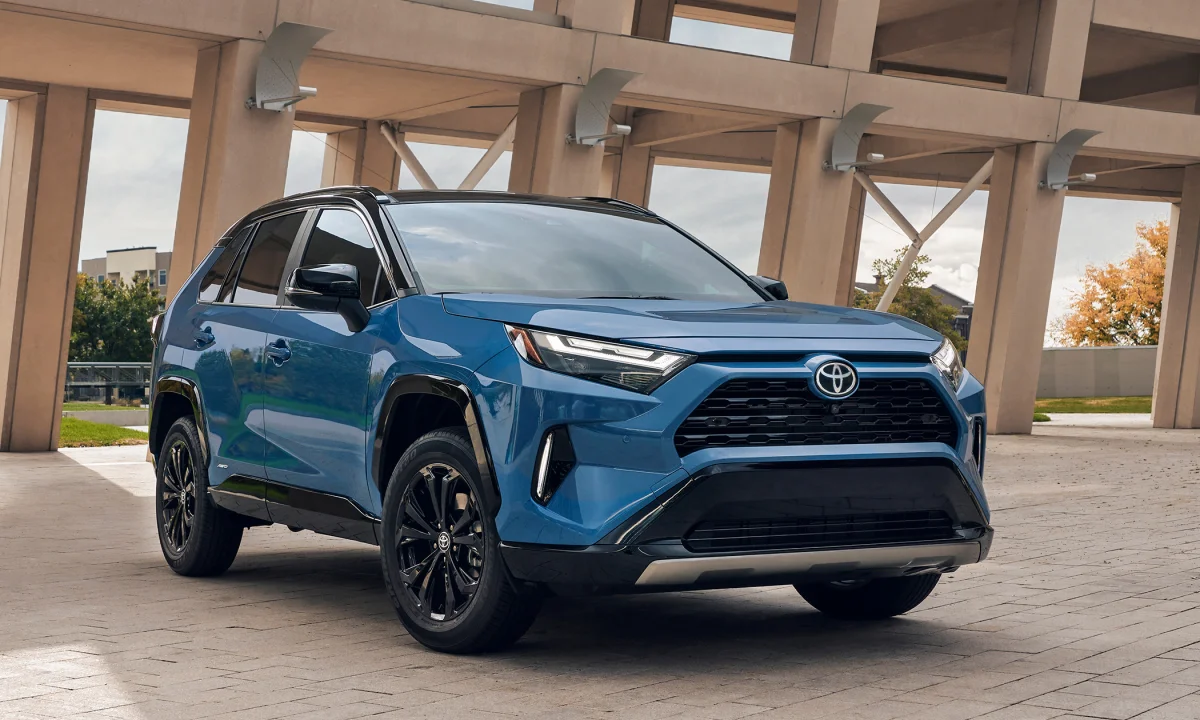
Toyota RAV4
The Toyota RAV4 has consistently demonstrated a reputation for reliability across multiple generations, and its wheel-speed harness is a key contributor to this durability. Toyota engineers prioritize high-quality insulation materials designed to withstand heat, moisture, and mechanical wear over time.
The harness is constructed with multi-layer sheathing that protects the wires from abrasion caused by contact with nearby metal components or suspension parts, which is especially important for vehicles driven on rough roads or in off-road conditions.
This attention to protective design ensures that the wheel-speed sensors remain accurate, preventing malfunctions in critical systems like anti-lock brakes and traction control.
In real-world usage, RAV4 owners often report that the wheel-speed sensors operate without fault even after exceeding 150,000 miles, highlighting the effectiveness of Toyota’s durability-focused engineering.
Furthermore, the harness’s flexibility allows for natural movement with wheel articulation, reducing tension that could otherwise cause cracks or shorts over time.
Another factor contributing to the RAV4’s harness longevity is its secure connector system. Toyota employs weatherproof connectors that are resistant to corrosion and capable of maintaining firm electrical contact under prolonged vibration.
These connectors are designed with locking tabs that prevent accidental disconnections, even in vehicles that frequently traverse uneven or icy terrain.
By combining durable insulation with robust connectors, Toyota ensures that the harness is less susceptible to moisture penetration, which can otherwise lead to sensor errors and diagnostic trouble codes.
Service technicians often find that wheel-speed harness failures in the RAV4 are extremely rare, and when faults occur, they are usually linked to external damage or aftermarket modifications rather than inherent design weaknesses. This level of reliability reinforces Toyota’s commitment to long-term vehicle performance.
Accessibility is another aspect where Toyota excels. The RAV4’s wheel-speed harness is strategically routed to allow easy inspection and replacement without requiring extensive disassembly of suspension components or brake assemblies.
This thoughtful design reduces the risk of accidental damage during routine maintenance and makes preventive inspections more practical.
For vehicle owners, this translates into lower maintenance costs and reduced downtime. Mechanics have noted that even older RAV4 models rarely require harness replacement, demonstrating Toyota’s proactive approach to component durability and serviceability.
Finally, Toyota’s rigorous testing protocols ensure that the RAV4’s harness performs well under a variety of extreme conditions. Engineers subject the harness and associated connectors to thermal cycling, vibration simulations, and water exposure tests to ensure long-term reliability.
By validating performance beyond typical road conditions, Toyota minimizes the risk of harness-related failures. This testing philosophy exemplifies the broader strategy in which attention to minor components contributes to the longevity and dependability of the vehicle.
The RAV4 stands out as a benchmark in the crossover segment for maintaining accurate sensor systems without frequent maintenance.
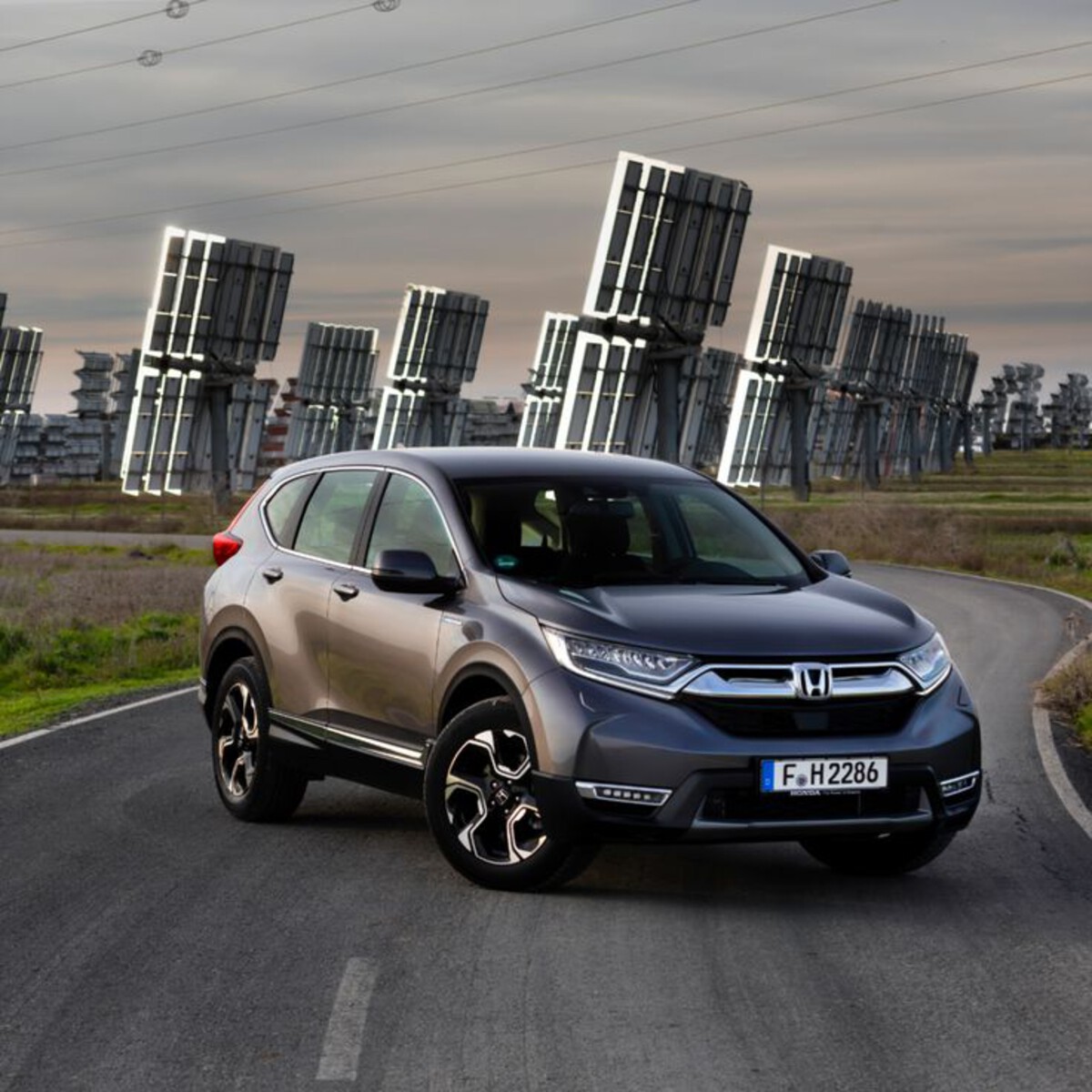
Honda CR-V
The Honda CR-V employs a wheel-speed harness that reflects the brand’s emphasis on durability and precision engineering. One key feature is the use of reinforced wire sheathing, which protects the wires from chafing against suspension components, metal brackets, or steering assemblies.
Unlike some competitors, the CR-V’s harness is designed to accommodate wheel travel and suspension flex, reducing mechanical stress on the wires. By maintaining this flexibility, Honda ensures that the harness remains intact even during aggressive driving or prolonged exposure to uneven road surfaces.
In practice, this means that the CR-V experiences fewer instances of short circuits or sensor failure compared with vehicles that have less robust harness routing. Owners frequently cite the absence of wheel-speed sensor warnings as a reflection of Honda’s attention to long-term reliability.
Honda also integrates strain relief points near connectors, further preventing electrical failures caused by repeated vibration or minor impacts. These strain relief mechanisms absorb mechanical stress and protect delicate wiring inside the harness.
The connectors themselves are designed to maintain moisture resistance and prevent corrosion, a frequent cause of sensor malfunction in wet or snowy climates. Honda’s modular harness design ensures that a single damaged section can be replaced independently, reducing the cost and complexity of repairs.
This design consideration highlights Honda’s approach to engineering components that not only last but are also easy to service when maintenance is required.
The CR-V’s routing strategy is another factor in its durability. Engineers position the harness to avoid potential contact points with moving suspension parts or the wheel well liner, minimizing the risk of chafing or accidental pinching.
This careful routing, combined with protective sheathing, ensures the harness remains functional for years, even in high-mileage vehicles. Mechanics routinely observe that CR-Vs with over 200,000 miles still have fully functional wheel-speed harnesses, underscoring the effectiveness of Honda’s design philosophy.
Finally, Honda’s selection of materials plays a critical role in the CR-V’s harness longevity. The insulation is formulated to remain pliable at low temperatures and resist cracking in high heat, ensuring performance across a wide range of climates.
This material resilience, combined with precise routing and secure connectors, enables the CR-V to deliver consistent sensor performance under both urban and off-road driving conditions.
By focusing on materials, design, and protective engineering, Honda has created a wheel-speed harness system that contributes to the CR-V’s reputation for reliability.
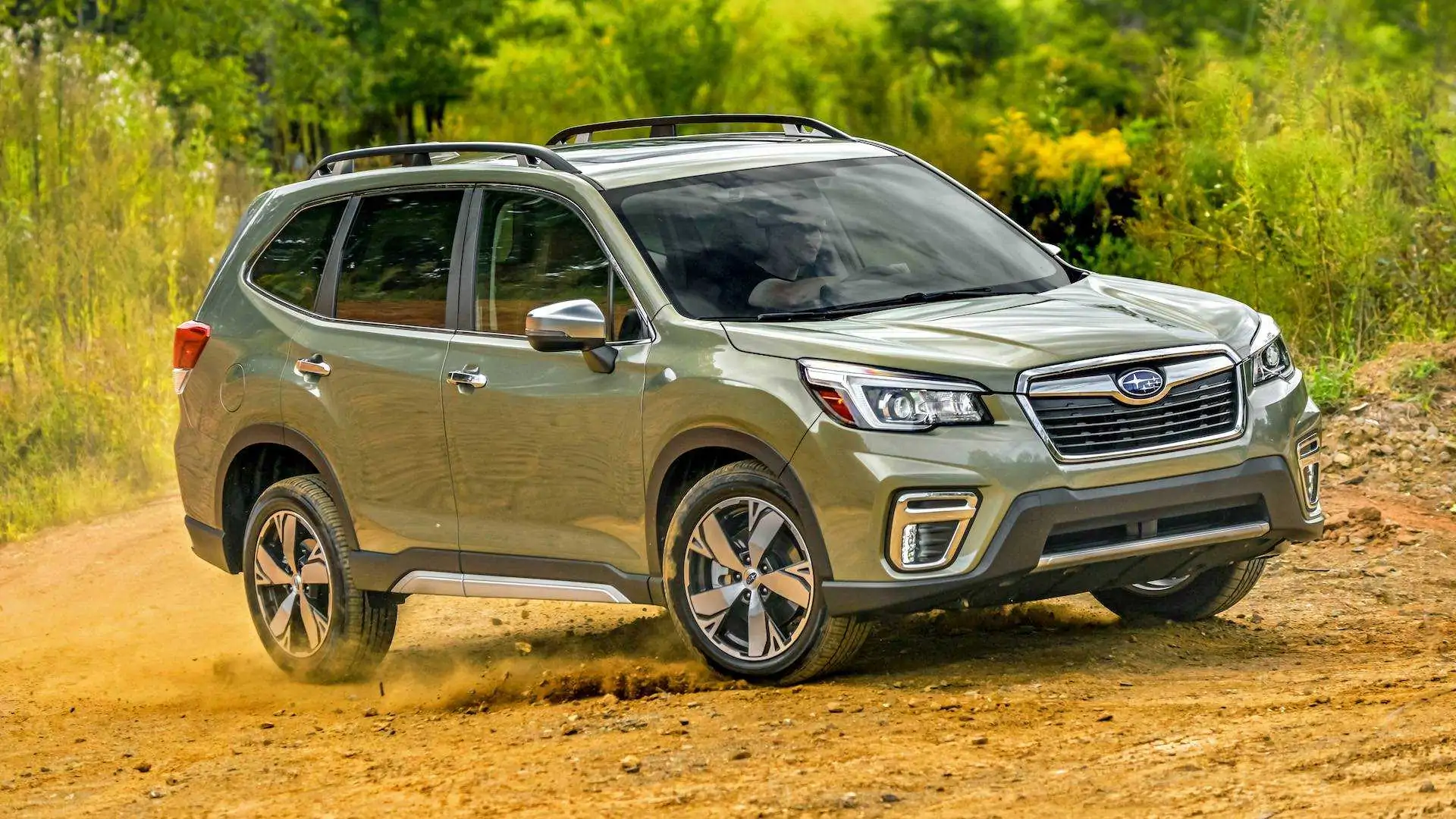
Subaru Forester
The Subaru Forester is well-known for its all-wheel-drive system, which relies heavily on precise wheel-speed sensor data.
To support this, Subaru has engineered a wheel-speed harness that balances protection with flexibility. The harness features thick, high-quality insulation and flexible cabling to prevent chafing against struts, brake lines, or other suspension components.
Many models also include protective plastic conduits that shield the harness from road debris, moisture, and small stones that could otherwise damage the wires.
This robust construction ensures that the wheel-speed sensors remain functional even in off-road conditions, where vehicles may encounter dirt, gravel, and water frequently. Owners of Foresters often report minimal sensor-related issues despite regular exposure to harsh driving environments.
Subaru further enhances durability with moisture-resistant connectors that include locking tabs to prevent accidental disconnection. The harness is designed to move naturally with suspension travel, avoiding tension or pinching that could lead to shorts or broken wires.
This design consideration is especially critical in a vehicle like the Forester, where suspension movement is greater due to higher ground clearance and active off-road use.
Mechanics frequently note that the Forester’s wheel-speed harness rarely fails, and when service is necessary, issues are often external rather than design-related.
Routing and placement of the harness are central to Subaru’s durability strategy. Engineers avoid positioning wires near sharp edges or heat-generating components, reducing the risk of insulation wear or heat damage.
This careful consideration prevents premature failure and maintains sensor accuracy over time. The combination of thoughtful routing, protective conduits, and high-quality connectors ensures that the Forester’s harnesses remain intact through long-term use in diverse environmental conditions.
Finally, Subaru’s extensive testing and quality control contribute to the Forester’s reliability. Engineers simulate extreme weather conditions, repeated vibrations, and long-term wear to validate harness performance.
This testing ensures that wheel-speed sensors continue to deliver accurate data for braking, stability control, and traction management systems.
By incorporating durability testing into the design process, Subaru reinforces its commitment to long-lasting performance and reliability, making the Forester one of the most dependable crossovers for wheel-speed harness longevity.

Mazda CX-5
The Mazda CX-5 is known for combining dynamic performance with reliable engineering, and its wheel-speed harness demonstrates this balance. The harness is constructed with abrasion-resistant materials capable of withstanding repeated movement without cracking or chafing.
Mazda engineers focus on clean and precise routing to prevent wires from contacting moving suspension components or brake assemblies, which is especially important in vehicles with sport-tuned suspensions.
This careful attention to harness placement reduces potential points of failure and extends the lifespan of wheel-speed sensors. As a result, CX-5 owners rarely report sensor errors, even after extensive use in challenging driving conditions.
Durable connectors enhance the CX-5’s wheel-speed harness reliability. These connectors feature anti-corrosion coatings, secure locking tabs, and moisture-resistant seals to prevent water ingress and maintain consistent electrical contact.
Even under heavy rain or snow, the harness continues to function reliably, ensuring that braking and traction systems operate correctly.
Mazda’s engineers also implement modularity in the harness design, allowing individual segments to be replaced without disturbing the entire wiring network. This approach simplifies maintenance and reduces repair costs if a localized failure occurs.
Mazda also emphasizes flexibility and strain relief in the CX-5’s harness design. By providing adequate slack and routing wires along natural movement paths, the harness can accommodate wheel travel and suspension articulation without becoming taut or stressed.
Strain relief points near connectors absorb mechanical vibrations and minimize the risk of wire fatigue. These design considerations contribute to the durability of the wheel-speed system and ensure that sensor readings remain accurate over time.
Finally, Mazda conducts extensive pre-production and quality assurance testing to validate harness performance. Engineers simulate long-term wear, vibration exposure, and environmental stressors to ensure the harness maintains integrity under real-world driving conditions.
This rigorous testing, combined with thoughtful material selection, precise routing, and secure connectors, positions the CX-5 as a crossover with one of the most durable wheel-speed harness systems in its class.
Owners benefit from reliable sensor performance and minimal maintenance interventions over the vehicle’s lifespan.

Ford Escape
The Ford Escape has evolved over successive generations to improve the durability of its wheel-speed harness. Modern models incorporate enhanced sheathing designed to resist abrasion, heat, and chemical exposure, protecting the wires from road grime, oil, and debris.
Engineers carefully route the harness to avoid contact with moving suspension parts or sharp edges, reducing the risk of chafing and premature failure.
This level of protective design ensures that wheel-speed sensors deliver accurate input to braking and traction control systems, even under challenging driving conditions such as pothole-ridden urban streets or light off-road terrain.
The Escape’s connectors feature a locking tab system and rubber seals that prevent moisture intrusion, maintaining reliable electrical contact in wet or snowy conditions.
By keeping water and contaminants out of the electrical interface, Ford reduces the likelihood of corrosion-related sensor errors, which are a common source of diagnostic trouble codes in other vehicles.
Service technicians report that properly maintained Escape harnesses often last the lifetime of the vehicle without requiring replacement, reflecting Ford’s focus on component longevity.
Flexibility and strain relief are additional strengths of the Escape’s harness design. Wires are routed with sufficient slack to accommodate suspension travel and steering articulation, preventing them from becoming taut or pinched during normal vehicle operation.
Strain relief near connectors and key bends in the harness further minimizes stress on the wires, extending the service life. These measures contribute to the consistent performance of wheel-speed sensors and reduce maintenance concerns for owners.
Finally, Ford subjects the Escape’s electrical components to extensive testing to validate durability. The harness undergoes vibration, environmental, and stress testing to ensure it withstands long-term wear and adverse conditions.
This thorough validation process, combined with careful material selection, secure connectors, and strategic routing, ensures that the Escape’s wheel-speed harness system remains reliable over time. The vehicle exemplifies how attention to hidden components like wiring can enhance vehicle dependability.
Five Crossover Cars that Experience Chafing and Shorting
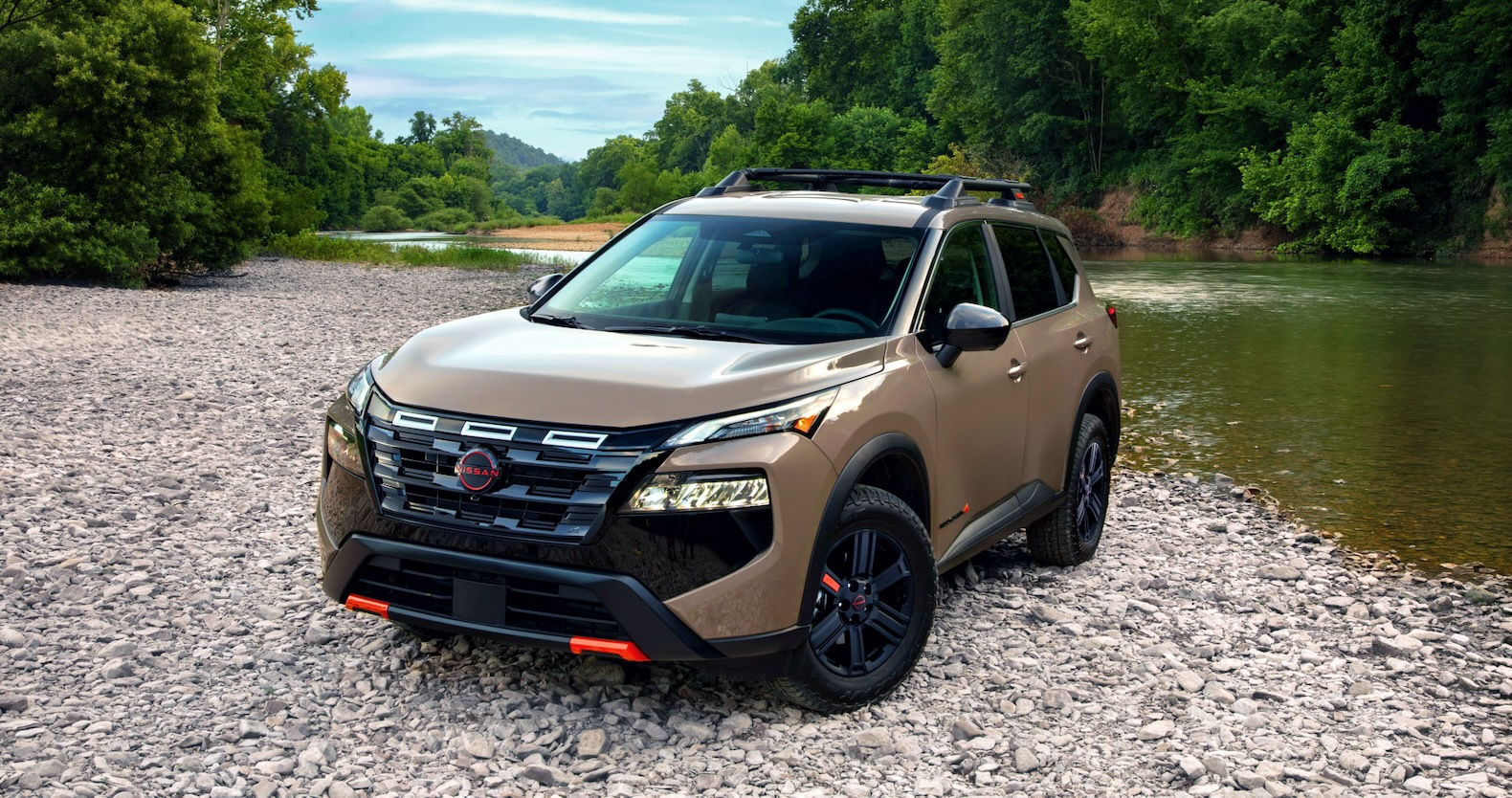
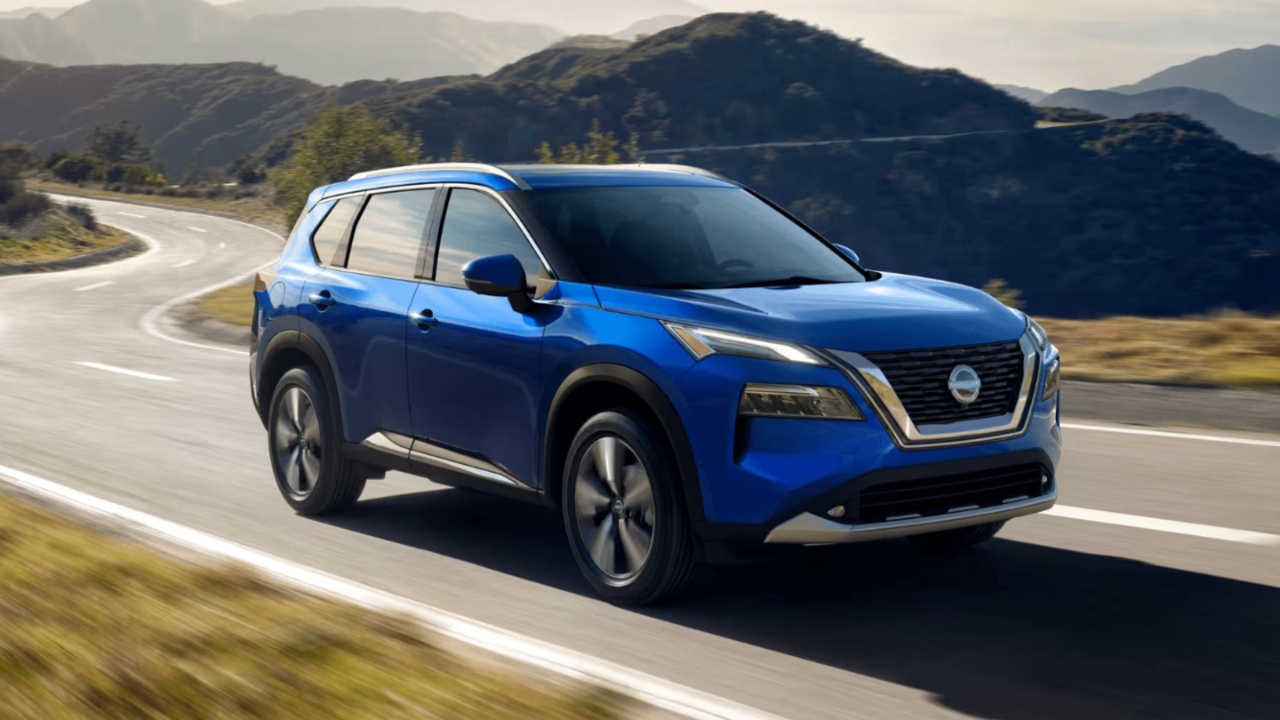
Nissan Rogue
The Nissan Rogue has earned popularity as a compact and practical crossover, but it has experienced recurring issues with wheel-speed harnesses in certain model years.
One of the main problems arises from the routing of the harness near suspension components, where wires may rub against metal brackets or sharp edges during wheel articulation.
Over time, this constant friction wears down the insulation, creating a risk of short circuits or intermittent sensor failures. Drivers may notice frequent ABS warnings or traction control alerts as a result.
Mechanically, these issues often require significant labor to repair, as the harness is partially embedded within the wheel well and difficult to access, further complicating maintenance.
Additionally, the connectors used in some Rogue models have shown vulnerability to moisture ingress. Rain, snow, and road salt can penetrate these connectors, leading to corrosion at the contact points.
This combination of chafing and connector corrosion amplifies the likelihood of short circuits, particularly in regions with heavy winter conditions.
Service reports indicate that owners often encounter repeated sensor errors until the harness or connectors are fully replaced, highlighting the persistent nature of these design shortcomings.
The susceptibility of these components undermines the reliability of the Rogue’s electronic stability and braking systems, which are critical for safety in adverse conditions.
The harness material itself is sometimes less resistant to heat and flex fatigue, which accelerates wear in areas subject to frequent movement or vibration. When insulation cracks, wires may short together or to the vehicle’s chassis, causing erratic sensor behavior.
These issues are particularly noticeable in Rogue models driven on rough terrain or roads with frequent potholes, as repeated suspension movement increases stress on the harness.
Unlike vehicles with robust strain relief or flexible cabling, the Rogue’s harness design has fewer protective features, making it prone to damage over time.
Finally, the difficulty of routing and accessing the wheel-speed harness in the Rogue means that even routine maintenance can unintentionally aggravate wear. Mechanics must carefully navigate tight spaces to inspect or replace the harness, and improper handling can lead to additional insulation damage.
This combination of exposed routing, less resilient materials, and challenging maintenance contributes to the recurring nature of wheel-speed harness problems in certain Rogue models. Owners may experience repeated trips to dealerships to address ABS or traction control warnings that stem from these wiring issues.
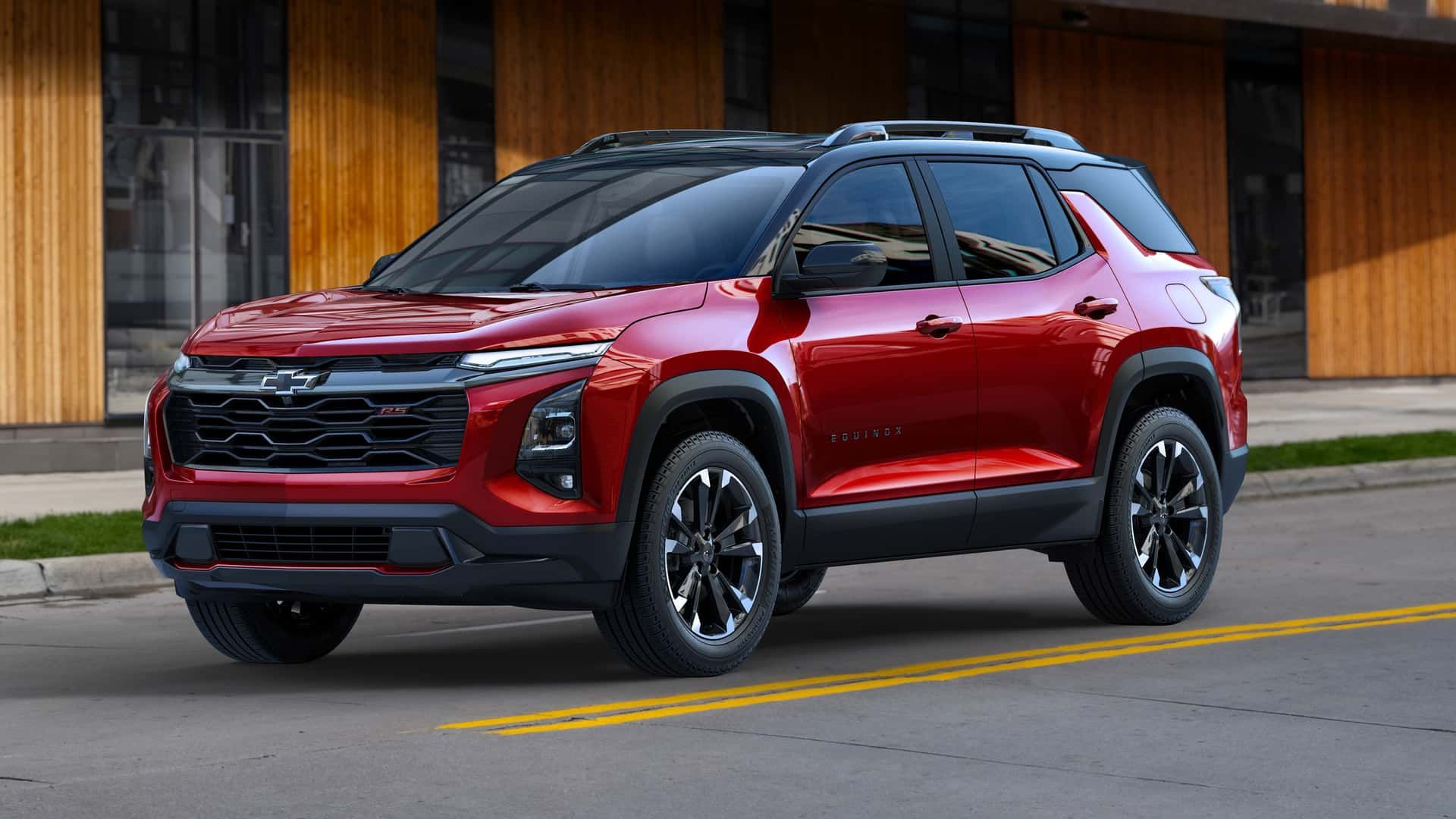
Chevrolet Equinox
The Chevrolet Equinox has encountered wheel-speed harness problems in some production years, primarily caused by suboptimal harness placement and exposure to mechanical wear. In several cases, the harness runs close to the control arms and wheel hubs, where it can be pinched or rubbed against metal edges.
This contact gradually wears through the wire insulation, causing intermittent shorts or sensor failures. Owners often report multiple dashboard warnings related to ABS, stability control, and traction systems.
The recurring nature of these issues has prompted service bulletins in some model years, indicating the manufacturer’s recognition of the problem.
Another contributing factor is the connector design in affected Equinox models. Some connectors lack adequate sealing, which allows moisture, dirt, and road debris to infiltrate the contact points. Corrosion at these points exacerbates the chafing problem, increasing the likelihood of short circuits.
Combined with vibration from the suspension and wheel movement, these mechanical and environmental stresses accelerate failure. Technicians note that even minor exposure to water or grime can trigger sensor faults, particularly in vehicles used in climates with frequent rain or snow.
The wire insulation in these Equinox models is also less resistant to flexing over time. When subjected to repeated bending or vibration, cracks can form, and the wires become more susceptible to shorting against each other or the vehicle frame.
Unlike vehicles engineered with flexible cabling, strain relief points, or protective conduits, the Equinox’s harness design leaves these wires vulnerable during normal operation. As a result, sensor reliability diminishes over time, leading to frequent ABS or traction system warnings.
Finally, maintenance challenges further compound the issue. The wheel-speed harness is routed in a confined space near the wheel and suspension, making inspection and replacement more labor-intensive. Improper handling during service can cause additional insulation damage, accelerating harness failure.
Many Equinox owners have reported repeated trips to service centers to address recurring sensor errors, illustrating the persistent impact of these design flaws. The combination of exposed routing, insufficient insulation, and vulnerable connectors makes certain Equinox models prone to wheel-speed harness chafing and shorting.
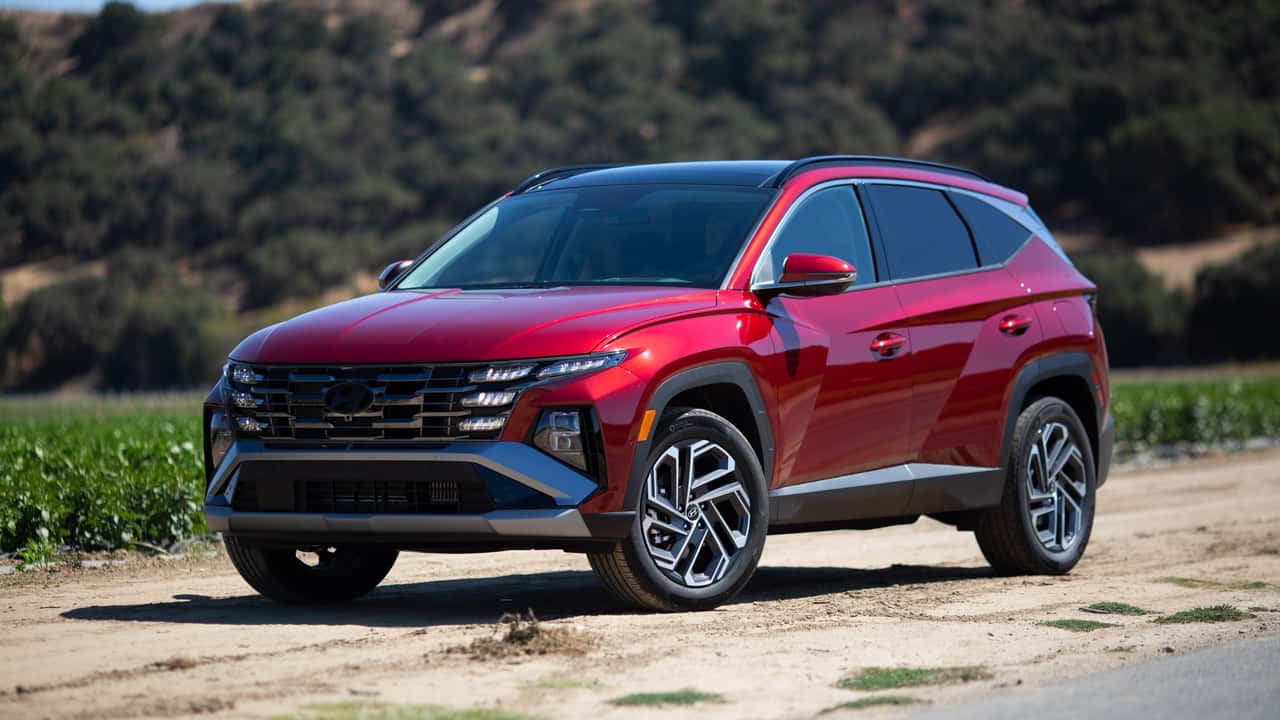
Hyundai Tucson
The Hyundai Tucson, while widely praised for affordability and modern features, has shown susceptibility to wheel-speed harness issues in specific model years. The harness is often routed in proximity to the struts and suspension arms, creating a high likelihood of chafing during normal driving.
Over time, the insulation can wear away, causing wires to short together or against the vehicle chassis. Drivers frequently experience ABS or traction control warning lights as a result.
The repetitive mechanical stress from wheel movement, especially on uneven terrain, accelerates this degradation, making Tucson’s harness more vulnerable than competitors that incorporate protective conduits or flexible sheathing.
Certain Tucson models use connectors that lack full moisture resistance, allowing rain, road salt, and debris to corrode the contact points. This combination of physical chafing and connector corrosion increases the likelihood of sensor malfunction and intermittent electrical shorts.
Repair often involves full harness replacement, which can be costly and labor-intensive due to the confined routing of the wires near the wheel assembly. The recurring nature of these failures makes it a point of concern for owners in regions with heavy precipitation or winter driving conditions.
The insulation used in these models is sometimes less resistant to heat and flex fatigue. Repeated expansion and contraction from temperature changes, combined with vibration from road irregularities, can cause the insulation to crack, exposing the wires.
When this happens, short circuits or erratic sensor readings become increasingly common, compromising braking and stability systems. Tucson owners often report intermittent sensor issues that appear without obvious external causes, highlighting the hidden vulnerability of the harness design.
Maintenance accessibility further complicates the situation. The harness is difficult to inspect without disassembling parts of the wheel well or suspension components, increasing the risk of accidental damage during service.
Technicians note that even careful handling can sometimes worsen wear, particularly if protective conduits or clips are missing or degraded.
This combination of exposed routing, less resilient insulation, and challenging access contributes to Tucson’s wheel-speed harness problems, making it a vehicle that requires proactive monitoring to avoid sensor failures.
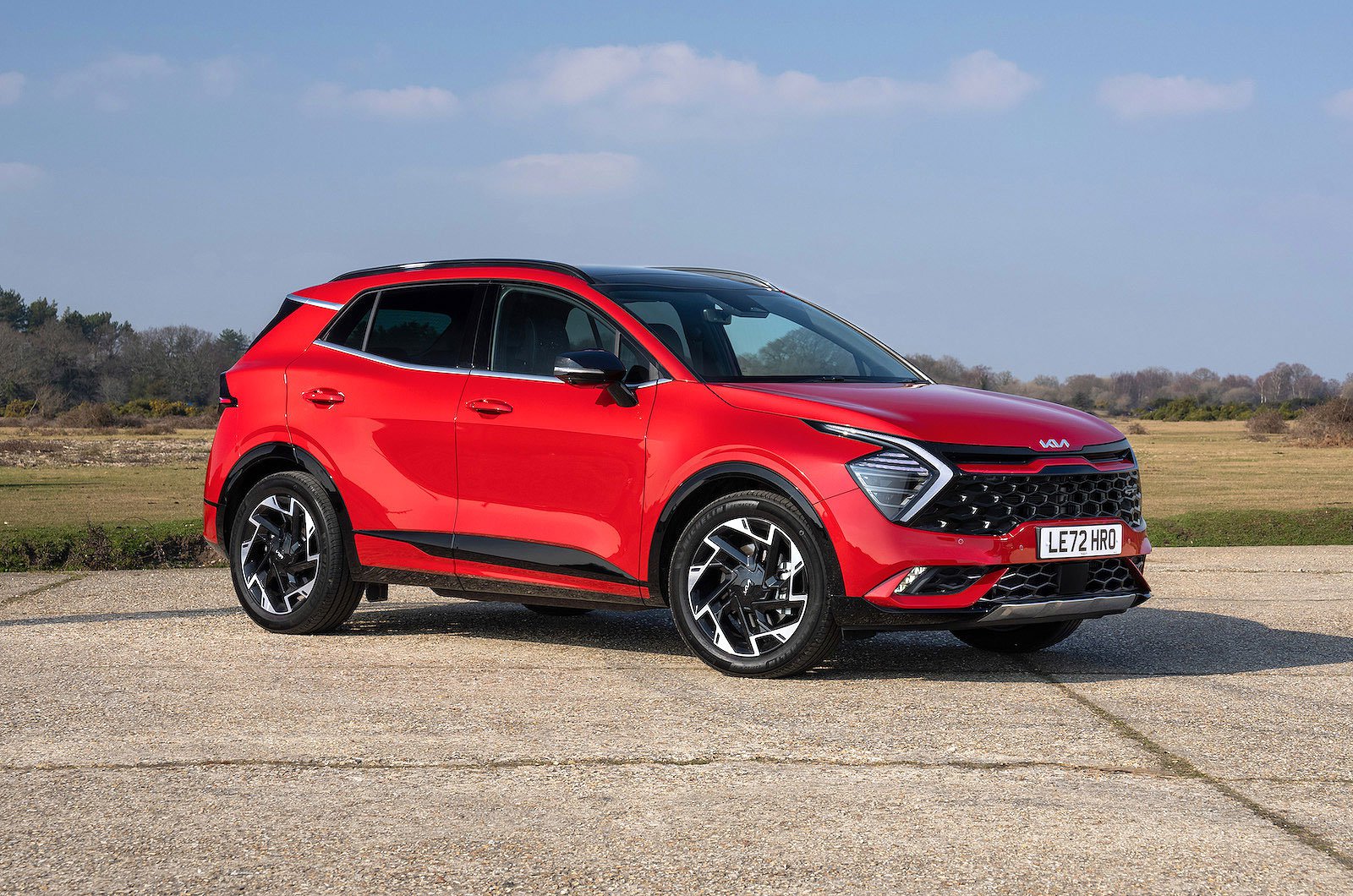
Kia Sportage
The Kia Sportage has faced recurring wheel-speed harness concerns in certain generations due to routing and material vulnerabilities. The harness is often placed near the control arms and brake components, creating friction points where insulation can wear over time.
The repeated motion of the suspension during normal driving leads to chafing, which can eventually expose wires and cause electrical shorts.
Drivers may experience ABS or traction control warnings frequently, and the vehicle’s electronic stability system can become unreliable if the harness is compromised. The problem is particularly noticeable in vehicles driven extensively on rough roads or in urban environments with frequent speed bumps and potholes.
Connector issues exacerbate these problems. Certain Sportage models use connectors with insufficient sealing against moisture and contaminants. Water ingress combined with dirt and debris can corrode the contact points, compounding the mechanical wear caused by chafing.
Owners in areas with wet winters or heavy rainfall are particularly susceptible to these failures, as the combination of environmental and mechanical stress accelerates insulation degradation. Repair typically involves harness replacement, which can be costly and labor-intensive due to its proximity to suspension and brake components.
The wire insulation itself is another area of vulnerability. In affected Sportage models, the insulation is less flexible and prone to cracking under repeated flexing. Vibration from the road or engine movement can exacerbate the problem, causing wires to short against one another or the chassis.
This results in sporadic sensor failures that can trigger warning lights without any apparent external cause. Unlike vehicles with robust sheathing, strain relief points, or protective conduits, the Sportage’s harness lacks several key durability features.
Finally, maintenance and inspection challenges amplify the issue. The harness is difficult to access, requiring partial removal of wheel well liners or suspension components. Even minor handling mistakes during service can accelerate wear, and many owners report repeated sensor errors even after repairs.
The combination of exposed routing, vulnerable connectors, and less resilient insulation contributes to the persistent nature of wheel-speed harness problems in the Kia Sportage, making it a vehicle where preventative monitoring is essential.
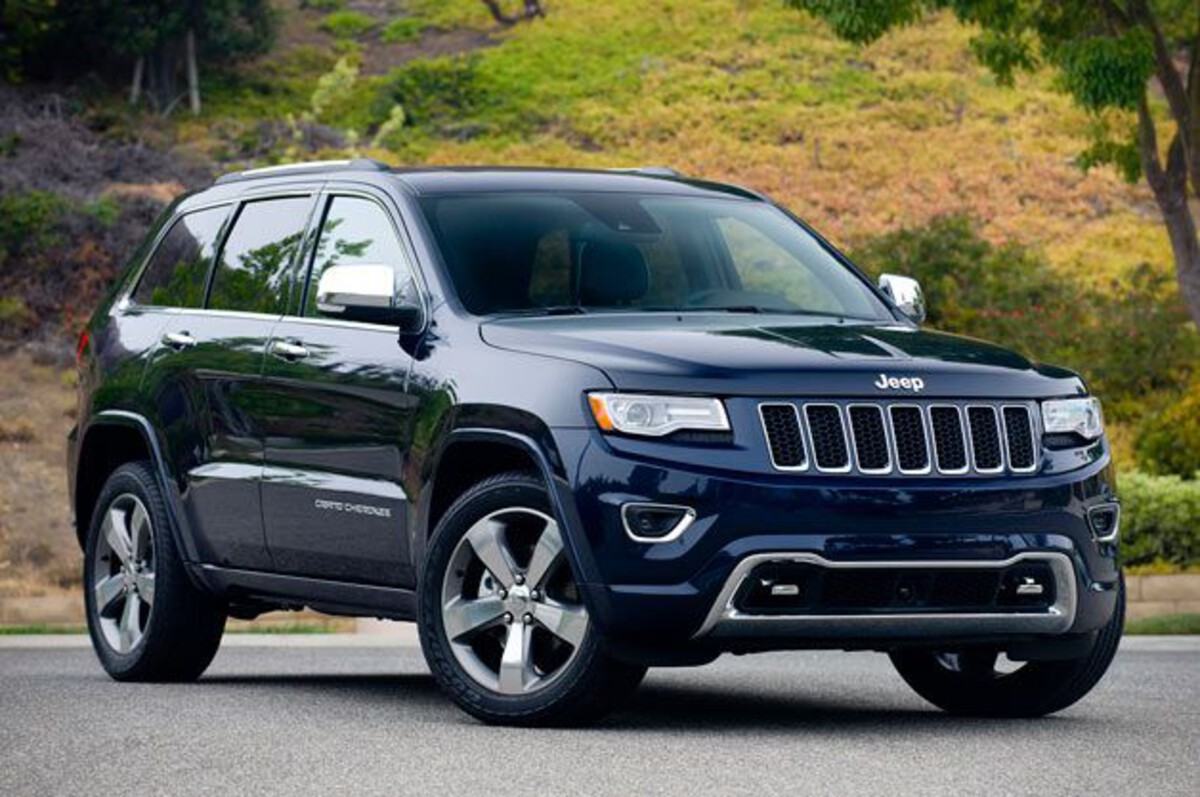
Jeep Cherokee
The Jeep Cherokee, designed for off-road capability, has nevertheless experienced recurring issues with wheel-speed harnesses in certain model years. One major factor is the exposed routing of the harness, which often passes near sharp suspension edges or the wheel hub.
During off-road excursions or even regular driving on uneven surfaces, the wires can rub against metal surfaces, wearing down the insulation.
Over time, this chafing can result in short circuits and erratic sensor readings, causing ABS and traction control warning lights to illuminate frequently. Owners of Cherokee models used in rugged conditions are particularly prone to encountering these electrical issues.
Connector design also contributes to the problem. Some Cherokee models feature connectors that are insufficiently sealed, allowing water, mud, and road salt to infiltrate the contacts. This can lead to corrosion and intermittent electrical failures, compounding the mechanical wear from chafing.
The combination of environmental exposure and movement-induced abrasion makes the wheel-speed harness particularly vulnerable, often requiring replacement after just a few years of use in harsh conditions.
The location of the harness near suspension components also increases the risk of accidental damage during routine maintenance or off-road adjustments.
The insulation used in affected Cherokee models is often less resistant to flexing and temperature extremes. Over time, vibration, heat, and repeated suspension movement can cause cracks in the wires, leading to shorts or intermittent connectivity issues.
This design limitation becomes especially evident in vehicles driven in challenging terrain, where suspension travel and road impacts are more extreme than typical urban driving. The result is a vehicle prone to repeated sensor faults and electronic warnings.
Finally, maintenance accessibility is limited. Inspecting or replacing the harness requires navigating tight spaces around suspension and braking systems, increasing the risk of additional damage during service. Even careful handling does not fully eliminate the likelihood of wear, meaning owners may experience repeated trips to service centers for sensor-related issues.
The combination of exposed routing, vulnerable insulation, connector deficiencies, and limited accessibility makes the Jeep Cherokee prone to wheel-speed harness chafing and shorting, particularly in conditions that stress the suspension and wiring.
