

The feel of a car’s steering can significantly affect the driving experience, from comfort to safety. For sedan drivers, a steering column that stays tight while navigating city streets or winding roads can make the vehicle feel responsive, precise, and secure.
Conversely, a loose or rattling steering column can introduce vibrations, noises, and a sense of disconnect from the road, diminishing confidence and even creating long-term wear issues.
Steering column performance depends on several factors, including the design and quality of the steering mechanism, the materials used in the column assembly, and the structural rigidity of the vehicle’s chassis.
Higher-end sedans often prioritize these components, ensuring that every turn is smooth and controlled, while some budget models may experience looseness or noise due to cost-cutting measures or less robust construction.
The impact of a steering column that maintains tightness is noticeable not only in performance but also in driver fatigue.
A well-secured column transmits road feedback accurately, allowing the driver to make fine adjustments without excessive effort. This precision can also improve safety in emergency maneuvers, as the steering response is consistent and predictable.
On the other hand, vehicles with rattling or loose columns may produce inconsistent feedback. Drivers often feel as though the steering is disconnected from the road surface, which can lead to overcorrection or misjudgment of vehicle behavior.
The difference is particularly evident when driving on uneven surfaces, over potholes, or during highway cruising, where vibrations are amplified over time.
Sedans are particularly interesting to examine in this context because they balance comfort, performance, and cost. Unlike sports cars, which often prioritize steering precision at all costs, or trucks, which may tolerate some column movement for durability, sedans are intended for daily driving and a wide range of road conditions.
Finally, it is important to consider maintenance and age as factors affecting steering column behavior. Even a sedan with initially tight steering can develop looseness over years of use, while some models retain their rigidity far longer. This distinction emphasizes the importance of build quality and engineering decisions during production.
By comparing specific sedans based on their tendency to maintain column tightness or exhibit rattling, one can gain insight into which vehicles provide a superior driving experience over time.
Below, we examine five sedans known for their steering column stability and five sedans that are commonly reported to rattle over bumps, analyzing the factors behind these differences and the implications for drivers.
Sedans Known for Steering Column Tightness
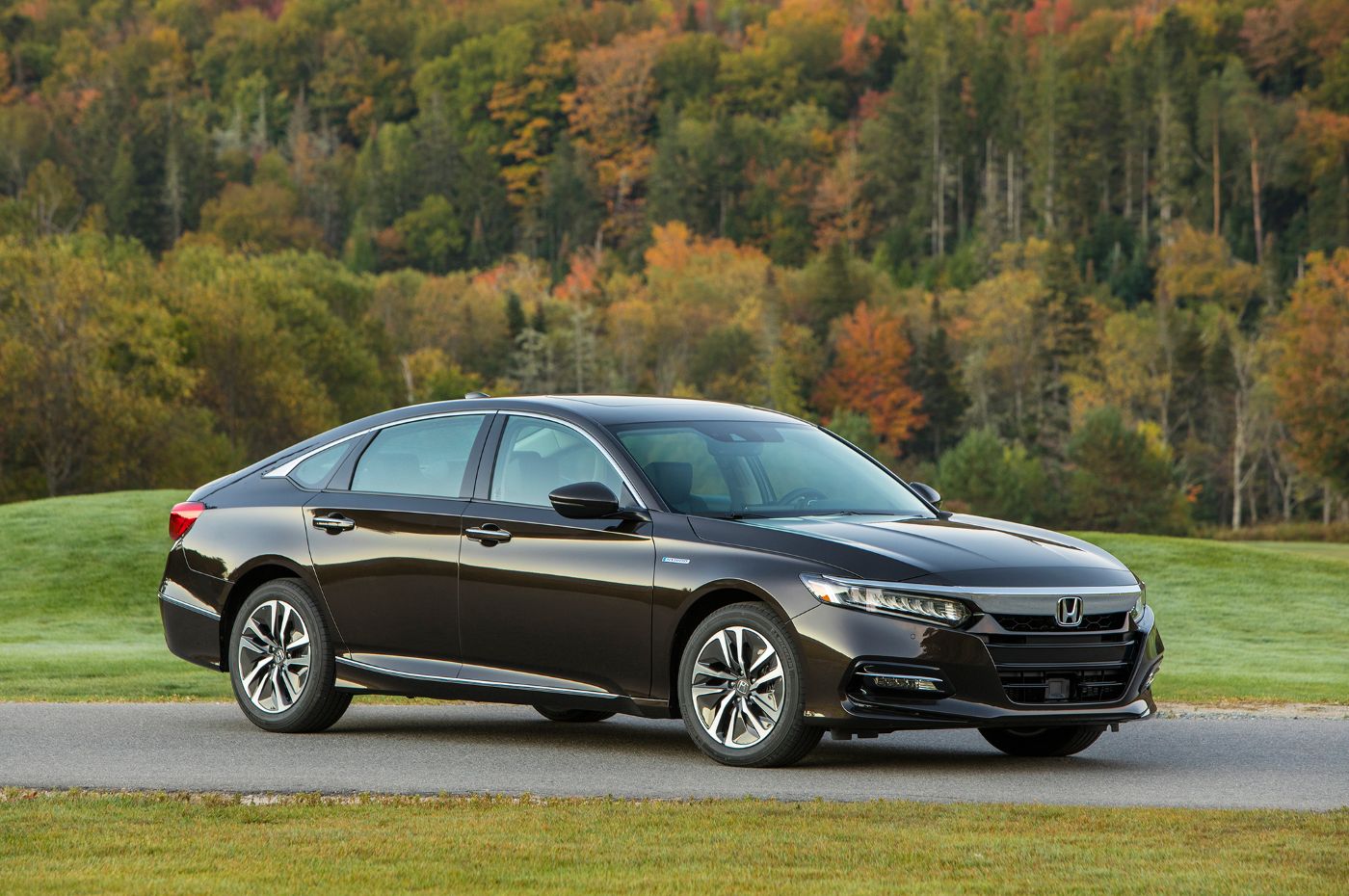
1. Honda Accord
The Honda Accord has consistently been praised for its refined driving experience, and one of its standout qualities is the stability of its steering column.
The column feels solid and responsive even when encountering uneven road surfaces, which is largely due to Honda’s use of high-quality bushings and a well-engineered steering shaft.
This design ensures that the wheel’s movements translate directly to the tires, giving drivers precise control. In everyday driving, whether navigating city streets, merging onto highways, or negotiating sharp turns, the Accord provides a sense of security that comes from a steering system that is both firm and predictable.
Beyond the mechanical construction, Honda’s approach emphasizes integration with the chassis. By ensuring that the frame itself is rigid, vibrations that might otherwise affect the steering wheel are damped before they can be felt, contributing to a smooth, reassuring driving experience.
Another reason the Accord maintains such tight steering is the careful attention to manufacturing tolerances. Each component within the column and steering rack is built to exacting specifications, reducing the likelihood of play developing over time.
Many drivers report that even older Accords with high mileage retain the same tight steering feel as when they were new, a testament to Honda’s quality standards. Moreover, the connection between the column and the power-assisted steering system is seamless.
The suspension system of the Accord also plays a critical role in preserving steering column integrity. Its struts, control arms, and anti-roll bars are tuned to absorb road imperfections effectively.
By mitigating the impact of potholes or minor bumps before they reach the steering mechanism, the vehicle reduces the chances of the column rattling or vibrating.
This allows the driver to experience more consistent feedback from the wheel, which is essential for both confidence and vehicle control.
The interplay between suspension and steering demonstrates that a tight column is not solely a matter of the shaft and joints but is also influenced by the vehicle’s broader architecture.
Finally, Honda’s commitment to long-term reliability ensures that the steering column remains dependable throughout the vehicle’s lifespan. Regular maintenance is straightforward, and there are relatively few points of failure within the column that could lead to looseness.
Additionally, the steering wheel’s ergonomics and adjustment mechanisms are designed to minimize any flex or play, further contributing to a stable feel.
Drivers consistently note that the Accord delivers a connected, controlled, and fatigue-free experience, even during long drives, which is why it is widely regarded as one of the sedans with the most secure and responsive steering columns in its class.
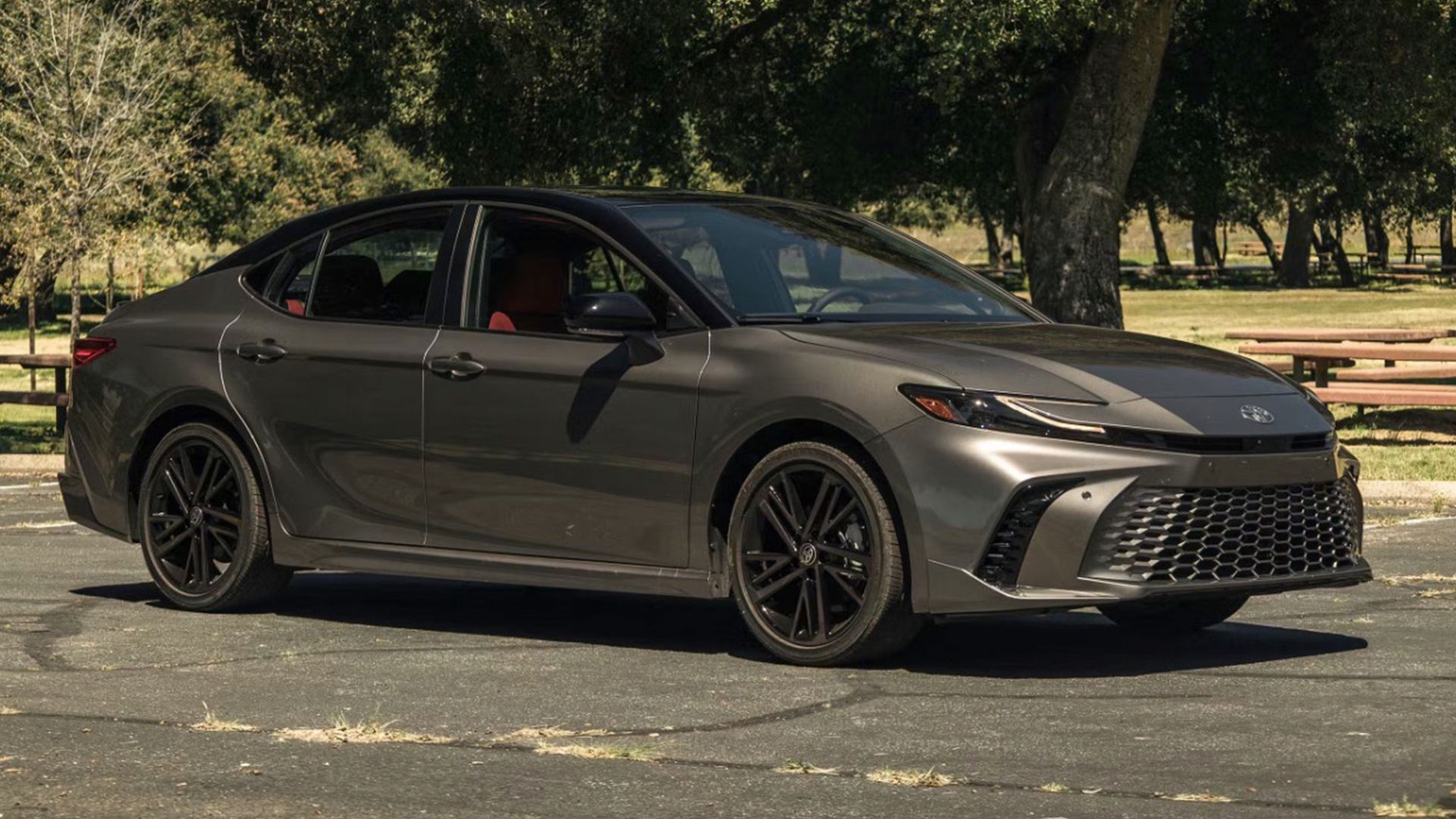
2. Toyota Camry
The Toyota Camry is celebrated not only for reliability but also for a driving experience that balances comfort with control. Its steering column is engineered to maintain stability under a variety of conditions, providing drivers with a confident feel whether on smooth highways or bumpy city streets.
A critical factor contributing to the Camry’s column stability is material selection. The components are designed to resist wear and maintain their shape over time, which minimizes degradation of steering feel as mileage increases.
The combination of metal alloys in the shaft, durable plastic or rubber bushings, and secure mounting points ensures the column remains firm over years of use.
Additionally, Toyota engineers optimize the integration of the column with the suspension system. This design prevents road imperfections from translating excessively to the wheel, allowing drivers to maintain control without the distraction of rattles or vibrations. The result is a consistent steering feel that combines responsiveness with comfort.
Ergonomics also play a role in the Camry’s steering stability. Tilt and telescoping adjustment mechanisms are solidly constructed, ensuring the wheel does not shift or create creaks during operation. This careful attention to detail extends to the steering wheel itself, which maintains a firm grip on the column.
Even during aggressive maneuvers or repeated low-speed adjustments, the system shows minimal flex. Combined with precise rack alignment and a well-tuned suspension, this results in a steering experience that feels connected and reliable at all times.
Finally, Toyota’s track record for longevity reinforces the Camry’s steering advantages. The column’s robust design and durable components reduce the likelihood of looseness developing with age. Maintenance is minimal, and the vehicle is engineered to retain its original feel for hundreds of thousands of miles.
Drivers often comment that the Camry’s steering remains predictably tight, providing confidence that improves over years of ownership. This reliability, paired with thoughtful design and solid engineering, makes the Camry a standout in terms of steering column stability among mid-size sedans.
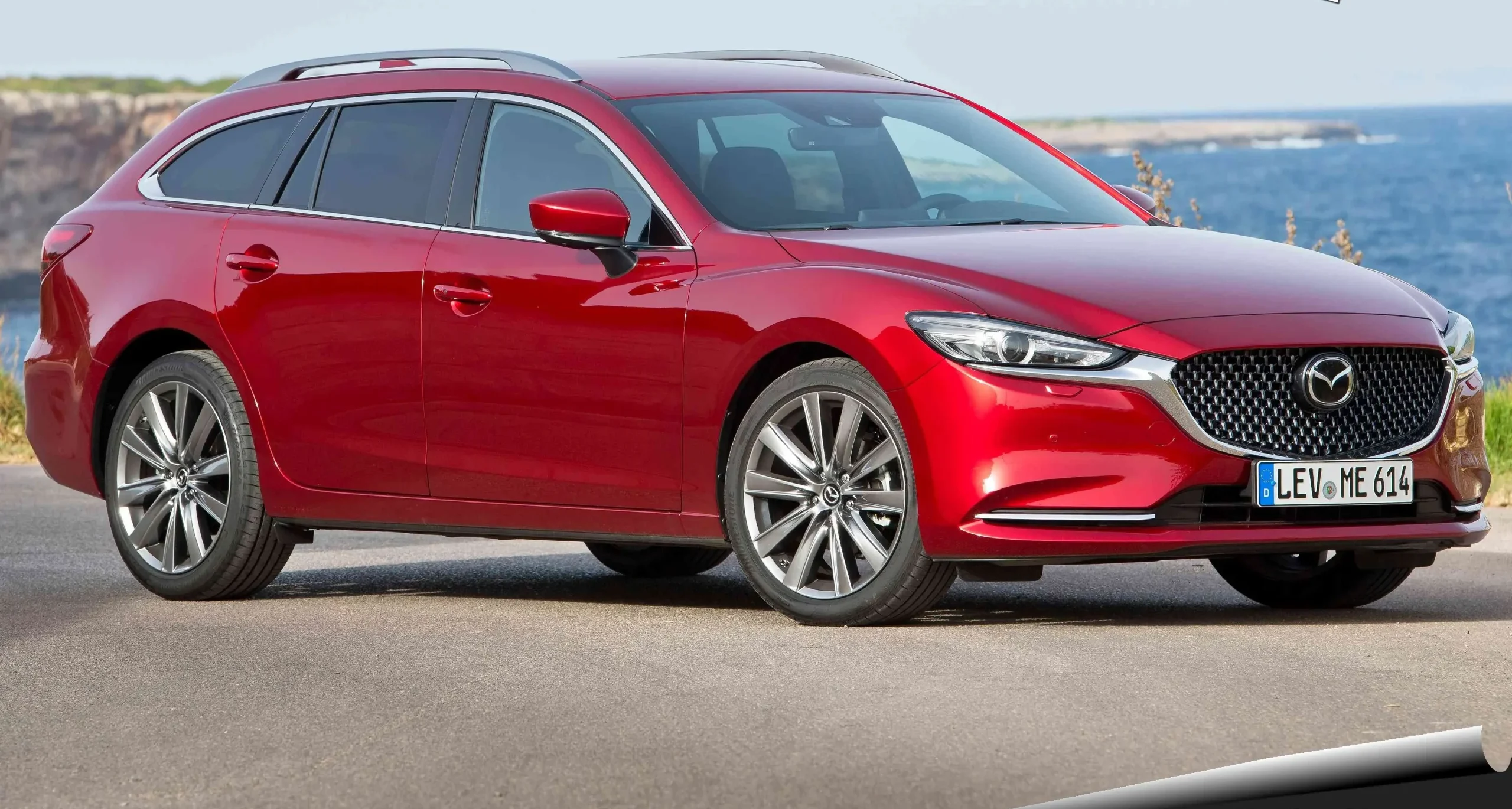
3. Mazda6
The Mazda6 is widely recognized for its driver-focused dynamics, and its steering column is a key contributor to this reputation. The column provides precise feedback, allowing drivers to feel connected to the road at all times. Mazda achieves this through careful design of the steering shaft, use of quality bushings, and secure mounting points.
Road vibrations are damped effectively, resulting in a firm yet comfortable feel. Drivers often report that the steering communicates subtle road cues without transmitting excessive harshness, a combination that improves confidence and control.
The rigidity of the chassis also supports the column, reducing flex that could otherwise produce play or rattling over time.
The Mazda6 maintains column tightness through engineering that prioritizes precise tolerances. Each joint and connection in the steering system is calculated to minimize lateral movement. The result is a wheel that responds predictably to driver input, even after years of use.
Moreover, the integration with the power-assisted steering system ensures that the assistance is smooth without masking the feedback from the road. This creates a driving experience where precision and comfort coexist, making the Mazda6 appealing for drivers who value both engagement and daily usability.
Suspension also plays a significant role in preserving steering stability. The Mazda6’s struts, control arms, and stabilizer bars are tuned to absorb road shocks efficiently, limiting their transmission to the column.
This careful calibration allows the driver to feel secure even over uneven surfaces, while also enhancing cornering performance by maintaining consistent wheel alignment under load. The synergy between suspension and steering underlines the importance of holistic vehicle design in maintaining column tightness.
Finally, ergonomics and adjustability contribute to the Mazda6’s reputation for precise steering. Tilt and telescopic adjustments are firm and well-integrated, ensuring that the wheel remains securely positioned. Combined with a high-quality steering shaft and durable bushings, the column retains its integrity over time.
The result is a vehicle that consistently provides a confident, controlled, and connected driving experience, reinforcing Mazda’s philosophy of making cars that are enjoyable and precise for the driver.
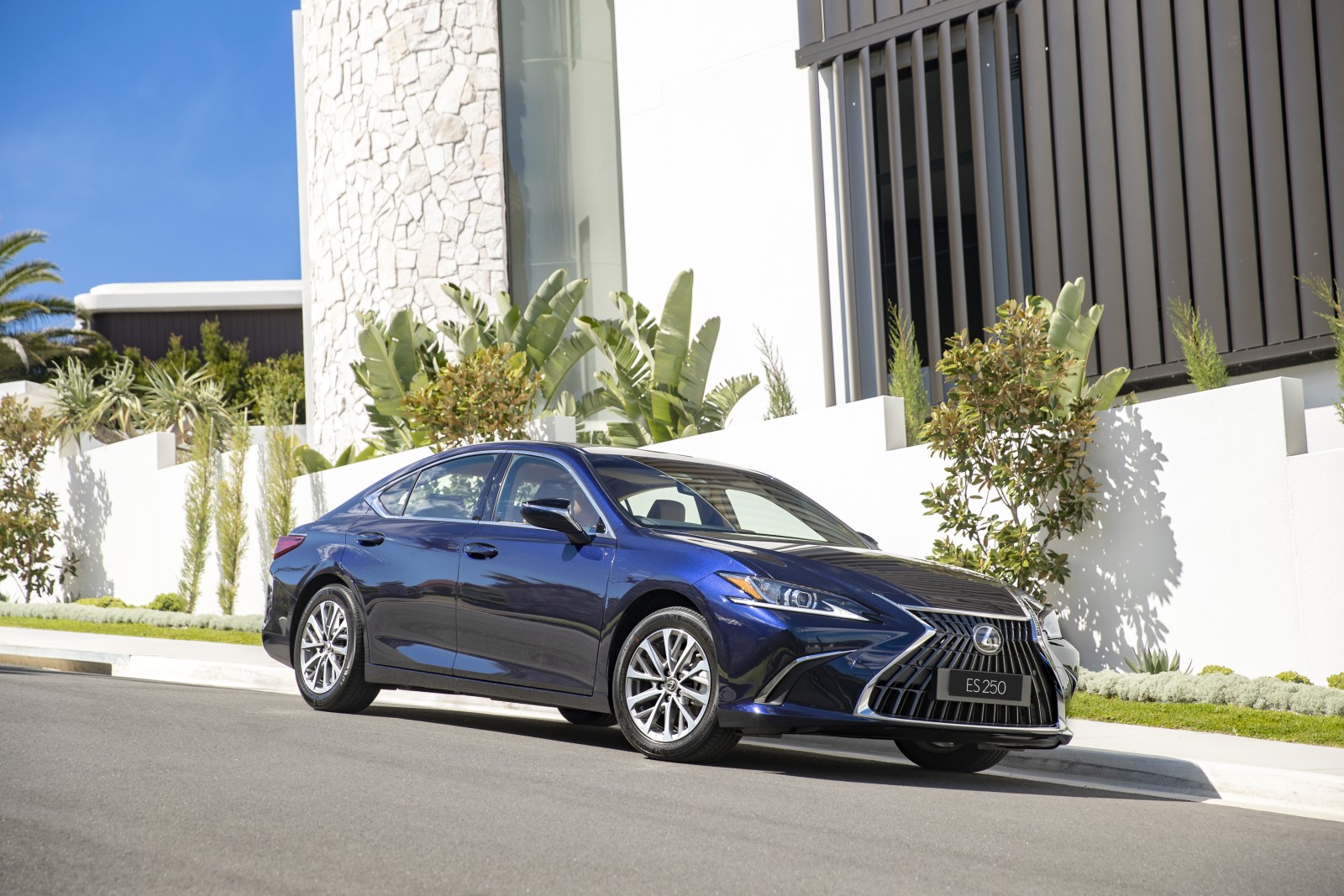
4. Lexus ES
The Lexus ES represents the combination of luxury and engineering precision, and its steering column reflects this philosophy. The column is constructed with premium materials, including reinforced shafts and bushings designed to absorb minor road imperfections without transmitting them to the driver.
As a result, the wheel feels solid and responsive, offering a precise connection to the road. Even over long distances, the ES maintains this tight feel, demonstrating that Lexus prioritizes comfort without sacrificing control.
Drivers often remark on the refined steering feedback that feels both smooth and confidence-inspiring, characteristics not always found in other sedans of comparable size.
Chassis design plays a crucial role in the ES’s column stability. Lexus engineers focus on frame rigidity to minimize flex that could compromise steering feel.
The solid foundation works in harmony with the steering column, ensuring that even when the vehicle encounters bumps or uneven surfaces, vibrations are absorbed before they reach the wheel.
This creates a controlled driving experience where precision is maintained, and rattling or looseness is virtually absent. The synergy between steering and chassis design highlights the meticulous engineering that goes into luxury sedans like the ES.
Electronic power steering in the ES complements mechanical integrity, delivering precise assistance while preserving tactile feedback.
Unlike some systems that can feel disconnected or overly assisted, the ES’s steering enhances comfort while maintaining a direct connection to the road. Even at low speeds or during parking maneuvers, the wheel remains stable and responsive, reflecting careful calibration between electronics and mechanics.
Finally, Lexus’s attention to long-term durability ensures the ES retains its steering performance over many years. Premium materials resist wear, and the assembly tolerances are engineered to prevent looseness.
Ergonomic considerations, including tilt and telescopic adjustments, reinforce the column’s stability. Together, these factors ensure the ES delivers a driving experience that is consistently precise, smooth, and reassuring, making it one of the best sedans for steering column tightness and long-term reliability.
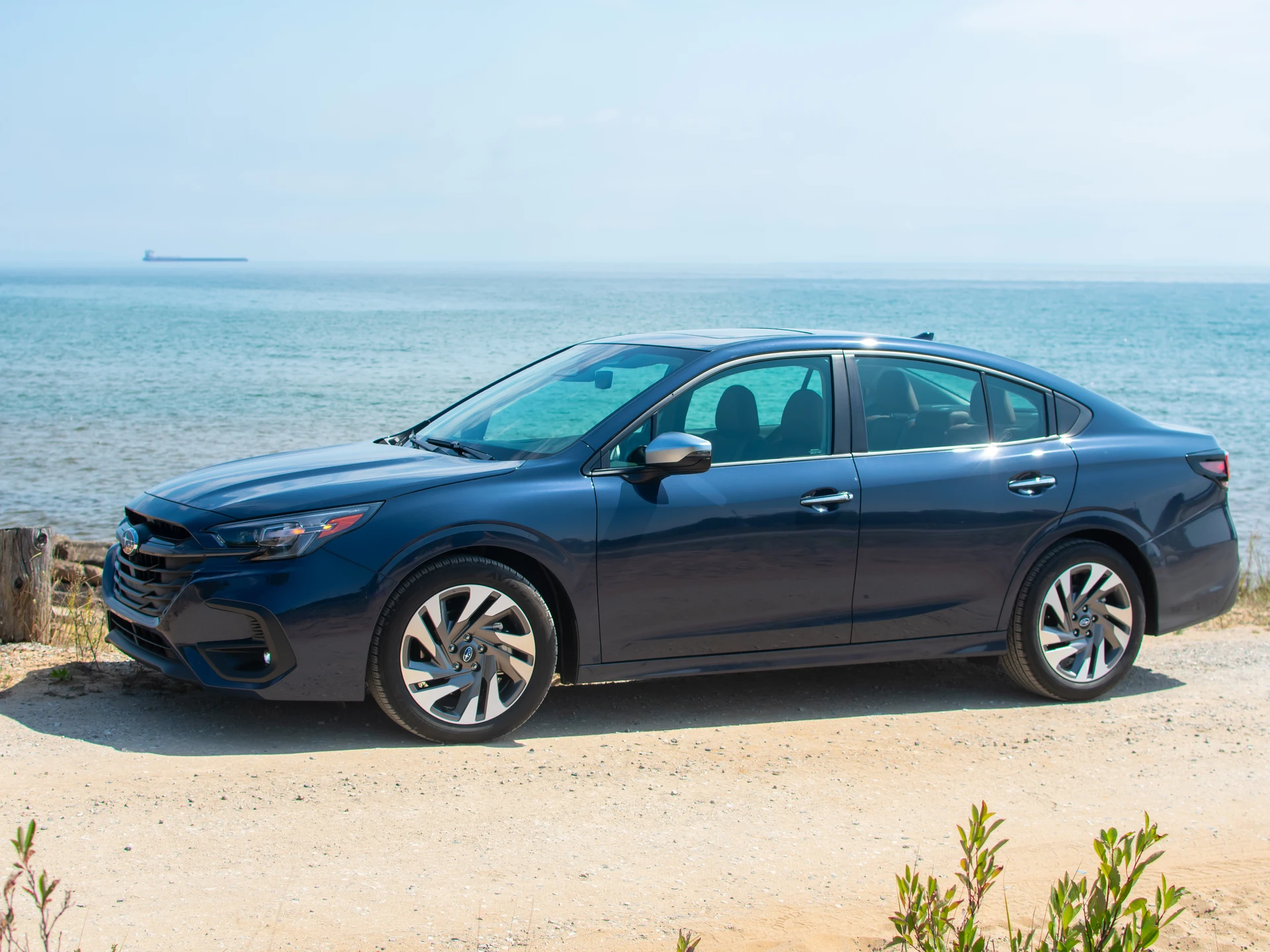
5. Subaru Legacy
The Subaru Legacy combines practicality with precise handling, and its steering column is designed to support this dual purpose. The column features durable bushings, reinforced shafts, and secure mounting points, all of which reduce vibration and play.
Even with the additional torque feedback generated by the Legacy’s all-wheel-drive system, the steering remains tight and predictable.
Drivers report a strong sense of connection to the road, whether cruising on highways or navigating rougher local roads. This stability contributes to vehicle control, particularly in conditions where traction and responsiveness are critical.
Chassis rigidity also enhances the Legacy’s steering feel. A stiff frame prevents flex that could result in unwanted movement within the column, while well-designed suspension geometry ensures that road impacts are absorbed efficiently.
This combination reduces the likelihood of rattling or looseness developing over time, allowing drivers to maintain confidence in the steering system. The synergy between a robust chassis and a high-quality column assembly is a hallmark of Subaru’s engineering approach.
Finally, the Legacy benefits from ergonomic and adjustable steering features that reinforce stability. Tilt and telescopic mechanisms are well-constructed, preventing flex or vibration during operation.
Combined with high-quality internal components, this ensures that the Legacy’s column remains tight and consistent over time.
The result is a sedan that provides reliable, predictable, and confidence-inspiring steering, making it one of the vehicles most praised for maintaining column stability even under demanding conditions.
Sedans Prone to Rattling Steering Columns
Not all sedans are built equally quiet and if you’ve ever felt a strange vibration or heard an annoying clatter beneath your hands, you know exactly what we’re talking about.
A rattling steering column can turn an otherwise smooth drive into a frustrating experience, often hinting at deeper build or design issues.
In this article, we take a closer look at sedans known for developing steering column rattles, what causes the problem, and how some owners have tackled it.
Whether you’re shopping for a used car or troubleshooting your own, this guide will help you understand which models are most prone to this unnerving issue and why.
1. Nissan Altima
The Nissan Altima, while popular for its comfort and fuel efficiency, has been reported by many drivers to exhibit steering column play over uneven surfaces. The rattling typically originates from wear in the bushings and joints that connect the steering shaft to the rack.
The integration between the steering column and suspension in the Altima can contribute to the sensation of looseness. The suspension may not fully absorb impacts before they reach the steering system, allowing vibrations and minor rattles to pass through.
Additionally, some model years have been reported to develop minor play in the column more quickly due to softer bushings or less robust mounting points. This makes the vehicle feel less stable, particularly when driving on roads with frequent bumps or undulating surfaces.
Manufacturing tolerances may also play a role in the Altima’s steering feel. Even small variations in assembly can introduce slight misalignments that over time become noticeable as rattling or play.
Drivers often notice that the column can produce faint noises during sharp turns or when changing lanes, especially at low speeds. While the rattling is generally not dangerous, it can be disconcerting and reduce the sense of precision and quality in the driving experience.
Finally, ergonomic features such as tilt and telescopic adjustments can sometimes exacerbate the issue. If the adjustment mechanisms develop slack or loosen slightly with age, this can add to the perception of a rattling column.
While the Altima remains a competent sedan, the combination of suspension behavior, component wear, and adjustment play can make the steering feel less secure, particularly compared with models that maintain column tightness over time.
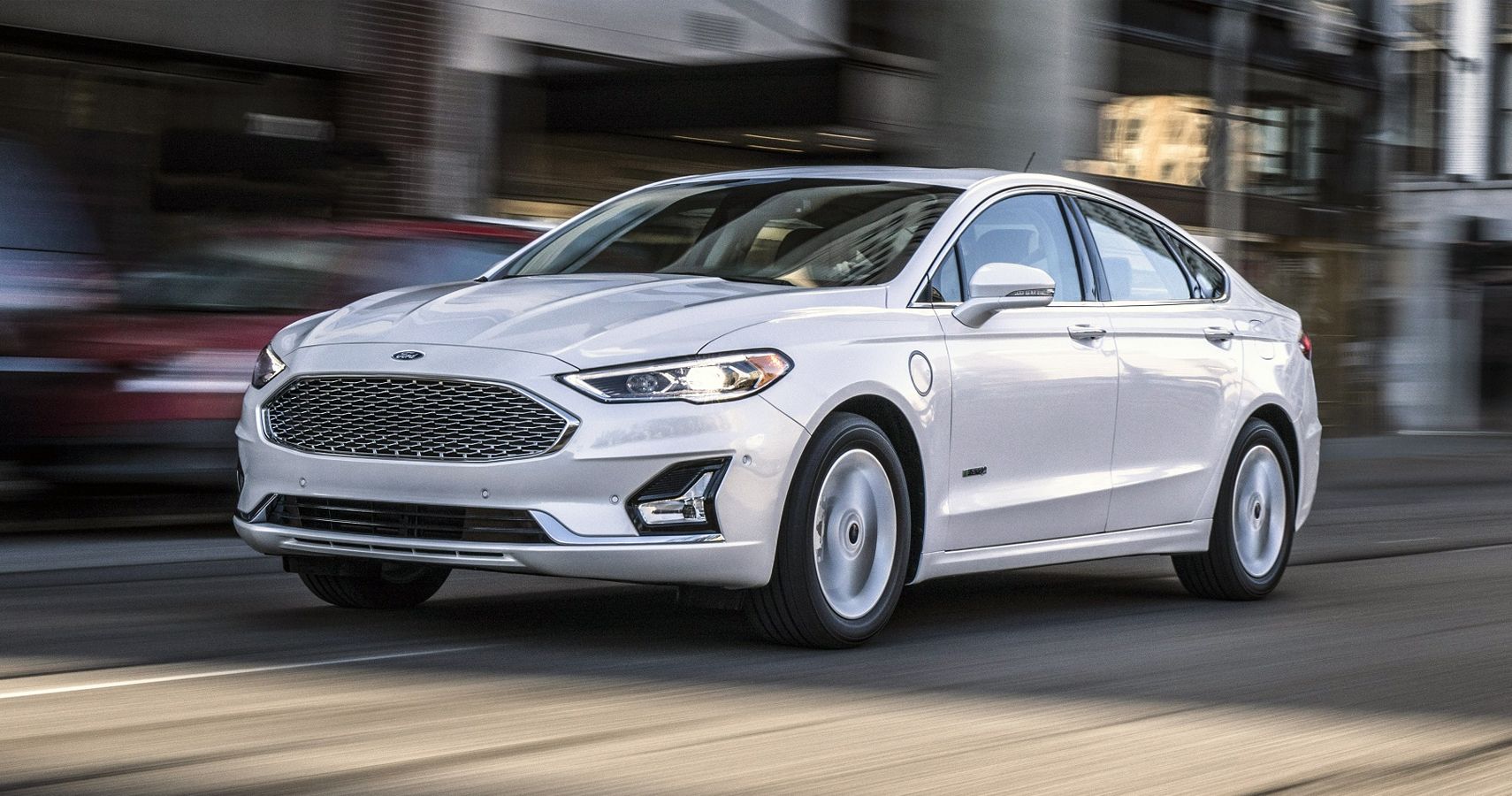
2. Ford Fusion
The Ford Fusion has been a favorite for its styling and technology, but certain drivers report that its steering column can feel loose or rattly over rough roads. Some of this stems from design choices in the column assembly, where softer bushings and less rigid mounting points can allow for minor movement.
This movement becomes more noticeable when hitting bumps, resulting in a steering feel that lacks the direct, precise response found in more tightly engineered sedans. Drivers may experience slight vibrations or feedback that doesn’t correlate perfectly with road input, creating a sense of disconnect between the wheel and the tires.
Suspension tuning also contributes to the Fusion’s column behavior. While the vehicle is designed for a comfortable ride, the softer suspension settings can transmit vibrations to the steering system rather than isolating them. When driving over uneven surfaces, these vibrations can interact with the column components, causing minor rattling.
Additionally, some early Fusion models had reports of accelerated wear in the steering shaft bushings, which can exacerbate the issue as mileage increases. The combination of mechanical play and road feedback creates a steering experience that feels less confident during spirited driving or rough-road navigation.
Although these sounds are generally cosmetic rather than structural, they contribute to a perception that the Fusion’s steering lacks the tight, connected feel of competitors such as the Honda Accord or Toyota Camry.
Finally, ergonomics and adjustments can influence the Fusion’s rattling issue. Tilt and telescopic features, if slightly loose or worn, can amplify column play. In combination with road-induced vibrations and softer suspension, this results in a steering experience that feels inconsistent and slightly disconnected.
While the Fusion remains enjoyable for daily commuting, the steering column’s susceptibility to rattling over bumps is a recurring complaint among drivers seeking a more precise and confident feel.

3. Chevrolet Malibu
The Chevrolet Malibu is generally well-regarded for ride comfort, but its steering column has occasionally been noted to rattle when traversing uneven roads. The rattling typically originates from a combination of bushing wear and column mounting flex. The design prioritizes comfort and smoothness, sometimes at the expense of rigid steering feel.
Drivers may notice that small bumps, speed bumps, or rough asphalt translate directly into minor wheel movement or vibration, making the steering feel less precise than expected for a mid-size sedan.
Suspension design interacts with the column’s behavior. While the Malibu’s suspension effectively absorbs large impacts, smaller irregularities are sometimes transmitted through the chassis to the steering shaft. Over time, this can amplify any minor play within the column itself.
The result is a noticeable, if not severe, rattling effect. Drivers may also experience a slightly wandering feeling at higher speeds or when navigating poorly maintained roads, a sensation that can reduce confidence in vehicle control during abrupt maneuvers.
Manufacturing tolerances and materials contribute to the problem. Some components in the steering column, including bushings and joints, can compress or loosen over time. When paired with even minor misalignments, this leads to the perception of a loose or rattling column.
Drivers often comment that the effect is most pronounced in colder weather or after long-term use, highlighting that it is both a mechanical and environmental issue.
Finally, adjustment mechanisms may also play a role. Tilt and telescopic features, if slightly worn or under tension, can add to the feeling of column play. While these rattles do not typically affect safety, they do impact the driving experience, making the Malibu’s steering feel less connected and slightly unpredictable over uneven surfaces.
For drivers who prioritize precision and a confident road feel, the Malibu’s steering column can feel less robust compared with models known for tight steering integrity.

4. Hyundai Sonata
The Hyundai Sonata is a comfortable and stylish sedan, yet some drivers report that its steering column can rattle over bumpy roads. This tendency arises from the column’s internal bushings and joints, which, while adequate for smooth pavement, can allow slight play that is perceptible during normal driving.
When the road surface is imperfect, the wheel may transmit small vibrations to the driver’s hands, which can reduce confidence in handling and create a feeling of looseness. The Sonata’s steering column, while reliable, does not have the same tight mechanical feel as competitors like the Mazda6 or Toyota Camry.
Suspension tuning contributes to the perception of column looseness. The Sonata prioritizes comfort, with softer springs and dampers that absorb shocks effectively but also allow some feedback to reach the steering system.
This can magnify minor movements in the column, particularly if bushings have worn slightly over time. Drivers navigating rough city streets or pothole-filled roads may feel rattling, which can make the vehicle seem less precise despite smooth handling.
Finally, tilt and telescopic adjustment mechanisms can slightly exacerbate the rattling problem. If these components loosen with age or heavy use, they can allow a small amount of additional play in the steering wheel.
The Sonata’s column, while functional and comfortable for daily driving, can therefore feel less solid than vehicles engineered for precise, tight steering. Drivers looking for confident feedback may find the difference, especially on uneven roads or during spirited driving.
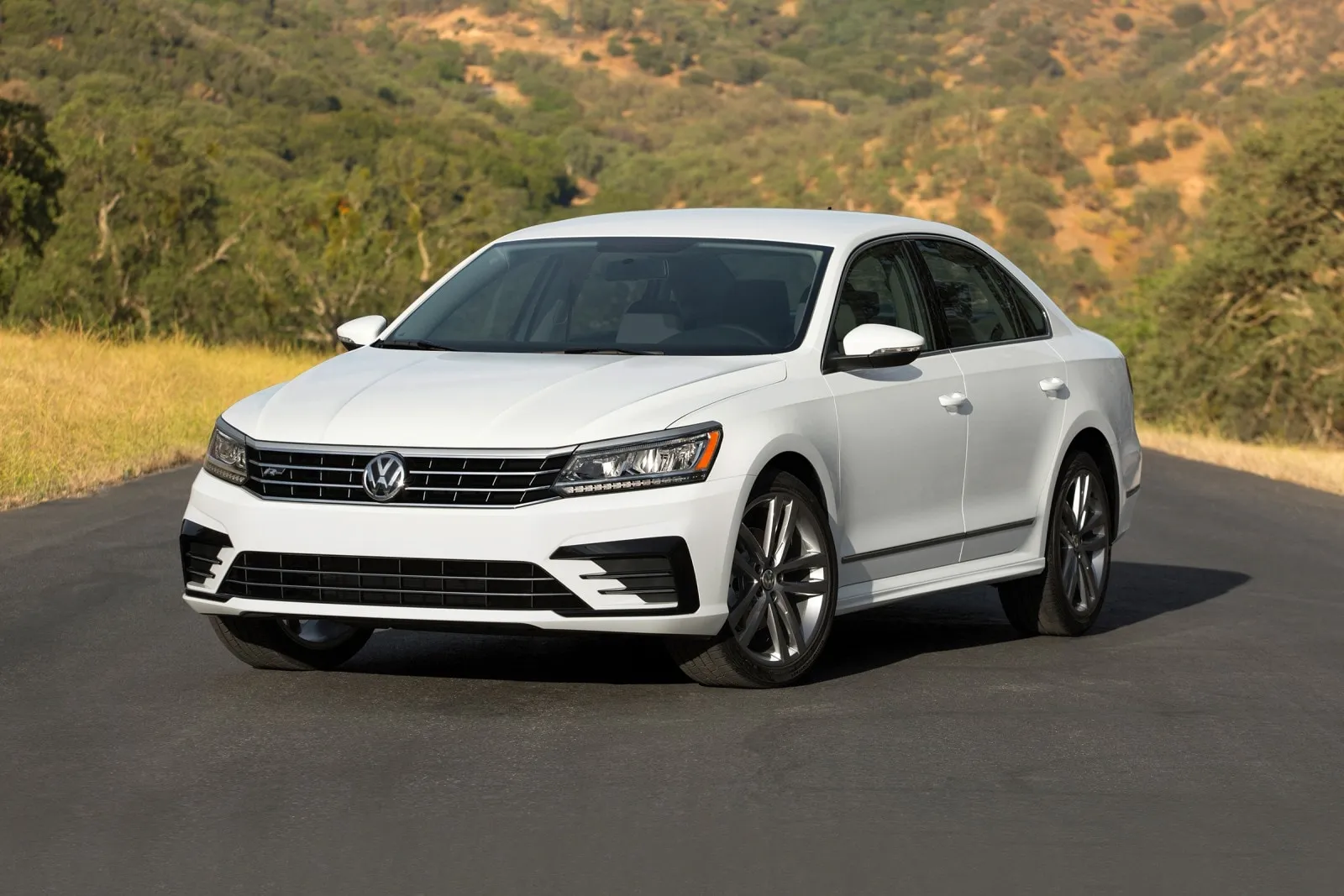
5. Volkswagen Passat
The Volkswagen Passat is known for European-inspired comfort and handling, but some owners report steering column rattling over bumps. The cause is often linked to internal column components, including bushings and joints, which may not completely isolate road vibrations.
When driving over rough or uneven surfaces, these vibrations reach the steering wheel, creating a rattling or looseness sensation. This can make the Passat feel less precise compared with other sedans in the same class, especially during low-speed maneuvers or tight cornering.
The vehicle’s suspension design can interact with column behavior. While tuned for comfort, the Passat’s suspension can transmit minor road irregularities to the column.
Small bumps or cracks in the road may create a feedback loop where the steering feels loose or slightly unsettled. This is particularly noticeable in older model years where bushings or other internal components may have experienced wear, exacerbating the rattling effect.
Manufacturing tolerances and materials can also contribute. Slight misalignments or compression in the steering shaft bushings can create perceptible movement.
Drivers often report hearing faint rattling or vibration through the wheel during normal driving, indicating that the column’s tightness is less than optimal. While not a safety concern, it can reduce the feeling of control and precision that many expect from a midsize sedan.
Finally, adjustment features such as tilt and telescopic mechanisms may slightly increase column play over time. If these mechanisms develop slack or loosen with prolonged use, they can contribute to the perception of a rattly steering wheel.
Combined with the suspension and internal column dynamics, this makes the Passat more prone to steering feedback issues than vehicles designed with tighter, more rigid column assemblies.
