When hybrids first hit the American market, many buyers were skeptical. Combining a gas engine with an electric motor seemed like a recipe for expensive repairs down the road.
But two decades later, data from owners, independent repair shops, and long-term fleet studies show that some hybrid models have proven nearly bulletproof while others have revealed serious durability flaws.
For anyone buying a hybrid in 2025, understanding which ones will actually go the distance can save thousands in the long run.
Below are five hybrids that consistently push past 250,000 miles with proper maintenance, and five that tend to throw in the towel well before 120,000 miles.
Hybrids That Last 250,000 Miles
Hybrid vehicles are often praised for their fuel efficiency and lower emissions, but how do they hold up over the long haul? While some hybrids can suffer costly battery or drivetrain issues, others are built to endure, delivering decades of reliable performance and minimal headaches.
In this article, we highlight hybrids that have proven they can last 250,000 miles or more, offering a rare combination of efficiency, durability, and long-term value for buyers who want both economy and peace of mind.
Also Read: 5 Pickup Trucks That Always Sell for Top Dollar vs 5 That Don’t
1. Toyota Prius (All Generations, Especially 2010–2015)
It’s impossible to talk about long-lasting hybrids without starting with the Toyota Prius. Since its U.S. debut in 2000, the Prius has been the benchmark for hybrid reliability.
The second and third generations (2004–2015) in particular have achieved legendary status among taxi fleets and rideshare drivers.
Many examples are still running strong at 300,000 miles with only basic maintenance oil changes, brake pads, and the occasional water pump replacement.
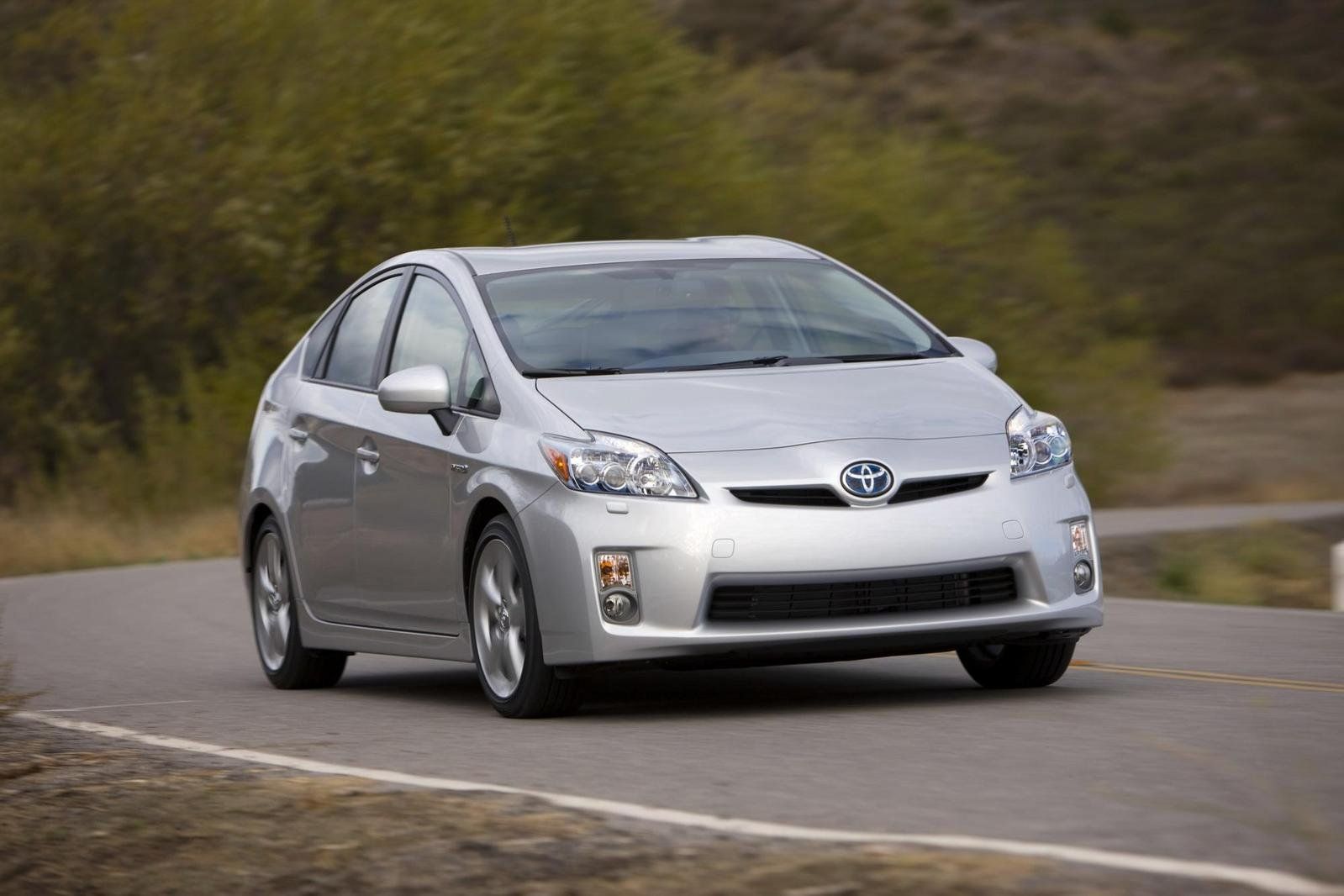
Toyota’s hybrid synergy drive is remarkably simple and overengineered. The battery packs are air-cooled, the engines use timing chains instead of belts, and the continuously variable transmission (CVT) is sealed and rarely fails.
Even the hybrid battery replacement costs have come down dramatically you can now replace a Prius battery for under $2,000 at independent shops.
If reliability had a mascot, it would probably look like a Prius with faded paint and 280,000 miles on the odometer.
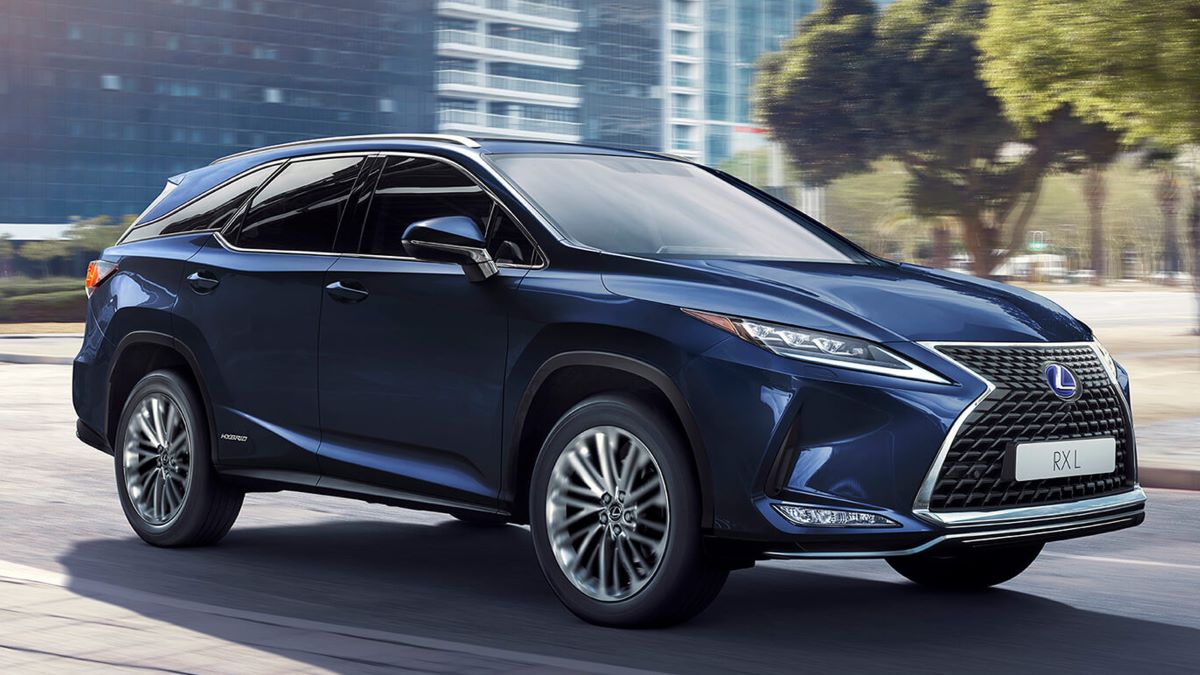
2. Lexus RX 450h (2010–2020)
The Lexus RX 450h is essentially a Toyota Highlander Hybrid wrapped in luxury and backed by even tighter manufacturing tolerances.
The 3.5-liter V6 hybrid powertrain is one of Toyota’s most robust, often outlasting the bodies they’re bolted into. Owners routinely report crossing 250,000 miles without a major powertrain repair.
The RX’s hybrid system uses a nickel-metal hydride battery pack that handles heat and charge cycles better than early lithium-ion systems.
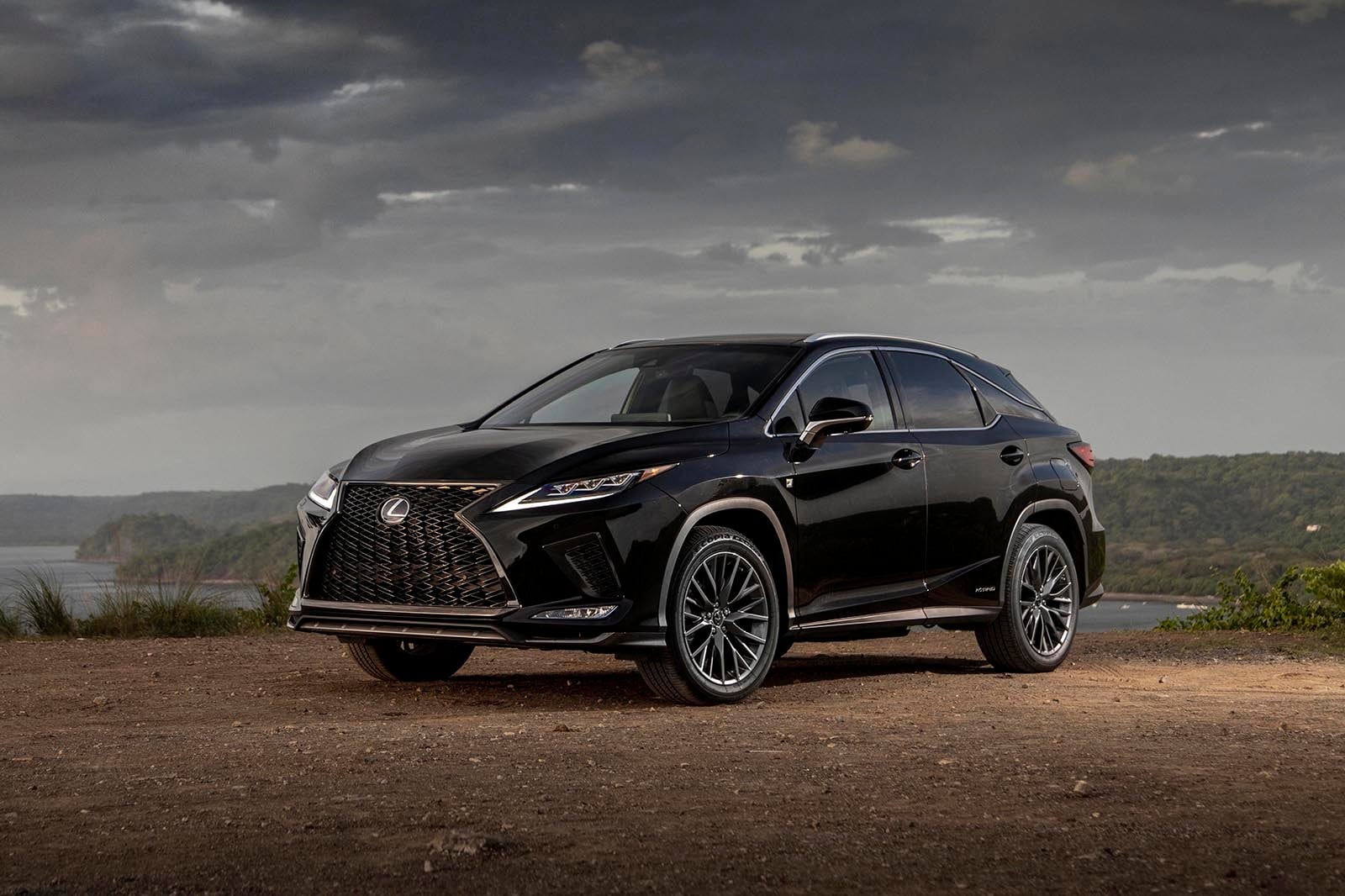
Because the electric motor assists the gas engine during acceleration, it reduces mechanical strain paradoxically making the hybrid system extend the engine’s life rather than shorten it.
Add Lexus’ quiet interiors and stellar build quality, and you’ve got a hybrid SUV that can still feel new even after 200,000 miles.
The hybrid RX350h combines electric motors with a 2.4-liter four-cylinder engine to produce 246 horsepower and comes equipped with a continuously variable automatic transmission (CVT) and all-wheel drive. On our initial test drive, this powertrain felt somewhat sluggish, and we expect it to deliver slightly slower acceleration compared with its 2022 counterpart.
Upgrading to the RX500h F Sport Performance introduces a more spirited powertrain. It pairs the turbocharged 2.4-liter engine with electric assistance to generate 366 horsepower and employs Lexus’s Direct4 system to distribute power to all four wheels.
While Lexus had a chance to position the new RX as a true performance SUV with the RX500h, the chassis engineers opted not to enhance cornering confidence. All the models we’ve driven remain softly sprung and focused on luxury, much like the previous-generation RX, which will satisfy loyal buyers but likely won’t appeal to driving enthusiasts.
A plug-in hybrid variant, the RX450h+, utilizes a 2.5-liter four-cylinder engine, three electric motors, and standard all-wheel drive. This powertrain is shared with the Toyota RAV4 Prime and Lexus NX450h+ SUVs, but in the RX450h+ it delivers two additional horsepower, bringing the total output to 304 ponies.
3. Ford Escape Hybrid (2005–2012)
Ford’s first-generation Escape Hybrid deserves more credit than it gets. Developed in partnership with Toyota, its hybrid system borrows heavily from the Prius playbook. The result? An SUV that could be found in New York City taxi service well past 300,000 miles.
Unlike some later Ford hybrids that chased efficiency at the cost of reliability, the early Escape Hybrid kept things simple a naturally aspirated 2.3-liter engine, a straightforward hybrid drive unit, and minimal electronic gimmicks.
Owners have reported original battery packs lasting 15 years or more. It’s one of those rare American hybrids that can truly be called bulletproof, especially if you find one with service records and a rust-free body.
Ford was the first automaker to introduce a gas-electric hybrid SUV with the launch of the Escape Hybrid for the 2005 model year. Initially, consumers were eager to snap up this high-tech compact SUV, which offered fuel economy in the 30-mpg range.
Since then, demand for the Escape Hybrid has been inconsistent: when gas prices rise, buyers flock to this hybrid SUV, but when prices drop, Ford sometimes has to offer incentives to clear inventory. This pattern reflects the compromises involved in adapting a standard SUV into a hybrid: the Escape Hybrid is more fuel-efficient than a regular Escape, but not dramatically so.
Beyond the “Hybrid” badges on the sides and rear and a subtle battery-pack vent on the driver-side rear window, it looks much like any other Escape, meaning it lacks the image-defining presence of vehicles like Toyota’s Prius.
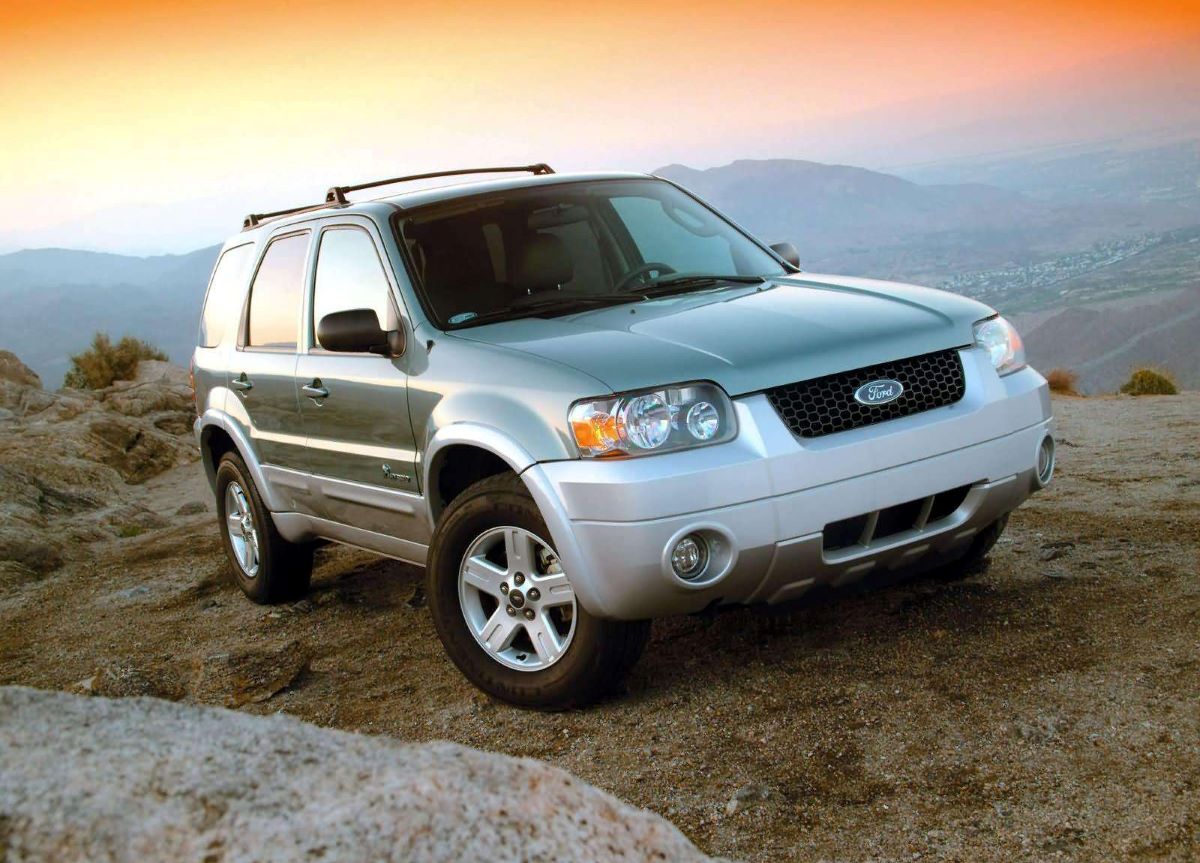
That said, owning one can still be enjoyable. The Escape Hybrid’s powertrain pairs a 2.3-liter four-cylinder gasoline engine with two electric motors and an electronically controlled continuously variable transmission (CVT) that operates much like a conventional automatic.
While the combined 155 horsepower may not seem impressive, the Escape Hybrid accelerates faster than the standard four-cylinder Escape and feels nearly as quick as the V6 variant. Ride quality is similar to the gasoline model, though the hybrid feels slightly top-heavy around corners due to the extra 300 pounds of curb weight.
Inside, the 2007 Ford Escape Hybrid stands out for its roomy seating and solid ergonomics, though material quality is only mediocre. Curiously, the cabin electronics feel outdated in a vehicle that is otherwise technologically advanced.
A central screen displays a live-action graphic of the hybrid system at work, but only if buyers pay an extra $2,000 for the optional CD-based navigation system, a small, clunky display that feels underwhelming for the cost.
Additionally, the air-conditioning system lacks an electric compressor, meaning it only operates when the gasoline engine is running. Features like Bluetooth, an auxiliary MP3 jack, and a rear-seat entertainment system are also absent from the options list.
Buyers expecting exceptional fuel economy and cutting-edge technology may be disappointed by the 2007 Escape Hybrid. However, for those who want to reduce their environmental impact and save on gas without sacrificing SUV practicality, it remains a worthy choice.
The Escape Hybrid’s powertrain combines a 2.3-liter four-cylinder gasoline engine with two electric motor/generators. Ford labels the transmission a CVT, though it lacks the rotating belt found in conventional CVTs. Instead, the motors and gas engine work together through a planetary gearset to deliver smooth power and maximum efficiency.
Driving the Escape Hybrid is simple: move the shift lever to “D” and press the gas pedal. Buyers can choose between front-wheel drive or all-wheel drive. Fuel economy is rated at 36 city/31 highway for the 2WD model and 32/29 for the AWD, making the Escape Hybrid the most fuel-efficient SUV on the market.
4. Toyota Camry Hybrid (2012–2017)
The Toyota Camry has always been a poster child for durability, and its hybrid version only reinforces that reputation.
The combination of Toyota’s 2.5-liter Atkinson-cycle engine and the company’s proven hybrid system makes the Camry Hybrid one of the few sedans you can expect to exceed 250,000 miles without drama.
Real-world fleet data shows these hybrids often need only routine items brakes, suspension bushings, and fluids for hundreds of thousands of miles.
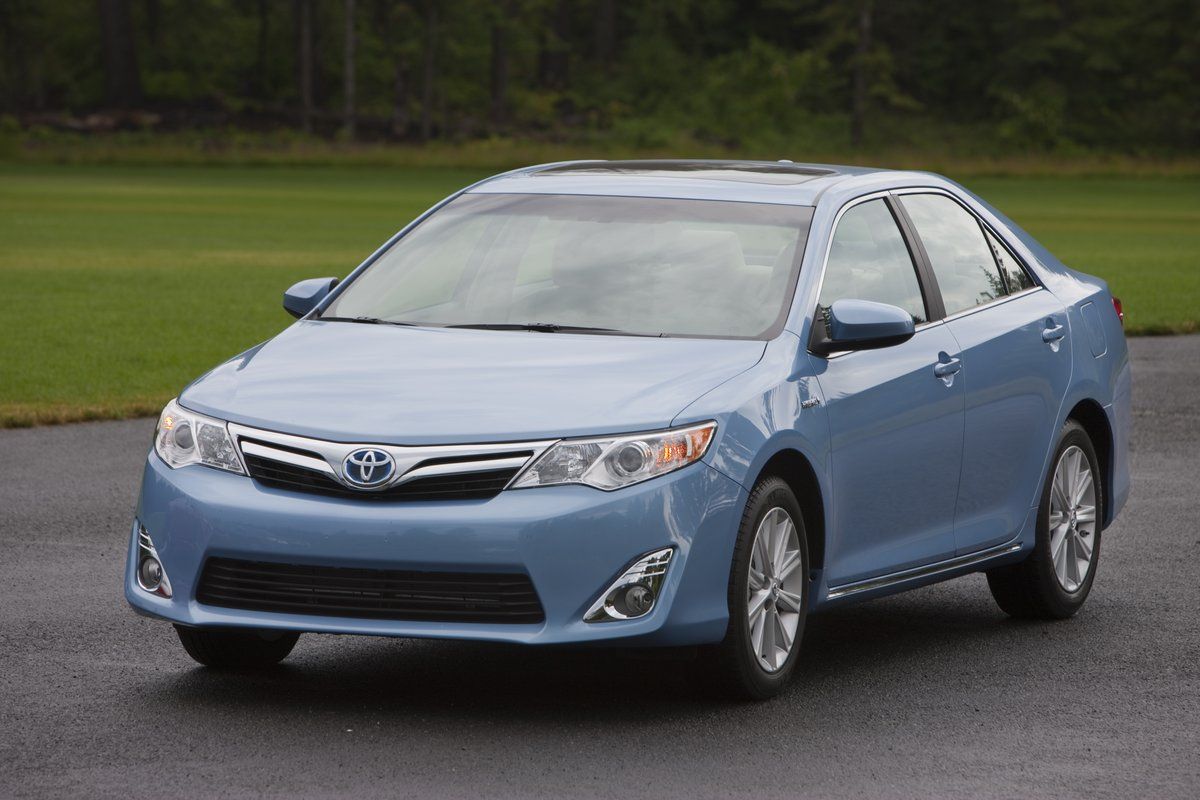
The hybrid battery rarely fails, and even if it does, it’s one of the cheapest in the business to replace. While some owners report slight drops in fuel economy with age, the core components just keep running.
If you want something that blends long-term dependability with daily comfort, the Camry Hybrid remains a safe bet.
The Camry Hybrid continues to use Toyota’s A25A-FXS Atkinson-cycle 2.5-liter naturally aspirated four-cylinder engine, producing 184 horsepower and 163 lb-ft without electric assistance.
Total system output is 225 horsepower when combined with the front permanent-magnet motor, which generates 134 horsepower and 153 lb-ft on its own. The electronically controlled CVT is standard for both drivetrain options.
The all-wheel-drive system adds a second compact motor to the rear axle, raising combined output to 232 horsepower. This rear motor alone produces 40 horsepower and 62 lb-ft. Toyota does not disclose 0-60 mph times or top speed for this generation, though the previous model sprinted to 60 mph in 7.4 seconds.
The A25A engine, introduced in 2017 for XV70-generation Camry models and designed for the TNGA platform, features an all-aluminum construction, Toyota’s D-4S multi-hole injection system, VVT-iE, a high-efficiency intake port with laser-cladded valve seats, high-energy ignition coils, and other advanced technologies. These upgrades provide a 14:1 compression ratio and improve thermal efficiency by 40 percent.
5. Honda Accord Hybrid (2018–Present)
Honda’s hybrid system took a few years to mature, but the current-generation Accord Hybrid has become one of the most mechanically reliable sedans on the market.
The dual-motor i-MMD setup is less complex than Toyota’s, with fewer moving parts and no traditional transmission.
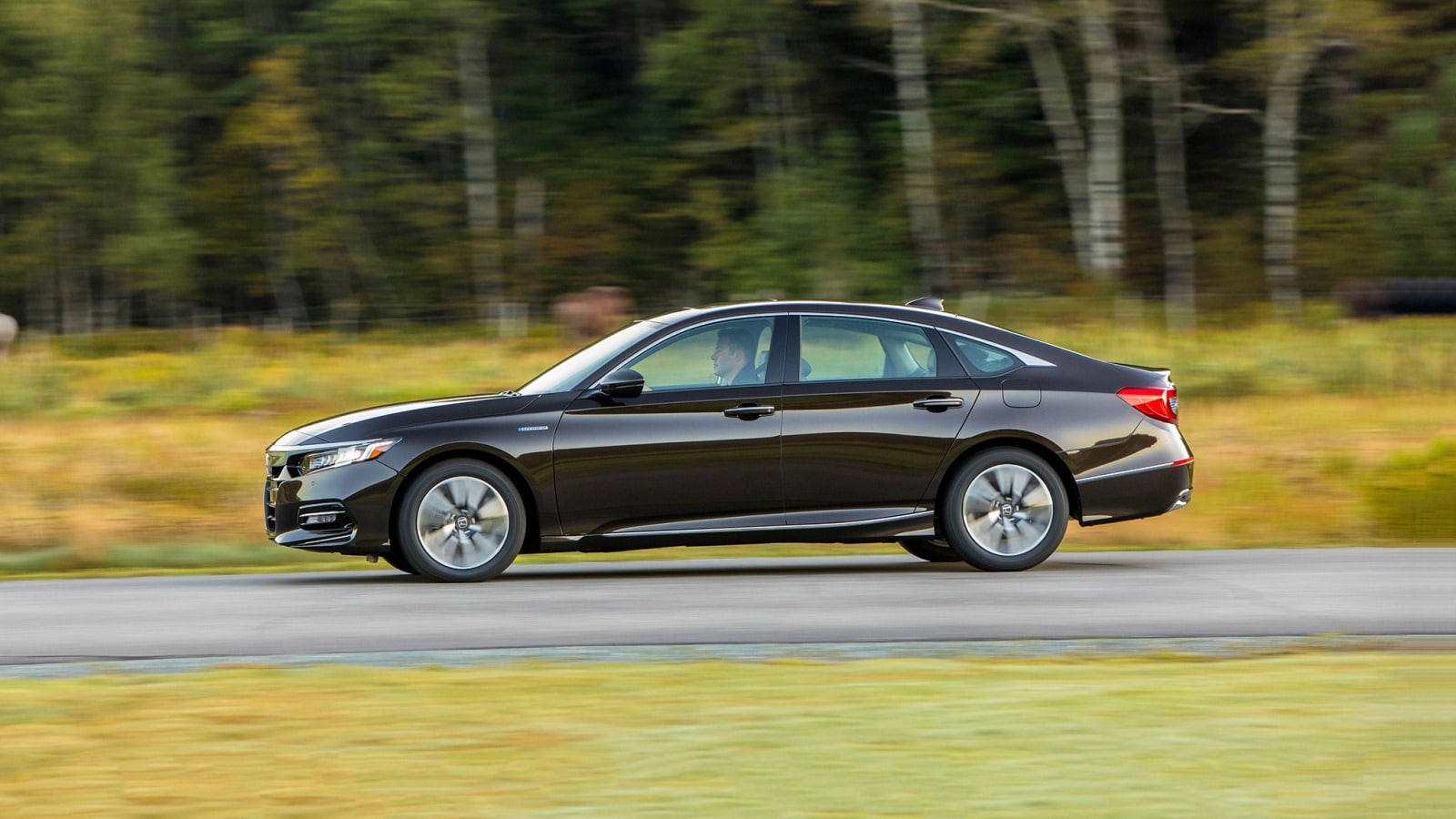
Owners and mechanics alike praise its smooth operation and lack of major issues even past 150,000 miles and projections based on similar Honda powertrains suggest it can easily reach 250,000 miles with good care.
The Accord’s high resale value also reflects this reputation. It’s proof that you don’t have to drive a Toyota to enjoy hybrid longevity.
Hybrids That Struggle Past 120,000 Miles
Hybrid vehicles often arrive with big promises—exceptional fuel economy, cutting‑edge technology, and quieter, smoother driving. But even the most appealing hybrid shouldn’t lull you into thinking it’s immune to serious issues.
Some models reveal their vulnerabilities once they cross the 120,000‑mile mark: hybrid batteries degrade, cooling or inverter systems fail, and repair bills can escalate. In this article, we explore the hybrids that tend to hit troubles after the warranty period ends, offering a cautionary look at where longevity may fall short.
Also Read: 5 Cars Increasing in Auction Value vs 5 Dropping Hard
1. Ford Fusion Hybrid (2013–2019)
While the Fusion Hybrid offered great efficiency and comfort, it hasn’t aged gracefully. Transmission failures, battery management issues, and software glitches plague many models after 100,000 miles.
Some owners also report hybrid battery replacements costing over $4,000 a steep bill for a car that’s already depreciated heavily.
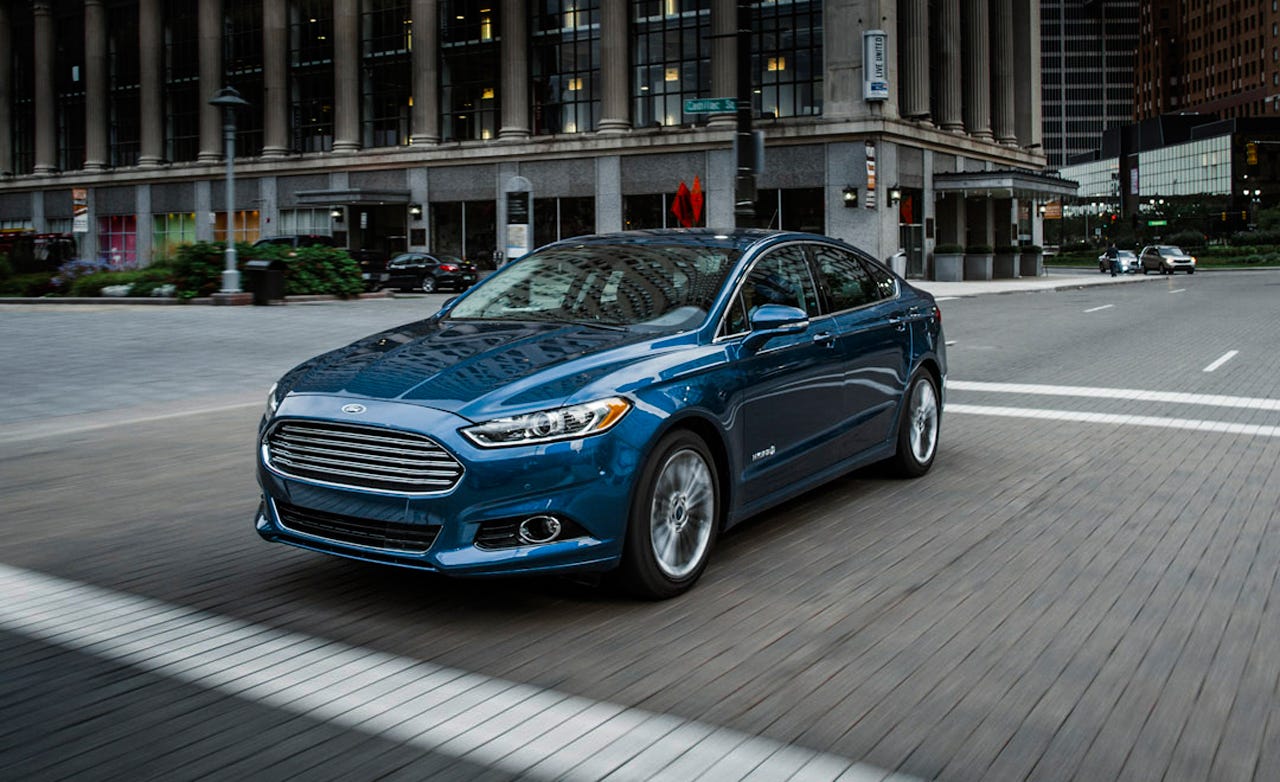
Part of the problem is Ford’s use of complex electronics that don’t handle heat well over time.
Cooling fans, sensors, and modules often fail, leading to expensive repairs that outstrip the car’s value. For short-term ownership, it’s fine but if you’re planning for 200,000 miles, look elsewhere.
2. Hyundai Sonata Hybrid (2011–2015)
Hyundai made major strides in reliability over the past decade, but early Sonata Hybrids were not part of that success story.
These models were among the first to use Hyundai’s proprietary hybrid drive system, and it showed battery cooling issues, jerky transitions between gas and electric, and premature transmission wear are all common.
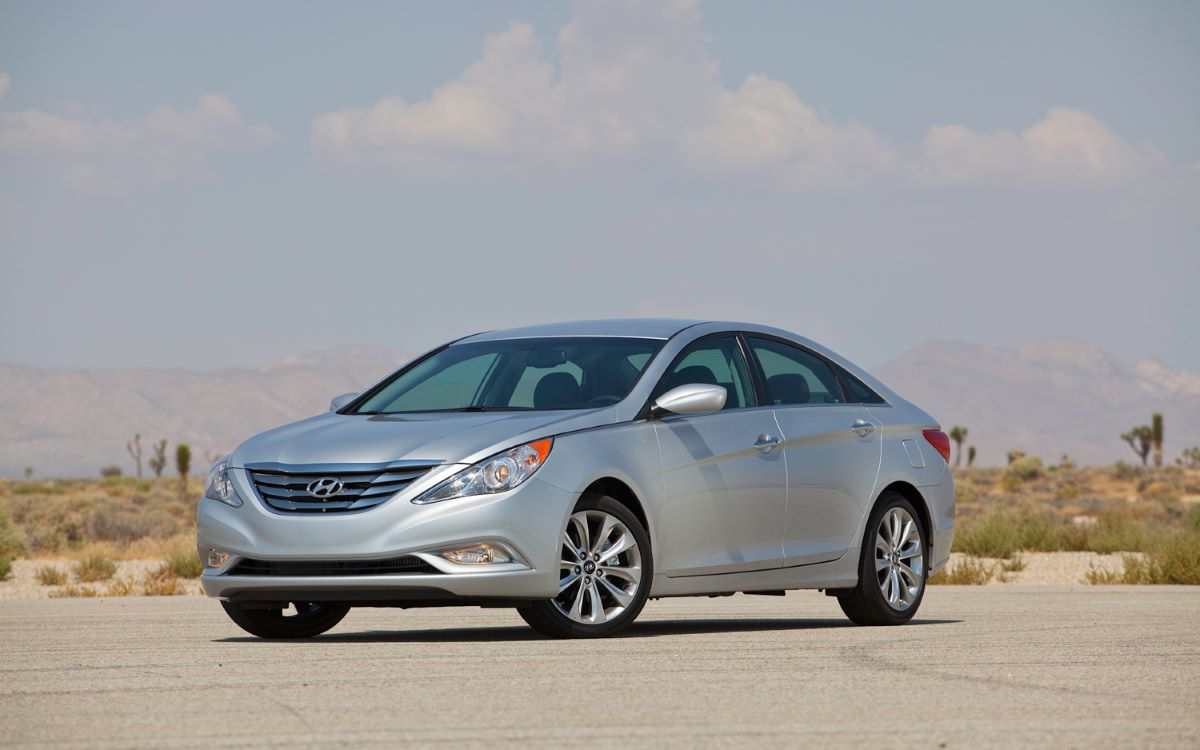
Even more concerning, some owners report complete hybrid system failures around the 100,000-mile mark. Hyundai has since improved dramatically, but if you’re buying used, the early Sonata Hybrids are best avoided.The 2018 Sonata Hybrid starts at $25,500.
A 2017 model will likely come at a lower price, but you’ll miss out on several notable updates. For 2018, Hyundai refreshed the Sonata Hybrid’s exterior styling and enhanced ride quality through improvements to the suspension and steering.
Additionally, a few driver-assistance features became standard, including blind-spot monitoring, rear cross-traffic alert, and lane change assist.
The Sonata also introduced available wireless phone charging. If you can do without these upgrades, the 2017 model should serve you well. However, it’s worth test-driving the 2018 before making your final choice.
3. Chevrolet Malibu Hybrid (2016–2019)
The Malibu Hybrid was GM’s attempt to compete with the Camry Hybrid, but it never quite got there. Borrowing parts from the discontinued Chevy Volt, the system proved finicky in long-term use.
Reports of failing battery modules, failing drive motors, and malfunctioning regenerative braking systems start appearing just after 100,000 miles.
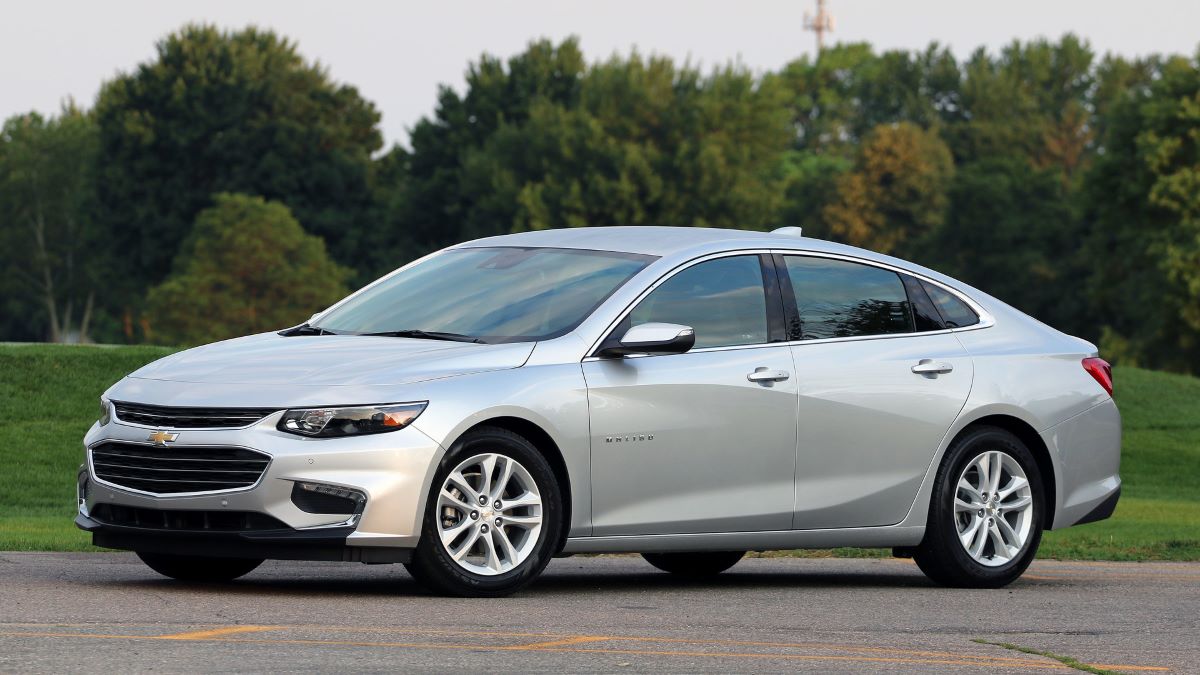
Adding to the frustration, parts availability can be a nightmare. With the Volt and Malibu Hybrid both discontinued, finding replacement components can take weeks or even months. For buyers who prioritize peace of mind, this hybrid simply isn’t worth the risk.
4. Nissan Pathfinder Hybrid (2014–2015)
This one barely lasted two model years, and for good reason. The Pathfinder Hybrid combined a supercharged 2.5-liter four-cylinder with an electric motor and a continuously variable transmission (CVT) three complex systems that didn’t play well together.
Owners frequently complain about shuddering, transmission overheating, and hybrid drive system faults long before 120,000 miles.
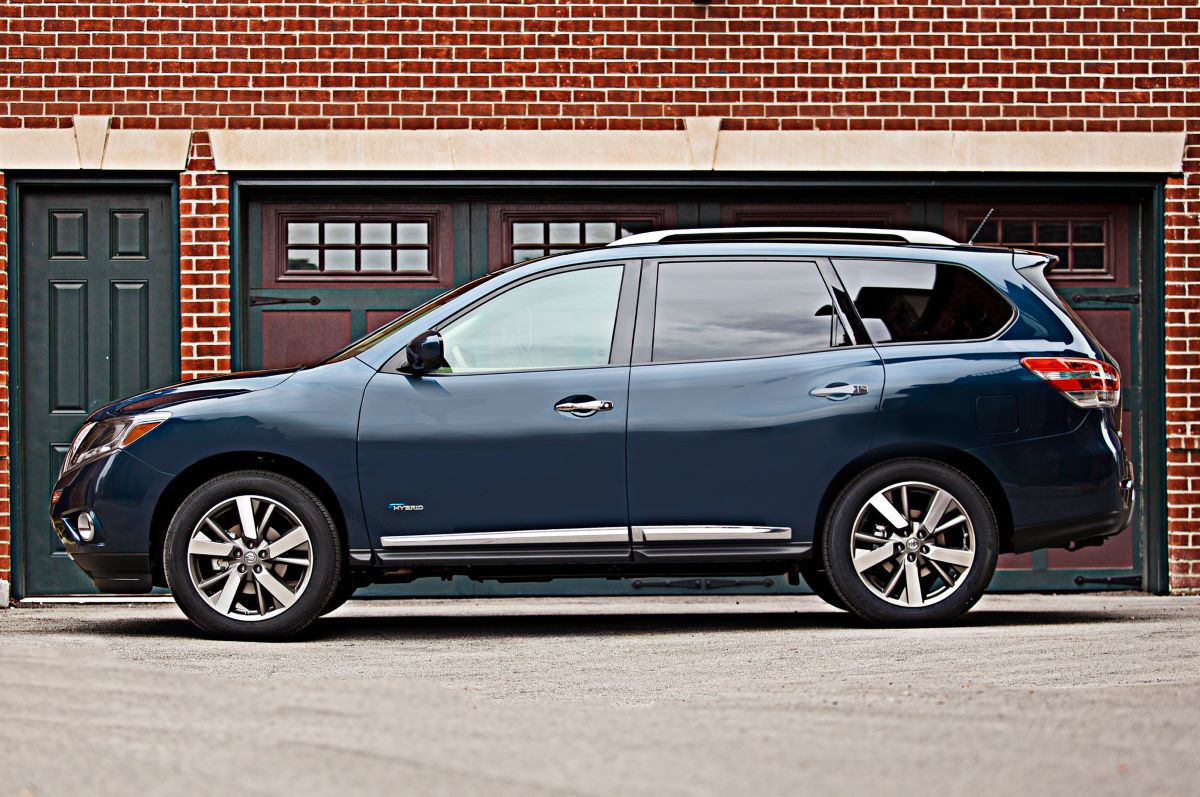
Nissan dropped the hybrid almost as quickly as it introduced it, which speaks volumes. If you find one cheap, remember that saving at the pump won’t mean much if you’re spending thousands to keep it running.
In production since 2021 for the 2022 model year, the fifth-generation Nissan Pathfinder is set to receive a well-deserved facelift in late 2025 for the 2026 model year. As part of this mid-cycle refresh, Nissan has updated the front and rear designs of its three-row midsize crossover.
Spotted testing in the United States with minimal camouflage, the 2026 Pathfinder features a more sculpted front bumper and a grille that sits more flush with the body. Judging by the way the camouflage covers the grille, the headlight units may extend into the radiator grille.
The lower section of the front bumper has also been subtly revised, including updates to the lower grille. Built in Smyrna, Tennessee, the North American Pathfinder will also sport a reshaped rear bumper. The rear lights on these prototypes, however, appear to carry over from the outgoing 2025 model.
Earlier this year, Nissan teased the refreshed Pathfinder alongside other facelifted and new models. The update is expected to include a new infotainment system, as well as an upgraded multi-function information display and digital instrument cluster. Currently, the Pathfinder comes with a 7.0-inch information display and a 12.3-inch digital cluster.
Alongside these technology enhancements, Nissan may also improve its ProPILOT Assist semi-autonomous driving system. ProPILOT Assist 2.0 is classified as a Level 2 system, meaning it offers partial driving automation but requires constant attention from the driver.
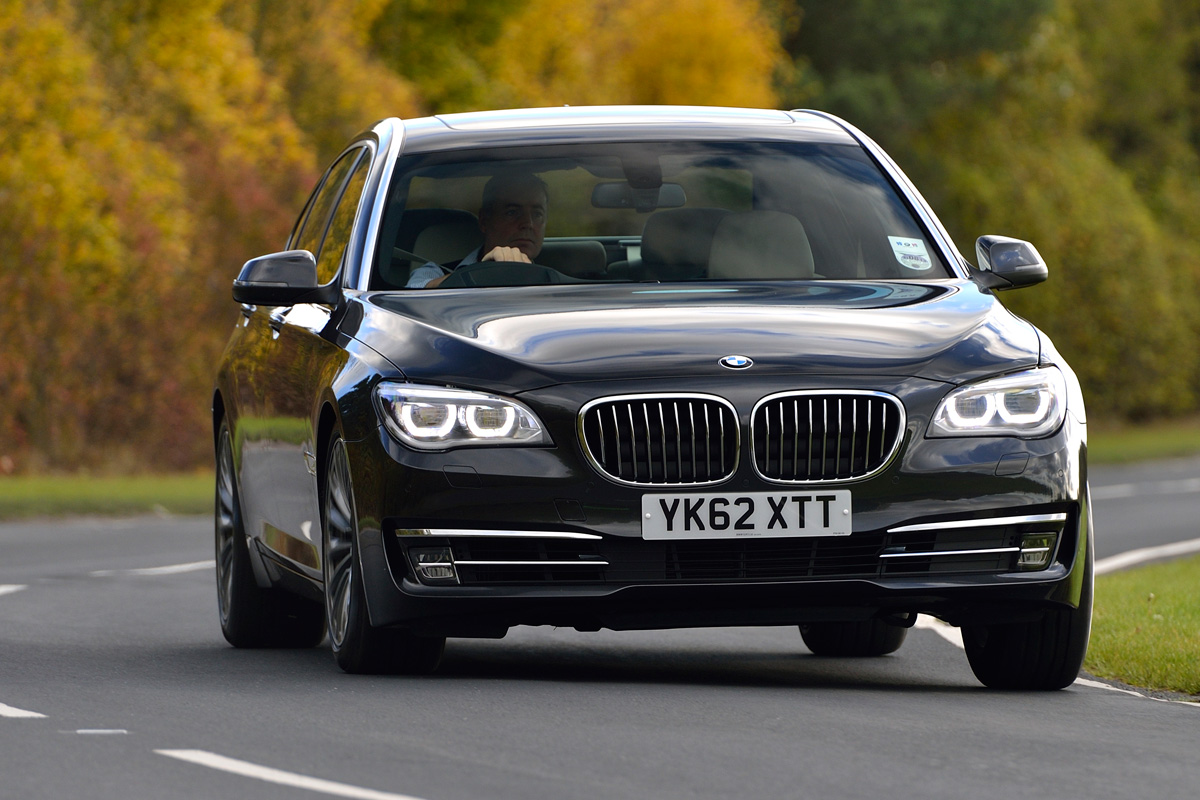
5. BMW 7 Series ActiveHybrid (2011–2015)
Luxury hybrids can be tempting, especially used ones that have lost most of their original $100,000 price tag. But the BMW 7 Series ActiveHybrid is a textbook case of why complexity kills longevity.
The combination of a twin-turbo V8 and an electric motor sounds impressive, but it’s a maintenance nightmare once the warranty expires.
Between failing high-voltage batteries, water-cooled alternators, and coolant leaks into the hybrid electronics, most examples are money pits by 100,000 miles.
Even BMW specialists admit that keeping one running reliably past 120,000 miles requires deep pockets. For those who value longevity, this is one hybrid to avoid at all costs.
It’s evident that engineers have faced a challenge trying to blend BMW’s traditional driver-focused appeal with the expectations of a comfortable, luxurious limousine.
The result is that the 7 Series is outclassed in nearly every aspect by the Mercedes S-Class, while the ActiveHybrid 7 makes little sense in the UK market. A 740d is both more enjoyable to drive and more efficient.
The BMW 7 Series has never matched the popularity of the Mercedes S-Class or Audi A8, though the recently launched facelift claims significant improvements. Now, the petrol-electric ActiveHybrid 7 adds something a bit different to the lineup.
BMW expects the near-£70,000 hybrid to account for only a small fraction of UK sales, targeting buyers more intrigued by technology than by fuel economy.
And rightly so, because if your priorities are genuine environmental friendliness and low tax bills, the 730d or 740d deliver more than the hybrid’s official 41.5 mpg rating. Both diesel variants emit less CO2 than the ActiveHybrid’s 158 g/km.
This positions the hybrid awkwardly in the UK, where diesel reigns supreme—though it may make a more compelling case in petrol-preferred markets such as the US.
Most UK buyers will likely stick with the 740d, which accelerates from 0-62 mph in 5.5 seconds, two-tenths quicker than the ActiveHybrid 7. And by choosing diesel, they won’t sacrifice 140 liters of boot space to the hybrid’s battery pack.
Behind the wheel, it’s tempting to try and drive without engaging the petrol engine. The hybrid will run electrically for a few miles in town, but without a selectable electric-only mode and with a 3.0-liter petrol engine eager to assist, the hybrid system feels more like background support than the star.
Ultimately, the car drives much like a standard 7 Series. While the integration of the electric motor into the drivetrain is technically impressive, it feels somewhat redundant. Driving the ActiveHybrid 7 isn’t particularly rewarding, with steering that feels heavy and numb and suspension that never quite settles properly.
Hybrid reliability isn’t luck it’s engineering discipline. Toyota and Honda have spent decades refining their systems, focusing on simplicity and longevity rather than flashy performance gains.
Their hybrids routinely last 250,000 miles because the electric components reduce engine strain and braking wear, while the software stays conservative.
By contrast, brands that rushed hybrid tech into their lineups without the same testing often paid the price in long-term reliability. Batteries overheat, sensors fail, and repair costs balloon.
If you’re shopping for a hybrid that will genuinely outlast its loan, focus on proven designs like the Toyota Prius, Camry Hybrid, or Honda Accord Hybrid.
Avoid complex or short-lived experiments like the BMW ActiveHybrid or Nissan Pathfinder Hybrid. In the hybrid world, simpler really is better and that’s what separates the 250,000-mile champions from the 120,000-mile strugglers.