Time is the ultimate critic in the automotive world. Cars that were once mocked, misunderstood, or dismissed as missteps often find redemption years later as changing tastes and shifting values reveal their true brilliance. “8 Cars That Aged Better Than Expected” celebrates those underappreciated machines that defied early criticism to earn lasting admiration.
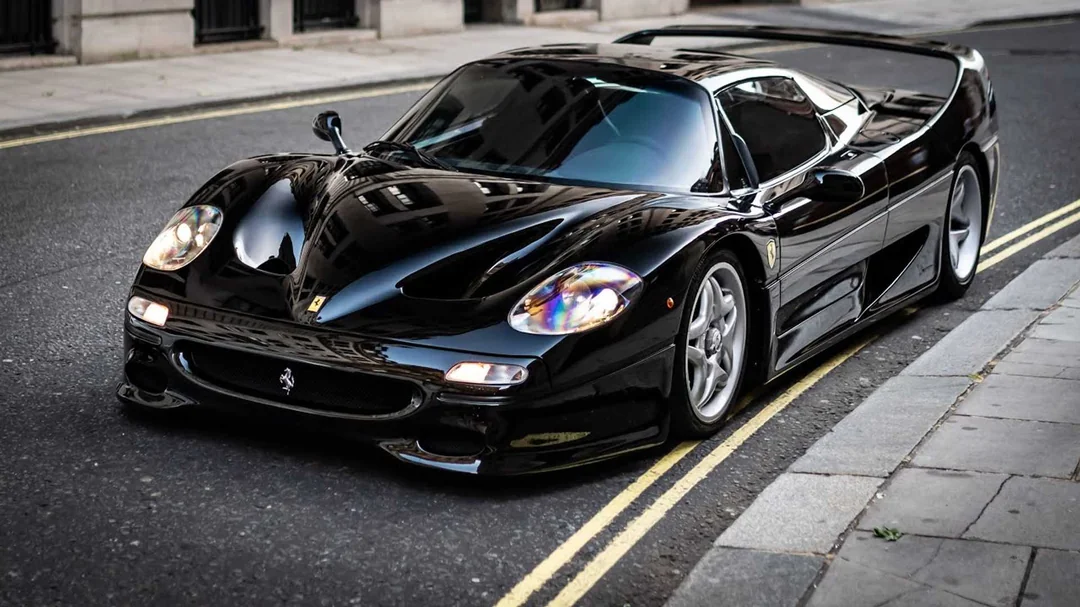
In their day, these cars were the rebels, the misfits, and the misunderstood marvels that dared to challenge convention. The Ferrari F50, for example, was criticized for being less visceral than its predecessor, the F40, yet it now stands as a technological masterpiece that bridged Formula 1 engineering with road-going performance.
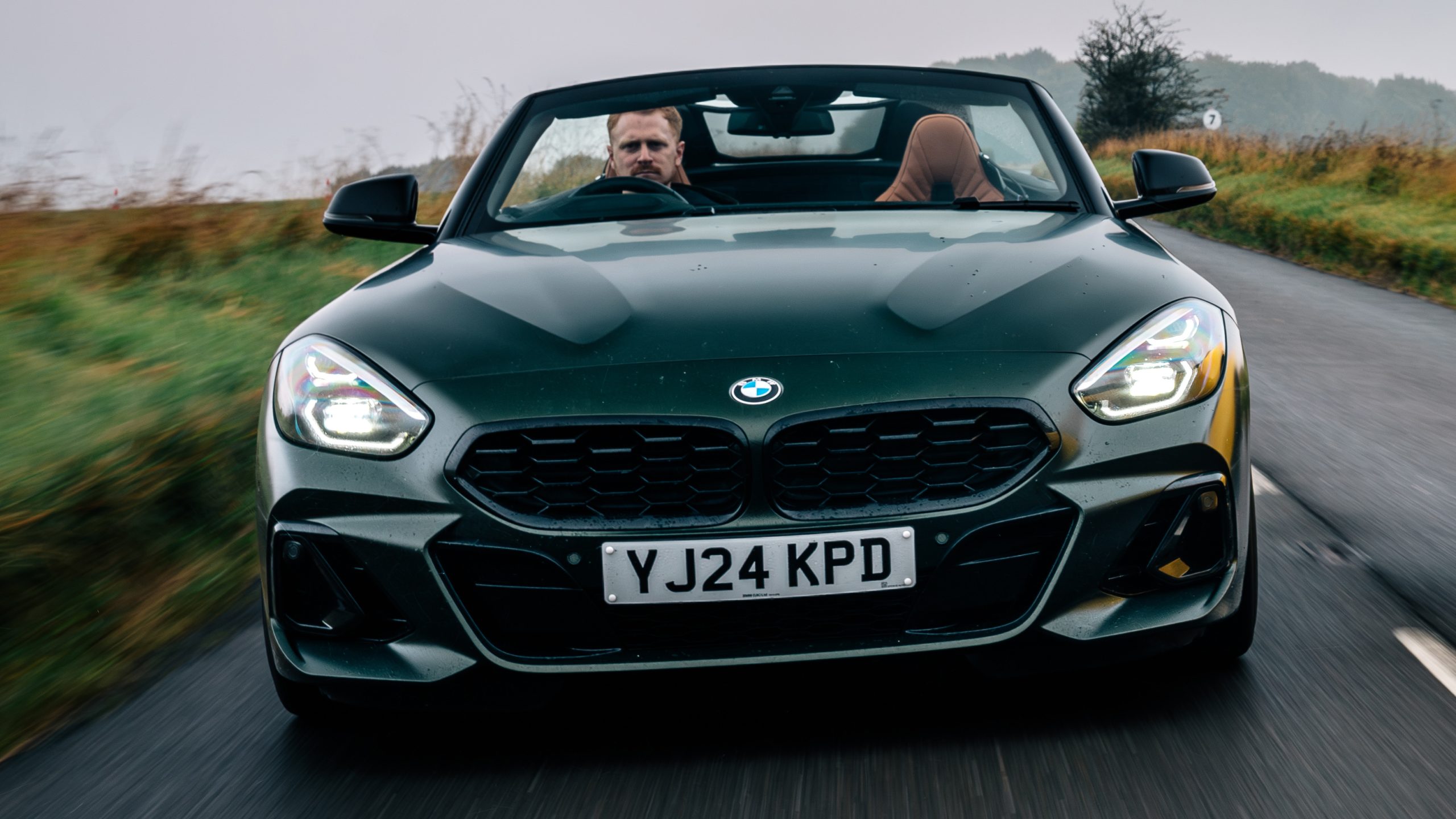
Likewise, the BMW Z4, once divisive under Chris Bangle’s design direction, has matured into a true modern classic that balances aggression with elegance.
From the refined British muscle of the Jaguar S-Type R to the eccentric yet forward-thinking Morgan Aero 8, these cars remind us that innovation rarely earns instant approval. The Ford Mustang “New Edge” now looks sharper than ever, while the Ferrari 308 GT4 and Audi A2 have gained appreciation for their daring designs and engineering foresight.
Even the Cadillac DeVille, once dismissed as outdated, has become a nostalgic symbol of authentic American luxury.
This list is not about perfection or prestige alone. It is about transformation. These are the cars that outlived their critics, aged with dignity, and proved that true character often reveals itself only through the passage of time.
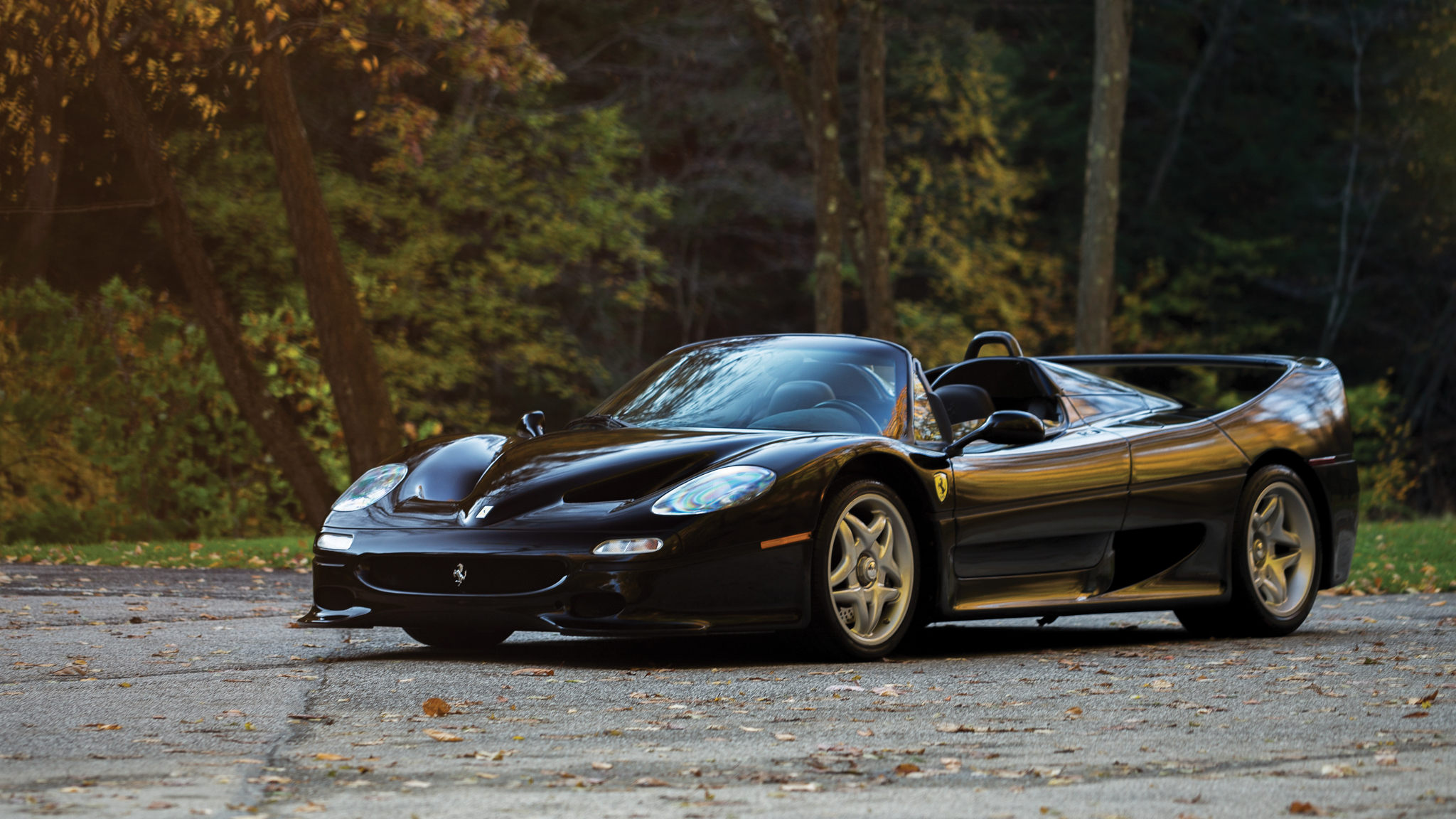
1. Ferrari F50: The Supercar You Couldn’t Truly Own
When Ferrari introduced the F50 in the mid-1990s, it represented the company’s effort to bring Formula 1 technology to the streets. Beyond its engineering brilliance, however, the car became equally famous for its exclusivity, its strict ownership rules, and the controversy surrounding its release.
At the time, opinions were split on its design. Some found it round and heavy-looking compared to the sharp-edged F40, while others appreciated its smooth aerodynamic curves. Yet the bigger debate centered on Ferrari’s unusual decision not to sell the F50 outright.
In the United States, Ferrari North America (FNA) made all 55 F50s available only through a two-year lease program. Even with a $240,000 down payment, $5,600 monthly installments, and a $150,000 final payment, totaling over $560,000, buyers could not immediately own one.
Ferrari explained that the leasing policy was meant to deter speculators who had inflated F40 prices in the late 1980s. However, the program also restricted access to a select group of Ferrari’s most loyal customers.
Potential lessees had to complete a detailed questionnaire about their Ferrari ownership history, whether they had ever sold Ferraris for profit, and if they planned to race the F50. This vetting frustrated many long-time clients who felt their loyalty was being questioned.
Ferrari’s control extended beyond financial agreements. When Car and Driver requested an F50 for performance testing, Ferrari refused to provide one. Nearly every private lessee who initially agreed to participate later withdrew, often fearing they might lose access to future Ferrari models or privileges such as private factory tours in Maranello. The brand’s influence over even its wealthiest customers was undeniable.
Eventually, one man broke the pattern. Andy Evans, a wealthy investor and owner of Team Scandia, had earned Ferrari’s favor through his success in IMSA racing with the Ferrari 333SP. As a reward, the company granted him F50 chassis number 003, which he fully owned rather than leased. Evans allowed Car and Driver to conduct a proper test of his car.
The results revealed the F50’s impressive performance. Its 520-horsepower 4.7-liter V12 propelled it from 0 to 60 mph in 3.8 seconds, with a quarter-mile time of 12.1 seconds at 123 mph and a top speed of 194 mph. The car achieved 0.95 g of cornering grip and stopped from 70 mph in 176 feet. Though slightly slower than the older F40, the F50 showcased remarkable precision and engineering excellence.
Ultimately, the F50 symbolized more than speed and style. It represented Ferrari’s commitment to controlling its image and rewarding loyalty above all else. The car’s performance was extraordinary, but its story revealed a deeper truth: owning a Ferrari F50 was never just about money. It was about belonging to the world Ferrari carefully chose to create.
2. BMW Z4: A Modern Classic with Timeless Appeal
The BMW Z4 stands as one of the best examples of how design tastes evolve over time. Once controversial during the Chris Bangle era of the early 2000s, the Z4’s bold styling has aged into a muscular, elegant form that perfectly balances aggression and sophistication.
Its long hood, low stance, and wide proportions give it a classic roadster silhouette, while its refined details mark it as one of the best-looking BMWs of its generation.
The Z4 lineup offers two distinct personalities. The sDrive30i uses a turbocharged 2.0-liter four-cylinder producing 255 horsepower, delivering strong torque and smooth acceleration.
For drivers seeking more power, the M40i model adds a 382-horsepower turbocharged inline-six, one of BMW’s most celebrated engines for its refinement and thrilling response. Both versions come standard with an eight-speed automatic transmission that offers crisp, quick shifts through paddle shifters or automatic modes.
For purists, BMW has reintroduced a six-speed manual transmission in the M40i through the Handschalter package. This option brings a more connected driving feel, along with stiffer anti-roll bars, a retuned adaptive suspension, and special performance wheels. In testing, the sDrive30i reached 60 mph in 5.1 seconds, while the M40i sprinted to 60 mph in just 3.5 seconds with the automatic and 3.9 seconds with the manual.
Despite its power, the Z4 is impressively fuel-efficient. The four-cylinder returns 25 mpg city and 32 mpg highway, while the six-cylinder achieves 22 mpg city and 29 mpg highway. Even better, real-world testing showed the M40i automatic outperforming its rating, managing an exceptional 37 mpg on the highway.
Inside, the Z4 features one of the most luxurious cabins in its class. High-quality materials, precise assembly, and intuitive controls create a premium environment. The seats are both supportive and comfortable, with enough interior space to accommodate taller drivers.
The soft-top roof is well-insulated, keeping noise levels low and transforming the Z4 into a quiet cruiser when raised. Cargo space measures 10 cubic feet, sufficient for a weekend getaway, while clever storage compartments make the cabin practical for daily use.
A 10.3-inch touchscreen comes standard with navigation, Apple CarPlay, and Android Auto. The iDrive infotainment system remains one of the most intuitive on the market, operable by touch, voice, or console controls. Standard safety features include forward-collision warning, pedestrian detection, and lane-departure warning, with options such as adaptive cruise control and blind-spot monitoring.
BMW backs the Z4 with a four-year/50,000-mile warranty and an industry-leading three-year complimentary maintenance plan, reinforcing its reputation for luxury, performance, and dependability.
3. Jaguar S-Type R: The Refined British Muscle Sedan
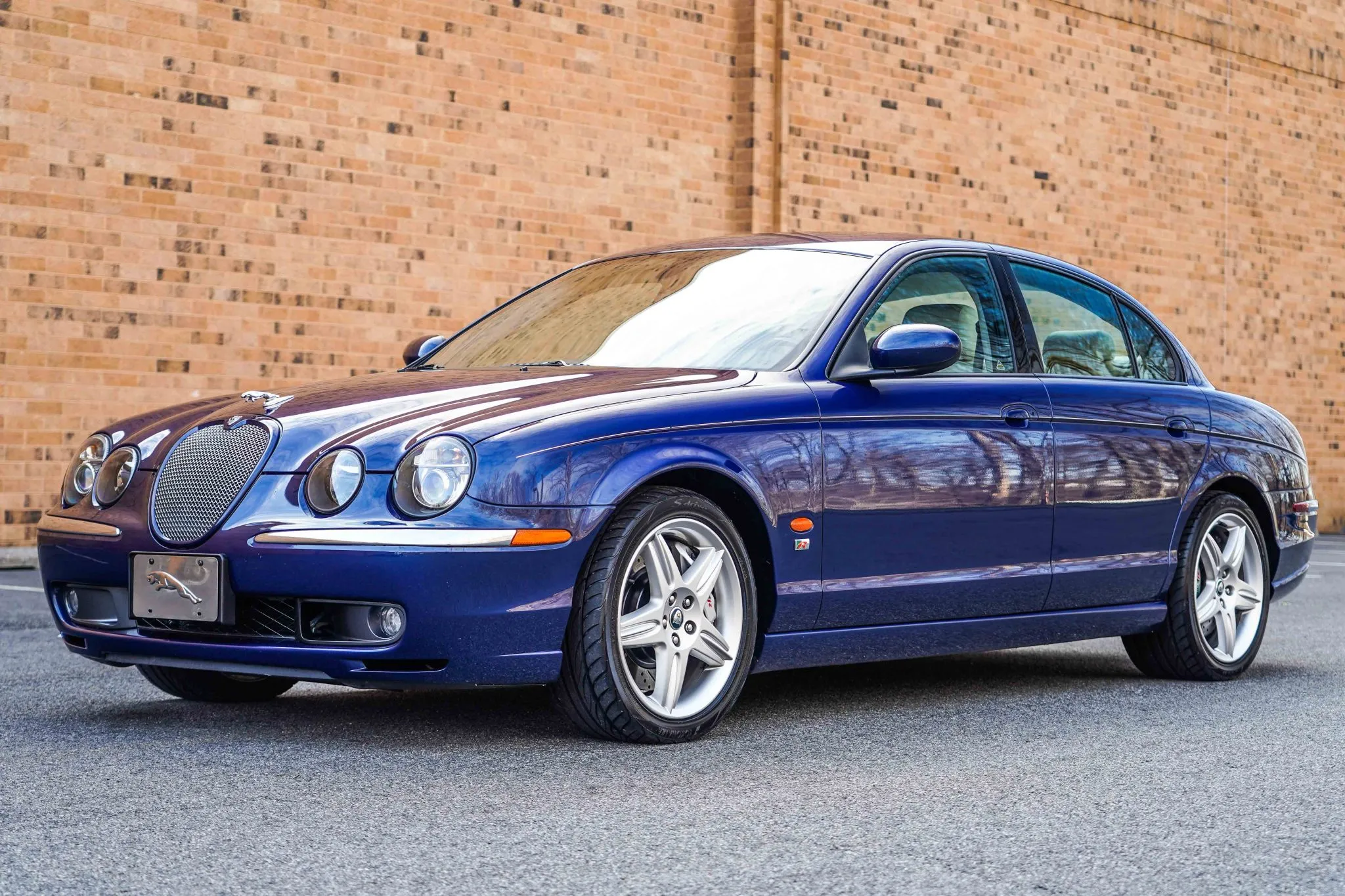
The Jaguar S-Type R may have divided opinions with its retro styling when it debuted, but time has been kind to it. Once dismissed as awkward and overly nostalgic, today the supercharged S-Type R carries a muscular charm that feels both distinctive and mature.
Beneath its controversial design lies a sophisticated and powerful sports sedan that captures Jaguar’s blend of performance and refinement better than most of its rivals from the early 2000s.
At the heart of the S-Type R is a heavily revised 4.2-liter supercharged V8 producing 400 horsepower and 408 pound-feet of torque. This engine, paired with a six-speed ZF automatic transmission, delivers strong low-end torque and silky power delivery.
The supercharger spins faster than in Jaguar’s XJR and XKR models, pushing out 13.1 psi of boost through twin intercoolers. Despite these numbers, the S-Type R was not built to chase the BMW M5 in outright aggression. Jaguar instead prioritized smoothness and civility.
In testing, the S-Type R accelerated from 0 to 60 mph in 5.5 seconds and completed the quarter-mile in 14.1 seconds at 99 mph. While these figures trailed its German competitors slightly, they reflected the car’s relaxed and controlled character. Its transmission, though advanced, lacked manual shift capability, and the electronic shift mapping often upshifted early, preventing the engine from reaching its full potential.
Jaguar engineered the S-Type R to offer performance without sacrificing comfort. A new front subframe and redesigned suspension improved both agility and ride compliance.
The CATS adaptive damping system continuously adjusted the Bilstein shocks for cornering stability and smooth cruising. The result was a chassis that combined strong grip with impressive composure, matching the M5 and Mercedes E55 AMG in balance but surpassing them in ride comfort.
Braking was equally refined. Four-piston Brembo calipers provided exceptional stopping power, halting the car from 70 mph in just 169 feet. Even under heavy use, the system showed no fade or noise, maintaining the car’s reputation for understated control.
Externally, the S-Type R featured subtle but effective upgrades. A wire-mesh grille, black-trimmed xenon headlights, and 18-inch five-spoke Zeus wheels gave the car a more aggressive stance. Underneath, structural reinforcements improved rigidity by 17 percent, enhancing both handling and safety.
Inside, the cabin received new sport seats, an updated dashboard, and a cleaner console layout with an electric parking brake. Materials and ergonomics were significantly improved, with the luxurious yet sporty atmosphere that Jaguar customers expected.
Chief engineer Phil Hodgkinson described the S-Type R as “a relaxed and refined sporty car that would flatter its driver.” It succeeded on that front, offering discreet power and effortless pace rather than brute-force performance.
While the M5 appealed to enthusiasts seeking raw speed, the Jaguar S-Type R catered to those who valued elegance, comfort, and confidence. Over time, it has evolved from an overlooked oddity into a cult classic of British performance, proof that sophistication can be every bit as engaging as speed.
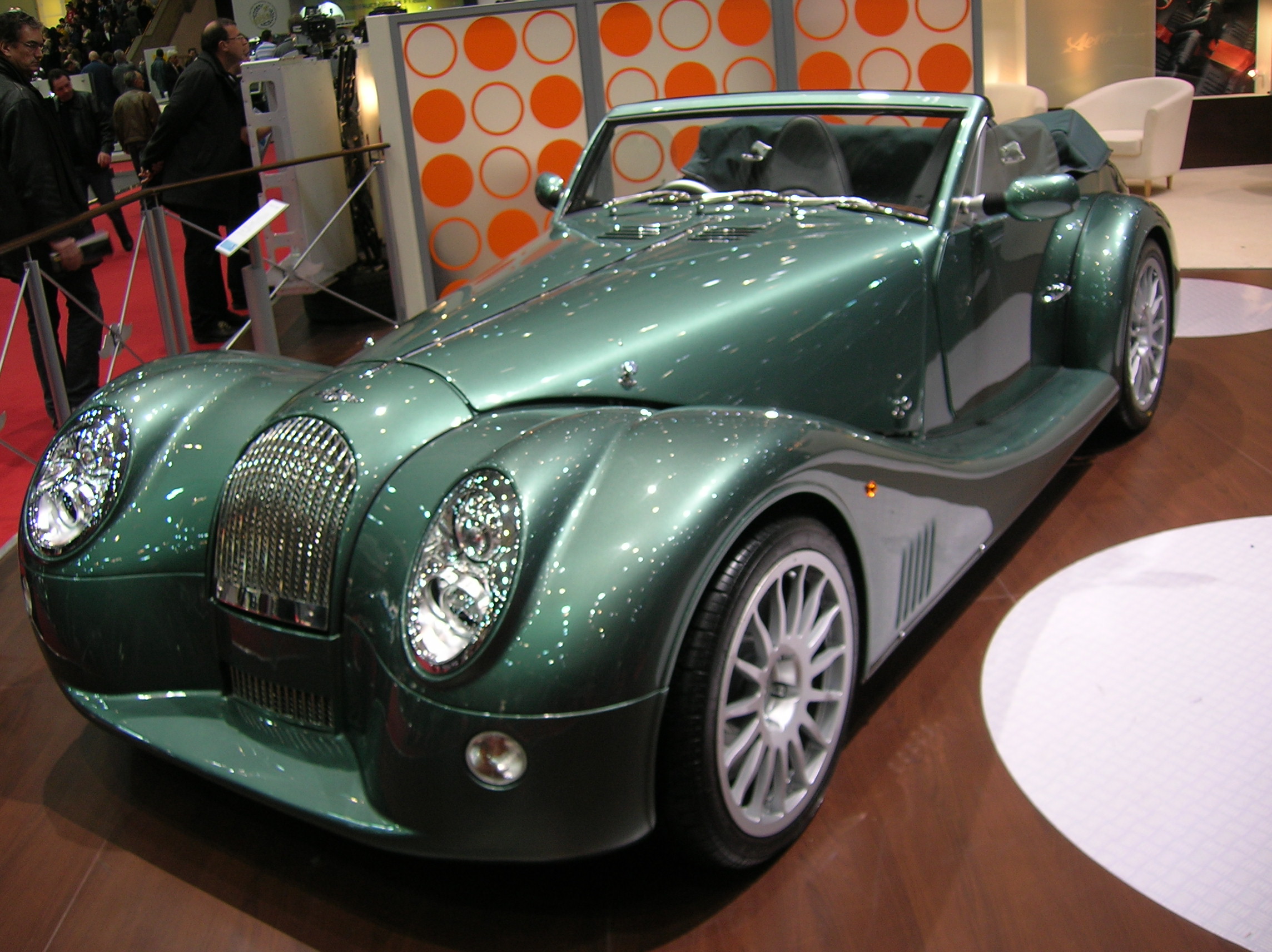
4. Morgan Aero 8: Tradition Meets Technology in a Quirky British Icon
The Morgan Aero 8, launched in 2000, represented a major turning point for one of Britain’s most traditional carmakers. Known for its vintage styling and hand-built charm, Morgan had long resisted modern engineering trends. With the Aero 8, the small Malvern-based company blended its century-old craftsmanship with advanced technology, creating a sports car that managed to be both nostalgic and innovative.
Since its founding in 1910, Morgan had continued producing lightweight, handmade sports cars with wooden frames and steel chassis. The Aero 8 broke from that heritage with a completely new design.
Built on an aluminum chassis made of 32 bonded and riveted alloy panels, it was extremely stiff and light, weighing only 2,200 pounds. This platform introduced independent suspension, power steering, and four-wheel disc brakes, all firsts for Morgan.
Power came from a 4.4-liter BMW V8 that produced 286 horsepower, paired with a six-speed Getrag manual transmission. This combination gave the Aero 8 genuine performance credentials, sprinting from 0 to 60 mph in about 4.5 seconds and reaching a top speed close to 160 mph.
Despite the leap forward in technology, the car retained Morgan’s traditional craftsmanship. Its aluminum panels were still hand-fitted to a solid ash wood frame, which remained an integral part of the car’s structure.
The Aero 8’s design divided opinion from the start. Its rounded fenders, upright grille, and especially its unusual “cross-eyed” headlights were heavily criticized.
Charles Morgan, grandson of the company founder and the car’s chief designer, admitted the styling evolved through “reverse engineering” as the team made changes by hand during development. Although its proportions appeared awkward, the driving experience redeemed its looks.
On the road, the Aero 8 was a revelation compared to earlier Morgans. The new chassis provided impressive stability and comfort, while the car remained agile and eager to drive. The steering and pedals offered a precise, mechanical feel that appealed to purists. AP Racing brakes delivered strong stopping power, though the absence of an anti-lock braking system was puzzling.
Inside, the Aero 8 features a balanced vintage design with modern convenience. The exposed ash framing and leather trim provided old-world charm, while air conditioning, cruise control, satellite navigation, and heated glass windows brought contemporary comfort. The tight cockpit gave the impression of a larger, more substantial car.
Priced at around £50,000 ($74,500), the Aero 8 was Morgan’s most expensive model, yet more than 500 customers placed orders before even driving one. It proved that traditional craftsmanship could successfully coexist with modern engineering.
Although its styling remained controversial, the Aero 8’s blend of performance, character, and individuality has allowed it to age gracefully as a true symbol of British eccentricity and technical progress.
Also read: 10 Cars With Rust-Resistant Underbodies In Road-Salt States
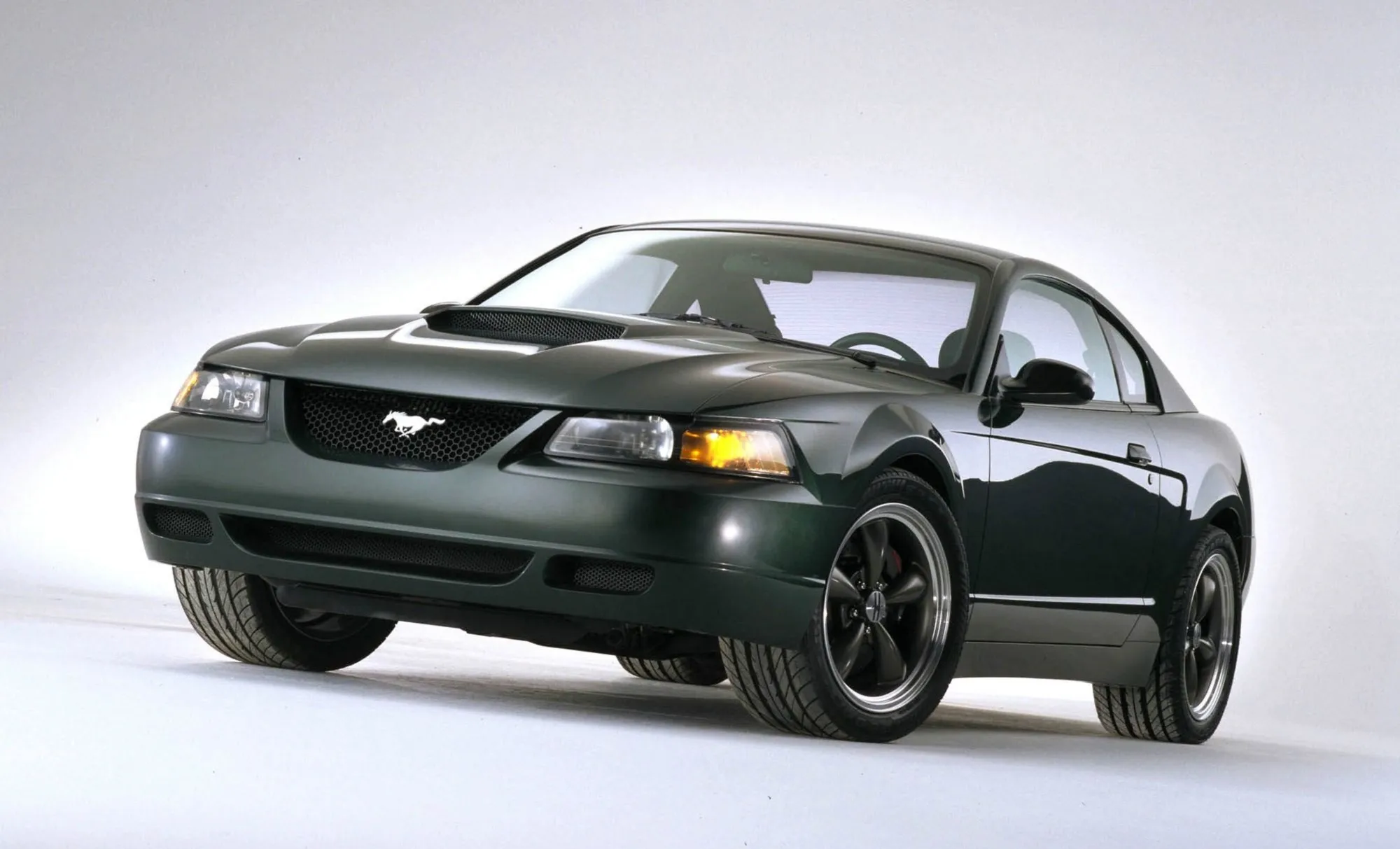
5. Ford Mustang SN95 ‘New Edge’: The Bridge Between Eras
The Ford Mustang SN95 “New Edge”, produced from 1999 to 2004, marked an important transitional phase in Mustang design. It followed the softer, rounded lines of the earlier SN95 generation and introduced a sharper, more aggressive look that carried the model confidently into the 21st century.
Though often overlooked at the time, the New Edge’s crisp creases and muscular stance have aged gracefully compared to the retro-styled S197 that replaced it in 2005.
The New Edge Mustang offered a range of engines that catered to different enthusiasts. The base and Deluxe trims came with a 190-horsepower 3.8-liter V6, while the GT models featured a 260-horsepower 4.6-liter V8.
At the top sat the Mach 1, with a performance-tuned V8 delivering 310 horsepower and 335 lb-ft of torque. All models were rear-wheel drive and could be paired with either a five-speed manual or a four-speed automatic transmission.
On the road, the Mustang was raw and engaging rather than refined. Its solid rear axle and heavy steering gave it an old-school muscle car feel, rewarding those who valued character over precision.
The Mach 1 was the standout performer, blending retro design cues with modern performance and handling upgrades. Even the V6 models could be fun when paired with a manual gearbox, offering affordable thrills with an unmistakable soundtrack.
Inside, the Mustang’s cabin was simple and functional. Controls were easy to understand, though not always conveniently placed. The V6 and GT seats were flat and unsupportive, while the Mach 1 featured sportier, bolstered seats that echoed its performance heritage.
The optional 40th Anniversary Package added touches of flair, including metallic trim, aluminum pedals, and embroidered mats. However, some drivers struggled to find a comfortable seating position due to the awkward placement of the steering wheel and gear shifter.
Safety equipment included four-wheel disc brakes, with ABS and traction control standard on higher trims. The Mustang earned five stars in frontal crash tests, though side-impact protection was less impressive.
In hindsight, the New Edge Mustang represents a well-balanced blend of classic American muscle and late-90s modernization. Its bold design and strong performance make it a standout bridge between the Mustang’s past and future.
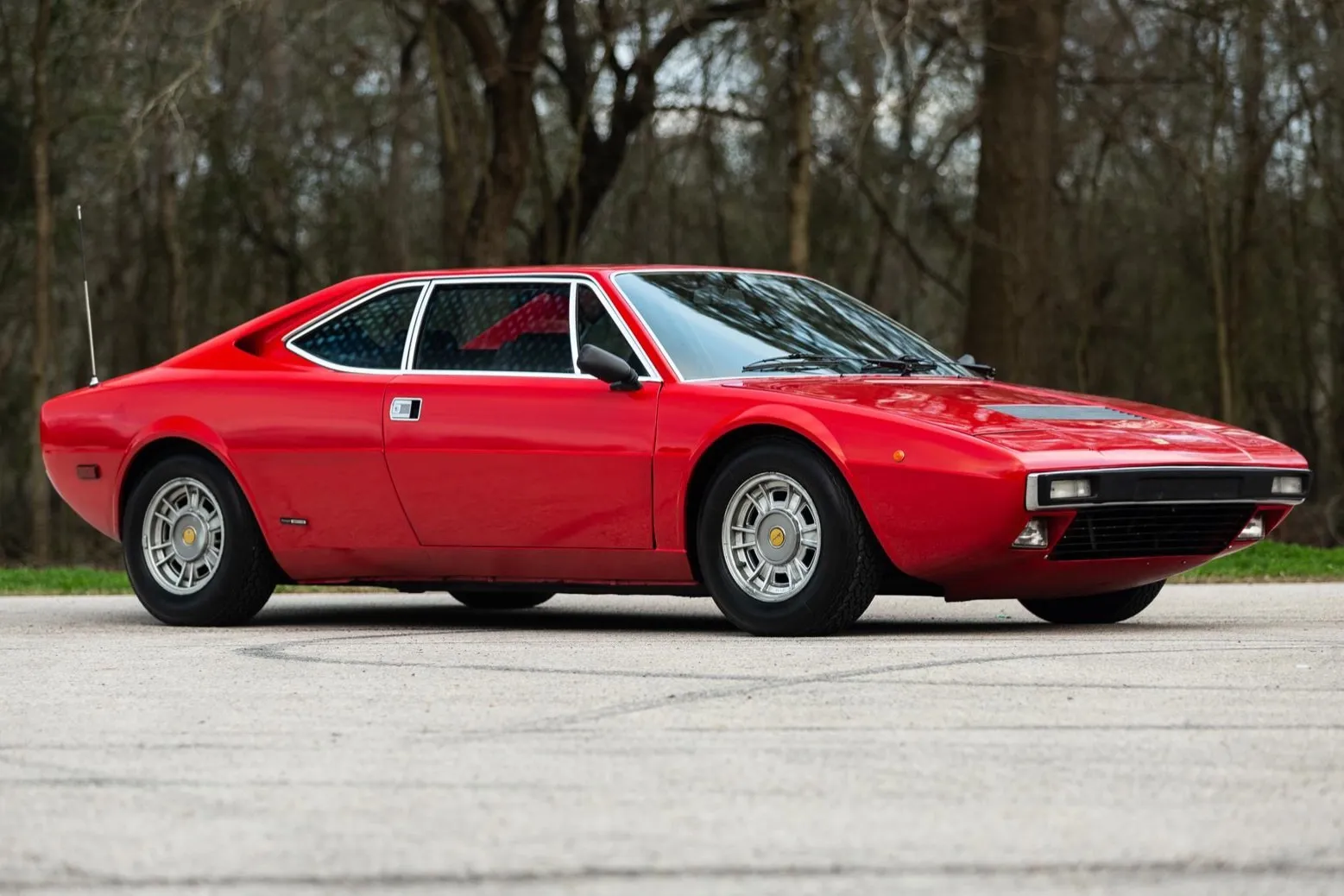
6. Ferrari 308 GT4: The Underrated Wedge That Redefined Ferrari’s Formula
When the Ferrari 308 GT4 debuted in 1973 under the Dino brand, it divided opinion among purists. Here was a Ferrari-badged 2+2 with angular styling from Bertone rather than Pininfarina’s flowing curves, and a layout that favored practicality as much as performance.
At the time, critics lamented the loss of Ferrari’s signature elegance. Decades later, the GT4 has emerged as a distinctive and desirable classic, a sharp-edged slice of 1970s Italian flair.
The 308 GT4 was groundbreaking in several ways. It was the first Ferrari designed by Bertone, whose wedge-shaped styling drew both praise and criticism for resembling other creations like the Lamborghini Countach and Lancia Stratos.
It also introduced Ferrari’s first production V8 engine, a configuration that would go on to define many of the company’s most successful cars. The 2.9-liter 90-degree V8, mounted transversely behind the cabin, produced 250 horsepower and 210 lb-ft of torque, allowing the lightweight coupe to reach 62 mph in under seven seconds and a top speed of 158 mph.
A smaller 2.0-liter version, the 208 GT4, was built for the Italian market to avoid high taxes on large engines, but its 170 horsepower output made it significantly slower. Regardless of displacement, the GT4’s five-speed manual gearbox with an open-gate shifter required precision and feel, rewarding drivers who appreciated a hands-on, mechanical experience.
The GT4’s most notable feature was its 2+2 layout, fitting two small rear seats within a wheelbase only 21 centimeters longer than the Dino 246 GT’s. While those seats were tight and warm, they offered more genuine usability than most mid-engined sports cars of the era. Headroom was impressive, and the extended roofline gave the car a distinctive silhouette that has aged gracefully.
Inside, the driving position placed the driver low and forward, amplifying the sense of speed through the wide, panoramic windshield. With a weight of just over a ton, the GT4 was nimble and engaging, if not brutally fast.
Initially dismissed for lacking Ferrari’s trademark beauty, the 308 GT4 has since gained respect for its innovation, usability, and charm. Its combination of V8 performance, practical design, and Bertone styling makes it one of the most characterful Ferraris of its time.
Today, it remains one of the most affordable routes into Ferrari ownership, with well-kept examples starting around $63,000 USD. Far from being a lesser Ferrari, the GT4 is now recognized as a true classic that captures the spirit of 1970s motoring: bold, distinctive, and deeply rewarding to drive.
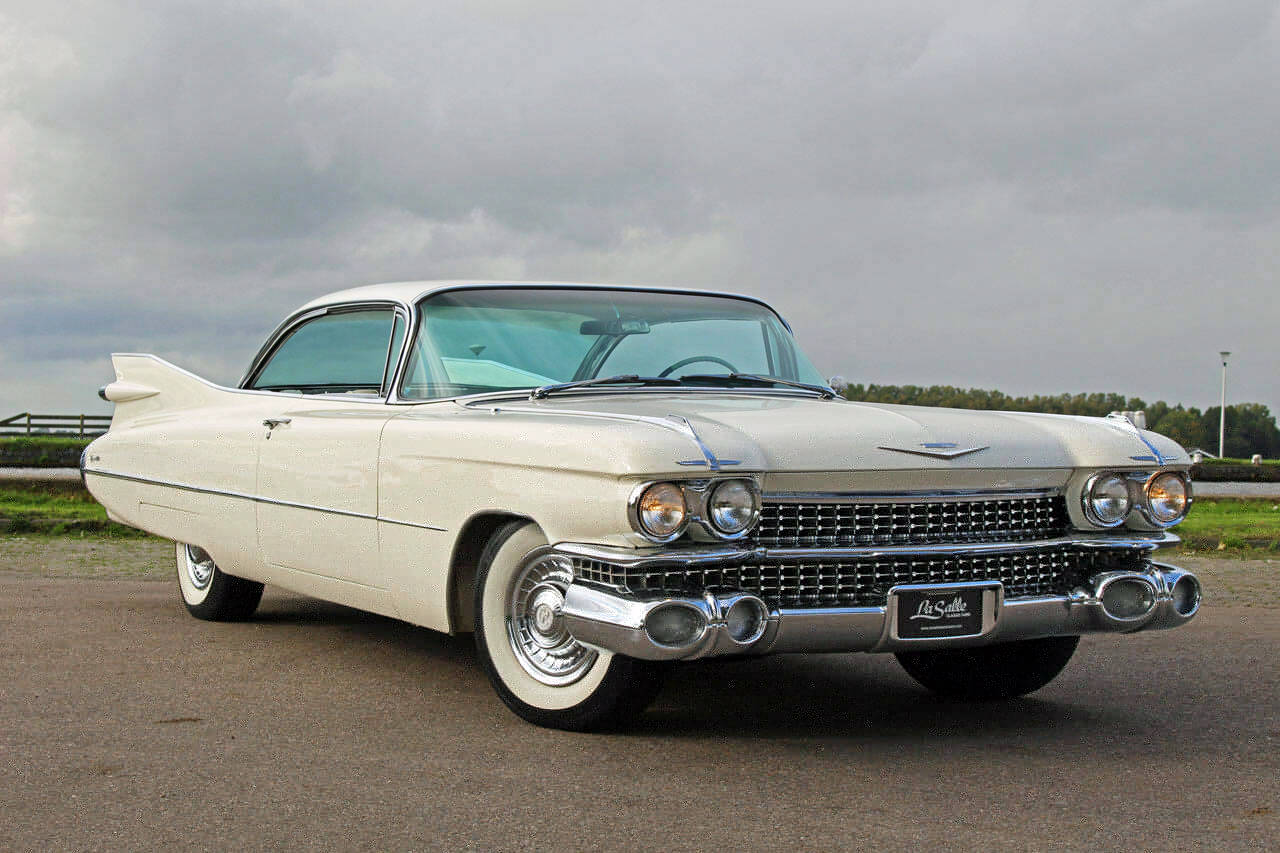
7. Cadillac DeVille: A Classic Symbol of Refined American Luxury
The Cadillac DeVille, represented in its final iteration as the 2011 Cadillac DTS, remains a symbol of understated American elegance. Unlike the sharper, more modern Cadillacs that followed, the DeVille carries a soft, graceful design that communicates quiet sophistication.
It appeals to those who value comfort, tradition, and presence rather than aggressive styling or performance. This car captures the spirit of a time when luxury meant serenity and craftsmanship rather than speed.
The 2011 Cadillac DTS is powered by a 4.6-liter Northstar V8 engine. In most trims, it produces 275 horsepower and 295 lb-ft of torque. The Platinum edition receives a modest upgrade to 292 horsepower and 288 lb-ft. Power is directed to the front wheels through a four-speed automatic transmission, tuned for smoothness rather than rapid shifts.
Acceleration is competent but not thrilling. The DTS Platinum reaches 60 mph in seven seconds, a respectable figure that still trails many modern luxury sedans. Fuel economy ratings are average, with 15 miles per gallon in the city, 23 on the highway, and 18 combined.
The Platinum model slightly improves highway mileage to 22 mpg. The focus remains on delivering a relaxed, composed driving experience rather than sporty performance or efficiency.
Safety features on the DeVille include electronic stability control, antilock brakes, front-seat side airbags, and full-length curtain airbags. However, it lacks active front head restraints, which were standard on many rivals of the same class.
In government crash testing under the 2010 standards, the DTS earned five stars for the driver and four stars for the front passenger in frontal impacts. Side-impact protection received four stars for both front and rear passengers.
The Insurance Institute for Highway Safety awarded it a “Good” rating in frontal-offset collisions and an “Acceptable” rating in side impacts. These results reflect a strong emphasis on safety, though the car stops short of segment-leading protection.
The Cadillac DeVille prioritizes comfort above all else. Its suspension is tuned for a soft, cushioned ride that smooths out imperfections in the road. The Platinum trim includes Magnetic Ride Control, an adaptive system that automatically adjusts suspension stiffness to match driving conditions.
This technology improves stability while maintaining a gentle ride. Despite these refinements, the DTS is not intended for spirited driving. Its large size makes it feel substantial on the road and somewhat challenging to park, especially in tighter spaces.
Inside, the DeVille provides an inviting and spacious cabin. Although shorter than earlier generations, it still offers generous legroom and headroom for both front and rear passengers. The available 40/20/40-split front bench allows for seating up to six, a rare feature in modern sedans.
The interior is quiet and refined, with excellent insulation from wind and road noise. Controls are logically arranged, and the design favors simplicity and function. Most materials feel upscale, though a few plastic surfaces remind drivers of its age. Trunk space is particularly generous at nearly 19 cubic feet, and the rear-seat pass-through allows longer items to fit conveniently.
The Cadillac DeVille stands as a graceful reminder of an era when comfort, smoothness, and elegance defined luxury motoring. It may not match modern cars in technology or speed, but it continues to represent the essence of classic Cadillac refinement.
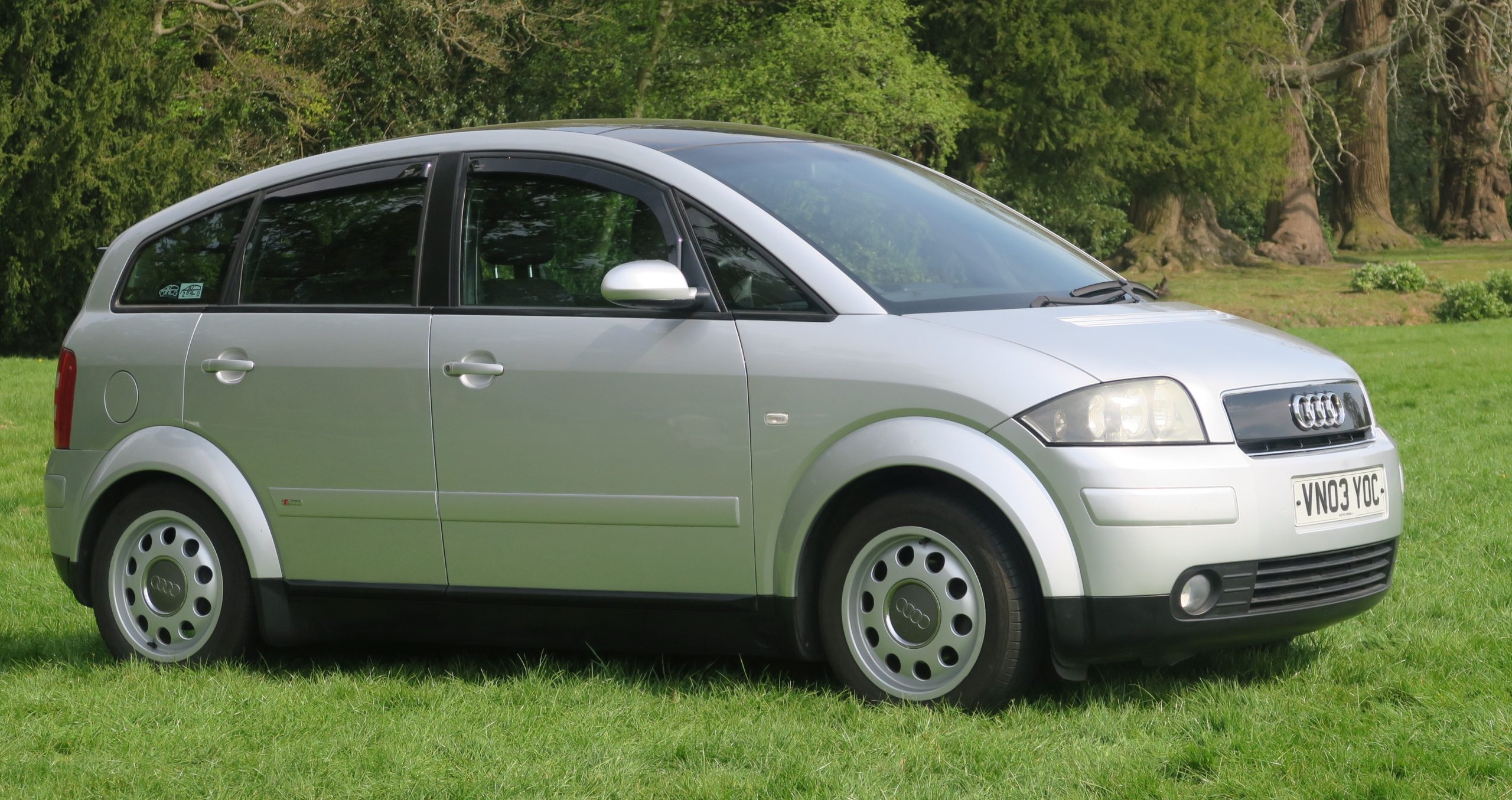
8. Audi A2: The Visionary Compact That Redefined Efficiency
When the Audi A2 first appeared in the early 2000s, its design puzzled many. With its rounded shape and unconventional proportions, it seemed out of step with the rest of Audi’s lineup. Two decades later, the A2 has gained newfound respect as a car that was far ahead of its time.
In an era focused on lightweight construction and sustainability, the A2’s engineering brilliance and subtle style now feel more relevant than ever. What was once seen as odd now stands as an example of forward-thinking automotive design.
The Audi A2 was a pioneering effort in small-car engineering. Built entirely from aluminum using Audi’s “Space Frame” technology, it was significantly lighter than rivals that used conventional steel. This innovative approach reduced weight, improved handling, and enhanced fuel efficiency while maintaining exceptional strength and safety.
Although smaller than competitors like the Citroën C3, the A2’s starting price of around $16,500 reflected its advanced materials and premium construction. This high cost limited sales but positioned the A2 as a luxurious and intelligent choice for discerning buyers. Many customers opted for the SE trim, which offered upgraded features and interior finishes.
Inside, the A2 provided the level of craftsmanship expected from Audi. The cabin design was minimalist yet elegant, with top-quality materials and precise assembly. Despite its compact dimensions, the interior felt airy and comfortable for four adults, offering enough space for everyday use. The combination of smart packaging and refined styling made it feel more upscale than any of its small-car rivals.
The A2 offered several engine options, but the standout performer was the 1.4 TDI diesel. This model achieved an impressive 66 miles per gallon, a figure that remains commendable even by modern standards. Its low weight made it nimble in traffic and responsive during acceleration, while the diesel engine’s torque provided confident performance for longer drives.
Petrol versions were also available and offered a quieter, smoother driving experience. Although slightly less efficient, they were more affordable and still delivered strong value for drivers who preferred low-maintenance operation. The diesel engine was noisier, yet its characterful buzz, excellent torque, and fuel savings made it the preferred choice among many owners.
The A2’s build quality has stood the test of time, and reliability remains one of its strongest traits. However, a few recurring issues have been noted. Some engines may cut out unexpectedly, requiring the driver to reset the ignition. Diesel models can produce a deep clutch noise due to heavy-duty clutch plates.
A small number of cars have reported weak handbrakes or misted lamp lenses, and minor electrical problems have occasionally appeared. ECU failures are rare but possible. These concerns are relatively minor given the car’s age and engineering complexity.
According to Glass’s Guide, used A2 models continue to hold strong value because of their limited availability and high demand. Even secondhand examples sold outside Audi’s dealer network remain close in price to dealer-supplied models. Cars equipped with air conditioning and CD players tend to sell more quickly and at higher prices than those with fewer features.
One owner, Simon Midcalf, shared his experience after replacing his Citroën ZX with an A2. He praised its responsive handling and refined interior but mentioned a few inconveniences, such as obstructive windscreen pillars and the impractical false boot floor. Despite these quirks, he still preferred the A2 to drive compared with his wife’s Mercedes A-Class, citing its superior balance and design.
The Audi A2 represents innovation, efficiency, and craftsmanship in a compact form. The diesel version offers remarkable economy, strong torque, and engaging performance, while petrol options remain smooth and budget-friendly.
Though it came with a high price tag, the A2’s engineering excellence, lightweight construction, and durable design make it one of the most intelligent small cars ever produced. Its reputation has grown with time, proving that true innovation is often recognized only years later.
Looking back, the eight cars on this list remind us that innovation and controversy often go hand in hand. Whether through bold design choices, unconventional engineering, or simply being misunderstood products of their era, these vehicles have evolved in reputation and gained new respect.
What once seemed awkward or excessive now feels confident, authentic, and refreshingly individual in a market full of similar-looking cars.
The Ferrari F50’s uncompromising purity, the BMW Z4’s matured aesthetic, and the Jaguar S-Type R’s understated power each show how a car can transcend early judgment. The Morgan Aero 8 and Audi A2 prove that craftsmanship and innovation sometimes need decades to be appreciated fully.
The Ford Mustang “New Edge” bridges eras with timeless confidence, the Ferrari 308 GT4 stands as a wedge-shaped statement of design courage, and the Cadillac DeVille endures as a testament to classic comfort and grace.
Cars, much like people, are not defined by first impressions but by the legacy they leave behind. These eight examples demonstrate that time can be the greatest restorer of reputation. They remind us that what was once controversial can become admired, and that genuine innovation often takes patience to be truly understood.
Also Read: 10 Cars With Window Regulators That Don’t Fail Every Winter