
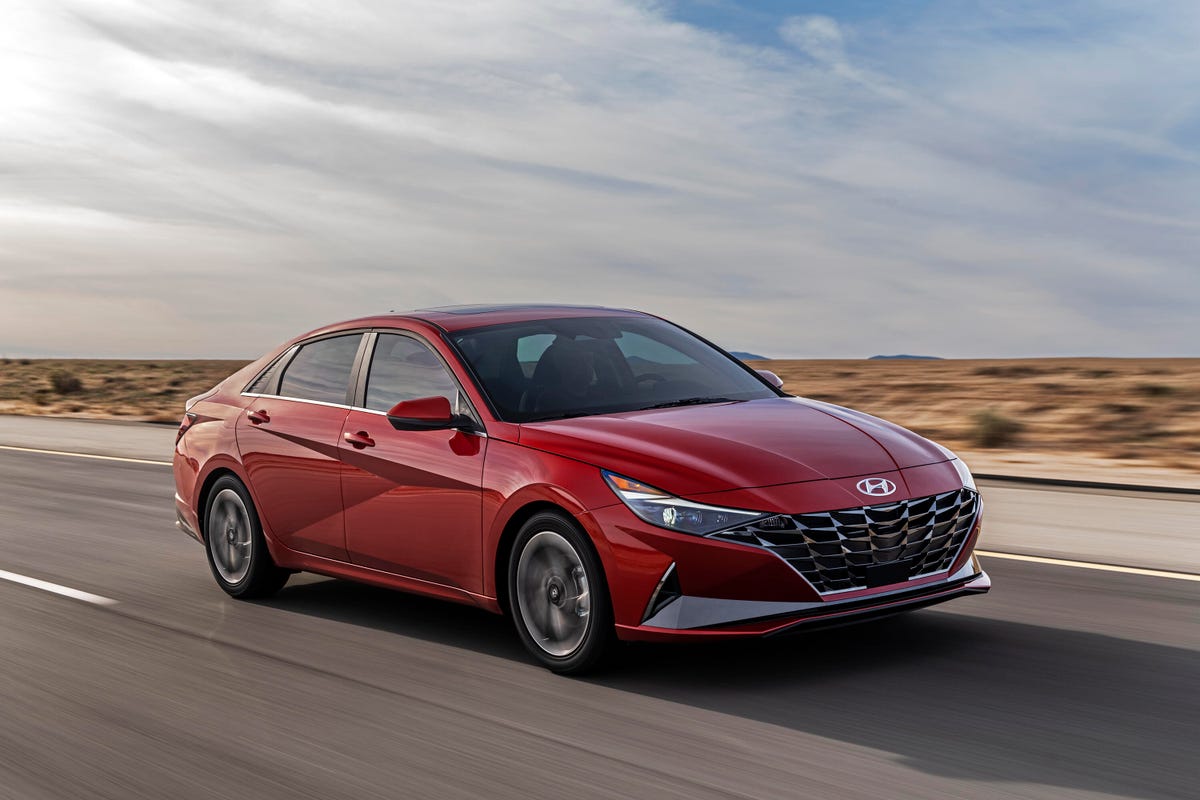
Car design is often judged by performance, technology, and safety ratings, yet one of the most practical aspects of a vehicle, its door handles, rarely receives attention until a problem occurs.
For sedan owners living in regions where temperatures drop well below freezing, the simple act of opening a car door can reveal whether a manufacturer has prioritized durability. When metal contracts, moisture freezes, and plastic becomes brittle, weak materials or poor engineering can lead to cracked or snapped handles, which not only causes inconvenience but can also create safety concerns if doors cannot be accessed quickly.
On the other hand, well-designed handles made from reinforced metal, composite alloys, or flexible materials can withstand years of exposure to harsh conditions without failing.
The difference between robust and fragile door handles comes down to the combination of design philosophy, material selection, and long-term testing during development. Manufacturers that test components in simulated extreme climates often produce vehicles that can endure both heat and deep cold without damage.
Those who overlook this step sometimes end up with cars that perform well in moderate temperatures but fail under stress. A broken handle might seem minor, but in freezing conditions it can leave drivers stranded or cause damage to electronic locking mechanisms when force is applied.
While the rest of the car may perform flawlessly, these small components often reveal the manufacturer’s attention to real-world conditions. By studying both strong and weak examples, we gain insight into how even a seemingly minor feature can influence ownership satisfaction and brand reputation.
Sedans with Robust Door Handles
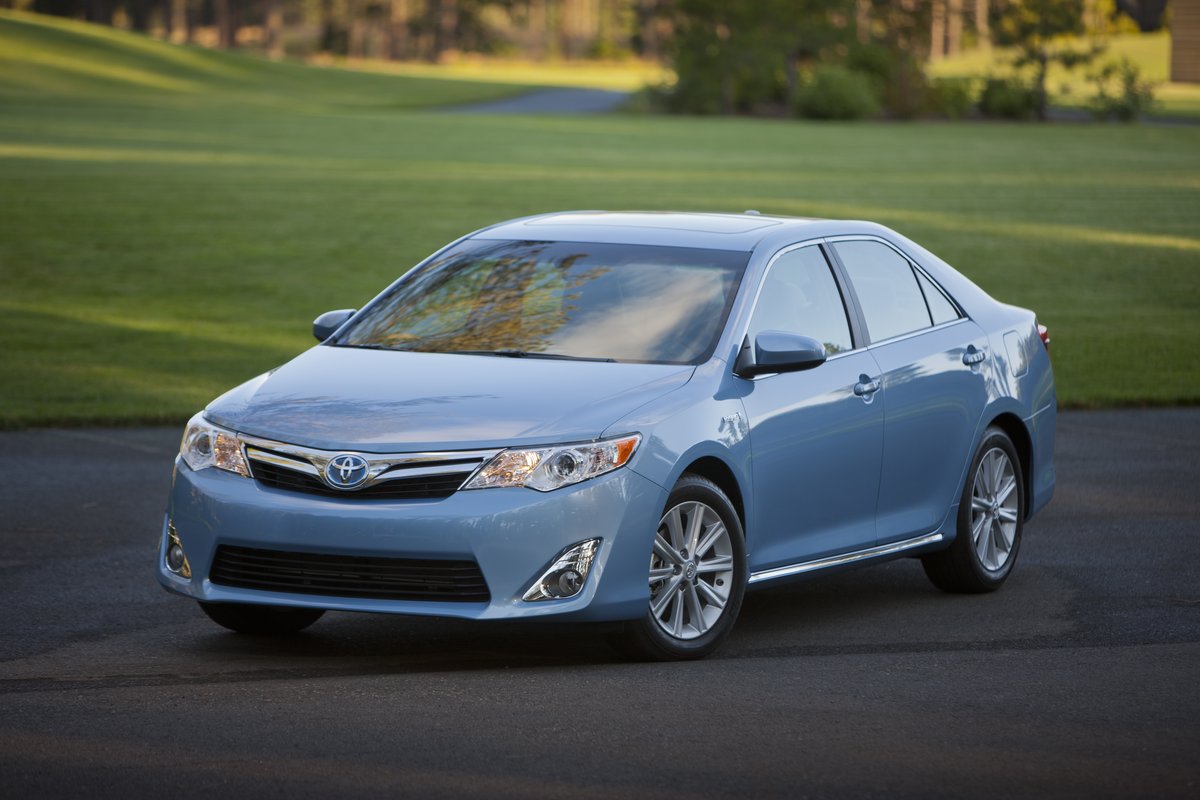
Toyota Camry
The Toyota Camry has long been recognized for its reliability and consistent performance, and this reputation extends down to small yet essential components like door handles. The handles are often made from reinforced metal alloys, which are then coated with weather-resistant finishes that protect against corrosion, fading, and cracking.
This combination of materials ensures that the handles remain functional and aesthetically pleasing even after years of exposure to sunlight, moisture, and road salts. Toyota’s engineering process includes rigorous mechanical testing, in which the handles are opened and closed thousands of times under varying levels of force to simulate real-world use.
This level of testing ensures that they do not loosen or warp over time, which is particularly important for drivers who open and close their doors frequently in daily commutes or long-term ownership scenarios.
In cold climates, the Camry’s door handles are particularly resilient. They are designed to withstand contraction and brittleness caused by freezing temperatures, a problem that affects many competitors. The housing of the handle includes precise gaskets and seals that prevent water intrusion, which otherwise could freeze and expand, creating stress that leads to cracking or breaking.
Even in extreme cold, the Camry’s handles retain a smooth action, allowing drivers to access their vehicle without resorting to excessive force or risking damage. This attention to the integration of seals, internal supports, and external coatings highlights Toyota’s focus on practical durability.
Beyond material selection, Toyota emphasizes simplicity and strength in the handle’s mechanical design. The levers and latch mechanisms are engineered to distribute force evenly when pulled, avoiding points of high stress that could weaken over time.
Unlike some vehicles that employ thin plastic components to save cost, the Camry uses solid and reliable materials, which provides reassurance that the handle will survive minor impacts, such as accidental bumps in parking lots. Users who frequently park in icy or snowy environments find the Camry’s handles particularly dependable, reducing the likelihood of unexpected repair costs or inconvenience.
Finally, Toyota’s long-standing commitment to climate-specific testing ensures that drivers experience consistent functionality regardless of geographic location. Vehicles sold in northern climates undergo exposure to subzero temperatures and heavy road salting during testing, simulating years of harsh weather. This proactive approach minimizes warranty issues and establishes consumer confidence.
For drivers, it is not just about aesthetics or tactile feel; it is about the assurance that a critical access point to their vehicle will not fail when needed most. In this regard, the Camry’s handles reflect a combination of thoughtful engineering, careful material selection, and practical foresight.
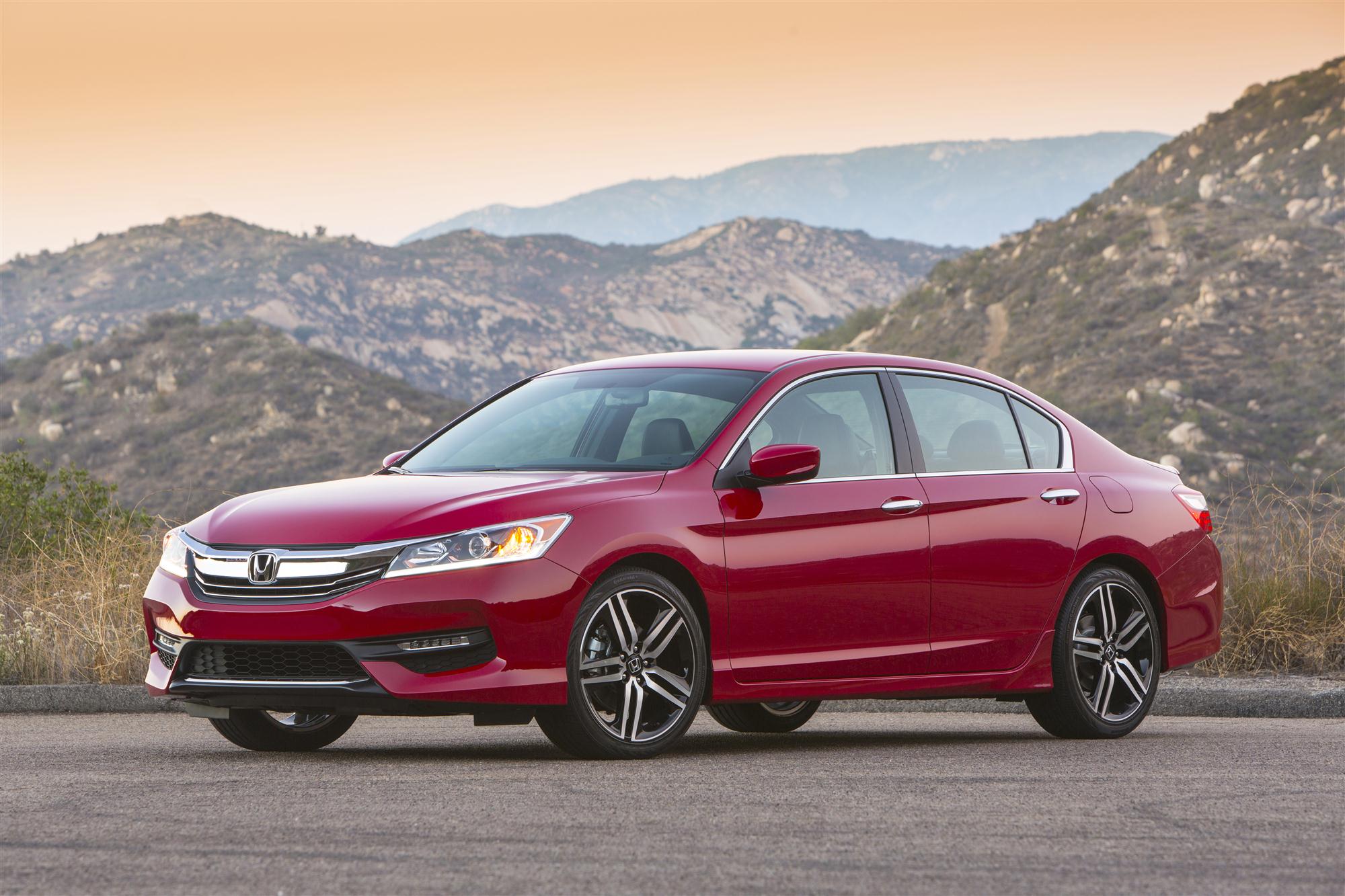
Honda Accord
The Honda Accord has earned widespread praise for its combination of performance, comfort, and reliability, and this attention to quality extends to exterior details like door handles. Typically made from reinforced aluminum or steel with a high-quality coating, the handles are designed to remain sturdy under both normal and extreme conditions.
Engineers focus on providing smooth tactile feedback, giving a sense of reliability with each use. The handle assemblies undergo extensive cold-weather testing, ensuring that even when exposed to repeated freezing and thawing cycles, the mechanisms remain responsive and free of sticking. These tests simulate years of practical use, demonstrating Honda’s emphasis on long-term durability.
One of the most advantages of the Accord’s handles is their resilience in harsh winter conditions. When temperatures plunge well below freezing, many plastic components in competitor models become brittle, increasing the likelihood of cracking. Honda’s approach relies on solid materials and reinforced structural components that resist such brittleness.
Additionally, protective seals and gaskets around the handle housing prevent ice or snow from infiltrating the mechanism, further reducing the risk of handle failure during heavy snowfall or icy conditions. The combination of material durability and proper sealing ensures drivers can consistently access their vehicles without concern for sudden breakage.
The engineering philosophy behind the Accord’s door handles also emphasizes consistency and repeatable quality. Regardless of whether a car is assembled in North America or Asia, the manufacturing standards remain stringent, ensuring uniformity across global production.
This consistency is particularly important for owners who relocate or travel internationally, as it guarantees that the same reliable handle performance is experienced worldwide. Additionally, the mechanical simplicity of the handle ensures that even electronic latch systems integrated with keyless entry remain durable and resistant to cold-weather stress.
Beyond durability, Honda also focuses on ergonomics and user experience. The shape, angle, and feel of the handle are designed to provide a secure grip, even when drivers are wearing gloves during winter months. This prevents excessive force from being applied to the handle, which could otherwise accelerate wear or lead to failure.
By combining robust materials, careful design, and thoughtful testing, the Accord’s handles exemplify Honda’s broader philosophy of practical reliability and user-centric engineering, making them dependable even under challenging environmental conditions.
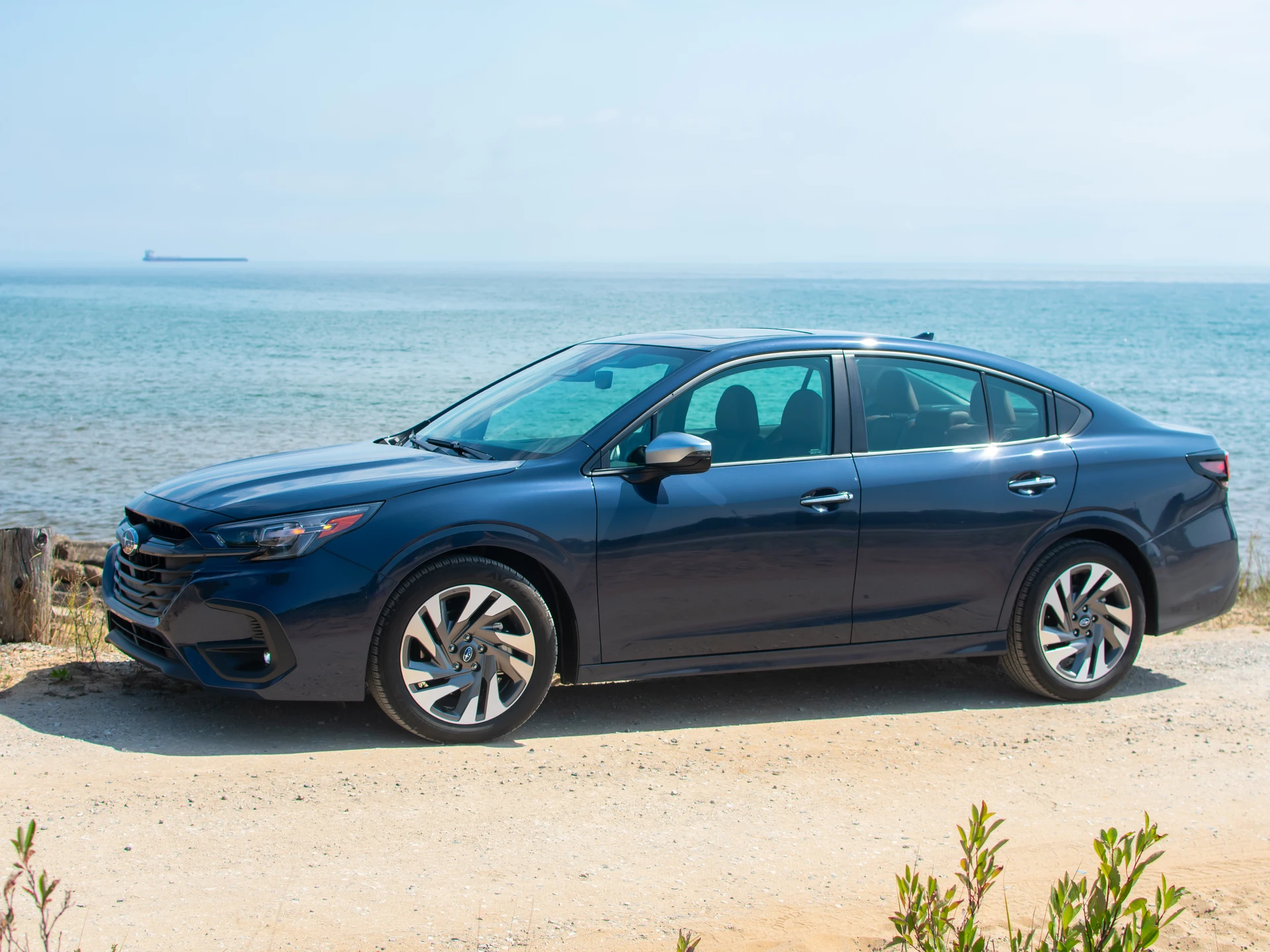
Subaru Legacy
Subaru vehicles are widely recognized for their performance in snowy and icy environments, and the Legacy sedan exemplifies this reputation with its durable door handles. These handles are constructed from thick composite materials with internal reinforcement, providing a balance of strength and flexibility.
This flexibility allows the handles to withstand stress without cracking, an essential quality when temperatures drop dramatically. Subaru also pays attention to drainage and water management within the handle assembly, ensuring that snow and ice do not freeze inside the mechanism and render the handle inoperable. These features make the Legacy a particularly dependable choice for drivers in northern regions or mountainous areas with harsh winter weather.
The handle design reflects Subaru’s commitment to combining functionality with user comfort. Even when encased in frost or snow, the handles retain a smooth operating feel, allowing drivers to enter the vehicle without exerting undue force.
The company’s choice of composite materials is intentional: they are engineered to maintain resilience at very low temperatures while resisting corrosion caused by road salt and moisture. Internal metal components, such as latches and hinges, are often made from stainless steel or other corrosion-resistant alloys, further extending the handle’s lifespan.
Subaru also emphasizes real-world testing that mirrors the conditions faced by customers. Vehicles undergo exposure to subzero temperatures, freezing rain, and repeated thermal cycling to simulate years of winter use.
Engineers assess both material performance and mechanical reliability, ensuring that the handle assembly continues functioning even under prolonged stress. This extensive testing reinforces Subaru’s reputation for producing vehicles that remain operational and accessible in extreme climates, reinforcing customer confidence.
In addition to strength and functionality, the Legacy’s door handles are designed with ergonomics in mind. The shape and placement provide a secure grip, reducing the risk of accidental slips that could damage the mechanism. Drivers wearing gloves can operate the handles without difficulty, a feature that becomes crucial in cold weather.
The Legacy demonstrates Subaru’s philosophy that practical design, material resilience, and climate-conscious engineering create reliable and user-friendly components, enhancing both safety and convenience.

Lexus ES
The Lexus ES, as a luxury sedan, emphasizes both refinement and durability, and its door handles are an example of this careful balance. Constructed with a combination of metal framing and high-strength polymers, the handles are engineered to resist cracking, warping, and other cold-weather failures.
Lexus subjects these components to rigorous freeze-thaw testing, simulating extreme temperatures over thousands of operational cycles. The result is a handle that provides consistent movement, a solid tactile feel, and reliable access even when ice or snow has accumulated on the exterior of the vehicle. This engineering approach ensures that luxury does not compromise everyday functionality.
The handles also incorporate electronic door mechanisms, which are insulated and protected from temperature extremes. These systems are shielded against moisture infiltration, ensuring that frost or ice does not interfere with their operation.
The mechanical and electronic integration in the ES is carefully managed, allowing the handle to operate smoothly in extreme conditions while maintaining a sleek, modern appearance. The tactile experience, reinforced by quality materials, provides a sense of strength and reliability that aligns with Lexus’s reputation for high-end craftsmanship.
Owners of the ES frequently highlight the confidence inspired by its durable handles, especially in regions with severe winter weather. Unlike some vehicles where handles can crack or seize, the ES offers dependable access, reflecting meticulous design, precise engineering, and high-quality material selection. This reliability contributes to ownership satisfaction and reduces the likelihood of unexpected maintenance.
Finally, Lexus combines practical durability with user-focused design. The handle’s shape and motion are optimized for comfort and ease of use, allowing drivers and passengers to operate them even while wearing gloves. This thoughtful attention to ergonomics, alongside structural strength, illustrates that robust door handles in luxury vehicles are a product of careful planning, advanced materials, and consideration for real-world conditions.

Volvo S60
Volvo’s commitment to safety extends beyond airbags and structural integrity, encompassing smaller details such as door handles, as demonstrated in the S60. These handles are made from reinforced materials capable of withstanding repeated mechanical stress and extreme temperature fluctuations.
They are subjected to extensive cold-weather testing, including cycles of freezing and thawing, to ensure they remain operational under harsh conditions. This rigorous testing helps guarantee that handles do not fail when exposed to ice, snow, or prolonged subzero temperatures, a critical factor for drivers in northern climates.
The S60 also includes practical features such as optional handle heating elements in certain trims, which prevent ice buildup and allow for easy access during winter mornings. Even in models without heating, the material selection and mechanical design ensure reliable performance. By combining structural strength, thoughtful thermal management, and corrosion-resistant metals for internal components, Volvo creates handles that are both functional and long-lasting.
Ergonomics is another key focus for the S60’s handles. The design ensures that users can grip and operate them securely, even when wearing gloves, which reduces the likelihood of accidental slips or unnecessary stress on the mechanism. Internal components are reinforced to distribute force evenly, preventing weak points from forming over time, even under repeated exposure to icy conditions.
Finally, the S60’s handle design aligns with Volvo’s philosophy of practical safety. Accessibility is a key component of vehicle safety, and the company ensures that drivers can reliably enter and exit their vehicle regardless of environmental conditions.
This combination of strong materials, thoughtful mechanical engineering, and attention to daily usability demonstrates Volvo’s dedication to producing vehicles that perform reliably and safely in all climates.
Sedans with Door Handles That Snap in Cold Weather
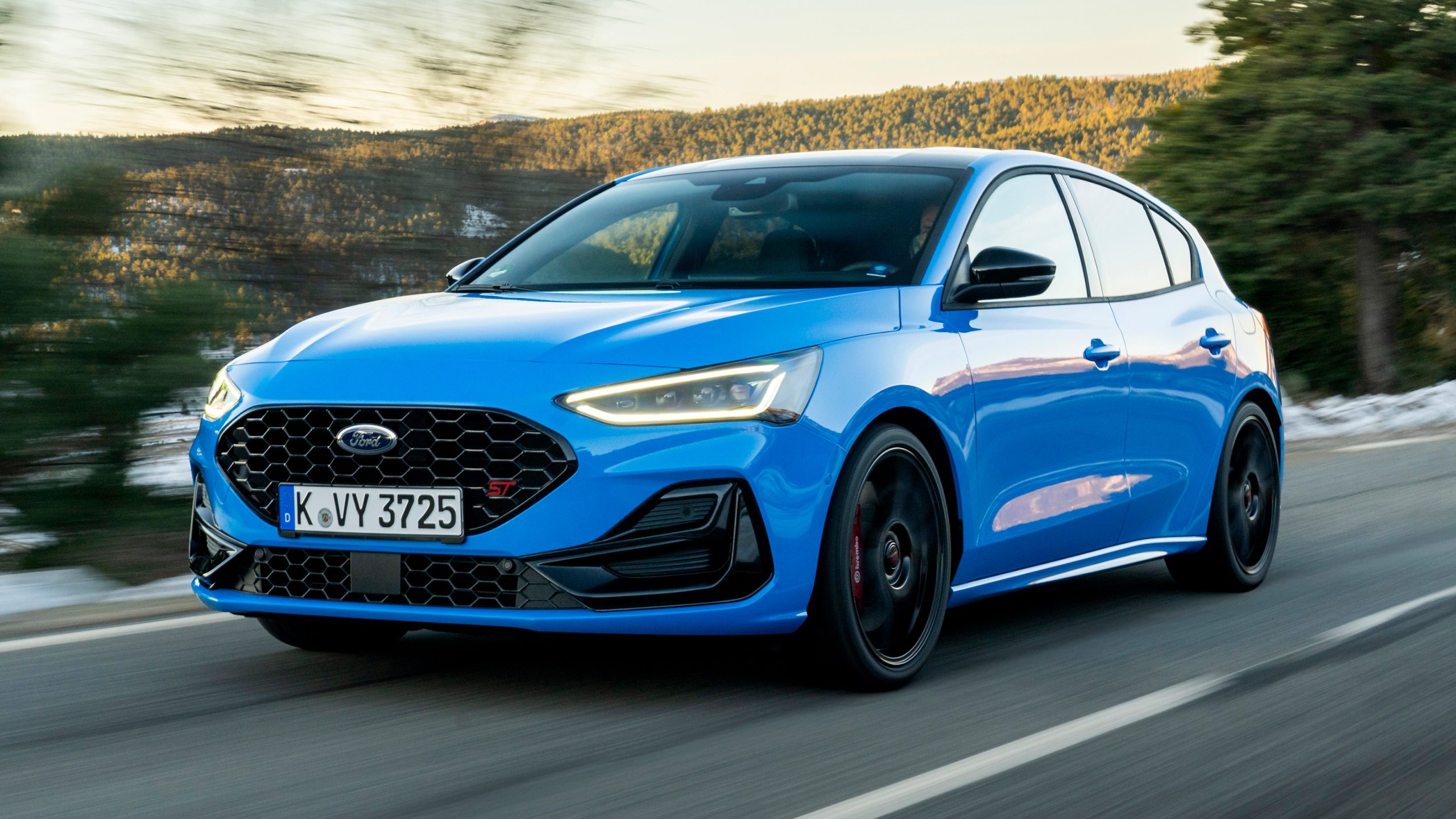
Ford Focus (Older Generations)
Older generations of the Ford Focus were generally praised for being reliable, fuel-efficient, and affordable, but their door handles were a weak point, especially in cold climates. Models from the early 2000s through the early 2010s frequently used lightweight plastic handles that looked modern but were not built to withstand extreme cold.
When temperatures dropped below freezing, the plastic became brittle, and even a moderate amount of force could cause it to snap. The problem was worsened by the handle design, which included narrow hinge pins that were susceptible to seizing when moisture froze around them. Once frozen, these hinges resisted movement, prompting drivers to pull harder, which often led to cracking or complete breakage.
The issue wasn’t isolated to a single region. Owners in northern U.S. states, Canada, and parts of northern Europe experienced similar problems, indicating a lack of adequate testing for cold weather during development.
Ford’s engineers focused heavily on cost-effectiveness and ease of manufacturing during this period, which resulted in components that performed adequately in mild climates but poorly under environmental stress. Some owners tried to mitigate the issue by applying silicone lubricants or using aftermarket metal replacements, but those were temporary solutions. The root cause was the material itself, thin, rigid plastic that lost flexibility as temperatures dropped.
Repairing broken door handles on these Focus models was not particularly expensive, but it was inconvenient and time-consuming. Replacement handles were usually made of the same material, so the issue could recur, especially if the car was regularly parked outside during winter.
Many owners learned to open other doors first or used remote unlocking to push from the inside rather than risk breaking another handle. These small workarounds became part of the ownership experience for Focus drivers in cold areas.
While Ford improved its materials and design in later generations, the legacy of these earlier models lingers. The Focus remains an example of how an otherwise dependable and well-rounded sedan can be undermined by cost-cutting in small but essential areas. It serves as a reminder that every component, no matter how minor it seems, plays a role in a vehicle’s reputation for durability.
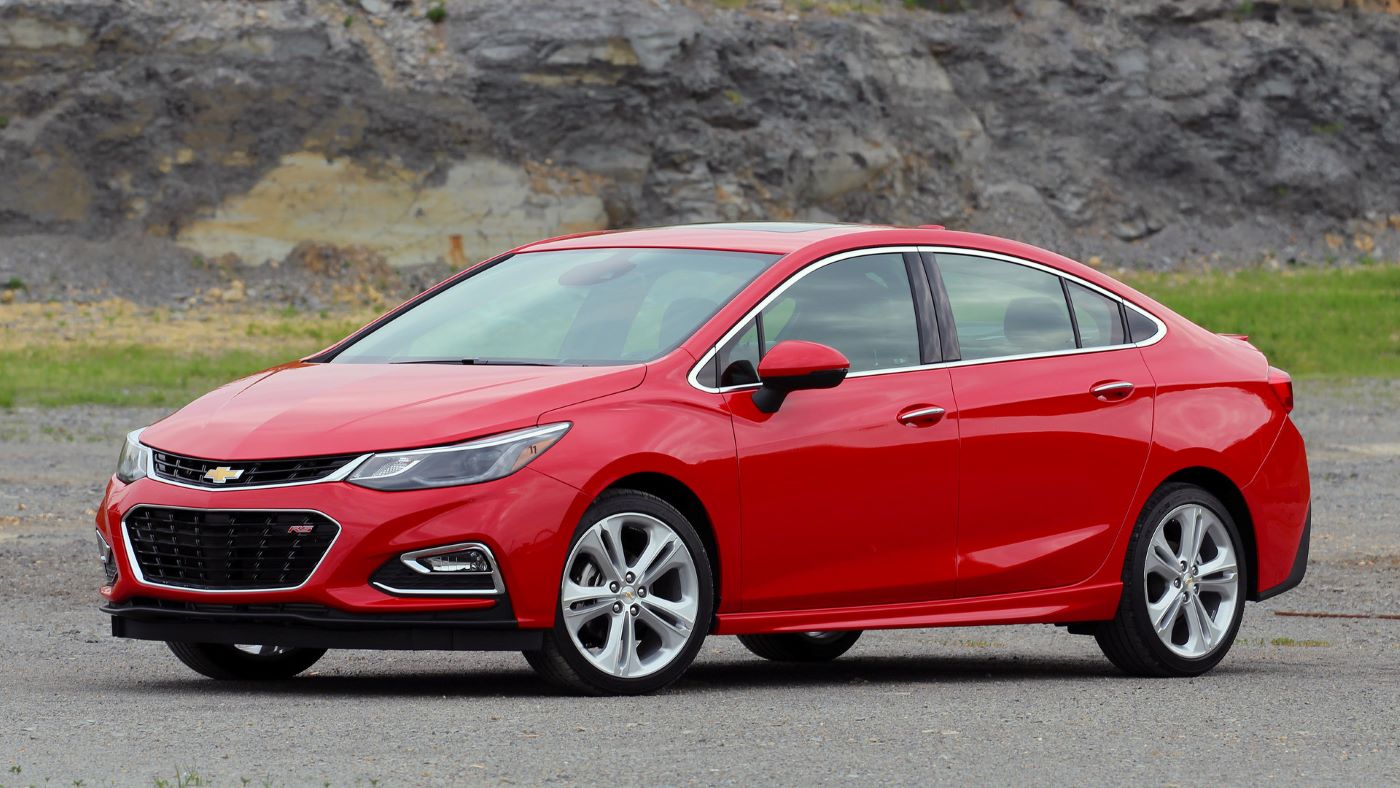
Chevrolet Cruze
The Chevrolet Cruze, particularly in its first-generation models, is another sedan that demonstrates the importance of strong materials and proper weather testing. The Cruze was marketed as a modern, efficient compact car, but owners in cold regions quickly discovered that its exterior door handles had trouble surviving harsh winters.
The handles were made from thin plastic designed for visual appeal, featuring sleek contours that complemented the car’s aerodynamic lines. However, the choice of materials and the internal structure of the handles made them vulnerable to cracking when exposed to freezing temperatures. When moisture entered the handle assembly and froze, the plastic became rigid and prone to snapping under pressure.
The problem often arose after freezing rain or sudden temperature drops. Ice would form around the handle’s edges and hinge area, preventing movement. When drivers attempted to pull harder to open the door, the fragile plastic would give way, sometimes breaking off completely.
Chevrolet’s design also left certain internal springs and levers exposed to moisture, which could freeze and jam. The result was a handle that either wouldn’t move at all or would break when forced. This flaw led to numerous owner complaints, particularly from those living in northern states and Canada, where freeze-thaw cycles are common.
Owners often resorted to using de-icer sprays, lubricants, or even warm water to free frozen handles before attempting to open their doors. While these short-term fixes sometimes helped, they did little to address the underlying design issue.
Many owners eventually replaced their handles with aftermarket options, some of which used sturdier materials, but these solutions required additional cost and effort. This recurring issue tarnished the Cruze’s reputation for build quality among drivers who otherwise appreciated its efficiency and comfort.
Cruze’s handle issue stemmed from an imbalance between aesthetics and practicality. Chevrolet prioritized a sleek, lightweight design but failed to ensure the necessary flexibility and durability for cold-weather performance.
Later models improved upon this design with stronger materials and better sealing, but for many first-generation Cruze owners, the inconvenience of broken handles became a frustrating symbol of overlooked engineering priorities.
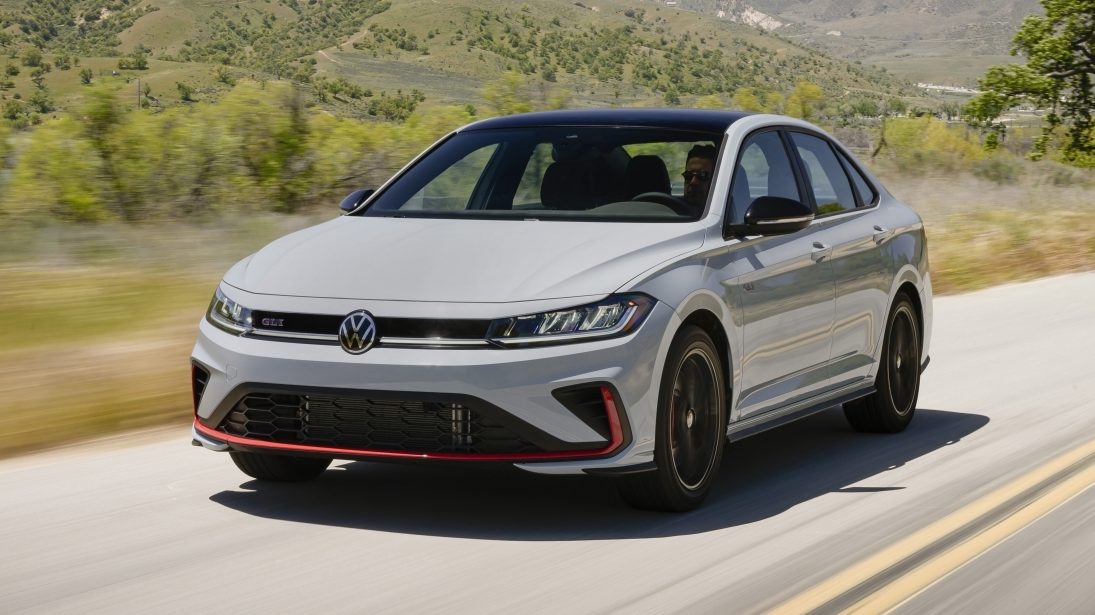
Volkswagen Jetta (Early 2010s Models)
The early 2010s Volkswagen Jetta was admired for its solid build, efficient engines, and European styling, yet its door handles proved less than ideal in freezing conditions. The issue stemmed primarily from the handle’s interaction with an internal cable system.
When temperatures dropped below freezing, moisture that had entered the assembly would solidify, causing the cable to stiffen. This made the handle harder to move, and if the driver applied extra force, the thin plastic mounts or internal levers could snap. What should have been a simple mechanical motion often turned into a frustrating and expensive repair, especially in climates with frequent freeze-thaw cycles.
The problem was compounded by Volkswagen’s decision to use hard, rigid plastic for the exterior handle components. While visually refined, this material lacked flexibility, making it brittle under cold stress. The design also had narrow clearances between moving parts, which meant that even a small amount of ice buildup could jam the mechanism.
Drivers in places like Canada, northern Germany, and Scandinavia often reported broken handles after winter storms or sudden temperature drops. The issue was not universal but occurred frequently enough to draw criticism from owners who expected higher standards from a brand known for engineering precision.
Repairing these handles could be challenging due to their integration with the car’s locking and alarm systems. Replacing the handle often required partial disassembly of the door panel and recalibration of the lock sensors. This made what should have been a small fix both time-consuming and costly. Many owners also noted that replacement parts did not fully solve the issue, as they were made from similar materials and could fail again under the same conditions.
Volkswagen responded by refining the handle design in later models, introducing improved sealing and slightly more resilient materials. However, the early-2010s Jetta remains an example of how even well-engineered sedans can suffer from seemingly small oversights that undermine owner confidence. For drivers in warmer climates, the issue was nearly invisible, but for those enduring harsh winters, it became an aggravating flaw in an otherwise well-built car.
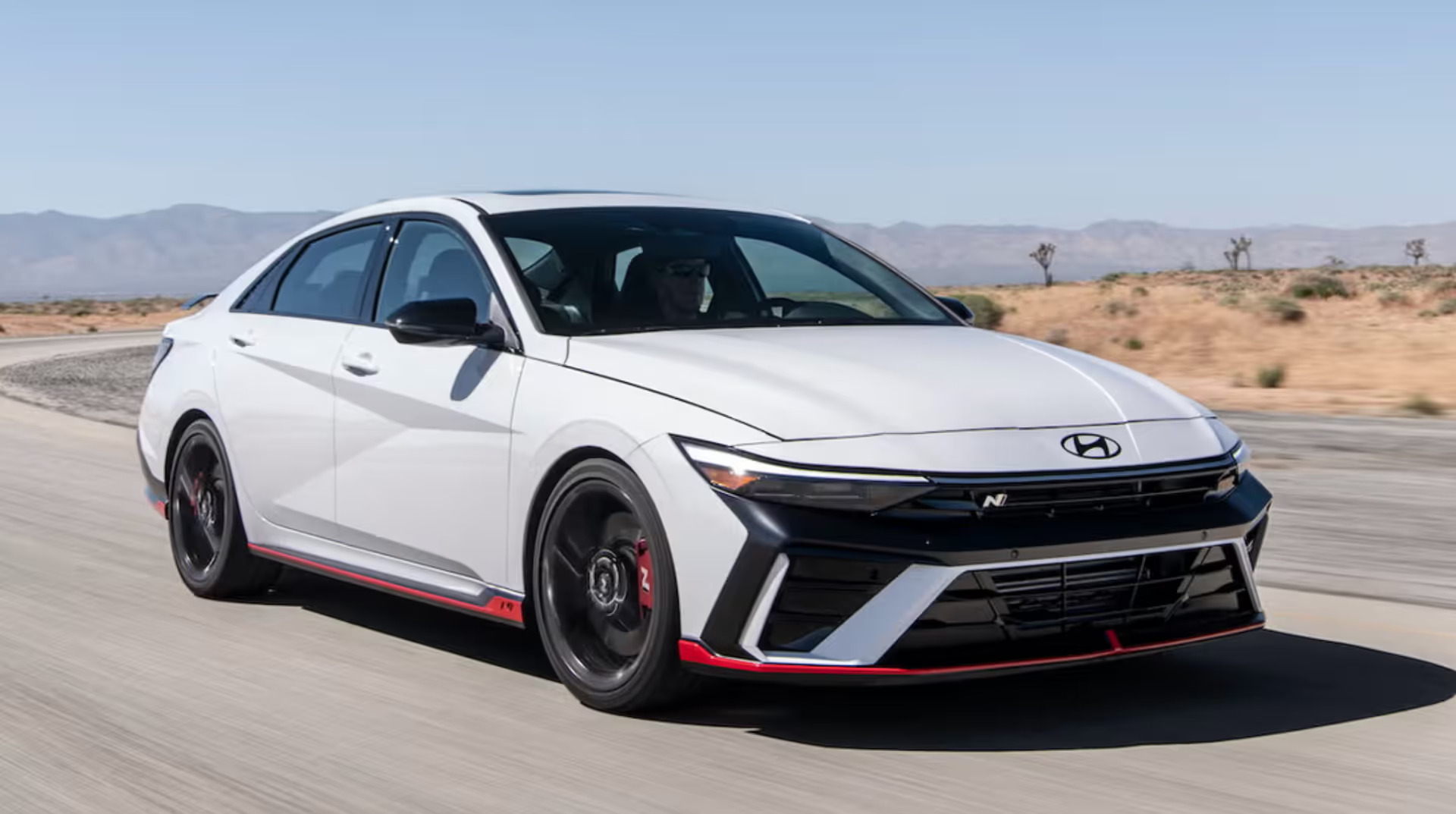
Hyundai Elantra (Certain Model Years)
The Hyundai Elantra earned popularity for its affordability and practicality, but certain model years from the mid-2010s experienced a recurring issue with brittle door handles in cold weather. The problem was linked to the use of lightweight plastic materials chosen to reduce production costs and vehicle weight.
While these materials performed adequately in mild climates, they became brittle when exposed to subzero temperatures. Many drivers in cold regions reported that their handles cracked or snapped completely when trying to open frozen doors, sometimes within just a few years of ownership.
The internal structure of the handle played a major role in this failure. Instead of using a solid internal support or reinforced metal bar, the Elantra’s handle relied on thin plastic struts that distributed stress unevenly.
When ice formed around the handle and prevented movement, the pressure from a driver’s pull was concentrated on these weak points, leading to sudden breakage. Furthermore, moisture often collects around the base of the handle, freezing overnight and adding more stress to the already fragile mechanism. Once cracked, the handle would frequently need full replacement, as the damage could not be repaired effectively.
Some drivers found temporary solutions by installing aftermarket metal replacements, which offered improved durability but did not match the car’s original color or design perfectly. These replacements, while functional, highlighted the shortcomings in Hyundai’s cost-driven material decisions.
To Hyundai’s credit, newer Elantra models have significantly improved their exterior durability, with stronger composites and better sealing against moisture. However, for those who owned earlier models, the experience left a lasting impression. The Elantra’s door handle issue serves as an example of how balancing cost, weight, and durability requires careful consideration, particularly for cars sold in markets with diverse and extreme weather conditions.
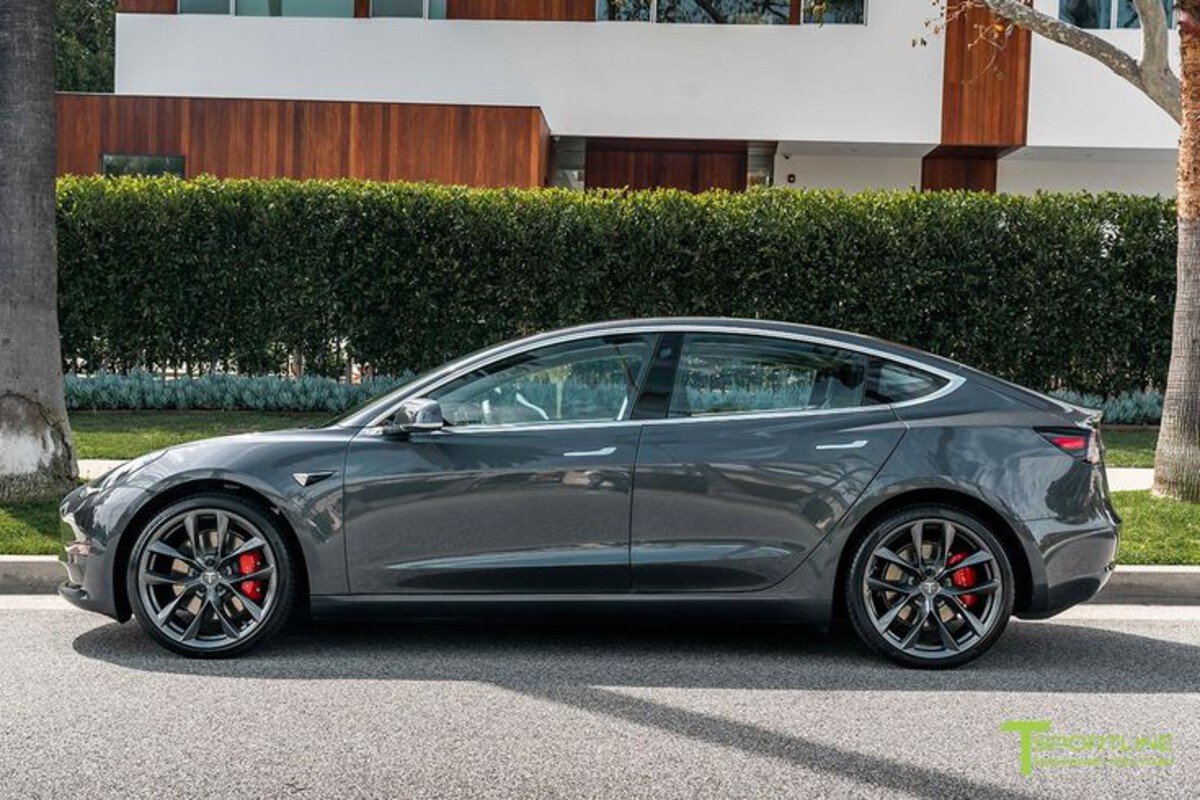
Tesla Model 3
The Tesla Model 3 is known for its futuristic design and advanced technology, but its innovative door handles have caused frustration for many owners living in cold regions. Unlike traditional handles that can be gripped directly, the Model 3’s flush handles sit flat against the body and must be pressed on one end to pivot outward.
This design looks sleek and improves aerodynamics, yet it becomes a liability when temperatures drop. Moisture can seep into the mechanism, and once frozen, the handle cannot pivot out. Drivers often find themselves unable to open their doors without first thawing the handle, and if they apply too much force, the mechanism can crack or become misaligned.
Tesla’s engineers attempted to mitigate the problem through software updates that allow preheating of the handles via the car’s app, but this feature is not always effective, especially if the car has been parked in freezing rain or snow for long periods. Even when preheated, ice can form in small crevices around the handle, preventing it from popping out smoothly.
Tesla’s minimalist design leaves little room for flexibility or manual leverage, which can be a serious disadvantage compared to traditional mechanical handles. Drivers have developed improvised techniques, such as tapping the handle lightly or using de-icer sprays, but these methods are temporary fixes.
The design problem is not one of poor manufacturing but of prioritizing aesthetics and innovation over practicality. Tesla’s choice to use flush handles reflects its commitment to futuristic design language, but the lack of flexibility and the susceptibility to ice buildup make them inconvenient in real-world winter conditions. Some owners in colder regions have expressed frustration, noting that the issue contradicts the brand’s image of advanced problem-solving and user-centered technology.
While the Model 3 remains a highly advanced and capable electric sedan, this issue demonstrates how cutting-edge design can sometimes overlook simple usability factors.
Traditional mechanical handles, though less visually striking, are often more dependable in cold climates. The Tesla Model 3’s experience reinforces the lesson that innovation must coexist with functionality and that environmental factors should always be a key part of automotive design considerations.
