
Parking sensors have become one of the most appreciated safety and convenience features in modern vehicles. For many SUV drivers, these systems are not just a luxury but a vital layer of protection against accidental scrapes and unseen obstacles.
As vehicles have grown in size and complexity, the technology supporting these systems has also evolved. Early sensors used simple ultrasonic pulses to detect objects, while current models often integrate radar, cameras, and even automated braking to make low-speed maneuvering far less stressful. However, not all systems perform equally.
Some SUVs deliver an impressively accurate experience that helps drivers park with total confidence, while others suffer from irritating false alarms that can create more confusion than comfort.
A reliable parking sensor system should offer consistency, clear feedback, and seamless integration with the driver’s surroundings. It should activate promptly, react to genuine obstacles, and remain quiet when there are none.
Phantom beeps, on the other hand, occur when sensors misread reflections, water droplets, or even invisible radio interference, producing false signals that frustrate the driver. The difference between these two extremes often depends on sensor calibration, quality of materials, and how well the vehicle’s software interprets incoming data.
In this article, we will review five SUVs recognized for their accurate and dependable parking sensor systems, followed by five that tend to generate phantom alerts. Each vehicle represents a different category of SUV, ranging from compact urban models to large family haulers.
The focus is not on luxury alone but on genuine, real-world usability. The goal is to highlight which designs give drivers the confidence to maneuver smoothly and which might still need improvement in sensor tuning. By the end, you’ll have a better understanding of how much a well-tuned system can influence everyday driving satisfaction and why accuracy matters more than technological complexity.
SUVs with Reliable Parking Sensors
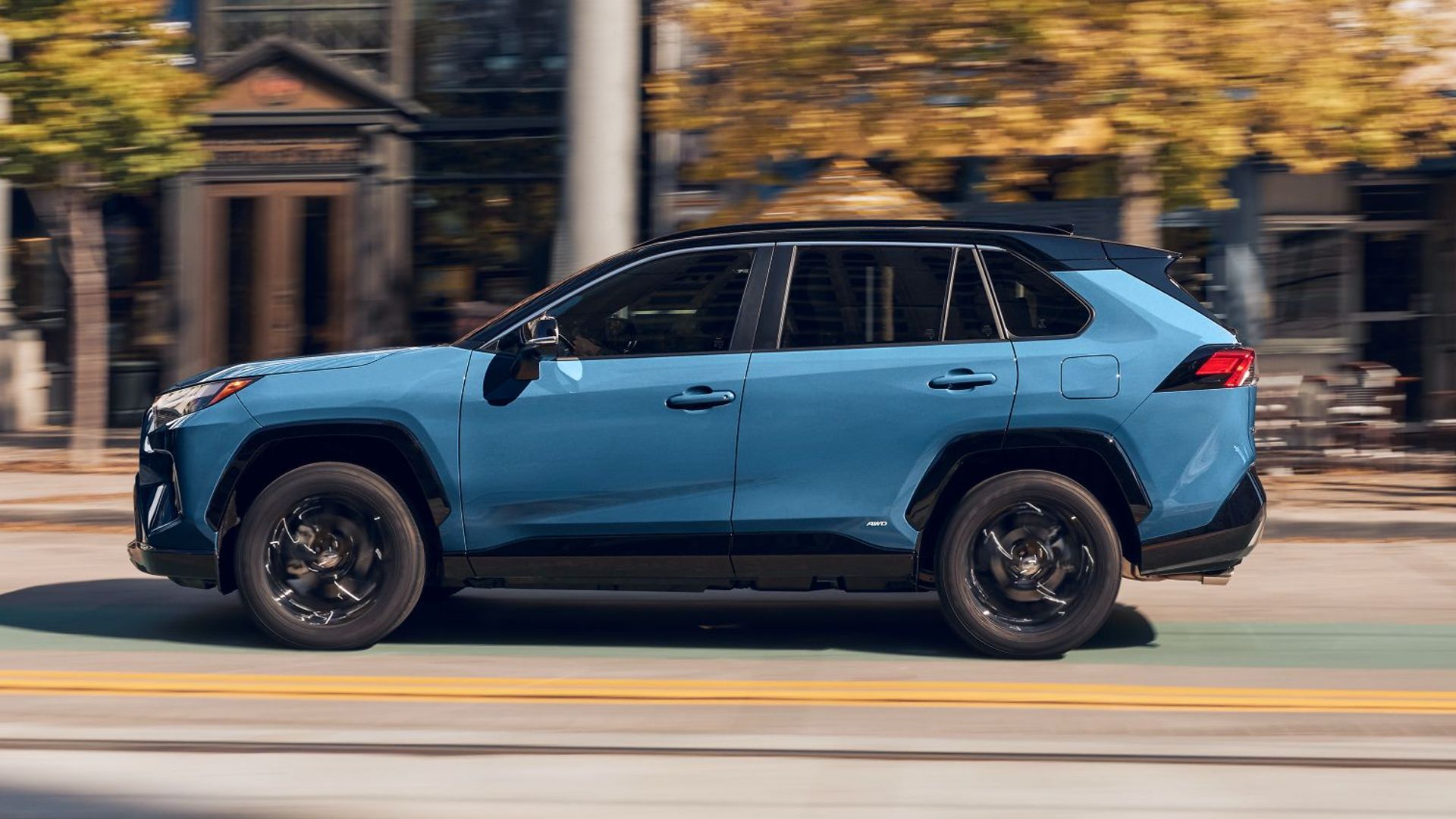
1. Toyota RAV4
The Toyota RAV4 has long stood as one of the most balanced SUVs on the market, and its parking sensor system contributes significantly to its strong reputation for practicality. Toyota integrates a set of ultrasonic sensors positioned strategically at the corners of the bumpers, supported by the brand’s advanced camera suite.
What sets the RAV4 apart is its smooth calibration. The system produces clear tones that gradually increase in frequency as the vehicle approaches an object, giving drivers an instinctive sense of distance. In crowded parking lots, the sensors remain calm unless genuine obstacles are within range, preventing unnecessary distractions.
Drivers also benefit from the vehicle’s multi-angle rear camera and digital display that complement the sensor system. These visual aids provide a top-down perspective, showing proximity zones and highlighting potential hazards that may not be immediately visible through the mirrors. This combination of visual and audio cues creates a holistic approach to maneuvering, giving drivers both the confidence and precision necessary to navigate tight spaces safely.
Another strength of the RAV4’s system lies in how it manages environmental noise. Many vehicles struggle with rain, road grime, or reflective surfaces such as polished garage walls, yet Toyota’s sensor software filters these conditions with accuracy.
The sensors rarely trigger without cause, even in enclosed parking garages where echoes and reflections could easily confuse less sophisticated systems. The system also employs adaptive logic that differentiates between moving and stationary objects, so passing pedestrians or vehicles outside the sensor’s main detection zone rarely cause alerts.
This level of intelligence ensures that drivers are only notified of legitimate obstacles, making every beep purposeful and reducing the mental fatigue that often accompanies sensor-based alerts.
Durability is another factor that enhances the RAV4’s parking system. Many SUVs endure harsh climates, from heavy rain to snow and extreme heat, and Toyota has designed the sensors to withstand these conditions without degradation. The sensors remain functional even when partially covered by snow, dirt, or mud, thanks to their higher placement and protective housing.
Minor bumper contacts or scratches do not compromise performance, which adds a level of long-term reliability not always found in competing vehicles. Beyond the hardware, Toyota also regularly updates the vehicle’s onboard software through dealer service and over-the-air updates, ensuring that detection algorithms remain accurate as real-world conditions evolve.
Finally, the system integrates seamlessly with Toyota’s suite of safety features, including automatic braking assist and cross-traffic alert. If a driver fails to react to repeated proximity warnings, the vehicle can automatically halt at low speeds to prevent a collision.
Cross-traffic alerts work in tandem with the sensors, warning of approaching vehicles when backing out of parking spaces, further reducing the risk of accidents. This practical combination of sensor accuracy, responsive feedback, and automated safety features ensures that drivers, especially those navigating crowded urban environments, can park confidently and efficiently.
It is precisely this blend of reliability, thoughtful engineering, and real-world adaptability that makes the RAV4 a benchmark for parking sensor performance.
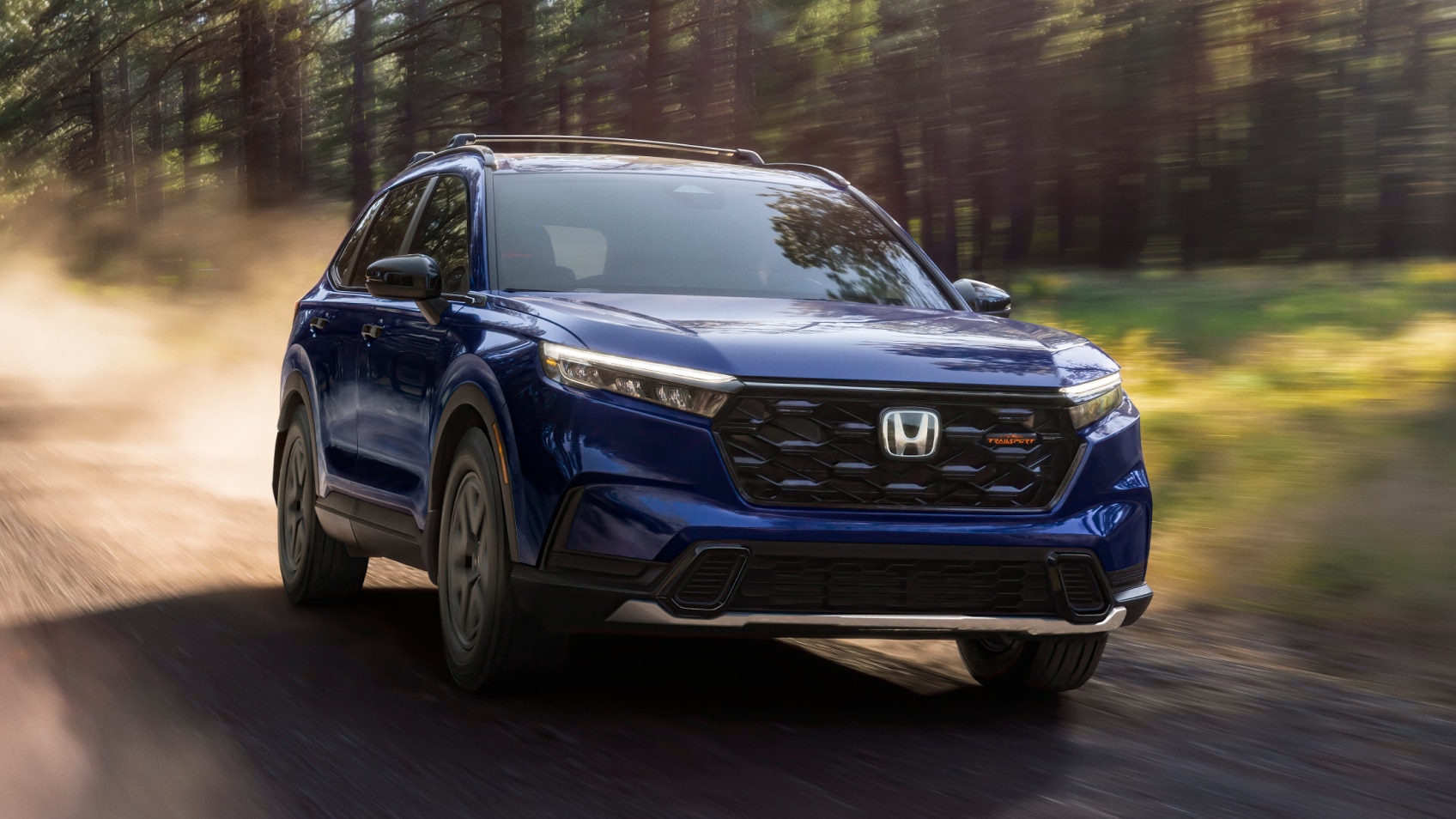
2. Honda CR-V
The Honda CR-V focuses on user-friendliness and smooth operation, making its parking sensor system one of the most dependable in its class. Honda engineers have designed the system to provide gentle alerts that are clear but not overwhelming.
The low-frequency tones are distinct, avoiding harsh buzzing that can startle occupants. Both the front and rear sensors operate independently yet communicate effectively with the central dashboard display. When combined with the CR-V’s wide-angle rear camera, the driver gains a comprehensive view of obstacles and their exact location.
This layered feedback allows drivers to make precise adjustments, even in challenging scenarios such as narrow city streets or tight garage spaces. The visual display includes dynamic lines and color-coded zones that change as the vehicle moves closer to an object, providing a precise mental map of surrounding obstacles that supports safer and more confident parking maneuvers.
The precision of the CR-V’s sensors is particularly evident in parallel parking. The system responds quickly to obstacles but avoids overreacting to nearby pedestrians or vehicles moving outside the immediate vicinity. Some models incorporate cross-traffic alert functionality, which integrates seamlessly with the sensors to detect approaching vehicles while reversing.
This prevents unnecessary warnings while ensuring that genuine threats are clearly communicated. The system also benefits from Honda’s attention to ergonomics; the alerts are audible without being intrusive, giving drivers feedback that feels natural rather than disruptive. Such responsiveness fosters trust in the system and allows drivers to rely on it regularly without second-guessing.
Honda also emphasizes reliability in cold and wet climates. The CR-V’s sensors incorporate a self-checking cycle to detect ice or snow buildup and automatically adjust sensitivity to compensate for minor obstructions. While some environmental factors may still cause minor misreads, the system maintains accuracy across a variety of conditions, from light rain to icy parking lots.
This feature makes the CR-V particularly appealing for drivers in northern regions, where snow and slush can interfere with less advanced systems. The sensors also work in conjunction with Honda’s braking assist system, providing a secondary layer of protection if the driver fails to respond to alerts.
The CR-V demonstrates that a well-designed parking sensor system is not necessarily about having the most advanced technology but about achieving consistent performance and ease of use.
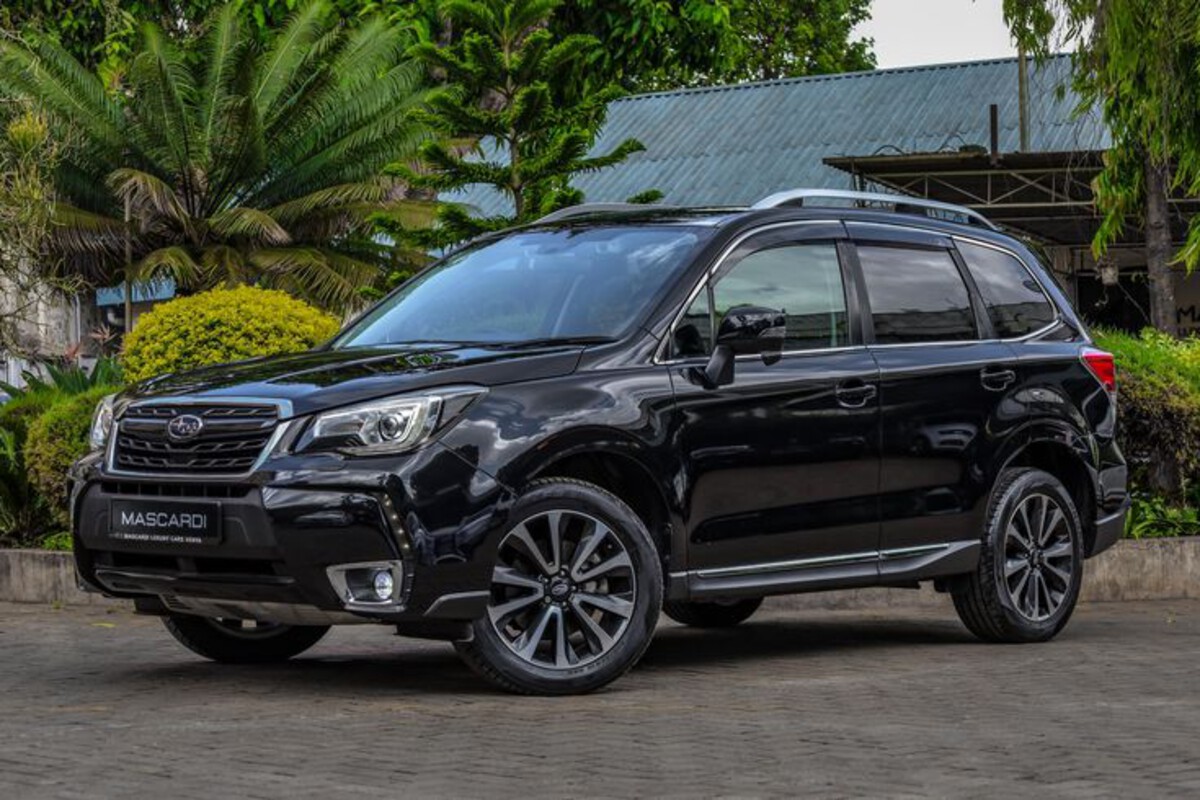
3. Subaru Forester
Subaru’s reputation for functional engineering extends naturally to the Forester’s parking sensors, which are designed for accuracy and practical utility rather than flashy displays. The system covers a wide detection area, particularly at the corners of the vehicle, ensuring that blind spots are minimized.
What distinguishes the Forester is the nuanced feedback provided by the audio alerts, which vary in tone depending on the type of material detected. For instance, metallic surfaces, poles, or walls produce slightly different beeps than softer objects like shrubs or wooden posts, allowing drivers to assess the environment more effectively.
When paired with the Forester’s multi-angle camera system, these sensors create a full situational awareness package that significantly reduces the likelihood of minor collisions.
The Forester is particularly well-suited to off-road and rural driving, where uneven terrain and debris could easily interfere with sensors. The modules are mounted higher on the bumper, reducing the risk of dirt, mud, and rocks compromising performance.
Even after driving through heavy rain, mud, or snow, the sensors maintain reliable functionality. Additionally, Subaru’s software integrates with the EyeSight driver assist system, cross-verifying obstacles detected by sensors with visual input from cameras. This dual-layer approach minimizes false alarms and ensures that drivers are only alerted to genuine obstacles, increasing trust in the system’s feedback.
Another advantage of the Forester’s parking sensors is their durability over time. Many SUV sensors lose accuracy after repeated exposure to harsh conditions, but Subaru emphasizes robustness in both hardware and software.
The sensors are designed to withstand impacts, temperature fluctuations, and long-term environmental exposure without significant degradation. The software periodically recalibrates itself to maintain accuracy, which is particularly valuable for owners who drive in varied and challenging conditions.
4. Lexus RX
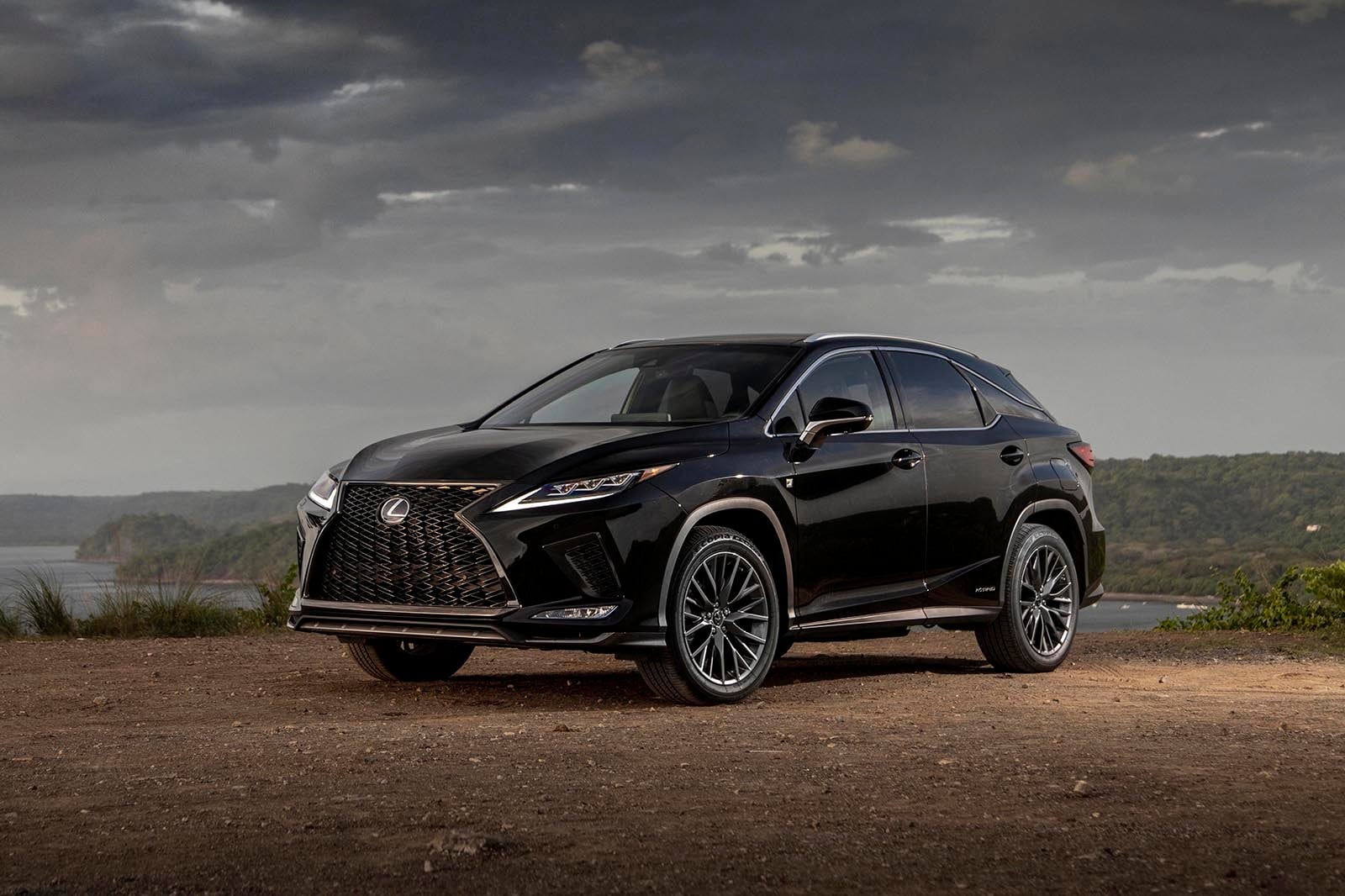
The Lexus RX exemplifies how premium SUVs can combine precision hardware with refined acoustic and visual feedback for a superior parking sensor experience. The RX’s system delivers instantaneous yet measured alerts that are both subtle and accurate.
The RX also excels in adverse conditions. The sensors are coated with water-repellent materials to maintain accuracy in rain or snow, and the housing is designed to prevent dirt and debris from affecting performance. By combining robust hardware with intelligent software, Lexus ensures the system remains consistent even in challenging environments.
The sensors can distinguish between stationary objects and moving obstacles, helping prevent unnecessary alerts when pedestrians or vehicles pass nearby. This intelligent filtering allows drivers to focus on legitimate risks rather than being distracted by frequent false alarms.
Integration with Lexus’ 360-degree camera system further improves accuracy. The sensors and cameras cross-verify detected objects, reducing the chance of misreads caused by reflective surfaces or unusual angles. This layered approach enhances confidence during parking maneuvers, whether parallel parking in a city street or reversing into a tight garage space.
The RX demonstrates that precision in luxury SUVs is not just about aesthetics but also about reliability and usability.
Lexus RX proves that sensor reliability contributes directly to the perception of quality. Drivers experience calm confidence every time they park, knowing the system’s alerts are accurate and meaningful. By harmonizing hardware durability, intelligent software, and refined user feedback, Lexus has created one of the most dependable parking sensor systems in its segment.
5. Hyundai Tucson
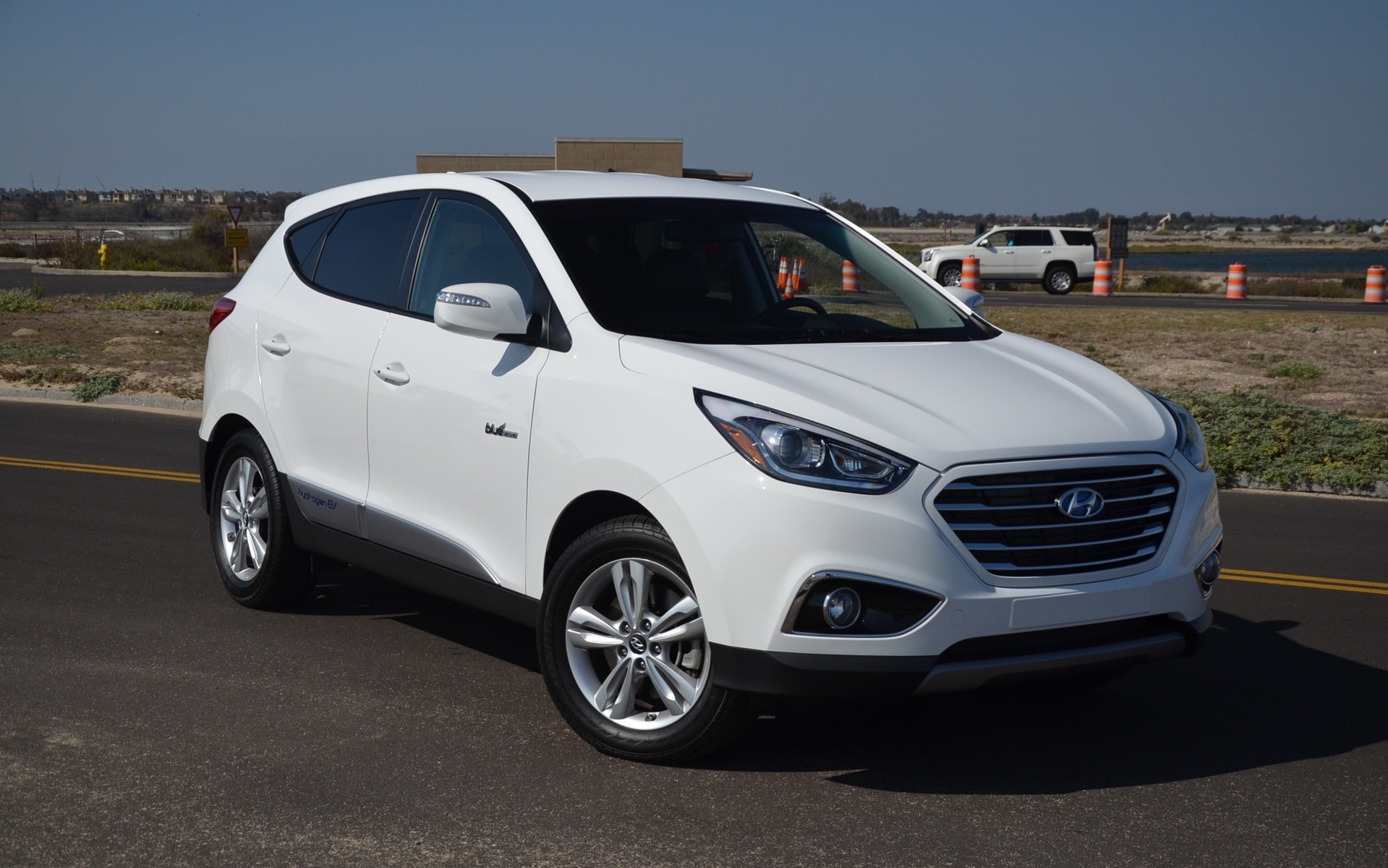
The Hyundai Tucson highlights how mainstream SUVs can achieve professional-level sensor reliability without entering the luxury segment. The system is carefully tuned to detect genuine obstacles while ignoring irrelevant signals, ensuring accurate feedback in crowded or complex environments.
The rear and front sensors communicate seamlessly with the vehicle’s infotainment display, offering clear visual cues alongside audible alerts. The combination of these two feedback modes ensures that drivers have comprehensive situational awareness, reducing reliance on guesswork when navigating tight spaces.
Additionally, the sensors are positioned to minimize interference from road debris or minor bumper contacts, maintaining consistent performance even in less-than-ideal conditions.
Drivers can adjust the sensitivity settings, fine-tuning the point at which the system triggers alerts. This allows customization for specific driving environments, whether maneuvering through tight urban garages or wider suburban spaces.
Such flexibility reduces unnecessary alerts while preserving safety, making the Tucson versatile for a range of driver preferences. In addition, Hyundai periodically updates its detection algorithms through over-the-air or dealer updates, ensuring the system remains accurate as real-world conditions evolve.
Hyundai also integrates the parking sensors with automated safety features, including low-speed braking assist. If the driver ignores repeated warnings, the vehicle can automatically stop to prevent collisions, providing an extra layer of protection.
The system’s predictable behavior fosters trust and allows drivers to rely on it without constant vigilance. This reliability contributes to reduced stress during parking, particularly for urban commuters or families navigating busy public areas.
For daily drivers, the Tucson’s parking sensors strike a balance between precision and simplicity. They provide actionable feedback without overwhelming the driver, making the vehicle accessible and user-friendly. By combining thoughtful design, customizable settings, and robust software, Hyundai has produced a parking sensor system that rivals premium competitors in functionality while remaining approachable and practical for everyday use.
SUVs Known for Phantom Beeps
1. Jeep Grand Cherokee
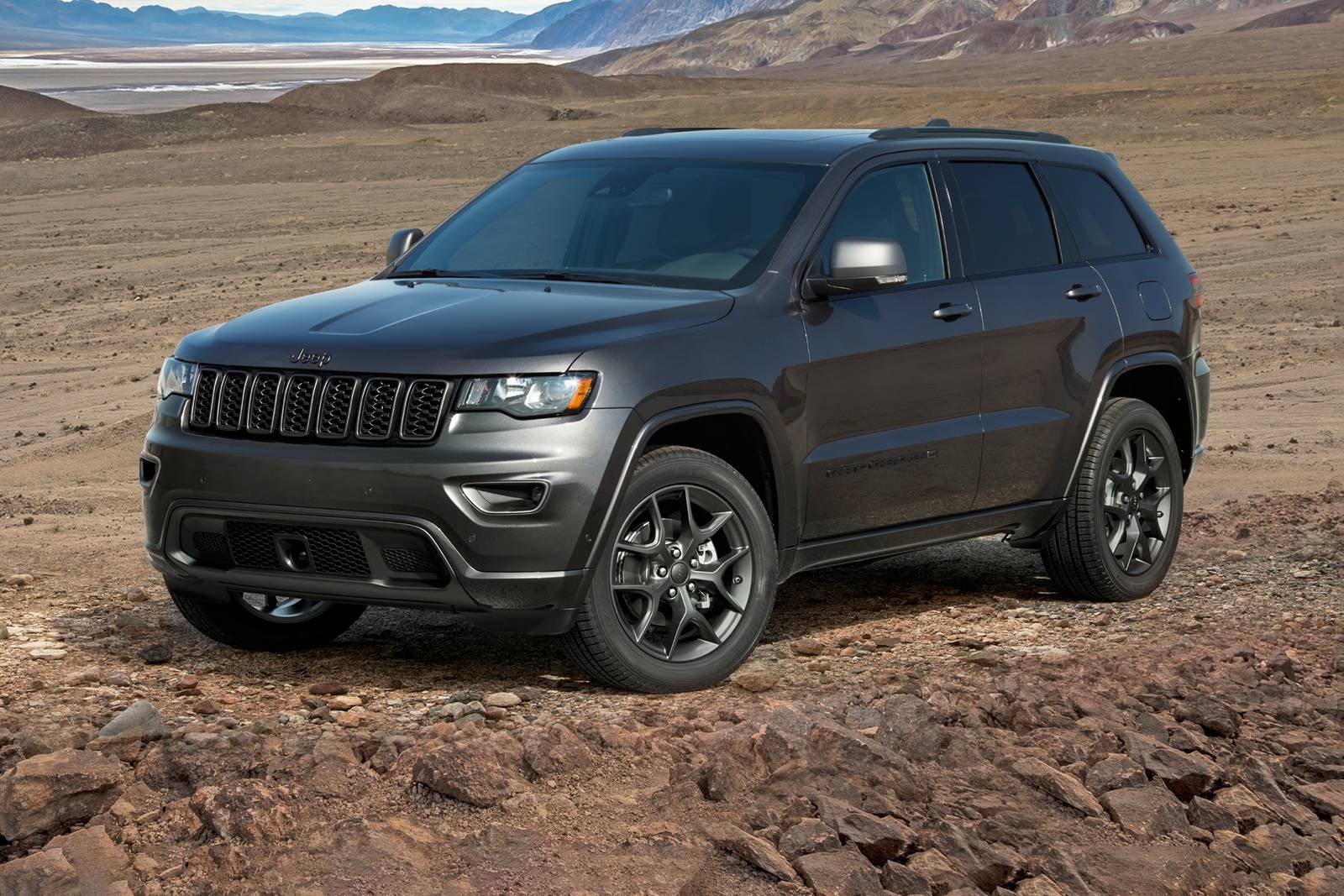
The Jeep Grand Cherokee is often praised for its off-road capability and powerful engine lineup, but its parking sensors have been known to produce phantom beeps, causing frustration for drivers. The system relies heavily on ultrasonic sensors, which can occasionally misinterpret environmental reflections as obstacles.
For instance, metallic surfaces, reflective walls, or even rain-slicked pavement may trigger the sensors, producing warnings when no actual object is present. These false alerts can be particularly distracting in tight parking garages, where echoes can amplify the effect.
Drivers often report that the system seems overly sensitive, responding to objects that are technically out of the vehicle’s path. This tendency to misread the environment can undermine trust in the system, forcing drivers to rely more on visual cues than the sensor feedback.
Environmental conditions exacerbate the problem in the Grand Cherokee. Rain, snow, and mud can cling to the bumper, altering the sensor’s readings and increasing the likelihood of false alerts. Similarly, sunlight reflecting off nearby cars or polished surfaces may confuse the system, resulting in a rapid series of beeps that are difficult to interpret.
These phantom alerts are not just an annoyance, they can also lead to hesitation or sudden braking in situations where it is unnecessary, potentially creating safety concerns in busy areas. Unlike vehicles with more advanced filtering algorithms, the Grand Cherokee’s system has limited capacity to distinguish between real obstacles and environmental noise.
Drivers often find themselves second-guessing whether a beep indicates a real hazard or just a sensor error, which can reduce confidence in the vehicle’s parking assistance.
Another issue is the variability between different production years. Some drivers have found that newer models experience fewer phantom beeps, likely due to software updates and recalibration improvements, while older models remain prone to frequent false alerts.
This inconsistency makes it challenging for owners to predict system behavior. Even when the sensors are functioning within their design specifications, their placement and sensitivity levels can amplify false positives in certain environments. For example, urban garages with reflective columns or narrow alleyways may generate persistent warnings, making the system feel unreliable.
Despite these issues, the Grand Cherokee still offers practical value through its visual displays and cameras, which can partially compensate for unreliable audio alerts. However, the prevalence of phantom beeps highlights a limitation in the SUV’s design philosophy. While Jeep focuses on ruggedness and off-road capability, attention to sensor calibration and environmental filtering has sometimes lagged behind, making parking a more stressful experience than intended.
2. Ford Explorer
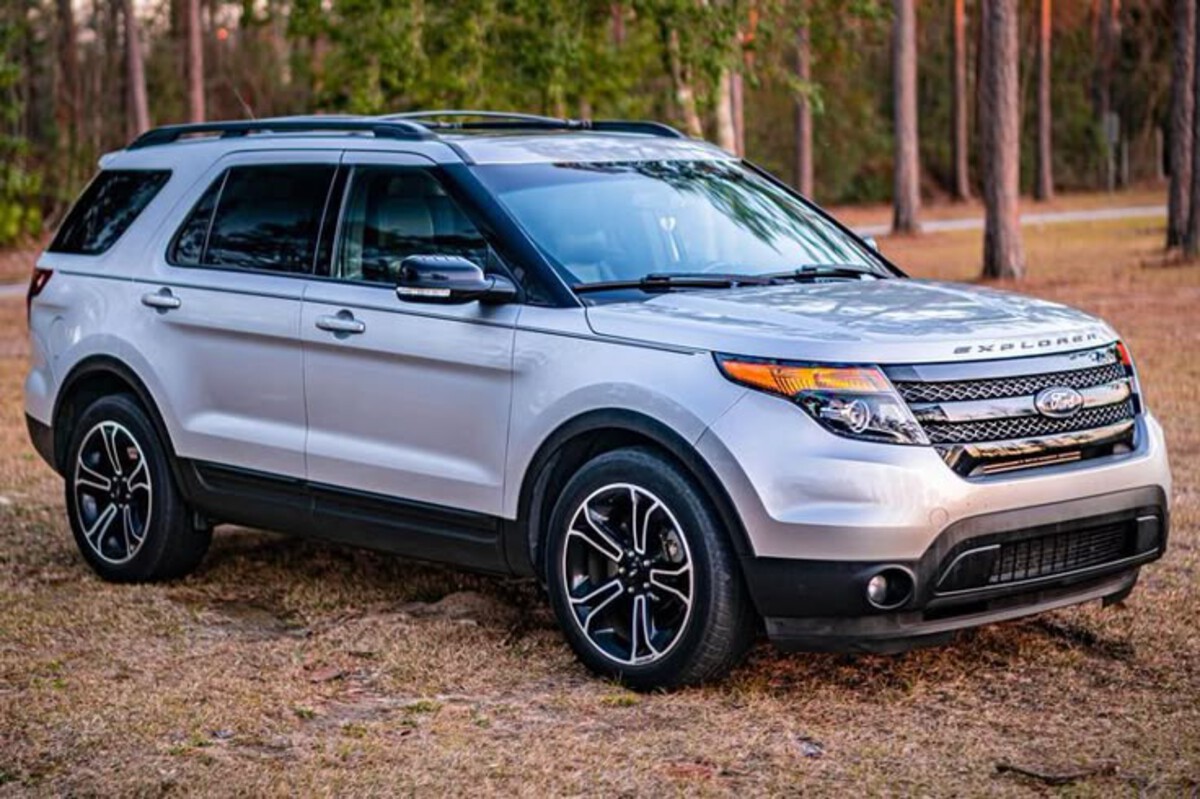
The Ford Explorer is a widely popular family SUV, but its parking sensor system has occasionally been criticized for phantom beeps, especially in tight urban settings. The system uses a combination of ultrasonic sensors and a rearview camera to detect obstacles, yet these sensors sometimes pick up objects that are not relevant to the vehicle’s path.
Shiny surfaces, low-lying curbs, and even heavy rain can trigger warnings that do not correspond to actual threats. The issue is most noticeable during parallel parking or reversing into narrow spaces, where the system may emit a continuous series of beeps that distract rather than assist the driver. For many Explorer owners, this inconsistency reduces confidence in relying solely on sensor alerts for parking maneuvers.
The problem is often tied to the vehicle’s sensor sensitivity and placement. In certain model years, the sensors are located close to the bumper’s edges, which can cause them to detect minor environmental anomalies such as road debris, puddles, or metallic posts that pose no actual risk.
As a result, drivers may repeatedly stop or adjust their position to compensate for alerts that have no practical significance. While the Explorer’s rearview camera and cross-traffic alert can provide additional context, they cannot fully prevent the frustration caused by phantom beeps, particularly for drivers who prefer minimal distractions while maneuvering.
Environmental factors also contribute to the system’s unreliability. For example, heavy rain or snow accumulation can obscure the sensors or cause reflections that trigger false alarms. Additionally, brightly lit urban areas, with reflective surfaces on surrounding vehicles or polished garage floors, may confuse the sensors and create a pattern of false warnings.
The combination of sensitivity and external interference leads to inconsistent performance, which can erode driver trust over time. Unlike vehicles designed with advanced filtering algorithms, the Explorer’s sensors may struggle to differentiate between actual obstacles and environmental noise.
Ford has addressed some of these issues through software updates and improved sensor calibration in later model years. However, for many drivers, the system’s tendency to produce phantom beeps remains a concern, especially in situations where precision and calm feedback are most needed.
While the Explorer offers many advanced safety features, the parking sensor experience can feel inconsistent, emphasizing the importance of test-driving and personal experience when considering vehicles in this category.
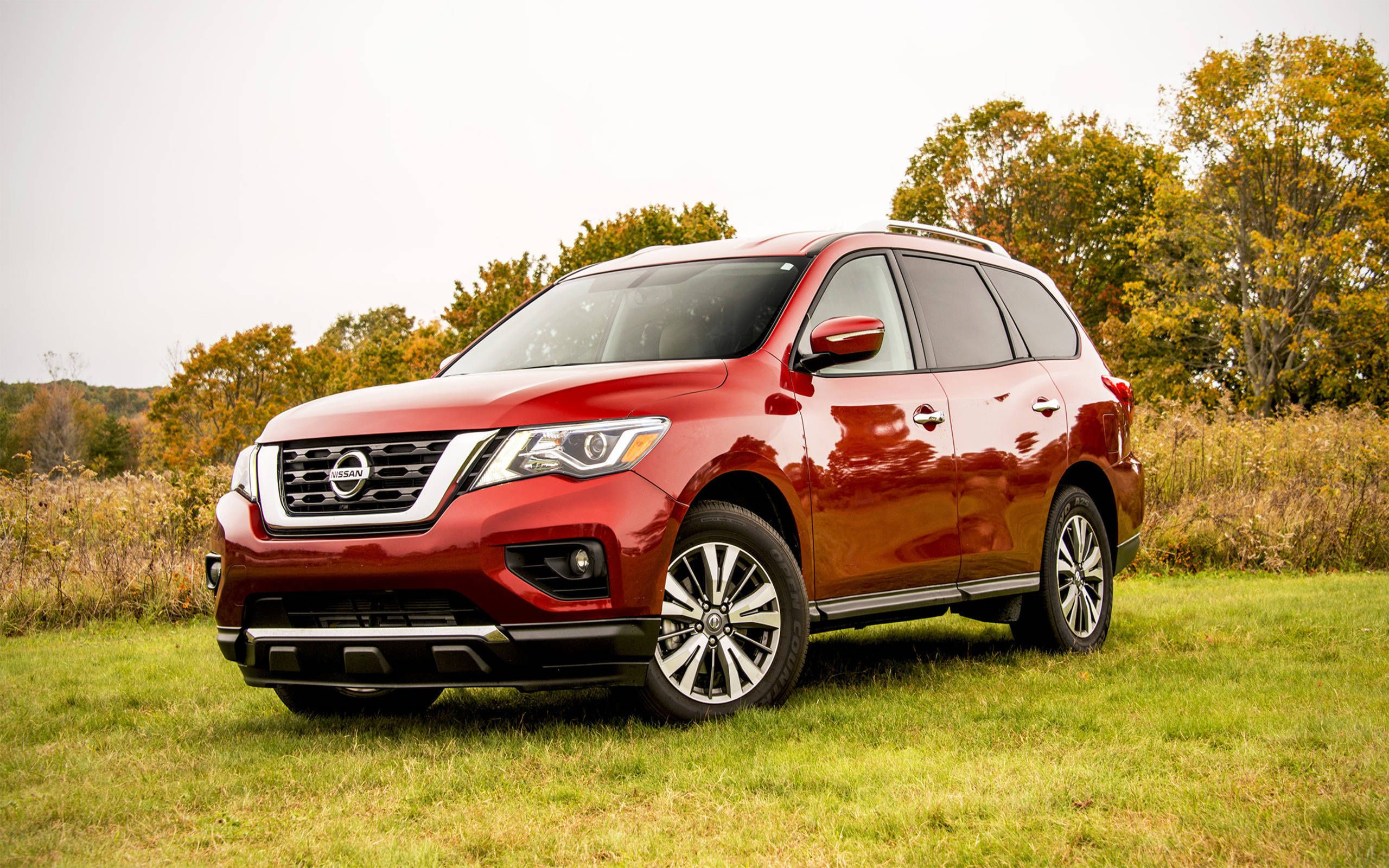
3. Nissan Pathfinder
The Nissan Pathfinder, known for its spacious interior and family-friendly design, has also faced criticism for phantom beeps from its parking sensors. Owners have reported that the sensors frequently activate in the absence of obstacles, often reacting to reflective surfaces, weather conditions, or even slight shifts in vehicle angle.
These false alerts can create confusion during parking, forcing drivers to rely heavily on visual observation rather than trusting the sensor system. The frustration is compounded in crowded or confined areas, where unnecessary beeps may trigger frequent stopping and re-positioning, making the vehicle feel less intuitive than its competitors.
The Pathfinder’s sensors are mounted to detect obstacles in a wide range, but this design sometimes leads to over-sensitivity. Objects outside the immediate trajectory of the vehicle, such as shrubs, curbs, or poles, can trigger warnings even when there is no risk of collision.
This overreach can be particularly distracting when maneuvering at slow speeds in urban environments, as the continuous alerts may compete with other audio cues, such as warnings from cross-traffic alert or lane-assist systems. Drivers must learn to interpret the beeps carefully, distinguishing between false positives and legitimate obstacles, which can add cognitive load and reduce confidence.
Weather conditions exacerbate the issue. Rain, snow, and ice can cling to the sensors or the bumper, leading to irregular readings and phantom alerts. Similarly, sunlight reflecting off nearby vehicles or walls can trigger the system to beep unexpectedly.
For families or casual drivers, this unpredictability can create stress during routine parking, reducing the sense of reliability that is often expected from modern SUVs. Nissan has attempted to refine sensor calibration over successive model years, but the system has not entirely eliminated phantom alerts, leaving a lingering perception of inconsistency.
Despite these challenges, the Pathfinder remains functional thanks to its combination of rearview cameras, visual indicators, and cross-traffic alerts. While the audio beeps may sometimes be misleading, careful attention to the visual feedback often allows drivers to navigate parking spaces safely. Nevertheless, the presence of phantom beeps can erode confidence, particularly for drivers who rely heavily on sensor guidance rather than physical maneuvering skills.
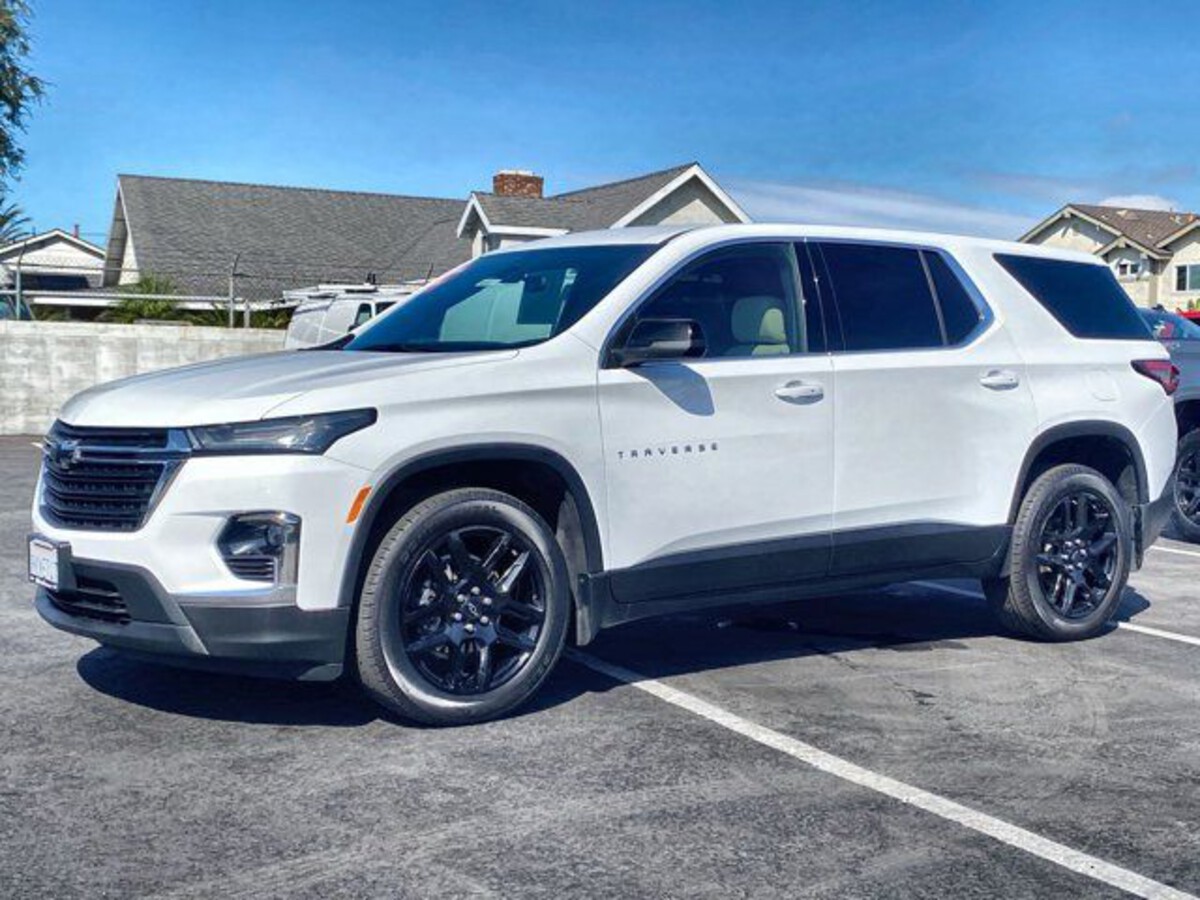
4. Chevrolet Traverse
The Chevrolet Traverse, a mid-size SUV designed for family utility, has been reported to produce phantom beeps under certain conditions. The Traverse’s parking sensors, positioned along the front and rear bumpers, are intended to detect obstacles while parking or reversing, but environmental factors often interfere with their performance.
Reflections from polished surfaces, water on the pavement, or close proximity to walls can trigger false alerts, causing the vehicle to beep even when no obstacle is present. These phantom alerts are most problematic in tight parking scenarios, such as parallel parking or maneuvering in enclosed garages, where the driver must make repeated adjustments in response to unnecessary warnings.
Sensor sensitivity contributes to these false readings. The Traverse’s sensors are designed to detect a broad range of objects, but this broad detection can be counterproductive when minor environmental changes are interpreted as threats. Drivers may experience frequent, rapid beeping that does not correspond to any tangible hazard, reducing confidence in the system.
Unlike vehicles with more advanced filtering algorithms, the Traverse lacks sophisticated logic to differentiate between real obstacles and minor environmental interference. The result is a system that sometimes feels unreliable, forcing drivers to verify distances visually rather than trusting the sensor feedback.
Weather and environmental conditions can amplify phantom beeps. Snow, ice, and rain can adhere to the sensors, slightly altering their detection range and creating false triggers.
Similarly, sunlight bouncing off nearby vehicles or reflective surfaces can cause sudden alerts that distract the driver. While the Traverse provides helpful visual cues through its infotainment display, the inconsistency of the audio warnings can make parking more stressful than necessary, particularly for those who prefer minimal distractions.
Despite these issues, the Traverse remains a capable and practical SUV for families, offering spacious interiors and multiple safety features. The phantom beeps issue does not render the vehicle unsafe, but it does highlight the importance of understanding sensor limitations and incorporating visual observation into parking routines.
Drivers who are aware of the system’s quirks can still navigate effectively, but the experience may be less seamless than with vehicles known for highly reliable sensor performance.
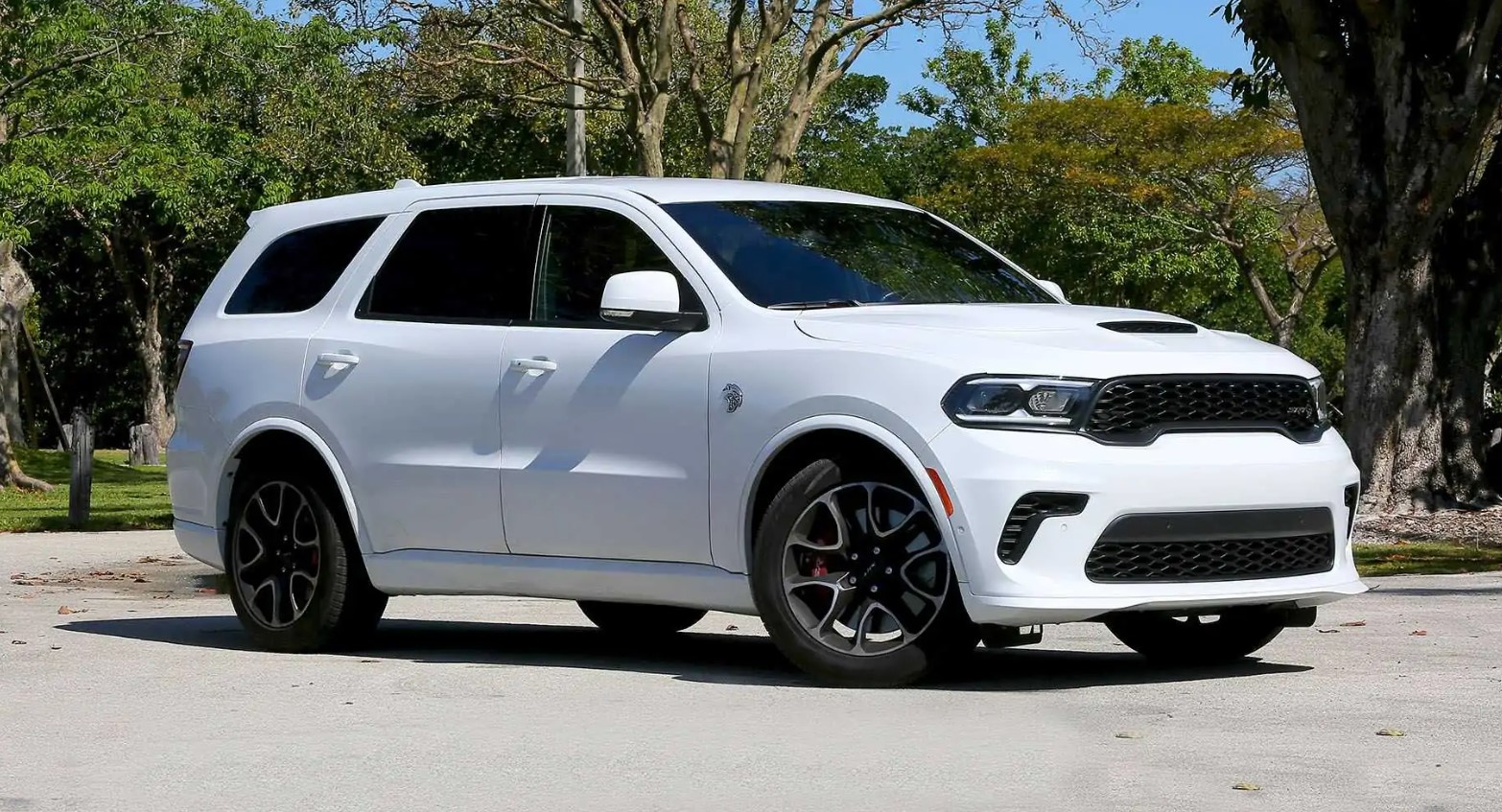
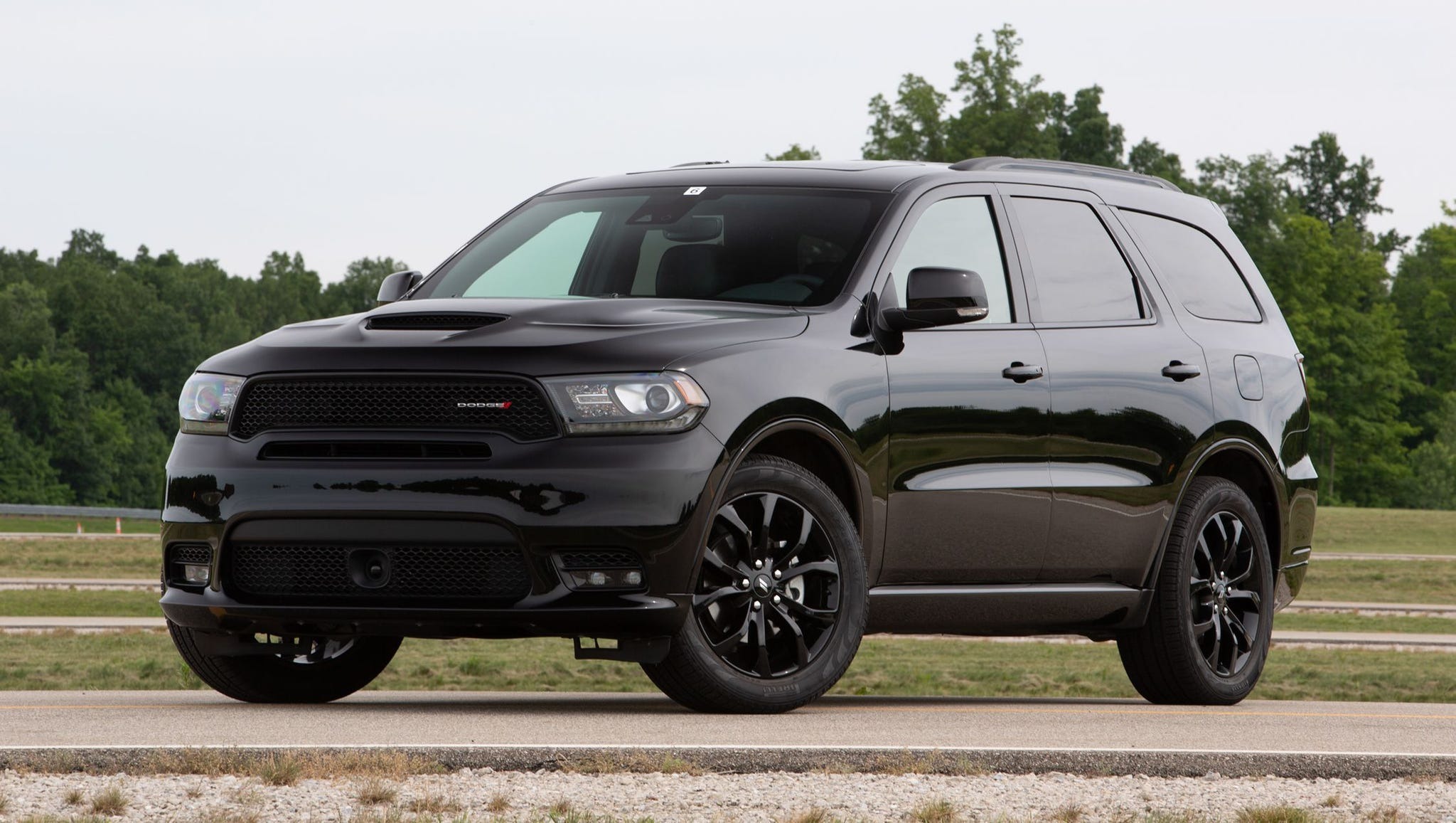
5. Dodge Durango
The Dodge Durango is a powerful SUV with a strong towing capacity and commanding road presence, yet its parking sensors are notorious for producing phantom beeps. Drivers frequently report that the system triggers alerts without any apparent obstacle, often due to reflections, nearby walls, or minor environmental changes.
These false alarms can be particularly distracting in urban environments, where frequent beeps may interrupt smooth maneuvering and reduce confidence in the system. Drivers must learn to interpret the signals cautiously, balancing audio alerts with visual inspection from mirrors and rearview cameras.
The Durango’s sensor sensitivity can be a double-edged sword. While the system is designed to detect obstacles at a safe distance, it sometimes interprets non-threatening environmental factors as hazards. Passing pedestrians, low curbs, and reflective garage walls can trigger repeated alerts that do not correspond to a real threat.
This tendency can make parking in busy areas or narrow spaces stressful, as the driver must constantly reassess the situation in real time. Unlike more advanced systems, the Durango’s sensors may lack the filtering algorithms needed to reduce false positives in complex environments.
Weather further complicates reliability. Rain, snow, and ice can affect the sensor’s accuracy, leading to intermittent false alerts. Similarly, bright sunlight reflecting off nearby vehicles or walls can confuse the system. The result is a parking experience that feels inconsistent, requiring the driver to rely heavily on visual cues rather than trusting the beeps alone.
While the Durango offers other safety features, such as rearview cameras and cross-traffic alerts, the phantom beeps issue can undermine confidence, particularly for drivers who prefer fully dependable sensor feedback.
Awareness of these quirks allows drivers to adjust their approach, combining sensor feedback with direct observation to ensure safe maneuvering. For some owners, this compromise is manageable, but for those seeking consistently reliable audio alerts, the Durango may fall short.
