
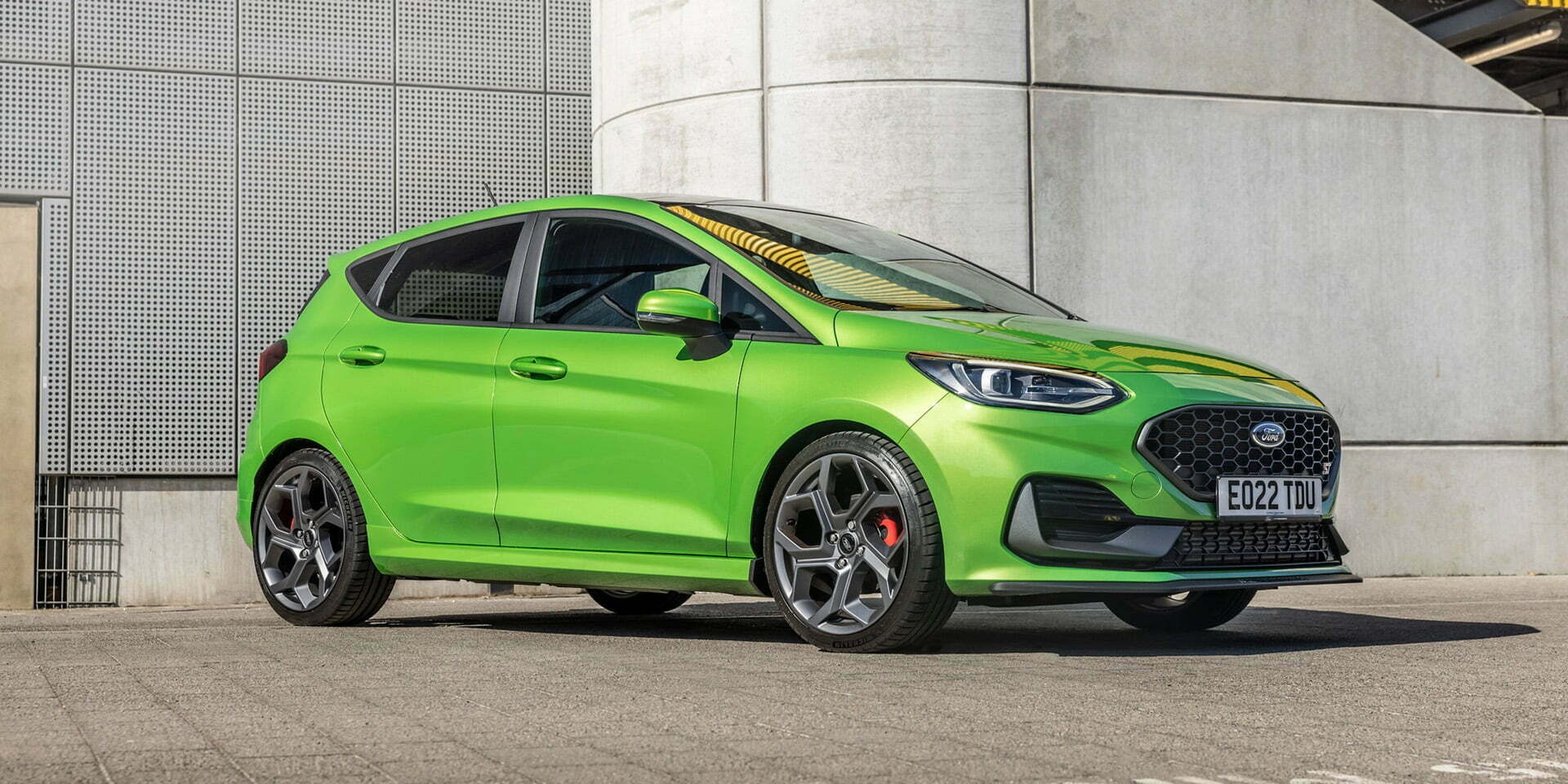
Compact cars have long been the choice for drivers seeking efficiency and maneuverability without sacrificing practicality. Yet, the true measure of a well-engineered compact isn’t just how it handles city traffic or how many miles it squeezes from a gallon.
It’s how the car behaves when the highway stretches endlessly ahead and the speedometer hovers at 80 mph. At that pace, the cabin becomes a small capsule of comfort or fatigue, depending on design priorities that can’t be hidden behind marketing phrases.
Noise insulation, gearing, engine character, and suspension tuning all combine to define whether a compact feels calm and confident or nervous and droning.
Many drivers assume all small cars struggle at higher cruising speeds, but that’s not necessarily the case. Some manufacturers have mastered the balance between efficiency and refinement, allowing compact sedans and hatchbacks to hold highway speeds without effort.
A strong, flexible engine, aerodynamic tuning, well-damped suspension, and effective cabin insulation transform these cars into quiet travelers rather than buzzing tin cans.
When done right, even a modestly priced compact can maintain composure on long interstate drives, letting occupants hold conversations without raising their voices and arrive relaxed rather than frazzled.
Others, however, show their limitations as soon as the tachometer climbs. Some small engines must work too hard to sustain 80 mph, spinning near the top of their power bands.
Lightweight construction and minimal insulation amplify every vibration and tire hum, and what seems lively around town becomes fatiguing on open roads.
Transmission gearing plays a big role here too. A poorly matched final drive or an overzealous continuously variable transmission (CVT) can keep the engine droning continuously, robbing the car of serenity.
This comparison separates those two experiences. The first group of five compact cars demonstrates that refinement isn’t reserved for luxury badges. They cruise effortlessly at 80 mph, maintaining a sense of calm that belies their modest size.
The second group shows how easily the balance can tip toward harshness, proving that not all compacts are created equal. Both lists reveal how engineering priorities translate directly into the sensations that drivers and passengers feel after an hour behind the wheel.
5 Compact Cars That Cruise at 80 mph Comfortably
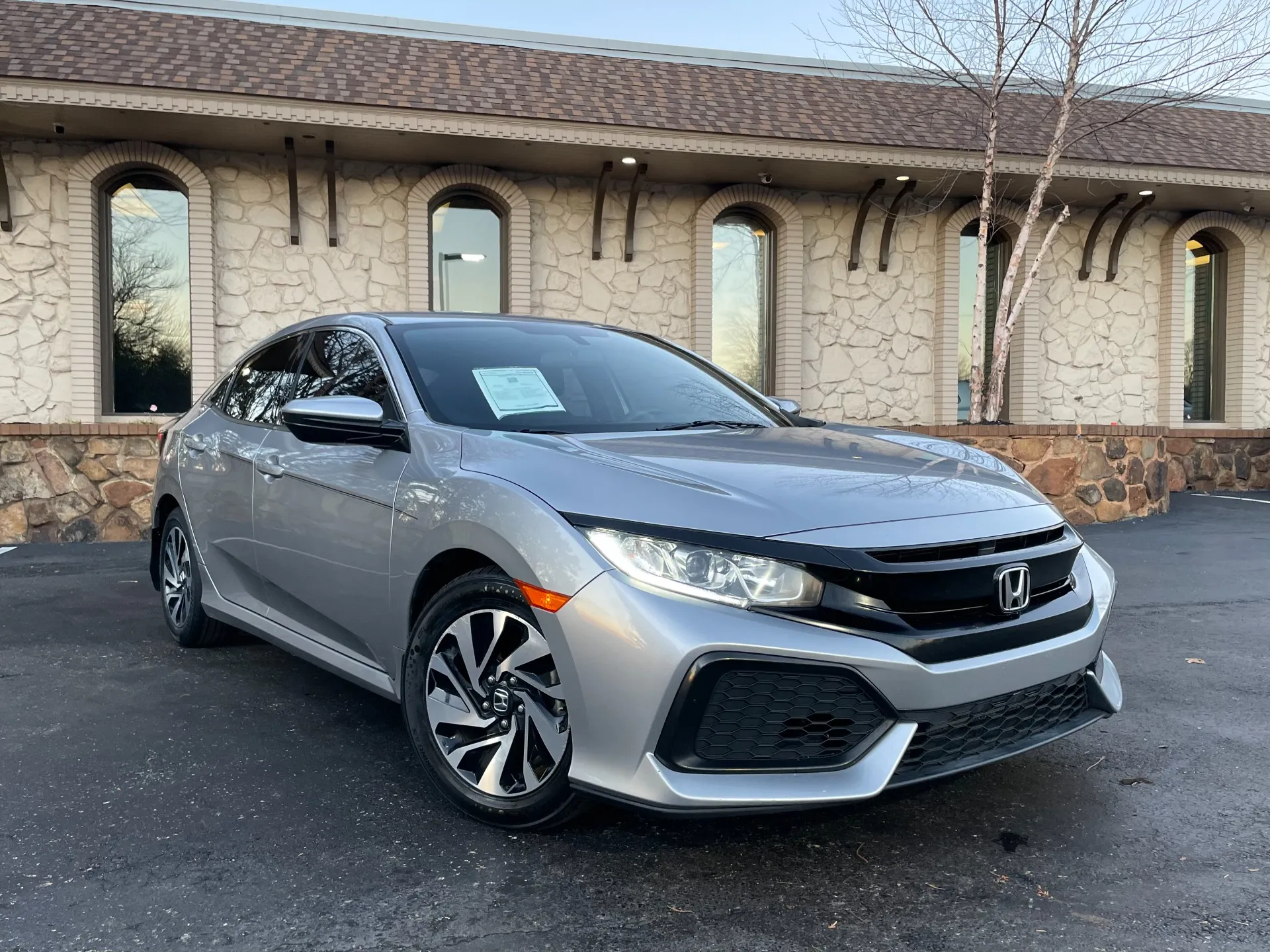
1. Honda Civic (10th and 11th Generation)
The Honda Civic remains one of the most refined compact cars for highway cruising. Its chassis is remarkably rigid for its class, reducing flex and contributing to a composed, planted feel at higher speeds. Unlike some small cars that feel jittery or unsettled, the Civic absorbs road irregularities while maintaining stability.
The suspension is tuned to balance comfort and control; it is firm enough to prevent excessive body roll while soft enough to filter bumps and small imperfections without transmitting harsh feedback into the cabin.
Whether on smooth asphalt or rougher concrete surfaces, the Civic feels confident, encouraging steady cruising with minimal driver effort.
The powertrain complements this composure perfectly. The 1.5-liter turbocharged four-cylinder engine provides strong midrange torque, which allows the vehicle to sustain 80 mph without forcing the engine into a high-rev state.
Even with a CVT, which can sometimes produce a monotonous, droning sensation, Honda’s tuning ensures engine speed remains moderate and predictable.
The turbo engine responds quickly to passing maneuvers or incline demands but returns to a calm, low-rev cruise when no additional power is needed. This balance between flexibility and efficiency makes long highway journeys much more comfortable than one might expect from a compact car.
Inside, the cabin contributes heavily to the sense of serenity. Honda engineers improved sound insulation significantly over previous generations, adding thicker seals around doors and windows and using additional acoustic materials in the floor and firewall.
At 80 mph, wind noise is subdued, tire noise is minimized, and the engine produces a low, unobtrusive hum rather than a harsh buzz. The combination of these elements allows for easy conversation or listening to music without raising the volume.
For passengers, the seats are supportive, with a natural shape that reduces fatigue over long trips, and the climate control system operates quietly, maintaining consistent comfort throughout the cabin.
Finally, the Civic’s balance of refinement, handling, and interior quality makes it one of the best compacts for sustained highway driving. The car communicates confidence through precise steering and stable body motions, so the driver doesn’t feel the need to compensate constantly.
Even though the Civic is not a luxury vehicle, its composure at 80 mph gives the impression of a car in a higher class. It’s a compact that makes long-distance travel feel effortless, which is a rare combination for a vehicle that remains affordable, practical, and efficient.
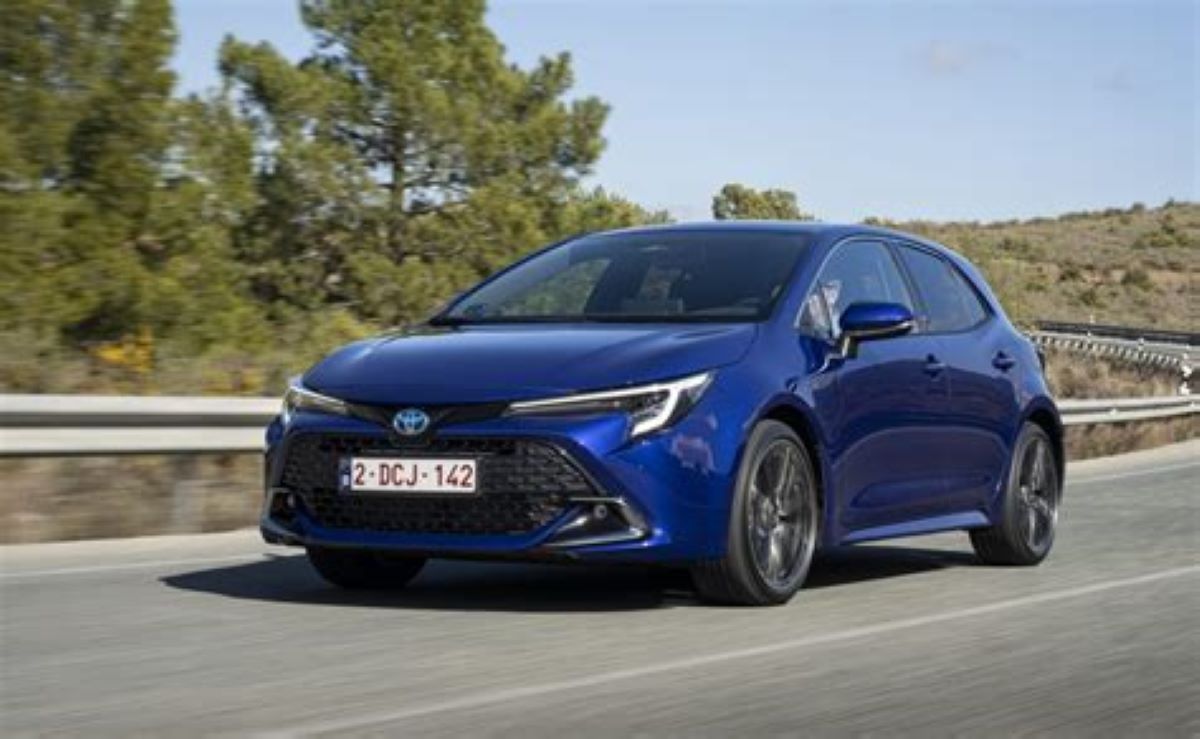
2. Toyota Corolla (12th Generation)
The Toyota Corolla has undergone significant evolution, transitioning from a simple commuter vehicle into a compact sedan capable of relaxed, high-speed cruising. The 12th-generation model benefits from a stiffer chassis and a multi-link rear suspension, both of which contribute to a confident and controlled highway experience.
The car absorbs minor imperfections with ease, yet maintains composure during sudden lane changes or crosswinds.
Its predictable handling makes it easy to maintain a steady lane position at 80 mph, and it resists the nervous twitchiness some small cars exhibit at high speed, creating a serene driving environment.
The engine and transmission play an equally important role in comfort. The 2.0-liter four-cylinder engine produces enough torque to maintain highway speeds without needing to rev excessively.
Paired with a CVT that is carefully tuned to avoid droning, the powertrain achieves a smooth and quiet balance, allowing engine rpm to stay low during steady cruising.
The simulated gear steps within the CVT create a more natural feel, avoiding the rubber-band sensation common to other small cars. Even when accelerating to pass slower traffic, the Corolla responds smoothly and efficiently, then returns to a calm cruise without drawing attention to itself.
The interior refinement further enhances comfort at high speeds. Toyota employs acoustic glass for the windshield and strategically placed insulation throughout the cabin, reducing wind and tire noise.
Seats are shaped to provide support over long distances, while the suspension keeps passengers isolated from minor surface irregularities. At 80 mph, the cabin remains tranquil, allowing both driver and passengers to focus on the journey rather than fatigue from excessive noise or vibration.
Finally, the Corolla’s combination of quiet powertrain, mature chassis, and well-insulated interior makes it ideal for extended highway travel. Its approachable design masks the sophistication under the skin, giving a sense of stability and calm that is uncommon in compact cars.
Drivers can maintain confidence and composure even at sustained high speeds, while passengers experience comfort comparable to some midsize sedans.
The Corolla demonstrates that thoughtful engineering can elevate a simple compact into a vehicle suited for both city and long-distance driving without compromise.
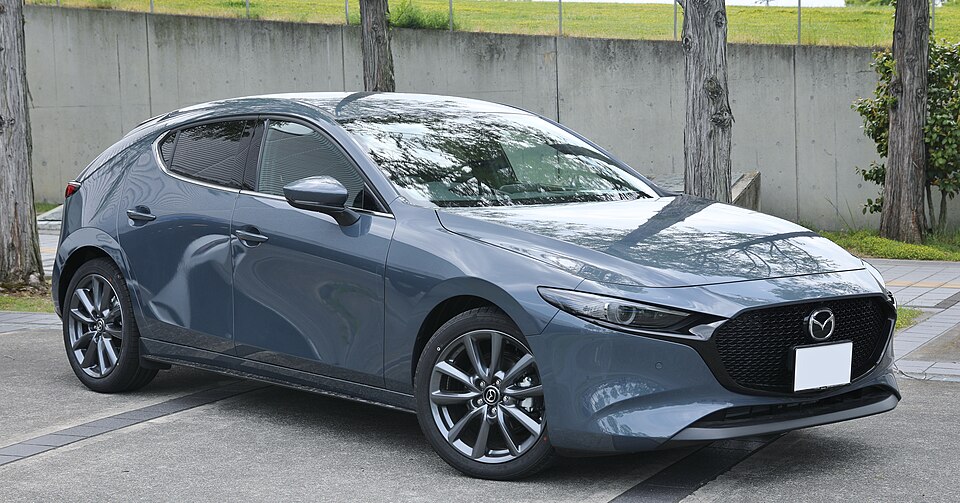
3. Mazda3
The Mazda3 offers a rare blend of engaging dynamics and high-speed refinement that sets it apart from many compact competitors. Its suspension and chassis are finely balanced, allowing it to absorb road irregularities while maintaining precise handling at 80 mph.
Unlike some compacts that feel nervous or floaty on highways, the Mazda3 stays firmly planted, providing the driver with confidence through steering and body control.
The car maintains composure across a variety of road surfaces, and its responsive steering offers reassuring feedback without overburdening the driver with vibrations or harsh inputs.
Powertrain refinement is another major factor in the Mazda3’s calm highway behavior. The 2.5-liter Skyactiv engine provides ample torque for high-speed cruising without demanding high engine rpm.
The six-speed automatic transmission holds ratios intelligently, avoiding CVT-style drone and excessive engine noise.
The interior also reinforces this sense of calm. Mazda prioritizes materials and build quality, employing soft-touch surfaces and attention to detail that limit cabin vibrations. Sound insulation throughout the doors, floor, and headliner reduces wind and road noise, even at 80 mph.
The seats are supportive and ergonomically designed, reducing fatigue for both the driver and passengers. The cabin remains a peaceful environment for conversation, media, or simply enjoying the drive, demonstrating that the Mazda3 is more than just a fun-to-drive compact.
Finally, the Mazda3’s combination of chassis stability, engine smoothness, and cabin quietness allows it to perform on par with larger vehicles in terms of comfort.
It rewards attentive drivers with both confidence and composure while remaining accessible to passengers who prefer a serene highway experience.
Few compact cars manage to strike this balance between dynamic engagement and calm cruising, making the Mazda3 one of the best options for sustained high-speed travel.
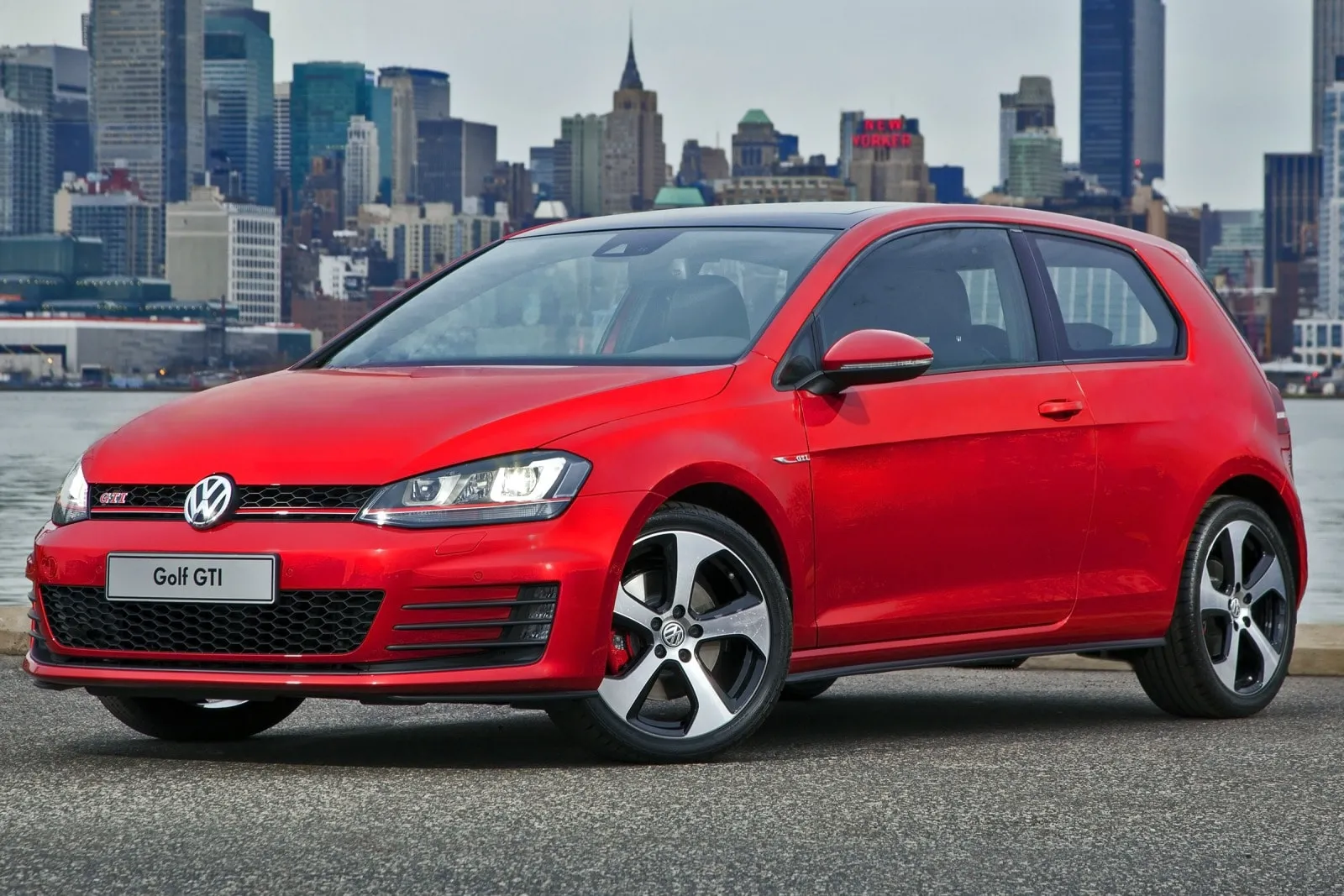
4. Volkswagen Golf
The Volkswagen Golf has long been praised for its composure and refinement, particularly on highways. Its European chassis tuning prioritizes stability and comfort simultaneously, allowing the car to handle 80 mph without the nervousness or harshness often found in smaller vehicles.
The suspension is firm yet compliant, controlling body motions effectively while maintaining a comfortable ride over long stretches. Even under crosswinds or during minor evasive maneuvers, the Golf remains stable and predictable, fostering a sense of calm and control for the driver.
The turbocharged engines further enhance highway cruising comfort. Both the 1.4- and 1.5-liter options deliver torque early, ensuring that the car can maintain speed effortlessly without forcing the engine to work at high rpm.
The dual-clutch or manual transmissions complement this behavior, providing smooth gear changes that avoid abrupt jolts or droning noise. The car feels relaxed yet ready, capable of acceleration when required, yet returning to a near-silent cruise once speed is maintained.
Interior refinement contributes to the Golf’s sense of tranquility. High-quality materials, tight build tolerances, and well-placed insulation reduce rattles and block road and wind noise effectively. The cabin layout is thoughtful and uncluttered, with seats that support extended driving without discomfort.
Occupants enjoy a serene environment, whether talking, listening to music, or simply absorbing the drive. Even with minor bumps or rough pavement, the Golf maintains composure that is rarely matched by small hatchbacks.
Finally, the Golf demonstrates how careful engineering can make a compact car feel much larger than its size. Its combination of chassis stability, engine smoothness, and cabin quietness results in a vehicle that can comfortably cruise for hours at 80 mph.
For drivers seeking a refined, confident, and composed small car for highway travel, the Golf remains a benchmark for what a compact hatchback can achieve in terms of comfort and sophistication.
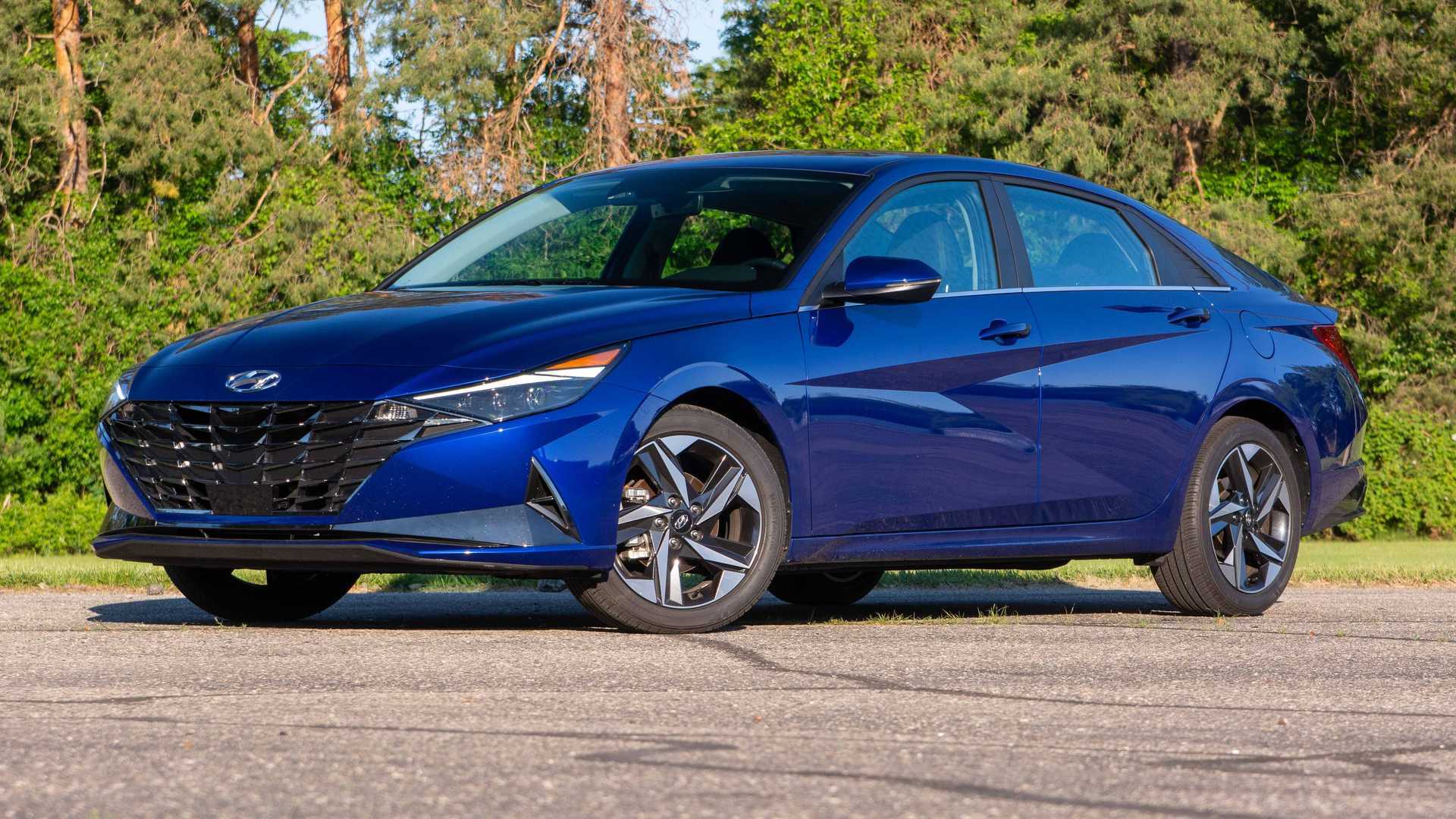
5. Hyundai Elantra (7th Generation)
The Hyundai Elantra has made significant strides in ride quality and highway refinement. Its longer wheelbase contributes to stability, allowing it to feel planted even at 80 mph.
Suspension tuning achieves a balance between absorbing road imperfections and controlling body motions, resulting in a composed, serene ride.
Crosswinds or minor steering corrections do not unsettle the car, and occupants are largely insulated from the typical nervousness of many smaller vehicles at highway speeds. The Elantra maintains a confident, relaxed character that makes extended travel effortless.
The 2.0-liter engine paired with Hyundai’s CVT ensures efficient, smooth cruising. The transmission holds the engine in low rpm ranges during steady highway speeds, while its programming mimics traditional shift points to reduce the rubber-band sensation associated with typical CVTs.
This allows acceleration when passing slower vehicles without inducing excessive noise or vibration, after which the vehicle settles back into a calm cruising state. The powertrain’s quiet operation is particularly important for comfort during long trips, keeping fatigue at bay.
Cabin insulation and refinement reinforce this sense of calm. Acoustic windshield glass, thicker door seals, and improved aerodynamics reduce wind and road noise. Inside, the seats are well-padded and supportive, allowing passengers to remain comfortable over long distances.
The interior materials also resist vibration noise, creating a cabin environment that feels composed and high-quality for its class. Even with multiple occupants, the Elantra sustains a quiet, relaxed atmosphere at sustained highway speeds.
In total, the Hyundai Elantra demonstrates that a modern compact can offer comfort previously associated with larger cars.
Its chassis stability, well-tuned suspension, quiet engine, and thoughtful cabin design create a vehicle that is easy to drive, relaxing for passengers, and well-suited to long highway journeys.
This combination makes the Elantra a strong contender for anyone seeking a compact car that performs at 80 mph without sacrificing comfort, confidence, or composure.
5 Compact Cars That Drone and Buzz at 80 mph
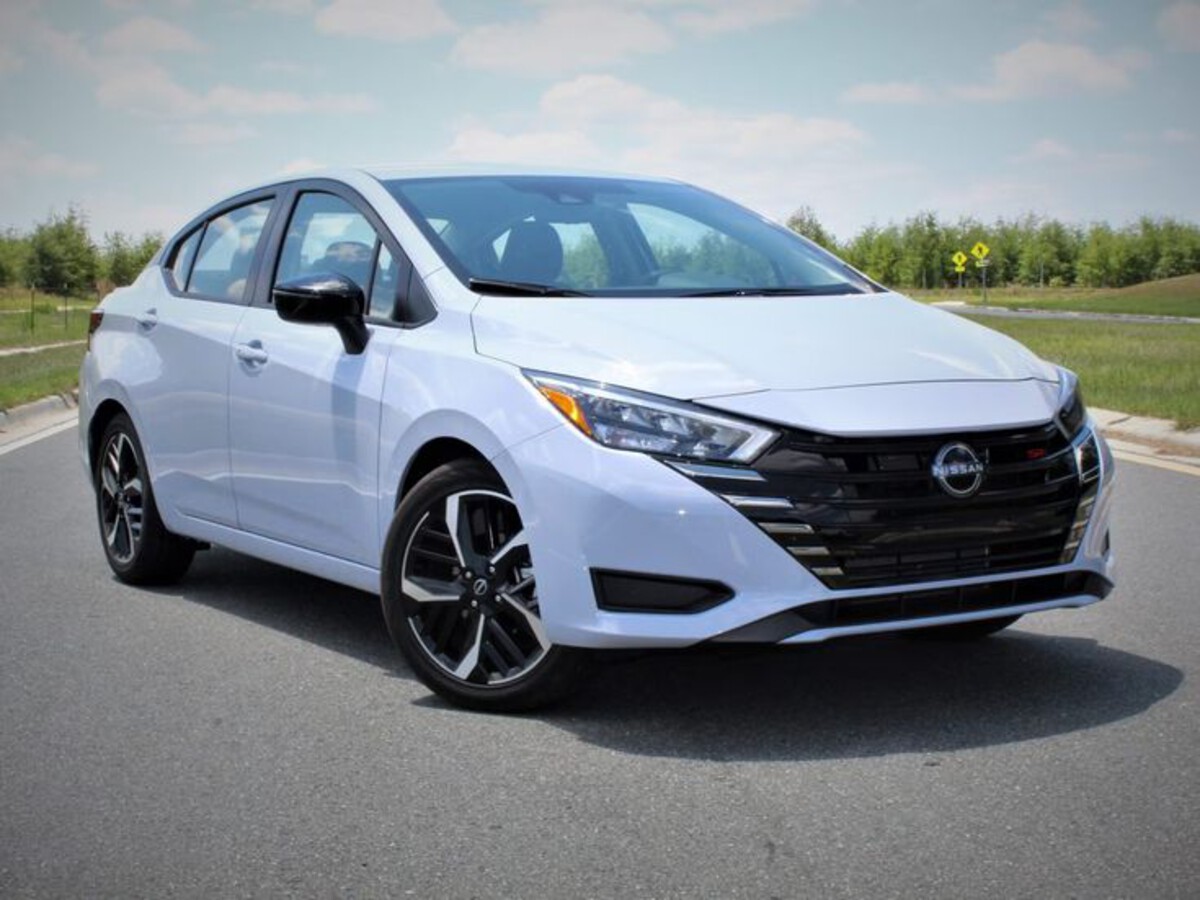
1. Nissan Versa
The Nissan Versa is known for being affordable and efficient, but when it comes to high-speed highway cruising, the compromises become more noticeable. The suspension is soft and oriented primarily toward comfort at lower speeds, which can make the car feel floaty and less controlled at 80 mph.
On rough or uneven highways, the body responds with noticeable pitch and sway, requiring constant micro-corrections from the driver.
This lack of composure can make extended highway driving fatiguing, as even minor surface imperfections are amplified by the chassis, producing a sensation of instability that undermines confidence at high speeds.
The engine, a naturally aspirated three-cylinder or four-cylinder, depending on the trim, is where the droning becomes immediately noticeable. At 80 mph, the engine frequently operates near its higher rpm range, producing a constant hum that can become tiring over long distances.
The CVT, while fuel-efficient, contributes significantly to this sensation, holding the engine in a narrow, high-rev window and producing the rubber-band feeling often associated with cheaper continuously variable transmissions.
Even minor acceleration for passing causes a spike in engine noise that draws attention to the car’s lack of composure, making the drive feel more strenuous than it should.
The cabin does little to isolate passengers from these vibrations and noise. Door and window seals are thinner compared with more refined compacts, and acoustic insulation is minimal. As a result, wind noise around mirrors and tires, combined with engine drone, penetrates the interior at highway speeds.
Road imperfections are transmitted through the floor and seats, adding to the sense of fatigue. Long trips can feel tiring not only for the driver but also for passengers, as the combination of vibration, noise, and chassis instability keeps the cabin from ever feeling calm or composed.
Finally, while the Nissan Versa is undeniably practical and efficient, its highway demeanor emphasizes compromise rather than refinement. The car prioritizes low cost and simplicity, but the resulting drone, buzz, and floaty handling make sustained cruising less enjoyable.
Drivers looking for peace of mind at 80 mph will likely find themselves frustrated with the constant engine noise and the sensation that the car is working harder than it should. For city driving, the Versa performs adequately, but the highway exposes its limitations clearly.
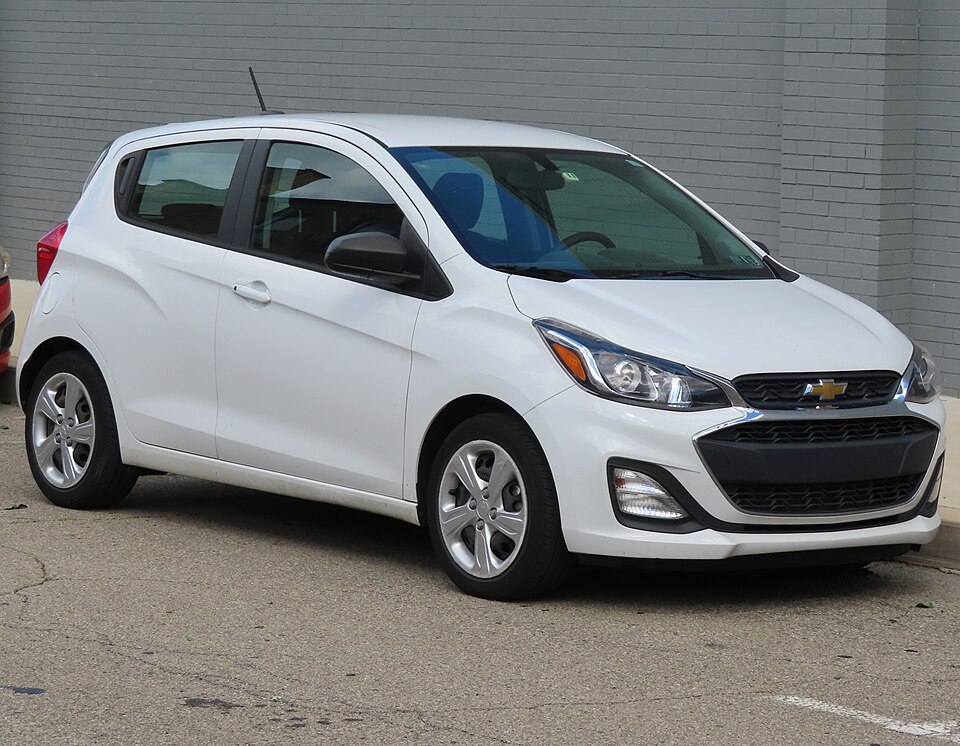
2. Chevrolet Spark
The Chevrolet Spark is one of the smallest vehicles on this list, which is reflected in its highway behavior. At speeds around 80 mph, the car feels light and unsettled, with noticeable body movement that demands continuous attention from the driver.
Its short wheelbase amplifies every bump or imperfection in the road, creating a twitchy, nervous sensation that can be uncomfortable over long stretches. Even in light crosswinds, the Spark requires subtle steering corrections to maintain a straight path, making the act of cruising more demanding than relaxing.
The 1.4-liter four-cylinder engine contributes significantly to the drone that defines the Spark at higher speeds. The engine works hard to maintain 80 mph, particularly when the car is fully loaded, producing a high-pitched whine that resonates through the cabin.
The five-speed automatic, while adequate in city driving, is not tuned for smooth highway efficiency, and its shifts often coincide with sudden bursts of engine noise, drawing attention to the car’s limitations.
Even in lighter trims, the noise remains pronounced, giving the sense that the car is straining to perform rather than cruising effortlessly.
The interior offers minimal sound insulation and limited cushioning, which amplifies the impact of both engine noise and road vibrations. Door panels and window seals do not block wind effectively, and the lightweight body transmits more tire noise into the cabin than more solidly built competitors.
Seats are relatively basic, providing little lateral support or damping, which can lead to discomfort during longer drives. Passengers will quickly notice the combination of noise, vibration, and body motion, resulting in a less-than-relaxing highway experience.
While the Chevrolet Spark is nimble and economical around town, it struggles to provide a refined cruising experience.
The combination of a high-revving engine, minimal insulation, and nervous handling makes it clear that this car was designed primarily for short, urban trips rather than sustained 80 mph highway travel.
For drivers prioritizing efficiency and compact size, the Spark remains a contender, but comfort and composure at higher speeds are compromised.
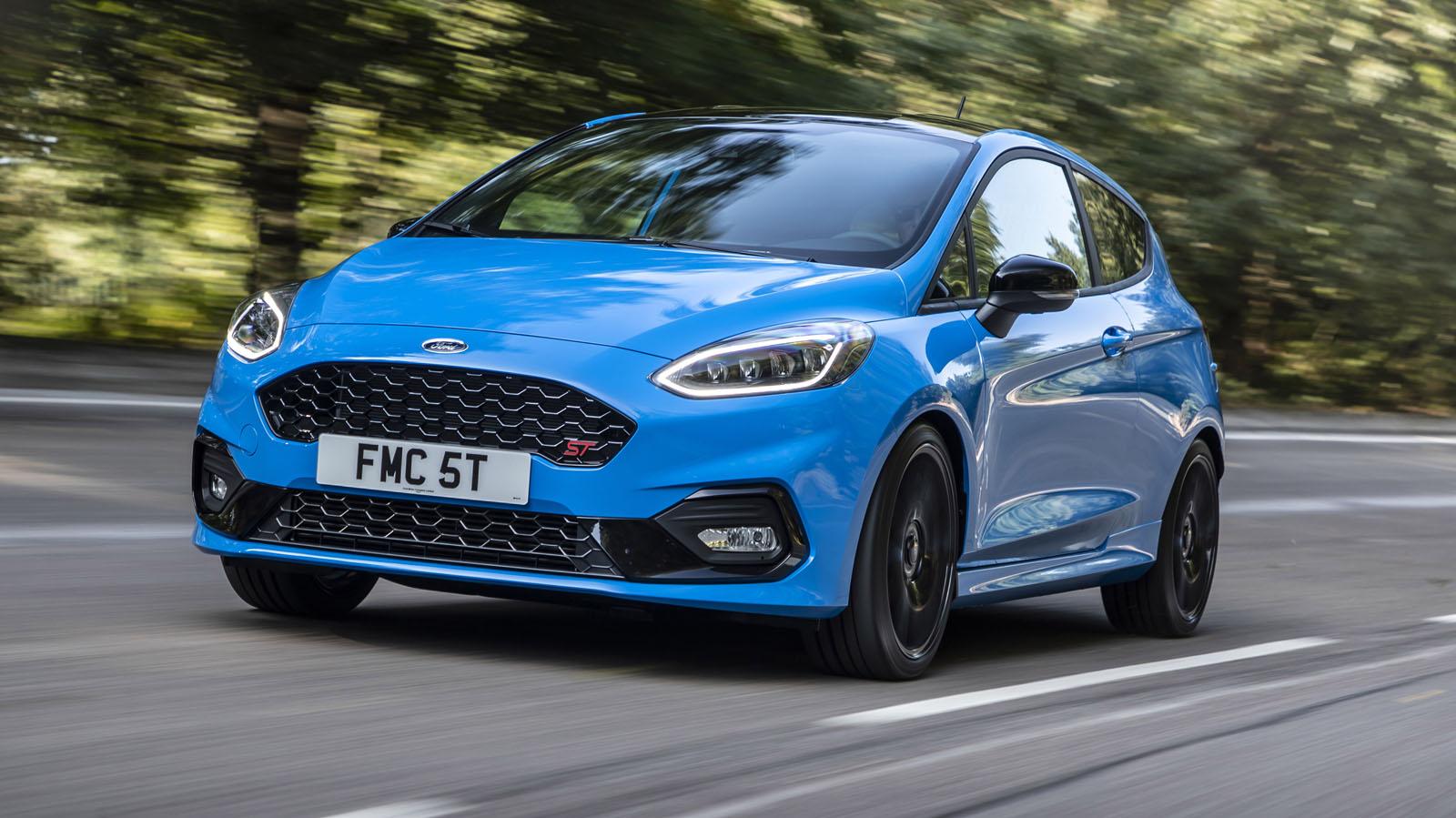
3. Ford Fiesta (Older Generations)
The Ford Fiesta, particularly models from earlier generations, suffers from several traits that make highway cruising at 80 mph less comfortable. The suspension, while sporty in city driving, is tuned with a focus on lightness and agility rather than absorbing imperfections at high speed.
This results in a jarring ride over rougher pavement and a tendency for the body to pitch and react quickly to bumps. For drivers, this can feel unsettling, as constant micro-adjustments are required to maintain lane position and composure, turning what should be a relaxing drive into a more strenuous experience.
Engine noise becomes particularly apparent in the Fiesta at sustained speeds. Most engines in this model lineup are small turbocharged three- or four-cylinder units, which can generate noticeable drone under constant throttle.
The manual or dual-clutch automatic transmissions often amplify this sensation, producing mechanical whines or vibrations at high rpm.
Even without aggressive acceleration, the engine maintains a high-rev cadence at 80 mph, creating an audible background hum that pervades the cabin. Over longer trips, this constant noise contributes to driver fatigue and diminishes the enjoyment of highway cruising.
The interior of the Fiesta, while ergonomically designed, is not optimized for high-speed serenity. Sound insulation is minimal, allowing wind and tire noise to intrude at highway speeds, particularly around mirrors and door seals.
Lightweight materials throughout the cabin can transmit vibrations from the suspension and drivetrain, making the ride feel busier and less composed than in larger or more refined compacts. Seats provide support but lack sufficient cushioning for long stretches, which can exacerbate fatigue for both driver and passengers.
The Ford Fiesta demonstrates how a compact car can feel lively and fun in city or twisty-road environments, yet show its weaknesses when tasked with high-speed cruising. The combination of nervous chassis behavior, engine drone, and cabin buzz emphasizes fatigue over comfort.
Drivers who spend significant time on highways may find the Fiesta taxing at speeds of 80 mph, despite its otherwise appealing urban driving characteristics. The trade-offs in this car highlight the challenge of balancing lightness, economy, and refinement in a small package.
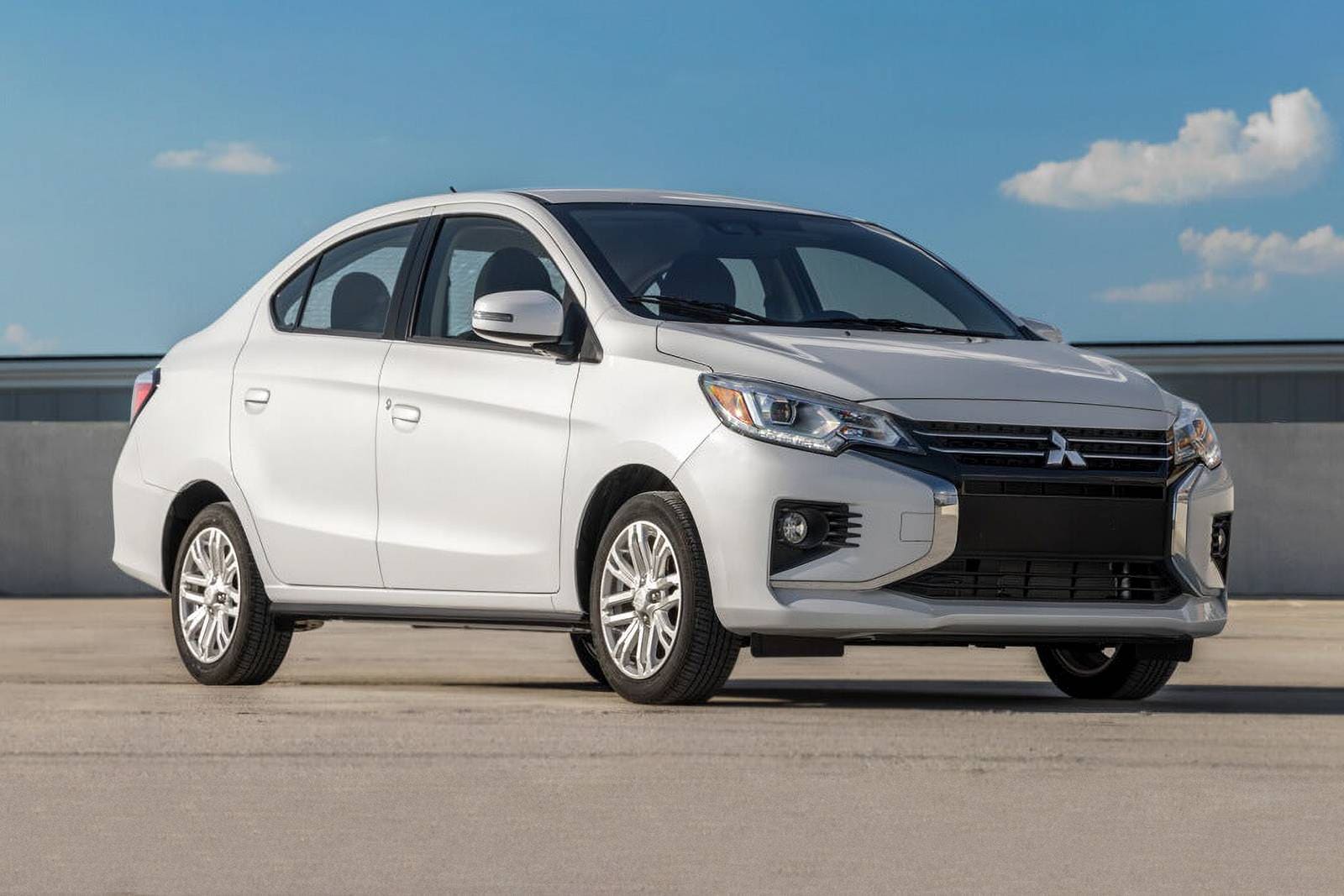
4. Mitsubishi Mirage
The Mitsubishi Mirage is one of the most economical vehicles in its class, but this comes at a cost to high-speed comfort. Its ultra-lightweight body, while aiding fuel efficiency, struggles to feel stable at 80 mph.
The short wheelbase and soft suspension create a floating sensation that is amplified over irregular pavement, giving the impression that the car is wandering slightly on the road.
Crosswinds, passing large trucks, or minor steering inputs require corrections from the driver, making cruising less relaxed than it should be in a modern compact.
The Mirage’s three-cylinder engine, while extremely fuel-efficient, produces a distinctive high-pitched drone at sustained highway speeds. The CVT further accentuates this issue by holding the engine at elevated rpm, generating continuous noise and vibration.
Unlike smoother, more refined CVTs, the Mirage’s unit tends to emphasize the engine’s upper-frequency hum, which can become tiresome over extended trips.
Any attempt at passing or accelerating to merge results in an abrupt increase in noise and vibration, breaking the sense of calm and making the drive feel more laborious.
The interior is also minimally insulated, with thin door panels and floor carpeting that transmit noise and vibration directly to occupants. At 80 mph, wind noise is prominent, particularly around the A-pillars and mirrors
. Seats, though practical and lightweight, offer limited support or damping for long journeys, contributing to physical fatigue for passengers. The cabin layout and materials feel basic, reinforcing the sense that this car is optimized for cost and efficiency rather than sustained comfort.
The Mitsubishi Mirage demonstrates that extreme economy and small size often come with compromises in highway comfort. While it performs adequately for urban commuting and short trips, sustained 80 mph cruising reveals the limitations in both chassis stability and interior refinement.
Drivers who frequently travel long distances may find themselves constantly aware of engine drone, wind noise, and floaty handling, which contrasts sharply with the composure found in more refined compact cars.
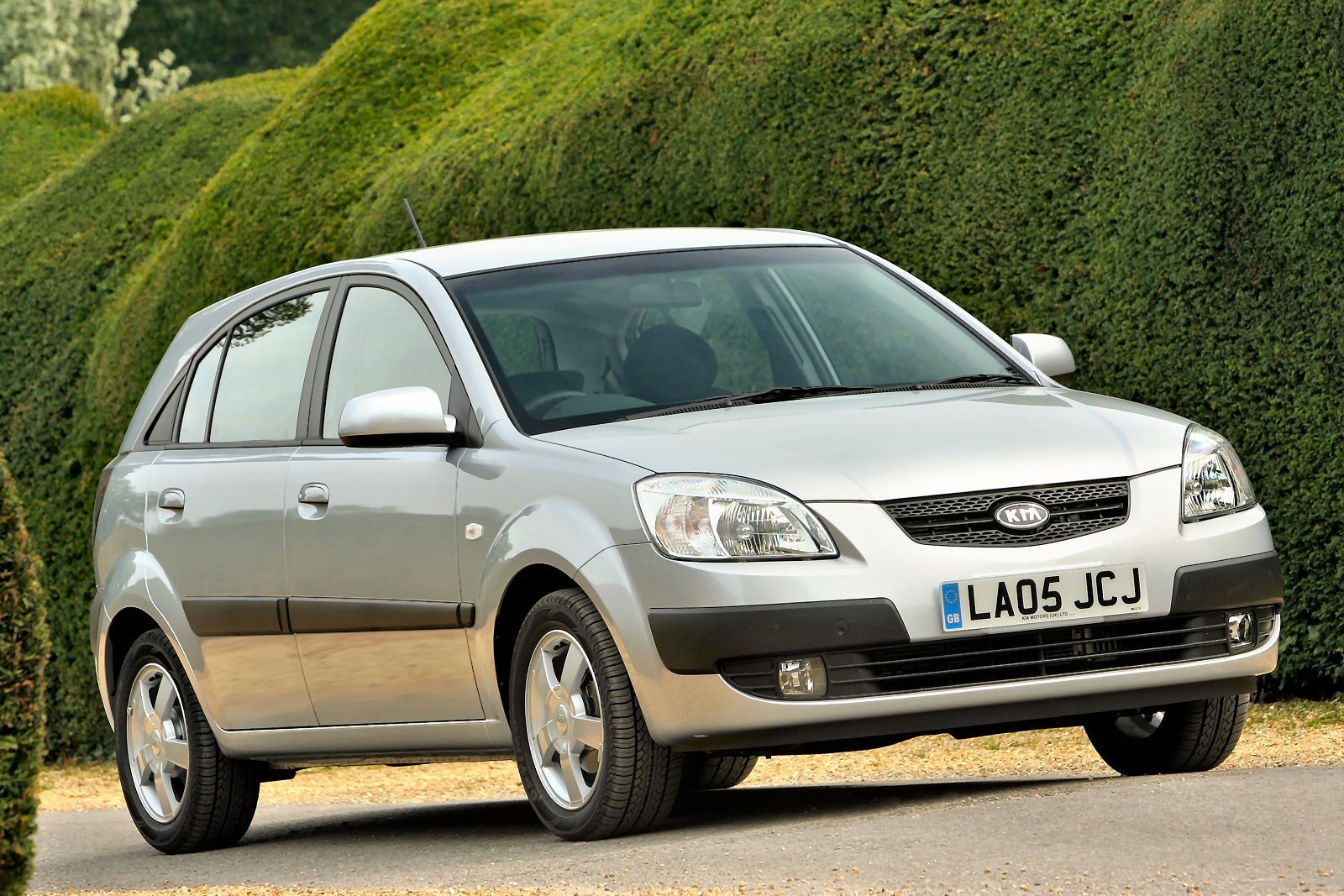
5. Kia Rio (Earlier Generations)
Earlier generations of the Kia Rio provide a clear example of a compact car that struggles to maintain comfort at high speeds. Its suspension, while tuned to offer some cushion over bumps, does not manage body control effectively when cruising at 80 mph.
The car tends to pitch and rock over small imperfections, and minor steering corrections are necessary to maintain a straight line. The combination of soft suspension and light chassis makes the vehicle feel less planted than many competitors, contributing to an impression of nervousness at highway speeds.
The powertrain is another contributing factor to discomfort. The naturally aspirated four-cylinder engine, paired with either a conventional automatic or CVT in later models, produces a constant mechanical drone at higher speeds.
The transmission often holds the engine at elevated rpm to maintain speed, creating a monotonous hum that permeates the cabin.
Acceleration for overtaking results in a noticeable spike in both engine noise and vibration, after which the car gradually returns to its droning state.
This cycle can be mentally fatiguing over long trips, emphasizing the limitations of the powertrain design for extended highway travel.
The interior does little to mitigate these issues. Sound insulation is minimal, and wind noise, particularly around mirrors and the roofline, enters the cabin at noticeable levels.
Road noise from tires is also transmitted directly through the floor, and seats provide only basic support, which can lead to discomfort on longer drives.
The combination of engine noise, cabin buzz, and less effective suspension contributes to a highway experience that feels more labor-intensive than it should be for a modern compact.
The Kia Rio exemplifies the challenges of early-generation compact vehicles when cruising at higher speeds. While functional, efficient, and affordable for city driving, it struggles to maintain composure at 80 mph.
Drivers and passengers are left dealing with persistent engine drone, wind noise, and chassis feedback, which contrasts sharply with the quiet, stable experience offered by more refined competitors. The Rio is a practical vehicle, but highway refinement is not its strength.
