
Air conditioning is a feature that many drivers take for granted, yet its performance can define the comfort of a vehicle, especially in regions with hot climates. While new vehicles typically deliver consistent cooling, the true test comes with age.
After a decade or more, an A/C system may reveal its weaknesses or, conversely, showcase engineering that has stood the test of time. Understanding which SUVs maintain ice-cold air over fifteen years versus those that suffer from failing compressors can save drivers both money and discomfort.
Several factors contribute to the longevity of a vehicle’s air conditioning system, including the quality of components, the design of the compressor, refrigerant handling, and maintenance habits.
High-end engineering and attention to reliability in certain models often result in systems that remain robust even as the vehicle ages.
On the other hand, cost-saving measures in some SUVs can lead to components that degrade prematurely, leaving owners with weak airflow or lukewarm air after a decade of use.
Maintenance plays a pivotal role as well. Proper servicing, such as regular refrigerant checks, cleaning condensers, and replacing worn belts or hoses, can extend the life of a compressor and associated components.
Some SUVs are designed with more forgiving A/C systems, allowing them to tolerate minor neglect and continue performing reliably.
Others are less forgiving, where even minor lapses in maintenance can result in diminished performance over time. Additionally, the type of climate in which a vehicle is used can accelerate wear. Vehicles that spend most of their life in extreme heat or humidity often stress their air conditioning systems more than those in temperate regions.
Beyond mechanical considerations, the build quality of the cabin and insulation also influences perceived cooling performance. Vehicles with better insulation and airflow design tend to retain cooler temperatures more efficiently, even if the compressor output is modest.
Conversely, poor airflow or leaky seals can make even a strong A/C system feel inadequate. Over a fifteen-year lifespan, these factors accumulate, making the difference between SUVs with ice-cold air and those that struggle to maintain comfort. While many drivers focus on engine reliability or drivetrain longevity, the A/C system is equally important for long-term satisfaction.
The purpose of this article is to identify specific SUV models that have demonstrated consistent air conditioning performance over time, as well as those prone to weak compressors.
By highlighting these examples, prospective buyers can make informed choices when prioritizing comfort and reliability. Whether considering a purchase of a used vehicle or evaluating the durability of one already owned, understanding these patterns provides practical insight into the long-term performance of SUV air conditioning systems.
Five SUVs with Ice-Cold A/C Even at 15 Years
Toyota 4Runner
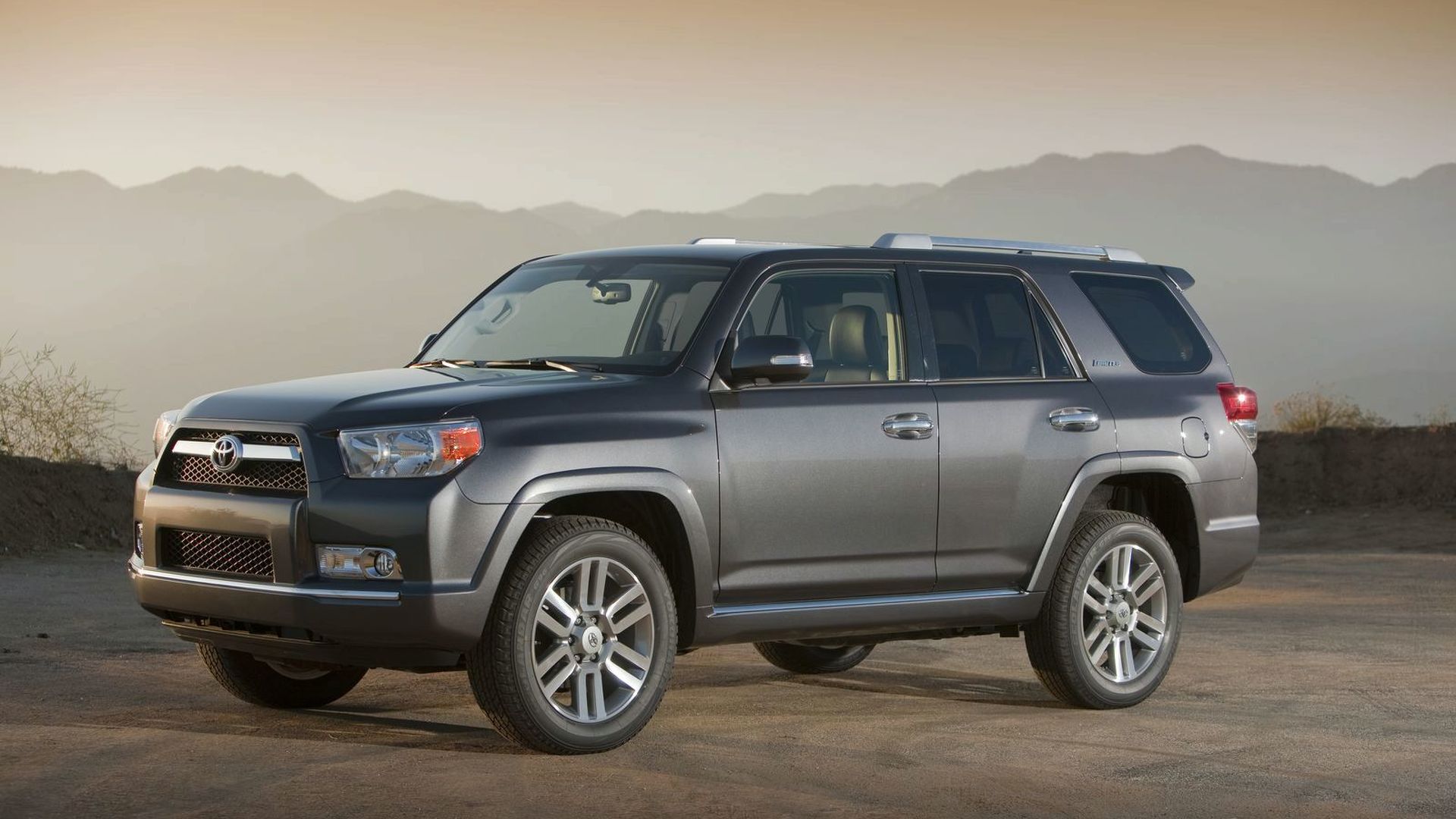
The Toyota 4Runner has earned a reputation for reliability across many facets of vehicle ownership, and its air conditioning system is a key part of that legacy. Even after fifteen years, many 4Runner owners report that the system continues to produce consistent, ice-cold air, a rarity among older SUVs.
The compressor design emphasizes durability, with internal components engineered to resist wear and stress caused by repeated cycling, heat, and vibration. The refrigerant lines are well-insulated and shielded from excessive heat, reducing the risk of leaks or degradation over time, which are common causes of A/C failure in other vehicles.
Moreover, Toyota’s approach to climate control engineering favors simplicity and efficiency, which allows the system to remain dependable without relying on complex electronics or components prone to failure.
The cabin design of the 4Runner also plays an important role in its long-term cooling performance. The interior layout is thoughtfully designed, with vent placement optimized to ensure cold air reaches all passengers efficiently, reducing the need for the compressor to work harder than necessary.
In addition, the combination of high-quality insulation and well-sealed doors helps maintain temperature consistency, keeping the interior cooler for longer periods even during extreme heat.
This design reduces strain on the A/C system and contributes significantly to the longevity of cooling performance, ensuring that even 15-year-old vehicles can deliver comfort comparable to newer models.
Maintenance practices among 4Runner owners further enhance the system’s durability. Enthusiasts often follow recommended service intervals, which include refrigerant inspections, belt checks, and periodic condenser cleaning.
These practices help prevent minor issues from evolving into major problems that could compromise cooling performance.
Additionally, replacement parts for the 4Runner are widely available, reliable, and relatively affordable, making repairs straightforward. Even when a compressor or hose eventually requires attention, the ease of servicing contributes to maintaining consistent cold air output without the prohibitive costs often associated with older vehicles.
Finally, the combination of Toyota’s mechanical robustness, thoughtful cabin engineering, and a culture of attentive maintenance ensures that the 4Runner continues to deliver impressive air conditioning performance over many years.
While many SUVs begin to struggle with A/C after a decade or more, the 4Runner defies this trend. Its system demonstrates a balance of engineering foresight, component durability, and efficiency, allowing owners to enjoy ice-cold air consistently, regardless of the vehicle’s age or mileage.
Honda CR-V
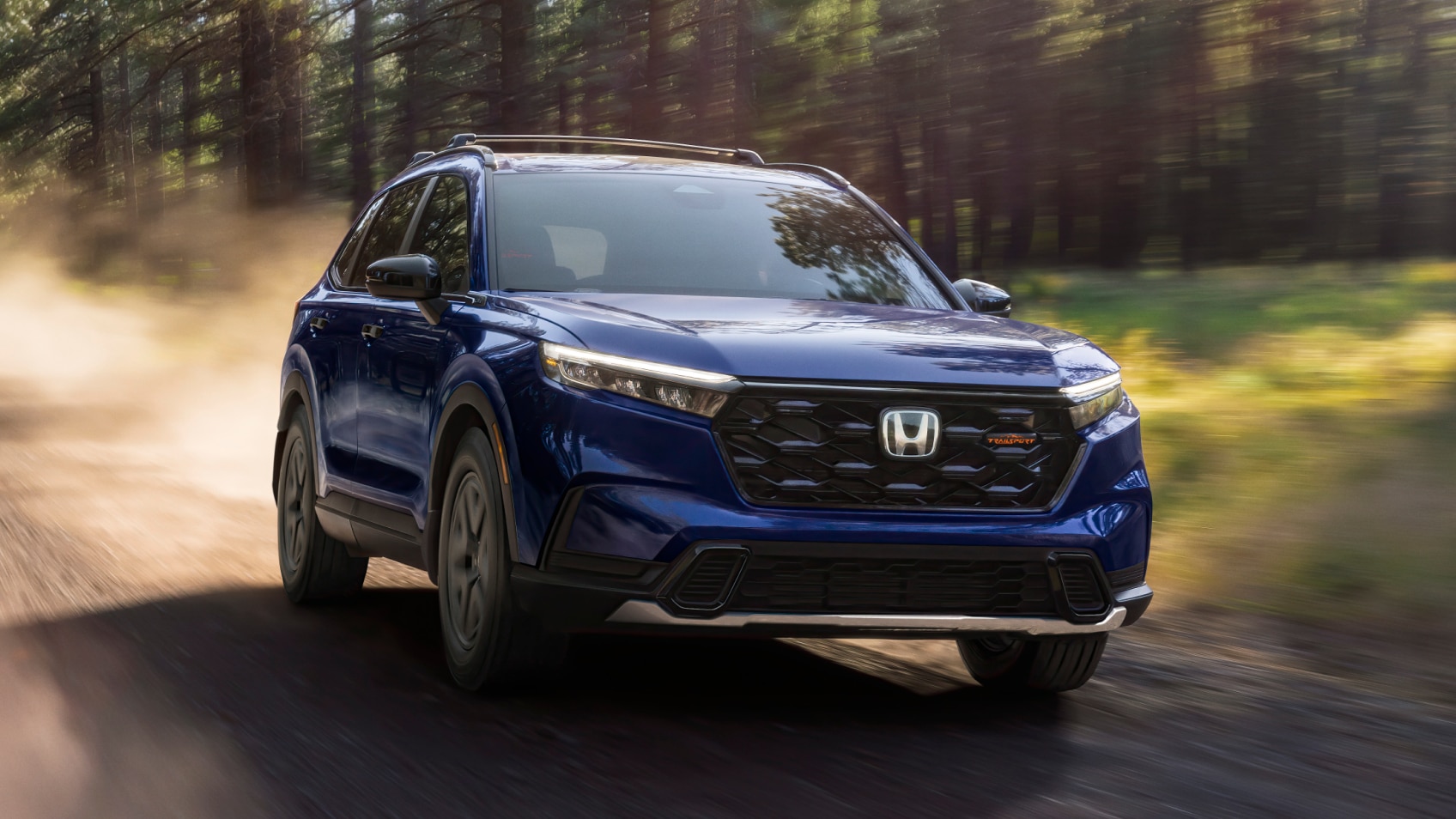
The Honda CR-V is another SUV recognized for its long-lasting air conditioning system. Honda’s engineering approach emphasizes reliability in both mechanical and electronic components, creating a system that remains functional and efficient even after fifteen years of use.
The A/C compressor is designed to operate under a wide range of conditions, maintaining pressure and airflow without excessive strain. Additionally, the refrigerant lines and seals are engineered to resist leaks, which are one of the most common causes of diminished cooling in older vehicles.
Many owners of older CR-V models report that the system still delivers cold air comparable to what it produced when new, demonstrating Honda’s commitment to long-term performance.
Cabin design is another contributing factor. Honda ensures that airflow reaches every corner of the vehicle efficiently, minimizing hot spots and evenly distributing cooled air throughout the cabin. This efficiency prevents the compressor from working harder than necessary, reducing wear over time.
The climate control electronics are also simple yet effective, minimizing the likelihood of sensor failures or malfunctions that can impact A/C output. By combining mechanical reliability with smart airflow design, the CR-V maintains comfort and performance even after a decade of use.
Owner maintenance habits further support the longevity of the CR-V’s air conditioning system. Many CR-V owners are diligent about regular service, including refrigerant checks, compressor inspections, and belt replacements when necessary.
These preventative measures help ensure that minor issues, such as small leaks or wear on moving components, do not evolve into problems that compromise cooling performance.
In cases where repairs are needed, replacement parts are widely available, relatively inexpensive, and straightforward to install, which simplifies maintaining the system’s ice-cold performance.
Finally, the combination of well-engineered mechanical components, efficient cabin airflow, and attentive maintenance culture allows the CR-V to stand out as an SUV that consistently delivers long-term cooling performance.
While many compact SUVs experience declining air conditioning efficiency with age, the CR-V demonstrates that a well-designed system can continue to provide comfort comparable to newer models even after fifteen years, offering peace of mind to owners who value long-term reliability.
Ford Expedition
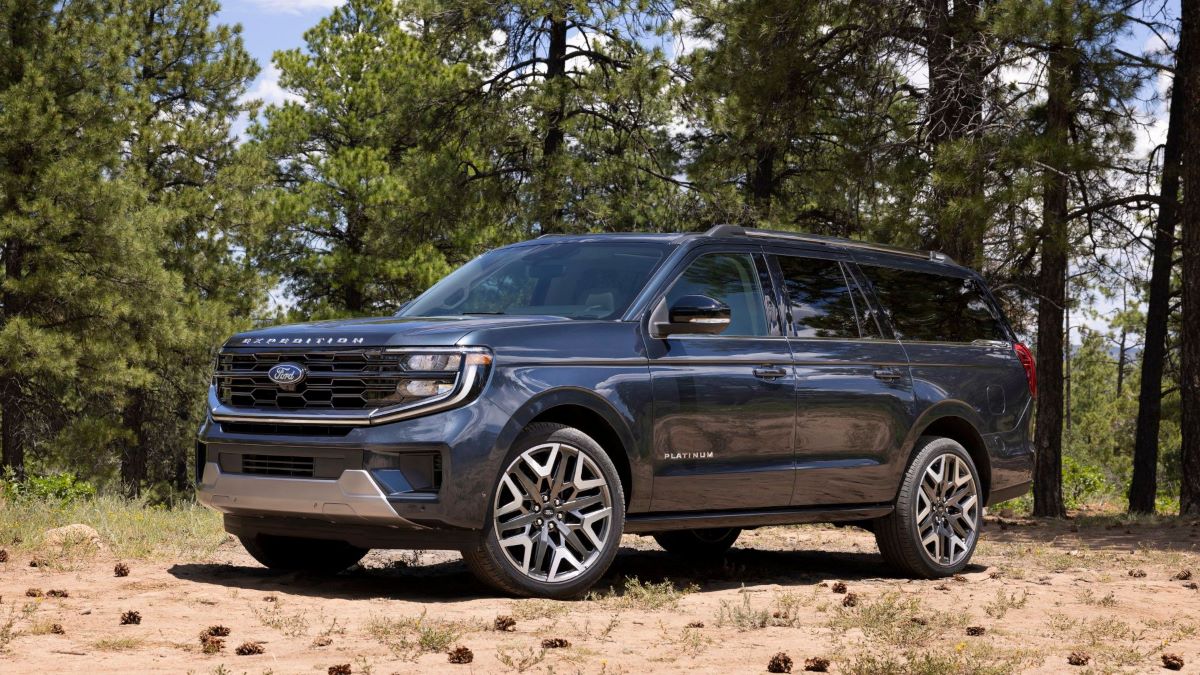
The Ford Expedition is a full-size SUV, and its air conditioning system is designed to handle the challenges of a larger interior while maintaining effective cooling.
The high-capacity compressors installed in the Expedition are robust, capable of sustaining long-term operation without significant wear or loss of performance.
Unlike smaller or more cost-conscious SUVs, the Expedition’s system is engineered to prioritize durability, ensuring that components remain functional even after years of repeated use.
The refrigerant lines, fittings, and valves are also designed to resist leaks and degradation, common failure points in other models. This focus on reliability allows the system to deliver consistent, cold airflow even as the vehicle ages.
Cabin insulation and airflow play an equally important role in long-term performance. The Expedition’s interior materials are designed to retain temperature efficiently, and vent placement ensures that cooled air is distributed evenly to all seating areas. This reduces strain on the compressor and contributes to the system’s longevity.
Additionally, Ford’s climate control electronics are durable and reliable, regulating airflow and cooling cycles effectively over many years. This combination of mechanical and electronic durability ensures that older Expeditions maintain air conditioning performance comparable to newer SUVs.
Owner maintenance habits further enhance the longevity of the Expedition’s system. Many full-size SUV owners perform regular service checks, particularly in hot climates where the A/C system is heavily used.
Preventative maintenance, such as refrigerant top-ups, belt inspections, and condenser cleaning, ensures the system continues operating at peak efficiency.
Even when minor repairs are required, replacement parts are widely available, making it easier for owners to maintain consistent cooling performance without significant cost or effort.
Finally, the Expedition’s combination of high-capacity compressors, efficient cabin airflow, and strong engineering results in an air conditioning system that withstands the test of time.
While many large SUVs struggle with cooling performance after a decade, the Expedition frequently defies this trend, delivering reliable ice-cold air even in vehicles that have seen extensive use. This performance makes it a standout choice for those seeking long-term comfort in a full-size SUV.
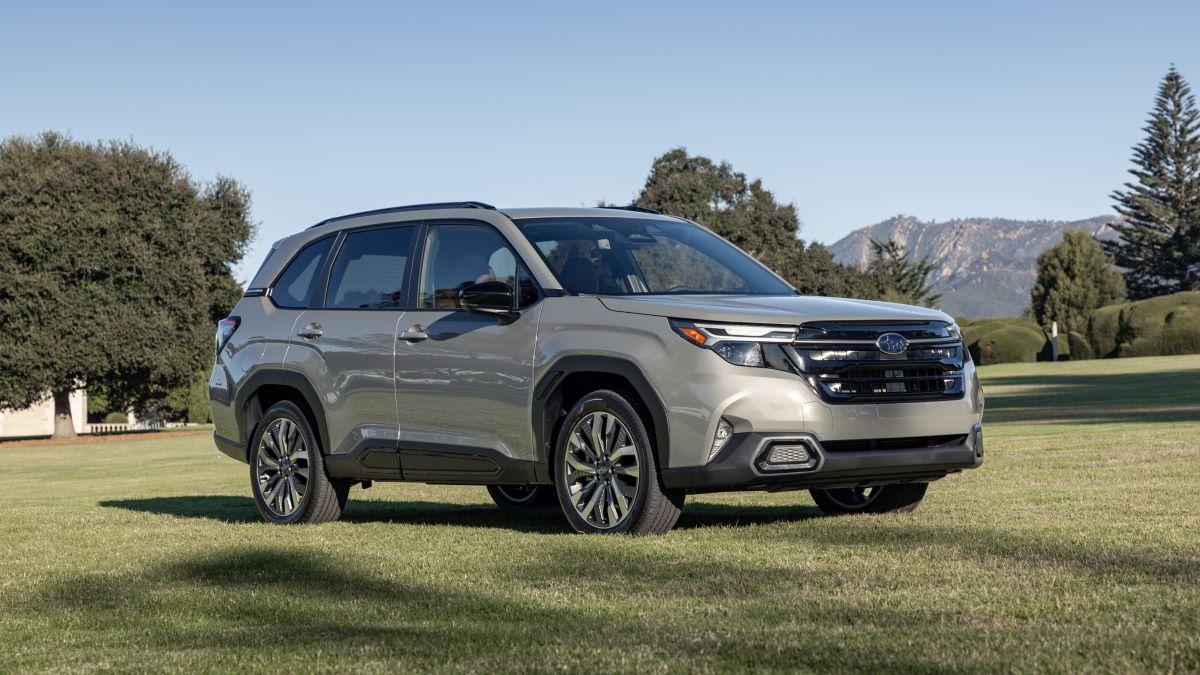
Subaru Forester
The Subaru Forester has earned a reputation for durability and reliability, which extends to its air conditioning system. Subaru focused on building a compressor and refrigerant system that could withstand heat, vibration, and repeated use without degrading.
The components are engineered for longevity, with hoses, seals, and fittings designed to resist leaks and maintain pressure over time. Many Forester owners report that even vehicles with high mileage continue to produce cold air, reflecting the system’s resilient engineering and thoughtful design.
Cabin layout and airflow contribute significantly to the Forester’s long-term A/C performance. Subaru placed vents strategically to ensure consistent air distribution, reducing the likelihood of hot spots that can overwork the compressor.
Efficient airflow minimizes stress on the system, helping preserve compressor life and maintain cooling output. The control system itself is straightforward and reliable, reducing the chance of electronic failures that could compromise air conditioning performance.
Routine maintenance also enhances longevity. Many Forester owners follow manufacturer-recommended service schedules, ensuring that refrigerant levels are maintained and components are inspected regularly. Minor repairs, such as replacing hoses or belts, are straightforward and support continued performance.
The wide availability of replacement parts allows owners to maintain the system without significant expense or difficulty, ensuring that cold air remains consistent over many years.
Finally, the combination of durable mechanical components, efficient cabin design, and regular maintenance results in a Forester that continues to deliver ice-cold air even after fifteen years.
This reliability is particularly impressive given the vehicle’s use in diverse climates and conditions, demonstrating Subaru’s commitment to long-term performance in both mechanical and comfort systems.
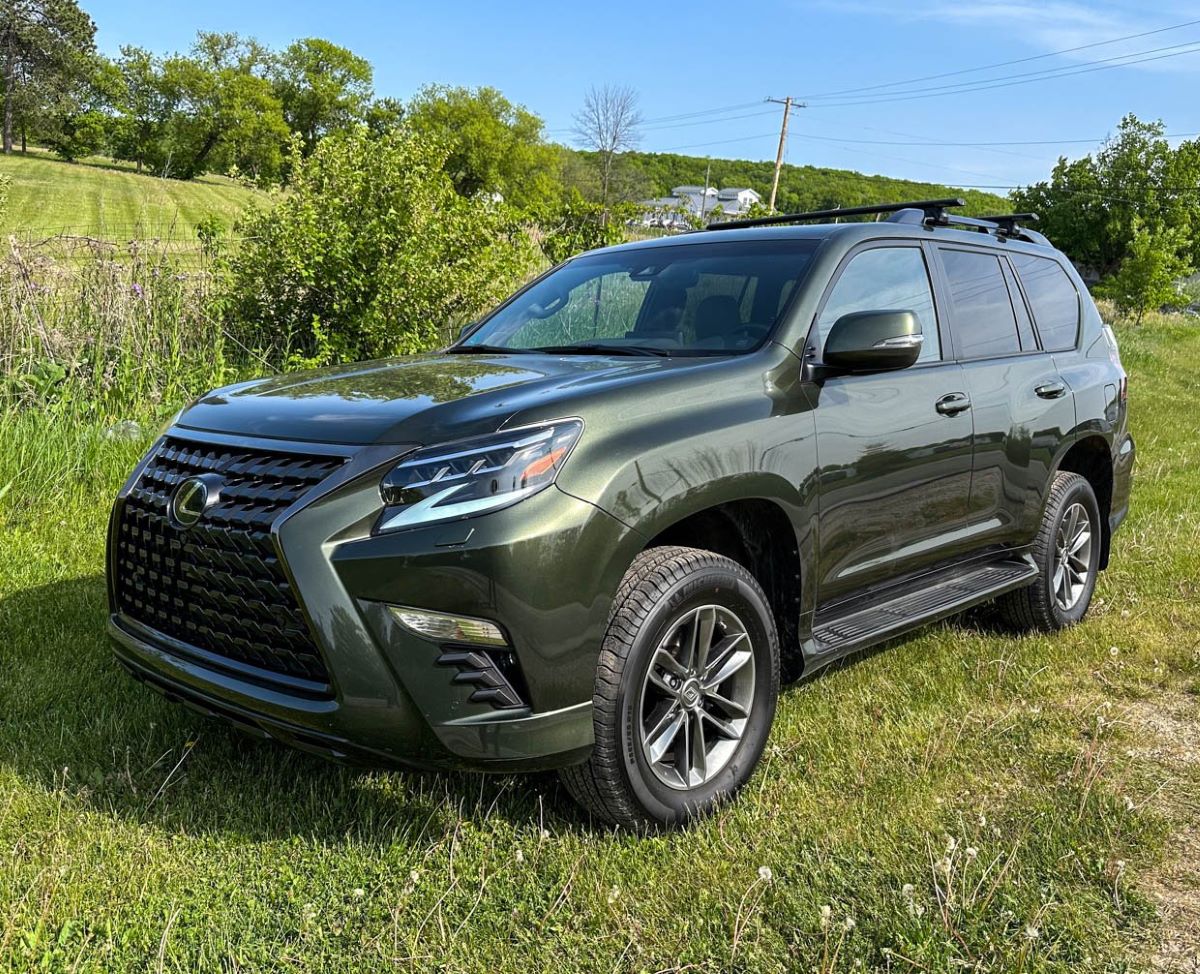
Lexus GX
The Lexus GX represents a premium approach to SUV engineering, and its air conditioning system reflects that attention to detail. High-quality compressors are engineered to resist wear, while reinforced refrigerant lines and fittings reduce the risk of leaks that could compromise cooling performance.
Lexus also incorporates durable climate control electronics and sensors, ensuring the system continues to operate reliably over time. Many GX owners report that their vehicles maintain ice-cold air even after fifteen years, a level of performance that is uncommon in luxury SUVs.
The cabin design enhances the system’s effectiveness. Superior insulation, strategically placed vents, and advanced airflow control allow for even temperature distribution throughout the interior.
This efficiency reduces the load on the compressor and preserves component life. Lexus also incorporates safety measures within the system, such as pressure relief mechanisms, to protect the compressor from overheating or overworking, further contributing to longevity.
Maintenance habits of Lexus owners typically support the durability of the A/C system. Regular service, including refrigerant checks and inspections of belts and compressors, helps maintain performance.
When repairs are necessary, replacement parts are widely available and designed to integrate seamlessly with the existing system. This ensures that even minor component issues can be addressed without compromising cooling performance.
Finally, the combination of premium engineering, effective cabin airflow, and diligent maintenance allows the Lexus GX to consistently provide reliable air conditioning over many years.
Even as the vehicle ages, owners can expect ice-cold air comparable to newer models, making the GX a benchmark for long-term A/C performance in luxury SUVs.
Five SUVs with Weak Compressors and Struggling A/C
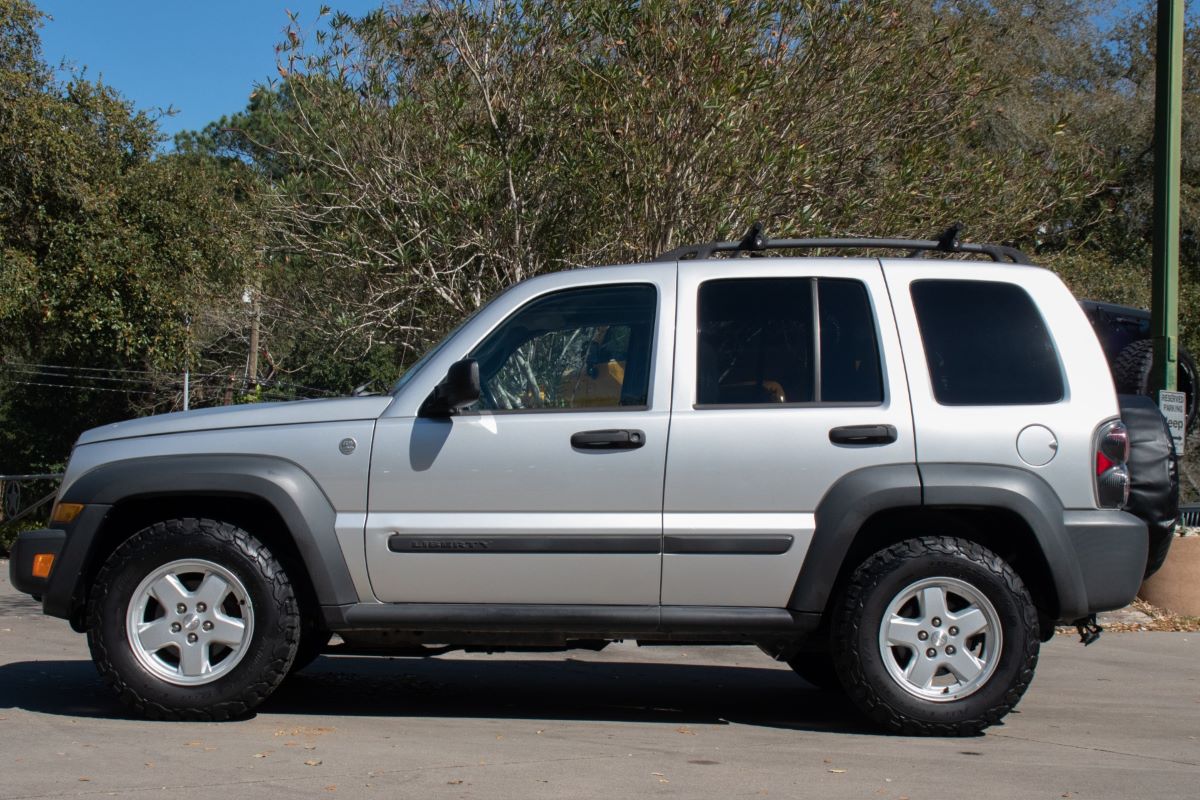
Jeep Liberty
The Jeep Liberty is known for its off-road capabilities, but its air conditioning system often struggles with long-term performance, particularly when vehicles reach the ten- to fifteen-year mark. One of the most common issues reported by owners is a failing compressor.
The original compressors used in many Liberty models were prone to internal wear, which reduces the system’s ability to maintain adequate pressure and consistent airflow.
Over time, this wear leads to lukewarm air output, especially during peak summer temperatures. Additionally, refrigerant lines in the Liberty were sometimes poorly shielded from engine heat, accelerating degradation and the likelihood of leaks, which further diminishes cooling performance.
The design of the Liberty’s cabin and ventilation system contributes to the perceived weakness of the A/C. Air distribution can be uneven, with some vents producing colder air while others remain nearly warm.
This uneven airflow forces the compressor to operate more aggressively to compensate, which only accelerates the wear and contributes to further decline in cooling performance.
Older Liberties often suffer from inadequate insulation and door sealing, which allows hot air to seep in and makes it even more difficult for the system to maintain a cold cabin, particularly in extreme climates.
Maintenance and repair challenges also affect long-term performance. While routine servicing can help extend compressor life, many owners report that even with proper maintenance, the Liberty’s A/C system remains prone to underperformance.
Replacement compressors can be expensive, and the availability of reliable aftermarket components is limited.
Additionally, minor issues such as leaks or worn hoses often require professional intervention, adding to the cost and complexity of keeping the system functional. This makes maintaining consistent cooling in older Liberties a persistent challenge for owners.
Finally, the combination of weak compressor design, less-than-optimal cabin airflow, and sensitivity to heat and wear results in a system that rarely retains ice-cold performance beyond a decade.
While the Jeep Liberty excels in rugged terrain, its long-term air conditioning reliability is a known weakness, leaving many owners struggling with lukewarm air and reduced comfort during hot weather.
This issue is particularly noticeable in vehicles that have experienced heavy summer use or insufficient servicing over the years.
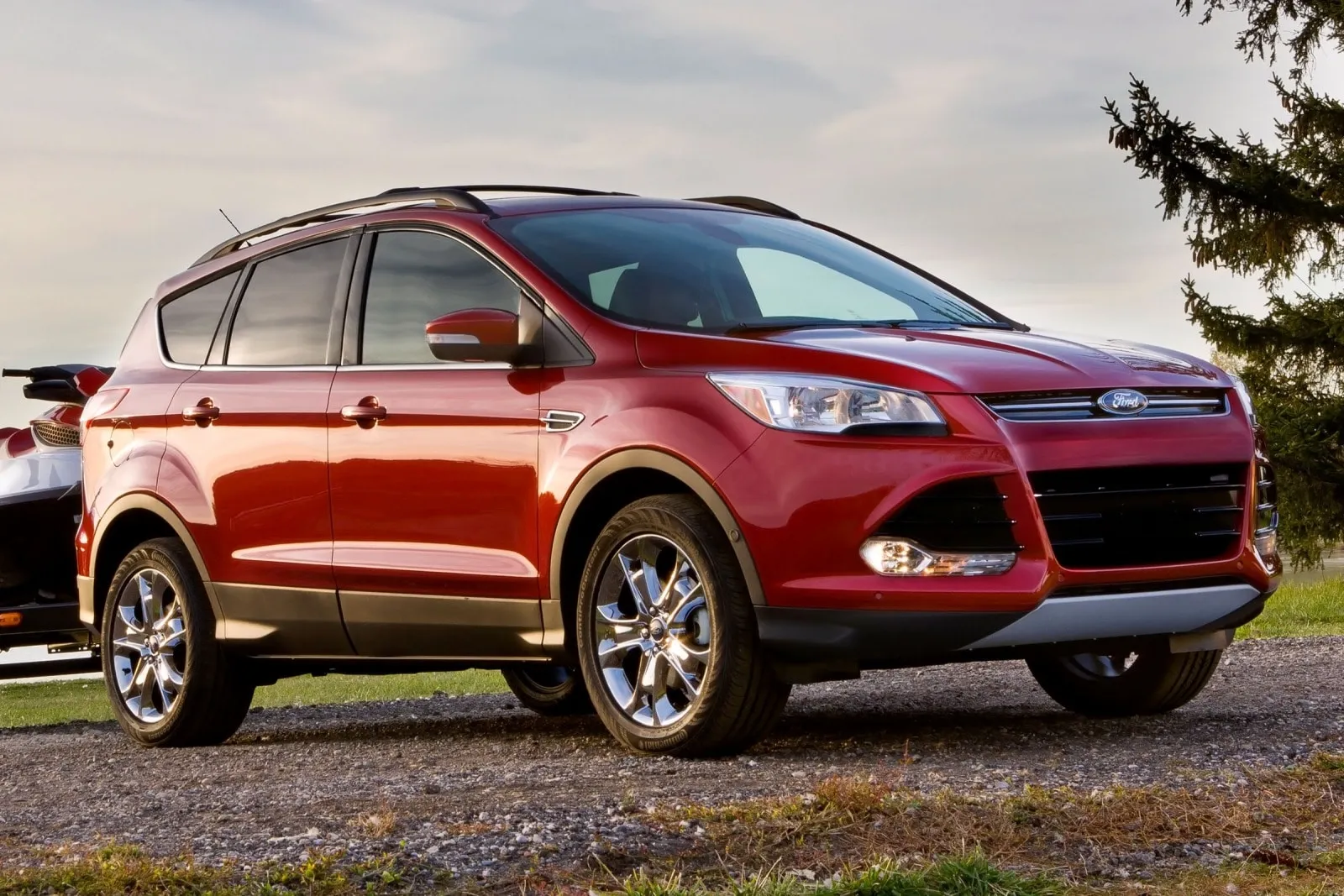
Ford Escape (early models)
Early-generation Ford Escape models are another SUV with a reputation for A/C systems that weaken over time. Many owners report that the compressors in these vehicles are prone to gradual failure, resulting in reduced cooling output or complete loss of functionality after ten to fifteen years.
The system relies on components that are sensitive to heat and vibration, which can accelerate wear in regions with hot summers or rough road conditions.
Additionally, the refrigerant lines in older Escapes were sometimes insufficiently insulated, increasing the likelihood of leaks and pressure loss. This combination of factors often leaves older Escapes struggling to maintain cold air, particularly during extended periods of high-temperature driving.
Cabin airflow in the early Escape is also less efficient than in some modern competitors. Vent placement and airflow distribution were not optimized for even cooling, leading to uneven cabin temperatures and forcing the compressor to compensate.
This increased demand accelerates wear on the system, further reducing its long-term effectiveness. Passengers in the rear seats often report warmer air compared to front occupants, highlighting the system’s uneven performance and contributing to discomfort.
Maintenance practices are critical, but even diligent servicing may not fully resolve the Escape’s A/C weaknesses. While routine refrigerant checks, belt replacements, and minor component repairs can improve performance, many owners still experience diminished output over time.
Replacement compressors can be expensive, and because the system design is somewhat sensitive, even minor leaks or worn hoses can significantly impact cooling performance. This makes maintaining an effective A/C system in older Escapes a recurring challenge, requiring both diligence and investment.
Finally, the combination of inherently weak compressor design, less efficient cabin airflow, and sensitivity to environmental stressors results in early Ford Escapes often struggling to provide consistent cold air over the long term.
Owners frequently report lukewarm air and declining performance, particularly during the summer months. While the Escape remains a popular compact SUV, its aging A/C system is a known drawback for those considering vehicles with more than ten years of use.
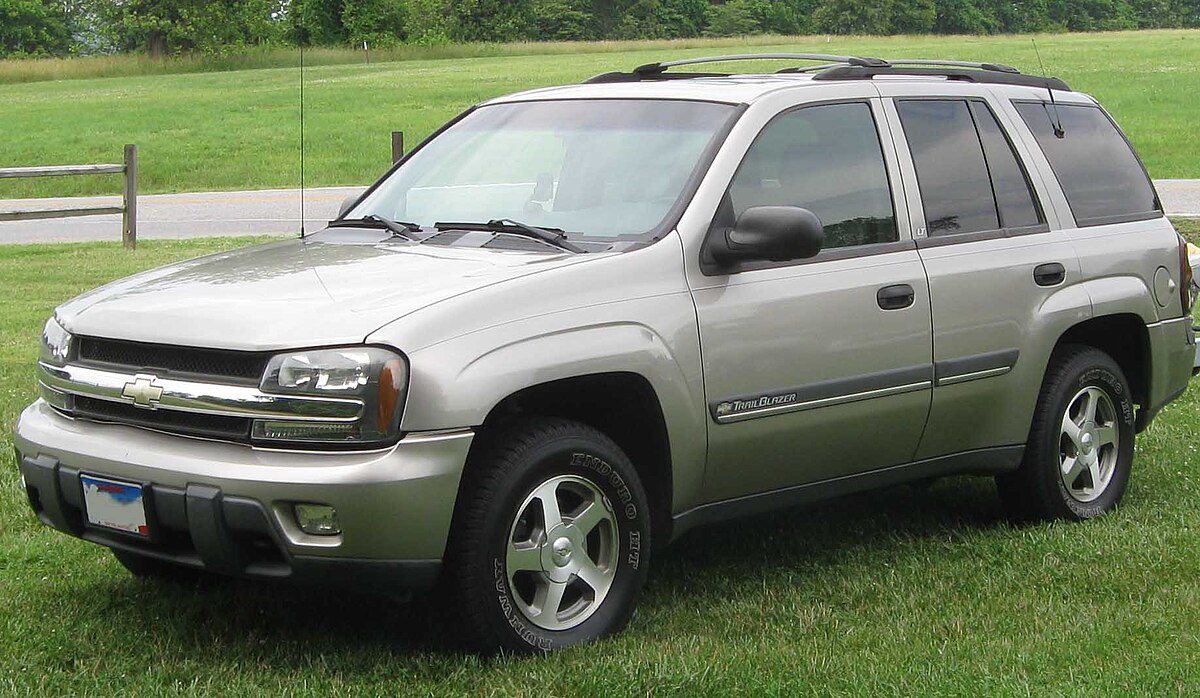
Chevrolet Trailblazer (early models)
The Chevrolet Trailblazer, particularly early-generation models, is another SUV whose A/C system often struggles with age. The compressor in these vehicles is prone to internal wear, which reduces its ability to maintain adequate pressure and consistent cooling.
Over time, this can lead to noticeably weak airflow and a failure to reach cold temperatures during hot weather.
Additionally, the refrigerant lines and seals in the Trailblazer were not particularly robust, making leaks a frequent issue as the vehicle ages. Combined with the system’s sensitivity to heat, these design shortcomings often result in diminished performance after a decade or more of use.
Cabin airflow and interior design further exacerbate the problem. The Trailblazer’s vents are not always well-positioned for even distribution, leading to temperature imbalances throughout the cabin.
Passengers in the rear often experience warmer air than those in the front, and the system must work harder to compensate for hot spots.
This additional workload accelerates wear on the compressor and reduces cooling efficiency. Older models also have insulation that is less effective than modern SUVs, allowing more heat to penetrate the cabin and further reducing perceived air conditioning performance.
Maintenance is crucial for prolonging A/C life in the Trailblazer, but even consistent upkeep may not fully resolve inherent weaknesses. Routine checks of refrigerant levels, belts, and hoses can prevent minor issues from becoming major problems, but the design limits the system’s long-term resilience.
Replacement compressors can be costly, and due to the system’s sensitivity, minor leaks often result in significant drops in performance. Owners frequently report lukewarm airflow despite maintaining a proper service schedule, highlighting the system’s struggles as the vehicle ages.
Finally, the combination of weak compressor design, uneven cabin airflow, and sensitivity to heat and wear means that the Trailblazer’s A/C system is unlikely to retain optimal performance beyond ten to fifteen years.
While the vehicle is popular for its size and versatility, its aging air conditioning remains a common complaint, leaving many owners seeking costly repairs or enduring diminished cooling during hot weather.
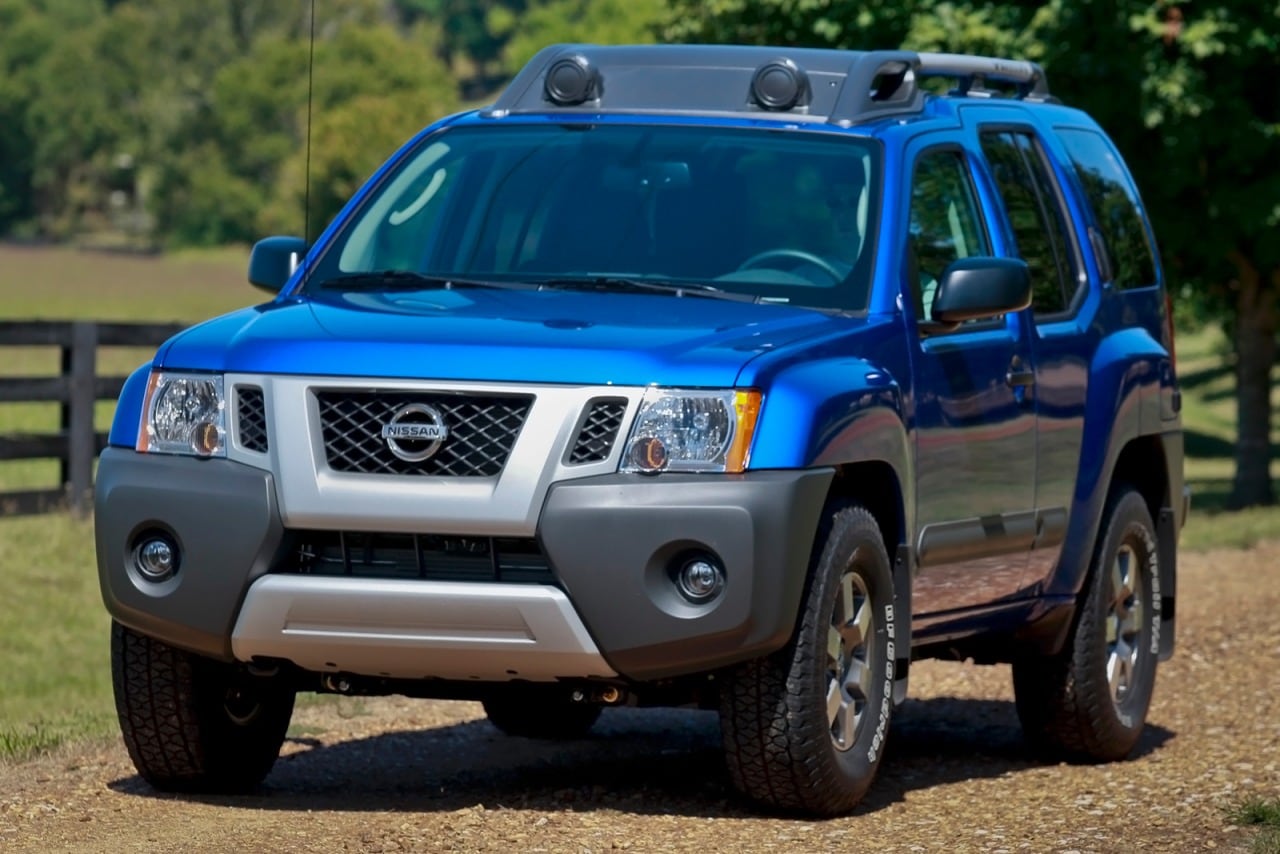
Nissan Xterra
The Nissan Xterra is recognized for rugged off-road performance, but its long-term A/C reliability is less impressive. Many Xterra owners report that compressors tend to weaken with age, leading to reduced cooling performance over time.
The system is prone to leaks and pressure loss, particularly in vehicles that have seen heavy use or operate in hot climates. Refrigerant lines and fittings are vulnerable to wear, which further exacerbates declining performance.
As a result, older Xterras frequently struggle to maintain consistent cold air, leaving passengers uncomfortable during long summer drives.
Cabin airflow also contributes to the system’s struggles. The interior layout and vent placement often result in uneven air distribution, creating hot spots that the compressor must compensate for.
This increases strain on the system and accelerates wear on the compressor, reducing long-term efficiency. Additionally, the Xterra’s insulation and interior sealing are less effective than in other SUVs, allowing heat to penetrate more easily and reducing the effectiveness of the A/C system.
Maintenance can help mitigate some issues, but even well-maintained Xterras often experience declining performance after a decade of use.
Routine refrigerant top-ups, belt inspections, and minor component replacements can prolong compressor life, but the inherent design weaknesses often prevent the system from reaching the level of performance seen in more durable SUVs.
Repairs can be challenging, as replacement compressors are expensive and sensitive to installation errors, further complicating efforts to restore cold air.
Finally, the combination of weak compressor design, uneven airflow, and sensitivity to heat means that the Xterra’s air conditioning system rarely retains optimal performance after ten to fifteen years.
While the vehicle excels in off-road conditions and rugged environments, owners must often contend with lukewarm air and inconsistent cooling, making long-term comfort a concern for those relying on the A/C system in older models.
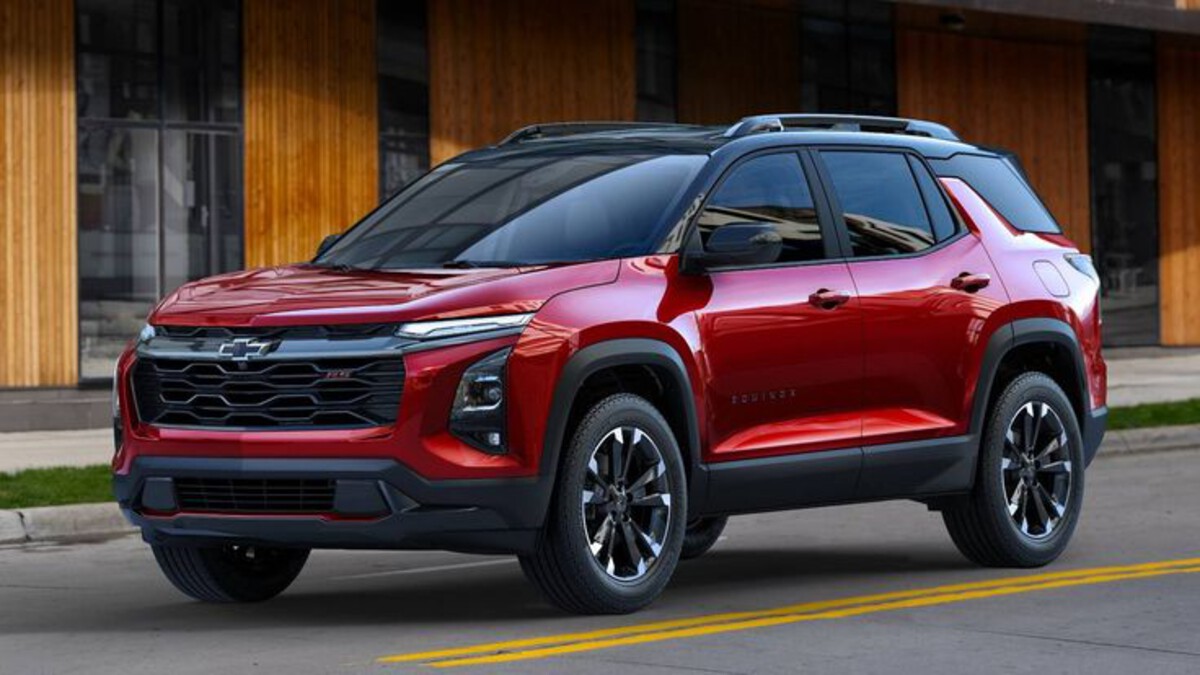
Chevrolet Equinox (early models)
Early Chevrolet Equinox models are frequently cited for A/C systems that lose effectiveness over time. The compressor used in these vehicles tends to wear down with age, reducing its ability to maintain proper pressure and airflow.
This results in lukewarm air output, particularly during hot summer months. The refrigerant lines and seals were not particularly robust in early Equinox models, which increases the likelihood of leaks and loss of refrigerant.
Over time, these weaknesses compound, leaving older Equinox SUVs struggling to provide the same cold air as when they were new.
Cabin airflow in the Equinox can also be inconsistent, further limiting cooling effectiveness. Vent placement and airflow design in older models often result in uneven temperatures, creating hot spots that require the system to work harder.
This additional strain accelerates compressor wear and contributes to declining performance over time. Furthermore, the interior insulation in early Equinox models is not particularly effective, allowing external heat to influence cabin temperature and exacerbating perceived A/C weakness.
Maintenance practices can help prolong the life of the A/C system, but they do not fully compensate for the inherent design limitations.
Routine checks and servicing can prevent minor issues from worsening, but many owners still experience diminished output after ten or more years of use.
Replacement compressors are available but often costly, and the system’s sensitivity to minor leaks or component wear means that restoring optimal performance can be challenging and expensive.
Finally, the combination of weak compressor design, inefficient cabin airflow, and sensitivity to heat means that the early Chevrolet Equinox struggles to maintain reliable cooling over the long term.
While the vehicle remains a popular compact SUV, its aging A/C system is a known weakness, leaving many owners facing lukewarm air and diminished comfort during hot weather, particularly as the vehicle surpasses a decade of use.
