
Modern vehicles are often judged not only by their performance and aesthetics but also by their environmental impact.
One of the key indicators of a car’s environmental performance is how it manages emissions over time. Regulatory agencies have developed stringent testing methods to ensure vehicles maintain low levels of harmful pollutants throughout their operational life.
For car owners, the ability of a vehicle to pass emissions inspections years after its initial release is an important factor. Vehicles that maintain low emissions over a decade or more demonstrate robust engineering, high-quality materials, and durable emission control systems.
Conversely, some cars may struggle to meet these standards as they age, due to design limitations, component wear, or more complex monitoring systems that fail to function correctly.
These discrepancies often become apparent during mandated emissions testing, where inspectors measure pollutants such as hydrocarbons, carbon monoxide, and nitrogen oxides, while also checking onboard diagnostic monitors to ensure emission-related systems are operating correctly.
Vehicles that maintain emissions compliance at the fifteen-year mark often reflect a combination of simplicity in design, reliable engine management systems, and durable catalytic converters.
Older vehicles that continue to pass inspections are frequently praised for their predictability and ease of maintenance, as replacement parts are available and less specialized knowledge is needed for repairs.
Owners of these vehicles can enjoy extended usability without the frequent frustration of inspection failures. On the other hand, vehicles that struggle to set monitors or fail emissions tests often present a different set of challenges.
Their onboard diagnostic systems may become overly sensitive or require long, specific driving cycles to fully self-check, making it difficult for the vehicle to meet regulatory requirements.
In addition, complex turbocharged engines, direct injection systems, or hybrid drivetrains may introduce variables that affect long-term emissions performance, including increased wear on oxygen sensors or particulate filters.
Understanding the differences between vehicles that excel in longevity and those that face monitoring issues is essential for buyers, mechanics, and regulators, especially as environmental standards continue to evolve.
Consumer experiences also highlight the practical implications of emissions longevity. Vehicles that consistently pass inspections often allow owners to plan long-term maintenance schedules without the stress of unpredictable failures.
They provide a sense of reliability that extends beyond just emissions compliance; these vehicles typically exhibit lower mechanical issues as well.
Conversely, cars that struggle to set monitors or fail to meet monitors thresholds can create frustration and increased costs for owners.
Beyond mechanical and electronic challenges, these vehicles can present environmental concerns if owners are unable to maintain compliance, leading to higher emissions over time.
Choosing vehicles with proven long-term emissions performance is therefore not only an economic decision but also an environmental and regulatory consideration.
Finally, the contrast between cars that continue to meet emissions standards and those that struggle underscores the role of engineering philosophy, quality control, and technological evolution.
Older vehicles that were over-engineered with simpler emission control strategies tend to be more forgiving over time, whereas modern vehicles often rely on intricate electronics that are sensitive to even minor component degradation.
As regulations become more stringent, understanding the factors that contribute to long-term compliance becomes increasingly important for car owners, mechanics, and policymakers alike.
This article examines examples of both categories, highlighting vehicles that maintain emissions standards at fifteen years of age and those that face challenges in completing or setting emissions monitors.
Five Cars That Consistently Pass Emissions at 15 Years
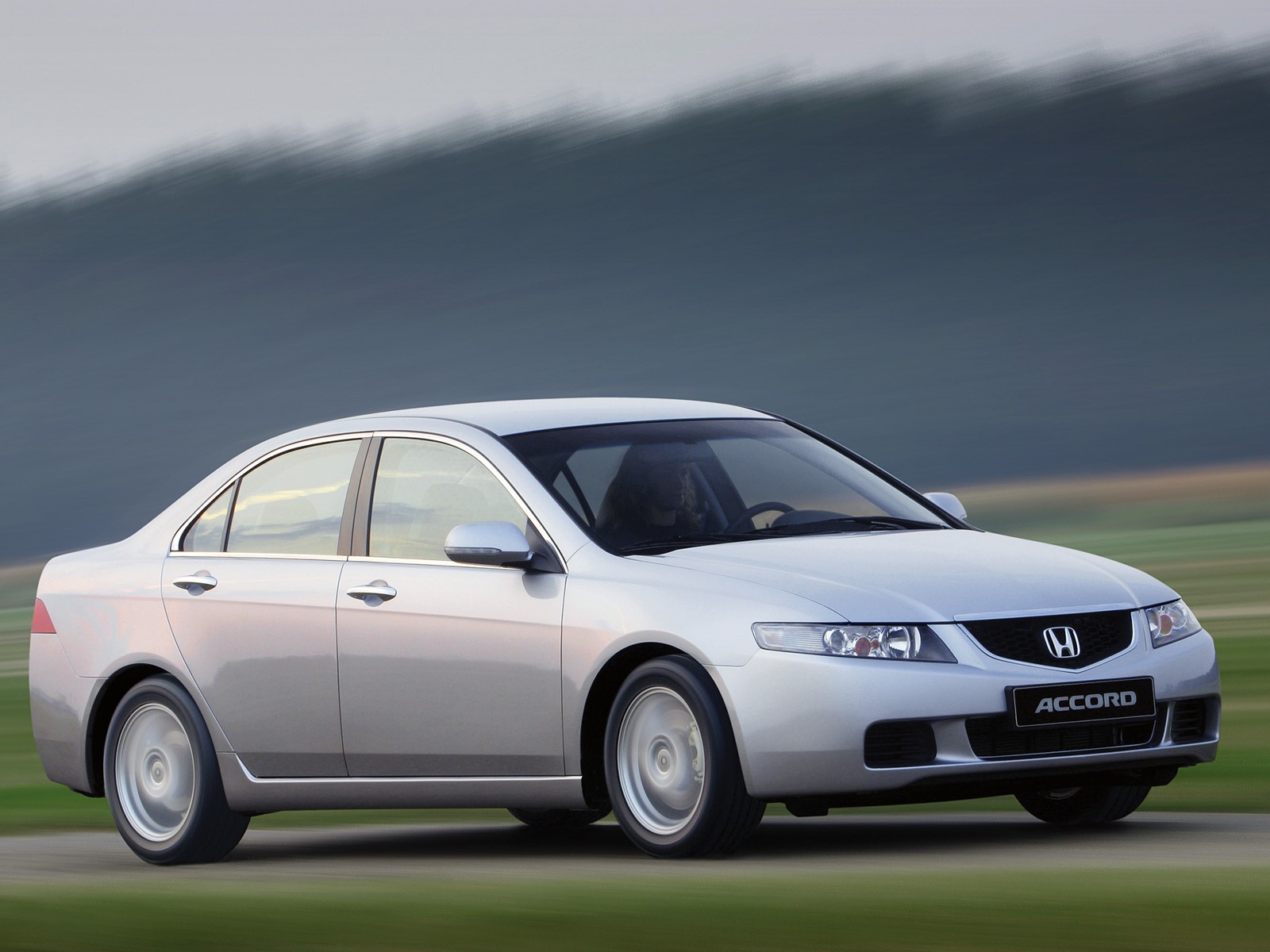
1. Honda Accord (2003–2007 Models)
The Honda Accord has long earned a reputation for reliability, and one of its standout qualities is the ability to maintain emissions compliance even fifteen years after its manufacture. Early 2000s Accords, particularly those with four-cylinder engines, demonstrate exceptional longevity in emissions-related components.
This durability arises from Honda’s focus on building engines with straightforward yet robust designs. The oxygen sensors, catalytic converters, and EGR systems used in these models are engineered to withstand years of thermal cycling and vibration without significant performance degradation.
Owners often report that these components last far longer than the recommended replacement intervals, contributing to a smooth and trouble-free experience during emissions inspections.
Unlike some vehicles that fail inspections due to worn sensors or clogged catalytic converters, Accords generally pass without additional preparation.
The naturally aspirated engine designs in these Accords are another key factor in their long-term emissions success. These engines run with consistent combustion patterns and stable air-fuel ratios, which reduce the production of hydrocarbons and carbon monoxide over time.
Catalytic converters in these vehicles are less stressed because the engines are tuned conservatively and do not push extreme power outputs, unlike turbocharged models that generate higher exhaust temperatures and more particulate matter.
Routine maintenance also plays a significant role in sustaining emissions performance. Following recommended service intervals, such as regular oil changes, air filter replacements, and spark plug servicing, ensures that the engine continues to run efficiently and prevents unnecessary strain on the catalytic converter and oxygen sensors.
Finally, the durability of the engine control unit (ECU) contributes significantly to the Accord’s ability to maintain compliance. The ECU effectively monitors engine parameters, adjusting fuel delivery and ignition timing as necessary to compensate for minor component aging.
Unlike some modern vehicles where sensitive electronics may fail or misinterpret sensor data, the Accord’s system remains stable and forgiving. This ensures that even after fifteen years, the vehicle’s emissions outputs remain within regulatory thresholds. For owners seeking a dependable vehicle that will reliably pass emissions inspections well into its second decade, the Honda Accord remains a benchmark example of mechanical and electronic resilience.
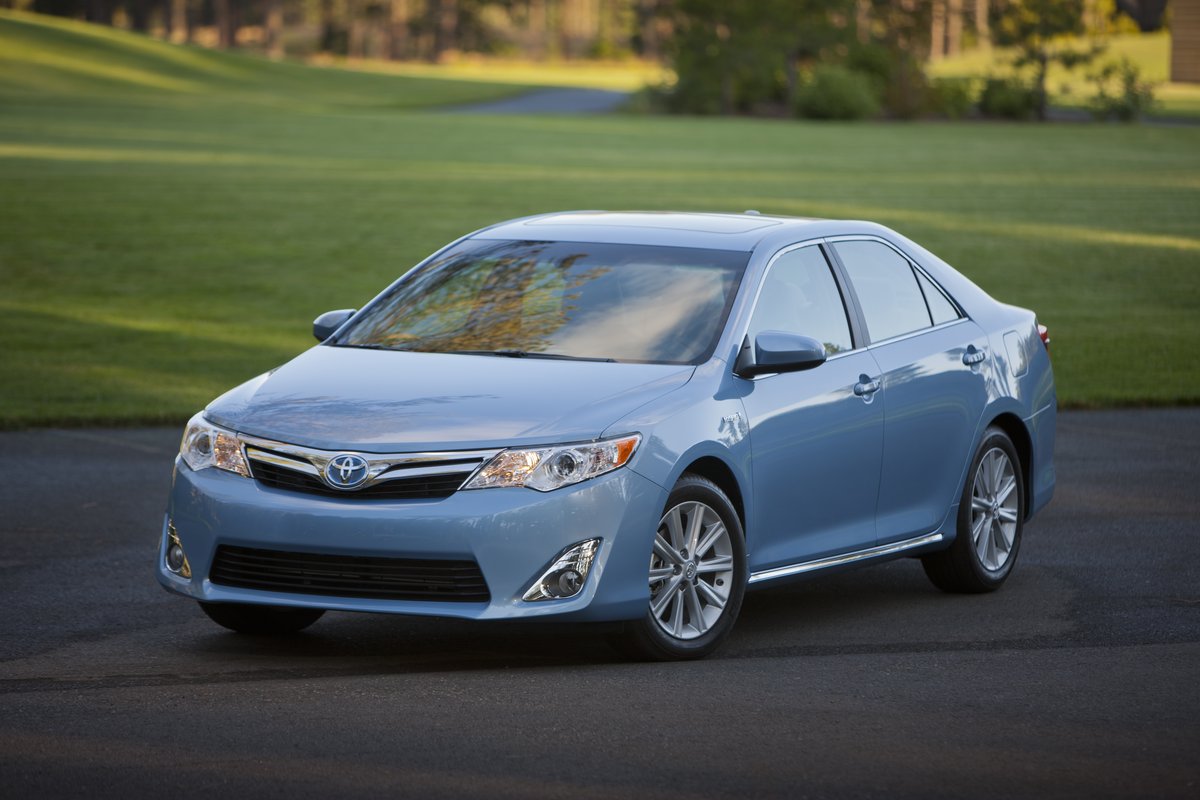
2. Toyota Camry (2002–2006 Models)
The Toyota Camry is another vehicle that consistently performs well in long-term emissions testing. Early 2000s models, especially those equipped with four-cylinder engines, frequently pass emissions inspections with minimal effort. Toyota’s conservative approach to engine design and tuning emphasizes durability over complexity.
One of the primary reasons for the Camry’s enduring emissions performance is its engine’s consistent combustion efficiency. The naturally aspirated engines maintain stable air-fuel ratios, which reduces the accumulation of soot in the catalytic converter and prevents spikes in harmful pollutants.
Toyota’s ECU programming complements this approach by gradually adjusting to minor component wear, preventing abrupt changes that might trigger a failed inspection.
Unlike certain modern vehicles that require precise driving cycles or extended warm-up periods to reset monitors, the Camry can achieve readiness through ordinary driving conditions, which further contributes to its reliability in emissions testing.
Routine maintenance reinforces the Camry’s long-term compliance. Oil changes, spark plug servicing, and air filter replacements ensure that combustion remains clean and that emissions-related components are not stressed.
The Camry’s engines are designed to be forgiving, which means that even if a component begins to age, the system can compensate without immediate impact on emissions.
The result is a vehicle that not only performs efficiently but also retains its emissions integrity over time, providing peace of mind to owners who plan to keep their cars for more than a decade.
Finally, Toyota’s emphasis on parts availability and serviceability ensures that maintaining emissions compliance remains practical over time. Replacement catalytic converters, oxygen sensors, and EGR components are readily available and relatively inexpensive.
Combined with the Camry’s simple yet durable engine management system, these factors allow owners to maintain compliance without facing prohibitive repair costs.
The balance between mechanical durability, electronic stability, and ease of maintenance makes the Camry an exemplary choice for anyone seeking a vehicle that will reliably meet emissions standards fifteen years after purchase.
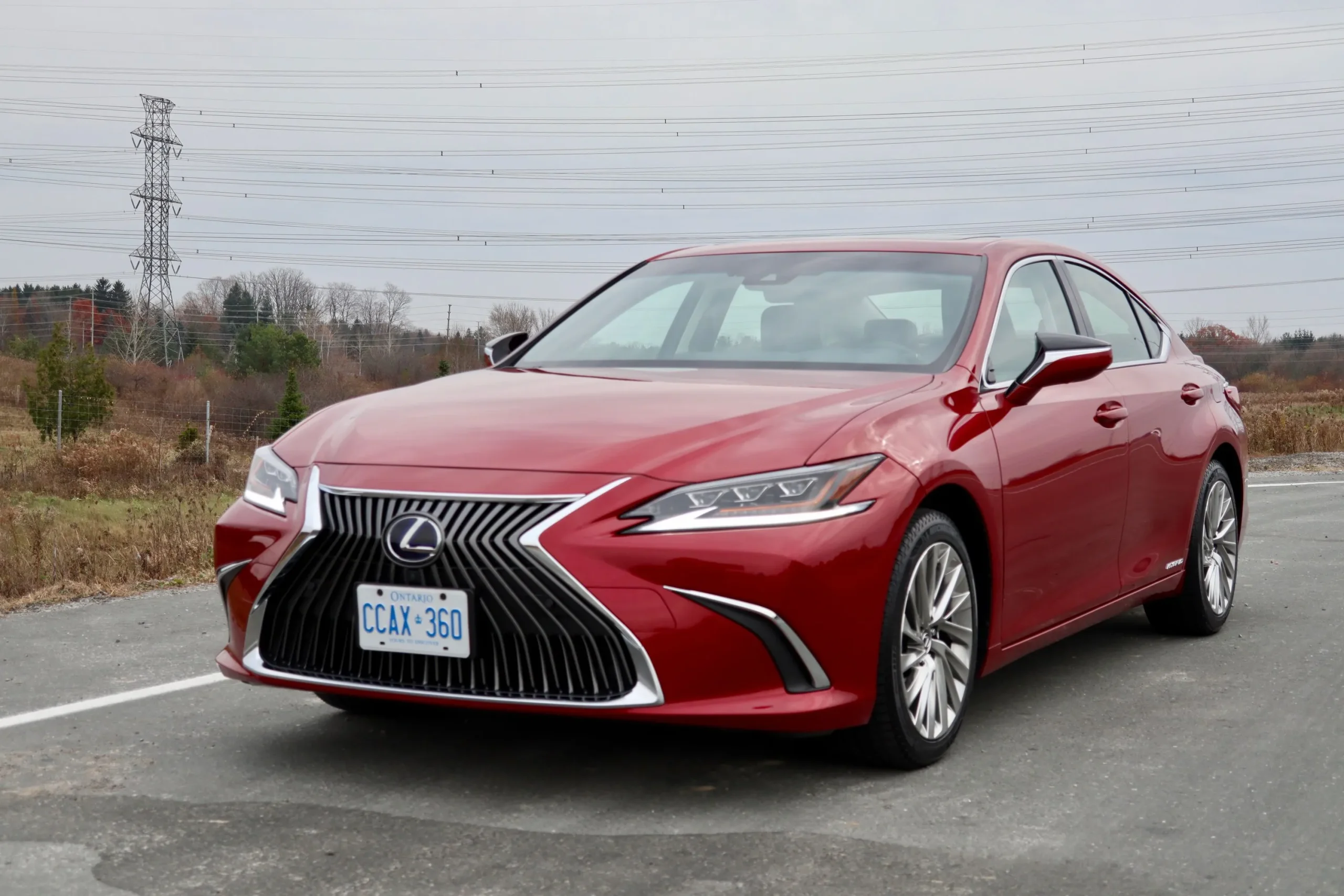
3. Lexus ES 300 (2001–2005 Models)
The Lexus ES 300, a luxury counterpart to the Toyota Camry, offers similar long-term reliability with slightly more refined components. The V6 engine in these models is well-engineered and designed for longevity, which directly contributes to its ability to maintain emissions compliance.
Fifteen-year-old ES 300s often pass inspections without the need for significant repairs or sensor replacements.
The high-quality materials used in critical components, such as oxygen sensors and catalytic converters, ensure that emissions systems can withstand years of heat cycles and general wear. Owners frequently report smooth inspection experiences, noting that emissions failures are uncommon even after extensive use.
The smooth operation of the V6 engine helps minimize stress on emissions-related components. Balanced combustion reduces the formation of unburned hydrocarbons, while the ECU ensures that air-fuel ratios remain within optimal ranges despite gradual component aging.
Regular maintenance further reinforces the vehicle’s emissions reliability. Following the recommended schedules for oil changes, spark plug servicing, and sensor checks ensures that the engine continues to operate efficiently.
Even when sensors or catalytic components reach the end of their lifespan, Lexus parts are designed for long life and are relatively easy to install. This ease of maintenance allows owners to sustain emissions compliance without needing specialized tools or extensive mechanical expertise.
Finally, the electronic systems in the ES 300 are designed to complement the engine’s durability. The ECU remains effective over time, continuously monitoring engine performance and making necessary adjustments to maintain emissions standards.
Compared to some modern luxury vehicles with highly complex monitoring systems, the ES 300’s relatively simple electronics are more forgiving of component aging.
This combination of mechanical robustness, high-quality materials, and resilient electronics ensures that the Lexus ES 300 consistently passes emissions inspections fifteen years after production.
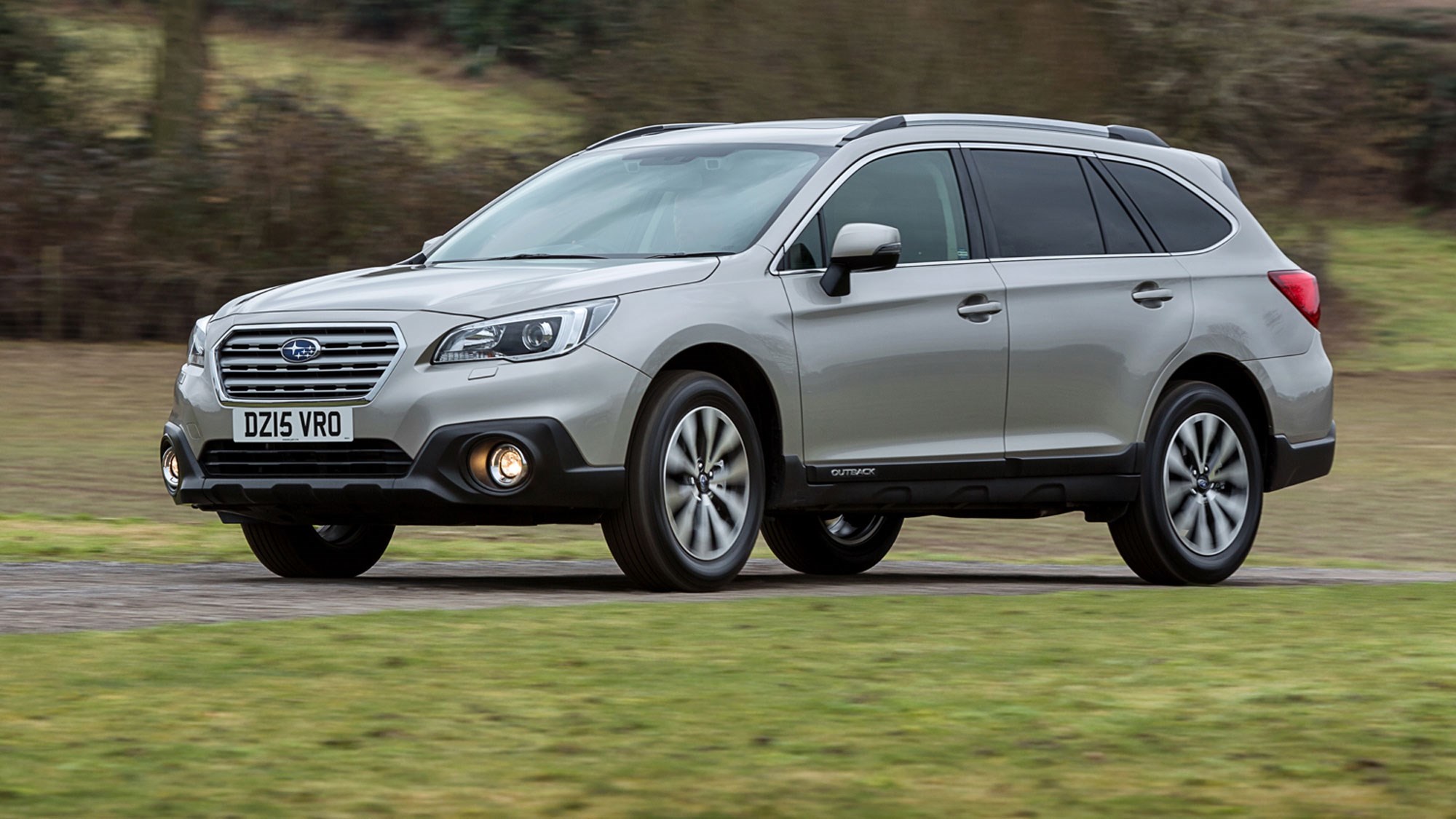
4. Subaru Outback (2003–2007 Models)
The Subaru Outback from the early 2000s demonstrates strong emissions reliability, particularly in naturally aspirated versions. Owners of fifteen-year-old Outbacks often find that passing emissions inspections requires little more than routine maintenance.
Subaru’s engine design emphasizes smooth, predictable operation, which further supports emissions stability. The symmetrical all-wheel-drive system does not impose additional strain on the engine, allowing combustion to remain consistent under a variety of driving conditions.
The ECU carefully monitors air-fuel ratios and ignition timing, compensating for minor component wear over time. This reliability ensures that emissions outputs remain within regulatory limits even after extensive use, making the Outback a dependable choice for long-term owners.
Maintenance practices are a key factor in sustaining the Outback’s emissions performance. Regular oil changes, spark plug replacement, and exhaust system inspections help prevent buildup in the catalytic converter and ensure that oxygen sensors continue to function correctly.
Even when minor components need replacement, Subaru parts are widely available, and repairs are manageable for most owners. The combination of robust engineering and accessible maintenance allows the vehicle to retain emissions compliance over an extended period.
The electronics in early 2000s Outbacks also contribute to their long-term reliability. The ECU remains stable and capable of adjusting fuel and timing as components age, preventing abrupt failures that might trigger a failed emissions inspection.
Compared to some modern vehicles with complex turbocharged or hybrid systems, the Outback’s straightforward design minimizes potential failures related to electronic sensitivity. This combination of reliable mechanics, durable electronics, and routine maintenance ensures that early Subaru Outbacks consistently pass emissions inspections fifteen years after manufacture.
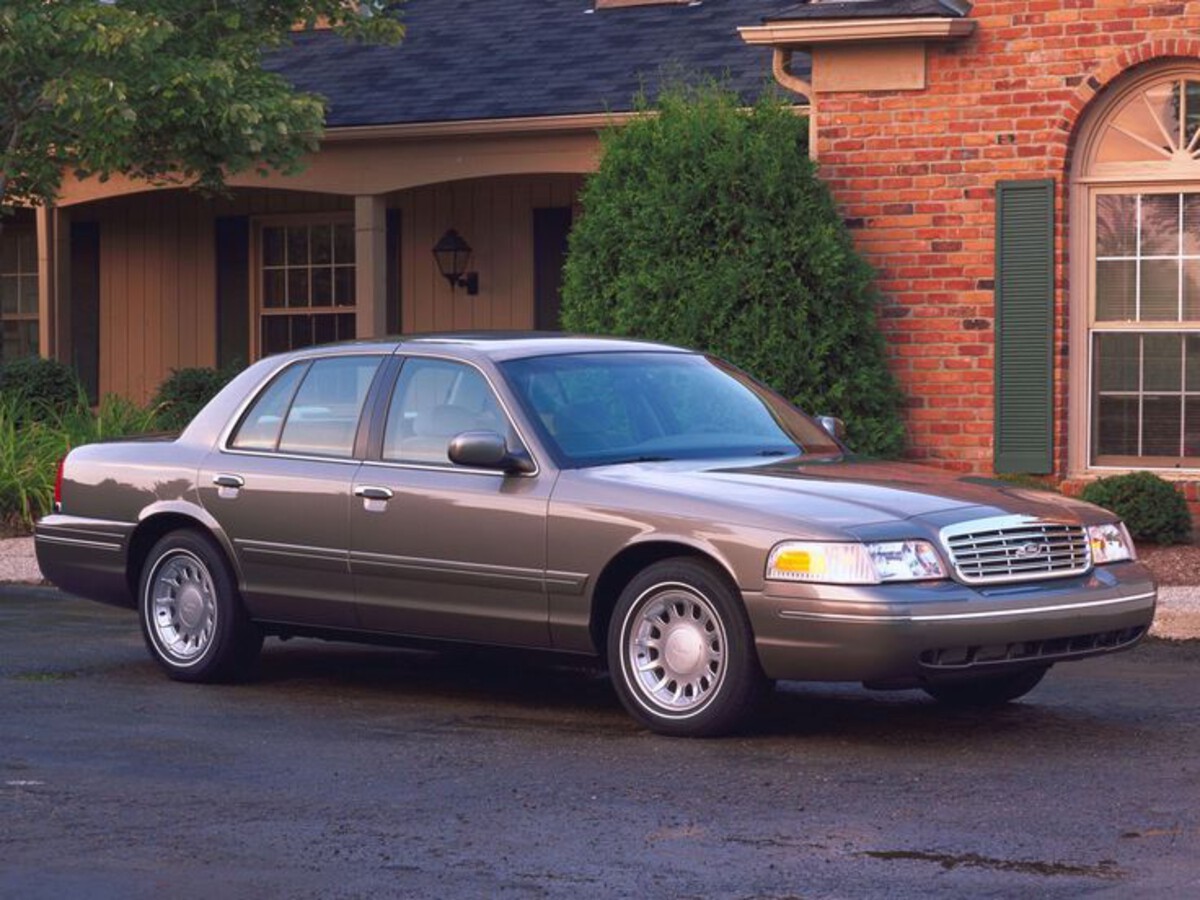
5. Ford Crown Victoria (2002–2006 Models)
The Ford Crown Victoria, especially civilian and Police Interceptor models from the early 2000s, demonstrates impressive longevity in emissions compliance. Its naturally aspirated V8 engine is robust and straightforward, with durable oxygen sensors and catalytic converters.
Fifteen-year-old Crown Victorias frequently pass emissions inspections with minimal intervention. The engine’s low-stress operation ensures that emissions components experience less wear than in more aggressively tuned vehicles. Owners often note that the simplicity of the engine and exhaust system contributes to long-term reliability and predictability during emissions testing.
Routine maintenance plays a critical role in sustaining the Crown Victoria’s emissions performance. Oil changes, spark plug replacements, and catalytic converter checks keep the engine operating efficiently and prevent excessive hydrocarbon production.
Even if sensors or catalytic components eventually fail, replacement parts are affordable and widely available, making emissions compliance achievable without specialized knowledge. This balance of accessible maintenance and durable design contributes to the vehicle’s long-term reliability.
Finally, the Crown Victoria’s onboard diagnostic system is particularly forgiving. Unlike some modern vehicles that require precise driving cycles to set readiness monitors, the Crown Victoria completes monitor cycles quickly and reliably even after years of use.
This reduces frustration during emissions inspections and ensures predictable compliance. The combination of simple engineering, reliable electronics, and robust components makes the Crown Victoria a vehicle that consistently passes emissions inspections fifteen years after production.
Five Cars That Struggle to Set Monitors
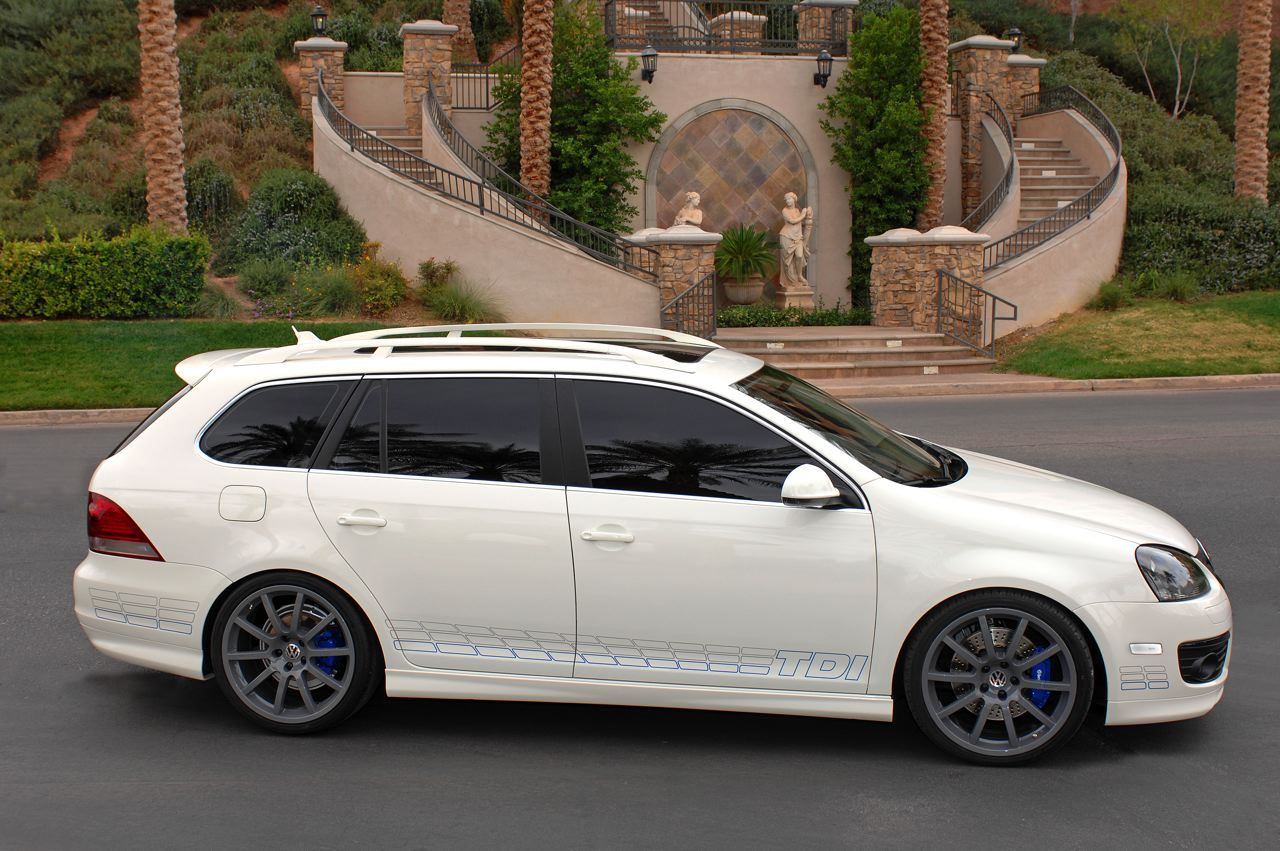
1. Volkswagen Jetta TDI (2006–2010 Models)
The Volkswagen Jetta TDI from the mid-to-late 2000s is well-known for its fuel efficiency and diesel performance, but it can struggle to set emissions monitors after more than a decade.
Diesel engines have inherently different combustion characteristics compared to gasoline engines, producing higher nitrogen oxides and particulate matter.
Over time, components such as diesel particulate filters (DPFs) and nitrogen oxide sensors can become clogged or fail. These failures can prevent the vehicle’s onboard diagnostic system from completing readiness monitors, even if emissions themselves are within tolerable limits.
Owners often report frustration with extended or repeated drive cycles required just to reset the monitors before inspections.
One contributing factor to monitor failure is the complexity of modern diesel emissions systems. Jetta TDIs rely on multiple sensors and active regeneration cycles to maintain emissions compliance. When a vehicle ages, the sensors can drift or fail, and the DPF can become partially clogged.
Maintenance practices play a critical role in monitor readiness but can be challenging for diesel owners. DPF cleaning, injector servicing, and replacement of aging NOx sensors require specialized tools and expertise. Many owners of older Jettas may have deferred or inadequately performed such maintenance, causing the monitors to remain incomplete.
Even when emissions performance is otherwise acceptable, these vehicles may fail inspection purely due to monitor status. This creates the paradox of a mechanically sound car being labeled noncompliant because the electronic system cannot verify its own readiness.
The vehicle’s onboard computer adds another layer of difficulty. Volkswagen’s engine control module is highly sensitive to component variance and calibration issues. Minor sensor drift, aging wiring harnesses, or ECU software limitations can prevent monitors from completing.
Unlike simpler systems where a driving cycle or minor tune-up is sufficient, older TDIs sometimes require multiple repairs or extended driving under very specific conditions to achieve readiness. Consequently, these cars can struggle with emissions inspections even when physically capable of passing.
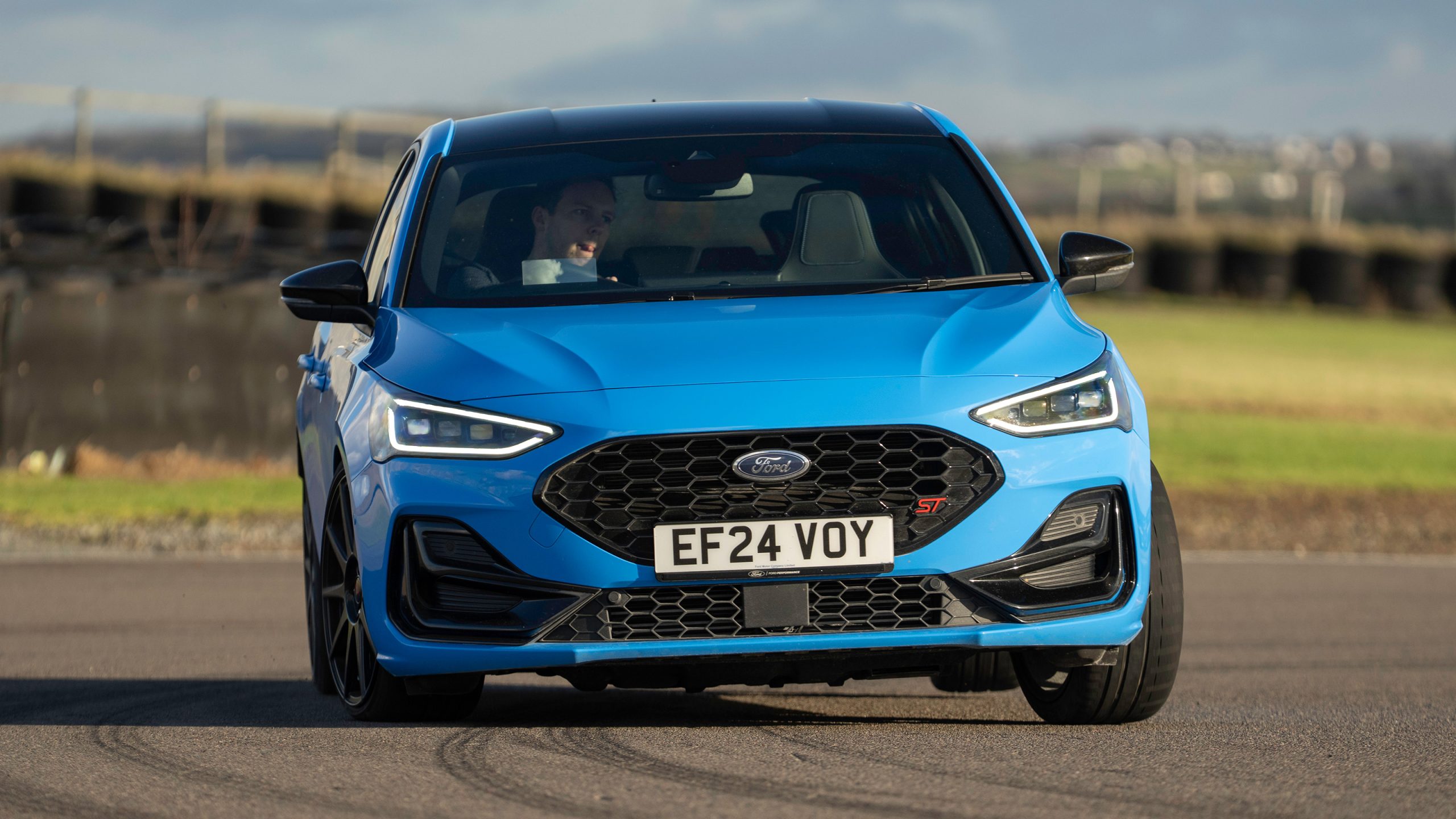
2. Ford Focus (2008–2011 Models)
The Ford Focus from the late 2000s, particularly models with direct-injection engines, often struggles to set emissions monitors as it ages. Direct-injection engines offer efficiency and performance but are prone to carbon buildup on intake valves, which can affect combustion and sensor readings.
This buildup can create minor fluctuations in exhaust composition, causing the onboard diagnostic system to hesitate in marking monitors as complete. For owners fifteen years later, the problem manifests as repeated failed emissions readiness checks, requiring multiple driving cycles or specialized cleaning procedures.
Even when the car otherwise performs well and emits acceptable pollutants, the ECU’s strict self-checking logic prevents it from passing inspection until all monitored systems report acceptable data. This makes emissions testing more time-consuming and frustrating for older Focus owners.
Maintenance history greatly impacts monitor readiness. If the intake valves are heavily carbon-fouled, or if sensors have been replaced with aftermarket components of slightly different calibration, the ECU may refuse to set monitors. Additionally, clogged PCV systems, faulty purge valves, or aging catalytic converters can trigger incomplete monitors.
Repairing these issues requires diagnostic equipment and sometimes professional intervention, unlike simpler vehicles that pass monitors with routine driving. Owners who attempt to pass inspection without addressing these underlying issues may encounter repeated failures, even though emissions are technically within legal limits.
Finally, the electronic systems of the Focus contribute to ongoing difficulties. The ECU is sensitive to component tolerances and may require a series of specific driving conditions to complete monitors, such as steady highway speeds for extended periods.
For drivers primarily using city streets or making short commutes, completing monitors can take weeks or even months. As a result, older Focus models are often flagged as struggling to set emissions monitors, highlighting the challenge of maintaining complex electronics and emissions systems over a decade or more.
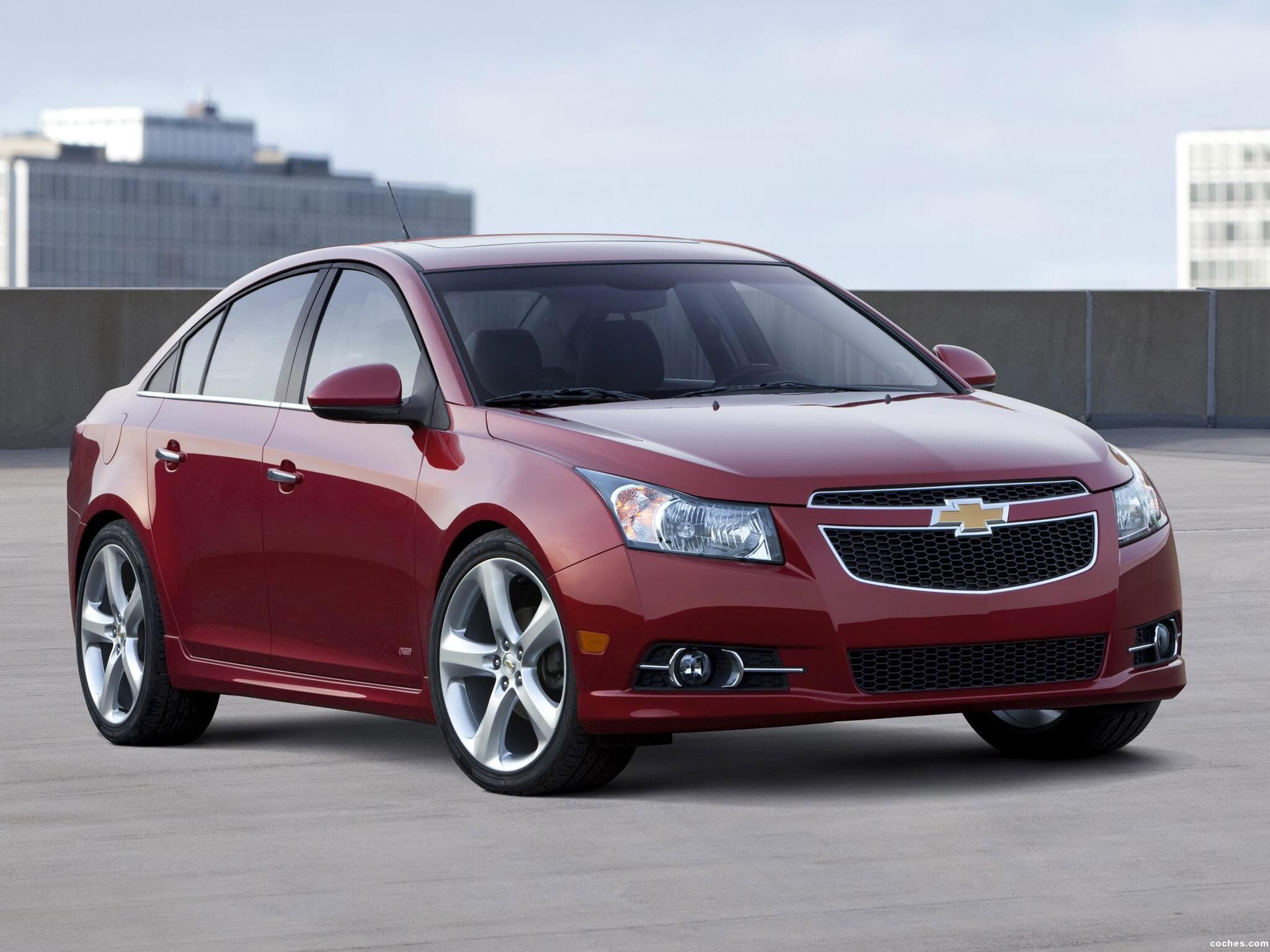
3. Chevrolet Cruze (2011–2015 Models)
The Chevrolet Cruze from the early 2010s is another vehicle that can struggle to complete emissions monitors as it ages. These compact cars often feature turbocharged engines and direct injection systems, both of which introduce variables that affect emissions and sensor performance over time.
Components such as catalytic converters, oxygen sensors, and turbo boost sensors must all function correctly for monitors to be considered ready.
Any minor deviation in sensor readings, wiring, or exhaust flow can prevent the ECU from completing the self-check cycle. Consequently, many Cruze owners experience repeated failures to set readiness monitors despite otherwise normal vehicle operation.
The turbocharged engine introduces additional complexity. Higher exhaust temperatures and variable boost pressures can accelerate wear on sensors and the catalytic converter. Even if the vehicle’s physical emissions performance remains acceptable, the ECU may detect anomalies that prevent monitors from completing.
The Cruze’s onboard computer also monitors evaporative emissions and fuel system health, and any issue, such as a small vacuum leak or aging purge valve, can leave monitors incomplete. In older models, component degradation over time makes these failures increasingly likely.
Unlike older, simpler vehicles where routine driving alone can reset monitors, the Cruze may require specific drive cycles, repairs, or professional service to achieve compliance.
Owners frequently report frustration when their car physically passes an emissions test but fails inspection because the ECU cannot set monitors.
Finally, the Cruze’s electronics are less forgiving as the car ages. Turbocharged direct-injection engines require precise sensor input, and even minor deviations can halt the monitor cycle.
In practice, this means that older Cruzes often struggle with readiness, particularly when short trips, stop-and-go traffic, or environmental factors such as extreme temperatures prevent the ECU from completing its programmed tests.
This sensitivity to aging and operational conditions makes the Cruze a representative example of a car that struggles to set emissions monitors over time.
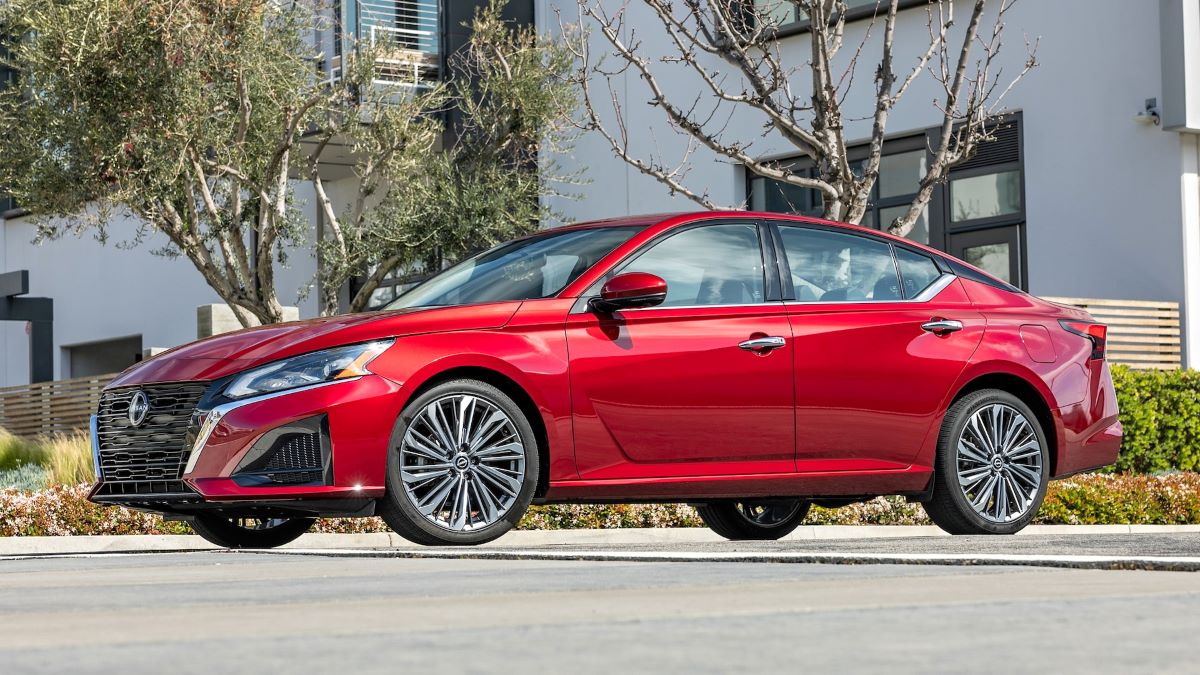
4. Nissan Altima (2007–2012 Models)
The Nissan Altima of the late 2000s and early 2010s, especially models with continuously variable transmissions (CVTs) and modern engine electronics, often faces challenges in completing emissions monitors as it ages.
The combination of high-efficiency engines, variable valve timing, and complex electronic control systems can make monitors difficult to set after more than a decade.
Components such as oxygen sensors, catalytic converters, and EGR valves may degrade, and even minor variations can prevent the ECU from marking monitors as complete. Owners often find themselves repeating drive cycles multiple times before inspections will pass.
The Altima’s engine design contributes to the issue. Variable valve timing and modern combustion strategies optimize performance and fuel efficiency but create fluctuating exhaust conditions. These fluctuations can confuse aging sensors or cause the ECU to flag slight inconsistencies, delaying or preventing monitor readiness.
Unlike simpler engines, which can tolerate gradual sensor degradation, the Altima’s system requires relatively precise input from all monitored components. Any deviation can leave monitors incomplete even when emissions are within regulatory limits.
Unlike older, simpler cars, resolving these issues may require professional diagnostic tools and replacement parts, making it more challenging for owners to achieve emissions readiness without outside assistance.
Finally, the Altima’s ECU is highly sensitive to component aging and driving conditions. Achieving readiness often requires specific patterns, such as extended highway driving at constant speeds or multiple full warm-up cycles. Owners primarily using the vehicle for short trips or city commuting may find monitors remain incomplete for weeks or months.
This combination of electronic sensitivity, complex engine design, and reliance on aging components makes the Nissan Altima a vehicle that frequently struggles to set emissions monitors after fifteen years of use.
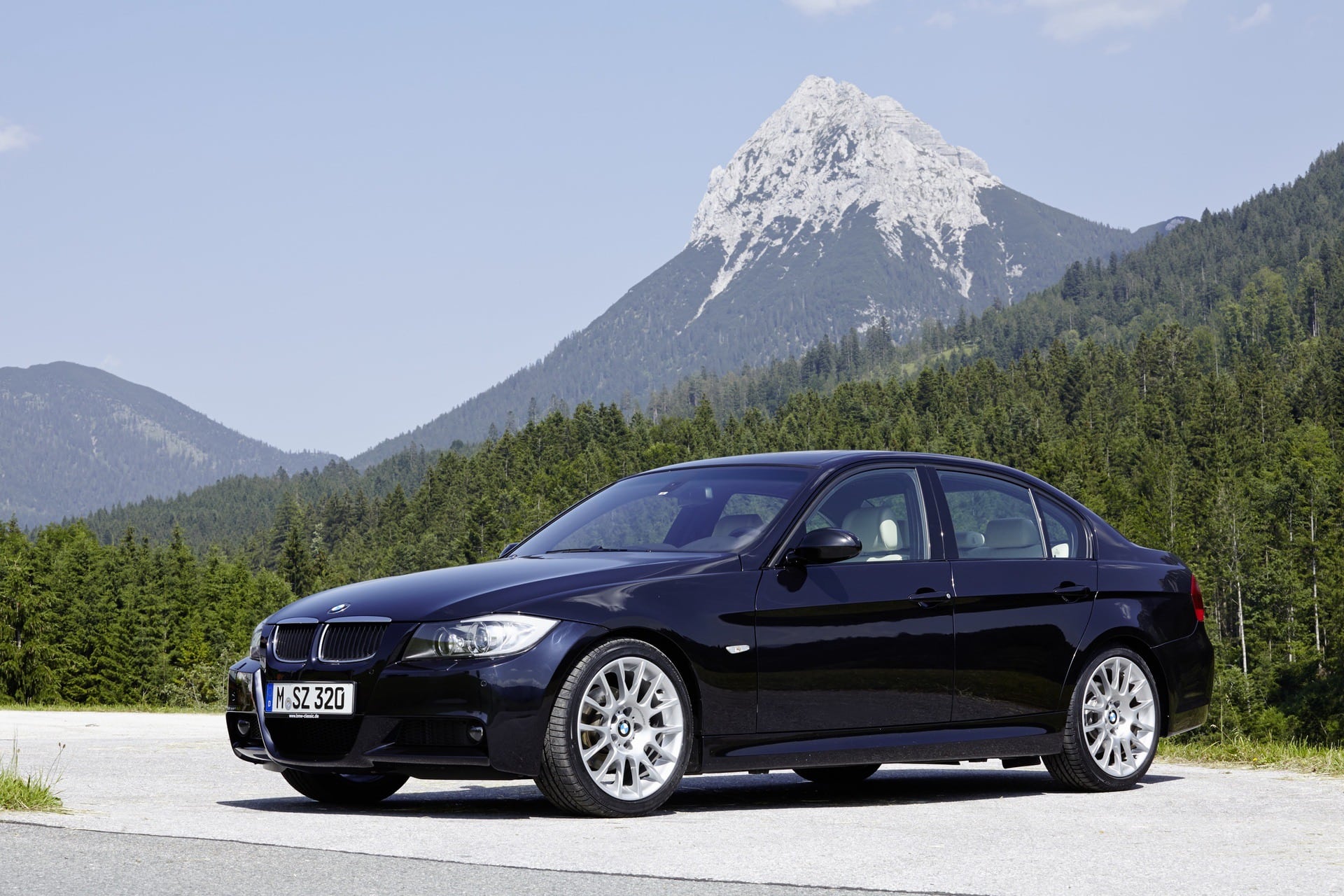
5. BMW 3 Series (2006–2011 Models)
The BMW 3 Series from the mid-2000s to early 2010s is an example of a vehicle that struggles to set emissions monitors due to its performance-oriented engineering and complex electronics.
Turbocharged and naturally aspirated engines with direct injection and advanced variable valve timing require precise sensor input for monitor completion.
Over time, oxygen sensors, catalytic converters, and other emissions-related components can degrade, making the system hesitant to mark monitors as ready. Even when the car emits pollutants within legal limits, the ECU may refuse readiness completion, causing inspection failures.
High-performance engine design exacerbates the issue. Higher cylinder pressures, turbo boost, and variable valve timing introduce fluctuations in exhaust composition that challenge aging sensors. The ECU monitors multiple subsystems simultaneously, including the catalytic converter, oxygen sensors, EGR, and evaporative emissions.
Minor sensor drift or degraded catalytic performance can prevent the completion of monitors, making older BMW 3 Series vehicles particularly sensitive to aging and component wear.
Maintenance and repair history is also a factor. BMW components are precise and can be expensive to replace. Owners may defer replacement of aging oxygen sensors, catalytic converters, or exhaust components, leading to incomplete monitor cycles.
Even aftermarket or remanufactured parts can sometimes be incompatible with the ECU’s strict tolerances, preventing the system from achieving readiness. In these cases, the vehicle may pass emissions testing physically but fail electronically due to monitor incompletion.
Finally, the BMW’s electronic system requires specific driving conditions to reset monitors. Extended highway driving, multiple cold starts, and steady acceleration cycles may be necessary to complete readiness, particularly as the vehicle ages.
Drivers who perform mostly short trips or urban commuting often find that monitors remain incomplete, requiring repeated attempts or professional service.
The combination of advanced engine technology, sensitive electronics, and aging components makes the BMW 3 Series a vehicle prone to struggling with emissions monitors after fifteen years.
