
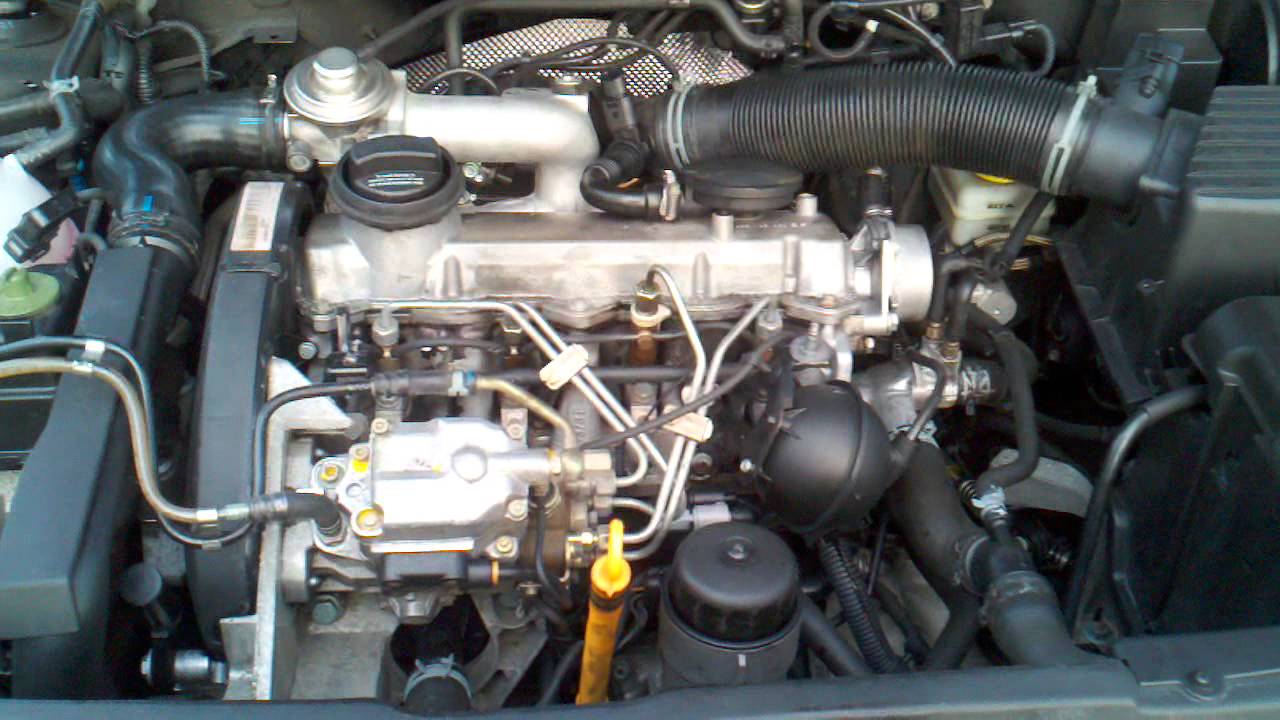
Diesel engines have long had a reputation for toughness, especially in trucks and SUVs from the pre-emissions-control era.
Before diesel particulate filters (DPFs), selective catalytic reduction (SCR) systems, and high-pressure common-rail injectors became the norm, these engines were built for durability, not complexity.
However, as emissions standards tightened in the 2000s, the technology changed and with it came new failure points. One of the biggest and most expensive? Injectors.
For American truck and diesel fans, reliability is everything. Whether you’re hauling, towing, or just looking for a long-lasting daily driver, knowing which older diesel engines can run for 400,000 miles without major injector issues and which ones will empty your wallet is crucial.
Here’s a breakdown of five older diesels that keep working with minimal fuss, followed by five notorious for costly injector replacements.
5 Older Diesels That Just Keep Working
Diesel engines have long been celebrated for their durability, torque, and ability to withstand years of hard work, and some older models take that reputation to legendary levels.
While modern engines are packed with electronics and emissions equipment, these classic diesels rely on simple, overbuilt engineering that keeps them running decade after decade.
In this article, we’ll look at five older diesel engines that have earned their place in history for one simple reason: they just keep working.
Whether hauling heavy loads, powering through harsh weather, or racking up hundreds of thousands of miles, these diesels prove that reliability never goes out of style.
1. 5.9L Cummins 12-Valve (1989–1998 Dodge Ram)
The 12-valve Cummins is legendary for one simple reason: it’s nearly indestructible. With its mechanical Bosch P7100 injection pump, cast-iron block and head, and minimal electronics, it represents the golden age of diesel reliability.
Owners routinely push these engines past 500,000 miles with only basic maintenance. The injectors are mechanical and straightforward cheap to replace and not prone to failure like later high-pressure common-rail setups.
Even in states that see brutal winters or long-haul towing, the 12-valve Cummins shrugs off abuse. That’s why used examples often cost more than newer Rams they’re sought after by anyone who values pure mechanical simplicity.
The 5.9-liter Cummins diesel engine, just hearing the name is enough to excite hardcore enthusiasts. Often hailed as one of the most iconic diesel engines ever built, the 5.9-liter Cummins made a name for itself long before its pickup truck debut.
Originally a powerhouse in the agricultural sector, Cummins engines were prized for their durability and torque. When Dodge introduced the 12-valve 5.9-liter Cummins inline-six in its heavy-duty pickups in 1989, it marked the beginning of one of the most legendary collaborations in automotive history.
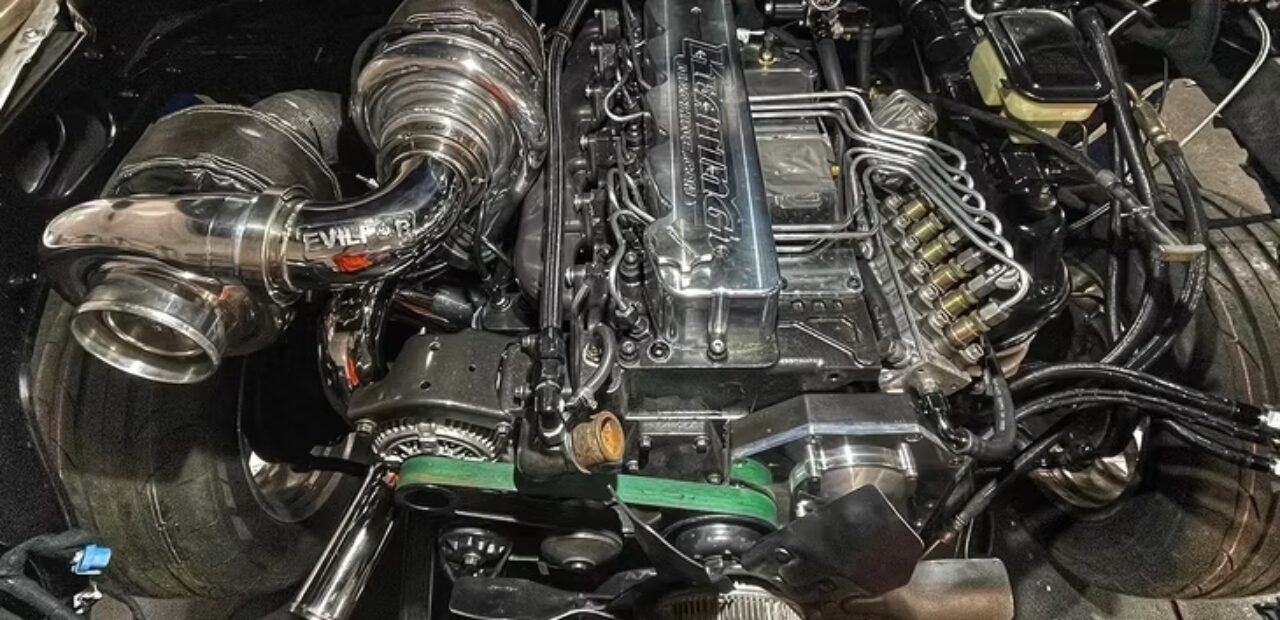
While the Cummins 5.9-liter B-Series engine came in several configurations over its production lifespan, we’ll start at the very beginning.
Initially designed for medium-duty commercial trucks, this engine found new life when Dodge began equipping its pickups with the “12-valve” version in 1989. That move helped transform Dodge’s truck lineup into a force to be reckoned with on American roads.
Back in 1989, if you were shopping for a new Dodge Ram, you had a few solid engine choices. There was the dependable 360ci gas-powered V8, or the newly introduced 5.9-liter Cummins diesel, a motor that delivered the kind of torque and durability usually reserved for big-rig trucks.
The response was overwhelming. Sales soared as truck buyers lined up for Dodge’s new diesel option. Paired with either a robust five-speed manual gearbox or a heavy-duty version of the A727 three-speed automatic, the 5.9-liter Cummins quickly became the engine everyone wanted under their hood.
What set the 5.9-liter Cummins apart was its technology. Unlike other diesel engines of the era, this one featured direct injection, no glow plugs, no naturally aspirated setup. Instead, it came equipped with a Holset H1C turbocharger that boosted both power and efficiency.
Drivers loved it for its bulletproof reliability, massive torque output for the time, and exceptional fuel economy. With 160 horsepower and 400 lb-ft of torque, the 5.9-liter Cummins dominated its class and set a new standard for diesel performance.
Throughout its impressive 18-year production run, the 5.9-liter Cummins’ Bosch-built fuel injection systems evolved several times. The earliest 12-valve models used a camshaft-driven, rotary-style “VE” injection pump.
Though it offered the least power potential compared to later iterations, the VE pump earned a solid reputation for reliability, proving that even in its earliest form, the 5.9-liter Cummins was built to last.
2. 7.3L Power Stroke (1994–2003 Ford Super Duty)
The 7.3 Power Stroke isn’t just durable it’s a cult classic. Ford’s partnership with Navistar resulted in an engine that can easily outlive the truck around it.
The HEUI (hydraulic electronic unit injector) system is more complex than the Cummins’ setup, but still rugged when maintained with quality oil and filters.
Owners praise the 7.3 for its ability to handle hard work, long idling, and extreme conditions.
Injector replacement, when needed, is relatively affordable and infrequent unlike the finicky 6.0L Power Stroke that followed. Many fleet trucks and farm rigs still run their original 7.3s today with 300,000+ miles.
The 7.3-liter Powerstroke engine, developed by International Navistar and introduced in Ford’s Heavy Duty trucks, quickly became one of the most respected diesel powerplants ever built. Compared to its predecessors, the 6.9L IDI and the earlier 7.3L diesel, the Powerstroke delivered a major leap in performance and efficiency.
At the same time, it proved far more reliable than its successor, the 6.0L Powerstroke. Its blend of power, durability, and simplicity turned it into a legend among diesel enthusiasts.
Even decades later, the 7.3L Powerstroke remains one of the most valuable and sought-after diesel engines on the used market. Below, we’ll break down its key specifications, engineering details, model year differences, and towing capabilities to show why this engine continues to hold such a strong reputation.
While it may not match the output of today’s advanced diesels, the 7.3L Powerstroke’s straightforward design is a big part of its enduring success. Built to handle extreme workloads, these engines were engineered to run for hundreds of thousands of miles with minimal issues.
In fact, a version of the same engine, known as the T444E, was used in medium-duty commercial trucks.
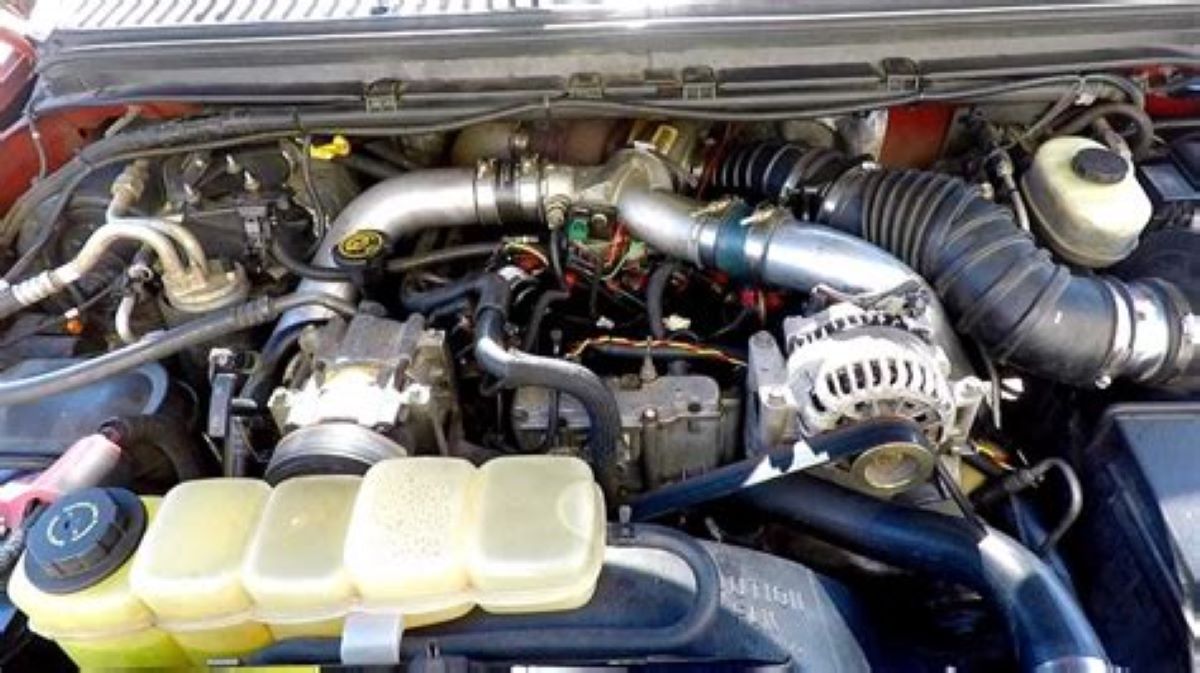
Though it had minor variations, most of its internal components were identical, meaning the 7.3L Powerstroke was essentially overbuilt for a pickup. Like the 5.9L Cummins, its roots in heavy-duty and agricultural applications gave it exceptional strength and reliability.
At the core of this durability is a cast-iron block and cast-iron cylinder head, providing an extremely solid foundation.
The 7.3L Powerstroke’s reputation for reliability is nothing short of legendary. It’s widely regarded as one of the most dependable diesel engines ever made, a claim even long-time Cummins and Duramax fans will admit.
This legendary status has kept resale values remarkably high; even used trucks with over 200,000 miles often sell for more than $10,000. That’s a steep price for a two-decade-old truck, but owners insist it’s worth every penny. For anyone seeking their first diesel on a budget, the 7.3L Powerstroke remains one of the smartest choices around.
Though known for its simplicity, the 7.3L Powerstroke was actually quite advanced when it debuted. Much of its impressive performance came from its Hydraulic Electric Unit Injectors (HEUI injectors), which used high-pressure oil and low-pressure fuel pumps to deliver precise, efficient fuel delivery.
The engine also employed a fixed-geometry turbocharger, a major improvement over the turbo found on the older 7.3L IDI, and later models were equipped with an air-to-air intercooler, allowing cooler, denser air to improve combustion and performance.
When the 7.3L Powerstroke first appeared in the 1994 Ford Super Duty, it produced 210 horsepower and 425 lb-ft of torque, a notable gain of 40 horsepower and 87 lb-ft over the IDI it replaced. Ford continued refining the engine each year, improving output and efficiency.
By the 2000–2003 model years, the late-production 7.3L Powerstroke could generate 275 horsepower and 525 lb-ft of torque when paired with the six-speed manual transmission.
Even today, the 7.3L Powerstroke stands as a benchmark for what a dependable, hardworking diesel engine should be, simple, tough, and built to last.
Also Read: Top 10 Pickups That Rarely Need Engine Swaps
3. 6.6L Duramax LBZ (2006–2007 GM HD Trucks)
The LBZ Duramax represents the sweet spot between simplicity and modern power. It predates the emissions-heavy LMM generation but still benefits from strong performance and an excellent Allison 1000 transmission pairing.
Injectors on the LBZ are improved over the early LB7 design, with much better sealing and longevity.
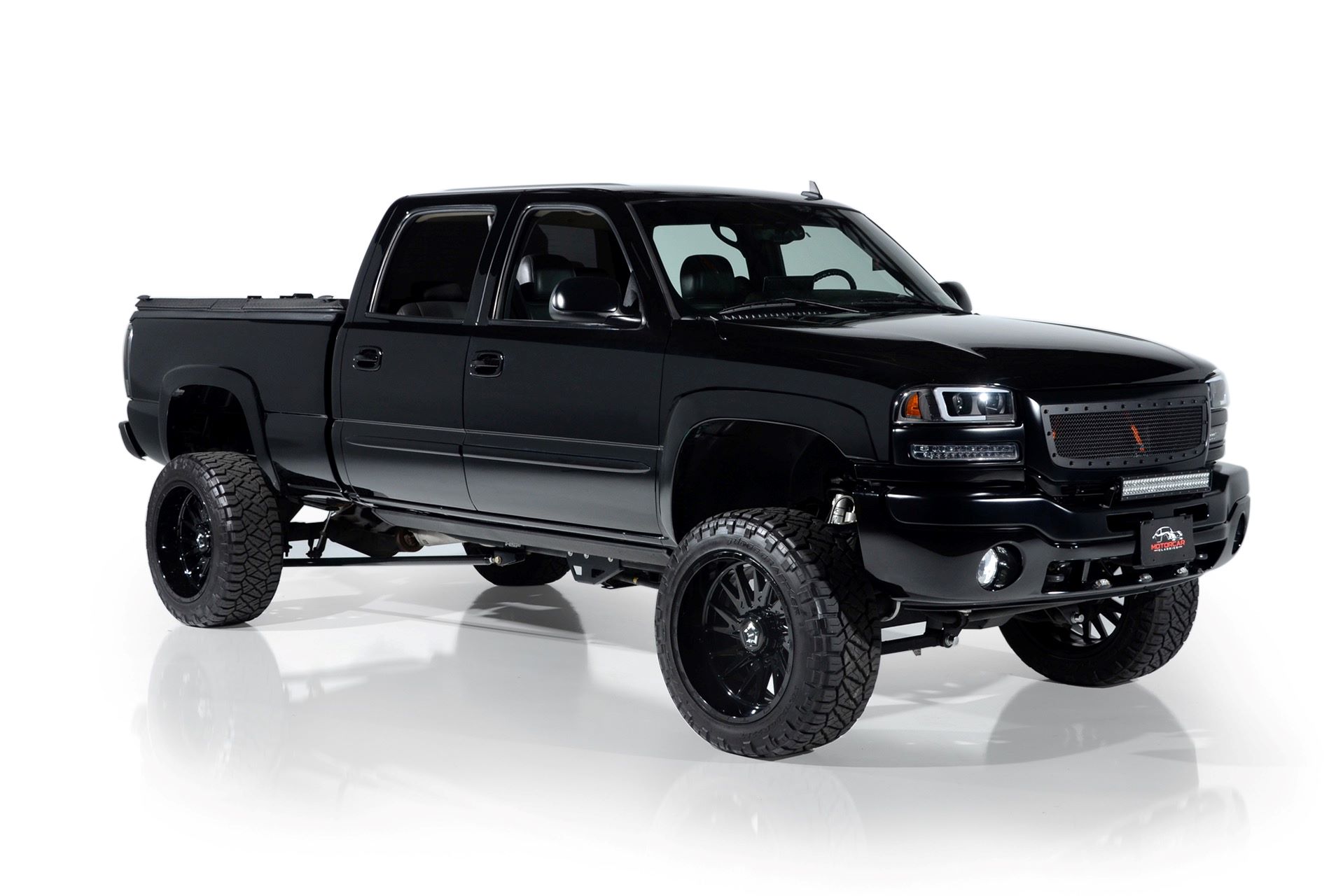
Many last well beyond 250,000 miles before needing replacement, and they don’t suffer from fuel contamination or cracking issues common to earlier models.
For buyers wanting an older diesel that can still pull 15,000 pounds with confidence, the LBZ is a gem.
4. Mercedes-Benz OM617 (1978–1985)
You don’t have to drive a truck to experience diesel durability. The OM617 five-cylinder diesel, found in the Mercedes W123 sedans and wagons, is one of the longest-lasting engines ever built.
Known for running half a million miles with minimal internal wear, this engine uses a purely mechanical injection system and simple glow plugs.
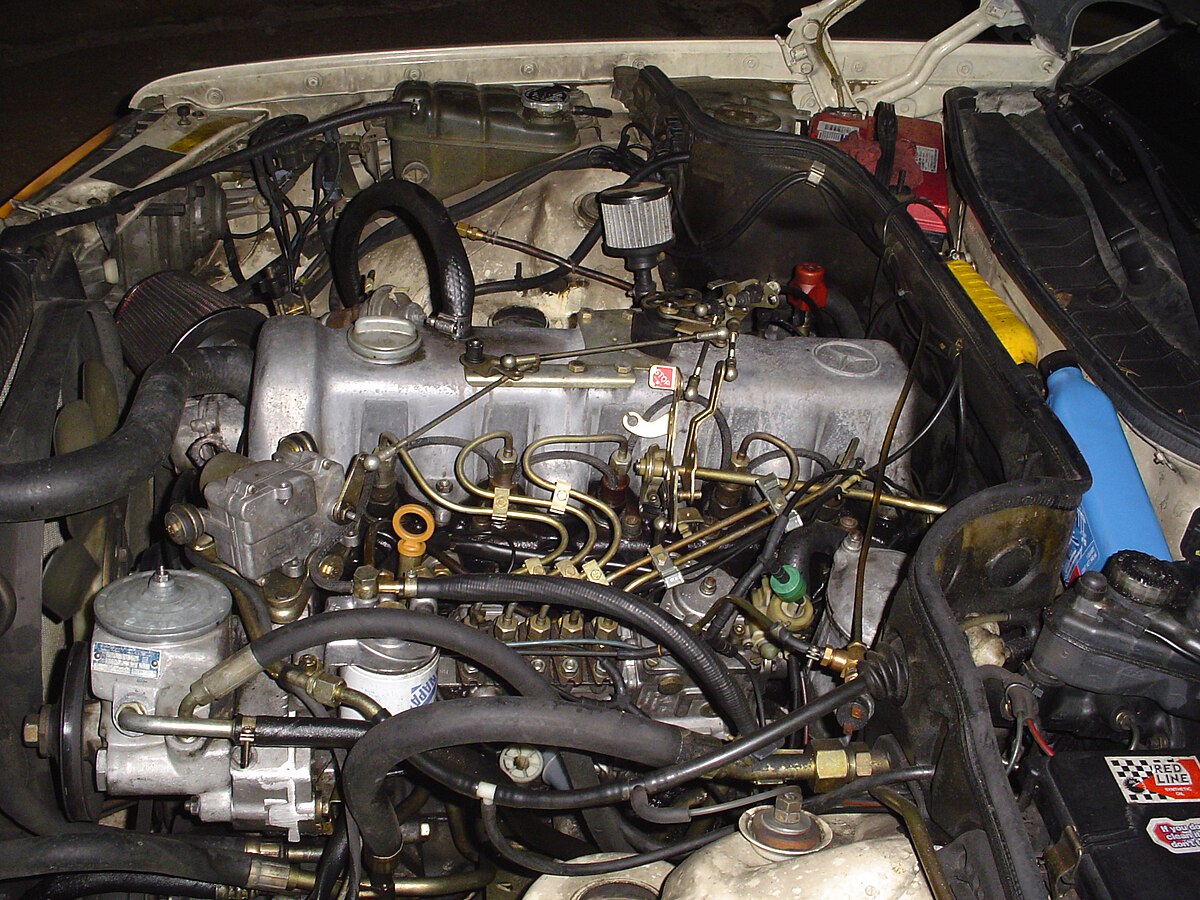
Even today, enthusiasts daily-drive 300Ds and 300SDs that have outlasted multiple owners. The injectors are basic and inexpensive, and fuel delivery issues are rare. If you want old-school reliability in a luxury package, this engine is hard to beat.
5. VW 1.9 TDI ALH (1999–2003)
While the later VW TDIs developed a spotty reputation, the ALH-coded 1.9-liter engine from the early 2000s remains a standout for simplicity and longevity.
Found in the Golf, Jetta, and New Beetle, it features a rotary injection pump and minimal electronics.
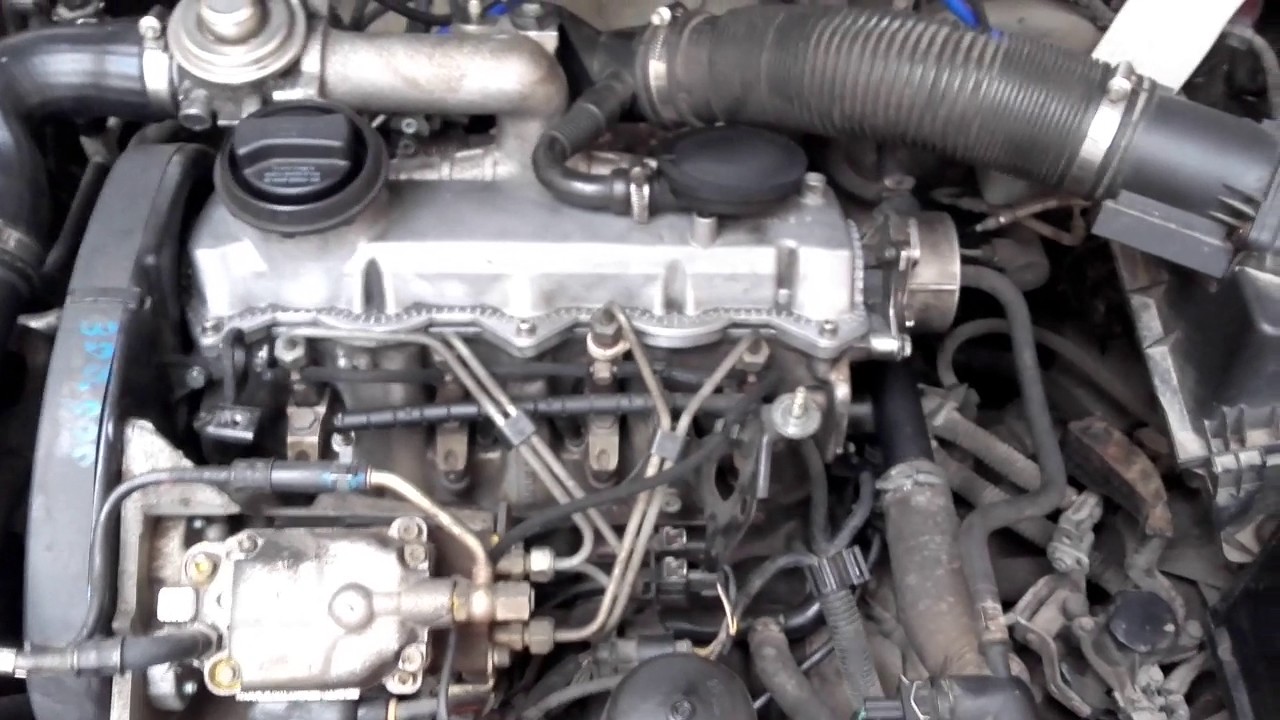
With basic maintenance timing belt, filters, and quality diesel the ALH can exceed 400,000 miles with its original injectors.
It’s not a powerhouse, but its efficiency, reliability, and easy parts availability make it a favorite among diesel fans who want something small, cheap, and nearly indestructible.
The ALH engine is widely considered one of Volkswagen’s finest diesel powerplants. Produced from 1999 to 2006, this 1.9-liter TDI engine powered several of VW’s most popular models, including the New Beetle, MK4 Jetta, MK4 Jetta Wagon, and MK4 Golf.
It delivered 90 horsepower and 155 lb-ft of torque, figures that might not sound impressive by today’s standards, but when paired with the lightweight sub-3,000-pound chassis of these cars, the ALH offered surprising quickness along with excellent fuel economy.
Buyers could choose between a four-speed automatic or a much more durable and engaging five-speed manual transmission. Over the years, the ALH has earned a reputation for being not only dependable but also incredibly tuner-friendly.
The aftermarket support for the 1.9TDI ALH remains strong, with affordable performance upgrades readily available, making it a favorite among enthusiasts who appreciate efficiency, reliability, and easy modification potential.
Also Read: 10 Tricks That Extend a GMC Canyon Diesel’s Road Life
5 Older Diesels That Need Expensive Injectors
Diesel engines are known for their longevity and impressive pulling power, but that reliability often comes at a cost, especially when it comes to fuel injectors. As these engines age, their injectors can become one of the most expensive components to maintain or replace.
Unlike simple mechanical systems, modernized injector setups are precision-engineered to deliver exact fuel quantities under extreme pressure, meaning any wear or contamination can lead to costly repairs.
In this article, we’ll take a closer look at five older diesel engines that have stood the test of time mechanically but are notorious for one thing: pricey injector replacements.
1. 6.0L Power Stroke (2003–2007 Ford Super Duty)
When Ford replaced the 7.3L with the 6.0L Power Stroke, reliability took a hit. This engine is infamous for injector failures, head gasket issues, and EGR cooler problems.
The high-pressure oil-fired injector system is extremely sensitive to oil quality and pressure.
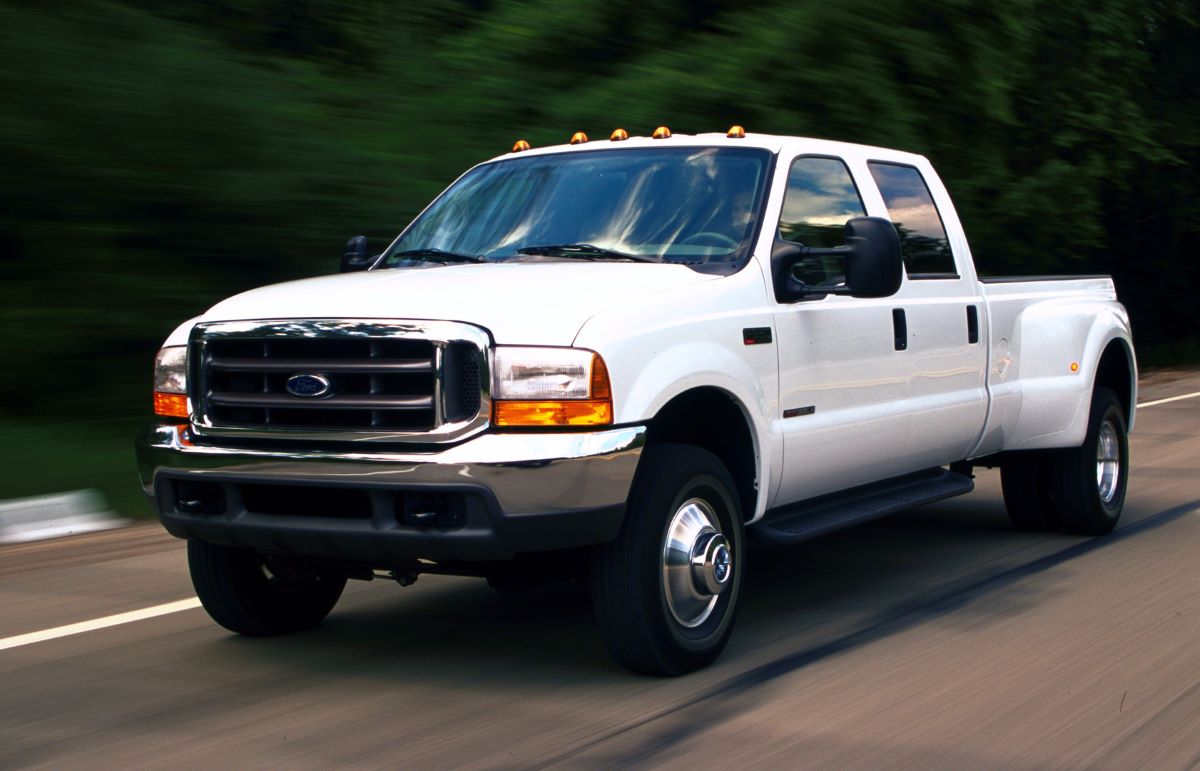
When injectors start to go, symptoms include rough starts, misfires, and hard idling and replacement costs can easily exceed $3,000 for a full set.
Some owners “bulletproof” the 6.0L with aftermarket fixes, but for most buyers, it’s best to steer clear unless there’s documentation of upgrades.
2. 6.4L Power Stroke (2008–2010 Ford Super Duty)
If the 6.0L was a headache, the 6.4L took complexity to another level. This twin-turbo diesel introduced piezoelectric injectors, which offered more precise fuel control but also extreme sensitivity.
When they fail, replacement costs can hit $4,000–$5,000, and injector stiction from poor fuel quality or low use is common.
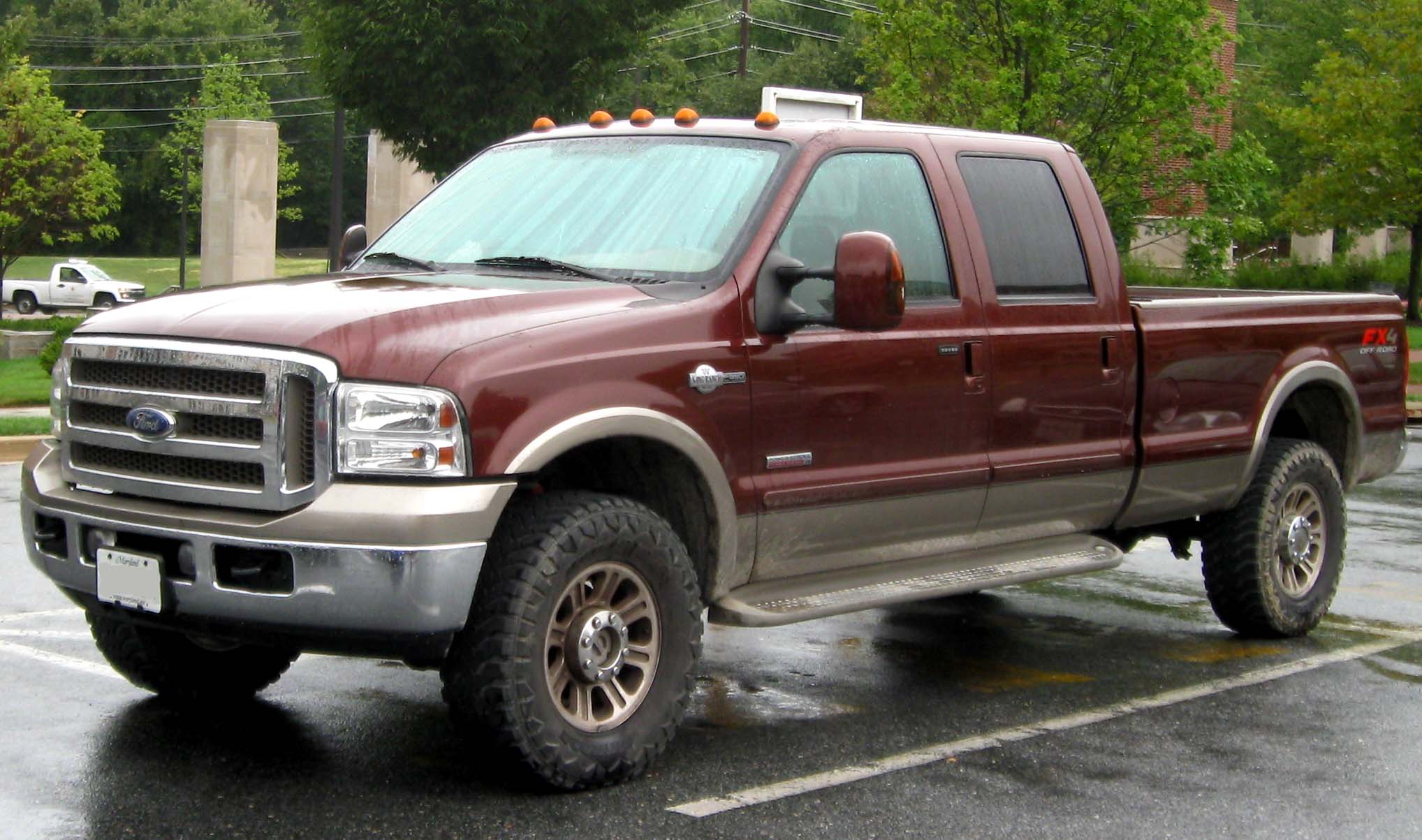
Combined with DPF and EGR troubles, the 6.4L has become one of the most expensive older diesels to keep running. Many truck owners who once loved its power eventually sold them after facing repeated repair bills.
Ford launched the 6.4L Power Stroke diesel engine in 2008, marking a major step forward in performance, refinement, and emissions technology. It was quieter, cleaner, and more powerful than its predecessor, the 6.0L Power Stroke, and represented the most advanced engine International Navistar had ever built for Ford trucks.
The 6.4-liter V8 was also the first Power Stroke to feature factory-installed twin turbochargers and a diesel particulate filter (DPF), both of which were essential to meet stricter government emissions standards. Compared to the 6.0L, the new design cut NOx emissions by 50 percent and particulate matter by 90 percent, a major leap in diesel engine cleanliness.
Structurally, the 6.4L Power Stroke retained the cast-iron cylinder block and bedplate design of its predecessor, with four bolts per main securing the bedplate firmly to the block. Inside, the engine used robust powdered-metal connecting rods that were significantly stronger than those found in the 6.0L, capable of handling more than 900 rear-wheel horsepower.
The cast-iron cylinder heads featured four valves per cylinder, just like the earlier design, but the 6.4L upgraded to 16 mm head bolts for improved clamping strength. Its single in-block camshaft and OHV pushrod valvetrain used rocker arms to operate two valves simultaneously, maintaining a proven, durable design.
One of the most significant advancements in the 6.4L was the switch from the HEUI fuel injection system to a direct high-pressure common rail setup. This system relied on a Siemens VDO K16 fuel pump, located at the rear of the lifter valley, capable of producing up to 24,650 psi of fuel pressure.
The 6.4L was also the first diesel in its segment to feature piezoelectric injectors, which could perform up to five injection events per power stroke, dramatically improving fuel precision and efficiency. The compound turbocharger setup, manufactured by BorgWarner, combined a 65 mm fixed-geometry low-pressure turbo with a 52 mm variable-geometry high-pressure turbo.
This twin-sequential system provided strong, lag-free power delivery and excellent overall performance. Every 6.4L Power Stroke also came equipped with an air-to-air intercooler for optimal charge-air cooling.
To further reduce emissions, the 6.4L featured a redesigned exhaust gas recirculation (EGR) system with two EGR coolers and a more powerful DC-motor-operated EGR valve.
Roughly 25 percent of intake air was mixed with exhaust gases, helping lower NOx levels. The addition of the diesel particulate filter (DPF) significantly reduced soot emissions, while an active regeneration system automatically burned off trapped particles by injecting extra fuel during the exhaust stroke.
Ultimately, the 6.4L Power Stroke was the last diesel engine International Navistar supplied to Ford. Starting in 2011, Ford took complete control of its diesel development, introducing the in-house designed and built 6.7-liter Power Stroke V8 that would carry the torch forward.
3. 6.6L Duramax LB7 (2001–2004 GM HD Trucks)
The LB7 Duramax launched the diesel revolution for GM but came with a serious Achilles’ heel its injectors. Located under the valve covers, they’re prone to cracking and internal leakage.
Early Bosch injectors had poor sealing, leading to fuel contamination in the crankcase.
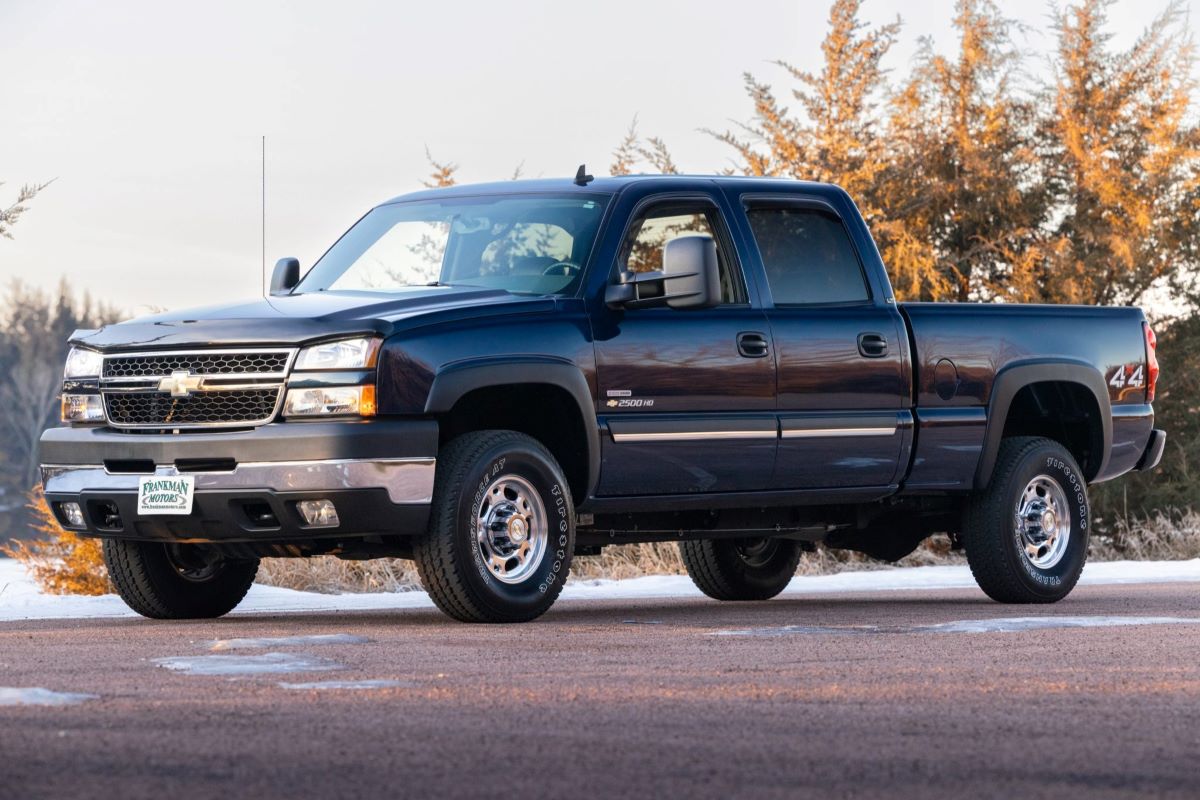
Replacing them requires pulling the valve covers and often costs $4,000–$5,000 in labor and parts.
GM eventually updated the design, but even replacement injectors tend to wear faster than later generations like the LBZ or LMM. If you find an LB7 with “injectors just done,” that’s usually a selling point—and a relief.
4. 3.0L Mercedes Bluetec V6 (2007–2014)
Found in the ML, GL, and E-Class models, the Mercedes 3.0-liter Bluetec diesel is powerful and smooth but extremely sensitive to injector and emissions system health.
The piezo injectors are notorious for carbon buildup and failure due to fuel contamination or short-trip driving.

Replacement injectors can run $500–$800 each, and labor costs push the total bill beyond $4,000.
Add in the SCR system and DPF issues, and the once-promising Bluetec becomes an expensive long-term proposition for owners who just wanted diesel efficiency.
The Mercedes-Benz 3.0L turbodiesel engine, known internally as the OM642, has powered a wide range of Mercedes, Dodge, and Freightliner Sprinter vans since 2007.
This engine has earned a solid reputation for its balance of efficiency, performance, and durability, making it a popular choice for commercial and fleet applications.
The Sprinter itself is a mainstay in numerous industries, including emergency services, shipping and logistics, construction, repair, and utilities. While the OM642 is used worldwide, this overview focuses on the U.S. version of the engine.
The OM642 is a 4-stroke, 72-degree V6 turbodiesel displacing 2.986 liters (182.4 cubic inches). It features a cast-aluminum cylinder head and block, a compression ratio of 18.0:1, and a dual overhead camshaft (DOHC) valvetrain with four valves per cylinder, for a total of 24 valves.
The engine employs direct fuel injection through a high-pressure common-rail system that delivers up to 23,000 psi. Its variable-nozzle turbocharger ensures smooth, consistent power across the rev range, producing 188 horsepower at 3,800 rpm and 325 lb-ft of torque from 1,400 to 2,400 rpm.
Fuel compatibility is another advantage of the OM642. It runs on ultra-low sulfur diesel (ULSD) and is rated for up to B20 biodiesel blends, making it both versatile and environmentally friendly.
The engine weighs approximately 460 pounds and holds 13.2 quarts (12.5 liters) of oil with a filter change. Recommended oil viscosities range from SAE 0W-30 to 15W-40, depending on ambient temperatures.
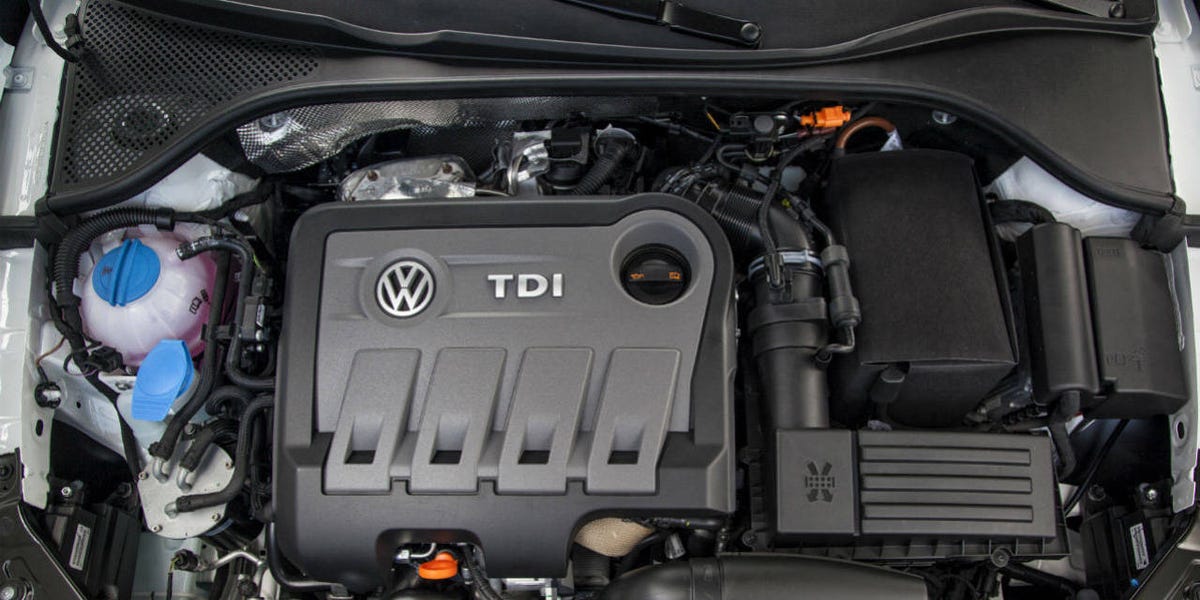
5. 2.0L VW TDI (2009–2014, Common-Rail)
The later-generation VW 2.0 TDIs, especially those involved in the “Dieselgate” recall, feature high-pressure common-rail injectors that deliver smooth power but at a cost.
Failures aren’t uncommon past 100,000 miles, especially when owners skip fuel filter changes or use low-quality diesel.
When one injector fails, it’s often recommended to replace all four, and costs quickly add up. Between injector replacements, DPF issues, and the occasional high-pressure fuel pump failure, these cars can easily eat into any fuel savings they promise.
Older diesel engines can either be a source of endless satisfaction or a constant drain on your wallet it all depends on their injector design and complexity.
The older, mechanically injected engines like the 12-valve Cummins or 7.3 Power Stroke were built before emissions rules forced engineers into fragile, high-pressure systems.
In contrast, the early-2000s and late-2000s diesels with electronic injectors, DPFs, and EGR coolers offer great performance but demand meticulous maintenance and deep pockets.
For US buyers shopping used trucks or classic diesels, the rule of thumb is simple: the fewer wires running to your injectors, the longer your engine will live.
