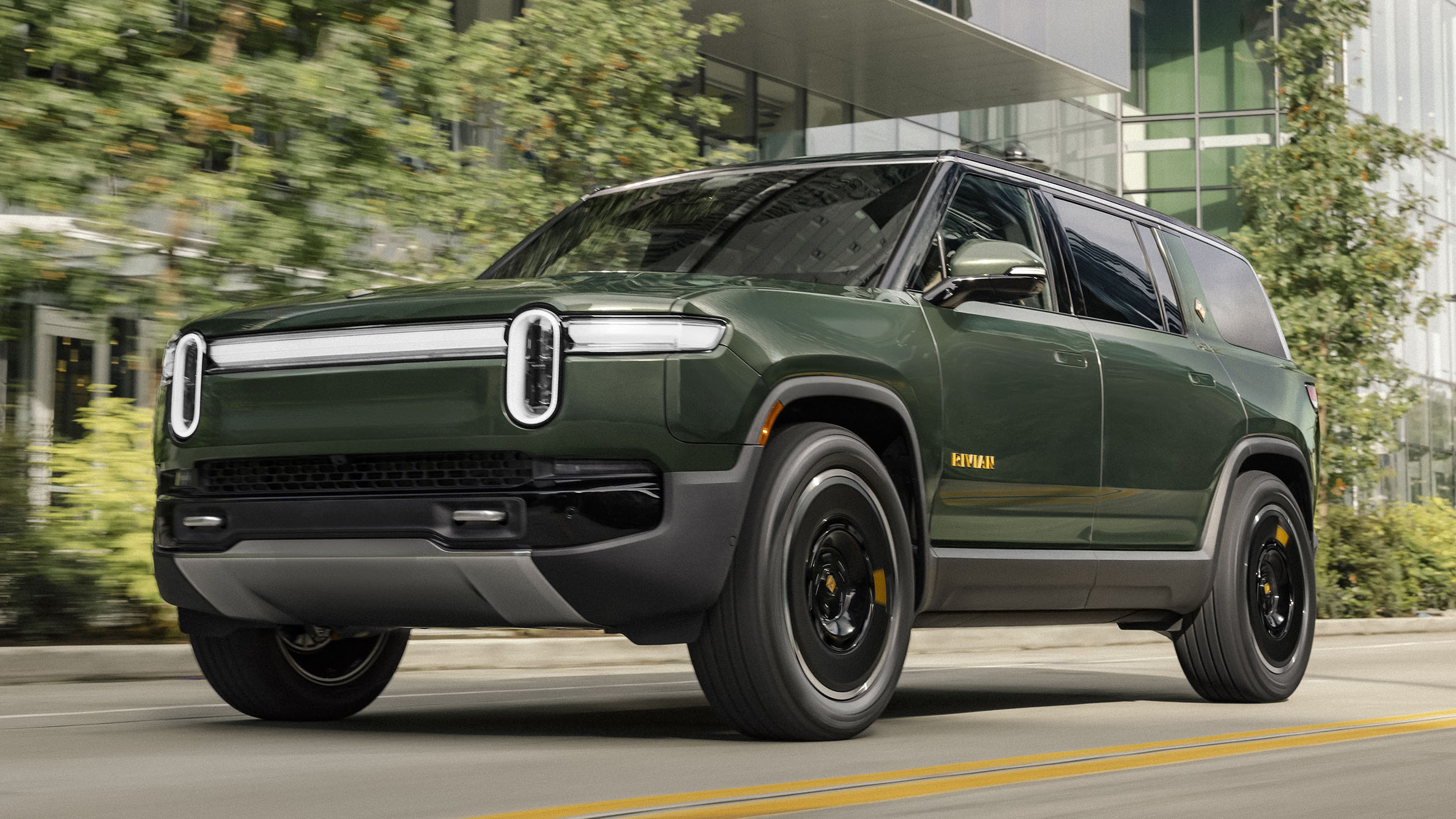
Modern automotive design has entered a new era where aesthetics, innovation, and technology merge to shape vehicles that inspire emotion and confidence. Among the most expressive examples of this evolution are eight SUVs that redefine what modern design means.
They balance sharp geometry with smooth proportion, fusing elegance and purpose in every detail. Electric pioneers such as the Kia EV9 and Rivian R1S demonstrate how futuristic styling can remain approachable, while the Hyundai Ioniq 5 revives retro cues with contemporary execution.
The Lincoln Nautilus and Jaguar F-Pace emphasize refinement and presence, and the Aston Martin DBX S elevates performance design to an art form. Meanwhile, the Range Rover Velar embodies minimalist sophistication.
These vehicles reflect a shift from traditional design to thoughtful, human-centered creativity, where every contour and surface is crafted to communicate clarity, confidence, and individuality in the age of modern mobility.
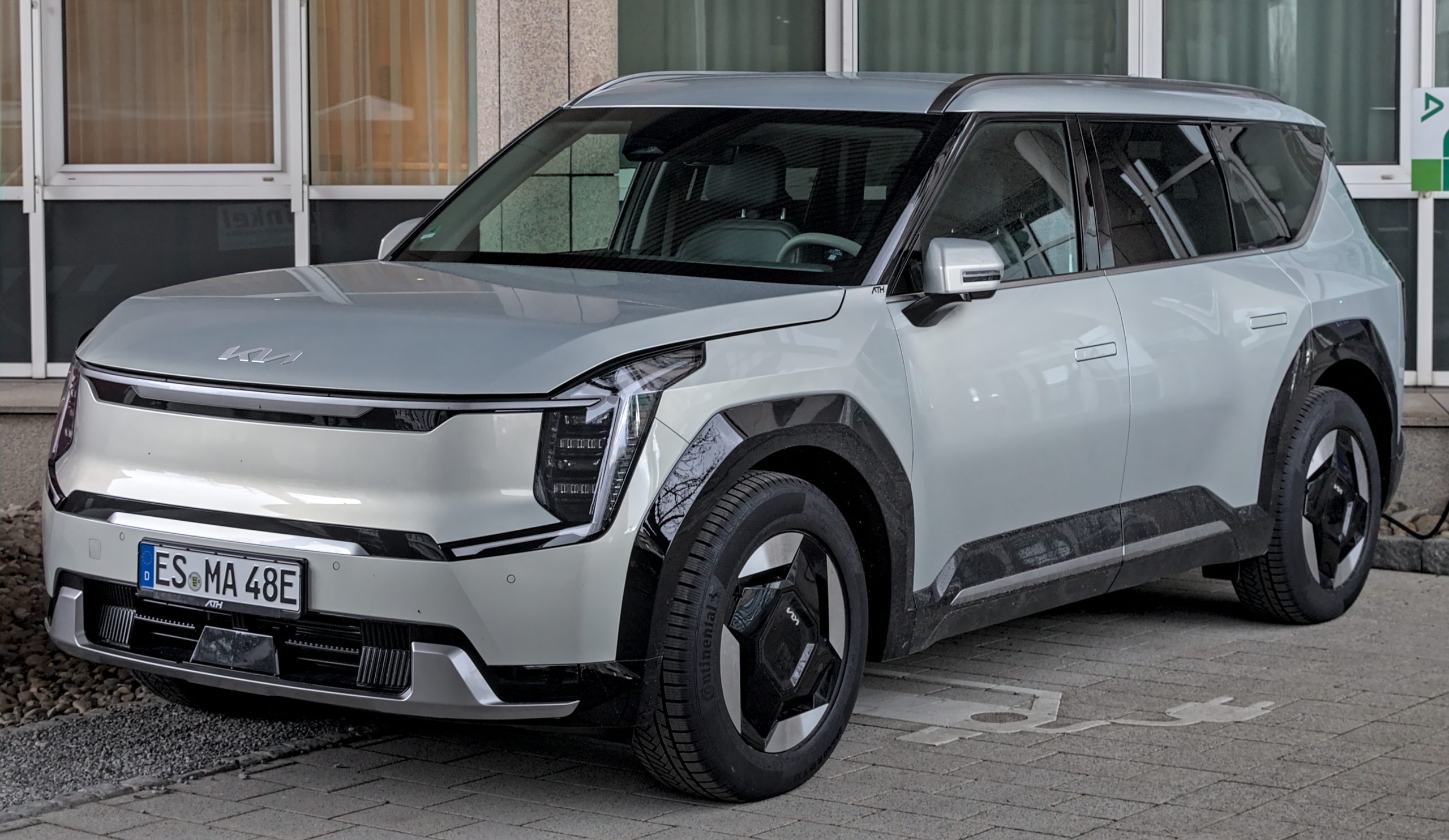
1. Kia EV9: The 2024 Three-Row Electric SUV
The 2024 Kia EV9 is a striking addition to the electric SUV market, staying remarkably close to its original concept design, aside from the omission of coach doors. Editors Miguel Cortina and Kristen Lee praised its commanding presence, describing the EV9 as upright, boxy, and imposing.
Built on Hyundai Motor Group’s E-GMP dedicated EV platform, the SUV’s clean lines, low beltline, and precise edges give it a visually arresting profile, making it stand out among electric SUVs.
The EV9 offers a versatile driving experience depending on the trim. While the entry-level Light trim is modest in power, higher trims, such as the GT-Line, deliver impressive performance. In testing, the GT-Line accelerated from 0 to 60 mph in just 4.7 seconds, demonstrating strong braking and stable handling around corners.
For everyday driving, the EV9 provides smooth acceleration and adjustable regenerative braking, enabling one-pedal driving where lifting off the accelerator brings the SUV to a complete stop.
Outward visibility is commendable, although the front roof pillars can slightly obstruct views during turns. Optional features like a 360-degree camera enhance maneuverability in tight spaces. Driver-assistance technologies, including adaptive cruise control, lane-keeping assistance, and attention monitors, further enhance safety, making the EV9 a family-friendly SUV.
The EV9 excels in passenger comfort. Front seats are highly adjustable with heating, ventilation, and optional massage functions. Upgraded second-row captain’s chairs offer similar comfort, while the third row, though less plush, surpasses most competitors in the segment. The SUV’s low step-in height and wide doors make access to the first and second rows easy, with decent access to the third row.
Some interior controls, such as the drive selector stalk and touchscreen positioning, are less intuitive, but cabin usability is strong. The EV9 also provides convenient child safety features, including LATCH anchors and rear top tethers for all rear seats.
The Kia EV9 comes equipped with modern tech to enhance the driving experience. Highlights include a premium Meridian audio system, wireless Apple CarPlay and Android Auto, and a reliable navigation system for areas with weak cellular service. The cabin tech complements the vehicle’s comfort and usability, making daily driving more enjoyable.
Cargo capacity is generous, with 20.2 cubic feet behind the third row, expandable to 43.5 cubic feet with the third row folded, and a maximum of 81.7 cubic feet. The EV9 also features multiple storage bins and cupholders. For recreation, it can tow up to 5,000 pounds, although towing reduces its electric range.
The EV9 offers strong value, with high-quality materials and top-trim luxury features. Kia’s industry-leading 10-year/100,000-mile warranty, which includes the battery, and 1,000 kWh of free fast charging on the Electrify America network, enhances ownership appeal.
The EV9’s EPA-estimated range varies from 230 to 304 miles depending on trim, with the GT-Line achieving 270 miles in testing. Efficiency is competitive at 35.7 kWh per 100 miles, and fast-charging allows 10% to 80% capacity in approximately 24 minutes, making it one of the quickest-charging SUVs on the market.
The Kia EV9 successfully blends practicality with excitement. Its bold styling, spacious interior, advanced tech, strong performance, and fast-charging capability make it an appealing choice for families and EV enthusiasts alike. It’s a three-row SUV that doesn’t just meet expectations, it makes them enjoyable.
2. Rivian R1S: The 2024 Electric SUV
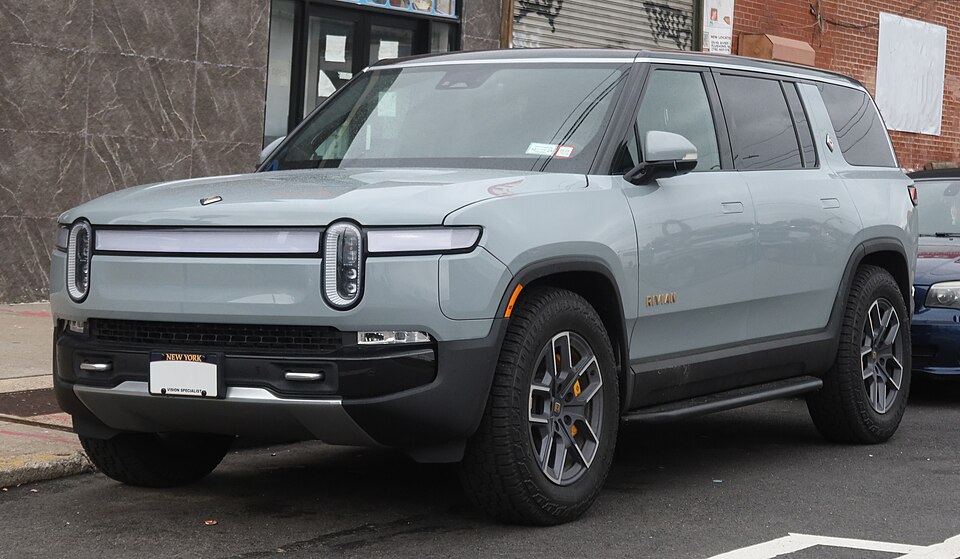
The 2024 Rivian R1S builds on the design of Rivian’s all-electric pickup, the R1T, offering a shorter, SUV-focused variant that blends traditional boxy SUV styling with futuristic EV elements. Its clean proportions, distinctive “stadium” headlights, and signature light bars make it instantly recognizable as both an EV and a Rivian, while maintaining a familiar SUV silhouette that appeals to mainstream buyers.
The R1S delivers exhilarating performance, particularly in the 850-horsepower tri-motor configuration, which accelerates from 0 to 60 mph in just 2.9 seconds, rivaling high-performance sports cars.
Despite its high output, the R1S is easy to drive, featuring smooth suspension that absorbs bumps well and strong regenerative braking for one-pedal driving. While its weight limits aggressive cornering, it remains stable and composed at typical highway speeds.
Technology aids the driving experience, including a surround-view camera system, adaptive cruise control, lane-keeping assistance, and a hands-free driving system that performs reliably in many conditions, though occasional disengagements occur.
The interior is spacious, with ample room in the first and second rows. Front seats are comfortable but lack adjustable lateral bolsters and thigh cushion extensions found in some luxury competitors. Access is simplified with wide-opening doors and adjustable air suspension that lowers the SUV when parked.
The second row slides forward for third-row entry, though access to the rear is tight. The third row is best suited for shorter trips. Climate control works efficiently, but vent adjustments require touchscreen interaction, which can be cumbersome.
Child seat accommodations are excellent in the second row, though more challenging in the third row due to space limitations.
The R1S features a modern infotainment system with responsive maps and charging station filtering, though it lacks Apple CarPlay and Android Auto. Device integration is strong, with USB-C ports in every row, dual wireless charging pads, and a smartphone app that functions as a digital key.
The audio system is solid but not exceptional, while the removable Bluetooth speaker under the center console is ideal for tailgating or outdoor activities.
Cargo space is abundant, offering 17.6 cubic feet behind the third row, 90.7 cubic feet with both rows folded, and nearly flat folding seats. The front trunk adds extra storage, including a bin for charging cables and other essentials. In-cabin storage is practical, though the lack of a glovebox is notable. The R1S excels in towing, with a maximum capacity of 7,700 pounds, surpassing most electric SUVs.
The R1S has a luxury-adjacent price and a strong feature set, with build quality improved over earlier models. Warranty coverage varies with the battery pack: all models have a four-year/50,000-mile basic warranty, while battery and drivetrain coverage ranges from 120,000 to 150,000 miles.
Range varies between 270 and 410 miles, depending on configuration. The tri-motor version we tested achieved 361 miles, slightly below its EPA estimate, while the dual-motor Max battery managed 386 miles. Efficiency is lower than many EVs, consuming 41.7–43.6 kWh per 100 miles. Charging is moderate, adding 100 miles of range in just over 17 minutes under fast-charging conditions.
The Rivian R1S stands out with its combination of high performance, off-road capability, and futuristic styling. Its adjustable air suspension allows up to 15 inches of ground clearance, making it capable in rugged conditions.
While not the sportiest SUV in corners, its power, presence, and versatility make it a unique option in the electric SUV market, appealing to drivers seeking adventure without compromising modern EV technology.
3. Hyundai Ioniq 5: The 2024 Retro-Modern EV SUV
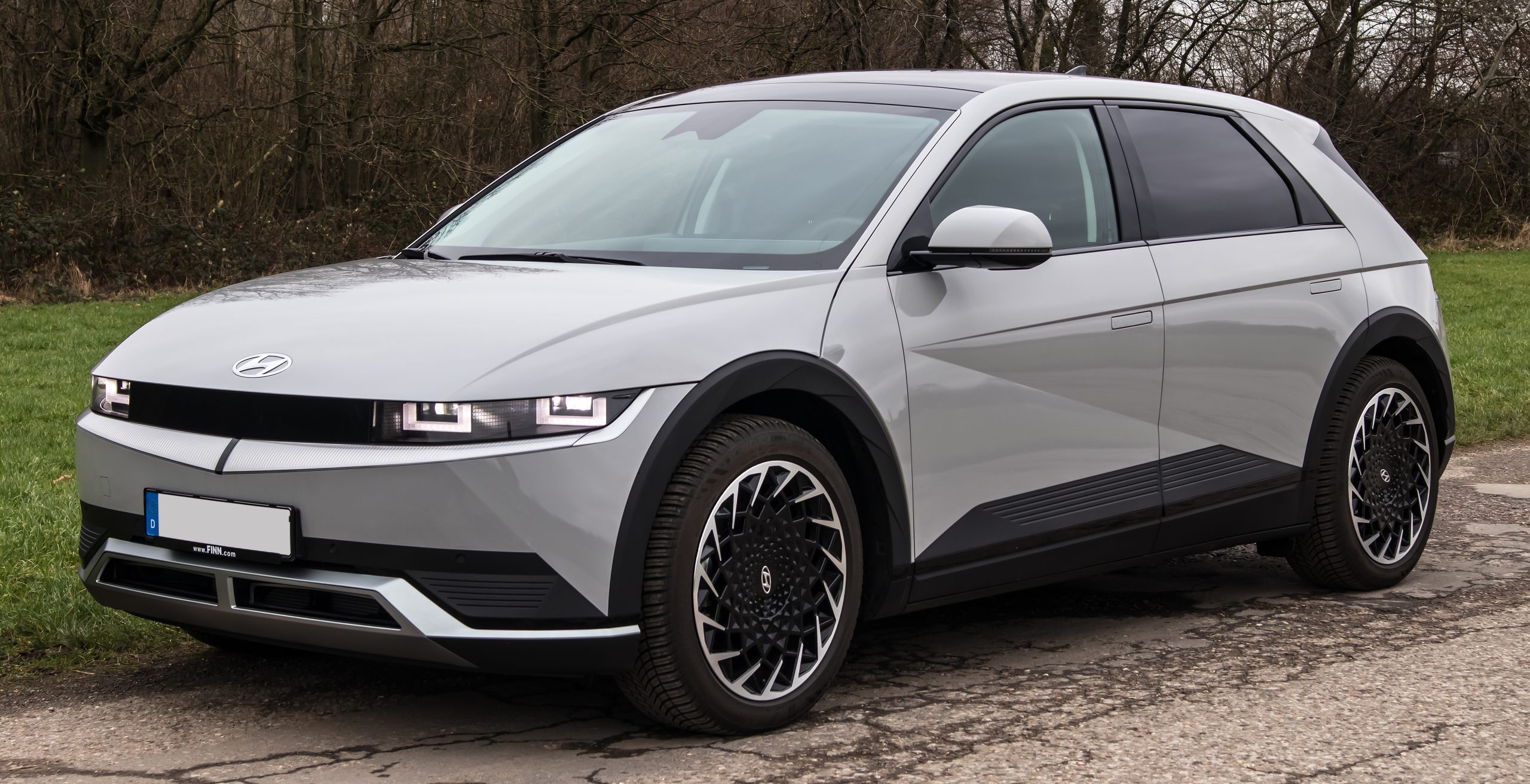
The 2024 Hyundai Ioniq 5 blends modern EV styling with nostalgic cues inspired by the 1980s Hyundai Pony. Its sharp angles, clean lines, and retro-modern design create a head-turning appearance that is both futuristic and approachable. This combination of style and innovation has made the Ioniq 5 one of the most visually distinctive electric SUVs on the market.
The Ioniq 5 delivers a fun and engaging drive without requiring sport-tuned handling. A dual-motor Limited trim accelerates from 0 to 60 mph in 4.7 seconds, while the single-motor version provides enough power for smooth highway merging and passing.
Adjustable regenerative braking allows for one-pedal driving, and the ride remains supple even over rough roads. The XRT trim adds higher ground clearance and all-terrain tires, making light off-road excursions more comfortable.
Front visibility is expansive, though the thick rear roof pillars create some blind spots that can be mitigated with the optional surround-view camera system. Hyundai’s SmartSense suite of driver aids includes adaptive cruise control, lane centering, blind-spot warning, and front and rear parking sensors. Top-trim models add remote parking and a surround-view system, which performed reliably in testing.
The cabin provides spacious and supportive seating. Front seats remain comfortable during long drives, while climate control keeps the interior at a pleasant temperature. Rear legroom is generous, and car seat anchors are easy to access, making the Ioniq 5 practical for families. The XRT’s off-road-oriented setup does not compromise cabin quietness, and road and wind noise are minimal even at higher speeds.
The 2025 Ioniq 5 features an upgraded infotainment system with improved graphics, accurate navigation, and customizable displays. The Bose audio system delivers strong sound with minimal distortion, and an augmented reality head-up display is available for navigation.
Wireless Apple CarPlay and Android Auto are standard, along with multiple USB-C ports, a wireless charging pad, and a rear power socket. The Bluelink app allows for remote control and monitoring of the vehicle, adding convenience and versatility.
Cargo space is 26.3 cubic feet behind the second row, which is smaller than some competitors but adequate for daily errands. The rear seats fold flat for longer items, and the cabin includes cubbies, bottle holders, and a movable center console that increases usable space. The front trunk is compact but sufficient for storing charging cables and small items.
The Ioniq 5 represents strong value in the electric SUV segment, starting in the mid-$30,000s while offering advanced technology and a high-quality interior. Its 800-volt architecture enables ultra-fast charging, adding about 100 miles of range in nine minutes.
The Tesla NACS charging port adds access to the Supercharger network, while CCS compatibility remains through a free Hyundai adapter. Range varies by trim, with the XRT and Limited dual-motor trims achieving 290 and 282 miles in testing. Efficiency is strong, using 31.4–32.4 kWh per 100 miles.
The Hyundai Ioniq 5 combines distinctive retro styling, engaging driving dynamics, versatile comfort, and fast-charging capabilities. Its dirt-capable XRT trim, advanced tech features, and thoughtful interior design make it one of the most well-rounded and appealing electric SUVs available today.
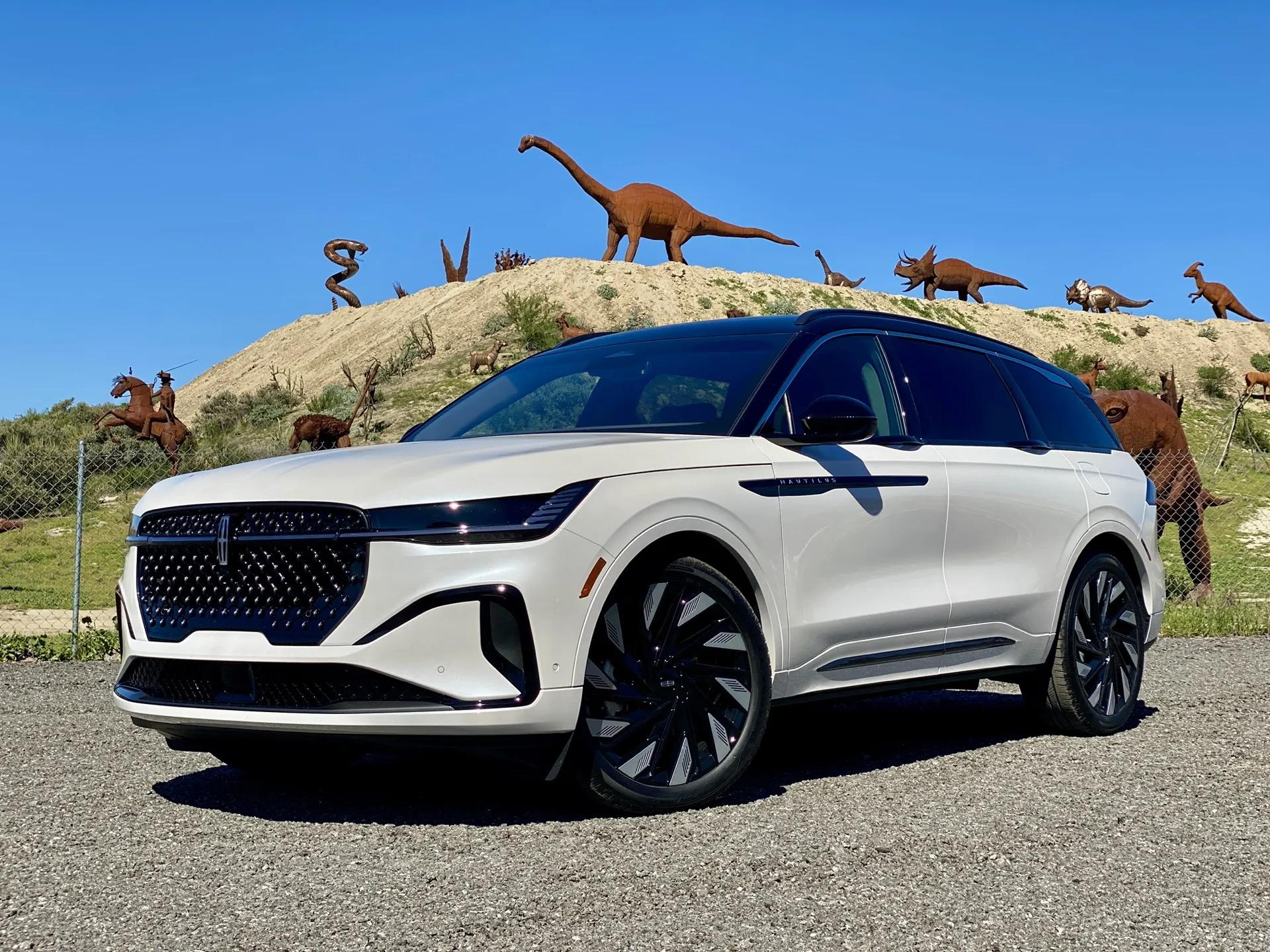
4. Lincoln Nautilus: The 2024 American Luxury SUV
The 2024 Lincoln Nautilus introduces a refreshed design for its third generation, redefining Lincoln’s vision of an American luxury SUV. The exterior features grille-piercing headlights, hidden door handles, and striated D-pillar trim, giving it a distinctive presence on the road. Inside, the cabin uses high-quality materials and thoughtful touchpoints, reflecting the brand’s focus on luxury.
The test Nautilus featured the available hybrid powertrain, which provides smooth and quiet acceleration at low speeds. On the test track, it accelerated from 0 to 60 mph in 7.2 seconds, slower than most competitors in the small luxury SUV segment.
Braking performance was underwhelming, taking longer than rival SUVs to stop from 60 mph, and the brake pedal felt inconsistent. Around corners, the vehicle leans noticeably, limiting confidence during spirited driving. The large 22-inch wheels with thin sidewalls contributed to a ride that felt simultaneously too soft and too firm.
The Nautilus offers 24-way power-adjustable front seats. While they require time to adjust to personal preference, they provide a comfortable seating experience once set.
The climate control system quickly achieves the desired cabin temperature, and the quiet interior minimizes road and wind noise, creating a serene driving environment. Rear-seat legroom and headroom are generous, and the SUV’s height allows for easy entry and exit.
The cabin is visually striking, with premium materials and a spacious layout. However, functionality is limited. Most vehicle controls are routed through a small touchscreen, including air vent adjustments, which can be distracting while driving.
Steering wheel buttons are unlabeled, requiring drivers to look at the display to determine their function. The instrument cluster can be partially obstructed by the steering wheel, making visibility challenging. Passenger space is excellent, but some design choices reduce ease of use and driver comfort.
The Nautilus features a 48-inch dash-spanning display, which impresses visually but occasionally freezes and requires resets. The available 28-speaker Revel audio system provides high-quality sound, and Google integration assists with navigation and voice commands.
Lincoln’s BlueCruise hands-free driving system is advanced, offering a convenient experience in traffic once the system is properly engaged, though initial setup is complicated by the unlabeled buttons.
Cargo space is one of the Nautilus’ strengths. It provides 36.4 cubic feet behind the rear seats, expandable via a 60/40 split fold-flat configuration.
The center console includes a storage compartment large enough for a purse, and the door pockets can accommodate drinks or small items. Car seat installation is convenient with easily accessible LATCH points, and wide-opening doors simplify entry and exit for rear passengers.
The hybrid Nautilus achieves an EPA-estimated 30 mpg combined, which matched real-world testing. The standard gasoline engine offers 24 mpg combined. While the cabin and build quality are impressive, the Nautilus commands a high price, particularly in the Black Label trim. Even with its 310-hp hybrid powertrain, the SUV may not feel competitive for the money compared with rivals in the luxury segment.
Also Read: 5 Cars That Pass Emissions At 15 Years vs 5 That Struggle To Set Monitors
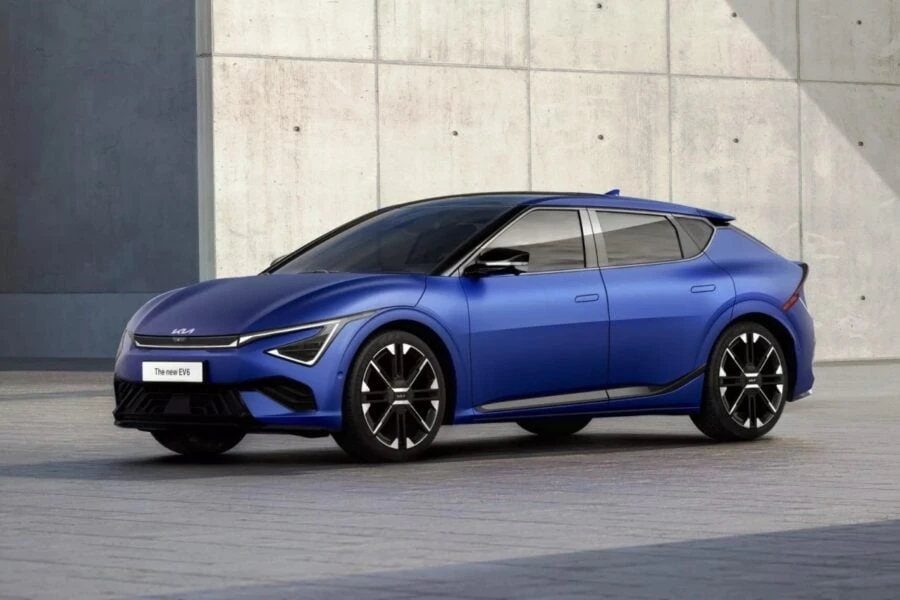
5. Kia EV6: The Futuristic Everyday EV
The 2024 Kia EV6 is one of the most distinctive electric vehicles currently available. Built on Hyundai Motor Group’s Electric Global Modular Platform (E-GMP), which also supports the Hyundai Ioniq 5, the EV6 takes a more aggressive and futuristic design approach.
Its coupe-like roofline, sculpted body, and bold proportions make it look modern while remaining approachable. Reviewers have praised it for being stylish, practical, and enjoyable to live with, describing it as a “home run” for Kia’s first purpose-built electric model.
The EV6 GT-Line, equipped with all-wheel drive and 320 horsepower, delivers strong and confident acceleration. It completes the 0 to 60 mph sprint in 4.9 seconds, which is quicker than many sporty hatchbacks such as the Honda Civic Type R but slightly behind the Tesla Model Y Long Range.
Braking performance is average, yet the well-calibrated one-pedal driving mode provides smooth deceleration, reducing the need to use the brake pedal. The ride is comfortable and stable over bumps, though it leans more toward comfort than sportiness on winding roads.
Visibility from the driver’s seat is generally good due to the large front windows and low hood. However, the thick rear pillars create a significant blind spot. To counter this, buyers should consider the available 360-degree camera system. Additional driver assistance features, such as adaptive cruise control and lane keeping assist, operate seamlessly to make driving easier and safer.
The EV6 scores high on comfort. The GT-Line features supportive front seats with a wide range of adjustments, making it easy to find a pleasant driving position. The rear seats recline and offer generous legroom, although the sloping roofline reduces headroom and makes getting in and out of the back slightly challenging. Installing larger child seats can also be awkward because of the narrow rear doors.
Road and wind noise are well controlled, creating a quiet cabin. Kia’s use of physical buttons for major functions such as audio and climate control is a welcome touch. They are intuitive, tactile, and easy to operate. However, the dashboard’s touch-sensitive panel, which controls both climate and vehicle settings, can be distracting while driving because it requires switching between menus.
The infotainment system, updated for 2025, features cleaner graphics and a more modern layout. Although the system involves some menu navigation, it is relatively easy to learn. Standard features include wireless smartphone connectivity, a digital key, a mobile app for remote monitoring, and a wireless charging pad. The technology operates smoothly and enhances daily convenience.
The EV6 sits between a hatchback and a compact SUV in size, offering more cargo room than the average hatchback but less than the Tesla Model Y. The cabin includes practical storage solutions such as a two-tier center console, large door pockets, and seatback organizers for second-row passengers.
The EV6 GT-Line offers an EPA-estimated range of 270 miles, while real-world testing achieved 295 miles. It consumed about 31 kWh per 100 miles, showing impressive efficiency. Charging is among the quickest in its class, adding 100 miles of range in about 10 minutes and achieving 592 miles of charging speed per hour.
The EV6 delivers premium build quality, strong performance, and one of the best warranties in the industry. Although it costs slightly more than competitors such as the Hyundai Ioniq 5, it remains an appealing choice for drivers who value style, technology, and practicality in an electric vehicle.
6. Jaguar F-Pace: The Refined Performance SUV
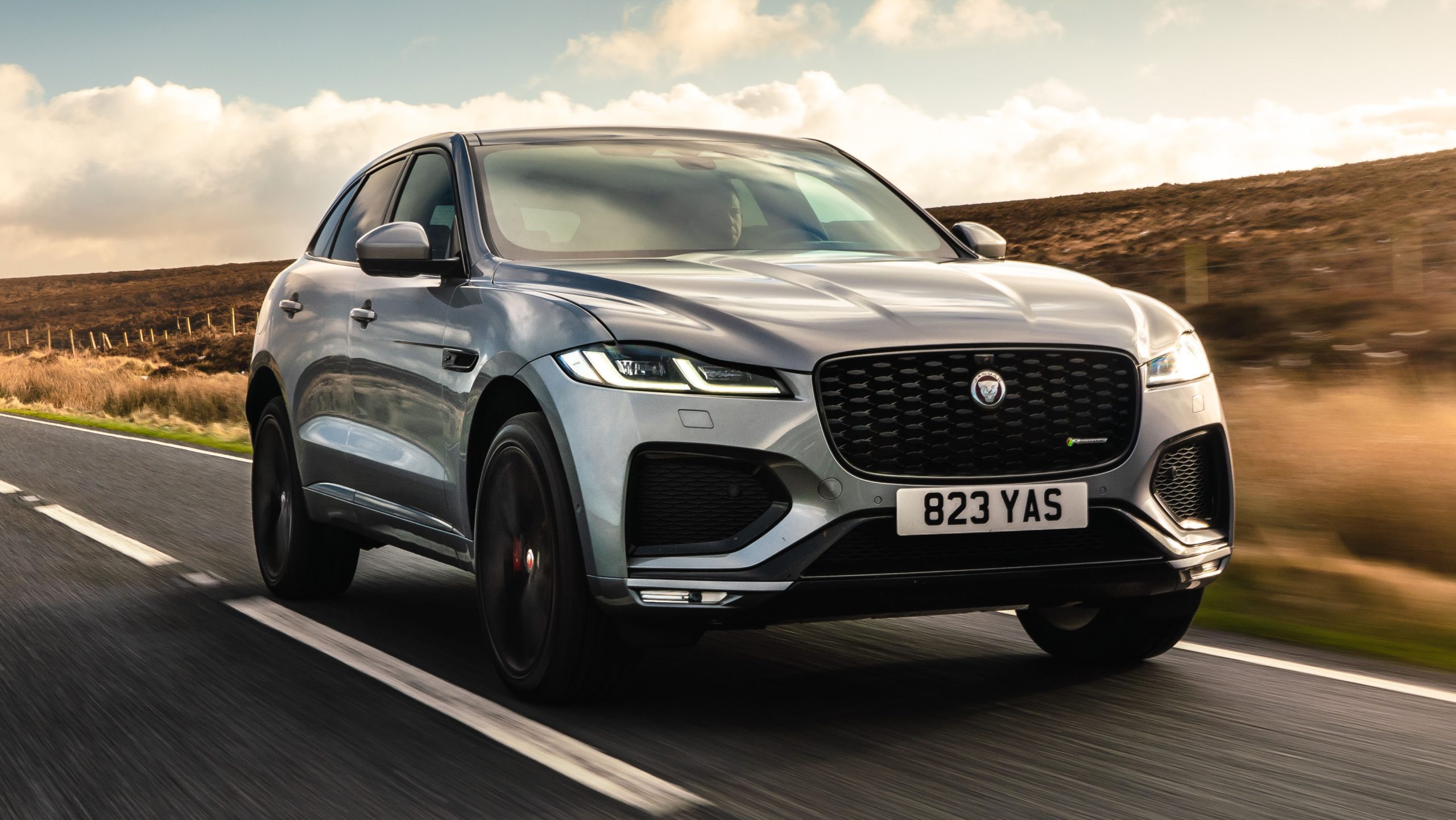
The 2024 Jaguar F-Pace continues the brand’s tradition of elegant design and strong performance. With styling inspired by Jaguar’s sedan lineup, it combines sleek proportions with a muscular stance.
The F-Pace’s SVR Edition 1988, a tribute to Jaguar’s 1988 Le Mans victory, adds unique styling elements and rich finishes that highlight its racing heritage. Reviewers describe it as one of the most visually striking SUVs in its class, embodying both sportiness and luxury without compromise.
The F-Pace has always leaned toward performance, and while Jaguar softened the suspension in recent updates, the vehicle still maintains its athletic feel. The improved suspension setup provides a smoother ride compared to earlier versions, but it slightly reduces the sharp handling that once defined the model.
It remains composed on corners, offering precise steering and excellent brake feel. The steering provides a natural connection to the road, while the brakes are firm and easy to modulate.
The tested version featured a turbocharged six-cylinder engine that produced brisk but not class-leading acceleration, reaching 60 mph in six seconds. Although this is slower than the previous supercharged V6 model and rivals like the Audi SQ5 or Porsche Macan, the engine delivers adequate power for confident highway merging and overtaking.
Standard advanced driver-assistance features such as adaptive cruise control and lane departure mitigation work well in most conditions, though the adaptive cruise can be slow to respond to changes in traffic.
Inside, the F-Pace offers generous passenger space, especially in the rear, where legroom surpasses many competitors in the compact luxury SUV segment. The available performance seats add a sporty flair to the cabin. They are highly supportive and well-padded, though taller drivers may miss a thigh extension for additional comfort.
While the vehicle blocks most road and wind noise effectively, some cabin squeaks and creaks are noticeable, which detracts from its premium appeal. The climate control setup uses a mix of touch-sensitive buttons and rotary dials that push and pull for different functions. Although the design looks modern, it is not very intuitive and can be frustrating to use while driving.
The infotainment system enhances the F-Pace’s upscale image with sharp, high-resolution graphics and a stylish digital instrument cluster. However, the software interface lacks the refinement and responsiveness of systems found in German luxury rivals.
The F-Pace performs better in connectivity, offering wireless Apple CarPlay and Android Auto, a wireless charging pad, and multiple USB ports. Jaguar also offers the optional Activity Key, a waterproof wearable that lets drivers lock and unlock the vehicle without carrying a traditional key.
Practicality is one of the F-Pace’s strengths. With about 30 cubic feet of cargo space behind the rear seats, it provides more room than many small luxury SUVs. The 40/20/40 split-folding rear seats enhance flexibility for carrying longer items. The F-Pace also stands out with a maximum towing capacity of 5,291 pounds, making it one of the most capable SUVs in its class for hauling trailers or boats.
The Jaguar F-Pace is priced higher than many competitors, but it includes a generous list of standard features and high-quality materials throughout the cabin.
While build quality feels luxurious, occasional interior noises may disappoint buyers expecting flawless craftsmanship. Jaguar’s five-year or 60,000-mile warranty, which includes scheduled maintenance and roadside assistance, adds notable value and peace of mind.
The 2024 Jaguar F-Pace blends style, performance, and practicality into a distinctive luxury SUV. Though it falls short in outright speed and tech refinement compared to some rivals, its character, design, and comfort make it a compelling choice for those seeking a sophisticated performance SUV with British flair.
7. Aston Martin DBX S: Power, Precision, and Elegance in Motion
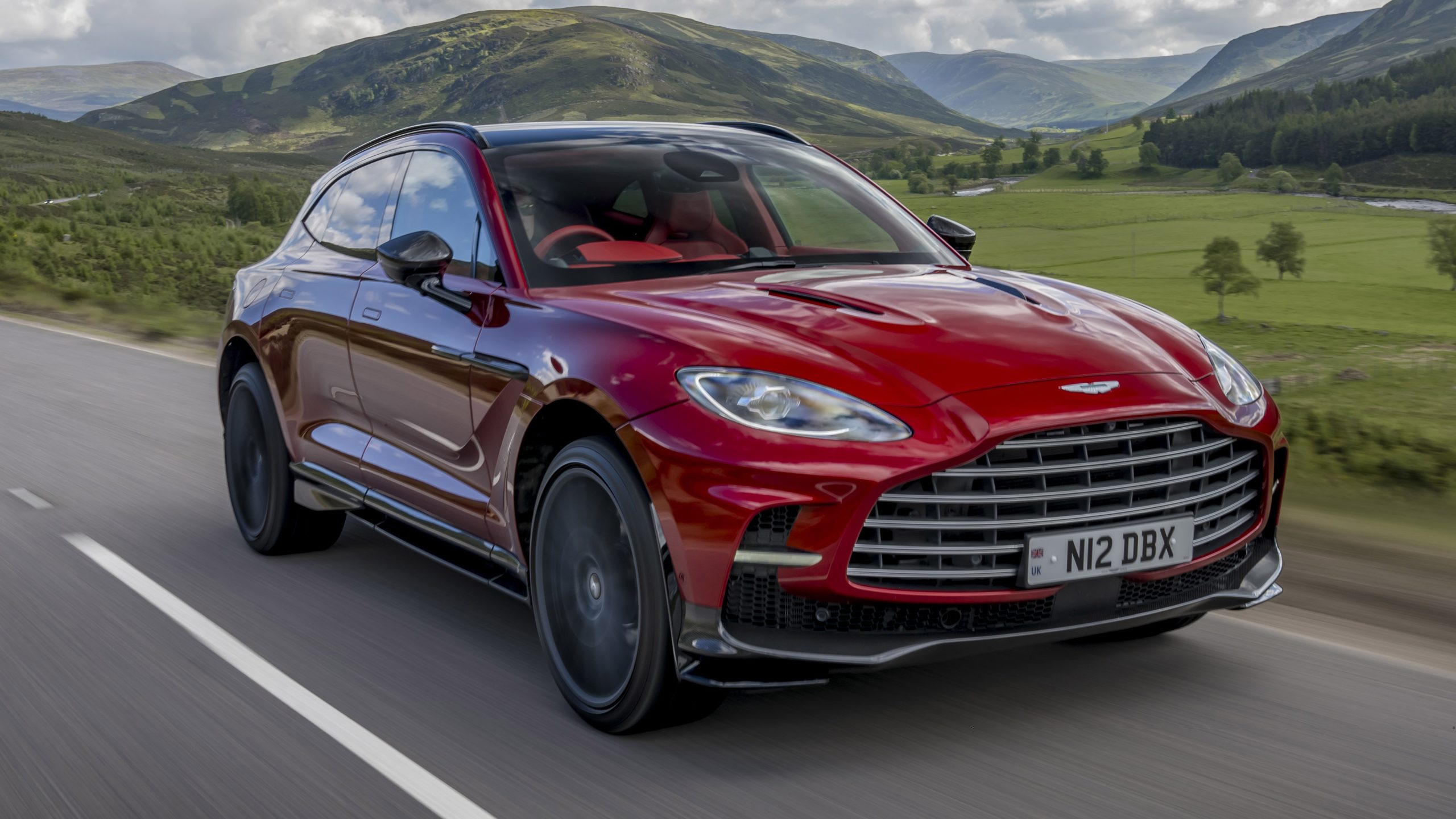
The 2024 Aston Martin DBX S represents the perfect blend of British craftsmanship and supercar performance in an SUV body. Designed entirely in-house, the DBX translates Aston Martin’s signature proportions and style into a larger platform without losing its grace. The “S” badge carries heritage from past performance models, signaling this SUV’s position as the most powerful version in the lineup.
Under the hood lies a hand-built 4.0-liter twin-turbocharged V8 sourced from Mercedes-AMG but refined by Aston Martin. It produces 717 horsepower and 664 lb-ft of torque, channeled through a nine-speed dual-clutch automatic transmission.
Power distribution between the front and rear wheels varies dynamically, ensuring maximum traction and agility. Carbon-ceramic brakes measuring 16.5 inches in front and 15.4 inches in the rear provide immense stopping power.
Despite weighing over 4,800 pounds, the DBX S is surprisingly agile. Aston claims a 0 to 60 mph time of 3.1 seconds, which feels believable given the relentless surge of acceleration.
The torque delivery is immediate, and the engine’s deep growl transforms into an exhilarating roar as revs climb. Handling is responsive and composed, making the DBX S feel far lighter than its size suggests. The steering is quick, precise, and communicative, allowing confident cornering on tight roads.
Aston Martin reworked the suspension for the DBX S, using adaptive air springs with multiple firmness settings. The electronic anti-roll bars keep the body flat during aggressive maneuvers while preserving ride comfort on straight roads.
Drivers can switch among GT, Sport, and Sport+ modes using a console-mounted dial. GT mode prioritizes comfort and quietness, while Sport and Sport+ stiffen the suspension, sharpen throttle response, and intensify the exhaust note.
An Individual mode allows customization of the steering, suspension, and sound settings. The DBX S manages to be both luxurious and thrilling, adapting easily from highway cruising to spirited mountain driving. Even with 23-inch wheels, the SUV remains controlled and compliant over uneven surfaces.
The DBX S showcases distinctive design details, including stacked exhaust pipes, larger air intakes, an aggressive rear diffuser, and handcrafted “S” badging. Lightweight carbon-fiber options and magnesium wheels reduce up to 104 pounds, improving agility. Every surface reflects Aston’s attention to craftsmanship. The interior combines fine leather, metal, and carbon fiber, with impeccable stitching and tactile controls.
The redesigned dashboard replaces the older rotary control interface with a modern touchscreen. Physical knobs for temperature and volume remain, avoiding the usability issues found in many luxury cars.
The cabin is spacious and comfortable, with ample legroom in both rows. Cargo space is generous for a performance SUV, and features like power-folding rear seats and a height-adjustable rear suspension make loading easy.
The DBX S introduces Apple’s CarPlay Ultra system, which takes over the car’s displays, though connectivity issues suggest it still needs refinement. Standard driver-assist features include adaptive cruise control and lane-keeping assistance, though they feel less responsive than systems from larger automakers.
Starting at $274,500 before options, the DBX S is priced firmly in the ultra-luxury range. Optional upgrades such as the Bowers & Wilkins sound system, lightweight components, and custom finishes can raise the cost to around $350,000. For those who can afford it, the DBX S offers exclusivity, breathtaking performance, and undeniable style in a package that feels unmistakably Aston Martin.
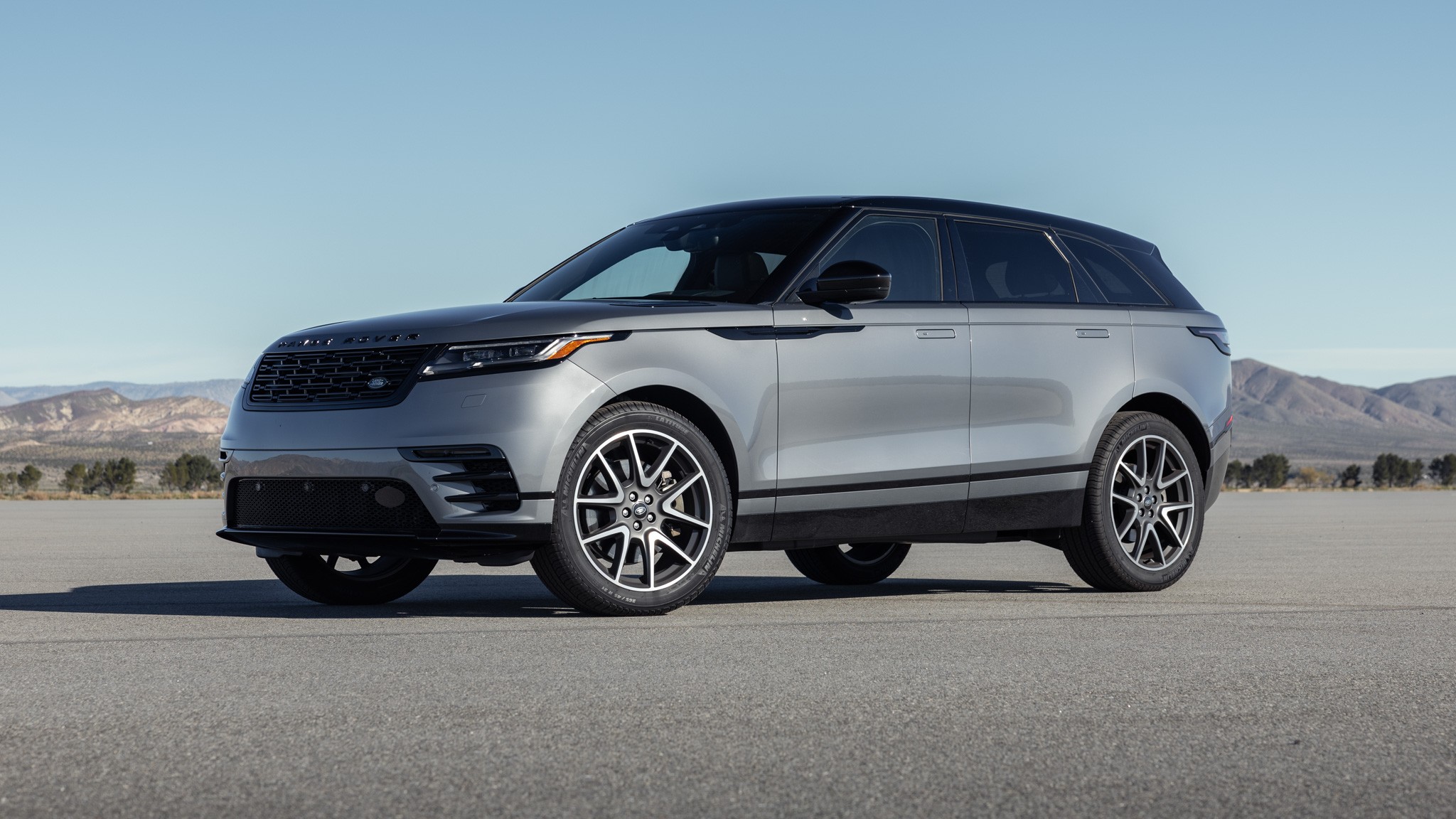
8. Range Rover Velar: Modern Design Meets Refined Capability
The 2024 Land Rover Range Rover Velar embodies a perfect balance between minimalist elegance and traditional Land Rover strength. Designed by Gerry McGovern, the Velar’s silhouette is sleek, sophisticated, and distinctly Land Rover. Its slim headlights, clean body lines, and refined stance give it a calm and confident character.
Former editor Mark Rechtin described it as “classically elegant, yet with a hint of modernism,” noting its harmonious proportions and understated luxury. The Velar’s design captures attention without relying on extravagance, creating an SUV that looks equally at home in urban settings and countryside retreats.
The Velar lineup features two main powertrains. The P250 model uses a 247-horsepower turbocharged 2.0-liter four-cylinder engine paired with an eight-speed automatic transmission. While smooth and refined, this configuration delivers modest acceleration, taking 7.4 seconds to reach 60 mph.
The P400 model adds excitement with a 395-horsepower 3.0-liter turbocharged and supercharged inline-six, supported by a 48-volt mild-hybrid system. This setup is more energetic and responsive, estimated to reach 60 mph in 5.2 seconds, though it still trails six-cylinder competitors such as the BMW X3 M40i and Porsche Macan S.
The Velar’s handling prioritizes comfort and composure rather than agility. Its air suspension system keeps the body stable through corners and delivers a firm yet controlled ride. Steering response feels precise, though somewhat lacking in feedback.
The adjustable air suspension allows drivers to raise the ride height for off-road capability or lower it for improved efficiency and stability on the highway. With a towing capacity of around 5,000 pounds, the Velar can handle small campers or boats, blending style with practicality.
Fuel economy depends on the chosen engine. The four-cylinder version achieves an EPA rating of 22 mpg city and 26 mpg highway, while the six-cylinder model earns 19 mpg city and 25 mpg highway. In real-world testing, the four-cylinder version matched its highway estimate of 26 mpg, making it one of the more efficient vehicles in its class.
The Velar’s cabin design reflects a modern architectural approach with clean lines, premium materials, and minimal visual clutter. The emphasis on simplicity is enhanced by the large touchscreen interface, which replaces many physical buttons and allows the center console to remain open and elegant. Soft-touch materials, polished metal accents, and precise detailing create an atmosphere of quiet sophistication.
Cargo space is generous for a compact luxury SUV. It accommodates up to 10 carry-on suitcases behind the rear seats and 23 when the seats are folded flat. The seating offers strong comfort and support for longer journeys, and the air suspension helps maintain smoothness across uneven surfaces.
An 11.4-inch curved touchscreen runs Land Rover’s latest Pivi Pro infotainment system. It is quicker and more responsive than previous versions, featuring Apple CarPlay, Android Auto, navigation, Bluetooth connectivity, and a premium Meridian sound system.
Safety technology includes automated emergency braking with pedestrian detection, lane-keeping assist, blind-spot monitoring, and optional adaptive cruise control with steering assist.
The Velar comes with a four-year, 50,000-mile limited and powertrain warranty, which is typical for this class. Jaguar’s related F-Pace, however, offers extended coverage with complimentary maintenance for five years.
For those who value striking design, comfort, and composed capability, the 2024 Range Rover Velar delivers a refined driving experience that blends luxury with unmistakable Land Rover heritage.
These eight SUVs capture the essence of modern design through their ability to combine visual harmony with functional purpose. Each model showcases a distinct personality, yet all share a common pursuit of innovation and craftsmanship.
Whether it is the futuristic confidence of the Kia EV9, the adventurous form of the Rivian R1S, or the sculpted luxury of the Aston Martin DBX S, design becomes more than appearance; it becomes identity.
The Hyundai Ioniq 5 and Range Rover Velar illustrate how restraint can be powerful, while the Jaguar F-Pace and Lincoln Nautilus show that elegance and technology can coexist seamlessly. Together, they demonstrate how design now defines the emotional connection between driver and machine.
As electric mobility and sustainable materials take center stage, these SUVs represent not just transportation but a statement of intent, proving that great design continues to lead the future of the automotive world.
Also Read: 10 Cars That Rarely Need Alignment After Pothole Seasons