
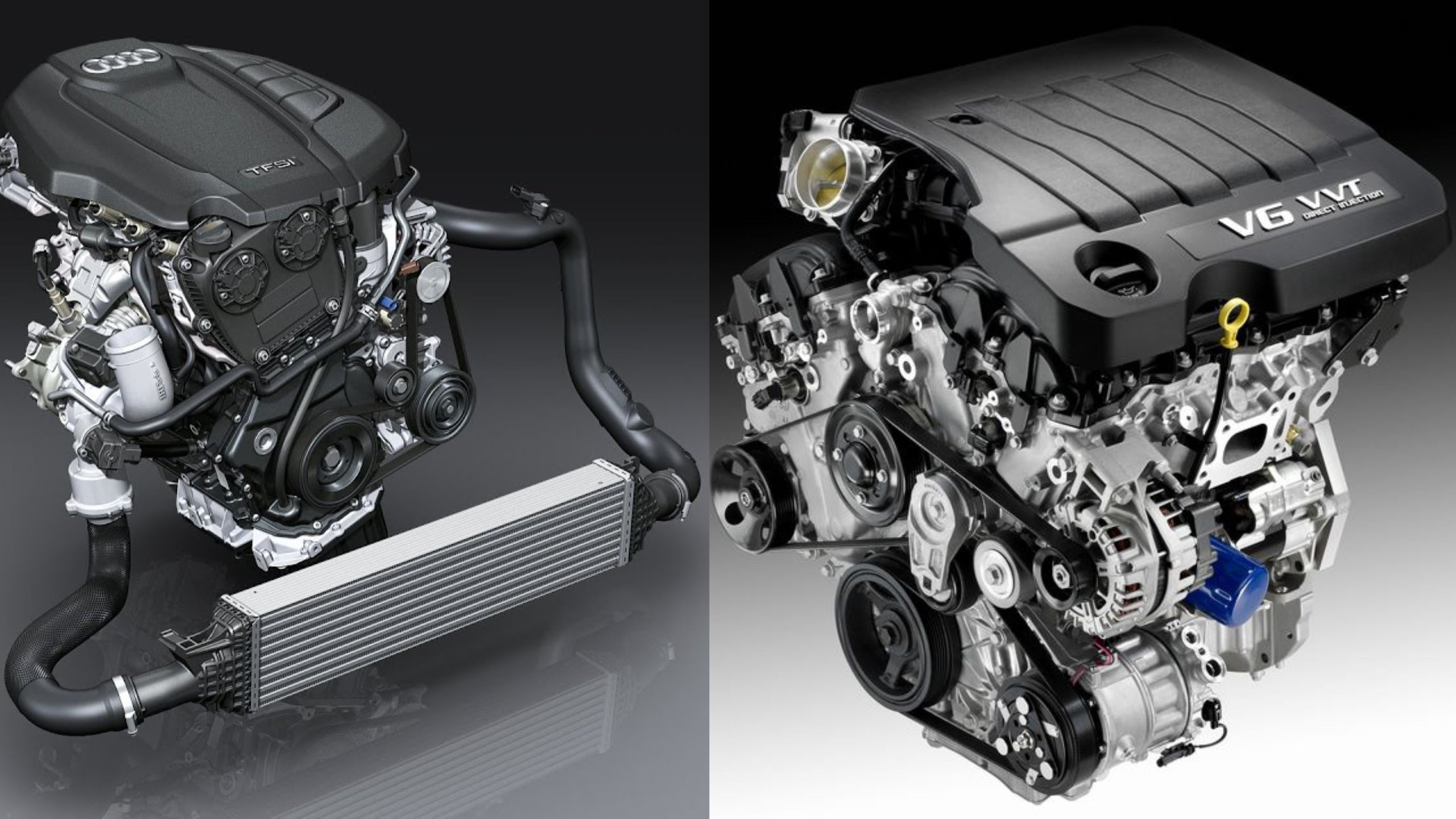
The automotive engineering, few topics spark as much debate among car enthusiasts, mechanics, and everyday drivers as engine oil consumption. It’s a subject that sits at the intersection of engineering excellence, manufacturing tolerances, and long-term reliability.
When a vehicle crosses the 200,000-mile threshold a milestone that was once considered exceptional but is increasingly common in modern vehicles the way an engine handles oil consumption becomes a telling indicator of its design philosophy, build quality, andf engineering integrity.
Oil consumption in engines is not inherently a sign of failure. In fact, every internal combustion engine consumes some amount of oil during normal operation.
The question isn’t whether an engine consumes oil, but rather how much it consumes and whether that consumption remains consistent or accelerates over time.
Some engines are engineered with such precision and durability that they maintain their oil levels remarkably well even after two decades of service and hundreds of thousands of miles.
These are the engines that have earned legendary status among mechanics and drivers alike, powerplants that seem almost immune to the wear and tear that typically accompanies high mileage.
On the other side of the spectrum are engines that, while not necessarily defective, tend to consume oil at a more noticeable rate. These engines might require a quart of oil between regular oil changes, a characteristic that can stem from various design choices, manufacturing tolerances, or intended operating parameters.
This oil consumption doesn’t necessarily indicate poor quality; in some cases, it’s an accepted trade-off for other performance characteristics or design priorities. However, it does require more attentive ownership and regular monitoring of oil levels.
The distinction between these two categories becomes particularly significant as vehicles age. An engine that barely touches its oil supply at 200,000 miles demonstrates exceptional cylinder wall finish, superior piston ring design, effective valve seal engineering, andf robust construction.
Meanwhile, knowing which engines require more frequent oil level monitoring allows owners to properly maintain their vehicles and avoid the catastrophic damage that can result from running an engine low on oil.
This comprehensive examination will explore seven engines from each category, providing insights into what makes certain power plants exceptionally durable while others require more attentive care.
7 Engines That Don’t Consume Oil at 200k Miles
These exceptionally engineered powertrains feature cylinder walls with proper honing patterns promoting effective ring sealing, piston ring designs utilizing adequate tension and quality materials maintaining compression throughout extended service, and valve stem seal materials that resist hardening despite constant heat cycling and years of crankcase vapor exposure.
Their thoughtful engineering includes cast-iron cylinder liners providing durable wear surfaces that maintain crosshatch patterns essential for oil control, piston designs with deep ring lands preventing excessive side loading, and positive crankcase ventilation systems effectively removing blow-by gases without creating vacuum conditions that pull oil past seals into combustion chambers.
From highway driving maintaining optimal operating temperatures to varied duty cycles that typically accelerate ring wear, these remarkable engines continue holding oil levels steady between regular service intervals without requiring top-offs or developing visible exhaust smoke.
1. Toyota 2JZ-GTE and 2JZ-GE
The Toyota 2JZ engine family, particularly the turbocharged GTE variant and naturally aspirated GE version, has achieved almost mythical status in the automotive world, and for excellent reasons that extend far beyond internet hype.
These 3.0-liter inline-six engines, produced from 1991 to 2007, were engineered during an era when Toyota’s philosophy emphasized over-engineering and building vehicles that could withstand abuse far beyond what typical owners would ever inflict.
The 2JZ’s remarkable resistance to oil consumption at high mileage stems from several key engineering decisions. The engine block is cast iron, providing exceptional rigidity and wear resistance.
The closed-deck design means the cylinder walls are surrounded by coolant passages on only three sides, leaving the top of the cylinders supported by the deck itself, which maintains cylinder roundness even under extreme stress and over prolonged use. This is critical because cylinder wall distortion is one of the primary causes of increased oil consumption as engines age.
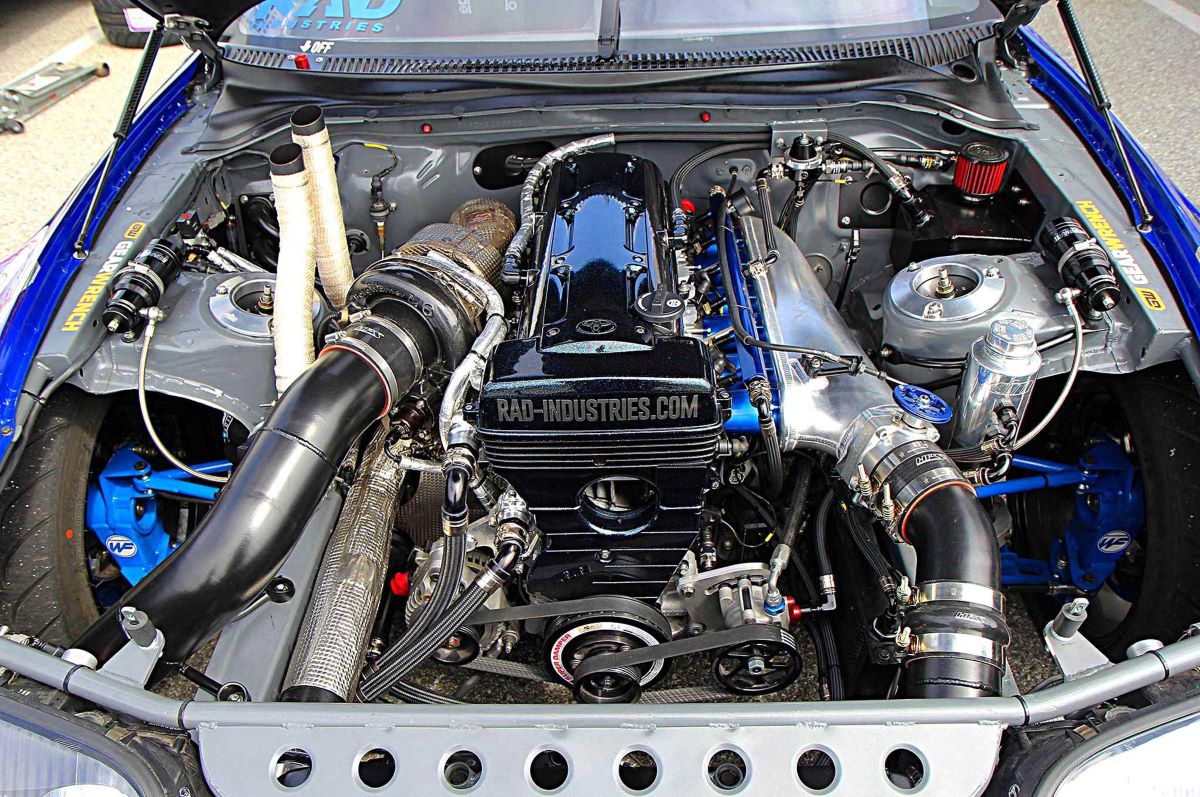
The piston rings in the 2JZ were designed with optimal tension and manufactured to exacting tolerances. Toyota used a specific cross-hatch pattern on the cylinder walls that retains oil for lubrication while preventing excess oil from being pulled into the combustion chamber.
Even after 200,000 miles, these cylinder walls typically show minimal wear, and the cross-hatch pattern often remains visible during engine inspections a testament to the material quality and machining precision.
The valve seals on the 2JZ are another triumph of engineering. These seals prevent oil from the valve train area from being sucked down the valve stems and into the combustion chamber.
Many engines experience valve seal degradation over time, especially those that sit for extended periods, but the 2JZ’s valve seals are renowned for maintaining their integrity.
The material composition and design of these seals, combined with the engine’s effective crankcase ventilation system, mean that even high-mileage examples rarely show signs of oil consumption from the valve train.
The 2JZ’s legendary status is also built on real-world evidence. Countless examples exist of these engines running well past 300,000 miles with oil consumption that remains negligible, often less than a quarter quart between 5,000-mile oil change intervals.
Mechanics who specialize in these engines report that unless the engine has been severely overheated or starved of oil, oil consumption simply isn’t a concern.
The engine’s bottom end, featuring forged components in the GTE version and robust cast pieces in the GE, maintains proper tolerances for decades.
Owners of high-mileage Lexus GS300s, IS300s, and Toyota Supras routinely report that monitoring oil levels is merely a precautionary measure rather than a necessity, as the dipstick reading barely changes between oil changes.
2. Honda K-Series Engines
Honda’s K-series engines, introduced in 2001 and continuing in various iterations to this day, represent Honda’s commitment to high-revving, efficient, and incredibly durable four-cylinder engineering.
These engines, ranging from 2.0 to 2.4 liters, power everything from the practical Honda CR-V to the performance-oriented Civic Si and Acura RSX Type-S, and they’ve earned a reputation for maintaining tight tolerances and minimal oil consumption well into their high-mileage years.
The K-series architecture employs an aluminum block with cast iron cylinder liners, combining light weight with the wear resistance necessary for long-term durability.
Honda’s manufacturing process for these liners is exceptionally precise, with cylinder wall finishes that promote proper oil control throughout the engine’s life.
The company’s attention to detail in the boring and honing process creates the ideal surface for piston rings to seal effectively while allowing just enough oil to remain on the cylinder walls for lubrication.
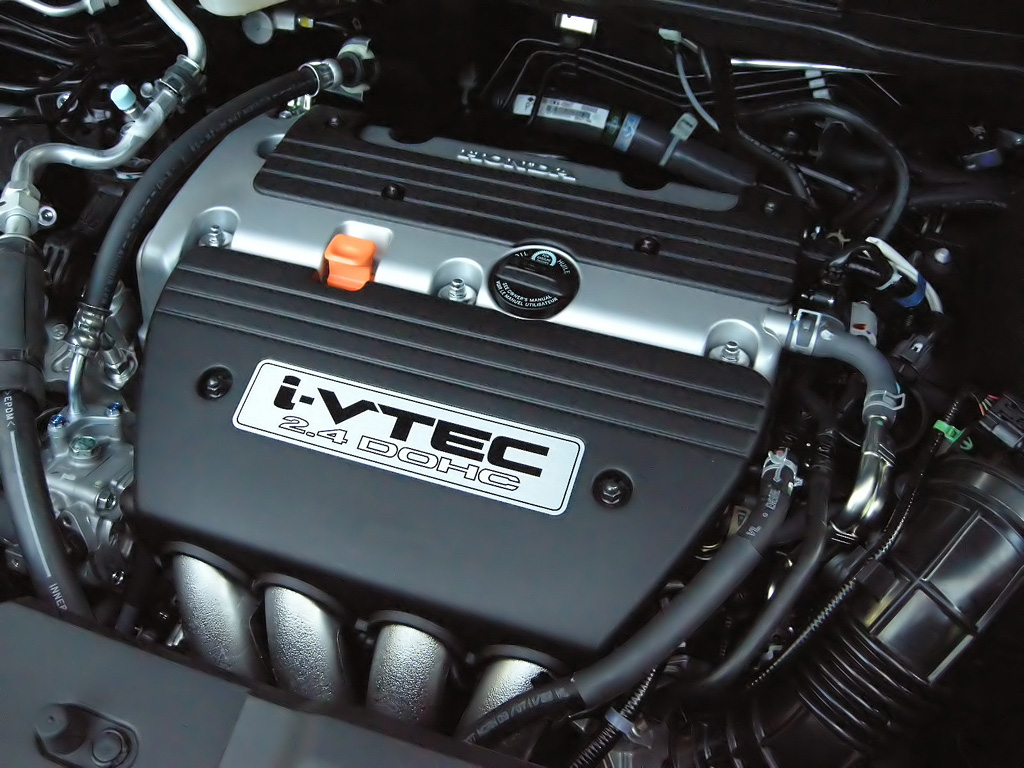
One of the most impressive aspects of K-series oil consumption or lack there of is how these engines handle their high-RPM capabilities without the typical wear that accompanies aggressive driving.
The K24 in a Honda Accord might spend its life commuting at moderate RPMs, but the K20 in a Civic Si is designed to be regularly revved to 8,000 RPM.
Despite this performance-oriented design, oil consumption remains minimal because Honda engineered the ring package and valve train components to handle these stresses without degradation.
The VTEC system in K-series engines could theoretically be a source of oil consumption issues, as the system involves additional oil passages and moving parts in the cylinder head.
However, Honda’s implementation is so refined that even high-mileage engines with hundreds of thousands of VTEC engagements show no increased oil consumption.
The valve seals are manufactured from materials that resist hardening and cracking over time, and the valve guides are precisely machined to maintain proper clearances without allowing oil to seep past.
Real-world evidence of K-series durability is abundant. Honda CR-Vs with the K24 engine routinely exceed 200,000 miles while consuming virtually no oil between changes.
Owners report that even with 5,000 to 7,500-mile oil change intervals, checking the oil level mid-interval shows the level exactly where it was when filled. Performance enthusiasts who drive their Civic Sis and Acura RSXs hard report similar experiences these engines simply don’t consume oil unless something has gone catastrophically wrong, which is rare.
The combination of Honda’s manufacturing precision, material selection, and design philosophy creates an engine that treats oil consumption as an engineering problem to be solved rather than an inevitable consequence of operation.
3. General Motors LS-Series V8 Engines
General Motors’ LS-series V8 engines, introduced in 1997 with the LS1 and continuing through numerous iterations including the LS2, LS3, LS6, and many others, have become the gold standard for reliability in American V8 engineering.
These engines, ranging from 4.8 to 7.0 liters in various applications, power everything from Chevrolet Silverado trucks to Corvette sports cars, and they’ve earned an exceptional reputation for maintaining minimal oil consumption even at extremely high mileages.
The LS engine’s architecture represents a complete departure from the earlier small-block Chevrolet designs. The aluminum block in most variants features cast iron cylinder liners, though some truck versions use all-iron construction for maximum durability.
The cylinder walls are finished with a precise plateau honing process that creates an ideal surface for ring sealing the deep valleys retain oil for lubrication while the flat plateaus provide a sealing surface that resists wear.
This surface finish is so effective that even after 200,000 miles of operation, LS engines typically show minimal cylinder wall wear when inspected with a borescope.

The piston ring package in LS engines is engineered for longevity and effectiveness. GM uses relatively low-tension rings compared to some competitors, which reduces friction and wear while still providing excellent sealing.
The top compression ring uses a moly-faced design that’s extremely wear-resistant, while the oil control ring package effectively scrapes excess oil from the cylinder walls without the tension levels that can cause premature wear. This balance is critical too much ring tension wears the cylinder walls prematurely, while too little allows oil past the rings.
One particularly impressive aspect of LS engine oil consumption is how consistent it remains across different applications and duty cycles.
A 5.3-liter LS engine in a Chevrolet Tahoe that’s spent 200,000 miles towing and hauling will typically show the same minimal oil consumption as a 6.0-liter LS2 in a Pontiac GTO that’s been driven enthusiastically.
This consistency suggests that the engineering margins built into these engines are substantial they’re not operating near the edge of their tolerances even under significant stress.
The valve train in LS engines contributes to their excellent oil consumption characteristics. The engines use a modern pushrod design with roller rocker arms and excellent valve seal quality.
The valve seals are designed to maintain their effectiveness even after hundreds of thousands of compression cycles and exposure to combustion chamber heat.
The PCV system in LS engines is also particularly well-designed, maintaining proper crankcase pressure and preventing the pressure buildup that can force oil past seals and rings in other engines.
4. Ford 300 Inline-Six
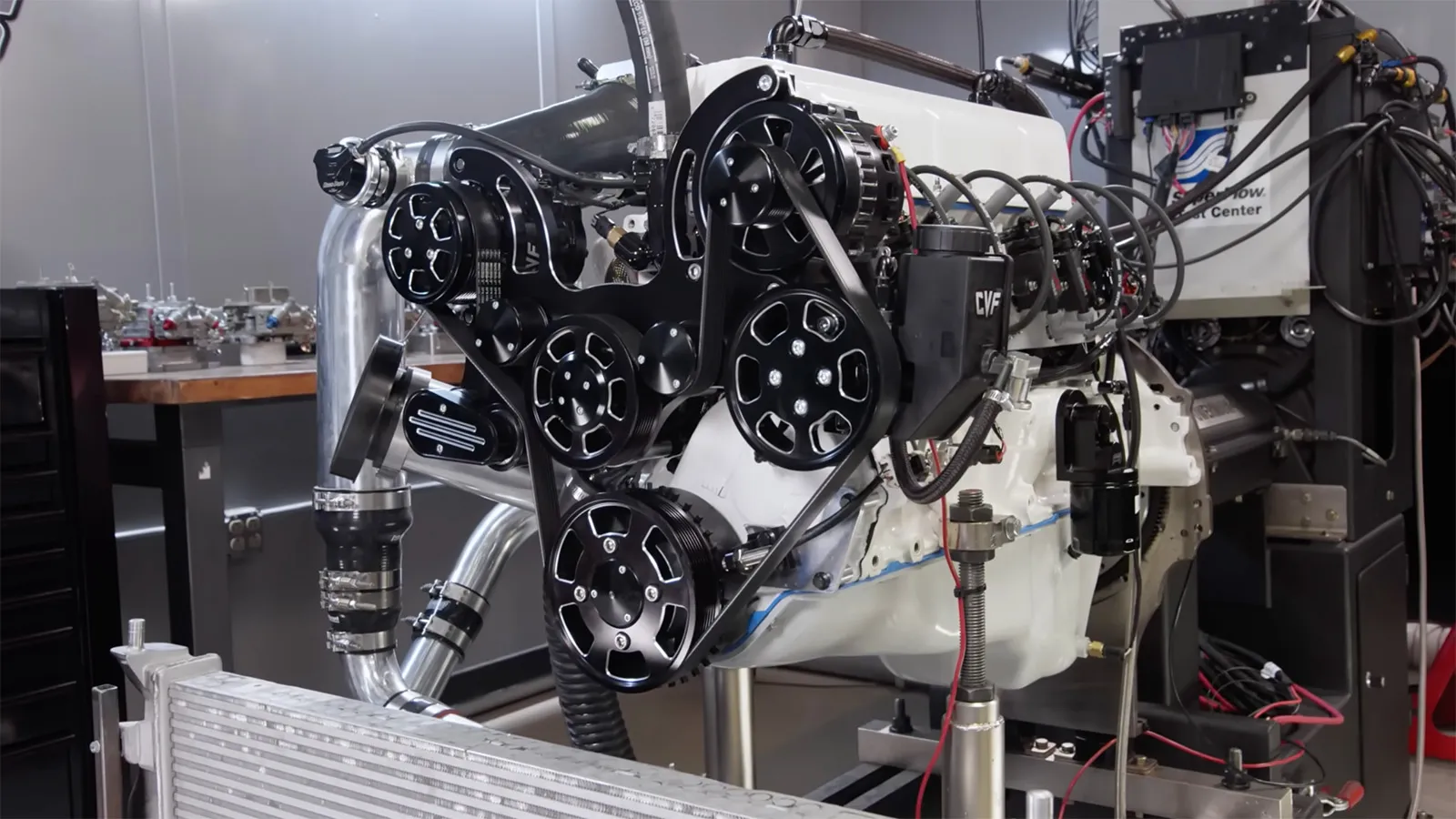
The Ford 300 cubic inch inline-six engine, produced from 1965 to 1996, is a testament to the durability of simple, well-executed engineering.
This 4.9-liter engine powered countless Ford F-Series trucks, E-Series vans, and other commercial vehicles, and it’s renowned for running seemingly forever with minimal oil consumption.
While it may not be glamorous or high-tech, the 300 six represents bulletproof reliability that modern engines rarely match. The engine’s cast iron block and head construction provides exceptional durability and wear resistance.
Cast iron dissipates heat well and is much more tolerant of minor neglect than aluminum, which is partly why these engines survive in working trucks that sometimes receive less-than-perfect maintenance.
The cylinder walls in the 300 six are thick and robust, with a simple but effective cross-hatch pattern that maintains oil control for decades.
The long stroke design (4.15-inch stroke with a 4.00-inch bore) means piston speeds are relatively low even at highway RPMs, reducing wear on cylinder walls and rings.
The piston rings in the 300 six were designed for commercial duty, meaning they prioritize longevity over minimizing friction for fuel economy.
The rings maintain their tension and sealing ability for extraordinary mileages, and the relatively low compression ratio (around 8.8:1) means there’s less pressure trying to force combustion gases past the rings. This combination results in engines that maintain their compression and oil consumption characteristics well past 200,000 miles.
One reason the 300 six is so resistant to oil consumption is its operational characteristics. The engine was never designed for high RPM operation it makes its torque at low RPMs and is typically shifted at around 3,500 RPM or less.
This means the reciprocating components move relatively slowly, reducing stress and wear. The valve train, with its simple pushrod design and hydraulic lifters, is similarly robust and maintains proper sealing for extremely long periods.
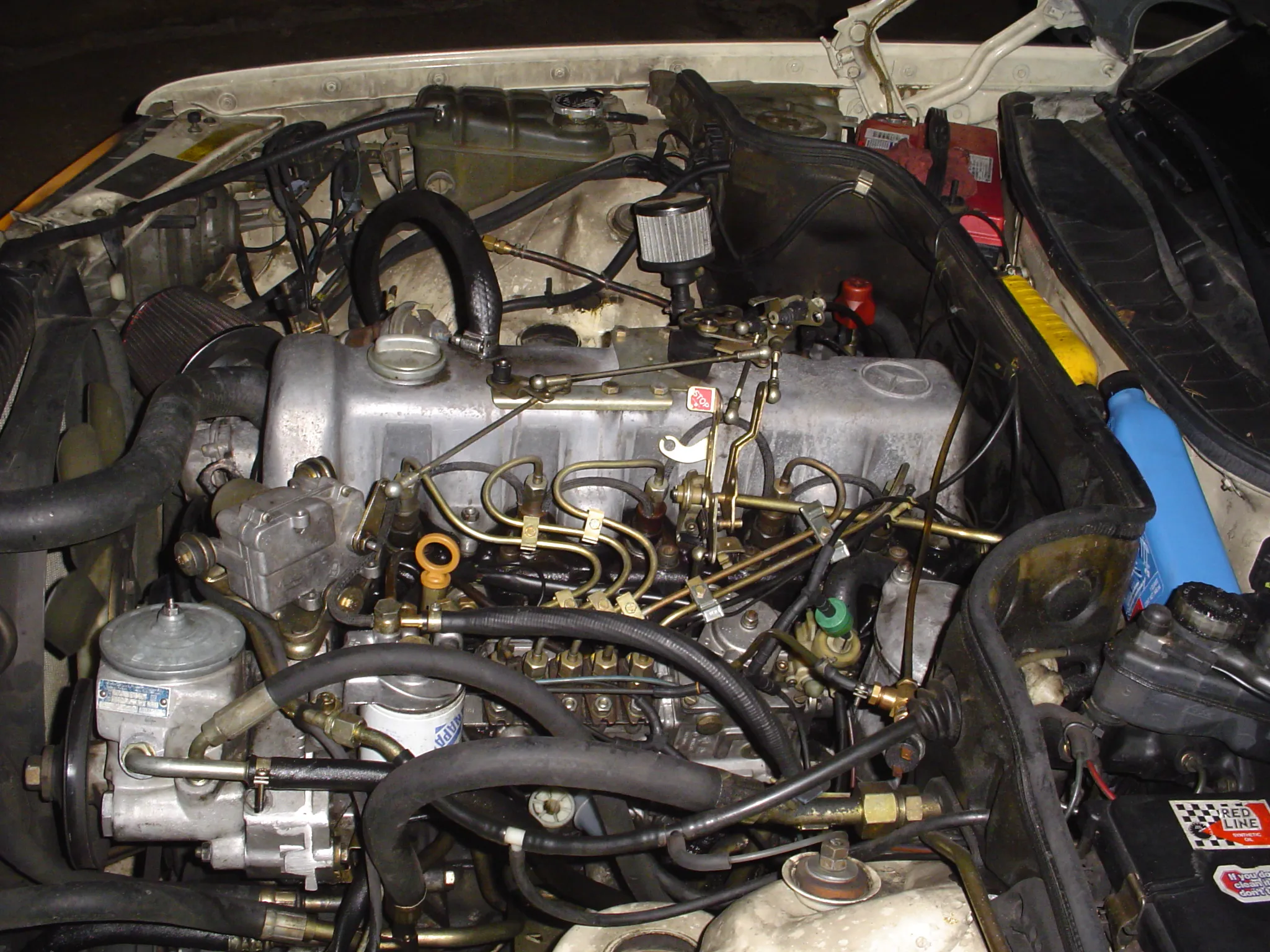
5. Mercedes-Benz OM617 Diesel
The Mercedes-Benz OM617 diesel engine, produced from 1974 to 1991, is legendary for its durability and exceptional longevity with minimal oil consumption.
This 3.0-liter five-cylinder turbocharged (in later versions) or naturally aspirated diesel engine powered various Mercedes W123 and W126 models, and examples with over 500,000 miles showing minimal oil consumption are not uncommon.
The engine represents Mercedes-Benz engineering from an era when the company’s motto was truly “the best or nothing.” The OM617’s cast iron construction throughout block, head, and even the intake manifold provides exceptional rigidity and wear resistance.
Diesel engines inherently have stronger construction than gasoline engines due to higher compression ratios, and the OM617 takes this to an extreme.
The cylinder walls are extremely thick and finished to precise tolerances that maintain proper oil control for decades. The relatively low RPM operation of this engine (redline is around 5,000 RPM, but normal operation is well below 4,000 RPM) means wear rates are minimal.
The piston rings in the OM617 are designed for diesel service, with configurations that handle the higher compression pressures while maintaining excellent oil control.
Mercedes used high-quality materials and precise manufacturing to ensure these rings would maintain their sealing properties indefinitely under normal use.
The pistons themselves are robust designs with proper clearances that don’t increase significantly even after hundreds of thousands of miles, preventing the “piston slap” and increased oil consumption that can occur in worn engines.
Perhaps most impressively, the OM617’s valve seals and valve train components show almost no wear even at extremely high mileages.
The indirect injection design means the prechamber takes the brunt of combustion heat and pressure, while the main combustion chamber and valves operate in a relatively benign environment.
The valve seals remain pliable and effective, and oil consumption from the valve train is virtually nonexistent. Owners of these engines report checking oil levels out of habit rather than necessity, as the level simply doesn’t drop between 5,000-mile service intervals even on engines approaching 300,000 miles.
Also Read: 5 Trucks with Corrosion-proof Bed Hardware vs 5 That Seize And Snap
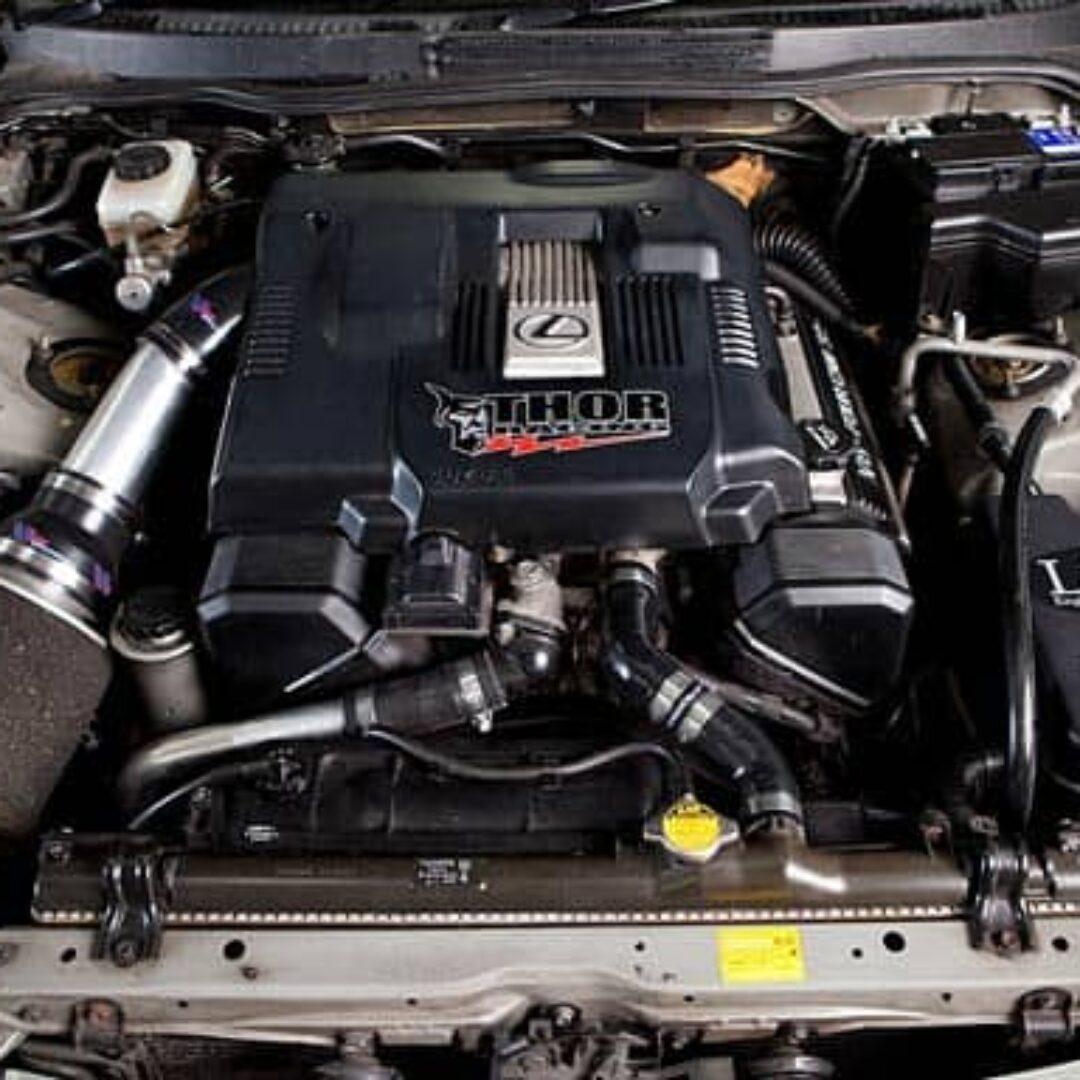
6. Lexus 1UZ-FE V8
The Lexus 1UZ-FE V8 engine, introduced in 1989 as the powerplant for the original Lexus LS400, set new standards for refinement, reliability, and longevity in V8 engineering.
This 4.0-liter all-aluminum dual overhead cam V8 was designed to compete with the best European luxury car engines while exceeding them in reliability, and it succeeded spectacularly.
Oil consumption on these engines remains minimal even at extremely high mileages, with many examples exceeding 300,000 miles while still consuming no measurable oil between services.
The 1UZ-FE’s aluminum block uses cast iron cylinder liners that are extraordinarily well-finished. Toyota’s manufacturing process for these liners involved precise plateau honing that created the ideal surface for long-term ring sealing and oil control.
The liners are also properly supported by the aluminum block structure, preventing the distortion that can occur in less carefully designed engines.
The pistons are forged aluminum with precisely manufactured ring grooves, and the piston rings themselves are high-quality components designed for hundreds of thousands of cycles without degradation.
The cylinder head design in the 1UZ-FE contributes significantly to its resistance to oil consumption. Each bank has its own cam-driven oil pump for the variable valve timing system, and the valve seals are manufactured from materials that resist hardening and deterioration even after decades of exposure to combustion heat.
The double overhead cam design with four valves per cylinder means valve lift is achieved with relatively low stress on individual components, and the valve springs maintain proper tension indefinitely without the weakening that can cause valve seal failures in other engines.
Real-world examples of 1UZ-FE longevity are abundant. Lexus LS400s with over 400,000 miles still show no measurable oil consumption between 5,000-mile oil changes.
The engines remain quiet, smooth, and powerful even at these mileages, and mechanics who tear down high-mileage examples report finding cylinder walls that still show their original cross-hatch pattern and components that show minimal wear.
This exceptional durability has made the 1UZ-FE a favorite for engine swaps into various vehicles, where its reliability and lack of oil consumption are as valued as its smooth power delivery.
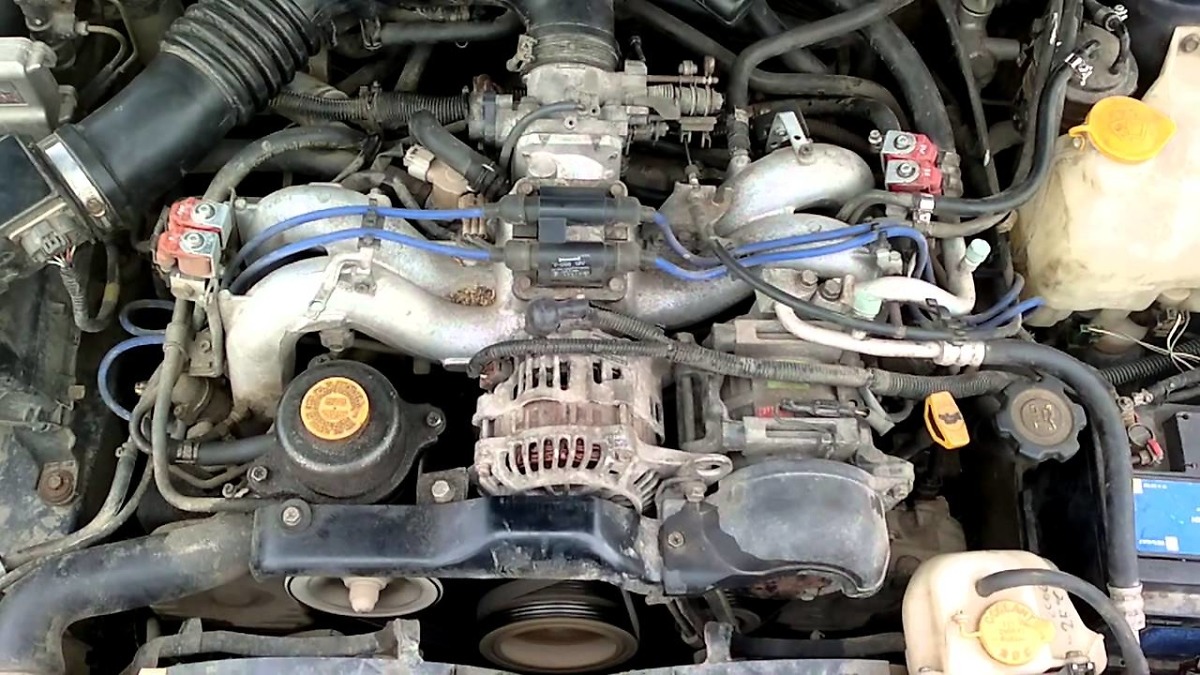
7. Subaru EJ22 (Non-Turbo)
The Subaru EJ22 engine, produced from 1990 to 2001, represents Subaru’s horizontally-opposed “boxer” engine design at its most reliable and durable.
This 2.2-liter non-turbocharged four-cylinder engine powered various Subaru Legacy, Impreza, and Forester models, and it’s achieved legendary status among Subaru enthusiasts for its exceptional longevity and minimal oil consumption.
Unlike some of its later siblings that developed problematic reputations, the EJ22 is nearly bulletproof when properly maintained. The EJ22’s aluminum block features cast iron cylinder liners, similar to many other durable engines, but Subaru’s implementation is particularly effective.
The horizontal configuration means gravity affects the cylinders equally, and oil drains naturally away from the combustion chambers rather than pooling in areas where it might be consumed.
The cylinder walls are finished with a cross-hatch pattern optimized for the boxer engine’s unique orientation, and this finish maintains its effectiveness for hundreds of thousands of miles.
The piston rings in the non-turbo EJ22 are designed conservatively, prioritizing longevity over the last fraction of performance or fuel economy.
The rings maintain their tension and sealing properties exceptionally well, and the forged pistons (in later versions) or high-quality cast pistons (in earlier versions) maintain proper clearances throughout the engine’s life.
The relatively low compression ratio of 9.5:1 means there’s less pressure trying to force gases past the rings, contributing to minimal ring wear and oil consumption.
This reputation for minimal oil consumption, combined with the engine’s reliability, has made the EJ22 highly sought-after for engine swaps into newer Subarus with less reliable powerplants.
7 Engines That Sip a Quart Between Oil Changes
These problematic powertrains suffer from fundamental design compromises including thin piston ring packages reducing friction at the cost of sealing effectiveness, direct-injection systems washing cylinder walls with fuel removing protective oil films, and inadequate crankcase ventilation creating pressure that forces oil past rings and valve seals into combustion chambers where it burns unnoticed until owners discover low dipstick readings.
Their flawed engineering includes cylinder walls with insufficient honing depth that loses effectiveness as rings wear, valve stem seals manufactured from materials that harden prematurely allowing oil seepage down guides, and piston designs with ring grooves that wear allowing excessive movement and compromised sealing even at moderate mileage.
From cold starts where valve seals leak creating startup smoke puffs to highway driving where worn rings allow oil migration past inadequate tension, these troublesome engines consume oil steadily.
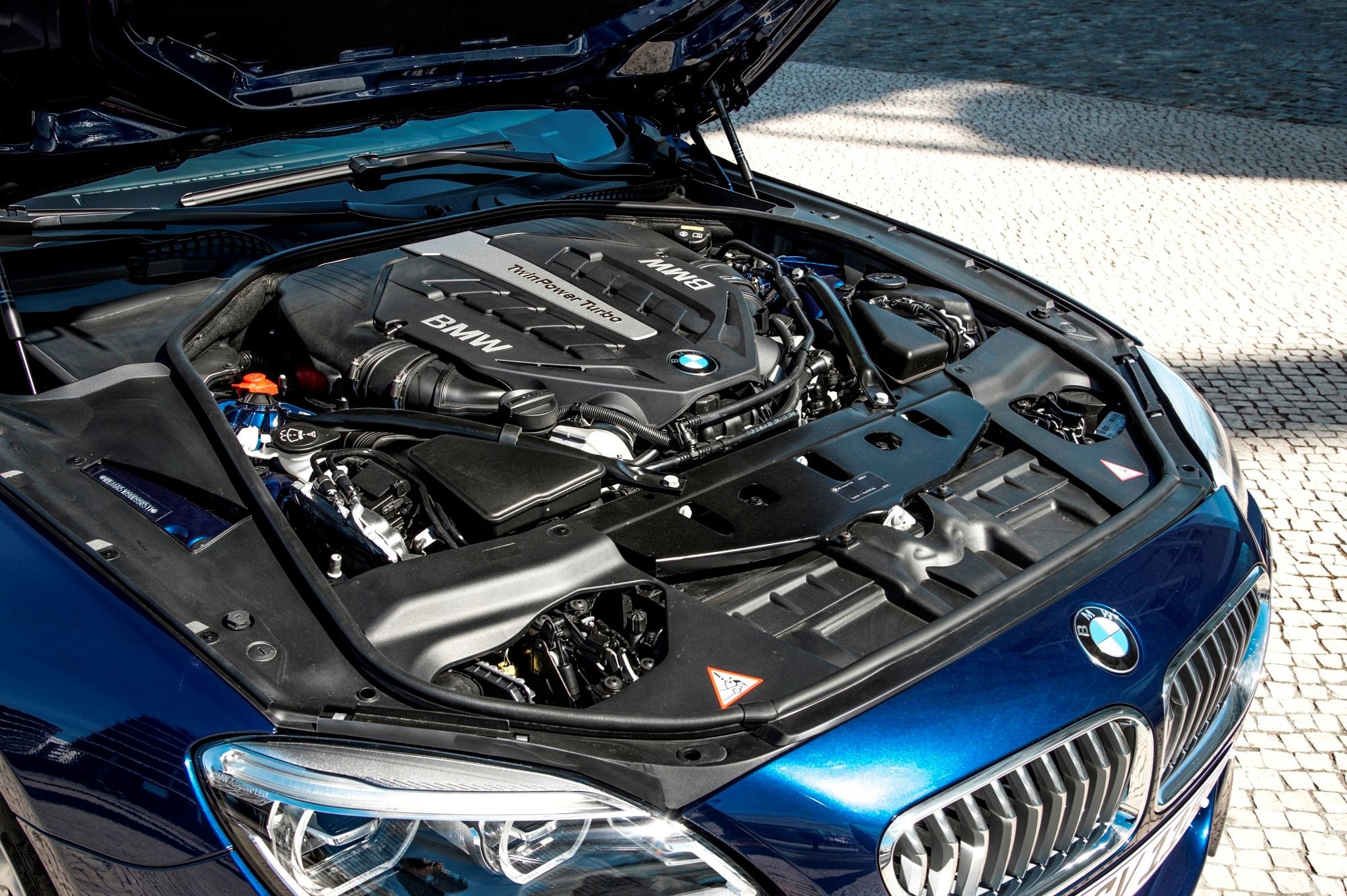
1. BMW N63 V8
The BMW N63 V8 engine, introduced in 2008 and used in various high-performance BMW models including the 550i, 750i, X5, and X6, represents BMW’s ambitious attempt to create a high-performance, twin-turbocharged V8 with direct injection and an innovative hot-vee turbocharger design.
Unfortunately, it also represents one of the most problematic modern engines for oil consumption, with many owners reporting consumption rates of one quart per 1,000 miles or even higher, especially as the engine accumulates mileage.
The N63’s oil consumption issues stem from multiple design and execution problems. The engine uses an aluminum block with Nikasil-coated cylinder walls rather than traditional cast iron liners.
While Nikasil can be durable when properly applied, the N63’s implementation appears to have issues with the coating’s long-term integrity, particularly under the thermal stress created by the hot-vee turbocharger design.
The turbos sit in the valley between the cylinder banks, creating extreme heat that affects the cylinder walls’ ability to maintain proper oil control as the Nikasil coating wears or deteriorates.
The piston rings in the N63 are another source of problems. BMW used relatively low-tension rings to reduce friction and improve fuel economy, but these rings appear unable to adequately control oil as the engine ages or the cylinder wall coating degrades.
Additionally, early versions of the N63 had issues with the piston ring lands (the grooves in the pistons where the rings sit) becoming carboned up and clogged, which prevents the oil control rings from functioning properly.
This carbon buildup is exacerbated by the direct injection system, which doesn’t provide the cleaning effect on intake valves and pistons that port injection offers.
BMW’s response to N63 oil consumption issues has been somewhat dismissive, with the company initially claiming that consumption of one quart per 1,000 miles is “normal” for this engine.
Despite these attempts at remediation, many N63 engines continue consuming oil at rates that require constant monitoring and frequent top-ups.
2. Audi/Volkswagen 2.0T EA888 Gen 1 and 2
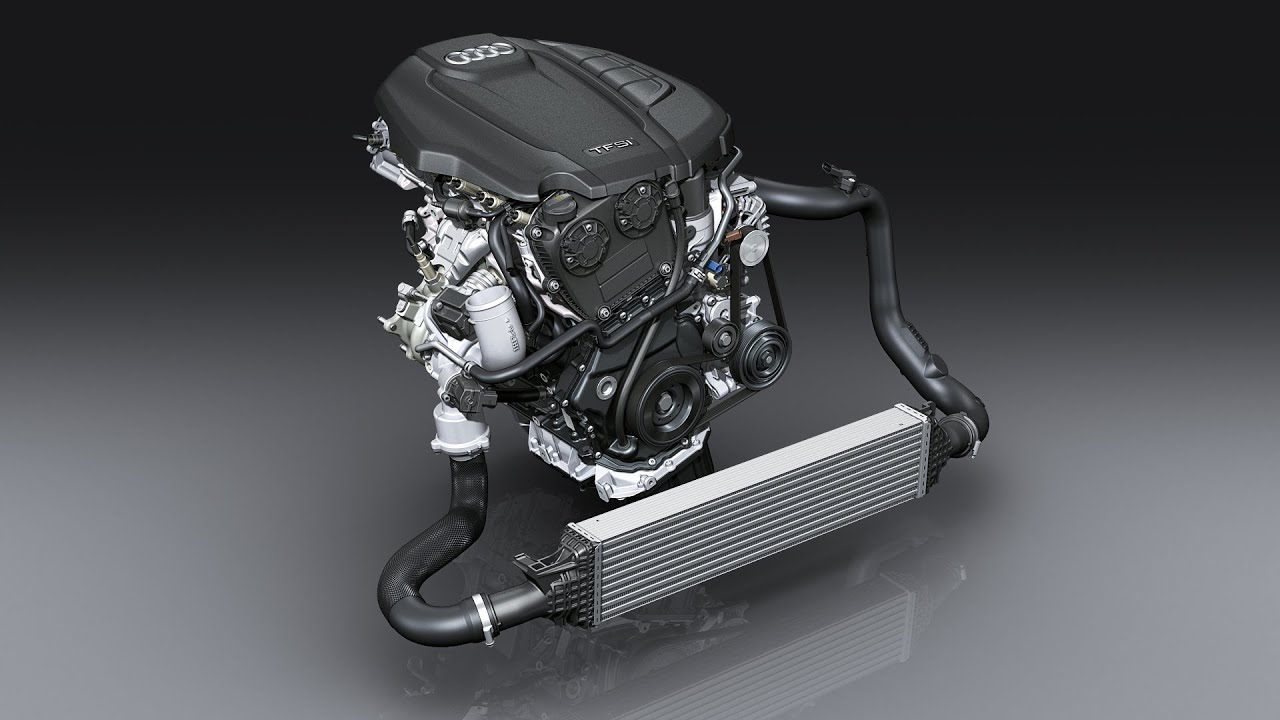
The Volkswagen EA888 2.0-liter turbocharged four-cylinder engine in its first and second generations, used from 2008 to 2014 in countless Volkswagen and Audi models, became notorious for excessive oil consumption that affected a significant percentage of vehicles.
While later generations of this engine have largely resolved the issues, the Gen 1 and Gen 2 EA888s remain cautionary tales of how design choices prioritizing performance and emissions can create long-term durability problems.
The oil consumption in these engines stems primarily from poorly designed piston rings and inadequate PCV system capacity. The pistons originally used ring packages with very low tension to reduce friction and improve fuel economy, but these rings proved unable to adequately control oil, especially under the high boost pressures generated by the turbocharger.
The oil control rings would allow oil to pass up the cylinder walls into the combustion chamber, where it would be burned, creating blue smoke and requiring constant oil additions.
Compounding the ring issues was the PCV system design, which proved inadequate for the engine’s needs. The PCV system is supposed to evacuate crankcase pressure created by blow-by gases that slip past the piston rings.
When the PCV system can’t keep up with this pressure, the pressure forces more oil past the rings and seals, exacerbating consumption.
The EA888’s PCV system was apparently sized for ideal conditions rather than the real-world operating environment, and many engines developed serious oil consumption as the PCV system components deteriorated or became clogged with oil sludge.
These changes largely eliminated the oil consumption problems, but vehicles with Gen 1 and Gen 2 engines remain on the road, and many owners have learned to carry a quart of oil in the trunk and check levels every few hundred miles to avoid potentially catastrophic engine damage from running low on oil.
3. Subaru EJ25 (Turbo and Non-Turbo)
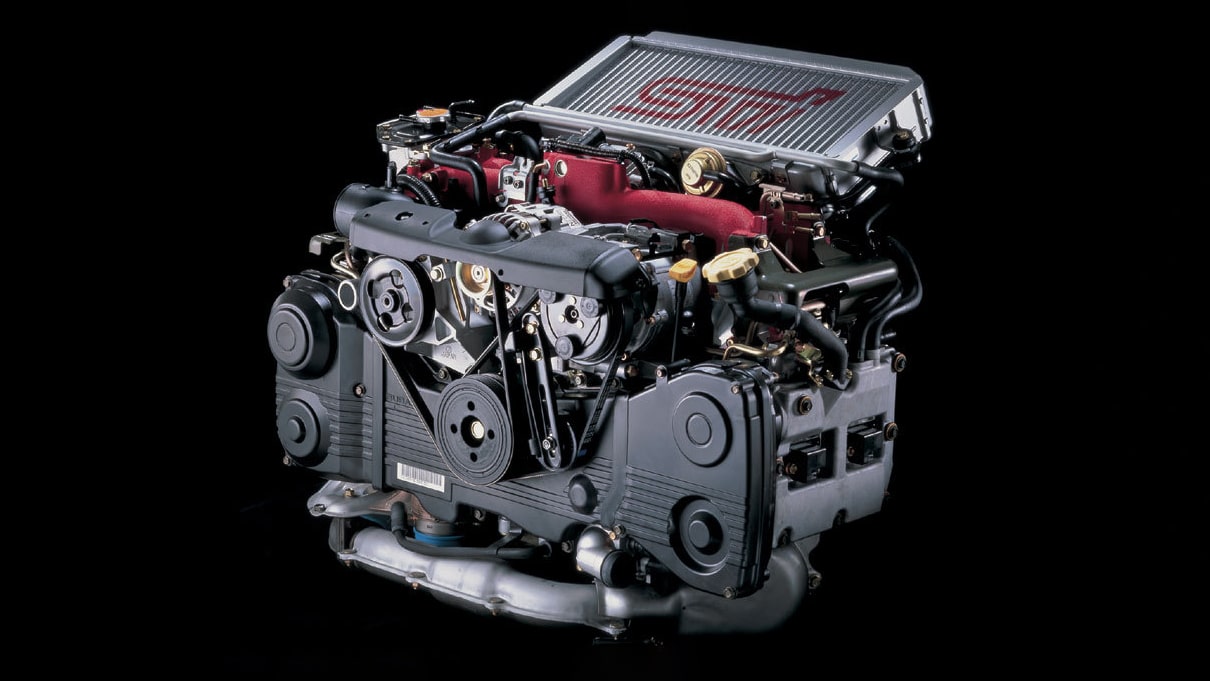
The Subaru EJ25 engine, particularly in its various turbocharged and non-turbocharged forms produced from the mid-1990s through 2019, has a complicated reputation in the Subaru community.
While many examples run reliably to high mileages, a significant percentage develop oil consumption issues, especially after 100,000 to 150,000 miles.
The problem is severe enough that finding an EJ25 that doesn’t consume any oil by 200,000 miles is actually uncommon, making it a stark contrast to its smaller sibling, the EJ22.
The oil consumption in EJ25 engines stems from several design characteristics specific to this engine family. The aluminum block with cast iron cylinder liners should theoretically be durable, but the EJ25’s liner design and installation appears problematic.
The liners can shift slightly under thermal stress, and the head gaskets (which are notoriously problematic on EJ25s) can fail, allowing coolant to contaminate the oil or combustion gases to enter the coolant. These issues can damage the cylinder wall surface and piston rings, leading to increased oil consumption.
Subaru has acknowledged oil consumption issues in certain EJ25 engines and has extended warranties or offered goodwill repairs in some cases, though many affected owners report difficulty getting the company to cover repairs.
The fix typically involves replacing the piston rings and, in some cases, honing the cylinder walls to restore proper surface finish. However, this repair is only partially effective in many cases, as it doesn’t address the fundamental design issues that caused the problem in the first place.
4. Nissan VQ35DE and VQ40DE
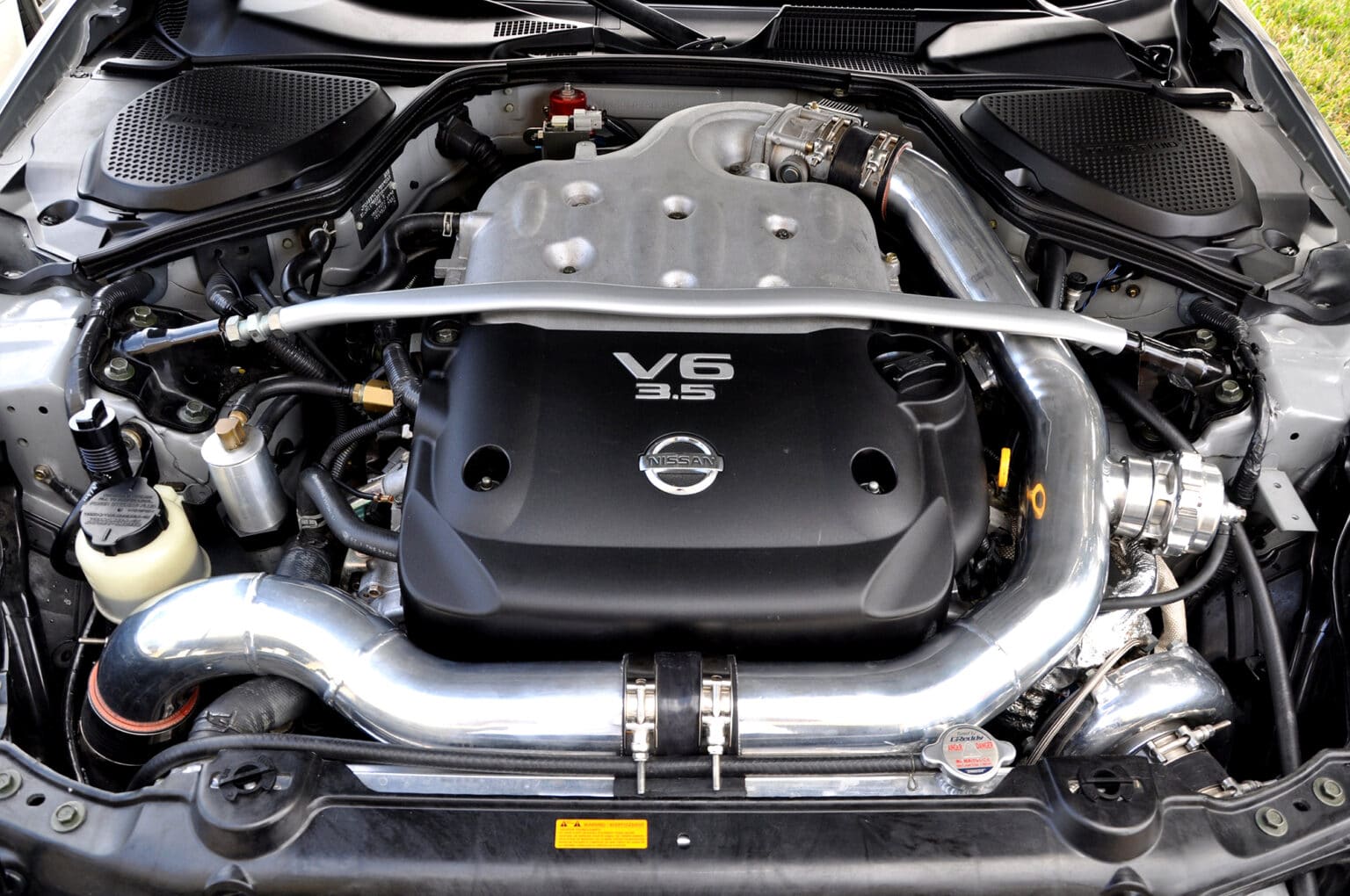
The Nissan VQ-series V6 engines, particularly the VQ35DE (3.5-liter) and VQ40DE (4.0-liter) variants, are generally reliable and powerful engines that have earned numerous “Ward’s 10 Best Engines” awards over the years.
However, a significant subset of these engines develops oil consumption issues as mileage accumulates, with many owners reporting consumption of one quart per 1,000 to 2,000 miles once the engines pass 150,000 miles.
The problem isn’t universal some VQ engines never consume excessive oil but it’s common enough to be a well-known issue in the Nissan community.
The oil consumption in VQ engines appears related to several factors, with cylinder wall wear being the primary culprit. The aluminum block uses cast iron cylinder liners, but the bore finish and ring package don’t seem optimized for minimal oil consumption at high mileages.
The cross-hatch pattern on the cylinder walls can wear away over time, particularly in engines that have experienced overheating or have been run with extended oil change intervals. Once the proper surface finish is lost, the piston rings can’t effectively control oil, and consumption increases.
The piston rings in VQ engines are adequate for moderate mileage but don’t maintain their sealing properties as well as engines known for exceptional longevity.
The oil control rings in particular seem to lose tension or become carboned up in their grooves, reducing their effectiveness at scraping excess oil from the cylinder walls.
Additionally, the relatively high compression ratios in these engines (typically around 10.5:1 to 10.6:1) mean higher pressures trying to force gases past worn rings, potentially accelerating wear and increasing oil consumption.
Nissan’s approach to VQ oil consumption has been to claim that some level of consumption is normal, though the company hasn’t specified exact amounts.
Many owners report that dealerships are reluctant to address oil consumption under warranty unless it’s truly excessive often defined as more than one quart per 1,000 miles.
There’s no comprehensive fix for VQ oil consumption short of rebuilding the engine with new rings, honed cylinders, and fresh valve seals, which is expensive enough that many owners simply live with the issue and keep oil in the trunk.
5. General Motors High Feature V6 (LLT, LFX)
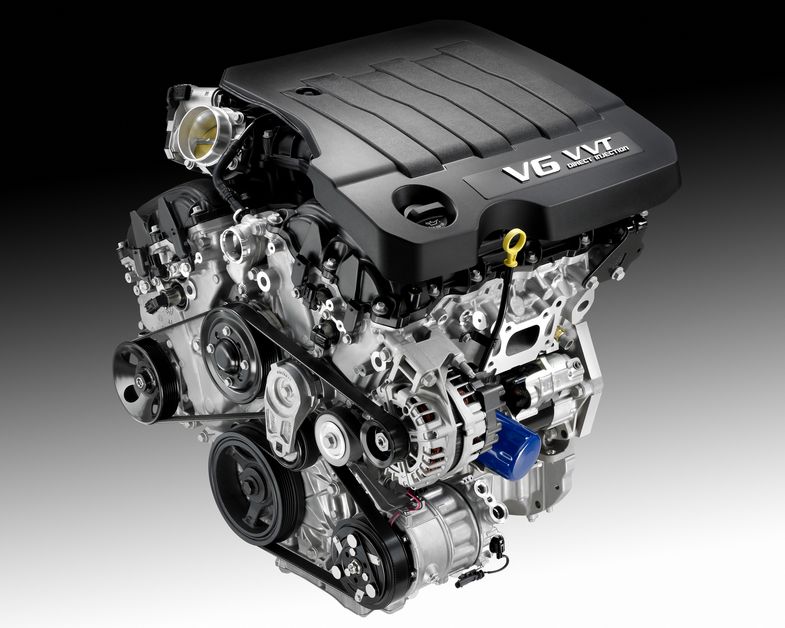
General Motors’ High Feature V6 engines, particularly the direct-injected 3.6-liter LLT (2008-2011) and LFX (2012-2016) variants, represent GM’s modern approach to powerful, efficient V6 engineering.
These engines produce impressive power and are found in countless vehicles across GM’s lineup, from Chevrolet Camaros to Cadillac CTSs to Buick Enclaves.
However, they’ve also developed a problematic reputation for oil consumption, with many owners reporting consumption that accelerates significantly as the engines approach and exceed 100,000 miles.
The oil consumption issues in these engines primarily relate to the piston ring package and cylinder wall finish. GM used low-tension piston rings to reduce friction and improve fuel economy, but these rings appear inadequate for long-term oil control, especially in combination with direct injection.
Direct injection sprays fuel directly into the combustion chamber rather than into the intake port, which means there’s no gasoline washing over the intake valves and upper cylinder walls to help clean away deposits.
Without this cleaning action, carbon buildup occurs on the intake valves and piston tops, and the oil control rings can become clogged with carbon deposits, rendering them ineffective.
The PCV system in these engines has also proven problematic. The system is supposed to evacuate blow-by gases from the crankcase, but the design seems inadequate or prone to failure.
When the PCV system isn’t working properly, crankcase pressure builds up, forcing oil past the piston rings and valve seals. Many owners report that replacing PCV components temporarily improves oil consumption, but the problem often returns as the engine continues to age.
Another contributing factor is the variable valve timing system, which uses oil pressure to adjust cam timing. If the engine is run low on oil due to consumption, oil pressure drops, potentially causing timing chain and VVT system damage that can exacerbate oil consumption.
This creates a vicious cycle where consumption leads to low oil levels, which causes damage that increases consumption further. Owners who don’t diligently monitor oil levels can suffer catastrophic engine failure when the oil level drops too low.
Many affected vehicles have fallen out of warranty before developing serious consumption, leaving owners to either pay for expensive repairs or simply live with constant oil monitoring and additions.
6. BMW N54 and N55 Turbocharged Inline-Six
The BMW N54 and N55 turbocharged inline-six engines represented BMW’s transition to forced induction across its lineup, replacing the beloved naturally aspirated inline-sixes that came before.
The N54, used from 2006 to 2016, featured twin turbochargers and direct injection, while the N55, used from 2009 to 2017, employed a single twin-scroll turbocharger with similar direct injection technology.
Both engines produce impressive power and torque, but they’ve also become notorious for oil consumption that often exceeds one quart per 1,000 miles, especially as mileage accumulates.
The oil consumption in these engines stems from multiple design factors. The direct injection system, while providing performance and efficiency benefits, contributes to carbon buildup on intake valves and piston tops.
Without fuel washing over these components, carbon accumulates and can interfere with piston ring function. The oil control rings become clogged with carbon deposits, losing their ability to scrape excess oil from the cylinder walls. This problem is exacerbated by short trips and city driving, where the engine never gets hot enough to burn off deposits.
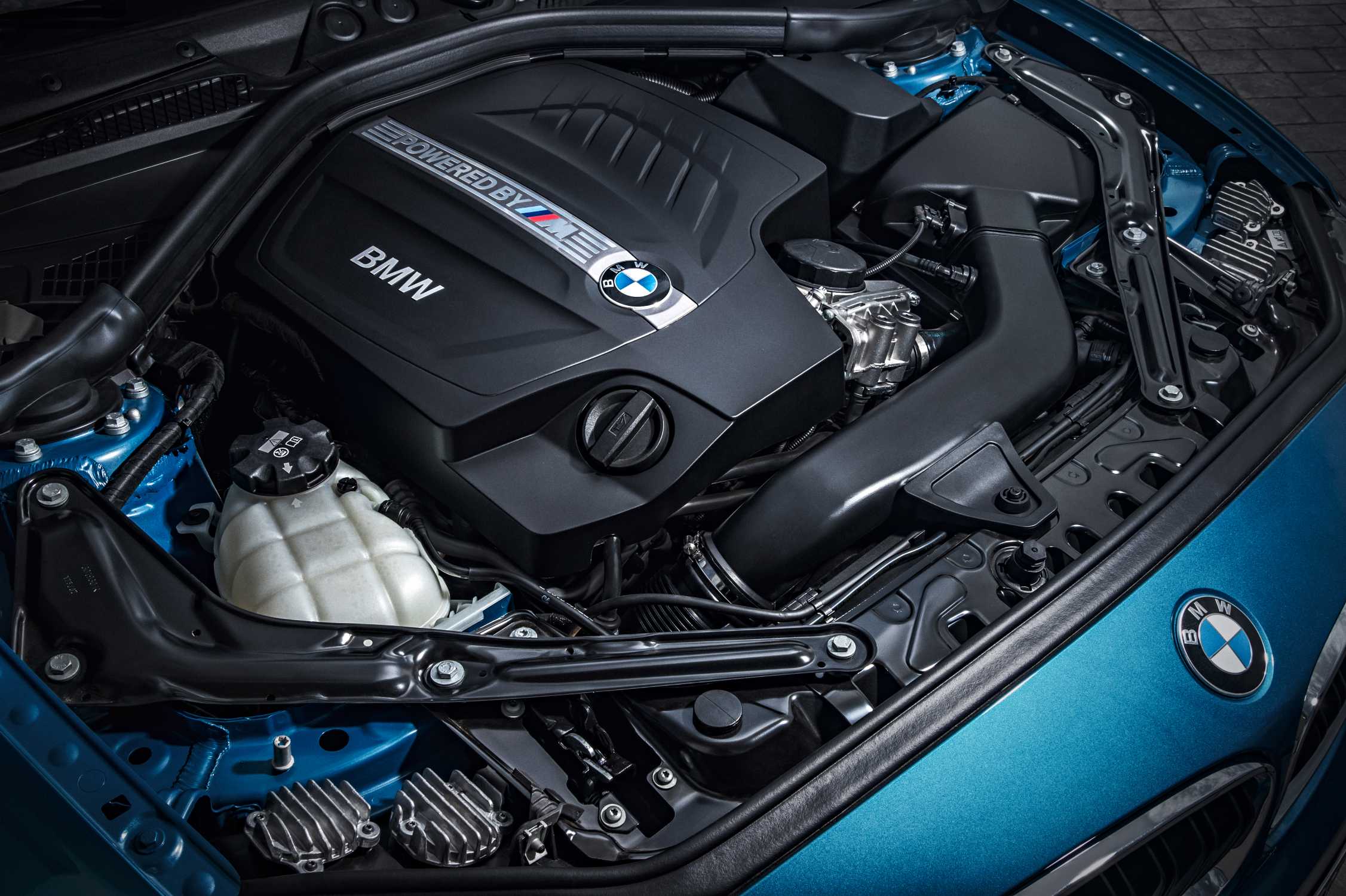
The piston rings themselves in both the N54 and N55 appear to be another weak point. BMW used relatively low-tension rings to minimize friction, but these rings seem unable to maintain adequate oil control as the engines age or accumulate carbon deposits.
The cylinder wall finish, while initially effective, doesn’t maintain its properties as well as in engines known for exceptional longevity. Some N54 and N55 engines show measurable cylinder wall wear by 100,000 miles, and this wear accelerates oil consumption.
The valve stem seals in these engines are also prone to premature deterioration. The combination of high turbocharger-generated heat and the thermal cycling that occurs during typical driving causes the seals to harden and crack.
When valve seals fail, they allow oil from the valve train to be sucked down the valve stems during the intake stroke, where it enters the combustion chamber and is burned.
This type of consumption is often accompanied by blue smoke on startup or during hard acceleration, particularly after the engine has been idling.
The PCV system in both engines has proven to be another source of problems. The system includes a complex valve arrangement that regulates crankcase pressure, and these valves can fail or become clogged with oil sludge.
When the PCV system fails, excessive crankcase pressure develops, forcing oil past rings and seals. Many BMW owners have discovered that their oil consumption temporarily improves after replacing PCV system components, only to return as the underlying piston ring and valve seal issues continue to worsen.
Despite these issues, both engines have loyal followings due to their strong performance and tunability. However, owners of high-mileage examples must accept that checking oil levels every 500 to 1,000 miles is mandatory, and keeping several quarts of the correct BMW-specification oil in the trunk is essential for preventing catastrophic engine damage from running low on oil.
7. Toyota/Lexus 2AZ-FE
The Toyota 2AZ-FE engine, a 2.4-liter four-cylinder used from 2000 to 2019 in numerous Toyota and Lexus models including the Camry, RAV4, Scion tC, and Lexus ES, represents an unusual entry on this list.
Toyota has built a reputation for exceptional reliability and minimal oil consumption, yet the 2AZ-FE became one of the company’s most problematic engines, with certain production years developing severe oil consumption issues that affected hundreds of thousands of vehicles.
The oil consumption problem in the 2AZ-FE is specifically concentrated in engines built between 2006 and 2011, though some earlier and later examples are also affected.
The issue stems from pistons and piston rings that were inadequately designed for the engine’s operating conditions. Toyota used pistons with ring lands (the areas between piston ring grooves) that were too thin and prone to flexing under the heat and pressure of combustion.
This flexing allowed the piston rings to lose their sealing against the cylinder walls, permitting oil to slip past and be burned in the combustion chamber.
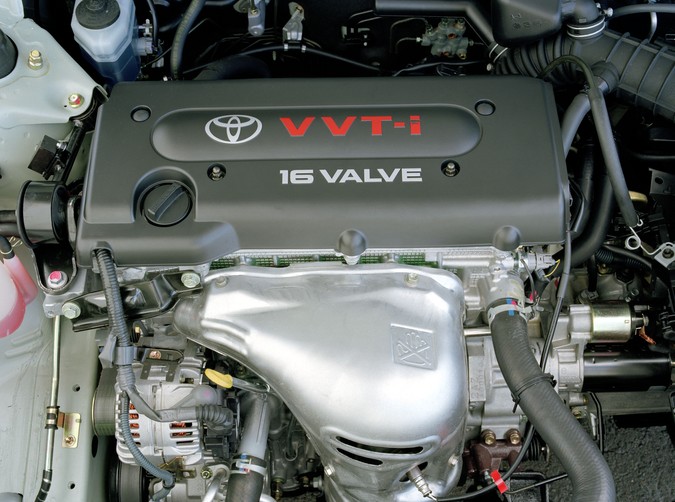
The piston ring package itself was also problematic. The oil control rings in affected engines had insufficient tension or became carbonized up in their grooves, rendering them unable to scrape excess oil from the cylinder walls.
The problem was exacerbated by Toyota’s extended oil change intervals; the company recommended 10,000-mile intervals in some markets which allowed deposits to build up more readily.
Engines that experienced short trips or stop-and-go driving were particularly prone to carbon buildup and subsequent oil consumption. What made the 2AZ-FE situation particularly notable was Toyota’s response.
Even properly repaired examples may consume some oil by 200,000 miles, though typically less than the catastrophic consumption rates seen in unrepaired engines.
Also Read: 7 Transmissions That Respond To Fluid Changes vs 7 Where Service Barely Helps
