
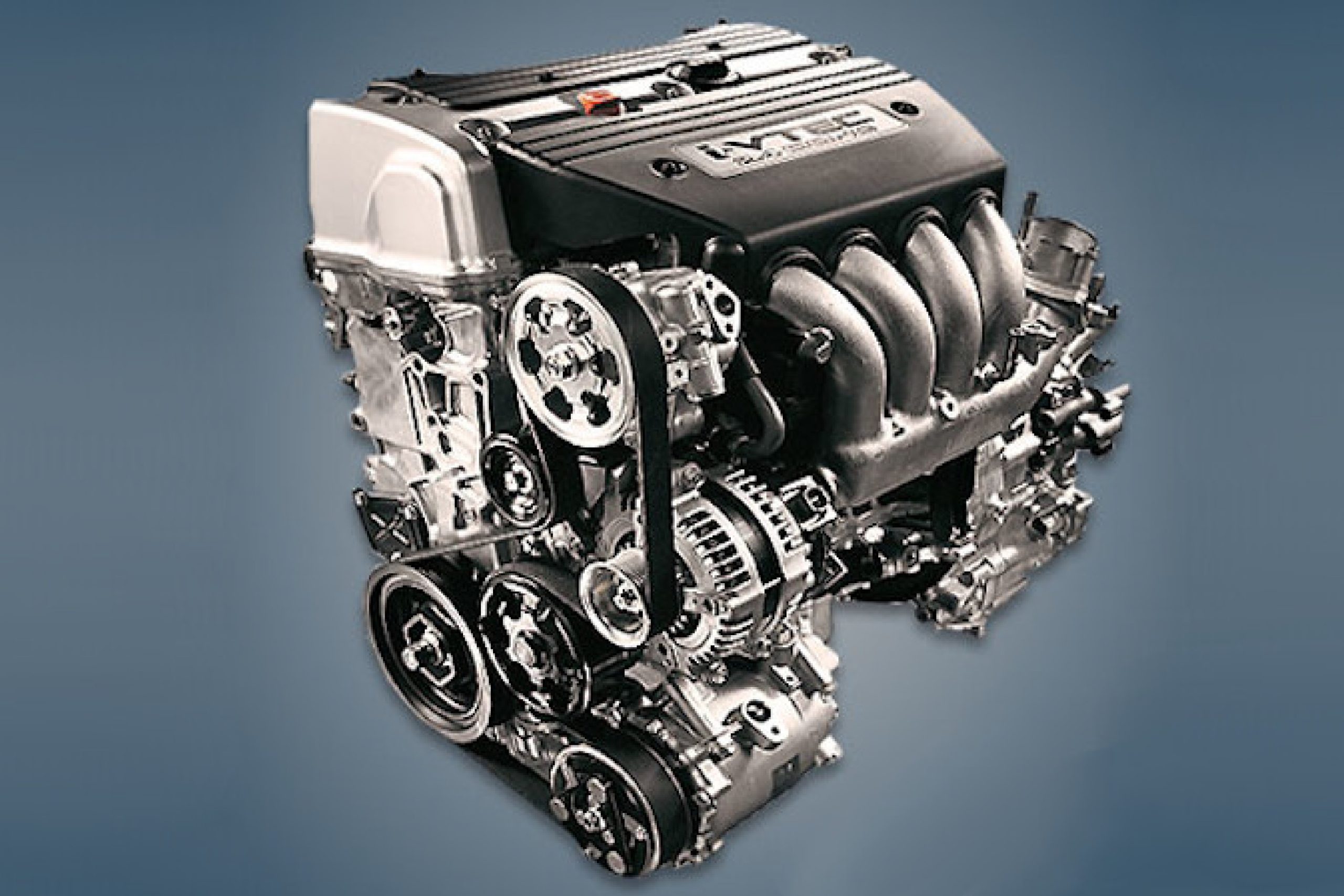
Durability is one of the most respected traits an engine can have, and when it’s paired with turbocharged power, it becomes something truly special. Turbo engines have long been admired for the way they deliver more horsepower and torque without demanding huge displacement, but not all are built to last.
Over the decades, a few have earned a reputation for surviving abuse, high boost levels, and countless miles without losing their spirit. These engines are not just pieces of engineering; they are the mechanical hearts that carry stories of long nights in garages, track days that test limits, and highway pulls that prove resilience.
When enthusiasts talk about durability, they are often referring to engines that can handle modifications, poor maintenance, or extreme driving without giving up. The most trusted turbo engines are those that continue to deliver smooth power after hundreds of thousands of miles.
They are the ones that can take a pounding and still idle quietly the next morning. Whether found in Japanese legends, European masterpieces, or American workhorses, these engines share common traits: strong internal components, well-designed oiling systems, and a heritage of real-world endurance.
This list highlights 13 turbocharged engines that have achieved a loyal following because they combine strength and performance in ways few others can. Some of them were designed decades ago but continue to impress modern tuners. Others represent recent technology that has matured gracefully.
All of them are proof that engineering excellence is not just about numbers on paper but about how well a machine survives after years of punishment. Each of the following engines has earned its reputation through the experience of countless owners who trust them to deliver power without compromise.
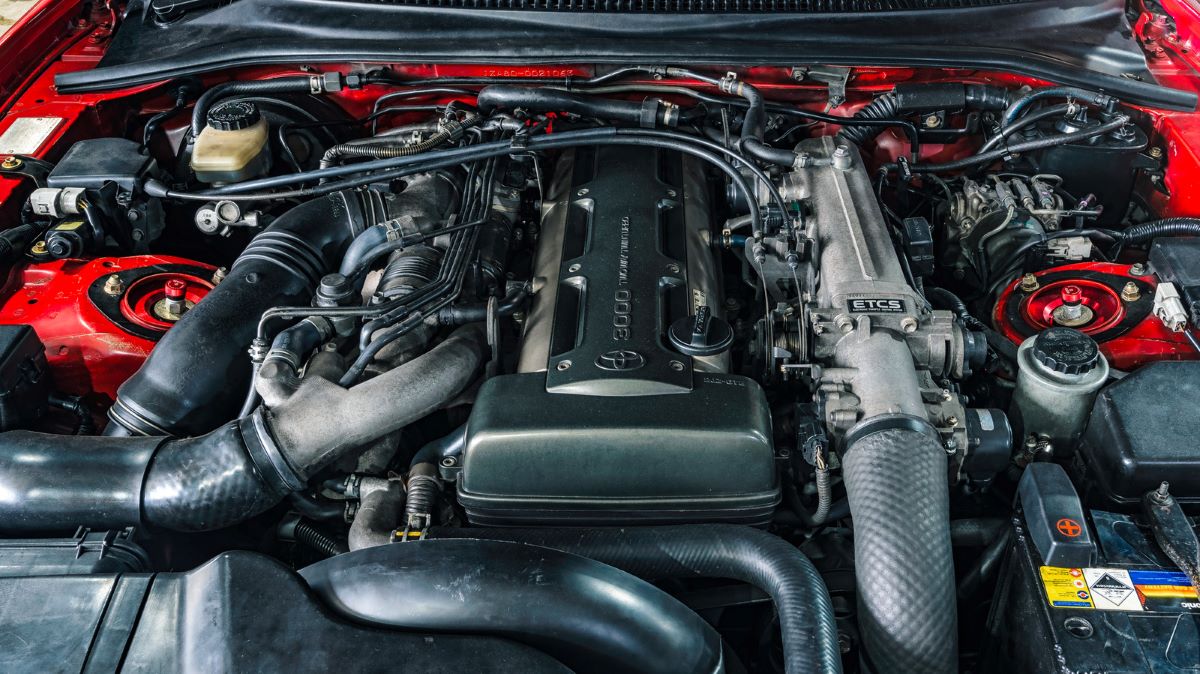
1. Toyota 2JZ-GTE
The Toyota 2JZ-GTE is one of the most celebrated turbo engines of all time, and its durability is practically legend. Produced during the 1990s and early 2000s, it powered the Supra and a few other models, but its legacy reaches far beyond Toyota. The 3.0-liter inline-six was built with a cast-iron block capable of withstanding astonishing levels of boost.
Many tuners have pushed this engine past 1,000 horsepower without needing to open it up. That level of strength didn’t happen by accident. Toyota over-engineered every aspect of the 2JZ, from the thick cylinder walls to the forged crankshaft and stout connecting rods.
Another reason the 2JZ-GTE has such a loyal following is its simplicity. There’s nothing overly complicated about its design, which means fewer things can go wrong. The sequential twin-turbo setup from the factory provided smooth power delivery, but even when converted to a single turbo system, the engine remains impressively reliable.
The oil system can handle sustained high RPMs, and the head gasket rarely fails unless the engine has been abused. These qualities make it a favorite among those who like to modify their cars while maintaining confidence that the engine can handle the added stress.
Owners often talk about how this engine feels unbreakable. Stories of Supras running 700 horsepower on stock internals for years are common. It has become a cultural icon for reliability under boost, something that tuners all over the world admire. Even decades after its introduction, the 2JZ-GTE continues to be the gold standard for what a durable turbo engine should be.
When people speak about engines that last forever, the 2JZ-GTE inevitably enters the conversation. It represents the rare combination of robust engineering and performance potential that few manufacturers have managed to replicate. Its longevity proves that careful design and quality materials can create something timeless.
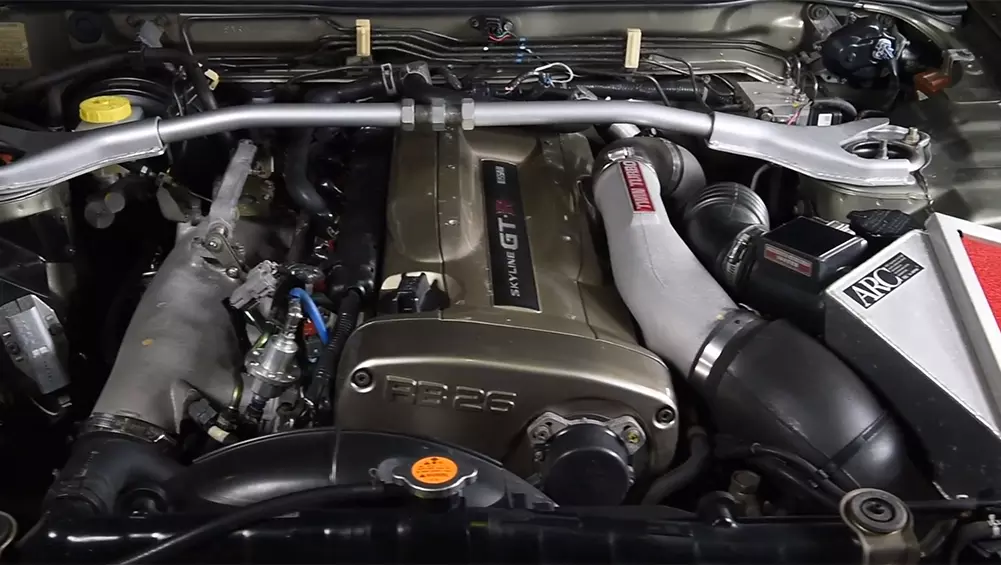
2. Nissan RB26DETT
Nissan’s RB26DETT sits beside the 2JZ in the pantheon of bulletproof turbo engines. It powered the Skyline GT-Rs from the late 1980s to the early 2000s, and it helped define the “Godzilla” legend that made these cars world famous.
The 2.6-liter inline-six used twin turbos to produce smooth, linear power, but what set it apart was its internal strength. The engine block was cast from iron, with thick cylinder walls and a fully counterweighted crankshaft that kept everything balanced even at high RPM.
Owners have long praised the RB26 for how well it holds up under hard driving. Whether it’s being thrashed on a racetrack or driven daily for decades, the RB26 keeps going. Many tuners push it to 600 or 700 horsepower without needing major internal upgrades.
The oiling system, once improved from early models, supports sustained high-load driving. It’s the type of engine that rewards proper tuning but forgives occasional mistakes. That quality is what earns it so much respect.
The RB26DETT also carries emotional value. Its sound, a high-pitched wail under boost, has become synonymous with performance culture. Owners often form strong attachments to their engines because they rarely let them down. Maintenance is straightforward, and parts availability remains strong even today. The engine is also known for its ability to survive in extreme conditions, from hot track days to cold climates.
Durability isn’t just about lasting a long time; it’s about doing so while maintaining performance. The RB26DETT delivers that balance. It represents a time when manufacturers built engines not just to meet emissions and economy standards but to dominate motorsport. It continues to remind enthusiasts that true engineering excellence doesn’t age.
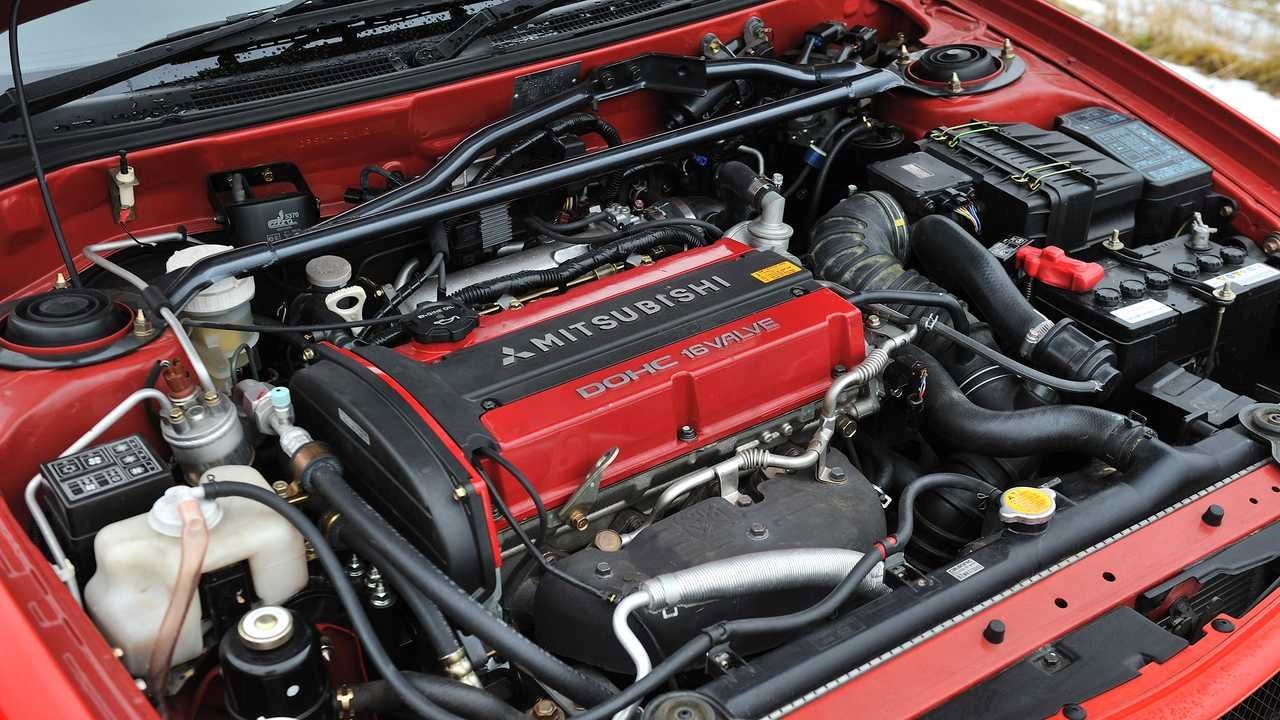
3. Mitsubishi 4G63T
The Mitsubishi 4G63T might be smaller than the big inline-sixes, but its strength is undeniable. Found in the Lancer Evolution and earlier DSM models, this 2.0-liter turbocharged four-cylinder became a hero among rally fans.
Its cast-iron block, forged internals, and efficient head design made it capable of handling far more power than it was ever meant to. In stock form, it already offered a great balance of torque and rev-happy energy. Tuners soon discovered that the 4G63T could handle massive boost levels without losing reliability.
Part of its endurance comes from Mitsubishi’s racing heritage. The company designed the 4G63T to survive the brutal conditions of rallying, where engines are constantly subjected to dust, jumps, and inconsistent airflow. As a result, it can withstand hard driving better than most engines of its size.
The oiling system and cooling design were built to handle continuous stress. Even after decades of tuning abuse, many original 4G63T engines are still running strong today.
Another aspect that makes this engine so durable is its versatility. Whether used for drag racing, track days, or street driving, it performs consistently.
Owners often run 400–500-horsepower setups with stock internals, which is remarkable for a compact four-cylinder. Its longevity also makes it affordable to maintain, since replacement parts are plentiful. That combination of toughness and accessibility has kept it relevant long after Mitsubishi stopped producing performance cars.
4. Subaru EJ257
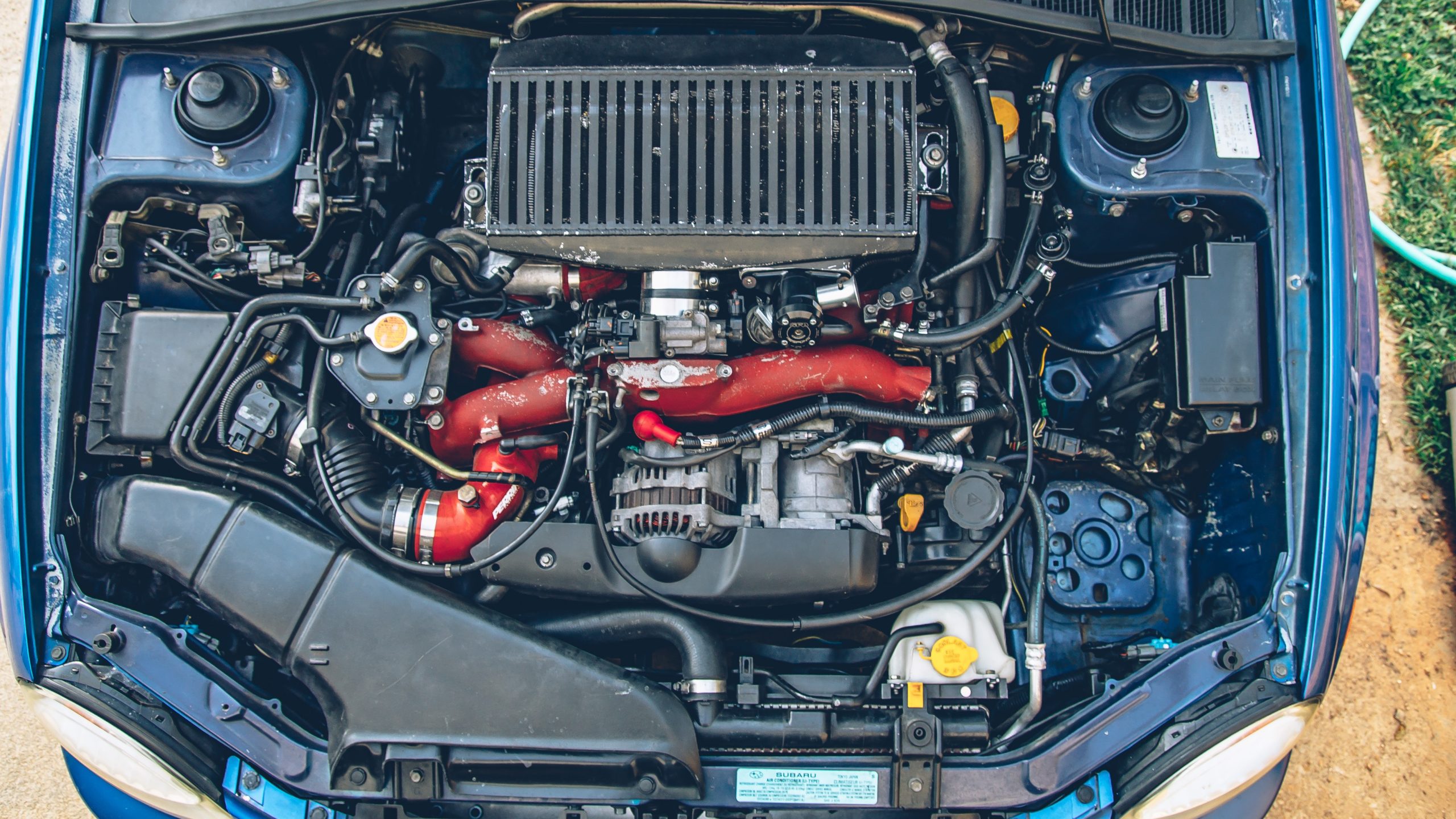
The Subaru EJ257 has earned a reputation for both thrilling performance and remarkable resilience when treated right. Found in the WRX STI, it’s a 2.5-liter turbocharged flat-four that combines the signature Subaru rumble with all-wheel-drive grip. What makes it endure is not just its output but the way it handles real-world stress.
Subaru built the EJ257 using a semi-closed deck block design that offers more rigidity than the older open-deck versions. This helps it withstand higher cylinder pressures, which are common in turbocharged applications. The horizontally opposed layout keeps the center of gravity low while improving weight distribution.
When upgraded with a quality tune and stronger internals, it’s not uncommon to see these engines running over 400 horsepower on a stock block. Many drivers report high-mileage STIs still running smoothly, proving that Subaru’s combination of robust engineering and balanced performance pays off in the long run.
Another strength of the EJ257 lies in its drivability. The torque delivery is immediate, and the engine’s design provides excellent throttle response. This characteristic makes it feel powerful and reliable even at lower RPMs.
It’s the kind of motor that inspires confidence because it delivers consistent results, not just quick bursts of power. Enthusiasts often describe their EJ-powered cars as engines that “always come back for more.” That phrase sums up the dependability of this unit.
While it’s true that poor tuning can shorten its lifespan, the EJ257 remains one of the most trusted turbo engines among rally fans and tuners who understand its needs. It thrives under the right conditions, proving that reliability often depends on how well an engine’s strengths are used. Its legacy continues to shape Subaru’s performance philosophy, even as newer engines take its place.
5. Mazda 13B-REW
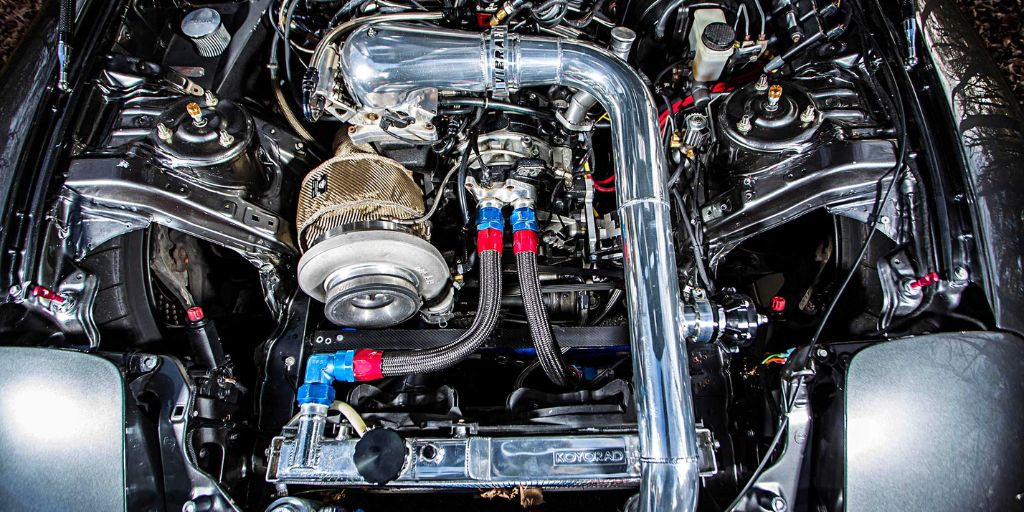
The Mazda 13B-REW stands apart from every other engine on this list because it’s a rotary rather than a piston design. Despite that difference, it has shown remarkable durability when maintained correctly. Found in the third-generation RX-7, this twin-rotor turbo engine delivers an unforgettable blend of smoothness and response.
Many assume rotaries are fragile, but the 13B-REW proves that reputation wrong when owners respect its unique maintenance needs. Its lightweight construction and balanced operation mean fewer vibrations and less internal friction, which can translate into longevity when properly cared for.
What gives the 13B-REW its staying power is the simplicity of its moving parts. With no valves, pistons, or traditional connecting rods, there are fewer components that can fail under high boost. Mazda engineered the engine to handle intense RPM levels with minimal stress on its internals.
The twin-sequential turbo system keeps power delivery linear, allowing the rotors to spin freely without excessive load. When the oil and cooling systems are kept in good shape, this engine can run for many years without losing compression or performance.
Owners who understand the 13B-REW’s quirks often describe it as nearly indestructible. The key is proper warm-up and maintenance routines. Because the engine relies on oil injection to lubricate the rotors, consistent oil checks are crucial.
When these steps are followed, the rotary can handle spirited driving and frequent redline use far better than expected. Some enthusiasts even rebuild them after hundreds of thousands of kilometers with minimal wear on key components.
The 13B-REW remains a symbol of how unconventional engineering can deliver both excitement and durability. It rewards careful owners with an engine that feels alive and uncommonly smooth. While it requires attention, its resilience under high-performance conditions makes it worthy of respect. Its story is proof that durability isn’t just about ruggedness, it’s about harmony between design and use.
6. BMW N54
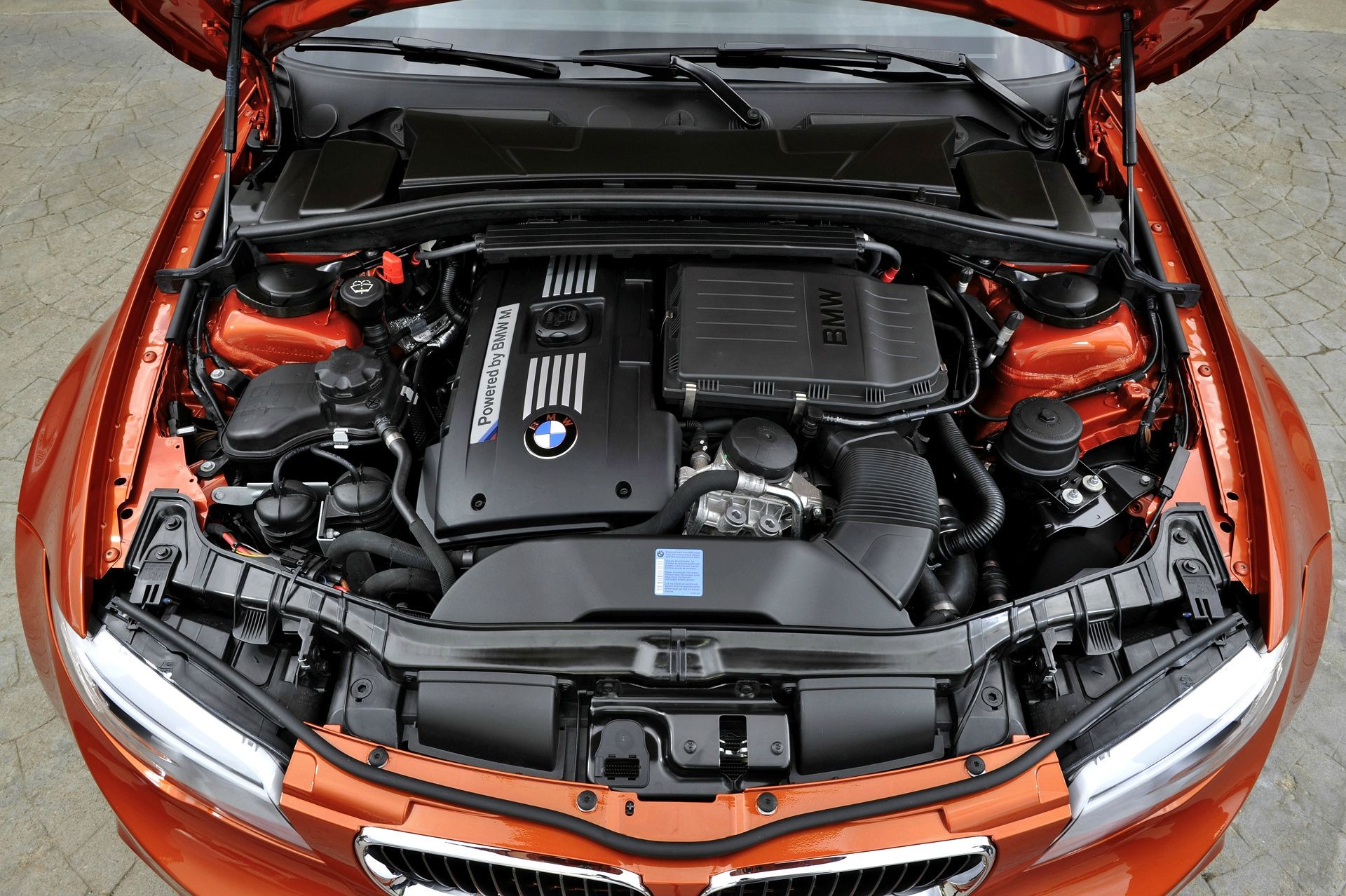
The BMW N54 turbocharged inline-six, used in models such as the 335i, 135i, and early 1M, has proven itself as one of the strongest modern engines from Germany. This twin-turbo 3.0-liter was BMW’s first mass-produced turbo inline-six, and it quickly gained a following for its blend of performance and toughness.
The block is made of aluminum, but it uses a closed-deck design and strong internals that can handle impressive amounts of boost. Many owners have achieved well over 600 horsepower without internal upgrades, which says a lot about the engine’s strength.
What makes the N54 particularly impressive is how well it handles both stock and tuned setups. The direct fuel injection system, efficient cooling, and precise turbo control allow it to perform reliably across thousands of miles. When maintained properly, these engines often surpass 200,000 miles with consistent output.
BMW built it with the expectation that enthusiasts would drive it hard, and it shows in the way it endures aggressive use. Even with heavy modifications, the N54 tends to stay mechanically sound as long as it receives timely oil changes and quality fuel.
The N54 also represents an important point in BMW’s engineering evolution. It bridged the gap between naturally aspirated performance and the modern turbo era, showing that forced induction could coexist with refinement. It’s not uncommon for long-term owners to describe the engine as “overbuilt,” given how much it can take. Its twin turbos spool quickly and deliver torque across the rev range, all while maintaining composure under heat and stress.
While it has some known issues like carbon buildup or fuel injector wear, these are manageable and don’t detract from the engine’s core durability. The N54 stands as proof that modern engineering can still prioritize strength and reliability alongside sophistication. It’s a motor that continues to inspire confidence years after production ended.
7. Ford 3.5L EcoBoost
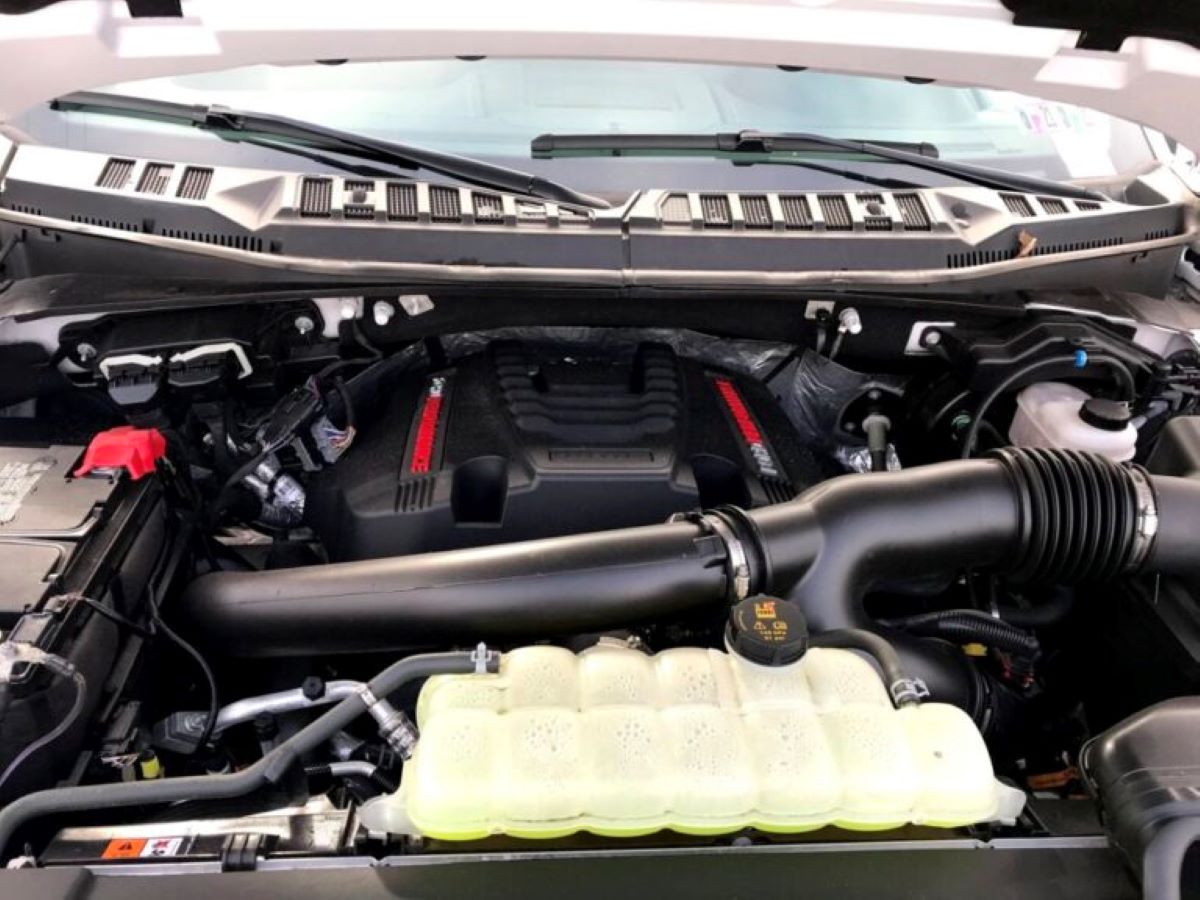
Ford’s 3.5-liter EcoBoost V6 has redefined what a durable turbocharged engine can be in the modern age. Found in vehicles ranging from the F-150 pickup to the Ford GT supercar, it proves that turbocharging and reliability can coexist even in demanding environments.
The EcoBoost concept was built around efficiency and power, but Ford went to great lengths to ensure the 3.5L version could handle commercial-duty workloads. Its all-aluminum construction, forged internals, and advanced cooling systems allow it to withstand enormous strain over time.
In high-performance trims, such as those found in the Raptor or GT, the same core engine architecture endures track-level punishment.
This versatility highlights how strong the base design is. Whether in a sports car or a workhorse truck, the 3.5L EcoBoost remains consistent. It’s a rare example of a turbocharged powerplant that successfully replaces big V8 engines without sacrificing toughness.
The EcoBoost’s reputation continues to grow as it proves itself year after year. Its balance of modern technology and rugged reliability makes it one of the most trusted turbo engines on the market. Ford demonstrated that innovation and durability can go hand in hand, reshaping expectations for both enthusiasts and everyday drivers.
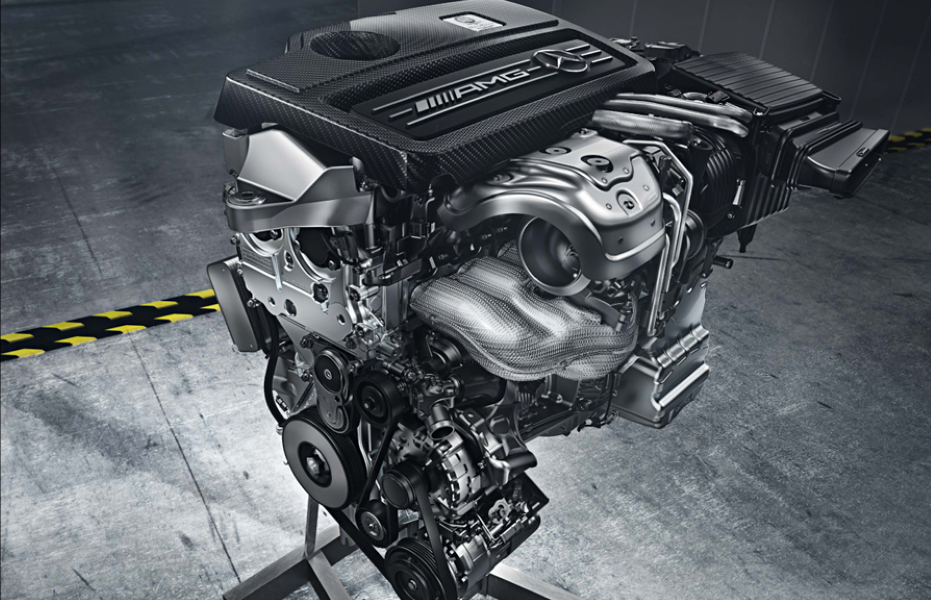
8. Mercedes-AMG M133
The Mercedes-AMG M133 engine set new standards for four-cylinder performance when it was introduced in the A45 AMG and CLA45 AMG. This 2.0-liter turbocharged unit was the most powerful four-cylinder production engine in the world at the time, producing up to 375 horsepower.
Beyond its impressive output, the M133’s strength lies in how consistently it delivers that power without mechanical failure. AMG’s engineers built each unit by hand, emphasizing precision assembly and durability under extreme stress.
The key to the M133’s resilience is its combination of advanced materials and engineering precision. It uses a forged crankshaft, forged pistons, and a high-strength aluminum block. The turbocharger runs at high pressure but benefits from a sophisticated cooling system and air management design that prevent heat soak.
This careful attention ensures that the engine can sustain high boost levels repeatedly without degradation. Owners frequently push these cars hard on both roads and racetracks, and the engines continue to perform as if new.
Another reason owners trust the M133 is its exceptional thermal efficiency. It manages heat so effectively that it rarely suffers from the temperature-related wear that plagues many small turbo engines.
Its lubrication system, complete with an efficient oil cooler, ensures smooth operation even under heavy loads. Drivers often note that after tens of thousands of miles of spirited driving, the engine feels just as strong as day one.
This engine represents a milestone for compact turbo performance. AMG proved that even small displacement engines could deliver supercar-like output while remaining durable. The M133’s continued reliability record reinforces the belief that meticulous design and craftsmanship are the true foundations of long-lasting performance.
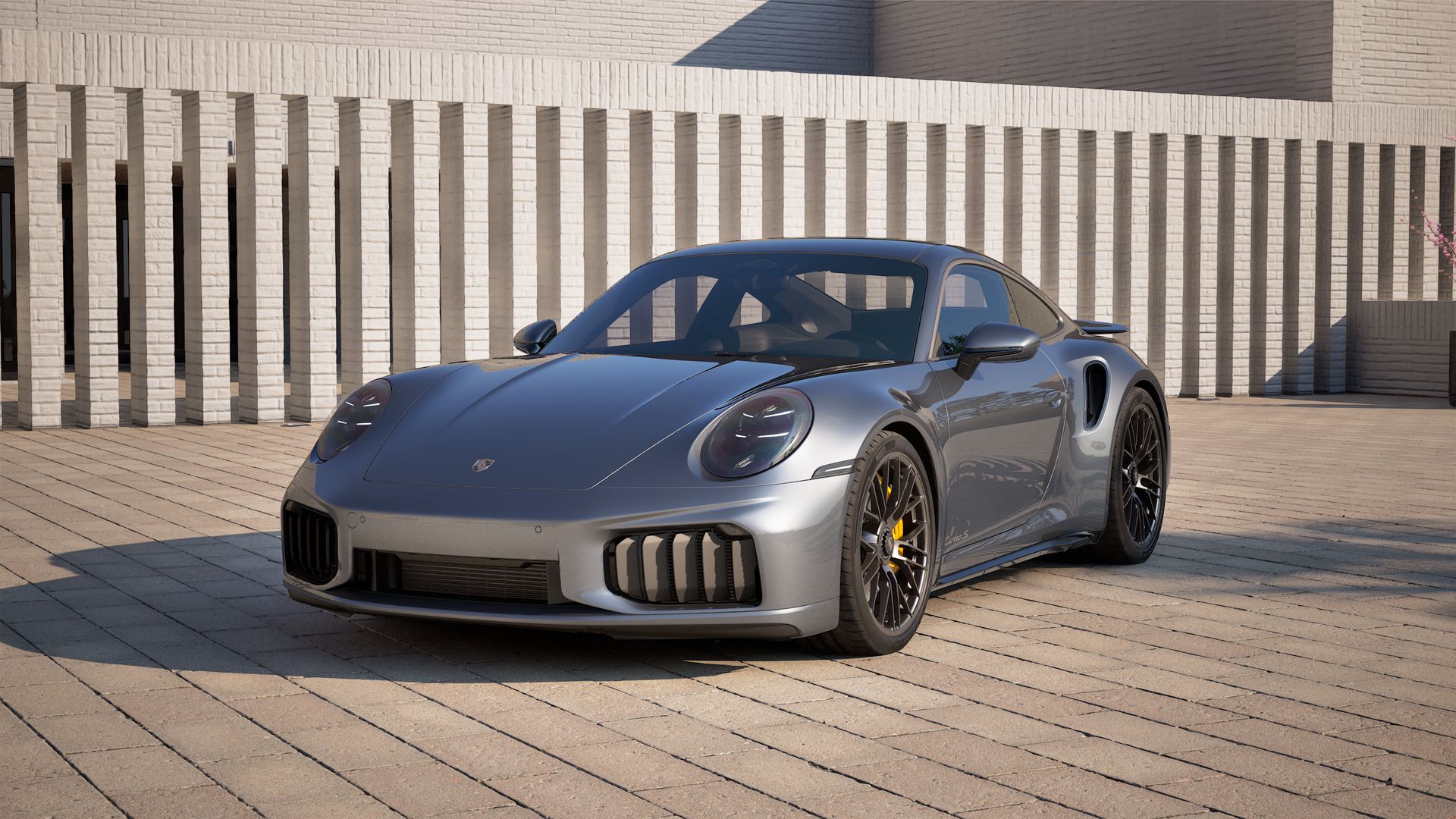
9. Porsche 911 Turbo Flat-Six
The Porsche 911 Turbo’s flat-six engine has evolved over generations, but its durability has remained constant. Whether air-cooled or water-cooled, the flat-six configuration provides inherent balance and stability that contribute to its long life.
Porsche’s engineering philosophy has always centered around precision, and the turbocharged variants showcase that commitment perfectly. The engines are known for their ability to run hard for decades while requiring only routine maintenance.
A major factor behind the 911 Turbo engine’s longevity is the way Porsche overbuilds its components. The crankcases, connecting rods, and bearings are all designed to handle far more stress than the factory output produces. The result is an engine that feels almost indestructible. Many 911 Turbos from the 1990s and early 2000s still run with original engines and turbos, often well past 200,000 miles. That level of endurance is rare among high-performance engines.
The twin-turbo flat-six also benefits from an extremely efficient oiling system. Because the engine sits low in the chassis, oil returns naturally to the sump, maintaining stable pressure even under hard cornering or acceleration. This contributes to the engine’s consistent performance over time. Owners often describe it as “rock solid,” even after years of spirited driving or track use.
Porsche’s approach to turbocharging is not about chasing numbers but about delivering sustained, repeatable performance. The flat-six design embodies that philosophy. It’s a symbol of durability achieved through balance, precision, and over-engineering. Generations of loyal owners continue to trust this engine because it has never let them down.
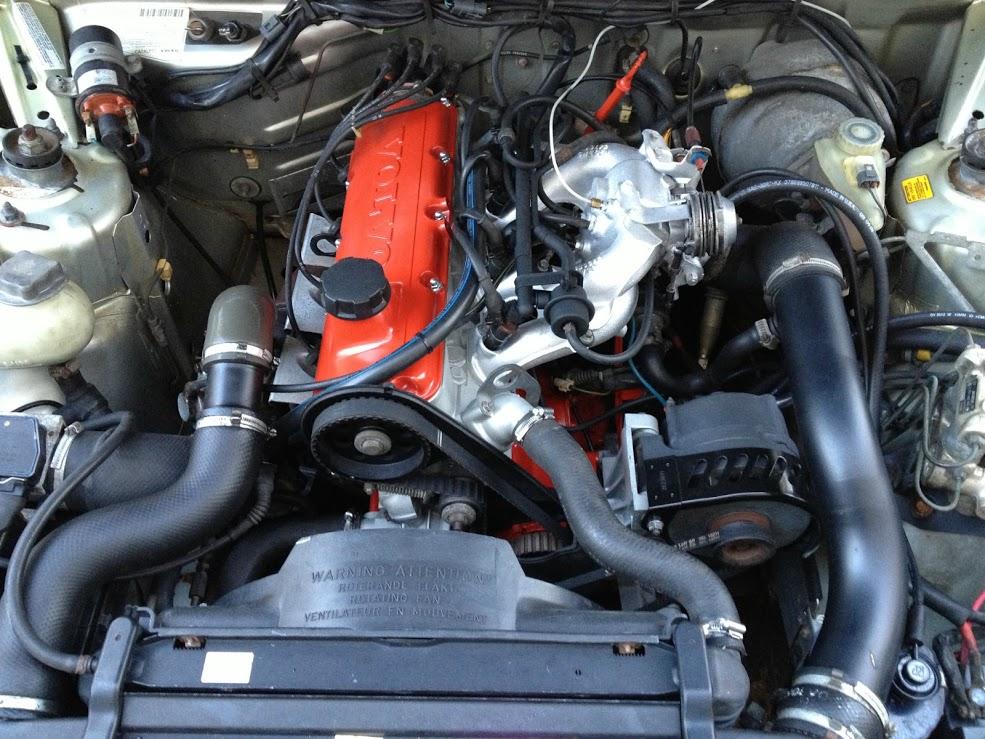
10. Volvo B230FT
The Volvo B230FT might not make headlines for extreme performance, but it’s legendary for how long it lasts. Found in cars like the 740 and 940 Turbo, this 2.3-liter Redblock engine has built a cult following for its unbreakable nature.
Built with a heavy cast-iron block and a forged crankshaft, it was designed during a time when Volvo prioritized longevity above all else. Its low-stress design and sturdy construction have made it one of the most durable turbo engines ever fitted to a production car.
What makes the B230FT remarkable is its ability to handle power far beyond its modest stock output. Many enthusiasts double or even triple the factory horsepower simply by increasing boost and upgrading fuel management. Despite that, the bottom end rarely fails.
Its simplicity works in its favor, there are few components to break, and maintenance is straightforward. Owners often find that these engines continue running smoothly even after years of neglect.
Another strength of the B230FT is its tolerance for poor conditions. It has been proven to start in freezing temperatures, handle extended idling, and survive high-mileage driving without complaint. Some examples have surpassed half a million miles without a rebuild, which speaks volumes about its engineering integrity. The cooling system and oil pathways are robust, preventing common issues that plague more delicate designs.
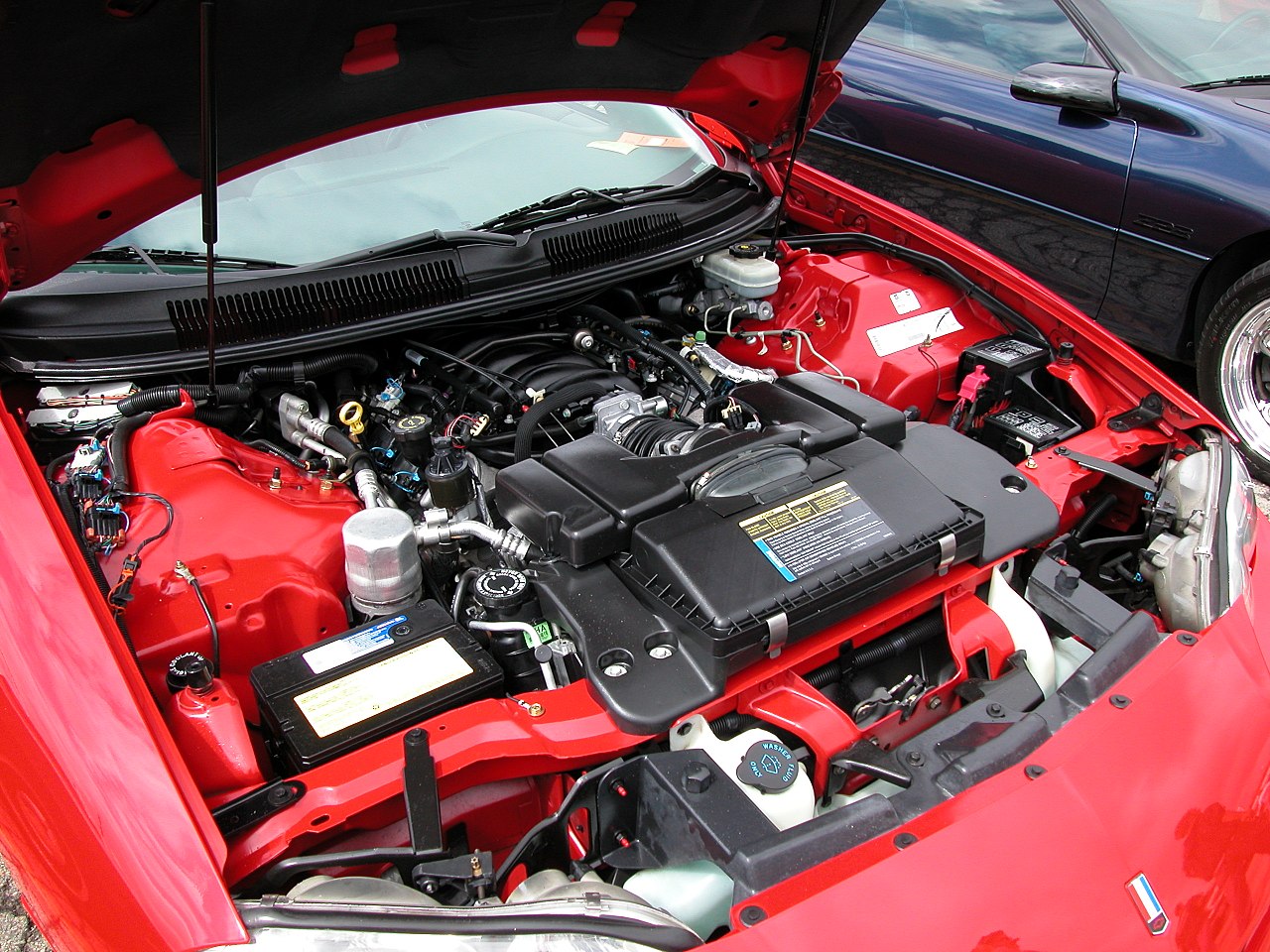
11. Chevrolet LSA
The Chevrolet LSA is a supercharged version of the LS series V8, but in many applications, it is paired with turbocharging kits, and its durability is remarkable. Found in the CTS-V and Camaro ZL1, the engine’s robust design stems from decades of GM’s small-block development.
The LSA uses a high-strength aluminum block with forged internals, allowing it to handle extreme pressures whether naturally aspirated, supercharged, or turbocharged. Owners often report that even with aftermarket turbos pushing output past 700 horsepower, the engine remains reliable.
Part of the LSA’s longevity comes from GM’s meticulous engineering. The crankshaft, connecting rods, and pistons were designed to endure high RPM and forced induction stress. Cooling and oiling systems are exceptionally well-engineered, keeping the engine stable under extreme thermal loads.
This is why LSA engines have gained a reputation for being “bulletproof” in both street and track applications. Even under heavy tuning, the block rarely shows signs of fatigue, which has made it a favorite for drag racing and high-performance builds.
Owners also praise the LSA for its adaptability. With modern tuning, it can run efficiently on the street and still produce immense power on demand.
The torque curve is broad and responsive, giving the engine a sense of effortless strength. This combination of raw power and mechanical resilience makes it ideal for those who demand both reliability and excitement from their turbocharged setups.
Despite being a more modern engine, the LSA continues to earn trust among enthusiasts for its ability to withstand high horsepower without catastrophic failure. It’s proof that careful attention to internal strength and balance allows a modern forced-induction engine to compete with long-standing legends like the 2JZ-GTE or RB26DETT. For anyone seeking a turbo engine that can be heavily tuned and still survive, the LSA is a strong candidate.
12. Honda K20/K24 Turbo Builds
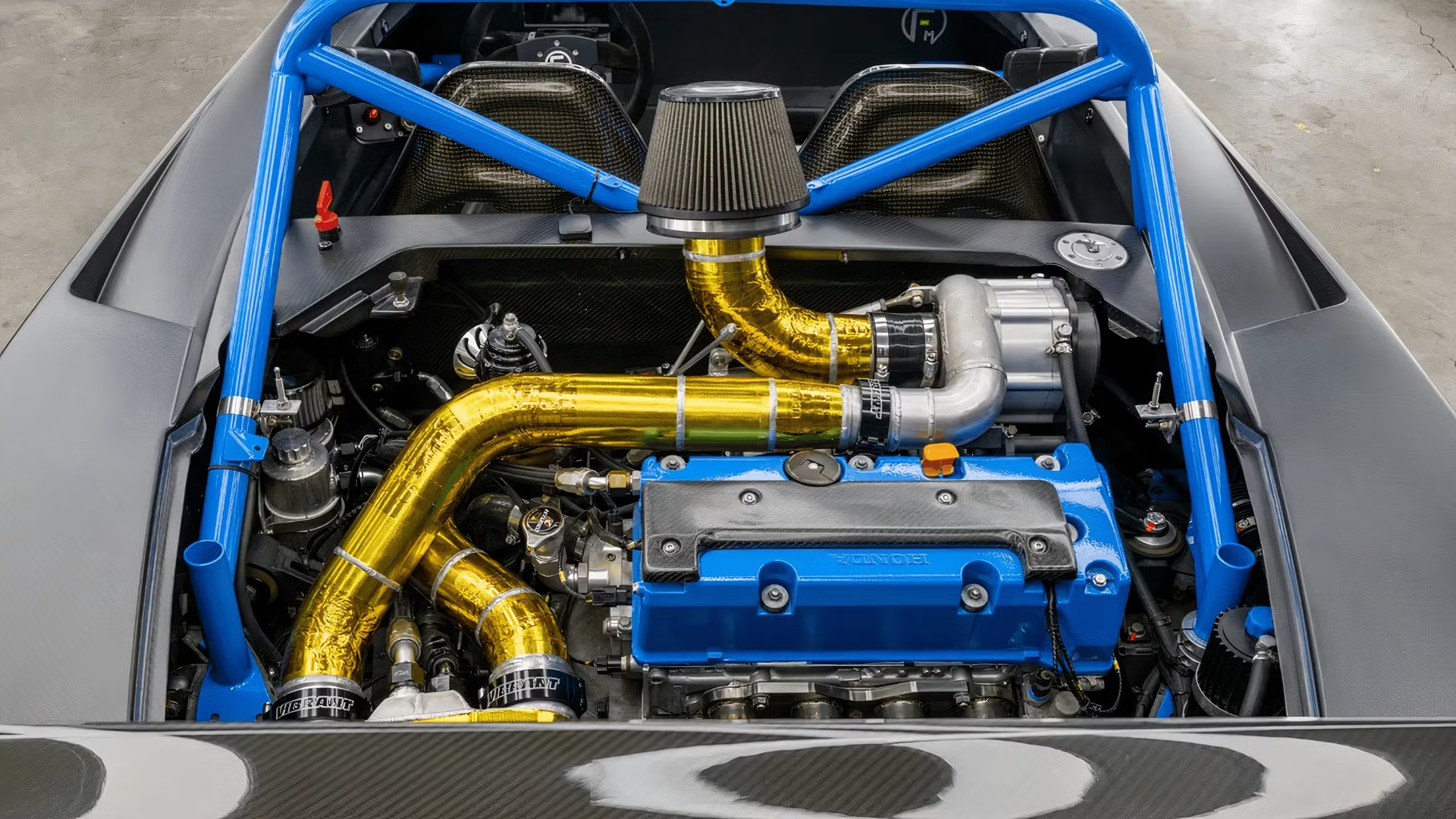
Honda’s K-series engines, particularly the K20 and K24, have long been respected for their high-revving reliability. While turbocharging is often done aftermarket, these engines can handle significant boost without losing durability.
The K20 and K24 feature high-strength aluminum blocks, reinforced cylinder walls, and solid rods and pistons in many versions. These attributes allow owners to push the engines to 400–500 horsepower with supporting modifications, yet stock internals often survive surprisingly well under moderate boost.
The key to their durability is Honda’s engineering philosophy. The engines are built to rev high while maintaining low friction, which reduces internal stress even under forced induction.
Proper cooling and lubrication design contribute further, allowing turbocharged builds to remain safe and reliable over tens of thousands of miles. Enthusiasts often praise the K-series for retaining smoothness under pressure, a testament to the robustness of the core engine design.
Another factor that makes these engines durable is their aftermarket support. Performance tuners have developed strong rods, pistons, and reinforced heads specifically for turbo applications, which further extend engine life. Even heavily modified turbo K-series engines remain manageable when combined with attention to oil, fuel, and temperature. This makes them a favorite for street cars, track cars, and high-performance builds alike.
The K20 and K24 demonstrate that small displacement does not equal fragility. With careful engineering and proper tuning, a lightweight four-cylinder can withstand extreme pressures while maintaining the legendary Honda reliability. It’s an example of modern engines being both high-performing and durable under turbocharged conditions.
13. Audi 2.0T FSI (EA113 / EA888 Generations)
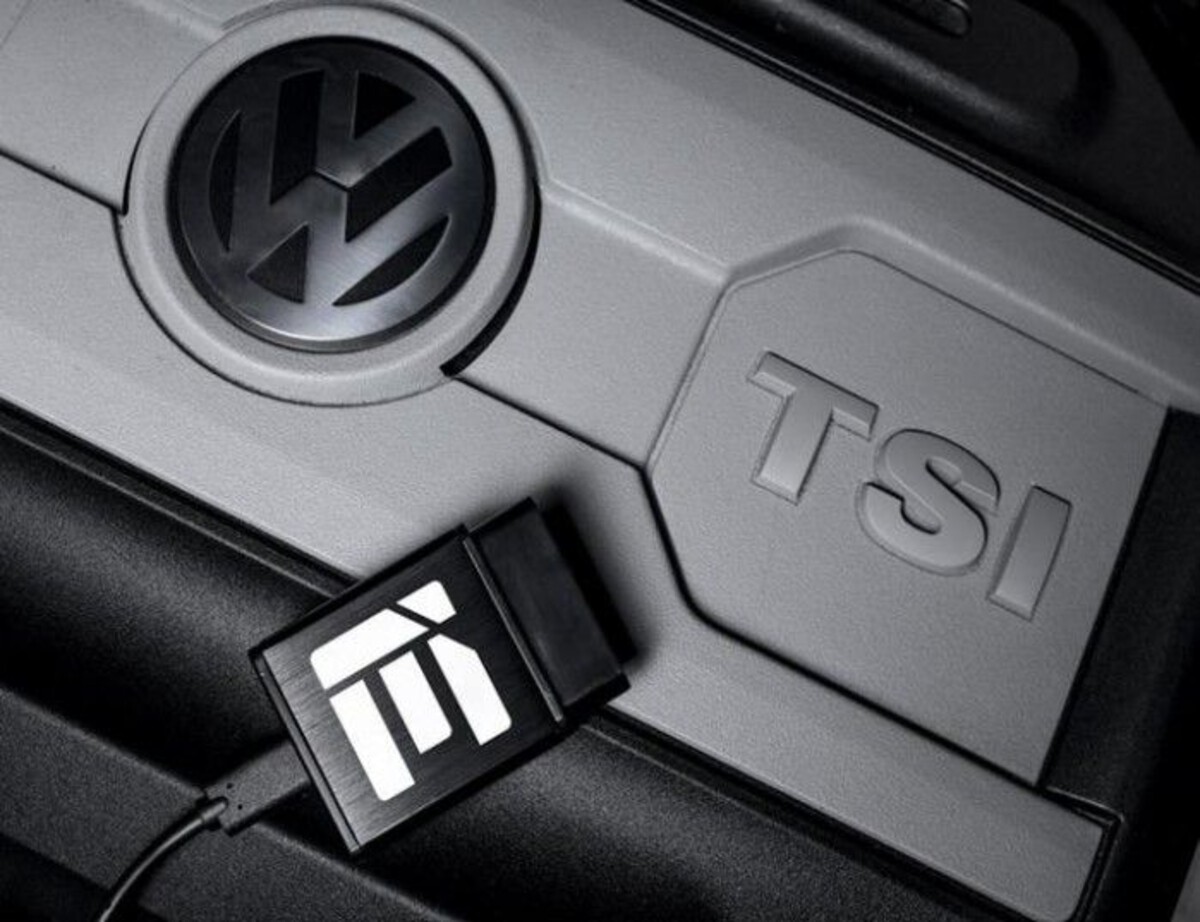
Audi’s 2.0T turbo engines, spanning EA113 and early EA888 generations, have earned respect for their longevity under turbocharged conditions. These 2.0-liter inline-four engines power a wide range of VW and Audi vehicles, offering strong performance while maintaining solid reliability.
Owners appreciate the aluminum construction, reinforced crankshafts, and robust internals, which allow the engine to handle boost levels far above stock safely. Many cars with these engines routinely surpass 200,000 miles with minimal issues, even when tuned for higher performance.
One reason these engines endure is their well-designed turbo and cooling systems. The turbocharger spools efficiently without over-stressing components, and the oil and coolant systems are engineered to maintain thermal stability under sustained load.
Proper maintenance, including timely oil changes, ensures these engines continue to run reliably, even under high-pressure turbo setups. They are known to tolerate heavy use while maintaining power and drivability over time.
The 2.0T engines also benefit from a combination of durability and tunability. Enthusiasts regularly push them past 350 horsepower with supporting modifications, and while attention to timing chains and carbon buildup is necessary, the core engine is remarkably strong. This combination of reliability, efficiency, and performance has made it a favorite for both daily driving and high-performance builds.
