
For anyone who spends hours behind the wheel each day, reliability is not just a convenience; it is a necessity.
A commuter car is not merely a means to reach a destination; it is a companion that must endure the constant wear and tear of daily traffic, stop-and-go congestion, long highway stretches, and unpredictable weather conditions.
For mechanics and automotive experts, certain vehicles stand out not because of flashy features or cutting-edge technology, but because they are steadfast performers that rarely falter even under continuous use.
These cars earn a reputation for being “bulletproof,” a term used by industry professionals to describe machines that maintain their structural integrity, mechanical function, and dependability over long periods with minimal repairs.
The value of such vehicles becomes evident when considering the cost and stress associated with frequent breakdowns or costly maintenance.
A car that consistently starts without hesitation, handles routine traffic with ease, and keeps repair bills low represents an ideal balance between performance, efficiency, and durability.
Mechanics often look for robust engines, resilient transmissions, reliable suspension systems, and corrosion-resistant bodies when determining which commuter cars deserve this label.
In addition to these mechanical qualities, these vehicles are also recognized for having abundant parts availability, straightforward maintenance procedures, and a history of longevity.
In urban and suburban settings alike, a bulletproof commuter car allows drivers to focus on their routines without the constant worry of mechanical failure. Beyond the practical aspects, such vehicles provide a sense of confidence and peace of mind.
Drivers know that, despite the thousands of miles they rack up each year, their car is built to endure, and they can depend on it to get them to work, appointments, or errands reliably. For mechanics, recommending these cars is an exercise in pointing others toward proven dependability rather than hype or trendiness.
In this article, we highlight ten commuter cars that consistently earn praise from automotive professionals for their resilience, ease of maintenance, and enduring performance, making them ideal choices for those who demand a car that can withstand the daily grind.
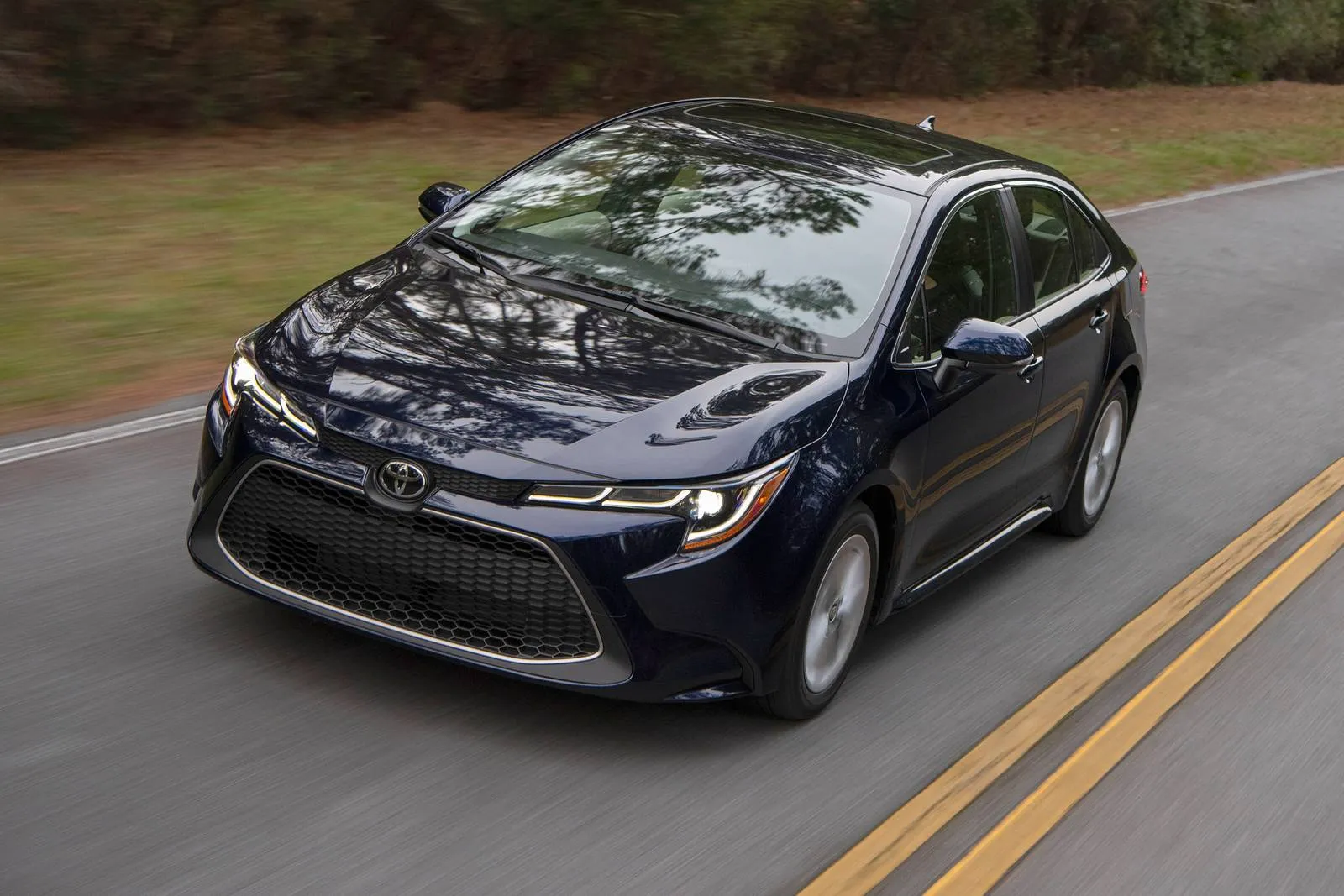
1. Toyota Corolla
The Toyota Corolla has maintained its position as one of the most dependable compact cars for decades, largely due to its engine and drivetrain design. The engines are designed for longevity, with reinforced components and conservative tuning that minimize stress and heat buildup over time.
Mechanics often highlight the Corolla’s ability to endure high mileage without needing major engine overhauls, with many vehicles reaching well over 200,000 miles while still performing reliably.
This longevity makes it a favorite among commuters who require a car that can handle daily stop-and-go traffic without constant repairs.
The transmission, whether manual or automatic, is another strong point for the Corolla. Automatic transmissions are particularly robust, offering smooth shifting and long-term durability.
Mechanics note that clutch replacement in manual models is straightforward, while automatic transmissions rarely require major intervention if regularly maintained.
The simplicity of the Corolla’s powertrain contributes to its bulletproof reputation, as it avoids overly complex systems prone to failure.
The vehicle’s interior design also plays a role in long-term reliability. Controls, switches, and dashboard components are built to withstand repeated use without failing or wearing prematurely.
Mechanics often report that older Corollas still have functional electronics, climate controls, and sound systems, even after extensive daily use. This durability extends to the seating materials and interior trim, which tend to age gracefully under daily wear.
Another factor is the Corolla’s fuel efficiency combined with engine reliability. The modestly tuned engine ensures that fuel consumption remains low while minimizing strain on internal components.
This balance between efficiency and durability means that drivers can log long commutes without worrying about excessive wear. Additionally, the Corolla’s reputation for low-cost maintenance and parts availability makes it not only durable but also economical over time.
The Corolla’s braking system is built with reliability in mind, often lasting well beyond 100,000 miles with regular maintenance.
Mechanics praise the consistency of the brake calipers, pads, and rotors, which provide dependable stopping power without frequent replacement. The simple yet durable design of these components enhances safety and reduces maintenance costs.
Even in harsher climates, the Corolla performs admirably. Its rust-resistant body panels and corrosion protection measures ensure that the vehicle’s structural integrity remains intact for many years.
This is particularly important for commuters who face winter conditions with road salt or humid regions where rust can accelerate degradation.
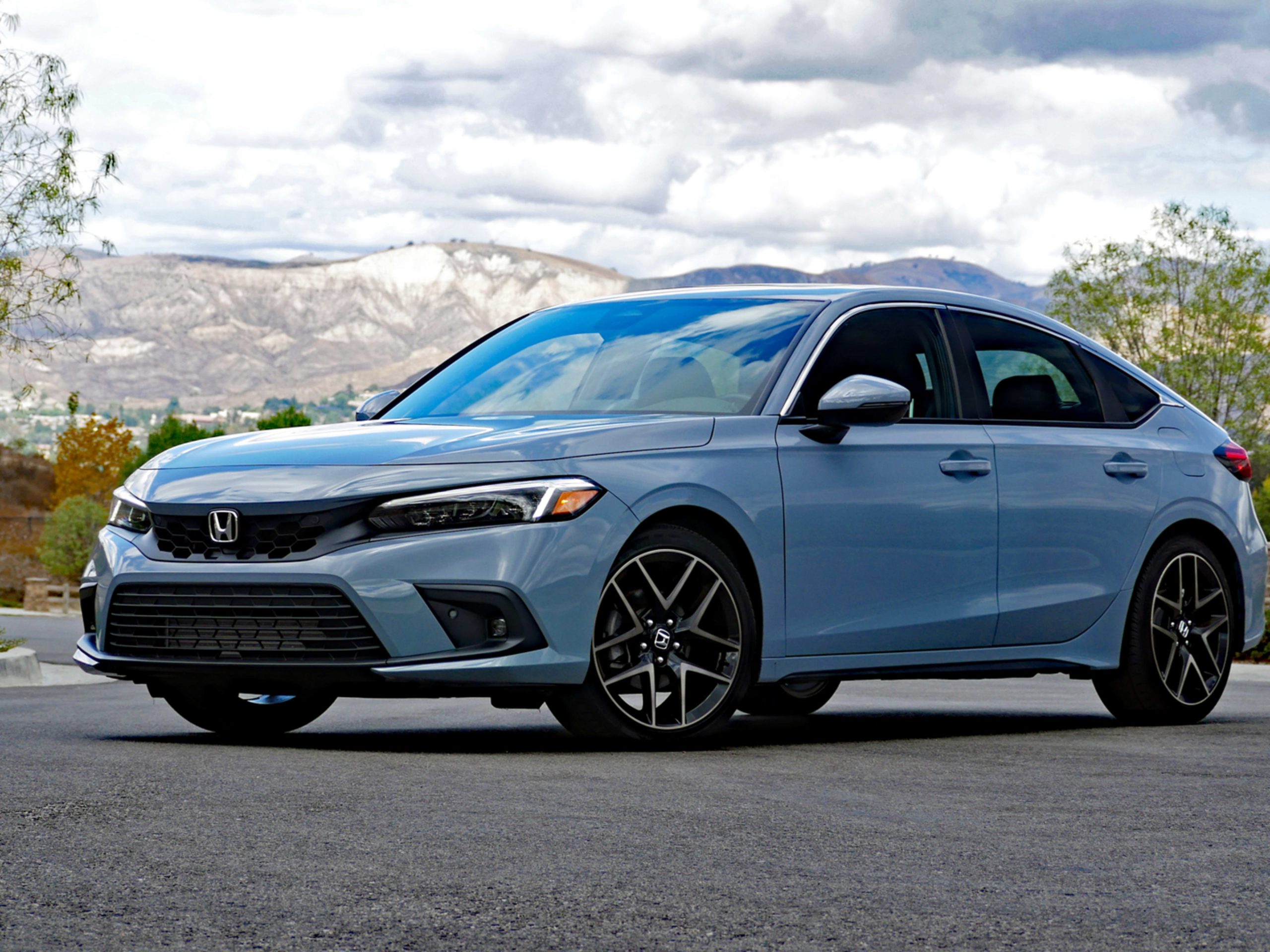
2. Honda Civic
The Honda Civic is consistently recognized for its mechanical resilience, particularly when it comes to engine performance. The four-cylinder engines are engineered to withstand high mileage, often surpassing 200,000 miles with minimal issues.
Mechanics point out that even high-revving models maintain internal integrity, thanks to precise engineering and durable materials. Regular oil changes and standard maintenance routines are generally sufficient to ensure longevity, making the Civic a reliable daily commuter.
Transmission reliability adds to the Civic’s reputation. Manual transmissions are straightforward and long-lasting, while automatic versions, including CVTs in newer models, are designed to handle daily driving demands.
Mechanics note that while CVTs require occasional fluid maintenance, they remain highly durable compared to similar systems in other vehicles. This resilience allows commuters to focus on their routes rather than transmission issues.
The Civic’s suspension and handling are also noteworthy. The car maintains stability in urban traffic and on highways, with struts, bushings, and control arms designed to endure repeated stress.
Mechanics often observe that even after extended use, the suspension maintains consistent performance without causing unusual tire wear or alignment problems. This durability enhances driving confidence for those who navigate challenging traffic conditions daily.
Fuel efficiency and mechanical simplicity also play key roles. The engine design minimizes stress on internal components while providing sufficient power for daily driving.
Mechanics note that the Civic’s parts are widely available and easy to replace, allowing for cost-effective repairs and maintenance. These factors make the Civic a favorite choice for commuters who need a dependable car without worrying about frequent breakdowns.
Interior durability enhances the Civic’s reputation further. Seats, dashboard components, and controls are built to withstand heavy daily use, with minimal wear over time.
Mechanics report that electrical systems are also robust, rarely developing issues with sensors or wiring, which are common points of failure in other vehicles.
Finally, the Civic provides a balance of comfort, efficiency, and reliability that few compact cars match. Its predictable performance, ease of maintenance, and long-term dependability ensure that it remains a practical choice for daily commuting, making it one of the most respected cars among mechanics and owners alike.
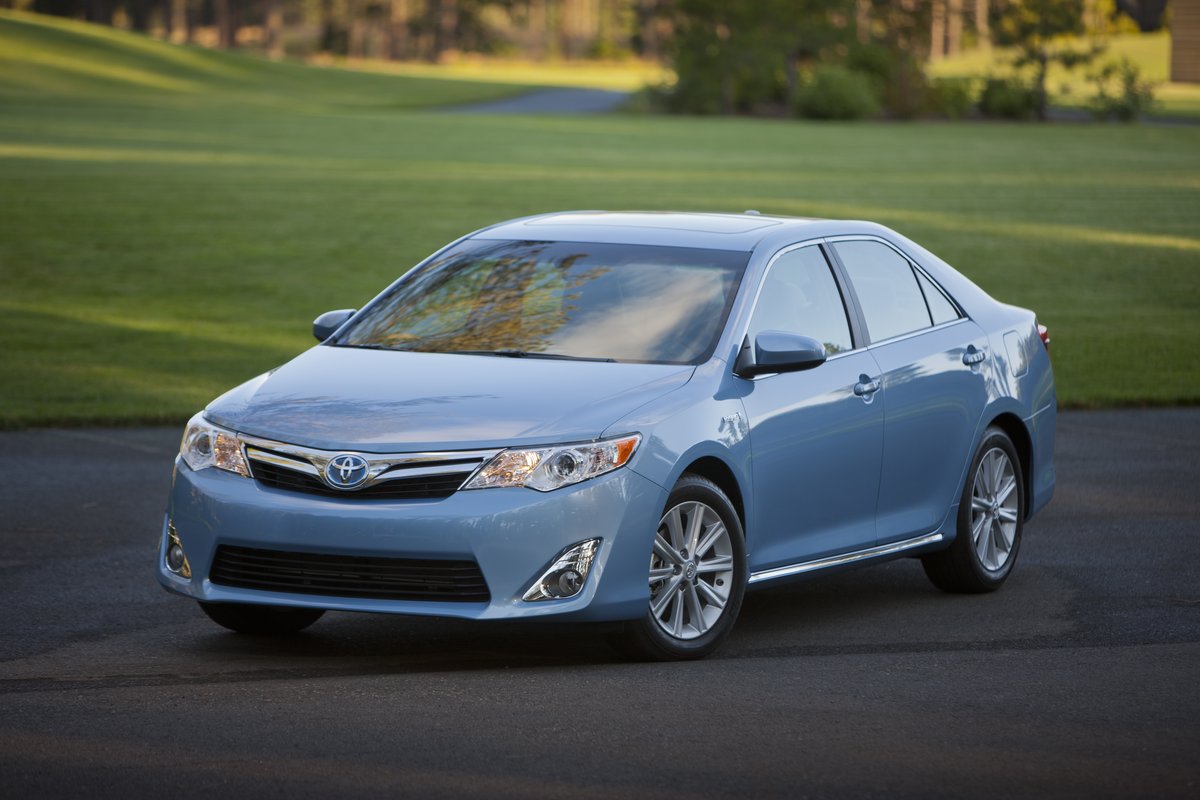
3. Toyota Camry
The Toyota Camry is celebrated for its unmatched longevity and consistent performance. Mechanics often describe its engines as nearly indestructible, with many vehicles exceeding 300,000 miles when properly maintained.
Both four-cylinder and V6 options are known for smooth operation, minimal overheating, and low failure rates. The careful engineering and conservative tuning of the engines contribute to the Camry’s enduring appeal for commuters.
Transmission reliability is a strong factor in the Camry’s bulletproof reputation. Automatic transmissions are engineered for smooth, long-term operation, while manual variants are equally robust.
Mechanics appreciate that major transmission failures are rare, even in high-mileage examples. Routine servicing, including fluid changes, typically ensures decades of dependable performance.
The Camry’s suspension and chassis design are durable and forgiving, capable of handling rough roads and daily driving stress without frequent repairs.
Struts, control arms, and stabilizer bars remain intact for hundreds of thousands of miles, reducing the risk of handling issues. This reliability provides a comfortable driving experience, which is essential for commuters spending significant time on the road.
Maintenance simplicity further supports the Camry’s reputation. Mechanics often highlight how routine repairs, such as oil changes, brake service, and timing belt inspections, are straightforward and cost-effective.
Parts are widely available and reasonably priced, ensuring long-term practicality. The combination of durability, ease of maintenance, and proven reliability makes the Camry a preferred choice for daily drivers seeking peace of mind.
The Camry’s braking system is engineered for longevity, with calipers, pads, and rotors designed to withstand extensive use. Mechanics note that these components maintain consistent performance and rarely require early replacement, enhancing both safety and cost efficiency.
Corrosion resistance and body integrity are additional factors contributing to the Camry’s long-term dependability. Protective coatings and thoughtful design ensure that even older models maintain structural strength and minimal rust, which is crucial for longevity in areas with harsh weather or road salt exposure.
Interior durability is another hallmark. Controls, switches, and upholstery are designed to endure years of use without significant wear. Electrical systems, including lighting, sensors, and infotainment, maintain reliable operation even as the vehicle ages, providing consistent functionality for daily commuting.
Finally, the Camry’s fuel efficiency and smooth performance make it a practical choice for long-term commuting. Engines are tuned to balance power with economy, minimizing mechanical stress while ensuring reliable operation.
This combination of robust engineering, practical maintenance, and enduring performance cements the Camry’s status as a bulletproof commuter car.
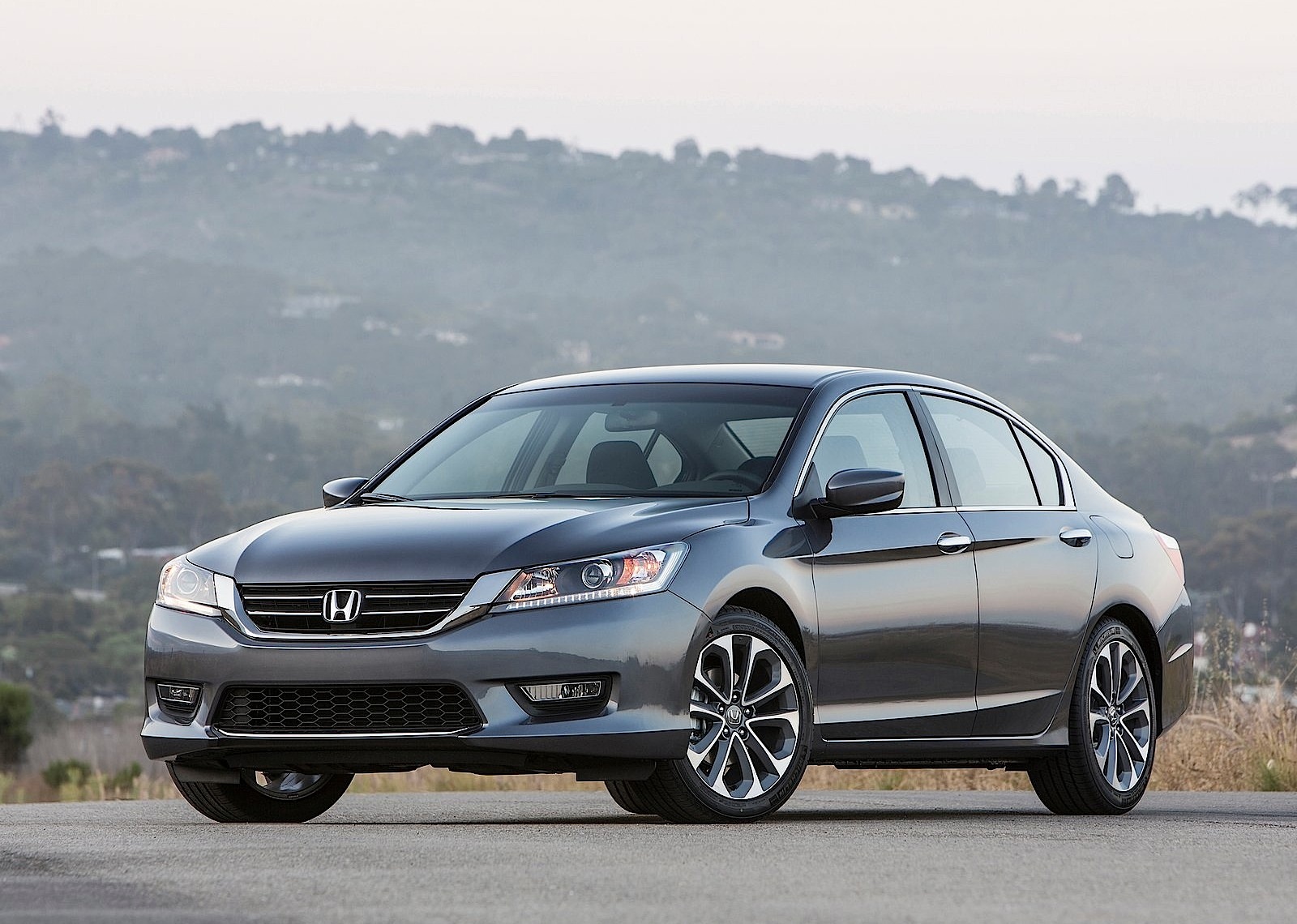
4. Honda Accord
The Honda Accord is widely recognized for its combination of comfort, reliability, and durability. Mechanics often highlight the engine design, which allows vehicles to exceed 250,000 miles with proper maintenance.
Four-cylinder and V6 engines alike are resilient and tolerant of varying driving habits, contributing to the Accord’s reputation as a long-lasting commuter vehicle.
Transmission systems in the Accord are similarly robust. Automatic and manual options are engineered for smooth operation and longevity, with major failures being rare.
Mechanics emphasize that routine fluid maintenance and timely service ensure that transmissions remain reliable even under heavy daily use, making it ideal for long-term commuting.
The Accord’s suspension system is designed for both comfort and durability. Struts, control arms, and bushings handle urban traffic and highway use without rapid wear, maintaining ride quality and handling stability over time.
Mechanics often report that suspension issues are uncommon and typically only occur after extensive mileage, further enhancing the vehicle’s reputation for reliability.
The Accord’s braking system and steering components are built to last, providing consistent performance over extended periods.
Pads, rotors, and calipers maintain reliable stopping power, while steering systems remain responsive even as the vehicle ages. These factors contribute to safety and long-term usability, important considerations for daily commuters.
Interior durability and electrical reliability also play a role. Dashboard controls, infotainment systems, and seating materials are engineered to withstand daily wear.
Mechanics note that older Accords often maintain fully functional interiors, which enhances comfort and practicality for drivers who spend long hours commuting.
Finally, corrosion resistance and structural integrity make the Accord a dependable long-term investment. With proper care, the vehicle’s body and chassis remain free from significant rust or damage, even in harsh climates.
This durability ensures that the Accord continues to provide reliable service, comfort, and performance for many years.
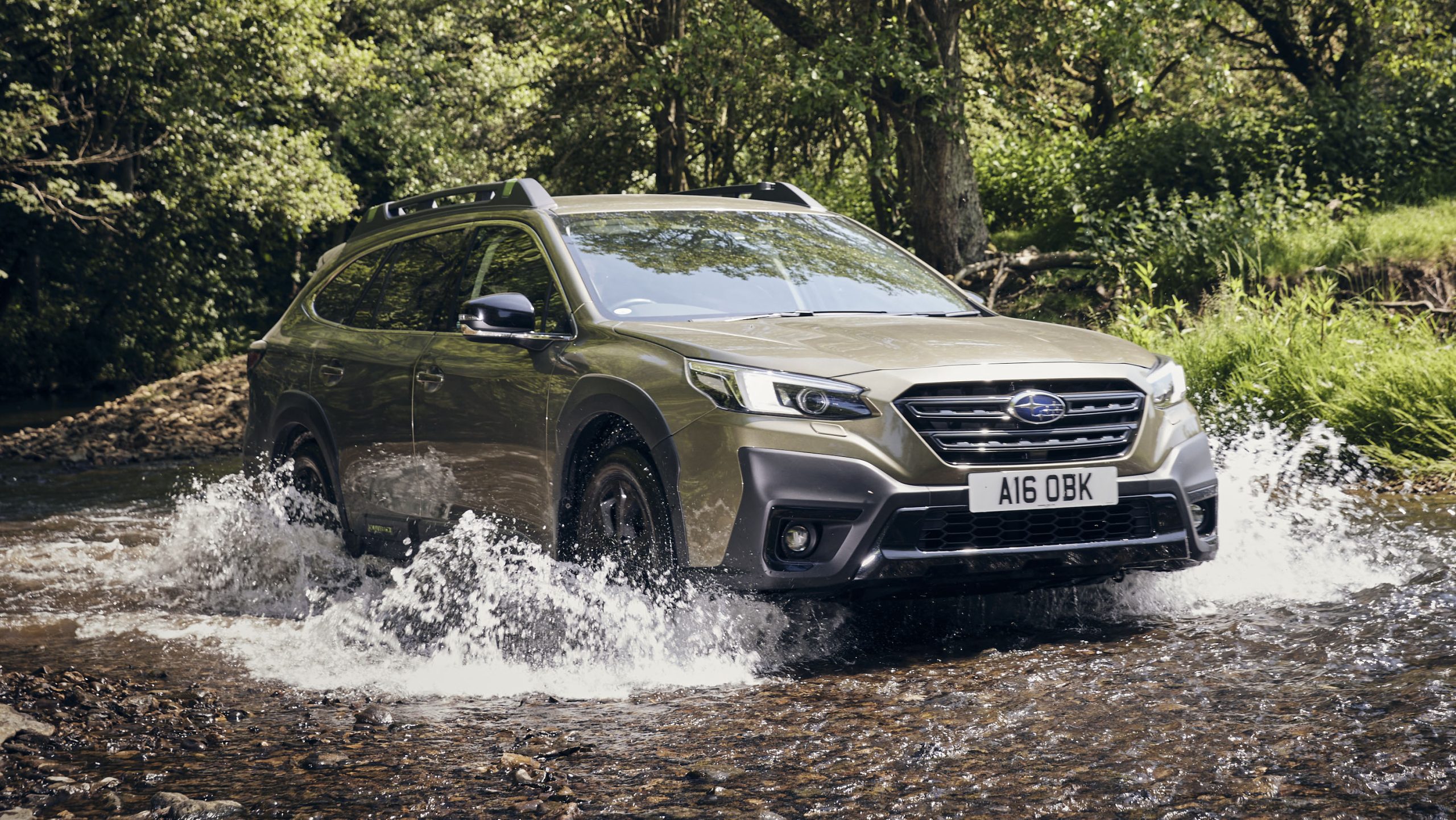
5. Subaru Outback
The Subaru Outback stands out for its combination of reliability and all-weather capability. Mechanics often praise the horizontally opposed boxer engine for its balanced performance and mechanical durability.
Engines are engineered to withstand high mileage, with regular maintenance ensuring longevity. This robustness makes the Outback a trusted choice for daily commuters in regions with varied weather conditions.
The all-wheel-drive system is a key factor in its durability. Symmetrical AWD distributes power evenly to all four wheels, reducing drivetrain strain and providing consistent traction.
Mechanics note that components such as CV joints, drive shafts, and differentials are designed to endure daily commuting and occasional off-road conditions without frequent failures.
Suspension components in the Outback are built for both comfort and durability. Struts, control arms, and bushings can handle potholes, speed bumps, and long highway drives without premature wear.
Mechanics often observe that these parts maintain reliable performance over many miles, contributing to the vehicle’s reputation as a bulletproof commuter car.
Routine maintenance is straightforward, with oil changes, filter replacements, and brake servicing being simple to perform.
Mechanics emphasize that the availability of parts and ease of service support the vehicle’s long-term reliability. This accessibility allows for cost-effective repairs and reduces downtime for daily commuters.
Interior and electronic durability further enhance the Outback’s appeal. Controls, switches, and climate systems remain functional even after years of use. Mechanics report that electrical components rarely fail prematurely, providing consistent reliability for daily commuting.
The Outback’s fuel efficiency and engine design balance performance with durability. The modestly tuned engine ensures low stress on internal components while providing sufficient power for daily driving.
This combination of mechanical resilience, AWD capability, and straightforward maintenance makes the Subaru Outback an enduring favorite for commuters.
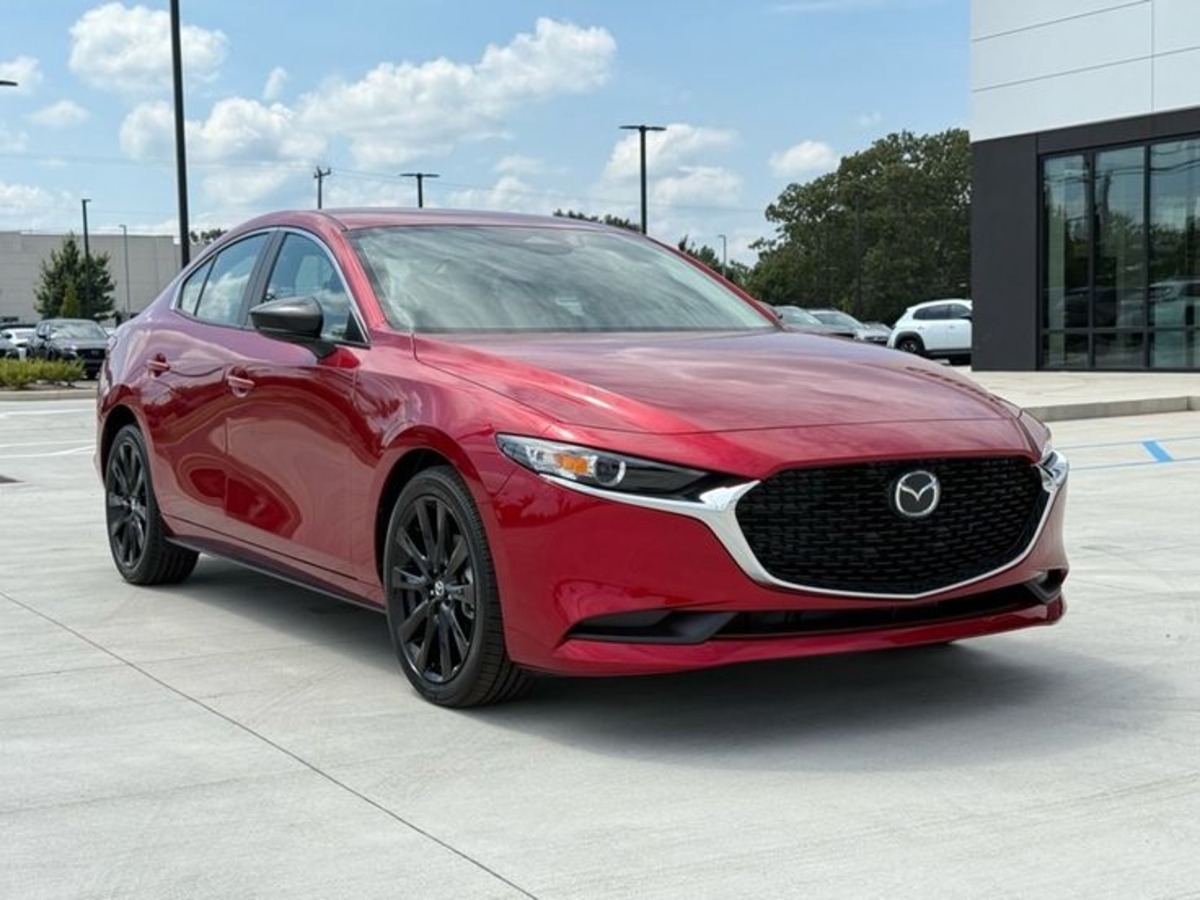
6. Mazda3
The Mazda3 is frequently praised by mechanics for its combination of reliability and engaging driving dynamics. Its Skyactiv engines are designed with longevity in mind, emphasizing efficiency without overcomplicating mechanical systems.
Mechanics often note that routine oil changes and scheduled maintenance are sufficient to keep the engine running smoothly for well over 200,000 miles, making it a dependable option for daily commuting.
The Mazda3’s transmission, whether automatic or manual, is engineered for durability. Automatic transmissions provide smooth, predictable shifts, while manual gearboxes are straightforward and forgiving.
Mechanics highlight that transmission failures are uncommon and typically result from neglect rather than design flaws, contributing to the car’s bulletproof reputation.
Suspension and chassis design add to the Mazda3’s resilience. Front struts, control arms, and rear components handle city streets, potholes, and speed bumps without frequent issues.
Mechanics report that the vehicle maintains excellent handling and ride quality even after extended mileage, which is important for drivers who spend significant time in stop-and-go traffic.
Corrosion resistance and body integrity are other factors in the Mazda3’s long-term appeal. Well-protected underbody panels and rust-resistant materials help preserve the car’s structural integrity, even in regions exposed to road salt or heavy rainfall.
Mechanics often observe that older Mazda3s retain their frame strength and panel alignment, extending the vehicle’s lifespan. Fuel efficiency is another strong suit. The Skyactiv engines are designed to deliver optimal performance while minimizing stress on internal components.
Mechanics note that consistent fuel efficiency, combined with robust engine design, reduces the likelihood of mechanical issues related to overexertion or overheating. This is a key consideration for commuters who log high mileage each week.
Interior durability also contributes to the Mazda3’s reliability. Switches, climate controls, infotainment systems, and seating materials are built to withstand repeated use without significant wear. Mechanics often report minimal issues with electrical components, even in older vehicles, which enhances the car’s long-term usability.
The braking system is designed for longevity and consistent performance. Pads, rotors, and calipers maintain reliable stopping power over thousands of miles, requiring replacement only during standard service intervals. Mechanics highlight this as another feature that makes the Mazda3 a low-maintenance, dependable daily driver.
Finally, the availability of parts and simplicity of maintenance make the Mazda3 practical for long-term ownership. Mechanics praise the ease of replacing routine wear items, such as belts, filters, and brake components.
This accessibility, combined with proven mechanical reliability, ensures that the Mazda3 remains a favorite among commuters seeking a car that withstands the daily grind.
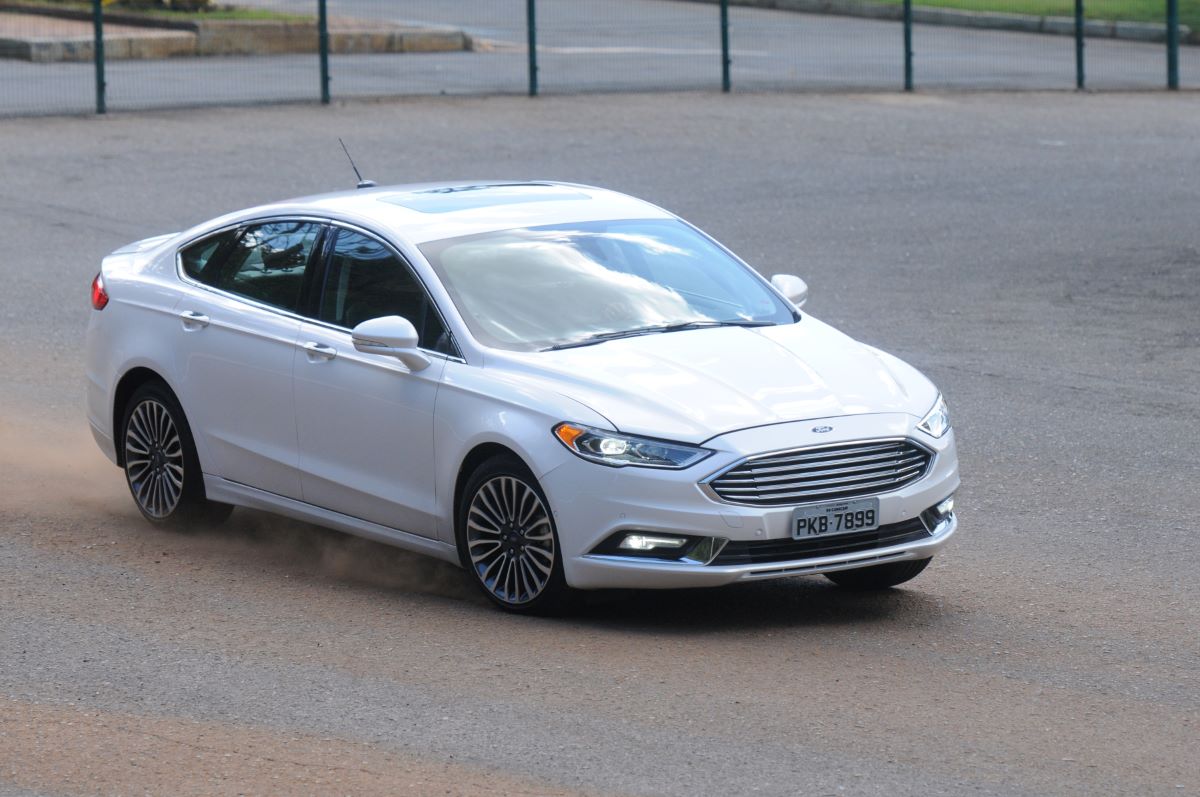
7. Ford Fusion
The Ford Fusion is often recognized by mechanics for its solid construction and reliable powertrains. Engines in the Fusion, including four-cylinder and V6 options, are engineered to provide longevity with minimal issues.
Mechanics frequently observe that Fusion engines remain robust over high mileage, provided routine maintenance is performed, making the car a dependable choice for commuters.
Transmission reliability is another factor contributing to the Fusion’s bulletproof reputation. Both automatic and manual transmissions are built to handle daily driving stresses, with failures being uncommon in well-maintained vehicles.
Mechanics often note that routine fluid changes and inspections are sufficient to prevent major issues, ensuring consistent performance over the long term.
The suspension system is designed to provide comfort while withstanding daily wear. Control arms, bushings, and struts endure urban traffic, potholes, and highway driving without excessive wear.
Mechanics report that the Fusion’s handling remains stable over time, giving drivers confidence in both city and highway environments.
Fuel efficiency and mechanical simplicity further enhance the Fusion’s appeal. The engines are tuned for efficiency, reducing strain on internal components and promoting longevity.
Mechanics also appreciate that parts are widely available, making repairs cost-effective and straightforward. This practical design supports reliable commuting without excessive maintenance costs.
Body durability and corrosion resistance are additional strengths. The Fusion’s structure resists rust and maintains panel alignment even in harsh climates. Mechanics note that these qualities preserve the vehicle’s aesthetic and structural integrity, contributing to long-term reliability.
Interior components are built to endure daily use. Switches, climate controls, and infotainment systems remain functional for many years, with minimal wear observed in high-mileage vehicles. Mechanics highlight this as a sign of thoughtful design focused on longevity and commuter practicality.
The braking and steering systems are also designed with durability in mind. Pads, rotors, calipers, and steering components provide consistent performance over time. Mechanics often note that these components rarely fail prematurely, enhancing both safety and reliability for long-term commuters.
Finally, the Fusion’s combination of dependable engines, practical maintenance, and strong structural design makes it a standout option for those seeking a low-stress, long-lasting commuter vehicle. Mechanics consistently recommend it for drivers who prioritize reliability and ease of upkeep over flashy features.
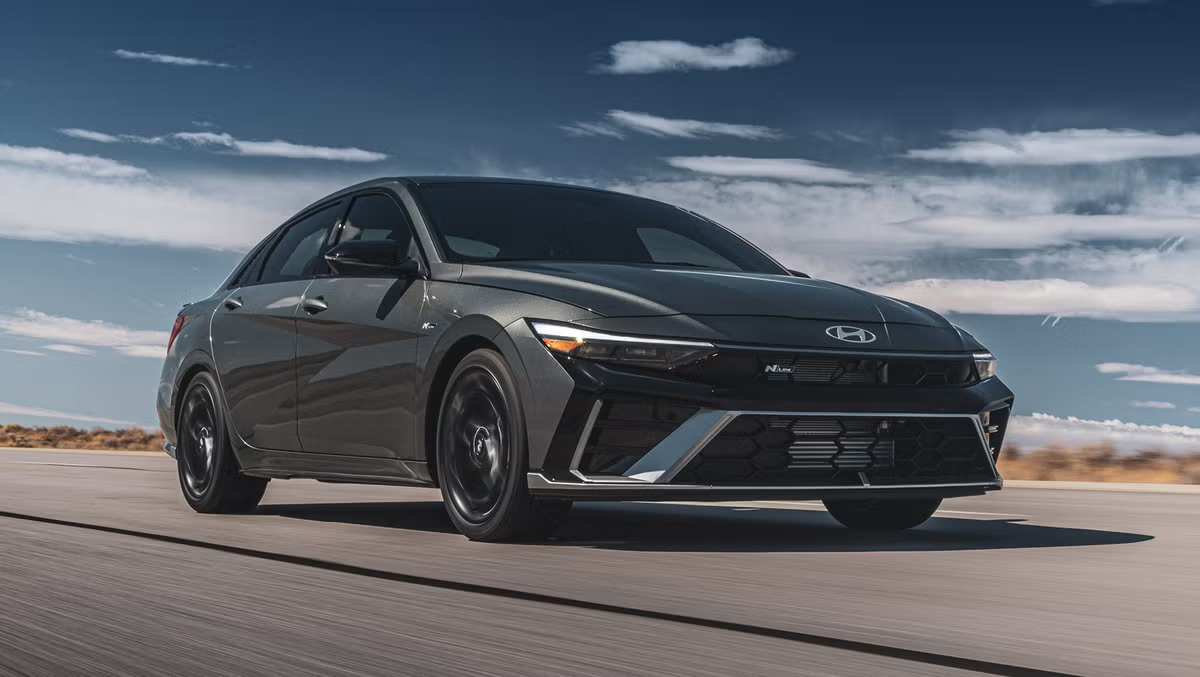
8. Hyundai Elantra
The Hyundai Elantra is widely praised for its combination of affordability and durability. Mechanics note that modern Elantra engines are robust and capable of high mileage with proper maintenance.
Whether equipped with naturally aspirated or turbocharged engines, the Elantra demonstrates reliability for daily commuters, handling stop-and-go traffic and highway drives with minimal issues.
Transmission systems in the Elantra are generally durable. Automatic transmissions offer smooth, reliable shifting, while manual options are simple and long-lasting.
Mechanics emphasize that routine maintenance, such as fluid changes, significantly extends transmission life and prevents common problems that can plague similar vehicles in the compact segment.
The suspension system is designed to endure regular commuting stress. Struts, control arms, and bushings handle urban roads, potholes, and uneven surfaces without rapid wear.
Mechanics report that the Elantra maintains consistent ride quality and handling, making it a dependable vehicle for drivers who navigate challenging road conditions daily.
Fuel efficiency is a key advantage. Elantra engines are tuned to balance performance and economy, which reduces stress on mechanical components.
Mechanics often highlight that this balance contributes to engine longevity and prevents overheating or premature wear. This is especially important for commuters who rack up high annual mileage.
Corrosion resistance and body integrity add to the Elantra’s long-term reliability. Hyundai applies rust-resistant coatings and durable materials, resulting in vehicles that maintain structural integrity even after many years. Mechanics often note that older Elantras show minimal rust, enhancing safety and longevity.
The interior and electronics are built to withstand repeated use. Switches, infotainment systems, and seating materials show minimal wear, even in high-mileage vehicles. Mechanics report few electrical issues, which contributes to a dependable and low-maintenance daily driving experience.
Brake and steering components are durable and maintain reliable performance over time. Pads, rotors, and calipers rarely fail prematurely, and steering systems remain responsive even after extensive mileage. This ensures a safe and predictable driving experience for commuters.
Finally, the Elantra’s combination of engine reliability, maintenance accessibility, and durable design makes it a strong choice for those seeking a commuter car that can handle years of daily use. Mechanics frequently recommend it for drivers who want practical, long-lasting transportation.
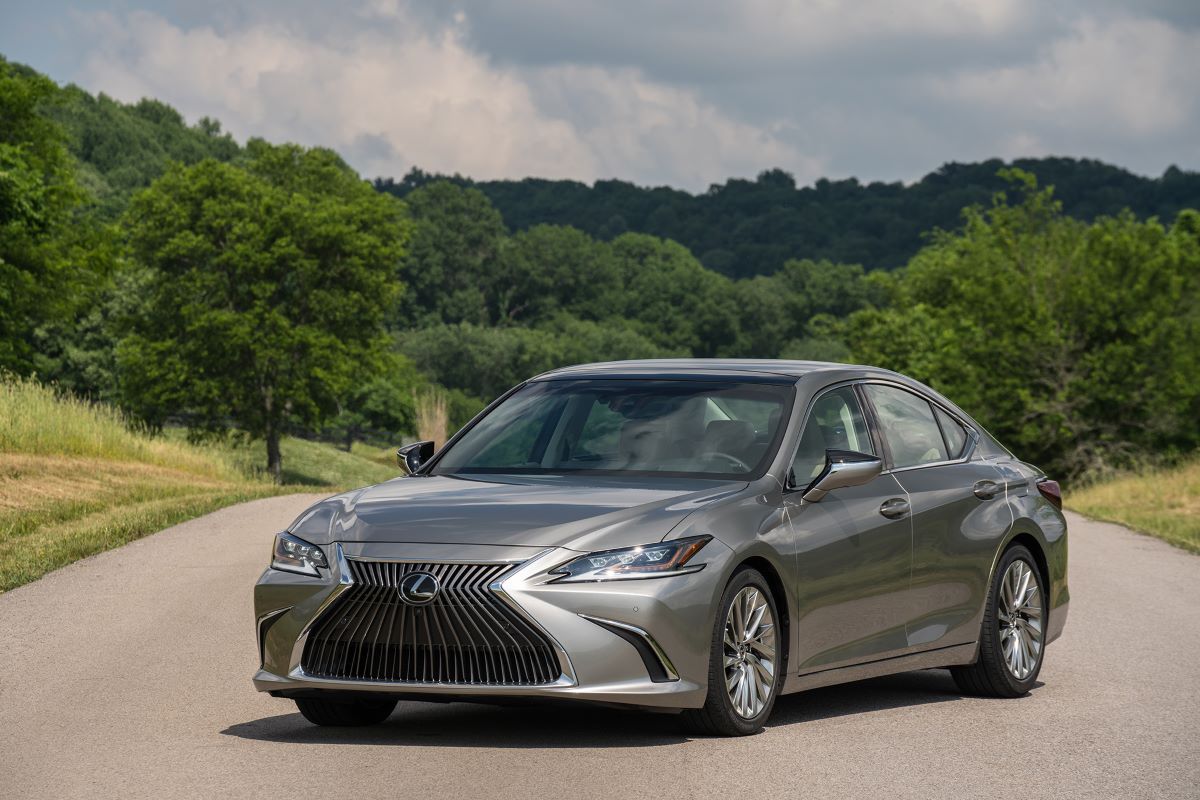
9. Lexus ES
The Lexus ES is a luxury sedan that is widely regarded for its exceptional reliability. Mechanics often highlight the vehicle’s engines, which are tuned for smooth, long-lasting performance rather than extreme output.
Regular maintenance ensures that the ES’s engines can reach hundreds of thousands of miles with minimal problems, making it an excellent choice for commuters who value both comfort and dependability.
Transmission systems in the ES are built to last. Automatic transmissions provide seamless operation, and issues are rare when routine service is performed. Mechanics note that this reliability contributes significantly to the vehicle’s bulletproof reputation, particularly for daily drivers logging extensive miles.
The suspension system provides a balance of comfort and durability. Struts, control arms, and bushings are engineered to absorb road imperfections while maintaining stability.
Mechanics report that these components remain reliable even after years of use, contributing to a smooth and predictable driving experience for daily commuting.
Fuel efficiency and mechanical simplicity enhance the ES’s appeal. Engines are designed for efficiency and minimal wear, while components are built to be durable and low-maintenance.
Mechanics often highlight that parts are readily available, and repairs are straightforward, especially compared to other luxury vehicles.
Corrosion resistance is another advantage. The ES retains structural integrity even in regions with heavy road salt or humid conditions, preventing rust and extending vehicle longevity. Mechanics frequently observe older models maintaining solid frames and minimal body deterioration.
Interior durability and electronics contribute to long-term reliability. Controls, infotainment systems, and seating materials are engineered to withstand repeated use. Mechanics note that older ES models often have fully functional interiors, reinforcing the car’s reputation for reliability and comfort.
Brake and steering components are designed to endure extensive commuting. Pads, rotors, and calipers maintain performance over time, while steering systems remain responsive even at high mileage. This consistency adds to the vehicle’s safety and dependability.
Finally, the combination of luxury, reliability, and bulletproof mechanics makes the Lexus ES a top recommendation for commuters seeking a long-lasting, low-maintenance vehicle. Mechanics consistently praise it as a rare example of a car that combines comfort with mechanical resilience.
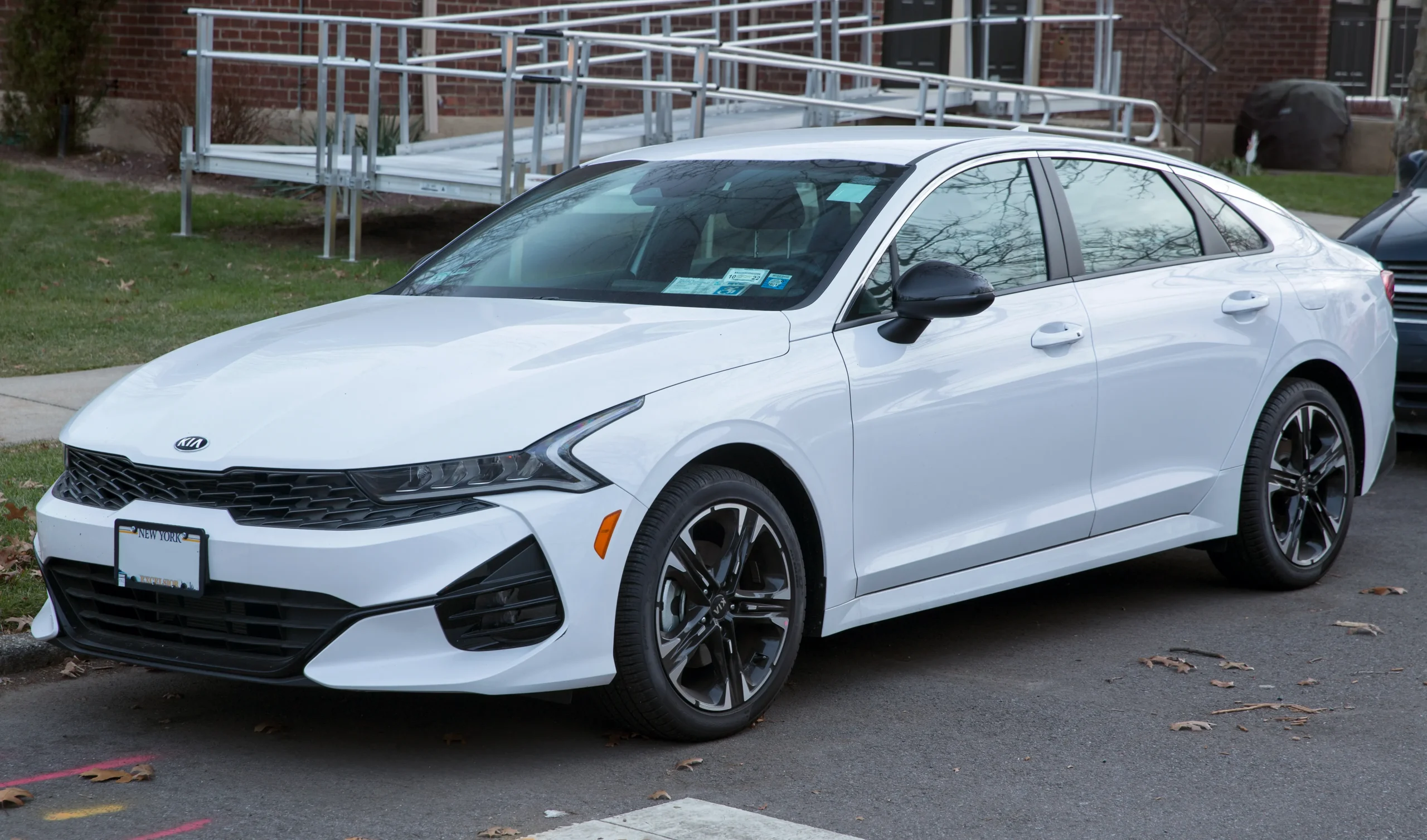
10. Kia Optima
The Kia Optima is often recognized by mechanics for its reliability and practicality. Modern Optima engines are robust, capable of high mileage with minimal issues. Mechanics note that routine maintenance, such as oil changes and filter replacements, ensures smooth operation over years of daily commuting.
Transmission reliability is a key factor in the Optima’s bulletproof reputation. Automatic transmissions provide consistent shifting and rarely experience major issues when serviced regularly. Mechanics emphasize that these transmissions are durable and forgiving, even under heavy commuting stress.
The suspension system is designed to balance comfort and resilience. Control arms, struts, and bushings handle potholes, speed bumps, and extended highway driving without rapid wear. Mechanics report that the Optima maintains reliable handling and ride quality over time, enhancing commuter confidence.
Fuel efficiency is optimized without sacrificing engine durability. Mechanics note that balanced tuning reduces internal component stress, contributing to the vehicle’s long-term reliability. This is particularly valuable for commuters who drive significant distances each day.
Corrosion resistance and body strength add to the Optima’s appeal. The vehicle maintains structural integrity and resists rust even in harsh climates, ensuring longevity. Mechanics highlight this as an important factor for daily commuters.
Interior durability and electronics are engineered to withstand frequent use. Switches, infotainment systems, and seating materials maintain function and appearance over extended periods. Mechanics report that electrical issues are uncommon, adding to the Optima’s reliability.
Brake and steering components are designed to provide long-lasting, consistent performance. Pads, rotors, and calipers rarely fail prematurely, while steering remains responsive over time. This enhances both safety and usability for daily commuting.
