
Reaching 200,000 miles on a car is a significant milestone that many drivers consider a benchmark for durability, reliability, and thoughtful maintenance.
While modern vehicles are generally more capable of long-term endurance than cars produced decades ago, not every car is built with the same level of mechanical resilience.
For many car owners, surpassing this mileage is not just about reaching a numerical milestone; it represents the culmination of consistent care, smart driving habits, and choosing vehicles known for their ability to withstand wear and tear over many years. Cars that routinely make it past 200,000 miles tend to share several qualities.
They often have engines designed for longevity, transmissions that can endure decades of shifting, and suspensions and braking systems that remain functional with proper upkeep.
Equally important is the availability of replacement parts, which allows owners to maintain and repair their vehicles rather than replacing them entirely.
These cars are often the result of engineering decisions that favor robustness over style or cutting-edge technology, which can sometimes be prone to early failures.
Another factor contributing to long-lasting mileage is simplicity in design. Vehicles that avoid overly complicated electronics or exotic materials generally provide owners with a platform that can be maintained by a wide range of mechanics.
This accessibility often results in fewer neglected repairs and fewer costly breakdowns that might otherwise end the car’s lifespan prematurely.
Additionally, many vehicles that reach high mileage are associated with brands that have cultivated reputations for reliability and owner loyalty. These vehicles tend to receive regular oil changes, timely maintenance of cooling systems, and attention to wear items like belts, hoses, and brakes.
Even minor negligence in these areas can shorten the lifespan. The combination of engineering, maintenance culture, and owner dedication makes it possible for certain vehicles to survive not just years, but decades of road use.
Owning a car that reaches 200,000 miles also has financial implications. While high-mileage cars can require more attention and minor repairs, the cost of ownership is often lower than frequently purchasing new vehicles.
Depreciation slows significantly once a vehicle surpasses typical warranty coverage periods, and many owners find satisfaction in extracting every possible mile from a reliable car.
There is also an environmental benefit, as extending the life of a vehicle reduces the demand for new car production and lowers the impact associated with manufacturing and disposal. All these factors contribute to why some models become recognized for their ability to survive well past the 200,000-mile mark.
The following list highlights ten vehicles that owners frequently report keeping well beyond 200,000 miles. These cars are noted for their mechanical durability, widespread parts availability, and the ease with which owners can maintain them.
While personal driving habits and maintenance routines play crucial roles, these models have consistently proven their capability to endure years of service, proving that with the right care, high mileage does not necessarily equate to the end of a vehicle’s usefulness.
Each car on this list represents a blend of engineering foresight and practical reliability, making them exceptional choices for drivers aiming for long-term ownership.
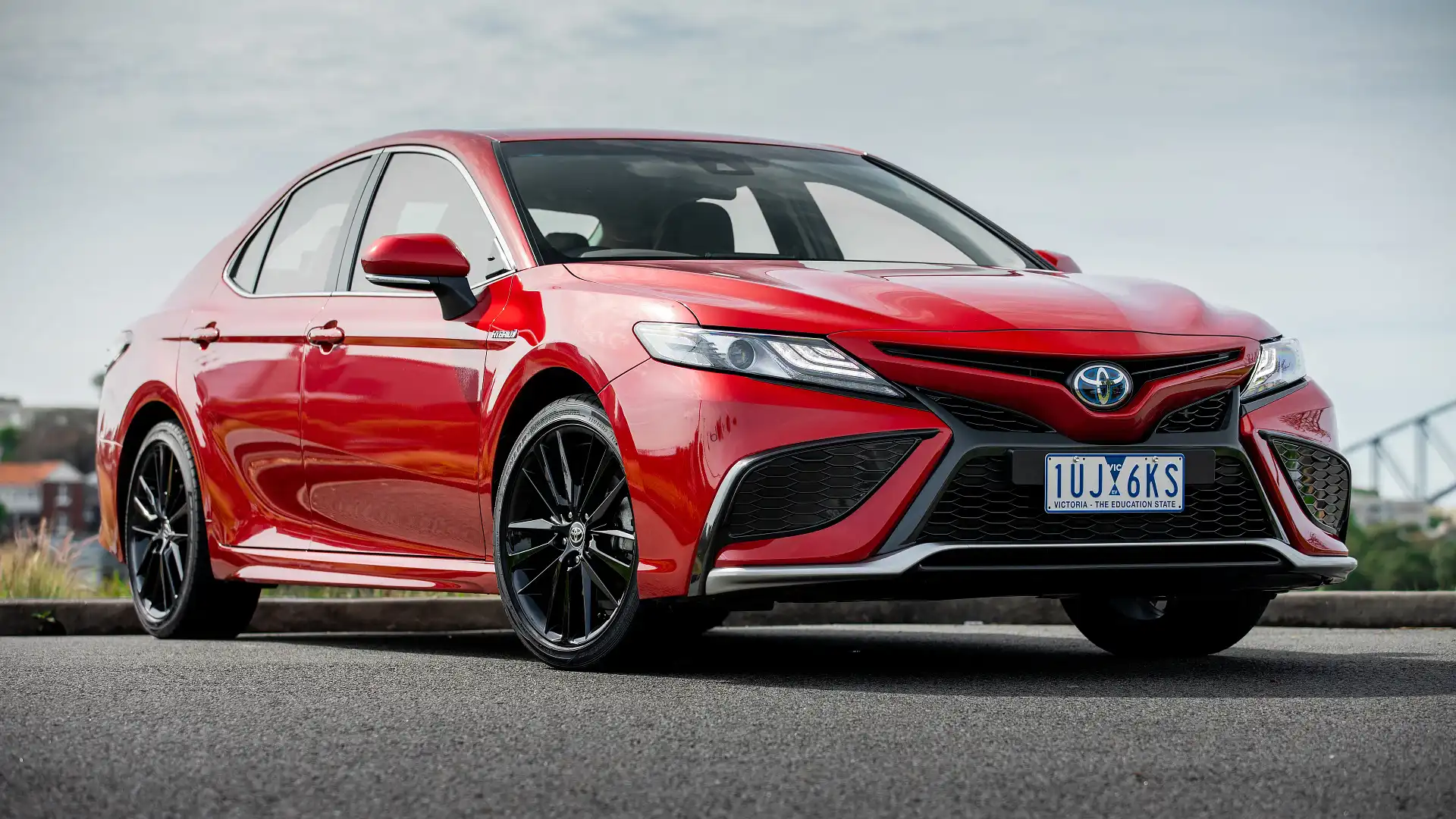
1. Toyota Camry
The Toyota Camry has long been recognized as a vehicle that balances comfort, performance, and longevity. One of the main reasons owners can keep Camrys past 200,000 miles is the combination of a dependable engine and a transmission that does not require frequent attention under normal driving conditions.
Regular oil changes and adherence to the manufacturer’s maintenance schedule often allow these engines to operate efficiently for many years. Even with high mileage, Camry engines are known to maintain fuel efficiency and drivability, which contributes to their appeal among drivers seeking long-term use.
Another advantage of the Camry is its widespread availability of parts and familiarity among mechanics. Many service shops are well-versed in repairing Camrys, which reduces the chances of encountering maintenance difficulties that might shorten a vehicle’s lifespan.
Replacement parts, from brake components to suspension elements, are relatively affordable and commonly stocked, allowing owners to perform necessary repairs without excessive downtime. This combination of reliability and accessibility makes the Camry a practical choice for long-term ownership.
The Camry’s design also emphasizes simplicity over complexity. While modern models include advanced electronics and safety features, the core mechanical components have historically remained robust and straightforward.
This reduces the likelihood of major failures and allows owners to address minor issues before they escalate. Additionally, Toyota’s reputation for building engines that tolerate extended periods of operation without significant degradation reinforces the Camry’s status as a vehicle capable of high mileage.
Many owners report that the Camry maintains a smooth driving experience even beyond 200,000 miles. Suspension components, if replaced as needed, continue to provide comfort, while interior and exterior elements withstand daily wear.
The combination of dependable mechanics, easy maintenance, and long-lasting components makes the Camry one of the most common vehicles seen on roads with exceptionally high mileage.
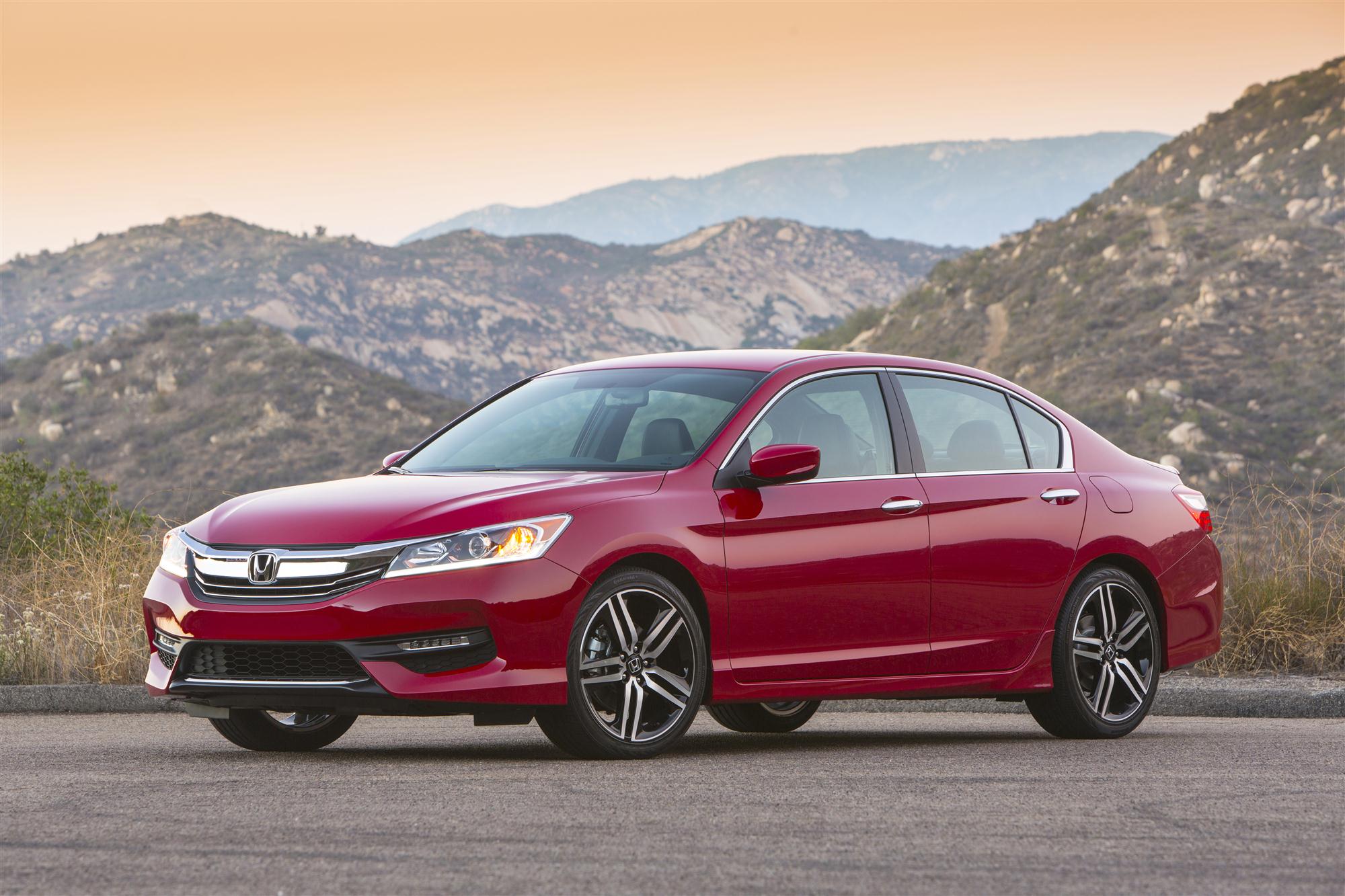
2. Honda Accord
The Honda Accord is another midsize sedan renowned for longevity and reliability. A key factor in its high-mileage potential is its engine design, which tends to resist overheating and excessive wear under normal driving conditions.
Coupled with a well-built transmission, the Accord allows drivers to travel long distances without encountering catastrophic mechanical issues. Many models produced in the early 2000s and later have engines capable of exceeding 300,000 miles when properly maintained, illustrating the vehicle’s robustness.
Ease of maintenance contributes significantly to the Accord’s ability to last. Replacement parts are widely available and reasonably priced, while mechanics are typically very familiar with common issues.
Oil changes, timing belt replacements, and other routine maintenance procedures can be performed without difficulty, ensuring that the car remains functional over extended periods.
In addition, the Accord’s relatively simple engine layouts and electrical systems mean fewer surprises for owners in terms of unexpected failures.
The Accord’s suspension and braking systems are built to handle years of use with minimal intervention. While components like struts or brake pads may need periodic replacement, these repairs are straightforward and do not compromise the car’s longevity.
Interior elements also tend to hold up well, especially in well-cared-for vehicles, providing a comfortable and reliable driving environment even after extensive use. Owners who adhere to recommended service intervals often report that their Accords retain near-original performance for decades.
Durability extends beyond mechanics. The Accord’s reputation for high resale value and longevity has encouraged owners to maintain their vehicles conscientiously.
This culture of care, combined with solid engineering, creates a feedback loop that enables many Accords to surpass the 200,000-mile threshold without major issues. For drivers seeking a dependable sedan capable of long-term service, the Honda Accord remains a top choice.
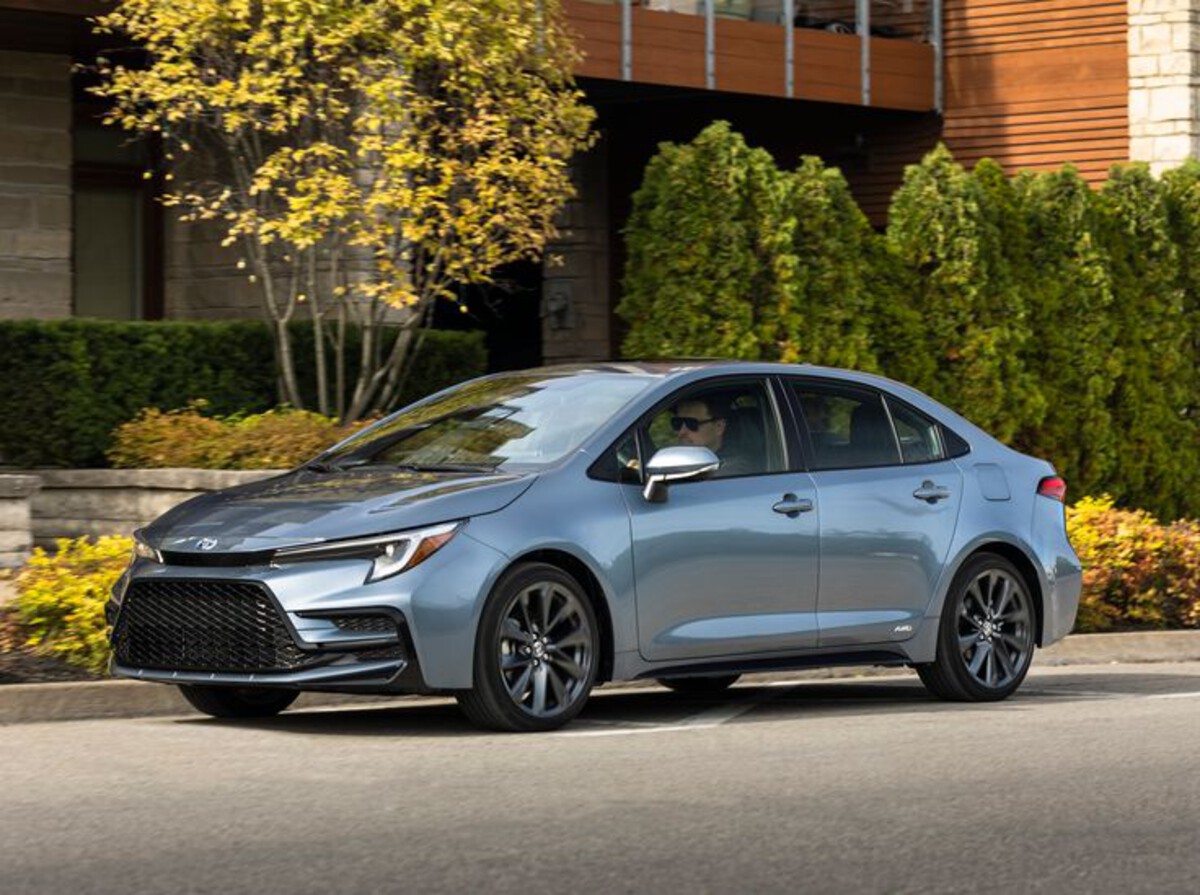
3. Toyota Corolla
The Toyota Corolla is often praised for its simplicity and mechanical reliability. Known for a modest engine that emphasizes durability over performance, the Corolla can accumulate miles steadily without excessive strain on its components.
Regular oil changes and timely maintenance are usually sufficient to keep these vehicles running smoothly for decades. The Corolla’s engines and transmissions have earned a reputation for longevity, and many owners report reaching or surpassing 250,000 miles.
Part of the Corolla’s appeal lies in its straightforward design. Electrical systems and engine components are generally uncomplicated, reducing the risk of expensive or unpredictable failures. Replacement parts are abundant and affordable, making it easy to repair the car as it ages.
Mechanics are well-acquainted with common issues, allowing maintenance to be completed quickly and efficiently. This practicality has contributed to the Corolla’s widespread reputation as a long-lasting vehicle.
The Corolla also benefits from a reliable suspension system that can endure years of driving. While shocks and struts may require replacement over time, the process is typically straightforward and does not threaten the vehicle’s functionality.
Brake systems and other wear items are similarly easy to service. This combination of simplicity and reliability allows the Corolla to maintain a high level of performance well into high mileage territory.
Owners consistently note that the Corolla’s build quality and conservative engineering choices play a major role in its durability.
Even after 200,000 miles, many Corollas remain comfortable, efficient, and dependable, making them a favored option for drivers looking to maximize the lifespan of their vehicles. The vehicle’s enduring value reinforces its status as one of the most reliable cars for long-term ownership.
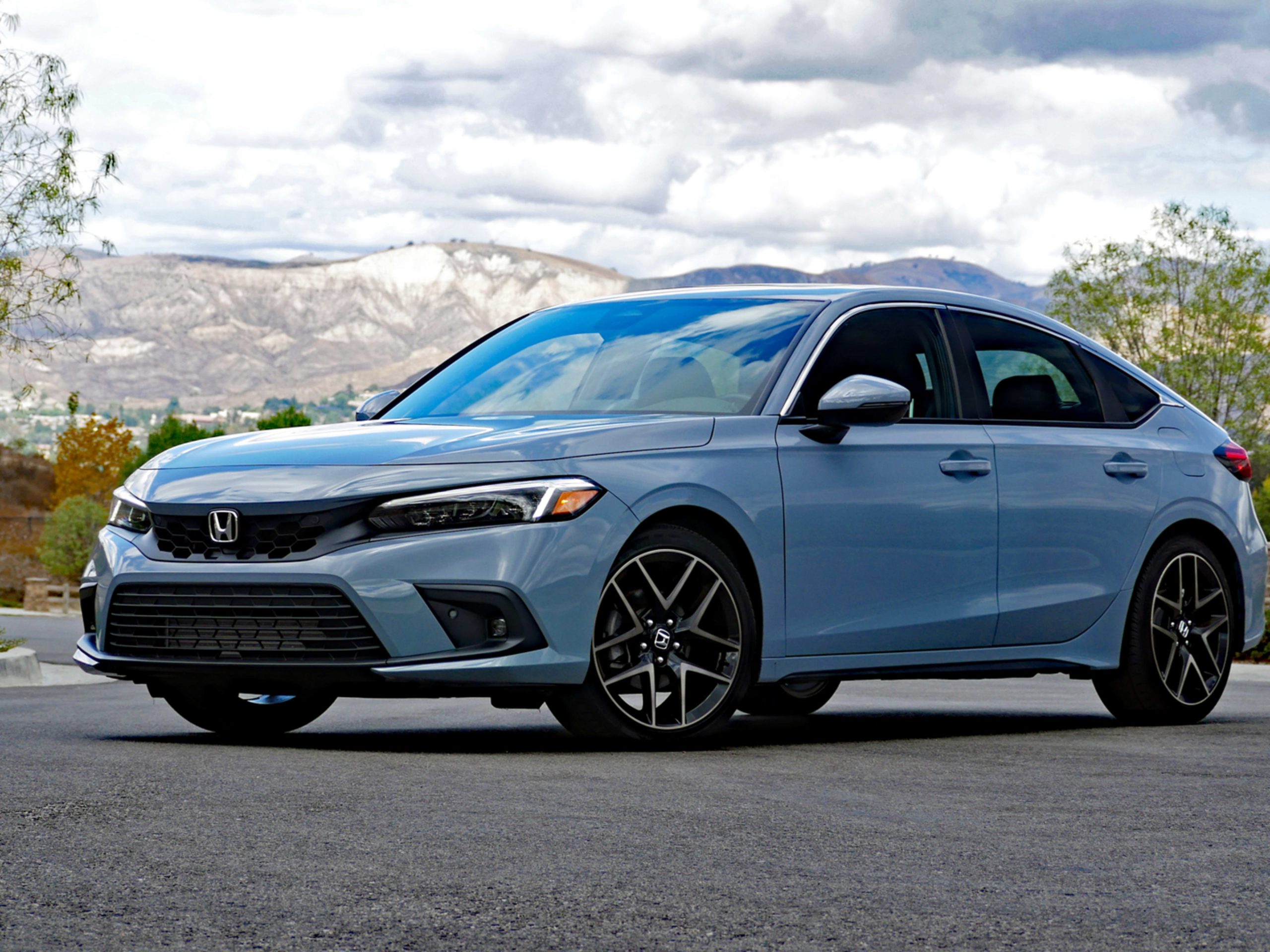
4. Honda Civic
The Honda Civic is recognized for its ability to maintain performance and efficiency over extended use. Its small, efficient engines are designed to operate reliably under a wide range of conditions, and when paired with a durable transmission, the Civic can reach very high mileages with minimal issues.
Many Civic owners report that careful maintenance, including timely oil changes and belt replacements, allows their vehicles to remain functional well past 200,000 miles.
Another advantage of the Civic is the widespread availability of replacement parts and the prevalence of knowledgeable mechanics. Routine repairs, from brake jobs to suspension work, are generally affordable and straightforward.
This accessibility ensures that minor problems can be addressed before they escalate, which is critical in prolonging the lifespan of any vehicle. The Civic’s reputation for simplicity also reduces the likelihood of encountering complex, expensive failures as the car ages.
The Civic’s suspension and chassis are built to withstand years of use, providing a balance between comfort and durability. Struts, shocks, and other wear items can be replaced easily, keeping the car functional and enjoyable to drive even at high mileage.
The interior is often durable, and exterior components, while occasionally prone to cosmetic wear, typically do not affect drivability. These factors collectively contribute to the Civic’s long-term reliability.
Drivers frequently highlight the Civic’s reputation for maintaining fuel efficiency and reliability as key reasons for its longevity.
Its mechanical soundness, combined with ease of maintenance and owner dedication, makes it one of the most commonly kept vehicles past the 200,000-mile mark. Many Civic owners consider it a practical and dependable choice for long-term transportation.
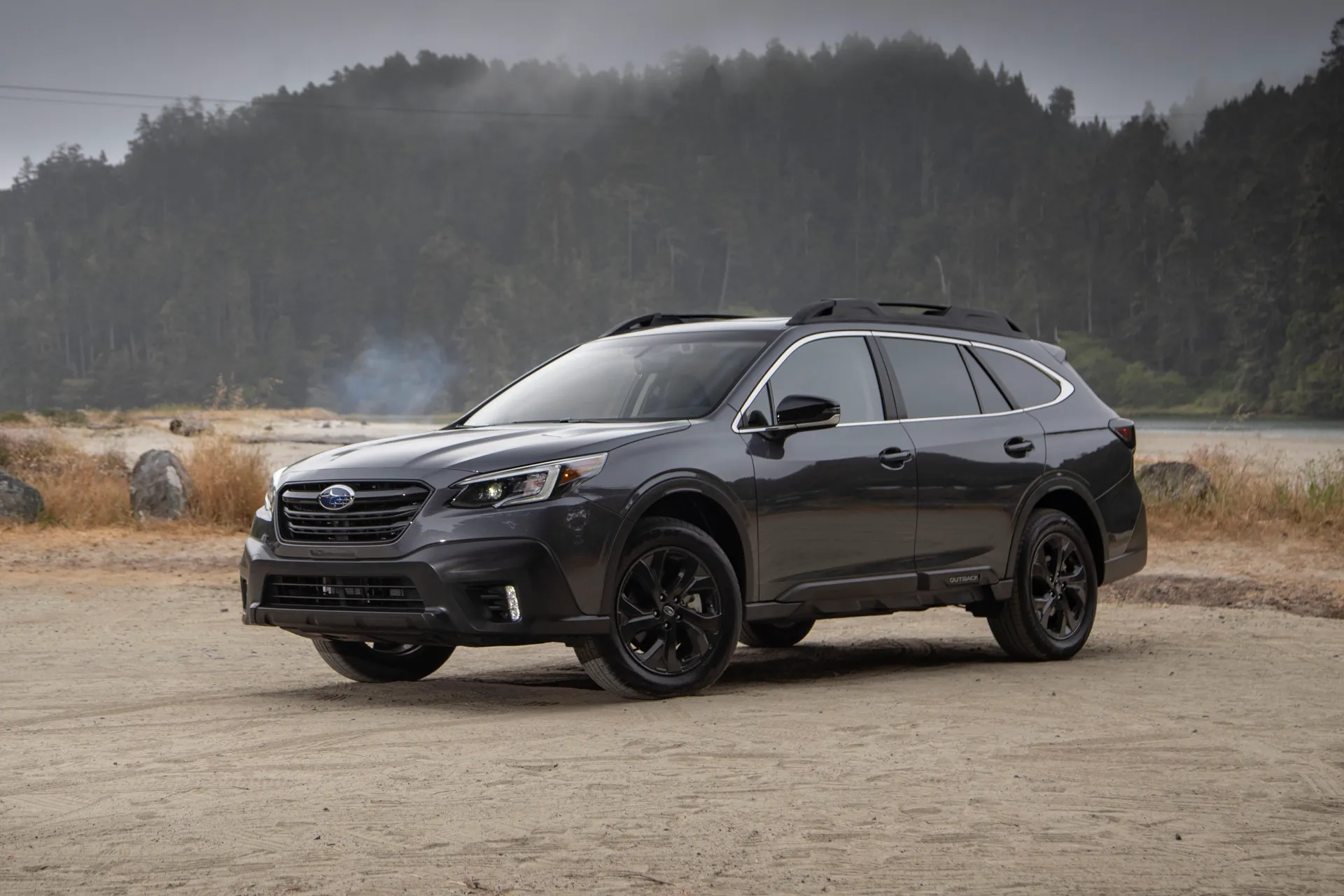
5. Subaru Outback
The Subaru Outback is widely recognized for its rugged construction and reliable performance, especially in challenging conditions. Many owners report keeping these vehicles well past 200,000 miles, largely due to the durability of the engines and the robust all-wheel-drive system.
Subaru’s signature boxer engines are engineered for balance and longevity, though they do require careful maintenance to prevent oil consumption or head gasket issues in older models.
Regular oil changes, timely inspections, and attention to cooling system components often allow the Outback to remain a dependable vehicle over hundreds of thousands of miles.
The combination of a sturdy drivetrain and solid construction makes the Outback a favorite among drivers seeking a long-lasting utility-oriented vehicle.
The Outback’s practical design further contributes to its longevity. While it incorporates advanced safety and comfort features, the mechanical elements such as suspension components and brakes are built to handle both daily commuting and rugged terrain.
Worn parts can usually be replaced without major expense, and the vehicle’s relatively simple layout allows experienced mechanics to perform repairs efficiently. Owners often find that even older Outbacks maintain their handling and stability, which helps them feel secure behind the wheel despite high mileage.
Another aspect that supports the Outback’s long life is its versatility. Many owners drive their Outbacks in a variety of environments, from city streets to snow-covered roads and off-pavement trails.
The car’s ability to endure diverse conditions without major mechanical stress is a testament to Subaru’s engineering approach.
Preventive maintenance, such as checking the timing belt, fluids, and suspension components, becomes essential for those aiming to surpass the 200,000-mile mark. These routine tasks, while sometimes labor-intensive, can significantly extend the vehicle’s lifespan and preserve its performance.
Subaru enthusiasts also point to the brand’s dedicated support network and the availability of aftermarket parts as factors in the Outback’s long-term viability. Replacement components are relatively affordable, and many mechanics are familiar with the unique aspects of Subaru’s all-wheel-drive system.
Combined with careful driving and consistent care, these features make the Outback one of the most frequently cited vehicles capable of surviving well past 200,000 miles. For drivers seeking both durability and adaptability, the Outback consistently proves its worth as a vehicle designed to endure.
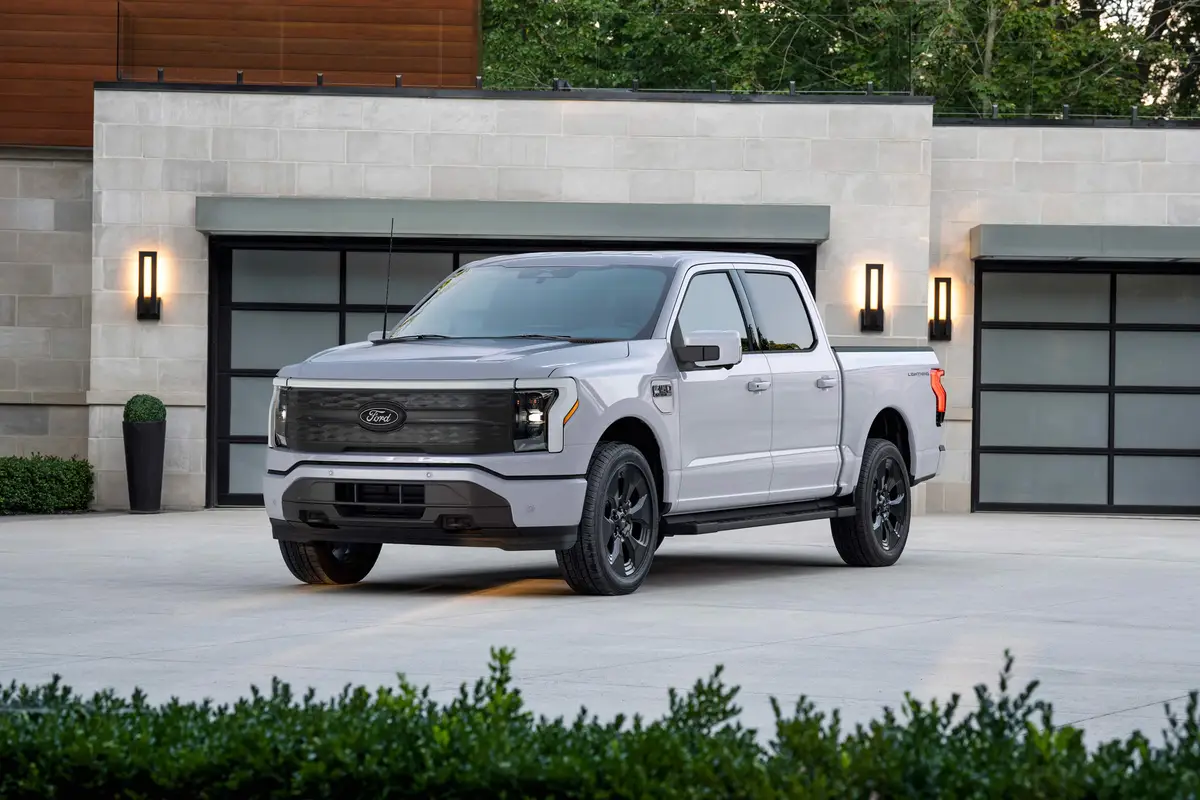
6. Ford F-150
The Ford F-150 is one of the most popular trucks in the United States, and for good reason. Its reputation for durability and high-mileage potential is backed by decades of real-world use. Many owners report surpassing the 200,000-mile milestone with proper maintenance.
One key factor in the F-150’s longevity is its engine design, particularly the V8 and V6 options, which provide both power and resilience.
These engines are generally built to withstand heavy loads, towing, and daily commuting without suffering significant mechanical failure, provided they receive routine care such as oil changes, cooling system maintenance, and spark plug replacements.
The truck’s simple yet robust construction plays a significant role in its ability to last. Older F-150s, in particular, favor straightforward mechanical systems over overly complex electronics, allowing owners to maintain and repair the vehicle with relative ease.
Components such as the transmission, suspension, and frame are designed to endure repeated stress from hauling and off-road use.
Even when parts eventually wear out, they are typically easy to replace, and the widespread availability of aftermarket components ensures that repairs can be done quickly and economically.
This practicality has contributed to the F-150 becoming a workhorse that owners are confident keeping for hundreds of thousands of miles.
Additionally, the F-150’s versatility supports its longevity. Owners often use the truck in a variety of roles, from personal transportation to heavy-duty work, yet many report minimal long-term issues when following proper maintenance schedules.
The truck’s body and frame are designed to withstand physical stress, and Ford’s focus on durability in areas such as the drivetrain and suspension allows the vehicle to retain its functionality over time.
Preventive measures, such as rust protection, fluid checks, and drivetrain inspections, further extend the life of these trucks, enabling them to remain operational well beyond typical vehicle lifespans.
Finally, the F-150 benefits from a strong community of enthusiasts and experienced mechanics. With decades of knowledge surrounding common issues, replacement solutions, and longevity strategies, owners have access to guidance that helps keep their trucks on the road for extensive mileage.
For many, the combination of mechanical simplicity, rugged construction, and readily available parts creates a vehicle that is both dependable and maintainable, reinforcing why the F-150 is frequently cited as a model that owners can trust to surpass 200,000 miles without significant issues.
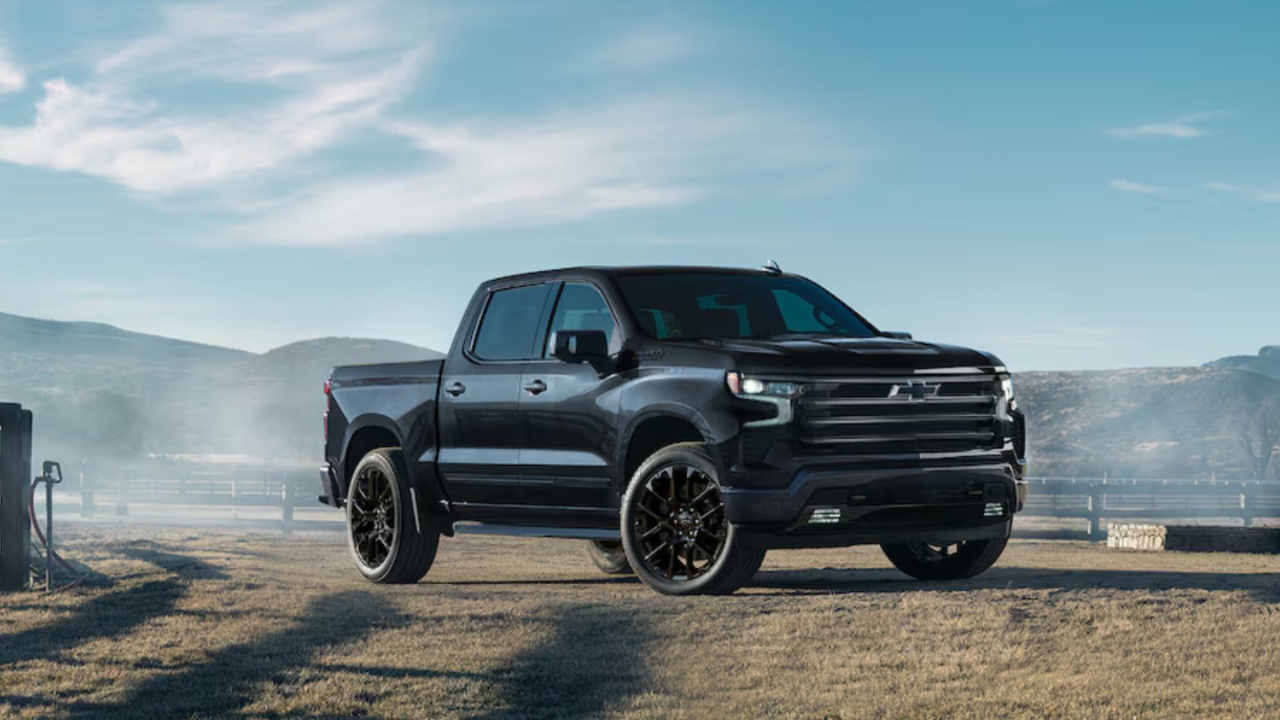
7. Chevrolet Silverado
The Chevrolet Silverado is another full-size pickup renowned for its durability and long-term reliability. Its engines, particularly the small-block V8 options, are known for longevity when properly maintained.
Many Silverado owners report that following recommended service schedules, including regular oil changes, fluid checks, and attention to the transmission, allows these trucks to perform well beyond 200,000 miles.
The truck’s solid frame, capable suspension, and heavy-duty components are designed to endure extensive use, including hauling, towing, and driving in harsh conditions.
Maintenance accessibility contributes significantly to Silverado’s reputation for high mileage. Replacement parts, both OEM and aftermarket, are abundant and relatively affordable, making repairs straightforward and minimizing downtime.
Mechanics are typically familiar with common issues, and the vehicle’s design favors simplicity over complexity in critical mechanical areas. This accessibility allows owners to address wear items such as brakes, suspension components, and engine seals before they compromise the vehicle’s reliability.
The Silverado’s interior and comfort features also demonstrate resilience, with seats, controls, and dashboard components generally standing up to years of use. While cosmetic wear is common in high-mileage trucks, it rarely affects the performance or reliability of the vehicle.
This combination of durability and comfort ensures that drivers can maintain long-term ownership without sacrificing functionality or daily usability. Owners frequently remark that Silverado trucks maintain a dependable driving experience even after hundreds of thousands of miles.
Finally, the Silverado benefits from Chevrolet’s engineering focus on practical, long-lasting trucks. The vehicle’s adaptability, combined with sturdy construction and strong community support for maintenance and repairs, reinforces its ability to reach high mileage thresholds.
Owners who consistently perform preventive maintenance, use the truck appropriately, and address minor issues promptly are often rewarded with a vehicle that remains reliable far beyond the average lifespan, confirming the Silverado as one of the most dependable trucks for long-term use.
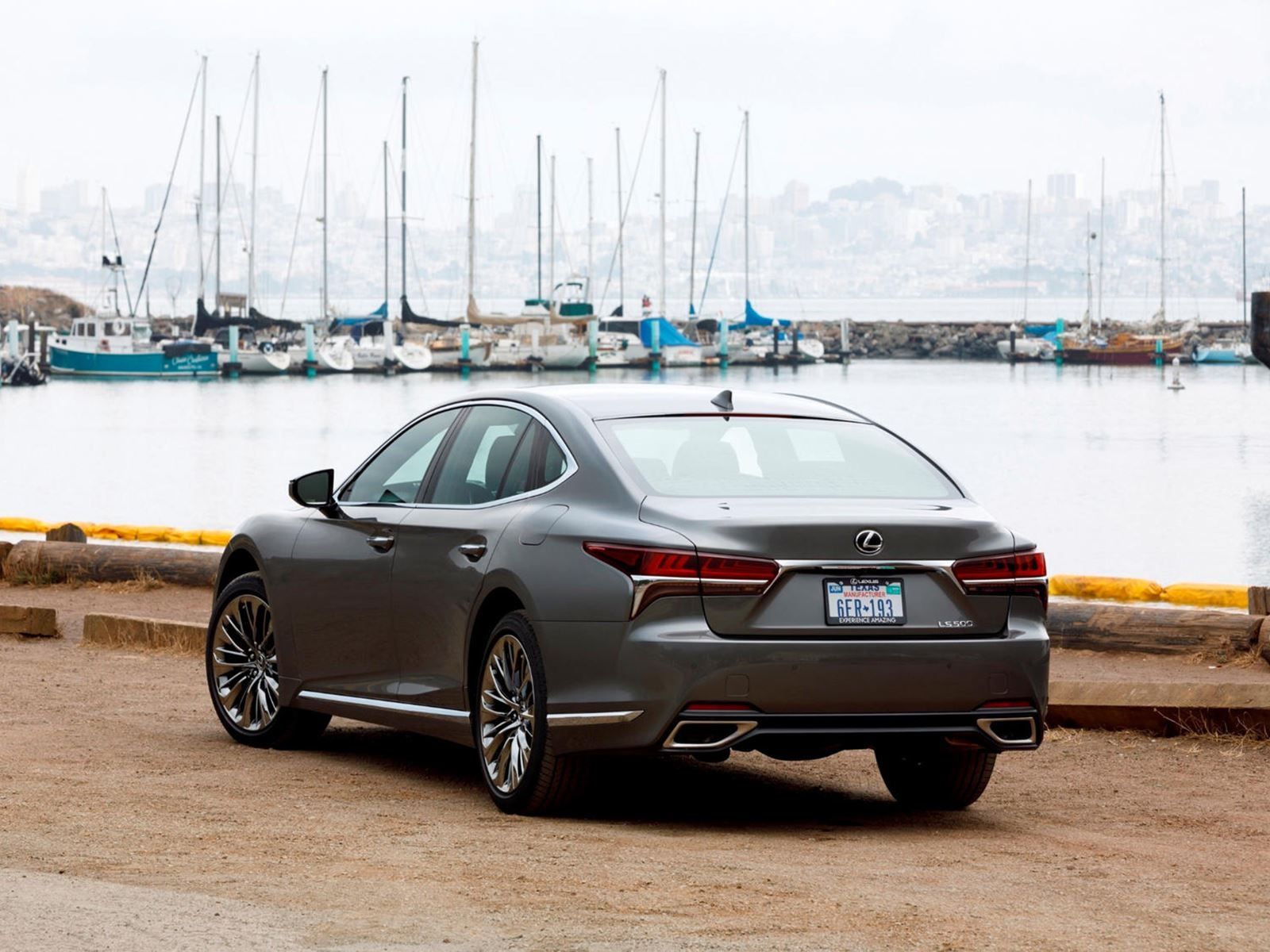
8. Lexus LS
The Lexus LS represents the pinnacle of Japanese luxury engineering, combining comfort, advanced technology, and durability. Many owners report keeping LS models well past 200,000 miles, a testament to Toyota’s commitment to reliability in its luxury division.
The LS benefits from meticulously engineered engines and transmissions that are designed to operate smoothly for long periods.
With routine maintenance, including timely oil changes, transmission fluid replacements, and attention to cooling and suspension systems, these vehicles can maintain both performance and luxury features for decades.
A key advantage of the LS is the quality of materials and engineering. Unlike some luxury vehicles that prioritize cutting-edge technology over durability, the LS emphasizes long-term reliability.
Components such as the suspension, braking system, and drivetrain are engineered to withstand extended use, and the availability of replacement parts ensures that maintenance is manageable.
Even when repairs are required, Lexus vehicles often have well-documented service procedures, making it easier for mechanics to address high-mileage concerns.
The LS’s comfort and interior durability also contribute to its long-term value. Leather seats, high-quality electronics, and finely finished trim often remain functional and aesthetically pleasing after hundreds of thousands of miles, provided owners practice regular care.
Many owners report that the driving experience remains smooth and refined, even as the vehicle accumulates significant mileage. This combination of performance, comfort, and durability makes the LS a rare example of a luxury vehicle that can survive alongside more utilitarian long-lasting cars.
Finally, the reputation of Lexus as a brand that combines reliability with sophistication reinforces why the LS is frequently kept long-term. Owners who invest in preventative maintenance and address small issues promptly often enjoy vehicles that remain enjoyable and dependable well past 200,000 miles.
The LS demonstrates that high-mileage ownership is not limited to practical sedans or trucks, but can also apply to luxury vehicles built with a foundation of quality and longevity in mind.
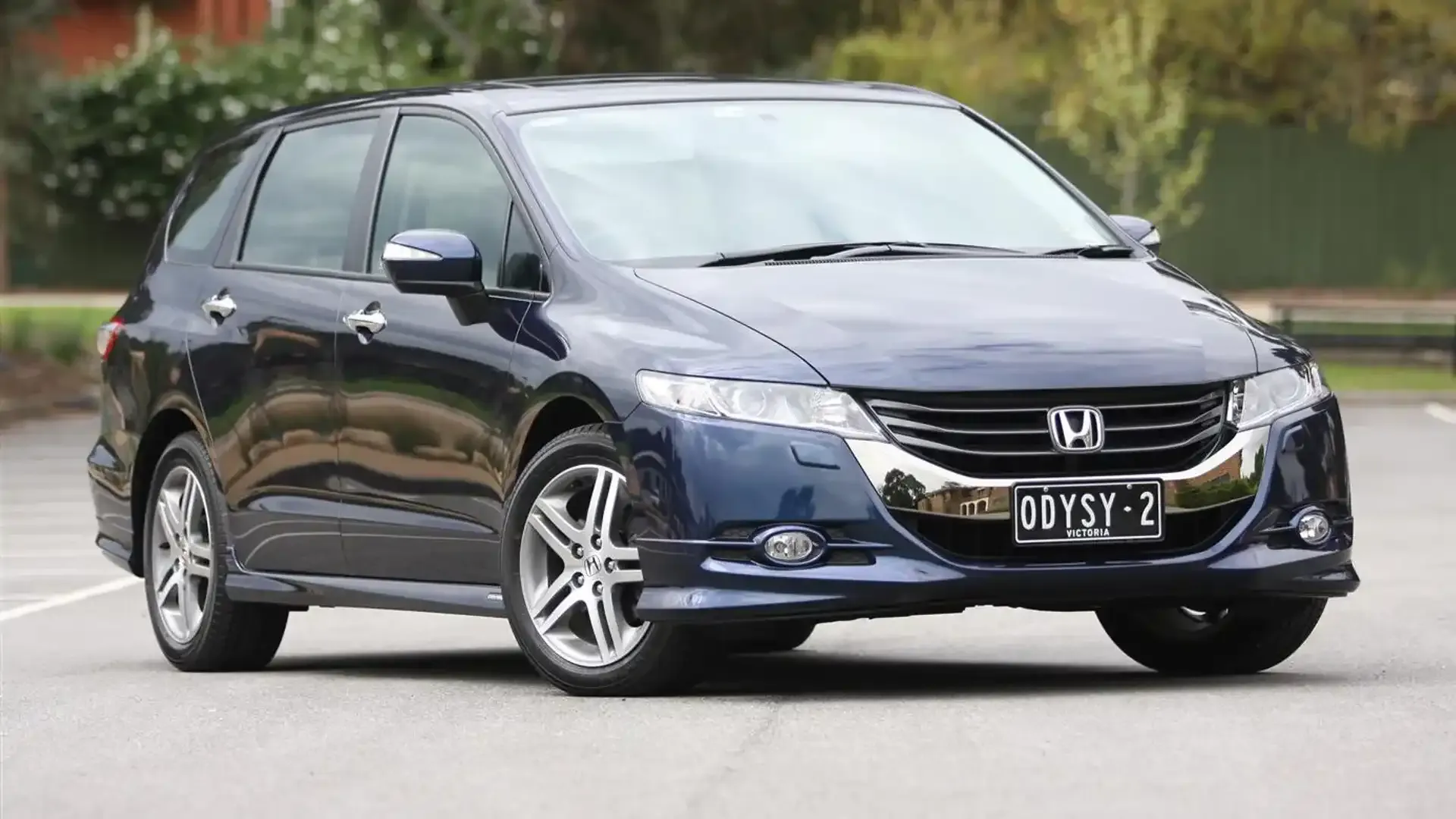
9. Honda Odyssey
The Honda Odyssey minivan is known for its durability, family-friendly design, and strong mechanical reliability.
Owners often report keeping these vehicles past 200,000 miles, largely due to Honda’s reputation for producing engines and transmissions capable of handling high mileage without significant failure.
Routine maintenance, including oil changes, transmission fluid service, and brake system checks, allows the Odyssey to maintain smooth operation over long periods, even with heavy use in family or cargo transport scenarios.
The Odyssey’s mechanical systems are relatively simple for a modern minivan, making repairs accessible and affordable. Mechanics are typically familiar with common issues, and replacement parts are widely available.
Suspension and drivetrain components are engineered to handle the stresses of repeated use, while minor repairs such as replacing struts, bushings, or belts are straightforward. This practical engineering approach ensures that the Odyssey can remain functional and safe for years, even in high-mileage situations.
Interior durability and design also play a major role in the Odyssey’s long-term usability. Seats, sliding doors, and entertainment systems often retain functionality with proper care, while cargo space remains practical for families and long trips.
This combination of mechanical reliability and interior resilience encourages owners to keep the vehicle for extensive periods.
Many high-mileage Odyssey owners note that careful driving and preventive maintenance have allowed their minivans to perform as well as newer models, even after hundreds of thousands of miles.
Finally, the Odyssey benefits from Honda’s broader reputation for longevity and reliability. Owners who adhere to recommended service intervals, replace wear items proactively, and maintain vehicle health often find that the minivan remains a dependable and enjoyable vehicle for decades.
Its blend of mechanical endurance, practicality, and family-oriented features makes the Odyssey one of the most commonly cited minivans capable of surpassing 200,000 miles with consistent care.
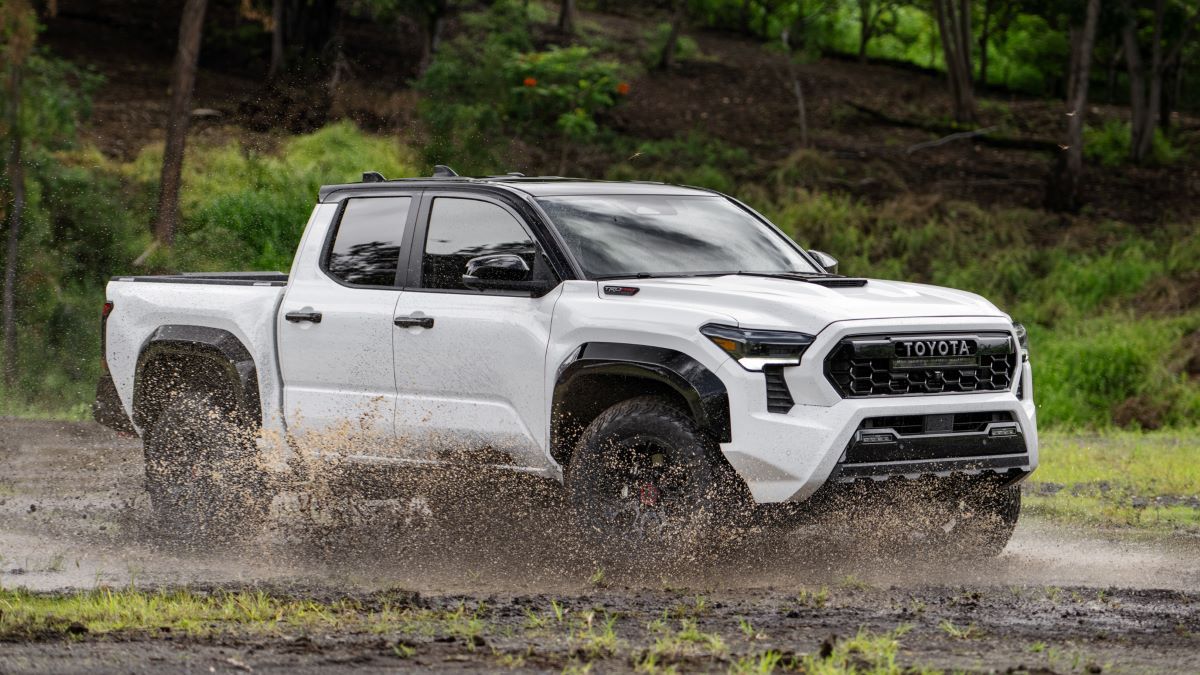
10. Toyota Tacoma
The Toyota Tacoma is a midsize pickup truck renowned for its ruggedness and long-term reliability. Owners frequently report surpassing 200,000 miles, often due to the vehicle’s solid engine and drivetrain design.
Tacomas are built to handle heavy workloads, off-road conditions, and daily commuting without significant mechanical issues. Preventive maintenance, including regular oil changes, transmission and differential service, and inspection of suspension components, is critical to keeping these trucks functional over many years.
Another factor contributing to Tacoma’s longevity is its straightforward mechanical layout. Many critical systems, including the engine, transmission, and suspension, are designed for durability rather than complexity.
Replacement parts are widely available, and mechanics are generally familiar with common issues, which makes repairs less stressful for owners. The combination of reliability, simplicity, and accessible maintenance contributes to the Tacoma’s reputation as a long-lasting vehicle.
The Tacoma’s construction also emphasizes resilience. The frame, suspension, and drivetrain are capable of withstanding off-road use, heavy loads, and daily wear, all of which can take a toll on less robust vehicles.
Regular maintenance of wear items, such as brake pads, tires, and shocks, ensures that the truck continues to perform reliably well past the 200,000-mile mark. Owners who invest time and care into maintaining their Tacomas often find that the trucks remain mechanically sound for decades.
Finally, Toyota’s reputation for building reliable trucks reinforces the Tacoma’s long-term value. Its balance of durability, practicality, and performance allows owners to use it for both work and recreation without fear of early failure.
Tacomas are widely regarded as vehicles that reward consistent care and responsible use with exceptional longevity, making them a common choice for drivers aiming to keep their vehicles well beyond 200,000 miles.
