
Luxury sedans represent a unique blend of engineering, comfort, and prestige. They are designed to provide an experience far beyond what a standard vehicle can offer, with high-quality interiors, advanced technology, and powerful engines.
For many, purchasing a luxury sedan is not just about transportation; it is a statement of style, achievement, and refinement.
However, the ownership of such vehicles often comes with a heightened responsibility for maintenance. As mileage climbs, the costs associated with repairs and upkeep can escalate significantly, and not all luxury sedans are built to withstand the long-term wear and tear of the road.
Understanding which vehicles remain reliable beyond 150,000 miles and which are prone to costly issues is crucial for owners who want to maximize both performance and value over time.
Sedans that continue to perform well after reaching high mileage often combine solid engineering, durable materials, and a track record of reliability.
These vehicles may still deliver a smooth driving experience, maintain their technological features, and require fewer expensive repairs than models that are less robust.
Conversely, some luxury sedans, while impressive in their initial years, begin to show weaknesses after the 100,000-mile mark, particularly in components like electronics, transmissions, and suspension systems.
For potential buyers or current owners considering whether to invest in long-term maintenance, identifying the strengths and weaknesses of various models can prevent financial strain and disappointment.
The choice between luxury sedans that are worth maintaining beyond 150,000 miles and those that are not often comes down to careful research and personal priorities. Factors such as parts availability, service costs, known issues, and the vehicle’s history of longevity all play a significant role.
A luxury car that retains value and performance well past typical mileage limits can be a rewarding investment, offering years of comfort and driving pleasure. On the other hand, vehicles prone to frequent breakdowns or expensive repairs may be better suited to shorter ownership cycles.
Each vehicle will be discussed in terms of reliability, maintenance costs, driving experience, and longevity, providing a comprehensive guide for owners and enthusiasts who want to make informed decisions about their investments.
By comparing these vehicles side by side, readers can gain insight into which sedans combine prestige with durability and which might become financial burdens as they age.
Five Luxury Sedans Worth Maintaining Past 150,000 Miles
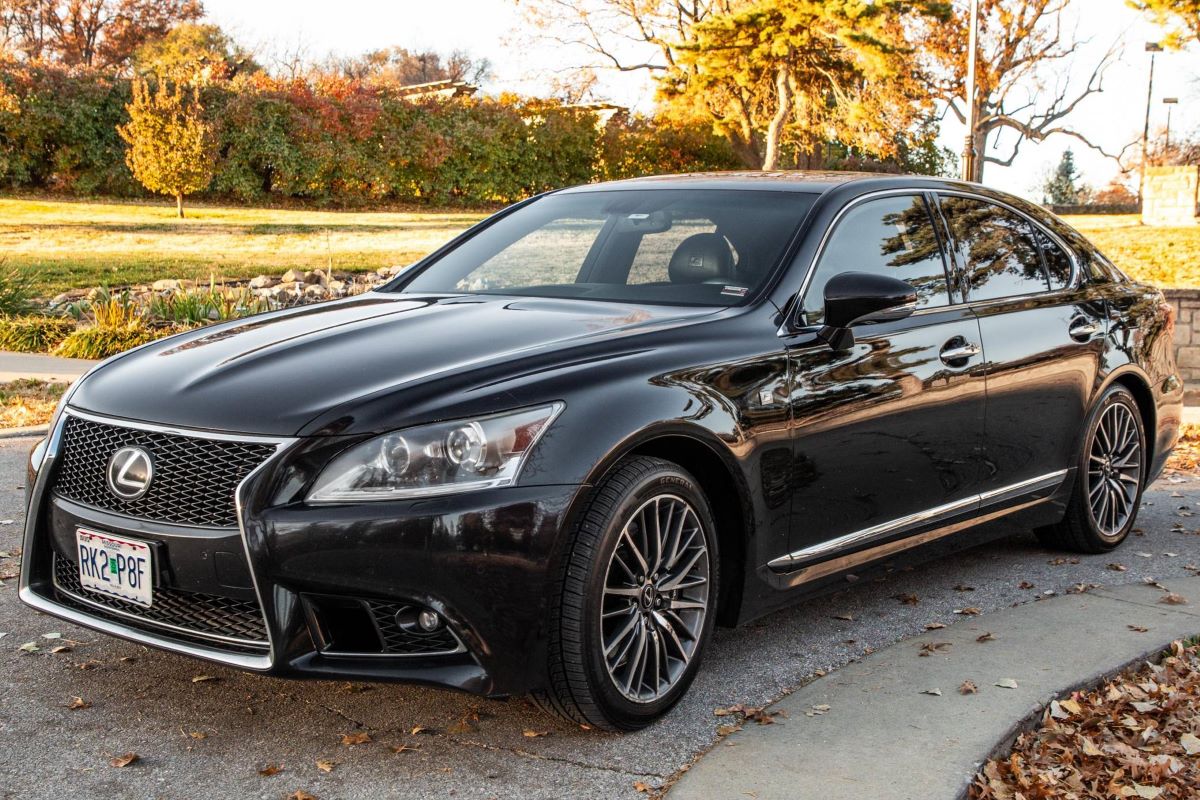
1. Lexus LS
The Lexus LS has earned a reputation as one of the most reliable full-size luxury sedans in existence, often cited by owners and automotive experts for its long-lasting performance. The vehicle’s engineering prioritizes durability, with engines, transmissions, and suspension systems built to withstand extensive use.
The transmission of the Lexus LS is another area where longevity is apparent. Unlike some high-performance luxury sedans, which may develop transmission problems as they age, the LS features a robust automatic transmission capable of smooth, precise shifts well past 150,000 miles.
Additionally, the suspension system balances comfort and stability, with durable components that resist common issues like premature bushing wear or noisy struts.
The careful combination of suspension tuning and reliable drivetrain components ensures that the LS continues to provide a smooth, composed ride for years, even under heavy use.
Routine maintenance costs for the LS are reasonable relative to other luxury sedans, making it a smart long-term investment. While replacement parts are more expensive than for mainstream vehicles, they are widely available and durable, which reduces the frequency of replacements.
Regular oil changes, brake servicing, and fluid inspections are typically the most significant maintenance tasks, while major mechanical failures are rare.
Owners who adhere to recommended service intervals often find that the vehicle’s reliability far outweighs the maintenance costs, making it an economical option for those looking to keep a luxury sedan running for the long term.
Finally, the Lexus LS offers a driving experience that remains impressive even as mileage climbs. Acceleration is smooth, handling remains stable, and cabin noise is minimized thanks to extensive sound insulation.
Unlike some luxury sedans that begin to feel sluggish or lose their refinement with age, the LS maintains its original character, providing a comfortable and sophisticated experience regardless of mileage.
The combination of mechanical reliability, reasonable maintenance costs, and consistent comfort makes the LS a benchmark for long-term ownership in the luxury sedan segment.
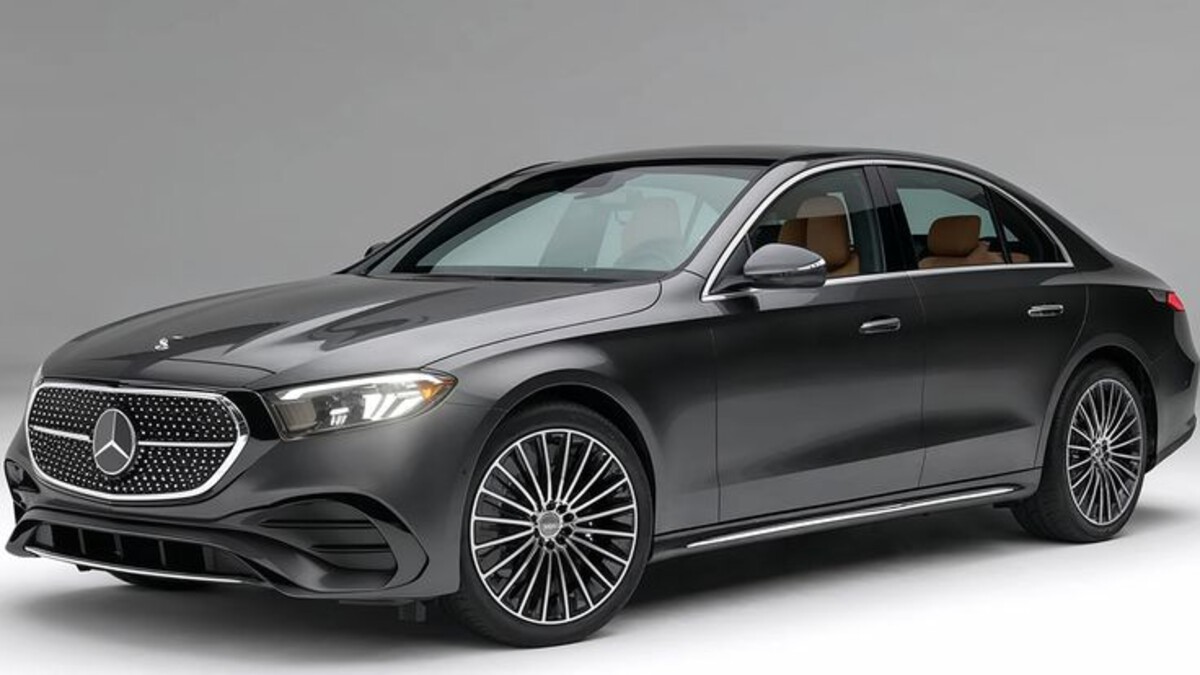
2. Mercedes-Benz E-Class (Pre-2016 Models)
The Mercedes-Benz E-Class, particularly models produced before 2016, stands out for its combination of engineering precision and long-term durability. This sedan is known for reliable inline-six and V6 engines, which offer smooth performance and maintain efficiency well beyond the 150,000-mile mark.
Many owners report that proper maintenance can allow these engines to exceed 200,000 miles without major repairs, making them a viable option for long-term ownership.
The E-Class is also equipped with a robust chassis and suspension system, designed to handle daily driving and highway use without significant wear, providing comfort and stability even after many years on the road.
Preventive maintenance plays a crucial role in the longevity of the E-Class. Mercedes recommends a strict service schedule, including regular oil changes, brake servicing, and inspections of belts, hoses, and fluid systems.
Adhering to these guidelines reduces the likelihood of costly repairs, and the presence of independent European auto specialists makes servicing more affordable than dealership-only maintenance.
Many owners find that following these steps allows their vehicles to remain mechanically sound well past the mileage threshold where other luxury sedans might begin to experience frequent failures.
The interior of the E-Class also contributes to its long-term appeal. Leather seats, wood trim, and soft-touch materials maintain their integrity even after years of use, creating a comfortable and visually appealing cabin.
While early models may encounter minor electronic issues with sensors or infotainment components, attentive maintenance and timely software updates can prevent many common problems.
For drivers and passengers, the E-Class continues to feel like a premium vehicle long after surpassing 150,000 miles, making it one of the most desirable sedans for extended ownership.
Driving dynamics are another area where the E-Class maintains its reputation. Its suspension provides a balance of comfort and responsive handling, while steering remains precise and braking reliable even at high mileage.
Unlike luxury sedans that lose refinement or become unpredictable over time, the E-Class continues to deliver a stable, confident ride.
Owners report that the combination of solid engineering, manageable maintenance, and enduring comfort allows the vehicle to remain enjoyable for many years, solidifying its status as a sedan worth maintaining beyond 150,000 miles.
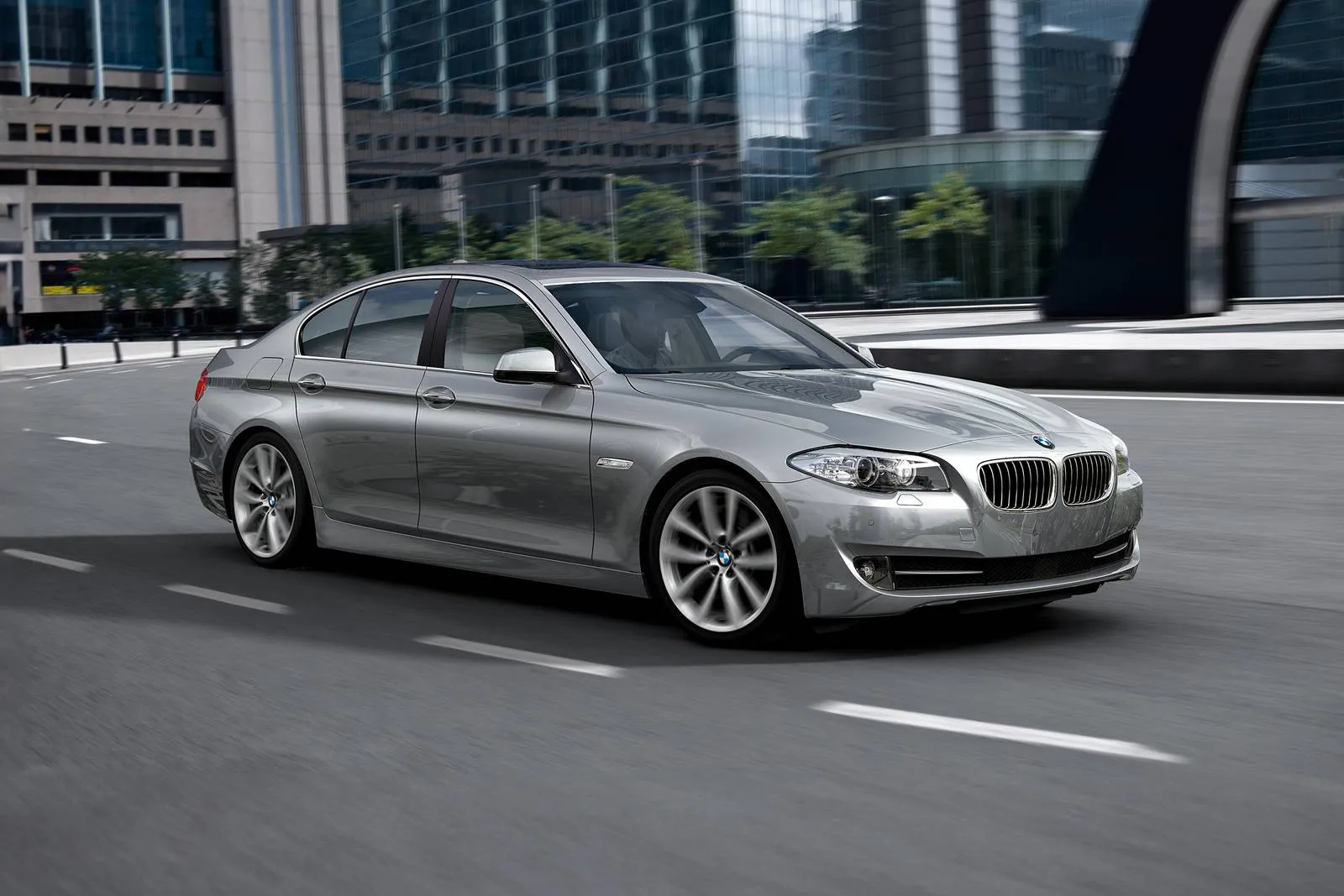
3. BMW 5 Series (F10 Generation)
The F10 generation of the BMW 5 Series, produced from 2010 to 2016, is for blending luxury, performance, and long-term reliability. BMW’s engineering emphasizes durability, especially with inline-six engines, which have fewer components prone to failure and maintain performance over time.
These engines are also known for being relatively simple to service compared to some turbocharged V8 variants, which makes it easier for owners to keep the car running smoothly beyond 150,000 miles.
The F10’s engineering focus on balanced power delivery and robust drivetrain components allows the vehicle to continue offering a refined driving experience even after extensive mileage.
Maintaining the F10 5 Series requires attention to oil changes, cooling system health, and suspension components. Failure to maintain these systems can lead to common issues such as coolant leaks or worn bushings, but adhering to service schedules prevents most significant problems.
Independent BMW specialists often provide high-quality servicing at a lower cost than dealerships, making long-term ownership more feasible. Many owners report that properly maintained F10 5 Series vehicles remain mechanically sound and continue to perform at near-new levels, even past the 150,000-mile mark.
Driving performance remains engaging and consistent with high mileage. The F10 offers precise steering, responsive acceleration, and confident handling, preserving the dynamic character for which BMW is known.
Unlike some luxury sedans that feel lethargic or lose stability after extensive use, the 5 Series continues to deliver an enjoyable driving experience. Combined with reasonable maintenance and durable engineering, the F10 5 Series represents a luxury sedan that can reliably perform beyond 150,000 miles.
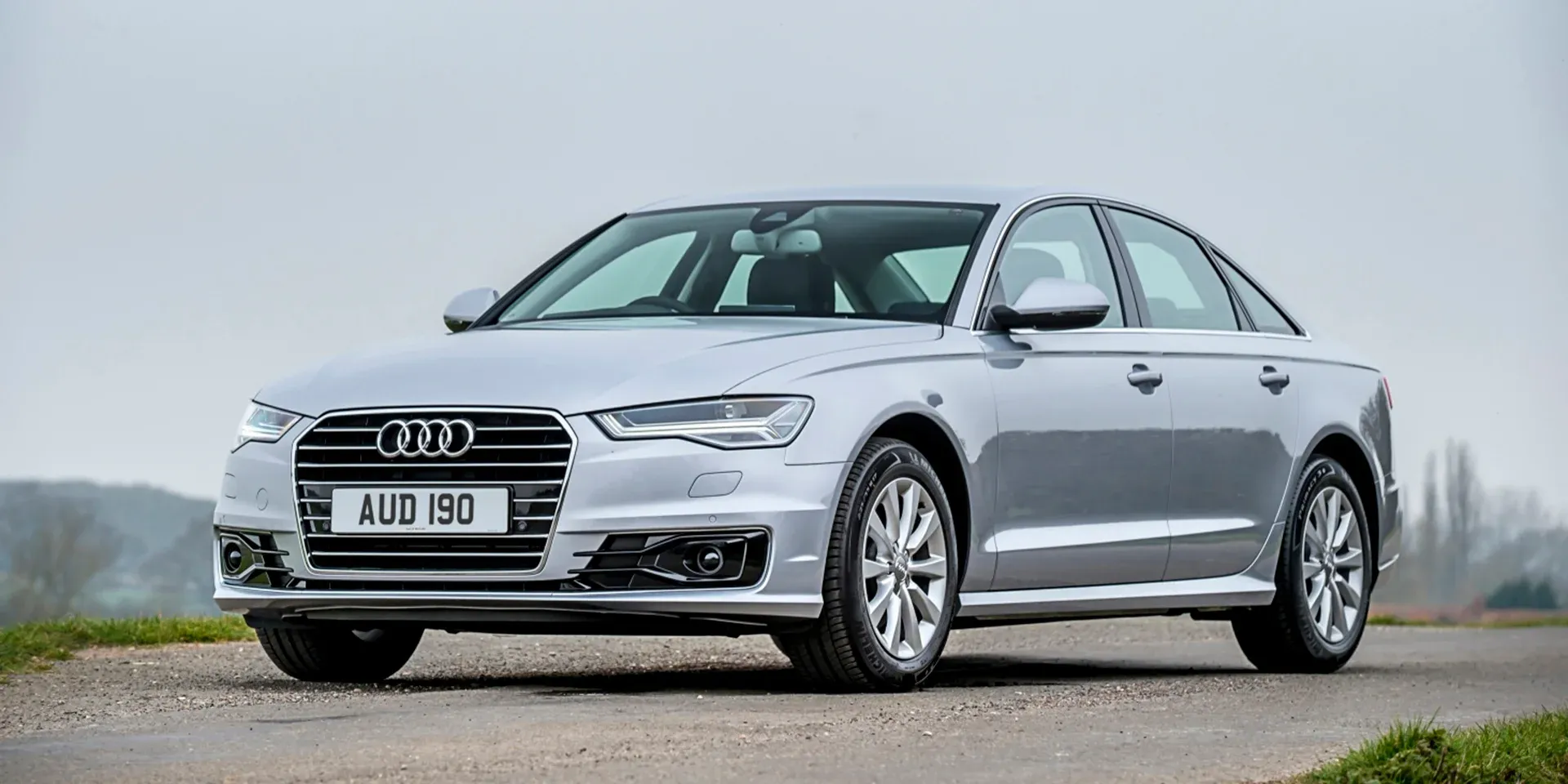
4. Audi A6 (C7 Generation)
The C7 Audi A6, produced from 2011 to 2018, is a luxury sedan that effectively balances performance and longevity. Its engines, especially the supercharged V6 and turbocharged four-cylinder options, are known for reliability and endurance when serviced properly.
Owners frequently report that these vehicles continue to deliver smooth acceleration, responsive handling, and quiet operation even past 150,000 miles.
Audi’s focus on precision engineering and high-quality materials ensures that the core components of the vehicle remain durable, allowing owners to enjoy a luxury experience without constant concern about major repairs.
Maintenance is key to the A6’s long-term dependability. Oil changes, cooling system inspections, and attention to suspension components prevent the most common issues associated with high-mileage vehicles.
The interior of the C7 A6 contributes significantly to its enduring appeal. Leather seats, solid trim, and high-quality plastics maintain their integrity over time, resisting the wear and tear typical of long-term ownership.
Infotainment systems and electronics are generally durable, although occasional software updates may be needed.
The combination of mechanical reliability and a well-preserved interior allows the A6 to maintain its luxury experience, even as mileage accumulates beyond 150,000 miles.
Driving dynamics remain a standout feature of the A6. Quattro all-wheel-drive models provide stability and confidence in various road conditions, while steering remains precise and braking reliable. Unlike some competitors that become sluggish or uncomfortable with high mileage, the A6 continues to provide a controlled and enjoyable ride.
This combination of mechanical durability, long-lasting interior quality, and engaging performance makes the C7 A6 a strong candidate for owners seeking a luxury sedan worth maintaining over the long term.
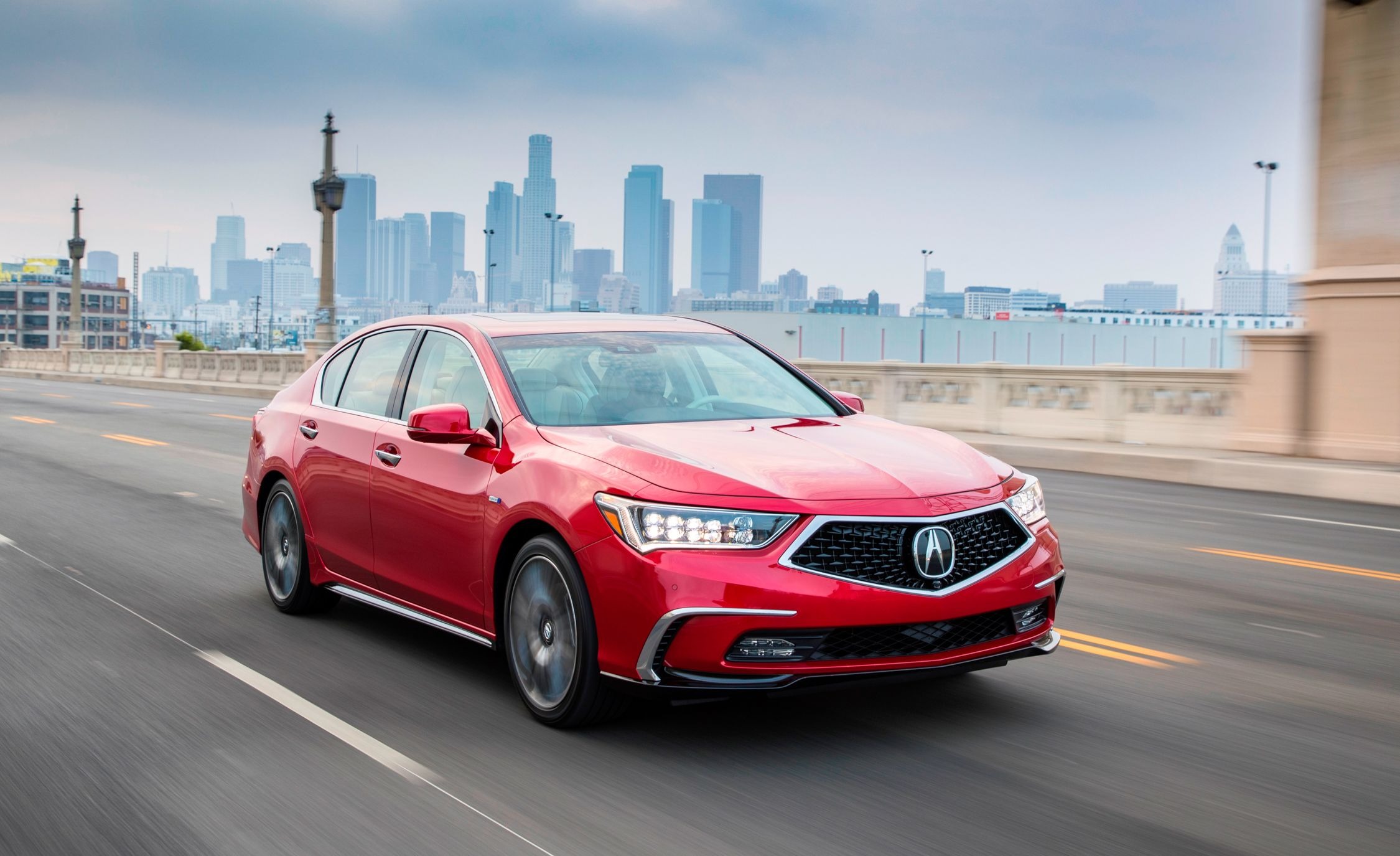
5. Acura RLX
The Acura RLX is a less mainstream luxury sedan, but it demonstrates long-term reliability. Its V6 engine, particularly in models equipped with all-wheel drive, is known for endurance and consistent performance even after extensive use.
Many owners report that the vehicle experiences minimal mechanical issues with regular maintenance, highlighting Acura’s philosophy of combining simple, robust engineering with thoughtful design.
Unlike some European luxury sedans, the RLX does not rely heavily on complex electronics or high-strung performance tuning, which contributes to its durability and predictability as mileage increases.
Maintenance of the RLX is straightforward and accessible. Routine oil changes, brake service, and fluid replacements keep the car in optimal condition. Parts and servicing are generally less expensive than European competitors, which makes long-term ownership less financially burdensome.
Preventive maintenance ensures that the RLX continues to operate smoothly, allowing owners to enjoy the car’s performance without the worry of unexpected major repairs, even past 150,000 miles.
Interior quality also contributes to the RLX’s longevity. Leather seating, solid plastics, and careful assembly help the cabin resist wear over time, maintaining a premium feel.
Unlike some luxury vehicles that require expensive interior refurbishments as they age, the RLX retains its refined appearance and comfort, ensuring that long-term owners continue to enjoy a high-quality driving environment.
The driving experience of the RLX remains consistent with age. Acceleration is smooth, handling is confident, and cabin noise is minimal, providing a serene and comfortable ride.
While it may not be as sporty as some European sedans, the RLX’s combination of reliability, comfort, and predictable performance makes it a practical and satisfying choice for those who plan to keep a luxury sedan beyond 150,000 miles. These factors collectively make the Acura RLX a strong candidate for long-term ownership.
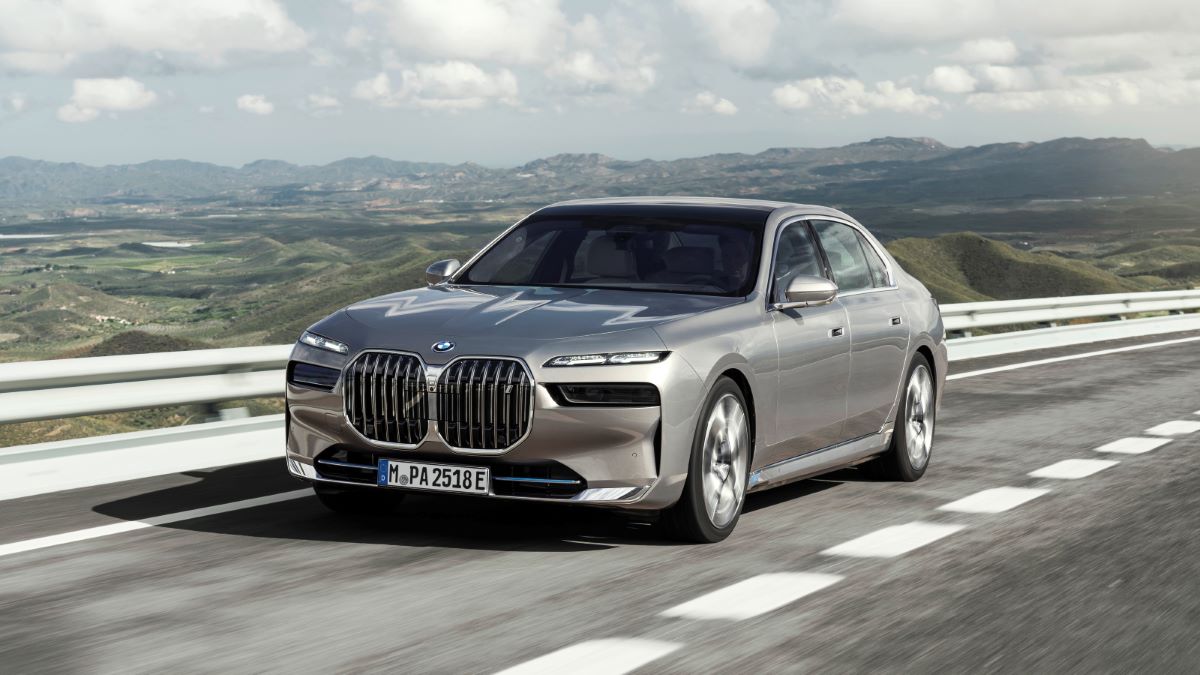
1. BMW 7 Series (F01/F02 Generation)
The BMW 7 Series F01/F02 (produced from 2008 to 2015) presents a compelling array of high‑end features, advanced technology and luxury appointments, but those very attributes often lead to escalating costs as the mileage climbs beyond 150,000.
While in younger life the car may shine with smooth performance and refined comfort, once it passes the high‑mileage threshold, parts begin to wear, and the accumulation of minor faults can compound into a major cost burden.
The engineering ambition that made the 7 Series special also makes it less forgiving in the long term when upkeep is neglected or service intervals are stretched.
One of the most challenging cost areas in the 7 Series is the air suspension system. The F01/F02 models often employed self-leveling air springs and complex control modules to maintain ride height and comfort.
At high mileage, the rubber airbags may crack or deflate, compressor units can overheat, and the sensors required to monitor ride height and damping often fail.
The combined expense of replacing these components often rivals or exceeds the residual value of the vehicle. Owners who have kept these cars beyond 150,000 miles frequently report that the “big ticket” suspension repairs are unavoidable if they want the original ride quality, and unless the previous owner has already addressed them, the risks are substantial.
When multiple systems begin to malfunction, repair can be fragmented and expensive, sometimes requiring several different specialist interventions.
Because these elements aren’t just “nice to have” but integral to the luxury experience of the vehicle, their decline often reduces both driveability and resale desirability.
Finally, the engines and transmissions, particularly the V8 and V12 versions, while capable, tend to demand high maintenance. Oil consumption may increase, timing chain guides may wear, and cooling system components (radiators, thermostats, water pumps) begin showing fatigue.
Transmissions with many gears and adaptive behaviours might develop shift‑quality issues or fluid leaks. Therefore, while the 7 Series remains impressive, beyond 150,000 miles it is often wiser to sell rather than invest heavily.
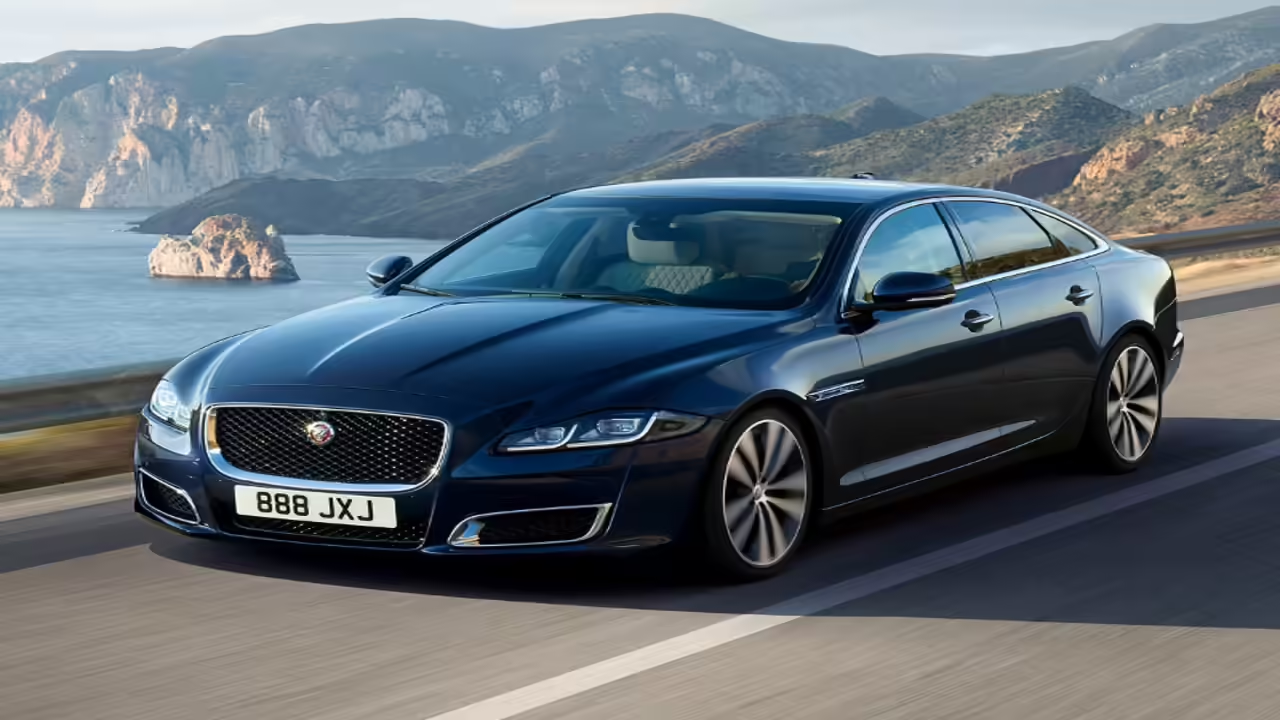
2. Jaguar XJ (X351 Generation)
The Jaguar XJ X351 (produced from 2009 to 2019) offers striking styling and refined ride comfort, yet it tends to suffer from aging‑related issues that make ongoing ownership past 150,000 miles a significant decision with cost risk involved.
Jaguar’s engineering in this period incorporated aluminum‑intensive bodies, small‑block engines, and a wide array of electronic features; while this confers lightness and dynamic elegance, it also reduces the margin for abuse or deferred maintenance.
As mileage rises, the cumulative stress on the aluminum components, suspension sub‑frames, and integrated electronics means that repairs often become more frequent and more expensive. The very traits that made the XJ feel special when new become challenging to maintain when older.
One especially problematic area is the adaptive suspension system. The X351 generation used electronically controlled dampers and complex linkages on a high‑performance chassis.
Over time, the dampers lose response, control valves begin to stick, and aluminum suspension arms may develop creep or wear in joints.
Once one component fails, it often triggers additional wear elsewhere, and the cost of replacing multiple suspension components often makes the economics of keeping the car poor. Additionally, the engine bay layout and component packaging make some maintenance tasks labor‑intensive, driving up labor costs.
Rubber seals on doors or trunks may deteriorate, causing water intrusion into sensitive modules; wiring harnesses near the firewall or foot‑wells can get compromised, causing intermittent faults; and the cost of Jaguar‑specific parts often means longer wait times and higher bills.
When the cabin experience begins to degrade (e.g., failing screens, climate irregularities, sensor alerts), the sense of luxury fades quickly. For a high‑mileage owner, going through multiple module replacements becomes a serious concern.
Finally, the engines and transmission systems, particularly in high‑output variants, also demand serious attention as miles accrue. While the supercharged V8 is capable and refined when new, it tends to place high stress on cooling, oiling, and accessory systems as it ages.
Issues such as coolant leaks, chain tensioner wear (depending on variant), and transmission mechatronics wear become more prevalent after high mileage.
When combined with high parts and labor costs, many owners conclude that the XJ is better refreshed earlier rather than kept on indefinitely. In short, the Jaguar XJ X351 looks and feels luxury‑brand, but beyond 150,000 miles its ongoing maintenance burden makes it less advisable to hold long term.
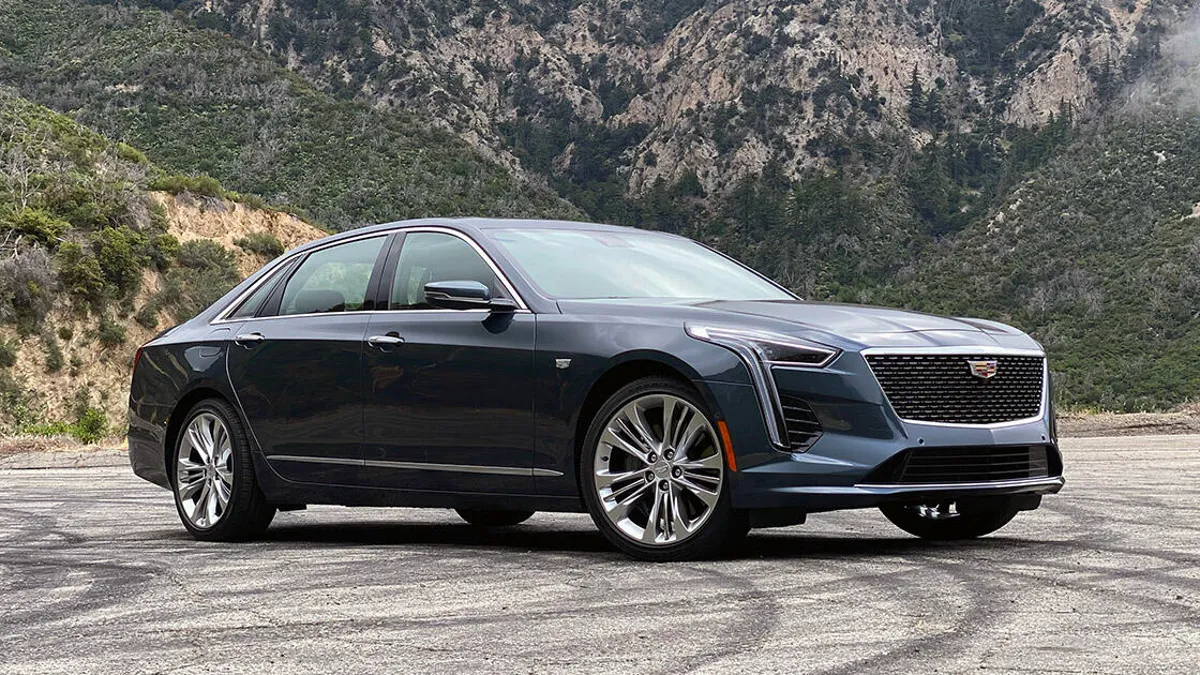
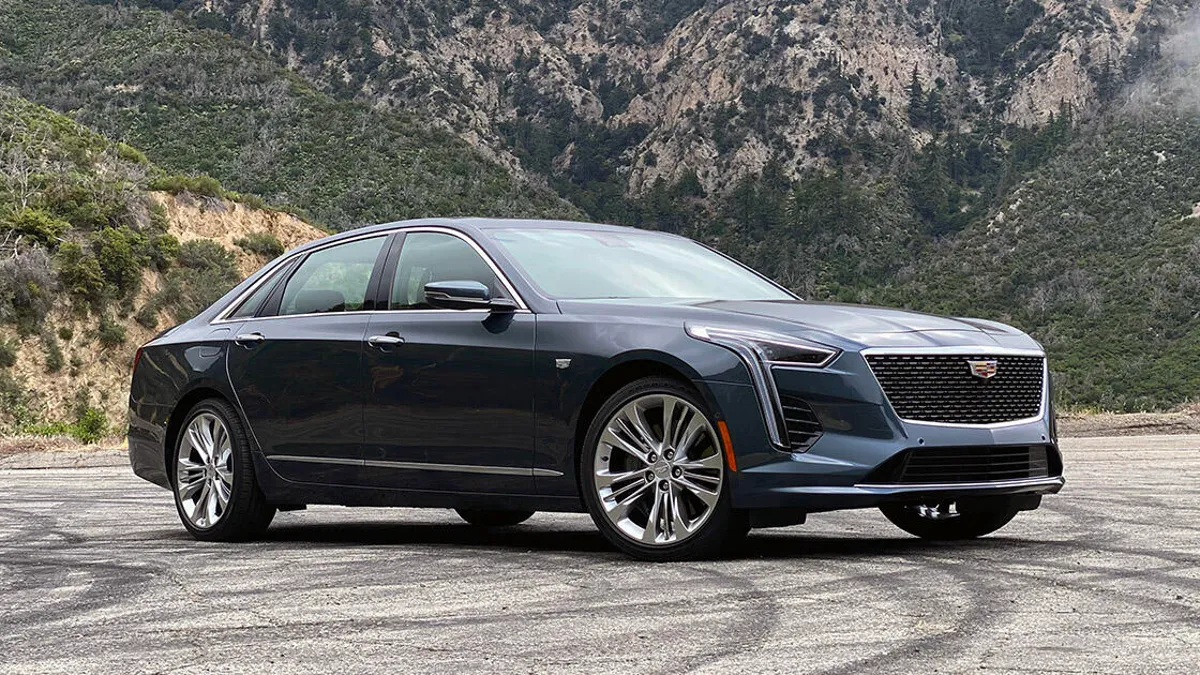
3. Cadillac CT6 (First Generation)
The Cadillac CT6 (produced from 2016 to 2020 in North America) presented bold ambition from the brand: a large, technologically advanced luxury sedan with rear‑wheel or all‑wheel drive, turbocharged or V6 engines, and numerous high‑tech features.
However, as mileage surpasses 150,000, the CT6 tends to carry some of the same burdens that plague technologically ambitious luxury sedans: high cost of parts, specialized service, and limited long‑term reliability data.
For owners thinking of long‑term ownership, the CT6’s combination of avant‑garde features and relatively limited service history means that keeping it may prove less favourable than moving on earlier.
One of the CT6’s major long‑term cost drivers is the high level of onboard electronics and driver‑assist systems. These include multi‑camera surround‑view systems, adaptive cruise and steering, complex infotainment and connectivity modules, and lightweight construction techniques incorporating aluminum and mixed materials.
As mileage accumulates, electronic modules may fail, sensors may become less accurate, software updates may be required, and parts may be harder to source.
Many of these systems, which were cutting‑edge at introduction, have higher failure rates over extended life and become expensive to maintain. For owners at the 150,000‑mile range and beyond, the risk of cascading electronic faults increases.
Another cost factor is the engine and drivetrain complexity. The CT6 offered turbocharged four‑cylinder as well as V6 engines, often paired with 9‑ or 10‑speed automatic transmissions.
Lastly, while Cadillac attempted to position the CT6 atop its luxury hierarchy, the brand’s resale value and service ecosystem for this particular model are less established than the European luxury competitors. This means that as mileage increases, the vehicle may face diminishing value and harder‑to‑find parts or expertise.
When faced with major repairs at or above 150,000 miles, owners may find that the cost to restore or maintain the CT6 starts to outweigh the benefits of continued ownership.
Thus, while the CT6 is interesting and compelling when newer, for high‑mileage ownership it poses risks that make alternative vehicles more attractive.
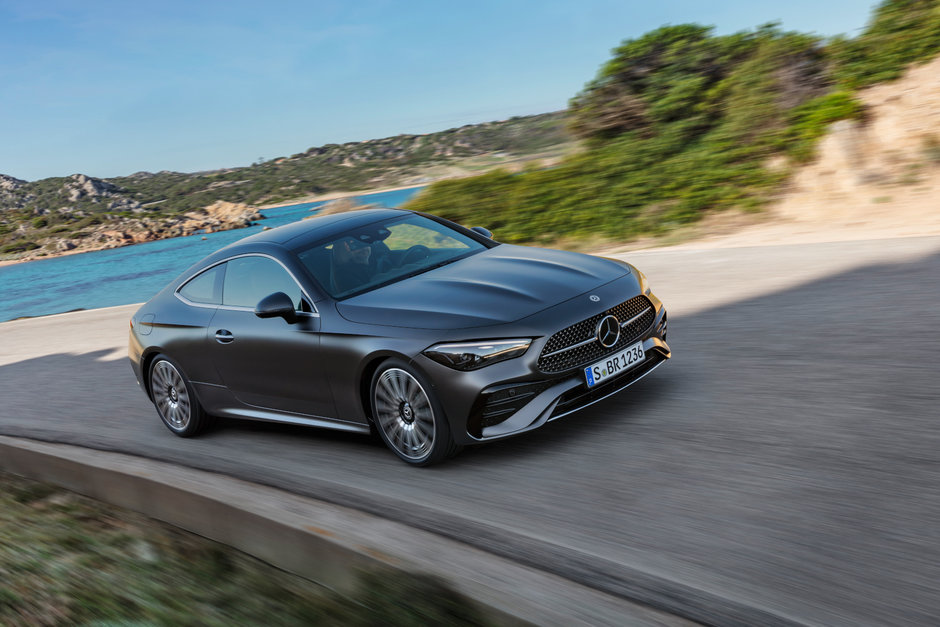
4. Mercedes‑Benz S‑Class (W222 Generation)
The Mercedes‑Benz S‑Class W222 (produced from 2013 to 2020) is widely regarded as the flagship of the brand, offering top‑tier luxury, advanced engineering, and a suite of comfort and safety features seldom matched.
But for ownership beyond 150,000 miles, the W222 often carries an escalating burden of maintenance, making it less advisable to keep long term unless one is prepared for high costs.
The combination of ultra‑luxury refinement, complex systems, and high initial cost creates a situation where major repair events can easily push past the value of older vehicles.
One significant maintenance challenge in the S‑Class is its suspension and body control systems. The W222 often used AIRMATIC or MAGIC BODY CONTROL systems with numerous sensors, hydraulic actuators, and air springs, all designed to deliver a near‑magical ride quality.
When at high mileage, air suspension failures, compressor breakdowns, or level‑control sensor faults become more likely.
Repair or replacement of such components is expensive and time‑consuming, particularly given the labor involved in removing body components or modules. For a high‑mileage vehicle, the cost of restoring the original ride feel may be prohibitive.
Another major area of concern is the engine, transmission and drivetrain complexity. The S‑Class often uses twin‑turbo V8s (and even V12s in some markets), combined with 7‑ or 9‑speed automatics that have many gears and adaptive shift logic.
As the car ages, timing chain guide issues, turbocharger failures, high oil and coolant consumption, and transmission fluid degradation are all more probable.
When such failures occur after 150,000 miles, the parts cost and labor for repair may outweigh the vehicle’s value. In many cases, owners may find themselves paying major bills just to retain the car’s original level of performance.
Lastly, the electronics and onboard systems in the S‑Class are extremely advanced, but that means advanced points of failure.
Features such as expressive ambient lighting, dynamic body control, active safety features, and multiple infotainment screens all add to the car’s appeal, and to its maintenance complexity.
As the vehicle ages, some of these systems may degrade or fail, and replacement modules can be very expensive.
The combined effect of drivetrain, suspension and electronics issues means that for most users, beyond 150,000 miles the S‑Class becomes a vehicle of increasing risk and cost rather than one of long‑term value retention.
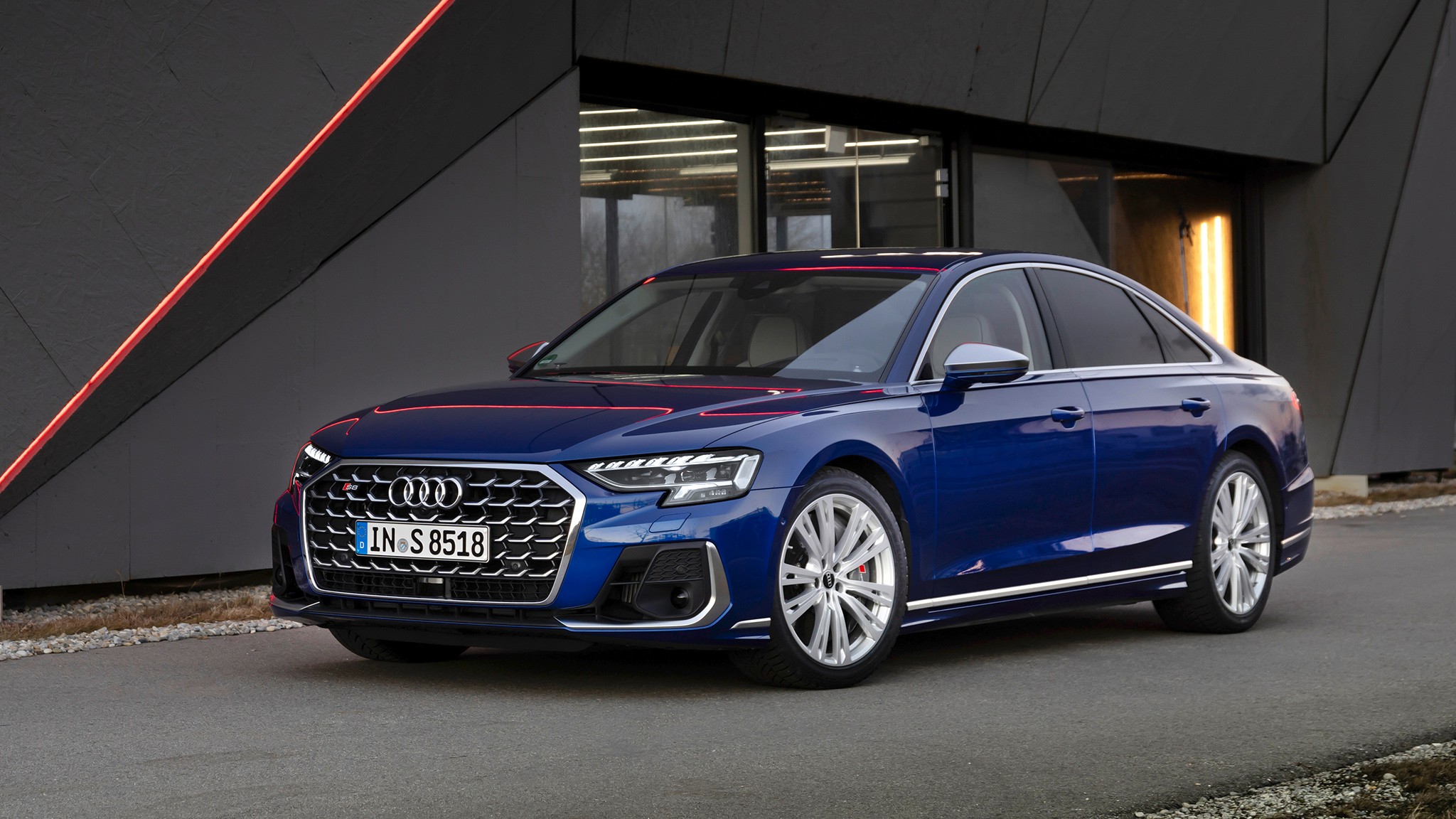
5. Audi A8 (D4/4H Generation)
The Audi A8 D4/4H (produced around 2010‑2017) is Audi’s flagship sedan, combining all‑wheel drive, lightweight construction, and advanced tech.
On paper it delivers traction, luxury and performance, yet for long‑term ownership past 150,000 miles it poses several challenges that make it less advisable than simpler, more robust alternatives.
The A8’s ambitious design, use of aluminum and mixed materials, advanced drivetrain, and extensive technology stack all contribute to its maintenance burden at high mileage.
One challenge is the drivetrain and powertrain complexity. The A8 often uses turbocharged engines, sometimes in long‑wheelbase or high‑output versions, paired with automatic transmissions and Audi’s quattro all‑wheel‑drive system. These configurations demand regular, high‑quality maintenance and are less forgiving of deferred care.
At high mileage, turbos may wear, oil consumption may rise, quattro components like center differentials or transfer case clutches may require service, and transmission fluid and clutch packs may begin to show fatigue. Once multiple systems begin to age concurrently, repair costs escalate rapidly.
Another long‑term cost area is the body and suspension components. The A8’s aluminum body, complex suspension geometry (often with adaptive dampers) and multiple electronic modules create a scenario where typical “wear items” can become expensive replacements.
For example, adaptive dampers might fail, control arms might need full replacement rather than repair, and aluminum‑specific repair labour is higher.
In a high‑mileage context, the potential for overlapping suspension, body control and drivetrain maintenance tasks can make ownership more of a project than a pleasure.
Finally, the technology and interior systems in the A8 are advanced, but as they age, they may become liabilities. Features such as variable damping, multiple infotainment screens, head‑up displays, night vision cameras, or laser‑light systems may stop functioning or become costly to fix.
Parts availability for higher‑end features can be limited and pricey. For owners crossing the 150,000‑mile mark, when major components start to falter, the confluence of ageing drivetrain, suspension, and tech often results in an unfavorable cost‑to‑benefit ratio.
While the A8 remains impressive, it’s one that most owners treat as a mid‑life sell rather than a keep‑into‑250,000‑mile platform.
