
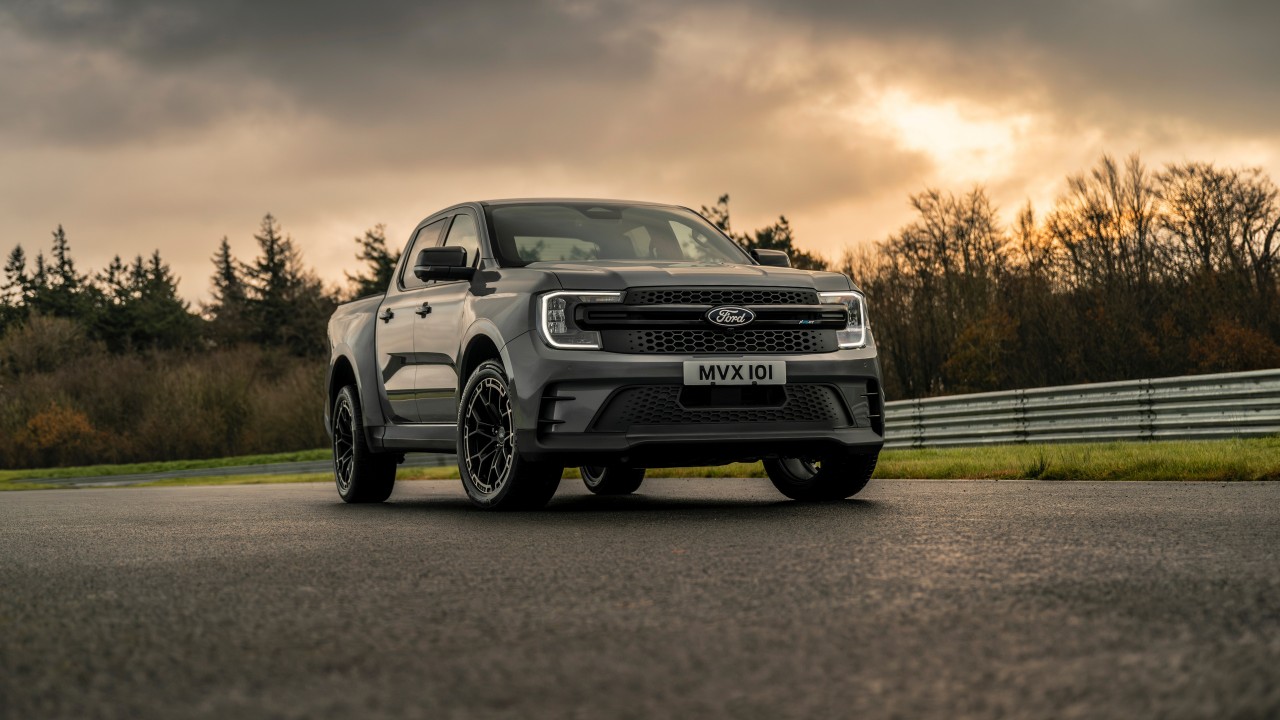
Leaf springs have been a fundamental component in truck suspension systems for over a century, valued for their simplicity, durability, and ability to handle heavy loads.
While modern vehicles have introduced complex suspension setups like multi-link and coil-over systems, leaf springs remain an essential part of the equation, especially in pickup trucks and commercial vehicles built for hauling and towing.
These long, flexible steel strips absorb shocks, distribute weight, and provide structural support that is critical for vehicles expected to endure harsh conditions and heavy payloads.
Over time, however, the quality and resilience of leaf springs can vary widely depending on design, materials, and manufacturing standards.
The difference between a truck with “unkillable” leaf springs and one whose suspension sags under load often comes down to more than just the number of leaves or the thickness of the steel.
Factors such as engineering tolerances, spring design, and the intended purpose of the truck all play major roles.
Some trucks are designed with heavy-duty springs capable of carrying massive payloads without noticeable sag, while others, even from reputable manufacturers, may struggle when fully loaded.
For buyers, operators, and enthusiasts, understanding which trucks fall into either category is critical, as it affects not just performance but also safety, comfort, and long-term maintenance costs.
This article will examine ten modern trucks, dividing them into two categories: those whose leaf springs have earned a reputation for near-indestructibility, and those whose springs are prone to sag when carrying heavy loads.
By comparing these vehicles, we can highlight the practical engineering differences and help truck owners make informed decisions based on intended use.
While every truck has its strengths, the resilience of the suspension system often determines whether it is truly suited for demanding tasks or more moderate, everyday hauling.
The following sections break down the characteristics, performance, and real-world experiences of these trucks, providing insight for anyone who relies on their vehicle for serious work.
5 Modern Trucks With Unkillable Leaf Springs
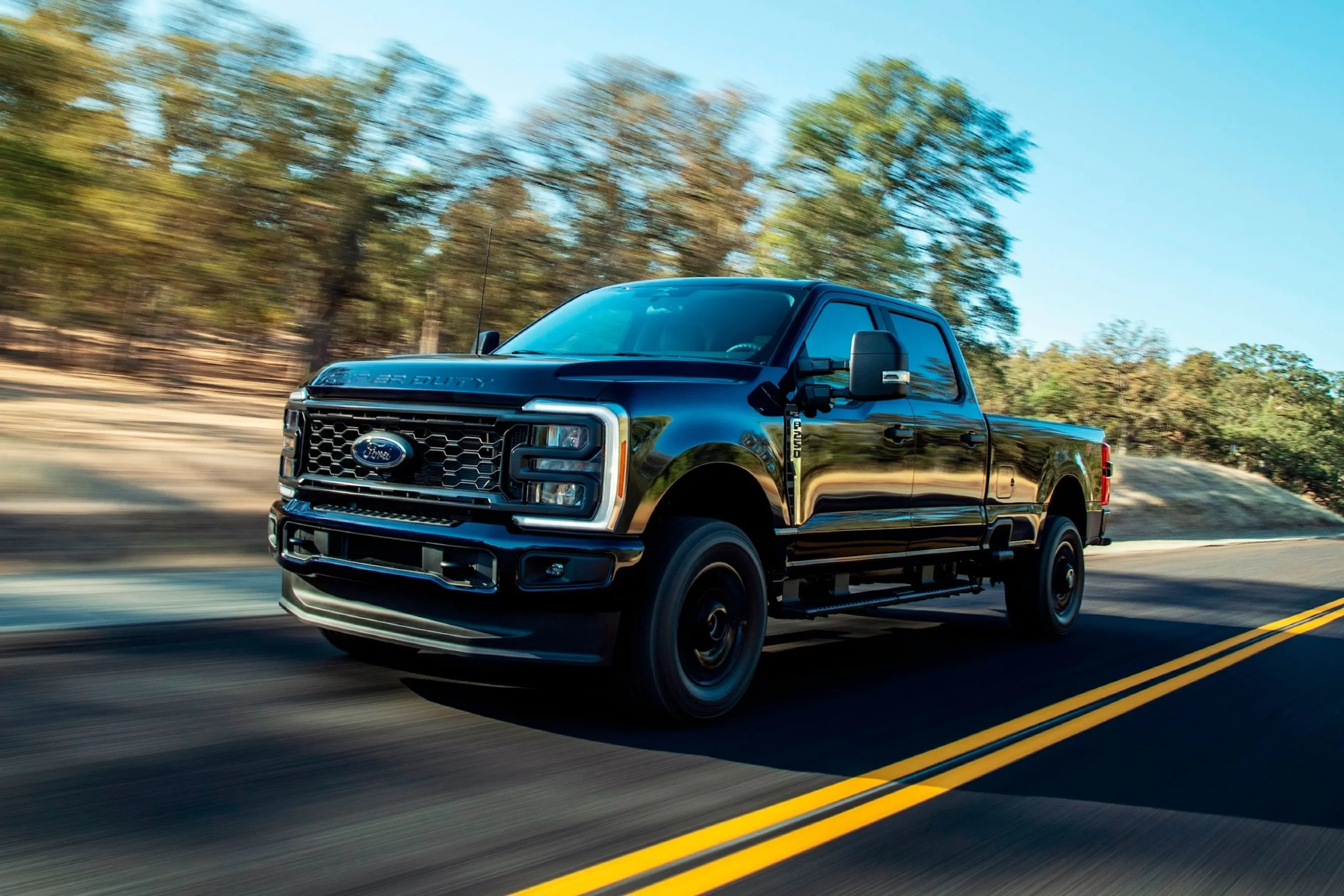
1. Ford F-250 Super Duty (Heavy-Duty Variants)
The Ford F-250 Super Duty has earned a reputation among truck enthusiasts and professionals alike for its exceptional durability, and a large part of that stems from its leaf spring design.
Unlike lighter-duty trucks, which may use thinner, simpler leaf packs, the F-250 employs a multi-leaf system carefully engineered to distribute stress evenly across the axle.
These springs are composed of several leaves of different thicknesses and high-strength steel, allowing the truck to carry extreme payloads and tow massive trailers without noticeable deformation.
This engineering ensures that the suspension maintains ride height, even after repeated heavy loading, which is crucial for maintaining both handling stability and driver confidence on rough terrain.
Beyond raw strength, the F-250’s leaf springs are designed for longevity. Many operators have documented tens of thousands of miles hauling construction materials, farm equipment, or commercial trailers without any measurable sag.
This long-term resilience is due to both material selection and the progressive design of the spring packs, where each leaf contributes to load support incrementally.
The result is a suspension that resists permanent set while absorbing road shocks, maintaining ride quality even in demanding environments.
Unlike some trucks that develop a permanent dip under heavy weight, the F-250 remains remarkably level, a trait that makes it a favorite for fleet operators and off-road users alike.
Integration with complementary suspension components also plays a critical role in the performance of the F-250’s leaf springs.
Heavy-duty shock absorbers, stabilizer bars, and reinforced axle mounts work in concert with the leaf packs to prevent overextension and reduce stress concentrations.
This careful synergy prevents fatigue cracking and uneven wear, which are common causes of premature leaf spring failure.
Additionally, the F-250’s suspension is engineered to handle dynamic forces generated during towing, such as trailer sway or braking-induced pitch, further cementing its reliability under heavy-duty scenarios.
Finally, the F-250’s leaf springs directly contribute to vehicle stability and handling. When carrying uneven or shifting loads, the multi-leaf packs flex and distribute forces without excessive axle movement, preventing the rear end from bottoming out or swaying dangerously.
This is especially important for drivers operating on construction sites, farms, or off-road conditions, where suspension failure could lead to loss of control.
The reputation of the F-250’s leaf springs as virtually indestructible is backed by decades of consistent field performance, making it a benchmark for durability in modern heavy-duty pickups.
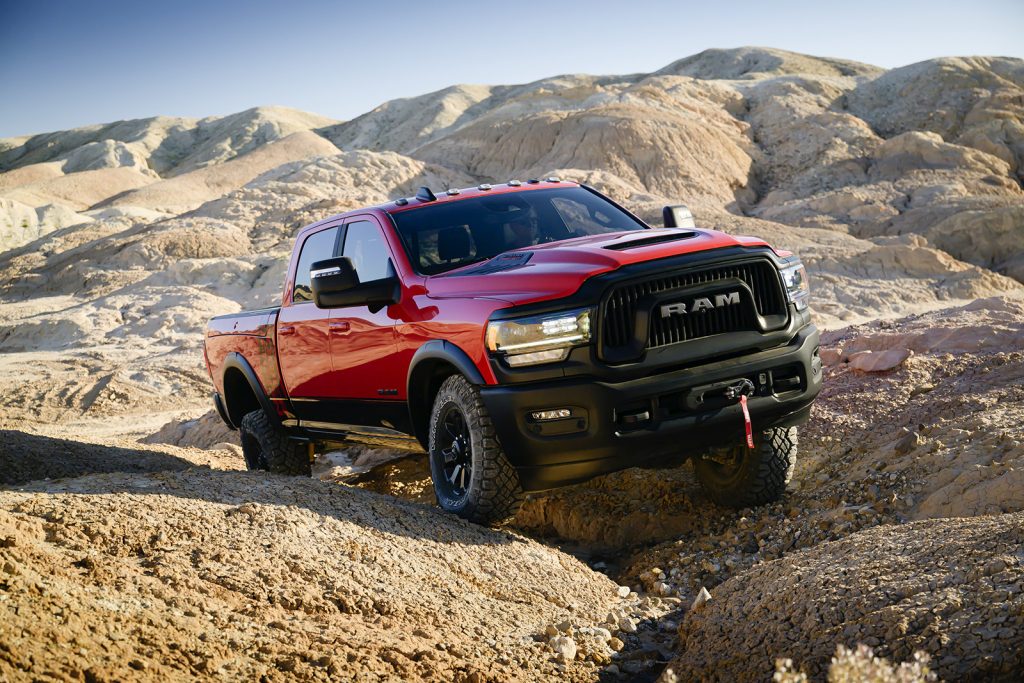
2. Ram 3500 Heavy Duty
The Ram 3500 Heavy Duty is renowned for its extraordinary payload and towing capacity, and a significant factor in its performance is the strength of its leaf springs.
Designed to handle the most demanding work scenarios, these springs utilize multiple high-tensile steel leaves arranged in a progressive configuration that balances rigidity and flexibility.
Each leaf contributes to supporting extreme loads while absorbing vibrations and shocks, ensuring that the truck maintains both ride height and stability under full payload conditions.
This thoughtful engineering results in a suspension system that can endure repeated stress cycles without permanent sag, making it highly reliable for commercial and industrial use.
The longevity of the Ram 3500’s leaf springs is one of its defining characteristics. Fleet operators and contractors routinely report that even after years of hauling heavy cargo or towing large trailers, the springs remain resilient, showing little to no permanent deformation.
The springs’ durability comes not only from the quality of the steel but also from careful attention to spring geometry.
Stress points are optimized to reduce fatigue over time, meaning that the truck can withstand extreme workloads without compromising safety or performance.
This combination of materials and design makes the 3500 a standout in a segment where leaf spring fatigue is a common issue.
Integration with the truck’s suspension system amplifies the effectiveness of the leaf springs. Heavy-duty shock absorbers, reinforced shackles, and stabilizer bars all work together to prevent overextension and uneven load distribution.
This integrated approach ensures that the leaf springs bear weight efficiently while minimizing wear and tear on surrounding components.
Moreover, Ram offers optional heavy-duty spring configurations for those who frequently operate near maximum payloads or require additional towing support, giving operators flexibility based on their specific workload requirements.
Finally, the Ram 3500’s suspension design directly enhances both ride quality and handling under extreme conditions. Even when fully loaded, the leaf springs provide a controlled, stable ride that minimizes axle movement and swaying.
This is particularly important for commercial drivers who rely on consistent suspension performance to safely transport heavy or uneven loads over long distances.
The combination of durability, careful engineering, and practical design ensures that the Ram 3500’s leaf springs are considered among the most robust in modern trucks, capable of withstanding years of heavy use without compromise.
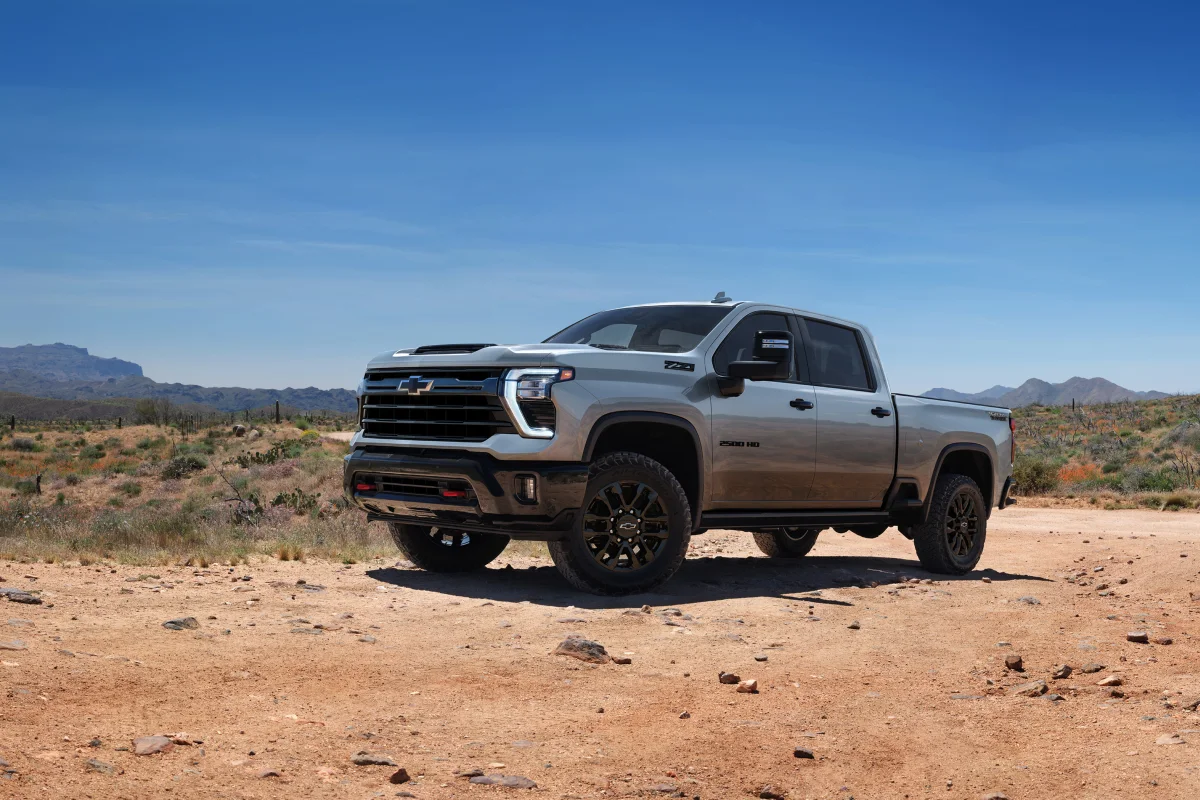
3. Chevrolet Silverado 2500HD
The Chevrolet Silverado 2500HD is widely regarded as one of the most reliable trucks for heavy-duty work, largely due to the strength and durability of its leaf springs.
These springs are constructed from high-grade steel with multiple leaves of varying thickness, allowing the truck to carry substantial payloads while maintaining ride height and stability.
The progressive design of the leaf packs ensures that weight is distributed evenly across the axle, preventing any single leaf from bearing excessive stress and reducing the likelihood of permanent sag.
This design is particularly effective for operators who routinely haul construction materials, trailers, or agricultural equipment.
Longevity is a key feature of the Silverado 2500HD’s suspension. Many owners report that the springs remain effective even after years of heavy use, including hauling maximum payloads over rough terrain.
The multi-leaf construction provides incremental load support, allowing the suspension to flex without overstraining individual leaves.
This results in a truck that maintains its handling and ride quality over time, even under consistent heavy loads. Unlike lighter-duty pickups, which can develop permanent dips in their rear suspension, the Silverado remains level, providing confidence and safety for the driver.
The effectiveness of the leaf springs is enhanced by their integration with auxiliary suspension components. Heavy-duty shock absorbers, stabilizer bars, and reinforced shackles help to absorb road shocks and distribute forces evenly across the suspension system.
This integration not only prevents excessive wear but also ensures that the truck remains stable when negotiating uneven terrain or abrupt stops.
Silverado 2500HD owners often note that the truck remains composed under load, a testament to the synergy between the leaf springs and the rest of the suspension components.
Finally, Chevrolet provides multiple trim and suspension packages tailored to heavy-duty usage. Options such as reinforced spring packs or higher-rated leaf designs allow buyers to choose a setup optimized for extreme payloads or towing needs.
This versatility, combined with the inherently durable design of the springs, ensures that the Silverado 2500HD remains one of the most reliable and resilient trucks in its class.
Its ability to handle consistent heavy use without sagging or compromising stability makes it a top choice for professionals and enthusiasts alike.
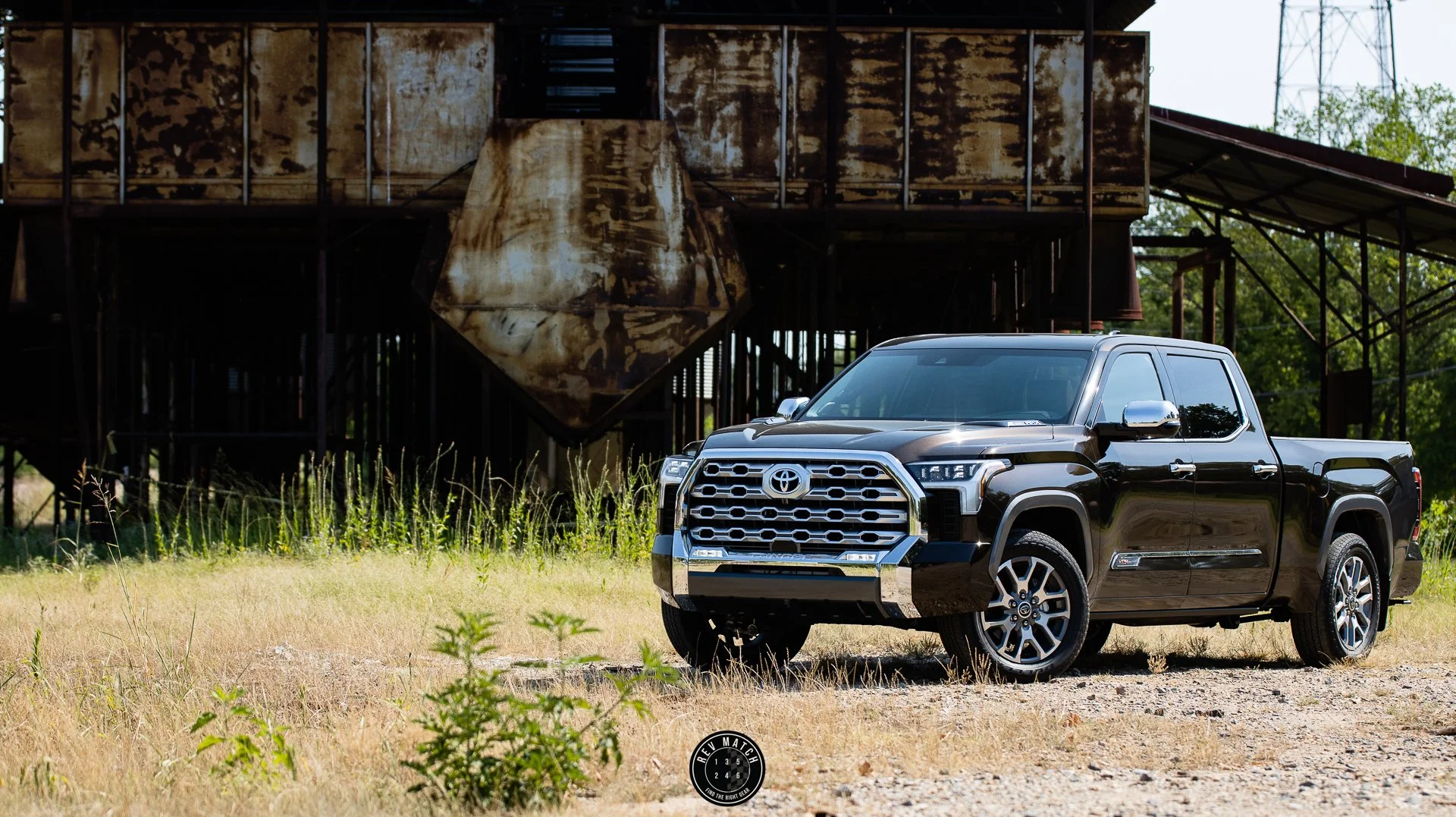
4. Toyota Tundra 1794 Edition (Heavy-Duty Setup)
The Toyota Tundra, particularly in its heavy-duty configurations like the 1794 Edition, has made significant strides in suspension durability over the years. The leaf springs in these models are engineered to handle substantial payloads without noticeable sag.
Using multiple high-strength steel leaves arranged in a progressive layout, the springs provide a balance of flexibility and support.
This allows the truck to absorb shocks and vibrations while maintaining ride height, ensuring stable handling even under extreme loads.
The design emphasizes long-term reliability, which is critical for both commercial applications and recreational use such as towing boats or carrying off-road equipment.
Durability is a key advantage of the Tundra’s leaf spring system. Many drivers report excellent performance after years of hauling heavy cargo, demonstrating that the springs resist fatigue and permanent deformation.
The progressive nature of the spring packs allows the suspension to flex under lighter loads and stiffen under heavier ones, reducing stress on individual leaves.
This design ensures consistent ride height and stability, which is particularly beneficial when towing trailers or carrying uneven loads.
The Tundra’s springs are engineered not only for strength but also for longevity, making the truck a dependable option for demanding users.
Integration with other suspension components further enhances the Tundra’s performance. Shock absorbers and stabilizers work in tandem with the leaf springs to distribute weight evenly, reduce excessive axle movement, and absorb road impacts.
This combination ensures that the vehicle remains controlled and stable under load, even in rough terrain.
The careful engineering behind the suspension system minimizes the risk of sagging while maintaining comfort for occupants, demonstrating Toyota’s attention to both performance and usability.
Finally, the heavy-duty leaf springs contribute to the Tundra’s balanced handling characteristics. Whether fully loaded or lightly equipped, the progressive spring design allows for controlled axle movement, preventing excessive pitching or swaying.
This makes the truck suitable for a variety of real-world applications, from off-road adventures to demanding work environments.
The durability and thoughtful design of the Tundra’s leaf springs have helped it earn a reputation for reliability, positioning it as one of the most robust modern pickups in its class.
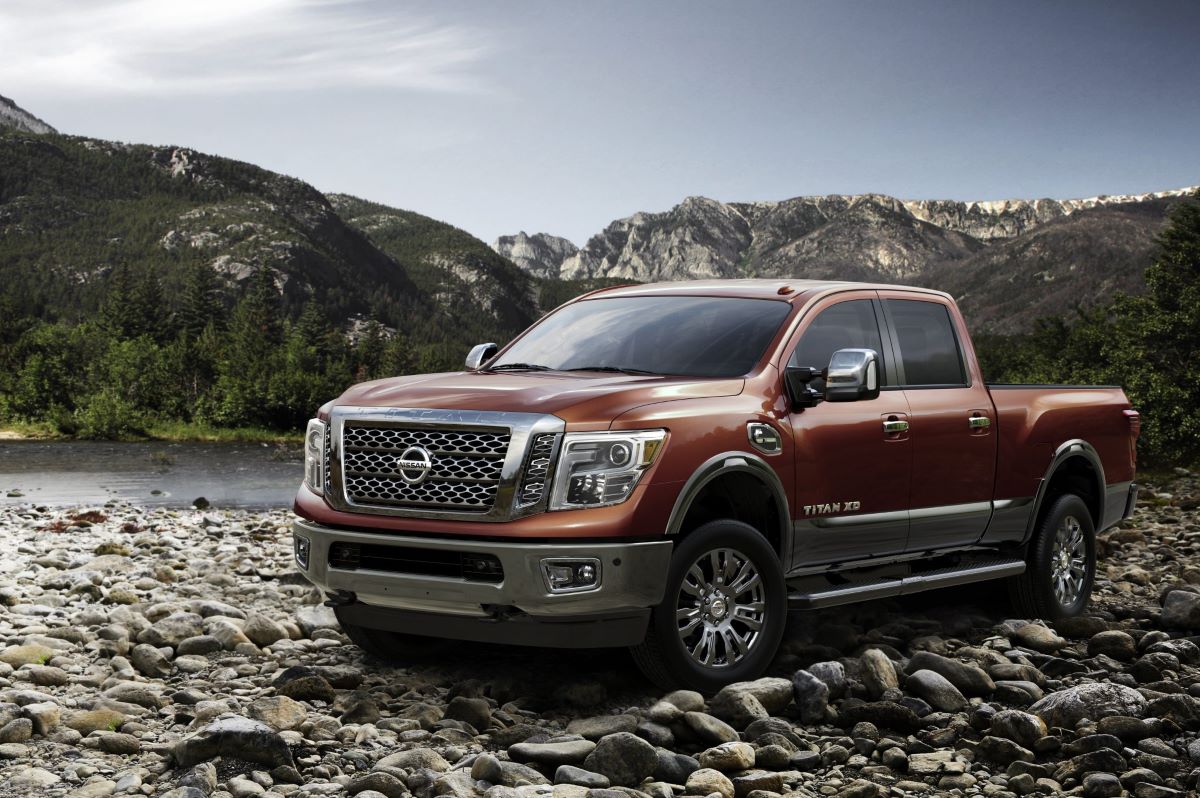
5. Nissan Titan XD
The Nissan Titan XD occupies a unique position in the pickup market, bridging the gap between half-ton and heavy-duty trucks. Its leaf springs are engineered to handle significant payloads, providing a level of durability rarely found in standard pickups.
The multi-leaf design, using high-strength steel of varying thicknesses, ensures that weight is distributed evenly across the rear axle, allowing the truck to carry heavy cargo without excessive sag or permanent deformation.
This design makes the Titan XD highly capable for commercial use, long-haul towing, or other demanding tasks.
One of the most impressive aspects of the Titan XD’s suspension is its resilience under repeated stress. Even after consistently hauling heavy loads, the leaf springs maintain their original shape and continue to provide stable support.
This is largely due to the progressive design of the spring packs, which allows the suspension to stiffen as weight increases, preventing the permanent flattening that plagues lighter-duty trucks.
The Titan XD’s springs are engineered for both strength and longevity, ensuring that operators can rely on the truck for years of heavy use.
The Titan XD’s leaf springs are complemented by an integrated suspension system that includes heavy-duty shock absorbers and stabilizer bars. These components work together to absorb road impacts, distribute forces evenly, and reduce stress on individual leaves.
This synergy not only enhances the truck’s load-carrying ability but also improves ride quality and handling under full payload conditions. Drivers can haul heavy cargo with confidence, knowing that the suspension system is designed to endure repeated strain.
Finally, the Titan XD’s suspension design allows for aftermarket enhancements, such as helper springs or upgraded leaf packs, for those who require even higher payload capacity.
Even in stock form, however, the truck demonstrates impressive strength and stability under load.
Its combination of robust engineering, thoughtful design, and durability makes it a standout among modern trucks with unkillable leaf springs, providing reliable performance for both professional and recreational users.
5 Modern Trucks That Sag Under Payload
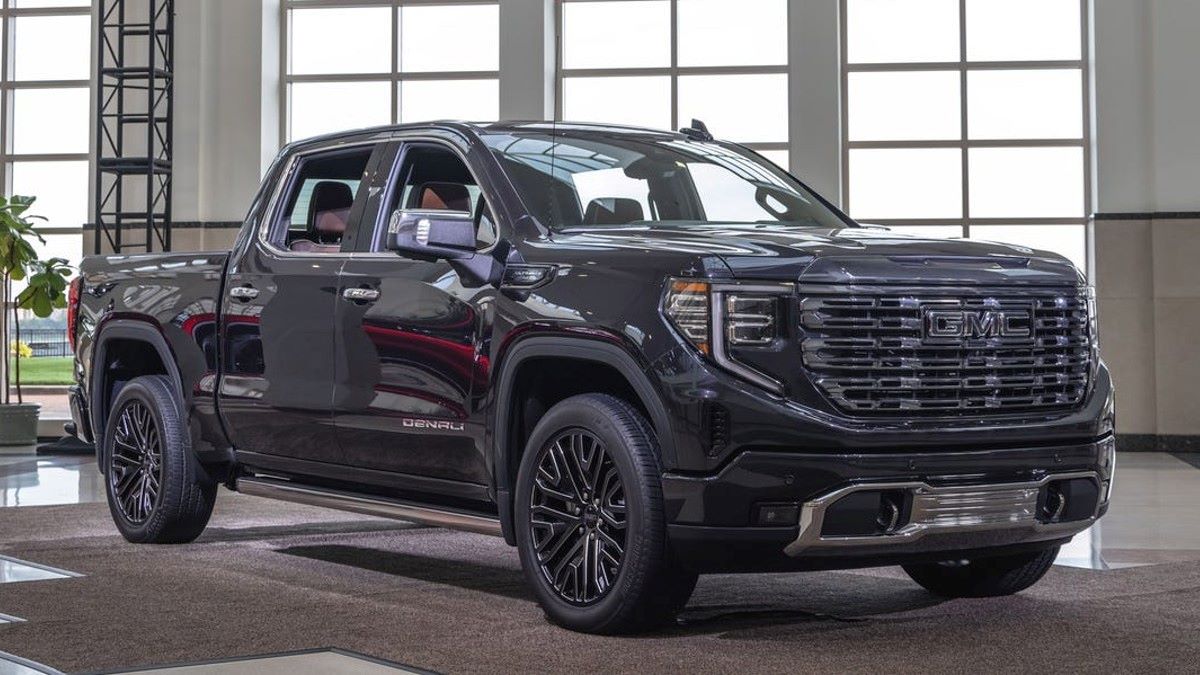
1. GMC Sierra 1500 (Light-Duty Variants)
The GMC Sierra 1500, particularly its light-duty models, has been noted by many owners for leaf springs that tend to sag when carrying heavier loads.
Unlike heavy-duty trucks that use multi-leaf, high-tensile steel packs, the Sierra 1500 employs a simpler, thinner leaf spring design intended for lighter cargo.
While this is adequate for everyday commuting or moderate hauling, repeated exposure to heavier payloads causes the springs to lose height over time.
The sag manifests as a noticeable dip in the rear of the truck when fully loaded, which can affect stability and handling.
Many operators find that the truck rides lower in the back under heavy loads, which increases the risk of bottoming out on uneven terrain or speed bumps.
The tendency to sag is amplified over time due to the steel used in the leaf springs and the limited number of leaves in the pack.
Unlike heavy-duty trucks with progressive leaf designs that gradually absorb weight, the Sierra 1500’s springs are more prone to permanent set after repeated heavy use.
This means that after hauling construction materials, landscaping equipment, or trailers near the truck’s maximum payload, the rear suspension slowly flattens, altering ride height and balance.
Owners often report that the truck feels less stable and more prone to sway under these conditions, particularly when cornering or braking with a full bed.
Additional factors contributing to sag include the interaction with other suspension components.
While the Sierra 1500 uses standard shocks and shackles designed for comfort and light-duty loads, these components do not sufficiently counteract heavy-weight stress.
Without reinforced stabilizers or helper springs, the rear end bears the full brunt of any payload, which accelerates wear and increases the likelihood of sag.
This contrasts sharply with heavy-duty pickups, where the suspension system works in unison to preserve ride height and structural integrity under load.
Finally, the visual and practical effects of sag are more than just cosmetic. The lowered stance can negatively impact trailer hitch alignment, limit axle travel, and reduce clearance for obstacles during off-road use.
Drivers hauling heavier-than-average loads often consider aftermarket modifications such as airbag kits or upgraded leaf packs to restore proper ride height and maintain safe handling.
While the Sierra 1500 remains a solid truck for everyday driving and moderate hauling, its light-duty leaf springs make it less reliable for consistently heavy payloads, highlighting a trade-off between comfort-oriented suspension and load-carrying durability.
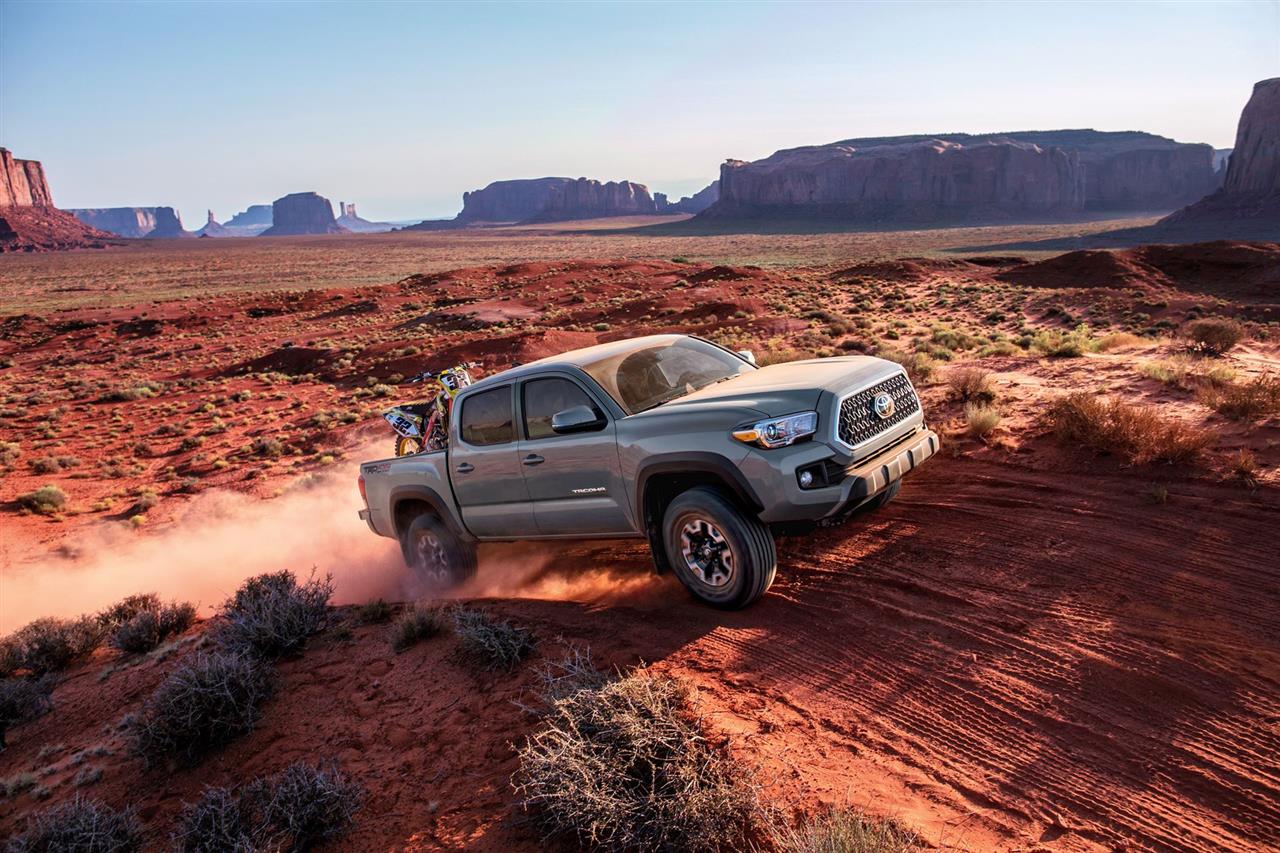
2. Toyota Tacoma
The Toyota Tacoma is celebrated for its reliability and off-road prowess, but its leaf springs on heavier payloads have shown some susceptibility to sag. This is particularly true for older models and even some newer trims, which use a simpler, lighter-duty leaf pack in the rear suspension.
While designed for typical recreational use and moderate loads, the springs can compress more than desired under heavier cargo, such as fully loaded tool beds, construction materials, or small trailers.
Over time, repeated heavy loading can cause permanent sag, lowering the truck’s rear ride height and potentially affecting handling characteristics.
The Tacoma’s sagging tendency is exacerbated by the number of leaves and the thickness of the steel used.
Unlike trucks designed for heavy commercial workloads, the Tacoma’s rear suspension lacks progressive leaf packs, meaning each leaf experiences higher stress when carrying weight near the vehicle’s maximum payload.
As a result, drivers may notice that the truck leans noticeably in the rear under load, creating a less balanced stance that can impact braking performance and vehicle control.
In some cases, this also leads to a feeling of “bottoming out” over rough terrain, which diminishes comfort and could potentially accelerate wear on other suspension components.
The limitations of the Tacoma’s leaf springs are further highlighted when towing. Heavier trailers can overstress the leaf packs, leading to more pronounced sag over time.
While Toyota offers optional suspension packages for certain models, most standard Tacomas rely on leaf springs better suited for light-duty hauling.
Without additional support such as airbags or helper springs, drivers seeking to maximize payload capacity must contend with a lowered rear ride height that affects both aesthetics and function.
Finally, the practical consequences of sagging leaf springs extend to cargo management and off-road performance. A compressed rear end can alter weight distribution, reduce clearance, and make heavy loads feel less secure.
This has prompted many Tacoma owners to invest in aftermarket suspension upgrades to restore ride height and improve load-handling capability.
Although the Tacoma remains a versatile and durable midsize truck, its standard leaf springs demonstrate the limits of light-duty designs when subjected to consistent heavy loads.
3. Chevrolet Colorado
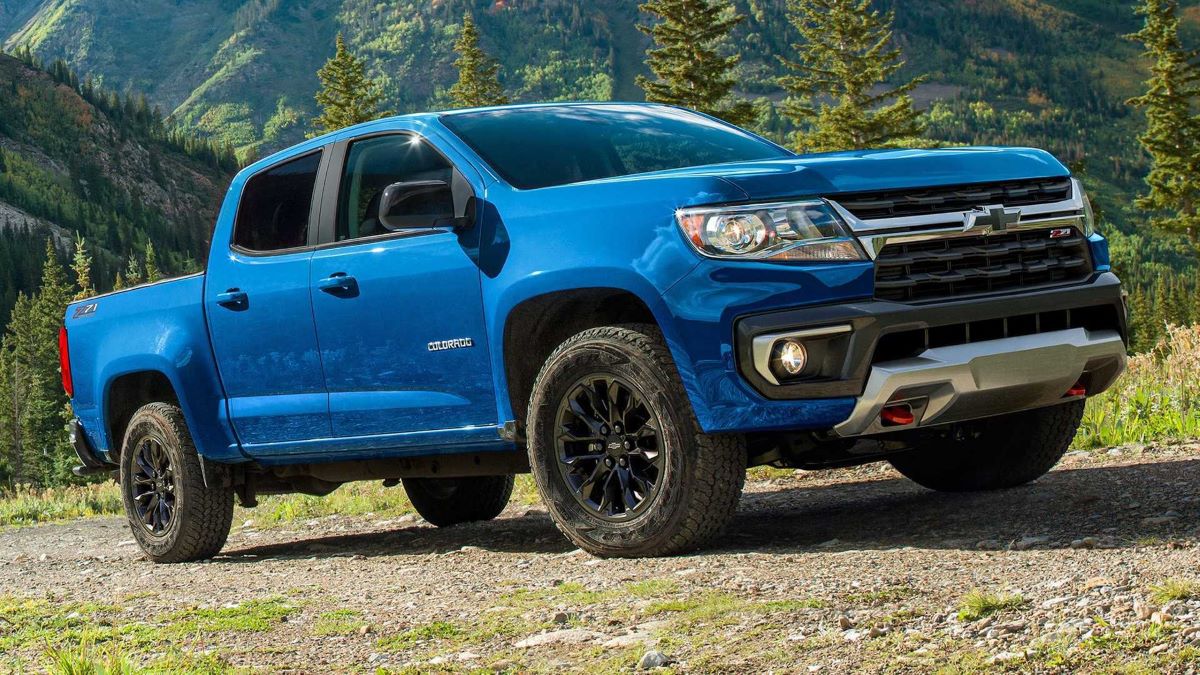
The Chevrolet Colorado is another midsize truck that exhibits rear-end sag when pushed to its payload limits. Its leaf springs are adequate for typical recreational and light commercial use but are not engineered for frequent, heavy-duty hauling.
The springs are relatively thin and consist of fewer leaves than those found in heavy-duty trucks, making them more susceptible to permanent deformation under stress.
Owners hauling tools, construction materials, or fully loaded trailers have reported a noticeable dip in the rear suspension, which can compromise both handling and visual appeal.
The tendency of the Colorado to sag is compounded by the fact that the leaf springs are designed for lighter, daily driving loads.
Unlike progressive multi-leaf setups in heavy-duty trucks, Colorado’s springs experience nearly the full weight of any heavy payload on a single leaf layer.
Over time, this can lead to fatigue and permanent settling of the rear suspension, reducing ground clearance and creating an uneven stance.
This effect becomes more pronounced with repeated heavy use, highlighting the trade-off between affordability, comfort, and load-carrying capacity in midsize trucks.
Interaction with other suspension components also plays a role. Standard shocks and rear axle setups in the Colorado provide comfort and stability for normal driving, but do little to mitigate the effects of sag under heavy load.
The lack of reinforcement or auxiliary suspension elements means the rear end is forced to bear the entire weight of the payload, resulting in faster wear and permanent lowering.
Many owners consider aftermarket solutions, including helper springs or airbag kits, to restore balance and prevent further sag, emphasizing the practical limitations of the stock suspension for heavy-duty tasks.
Finally, sagging leaf springs on the Colorado have consequences beyond handling. Reduced clearance can increase the risk of scraping the undercarriage over speed bumps or rough terrain, and a lowered stance can misalign trailer hitches or compromise towing dynamics.
While the Colorado excels in versatility, fuel efficiency, and everyday usability, its stock leaf springs reveal the limitations of midsize truck suspensions when used for demanding payload applications.
For those requiring frequent heavy hauling, modifications are often necessary to maintain proper ride height and handling stability.
4. Honda Ridgeline
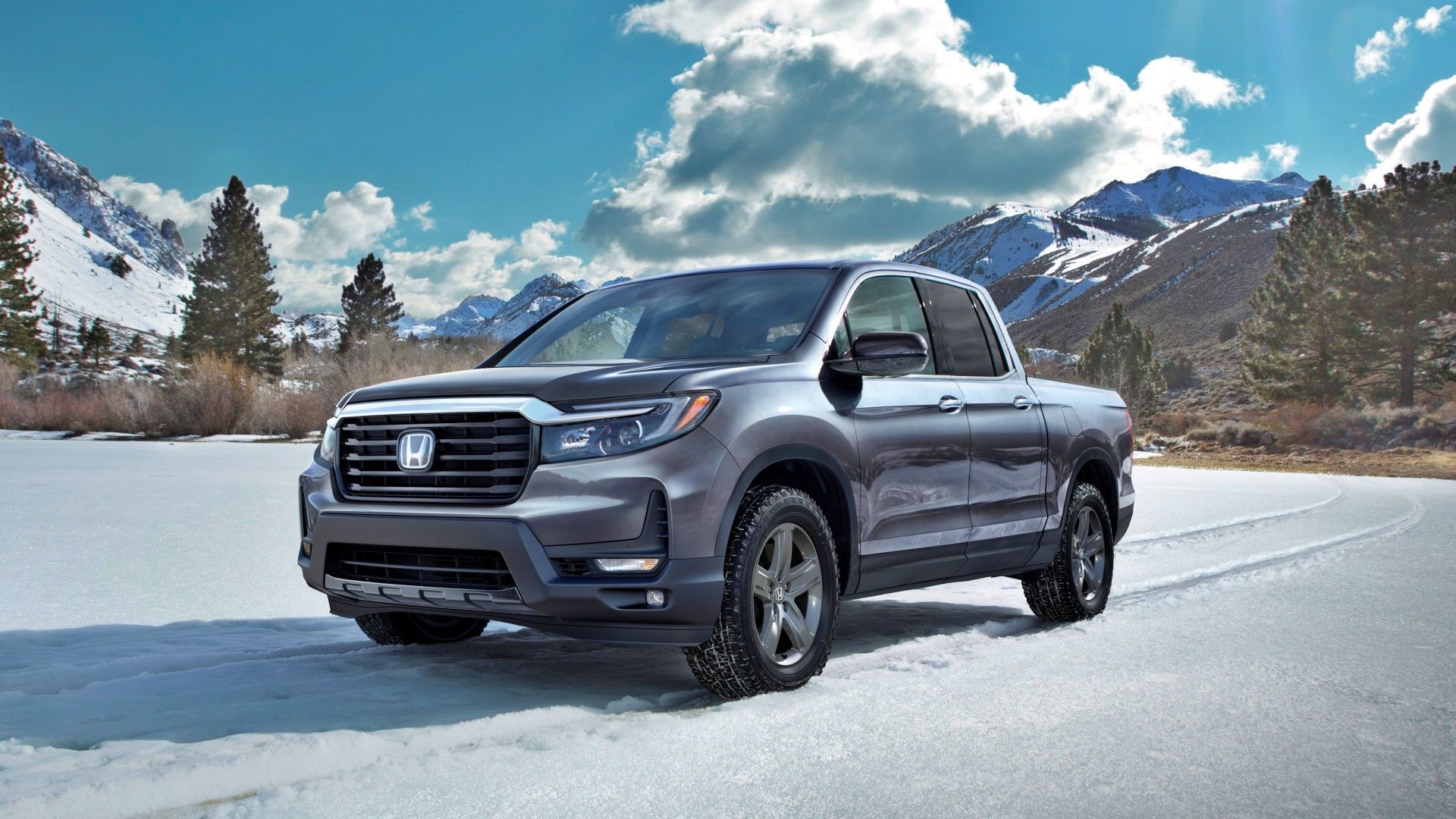
The Honda Ridgeline is an outlier among pickups, prioritizing comfort and car-like handling over traditional rugged hauling capabilities.
Its leaf springs are significantly lighter and shorter than those in conventional trucks, designed to provide a smooth ride rather than maximum payload support.
While this design enhances daily driving comfort and road manners, it is not ideal for carrying heavier cargo. Owners frequently report sag when loading the bed near the truck’s maximum capacity, which can lower ride height and compromise stability.
Unlike trucks with heavy-duty leaf packs, the Ridgeline’s suspension is more prone to permanent set when exposed to repeated heavy loads.
The Ridgeline’s leaf spring configuration lacks the progressive load-bearing properties seen in larger pickups. This means that heavier payloads exert concentrated stress on the few leaves present, accelerating wear and deformation.
Over time, this results in noticeable rear-end sag that can affect both handling and braking efficiency.
For drivers who rely on the Ridgeline for towing trailers or hauling work equipment, this sag can lead to decreased control and a higher likelihood of bottoming out over uneven terrain or potholes.
Additional limitations arise from the Ridgeline’s integration with its independent rear suspension. While this setup improves ride comfort, it does not provide the robust support needed to maintain a consistent rear ride height under substantial weight.
Unlike traditional solid-axle trucks with heavy leaf springs, the Ridgeline’s suspension cannot distribute payload stress as effectively, leading to sag and potential long-term wear.
This design choice reflects Honda’s focus on refinement and comfort at the expense of heavy-duty utility.
Finally, sag in the Ridgeline has practical implications for owners using the truck for work or towing. Lowered ride height can affect trailer alignment, reduce ground clearance, and alter weight distribution, all of which impact safety and performance.
While the Ridgeline is excellent for light-duty use, recreational hauling, and urban driving, its leaf springs are not well-suited to frequent, heavy payloads.
Many owners who push the truck to its limits consider aftermarket enhancements to improve suspension resilience and restore proper stance.
5. Ford Ranger (Light-Duty Models)
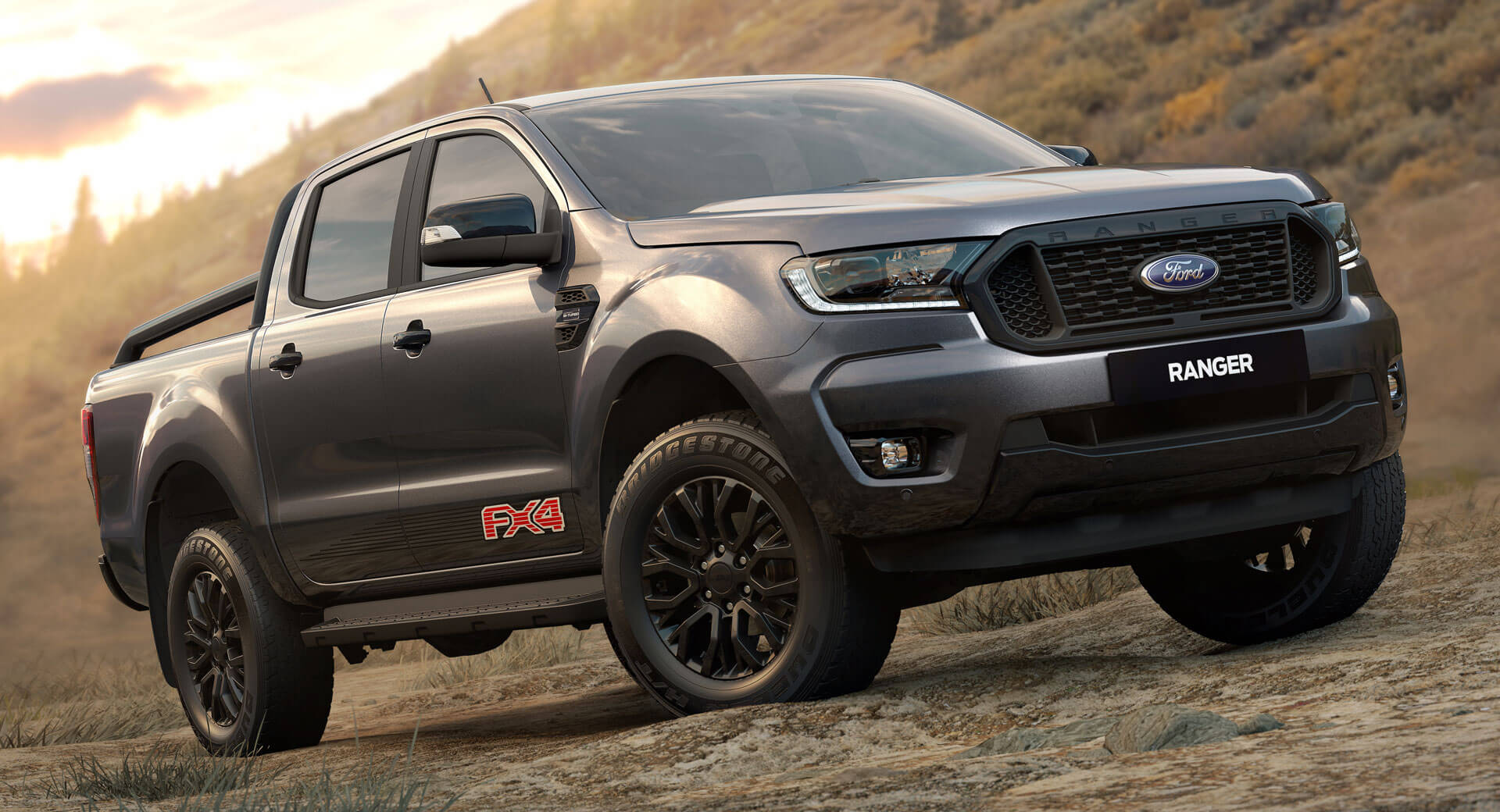
The Ford Ranger, especially in its light-duty trims, is another truck prone to rear sag under payload. Its leaf springs are engineered for moderate cargo rather than heavy-duty hauling.
The relatively thin, short leaf packs provide acceptable support for day-to-day driving but struggle under repeated exposure to heavy loads, such as trailers, building materials, or landscaping equipment.
Over time, this can lead to permanent rear-end sag, lowering ride height and compromising stability. This issue is particularly pronounced in older Ranger models, where steel fatigue over years of use exacerbates the effect.
The Ranger’s tendency to sag is primarily due to the simplicity and size of its leaf springs. Unlike heavy-duty trucks with progressive multi-leaf designs, the Ranger’s springs cannot distribute weight across multiple leaves effectively.
When the truck is heavily loaded, the limited spring capacity results in excessive compression, causing the rear to sit lower than intended.
This can affect handling, braking performance, and trailer alignment, making it less reliable for users frequently hauling near the truck’s maximum capacity.
Compounding the problem, the Ranger’s stock suspension components, including shocks and shackles, are designed for comfort and lighter payloads rather than extreme stress.
Without reinforcement, the rear suspension must bear the full weight of the load, accelerating wear and increasing the risk of permanent sag.
Many Ranger owners opt for aftermarket leaf pack upgrades, helper springs, or airbag kits to restore proper stance and improve load-handling capabilities.
Finally, sagging rear suspension on the Ranger has both practical and aesthetic consequences. Reduced ride height can decrease ground clearance, limit bed capacity, and make the truck appear visually uneven.
It also affects towing dynamics and vehicle stability when navigating rough terrain or braking under load.
While the Ranger is excellent for light-duty work, commuting, and recreational hauling, its stock leaf springs reveal the limits of its design when regularly subjected to heavier payloads.
Owners seeking consistent heavy-duty performance often need to reinforce or upgrade the suspension to maintain proper functionality.
