
Hybrid technology has transformed the automotive landscape by merging electric efficiency with the practicality of internal combustion engines.
The heart of these systems relies heavily on the precision and reliability of thermal management. Among the key components in a hybrid’s cooling system, the engine coolant valve plays a critical role in regulating temperature between the gasoline engine, electric motor, and battery pack.
A malfunction in this valve can lead to poor efficiency, overheating, or reduced engine life. Drivers might not often think about this small part, but when it fails, the consequences can range from annoying warning lights to costly repairs.
Understanding which hybrid models have proven their reliability in this area versus those that tend to experience valve sticking can help buyers make smarter choices.
Hybrid cooling systems are more complex than those in traditional gasoline cars because they often need to manage multiple heat sources.
This includes controlling temperature between the inverter, transmission fluid, and high-voltage components. When the coolant valve operates smoothly, transitions between these systems happen seamlessly.
However, when the valve begins to stick or malfunction, the cooling system loses efficiency, sometimes triggering a cascade of related faults. This has been seen more often in certain brands and models that use plastic-actuated valves or compact routing systems that can trap debris.
Drivers shopping for hybrids often look for proven longevity and minimal maintenance, so identifying which vehicles have robust coolant systems can prevent headaches down the road.
This comparison focuses on ten hybrid vehicles: five that have earned reputations for dependable, trouble-free engine coolant valves and five that are known to develop sticking issues.
The goal is to give a balanced look at mechanical design, common owner experiences, and underlying engineering differences that contribute to these outcomes.
Five Hybrids With Trouble-Free Engine Coolant Valves
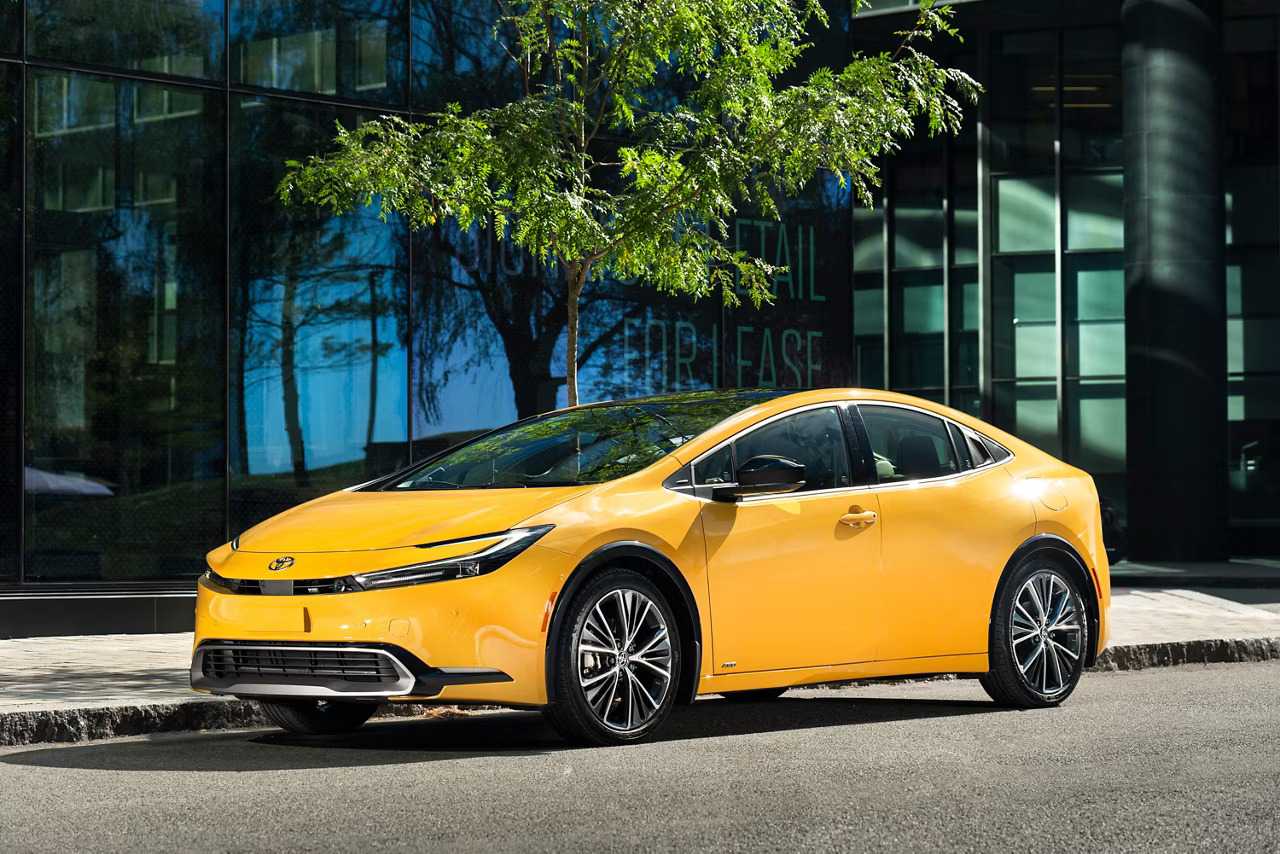
1. Toyota Prius (Fourth Generation)
The fourth-generation Toyota Prius, produced from around 2016 onward, stands as a testament to Toyota’s continuous refinement of hybrid technology. Its cooling system demonstrates the company’s long-standing emphasis on reliability and efficiency.
At the heart of this system is a coolant valve that regulates flow between multiple circuits, including the gasoline engine, cabin heater, and electric motor components. Toyota opted for a durable, metal-bodied valve design in this generation, replacing some of the plastic materials that had caused issues in earlier models.
This simple decision dramatically improved longevity and resistance to heat stress. Owners often report that even after several years of heavy use, the valve operates smoothly without signs of sticking or failure.
One of the key strengths of this model is its simplified coolant routing. Toyota engineers designed the system to minimize the number of joints and connection points, which reduces both pressure imbalances and the potential for leaks.
By using a direct routing method, the system ensures steady coolant flow regardless of driving conditions.
The valve’s control logic is also conservative, it opens and closes in gradual steps instead of abrupt movements, reducing mechanical wear over time. This gentle cycling approach contributes to long-term reliability, particularly in vehicles frequently driven in stop-and-go city traffic.
Another important factor behind the Prius’s trouble-free valve performance is Toyota’s strict quality control in component manufacturing. The company employs rigorous thermal testing for all hybrid cooling components, ensuring that the valve and its actuator can withstand years of fluctuating temperatures.
The actuator motor, which controls the valve’s movement, is also sealed against coolant vapor intrusion, a common cause of corrosion-related sticking in lesser designs.
This attention to detail not only prevents mechanical failure but also ensures that the valve continues to provide precise control over the engine’s thermal balance.
The fourth-generation Prius remains a preferred choice for those who value mechanical dependability and low ownership costs. The combination of a simple yet robust coolant control system and Toyota’s methodical engineering results in minimal maintenance requirements.
The valve’s reliability helps maintain steady fuel economy and optimal hybrid system temperature, both of which are essential to achieving the Prius’s legendary longevity.
This consistency in performance is a reflection of Toyota’s broader approach, refine what works, eliminate what doesn’t, and prioritize reliability over unnecessary complexity.

2. Honda Accord Hybrid
The Honda Accord Hybrid has consistently balanced performance and reliability, and its cooling system exemplifies this engineering discipline. Honda’s approach to designing its coolant valve system centers on reducing complexity while maintaining precise thermal control.
The valve is a solenoid-actuated component constructed from reinforced composites and corrosion-resistant alloys. This combination of materials prevents warping and binding, two common issues that lead to valve sticking in other vehicles.
The valve also benefits from a fail-safe design that defaults to an open position if the actuator ever loses power, ensuring that coolant continues circulating even during an electrical fault.
The system’s efficiency is enhanced by how Honda integrates it with the Accord’s dual-motor hybrid configuration. Unlike some competitors that rely on separate, complicated coolant loops, Honda’s system balances heat management across the entire drivetrain.
The valve responds to temperature signals from multiple sensors and adjusts flow instantly, keeping both the internal combustion engine and electric drive components within their ideal operating ranges.
This level of integration means that temperature spikes are rare, and thermal stress on the valve’s moving parts is greatly reduced.
One of the reasons the Accord Hybrid rarely suffers from coolant valve problems lies in Honda’s careful attention to coolant chemistry.
The automaker specifies a long-life coolant formula that resists mineral buildup and corrosion. The combination of compatible coolant chemistry and precise valve tolerances ensures smooth operation over time.
Additionally, Honda’s inclusion of an automatic air-bleeding mechanism prevents air pockets from forming near the valve, which could otherwise cause flow disruptions or create hot spots.
This level of refinement reflects Honda’s long experience with high-efficiency engines and the company’s understanding of how small design decisions can impact long-term reliability.
Owners and mechanics alike often praise the Accord Hybrid’s cooling system for being straightforward to maintain.
The valve is positioned in an accessible location, allowing for easy inspection during routine service. Many Accord Hybrids exceed 150,000 miles without needing any attention to the coolant control valve, a testament to its durable design.
The smooth coordination between electronic management, physical construction, and intelligent coolant routing gives this model a strong reputation for reliability.
Honda’s conservative engineering philosophy, refining proven technology rather than overcomplicating it, has paid off handsomely in the form of long-term customer satisfaction.

3. Lexus RX 450h
The Lexus RX 450h is often regarded as one of the most dependable luxury hybrids on the market, and its robust cooling system contributes significantly to that reputation. Lexus uses a meticulously engineered valve that manages coolant flow between the engine, inverter, and cabin heating systems.
The valve itself is made of high-grade metal and features tight manufacturing tolerances that prevent internal binding.
In addition to this, the RX 450h uses separate circuits for the electric motor and battery pack, reducing the workload on the main coolant valve and allowing it to operate under less thermal stress. This separation also means that the valve experiences smoother pressure changes, extending its lifespan.
The placement of the coolant valve in the RX 450h’s engine bay is strategic. Lexus engineers positioned it in a location with consistent airflow, which helps dissipate residual heat and prevents overheating of the actuator assembly.
The mounting angle and bracket design minimize vibration transfer, ensuring that the actuator motor is not subjected to unnecessary stress.
These small but meaningful design choices demonstrate the brand’s meticulous attention to detail. Over years of use, these decisions have resulted in far fewer reports of valve failure compared to many other luxury hybrid SUVs.
In daily driving, the RX 450h’s valve contributes to the seamless operation that owners associate with Lexus vehicles. The system transitions almost imperceptibly between electric and gasoline modes, maintaining consistent coolant flow throughout.
The precision with which the valve controls coolant direction allows the engine to reach optimal temperature faster, improving both fuel economy and emissions.
Even during extended idling or heavy-load conditions, such as towing or driving in hot climates, the system remains stable and efficient. The valve’s smooth function also ensures that the cabin heating system performs reliably, a feature appreciated by drivers in colder regions.
The reliability of the RX 450h’s coolant valve reflects Lexus’s larger philosophy: prioritize lasting quality over cost-cutting measures. By investing in better materials and advanced control algorithms, Lexus ensures that the component performs as intended for the vehicle’s entire lifespan.
This design integrity has helped the RX 450h maintain strong resale value and owner satisfaction. The cooling system, though rarely discussed, plays a quiet but essential role in delivering the smooth, trouble-free operation that defines Lexus hybrids.

4. Hyundai Ioniq Hybrid
The Hyundai Ioniq Hybrid marked an important step for Hyundai, representing its move into advanced hybrid territory with an emphasis on reliability. One of the standout aspects of the Ioniq’s design is its refined coolant control valve, which operates quietly and efficiently without frequent maintenance.
Hyundai used an electronically controlled valve made from reinforced polymer with a self-cleaning interior surface.
This design resists residue buildup and minimizes friction inside the valve body, reducing the chance of sticking. The component’s internal motor operates with a consistent cycle rate that keeps it from becoming stiff during long periods of vehicle inactivity.
Another reason for the Ioniq’s success in this area is its intelligent thermal management strategy. The system uses predictive algorithms that anticipate engine temperature changes based on driving patterns and ambient conditions.
This means the valve operates proactively, rather than reactively, which helps maintain stable coolant flow and consistent thermal performance.
Because of this predictive behavior, the valve is less likely to experience sudden high-pressure shifts that can cause mechanical strain. This careful control not only prolongs the valve’s lifespan but also improves the vehicle’s fuel efficiency by maintaining optimal engine temperature.
The valve is mounted in an easily accessible area that remains relatively cool, further extending the life of the actuator and seals. Many mechanics appreciate how straightforward the cooling layout is, noting that it simplifies maintenance and inspection.
Hyundai’s approach shows a clear understanding that reliability often comes from well-executed simplicity rather than complex engineering for its own sake.
Owners of the Hyundai Ioniq Hybrid frequently report that the cooling system requires little more than periodic fluid replacement. The engine warms up quickly, the temperature gauge remains stable under all conditions, and the valve rarely exhibits noise or hesitation during operation.
This level of reliability builds confidence among drivers who may have been skeptical about Hyundai’s early hybrid efforts. The trouble-free nature of the Ioniq’s coolant valve illustrates how thoughtful design and consistent material quality can put newer manufacturers on equal footing with long-established hybrid leaders.

5. Ford Escape Hybrid
The Ford Escape Hybrid’s evolution represents Ford’s growing expertise in hybrid vehicle engineering. The modern version of this SUV features a cooling system that demonstrates substantial improvement over earlier designs.
Its coolant valve system uses a modular setup that allows independent control of the engine, transmission, and hybrid battery cooling circuits.
The key component, a self-lubricating valve with a reinforced metal core, is resistant to binding caused by residue buildup or corrosion. Ford’s engineers designed this valve to withstand extreme temperature fluctuations, making it ideal for varied driving conditions from city traffic to highway cruising.
What sets the Escape Hybrid apart is how its software and hardware collaborate to maintain the valve’s reliability.
The control system periodically cycles the valve during both startup and shutdown, preventing it from remaining static for long periods. This cycling behavior helps to break up any potential buildup before it becomes problematic.
Additionally, the vehicle’s diagnostic system continuously monitors valve position and actuation speed. If the system detects even slight irregularities, it makes automatic micro-adjustments to keep the movement smooth. This kind of preventive control strategy reduces the risk of long-term failure.
Another contributing factor to the valve’s trouble-free operation is Ford’s focus on serviceability and material science. The valve housing uses advanced polymers with embedded lubricating particles, which provide low friction without the need for external lubrication.
The design is modular, so if any part of the coolant valve assembly ever needs servicing, it can be replaced in sections instead of as an entire unit.
This not only makes maintenance more cost-effective but also ensures consistent system integrity. The valve’s actuator motor is also sealed from moisture intrusion, protecting it from corrosion that can cause sticking in other systems.
The Escape Hybrid’s dependable coolant valve has earned it a strong reputation among owners and technicians alike. Drivers appreciate its quick warm-up times, steady cabin heating, and consistent temperature stability under load.
The vehicle’s intelligent balance between traditional engineering and modern electronic control results in a hybrid that performs reliably under diverse conditions
By addressing earlier weaknesses from prior Ford hybrids, the Escape Hybrid stands as proof that steady improvement and thoughtful component design can eliminate one of the most common reliability concerns in hybrid thermal systems.
Five Hybrids With Sticking Coolant Valves
1. Toyota Prius (Third Generation)
The third-generation Toyota Prius, produced roughly between 2010 and 2015, is often recognized as a major step forward in hybrid efficiency. However, despite its advancements in fuel economy and emissions, it was not without a few mechanical shortcomings.
One of the most frequently discussed reliability issues was the failure or sticking of the engine coolant control valve. The component, designed to regulate coolant flow between the internal combustion engine and hybrid subsystems, relied heavily on a plastic-bodied actuator assembly.
Over time, exposure to constant thermal cycling and coolant vapor caused wear and deformation in the valve’s moving parts. The result was an unpredictable valve response that sometimes caused erratic temperature regulation.
Owners began noticing symptoms such as fluctuating temperature readings, inconsistent cabin heat, or a persistent check engine light. These problems were often traced back to the coolant valve, which could intermittently stick in one position.
When this occurred, coolant flow through certain circuits would become restricted, leading to uneven heating and cooling throughout the system. In severe cases, the hybrid system’s control module would log fault codes related to the coolant flow or temperature deviation.
While the car could often continue driving, performance and efficiency would suffer. The issue became so widespread that many technicians grew accustomed to diagnosing and replacing the valve as a routine maintenance procedure rather than a rare event.
From a design standpoint, the problem stemmed largely from Toyota’s decision to use lightweight plastic materials to save space and cost.
These materials were adequate during testing but tended to degrade more rapidly in real-world use, especially under high-heat conditions or when coolant maintenance was neglected.
The electric actuator mechanism inside the valve was also susceptible to residue buildup, which could increase internal resistance and delay movement.
Some owners found temporary relief by cleaning or replacing the valve, but the long-term solution required Toyota’s revised part, which featured more robust materials and improved sealing.
The third-generation Prius remains a dependable hybrid, but this coolant valve issue serves as an important reminder that even small components can affect the broader perception of reliability.
While Toyota eventually addressed the design weakness, the problem persisted long enough to become a well-known talking point among Prius owners and mechanics alike.
It highlighted how the smallest compromise in material quality can undermine an otherwise brilliant piece of engineering, especially in systems as interdependent as hybrid cooling.

2. Ford Fusion Hybrid
The Ford Fusion Hybrid built a solid reputation for ride comfort and fuel efficiency, yet it also experienced its share of mechanical quirks, particularly involving the coolant valve. The Fusion’s valve was tasked with managing multiple cooling circuits across the engine, inverter, and transmission systems.
This complexity made the valve critical for temperature stability but also exposed it to significant strain. Many early models developed issues where the valve would intermittently stick or fail to open fully.
The first signs of trouble were often inconsistent cabin heating or a rise in engine temperature during extended idling.
The underlying cause of the problem was often linked to the valve’s actuator mechanism. The electric motor inside the assembly could lose calibration over time, or in some cases, internal contamination from coolant vapor would interfere with the movement of the valve plate.
This led to scenarios where the valve would get stuck between positions, preventing smooth coolant transition.
The Fusion Hybrid’s cooling system was also more complex than many competitors, containing several junctions and narrow passages that made it prone to clogging. When any of these passages accumulated debris, the valve’s load increased, making sticking even more likely.
Owners and technicians frequently encountered diagnostic codes related to coolant flow performance or temperature discrepancies. Some attempted to resolve the issue with software updates, as Ford released patches that altered the valve’s actuation cycle in an attempt to reduce binding.
While these updates helped some vehicles, others required complete valve replacement. Unfortunately, the part’s location deep in the engine bay made the repair labor-intensive, adding to the frustration of owners who had expected hybrid technology to mean lower maintenance.
Despite this issue, the Fusion Hybrid still earned praise for its design and efficiency. The coolant valve problem did not usually cause catastrophic failures, but it created enough inconvenience to dent the model’s reputation for long-term reliability.
Ford’s engineers later improved the component in updated production runs, but this experience served as a valuable lesson about balancing system complexity with mechanical robustness.
It demonstrated how even well-engineered hybrids can suffer from overcomplicated subsystems that depend on too many moving parts.

3. Chevrolet Volt (First Generation)
The first-generation Chevrolet Volt, introduced in the early 2010s, represented one of General Motors’ boldest engineering undertakings. As a range-extended electric vehicle, it combined an electric drivetrain with a gasoline engine that acted as a generator.
This dual nature required a highly sophisticated thermal management system consisting of several separate coolant loops, each managed by electronically controlled valves.
While innovative, this design complexity created an environment where even minor component imperfections could cause major issues. The coolant valves, in particular, were prone to sticking or becoming sluggish over time, especially in cold weather.
Many Volt owners began to notice strange cooling behavior, such as delayed warm-up, low cabin heat, or frequent cooling fan activation. These symptoms were often traced back to the coolant valves, which were struggling to regulate flow properly between the engine and the high-voltage electronics.
The valve’s actuator mechanism, though electronically precise, used delicate gears that could seize if exposed to contaminants or if coolant maintenance was neglected.
Compounding this problem, the system’s coolant passages were relatively narrow, making them susceptible to clogging from sediment or air pockets introduced during servicing.
Technicians quickly discovered that air trapped in the system could have a dramatic effect on valve performance. Because the Volt required meticulous bleeding procedures after any cooling system repair, even a small mistake could leave pockets of air that restricted flow or interfered with valve sensors.
This made maintenance more demanding than most traditional vehicles. In colder climates, the situation worsened, as the coolant thickened and put additional strain on the valve’s actuator motor.
The combination of mechanical load and cold start cycles made the sticking issue a recurring challenge for owners living in northern regions.
Over time, GM refined the system in later models by simplifying coolant routing and improving valve materials. However, the early Volt models remain an example of how ambitious engineering can introduce unexpected maintenance challenges.
The sticking coolant valves didn’t usually lead to severe engine damage, but they did create inconvenience and costly service procedures.
The issue underlined a key truth about hybrid and electric powertrains: as efficiency increases, so does the need for flawless component coordination. In this case, the Volt’s innovation was slightly ahead of its reliability curve.

4. Hyundai Sonata Hybrid (Early Models)
The early Hyundai Sonata Hybrid made a strong debut in the hybrid sedan segment, offering solid performance and competitive fuel economy. However, its cooling system design had a weak point in the engine coolant control valve.
Many owners of early production models reported inconsistent heater operation, unexpected temperature fluctuations, and in some cases, error codes related to coolant flow.
The cause often traced back to a valve that had become stuck due to internal wear or contamination. The design placed the valve in a cramped section of the engine bay, close to heat-generating components, which accelerated material degradation.
Hyundai’s original coolant valve for the Sonata Hybrid used a combination of plastic housing and rubber seals. While cost-effective, this choice proved vulnerable to warping when exposed to prolonged high temperatures. As the valve aged, it developed slight distortions that interfered with smooth movement of the internal flap.
The result was a valve that could sometimes stay partially open or closed, disrupting the balance of coolant flow. This, in turn, caused uneven heating performance and inefficient engine warm-up.
The issue was particularly noticeable in cold weather, when the valve’s sticking behavior could prevent the cabin heater from producing adequate warmth.
The difficulty of accessing the valve compounded the frustration for technicians. It was positioned behind several major components, making replacement a time-consuming and costly process.
Some mechanics attempted to clean and lubricate the valve as a temporary fix, but most eventually recommended replacement.
Hyundai recognized the issue and gradually improved the part’s durability by switching to higher heat-resistant materials and adjusting the valve’s motor design to deliver stronger actuation.
Later iterations of the Sonata Hybrid demonstrated significant improvement in this area, but early owners often bore the inconvenience of premature valve replacement. The experience provided Hyundai with valuable insight into thermal management challenges specific to hybrids.

5. Kia Niro Hybrid (Early Model Years)
The Kia Niro Hybrid was introduced with high expectations, combining the practicality of a crossover with the efficiency of a hybrid drivetrain. While the vehicle performed well in most areas, some early models developed problems with their engine coolant valves.
Owners reported intermittent heating issues, occasional temperature warning lights, and inconsistent warm-up times. The problem was often traced to an electronically controlled valve that failed to operate smoothly.
In many cases, the actuator would stick during temperature transitions, particularly in cold climates where the system was required to switch rapidly between circuits.
The Niro’s coolant valve issue stemmed from both mechanical and electronic causes. On the mechanical side, the actuator mechanism inside the valve assembly was prone to stiction—a condition where the moving parts would resist initial motion due to friction or residue buildup.
This was often made worse by coolant contamination from old fluid or seal wear. On the electronic side, the control software sometimes failed to command sufficient movement during system calibration, leaving the valve partially closed or unresponsive.
Together, these factors created a pattern of inconsistent performance that frustrated early adopters. Technicians often found that cleaning or resetting the valve provided only temporary relief.
In most cases, full replacement was the only lasting solution. Kia addressed the issue by releasing updated parts with stronger actuators and improved internal coatings designed to resist friction.
They also introduced a software patch to recalibrate the valve’s operation and keep it cycling more regularly. These changes significantly reduced failure rates in later production years, but the early models continued to carry the reputation of being somewhat temperamental in cold-weather conditions.
Despite this challenge, the Kia Niro Hybrid remained well-liked for its driving comfort, fuel efficiency, and practicality. The coolant valve issue did not affect every unit, but it was frequent enough to draw attention from both owners and repair professionals.
It highlighted the difficulty manufacturers face when balancing compact engine bay layouts with the thermal needs of hybrid systems.
As with many early-generation hybrid issues, the problem was eventually resolved through design revisions, but it remains a useful reminder that even minor components can have an outsized influence on customer satisfaction.
