
Electric vehicles (EVs) have rapidly transformed the automotive industry, offering a compelling alternative to traditional internal combustion engines. As their popularity grows, so does the attention to the nuanced details that affect daily ownership.
One such detail is the design and reliability of the charge port door, a seemingly small feature that can have a significant impact on user experience, particularly in colder climates.
While the exterior design, range, and battery life are often highlighted in reviews and marketing materials, the functionality of the charge port door is frequently overlooked until it fails to operate smoothly.
For drivers living in regions with extreme temperatures, a poorly designed or vulnerable charge port door can lead to frustration, delayed charging, or even damage to the vehicle.
Charge port doors are subject to repeated opening and closing, exposure to the elements, and in many cases, interaction with automated mechanisms. In cold weather, moisture can freeze within the door’s seals, hinges, or latching systems, making it difficult to open.
In other cases, the material and engineering choices made by manufacturers can result in doors that are either more resilient or more prone to mechanical failure.
The significance of this issue extends beyond inconvenience: an improperly functioning charge port door can prevent timely charging, limit mobility, and in extreme cases, necessitate costly repairs.
Understanding which EVs have reliable charge port doors versus those more susceptible to freezing or mechanical issues is crucial for buyers in cold climates, as well as for fleet operators who depend on consistent vehicle readiness.
The differences between durable and problem-prone charge port doors often come down to design philosophy, material quality, and engineering foresight.
Some automakers have anticipated the challenges posed by harsh weather and have incorporated reinforced materials, heated elements, or well-sealed mechanisms that resist ice formation.
Others have prioritized aesthetic integration or cost efficiency, sometimes at the expense of long-term functionality in low temperatures. Identifying EVs that perform well in this specific aspect requires examining user reports, technical specifications, and engineering insights.
Recognizing the vehicles that consistently offer durable charge port doors allows prospective owners to make informed decisions, ensuring reliability in a range of conditions.
In this article, we will review five electric vehicles noted for their durable and dependable charge port doors, followed by five that have been reported to freeze shut in colder conditions.
The discussion will focus not only on the anecdotal experiences of drivers but also on the practical considerations that influence why these doors perform differently.
By providing a detailed look at these vehicles, the article aims to guide buyers in choosing EVs that balance style, range, and everyday usability, including the often-overlooked element of charge port reliability.
5 EVs With Durable Charge Port Doors
1. Tesla Model 3
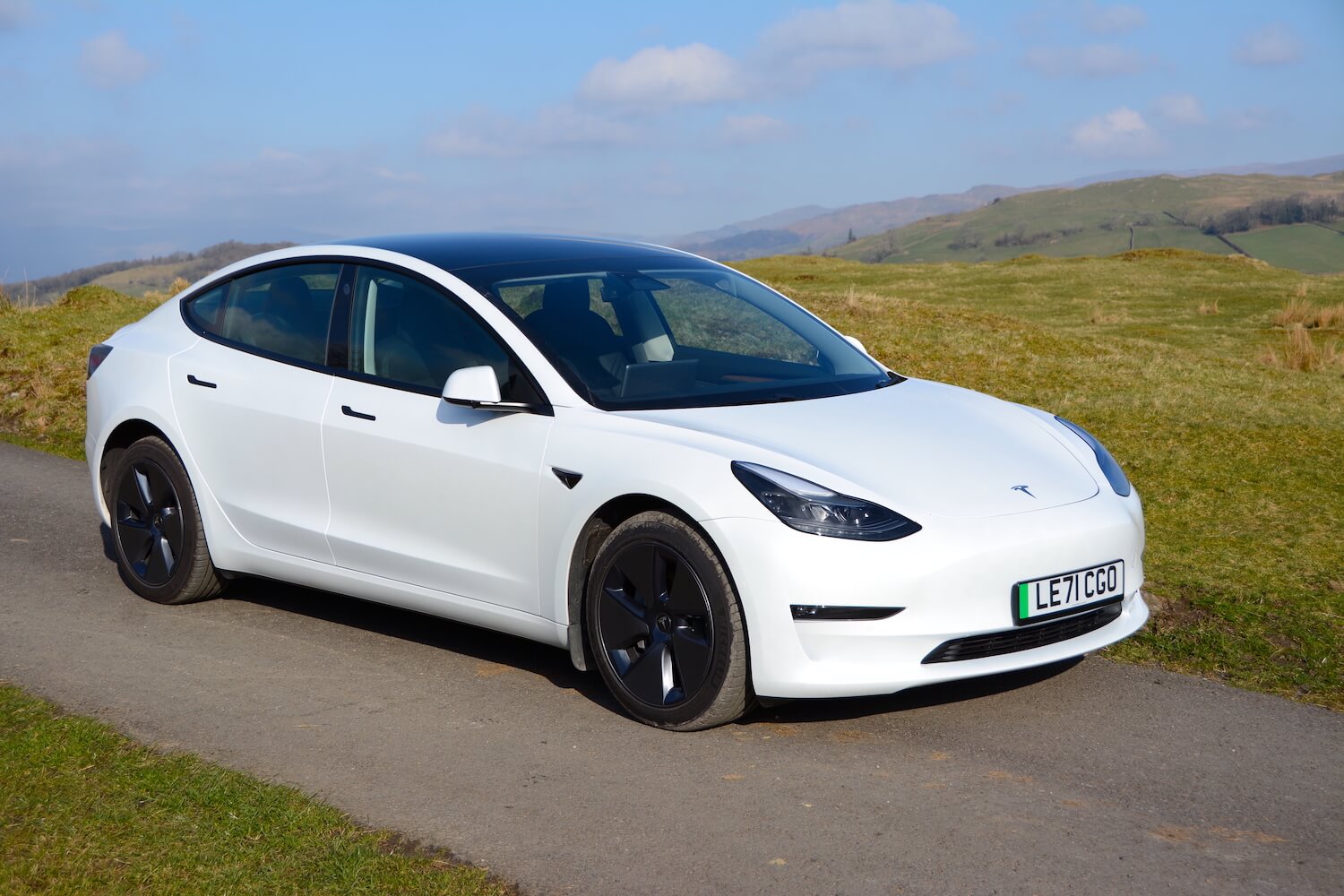
The Tesla Model 3 is widely recognized not only for its performance and technology but also for the reliability of its charge port door, which is a significant factor for drivers in cold climates.
Unlike many EVs that rely solely on manual doors, the Model 3 features an electronically actuated flap that opens automatically when the charging cable is nearby or when triggered from inside the vehicle.
This eliminates the need for physically pulling or pushing a potentially frozen door, reducing mechanical stress and wear over time.
The integration of sensors ensures that the door reacts promptly, and the smooth operation is less affected by temperature extremes, including subzero conditions.
Many Tesla owners report that even after days of snow accumulation or exposure to freezing rain, the door opens effortlessly, highlighting the success of Tesla’s design in addressing one of the most frustrating winter issues for EV owners.
The design of the door also incorporates multiple layers of sealing and carefully engineered hinges that minimize the intrusion of moisture.
By preventing water from entering the mechanism, Tesla effectively reduces the likelihood of ice formation inside the latch or hinge, which is a common cause of doors freezing in other EVs.
Additionally, the Model 3’s software can precondition the system in response to cold weather, slightly warming the door and surrounding mechanisms before the driver attempts to charge.
This combination of mechanical reliability and software integration makes it far less likely that users will encounter a frozen or jammed charge port door during everyday use, which is a key consideration for commuters who need dependable access during harsh winter mornings.
Material selection plays a critical role in durability as well. Tesla uses reinforced polymers and metals that can withstand repeated expansion and contraction caused by temperature fluctuations without warping or cracking.
Over time, many EV charge port doors may suffer from misalignment due to thermal stress or repeated opening and closing. The Model 3, however, maintains smooth alignment, and even after years of exposure to ice, snow, or road salt, the door continues to function reliably.
This durability translates to fewer service visits, lower maintenance costs, and a smoother user experience for Tesla owners, which is particularly important for those living in regions where freezing temperatures are common for months at a time.
Another practical advantage is the ease of cleaning and manual maintenance if required. The recessed placement and smooth surface of the charge port door make it simple to remove ice, slush, or debris without causing damage to the hinges or latch.
The absence of exposed mechanical components prevents accidental bending or misalignment, which further enhances longevity.
The Model 3 combines thoughtful engineering, robust materials, and smart software features to provide a charge port door that consistently performs well in extreme weather, demonstrating that attention to minor details can greatly improve everyday usability and reliability for EV drivers.
2. Hyundai Ioniq 5
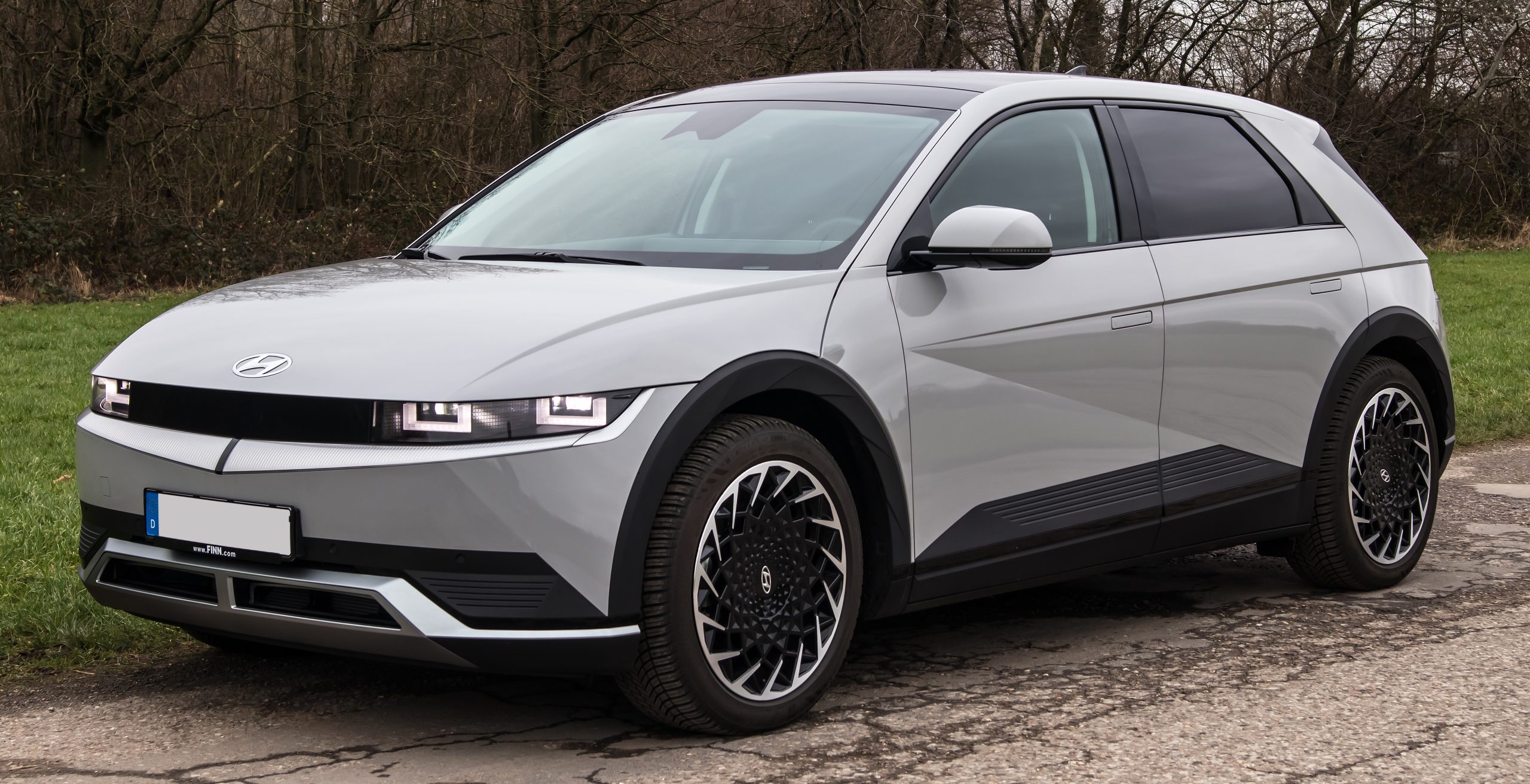
The Hyundai Ioniq 5 has received praise for its thoughtful engineering, including the design of its charge port door. Unlike many EVs that rely solely on manual force, the Ioniq 5 uses a spring-assisted mechanism that balances ease of operation with resistance, ensuring that the door opens and closes smoothly.
This design is especially useful in colder climates, where ice can form along the hinge or latch areas. Users have reported that the door continues to operate without sticking even after heavy snowfall or overnight frost accumulation, making it a reliable option for drivers who live in regions with frequent freezing temperatures.
The spring mechanism also reduces strain on the latch and hinge components, which improves long-term durability. The sealing and gasket design is another reason for the Ioniq 5’s resilience.
Hyundai has carefully engineered the door to prevent water and moisture from entering the internal mechanism. This attention to detail dramatically reduces the chances of ice forming inside the latch or hinge, a common problem for vehicles with less precise engineering.
Additionally, the door has been tested to handle repeated exposure to road salt, heavy snow, and rain without significant deterioration in functionality.
By controlling the internal environment of the charge port, Hyundai ensures that the door continues to operate reliably, which is especially valuable for daily commuters who cannot afford the inconvenience of a frozen port.
From an aesthetic standpoint, the Ioniq 5 integrates the charge port door into the body design seamlessly. This flush-mounted placement not only contributes to the vehicle’s sleek appearance but also minimizes exposure to wind-driven snow, debris, or ice buildup.
The combination of design and engineering protects the internal components of the door mechanism while enhancing durability and maintaining consistent performance over time.
Users in northern climates have specifically noted that this integration reduces maintenance needs, as fewer external elements come into contact with the moving parts of the door.
Maintenance is straightforward for the Ioniq 5. If lubrication of the hinge or latch is ever necessary, it can be done without disassembling the door.
Hyundai’s choice of durable metals and polymers ensures that the mechanism resists corrosion and maintains smooth operation even after repeated exposure to moisture and cold.
The combination of carefully chosen materials, precise engineering, and user-friendly maintenance makes the Ioniq 5 one of the most reliable EVs for drivers concerned about the challenges of winter charging.
3. Ford Mustang Mach-E
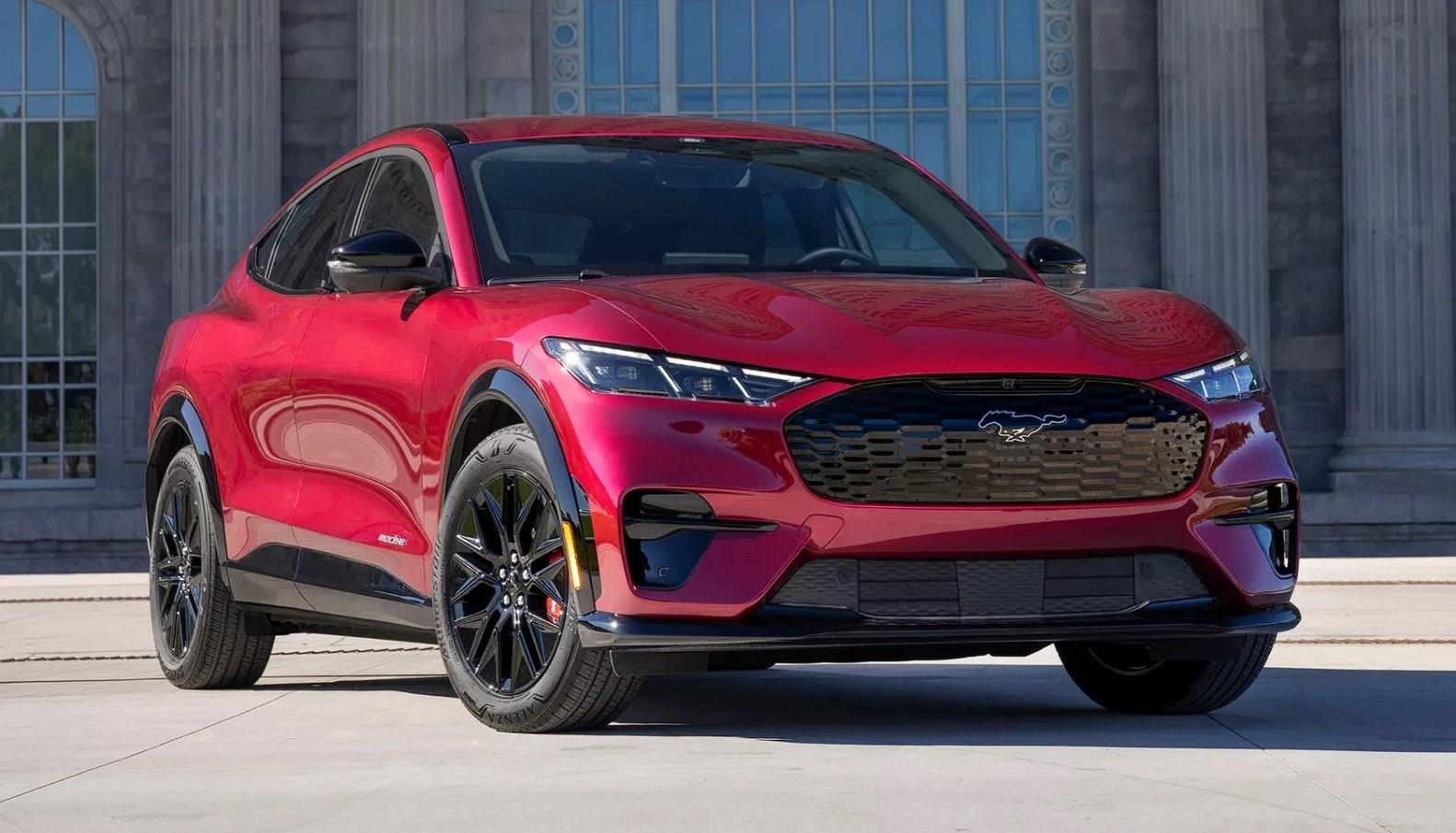
The Ford Mustang Mach-E is another EV recognized for the resilience of its charge port door. Unlike some competitors that use purely manual doors, the Mach-E employs a motorized opening system that eliminates the need for forceful handling in freezing conditions.
This electronic assistance reduces stress on mechanical components and minimizes the risk of damage from frozen latches or hinges.
Owners have reported consistent performance even after heavy snowstorms or overnight ice accumulation, suggesting that Ford prioritized durability and winter usability during the design process.
In addition to the motorized operation, the Mach-E’s charge port door benefits from weather-sealed engineering that keeps moisture out of the hinge and latch areas.
While it does not have explicit heating elements, the proximity of electrical components and the natural warmth from the vehicle’s internal systems help prevent frost formation in colder temperatures.
This subtle, yet effective, design consideration allows the Mach-E’s charge port door to remain functional without the need for manual thawing, a significant convenience for drivers in freezing climates.
The material quality and precision engineering also contribute to the door’s longevity. The Mach-E’s flush-mounted design reduces snow and ice buildup, while corrosion-resistant metals and reinforced plastics withstand repeated use without warping or cracking.
By limiting the number of exposed moving parts, Ford reduces the chances of mechanical failure, ensuring the door continues to operate reliably over the life of the vehicle.
This approach reflects a holistic understanding of how environmental stressors impact EV components, particularly in cold-weather regions.
Finally, the Mach-E’s charge port door is user-friendly in terms of maintenance. With minimal exposed moving parts and accessible hinges, routine lubrication or inspection is straightforward, further enhancing durability.
Owners have praised the system for its reliability during harsh winter months, noting that, unlike some competitors, they rarely encounter a frozen or jammed door.
This combination of motorized convenience, weather resistance, and durable materials makes the Mach-E a solid choice for drivers prioritizing dependable winter performance.
4. Kia EV6
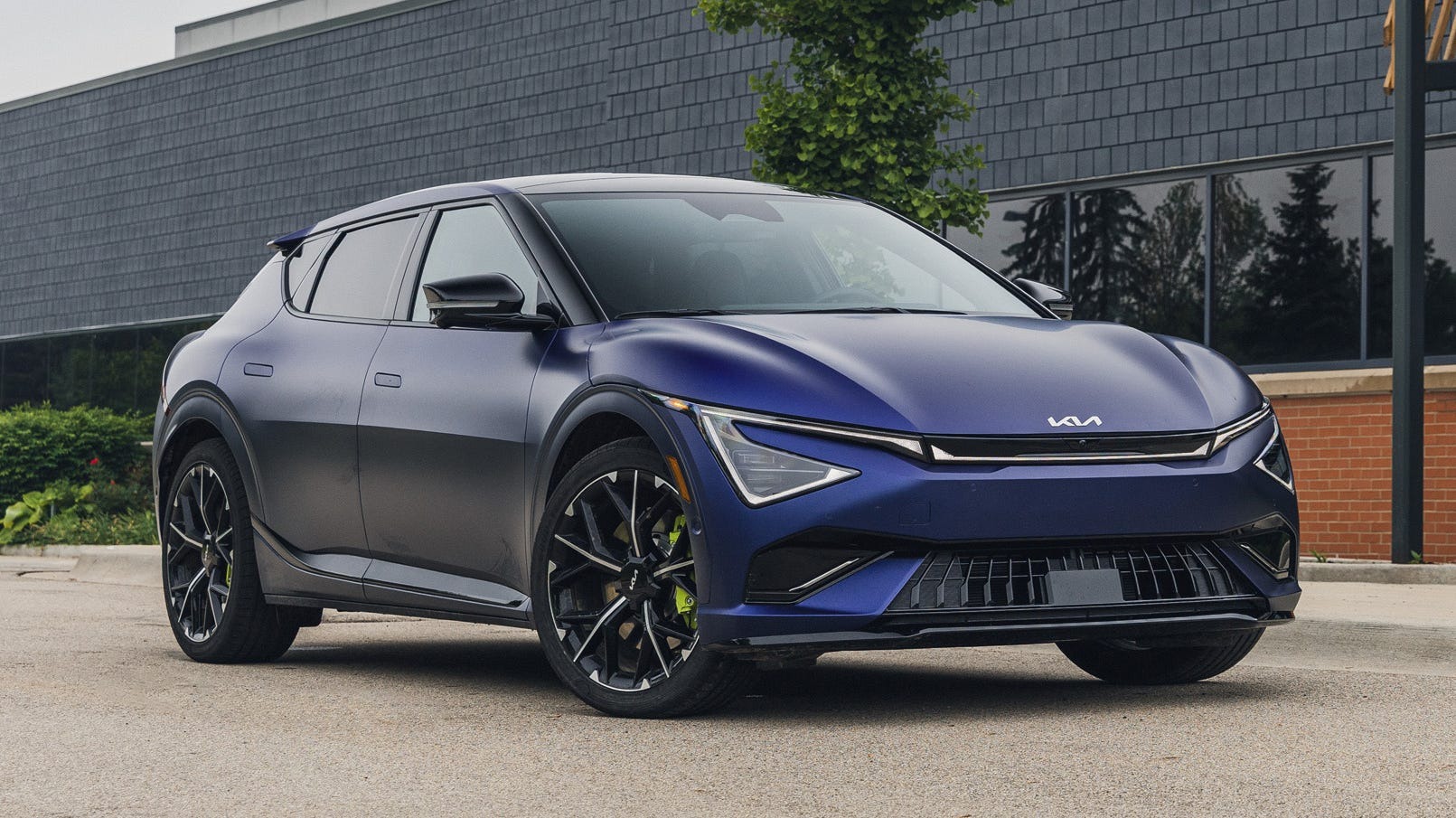
The Kia EV6 benefits from a well-engineered charge port door that shares similarities with the Hyundai Ioniq 5, emphasizing reliability and usability in cold weather. The door is manually operated but uses a balanced mechanism that reduces the effort needed to open and close it.
This design minimizes stress on the latch and hinge components and prevents sticking caused by ice or frost. Many EV6 owners in northern climates have reported trouble-free operation even after repeated exposure to snow and subzero temperatures.
The recessed placement of the door further enhances durability by limiting exposure to wind-driven snow, ice, and debris. This thoughtful design reduces the likelihood of freezing around the edges or hinges, a common problem with more exposed charge ports.
Combined with precise alignment and sealing, the EV6’s design ensures consistent performance over time, even in challenging environmental conditions.
By carefully considering how external elements interact with the mechanism, Kia has created a charge port door that maintains usability without additional intervention from the driver.
Material selection plays a critical role in the EV6’s performance. Kia employs corrosion-resistant metals and durable polymers that resist warping, cracking, and thermal expansion caused by temperature fluctuations.
These materials maintain structural integrity and alignment over the long term, ensuring the door operates smoothly even after repeated exposure to road salt, snow, and moisture. The result is a system that balances robustness with ease of use, supporting reliable daily charging in winter months.
Maintenance of the EV6’s charge port door is straightforward. Hinges and latches are easily accessible for lubrication or inspection, allowing owners to proactively prevent potential sticking issues.
This combination of balanced manual operation, thoughtful design, durable materials, and simple maintenance makes the EV6 one of the most reliable EVs for drivers who frequently contend with cold weather and frozen conditions.
5. Volkswagen ID.4
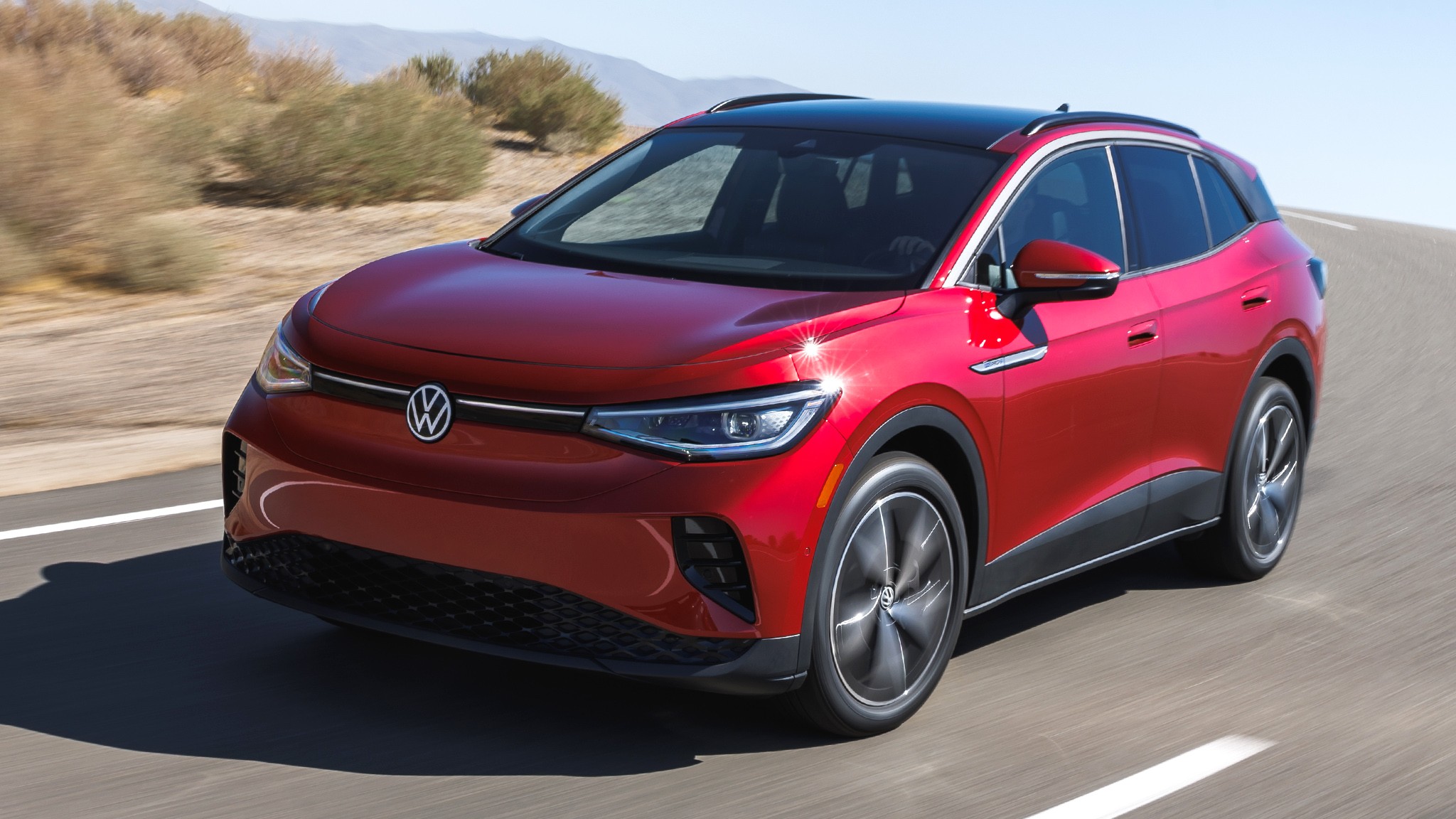
The Volkswagen ID.4 features a charge port door designed for both simplicity and long-term durability. Its spring-assisted flap provides smooth operation that requires minimal force, reducing stress on mechanical components and ensuring that the door functions properly even when temperatures drop below freezing.
Users have praised the door for its consistency in operation during snowy or icy conditions, highlighting the reliability of Volkswagen’s design.
The flush-mounted design of the charge port reduces exposure to wind-driven snow, ice, and other environmental debris. By minimizing contact with these elements, Volkswagen protects the internal hinge and latch from potential freezing or obstruction.
Combined with a well-sealed system, the ID.4’s charge port door resists moisture infiltration and significantly reduces the risk of the door freezing shut, a common problem for many EVs in colder regions.
Material selection further contributes to durability. The ID.4’s door uses reinforced plastics and corrosion-resistant metals, which resist warping and degradation caused by temperature fluctuations and repeated use.
These materials maintain smooth alignment and mechanical integrity, ensuring the door continues to operate reliably over time. The combination of sturdy construction and weather protection results in a mechanism that performs well even under challenging environmental conditions.
Ease of maintenance adds to the system’s reliability. The hinge and latch are accessible for lubrication or inspection without disassembly, allowing owners to address minor issues before they become significant.
This simple maintenance, combined with thoughtful design and durable materials, ensures that the ID.4’s charge port door provides dependable, frustration-free operation, even in the coldest climates.
5 EVs That Freeze Shut
1. Nissan Leaf
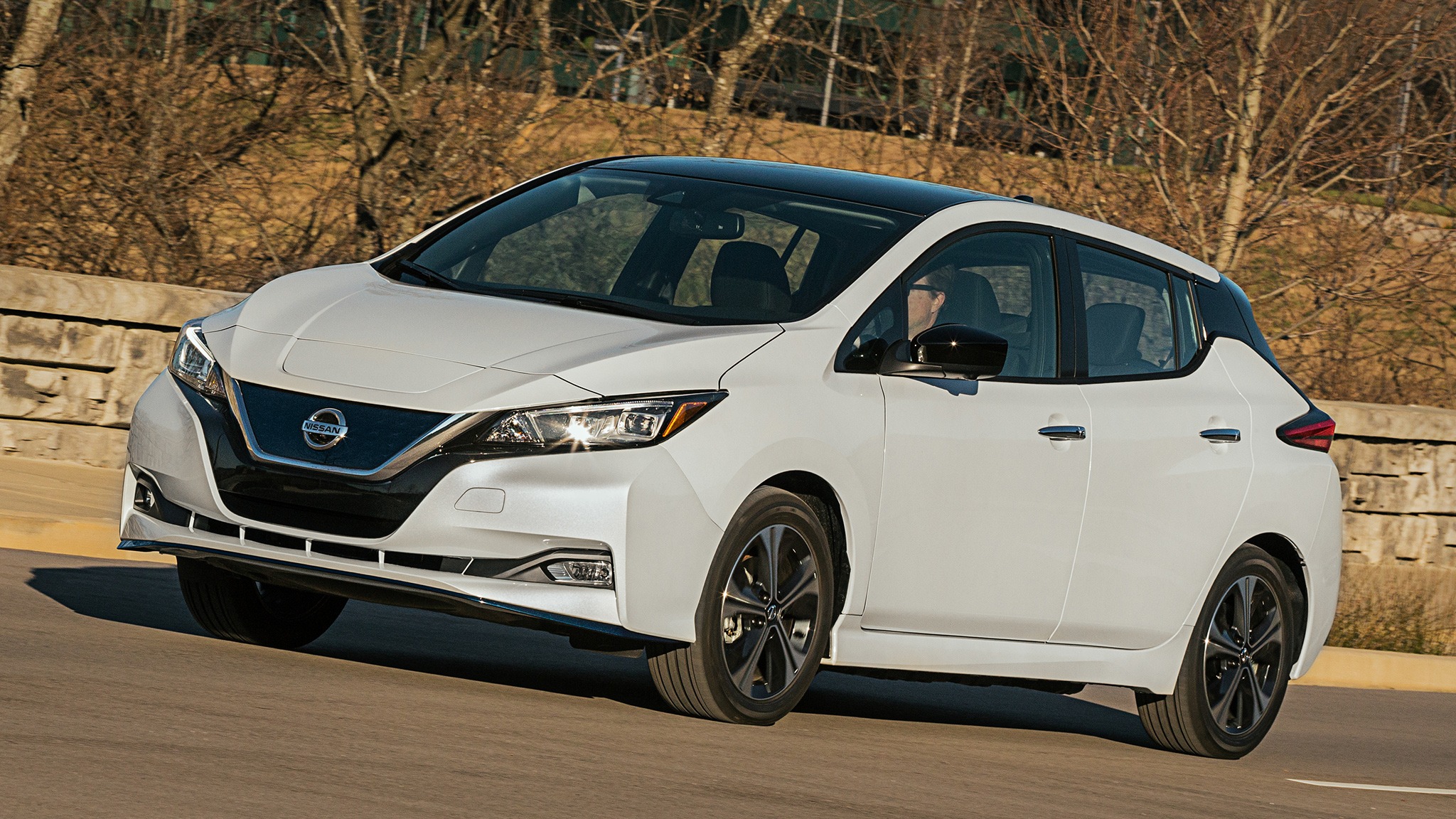
The Nissan Leaf is one of the most popular electric vehicles in the world, but its charge port door has a reputation for freezing shut in colder climates.
The Leaf uses a manually operated door without any motorized or spring-assisted mechanism, which means that in freezing temperatures, ice and frost can easily form along the edges and hinge.
This can make opening the door a frustrating experience, especially after a night of subzero temperatures. Owners have reported needing to use a key or even carefully applied force to pry the door open, which over time can lead to misalignment or damage to the latch and surrounding components.
The design of the Leaf’s charge port door does not provide extensive sealing against moisture, which allows water from snow, sleet, or rain to seep into the hinge and latch areas. Once temperatures drop, this trapped moisture freezes and makes it extremely difficult to open the door without manual intervention.
Additionally, the recessed area of the port can accumulate snow or ice, further complicating access. For commuters who rely on a consistent and easy charging experience, this presents a significant inconvenience, especially in regions where winter temperatures consistently fall below freezing.
Material selection is another factor contributing to the problem. While the Leaf uses standard plastics and metals common in automotive manufacturing, they do not have special coatings or reinforcements to resist cold-related stress.
Repeated exposure to ice, snow, and temperature fluctuations can warp or slightly bend the door over time, which exacerbates the freezing issue and increases the likelihood of mechanical failure. Without careful maintenance or intervention, the Leaf’s charge port door can become less reliable as it ages.
Owners have developed various workarounds to address the issue, including applying lubricant to the hinges or manually removing ice buildup before attempting to charge.
While these steps can help, they are temporary solutions that do not fully resolve the underlying design problem. The Leaf serves as an example of how seemingly minor design choices, such as the type of opening mechanism and quality of sealing, can have a major impact on usability in cold weather.
2. Chevrolet Bolt EV
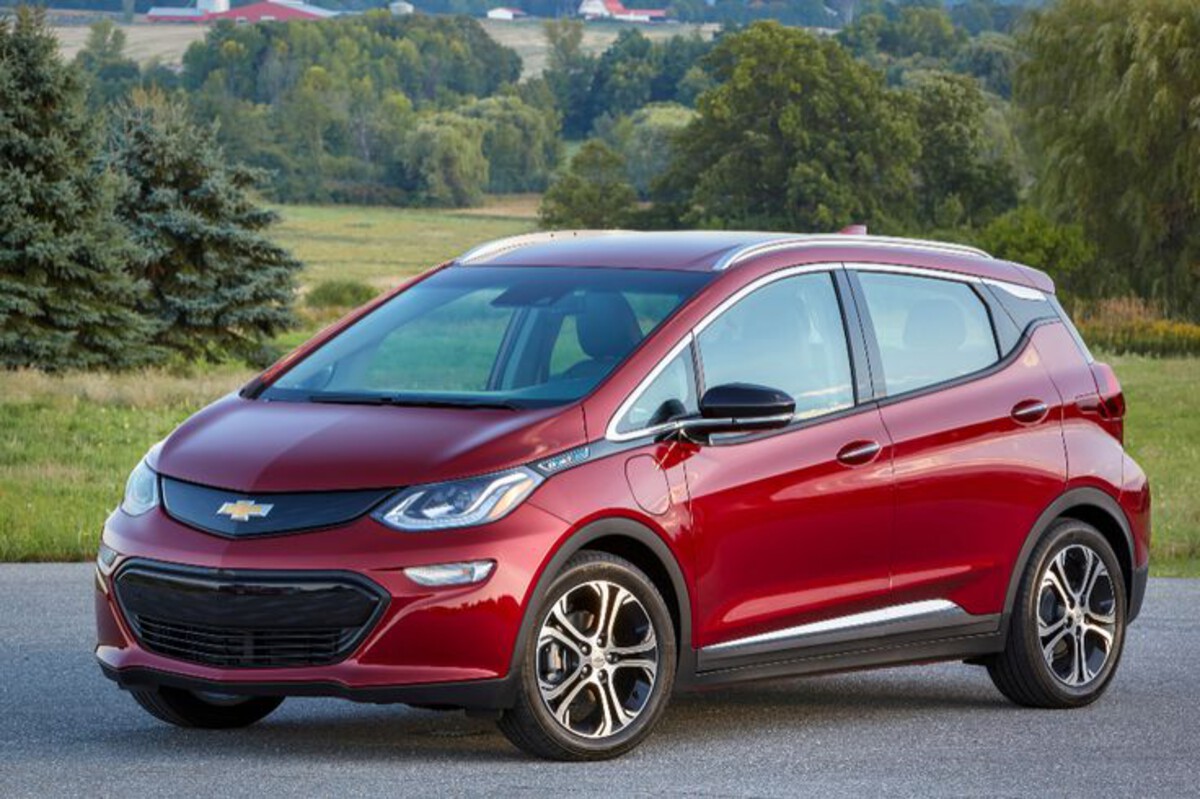
The Chevrolet Bolt EV has faced criticism from some owners for charge port doors that are prone to freezing shut in cold weather. Similar to the Nissan Leaf, the Bolt’s charge port door is manually operated, which means that ice accumulation can easily block or jam the latch.
Drivers in northern climates have reported that even light frost overnight can make the door extremely difficult to open without careful effort or external thawing.
The Bolt’s hinge and latch design do not incorporate active measures to prevent freezing, leaving the responsibility to the driver to manage ice buildup.
The sealing around the charge port is adequate for rain but less effective against the combination of snow and freezing temperatures.
Moisture can seep into gaps and freeze, making the door stick or partially jam. In some cases, the latch can even freeze entirely, preventing the port from opening at all.
This not only delays charging but also increases the risk of damaging the door or latch if excessive force is applied. Daily drivers in cold regions have noted that this inconvenience can be particularly frustrating during morning commutes when every minute counts.
Material durability also plays a role. While the Bolt uses standard automotive materials, these components are not specifically treated to resist ice-related stress. Repeated exposure to freezing conditions can lead to minor warping, misalignment, or wear in the hinge and latch areas.
Over time, this can worsen the problem, making the charge port door even more prone to freezing. Drivers who rely on consistent access for charging may find themselves performing regular maintenance or manual thawing just to keep the door operational.
Many owners have resorted to practical but imperfect solutions, such as lightly heating the door with warm water or using de-icing sprays.
While these methods can temporarily restore function, they do not address the fundamental limitations in the Bolt’s design. The experience highlights how a lack of protective mechanisms and insufficient sealing can turn a simple daily task, like plugging in the car, into a recurring winter challenge for EV drivers.
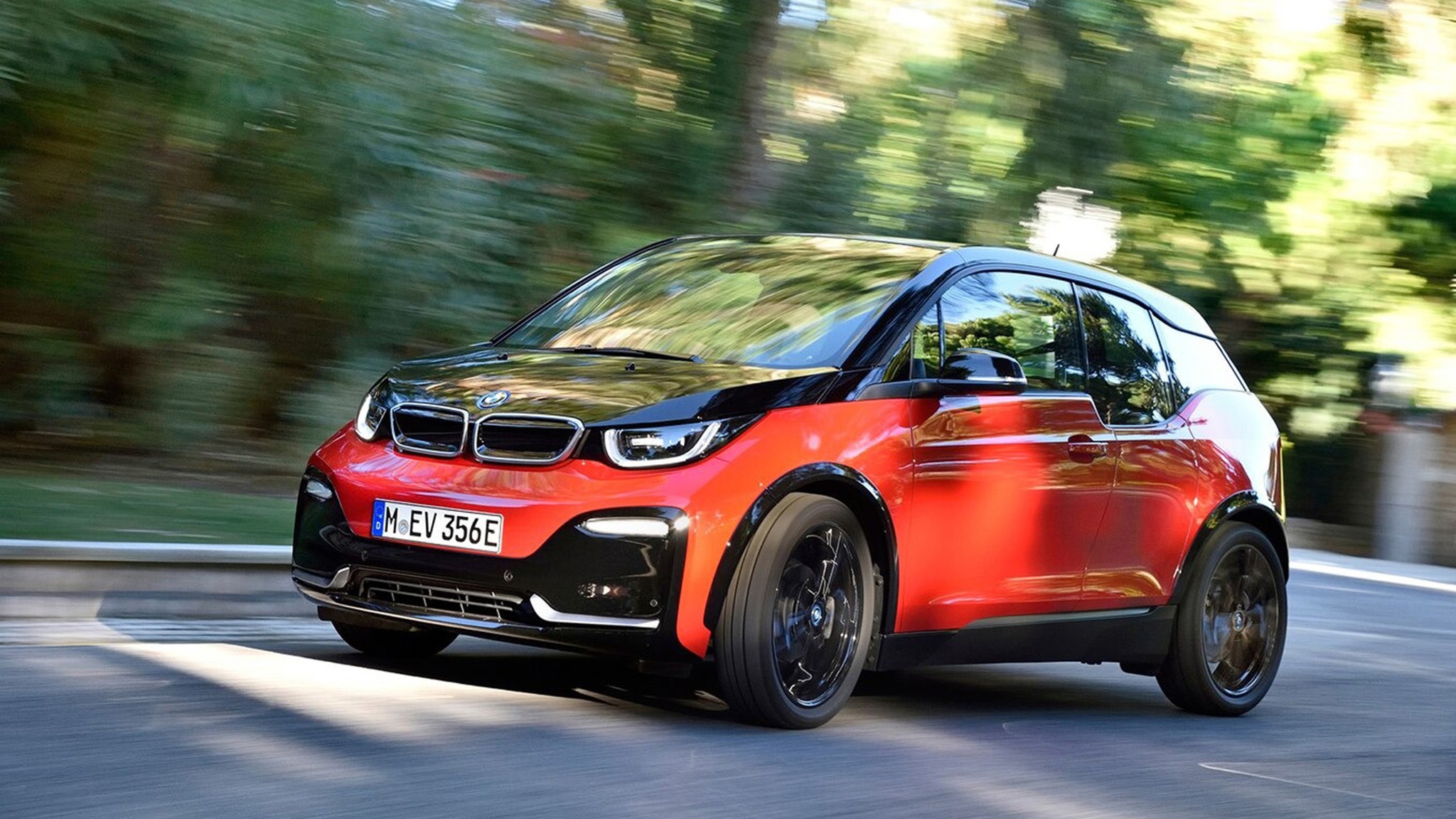
3. BMW i3
The BMW i3 is another electric vehicle with a charge port door that can be problematic in freezing weather. The i3’s charge port relies on a manually operated flap with minimal weatherproofing, leaving it vulnerable to ice accumulation along the edges and hinges.
In subzero conditions, users have reported difficulty opening the door, with frost and ice sometimes preventing access entirely. This creates a significant inconvenience for owners who depend on the vehicle for daily commuting or long-distance driving, especially in climates with consistent winter weather.
The i3’s design does not include motorized or assisted opening mechanisms, which means the user must apply manual force to access the charging port. When ice has formed overnight or after a snowstorm, this often requires careful handling to avoid bending the latch or damaging the door.
Even small amounts of accumulated frost can make operation difficult, and repeated use under these conditions can lead to wear or misalignment over time. For drivers in colder regions, this makes the i3 less convenient compared to EVs with more resilient designs.
Moisture management is limited in the i3’s design. The sealing is primarily intended to keep out dust and rain but does not fully prevent ice from forming around the hinge or latch.
Water trapped in small crevices freezes overnight, making the door stick and increasing the likelihood of mechanical issues. Owners have noted that this can be especially problematic when the car has been parked outdoors for extended periods, such as overnight in freezing temperatures.
Practical solutions often involve applying lubricants or manually removing ice, but these interventions are temporary and do not solve the root design problem.
Drivers must remain vigilant to prevent the door from freezing shut, which can be inconvenient during cold snaps. The BMW i3 demonstrates that even a high-quality electric vehicle can face challenges if the charge port mechanism is not engineered with extreme weather in mind.
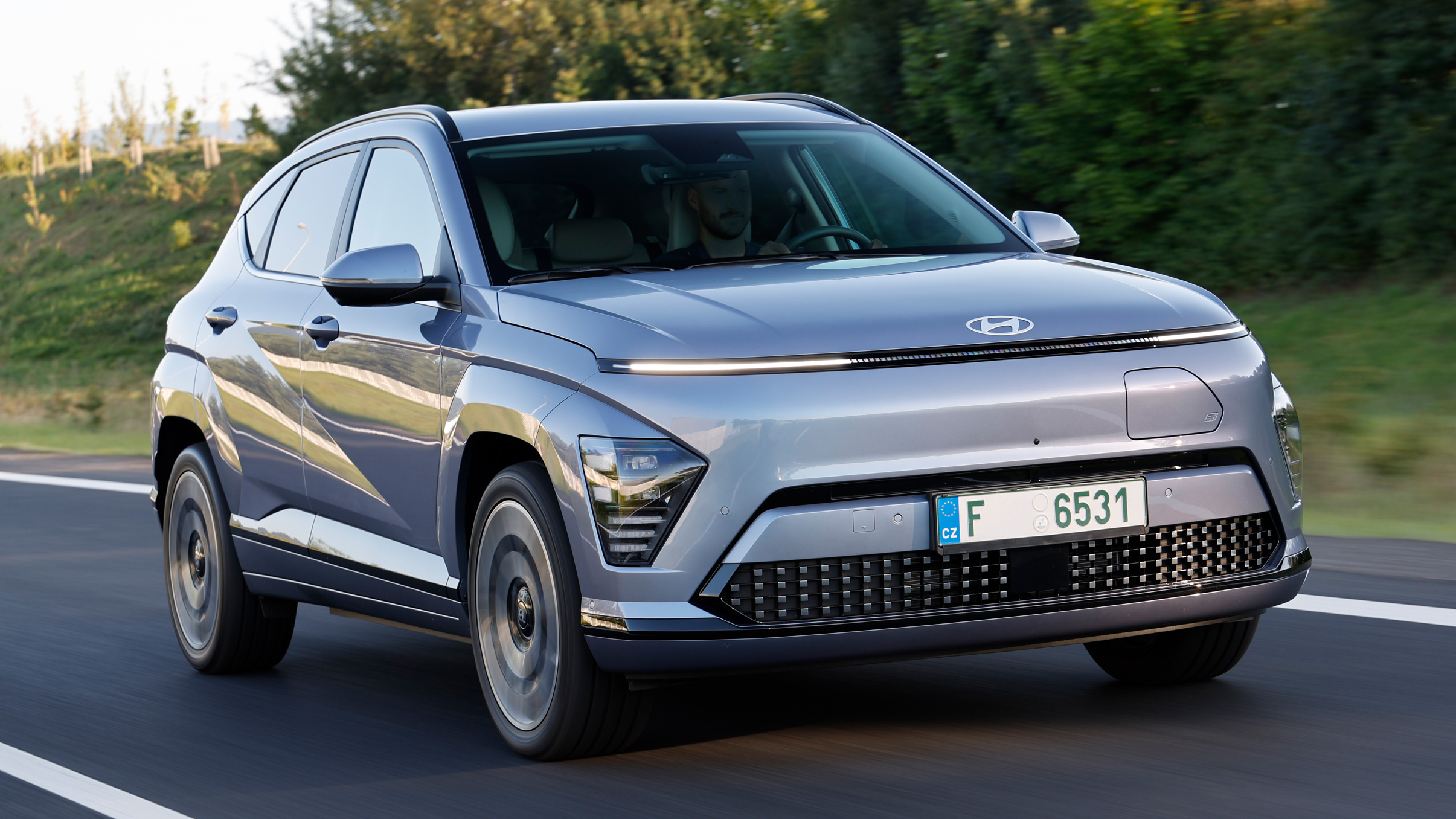
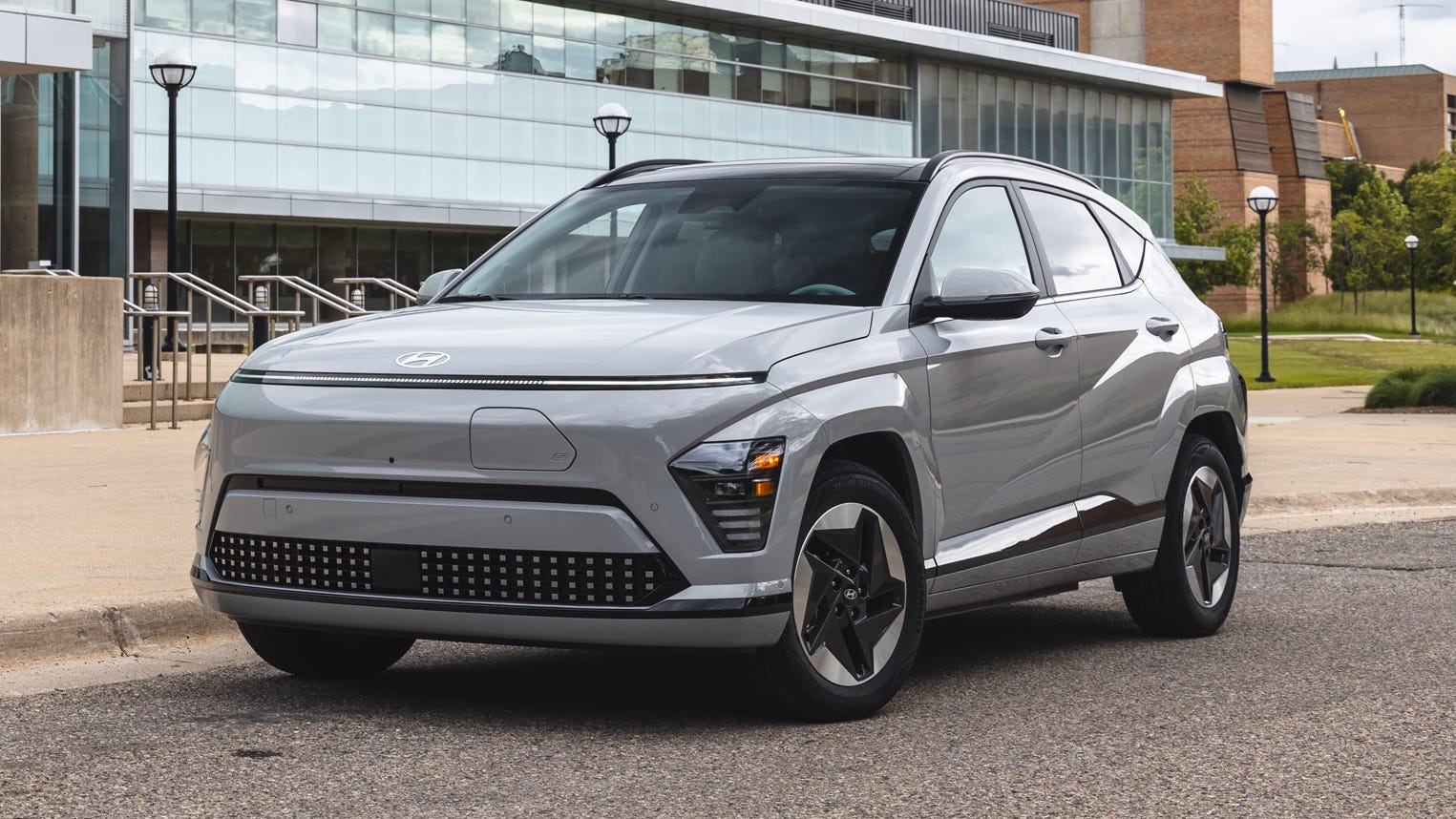
4. Hyundai Kona Electric
The Hyundai Kona Electric has been reported by some owners to have charge port doors that freeze shut in cold conditions. Like other vehicles in this category, the Kona Electric relies on a manually operated door with limited weatherproofing.
When ice or frost accumulates along the latch and hinge, the door can become very difficult to open, sometimes requiring external intervention such as scraping, thawing, or careful manipulation.
This can be especially frustrating during early morning charging sessions when the driver needs quick access to the port.
The sealing around the Kona’s charge port is not designed to prevent ice formation, so moisture can seep into small gaps and freeze overnight.
This creates resistance in the door mechanism, and repeated attempts to force the door open can cause wear or slight misalignment.
Owners have noted that snow accumulation or exposure to freezing rain exacerbates the problem, making winter charging less convenient compared to vehicles with more robust weatherproofing or motorized mechanisms.
Material durability is another factor contributing to freezing issues. The Kona Electric uses standard automotive plastics and metals for the door and hinge components, which can be affected by repeated freezing and thawing.
Over time, thermal expansion and contraction may slightly warp the door or misalign the latch, making it increasingly prone to sticking in winter conditions. Drivers living in areas with prolonged sub-zero temperatures may need to monitor and maintain the door more frequently to ensure reliable operation.
Some owners have implemented workarounds, such as applying de-icing sprays or lubricants to the hinge and latch. While these methods can temporarily restore functionality, they do not solve the underlying design problem, leaving the Kona Electric less convenient for consistent winter charging.
The experience underscores the importance of considering extreme weather conditions when designing critical EV components like charge port doors.
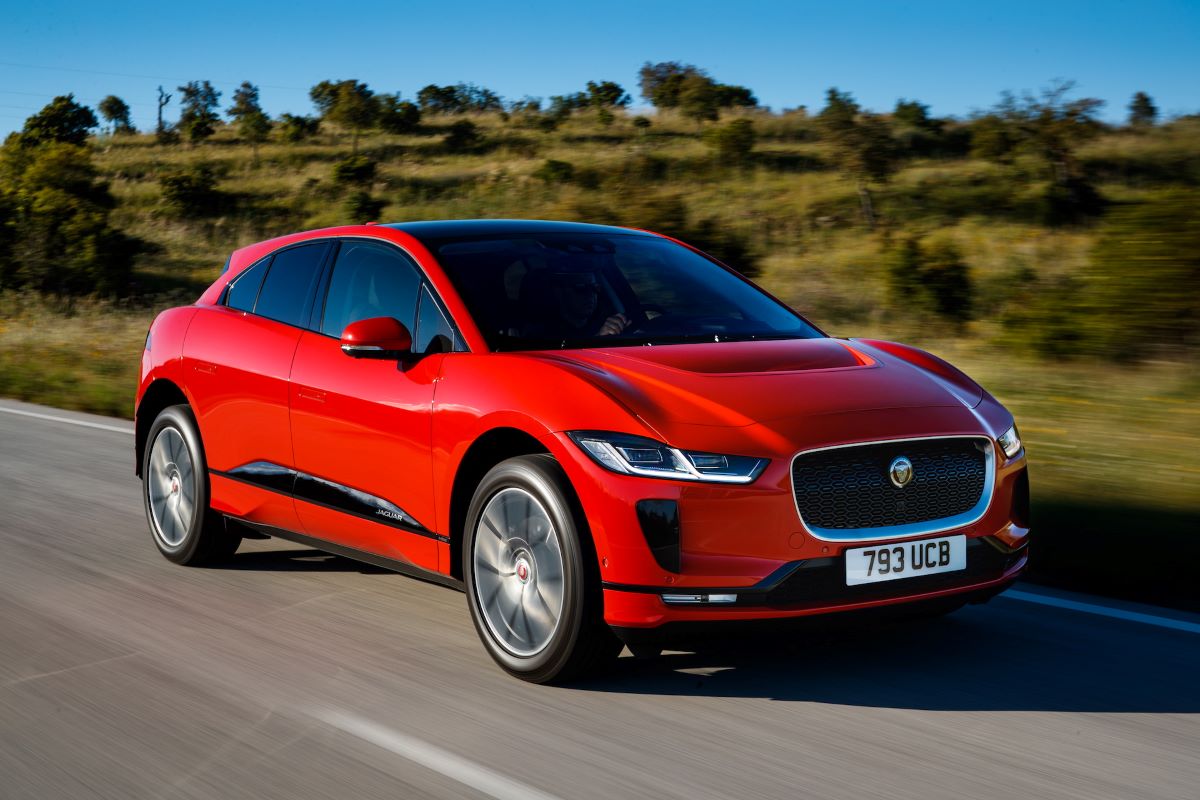
5. Jaguar I-PACE
The Jaguar I-PACE is a high-performance luxury EV, but its charge port door has shown vulnerability to freezing in cold weather. Unlike EVs with motorized or assisted doors, the I-PACE uses a manually operated flap that can be difficult to open when ice accumulates along the edges and hinges.
Drivers have reported having to scrape or warm the door before it could be used, creating inconvenience and potential stress on the latch mechanism over time. For owners who expect reliability in all conditions, this can be a noticeable shortcoming.
The I-PACE’s sealing is sufficient to keep out rain but not fully resistant to ice formation. Moisture can enter small gaps and freeze, preventing smooth operation of the door and making access to the charging port more challenging.
This issue can be particularly pronounced in regions with long periods of freezing weather, where repeated ice buildup may gradually reduce the mechanical reliability of the door over time.
Material choice also impacts the I-PACE’s performance in winter. While premium materials are used for aesthetics and strength, the lack of specialized coatings or reinforcements to resist ice formation means the door is more susceptible to sticking.
Repeated exposure to subzero temperatures can cause slight warping or misalignment in the hinge or latch, further complicating access to the port. Maintenance or careful thawing is often required to keep the door functional during winter months.
Owners have adopted practical measures such as applying lubricants or warming the door before use, but these are only temporary fixes.
Unlike EVs with more durable designs or motorized mechanisms, the Jaguar I-PACE requires extra attention in freezing conditions to maintain consistent access to the charge port. This highlights the broader challenge faced by some manufacturers: balancing luxury aesthetics with practical performance in extreme weather.
