
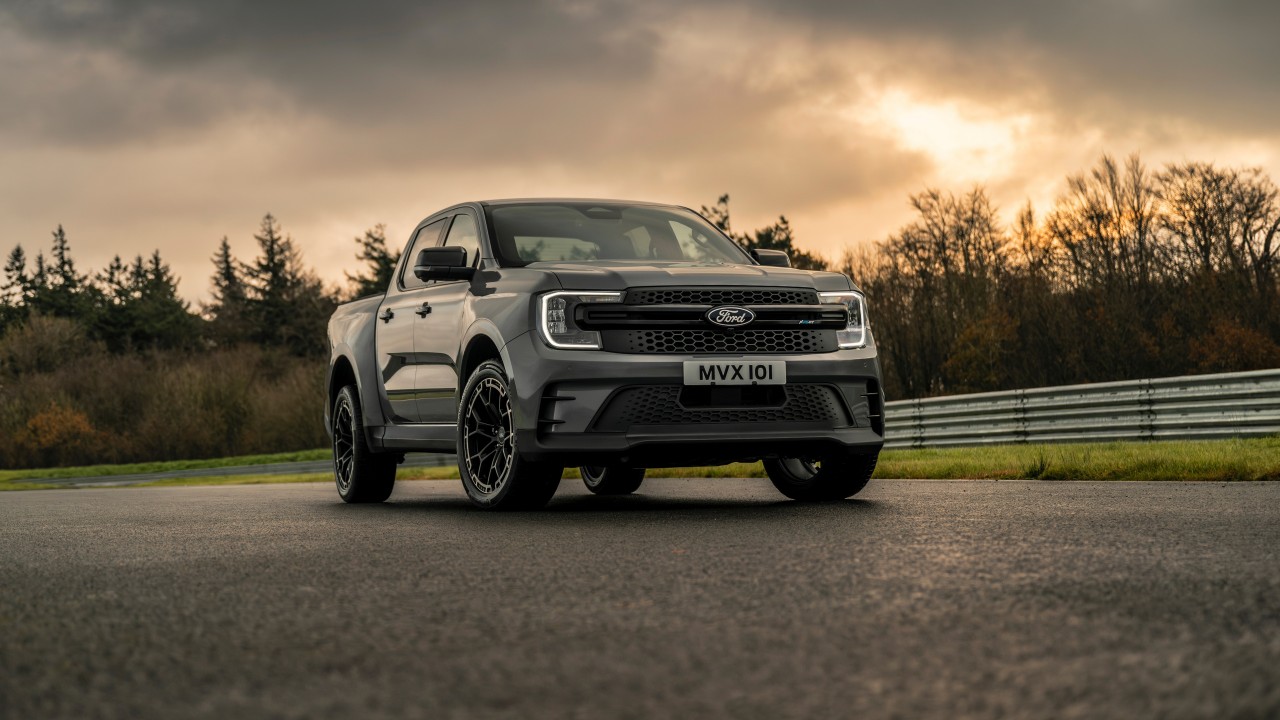
Towing heavy loads with a truck requires more than just engine power and torque. While horsepower and payload capacity often dominate discussions, the performance of a truck’s braking system can be even more critical for safety and control.
Brakes that perform consistently under stress prevent accidents, reduce wear, and provide the driver with confidence when navigating steep grades, winding roads, or sudden stops. However, not all trucks handle the demands of towing equally.
Some vehicles manage to maintain braking performance even after prolonged periods of heavy use, while others tend to overheat, resulting in a noticeable smell of burning brakes and reduced effectiveness.
Understanding the difference between these two categories can help truck owners make informed decisions, whether they are hauling recreational trailers, work equipment, or commercial loads.
Braking fade is a phenomenon where the brake system loses its ability to slow the vehicle effectively after repeated or prolonged use.
This can occur due to excessive heat buildup in the brake pads, rotors, or fluid. A truck with brakes that resist fading offers a significant safety advantage, especially on long downhill stretches where repeated braking is required.
On the other hand, trucks that develop a hot brake smell indicate a system that is struggling to dissipate heat. This not only reduces stopping power but also accelerates wear on brake components, potentially leading to costly repairs.
The smell of overheated brakes is usually the first warning sign that the system is under extreme stress, and ignoring it can have serious consequences.
In practical terms, truck buyers often face a trade-off between towing capacity, comfort, and brake durability. A truck with excellent fade resistance may have components designed to absorb heat more efficiently or incorporate features such as larger rotors, vented discs, or advanced cooling systems.
Conversely, trucks that struggle with brake heat may still perform adequately under light use but reveal their limitations when faced with heavy trailers or extended downhill driving.
This article will provide an in-depth comparison of five trucks known for resisting brake fade while towing and five trucks that tend to develop hot brake odors under similar conditions.
By examining their braking performance, design features, and practical implications for everyday towing, readers can make better choices based on both safety and convenience.
5 Trucks With Brakes That Don’t Fade Towing
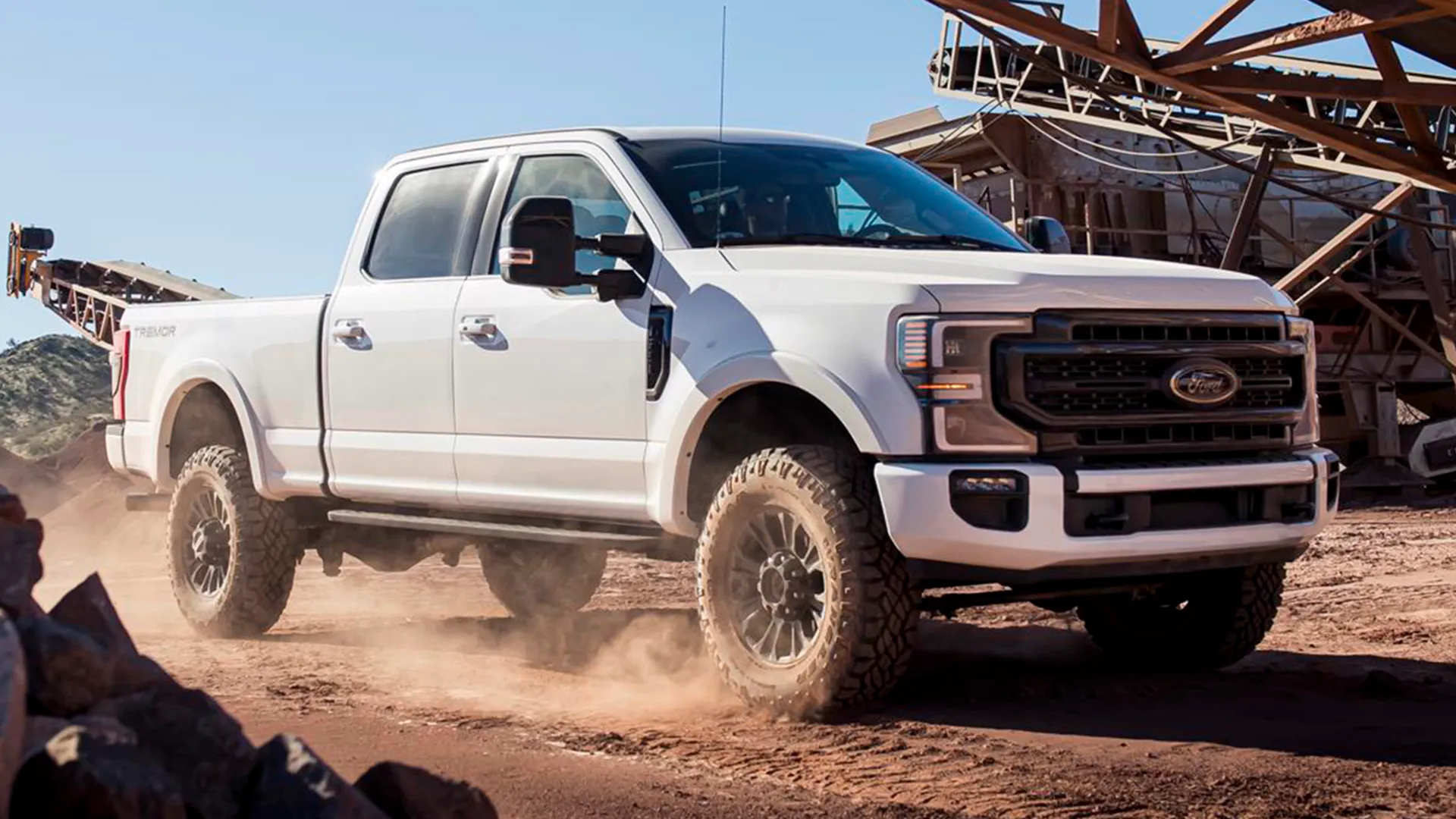
1. Ford F-250 Super Duty
The Ford F-250 Super Duty is widely recognized for its exceptional ability to handle heavy loads without compromising braking performance.
Its braking system includes massive ventilated rotors and high-strength calipers that work together to absorb and dissipate heat effectively, preventing brake fade even during prolonged use under demanding conditions.
The design focuses on maintaining a consistent pedal feel, which is critical when towing a trailer or carrying a full payload. For instance, descending a steep hill with a heavy trailer requires the brakes to function reliably over multiple applications, and the F-250 manages this with minimal change in stopping distance or pedal firmness.
Drivers consistently report that the truck’s brakes feel confident and responsive, which directly contributes to safer towing experiences.
The F-250 also incorporates advanced electronic braking aids that complement its mechanical components.
Systems such as trailer sway control, integrated trailer brake controllers, and anti-lock braking systems work together to ensure that braking pressure is distributed optimally and that wheel lockup is minimized.
This is particularly important for heavy-duty towing scenarios, where uneven braking can generate excess heat and accelerate wear. By coordinating the truck’s brakes with trailer brakes, the F-250 minimizes the potential for fade while allowing drivers to maintain control over both the truck and trailer.
This integration is not merely a convenience; it is a safety-critical feature that can prevent accidents on steep grades or in emergency stopping situations.
Heat management plays a central role in the F-250’s resistance to brake fade. Its rotors are designed with significant mass and venting to dissipate heat quickly, while premium brake pads resist glazing or thermal degradation. This combination ensures that braking remains effective even under repeated, intense use.
Additionally, the truck’s cooling design allows airflow to circulate critical components, further reducing the risk of overheating.
Unlike lighter-duty trucks that may struggle under sustained braking, the F-250 maintains both braking power and component longevity, reducing the frequency of maintenance and replacements. For professional drivers or frequent haulers, this translates into tangible cost savings and increased reliability.
Owners frequently highlight the F-250’s ability to maintain consistent stopping distances and predictable braking under maximum payload and towing conditions. This predictability is essential for maneuvering heavy trailers safely, particularly on tight turns, mountainous roads, or when sudden stops are necessary.
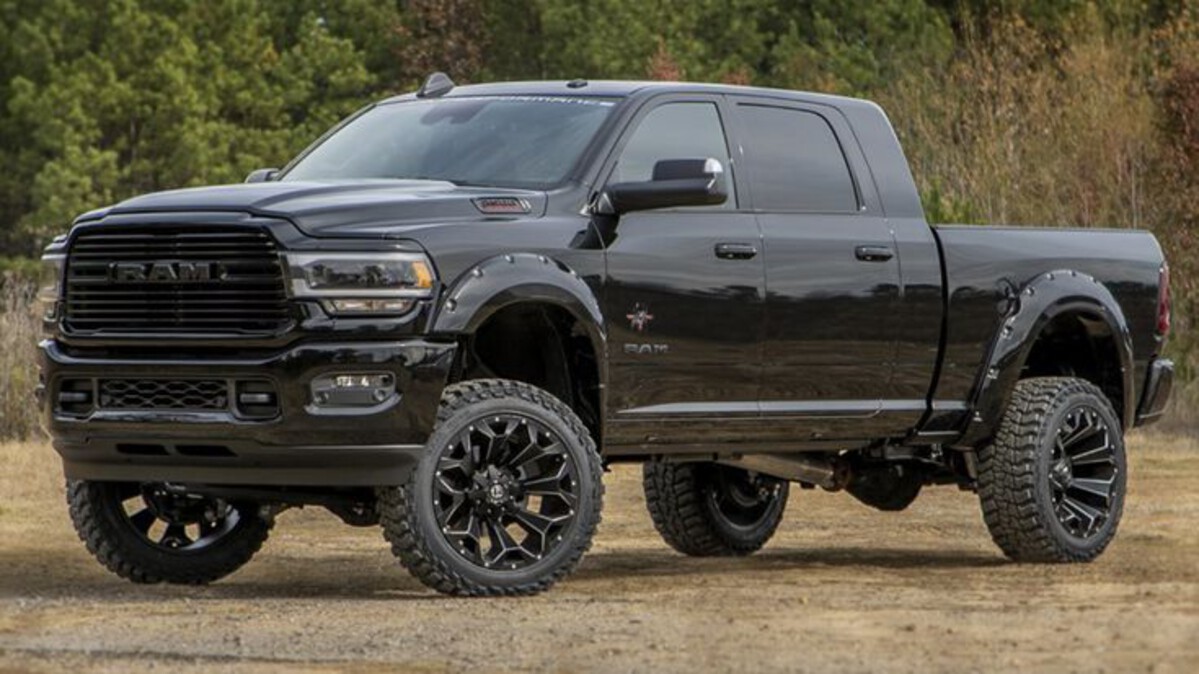
2. Ram 3500
The Ram 3500 is designed to combine immense towing capability with a braking system that performs consistently even under extreme stress.
Equipped with heavy-duty rotors and calipers, this truck absorbs and disperses heat efficiently, ensuring that brake fade is minimized even during long downhill drives or repeated braking cycles.
Drivers have reported that the pedal feel remains firm and responsive throughout towing sessions, which is crucial when hauling large trailers, construction equipment, or other heavy loads.
The Ram 3500’s engineering emphasizes durability and performance, allowing drivers to maintain control and confidence in challenging conditions.
One key reason for the Ram 3500’s performance is its integration of advanced trailer brake technologies. The truck’s factory-installed trailer brake controller is proportional, meaning it adjusts braking pressure according to the weight of the trailer and the driver’s brake input.
This ensures smooth braking coordination between the truck and trailer, which reduces heat buildup in both sets of brakes. In addition, the truck’s anti-lock braking system, traction control, and stability assist technologies work in tandem to prevent wheel lockup and uneven wear, further reducing the risk of overheating.
For drivers who rely on consistent performance for professional or recreational towing, this combination of mechanical and electronic features is a significant advantage.
Material quality also contributes to the Ram 3500’s resistance to brake fade. High-strength steel is used in both calipers and rotors, while brake pads are formulated to maintain friction at elevated temperatures without glazing or wearing prematurely.
This material design is critical for heavy-duty trucks, which often experience repeated and sustained braking events that would compromise lesser systems.
By engineering components to resist heat and maintain effectiveness, Ram ensures that drivers can tow heavy loads over long distances with minimal performance degradation. The truck’s braking system is designed to handle both short-term emergencies and continuous long-term stress.
Practical experience and owner feedback confirm that the Ram 3500 consistently performs under demanding towing conditions. Drivers towing at or near maximum capacity report that braking remains predictable and does not produce a burning smell associated with overheated components.
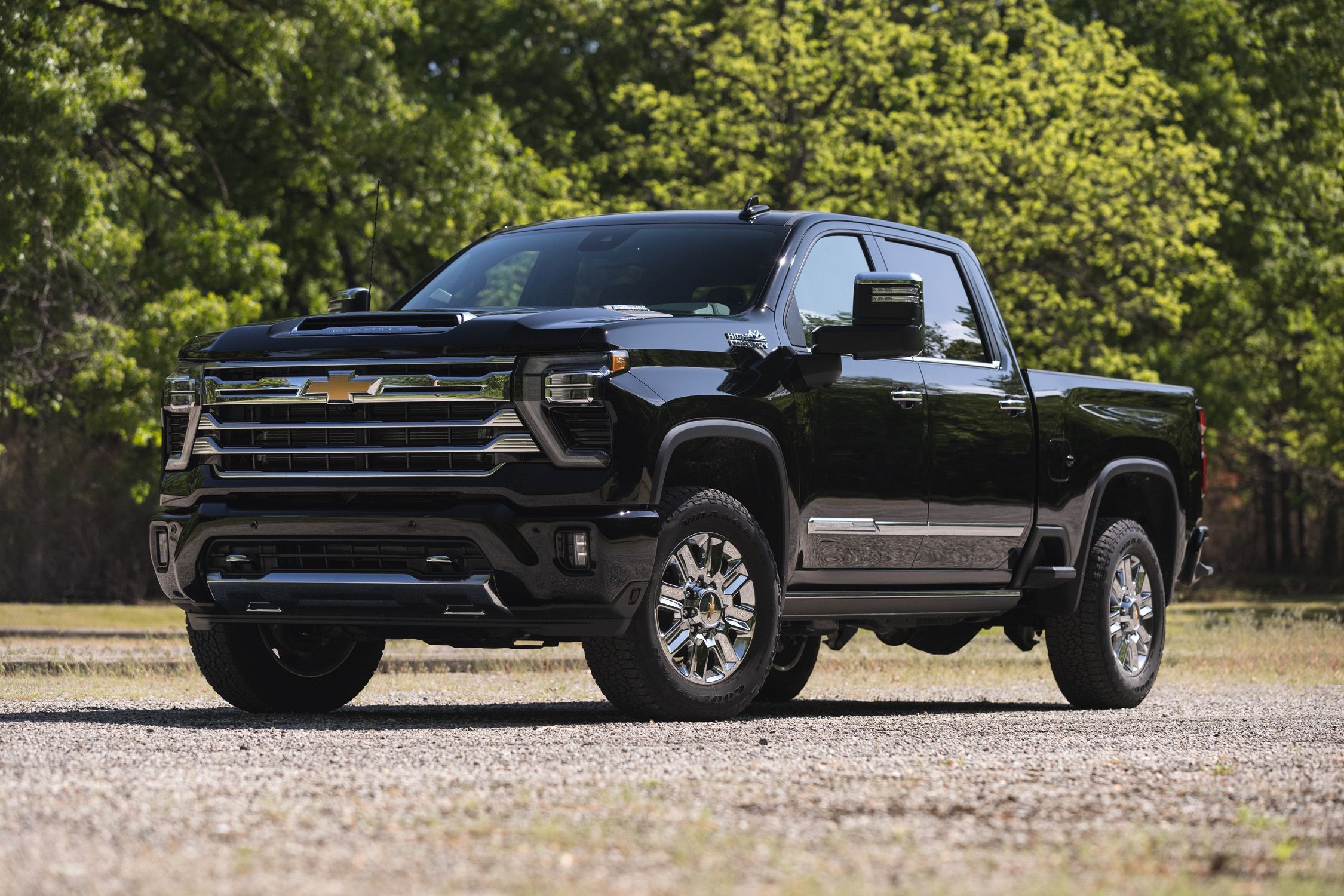
3. Chevrolet Silverado 3500HD
The Chevrolet Silverado 3500HD has earned a strong reputation for combining substantial towing capability with reliable, fade-resistant brakes.
Its braking system features large ventilated rotors and heavy-duty calipers engineered to handle repeated braking events without significant heat-induced loss of performance.
This is particularly important for drivers who tow large trailers, RVs, or heavy equipment over long distances or steep inclines. The Silverado 3500HD’s braking components are designed with sufficient mass and surface area to absorb heat effectively while maintaining consistent pedal feel and stopping distance.
Chevrolet integrates several electronic braking aids to enhance the Silverado 3500HD’s fade resistance. A factory-installed trailer brake controller works in coordination with the truck’s anti-lock brakes and stability systems, ensuring that both the truck and trailer brakes are applied proportionally.
This reduces stress on the braking components and minimizes the risk of overheating during prolonged towing. In real-world use, these systems allow drivers to maintain precise control over stopping power, which is especially important on challenging roads or when towing heavy, unevenly loaded trailers.
Material selection also plays a significant role in the Silverado 3500HD’s fade-resistant performance. Brake pads are formulated to withstand high temperatures without glazing or losing friction, and vented rotors allow heat to escape quickly during repeated stops.
The result is a braking system that maintains effectiveness even after extended periods of stress. Chevrolet also offers optional upgraded braking packages for frequent or professional tow operators, further enhancing the truck’s capacity to resist fade.
These engineering decisions demonstrate that the Silverado 3500HD was designed with heavy-duty towing safety in mind, rather than simply meeting minimum braking standards.
Drivers and owners consistently note the Silverado 3500HD’s ability to maintain predictable stopping distances, even under full payload and towing conditions. Unlike lighter-duty trucks that may require intermittent cooling stops or suffer from diminished brake feel, the Silverado remains composed throughout extended towing sessions.
4. GMC Sierra 3500HD
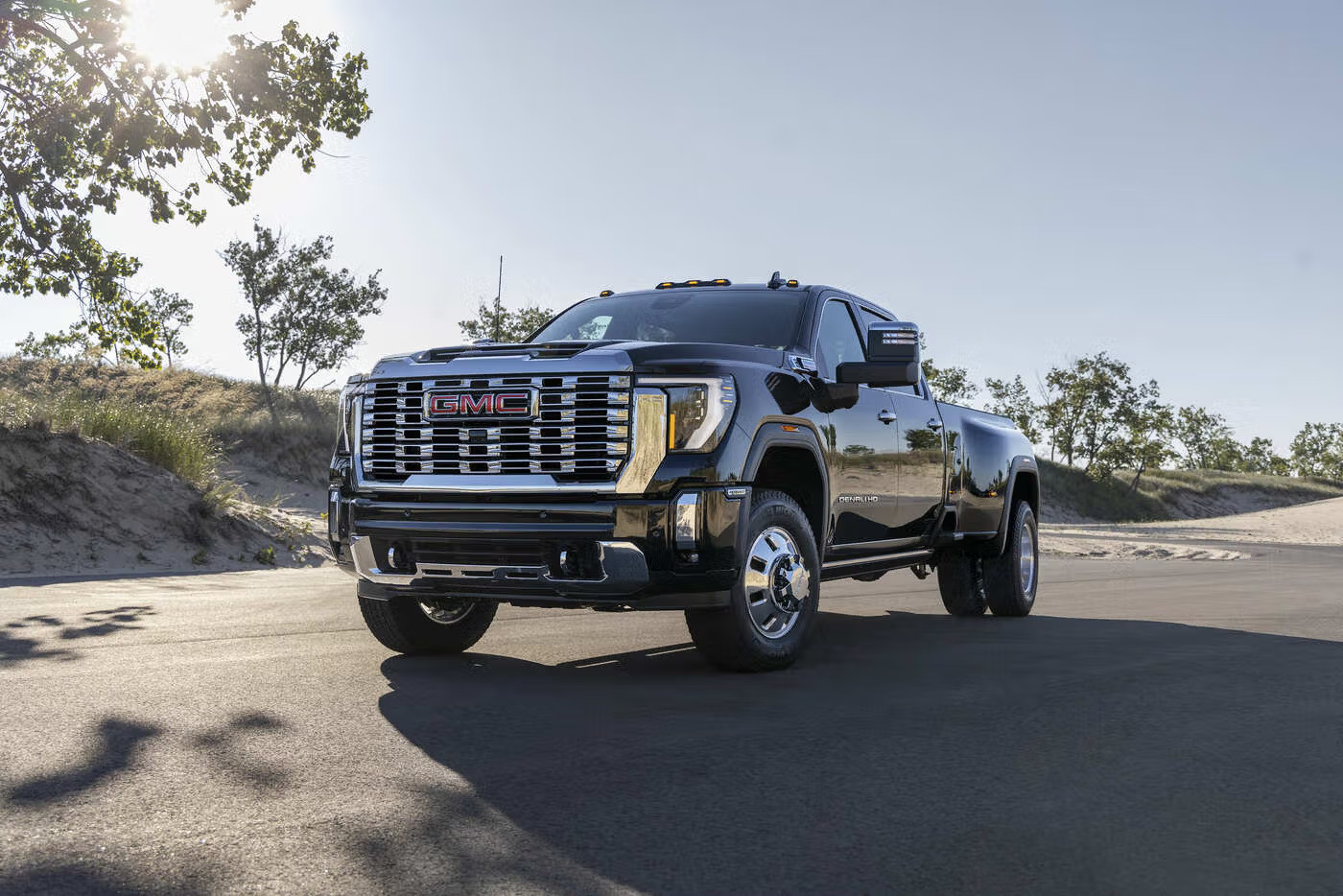
The GMC Sierra 3500HD builds upon the proven foundations of its Chevrolet counterpart while adding refinements that enhance brake durability and performance under towing stress. Its rotors are slightly larger, and calipers are designed to distribute heat more evenly across the braking surface.
This helps the Sierra maintain consistent stopping power under prolonged braking conditions that could cause fade in other trucks. The truck’s brake system is also engineered to work in concert with the trailer brake controller and ABS, ensuring a high degree of braking stability even when towing at maximum capacity.
Technology integration is a key factor in the Sierra 3500HD’s fade-resistant performance. Features such as electronic trailer brake controllers, stability assist, and brake assist systems work together to optimize braking pressure and reduce heat buildup. This allows the truck to maintain braking consistency during repeated stops or extended descents.
Drivers who frequently tow in hilly or mountainous terrain find these systems particularly valuable, as they reduce the need to manually modulate braking to prevent fade and minimize component wear.
The materials used in the Sierra 3500HD’s brake system are carefully chosen to withstand thermal stress. High-performance brake pads maintain friction at elevated temperatures, while vented rotors ensure efficient heat dissipation during repeated braking events.
This reduces the likelihood of glazing, premature wear, or the development of a hot brake smell. For professional drivers, long-distance haulers, or recreational tow users, these characteristics translate into lower maintenance costs and a longer service life for critical components.
Owners frequently report that the Sierra 3500HD maintains consistent pedal feel and stopping power throughout extended towing trips. Unlike trucks that gradually lose effectiveness due to heat buildup, the Sierra provides predictable and reliable braking performance under heavy loads.
This consistency improves safety by allowing drivers to anticipate stopping distances accurately and maintain control over both truck and trailer. Whether towing for work or leisure, the GMC Sierra 3500HD demonstrates that engineering and materials matter when it comes to fade-resistant braking.
5. Toyota Tundra (Heavy-Duty Version)
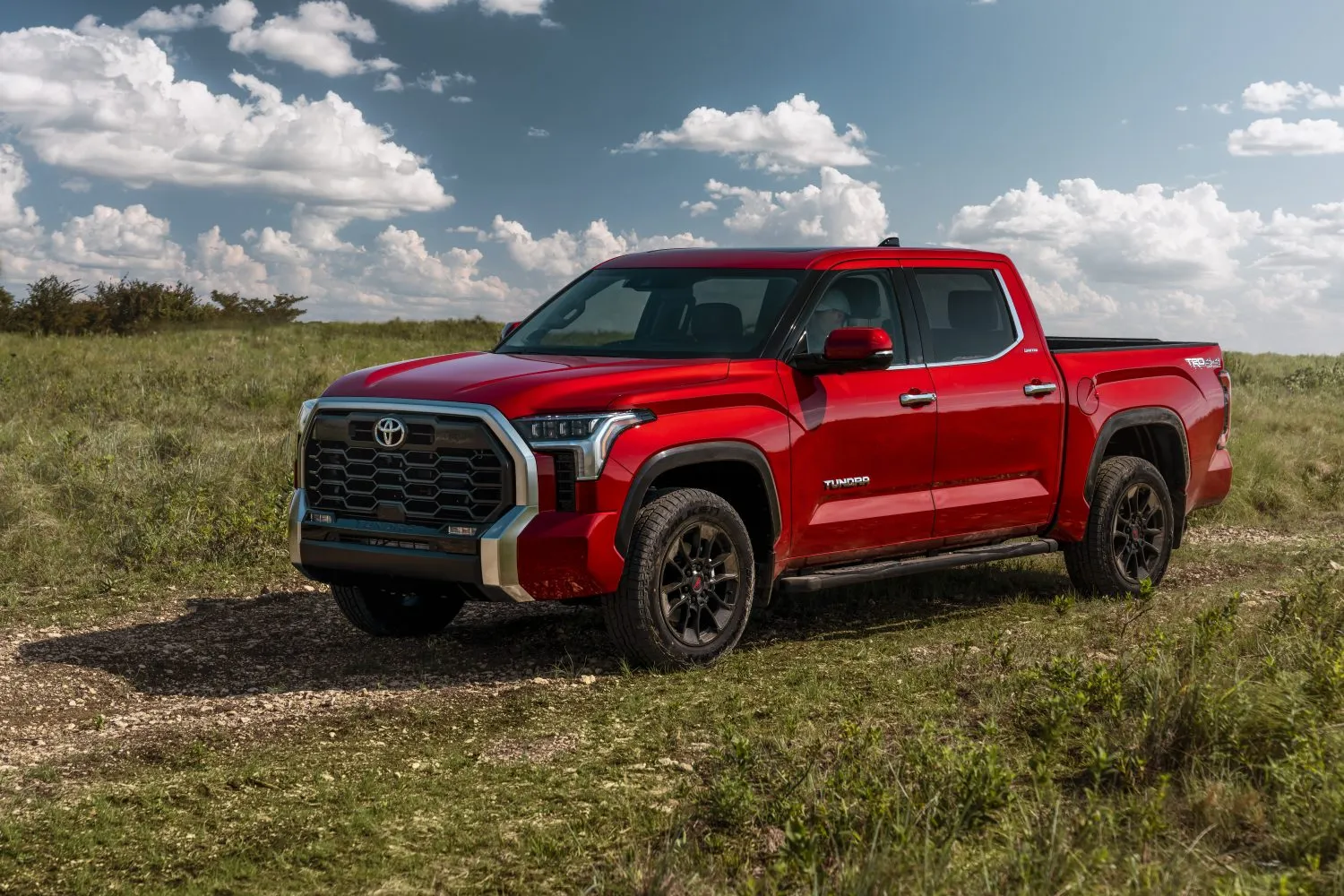
The Toyota Tundra, especially in its heavy-duty variants, offers a braking system optimized for towing performance and consistency.
Its rotors and calipers are designed to handle repeated braking without losing effectiveness, and high-quality friction materials ensure that stopping power remains steady even under extended downhill braking.
Toyota’s commitment to reliability extends to the braking system, which is engineered for predictable performance under stress. Drivers towing boats, campers, or trailers find that the Tundra provides confidence-inspiring braking even in challenging conditions.
The Tundra also integrates advanced electronic aids to enhance braking performance. Features such as proportional trailer brake controllers, anti-lock braking systems, and stability control work together to prevent wheel lockup, reduce heat buildup, and maintain even pressure across all braking surfaces.
This reduces the risk of fade and prevents the development of a hot brake smell during heavy towing, providing drivers with more consistent control. These technologies are especially useful for less experienced drivers who may not be familiar with managing a heavy trailer on steep grades.
Material engineering further reinforces the Tundra’s fade resistance. Brake pads are formulated to maintain friction at high temperatures without glazing or losing stopping power, while vented rotors allow rapid heat dissipation during repeated braking cycles.
The combination ensures consistent pedal feel and performance over long distances, even when towing at or near the truck’s maximum capacity. Toyota’s attention to component durability and heat management reduces the frequency of maintenance and extends the life of the braking system.
Owners report that the Tundra rarely exhibits hot brake smells or fading, even on long downhill stretches or with heavy trailers. This makes it a dependable choice for both recreational and commercial towing, where reliability and safety are priorities.
Drivers can maintain confidence in the truck’s stopping ability without having to pause for cooling or worry about sudden loss of braking efficiency. The Toyota Tundra’s combination of engineering, material selection, and electronic support makes it a standout among heavy-duty trucks for fade-resistant braking.
5 Trucks That Smell Hot
1. Nissan Titan XD
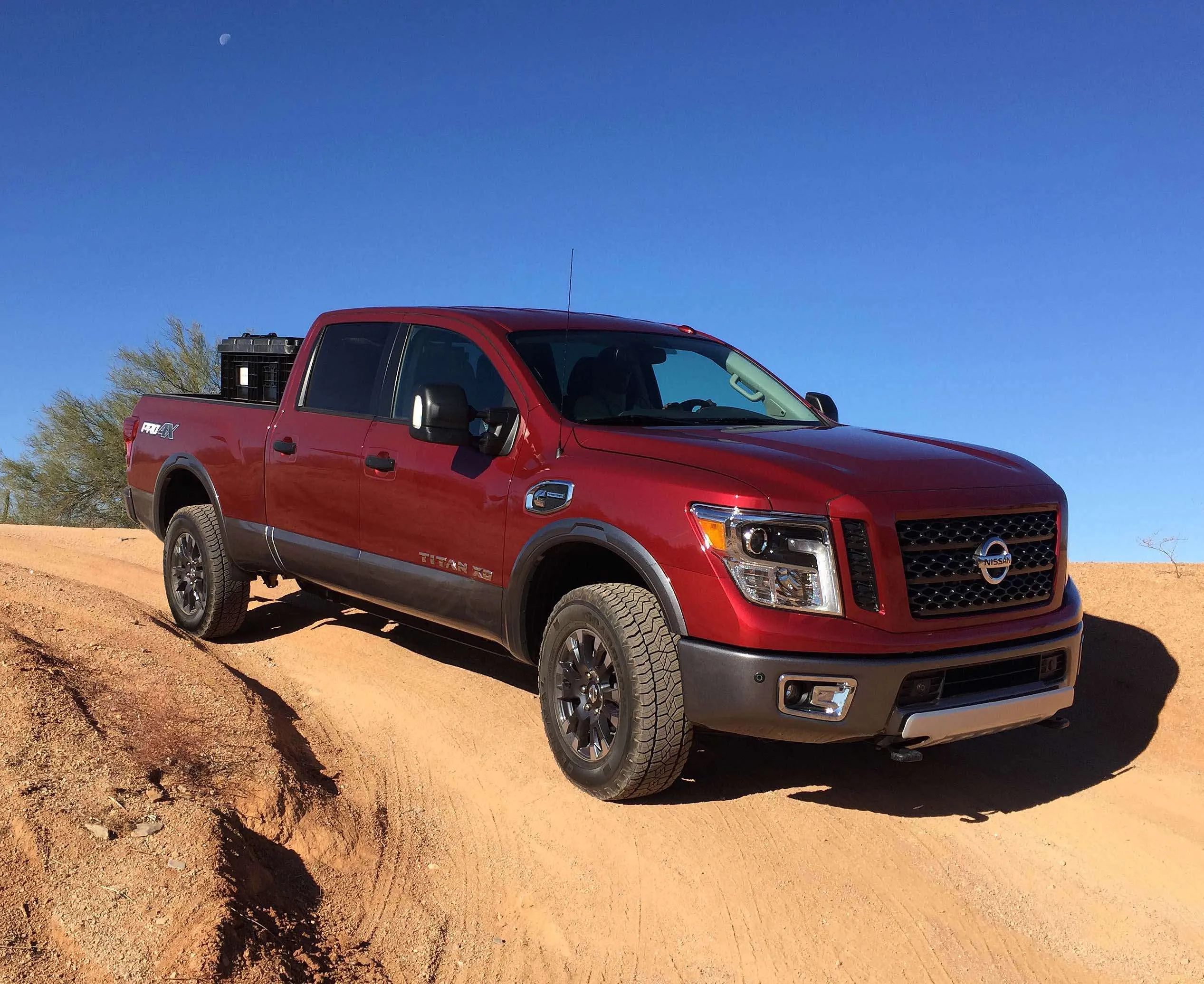
The Nissan Titan XD, while praised for its towing power and durability, is known among some drivers for brakes that tend to overheat during heavy towing. Its standard brake system, though adequate for everyday driving, can struggle under repeated use with heavy trailers or full payloads.
Drivers have reported a noticeable smell of hot brakes during extended downhill descents, which indicates that the rotors and pads are reaching extreme temperatures.
This odor is a warning sign that the brakes are under stress and potentially losing effectiveness. The combination of heavy trailer weight, steep grades, and repeated braking can quickly push the Titan XD’s braking system to its limits.
One contributing factor to the Titan XD’s tendency to overheat is its brake design. The rotors are smaller compared to competitors in the same class, and the calipers, while sturdy, may not provide the same heat distribution capabilities as larger, vented units.
In addition, the brake pads can experience glazing under prolonged heat, reducing friction and making stopping distances longer.
When towing heavier loads, this can become particularly noticeable, especially on long descents where the brakes are applied repeatedly. Drivers often need to use engine braking or alternate methods to manage speed, which can add to driver fatigue.
The Titan XD also lacks some of the more advanced integrated trailer brake features found in competing trucks. While it does offer trailer brake controllers, these systems may not provide proportional braking under all conditions, increasing the reliance on the truck’s primary brakes.
This can accelerate heat buildup and contribute to the characteristic hot brake smell. Furthermore, drivers towing for long distances or in mountainous terrain may notice fading pedal response during repeated braking events, signaling the need to pause and allow the system to cool.
Despite these limitations, the Titan XD remains a capable towing truck for moderate loads. However, drivers need to be aware of its braking tendencies and plan accordingly, especially on steep inclines or during long hauls.
Implementing techniques such as alternating between braking and engine braking, reducing speed before descents, and limiting continuous brake application can mitigate heat buildup and extend brake life.
While the smell of hot brakes is not inherently dangerous if managed correctly, it is an indicator that the system is under stress and requires caution to maintain safety.
2. GMC Canyon (Lower-End Trims)
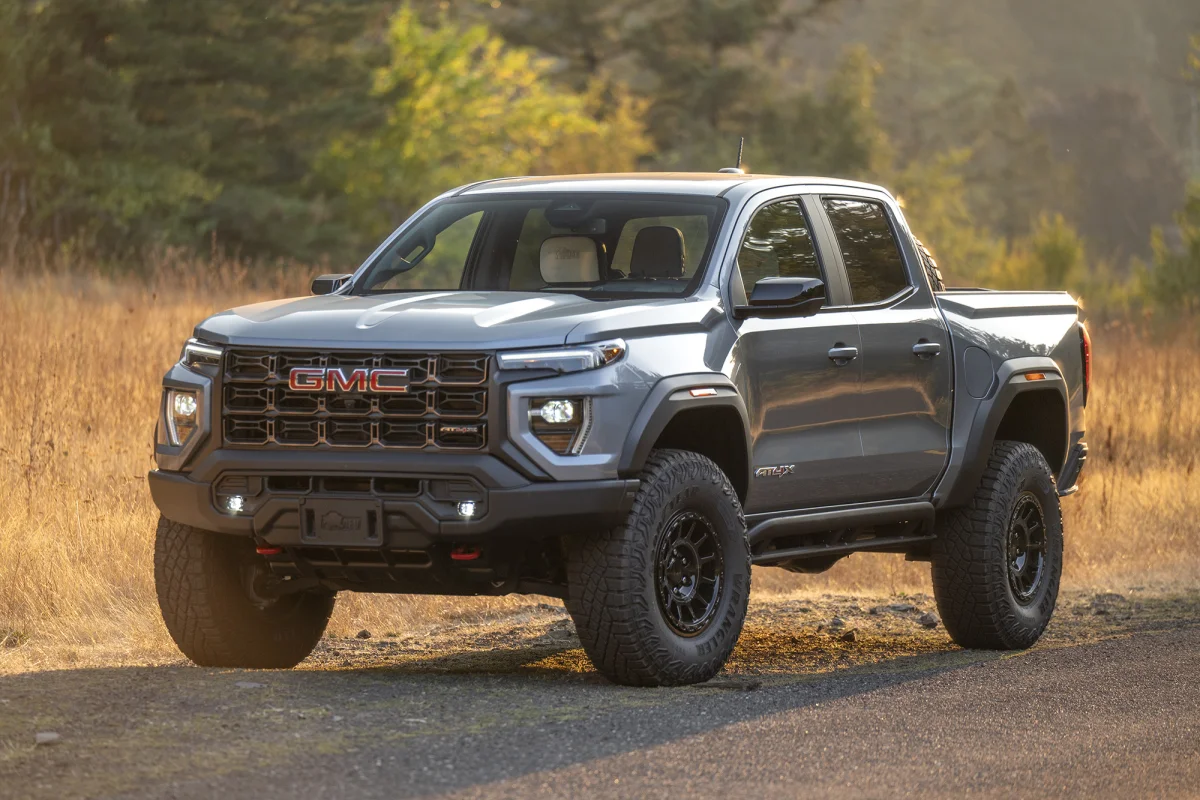
The GMC Canyon, particularly in its lower-end trims, can experience brake heat issues when towing near its maximum capacity. While it performs adequately for light-duty towing, repeated braking events, especially on hilly terrain, can generate excessive heat.
Drivers have reported a noticeable burning brake odor after extended towing or when making multiple stops in quick succession. This is a clear indication that the brakes are struggling to dissipate heat efficiently, which can lead to fade and diminished stopping performance if not managed carefully.
Several design factors contribute to the Canyon’s braking challenges. Lower-trim models often come with smaller rotors and standard brake pads that are not optimized for heavy-duty heat management.
The reduced mass and surface area of the rotors make them more susceptible to overheating, and repeated braking cycles increase the risk of pad glazing.
Additionally, the Canyon’s brake cooling may be less effective than in larger or higher-end trucks, causing the system to reach high temperatures more quickly under sustained use.
Drivers towing trailers or boats may notice that the pedal becomes softer after prolonged braking, which requires more effort to maintain control.
The GMC Canyon also lacks some of the integrated electronic aids that can help prevent brake overheating in heavy-duty trucks.
While some models include anti-lock braking and basic trailer brake controllers, these systems may not provide the proportional response necessary to reduce stress on both truck and trailer brakes.
As a result, the brakes themselves bear the majority of the workload during continuous towing. Drivers may find themselves compensating for diminished braking performance by braking earlier, using engine braking, or taking breaks to allow the system to cool.
Despite these limitations, the Canyon remains a viable option for light- to moderate-duty towing. Understanding its braking tendencies is crucial for safety, especially on long descents or in stop-and-go traffic while towing.
Regular maintenance, including inspecting pads and rotors, is also essential to prevent accelerated wear from excessive heat exposure. Drivers who exceed the vehicle’s designed towing limits risk not only brake fade and odor but also accelerated component wear, highlighting the importance of staying within recommended towing capacities.
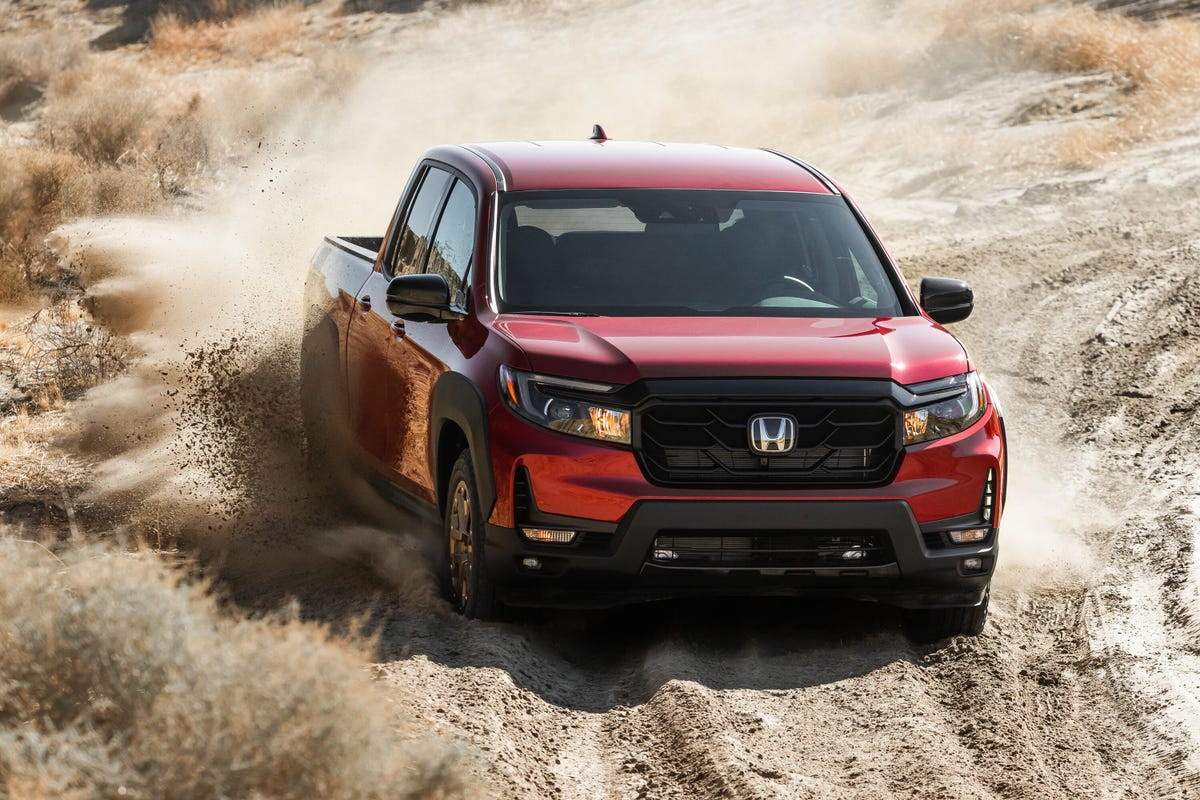
3. Honda Ridgeline
The Honda Ridgeline, known for its comfort and reliability, can develop hot brakes under heavy or sustained towing conditions. Its braking system is optimized for lighter loads and daily driving scenarios, but when pushed near its maximum towing limit, the system can heat rapidly.
Drivers report a distinctive smell of overheated brakes when descending long grades or making repeated stops while towing a trailer. This indicates that the rotors and pads are reaching high temperatures, which can reduce stopping power and increase the risk of fade.
Part of the issue with the Ridgeline is the brake rotor size and material composition. While the truck uses reliable components for standard use, the rotors are smaller than those found on full-size heavy-duty trucks.
Under heavy towing, heat buildup occurs more quickly, and brake pads may start to glaze, decreasing friction.
The effect is more pronounced on mountainous terrain or during prolonged towing sessions, where repeated brake application is necessary. Drivers may notice a softening of the brake pedal and a burning smell that persists until the system cools.
The Ridgeline’s electronic braking aids, including anti-lock brakes and basic trailer brake integration, are helpful but not sufficient to fully counteract excessive heat under heavy towing.
The proportional control may be less precise compared to systems in larger trucks, which places more reliance on the main brakes and accelerate overheating.
In addition, extended braking cycles can stress the system, leading to more frequent maintenance requirements, including pad and rotor replacement. For users who tow occasionally and lightly, the Ridgeline remains adequate, but heavy towing pushes the brakes toward their limits.
Despite these limitations, the Honda Ridgeline remains a comfortable and capable midsize truck for casual towing. Owners who understand the truck’s braking tendencies can mitigate risks by reducing speed before long descents, using engine braking, and limiting continuous braking.
While the hot brake smell can be alarming, it serves as a warning to adjust driving habits rather than a sign of imminent failure. With proper caution, the Ridgeline can safely handle lighter towing loads, but it is less suitable for repeated heavy-duty towing compared to trucks with larger fade-resistant braking systems.
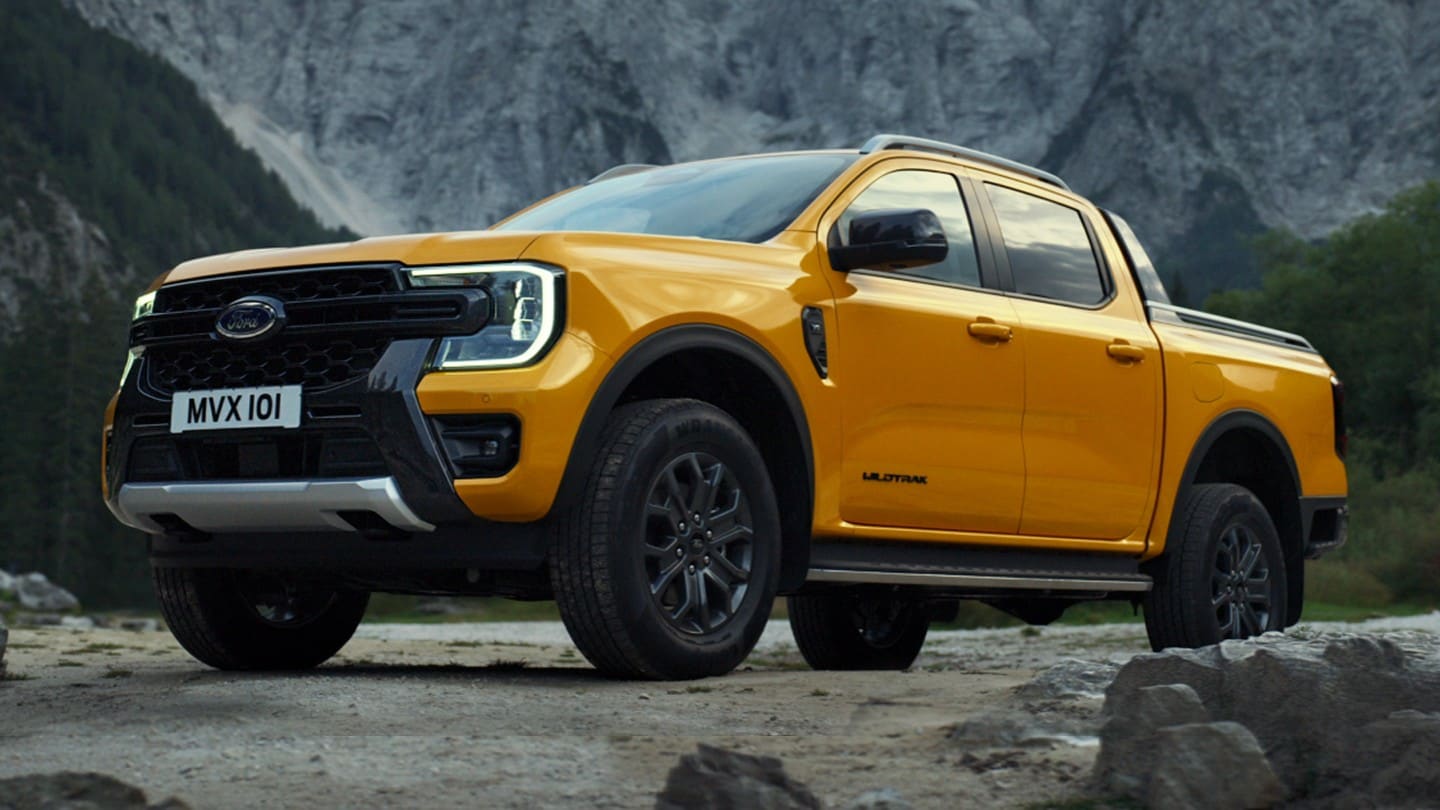
4. Ford Ranger (Older or Base Models)
The Ford Ranger, particularly in older or base models, is another truck that tends to develop hot brake odors under heavy towing. While the Ranger is popular for its maneuverability and moderate towing capacity, its brakes are not designed for sustained heavy-duty use.
Drivers towing trailers near the truck’s maximum limit or traveling on hilly roads often notice a sharp smell of overheated brakes after repeated braking cycles, signaling that the rotors and pads are under excessive stress.
Several factors contribute to the Ranger’s brake heat issues. Base models often use smaller, non-vented rotors and standard brake pads, which are less capable of dissipating heat under extended braking. This can lead to pad glazing, reduced friction, and increased stopping distances.
When towing heavy trailers, the limited rotor mass and surface area exacerbate heat buildup, making the truck more prone to developing a hot brake smell.
Drivers may feel a softening of the pedal or diminished braking performance during long downhill runs, requiring more attention and early braking to maintain control.
Additionally, the Ranger’s electronic braking aids, such as ABS and basic trailer brake controllers, are effective for everyday use but may not fully prevent fade under repeated heavy braking. Because the brakes themselves carry most of the stopping workload, excessive heat can accumulate quickly.
This issue is more noticeable when towing in mountainous or hilly areas where continuous braking is required. Drivers often rely on engine braking or periodic rest stops to allow the brakes to cool and maintain safety.
Despite these limitations, the Ford Ranger remains a reliable choice for moderate towing tasks and everyday driving. Proper planning, such as avoiding extended high-speed descents and using engine braking in conjunction with foot brakes, can mitigate the risk of overheating.
While the hot brake smell may be concerning, it serves as a reminder to manage the braking system carefully. Understanding these tendencies allows drivers to safely operate the Ranger within its limits, but it highlights that this truck is better suited for lighter towing rather than repeated heavy-duty hauling.
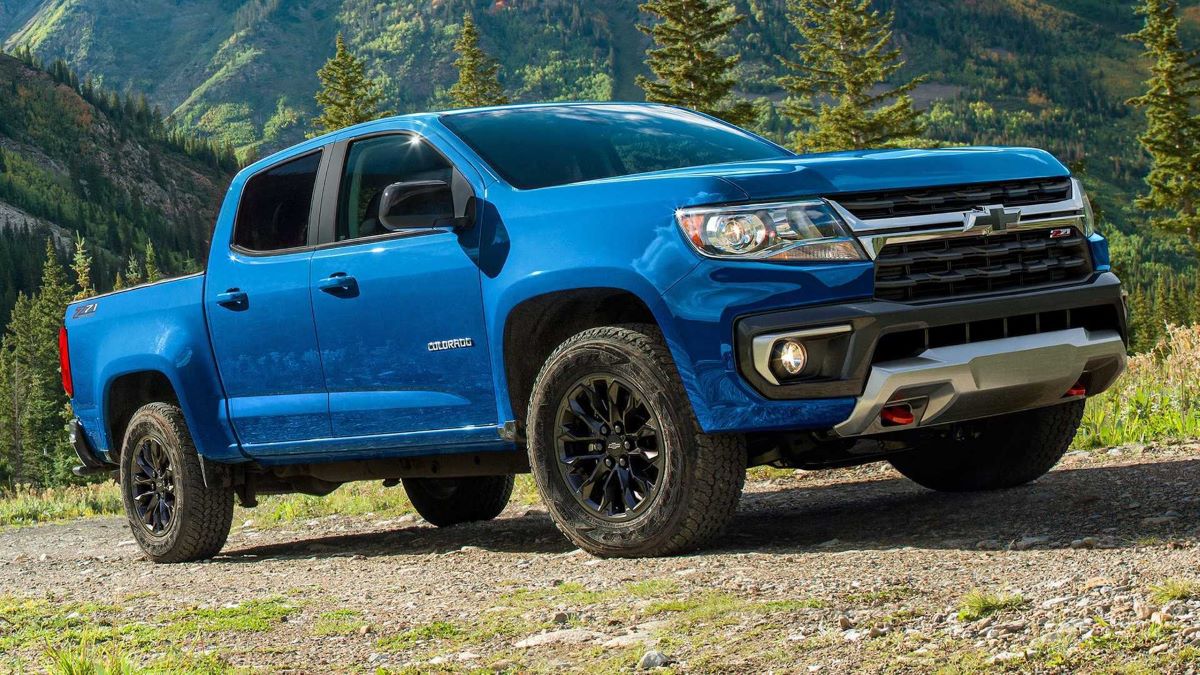
5. Chevrolet Colorado (Base or Standard Models)
The Chevrolet Colorado, particularly in base or standard trims, is another truck prone to developing hot brake smells under heavy towing. While the truck performs well for light-duty towing, repeated braking events with full trailers or extended downhill driving can produce a noticeable burning odor.
This smell is a clear indicator that the brakes are overheating, and it usually coincides with a softer pedal and reduced braking efficiency. Drivers towing heavier loads must be aware of these limitations to maintain safe stopping distances and prevent excessive wear.
The Colorado’s brake system in base models uses smaller rotors and conventional brake pads that are adequate for daily commuting but not optimized for heat dissipation during heavy towing.
The limited rotor mass and surface area mean heat accumulates more quickly, and repeated braking can cause glazing or accelerated pad wear.
When the truck is near its maximum towing capacity, drivers may notice the brake pedal becoming less firm, requiring more effort to maintain control. These characteristics make it clear that Colorado’s standard brake system is best suited for moderate towing rather than extended, heavy-duty use.
In addition, Colorado’s electronic aids, while useful, are less comprehensive than those in heavy-duty full-size trucks. Anti-lock brakes and basic trailer brake controllers help modulate braking pressure, but they do not fully offset the limitations of smaller, standard braking components.
Continuous towing under challenging conditions can therefore lead to heat buildup and the characteristic hot brake smell. Drivers may need to plan for intermittent cooling stops and use engine braking to supplement the system.
Despite these limitations, the Chevrolet Colorado remains a practical and versatile midsize truck for light towing, daily commuting, and recreational use. Understanding the truck’s braking limitations is essential for safety, especially when towing trailers or boats in hilly terrain.
With careful driving habits and attention to brake temperature, the Colorado can serve reliably, but it is clear that its standard brakes are not designed for the sustained heavy-duty demands handled by full-size, fade-resistant trucks.
