
U-joints, or universal joints, are a critical component in the driveline of trucks, responsible for transmitting power from the transmission to the driveshaft and to the wheels.
For truck owners, the longevity and performance of U-joints can make a significant difference in reliability, maintenance costs, and driving comfort.
Long-life U-joints are often the result of superior design, high-quality materials, and precise manufacturing tolerances, allowing trucks to handle heavy loads, long distances, and varied driving conditions without premature wear.
These U-joints tend to exhibit smooth operation, minimal vibration, and reduced noise, which contributes to a safer and more comfortable driving experience.
Trucks equipped with long-life U-joints are generally favored by owners who rely on their vehicles for daily work, towing, and long-haul travel, as these trucks require fewer repairs and have a lower risk of unexpected driveline failure.
On the other hand, some trucks are notorious for U-joint problems that manifest as vibrations, particularly at speeds around 60 mph. These vibrations often indicate worn or poorly manufactured U-joints, misaligned driveline components, or issues with the driveshaft itself.
Persistent vibrations can reduce driver comfort, accelerate wear on related components such as bearings and differential gears, and lead to costly repairs if left unchecked.
Identifying trucks that experience these problems helps potential buyers make informed choices, whether the goal is to avoid headaches or to prepare for routine maintenance and replacements.
Factors that influence U-joint life include driving habits, load conditions, lubrication practices, and the inherent engineering of the truck’s drivetrain.
Comparing trucks with long-life U-joints against those prone to vibrations at highway speeds reveals patterns in brand reliability, drivetrain engineering, and maintenance requirements.
While some manufacturers prioritize durability and use premium materials in their driveline components, others may focus more on cost efficiency, which can result in compromises that affect U-joint performance.
Understanding the difference between these two categories can be useful for anyone considering a truck purchase, whether for work, recreation, or long-term ownership.
A detailed comparison can help buyers weigh the advantages of reliability and smooth performance against the potential frustrations of driveline issues.
This article provides an overview of five trucks known for long-lasting U-joints and five trucks that commonly vibrate at 60 mph due to driveline issues.
The discussion will highlight the engineering and maintenance factors contributing to their performance, helping owners, enthusiasts, and prospective buyers better understand how U-joint quality affects truck reliability.
By examining the traits, design philosophies, and common experiences with these vehicles, readers can make informed decisions and plan for maintenance strategies that align with their expectations for performance and longevity.
5 Trucks With Long-Life U-Joints
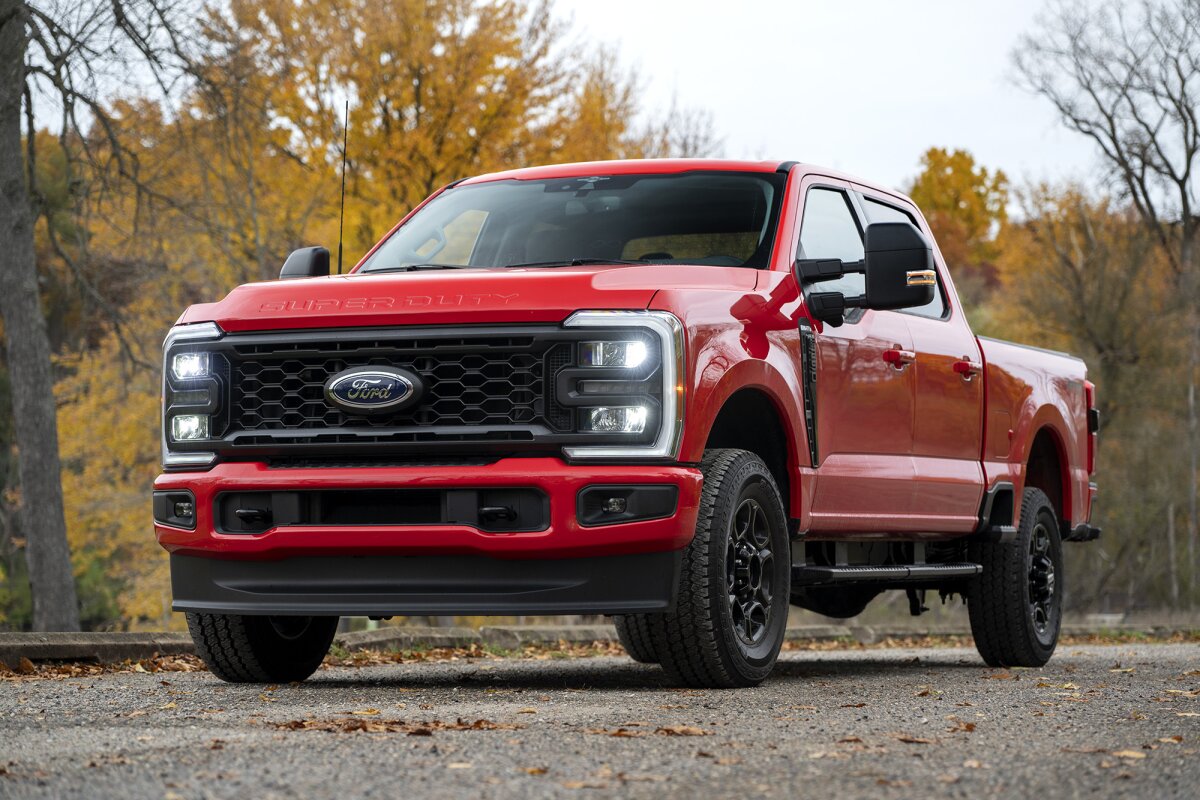
1. Ford F-250 Super Duty
The Ford F-250 Super Duty is widely recognized for its heavy-duty capabilities, particularly when equipped with the Power Stroke diesel engine.
Its U-joints are designed with exceptional durability in mind, using high-strength steel and reinforced bearing surfaces that allow them to withstand high torque loads without premature wear.
This design is crucial for owners who regularly tow heavy trailers, haul large payloads, or travel long distances on highways.
The U-joints maintain smooth rotation even under heavy stress, ensuring that the truck delivers consistent power to the wheels without introducing vibration or undue stress to other drivetrain components.
The Super Duty’s reputation for reliability is closely tied to the durability of these U-joints, which are engineered to endure extreme conditions that would quickly wear out lesser components.
Beyond material strength, the F-250 U-joints benefit from precision assembly that minimizes backlash and play in the drivetrain. Even small amounts of looseness can magnify vibrations at highway speeds, causing premature wear and discomfort for the driver.
Ford’s engineering ensures that the angles between the transmission, driveshaft, and rear differential are optimized to reduce joint stress under both loaded and unloaded conditions.
Many fleet operators report that their Super Duty trucks can easily exceed 200,000 miles without requiring U-joint replacement, which speaks to the effectiveness of the design.
The Super Duty’s maintenance options further extend the longevity of its U-joints. Many models feature greasable U-joints, allowing owners to apply periodic lubrication to prevent wear caused by friction and environmental contaminants.
In addition, sealed U-joint variants in higher trims are designed to retain factory grease for the life of the component, reducing the need for routine maintenance while still delivering long-term durability.
Owners who frequently operate their trucks in off-road or high-dust environments benefit from the greasable option, as they can proactively maintain the joints under harsh conditions, minimizing the risk of accelerated failure.
This versatility in maintenance practices gives the F-250 a distinct advantage over trucks with less flexible U-joint designs.
Finally, the Ford F-250 is supported by an extensive network of replacement parts and aftermarket upgrades. Even after years of heavy use, owners can find reinforced or upgraded U-joints that match or exceed factory durability standards.
This support, combined with a strong dealer network and widespread availability of OEM components, ensures that maintaining the Super Duty’s driveline is straightforward and cost-effective.
The combination of high-quality materials, precise engineering, and proactive maintenance options positions the Ford F-250 Super Duty as a benchmark for trucks with long-life U-joints, offering owners a reliable and low-maintenance solution for both work and recreational use.
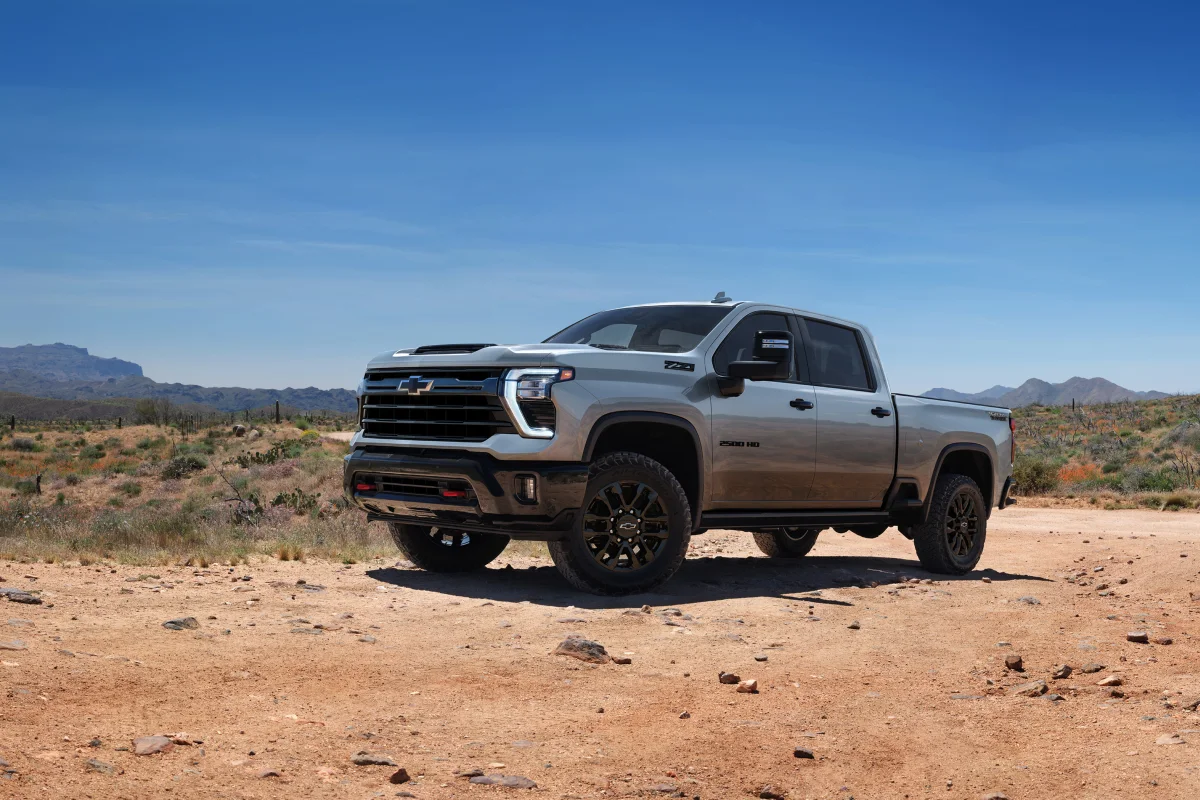
2. Chevrolet Silverado 2500HD
The Chevrolet Silverado 2500HD has earned a reputation for exceptional durability in its drivetrain, particularly in diesel models equipped with the Duramax engine.
The U-joints on this truck are engineered to withstand significant torque, heavy towing, and long-distance highway driving without noticeable wear. High-strength steel and precision-machined bearing surfaces ensure smooth rotation, even under the stress of hauling large trailers or carrying maximum payloads.
The Silverado also benefits from optimized driveline geometry that distributes stress evenly across the U-joints and driveshaft. The careful alignment of angles reduces friction and heat generation, both of which are common causes of premature U-joint failure.
Many Silverado owners who tow extensively or operate in off-road conditions report that the factory-installed joints perform consistently well, maintaining alignment and smooth rotation even under heavy use.
Regular greasing of these joints further enhances durability, allowing the truck to remain reliable in a wide range of operational scenarios, from long highway trips to short, high-intensity worksite drives.
Another factor contributing to the Silverado’s long-life U-joints is the robust lubrication system. Many models offer greasable joints, which allow for proactive maintenance to prevent wear caused by contaminants like dust, mud, or water.
For trucks that operate in extreme environments, the ability to add grease periodically extends the life of the joint significantly, reducing maintenance costs and downtime.
Unlike sealed joints that are entirely dependent on factory lubrication, greasable U-joints provide a hands-on approach for owners seeking maximum longevity and performance under demanding conditions.
Lastly, Chevrolet provides strong support for replacement and upgrade options. The widespread availability of aftermarket U-joints, driveshaft components, and service parts allows owners to maintain their trucks for many years with minimal hassle.
Even in high-mileage applications, Silverado 2500HD owners frequently report that the U-joints continue to operate smoothly without developing the vibrations or wear patterns seen in lesser trucks.
The combination of quality materials, precision engineering, proactive maintenance options, and aftermarket support makes the Silverado 2500HD a leading choice for those seeking long-lasting, dependable U-joints.
3. Ram 2500
The Ram 2500 is engineered for durability and strength, particularly in models equipped with the Cummins diesel engine. Its U-joints are manufactured using reinforced steel with precise tolerances, allowing them to withstand heavy loads, extreme torque, and high-speed operation without premature failure.
Engineering attention to driveline angles plays a critical role in the Ram 2500’s durability. The placement and orientation of the driveshaft reduce stress on the U-joints during acceleration, deceleration, and suspension movement.
This careful alignment prevents the common problem of binding, which can lead to premature wear and vibration at highway speeds.
Many Ram owners note that even after years of towing heavy trailers, the U-joints maintain smooth rotation, demonstrating the effectiveness of the design in real-world applications.
Trucks that are regularly used for long-distance hauling benefit particularly from these engineering refinements, as the joints are less likely to experience fatigue or heat buildup.
Maintenance flexibility further enhances the longevity of the Ram 2500’s U-joints. Many models are equipped with greasable joints, allowing owners to periodically lubricate the components and prevent wear from environmental factors like dirt, dust, and moisture.
This is particularly valuable for trucks used in construction, agriculture, or off-road applications, where U-joints are exposed to harsher conditions.
Sealed joints are also used in some configurations, providing maintenance-free options for drivers who prefer minimal intervention. Both approaches contribute to the truck’s reputation for long-life driveline components.
Finally, the Ram 2500 benefits from excellent aftermarket support, including upgraded U-joints designed to handle extreme conditions. Reinforced or heavy-duty options are widely available for those who push their trucks to the limits, whether towing massive trailers or performing off-road work.
Combined with factory durability and proper maintenance, this support ensures that the Ram 2500’s U-joints can last hundreds of thousands of miles without significant issues. This balance of engineering, material quality, and maintenance flexibility makes it one of the most reliable trucks for U-joint longevity.
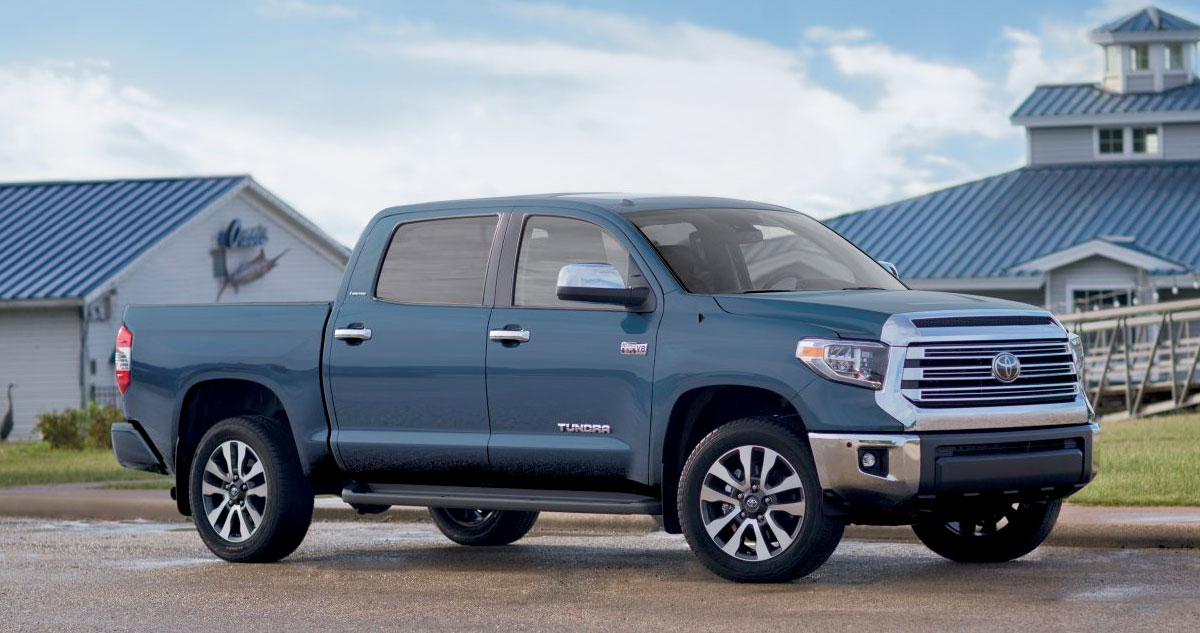
4. Toyota Tundra
The Toyota Tundra is renowned for its reliability, and its U-joints are no exception. While the Tundra is generally lighter-duty than some full-size American trucks, the U-joints are designed to withstand years of everyday driving, towing, and moderate off-road use without showing signs of failure.
High-quality steel and precision manufacturing ensure that the joints rotate smoothly, even under the stress of heavy payloads or extended highway travel.
Many Tundra owners report that their trucks maintain consistent driveline performance at high mileage, with minimal vibration or noise, which reflects the durability of the U-joints.
Driveline design and balance contribute significantly to U-joint longevity in the Tundra. Engineers focused on reducing angles that could induce binding or uneven wear, ensuring that the driveshaft and rear differential operate in harmony.
This careful design reduces the risk of premature wear, heat buildup, and the vibration problems that are common in less robust drivetrains. Even when towing moderate loads or traveling long distances on highways, the Tundra’s U-joints maintain smooth rotation and reliable performance.
Maintenance practices in the Tundra are straightforward, further supporting longevity. Periodic inspection and greasing of the U-joints can prevent wear caused by dust, dirt, and water intrusion, which is particularly important for trucks used in off-road or high-humidity conditions.
Toyota’s emphasis on reliability ensures that factory-installed U-joints are designed to last for many miles even with minimal maintenance, offering peace of mind to owners who prioritize low-maintenance vehicles.
Finally, Toyota provides strong aftermarket support and replacement options, making it easy to maintain or upgrade U-joints if necessary.
High-quality OEM replacements are readily available, and aftermarket performance options exist for those who push their trucks to higher towing capacities or heavier off-road usage.
The combination of precise engineering, durable materials, and flexible maintenance options makes the Tundra a reliable choice for long-life U-joints, suitable for both everyday drivers and those who occasionally tow or haul heavier loads.
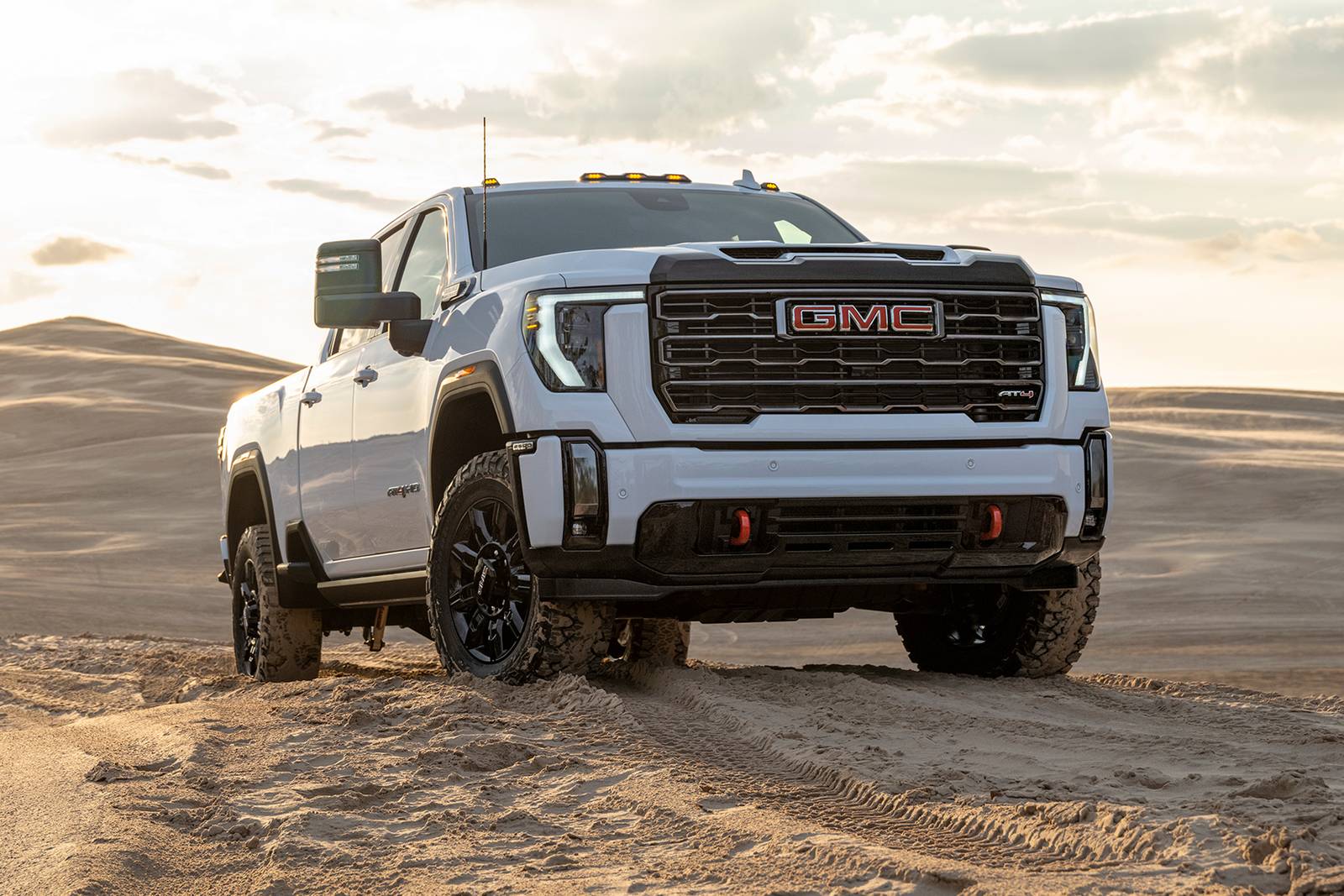
5. GMC Sierra 2500HD
The GMC Sierra 2500HD shares many design features with the Chevrolet Silverado 2500HD, including high-strength U-joints that are designed to handle heavy-duty workloads.
The materials used in these joints, combined with careful machining and precise tolerances, allow them to sustain high torque, towing stress, and long-term highway driving without premature wear.
Owners report that even under continuous heavy use, the U-joints maintain smooth rotation, contributing to a quiet, stable ride and preventing the vibrations that often plague lesser trucks.
Driveline geometry plays an important role in the Sierra 2500HD’s U-joint durability. The angles of the driveshaft are optimized to reduce stress on the joints during acceleration, deceleration, and suspension articulation.
This prevents binding and uneven wear, ensuring that the U-joints rotate smoothly under all operating conditions. Trucks that are regularly used for towing or carrying heavy payloads benefit particularly from this design, as the joints can handle high torque loads without developing vibration or excessive heat.
Maintenance and lubrication options enhance the longevity of the Sierra’s U-joints. Many models feature greasable joints, which allow owners to extend service life through regular maintenance. Sealed joints provide maintenance-free options for those who prefer minimal intervention.
Finally, GMC offers strong support for replacement and upgrades, ensuring that owners can maintain or enhance the U-joints if needed. Reinforced aftermarket options are available for extreme towing or off-road applications, further extending the service life of the drivetrain.
Combined with factory durability and proper maintenance practices, the Sierra 2500HD’s U-joints are among the most reliable in the heavy-duty truck segment.
This combination of engineering, material quality, and maintenance flexibility makes the truck a top choice for those seeking long-life U-joints capable of withstanding high mileage and heavy workloads.
5 Trucks That Vibrate at 60 mph
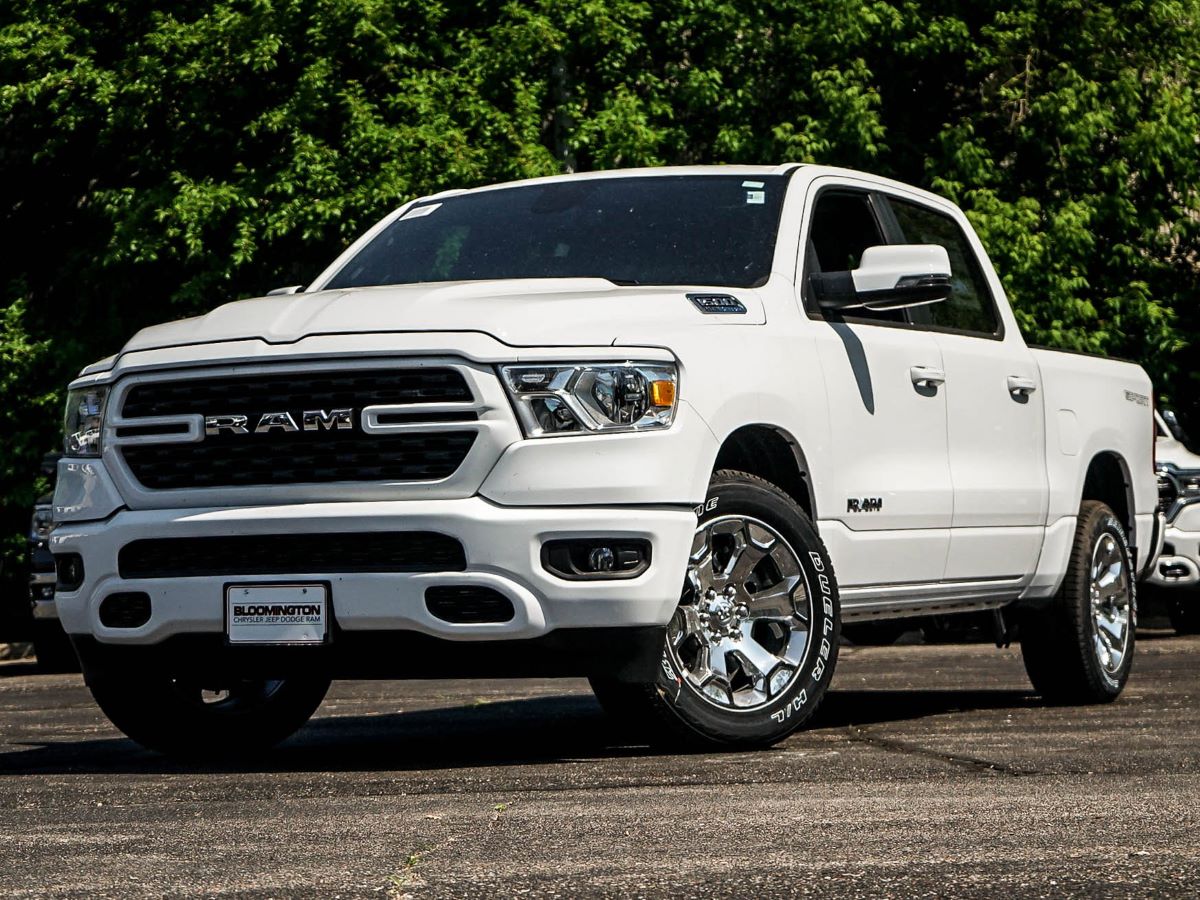
1. Dodge Ram 1500 (Older Models)
Older models of the Dodge Ram 1500, particularly those produced in the early to mid-2000s, are known to experience driveline vibrations around highway speeds of 60 mph.
The primary culprit is often the factory-installed U-joints, which were made from materials that can wear prematurely under heavy use or improper maintenance.
Over time, the bearing caps may loosen, the needle bearings can degrade, and minor misalignment in the driveshaft can amplify vibration.
Drivers commonly report a rhythmic shake or shudder that becomes more noticeable at consistent speeds, especially when the truck is loaded or towing. This issue not only reduces comfort but also accelerates wear on related components like differential gears, transmission output shafts, and suspension parts.
The design and alignment of the driveshaft contribute heavily to this vibration. In many of these older Ram 1500 models, the angles between the transmission and rear differential were more sensitive to minor misalignment or sagging suspension components.
Even slight deviations from factory specifications can create harmonic vibrations at certain speeds. This sensitivity means that aftermarket modifications, such as lift kits or oversized tires, can exacerbate the problem.
Owners who regularly tow trailers or carry heavy payloads often notice the vibrations becoming more pronounced as the U-joints wear, indicating that the issue is cumulative and worsens over time without corrective maintenance.
Maintenance practices, or the lack thereof, often accelerate the onset of vibration issues in older Rams. Many of these U-joints are sealed and rely solely on factory lubrication, which can break down over time due to heat, friction, and environmental contamination.
Once the grease loses its effectiveness, the needle bearings inside the U-joint can bind or wear unevenly, leading to vibration at specific speeds.
Some owners attempt to mitigate this by replacing the U-joints with aftermarket greasable versions, which allow for periodic lubrication and significantly improve performance. However, without intervention, the factory joints are prone to fail or generate noticeable vibrations sooner than expected.
Finally, the broader impact of driveline vibrations in these older Ram 1500 models extends beyond comfort. Prolonged exposure to vibration can loosen other components, including transmission mounts, differential bolts, and suspension bushings.
This creates a cascading effect, increasing maintenance costs and potential for driveline damage. While newer Ram 1500 models have addressed many of these issues through improved U-joint materials and enhanced driveshaft design, early models remain notorious among owners for this vibration problem.
Understanding the underlying causes is essential for anyone considering the purchase of a used Ram 1500 from this era.
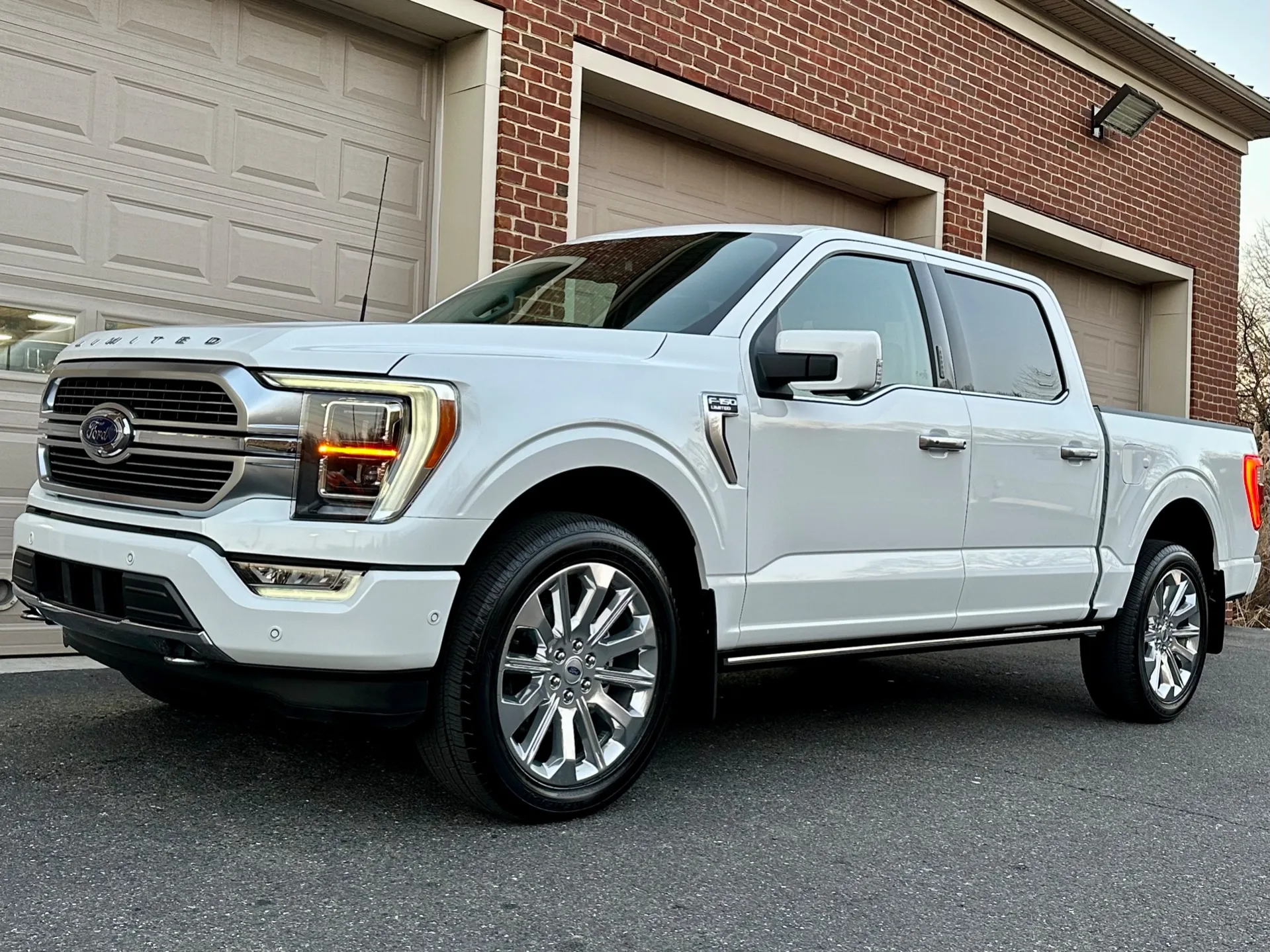
2. Ford F-150 (2004–2010)
Certain Ford F-150 models produced between 2004 and 2010 are frequently reported to exhibit vibrations around 60 mph due to driveline issues, particularly worn U-joints.
These U-joints, often made from standard steel without enhanced bearing surfaces, can wear unevenly under high mileage, heavy towing, or exposure to harsh weather conditions.
The vibration is often a low-frequency shake felt through the floorboards and steering wheel, becoming more noticeable at steady highway speeds.
Drivers commonly describe it as a rhythmic pulsing or shudder that intensifies as the truck warms up, indicating that thermal expansion of the driveshaft and worn U-joints are interacting to amplify vibration.
The geometry of the F-150’s driveline plays a role in this issue. The driveshaft angles in these models are moderately steep, which increases stress on the U-joints when the rear suspension moves under load.
Any misalignment, whether caused by suspension sag, wear in bushings, or previous repairs, can exaggerate vibration at specific speeds.
Trucks that have been lifted or fitted with aftermarket driveshafts often experience more severe vibration, as the angles exceed the tolerances that the factory U-joints were designed to accommodate.
This makes the F-150 particularly sensitive to driveline changes, and minor deviations can translate into noticeable highway shakes.
Maintenance practices are critical for preventing or mitigating these vibrations. Many of the U-joints in these F-150s are non-greaseable and rely entirely on factory lubrication. Over time, the grease can degrade or migrate, leading to increased friction and uneven wear on the bearings.
Once this occurs, even minor loads or vibration in the driveshaft can create a perceptible shake at around 60 mph.
Owners who retrofit greasable U-joints often report dramatic improvements in drivability, illustrating that the problem is largely maintenance-related and can be partially addressed with aftermarket solutions.
The consequences of ignoring vibration in the F-150 extend beyond driver discomfort. Prolonged operation with worn U-joints can damage the transmission output shaft, rear differential bearings, and even the driveshaft itself. In severe cases, failure of a U-joint while driving can lead to catastrophic drivetrain damage.
This combination of design sensitivity, material limitations, and maintenance dependence makes these F-150 models more prone to highway-speed vibrations than later iterations or heavier-duty trucks like the F-250 or F-350. Awareness of these issues is essential for potential buyers and current owners to plan proactive maintenance.
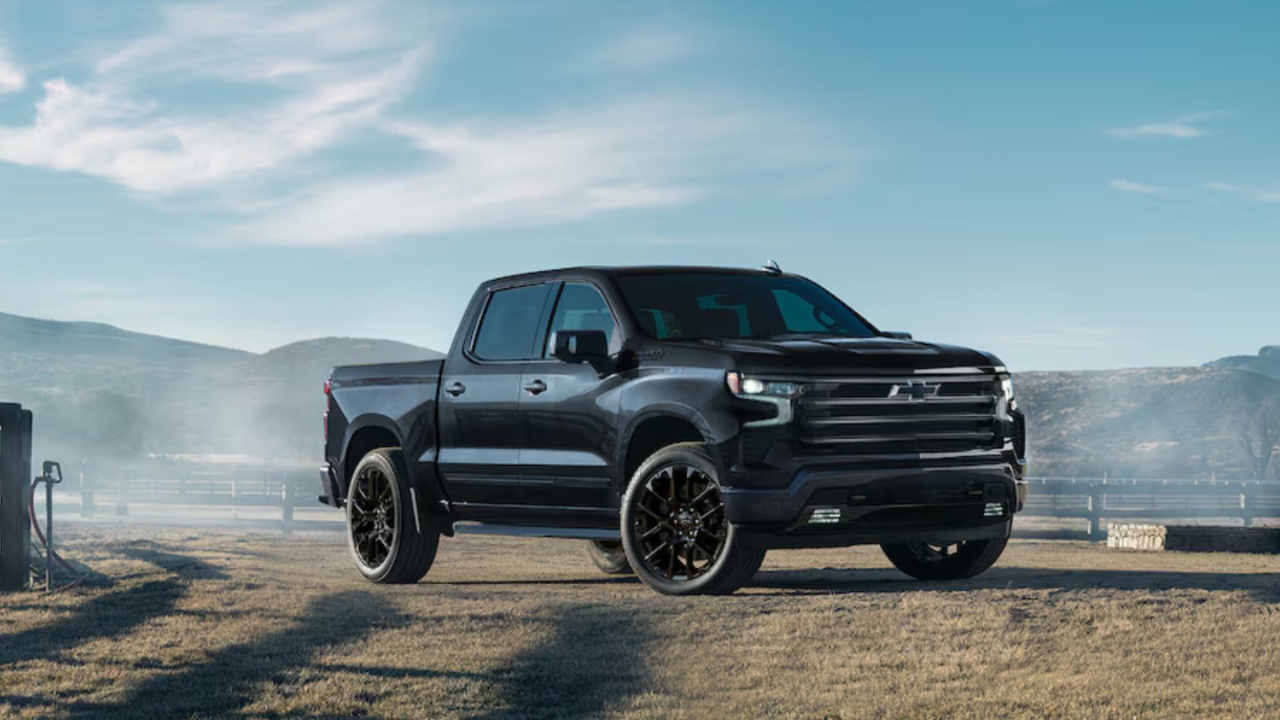
3. Chevrolet Silverado 1500 (2007–2013)
Chevrolet Silverado 1500 trucks manufactured between 2007 and 2013 are often cited for vibrations at highway speeds due to U-joint and driveshaft issues. These trucks are susceptible primarily because the factory-installed U-joints are sealed and can wear prematurely under towing or heavy payload conditions.
The vibration typically manifests as a pulsing or shaking sensation that intensifies around 60 mph, indicating a resonance point where worn joints transmit harmonic forces through the drivetrain. Owners often report that the vibration worsens over time, especially after exceeding 100,000 miles, signaling that the problem is progressive and related to cumulative wear.
The Silverado’s driveshaft geometry contributes to these vibrations. The angles of the driveshaft, combined with suspension movement, can place uneven stress on the U-joints, especially under load. If the rear suspension sags due to worn springs or bushings, the driveshaft angles worsen, accelerating wear on the U-joints and increasing vibration.
Trucks equipped with aftermarket lifts or oversized tires often experience more pronounced vibration because the original U-joints were not engineered to handle the altered geometry. This demonstrates that both design limitations and post-purchase modifications can contribute to driveline issues.
Maintenance practices, or lack thereof, further influence the Silverado 1500’s susceptibility to vibration. Sealed U-joints rely entirely on factory lubrication, which can deteriorate over time due to heat, friction, and environmental contamination.
Once the grease inside the bearings loses effectiveness, the U-joints begin to wear unevenly, transmitting vibration through the driveshaft to the cab.
Owners who proactively replace these joints with greasable versions or upgrade to heavy-duty aftermarket options often report a dramatic reduction in vibration, showing that the issue is largely preventable with proper maintenance.
Finally, the long-term consequences of ignoring vibrations in the Silverado 1500 can be significant. Prolonged operation with worn U-joints can place excessive stress on the rear differential, driveshaft, and transmission output shaft, potentially leading to costly repairs or even failure.
For trucks used in heavy towing or commercial applications, these vibrations not only reduce driver comfort but also compromise component longevity. Awareness of these driveline characteristics is critical for current and prospective owners, particularly those considering high-mileage examples from this generation.
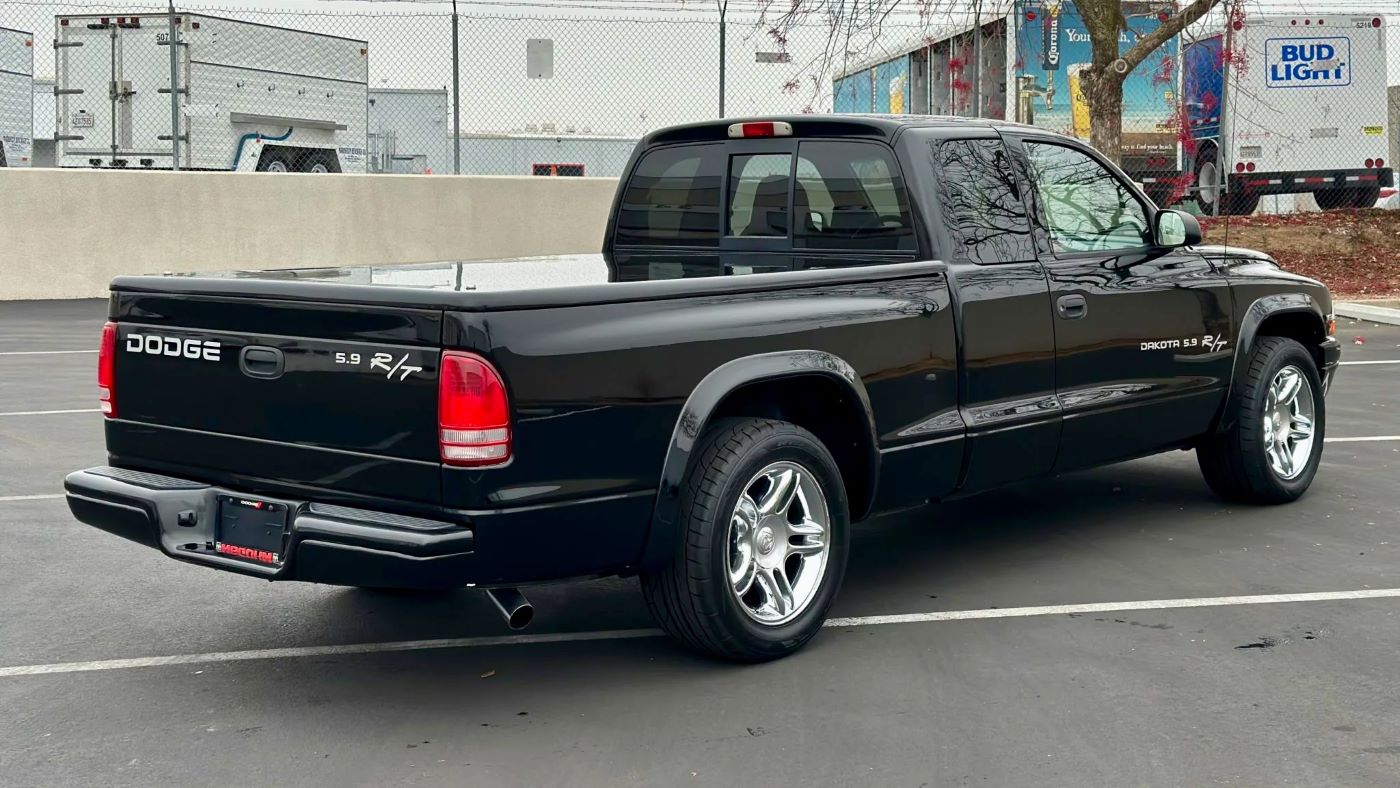
4. Dodge Dakota (2005–2011)
The Dodge Dakota, particularly models from 2005 to 2011, is another truck commonly associated with vibrations at speeds near 60 mph. While smaller than full-size trucks, the Dakota’s U-joints and driveshaft design can produce highway-speed shudders if the components wear unevenly.
Many owners report that the vibration feels rhythmic and persistent, becoming most noticeable on smooth roads where engine vibration is minimal, making the driveline imperfections more pronounced.
In several cases, trucks with high mileage exhibit early U-joint wear due to frequent towing or load carrying, which directly contributes to the vibration issue.
The Dakota’s driveline angles amplify vibration when components begin to wear. The design places moderate stress on the U-joints during suspension movement, and slight misalignments or worn bushings can quickly lead to harmonic vibrations at certain speeds.
Aftermarket modifications, such as lift kits or larger tires, can worsen these vibrations, as the factory U-joints were not designed to compensate for extreme changes in driveshaft angle.
Many Dakota owners report that even minor wear in the U-joints is enough to produce noticeable shuddering, indicating a relatively narrow tolerance for driveline imperfections.
Maintenance plays a central role in preventing or reducing vibration in the Dakota. Many U-joints are sealed and cannot be greased, meaning that once the factory lubrication degrades, the bearings begin to wear unevenly. Exposure to moisture, dirt, and road salt can accelerate this process.
Replacing worn U-joints with greasable aftermarket units often resolves the vibration problem, highlighting that the issue is mostly mechanical and not a defect of the vehicle as a whole. Timely maintenance and replacement are critical to keeping the drivetrain functioning smoothly.
Ignoring vibration in the Dakota can lead to further driveline complications. Unevenly worn U-joints transmit stress to the rear differential and driveshaft, potentially causing accelerated wear or damage to surrounding components.
Prolonged exposure to vibration also increases driver fatigue and reduces comfort, making highway driving less pleasant.
Owners of Dakotas who understand these limitations often plan proactive U-joint replacements to maintain a smooth ride, particularly if towing or carrying heavy payloads is frequent.
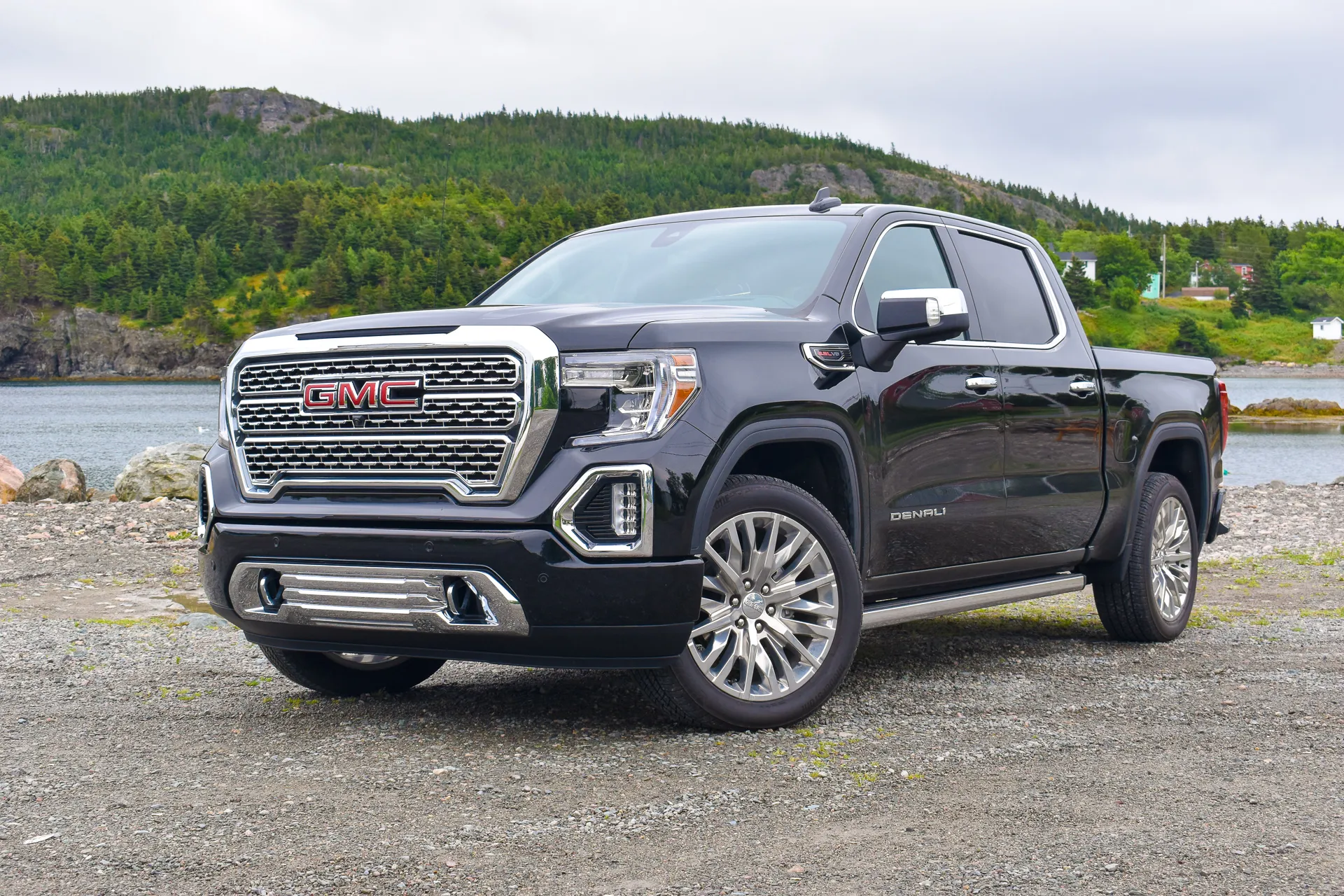
5. GMC Sierra 1500 (2007–2014)
The GMC Sierra 1500, especially models built between 2007 and 2014, is frequently mentioned in owner reports regarding vibrations at highway speeds. The root cause is often the factory-installed U-joints, which can wear unevenly under repeated stress or high-mileage conditions.
Drivers typically notice a pulsing vibration around 60 mph, which tends to worsen as the joints age. While the vibration is not necessarily dangerous in the short term, it is uncomfortable and indicates that the drivetrain components are beginning to wear unevenly, which could lead to long-term damage if left unaddressed.
The Sierra’s driveshaft geometry can contribute to this issue. Even slight changes in the alignment of the driveshaft, caused by suspension sag, worn bushings, or minor frame shifts, can place additional stress on the U-joints.
These trucks are particularly sensitive to modifications, including lift kits and larger tires, which can increase the angles at which the U-joints operate.
This additional strain accelerates wear and amplifies vibration at speeds near 60 mph. Owners with stock trucks may still experience vibration if the U-joints have aged significantly or the vehicle has been subjected to frequent heavy loads.
Maintenance considerations also play a role. Many of the Sierra 1500’s U-joints are sealed, relying on factory lubrication. Once the grease degrades due to heat and friction, the needle bearings inside the U-joint can wear unevenly, causing noticeable vibration.
Replacing worn joints with greasable units or heavy-duty aftermarket options often eliminates the problem. This demonstrates that the vibration issue is largely mechanical and closely tied to maintenance history and usage patterns, rather than a fundamental design flaw.
Finally, the long-term effects of ignoring vibration in the Sierra 1500 include increased wear on the rear differential, transmission output shaft, and driveshaft. Prolonged operation with worn U-joints can escalate into more serious mechanical problems, increasing repair costs and downtime.
While the vibration at 60 mph may seem minor, it is often an early warning of progressive wear that, if left unattended, can compromise the reliability and longevity of the truck’s drivetrain.
Owners who remain proactive with U-joint maintenance and replacement generally experience far fewer issues, highlighting the importance of timely intervention.
