

Fuel pumps are one of the most critical components in any vehicle’s fuel delivery system. They are responsible for delivering fuel from the tank to the engine at the correct pressure, ensuring that the engine runs smoothly and efficiently.
While many vehicle components can fail over time, fuel pump failures are particularly frustrating because they can leave drivers stranded in inconvenient or even dangerous locations.
For crossover SUVs, which are increasingly popular due to their combination of car-like handling and SUV utility, having a reliable fuel pump is essential.
Some crossovers are equipped with remarkably durable fuel pumps, giving owners peace of mind that they are unlikely to experience sudden fuel delivery issues even after years of use.
On the other hand, there are crossovers where fuel pump issues are more common, leaving owners facing expensive repairs and the inconvenience of being unexpectedly stranded.
Understanding which models fall into each category is valuable for anyone considering a used or new crossover SUV, as it can influence long-term ownership costs and reliability expectations.
This article provides an overview of five crossovers with highly reliable fuel pumps, often referred to as “bulletproof” in automotive circles, and five crossovers where fuel pumps are known to be more problematic.
By examining these vehicles, potential buyers can make more informed decisions, balancing style, comfort, and utility with the reliability of one of the most essential components in the vehicle’s operation.
5 Crossovers With Bulletproof Fuel Pump

1. Toyota RAV4
The Toyota RAV4 has earned a strong reputation for reliability, and one of the reasons behind this is its remarkably durable fuel system. Over multiple generations, the RAV4’s fuel pump has proven itself capable of delivering consistent performance even under high mileage and challenging driving conditions.
Owners often report driving well over 150,000 to 200,000 miles without experiencing fuel pump failures. This level of durability is especially important for crossover owners, who often use their vehicles for commuting, road trips, and even light towing, all of which can place additional strain on the fuel system.
Toyota’s focus on reliability is evident in every aspect of the RAV4’s engineering, from material selection to component design, resulting in a fuel pump that is highly resistant to wear and tear.
The RAV4’s fuel pump is designed to provide steady fuel pressure under varying conditions, from hot summer days to freezing winters. In many vehicles, fuel pumps can struggle when temperatures fluctuate dramatically, leading to hesitation or stalling, but the RAV4 maintains consistent fuel delivery.
This is largely due to Toyota’s careful attention to pump construction, including robust internal components and protective housings that shield it from debris or contaminants.
Even under heavy acceleration or during uphill climbs, the RAV4’s fuel pump continues to operate reliably, which gives drivers confidence that they will not experience unexpected interruptions in performance.
Another reason for the RAV4’s fuel pump durability is its maintenance-friendly design. The pump is positioned within the fuel tank in a way that minimizes exposure to external elements and reduces the likelihood of premature wear.
This thoughtful placement means that, with regular maintenance such as timely fuel filter replacement, the pump can last the lifetime of the vehicle in many cases.
Owners of older RAV4 models often report no fuel system issues at all, highlighting the effectiveness of Toyota’s design philosophy. This approach demonstrates that a well-engineered fuel pump can contribute significantly to long-term vehicle reliability.
Finally, the RAV4’s combination of longevity, low maintenance requirements, and dependable fuel pump performance makes it a strong choice for anyone who plans to keep their vehicle for many years.
Unlike vehicles where fuel pump failures are common and can lead to costly repairs or inconvenient breakdowns, the RAV4 allows drivers to focus on enjoying the driving experience rather than worrying about fuel delivery problems.
Its reputation for dependability extends beyond the pump itself, encompassing other components in the fuel and engine systems, creating an package of reliability that has made the RAV4 a trusted choice for millions of drivers worldwide.

2. Honda CR-V
The Honda CR-V is another crossover that consistently demonstrates reliability, particularly when it comes to fuel system components. Across multiple generations, the CR-V has earned a reputation for low-maintenance operation, and the fuel pump is one of the reasons for this.
Owners frequently report high mileage without any issues, with some vehicles surpassing 200,000 miles while retaining smooth and consistent fuel delivery.
Honda’s engineering philosophy emphasizes durability and efficiency, which extends to the fuel pump design, making it resilient against common issues such as overheating, contamination, or mechanical wear.
The CR-V’s fuel pump maintains a stable flow of fuel to the engine, ensuring smooth acceleration and consistent performance under a variety of driving conditions.
Many crossovers experience fuel delivery issues during city stop-and-go traffic or long highway trips, but the CR-V’s pump is capable of handling both with minimal strain.
This reliability is particularly valuable for drivers who frequently commute or transport family members, as fuel pump failure in such situations can be not only inconvenient but also potentially dangerous. The CR-V’s design minimizes such risks, giving owners confidence in its performance.
In addition to performance, Honda’s focus on quality control contributes to the CR-V’s fuel pump durability. Components undergo rigorous testing to ensure they can withstand vibration, temperature fluctuations, and long-term stress without failure.
The pump itself is constructed with high-quality materials that resist wear, while protective housings reduce exposure to contaminants that could otherwise accelerate deterioration. This attention to detail ensures that even older CR-Vs continue to perform reliably, which is a significant advantage for those planning to keep their vehicle for a decade or longer.
Finally, the CR-V benefits from the accessibility and affordability of replacement parts, even though they are rarely needed due to the pump’s inherent reliability. If a replacement is ever necessary, most repair shops can perform the service efficiently, minimizing inconvenience to the owner.
This combination of durable design, quality engineering, and ease of service reinforces the CR-V’s standing as a crossover with a bulletproof fuel pump, making it one of the most dependable options for long-term ownership, whether for commuting, road trips, or family use.

3. Subaru Forester
The Subaru Forester is well-regarded for its all-wheel-drive capability, rugged design, and reliability, with a fuel pump that is central to this reputation. Subaru designs fuel systems to withstand demanding conditions, including steep terrain, off-road environments, and severe weather.
The Forester’s fuel pump is engineered to operate consistently regardless of altitude or climate, allowing owners to drive with confidence in a wide variety of situations. Its durability is one of the key reasons the Forester has maintained a loyal following among those who need dependable, versatile transportation.
Subaru’s fuel pumps are designed to operate continuously without overheating, a factor that can cause premature failure in other vehicles. The Forester’s pump delivers steady fuel pressure over long distances and during demanding driving conditions, such as towing or climbing inclines.
Many Forester owners report reaching well over 150,000 miles without fuel pump issues, demonstrating the system’s resilience. This reliability is particularly important in regions with extreme temperatures or rugged terrain, where vehicle failure can pose a serious inconvenience or safety risk.
Another element contributing to the Forester’s fuel pump durability is its placement and protection within the fuel tank. Subaru minimizes exposure to dirt, debris, and contaminants, which can otherwise clog or damage the pump.
Combined with routine maintenance, this design allows the pump to last for many years without failure. The use of high-quality materials, along with careful engineering, ensures that the fuel pump maintains optimal performance over the life of the vehicle.
Additionally, the Forester’s pump performs reliably regardless of fuel quality. Some vehicles are sensitive to ethanol content or lower-grade fuel, which can accelerate wear or reduce efficiency.
The Forester, however, maintains consistent performance, making it a practical choice for drivers in regions where fuel quality may vary.
This adaptability, combined with rugged design and long-term reliability, positions the Forester as one of the most dependable crossovers for those who need a fuel system they can trust under virtually any condition.

4. Mazda CX-5
The Mazda CX-5 is known for its sporty handling, sleek design, and reliability, with a fuel pump that contributes significantly to its dependable performance.
Mazda engineers prioritize durability in the fuel delivery system, ensuring that the CX-5 can handle both daily driving and spirited acceleration without issue.
Many CX-5 owners report that the fuel pump rarely requires attention, even after years of regular use, which is a testament to the quality of Mazda’s engineering and component selection.
The fuel pump delivers consistent pressure to support the CX-5’s engine performance, avoiding common issues such as hesitation, stalling, or rough acceleration.
Vehicles with weaker or poorly designed pumps may struggle when the engine demands a sudden increase in fuel, such as during overtaking maneuvers or uphill climbs, but the CX-5 maintains smooth, reliable delivery.
This reliability allows drivers to enjoy the vehicle’s performance characteristics without the concern of potential fuel system interruptions.
Durability is further enhanced by Mazda’s attention to materials and construction. The fuel pump is designed to resist heat, vibration, and fuel impurities, which are common causes of premature failure in other crossovers.
Protective housings and precision engineering reduce mechanical wear, ensuring that the pump remains operational for many miles. For owners who plan to keep their CX-5 for a long period, this translates to peace of mind and minimal maintenance concerns.
Finally, the CX-5’s fuel system is relatively straightforward to service if needed. Accessing or replacing the fuel pump generally involves standard procedures without excessive labor, making maintenance easier and less costly compared with some other vehicles.
Even though replacement is rarely necessary, this design feature provides reassurance that, in the unlikely event of a failure, repair will not be overly complex or time-consuming.
The CX-5’s combination of performance, design, and reliable fuel pump operation makes it a strong contender for anyone seeking a crossover that blends driving enjoyment with long-term dependability.
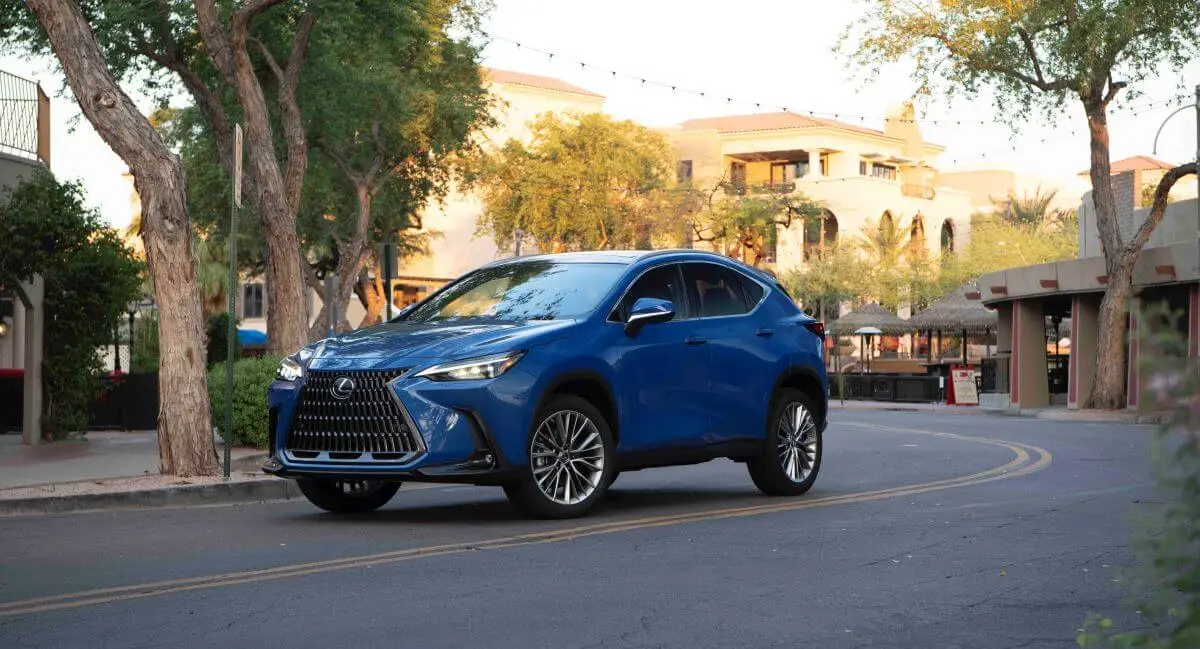
5. Lexus NX
The Lexus NX benefits from Toyota’s proven reliability and engineering, extending to its fuel pump. As a luxury crossover, the NX emphasizes both comfort and dependability, and its fuel system is a reflection of that philosophy.
The fuel pump is engineered to deliver precise fuel pressure consistently, supporting the vehicle’s performance and ensuring smooth operation under a variety of conditions. Lexus vehicles are known for longevity, and the NX continues that tradition with a fuel pump that rarely fails, even with high mileage.
The NX’s fuel pump supports both city driving and extended highway trips with minimal stress, maintaining steady pressure that prevents hesitation, stalling, or uneven acceleration.
In many vehicles, these symptoms can appear as early warnings of pump failure, but the NX’s system is remarkably resilient, providing reassurance to owners who expect trouble-free driving.
This reliability is particularly valuable for luxury vehicle buyers who expect high performance alongside minimal maintenance.
Maintenance is simplified by careful design and protective measures, reducing wear and prolonging the fuel pump’s service life. Components are shielded from contaminants and stress that can degrade performance over time, ensuring that the fuel pump remains functional for years.
The NX benefits from shared technology with other Toyota and Lexus models known for bulletproof reliability, further reinforcing its reputation.
Finally, the combination of luxury, performance, and a highly reliable fuel pump makes the Lexus NX appealing to drivers who want both comfort and peace of mind. Owners can enjoy the smooth operation and refined features of the vehicle without worrying about sudden fuel system failures.
Its dependable fuel delivery system supports Lexus’s reputation for engineering quality and long-term ownership satisfaction, making the NX one of the top choices in the crossover segment for drivers seeking reliability and refinement.
5 Crossovers That Strand You

1. Jeep Cherokee
The Jeep Cherokee, while celebrated for its off-road capabilities and rugged design, has developed a reputation among some owners for fuel pump unreliability in certain model years.
Unlike vehicles with robust and durable pumps, the Cherokee’s fuel pump may fail prematurely, leaving drivers stranded unexpectedly.
These failures can occur suddenly, often without much warning, which makes them particularly frustrating.
While the Cherokee excels in off-road situations and delivers a solid driving experience in diverse terrains, the inconsistent reliability of its fuel system undermines confidence, especially for drivers who rely on their vehicle for daily commuting or long-distance travel.
One of the issues contributing to the Cherokee’s fuel pump problems is its sensitivity to heat and heavy engine load. During prolonged drives or in hot climates, the pump can overheat, leading to intermittent fuel delivery or complete failure.
This creates scenarios where the engine may stall unexpectedly, sometimes in high-traffic areas or remote locations.
Drivers often report experiencing these failures despite regular maintenance and the use of quality fuel, indicating that the problem lies more in the pump’s design and durability than in neglect or poor usage.
Another contributing factor is the Cherokee’s pump placement and exposure to contaminants. In some models, the fuel pump is more vulnerable to debris or fuel impurities, which can accelerate wear or lead to clogging.
Once a pump begins to deteriorate, symptoms like hesitation, rough idling, or difficulty restarting often appear, but in many cases, the failure occurs without clear warning signs.
This inconsistency increases the risk of being stranded and makes ownership more stressful for drivers who expect dependable performance from a vehicle with Jeep’s off-road reputation.
Finally, the repair process for a Cherokee fuel pump can be complicated and expensive. Accessing the pump often requires partial disassembly of the fuel system, and replacement costs can be high, especially in comparison to crossovers with more service-friendly designs.
While Jeep offers a unique driving experience and solid off-road capabilities, the fuel pump reliability issues make the Cherokee a less practical choice for buyers who prioritize consistent day-to-day operation. Prospective owners must weigh its rugged appeal against the potential inconvenience and cost of fuel system failures.
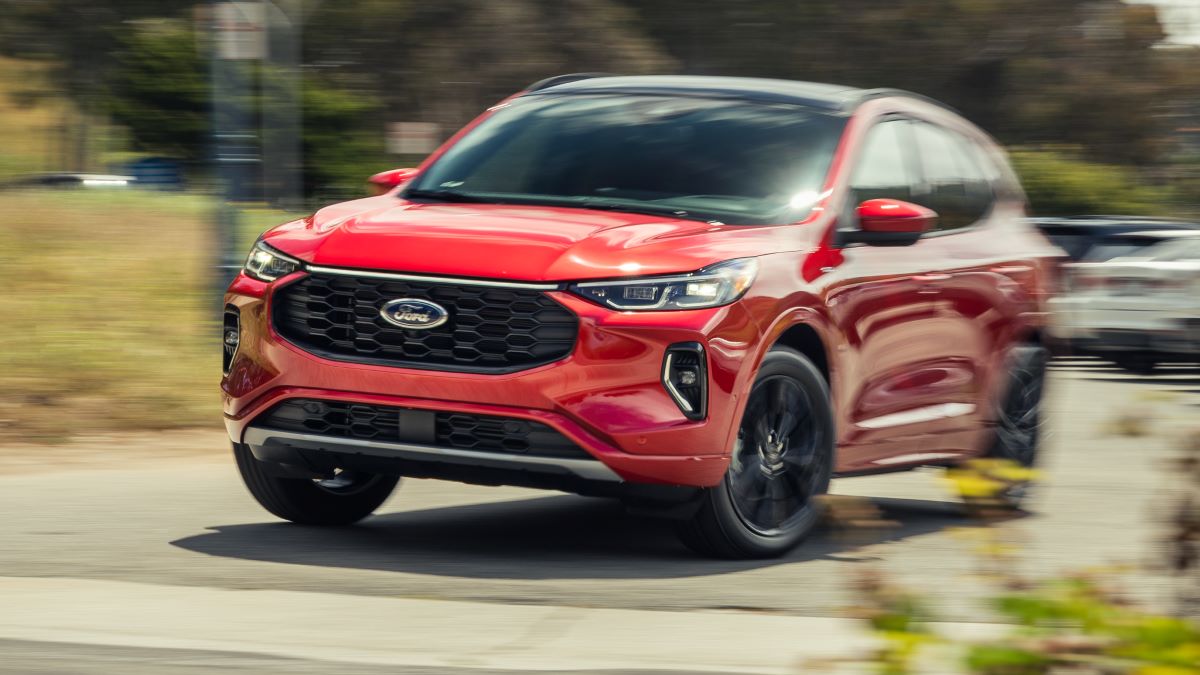
2. Ford Escape
The Ford Escape, particularly in some earlier model years, has a history of fuel pump problems that can leave owners stranded unexpectedly. These failures are often attributed to design and manufacturing inconsistencies, which cause pumps to wear prematurely or malfunction under normal driving conditions.
Unlike vehicles with proven fuel system durability, the Escape’s fuel pump may fail without warning, leading to frustration and inconvenience for owners who rely on the vehicle for commuting, errands, or long-distance trips.
One of the main concerns with the Escape’s fuel pump is its unpredictability. Some owners experience gradual symptoms such as hesitation, sputtering, or difficulty starting, which can act as early warnings. However, in other cases, the pump fails abruptly, leaving drivers stranded with no advance notice.
This inconsistency makes the Escape particularly problematic for people who prioritize reliability, as even routine trips can be interrupted by a sudden fuel delivery failure.
Additionally, the repair process for the Escape’s fuel pump can be labor-intensive. In many cases, accessing the pump requires removing the fuel tank or navigating other components, which increases both the cost and complexity of replacement.
Some owners report recurring issues even after pump replacement, suggesting that certain models are prone to repeated failures. These problems reduce the confidence in the vehicle’s day-to-day dependability and highlight the importance of considering fuel system reliability before purchasing.
Despite newer Escape models showing improvements in reliability, the vehicle’s history of fuel pump issues continues to influence buyer perception.
Many potential owners remain cautious, preferring alternative crossovers known for bulletproof fuel pumps that minimize the risk of being stranded. The Escape demonstrates that even a popular, practical vehicle can suffer from critical component weaknesses that affect ownership satisfaction.

3. Nissan Rogue
The Nissan Rogue is a widely used crossover that delivers comfort and versatility, but fuel pump reliability has been inconsistent across model years. Some owners experience repeated failures, often resulting in being stranded unexpectedly.
Unlike vehicles with durable fuel systems, the Rogue’s pump can falter under normal driving conditions, creating inconvenience and safety concerns. This variability in reliability has been a point of criticism for a model otherwise praised for interior space and efficiency.
Fuel pump issues in the Rogue often appear during periods of heavy acceleration or prolonged highway driving, when the demand for fuel increases. Symptoms such as stalling, hesitation, or difficulty starting can indicate a problem, but in many cases, the pump fails without warning.
This unpredictability is frustrating for owners and underscores the importance of evaluating reliability when considering long-term ownership. For drivers who frequently rely on their vehicle for commuting or family use, an unreliable fuel pump can transform routine trips into stressful experiences.
Another contributing factor is the pump’s location and susceptibility to fuel contamination. In some Rogue models, the design allows debris or impurities in the fuel to affect pump performance, accelerating wear and increasing the likelihood of failure.
Accessing and replacing the pump is not always straightforward, often requiring removal of the fuel tank, which adds to repair costs and inconvenience. These challenges highlight the contrast between the Rogue and other crossovers with known durable fuel systems.
Finally, despite the Rogue’s other strengths, fuel pump reliability remains a concern for potential buyers. While the vehicle offers comfort, fuel efficiency, and a modern interior, the risk of being stranded unexpectedly due to pump failure is a serious drawback.
Prospective owners should weigh these factors carefully and consider models with proven fuel system durability to avoid repeated inconvenience or costly repairs.

4. Chevrolet Equinox
The Chevrolet Equinox has enjoyed popularity as a family-friendly crossover, but fuel pump concerns have emerged in certain model years, making reliability an issue. Owners have reported sudden stalling, no-start conditions, or erratic engine behavior, all of which point to fuel delivery problems.
Unlike vehicles with robust pumps, the Equinox’s fuel system can fail unexpectedly, leaving drivers in difficult or unsafe situations. This inconsistency undermines confidence in a crossover that is otherwise valued for comfort and practicality.
One factor contributing to fuel pump failure is sensitivity to fuel quality and heat. In warmer climates or during extended drives, the pump may overheat or struggle to maintain pressure, leading to intermittent performance or complete failure.
These issues can arise even in vehicles with routine maintenance, indicating that the problem is often related to design limitations rather than neglect. The Equinox’s owners frequently report these failures as sudden, which increases frustration and inconvenience.
Accessing and replacing the fuel pump in the Equinox can also be labor-intensive. The pump is often located inside the fuel tank, requiring disassembly and additional labor to replace, which raises repair costs.
This process contrasts with crossovers that have easier-to-service fuel systems, highlighting the practical challenges of owning an Equinox with a problematic pump. Recurrent issues further complicate ownership, as some drivers experience repeated failures even after repairs.
Finally, while the Equinox has many desirable features, including spacious interiors and modern amenities, fuel pump reliability remains a significant drawback. For drivers prioritizing worry-free ownership and consistent performance, the potential for being stranded unexpectedly is a major consideration.
The Equinox demonstrates that even well-regarded crossovers can suffer from critical component weaknesses that affect satisfaction and confidence in the vehicle.

5. Kia Sportage
The Kia Sportage is a stylish and affordable crossover that offers a good balance of features and performance, but earlier models have faced fuel pump reliability issues that can leave drivers stranded unexpectedly.
Fuel pump failure in the Sportage is often sudden, occurring without clear warning signs, which makes it particularly frustrating for owners who rely on the vehicle for daily commuting or family transportation.
Despite the vehicle’s appeal in terms of design and amenities, these reliability concerns have affected its reputation in certain model years.
Fuel pump problems in the Sportage can manifest as hesitation, stalling, or difficulty starting the engine, often occurring under high load or during extended trips. Unlike crossovers with bulletproof fuel pumps, the Sportage may experience sudden failure, leaving drivers stranded and uncertain.
These issues are compounded in regions with high temperatures or variable fuel quality, which can accelerate pump wear and increase the likelihood of malfunction.
Repairing the Sportage’s fuel pump can be complex and costly. Accessing the pump often requires fuel tank removal or partial disassembly, adding labor and time to the process.
For owners, this translates into inconvenience, downtime, and higher maintenance expenses, particularly if replacement is needed more than once due to design-related weaknesses. The risk of repeated failures reduces confidence in the vehicle’s reliability and long-term ownership prospects.
Despite its affordability, comfort, and stylish design, the Sportage’s fuel pump reliability is a critical factor that potential buyers must consider. While the vehicle may meet many needs in terms of performance and amenities, the risk of being stranded due to pump failure is a serious drawback.
Prospective owners are advised to carefully research specific model years and reliability data before making a purchase decision to avoid unexpected inconvenience and costly repairs.
