
Brakes are one of the most critical safety components of any vehicle, yet not all brake systems are created equal. Sedans, which are among the most popular vehicle types for daily commuting and family use, vary significantly in the cost and complexity of their brake systems.
For some drivers, maintaining an affordable brake system is a practical priority, especially when considering long-term ownership costs. Affordable brake systems are typically composed of standard parts that are widely available, making replacements and repairs straightforward and inexpensive.
For many mainstream sedans, this means that a simple pad and rotor replacement can cost a few hundred dollars or less, depending on labor costs and the specific model. These systems focus on reliability and cost-effectiveness rather than extreme performance or cutting-edge technology.
On the other side of the spectrum, some sedans are designed or equipped with exotic brake components. These can include carbon-ceramic rotors, multi-piston calipers, and high-performance pads that offer superior stopping power and fade resistance.
While these exotic brakes provide noticeable improvements in performance, especially under demanding conditions such as spirited driving or track use, they come with significant cost implications. Parts are often specialized, limited in availability, and require skilled technicians to install and maintain.
Replacing a set of exotic brake components can easily reach thousands of dollars, and routine maintenance often requires more care and attention than traditional systems. As a result, these sedans tend to cater to enthusiasts or buyers who prioritize performance over affordability.
The choice between an affordable brake system and an exotic one is not solely about cost. It also reflects the intended use of the vehicle and the driver’s priorities.
Mainstream sedans with budget-friendly brakes are ideal for commuting, family trips, and occasional spirited driving without creating a financial burden.
In contrast, sedans with exotic brakes are often part of a larger package of performance-oriented features that emphasize handling, acceleration, and braking under extreme conditions.
Drivers must consider whether the benefits of exotic components justify the extra cost and complexity. For most daily driving scenarios, standard brakes are more than sufficient to ensure safety and reliability.
Understanding the differences between affordable and exotic brake systems is crucial for anyone considering a new sedan.
Beyond cost, factors such as brake feel, stopping power, durability, and maintenance requirements come into play. Affordable brakes offer peace of mind and practical savings, while exotic brakes provide performance and a sense of excitement.
This article examines five sedans that are known for having budget-friendly brakes, alongside five sedans that come equipped with exotic components. By comparing these two groups, readers can make informed decisions about what type of braking system best suits their needs, lifestyle, and financial considerations.
Sedans with Affordable Brake Jobs
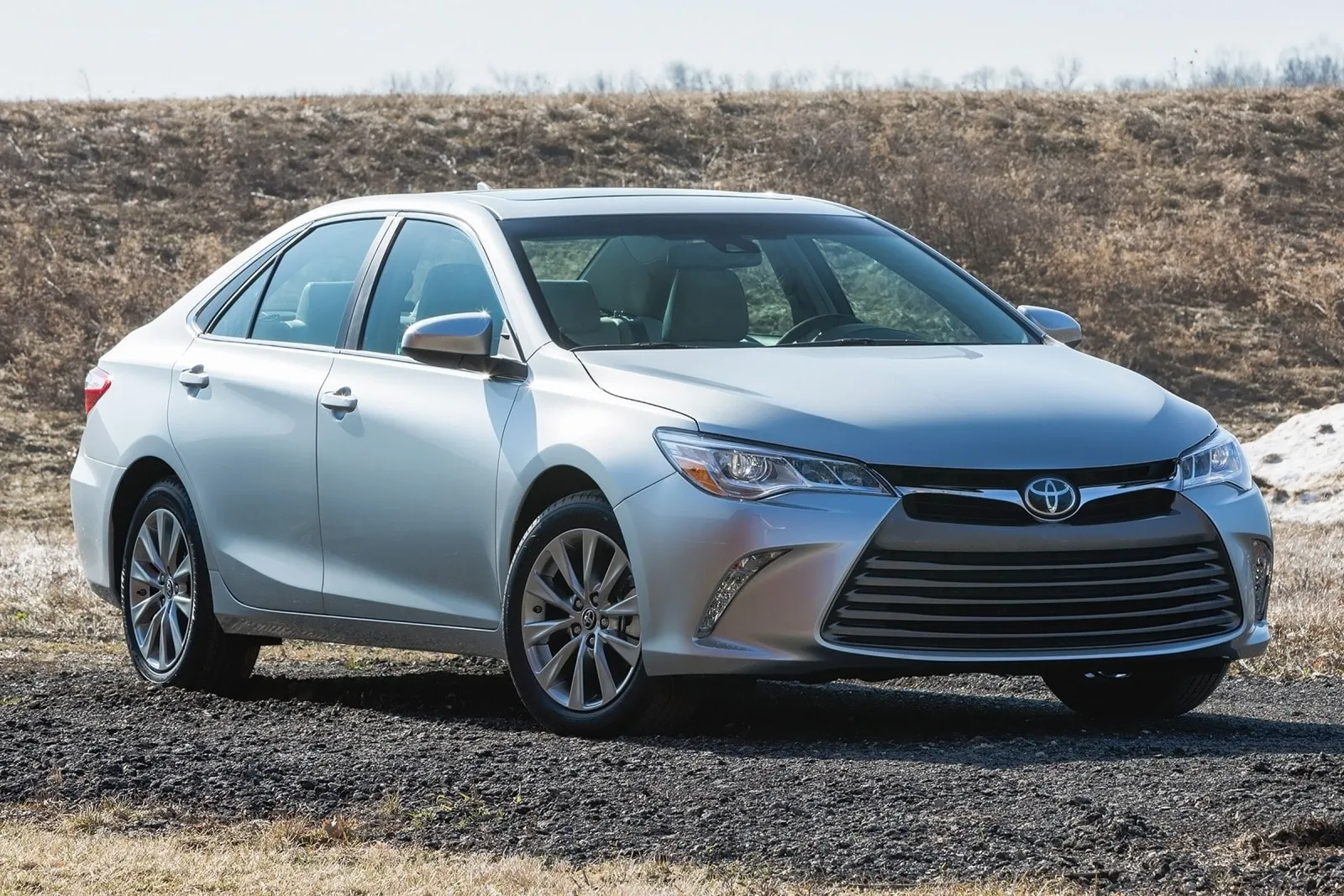
Toyota Camry
The Toyota Camry is widely recognized for its balance between reliability, comfort, and cost-effectiveness, making it one of the most popular sedans in the world. One of its strongest points is the simplicity and affordability of its brake system.
Standard rotors and pads are inexpensive and can be found at virtually any auto parts store, from large retail chains to smaller independent shops. Labor costs for a full brake replacement are also reasonable, especially compared to luxury sedans or high-performance vehicles.
Over the life of the car, these cost savings become significant, particularly for families or commuters who drive extensively. Even under moderate to heavy usage, Camry brakes can last many miles before needing replacement, which contributes to the financial appeal of the vehicle for long-term ownership.
Camry owners benefit from brake components that are straightforward in design and robust in performance. Replacements typically do not require specialized tools or advanced mechanical knowledge, making it feasible for many car owners to handle minor brake maintenance themselves.
Standard calipers, rotors, and brake pads are designed for consistent durability rather than extreme stopping power.
This practical approach ensures the Camry remains a dependable daily driver without incurring large, unexpected repair bills. By focusing on simplicity and reliability, Toyota has engineered the Camry to meet the needs of drivers who prioritize cost savings without compromising safety.
Also Read: 5 Trucks With Brakes That Don’t Fade Towing vs 5 That Smell Hot
Additionally, the Camry’s braking system is designed to perform well under a variety of everyday driving conditions. Whether maneuvering in dense city traffic, navigating winding suburban streets, or cruising on the highway, the brake system maintains a predictable and stable response.
The pedal feel is consistent, and stopping distances remain safe, which provides drivers with confidence behind the wheel. Unlike performance-focused vehicles that require careful attention to brake behavior, the Camry delivers a low-maintenance and reassuring braking experience, making it ideal for drivers who prefer functionality over sportiness.
Finally, the affordability of the Camry’s brakes positively affects the vehicle’s ownership experience. Lower maintenance costs contribute to a favorable long-term cost of ownership, which is a critical factor for many buyers.
Used Camrys retain their value partly because their maintenance is straightforward and inexpensive, giving potential buyers confidence that they will not face unexpected repair costs.
With routine brake inspections and occasional pad or rotor replacements, the Camry proves that reliability and affordability can coexist, providing a safe, practical, and budget-friendly sedan option for a wide range of drivers.
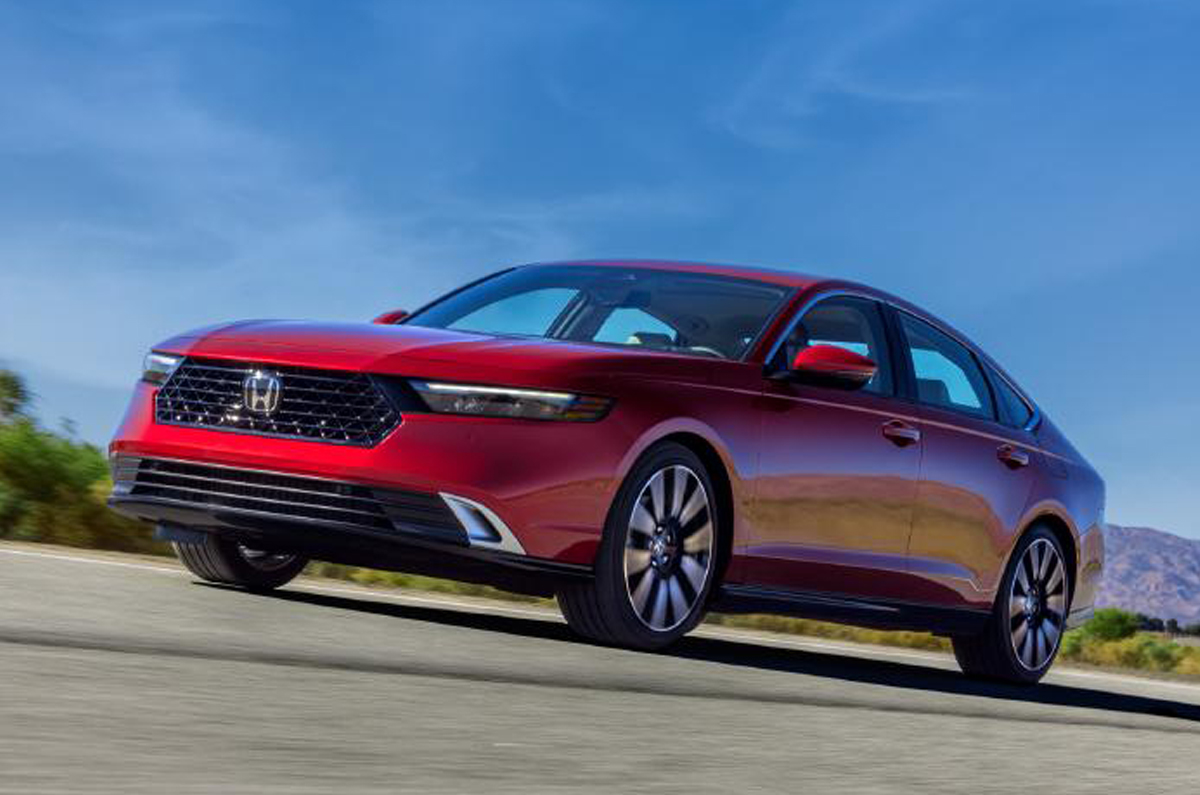
Honda Accord
The Honda Accord is another midsize sedan renowned for combining dependable performance with low-cost maintenance, including brakes.
The Accord’s braking system uses standard pads and rotors that are widely available and affordable. Replacement parts are simple to source, whether from dealerships or independent auto parts suppliers.
Even in dealership settings, the cost of a full brake replacement remains reasonable, and aftermarket alternatives further reduce expenses.
The Accord is engineered to deliver consistent braking performance in normal driving conditions, emphasizing durability and reliability over extreme high-performance capabilities, which keeps long-term ownership costs predictable and manageable.
Honda emphasizes user-friendly maintenance in the Accord, so brake components are designed for accessibility and durability. Standardized parts and a straightforward design allow routine brake maintenance to be performed efficiently, often without specialized tools or advanced expertise.
The calipers, rotors, and pads are engineered to last for years of daily driving, reducing the likelihood of unexpected failures or costly repairs.
This approach reflects Honda’s focus on long-term reliability and practicality, ensuring that drivers can maintain the vehicle without financial strain or complicated service requirements.
The Accord’s braking system also provides a smooth and responsive driving experience. Pedal feel is consistent, stopping distances are predictable, and drivers can rely on the brakes in a wide range of conditions, from heavy city traffic to high-speed highway driving.
While the system does not offer the aggressive performance of exotic brakes, it is perfectly suited for commuters, families, and everyday drivers. The vehicle’s predictable braking performance also contributes to safety, reducing the risk of unexpected behavior during sudden stops or emergency maneuvers.
Finally, the low cost and reliability of the Accord’s brake system add to the sedan’s ownership value. With standard pads, rotors, and calipers, maintenance remains affordable over multiple years of ownership.
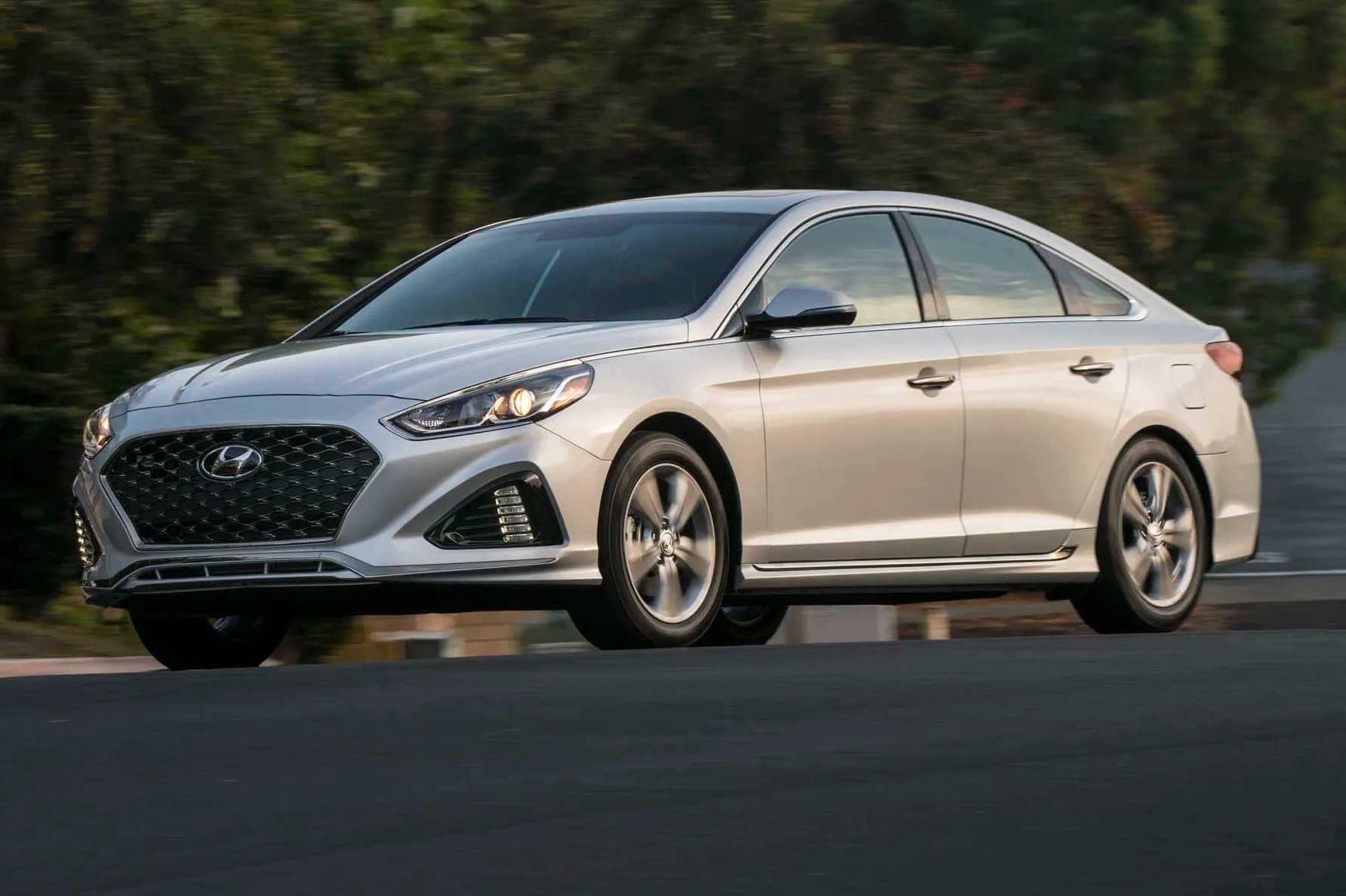
Hyundai Sonata
The Hyundai Sonata is a midsize sedan that successfully combines affordability with modern styling and a user-friendly driving experience.
Its brake system exemplifies Hyundai’s focus on practicality and cost-effectiveness. The vehicle comes equipped with standard pads and rotors that are widely available and relatively inexpensive to replace.
Independent repair shops can perform maintenance easily, which reduces labor costs and service expenses.
Hyundai’s design approach ensures that brake replacement is straightforward, even for non-specialist mechanics, which allows Sonata owners to maintain their vehicles without excessive complexity or cost.
Durability is a key characteristic of the Sonata’s brakes. Components are engineered to withstand daily driving stresses, whether in stop-and-go city traffic or long highway commutes.
Pads and rotors experience gradual wear and often require replacement only after tens of thousands of miles, depending on driving habits.
Routine inspections typically reveal minimal degradation, allowing owners to extend service intervals without compromising safety or performance. This combination of affordability and durability makes the Sonata an excellent choice for cost-conscious drivers who value reliability.
The Sonata’s brakes also deliver a smooth, predictable response. Pedal feel is consistent, stopping power is sufficient under normal driving conditions, and the system performs reliably in emergencies or sudden braking scenarios.
While not designed for extreme high-speed performance, the brakes provide drivers with confidence and peace of mind during daily use.
This reliability is particularly valuable for families, commuters, and anyone who drives frequently, ensuring that the vehicle maintains safe operation without introducing significant maintenance concerns.
By providing affordable, dependable braking, the Sonata reinforces Hyundai’s reputation for practical, reliable, and well-designed vehicles that meet the needs of mainstream buyers.
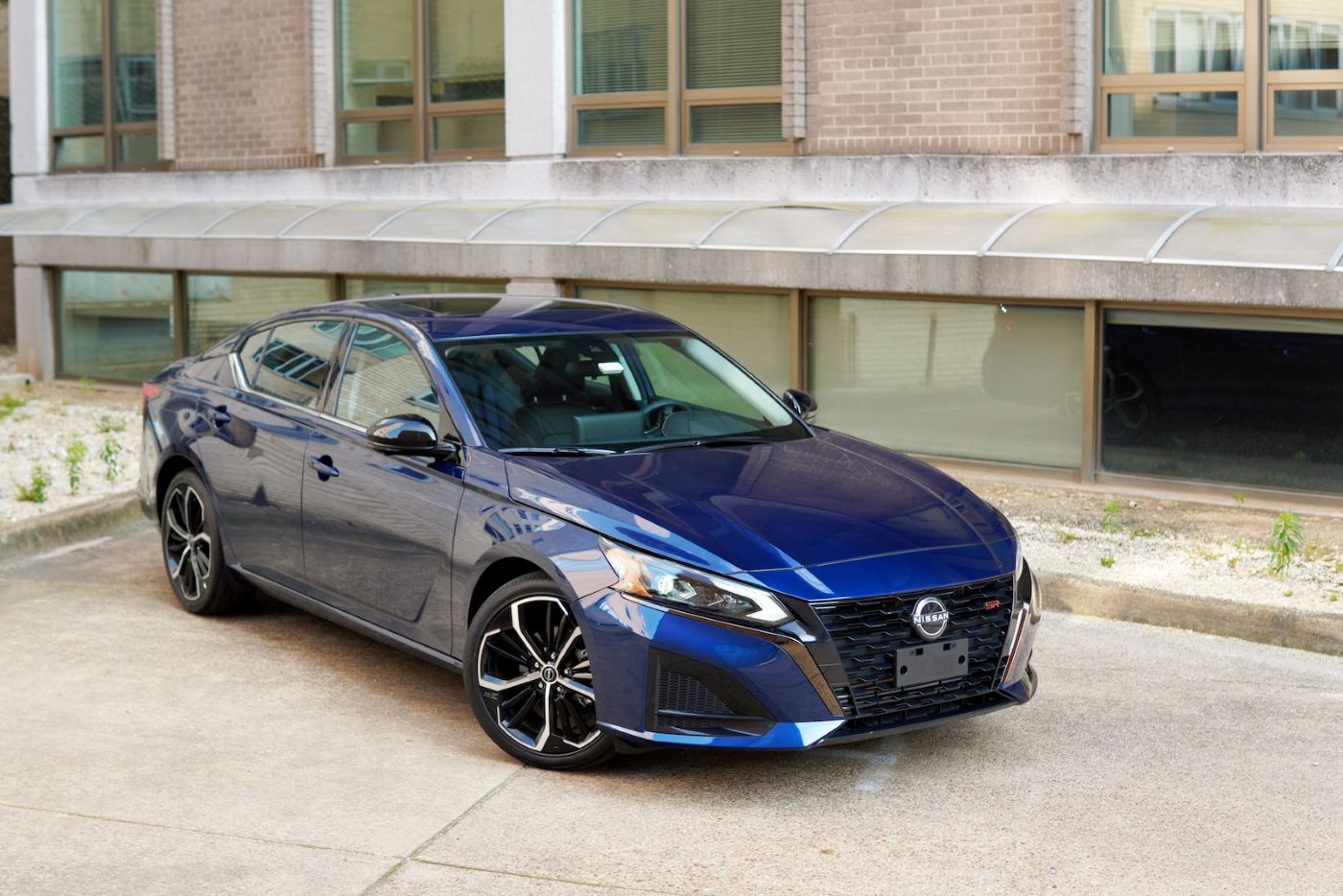
Nissan Altima
The Nissan Altima is a popular midsize sedan that combines affordability with solid performance and reliable maintenance.
Its braking system uses standard components that are widely available and cost-effective. Pads, rotors, and calipers are straightforward to replace, and parts are stocked by both dealerships and aftermarket suppliers.
Labor for brake replacement is generally reasonable, even at certified service centers, which makes maintaining the Altima a practical choice for drivers seeking low-cost ownership. The simplicity of the brake design ensures that maintenance is predictable and accessible.
Altima brakes provide consistent performance across typical driving scenarios. The system is designed for smooth, controlled braking, whether navigating urban streets, suburban roads, or highways. Predictable pedal feel and consistent stopping distances enhance safety and driver confidence.
Although the brakes are not intended for track-level performance or high-speed driving, they are more than adequate for the majority of everyday use, balancing cost and effectiveness.
The accessibility of Altima brake components allows owners to choose from a wide variety of replacement options. Standardized parts support aftermarket alternatives, which can further reduce costs.
This flexibility makes it easy for drivers to plan maintenance without worrying about high expenses or limited availability. Routine inspections and replacements are straightforward, contributing to the Altima’s reputation as a reliable, practical sedan.
Finally, low-cost brake maintenance is an essential part of the Altima’s appeal. Replacement parts, labor, and service are all manageable, allowing drivers to budget for long-term maintenance with confidence.
The combination of reliability, affordability, and accessible service ensures that the Altima remains a strong choice for anyone seeking a practical, budget-friendly sedan with dependable braking performance over many years.
Also Read: 10 Hybrids That Deliver Both MPG and Performance
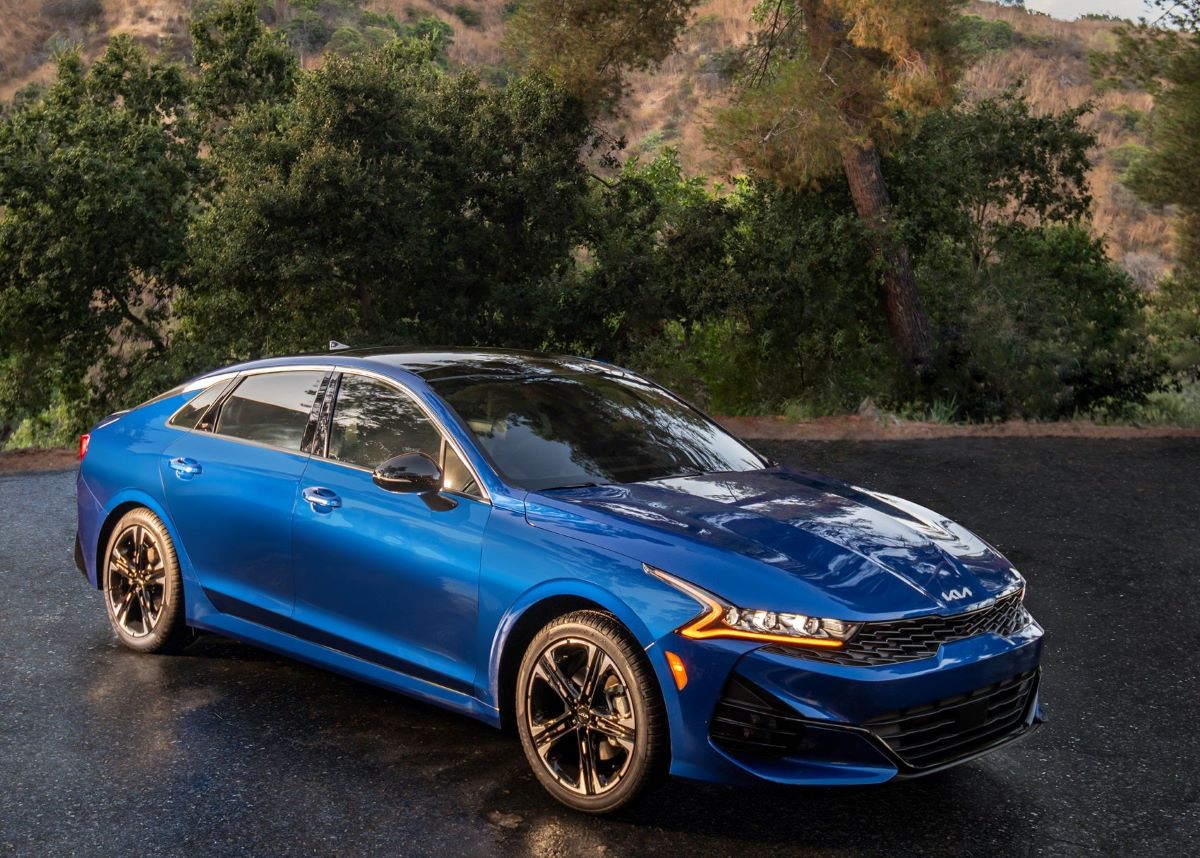
Kia K5
The Kia K5 is a midsize sedan that blends modern styling, comfort, and affordability, including in its brake system. Standard pads and rotors are supplied as part of the base configuration, offering reliable stopping power without incurring high maintenance costs.
Durability is central to the K5’s braking system design. Components are built to endure daily driving stresses and moderate wear, allowing brake pads and rotors to last tens of thousands of miles before replacement is necessary.
Routine inspections often reveal gradual, predictable wear patterns, making maintenance planning simple and reliable. This durability enhances the K5’s reputation as a practical and dependable sedan for budget-conscious buyers.
The braking system delivers smooth and consistent performance. Pedal feel is steady, stopping power is reliable in most driving conditions, and the system reacts predictably under emergency or sudden braking situations.
While not designed for high-speed track use, the K5’s brakes provide safety and confidence for commuting, highway driving, and family trips. Drivers can rely on the system for everyday use without concern for unexpected or costly failures.
Finally, the low cost of brake maintenance strengthens the K5’s long-term ownership experience. Parts are affordable, installation is straightforward, and the vehicle’s design minimizes the risk of complex or expensive repairs.
By offering reliable, accessible brakes, the Kia K5 combines practicality with modern features, making it an attractive choice for drivers who want a budget-friendly sedan that remains safe and dependable for years of use.
Sedans with Exotic Brake Parts
BMW 5 Series
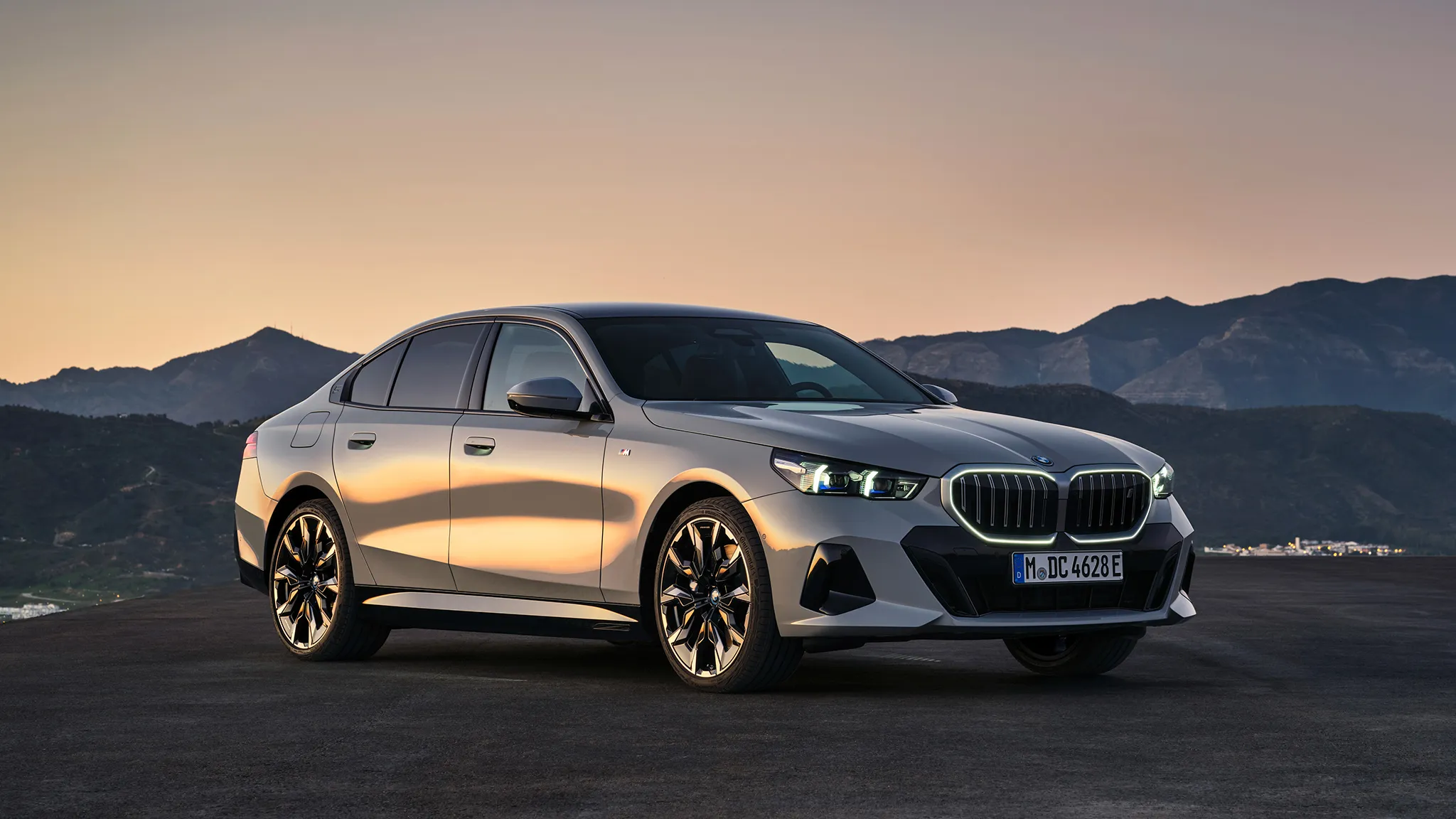
The BMW 5 Series represents a level of refinement and performance that sets it apart from mainstream sedans, and its braking system is a significant part of this identity.
High-performance versions of the 5 Series often come equipped with larger, ventilated rotors and advanced calipers designed for maximum stopping power and heat dissipation.
These components are engineered for precision and durability under demanding conditions, but they come at a cost. Replacement brake pads and rotors are substantially more expensive than those found on standard sedans, often requiring specialized tools and technical expertise for proper installation.
Labor costs for brake maintenance on a 5 Series are generally higher due to the complexity of the braking system and the need to maintain exact tolerances, which ensures optimal performance and safety.
BMW uses high-quality materials such as carbon-ceramic composites or premium alloys for certain high-performance trims. These materials provide exceptional heat resistance, minimal fade, and superior stopping capability even during aggressive driving.
However, this level of engineering requires careful handling during replacement, making DIY maintenance nearly impossible for most owners.
Additionally, the exotic nature of these components means that aftermarket options are limited, and official parts can be significantly more expensive than those for mainstream vehicles.
The combination of cost, material sophistication, and specialized installation reflects BMW’s commitment to high-performance braking rather than affordability.
The braking performance of the 5 Series is finely tuned to complement the car’s driving dynamics. Pedal feel is precise, modulation is consistent, and braking response is sharp and reliable even under extreme driving conditions.
Drivers can push the vehicle harder on winding roads or during spirited acceleration, knowing that the brakes are capable of handling high heat and repeated stopping without losing effectiveness.
This level of performance, however, requires careful attention to maintenance schedules and professional service to avoid performance degradation or safety issues.
Owning a BMW 5 Series entails embracing the higher cost of exotic braking components as part of the ownership experience. While brake jobs are far from inexpensive, they contribute to the vehicle’s premium feel, performance capabilities, and resale value.
Owners appreciate the assurance that comes with a braking system designed for superior performance, even if it demands higher maintenance costs and more meticulous care than mainstream sedans.
Mercedes-Benz E-Class
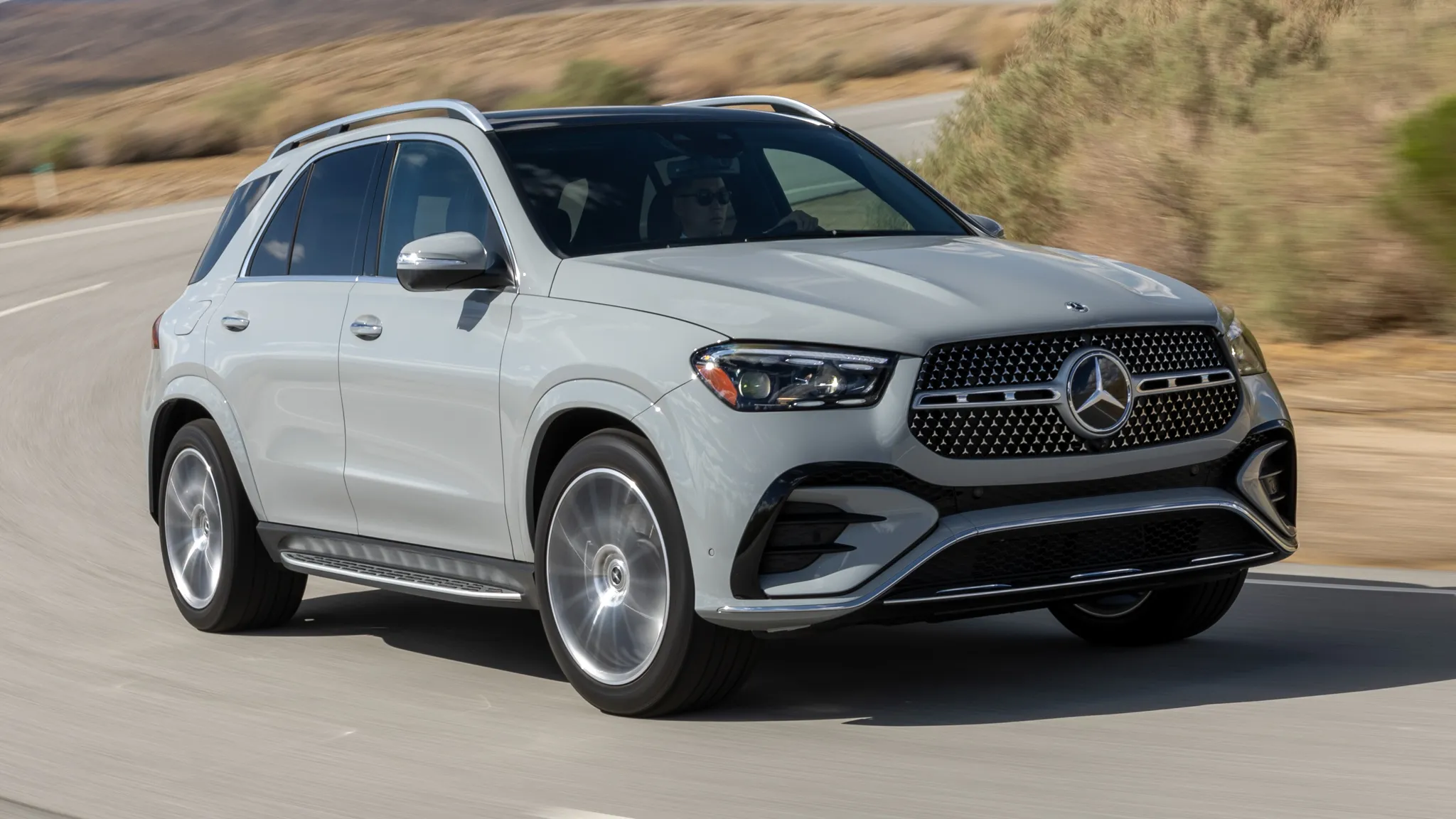
The Mercedes-Benz E-Class combines luxury, comfort, and performance, and its braking system reflects the brand’s emphasis on advanced engineering and reliability at higher performance levels.
Many E-Class models, particularly AMG variants, feature larger rotors, multi-piston calipers, and high-performance pads designed to withstand repeated heavy braking.
These components provide exceptional stopping power, stability, and heat dissipation, particularly during aggressive driving or long descents.
However, the complexity of the system makes brake replacement significantly more expensive than on mainstream sedans. High-quality materials and precise tolerances contribute to both superior performance and increased maintenance costs.
Mercedes-Benz often equips its E-Class with options such as perforated rotors, specialized pad compounds, and lightweight alloy calipers, all designed to enhance braking performance while reducing unsprung weight.
These exotic components require exact installation procedures, often necessitating dealership service or specialized mechanics familiar with Mercedes systems.
Aftermarket alternatives exist but are often costly, and using substandard parts can compromise braking performance, safety, and even the vehicle’s warranty. This ensures that maintaining the braking system remains an investment in performance rather than a low-cost necessity.
The performance benefits of these exotic brake components are noticeable in every aspect of driving. The E-Class delivers strong, consistent braking with minimal fade, even during high-speed highway driving or spirited cornering.
Owners of the E-Class must accept that maintenance costs will reflect the sophistication of the system. While the brakes are expensive, they are designed to provide superior performance and safety over the life of the vehicle.
The higher investment in exotic components reinforces the car’s premium image and ensures that the braking system can meet the expectations of drivers accustomed to top-tier luxury sedans.
Properly maintained, these brakes remain reliable, effective, and a key factor in the E-Class’s reputation for driving excellence.
Audi A6
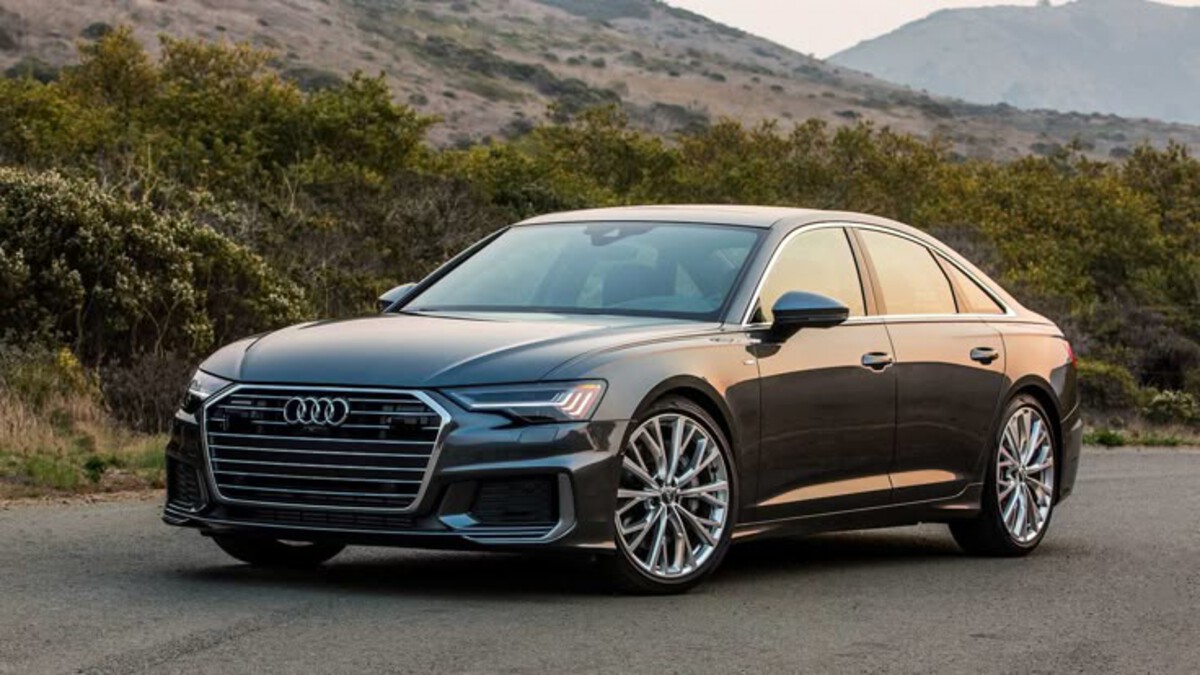
The Audi A6 is a sedan that blends advanced technology, luxury, and performance, and its braking system exemplifies Audi’s engineering approach.
High-performance versions of the A6, especially those with the S or RS designation, come with larger ventilated rotors, multi-piston calipers, and advanced pad compounds designed for maximum stopping efficiency.
These components are engineered to handle the increased weight and power of higher-trim models while providing consistent performance under heavy use. Exotic materials and precise engineering translate to higher replacement costs, limited aftermarket availability, and labor that requires specialized skills.
Audi often uses advanced alloy rotors and high-performance pads that improve heat resistance, reduce fade, and allow for precise pedal modulation. While these components provide excellent braking capability, they also necessitate careful maintenance to preserve optimal performance.
Standard replacement procedures are more involved than on mainstream vehicles, and improperly installed components can lead to uneven wear, noise, or reduced stopping power. As a result, professional service is strongly recommended for Audi brakes, particularly for high-performance variants.
The braking system on the A6 offers drivers confidence in a wide range of conditions. Whether negotiating tight city streets, accelerating on highways, or driving aggressively on curvy roads, the brakes provide a smooth and predictable response.
Pedal feedback is precise, and stopping distances are minimized without sacrificing stability or control. These characteristics are particularly important for drivers who value both performance and safety, as the braking system is integrated with Audi’s electronic stability programs and other driver-assist technologies.
Owning an A6 means recognizing the financial commitment associated with exotic brake parts. While costs are significantly higher than on mainstream sedans, the system delivers exceptional stopping power, reliability under stress, and integration with advanced vehicle dynamics.
For many Audi owners, the higher maintenance cost is justified by the assurance of top-tier performance and a braking experience that complements the vehicle’s luxury and sporty characteristics.
Proper care ensures that the brakes continue to operate effectively over the long term, preserving both safety and the driving experience.
Jaguar XF
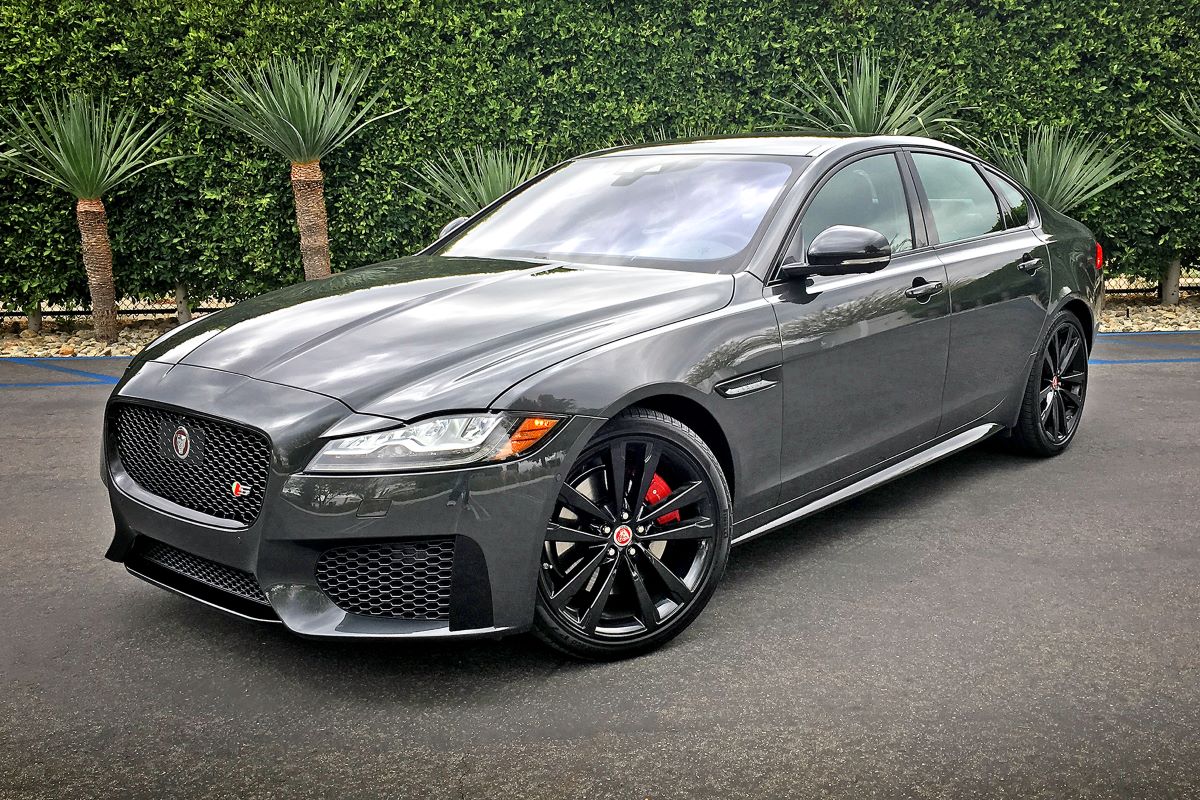
The Jaguar XF is a luxury sedan that combines British styling, performance, and refined engineering, including an advanced braking system. Many XF models feature high-performance components such as ventilated or slotted rotors, multi-piston calipers, and specialized pad compounds.
These exotic parts allow for enhanced stopping power, improved heat dissipation, and superior modulation during spirited driving.
However, the complexity and premium materials of the system result in higher replacement costs and labor expenses compared with standard sedans. Professional servicing is recommended to maintain proper alignment, torque specifications, and brake fluid integrity.
Jaguar XF brakes often incorporate advanced alloys and proprietary pad formulations designed to provide consistent performance under a variety of driving conditions.
The system is engineered for both everyday safety and occasional high-performance demands, ensuring reliable braking during city driving, highway cruising, and spirited excursions.
These exotic components also contribute to the vehicle’s driving dynamics, enhancing responsiveness and stability while minimizing vibration and noise. Maintaining the system requires careful attention to part quality and service intervals, reflecting the premium nature of the vehicle.
The braking performance of the XF is tuned to balance comfort and sportiness. Pedal feel is smooth yet firm, modulation is precise, and the vehicle maintains stability even under emergency braking or rapid deceleration.
Drivers benefit from confidence-inspiring stopping power that complements the car’s driving character, making it suitable for both relaxed cruising and dynamic driving.
The braking system also integrates seamlessly with electronic aids such as traction control and adaptive braking features, further enhancing safety and performance.
Owners of the Jaguar XF should expect higher maintenance costs for brakes, reflecting the exotic materials and engineering involved. While expensive, these components deliver exceptional performance, safety, and a premium driving experience.
Tesla Model S
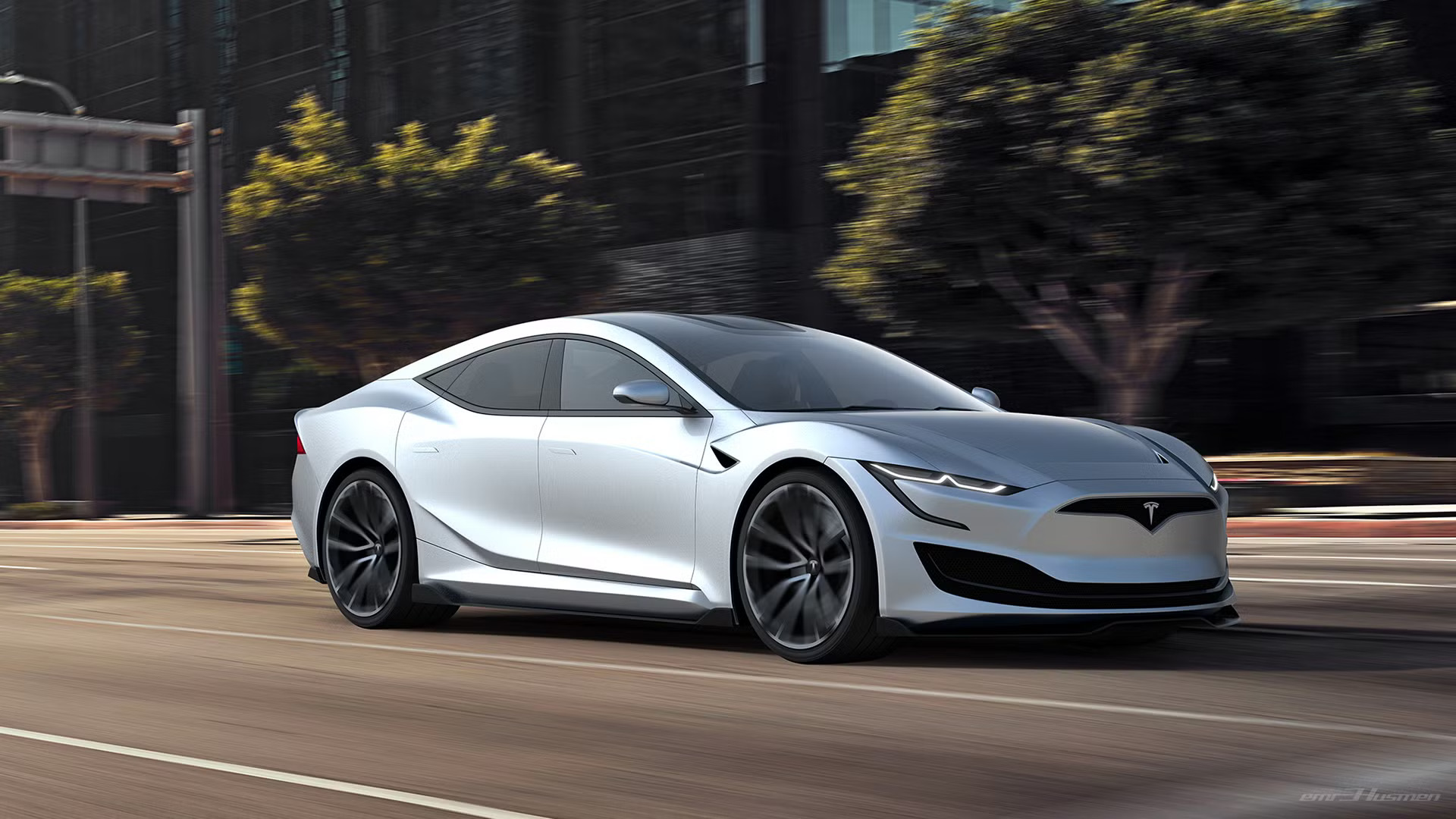
The Tesla Model S offers a unique approach to braking with its combination of regenerative braking and high-performance mechanical brakes. High-end models equipped for performance driving often feature larger rotors, multi-piston calipers, and advanced cooling systems.
While Tesla’s regenerative braking reduces wear on mechanical components, when replacement is necessary, parts are significantly more expensive than conventional sedans.
Specialized installation and calibration are required to ensure proper integration with the regenerative braking system, adding complexity and cost to maintenance.
Tesla employs high-quality materials for its brake rotors and pads to withstand the unusual stresses created by a combination of regenerative and friction braking. Exotic alloys and precision engineering ensure durability, heat management, and effective stopping power under all driving conditions.
Because of the integration with the vehicle’s electronic systems, brake replacement often requires software calibration and professional service, making DIY solutions impractical for most owners. Parts availability is also limited, contributing to higher costs and longer service times.
The Model S braking system is designed to provide strong, predictable stopping while enhancing energy efficiency. Regenerative braking recovers energy during deceleration, reducing wear on mechanical components, while the performance-oriented friction brakes ensure maximum stopping power when needed.
Pedal feel is responsive and consistent, allowing drivers to modulate braking effectively. The combination of electronic and mechanical systems provides a unique and high-tech braking experience that differs from traditional sedans.
Owning a Model S means accepting the higher cost and complexity associated with exotic braking components. While mechanical brake maintenance is less frequent due to regenerative braking, when service is required it can be expensive and time-consuming.
The investment, however, ensures cutting-edge performance, safety, and integration with the vehicle’s advanced systems. Drivers benefit from exceptional stopping power and innovative technology that aligns with the Model S’s premium, performance-oriented identity.
