
Electric vehicles have become increasingly prominent as the world shifts toward cleaner energy solutions. While most discussions focus on battery range, charging speed, or design, there is another crucial aspect that is often overlooked: the durability and reliability of the charging cables.
These cables serve as the critical connection between the car and the energy grid. A well-designed cable ensures safe, consistent energy flow over time, while a poorly made one can lead to malfunctions, hazards, or even permanent vehicle damage.
Unlike traditional fuel systems, where corrosion is rarely a concern, electric vehicles rely heavily on conductivity and resistance-free connections.
Even small signs of oxidation or cable degradation can reduce efficiency, slow charging, or force expensive replacements. Understanding which vehicles maintain their charging integrity and which do not can influence long-term ownership satisfaction.
The issue of corrosion and cable failure extends beyond just the physical wire. Environmental factors such as humidity, salt exposure from coastal areas, or extreme temperature changes can accelerate wear.
Some manufacturers anticipate these challenges with high-quality materials, protective coatings, and robust engineering, while others cut corners to reduce costs or meet production deadlines.
As a result, two cars with identical specifications on paper can experience vastly different outcomes over the same period of ownership. Identifying which models consistently demonstrate corrosion resistance requires examining both historical reliability and engineering choices.
Conversely, models prone to green corrosion or cable failure tend to share common weaknesses, including inadequate insulation, cheap connectors, and substandard contact materials.
For consumers, knowing the difference between dependable and vulnerable EVs can prevent frustration, financial loss, and safety risks.
Maintenance of an electric vehicle often involves monitoring software updates, battery health, and mechanical components, but ignoring the state of the charging cable can quickly negate these efforts.
A vehicle that consistently maintains cable integrity not only ensures smoother performance but also fosters trust in the brand’s engineering philosophy. On the other hand, an EV plagued with corroded or degraded cables can turn a seemingly efficient machine into a source of constant worry.
This article highlights five electric vehicles that demonstrate excellent cable durability and resistance to corrosion, as well as five that have a reputation for developing green corrosion and related failures.
By examining each vehicle, the materials used in their cables, and the underlying engineering decisions, readers can make informed choices when selecting an EV.
Whether an individual prioritizes longevity, reliability, or simple peace of mind, understanding how different vehicles handle the often-overlooked issue of cable corrosion is essential for long-term satisfaction and safety.
5 EVs With Cables That Don’t Corrode
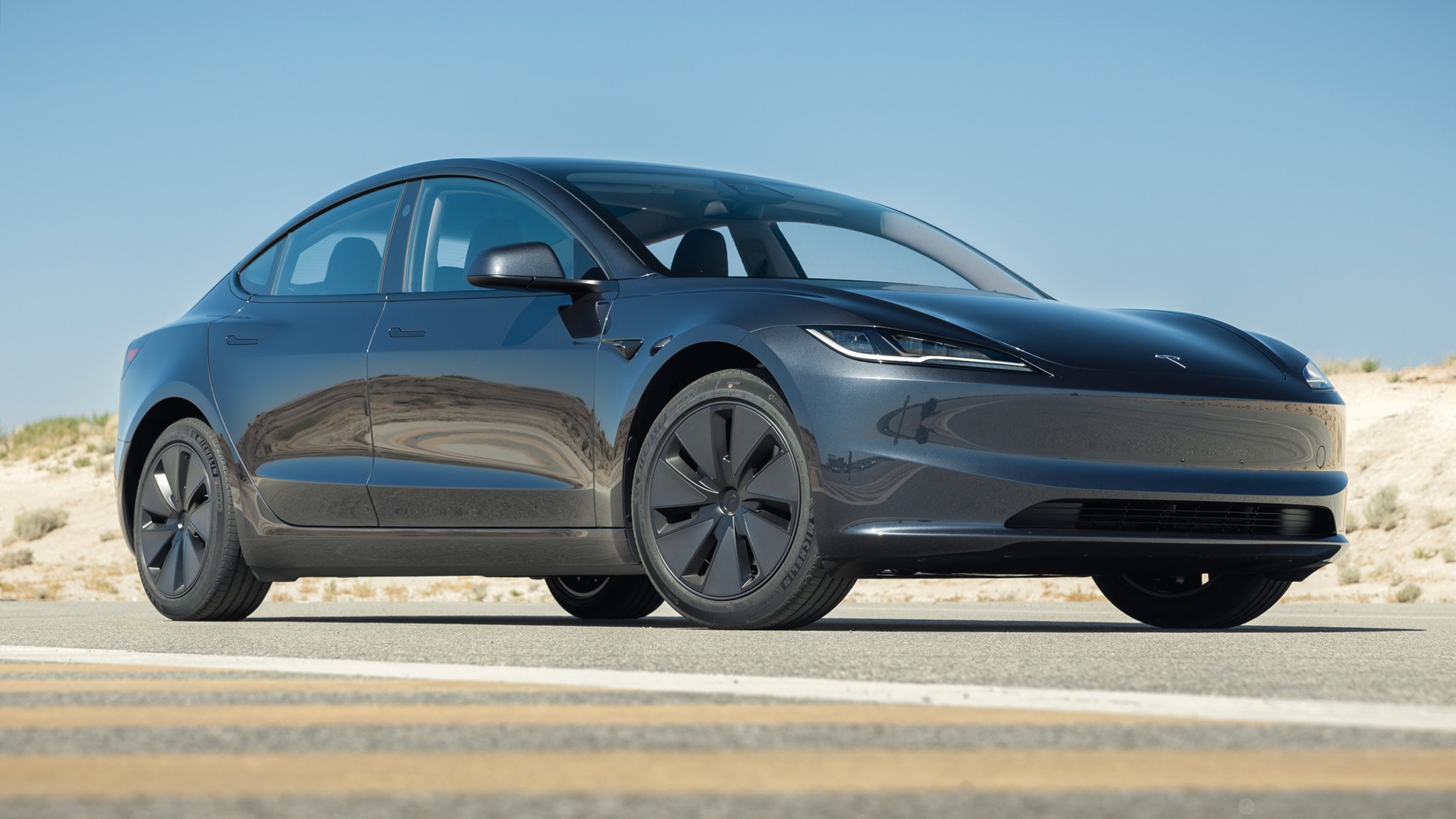
Tesla Model 3
The Tesla Model 3 has established itself as a leader not only in performance and range but also in the durability and reliability of its charging infrastructure.
Its cables are manufactured with thick insulation that effectively resists environmental wear, including moisture, temperature fluctuations, and UV exposure.
The metal connectors are composed of high-quality alloys specifically designed to prevent oxidation, which is a common source of green corrosion in other electric vehicles.
Owners have reported minimal discoloration or corrosion even after years of use in humid coastal regions, snowy areas where salt is prevalent on the roads, and hot climates where temperature extremes can degrade materials.
This consistency demonstrates that Tesla’s engineering extends beyond just the vehicle’s battery and software to the seemingly minor, yet crucial, aspects of the charging system.
Another factor contributing to the Model 3’s cable reliability is its modular and thoughtfully engineered design. The vehicle’s charging port and cable interface are carefully shaped to minimize friction, bending, and stress at connection points.
Stress points are a common failure area in cables, as repeated bending can expose the inner metal conductor to moisture, accelerating oxidation. Tesla addresses this with a combination of flexible yet strong insulation and reinforced internal wiring.
The cable sheath protects against debris, small impacts, and environmental contaminants, all of which could otherwise lead to long-term wear. Even in extreme climates, the Model 3’s cables maintain integrity, making it a dependable option for drivers in diverse locations.
Tesla also enhances the longevity of its charging components with intelligent software monitoring. While the software cannot physically prevent corrosion, it detects changes in electrical resistance, irregular current flow, or heat buildup, which may indicate early signs of connector issues.
By alerting the driver before a problem becomes severe, Tesla effectively integrates preventative maintenance into the ownership experience.
This approach demonstrates a holistic perspective on reliability: hardware and software work together to prevent problems rather than simply reacting after they occur. The combination of robust materials, precise design, and proactive monitoring ensures that the Model 3 cables remain functional and safe over time.
Finally, both customer feedback and independent evaluations confirm the low-maintenance nature of the Model 3’s charging system. Unlike other EVs, where cables may require frequent inspections, cleaning, or even early replacement due to corrosion, the Tesla Model 3 rarely experiences such issues.
Owners frequently note that their cables continue to function flawlessly after several years of daily use.
This reliability builds confidence in Tesla’s engineering philosophy and reflects the company’s attention to detail in a component that, while often overlooked, is essential for efficient and safe charging. For those who prioritize long-term durability, the Model 3 sets a benchmark in cable design.
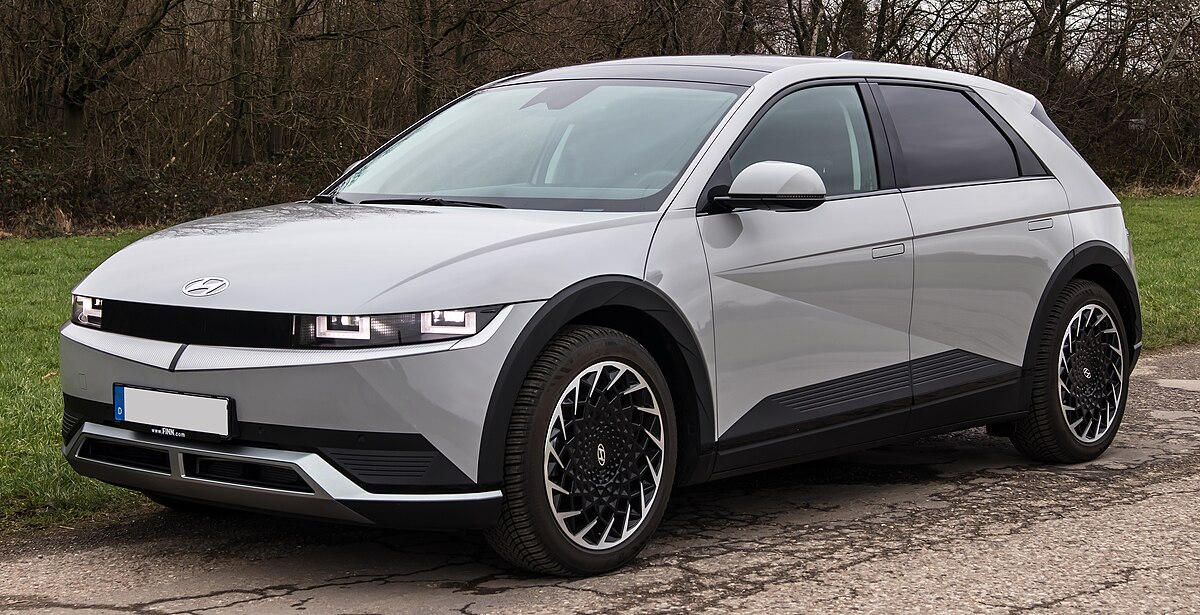
Hyundai Ioniq 5
The Hyundai Ioniq 5 stands out as a vehicle that combines innovative styling, performance, and exceptional cable durability. Its charging cables are made from high-grade copper cores, selected for their superior conductivity and resistance to corrosion.
These cores are enveloped in a multi-layer protective insulation that not only safeguards against moisture but also resists cracking, UV damage, and general wear from repeated bending. The result is a cable that remains highly reliable even in harsh environments.
Coastal drivers report minimal oxidation despite long-term exposure to salty air, and owners in hot climates find the insulation remains flexible rather than brittle over time.
Hyundai’s commitment to materials quality ensures that the Ioniq 5 can withstand years of demanding use without experiencing the green corrosion seen in other vehicles.
The connector design is another key factor in preventing corrosion. Hyundai engineered the Ioniq 5’s charging interface with precise tolerances to ensure that the metal contacts are tightly aligned and shielded from air and moisture.
Inadequate contact alignment is one of the primary reasons that other EVs develop green corrosion, as exposed metal oxidizes more easily.
Additionally, the cable is relatively thick, which distributes electrical load more efficiently and minimizes heat buildup. Excessive heat is often a hidden factor that accelerates material degradation, but the Ioniq 5 manages this effectively.
This design philosophy demonstrates that Hyundai has considered not just immediate functionality but also the long-term integrity of every cable component.
Maintenance of the Ioniq 5’s cables is straightforward, another testament to thoughtful design. Routine inspections rarely reveal discoloration or corrosion, and cleaning, when needed, is simple and non-invasive.
This contrasts sharply with some EVs where corrosion requires special chemical treatments or professional replacement, creating frustration and additional expense.
The Ioniq 5 provides peace of mind by reducing the frequency and complexity of such interventions, allowing owners to focus on driving rather than maintaining charging hardware.
This low-maintenance approach is increasingly valued as EV adoption grows and consumers seek reliable long-term performance.
Finally, the Ioniq 5’s cables are designed to withstand extreme environmental exposure. The insulation materials are UV-resistant and flexible at both low and high temperatures, preventing brittleness or cracking that could otherwise expose the internal metal to oxidation.
Even under heavy use, the connectors maintain tight contact without loosening over time. These features collectively enhance safety and durability, making the Ioniq 5 a model example of how material selection and design considerations can prevent corrosion.
For buyers concerned about long-term reliability and consistent charging performance, the Ioniq 5 demonstrates a well-rounded and robust approach.
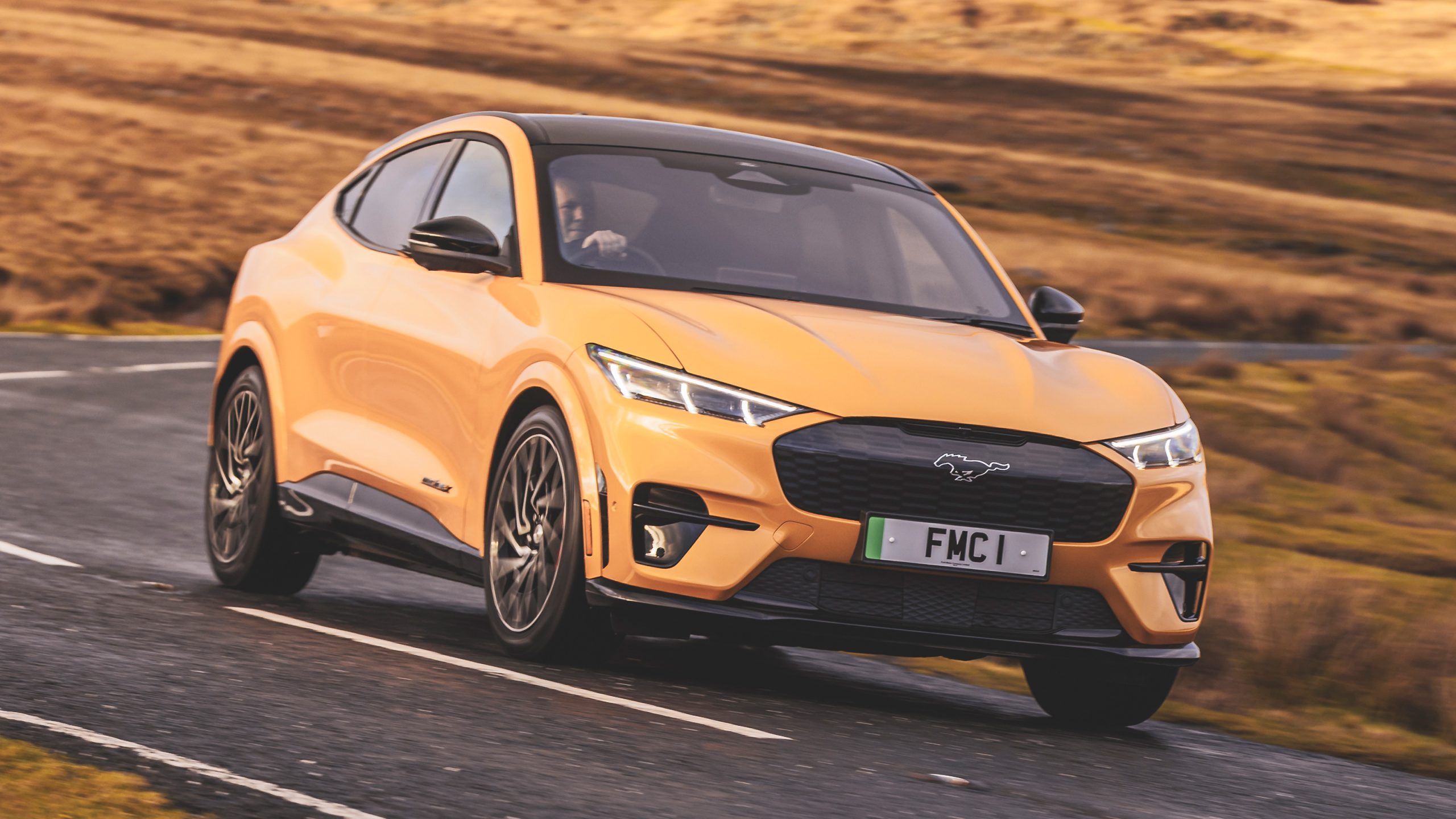
Ford Mustang Mach-E
The Ford Mustang Mach-E blends performance and style with practical engineering solutions that extend to its charging components. Its cables are manufactured with corrosion-resistant alloys for the connector pins, ensuring they maintain conductivity even in humid or salty conditions.
The multi-layer polymer insulation on the cable protects against moisture, mechanical wear, and heat accumulation, all of which can compromise cable life.
By addressing these factors, Ford has created a charging system that minimizes the risk of green corrosion while maintaining high efficiency. The attention to durability allows drivers to use their EVs confidently, regardless of weather conditions or environmental exposure.
The Mach-E also emphasizes ergonomics and stress reduction in cable design. Many cable failures in other vehicles result from bending or twisting near connectors, which can expose the metal cores to corrosion.
Ford mitigates this through flexible cable construction and a connector shape designed to reduce mechanical stress.
Additionally, the robust outer sheath shields the cable from accidental abrasions or impacts, extending its lifespan. This combination of physical durability and thoughtful design makes the Mach-E’s cables resilient to the types of damage that frequently cause corrosion in competing EVs.
Quality control during production further ensures cable reliability. Each Mach-E connector is inspected to confirm uniform plating on metal surfaces and that insulating layers are intact and continuous.
This reduces the likelihood of early oxidation or failure, which can occur if small imperfections are left uncorrected during manufacturing.
By emphasizing consistency across all units, Ford demonstrates an understanding that even minor defects in connectors or insulation can have outsized consequences for long-term durability.
Finally, owner experiences support the Mach-E’s reputation for corrosion resistance. Many drivers report that their cables have remained fully functional for multiple years, requiring minimal maintenance beyond routine inspections.
The vehicle’s robust materials, attention to stress points, and protective design collectively ensure that the Mach-E’s charging system is dependable. For buyers seeking a reliable EV that balances performance and practical durability, the Mustang Mach-E exemplifies a successful integration of these priorities.
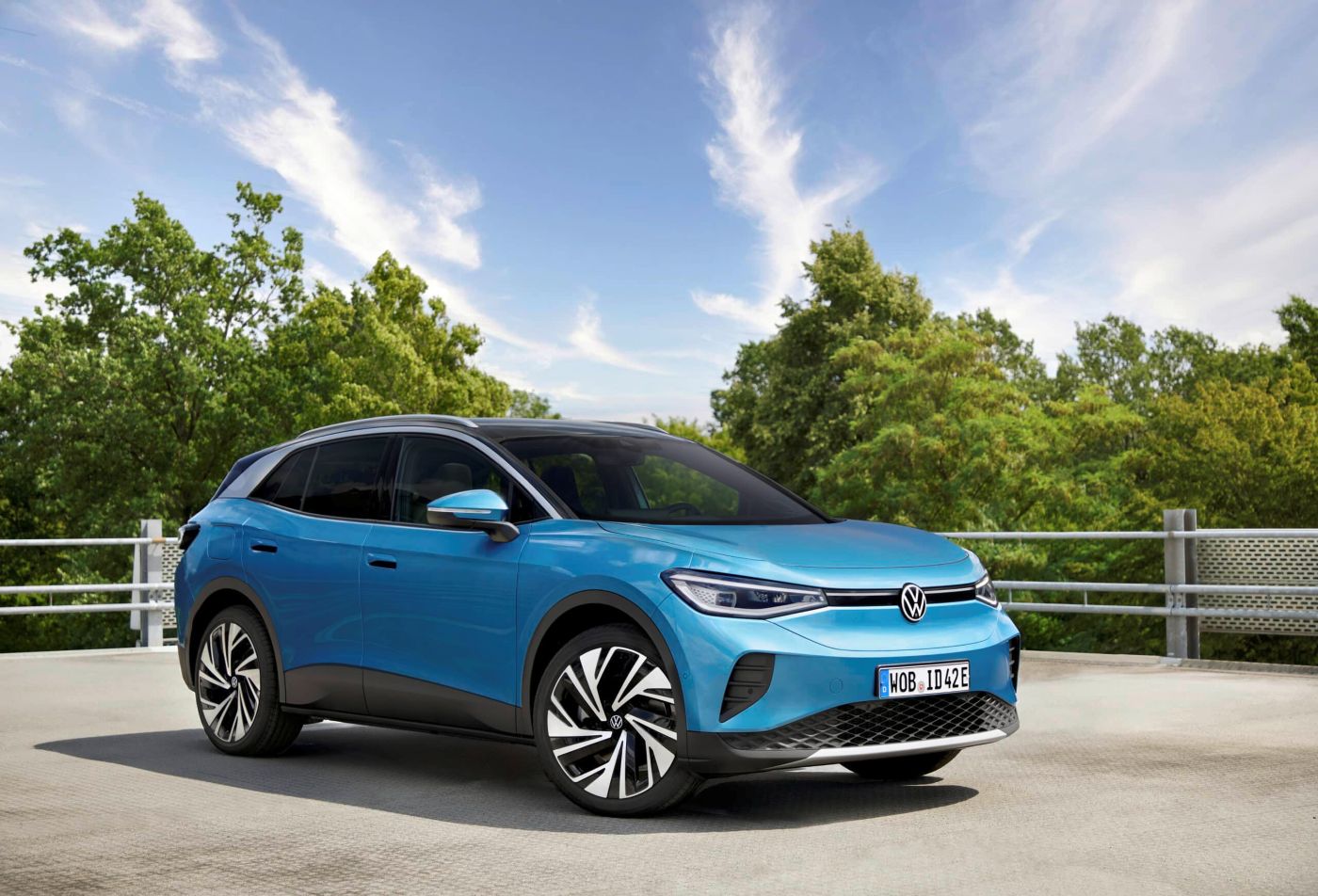
Volkswagen ID.4
The Volkswagen ID.4 is designed with long-term durability in mind, particularly regarding its charging components. The cables are made from high-purity copper conductors, chosen for their low resistance and strong resistance to corrosion.
They are enclosed in multi-layer insulation that protects against temperature extremes, moisture, and mechanical stress.
The metal connectors receive a protective alloy coating, which reduces the risk of oxidation and green corrosion while ensuring that conductivity remains stable over many charging cycles. These design considerations help maintain safe and efficient energy transfer throughout the life of the vehicle.
Environmental resilience is a major focus for Volkswagen. The ID.4’s cables are tested for performance under extreme heat, cold, and high humidity, preventing the insulation from becoming brittle or cracked.
The protective coatings on the metal connectors prevent chemical reactions that could reduce conductivity.
Even in areas where road salt is common during winter, the cables maintain their integrity. Such environmental resistance ensures that the ID.4 can operate reliably under varied conditions, which is particularly valuable for drivers in regions with harsh climates.
The ID.4 also emphasizes a user-friendly design. The cable is flexible and easy to handle, reducing the risk of accidental bending or kinking that can expose the metal to corrosion.
Connectors are engineered for smooth insertion and removal without forcing contact points together improperly, which can contribute to long-term wear.
These practical design features demonstrate that Volkswagen not only prioritizes material quality but also considers everyday usability, which directly affects durability.
Routine maintenance of the ID.4’s cables is straightforward. Even after prolonged use, visible wear is minimal, and cleaning is simple, requiring no specialized tools or chemicals. Drivers can inspect the connectors and sheath regularly without concern for rapid degradation.
By combining high-quality materials, careful design, and practical usability, the Volkswagen ID.4 ensures that its charging cables remain dependable for the long term, making it a reliable choice for buyers seeking durability and peace of mind.
5 EVs That Green and Fail
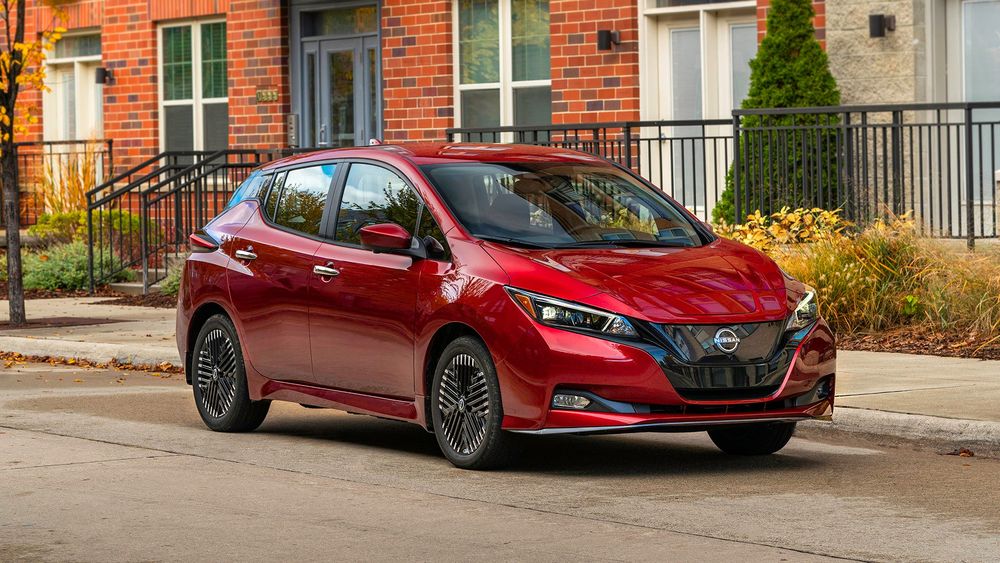
Nissan Leaf
The Nissan Leaf was one of the first mass-market electric vehicles and has played a significant role in popularizing EVs. However, one area where it struggles is the durability of its charging cables.
Owners have reported that over time, the metal connectors can develop green corrosion due to oxidation, particularly in humid or coastal environments.
This corrosion can interfere with electrical conductivity, leading to slower charging, intermittent connection issues, and sometimes even safety concerns.
The cables themselves are often prone to wear, with insulation becoming brittle after repeated use, exposing the metal core to moisture and air, which accelerates the oxidation process.
While the Leaf remains a pioneering EV, its charging cable reliability is not on par with newer models that prioritize corrosion-resistant materials.
The design of the Leaf’s charging system contributes to its vulnerability. The connector pins are made from metals that, while conductive, are not adequately treated to resist oxidation under prolonged exposure to environmental stressors.
The insulation, though sufficient for short-term use, is less flexible than in newer EVs and may crack over time.
These cracks allow moisture and contaminants to reach the metal, triggering the green corrosion characteristic of failing connectors.
This problem is exacerbated in areas where salt is present on roads during winter months, as salt accelerates chemical reactions that cause corrosion. Consequently, owners living in coastal or snowy regions often report seeing greenish buildup on the connectors within just a few years of use.
Maintenance of the Leaf’s cables can be challenging. Unlike corrosion-resistant designs where simple cleaning is sufficient, Leaf owners may need to carefully sand or chemically treat connectors to restore proper function.
Even with careful maintenance, some damage is irreversible, which can result in permanent connectivity issues or the need for replacement cables.
These problems not only inconvenience users but can also be costly, as replacement parts are expensive and may require professional installation to ensure safety and proper operation.
The combination of design limitations and material vulnerability makes the Leaf one of the more problematic EVs when it comes to cable longevity.
Despite its many strengths as an affordable and reliable EV in other areas, the Leaf’s charging cables demonstrate that early EVs sometimes sacrificed durability for cost savings or speed to market. This compromise has become a drawback for owners who rely on consistent, high-performance charging.
While Nissan has improved cable design in later models, the original Leaf’s connectors remain a cautionary tale for prospective buyers, especially in regions prone to humidity, salt exposure, or extreme temperature variations.
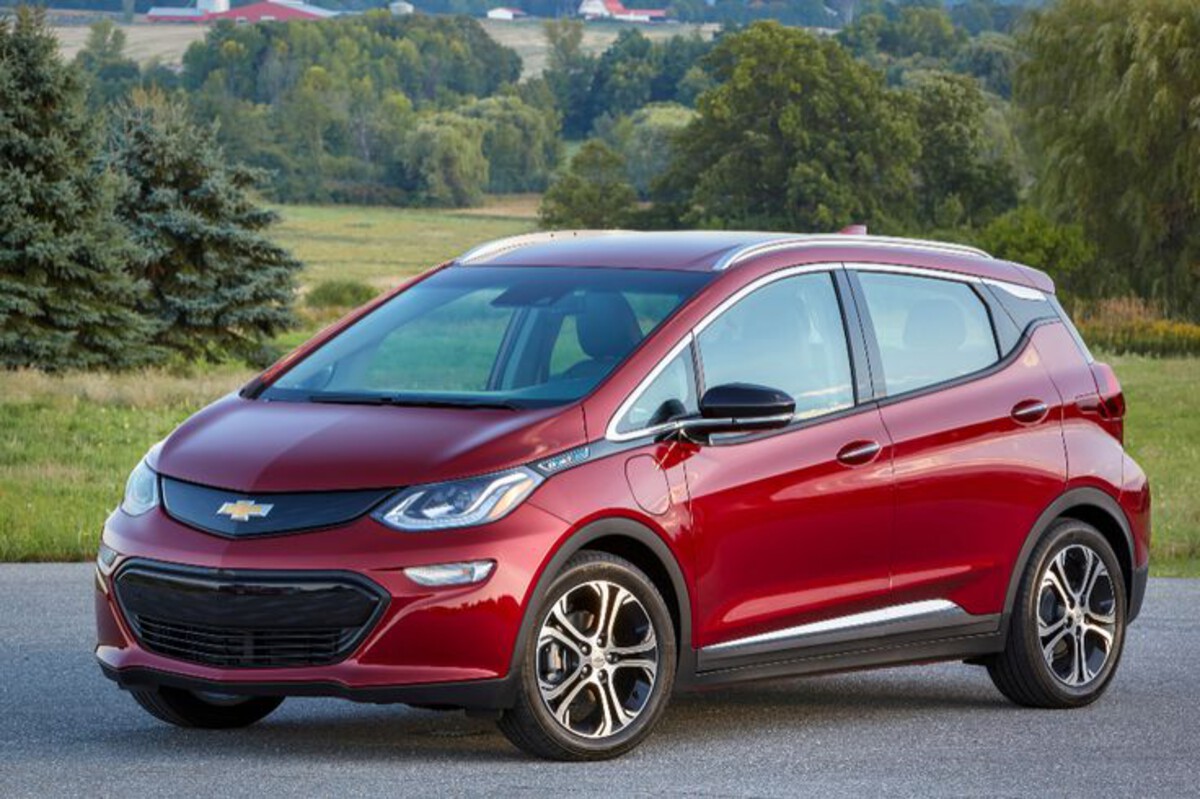
Chevrolet Bolt EV
The Chevrolet Bolt EV offers impressive range and performance, yet its charging cable durability is a known weak point. Many owners report that the metal pins in the Bolt’s charging connectors are prone to green corrosion after extended exposure to moisture or environmental contaminants.
This is particularly common in areas with high humidity, heavy rainfall, or proximity to saltwater. The corrosion can reduce electrical conductivity, resulting in slower charging times or, in severe cases, failure to charge entirely.
In addition, the cable insulation may degrade over time, especially if frequently coiled tightly or handled roughly, exposing the inner conductors to oxidizing elements. This vulnerability undermines the reliability of the vehicle, despite its otherwise strong performance credentials.
The connector design of the Bolt also contributes to its problems. The pins and contacts are not as robustly shielded from air and moisture as those found in more corrosion-resistant EVs.
Even minor scratches or abrasions on the connector surface can accelerate corrosion, turning what should be a long-lasting component into a recurring maintenance issue.
The insulation, though adequate initially, does not flex as easily as in competitors, making it susceptible to cracking when bent repeatedly. This creates pathways for moisture and contaminants to reach the metal and initiate the green corrosion process, leaving owners frustrated with both appearance and function.
Routine maintenance for the Bolt’s cables is often insufficient to prevent corrosion entirely. Simple cleaning may temporarily improve conductivity, but long-term exposure can still lead to significant buildup that requires more intensive repair or replacement.
Owners may also encounter compatibility issues if replacement cables are not exact matches, increasing the cost and complexity of maintenance. These factors make the Bolt less forgiving than other EVs, especially in climates prone to environmental stressors that accelerate corrosion.
The Chevrolet Bolt’s cable issues highlight a broader lesson for EV owners: high-performing vehicles may still suffer from overlooked component weaknesses.
While the Bolt excels in driving range, acceleration, and technology features, the persistent problem of green corrosion in its charging cables can diminish the ownership experience.
Prospective buyers need to weigh this drawback, particularly if they live in environments where moisture and oxidation are unavoidable.
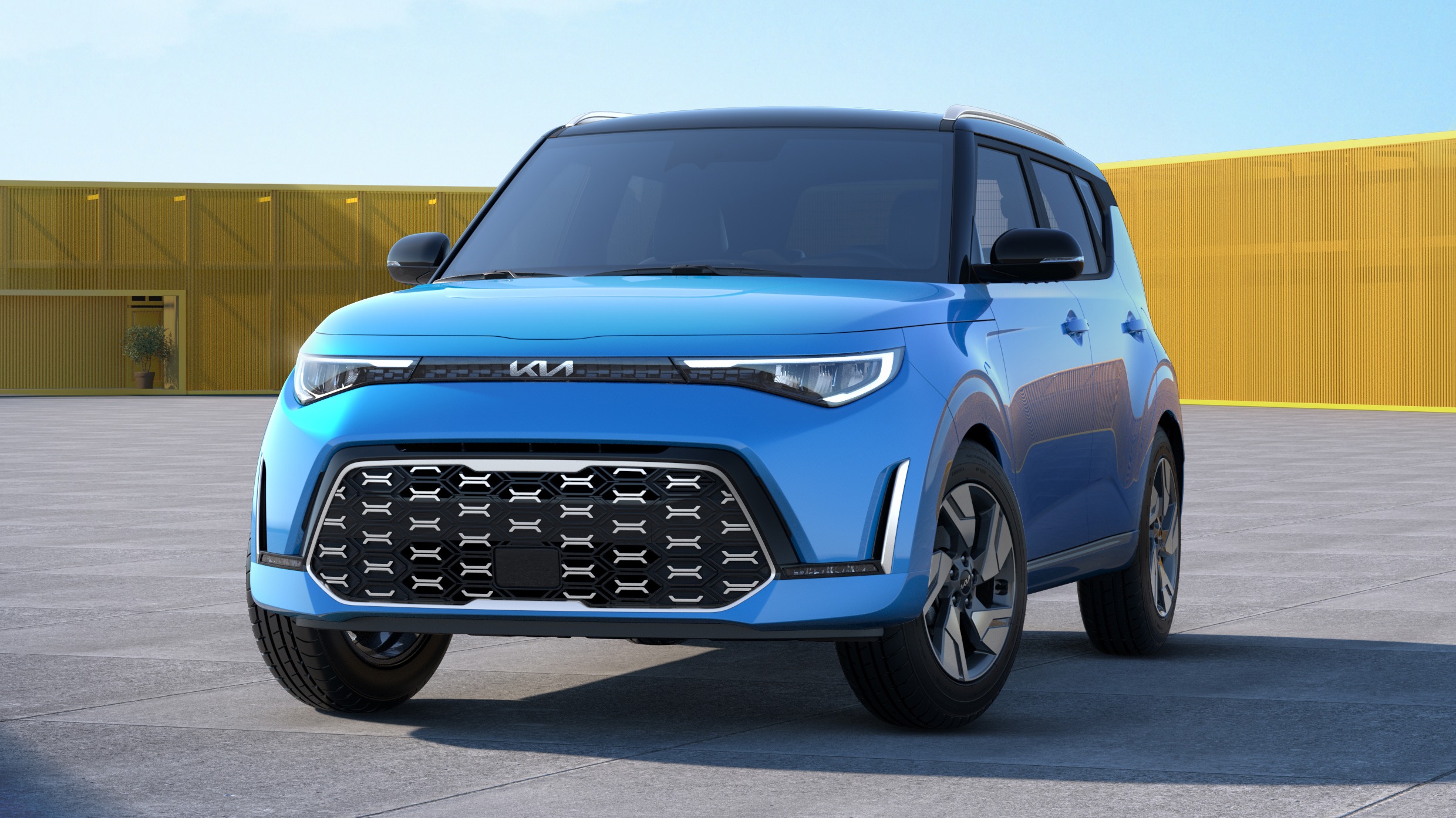
Kia Soul EV
The Kia Soul EV is another vehicle with a reputation for developing green corrosion on its charging cables over time.
While the car itself offers a compact, practical design and efficient performance, its connectors often exhibit early signs of oxidation, especially in regions with high humidity or where road salt is prevalent.
The green corrosion is caused by the gradual reaction of exposed metal with moisture and contaminants.
Unlike some more corrosion-resistant EVs, the Soul EV does not have heavily plated connector pins, which allows oxidation to form more readily. Over time, this can compromise both the aesthetics and the functionality of the charging system.
Cable insulation is another contributing factor. The Soul EV uses a relatively thin layer of protective material, which can crack after repeated bending or improper storage.
Once the inner metal is exposed, oxidation accelerates rapidly, creating green corrosion that may impede proper charging.
This problem is compounded by the fact that the connectors are frequently handled outdoors in wet conditions, further increasing the risk of moisture infiltration. Owners living in coastal regions, humid climates, or snowy areas with salted roads often report seeing corrosion develop within just a few years of regular use.
Repairing or maintaining the Soul EV’s cables can be inconvenient and costly. Once green corrosion sets in, cleaning and restoring full conductivity requires careful handling, often involving specialized tools or chemical treatments.
Even with maintenance, repeated exposure to environmental factors may cause recurring corrosion, making it an ongoing concern for owners.
The issue not only affects the efficiency of charging but also introduces potential safety risks, as compromised connectors may overheat or spark under certain conditions.
The Kia Soul EV’s susceptibility to cable corrosion illustrates a broader issue with early and budget-conscious EV designs.
While the vehicle performs well in other areas such as range, comfort, and handling, its charging system lacks the durability seen in more modern competitors. For potential buyers, this serves as an important consideration, emphasizing the need to evaluate both performance and long-term reliability when choosing an EV.
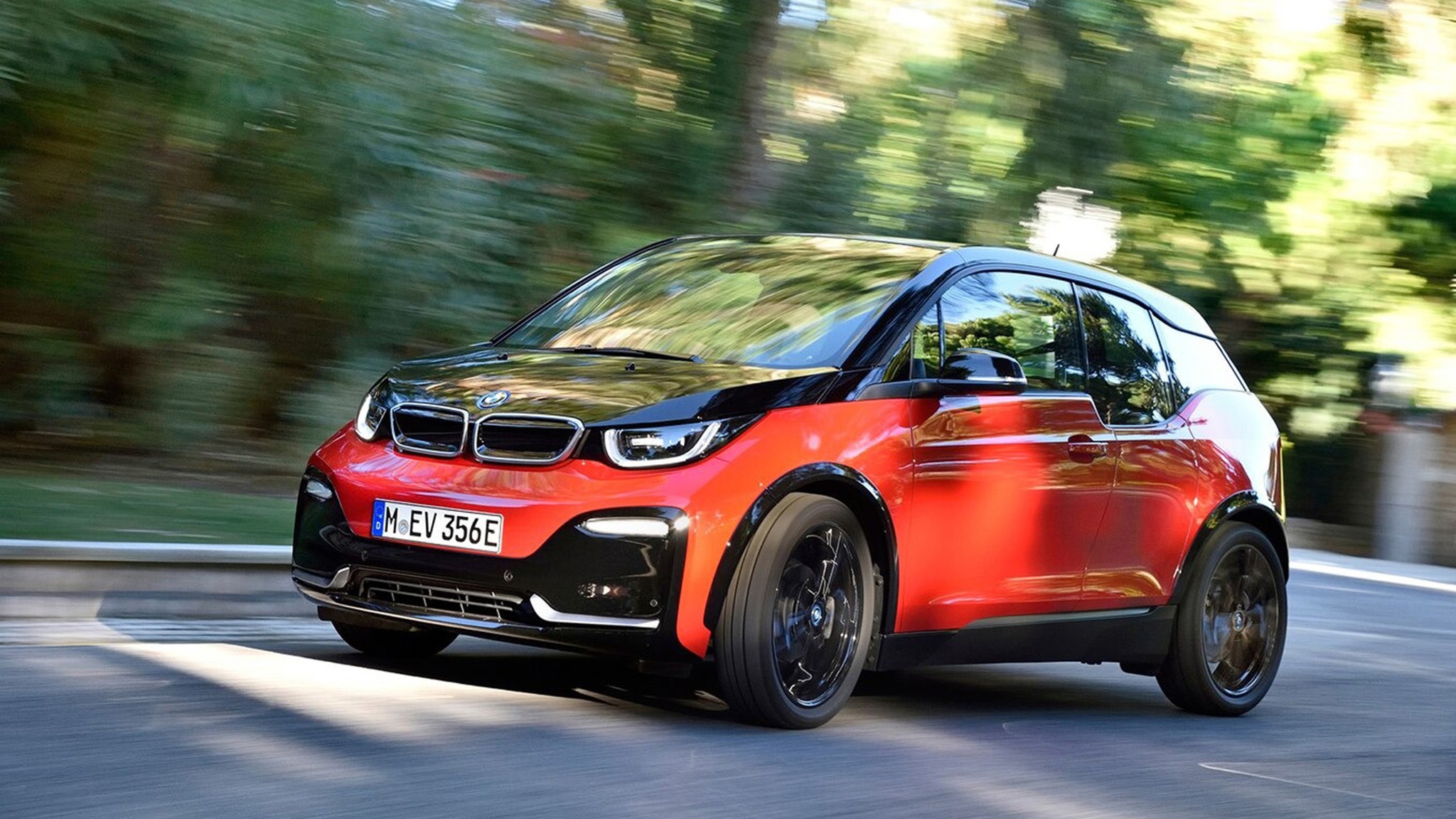
BMW i3
The BMW i3 is praised for its lightweight construction and premium feel, but its charging cables have historically faced durability challenges.
Owners report that the metal connectors often develop green corrosion after prolonged exposure to moisture, reducing efficiency and sometimes preventing the vehicle from charging properly.
The i3’s connector pins, while conductive, are not always adequately treated with corrosion-resistant coatings. This oversight, combined with the stress and wear that come from regular handling, makes the cables prone to oxidation.
In areas with high humidity or salted roads, the issue is particularly pronounced, and visible green deposits on connectors can form within a few years.
Another contributing factor is the relatively stiff insulation used on the i3’s cables. While this helps protect the internal wires from direct mechanical damage, it is prone to cracking over time when bent repeatedly.
Once the metal conductors are exposed, oxidation can accelerate, creating the characteristic green corrosion.
The connector design does not include extensive shielding, so even minor scratches or abrasions can exacerbate the problem. This combination of material choice and mechanical stress results in a cable system that requires more careful handling and maintenance compared to corrosion-resistant alternatives.
Maintaining the i3’s cables is more demanding than some competitors. Owners often need to clean, polish, or chemically treat connectors to restore proper function, and repeated exposure to environmental factors can lead to recurring corrosion. Replacement cables are sometimes costly, and proper installation is essential to avoid safety issues.
While the i3 delivers a premium driving experience, its charging cable reliability does not always match that reputation, leading to frustration for some owners.
The BMW i3 illustrates that even well-engineered vehicles can have overlooked weaknesses in seemingly minor components.
Despite its advanced engineering and lightweight design, the vulnerability of the charging cables to green corrosion underscores the importance of evaluating all aspects of EV ownership. Buyers must consider environmental exposure and long-term durability, particularly if consistent charging performance is a priority.
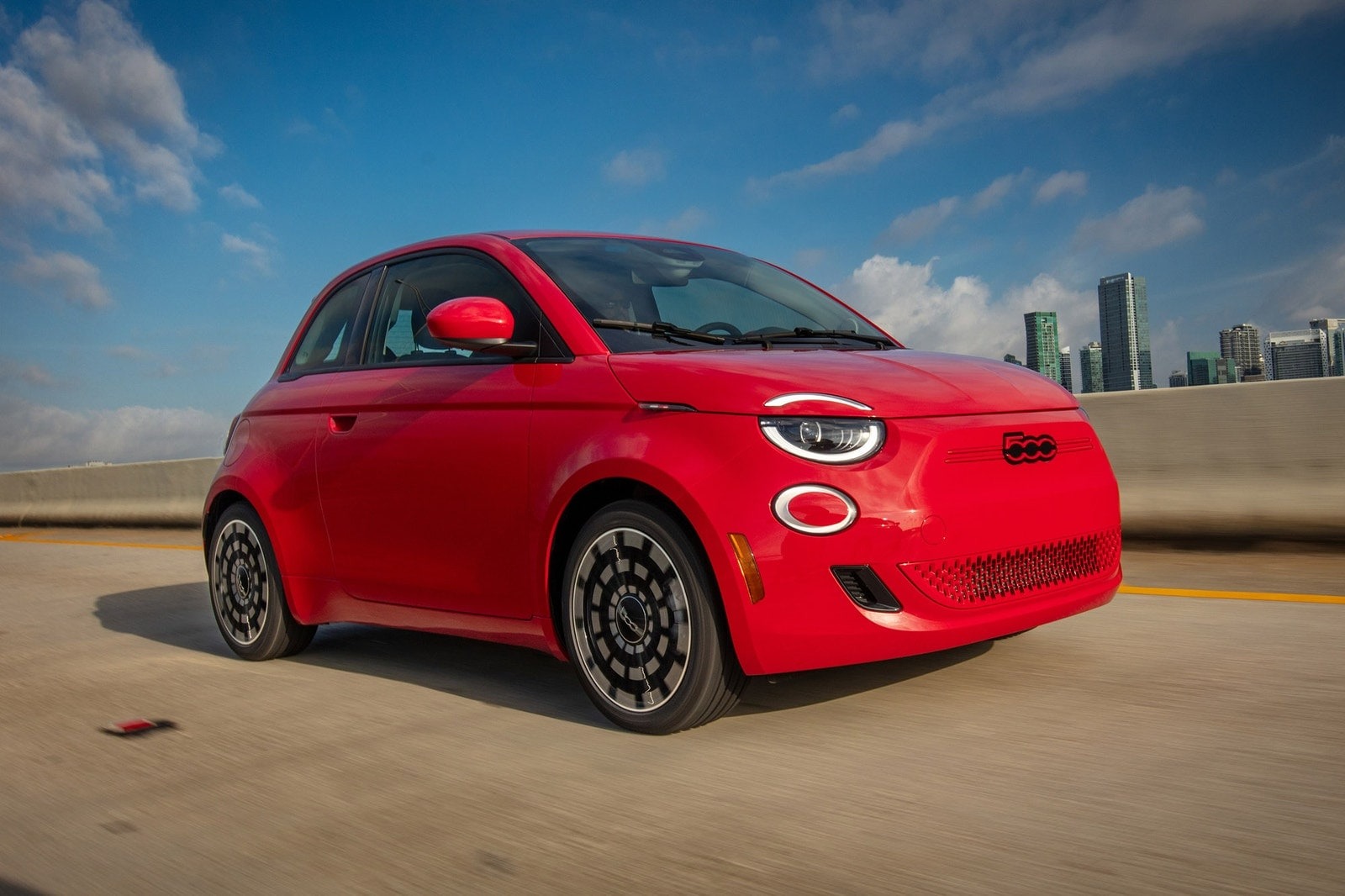
Fiat 500e
The Fiat 500e, a compact city-focused EV, has a known issue with charging cable durability. Many owners report that the metal connectors on the 500e are prone to green corrosion after extended exposure to moisture or air. This corrosion often appears more quickly in coastal areas or humid climates.
Unlike more corrosion-resistant designs, the 500e’s connectors lack extensive protective coatings, which allows oxidation to form on the pins and compromise electrical conductivity.
This can result in slower charging, intermittent connectivity, or the need for costly replacement cables over time. For a vehicle marketed as convenient and urban-friendly, this reliability issue can become an inconvenience.
The insulation on the 500e’s cables is relatively thin and can crack when bent repeatedly or coiled improperly. Once the metal is exposed, the oxidation process accelerates, turning what should be a low-maintenance component into a recurring problem.
Owners often find that the green corrosion affects both functionality and aesthetics, reducing the satisfaction with the vehicle. Small scratches on the connector surface further exacerbate the problem, highlighting a lack of robustness in material selection.
Maintenance and repair of the 500e’s cables can be cumbersome. Cleaning may temporarily restore functionality, but repeated environmental exposure can lead to recurring corrosion.
In some cases, replacement cables are necessary, and obtaining authentic parts can be expensive and time-consuming. This reduces the practicality of the vehicle for urban owners who rely on efficient, hassle-free charging for daily commuting.
The Fiat 500e demonstrates that compact EVs designed for city use are not immune to material durability issues. While it excels in maneuverability, size, and efficiency, the vulnerability of its charging cables to green corrosion is a significant drawback.
Buyers must weigh the convenience and affordability of the 500e against the ongoing maintenance challenges posed by its less durable connectors, particularly in climates prone to humidity or road salt.
