
Hybrid vehicles have grown increasingly popular over the past decade, offering drivers a combination of fuel efficiency, reduced emissions, and smooth driving experiences.
Unlike traditional gasoline-powered vehicles, hybrids rely on a combination of an internal combustion engine and an electric motor, which can significantly alter the way braking systems are used and maintained.
Brakes in hybrid vehicles are particularly unique because many hybrids incorporate regenerative braking. This system captures kinetic energy during braking and converts it into electrical energy to recharge the battery, reducing wear on traditional brake components.
While this can extend the life of brake pads and rotors, it can also make certain repair and replacement processes more expensive due to specialized components or labor requirements.
Not all hybrids use regenerative braking in the same way, and the cost of maintaining brakes can vary dramatically depending on the system’s complexity and the brand’s approach to hybrid technology. Some models allow for standard brake pads and rotors to be used for extended periods without significant wear, keeping routine service inexpensive and straightforward.
Others rely heavily on regenerative systems that integrate electronic controls, sensors, and special braking hardware. These systems, while technologically advanced, may require costly repairs if the components fail or if the system needs calibration during maintenance.
Understanding which hybrids fall into the inexpensive brake service category versus those with pricier regenerative braking systems can be valuable for prospective buyers and owners who want to minimize ongoing maintenance costs.
Vehicles with cheap brake service often combine effective regenerative systems with simple mechanical brakes, making replacements routine and affordable. On the other hand, hybrids with pricey regens might provide advanced energy recovery and a smoother braking feel but can impose higher costs over time due to the specialized nature of their components.
This article will compare and contrast five hybrid vehicles known for inexpensive brake maintenance with five hybrids where regenerative braking can lead to higher service costs.
By examining the differences in design, brake pad longevity, system complexity, and typical repair requirements, it will provide a clear perspective for anyone weighing long-term ownership expenses and the practical benefits of different hybrid braking systems.
Also Read: 5 Hybrids With Trouble-Free Engine Coolant Valves vs 5 That Stick
5 Hybrids With Cheap Brake Service
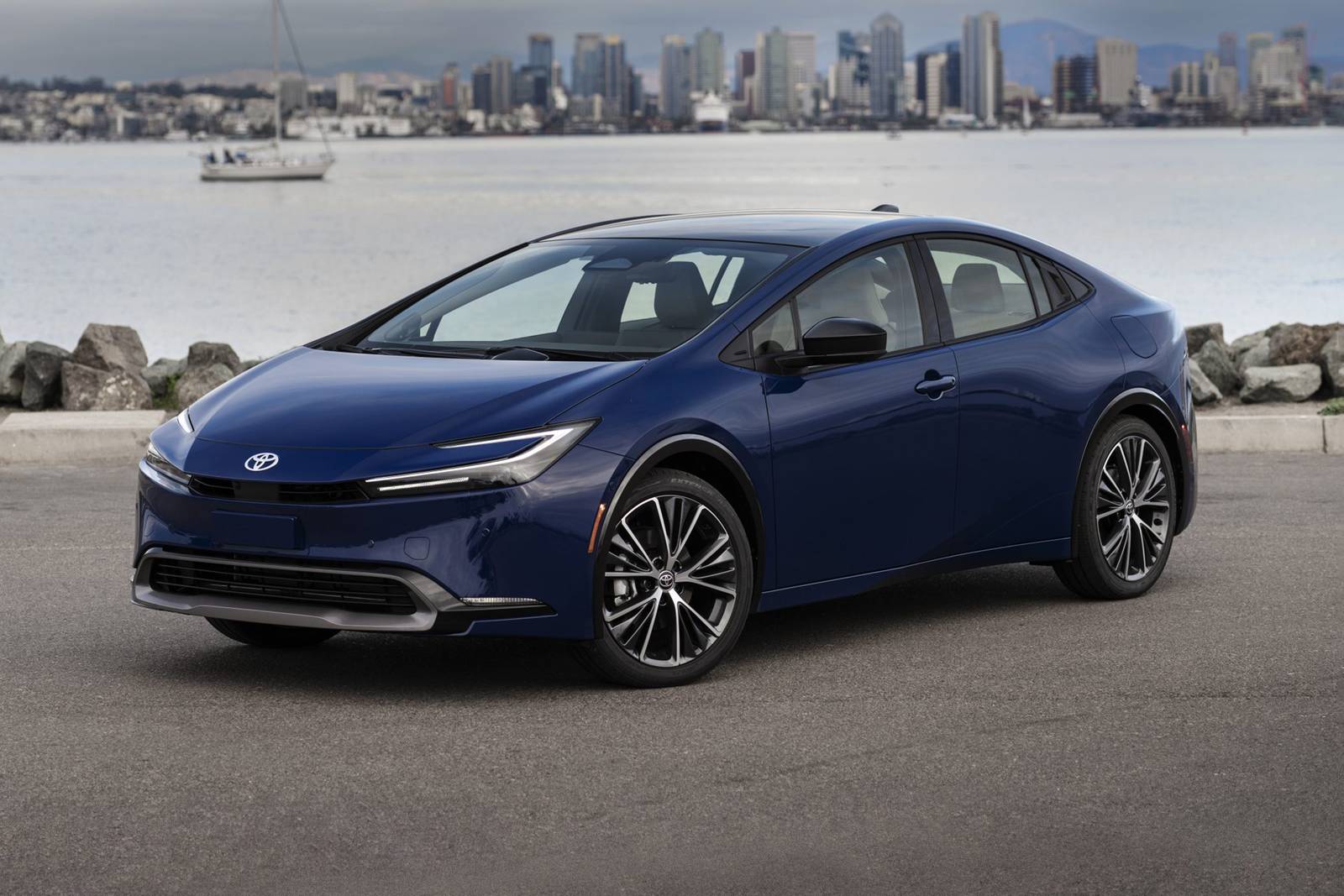
1. Toyota Prius
The Toyota Prius is one of the most widely recognized hybrids with exceptionally low maintenance costs, particularly regarding brakes.
Its regenerative braking system is engineered to capture kinetic energy during deceleration and convert it into electrical energy that recharges the battery, which reduces the frequency with which traditional brake pads are used.
This means that the majority of braking occurs through the regenerative system, and mechanical brakes are only engaged during harder stops or low-speed maneuvers.
The combination of these factors allows the brake pads to last far longer than in conventional vehicles, often exceeding 60,000 miles under normal driving conditions.
Additionally, Toyota has made its hybrid braking components standardized and readily available, so replacement parts such as pads and rotors are affordable and widely accessible, both at dealerships and independent repair shops.
Routine brake service on a Prius is straightforward because the system does not require extensive recalibration for typical maintenance.
While the hybrid system does have sensors and software to monitor regenerative braking efficiency, basic inspections usually involve checking pad thickness, rotor condition, and fluid levels.
When replacements are necessary, the process is simple, and labor costs are low since it involves standard mechanical procedures rather than high-tech diagnostics.
The combination of easy serviceability, long pad life, and minimal labor requirements makes the Prius one of the most budget-friendly hybrids to maintain over time.
One significant advantage of the Prius is its durability in real-world driving conditions. Many owners report driving for years without needing brake replacement, even with frequent stop-and-go city driving.
The regenerative braking system absorbs much of the energy during these repeated stops, preventing the pads and rotors from overheating or wearing prematurely.
This reliability also translates into predictable maintenance schedules, allowing owners to plan service around convenience rather than necessity.
Furthermore, the Prius’s brakes are designed for easy inspection, meaning that even minor wear or rotor scoring can be addressed early, avoiding more expensive repairs later.
The long-term financial benefits of the Prius extend beyond just the reduced brake service costs. Its low-cost maintenance contributes to higher resale value, as prospective buyers recognize the vehicle’s affordability and reliability.
The combination of long-lasting mechanical components and an efficient regenerative system demonstrates how Toyota has carefully balanced hybrid efficiency with practical maintenance considerations.
For budget-conscious drivers or those who prioritize low long-term ownership costs, the Prius exemplifies a hybrid where brakes are a small fraction of total upkeep, allowing the car to maintain high performance and dependability without frequent or costly repairs.
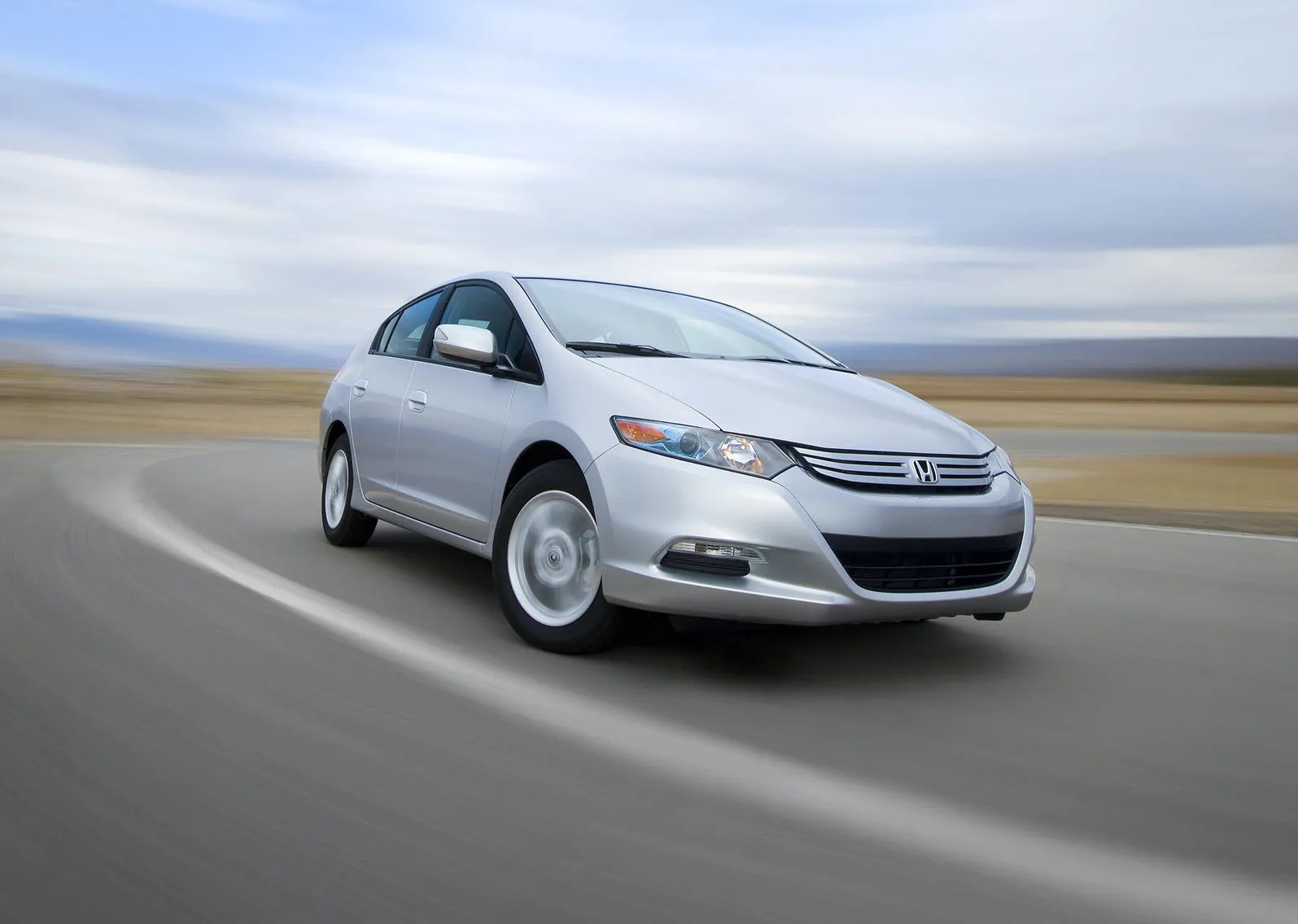
2. Honda Insight
The Honda Insight offers a similar balance of hybrid efficiency and low-cost brake service. Like the Prius, the Insight combines regenerative braking with conventional brake components, allowing the mechanical brakes to experience minimal wear under normal driving conditions.
Honda engineered the system to optimize energy recovery while maintaining simple, standardized brake components that are inexpensive to replace.
Brake pads and rotors are commonly available in standard sizes, and the labor involved in replacement is straightforward, often requiring no dealer-specific tools or specialized electronics beyond a basic system reset.
This combination of regenerative support and conventional mechanics contributes to long-term cost savings and predictable service intervals.
The regenerative braking in the Insight effectively reduces brake pad wear during most daily driving scenarios, especially in city traffic where frequent deceleration occurs.
Even after tens of thousands of miles, many Insight owners report minimal pad or rotor wear, which reduces both the frequency and cost of maintenance.
The Insight’s braking system is also designed to function seamlessly with the hybrid powertrain, ensuring that energy recovery does not compromise stopping performance. Its design prioritizes durability and accessibility, making it an ideal choice for drivers who want both efficiency and practicality.
Additionally, the Insight’s braking system is friendly to independent repair shops, meaning that owners are not forced to rely solely on dealership service for routine maintenance.
This accessibility further drives down costs, as independent mechanics can handle inspections, pad replacements, and rotor servicing with standard tools and procedures.
Also Read: 5 EVs With Affordable Tire Life vs 5 That Chew Rubber Every 10k
The combination of easily sourced parts and straightforward labor contributes to a low total cost of ownership and predictable maintenance budgeting. Drivers can enjoy the benefits of hybrid technology without worrying about unexpected brake-related expenses.
Honda also designed the Insight with long-term reliability in mind. By using a regenerative system that absorbs most braking energy, the Insight minimizes mechanical stress on pads and rotors, reducing the likelihood of warping or uneven wear.
This focus on system longevity is particularly beneficial for owners who plan to keep the vehicle for several years, as brake service remains infrequent and inexpensive throughout the vehicle’s lifespan. The Insight demonstrates how a hybrid can provide energy-efficient performance while keeping practical maintenance costs low.
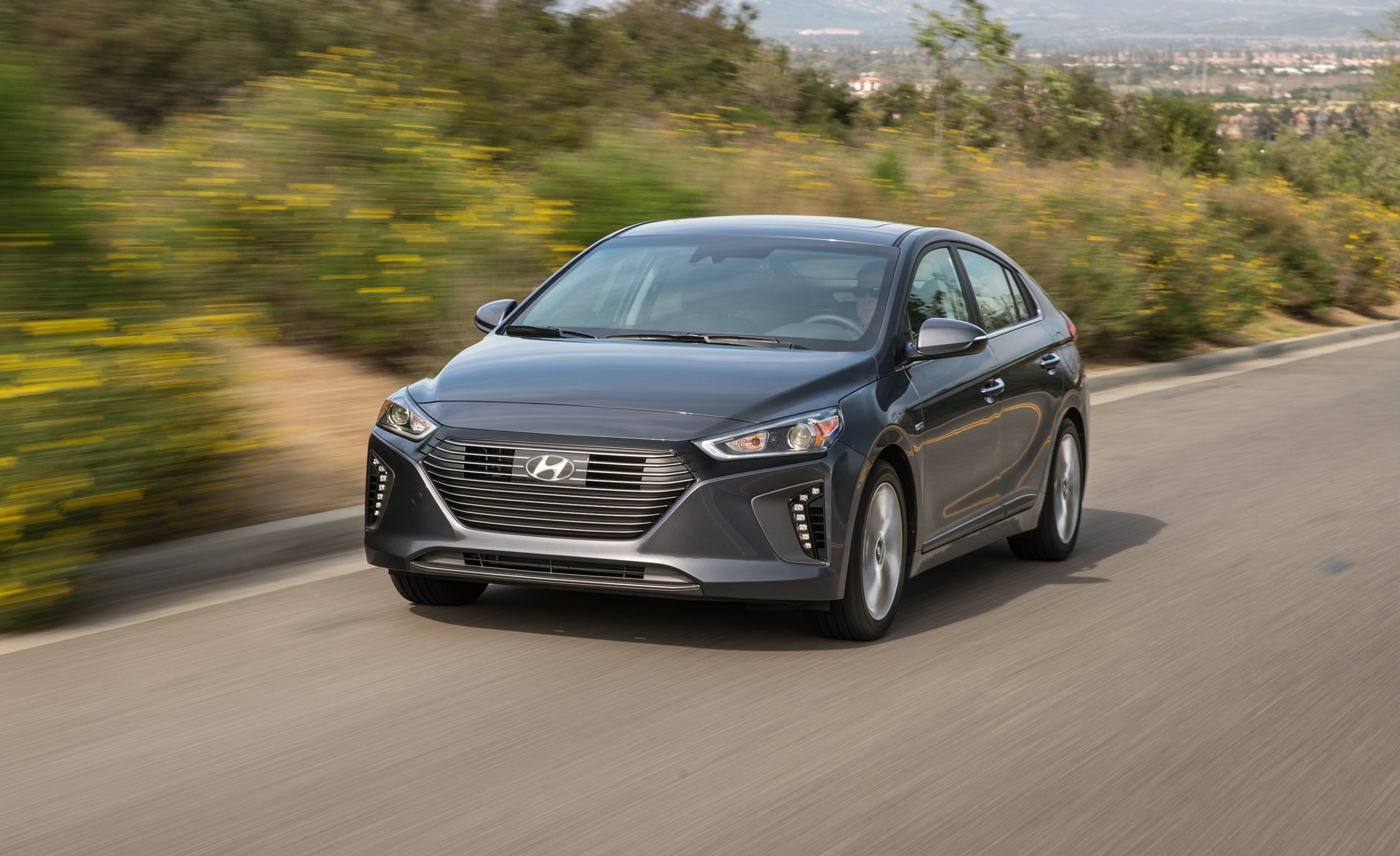
3. Hyundai Ioniq Hybrid
The Hyundai Ioniq Hybrid is a modern example of an affordable hybrid where brake service remains inexpensive. The vehicle uses a regenerative braking system that captures energy during deceleration and reduces mechanical brake use, extending the life of pads and rotors.
Unlike some luxury hybrids, the Ioniq does not require complex electronic modules or specialized components for its braking system.
Standard pads and rotors are widely available and can be replaced using basic mechanical tools, which keeps both parts and labor costs low. Hyundai’s design philosophy emphasizes reliability and practicality, ensuring that brake maintenance is predictable and accessible.
In real-world use, Ioniq owners report extended brake pad longevity thanks to the effective energy recovery provided by the regenerative system. This is particularly evident in urban driving, where frequent stops occur, but the brakes themselves show minimal wear.
The system is designed to seamlessly switch between regenerative and mechanical braking, preserving both performance and cost efficiency. Rotors often last well beyond 40,000 miles, and when they do need replacement, the process is uncomplicated and economical, further enhancing the vehicle’s affordability.
The Ioniq’s brakes are also designed with simplicity in mind. Most independent mechanics can handle brake inspection and replacement without needing dealer-specific diagnostics or proprietary software.
This accessibility reduces labor costs and ensures that maintenance remains predictable for owners.
Furthermore, the vehicle’s regenerative system is reliable across a wide range of driving conditions, including highway and suburban use, which helps prevent unexpected repairs and keeps brake-related expenses minimal over time.
Hyundai’s focus on cost-efficient hybrid design is evident in the Ioniq’s ownership experience. By balancing regenerative braking efficiency with standard mechanical components, the Ioniq allows owners to enjoy energy recovery, reduced fuel consumption, and reliable performance without incurring high maintenance costs.
It demonstrates that advanced hybrid technology can coexist with practical, low-cost service, making the Ioniq Hybrid a standout choice for those seeking affordability in both fuel and maintenance.
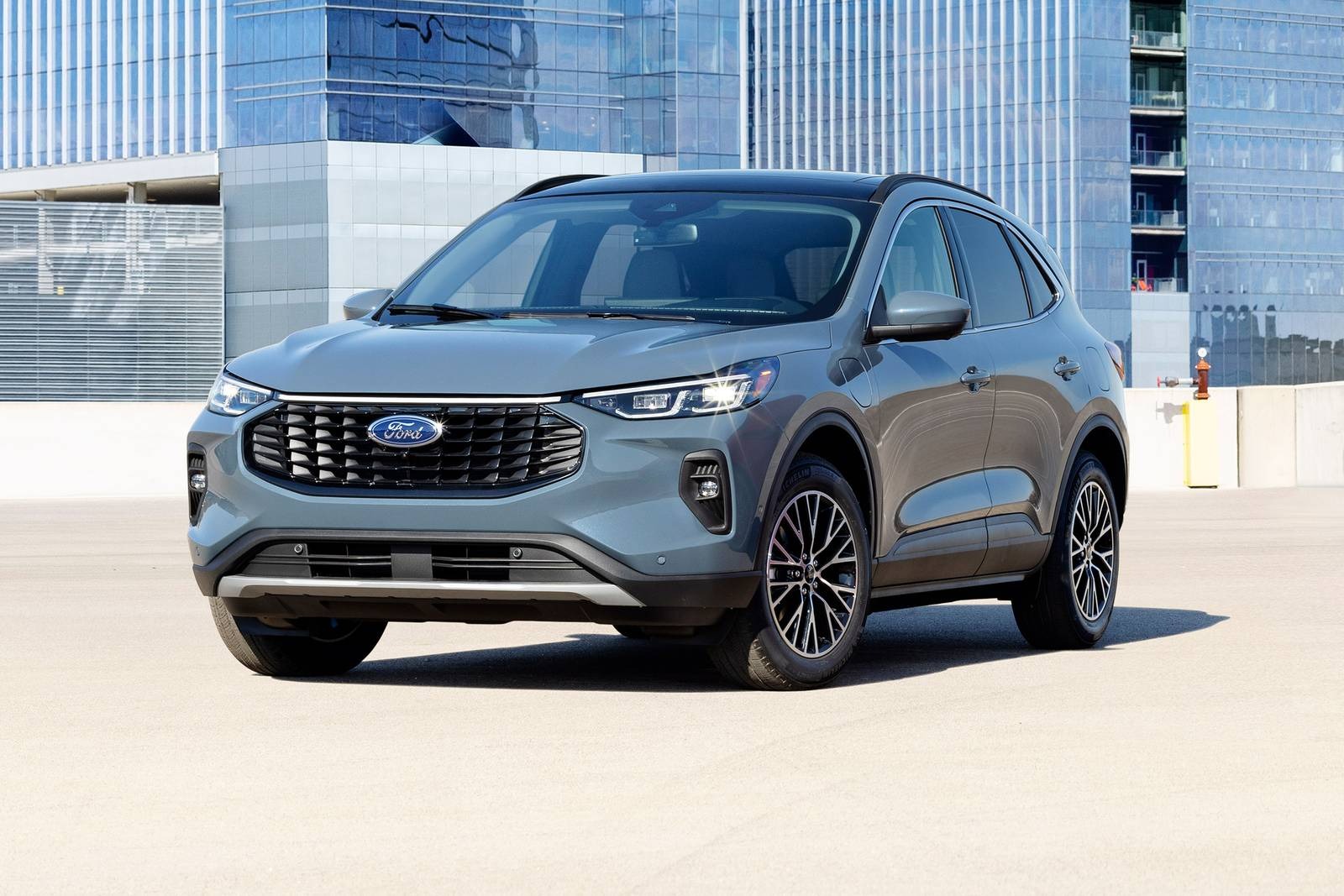
4. Ford Escape Hybrid
The Ford Escape Hybrid provides a practical solution for drivers looking for an SUV with low-cost brake service. Its braking system combines regenerative braking with conventional brake components, reducing wear on mechanical pads and rotors.
This system allows for extended intervals between maintenance, particularly in city driving where frequent braking is required.
The Escape Hybrid uses standard-sized pads and rotors, which are widely available and inexpensive to replace, and the labor for servicing these components remains moderate due to the straightforward design.
Brake longevity in the Escape Hybrid is enhanced by its regenerative system, which absorbs much of the energy generated during deceleration.
Many owners find that brake pads last well over 50,000 miles under typical driving conditions. Rotors also wear slowly, and routine inspections often reveal only minor signs of use.
Ford designed the hybrid braking system to integrate smoothly with the vehicle’s hybrid operation, providing a comfortable and reliable braking experience while keeping maintenance costs reasonable.
The Escape Hybrid’s brakes are also service-friendly. Independent mechanics can typically perform routine maintenance without specialized tools, diagnostics, or software, reducing both labor costs and inconvenience for owners.
Additionally, the vehicle’s hybrid system does not require frequent electronic recalibration, meaning that brake service is predictable and can be budgeted easily.
The combination of durability, accessibility, and reliability makes the Escape Hybrid an appealing choice for drivers seeking both hybrid efficiency and low long-term costs.
Ford also focused on building a system that balances energy recovery and conventional braking performance, ensuring that stopping power remains safe and responsive under various driving conditions.
Whether navigating city traffic or highway commutes, the regenerative system reduces strain on mechanical components, preventing early wear and minimizing maintenance expenses.
This careful engineering demonstrates how a hybrid SUV can offer the benefits of regenerative braking without creating high-cost maintenance concerns, making the Escape Hybrid a reliable and cost-effective option for hybrid SUV buyers.
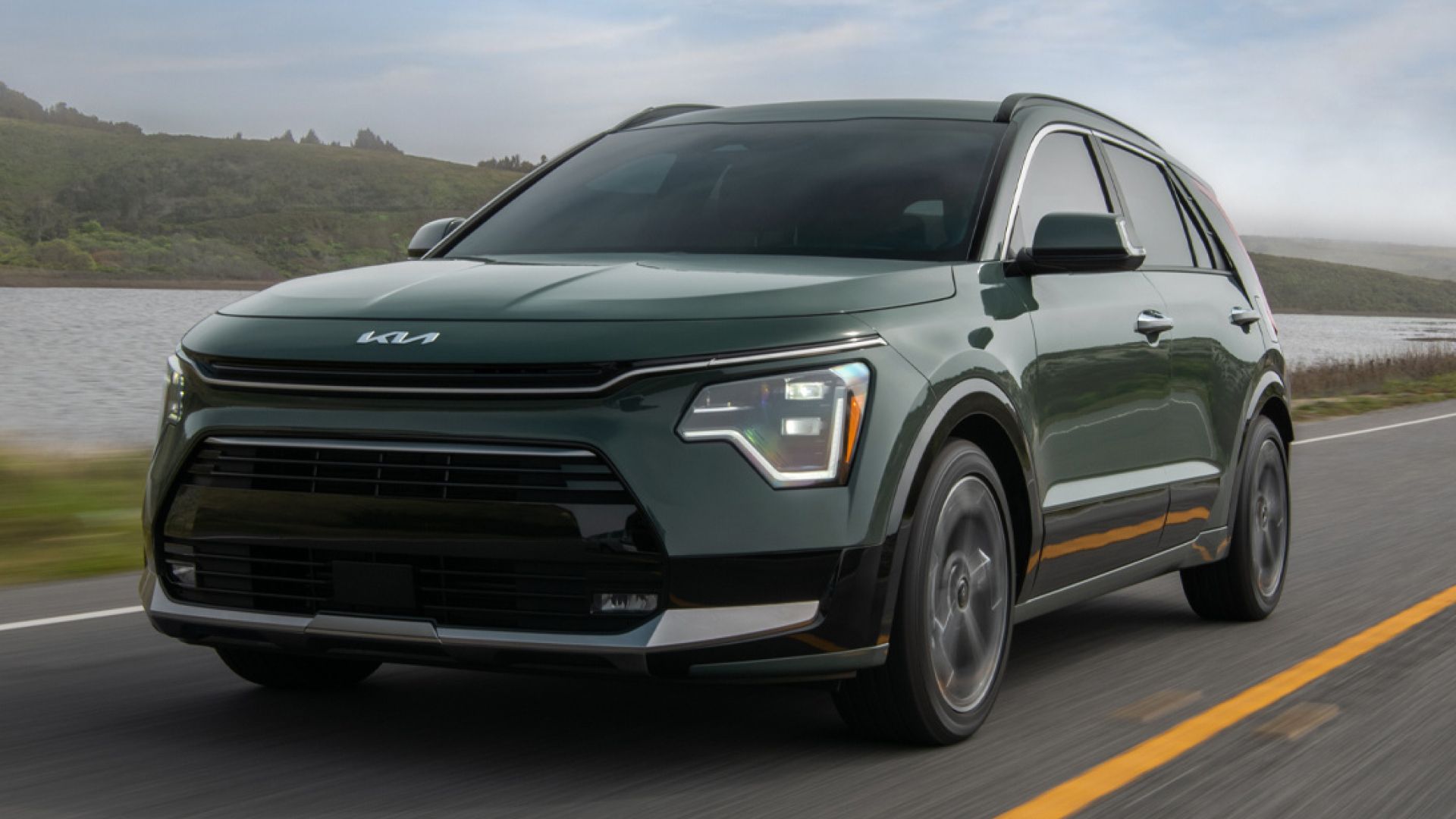
5. Kia Niro Hybrid
The Kia Niro Hybrid is designed to combine energy-efficient hybrid performance with low maintenance costs, particularly for brakes. Its regenerative braking system effectively captures energy during deceleration, reducing the workload on mechanical brake components.
Standard brake pads and rotors are used, making replacement affordable and widely accessible. The simplicity of the system ensures that routine maintenance is straightforward, without the need for complex electronic calibration or dealer-specific tools, keeping both parts and labor costs low.
The regenerative system significantly extends brake pad and rotor life, especially in stop-and-go city driving.
Many Niro Hybrid owners report that pads last 50,000 miles or more before requiring replacement, and rotors often last even longer. This reduces both the frequency and total cost of brake service over the vehicle’s lifespan.
The hybrid system is carefully calibrated to maintain smooth braking performance while minimizing mechanical wear, which contributes to predictable, low-cost maintenance schedules.
Kia’s emphasis on practical, cost-effective hybrid design is evident in the Niro Hybrid’s combination of regenerative braking efficiency and mechanical simplicity.
Owners benefit from extended component life, predictable service schedules, and affordable parts, allowing them to enjoy the advantages of hybrid technology without incurring excessive maintenance costs.
This balance between efficiency and affordability positions the Niro Hybrid as one of the most practical and low-cost hybrids for long-term ownership.
5 Hybrids With Pricey Regens
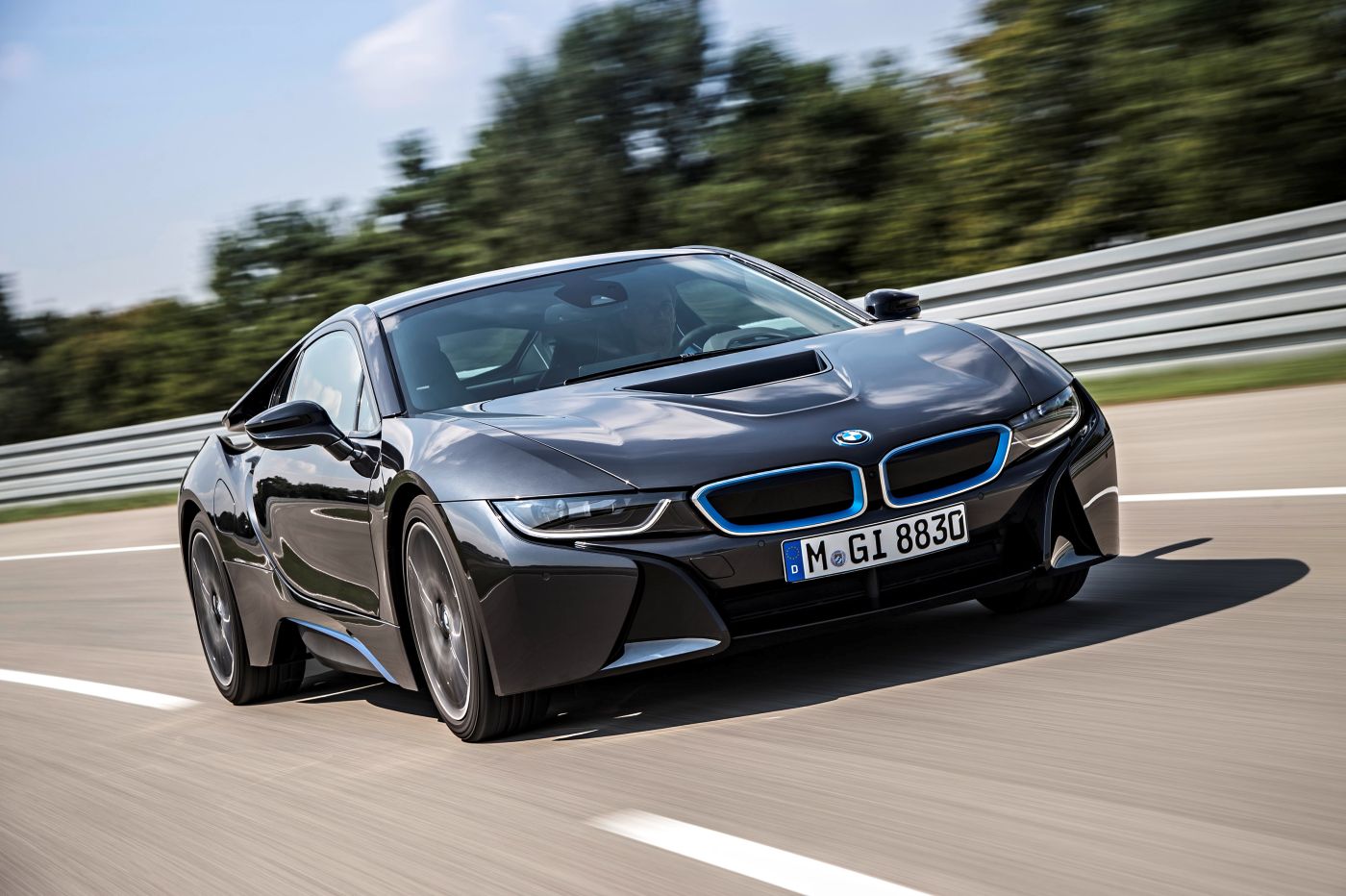
1. BMW i8
The BMW i8 is a high-performance plug-in hybrid sports car, and its regenerative braking system is a key component of its advanced powertrain. While the system provides excellent energy recovery and contributes to a smooth, efficient driving experience, it also comes with high maintenance costs.
The i8 uses a combination of regenerative braking and electronically controlled mechanical brakes, which are integrated with the car’s sophisticated stability and traction control systems.
These components require specialized knowledge and diagnostic tools for maintenance or replacement. Unlike more mainstream hybrids, the i8’s brake pads and rotors are high-performance parts that are costly and less commonly available, meaning that even minor servicing can result in significant bills.
BMW designed the i8’s braking system to handle both the car’s electric motor and gasoline engine power outputs. This dual integration increases the complexity of the regenerative system, as precise calibration is needed to ensure smooth braking transitions and avoid premature wear on mechanical components.
The high-tech sensors, electronic actuators, and regenerative control modules involved are prone to expensive repairs if issues arise, even though regular wear is minimal.
Replacement parts, especially the carbon-ceramic rotors that many i8 models use, are extremely costly compared to standard steel rotors in mainstream hybrids. These factors combine to make brake maintenance a major expense for i8 owners.
In addition to parts costs, labor is considerably higher for the i8 compared to conventional hybrids. Specialized training is required to safely service the braking system without damaging electronic modules or misaligning regenerative controls.
Independent mechanics may not be equipped to handle such advanced systems, often forcing owners to rely on authorized BMW service centers, where labor rates are significantly higher.
Even routine inspections or pad replacements can require careful recalibration, further increasing the total cost of maintenance. This makes brake service a key factor to consider when evaluating the total ownership cost of a BMW i8.
Despite these expenses, the i8’s regenerative braking system contributes to impressive energy efficiency and driving performance. Owners enjoy seamless deceleration, reduced mechanical wear, and optimized battery charging, but this comes at the price of complex and costly maintenance.
The i8 exemplifies how advanced regenerative systems, while beneficial for performance and energy recovery, can dramatically increase brake service costs due to the combination of specialized components, high-performance materials, and required technical expertise.

2. Porsche Cayenne E-Hybrid
The Porsche Cayenne E-Hybrid is a luxury SUV with strong performance capabilities and a highly integrated regenerative braking system. While the system improves energy recovery and contributes to Porsche’s signature driving dynamics, brake maintenance can be expensive.
The Cayenne uses electronically controlled regenerative braking in combination with high-performance mechanical brakes, often featuring large rotors and multi-piston calipers designed for sporty handling and heavy vehicle weight.
Replacement parts for these braking components are typically costly, and specialized labor is required for recalibration of the hybrid braking system.
The regenerative braking system in the Cayenne E-Hybrid is engineered to balance braking force between the electric motor and conventional brakes. While this reduces mechanical pad wear under normal driving, any repair or replacement involves precise electronic adjustments.
Sensors monitoring regenerative efficiency, brake fluid pressure, and wheel speed must be recalibrated whenever pads or rotors are serviced.
Failure to perform these procedures correctly can compromise braking performance and hybrid functionality. Consequently, even standard brake replacement or servicing often requires professional intervention, making maintenance considerably more expensive than in mainstream hybrids.
In addition to high parts and labor costs, the Cayenne’s hybrid braking system is complex to diagnose. Modern Porsche vehicles integrate braking with traction control, stability management, and regenerative energy management.
This requires sophisticated diagnostic equipment to identify issues or ensure correct system functioning after maintenance.
Independent mechanics are often unable to fully service these systems, leaving Porsche owners dependent on dealer service centers. The combined effect of expensive parts, specialized labor, and complex diagnostics ensures that brake service is a premium cost item for the Cayenne E-Hybrid.
Despite the high costs, the Cayenne E-Hybrid’s brakes deliver strong performance and energy recovery. The system preserves pad life, enhances stopping precision, and maintains smooth deceleration across a range of driving conditions.
However, the financial tradeoff is significant: luxury, high-performance, and advanced electronics result in regenerative braking maintenance costs that are far above those of mainstream hybrids. Buyers considering the Cayenne E-Hybrid should anticipate these expenses as a normal part of ownership.
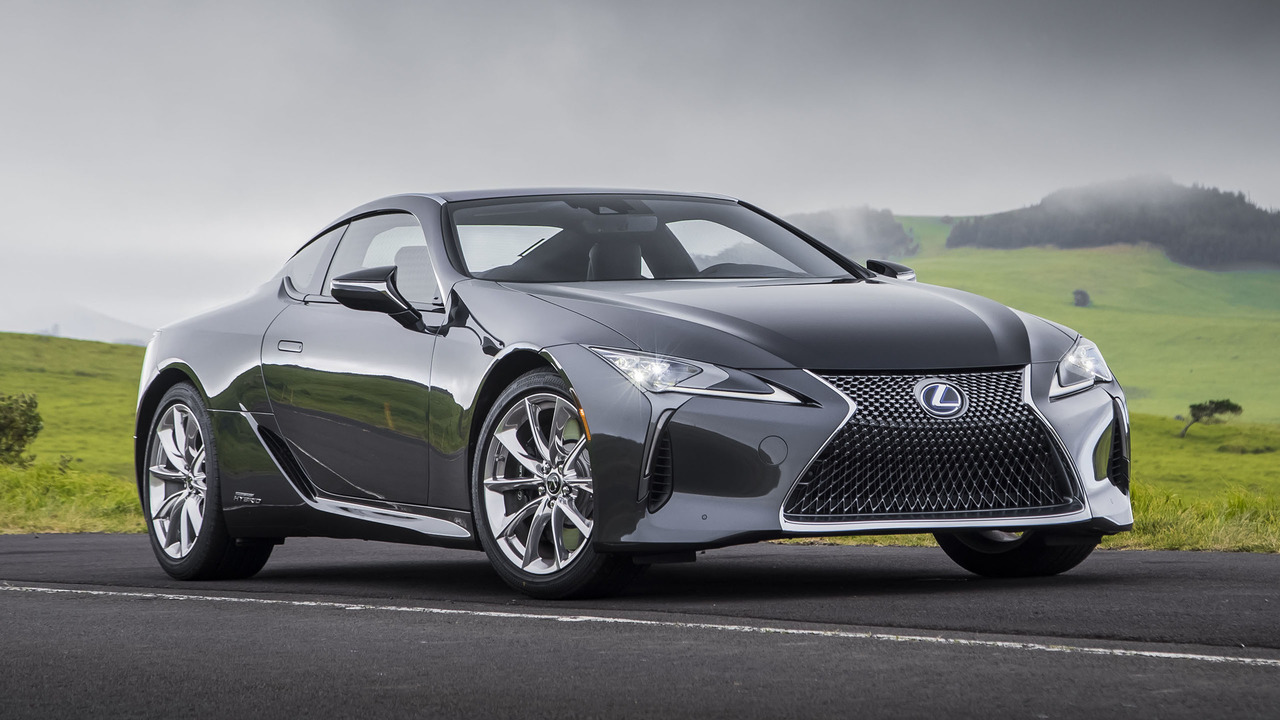
3. Lexus LC 500h
The Lexus LC 500h is a luxury hybrid coupe that combines a multi-stage hybrid system with an advanced regenerative braking setup. The vehicle’s regenerative braking is designed to work seamlessly with a high-output gasoline engine, contributing to energy recovery and efficient deceleration.
However, the system’s complexity and the high-end materials used in the braking components result in elevated service costs.
Pads, rotors, and related sensors are expensive, and labor for any repairs or replacements typically requires specialized Lexus hybrid knowledge. Even routine brake maintenance can be considerably more costly than on entry-level hybrids.
Lexus implemented a sophisticated brake-by-wire system in the LC 500h, where driver input is electronically interpreted to distribute braking between regenerative and mechanical brakes. This design improves efficiency, driving comfort, and precision, but also increases maintenance requirements.
Servicing such a system often involves careful recalibration using proprietary tools and software, adding both labor and diagnostic costs.
Even minor mechanical wear cannot be addressed without considering the electronic control systems, which differentiates it from simpler regenerative setups in more affordable hybrids.
The LC 500h also uses high-performance braking materials to match its luxury coupe performance standards. Carbon-reinforced rotors and multi-piston calipers provide superior stopping power but come with high replacement costs.
Brake pads designed for both durability and smooth integration with regenerative braking are not inexpensive, and labor-intensive installation and system calibration further increase the total expense. These factors make brake service a significant portion of the vehicle’s maintenance budget.
Owners benefit from precise and responsive braking, reduced pad wear, and efficient energy recovery, but they must accept that advanced regenerative braking systems often carry premium maintenance costs.
The Lexus LC 500h exemplifies the tradeoff between high-end hybrid performance and increased service expenses, highlighting how luxury hybrid engineering and electronics contribute to pricey brake maintenance.
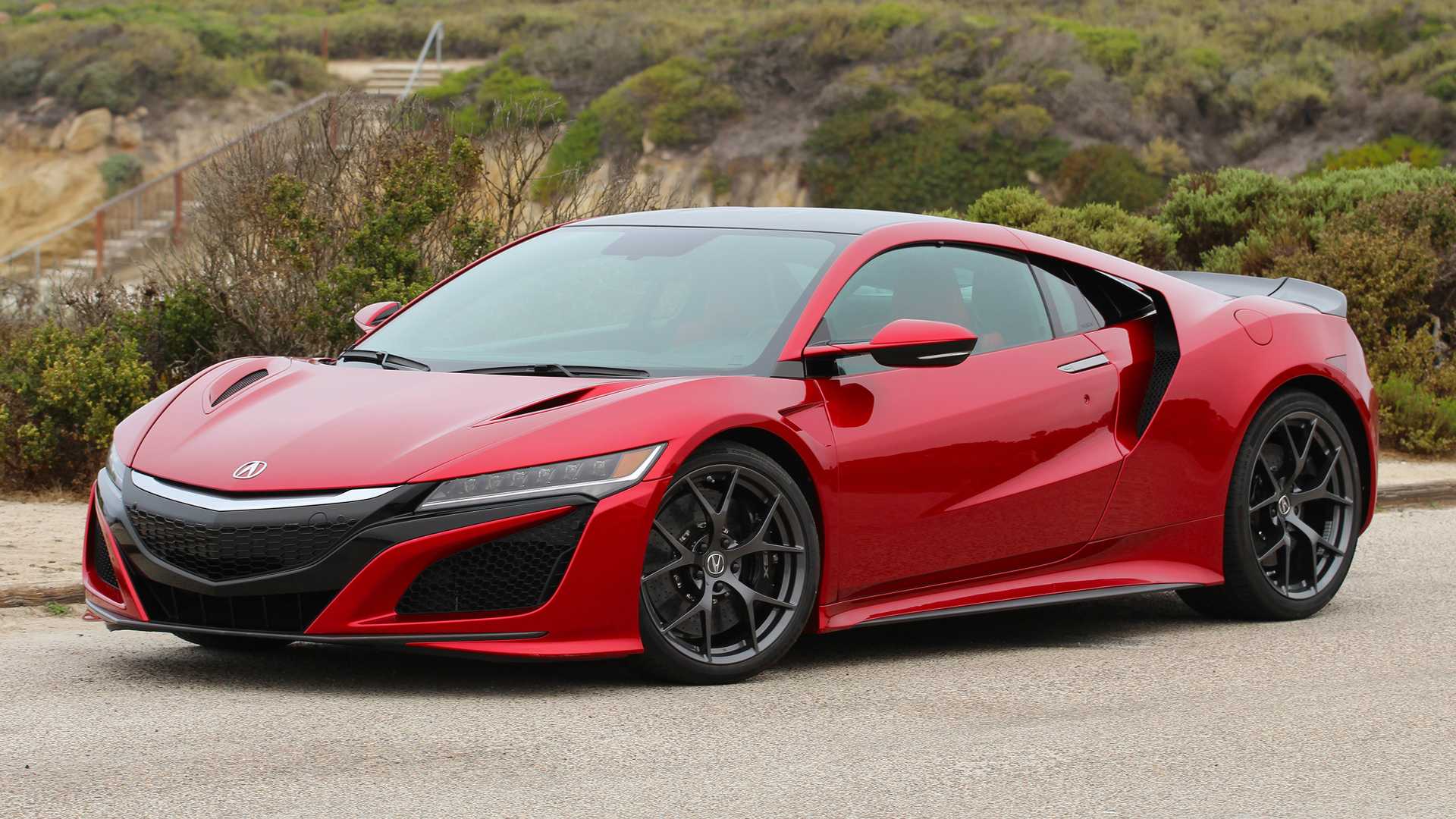
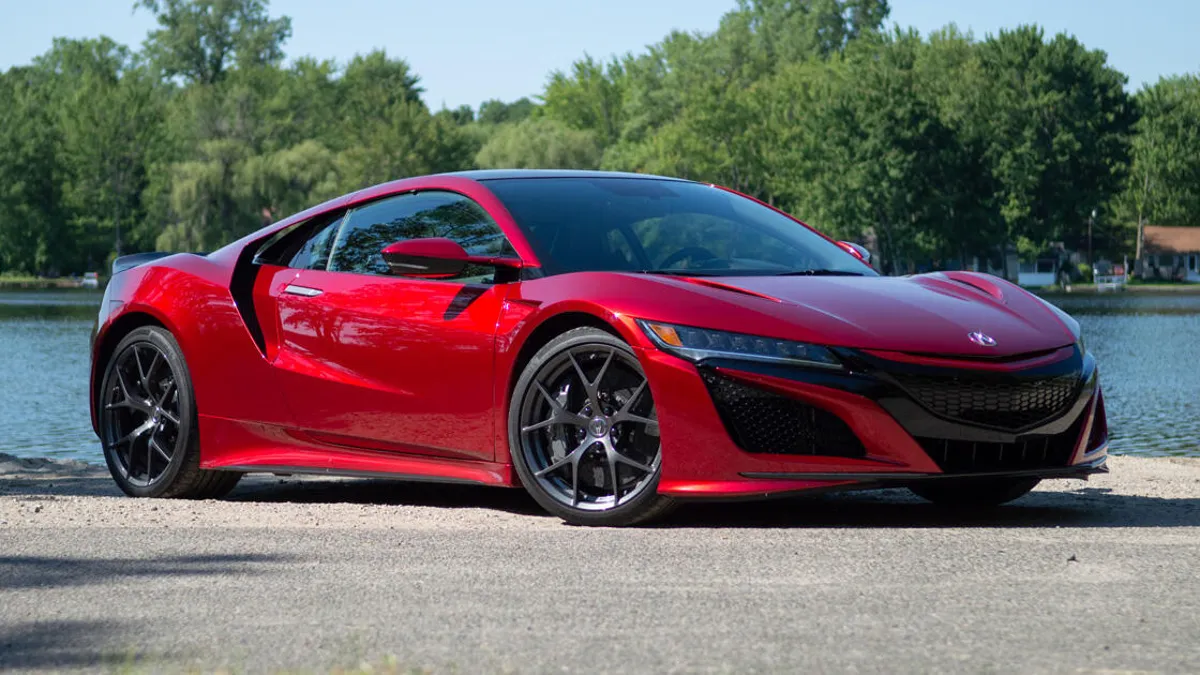
4. Acura NSX
The Acura NSX is a performance-oriented hybrid sports car that employs a highly advanced regenerative braking system integrated with its high-output electric motors and V6 engine.
The regenerative system enhances efficiency, smooth braking, and energy recovery, but it also contributes to high maintenance costs.
The NSX uses electronically controlled brakes, high-performance rotors, and specialized pads that are costly and require expert knowledge to service.
Independent mechanics often cannot perform maintenance, and even routine inspections may involve recalibration using proprietary Acura tools and software.
The NSX braking system is designed to maximize stopping power while balancing regenerative and mechanical braking forces.
This ensures that deceleration is smooth, energy recovery is optimized, and vehicle handling remains precise at high speeds. However, the complexity of this system increases the potential cost of service.
Sensors, electronic modules, and brake-by-wire technology require specialized attention, and any mechanical work must be carefully coordinated with the hybrid system to avoid errors.
High-performance materials like carbon ceramic rotors further add to parts costs, making maintenance considerably more expensive than in non-luxury hybrids.
Routine maintenance, such as pad replacement, is labor-intensive on the NSX. Electronic recalibration, system testing, and precise installation of high-performance components require extensive technician training. Parts availability is limited, and genuine replacement components are premium-priced.
Consequently, NSX owners experience some of the highest brake maintenance costs among hybrid vehicles, with even minor servicing capable of reaching several thousand dollars depending on parts and labor.
Despite these costs, the NSX delivers exceptional braking performance, energy recovery, and hybrid efficiency. Its regenerative braking preserves mechanical components and enhances driving dynamics, but the financial tradeoff is steep.
The NSX illustrates how top-tier hybrid sports cars, where regenerative systems are highly integrated with performance electronics and advanced materials, can lead to very expensive brake service compared to mainstream hybrids.
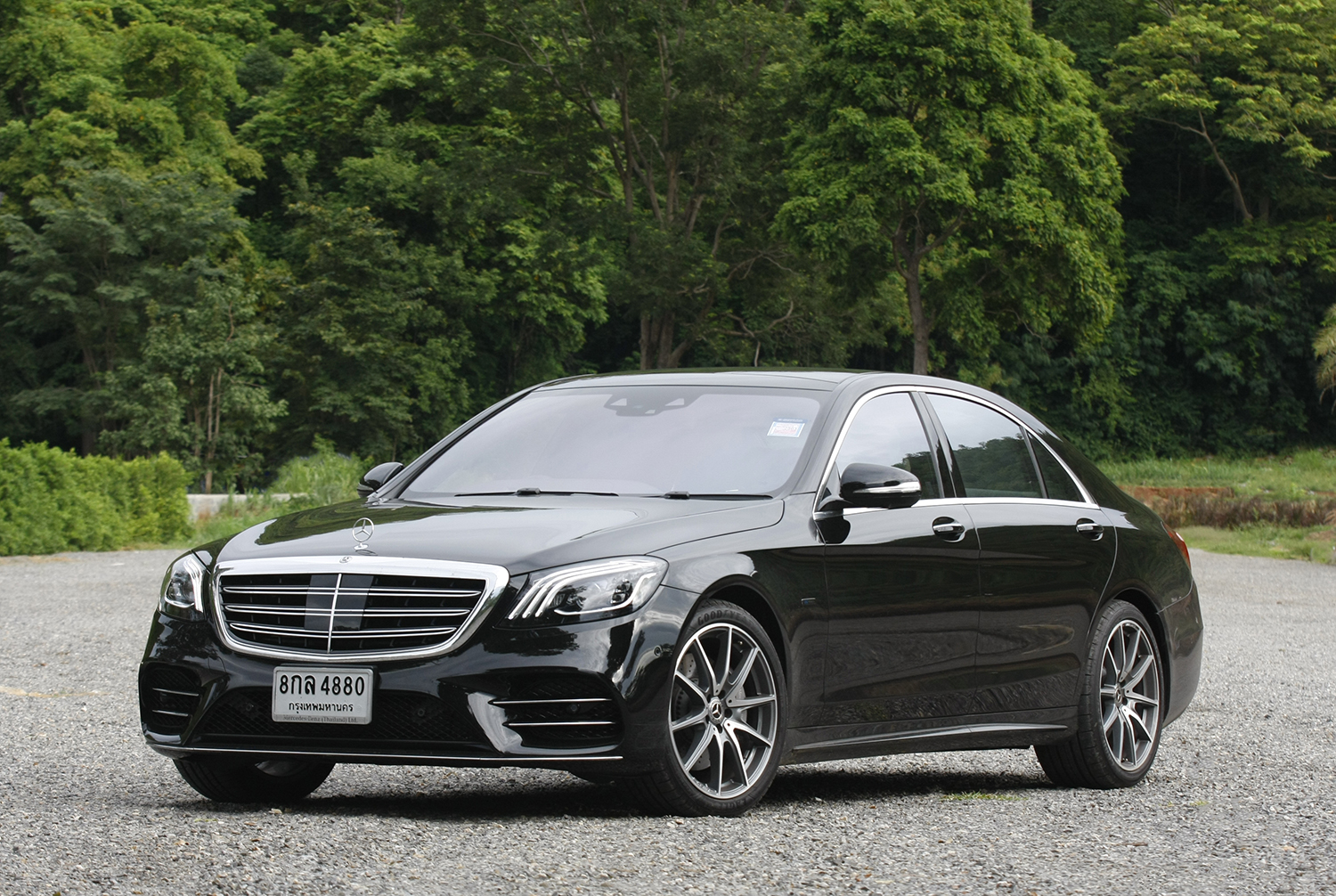
5. Mercedes-Benz S 560e / S 580e
The Mercedes-Benz S-Class plug-in hybrids, such as the S 560e and S 580e, feature sophisticated regenerative braking systems designed to manage deceleration in a large, luxury sedan.
The system uses brake-by-wire technology integrated with the vehicle’s extensive safety, stability, and hybrid management electronics.
While this ensures smooth stopping and efficient energy recovery, it also results in high maintenance costs. The system relies on expensive sensors, electronically controlled calipers, and high-performance rotors, making routine brake service significantly more costly than on mainstream hybrids.
Mercedes designed these regenerative brakes to handle the combined weight of a full-size luxury sedan and hybrid powertrain. Braking force must be carefully distributed between regenerative and mechanical brakes, and precise calibration is required after any service.
Standard pads and rotors cannot simply be swapped out without electronic adjustments, which increases both labor time and service costs. The sophisticated materials used in these brakes, often featuring vented or composite rotors, add further expense, making parts replacement a premium-priced service.
Maintenance of the S-Class hybrid braking system requires advanced diagnostic equipment and specialized technician training. Independent repair shops rarely can handle these systems, leaving owners reliant on authorized Mercedes service centers, where labor rates are high.
Even routine brake inspections and fluid replacements often involve recalibration steps that significantly raise the total service cost. Over the life of the vehicle, brake maintenance can be a major contributor to ownership costs.
