
Electric power steering has become an essential feature in modern sedans, offering drivers improved handling, reduced effort during maneuvering, and better fuel efficiency compared with traditional hydraulic systems. While many manufacturers have embraced this technology, not all implementations are equally reliable.
Some sedans provide a consistently smooth steering experience, allowing drivers to navigate tight city streets, winding roads, and highway cruising with confidence.
Others, however, can develop noticeable dead spots, creating an uneven or unpredictable steering feel that can affect both safety and driving enjoyment. Understanding which vehicles fall into each category can help prospective buyers make informed decisions and avoid long-term frustrations.
The design of electric power steering involves sensors, motors, and electronic control units that work together to translate a driver’s input into the appropriate wheel movement. In sedans with reliable systems, this integration is seamless, resulting in precise steering that feels natural across different speeds.
Dead spots occur when the system fails to respond consistently, often producing a loose or hesitant feel in specific areas of the steering range.
These imperfections can stem from sensor calibration issues, motor wear, software glitches, or even design compromises. While some dead spots are minor and noticeable only by a trained driver, others can be significant enough to make lane changes, cornering, or parallel parking less predictable.
For drivers who spend significant time on the road, understanding these distinctions is crucial. A reliable electric power steering system enhances safety, reduces fatigue, and improves the driving experience.
Conversely, a steering system with dead spots can introduce uncertainty and reduce driver confidence, especially in situations requiring rapid responses.
Beyond just driving feel, the reliability of electric power steering can also affect long-term maintenance costs, as more problematic systems may require software updates, component replacements, or regular recalibration.
This article examines five sedans known for having highly dependable electric power steering and five that have been reported to develop dead spots over time. Each selection is supported by considerations of design, driver feedback, and general performance characteristics.
By comparing these models, readers can better understand the practical differences between well-executed and flawed electric power steering systems and make informed choices when evaluating new or used sedans.
5 Sedans With Reliable Electric Power Steering
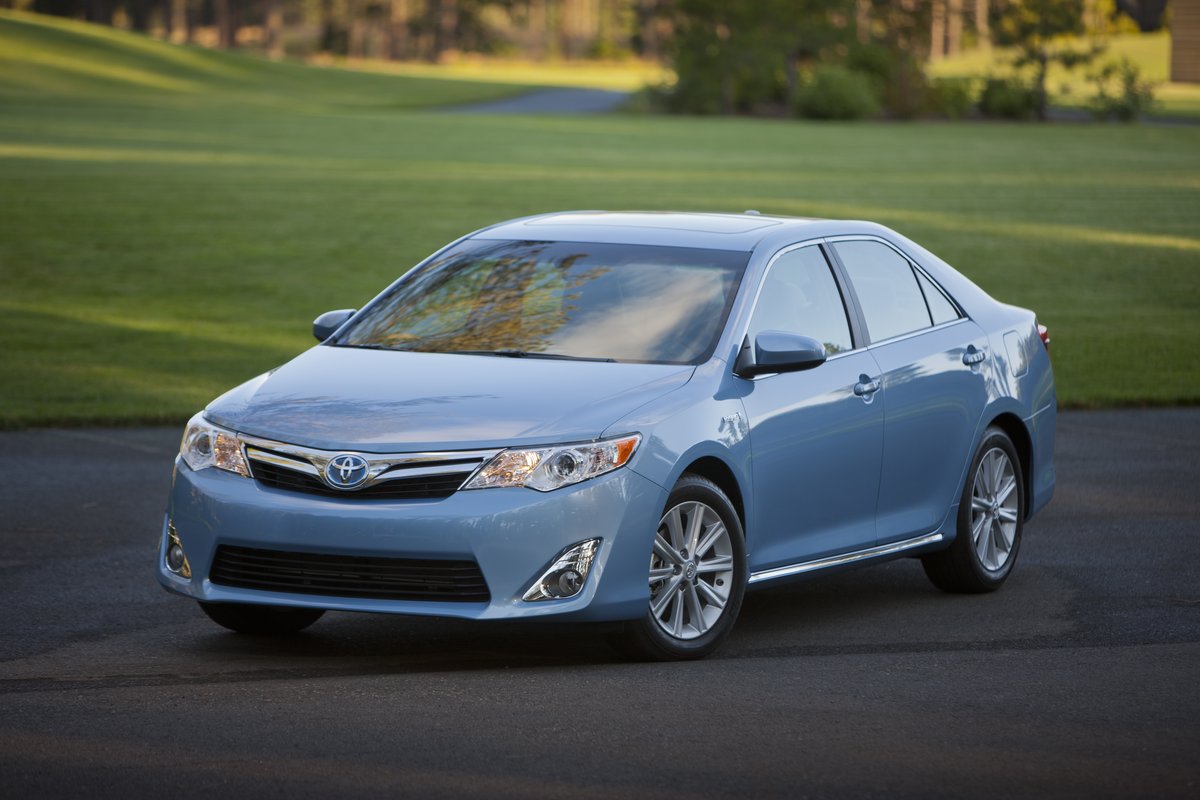
1. Toyota Camry
The Toyota Camry has long been recognized for its dependable engineering, and its electric power steering system is a prime example of that reputation. Drivers frequently report a consistently smooth and responsive feel across all speeds, whether navigating congested city streets or cruising comfortably on highways.
The Camry’s steering provides a sense of precision that is particularly reassuring during tight turns or emergency maneuvers.
This reliability is achieved through careful calibration of the sensors and electric motor, which work seamlessly together to translate driver inputs into immediate and accurate wheel movements. Unlike some competing sedans, the Camry rarely exhibits any lag or hesitation, making it feel predictable and trustworthy under a wide range of driving conditions.
In addition to performance, the Camry’s electric power steering is praised for its predictable weight. At low speeds, such as during parking or maneuvering in tight spaces, the system provides ample assistance without feeling overly sensitive, allowing drivers to make subtle corrections effortlessly.
On highways, the steering response naturally stiffens, enhancing stability and confidence during fast cruising or sudden directional changes.
This balance between light assistance and precise control demonstrates Toyota’s thoughtful engineering, ensuring that drivers experience a natural and intuitive connection to the road.
The consistency of the steering feel also reduces fatigue during long drives, as the driver does not need to constantly compensate for fluctuations in responsiveness.
Maintenance considerations further enhance the Camry’s appeal. The electric power steering components, including the motor, sensors, and control units, are highly durable and benefit from Toyota’s focus on long-term reliability.
Even high-mileage Camrys rarely experience failures in the steering system, meaning that owners can enjoy years of smooth operation without expensive repairs or complicated recalibrations. This durability adds a practical dimension to the Camry’s reliability, making it not only a comfortable daily driver but also a cost-effective choice over the long term.
Finally, the Camry’s electric power steering system integrates seamlessly with advanced driver-assist technologies. Lane-keeping assistance, adaptive cruise control, and other safety features rely on precise steering input to function correctly.
Because the Camry provides a stable and consistent response, these systems can operate as intended, enhancing both convenience and safety.
The combination of smooth, reliable steering and compatibility with modern technologies makes the Camry one of the most well-rounded and driver-friendly sedans available, offering a blend of comfort, performance, and confidence that is hard to match in its segment.
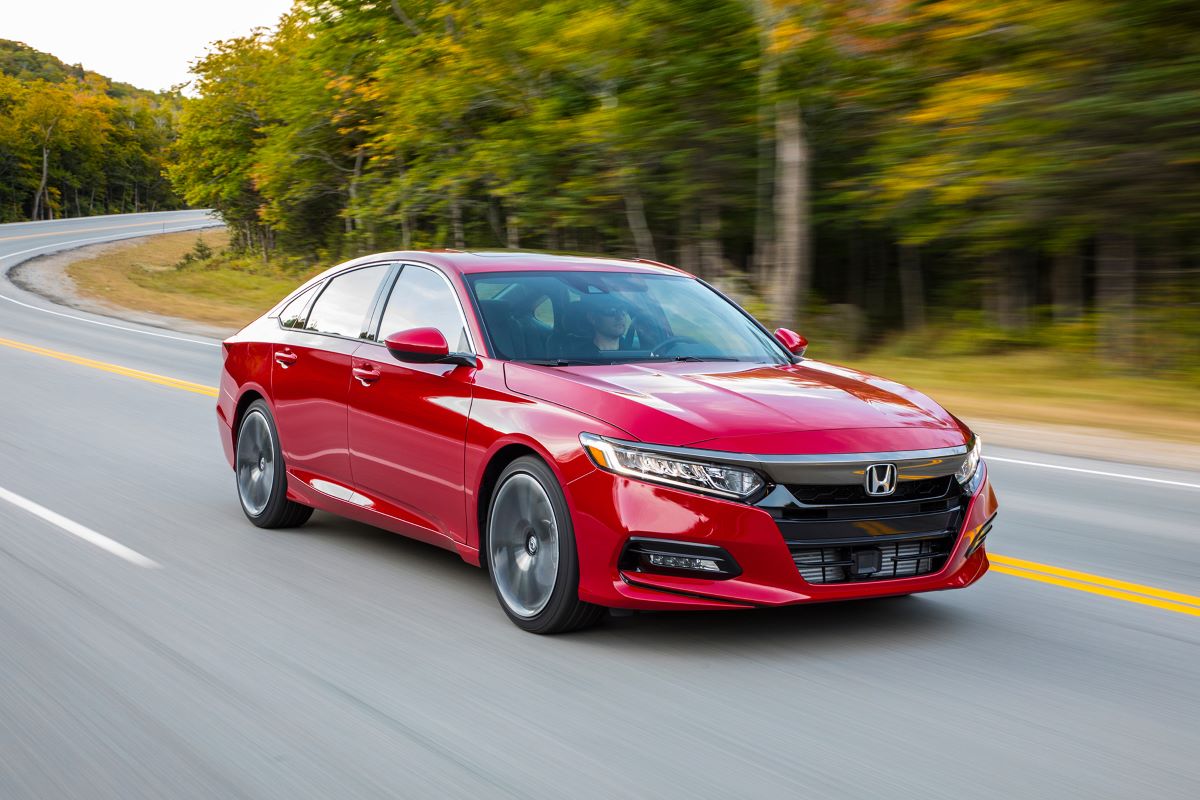
2. Honda Accord
The Honda Accord has consistently earned praise for its driving dynamics, and its electric power steering system plays a central role in that reputation. The system is finely tuned to offer a natural and intuitive feel, providing drivers with a strong sense of control without requiring excessive effort.
Owners frequently highlight the Accord’s predictability, noting that steering input translates directly to wheel movement with minimal lag.
Whether navigating city streets with frequent tight turns or cruising on the highway at higher speeds, the system remains consistently responsive, reducing the risk of surprises and making the vehicle easy to handle under all conditions.
A significant strength of the Accord’s system is its adaptability across different driving scenarios. At low speeds, the power assist is substantial, making parking, U-turns, and other tight maneuvers effortless.
As speed increases, the steering gradually stiffens, giving the driver a sense of stability and precision without feeling artificial or overly heavy.
This dynamic response strikes a careful balance between comfort and control, ensuring that the steering feels appropriate for every driving situation.
The system’s consistent calibration prevents the development of dead spots, which are common in less well-engineered electric steering systems, providing a reassuringly predictable experience for drivers.
Longevity is another reason the Accord earns high marks. Electric power steering components, including the motor, torque sensors, and electronic control units, are designed to withstand extensive use with minimal degradation. Owners rarely report failures, and routine maintenance typically does not require attention to the steering system.
The combination of robust mechanical design and carefully tuned software ensures that the steering remains reliable for many years, making the Accord particularly appealing for buyers who prioritize long-term dependability and low maintenance costs.
Finally, the Accord’s steering system works harmoniously with the sedan’s handling characteristics. Suspension design, chassis rigidity, and tire performance complement the electric power steering, resulting in a cohesive driving experience that feels confident and responsive.
Whether executing quick lane changes, negotiating curves, or maintaining highway stability, the driver benefits from precise feedback and predictable behavior.
This integration between steering and vehicle dynamics underscores why the Accord is frequently cited as one of the best-balanced sedans in its class, with strong handling, comfort, and reliability.
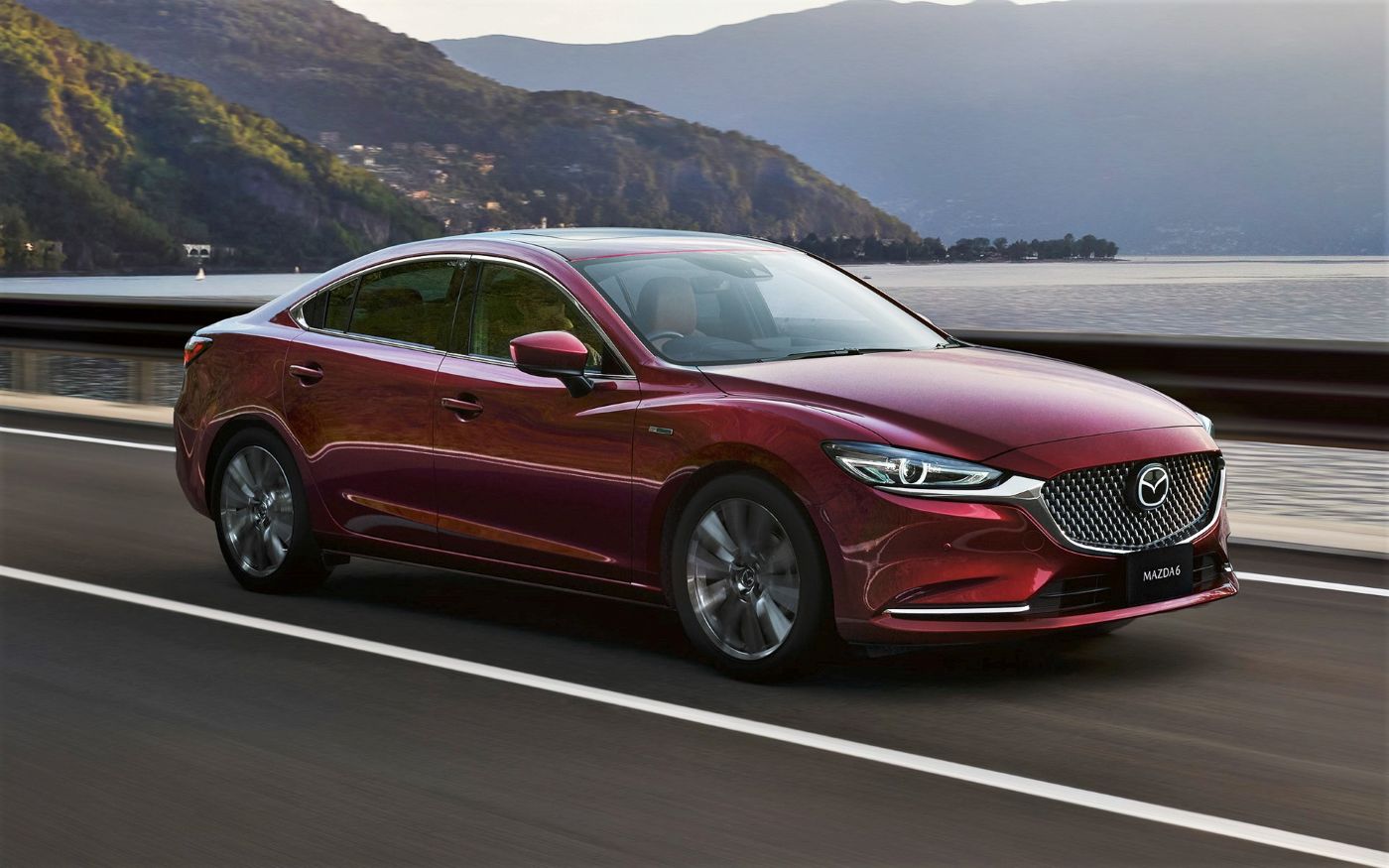
3. Mazda6
The Mazda6 has built a reputation for offering a more engaging driving experience than many midsize sedans, and its electric power steering system is key to that reputation.
Unlike some electric setups that can feel overly artificial or disconnected, the Mazda6 delivers precise and responsive steering that retains a natural mechanical feel.
Drivers consistently report that the steering accurately conveys road conditions, enhancing confidence and control. This consistency extends across speed ranges, providing smooth and predictable performance during both city commutes and open-road cruising.
Precision is a standout characteristic of the Mazda6’s steering system. Even subtle inputs, such as minor corrections to maintain lane position or avoid obstacles, are executed accurately and without delay. The system’s tuning reduces the likelihood of dead spots, which can compromise control in other sedans.
Feedback from drivers emphasizes a tactile connection to the road, creating a driving experience that feels engaging yet reliable. The steering provides just enough resistance to convey road texture without introducing excessive effort, striking an ideal balance between sportiness and comfort.
Durability is another reason the Mazda6 stands out. Electric power steering components are designed for longevity, and mechanical failures or sensor issues are uncommon.
The system’s software is generally stable, and updates are infrequent, meaning that owners rarely encounter issues requiring intervention.
This reliability makes the Mazda6 an appealing option for buyers who want both performance and minimal maintenance concerns, ensuring that the steering remains dependable throughout the car’s life.
The Mazda6 also benefits from seamless integration with electronic driver aids. Lane departure warning, adaptive cruise control, and collision mitigation systems depend on precise steering input, and the Mazda6’s system ensures that these technologies operate as intended.
The combination of responsive mechanical behavior and reliable electronics enhances both safety and driving enjoyment. The Mazda6 offers a rare combination of driver engagement and dependable performance, making it one of the most satisfying midsize sedans in terms of steering quality.
4. Hyundai Sonata
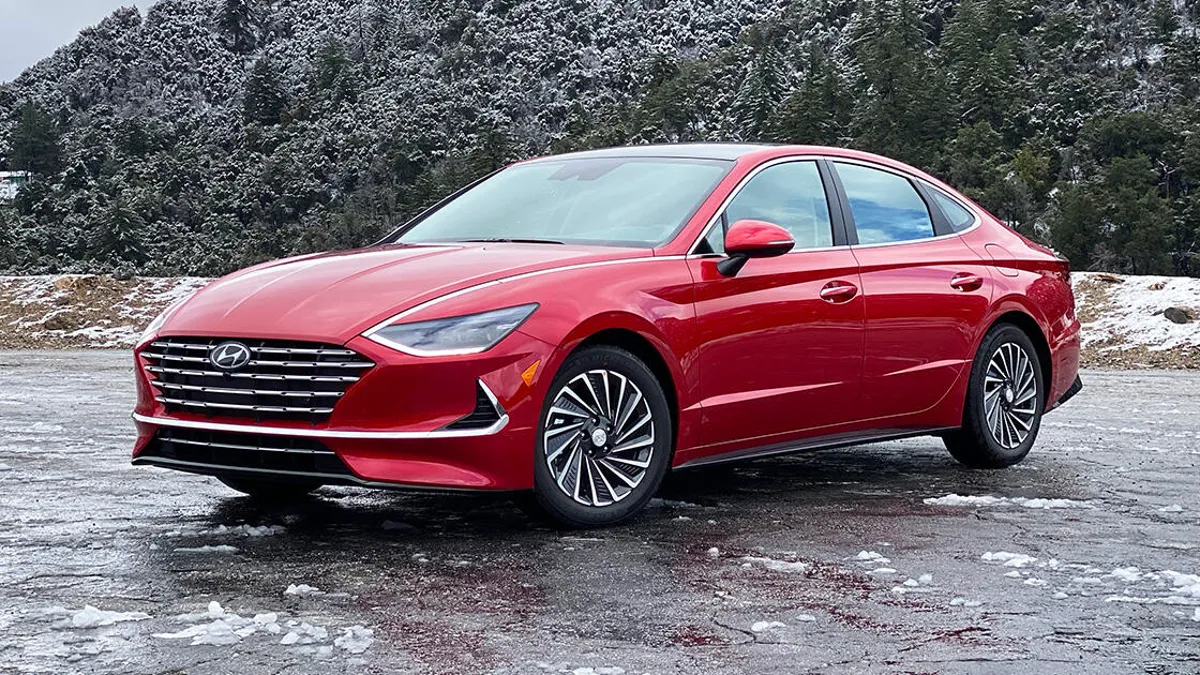
The Hyundai Sonata has evolved significantly in recent years, with its electric power steering becoming one of its most reliable and refined features. Feedback is smooth and consistent, providing a reassuring sense of control in a wide variety of driving conditions.
The system is designed to provide light assistance during low-speed maneuvers, such as parking, while offering greater resistance at higher speeds to improve stability and confidence. This dynamic adjustment ensures that the steering feels natural and predictable, enhancing both comfort and driver safety.
Owners frequently comment on the Sonata’s predictability. The steering responds accurately to input across the full range of wheel motion, eliminating the uneven or loose-feeling center ranges seen in some competing vehicles.
This consistency reduces fatigue during long drives, as drivers do not need to compensate for unexpected fluctuations in response. Additionally, the smooth transition between light and firm steering enhances confidence in challenging situations, such as negotiating tight corners or performing evasive maneuvers.
Durability is another advantage of the Sonata’s steering system. The electric motor, sensors, and electronic control units are built to withstand extensive use without significant wear. Problems are rare, and minor software updates, when necessary, typically restore optimal performance without requiring expensive repairs.
Hyundai’s focus on long-term reliability means that the Sonata’s steering system remains dependable even as the vehicle accumulates miles, making it a solid choice for both new and used car buyers.
The Sonata’s steering is also designed to integrate seamlessly with driver-assist technologies. Lane-keeping assistance, adaptive cruise control, and other systems rely on accurate and consistent steering input.
By maintaining predictable performance, the Sonata ensures that these features work effectively, enhancing safety and convenience. The combination of precise mechanical behavior, robust electronics, and intelligent software makes the Hyundai Sonata one of the most reliable midsize sedans for electric power steering in its class.
5. Kia K5
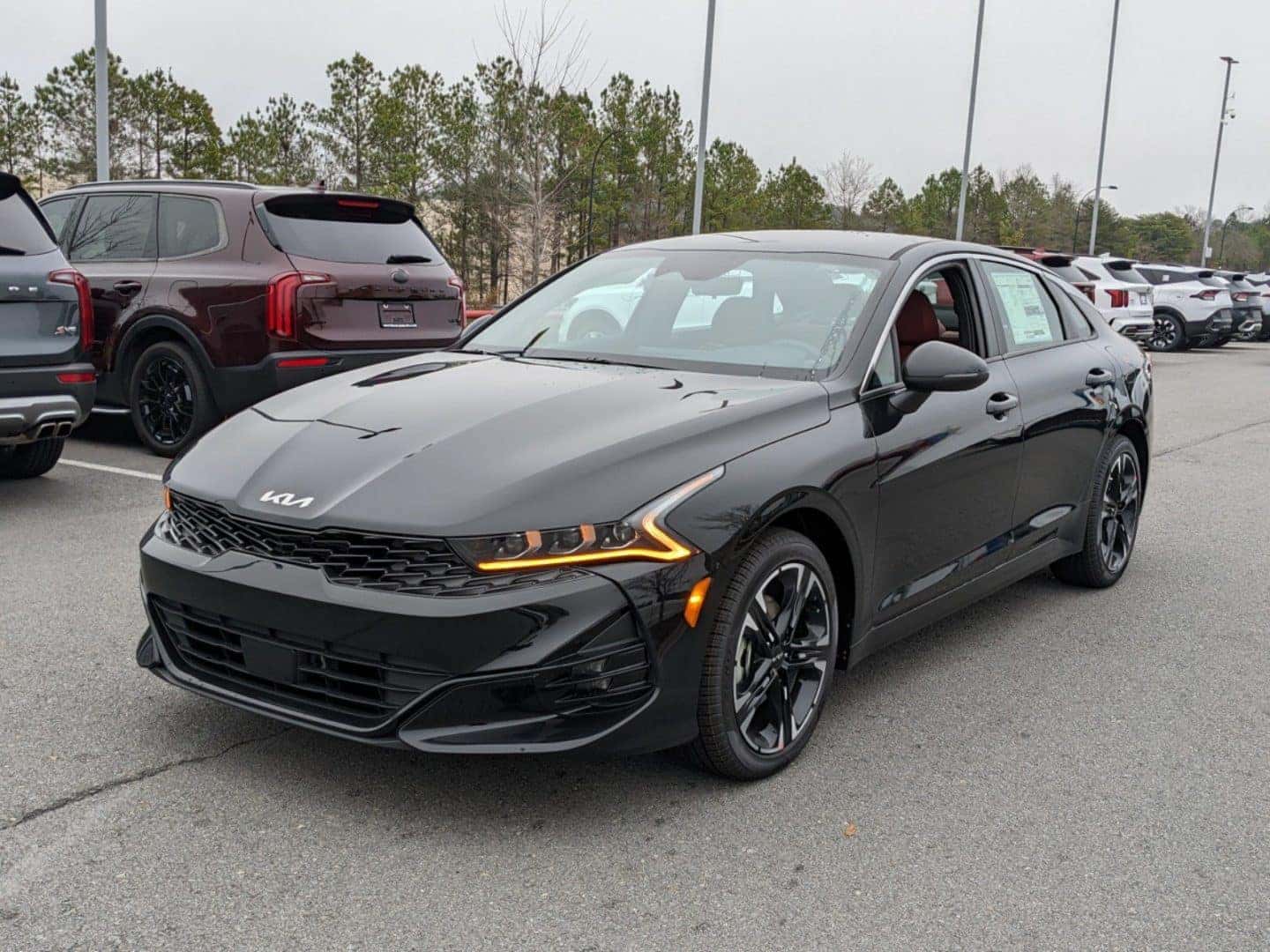
The Kia K5 offers an impressively balanced and reliable electric power steering system, making it one of the more confident and enjoyable sedans to drive in its segment.
Drivers often report that the steering feels smooth and direct, translating wheel movements into precise vehicle responses without lag or inconsistency.
The system’s responsiveness is apparent across all driving scenarios, from slow, tight maneuvers in urban environments to higher-speed highway cruising, ensuring a dependable and engaging experience.
At low speeds, the K5 provides substantial assistance, reducing the effort needed for parking and navigating narrow streets. As speed increases, the system stiffens naturally, giving drivers a sense of stability and control during highway driving.
This well-tuned balance between light and firm assistance provides an intuitive feel that enhances confidence in both daily driving and longer journeys. Unlike some electric steering systems, the K5 avoids dead zones or inconsistent feedback, which is crucial for driver safety and comfort.
Reliability over time is a key advantage of the K5. Its electric power steering components, including the motor, torque sensors, and control units, are designed to endure extensive use without failure. Software updates, if required, are straightforward and rarely disrupt normal operation.
This longevity reduces ownership costs and ensures that the steering remains smooth and responsive even in high-mileage vehicles.
The K5’s steering system also works harmoniously with electronic safety technologies. Lane-keeping assistance, adaptive cruise control, and other driver aids rely on consistent steering feedback, and the K5 delivers precisely what these systems require.
The combination of predictable performance, durable components, and intelligent integration with advanced features makes the Kia K5 a standout option for drivers seeking a reliable and enjoyable electric power steering experience.
5 Sedans With Dead Spots in Electric Power Steering
1. Nissan Altima
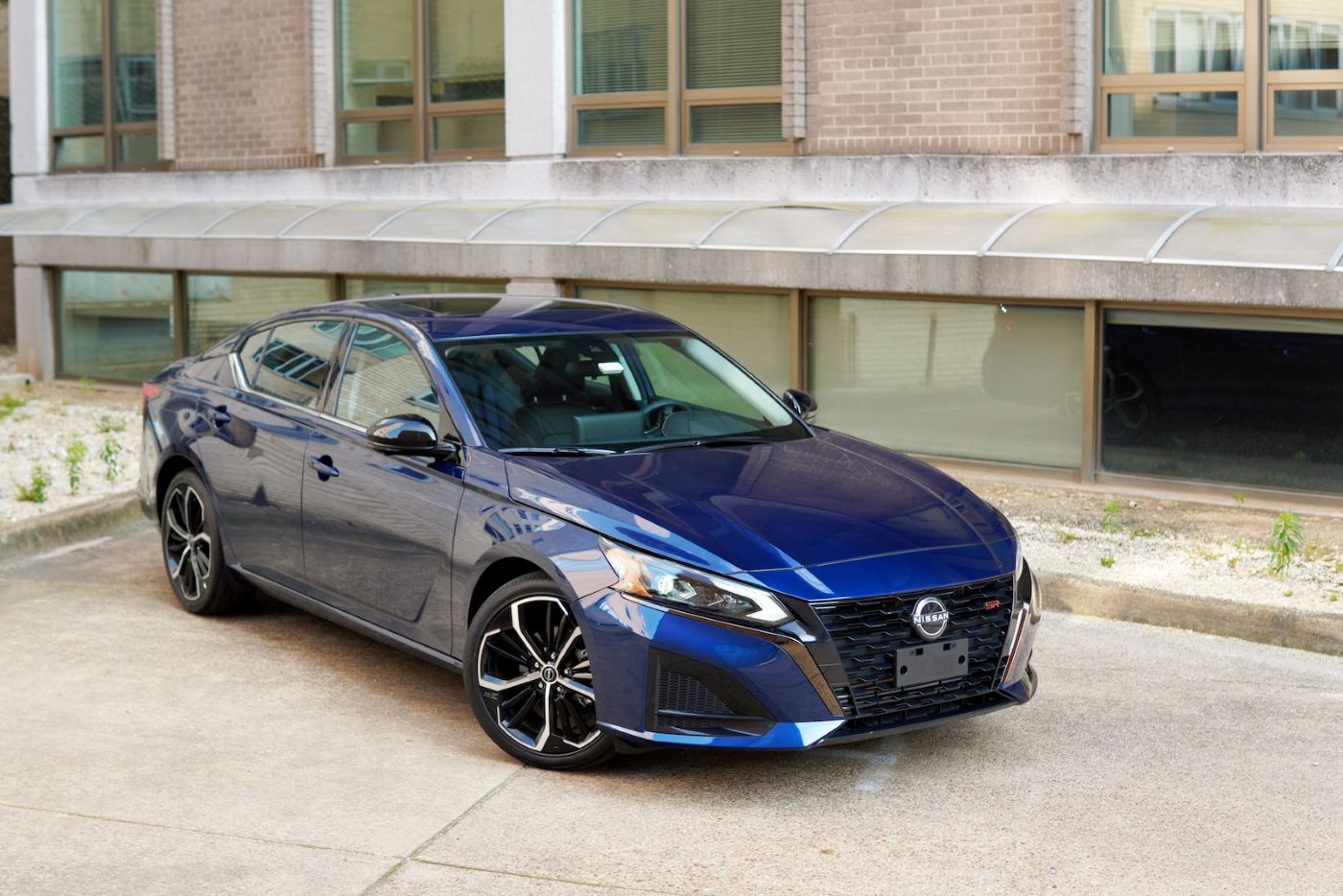
The Nissan Altima has long been a popular midsize sedan, but its electric power steering system has drawn criticism for occasional dead spots and inconsistent feedback.
Drivers often report that the steering feels vague or unresponsive in the center range, especially when driving at low speeds or making subtle adjustments.
This inconsistency can make it challenging to maintain precise lane positioning, particularly during city driving or on winding roads. The dead spots can give the impression that the steering is disconnected from the road, which reduces confidence and requires more effort to correct subtle directional changes.
The inconsistency of the Altima’s electric power steering is most noticeable in parking and slow maneuvers. While the system is designed to offer light assistance at low speeds, the presence of dead zones forces drivers to overcompensate, twisting the wheel more than necessary to achieve the intended response.
On highways, the dead spots can cause a slightly unnatural or floating feel, particularly when driving straight for extended periods. This can make the sedan feel less stable than competitors that provide a consistently weighted and predictable steering response.
Maintenance and longevity concerns further compound the issue. While failures are not extremely common, the sensors and electronic control units in some Altima models can become miscalibrated over time, amplifying the dead spot problem.
Repairs often require precise calibration or replacement of components, which can be more costly than traditional hydraulic systems. Even minor degradation in the steering motor or sensor can noticeably impact responsiveness, making the driving experience feel inconsistent over the life of the vehicle.
Additionally, the Altima’s dead spot issue can affect the performance of electronic driver-assist systems. Lane-keeping assistance and adaptive cruise control rely on accurate steering input to function correctly, and when the system is unable to respond promptly due to dead zones, these features may feel less reliable.
Drivers may find themselves manually correcting the vehicle’s trajectory more frequently than in other sedans, reducing convenience and confidence. While the Altima offers competitive styling and comfort, its electric power steering dead spots remain a drawback for those who prioritize precision and control.
2. Ford Fusion
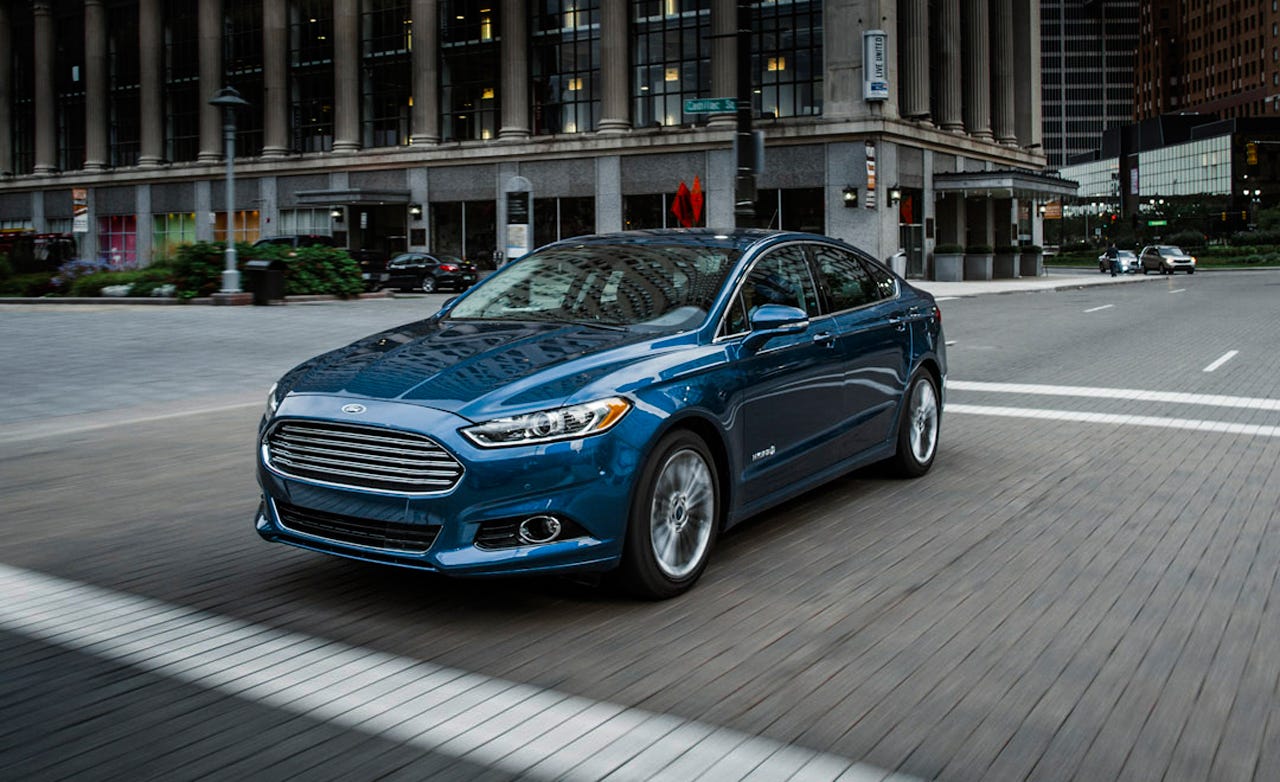
The Ford Fusion has been praised for its styling and engine options, yet some models exhibit noticeable dead spots in the electric power steering system.
Drivers frequently describe a sensation of looseness around the steering wheel’s center position, where small inputs fail to produce a proportional response from the front wheels.
This can lead to a sense of unpredictability, particularly when trying to maintain a straight line at moderate speeds or during lane changes on highways. The dead spots make it difficult for drivers to feel fully connected to the road, reducing confidence in quick maneuvers or emergency corrections.
Low-speed maneuvers tend to exacerbate the Fusion’s dead spot issues. While the steering is intended to be light for parking and slow driving, the inconsistency forces drivers to make larger-than-intended adjustments, which can be frustrating in tight spaces or urban environments.
The imbalance between the light assist and the dead zone makes precise control more challenging, increasing the mental effort required for smooth handling. Even at higher speeds, subtle steering inputs may not produce the expected immediate response, giving the impression of floating or delayed feedback.
The mechanical and electronic components of the Fusion’s steering system can also influence long-term reliability. Sensor drift or minor wear in the motor and control units can worsen dead spot issues over time.
Repairs are generally not overly complex but do require diagnostic tools and precise recalibration to restore proper feel. Drivers who do not address these issues early may find that the steering system feels progressively inconsistent, which can diminish the driving experience and reduce confidence during extended use.
Dead spots in the Fusion can also interfere with driver-assist systems. Technologies like lane centering, automatic steering corrections, and stability controls rely on accurate, immediate feedback from the electric power steering.
Inconsistent steering can make these systems less effective or cause subtle delays, requiring drivers to intervene more actively. While the Fusion remains a comfortable and stylish option, its dead spot steering issues highlight the importance of careful evaluation for buyers who prioritize precision and responsiveness in a sedan.
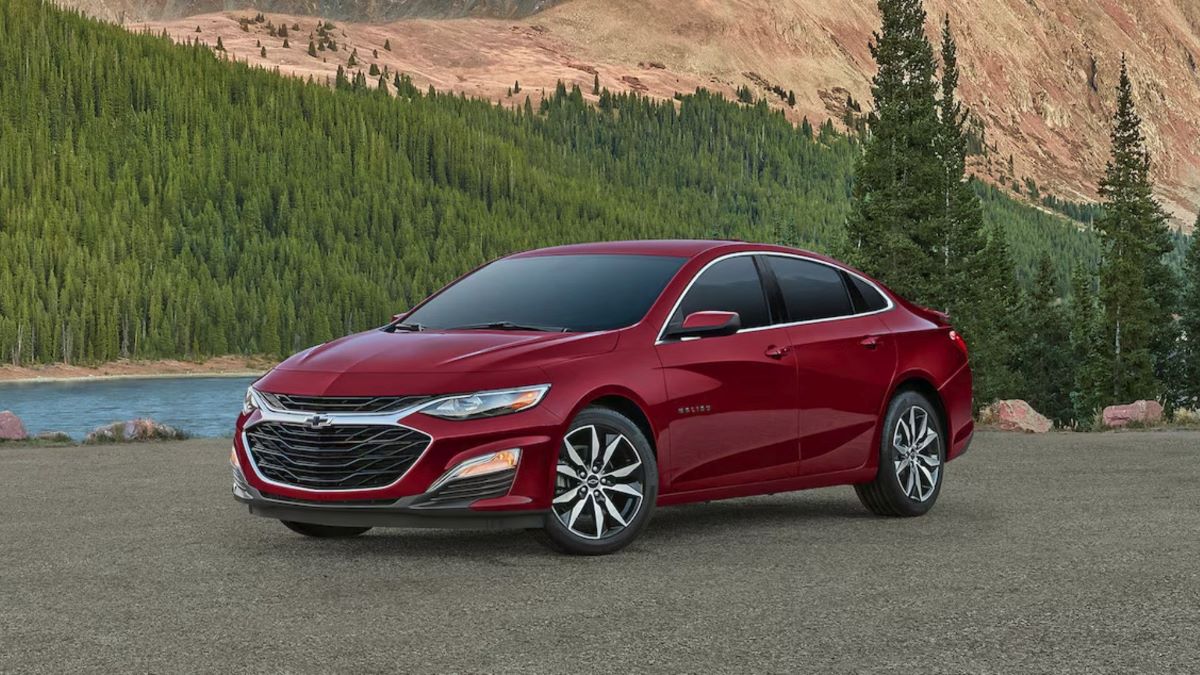
3. Chevrolet Malibu
The Chevrolet Malibu is widely regarded for its smooth ride and modern interior features, but its electric power steering system sometimes exhibits dead zones that affect driving precision. Many owners report a lack of responsiveness around the center position, which can make minor steering adjustments feel disconnected from the wheels.
This dead spot effect is particularly noticeable during low-speed maneuvers, such as parking, or when driving in stop-and-go traffic. The inconsistent feedback can create a sense of unpredictability, forcing the driver to make more exaggerated corrections than usual to maintain control.
At higher speeds, the dead spot in the Malibu’s steering can reduce stability and confidence. Even though the system gradually stiffens as velocity increases, the transition from low to medium effort may feel uneven, with a brief delay in feedback.
Drivers may perceive this as a “loose” feeling, where the vehicle does not immediately respond to slight steering inputs. Over time, this sensation can become noticeable on longer trips or when maintaining lane discipline on highways, especially in windy conditions or during sudden evasive maneuvers.
From a maintenance standpoint, the Malibu’s steering components are generally reliable, but the dead spot issue often stems from subtle calibration problems or slight sensor misalignment. Repairs may involve resetting or recalibrating the steering system to restore proper responsiveness, which can be a minor inconvenience for owners.
Although catastrophic failures are uncommon, the presence of dead zones can erode confidence in the system’s consistency, particularly for drivers who prefer a precise, connected feel.
The dead spot effect also influences the functionality of safety and driver-assist systems. Adaptive cruise control, lane departure warning, and emergency steering corrections rely on the electric power steering to respond accurately.
When the system fails to translate small driver inputs consistently, these features may feel less intuitive, requiring more attention from the driver. Despite its comfort and technology, the Malibu’s electric power steering dead zones remain a concern for drivers seeking a responsive and reliable steering experience.
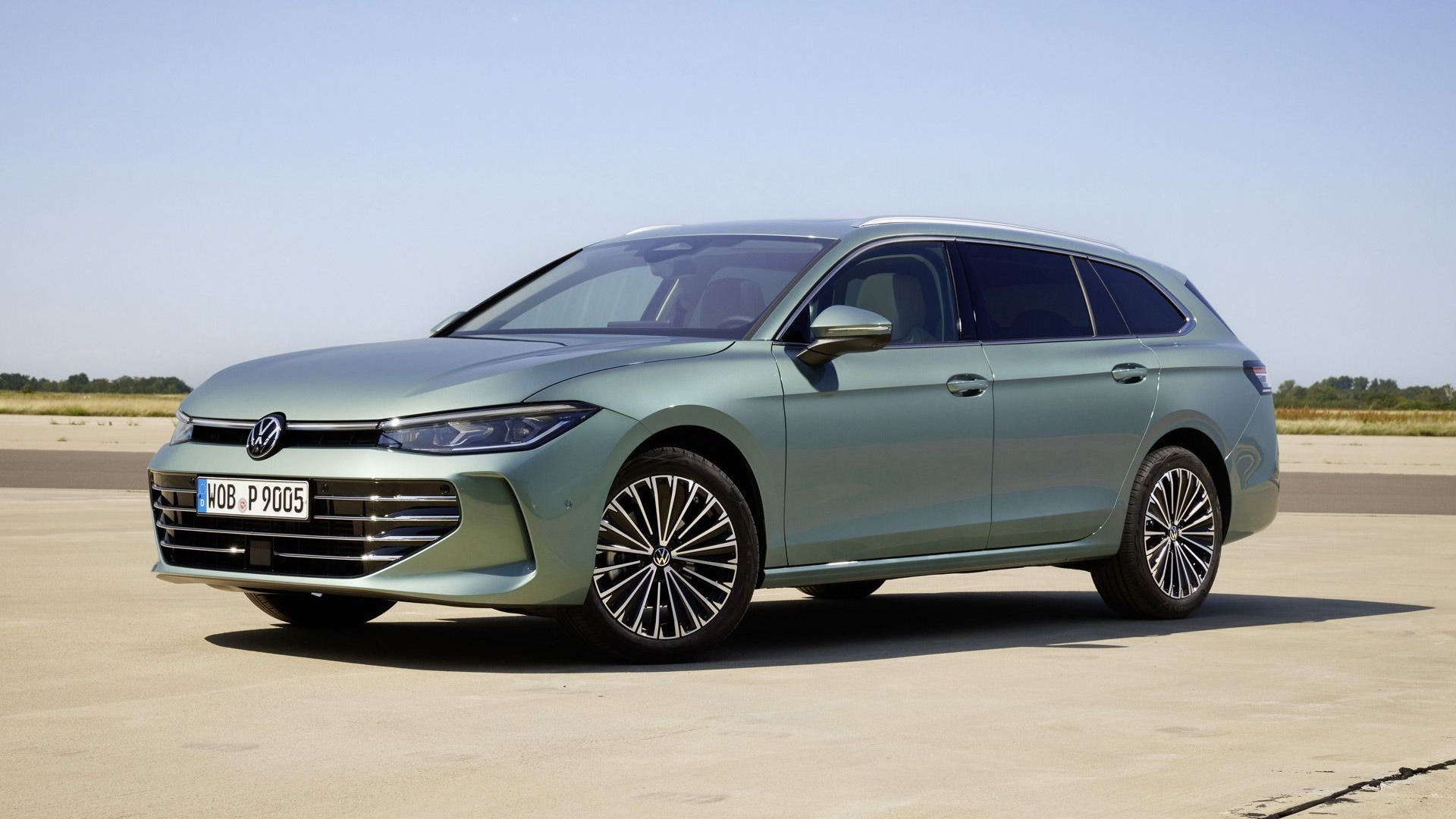
4. Volkswagen Passat
The Volkswagen Passat has earned a reputation for solid engineering and refined styling, but its electric power steering system can be prone to dead spots. Drivers often notice that the steering wheel lacks sensitivity near the center, requiring larger inputs than expected to achieve the desired directional change.
This dead zone behavior can be particularly noticeable in urban driving, tight turns, and low-speed parking maneuvers, where precision is most critical. The inconsistency can undermine confidence, as subtle corrections sometimes fail to produce a predictable response.
The dead spots in the Passat’s steering are not just a low-speed phenomenon; they can also affect highway driving. At moderate speeds, drivers may feel a slight disconnect between the steering wheel and road feedback, creating a vague sensation that requires active compensation.
This uneven response can make lane-keeping less intuitive and increase fatigue during longer drives. Even experienced drivers accustomed to electric power steering may find these irregularities noticeable and occasionally frustrating.
Mechanical and electronic factors contribute to the Passat’s dead spot issues. Sensors, motors, and electronic control modules must work together precisely, and even minor deviations or aging components can amplify dead zones.
While the system is generally durable, recalibration or servicing may be necessary over time to restore a consistent feel. Failure to address these issues can lead to a driving experience that feels less controlled, especially in conditions demanding precise steering inputs.
Dead spots also impact advanced driver-assist systems in the Passat. Lane-keeping assistance, collision mitigation, and adaptive steering systems rely on prompt and accurate responses from the electric power steering. When dead zones are present, these features may not perform optimally, requiring drivers to intervene more actively.
While the Passat remains a refined and comfortable sedan, its steering system’s occasional dead spots represent a drawback for buyers seeking consistently precise handling and tactile road feedback.
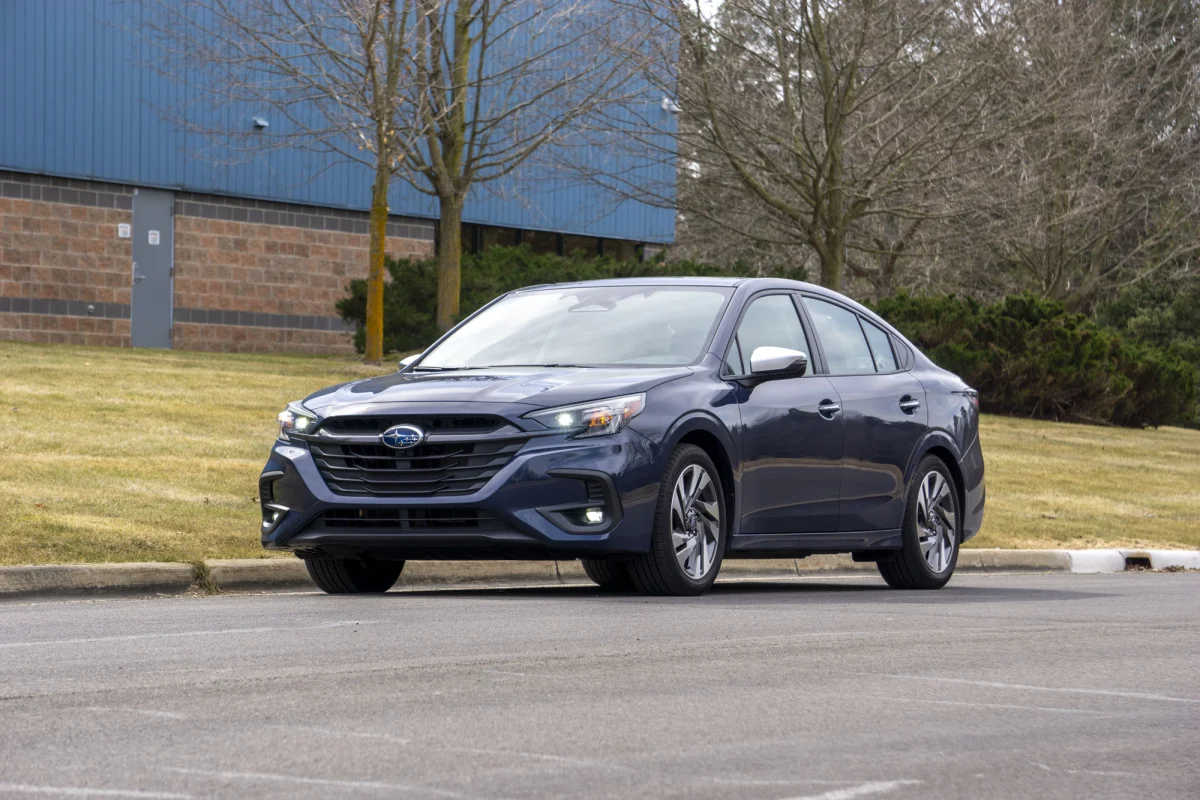
5. Subaru Legacy
The Subaru Legacy is known for its all-wheel-drive capability and safety features, but some models have been reported to experience dead spots in the electric power steering system. Owners frequently note that the steering feels loose or unresponsive around the central range, particularly at low speeds.
This can make tasks like parallel parking, navigating tight corners, or making gradual lane adjustments more difficult than expected. The presence of dead zones can reduce confidence in everyday driving and requires drivers to compensate with larger or more deliberate inputs.
Dead spots are especially noticeable during slow maneuvers. The steering may not immediately translate small movements of the wheel into predictable vehicle adjustments, creating a disconnect that is frustrating in urban driving.
Even at higher speeds, while the system stiffens naturally, subtle inputs may feel muted or delayed, affecting lane changes and highway stability. This can make the driving experience feel less connected and responsive compared to other sedans in its class with well-tuned electric power steering.
From a maintenance perspective, the Legacy’s electric power steering components are generally reliable, but the dead spot issue can stem from sensor calibration or slight wear in the electric motor. Correcting these issues typically requires diagnostic tools and precise adjustments, which can be inconvenient for the owner.
If left unchecked, the dead zones can persist and reduce the perceived quality of the steering system, especially for drivers who value tactile feedback and predictability.
Dead spots in the Legacy’s steering system also affect advanced driver-assist functions. Subaru’s lane-keeping assist, adaptive cruise control, and stability features rely on accurate steering input to function effectively.
When the steering exhibits inconsistent responsiveness, these systems may feel less reliable, requiring more active correction from the driver. While the Legacy excels in safety and comfort, the electric power steering’s dead zones represent a significant limitation for those prioritizing precision, consistency, and driver confidence.
