
Hybrid vehicles have transformed the automotive industry, combining conventional internal combustion engines with electric motors to achieve greater efficiency and reduced emissions.
While hybrids are often celebrated for their fuel economy and environmentally friendly credentials, they also present unique mechanical challenges compared to traditional vehicles.
One area that frequently receives less attention is the durability of engine mounts. Engine mounts are critical components designed to secure the engine to the vehicle’s chassis while absorbing vibrations and reducing stress on the drivetrain.
In hybrid vehicles, where engine operation alternates between combustion and electric modes, the demands on engine mounts are particularly complex.
The hybrid system’s dual nature means that mounts must cope not only with the torque and vibrations of an internal combustion engine but also with the quieter, smoother operation of an electric motor. This combination can be a blessing and a curse.
On one hand, reduced vibration during electric operation may decrease stress over time, potentially prolonging mount life.
On the other hand, frequent transitions between power sources, rapid torque delivery from the electric motor, and regenerative braking forces can impose sudden loads that some engine mounts are not engineered to handle.
As a result, certain hybrid models develop mount failures earlier than expected, leading to noticeable engine movement, increased vibration, and in some cases, damage to surrounding components.
Understanding which hybrids tend to feature durable engine mounts versus those prone to early wear is valuable for both potential buyers and current owners. Reliable mounts contribute to long-term drivability, maintain cabin comfort, and protect critical engine components from excessive stress.
Conversely, models with weaker mounts can introduce recurring maintenance costs and compromise the driving experience.
Factors influencing engine mount durability include engine design, chassis rigidity, mount materials, and the engineering approach to torque management in hybrid systems.
This article will identify five hybrid vehicles widely regarded as having durable, long-lasting engine mounts and five models known for mounts that often fail prematurely. Each vehicle’s performance in this regard is analyzed based on reported reliability trends, engineering considerations, and real-world feedback from owners and mechanics.
By highlighting these differences, readers can gain a clearer picture of the relationship between hybrid design and mount longevity, helping guide informed purchasing decisions or maintenance strategies for existing vehicles.
5 Hybrids With Durable Engine Mounts
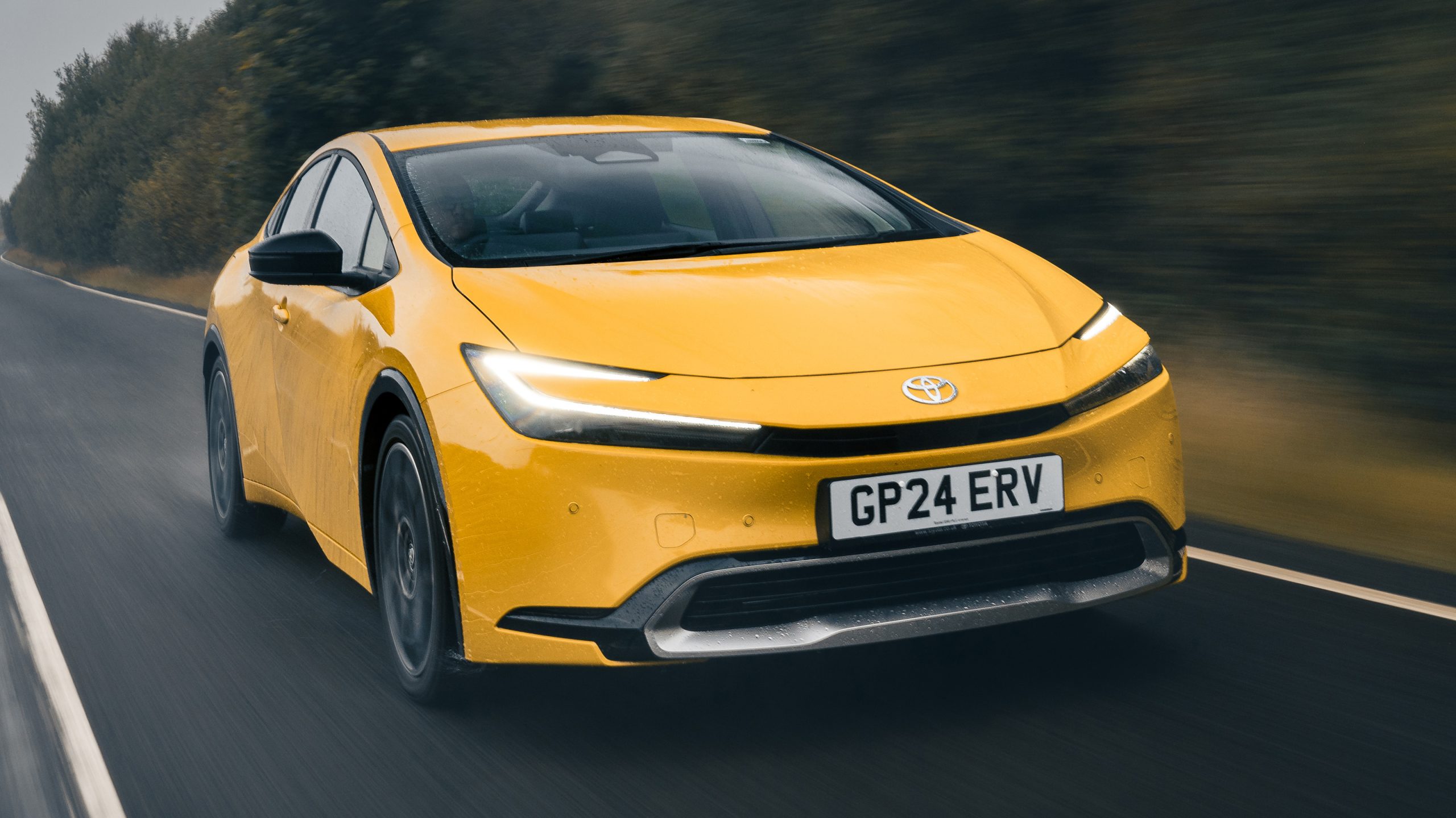
1. Toyota Prius
The Toyota Prius has become one of the most recognizable hybrids worldwide, not only because of its fuel efficiency but also due to its reputation for reliability. A key element of this reliability lies in its engine mounts.
These components are engineered to withstand the unique dual-power setup of a hybrid system, where the gasoline engine works in tandem with an electric motor.
The mounts themselves typically combine high-grade rubber with reinforced metal brackets, creating a system capable of absorbing engine vibrations without transferring them excessively to the cabin.
Over time, these mounts maintain their elasticity and damping capabilities, which minimizes wear on other connected components such as the transmission, exhaust system, and even the chassis itself. Many owners report that even after more than 150,000 miles, Prius mounts retain structural integrity, keeping the engine securely positioned with minimal noise and vibration inside the cabin.
Beyond material composition, Toyota carefully considers torque distribution and vibration reduction in the Prius design. The hybrid system gradually introduces engine power while simultaneously blending in the electric motor, which prevents sudden torque spikes that could compromise the mount integrity.
Additionally, the continuously variable transmission (CVT) smooths out power delivery, eliminating the jarring starts and stops that traditional automatic transmissions can cause. This approach protects the mounts from early fatigue and ensures a smoother ride experience, particularly in city driving conditions where frequent stopping and acceleration could otherwise generate significant stress.
Mount placement also contributes to the durability of the Prius’s engine support system. Engineers position multiple mounts strategically around the engine bay to evenly distribute weight and vibrations.
This reduces localized stress and prevents individual mounts from being overburdened, which is a common cause of early failure in other vehicles.
Transmission mounts are designed with similar principles, absorbing drivetrain forces and limiting the transfer of vibration to the passenger compartment. This combination of thoughtful positioning and quality materials ensures that the engine remains stable under a variety of driving conditions, from smooth highways to rougher urban streets.
Finally, Toyota’s iterative engineering approach has refined Prius mounts over multiple generations. Feedback from mechanics, service records, and long-term owners is analyzed to improve component longevity.
This continuous improvement philosophy means even older Prius models benefit from robust mounts, while newer models incorporate refinements such as improved rubber compounds and better stress distribution designs.
The result is a vehicle where engine mounts are not a frequent concern, allowing owners to focus on the car’s performance, fuel economy, and hybrid efficiency rather than recurring maintenance issues.
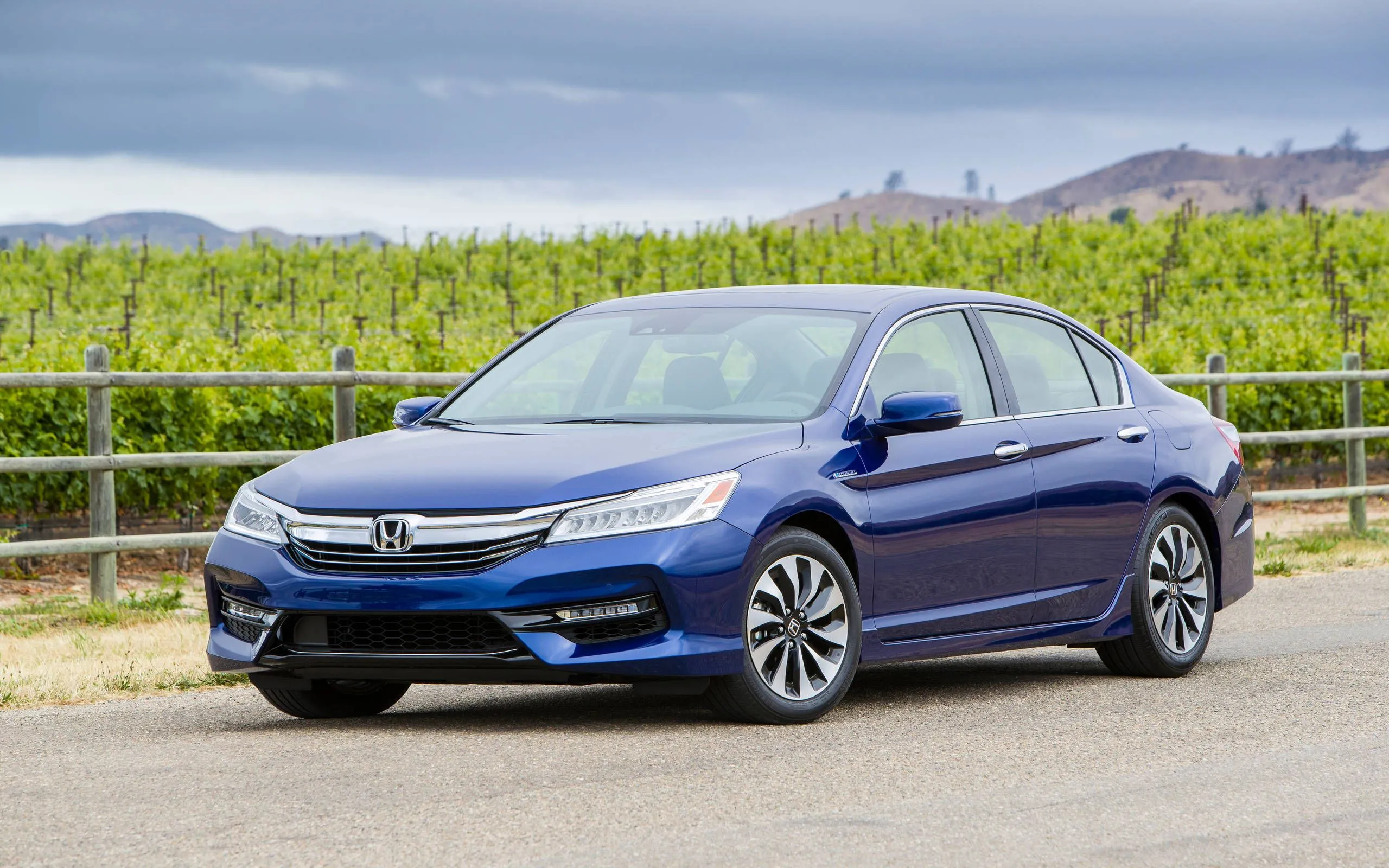
2. Honda Accord Hybrid
The Honda Accord Hybrid stands out in the midsize sedan segment for its combination of smooth driving, fuel efficiency, and reliable mechanical design. A crucial factor in its durability is the engine mount system, which must manage the unique stresses of a hybrid powertrain.
Honda employs mounts made from reinforced rubber compounds with hydraulic damping elements. These components are capable of absorbing a wide range of vibrations and torque changes, protecting both the engine and chassis from undue stress.
The mounts’ design ensures that power transitions between the gasoline engine and electric motor are handled smoothly, limiting the chances of premature wear.
Many Accord Hybrid owners report that even after extensive mileage, engine mounts maintain their ability to isolate vibrations, providing a quiet and stable ride.
Precise placement and engineering of the mounts further enhance longevity. Honda positions them in locations optimized for weight distribution, balancing the engine and hybrid motor across the subframe. This prevents overloading individual mounts and reduces stress concentrations that could lead to cracking or deformation.
The Accord Hybrid also benefits from careful tuning of its torque delivery system. By ensuring that engine engagement is gradual and regenerative braking forces are managed efficiently, Honda prevents abrupt forces from being transmitted to the mounts.
This engineering philosophy preserves the integrity of the mounts and contributes to a smooth driving experience, even under varying road conditions and traffic patterns.
Hydraulic damping elements in the mounts add another layer of protection against vibrations. These dampers adjust to changes in engine and vehicle dynamics, absorbing both high-frequency vibrations from the engine and low-frequency motions from road irregularities.
The combination of reinforced rubber and hydraulic damping means the mounts are flexible yet strong, allowing them to accommodate hybrid-specific stresses without permanent deformation.
This technology is particularly valuable in hybrids, where the sudden engagement of the gasoline engine can produce short-duration but high-intensity forces.
Honda’s commitment to long-term reliability is evident in its extensive testing of engine mount components. Each mount is subjected to repeated stress cycles, temperature extremes, and vibration simulations to ensure that performance does not degrade over time.
This rigorous validation process ensures that the mounts maintain both elasticity and damping capability, allowing the Accord Hybrid to remain a comfortable and reliable vehicle for many years.
The careful integration of materials, placement, and hydraulic damping makes the Accord Hybrid one of the hybrids with the most durable engine mounts in the midsize sedan category.
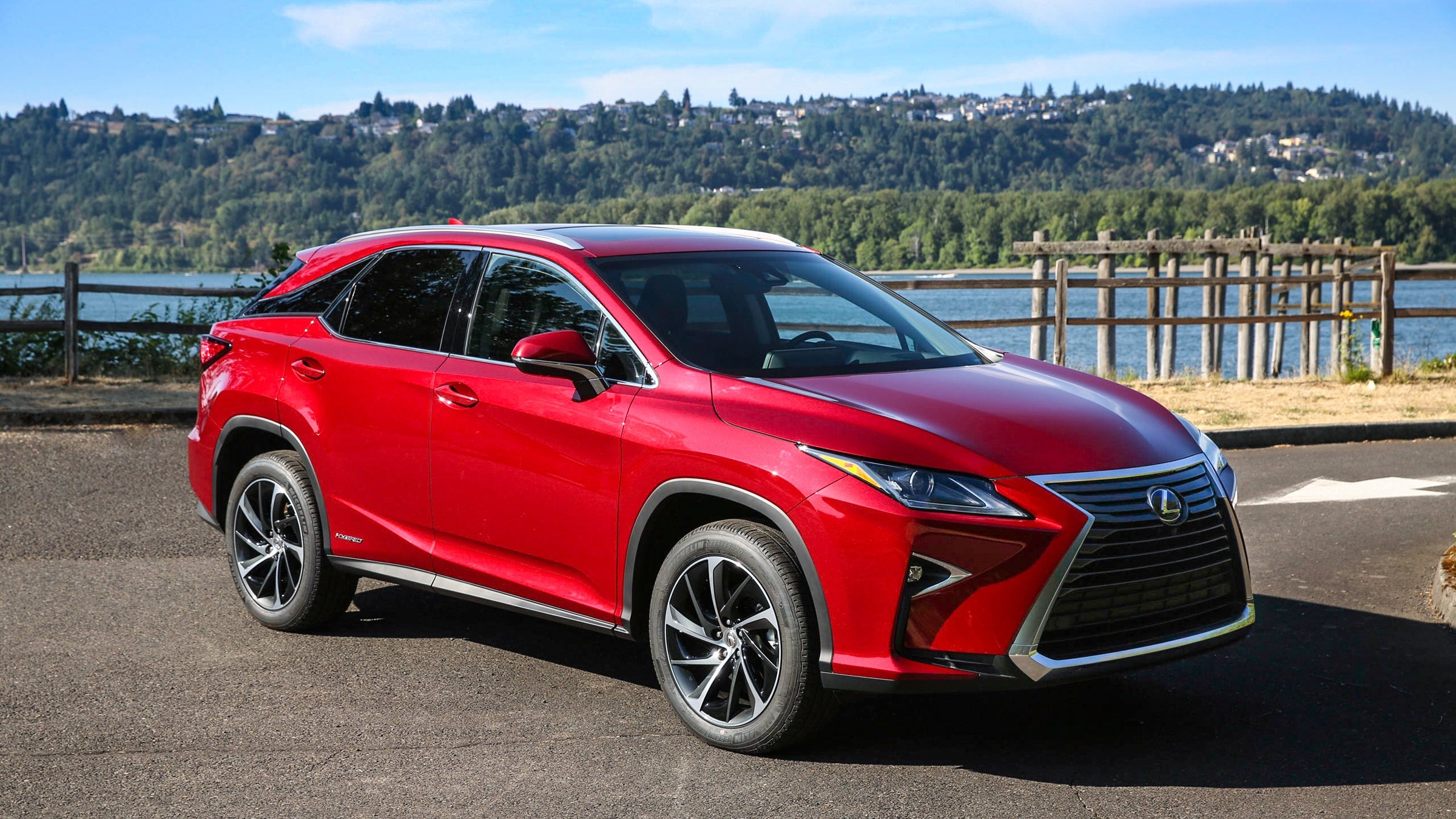
3. Lexus RX Hybrid
As a luxury crossover, the Lexus RX Hybrid places a premium on refinement, comfort, and durability. Its engine mounts are engineered to meet these standards, utilizing multi-layered rubber in combination with hydraulic elements and reinforced metal brackets.
This construction allows the mounts to absorb a broad range of vibrations from both the gasoline engine and the electric motor. Luxury hybrids like the RX also face higher torque demands due to vehicle weight and expectations for smooth acceleration.
Durable mounts help maintain engine stability, ensuring that passengers experience minimal vibration even during aggressive driving or when encountering rough road surfaces.
Many RX Hybrid owners report that the engine remains firmly positioned and nearly vibration-free in the cabin, highlighting the effectiveness of the mount design.
The hybrid power management system in the RX Hybrid plays a critical role in prolonging mount’s life. The vehicle smoothly blends power from the electric motor and internal combustion engine, reducing sudden torque spikes that can stress mounts.
Regenerative braking is modulated carefully to avoid transmitting abrupt forces through the engine and mounts.
Additionally, the chassis is designed to distribute engine weight efficiently, reducing stress on individual mounts and improving structural resilience. This holistic approach to design allows Lexus to maintain a high level of refinement while also protecting critical components from early wear.
Mount placement and multi-layer design further enhance longevity. Engineers strategically position mounts to minimize vibration transfer while evenly supporting engine weight.
Hydraulic elements complement the rubber layers by adjusting to dynamic loads, absorbing shocks, and providing stability during acceleration, deceleration, and cornering.
This sophisticated design ensures that vibrations are isolated from the passenger cabin, maintaining a smooth, quiet driving experience expected in a luxury hybrid.
Finally, Lexus emphasizes quality materials and extensive durability testing. Each engine mount is evaluated under simulated real-world conditions, including repeated torque cycles, temperature extremes, and high-stress scenarios.
These rigorous standards guarantee that mounts maintain both elasticity and strength over the life of the vehicle.
Combined with precise engineering and careful placement, this attention to detail ensures the RX Hybrid’s engine mounts remain durable and reliable, even in demanding driving conditions, making it a benchmark for longevity in luxury hybrids.
4. Ford Escape Hybrid
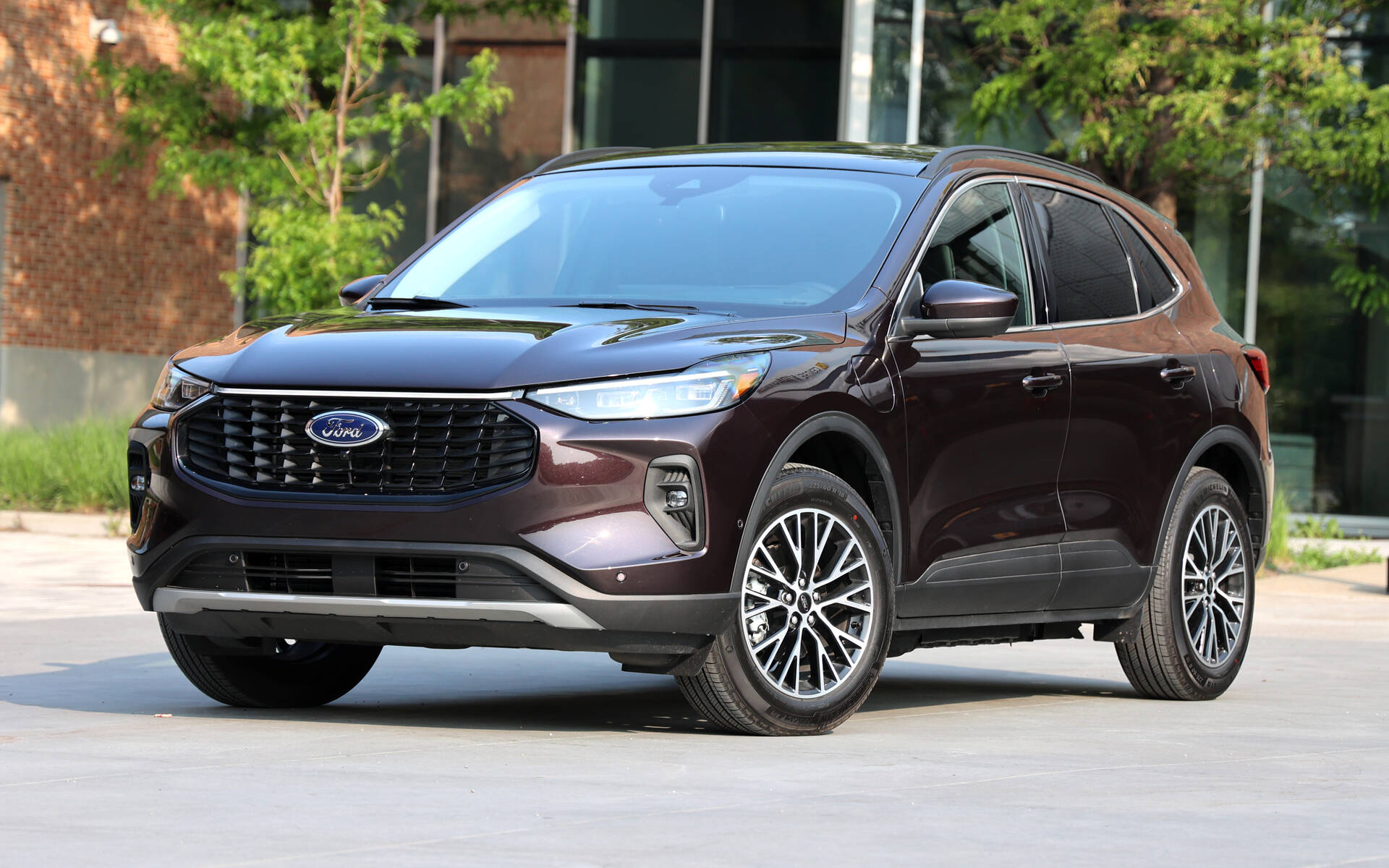
The Ford Escape Hybrid integrates hybrid technology into a compact SUV platform, creating specific challenges for engine mount durability. Its mounts are designed to manage torque transitions, vibrations, and dynamic forces associated with city and highway driving.
Reinforced rubber and metallic brackets form the core of the mount system, allowing it to absorb shocks while keeping the engine stable under varied operating conditions.
Many owners report that after years of use, the Escape Hybrid exhibits minimal engine movement, low vibration levels, and no need for early mount replacement, demonstrating the effectiveness of Ford’s design.
Powertrain management is another factor contributing to mount longevity. The Escape Hybrid moderates torque from the electric motor and gasoline engine to prevent sudden loads from stressing the mounts.
Regenerative braking is carefully controlled to reduce abrupt forces that could accelerate wear. This approach ensures that mounts experience gradual load changes, even during stop-and-go traffic, preventing the structural fatigue that often causes premature failures in other hybrid SUVs.
Strategic mount placement also plays a significant role. The engine is supported in a way that distributes weight evenly across the subframe, reducing stress on individual mounts.
Additionally, the suspension system and chassis design help absorb road vibrations, minimizing the transfer of energy to the mounts. By combining these design elements, the Escape Hybrid ensures that vibrations and torque stresses are effectively managed, increasing the life expectancy of its engine support components.
Ford further emphasizes durability through rigorous testing protocols. Engine mounts are subjected to repeated stress cycles, high and low-temperature extremes, and road vibration simulations to replicate years of use. These tests ensure the mounts maintain their elasticity, damping properties, and structural integrity over the long term.
This meticulous engineering approach, along with careful material selection and placement, ensures the Escape Hybrid remains a reliable and low-maintenance vehicle in terms of engine mount performance, making it a dependable choice for hybrid SUV buyers.
5. Hyundai Ioniq Hybrid
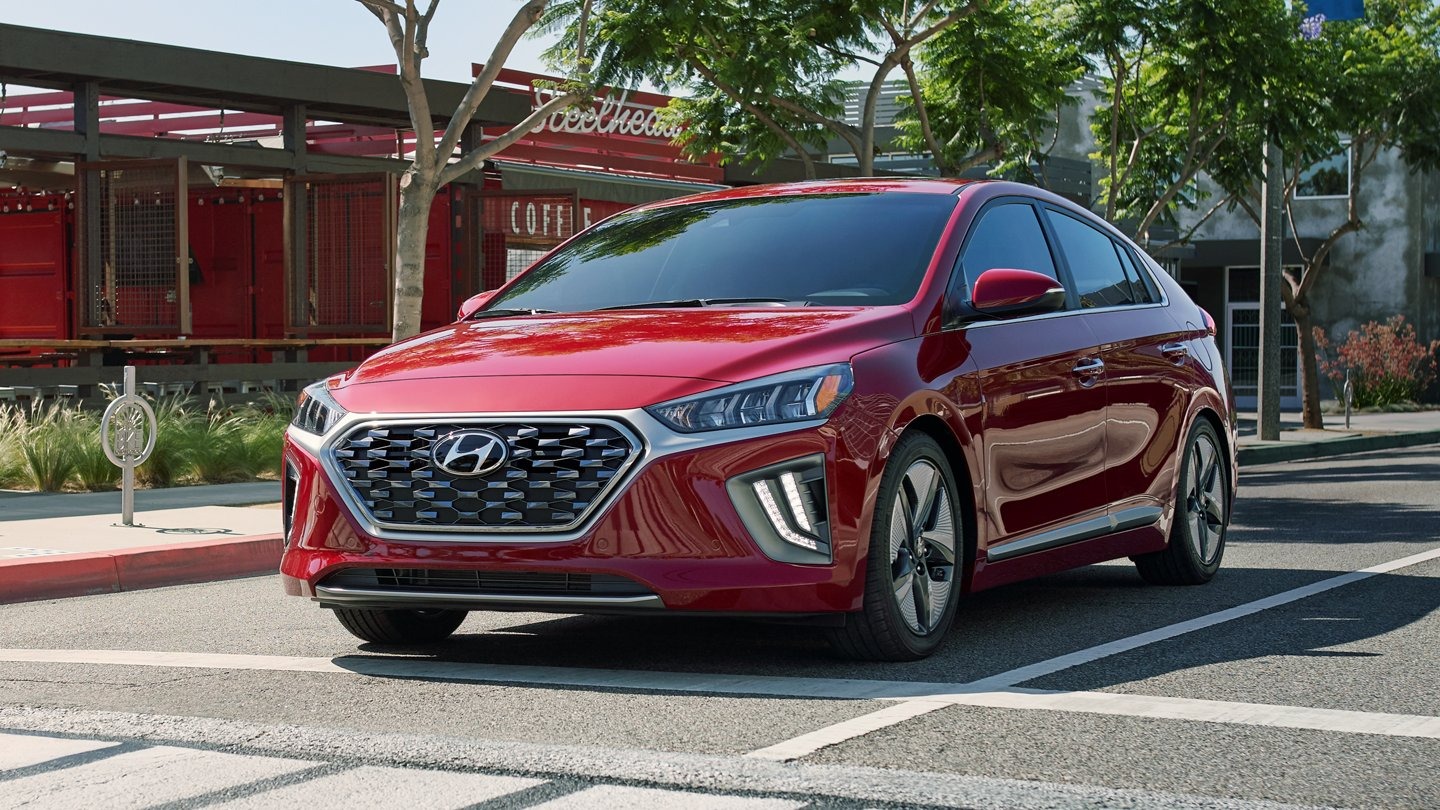
The Hyundai Ioniq Hybrid is designed with efficiency and reliability in mind, and its engine mounts reflect this philosophy. The mounts are constructed from durable rubber compounds reinforced with metallic elements, providing strong vibration isolation while accommodating the dynamic forces of hybrid operation.
This allows the engine to remain stable during rapid torque transitions, regenerative braking, and extended driving, preventing excessive movement that could lead to component wear.
Many owners note that even after long-term use, engine vibrations remain minimal, and the mounts maintain consistent performance, supporting both comfort and mechanical integrity.
Mount placement enhances this durability by distributing engine weight evenly across the subframe. Dual mounting points work in tandem with a reinforced transmission mount to absorb vibrations and shocks, reducing stress on individual components.
This careful distribution prevents early failure caused by uneven load distribution or concentrated stress areas, which is particularly important in hybrid vehicles where both electric and gasoline power can act on the mounts in varying patterns.
Torque management in the Ioniq Hybrid also contributes to motor longevity. The system blends power from the electric motor and gasoline engine gradually, avoiding sudden shocks to the mounts.
Regenerative braking is controlled to ensure that abrupt deceleration forces do not negatively impact the mounts. By combining smooth torque transitions with efficient energy recovery, Hyundai effectively reduces the mechanical stress that typically shortens engine mount life in hybrids.
Finally, Hyundai’s focus on quality control and long-term testing ensures that the Ioniq Hybrid maintains durable mounts over time. Components are evaluated under extended stress cycles, extreme temperatures, and real-world driving conditions.
This thorough approach guarantees that mounts maintain their elasticity and structural strength, allowing the Ioniq Hybrid to remain reliable and comfortable for years. The combination of thoughtful design, material selection, and engineering rigor makes it one of the hybrids with the most durable engine mounts available today.
5 Hybrids With Engine Mounts That Tear Early
1. Chevrolet Volt
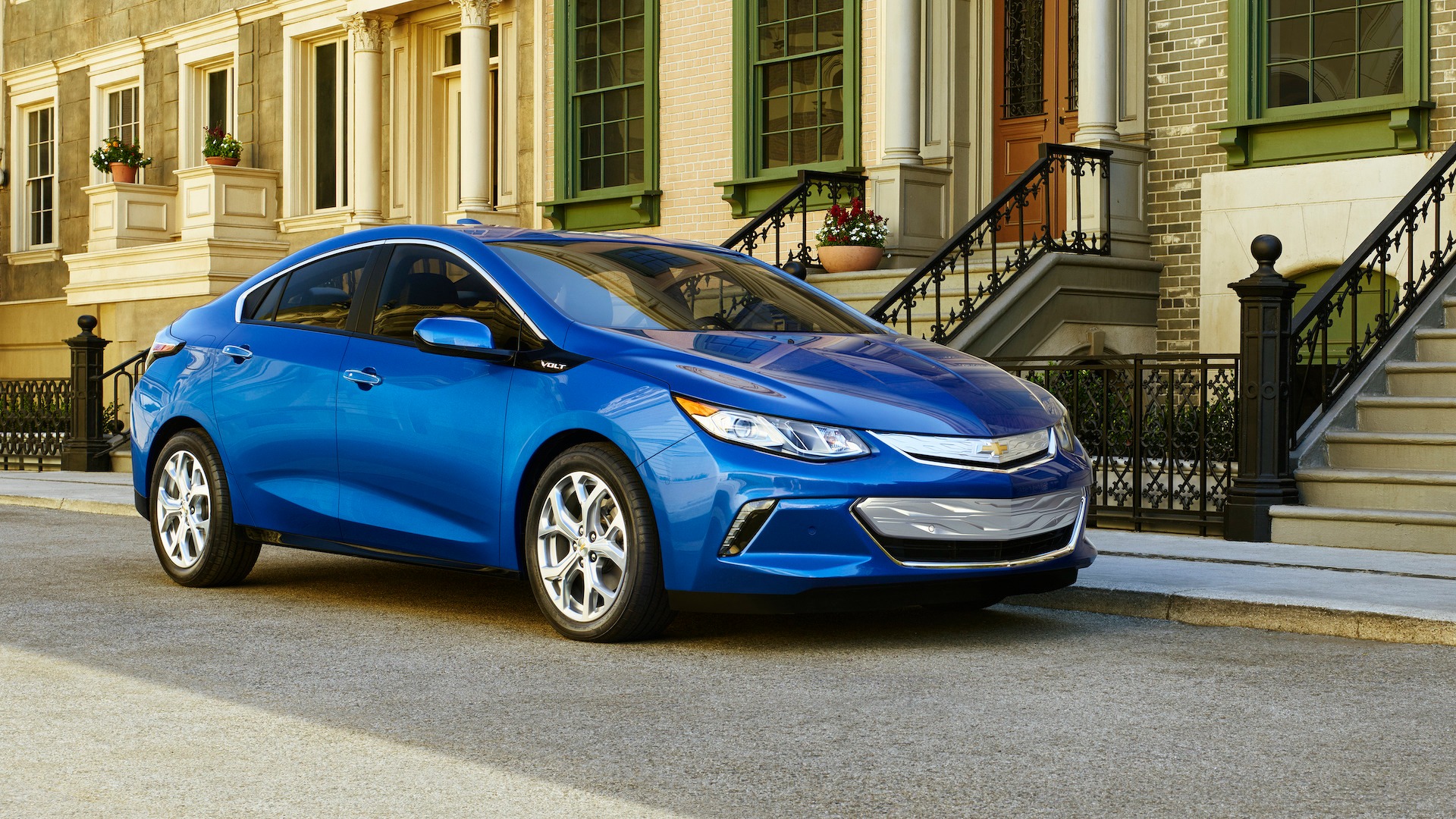
The Chevrolet Volt, while pioneering in plug-in hybrid technology, has been reported by some owners to experience premature engine mount wear. The Volt’s dual powertrain combines a gasoline engine with a robust electric motor capable of delivering high torque instantly.
While this system provides impressive acceleration and energy efficiency, it also imposes sudden loads on engine mounts that were not always designed to handle frequent torque spikes.
Over time, these repeated stress cycles can lead to cracking or deformation of the rubber elements, causing mounts to lose their ability to absorb vibrations effectively. As a result, drivers may notice increased engine movement, rattling, or even slight misalignment between the engine and transmission.
Mount placement and design contribute to these issues. The Volt employs fewer mounts than some of its competitors, concentrating stress on specific points. Combined with a relatively stiff chassis design, this can result in localized overloading of the mounts.
Unlike hybrids designed primarily for smooth city driving, the Volt often experiences abrupt transitions between electric and gasoline propulsion, particularly during highway acceleration or regenerative braking events.
These sudden shifts generate forces that stress the rubber and metal components of the mounts, accelerating wear and increasing the likelihood of early failure.
Another factor is torque management. While the Volt’s hybrid system is highly capable, it can transmit sudden bursts of torque from the electric motor to the internal combustion engine, especially when moving from electric-only mode to combined power.
These torque spikes create short-duration but intense forces on the mounts, which over time can lead to cracking, loosening, or tearing.
Owners of older models have reported the need for engine mount replacement far earlier than expected, often within 50,000 to 70,000 miles, which contrasts sharply with hybrids known for durable mounts.
Finally, Chevrolet’s focus on advanced hybrid performance may have unintentionally deprioritized mount longevity. While the Volt is celebrated for innovation and acceleration, the trade-off appears to be increased stress on components like engine mounts.
Combined with the limited damping capability in the original mount designs, this has contributed to premature failures in real-world driving conditions.
Drivers seeking smooth, vibration-free performance over long-term use may find this a drawback, highlighting the importance of both material quality and design philosophy in hybrid engine mount durability.
2. Ford Fusion Hybrid (Early Models)
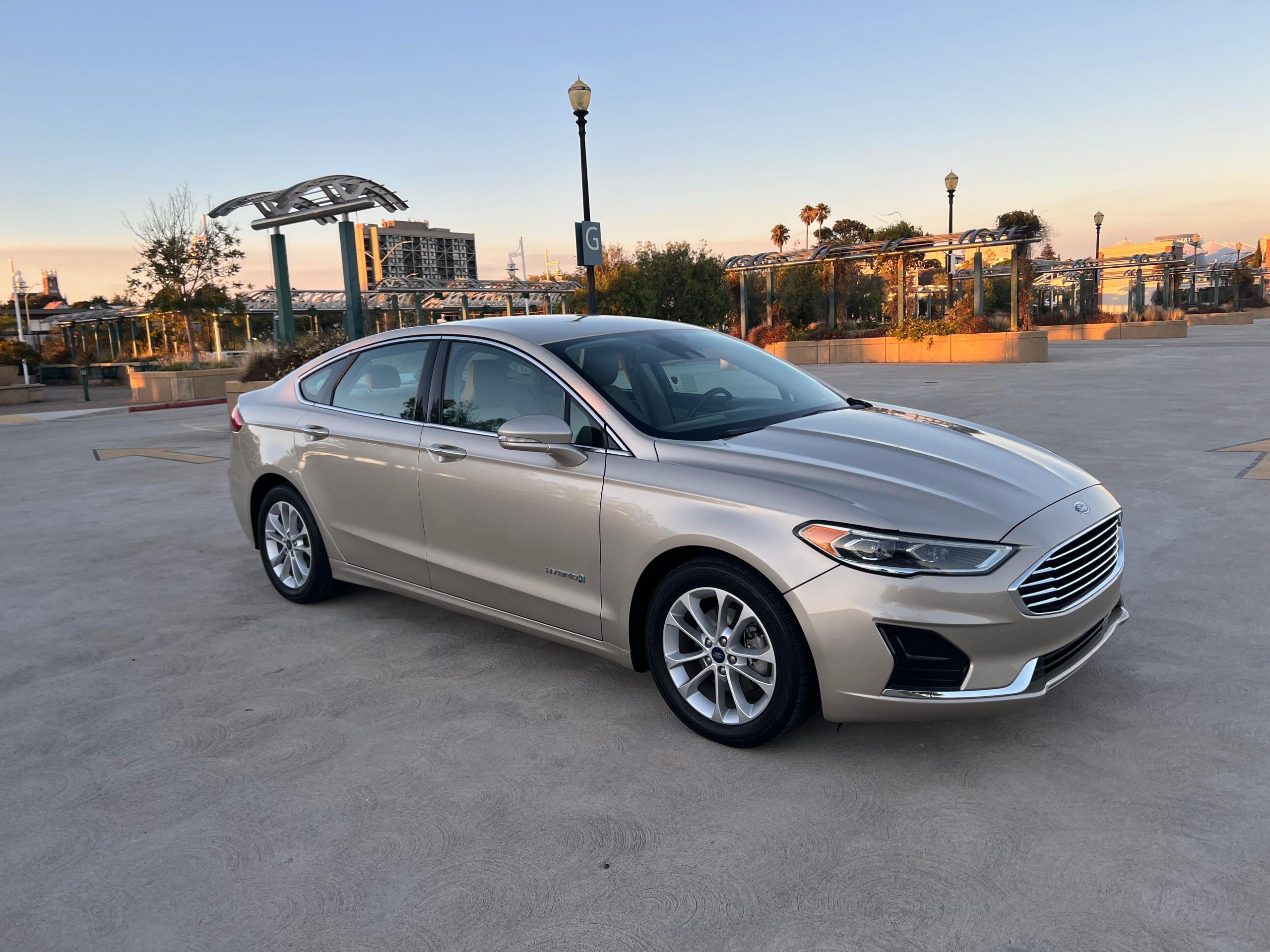
The Ford Fusion Hybrid, particularly early model years, has a reputation for engine mounts that fail sooner than expected. These mounts were originally designed with a focus on cost efficiency and basic vibration control, which limited their ability to handle the hybrid drivetrain’s unique torque characteristics.
The Fusion Hybrid’s combination of gasoline engine and electric motor produces torque patterns that can include rapid fluctuations, and early mounts struggled to absorb these effectively.
Over time, this led to rubber deterioration, cracking, and eventual tearing, contributing to noticeable engine movement and increased vibration inside the cabin.
Mount placement in early Fusion Hybrids also contributed to early failures. Several mounts were positioned in locations that concentrated stress under typical driving conditions, such as during sudden acceleration or regenerative braking.
Unlike more refined hybrids, the Fusion Hybrid lacked advanced hydraulic damping or a multi-layered rubber design to mitigate these stress concentrations.
As a result, the mounts endured repeated stress cycles that exceeded their design limits, accelerating wear. Mechanics often note that replacement mounts must be upgraded to more robust versions to restore durability.
The hybrid powertrain’s torque delivery pattern further stresses the mounts. Sudden engagement of the gasoline engine when battery charge is low, combined with regenerative braking, can impose intense, short-duration loads on the mounts.
In early Fusion Hybrids, these loads were not always sufficiently absorbed, leading to accelerated material fatigue.
Owners frequently report that vibration and slight engine misalignment became noticeable as early as 40,000 to 60,000 miles, indicating that the mounts’ service life was significantly shorter than that of more durable hybrid competitors.
Finally, Ford’s early focus on efficiency and affordability may have limited investment in the long-term durability of engine mounts.
While later models of the Fusion Hybrid addressed some of these issues through improved materials and hydraulic damping, early models illustrate the consequences of insufficient mount design for hybrid-specific stresses.
This demonstrates that even mainstream hybrids with generally reliable reputations can suffer from premature mount failures if engineering does not fully account for dual-powertrain dynamics.
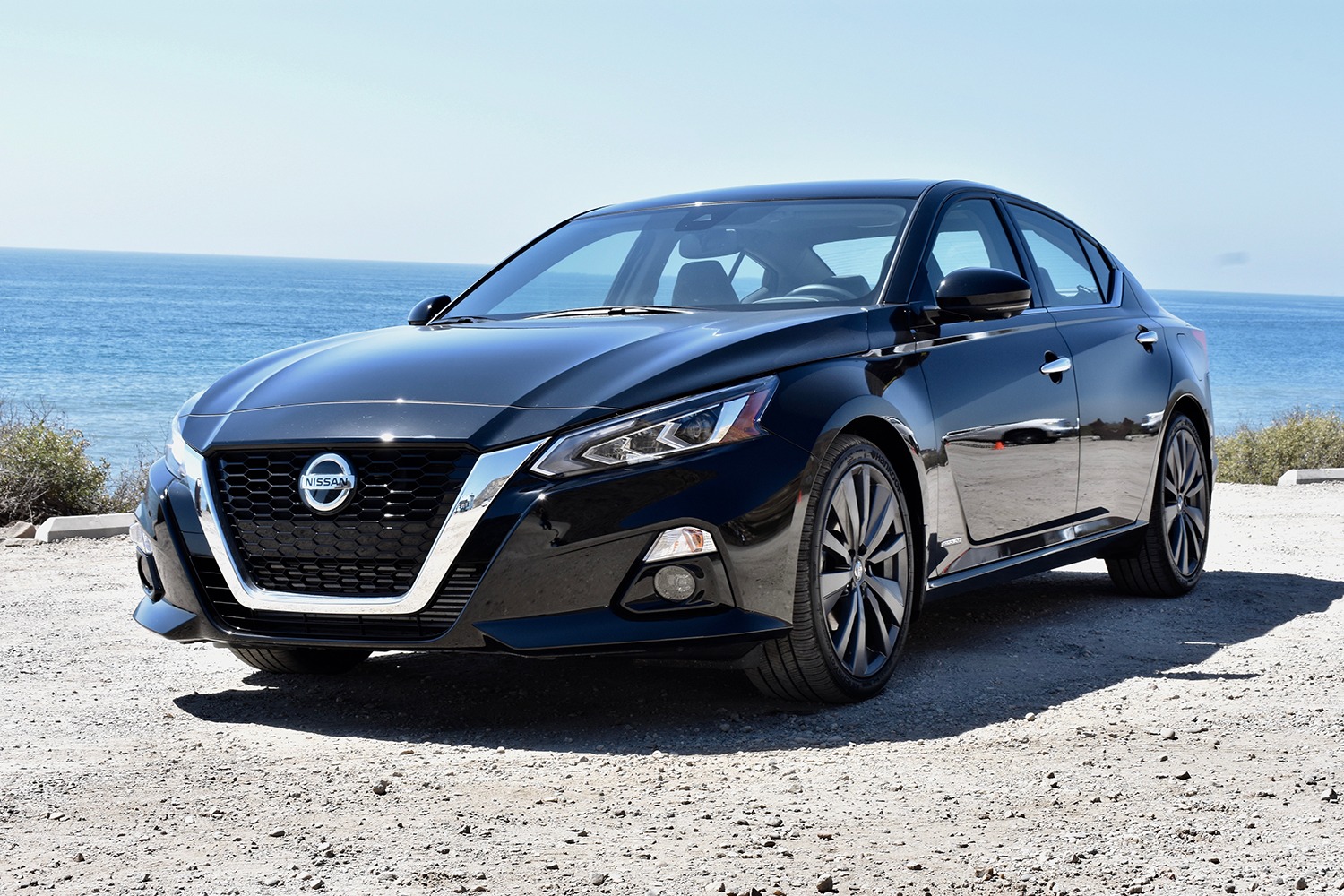
3. Nissan Altima Hybrid (First Generation)
The first-generation Nissan Altima Hybrid faced criticism for engine mount failures occurring much earlier than expected. This vehicle combined a traditional gasoline engine with an electric motor in a layout that produced sudden torque transitions, particularly during battery-assisted acceleration.
The mounts were originally designed with standard rubber elements and metal brackets, which were insufficiently robust to handle repeated, high-frequency vibration and torque loads.
As a result, many drivers reported unusual engine movement, vibration in the cabin, and even stress on nearby components such as the transmission and exhaust system.
Mount positioning was another contributing factor. The Altima Hybrid’s mounts were concentrated in areas that experienced the highest torque and vibration stresses.
Unlike hybrids that employ multiple mounts or hydraulic damping systems, the Altima relied primarily on basic rubber mounts, which tend to harden, crack, or tear under prolonged stress.
This localized concentration of forces accelerated wear and reduced service life. In real-world driving, this led to mount replacement requirements well before the 100,000-mile mark, a stark contrast to more durable competitors like the Toyota Prius or Honda Accord Hybrid.
Torque management in the Altima Hybrid exacerbated mount wear. Sudden engagement of the gasoline engine during battery depletion, combined with the electric motor’s instant torque, created transient stress peaks on the mounts.
Without advanced damping systems to absorb these forces, the mounts were forced to bear repeated high-intensity loads, accelerating material fatigue. This not only affected mount life but also contributed to a slightly less refined driving experience, as vibration and engine movement became more pronounced over time.
Lastly, Nissan’s early hybrid engineering prioritized fuel efficiency and powertrain integration but appeared to under-prioritize mount durability. Rubber compounds were not optimized for hybrid-specific vibration patterns, and limited stress testing led to unanticipated failures in real-world conditions.
As a result, the Altima Hybrid serves as an example of how even mainstream brands can produce hybrids with mounts that tear early if engineering does not fully account for the unique dual-powertrain stresses.
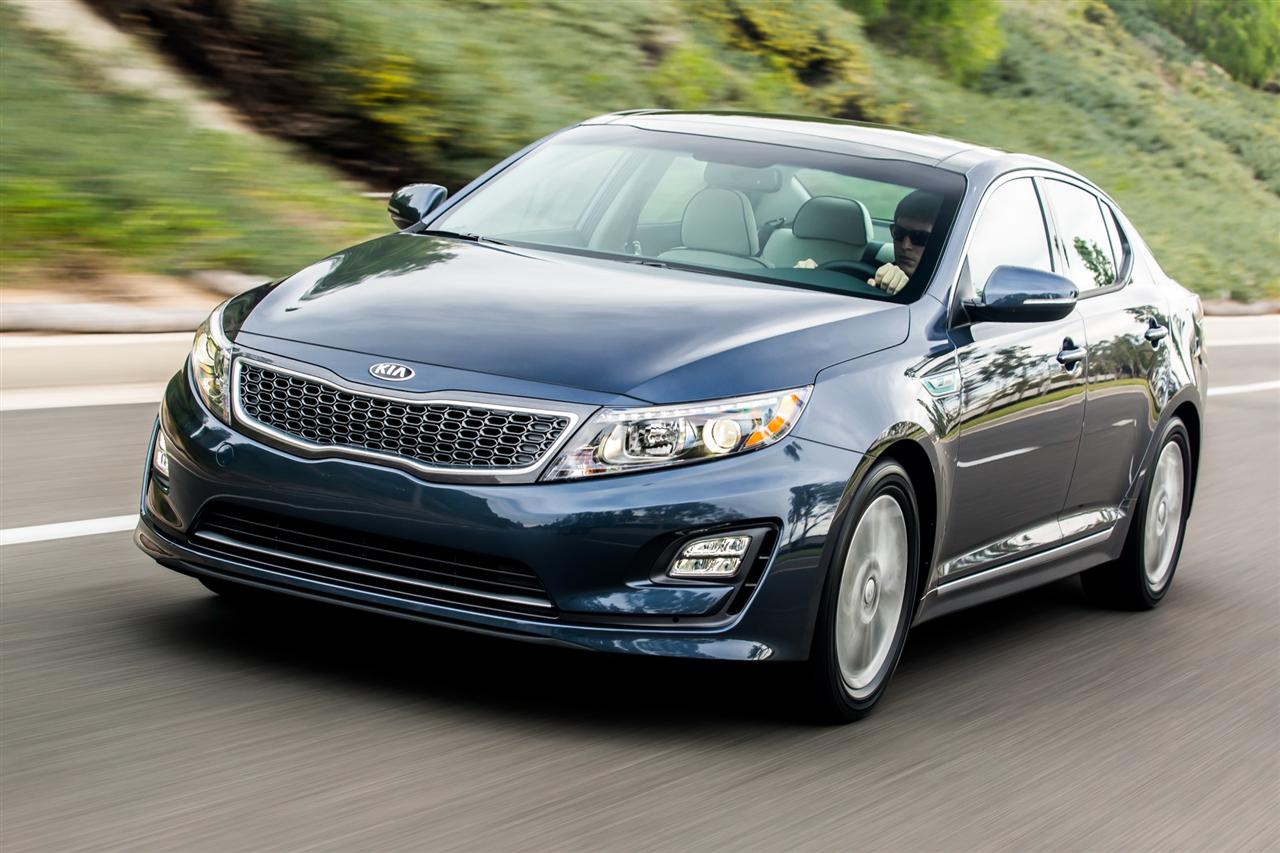
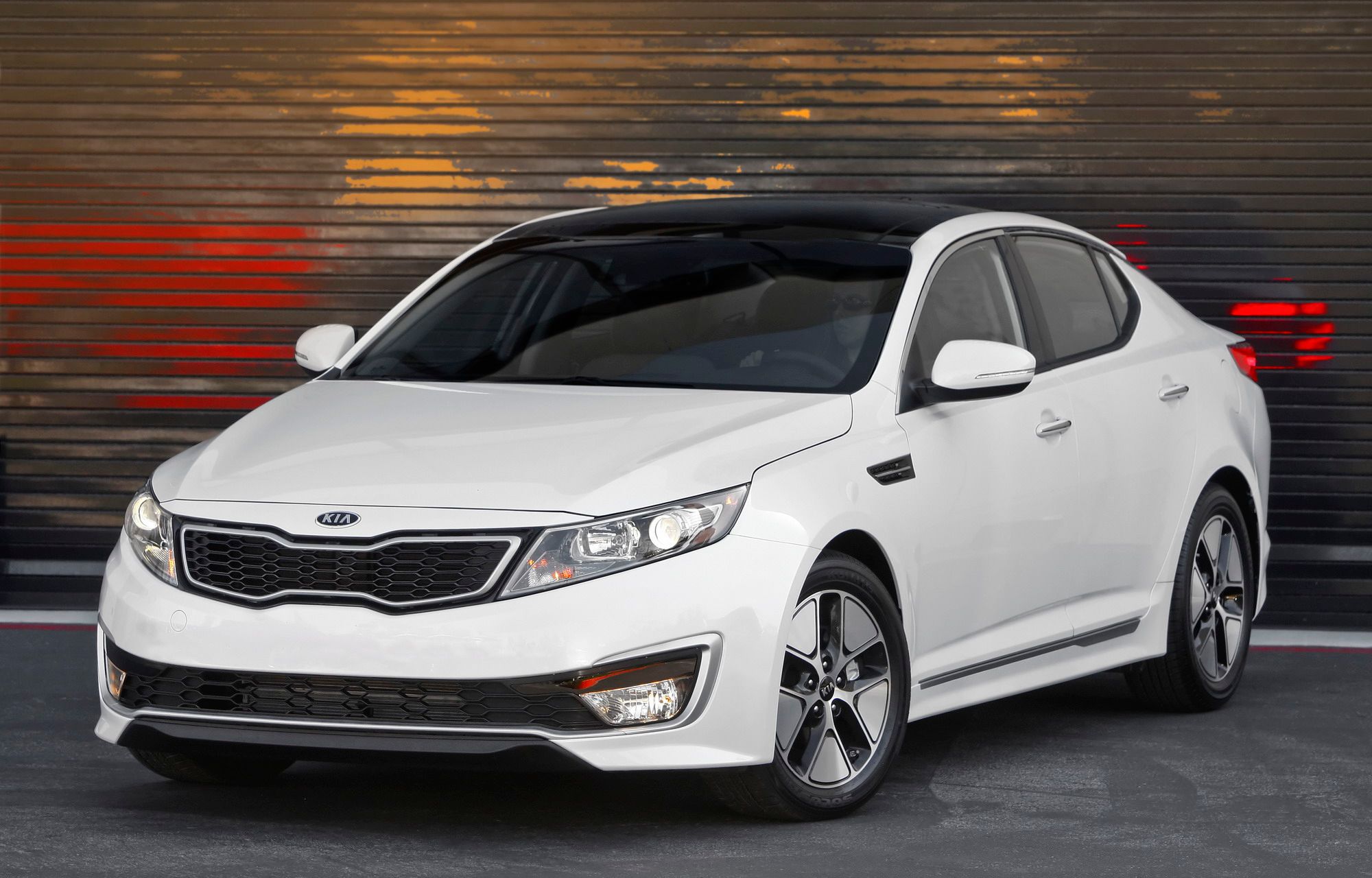
4. Kia Optima Hybrid (Early Models)
Early Kia Optima Hybrid models are frequently cited for engine mount problems that arise sooner than expected.
The mounts were designed to support the hybrid powertrain’s weight but used relatively basic rubber components without the reinforcement or hydraulic damping found in more durable hybrids.
The combination of engine torque, electric motor output, and regenerative braking created stress cycles that exceeded the mounts’ capabilities, leading to cracking, deformation, and premature tearing. Drivers often notice increased vibration, engine shuddering, and audible rattling, particularly during rapid acceleration or deceleration.
Mount positioning contributed to early failures in the Optima Hybrid. Some mounts were placed in locations where stress was concentrated during normal driving conditions. The lack of multiple mounts or additional reinforcement meant that specific mounting points bore the brunt of both engine and motor torque, which accelerated wear.
Mechanics have observed that replacement mounts often need to be upgraded to more durable versions to restore long-term reliability, indicating that the original design was insufficient for hybrid-specific demands.
Torque management also plays a role. Sudden transitions between electric and gasoline power created peak loads on the mounts that traditional rubber materials were not designed to handle. Regenerative braking amplified this problem by producing short, intense forces that stressed the mounting system.
Over time, this led to hardening, cracking, and eventual tearing, reducing the stability of the engine and increasing vibration in the cabin. Owners often report that mount replacement becomes necessary far earlier than anticipated, sometimes within 50,000 to 70,000 miles.
Finally, Kia’s early hybrid engineering focused primarily on fuel economy and integration rather than long-term mechanical durability.
While later models addressed some issues with improved mount materials and placement, early Optima Hybrids serve as a cautionary example of how insufficient mount design can negatively affect ride quality and maintenance costs.
Drivers of these early models often face recurring mount replacement, highlighting the importance of material selection, placement, and stress mitigation in hybrid engineering.
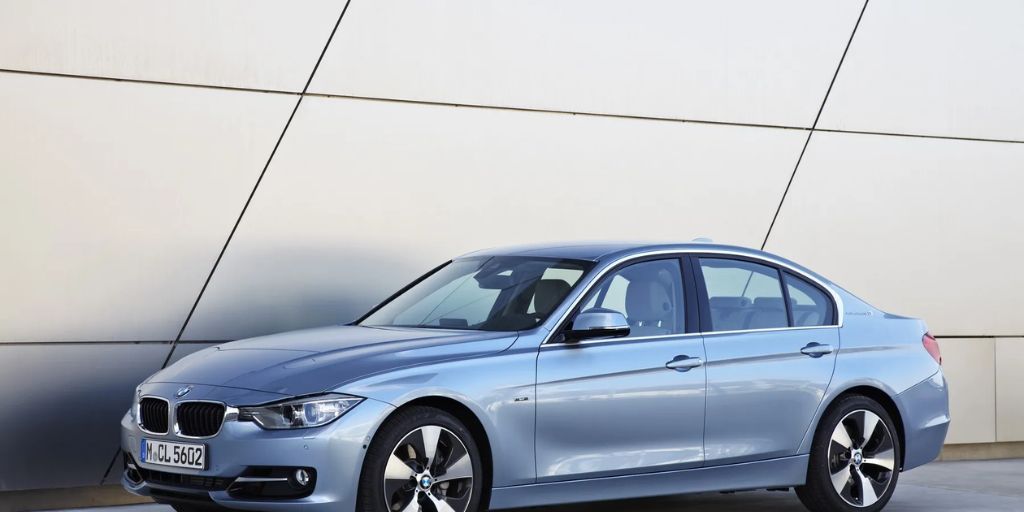
5. BMW ActiveHybrid 3
The BMW ActiveHybrid 3 combines luxury performance with hybrid technology, but it has been noted for engine mounts that sometimes fail prematurely. The vehicle’s turbocharged gasoline engine produces high torque, which is augmented by the electric motor.
While this combination delivers impressive performance and acceleration, it imposes extreme stress on engine mounts, particularly during transitions between electric-only and combined power modes. Rubber and hydraulic components are exposed to forces beyond what they were originally engineered for, leading to accelerated wear and, in some cases, tearing of the mounts.
Mount placement and chassis design further contribute to early failures. BMW’s focus on performance and driving dynamics led to a relatively stiff chassis, which transmits more vibration and shock to the engine mounts.
Unlike hybrids optimized for smoothness, the ActiveHybrid 3 mounts must absorb high-frequency vibration, torque spikes, and lateral forces from dynamic driving, which can exceed the material limits of standard mounts. This results in increased engine movement, noise, and reduced ride comfort over time.
Torque management in the ActiveHybrid 3 is highly responsive, emphasizing performance rather than gradual power transitions. While this benefits acceleration and responsiveness, it produces short-duration peak loads that challenge mount durability.
Owners often report that mounts may need replacement as early as 40,000 to 60,000 miles, particularly if the vehicle is driven aggressively or subjected to frequent stop-and-go urban driving. These stresses make the ActiveHybrid 3 less forgiving than hybrids designed with long-term mount durability in mind.
Finally, BMW’s engineering priorities placed a premium on performance and driving feel, sometimes at the expense of long-term mount longevity. The materials used in the original mounts, combined with limited damping in the design, were not fully capable of mitigating the repeated stress peaks associated with hybrid operation.
As a result, engine mounts in the ActiveHybrid 3 may experience accelerated wear compared to more conservatively tuned hybrids. This highlights the delicate balance between performance, hybrid integration, and component durability in luxury hybrid vehicles.
