
Diesel engines have long been valued for their efficiency, torque, and durability, especially in large vehicles such as SUVs. They provide a unique combination of power and fuel economy that is particularly useful for drivers who navigate long distances or tow heavy loads.
However, diesel engines have a reputation for being more sensitive to cold temperatures compared to gasoline engines.
Cold weather can affect the viscosity of diesel fuel, the performance of batteries, and the operation of engine components, making starting and running a diesel vehicle in sub-zero temperatures a significant concern for many owners.
For those living in regions with harsh winters, choosing a diesel SUV that reliably starts in extremely cold conditions can mean the difference between convenience and frustration.
Conversely, some diesel engines simply do not tolerate the cold well, requiring special attention, additives, or frequent maintenance to remain operable.
Understanding which SUVs thrive in these conditions and which struggle can help buyers make informed decisions, whether for daily commuting, long-distance travel, or recreational use in winter environments.
The performance of diesel SUVs in cold weather depends on several factors. The quality of the fuel system, battery capacity, glow plug efficiency, and engine design all play a role in how quickly and reliably an engine starts.
Additionally, manufacturers often design certain diesel models with cold climates in mind, incorporating features such as engine block heaters, advanced fuel filtration systems, and reinforced electrical components.
On the other hand, some diesel engines are optimized for efficiency or power at the expense of low-temperature reliability, making them more prone to sluggish starts or operational difficulties when temperatures drop.
By examining specific models and their real-world performance, drivers can identify vehicles that offer peace of mind during freezing weather and those that may require extra effort or preparation.
This comparison focuses on two categories: diesel SUVs that reliably start in sub-zero temperatures and those that exhibit difficulty or dislike extreme cold. Each category highlights five models, emphasizing practical performance rather than marketing claims.
The aim is to provide insight into which vehicles offer dependable cold-weather reliability and which require caution or extra measures.
Understanding these differences not only helps with vehicle selection but also guides maintenance practices, fuel preparation, and winter driving strategies for diesel SUV owners. The following sections provide detailed profiles of each model, considering engine characteristics, cold-weather features, and real-world experiences from drivers.
5 Diesel SUVs That Start in Sub-Zero Temps

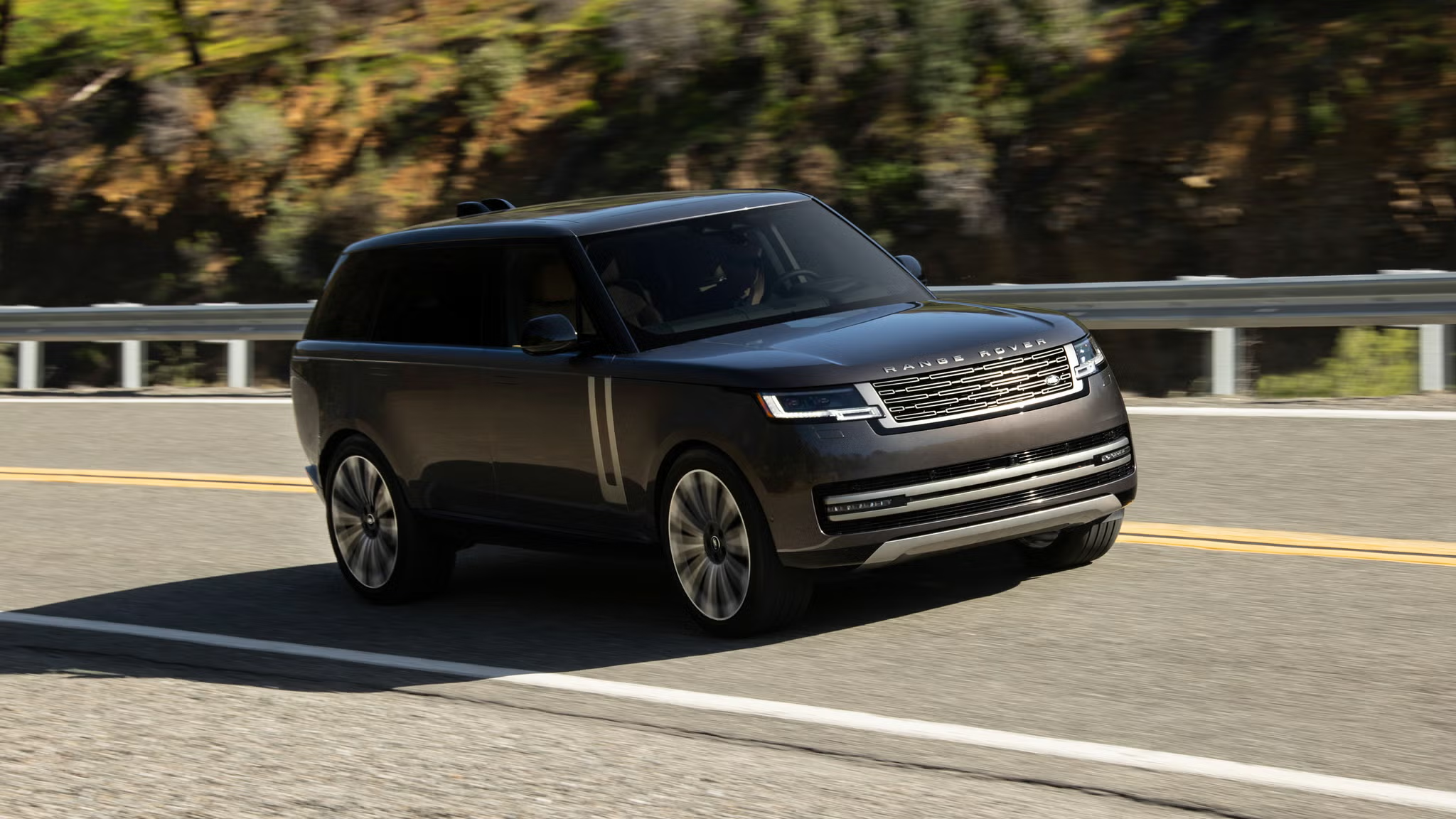
1. Toyota Land Cruiser 4.5D
The Toyota Land Cruiser has earned a reputation that few vehicles can match when it comes to durability, longevity, and off-road capability. Its 4.5-liter diesel engine is not only powerful but also designed to handle extreme conditions, including sub-zero temperatures.
Unlike smaller diesel engines that can struggle in harsh winters, the Land Cruiser’s engine incorporates a high-pressure common rail fuel system with precise injection timing, which ensures that fuel delivery is optimal even when it thickens due to cold.
Coupled with advanced fuel filters and optional fuel heaters, this system reduces the risk of gelled diesel, which is a common cause of failed starts in cold climates.
Owners in Arctic regions have reported starting their Land Cruisers in temperatures as low as minus twenty-five degrees Celsius, highlighting the vehicle’s robustness and design foresight for extreme cold.
Beyond the fuel system, the Land Cruiser benefits from a carefully engineered electrical and ignition setup. Its glow plugs are designed to reach maximum temperature quickly, ensuring that the combustion chamber is ready for ignition with minimal crank time.
The starter motor is built to handle the increased resistance of cold engine oil and thickened diesel, while the battery is sized to deliver reliable power even after overnight exposure to freezing temperatures.
Many Land Cruiser owners report that, even after parking outdoors without block heaters, the vehicle starts promptly and runs smoothly, which can be a lifesaver in rural or remote regions where sub-zero temperatures are common and roadside assistance may not be readily available.
The Land Cruiser’s cold-weather performance is further reinforced by the vehicle’s engineering. High ground clearance and a full-time four-wheel-drive system not only provide exceptional traction on snow and ice but also reduce the risk of engine stress caused by trying to move a stuck vehicle in extreme conditions.
Additionally, the climate control system is designed to quickly warm the cabin and maintain engine temperatures within safe operating limits, which further reduces wear during cold starts.
This combination of mechanical robustness, electrical reliability, and practical cold-weather design features positions the Land Cruiser as a vehicle that consistently meets the demands of extreme winter driving.
Reliability in sub-zero temperatures is also a product of Toyota’s long-term focus on durability and maintenance simplicity.
Many owners report that routine practices such as using winter-grade diesel fuel, regularly checking glow plugs and batteries, and ensuring proper antifreeze levels allow the Land Cruiser to remain dependable for decades, even under severe winter conditions.
The vehicle’s reputation is backed not only by engineering design but also by decades of real-world testing, from military and expedition use in polar regions to civilian owners navigating harsh winters.
For those who prioritize confidence and reliability in freezing conditions, the Land Cruiser 4.5D is consistently cited as a top choice for diesel SUV enthusiasts.
2. Ford Ranger 3.2 Diesel
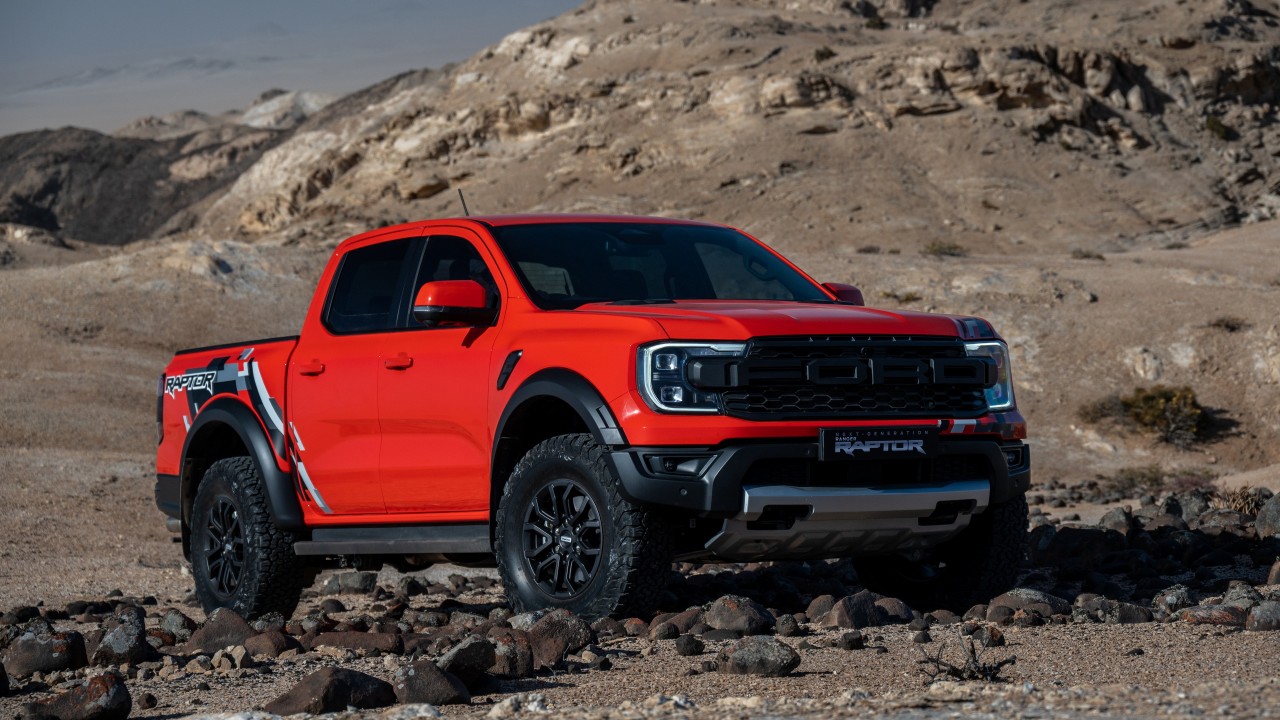
The Ford Ranger 3.2-liter diesel engine has gained a reputation for combining ruggedness with reliability, making it a capable cold-weather performer. Its design focuses on both torque and durability, which are essential qualities when operating in sub-zero temperatures.
The engine features a high-pressure common rail system that ensures consistent fuel atomization, even when diesel thickens in low temperatures.
Complementing this, the Ranger is equipped with glow plugs that rapidly heat the combustion chamber, minimizing crank time and ensuring the engine starts reliably.
In practical use, drivers in northern climates have consistently reported starting the Ranger without hesitation at temperatures around minus fifteen degrees Celsius, even after extended periods of being parked outdoors, which demonstrates the robustness of the vehicle’s cold-weather systems.
Cold-weather starting is supported by the Ranger’s electrical system, which includes a high-capacity battery and a starter motor capable of handling the increased load imposed by thickened engine oil.
The engine control unit is also programmed to adapt its fuel injection timing and idle speed based on ambient temperature, which further improves cold-start reliability.
In addition to these mechanical and electronic measures, the Ranger’s fuel system is designed to prevent air locks and fuel line blockages, common issues in diesel vehicles during extreme cold. This holistic approach to cold-weather design ensures that drivers rarely encounter the frustrations often associated with winter starts.
The Ranger’s capability in freezing conditions is also reflected in its chassis and drivetrain. With a durable frame, four-wheel-drive system, and off-road suspension components, the vehicle can navigate icy or snow-packed roads with minimal strain on the engine.
This reduces the likelihood of mechanical failure during winter driving, as the SUV can maintain mobility even in challenging conditions.
Drivers frequently note that the Ranger feels reliable and consistent when temperatures drop, with the engine delivering steady power without the sluggishness or hesitation common in less-prepared diesel models.
Regular maintenance enhances the Ranger’s winter reliability further. Practices such as using diesel anti-gel additives, ensuring battery health, and periodically checking glow plugs and fuel filters can extend the vehicle’s cold-weather performance.
The widespread availability of parts and aftermarket support also makes it easier for owners to prepare their Ranger for extreme temperatures, whether for daily commuting or more demanding winter excursions.
For these reasons, the Ford Ranger 3.2 Diesel continues to be a favorite among drivers who require a dependable diesel SUV capable of starting promptly in sub-zero conditions.

3. Land Rover Discovery TD6
The Land Rover Discovery TD6 combines advanced diesel engineering with design features aimed specifically at extreme conditions.
Its 3.0-liter diesel engine utilizes a modern common rail fuel injection system, which delivers fuel at extremely high pressures for efficient combustion, even when diesel becomes thicker in cold environments.
Precision-engineered glow plugs heat the combustion chamber rapidly, reducing the amount of crank time needed to start the engine in freezing temperatures.
Real-world experiences from owners in northern Europe and Canada show that the Discovery TD6 can consistently start at temperatures approaching minus twenty degrees Celsius, often without any additional assistance such as an engine block heater.
The fuel system of the TD6 is also optimized for cold-weather performance. Heated fuel lines, filter heaters, and careful calibration of the fuel injection system help prevent issues such as diesel gelling and air locks, which are common causes of failed starts in low temperatures.
The engine management system monitors ambient conditions and adjusts injection timing and pressure to ensure smooth ignition.
These features make the Discovery TD6 one of the most reliable diesel SUVs in extreme winter conditions, providing both confidence and peace of mind to drivers who depend on their vehicles during harsh weather.
Electrical reliability is another key aspect of the TD6’s cold-weather performance. The SUV is equipped with a robust battery, a high-capacity alternator, and insulated wiring designed to withstand the stresses of freezing temperatures.
Together with the starter motor, these components ensure that the engine receives adequate power for a smooth start, minimizing strain on electrical and mechanical systems.
Many owners report that the Discovery TD6 starts consistently even after overnight exposure to severe cold, making it particularly suitable for those who live in regions with long winters and unpredictable temperatures.
In addition to mechanical reliability, the Discovery TD6 offers several features that make winter driving safer and more manageable.
Its full-time four-wheel-drive system, advanced traction control, and adjustable suspension provide excellent stability and control on snow or ice, reducing the risk of engine strain during winter mobility challenges.
Combined with a high-performance climate control system that rapidly warms the cabin, the TD6 ensures both comfort and operational efficiency in freezing conditions.
This blend of engineering excellence, attention to cold-weather detail, and real-world reliability makes the Land Rover Discovery TD6 an exemplary diesel SUV for sub-zero climates.

4. Mercedes-Benz G-Class 250d
The Mercedes-Benz G-Class 250d is a luxury diesel SUV that combines rugged engineering with exceptional cold-weather performance.
Its 2.5-liter diesel engine features a high-pressure fuel injection system and glow plugs engineered for rapid heating, enabling consistent starts even in extreme sub-zero conditions.
Drivers have reported starting the G-Class 250d in temperatures as low as minus twenty degrees Celsius with minimal effort, demonstrating the effectiveness of its cold-weather systems.
This reliability is a major reason why the G-Class remains a favored option among those who need a dependable diesel SUV capable of enduring severe winter climates.
Cold-weather performance is further supported by the vehicle’s electrical and ignition systems. The battery is sized for heavy-duty operation, the starter motor is built to overcome the resistance of thickened engine oil, and the glow plugs preheat the combustion chamber efficiently to ensure ignition with minimal strain.
Additionally, the engine control unit monitors temperature and adjusts fuel delivery and injection timing to optimize combustion in freezing conditions.
This combination of features allows the G-Class 250d to start promptly and consistently, reducing the risk of mechanical stress and ensuring that the SUV remains operational even during prolonged exposure to cold.
The G-Class also offers advantages that indirectly support engine performance in winter. Its high ground clearance and advanced four-wheel-drive system allow it to navigate snow-covered or icy roads without placing undue stress on the engine or drivetrain.
The climate control system is capable of quickly heating the cabin, which helps stabilize engine temperature and reduces wear caused by repeated cold starts. These design elements contribute to the G-Class’s reputation as one of the most reliable diesel SUVs in sub-zero conditions.
Regular maintenance enhances the G-Class 250d’s winter dependability. Ensuring that winter-grade diesel is used, monitoring glow plugs, and checking battery health are key practices that allow the vehicle to operate consistently in extreme cold.
The combination of robust engineering, thoughtful cold-weather design, and proper maintenance makes the Mercedes-Benz G-Class 250d a standout choice for drivers who require both luxury and reliability in harsh winter environments.
5. Chevrolet Tahoe 3.0D
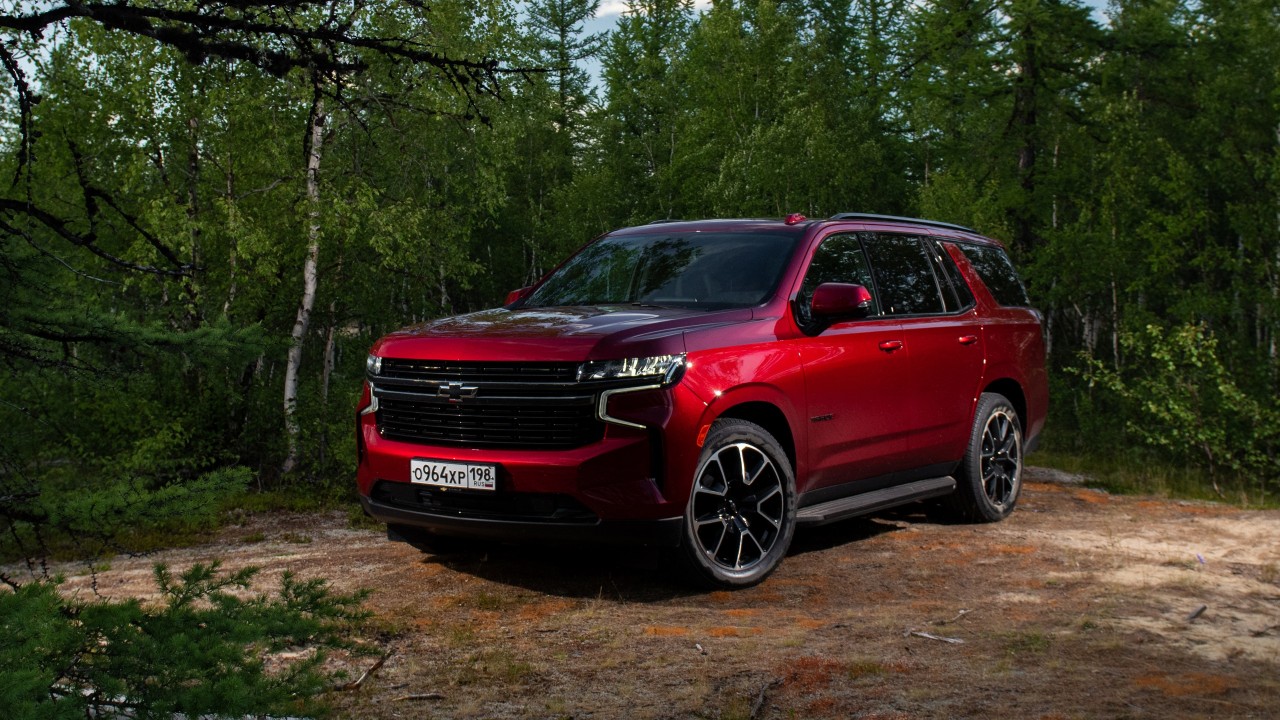
The Chevrolet Tahoe 3.0D combines American SUV durability with diesel efficiency, making it a reliable choice for cold-weather driving. Its 3.0-liter diesel engine features turbocharging and precise fuel injection, which ensures that fuel delivery and combustion remain efficient even in freezing temperatures.
The glow plug system quickly heats the combustion chamber, minimizing crank time and reducing the strain on the battery and starter motor.
Drivers in northern climates frequently report successful starts at temperatures below fifteen degrees Celsius, making the Tahoe 3.0D a practical and dependable vehicle for harsh winter conditions.
The fuel system is designed to minimize issues associated with cold diesel, such as gelling and line blockages. Heated filters and optimized fuel lines allow the engine to draw fuel efficiently, even when ambient temperatures are extremely low.
The electrical system, including a high-capacity battery and robust alternator, ensures reliable power delivery to the starter motor and engine electronics.
This combination allows the Tahoe 3.0D to maintain dependable performance without the need for auxiliary heaters or special preparations, providing peace of mind to drivers during winter operations.
Cold-weather capability extends beyond the engine. The Tahoe’s four-wheel-drive system, traction control, and suspension components are designed to maintain stability on ice and snow, reducing the risk of mechanical stress during winter driving.
This ensures that the SUV can remain mobile and responsive in harsh conditions, complementing the engine’s cold-start reliability.
Many drivers highlight the Tahoe’s ability to start promptly and operate smoothly, even after extended exposure to extreme cold, making it a trusted choice for winter travel.
Maintenance practices such as monitoring glow plugs, using winter-grade diesel, and ensuring battery health further enhance the Tahoe 3.0D’s performance in sub-zero temperatures.
Its combination of mechanical resilience, practical design features, and proven cold-weather reliability makes the Chevrolet Tahoe 3.0D a top contender for drivers seeking a diesel SUV that consistently starts and performs in harsh winter conditions.
5 Diesel SUVs That Struggle in the Cold
1. Jeep Grand Cherokee 3.0 CRD
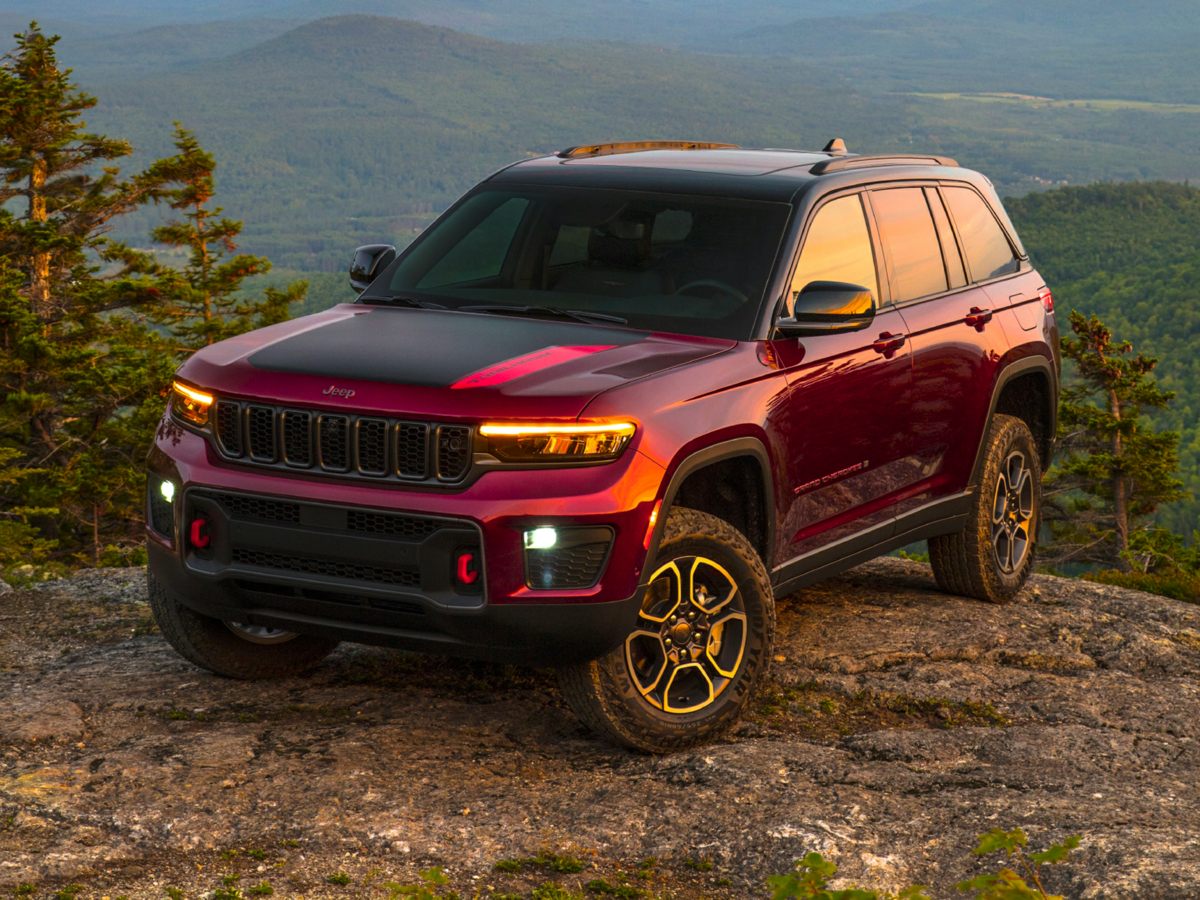
The Jeep Grand Cherokee with the 3.0 CRD diesel engine is known for its performance and off-road capability in temperate conditions, but it often struggles when temperatures drop significantly.
Its 3.0-liter V6 diesel engine uses a high-pressure common rail system, which can be prone to fuel gelling in extremely low temperatures if additives or winter diesel are not used consistently.
Many owners report that, during winter mornings with temperatures below ten degrees Celsius, the engine requires prolonged cranking to start, even when glow plugs are functioning properly.
In some cases, the vehicle may fail to start entirely without an engine block heater or pre-heated fuel, which highlights a vulnerability for those living in cold climates.
Electrical and ignition challenges exacerbate the Grand Cherokee’s cold-weather issues. The starter motor and battery, while adequate in milder conditions, can struggle to provide sufficient power when oil and diesel thicken in sub-zero temperatures.
Glow plugs, though designed for rapid heating, often take longer to reach optimal temperatures under extreme cold, resulting in extended crank times and increased battery strain.
This problem is particularly pronounced in older models, where wear on glow plugs and the battery further reduces the engine’s ability to start reliably. For drivers who rely on the vehicle for daily commuting in winter, these difficulties can lead to frustration and the need for extra preparation before each drive.
The fuel system design also contributes to the Grand Cherokee’s sensitivity to cold. Its fuel lines and filters lack built-in heaters in many configurations, which increases the risk of diesel gelling or airlocks in temperatures below fifteen degrees Celsius.
Even when using diesel rated for winter, prolonged exposure to extreme cold can cause operational issues, including rough idling or failure to start.
Drivers in regions with extended cold seasons often report needing to use fuel additives and supplementary heaters to ensure reliability, adding extra steps to routine winter vehicle operation.
While the Grand Cherokee remains capable in off-road conditions once running, its cold-weather challenges make it less dependable during winter mornings or in remote locations where external assistance is unavailable.
Owners recommend preheating the engine overnight or using battery warmers to reduce the risk of failed starts, which adds complexity compared to diesel SUVs designed with cold climates in mind.
Despite its strong performance and comfort features, the 3.0 CRD engine’s sensitivity to low temperatures places it firmly in the category of diesel SUVs that struggle when the mercury drops.
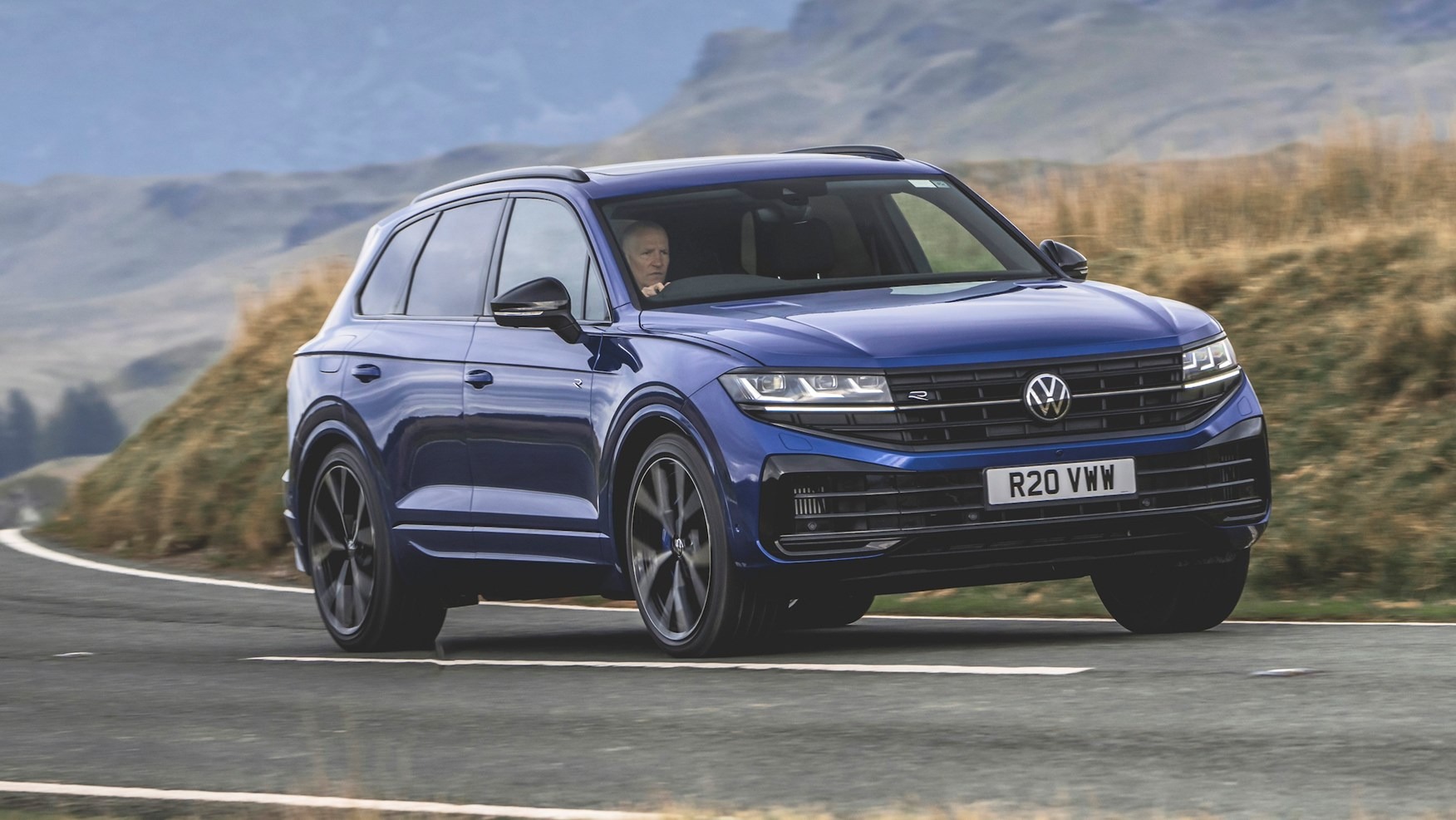
2. Volkswagen Touareg 3.0 TDI
The Volkswagen Touareg 3.0 TDI is a refined diesel SUV with a focus on comfort and efficiency, but it shows weaknesses in sub-zero temperatures.
Its 3.0-liter V6 TDI engine, while powerful and smooth under normal conditions, can be slow to start in extreme cold due to its high-pressure fuel system and sensitivity to fuel gelling.
In regions where temperatures drop below minus ten degrees Celsius, owners report extended crank times and occasional difficulty starting, even when glow plugs are functioning correctly.
The vehicle’s reliance on precise fuel atomization can become a liability in freezing conditions, making cold-weather preparation essential.
The electrical system of the Touareg also contributes to its cold-weather challenges. Batteries and starter motors designed for standard conditions often struggle with the increased load caused by thickened engine oil and diesel.
Glow plugs, although advanced, may require several minutes to adequately heat the combustion chamber before ignition occurs, creating a noticeable delay in starting during extremely cold mornings.
Owners frequently describe the experience as “frustrating,” particularly when the vehicle has been parked overnight in unheated garages or outdoors without block heaters.
Fuel system issues are another concern. Unlike some diesel SUVs that incorporate heated fuel lines or filter heaters as standard, the Touareg often requires aftermarket solutions to maintain reliable operation in winter.
Without these modifications, diesel can gel or form air locks, preventing fuel from reaching the engine efficiently.
Even with winter-grade diesel, the vehicle may struggle in temperatures approaching minus twenty degrees Celsius, leading to hesitation, rough idling, or a complete inability to start. Drivers in colder climates often report carrying additives or fuel line heaters as a necessary precaution during extended winter use.
Despite its luxurious interior, smooth ride, and advanced off-road systems, the Touareg’s cold-weather performance limits its practicality in extremely low temperatures.
Owners in northern Europe and Canada often find themselves taking extra steps to ensure reliable starting, from preheating the engine to using battery warmers. While the vehicle excels in many areas, its struggles in sub-zero conditions make it less suitable for drivers who require consistent winter reliability without added effort.

3. BMW X5 xDrive30d
The BMW X5 xDrive30d is renowned for its driving dynamics and diesel efficiency, but it can be particularly challenging in freezing weather.
The 3.0-liter inline-six diesel engine is equipped with a common rail fuel system and turbocharging, which work exceptionally well in temperate conditions but are sensitive to cold.
Diesel thickening, combined with high-pressure injection requirements, often results in sluggish or failed starts when temperatures fall below minus ten degrees Celsius.
Owners have reported crank times extending up to a minute on extremely cold mornings, with occasional failures requiring block heaters or battery warmers to achieve a successful start.
The cold-weather sensitivity of the X5 xDrive30d is compounded by its electrical system and glow plug setup. The battery and starter motor, while adequate in normal conditions, can struggle under the increased load imposed by cold oil and dense diesel.
Glow plugs take longer to heat the combustion chamber efficiently, meaning that drivers often experience delays during sub-zero starts. Older X5 models are particularly vulnerable, as wear on glow plugs, fuel injectors, and batteries can exacerbate starting difficulties during prolonged exposure to cold.
Fuel system limitations also affect cold reliability. The X5’s design does not always include heated fuel filters or lines, which increases the risk of gelling in extremely low temperatures.
Air bubbles in the fuel system can prevent diesel from reaching the engine, creating the need for additional intervention such as priming or the use of diesel additives.
Even with winter-grade diesel, the vehicle’s high-pressure fuel system can be prone to starting issues when exposed to temperatures below minus fifteen or minus twenty degrees Celsius for extended periods.
While the BMW X5 xDrive30d offers comfort, advanced traction systems, and all-wheel drive suitable for winter roads, these advantages do not fully compensate for the engine’s cold-weather limitations.
Owners often note that additional winter preparation is essential, including block heaters, battery warmers, or preheating routines. Without these measures, the vehicle’s reliability in sub-zero conditions can be inconsistent, placing it firmly in the category of diesel SUVs that are less tolerant of extreme cold.

4. Audi Q7 3.0 TDI
The Audi Q7 3.0 TDI is another luxury diesel SUV that struggles in freezing temperatures despite its advanced engineering and comfort features.
The 3.0-liter V6 diesel engine delivers excellent performance under normal conditions, but its high-pressure common rail system is highly sensitive to cold.
In sub-zero conditions, the engine can be slow to start or fail to start entirely if appropriate precautions are not taken.
Owners have reported difficulties starting the Q7 at temperatures below minus ten degrees Celsius, particularly when the vehicle has been parked outdoors overnight without block heaters or fuel line heaters.
Cold-weather performance is affected by both the engine and electrical components. The battery and starter motor must work harder to overcome thickened diesel and increased oil viscosity, which can lead to extended cranking and potential wear over time.
Glow plugs, while designed for efficiency, may require more time to heat the combustion chamber in extreme cold, causing delays during morning starts.
For drivers in regions with prolonged winters, this can create frustration and the need for additional winter equipment such as battery warmers or engine heaters.
Fuel-related challenges are also significant for the Q7. Diesel gelling is a common problem in low temperatures, and the Q7’s fuel lines and filters often lack sufficient built-in heating for extreme cold.
Without diesel additives or supplementary heating, the vehicle may experience difficulty delivering fuel consistently to the engine, leading to rough starts or hesitation.
Even with winter-grade diesel, temperatures below minus fifteen or minus twenty degrees Celsius can challenge the vehicle’s cold-weather reliability.
While the Q7 excels in luxury, cabin comfort, and winter road handling through its quattro all-wheel-drive system, its engine’s sensitivity to cold reduces its dependability in extreme climates.
Drivers who rely on the SUV for daily commuting or travel in sub-zero conditions must take additional steps to ensure reliable operation, including preheating routines, fuel additives, and battery maintenance.
These considerations make the Audi Q7 3.0 TDI a less desirable option for those seeking a diesel SUV that starts reliably in harsh winter environments without extra preparation.
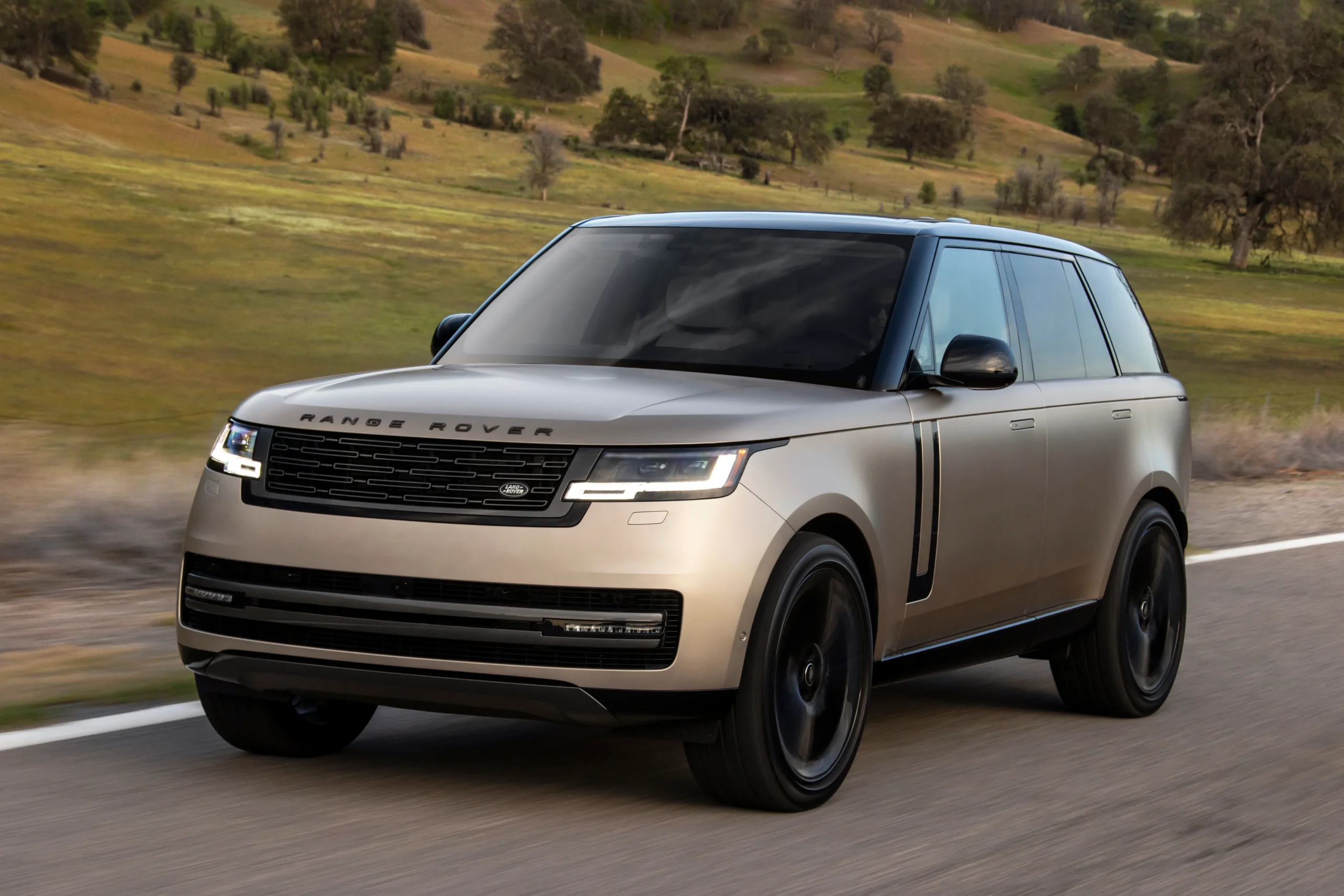
5. Land Rover Range Rover 3.0 TDV6
The Land Rover Range Rover 3.0 TDV6 is a sophisticated and capable diesel SUV, but it demonstrates challenges when exposed to extreme cold. Its 3.0-liter V6 diesel engine, designed for smooth performance and off-road ability, can be slow to start in sub-zero temperatures.
Diesel thickening, combined with a high-pressure common rail system, often results in extended crank times or difficulty starting without additional measures such as block heaters or preheated fuel.
Owners in northern climates have reported that starting the TDV6 at temperatures below fifteen degrees Celsius can require multiple attempts, highlighting a vulnerability compared to other diesel SUVs engineered for cold reliability.
The vehicle’s electrical and ignition systems can exacerbate starting issues. The battery and starter motor, while designed for normal use, may struggle to provide sufficient power when oil viscosity increases and diesel thickens.
Glow plugs, though sophisticated, require longer preheating times in severe cold, resulting in extended cranking periods.
Older vehicles are particularly susceptible, as wear on glow plugs, batteries, and injectors further reduces cold-start reliability. These factors make the Range Rover 3.0 TDV6 less convenient for drivers who rely on consistent winter starts without additional equipment.
Fuel system design also plays a role in the TDV6’s cold-weather challenges. Heated fuel lines and filter heaters are often optional rather than standard, meaning that diesel can gel or form air pockets in temperatures below fifteen or minus twenty degrees Celsius.
Even with winter-grade diesel, the vehicle may experience hesitation, rough idling, or complete starting failures. These issues are especially problematic for drivers in remote areas, where external assistance may be unavailable.
While the Range Rover TDV6 provides exceptional off-road capability, comfort, and advanced safety features, these advantages do not offset the engine’s cold-weather limitations.
To achieve reliable operation in sub-zero conditions, drivers often need to adopt additional winter preparation strategies, including using block heaters, diesel additives, and battery warmers.
Without these measures, the TDV6 is less suited for extremely cold climates, placing it firmly in the category of diesel SUVs that struggle in harsh winter environments.
