
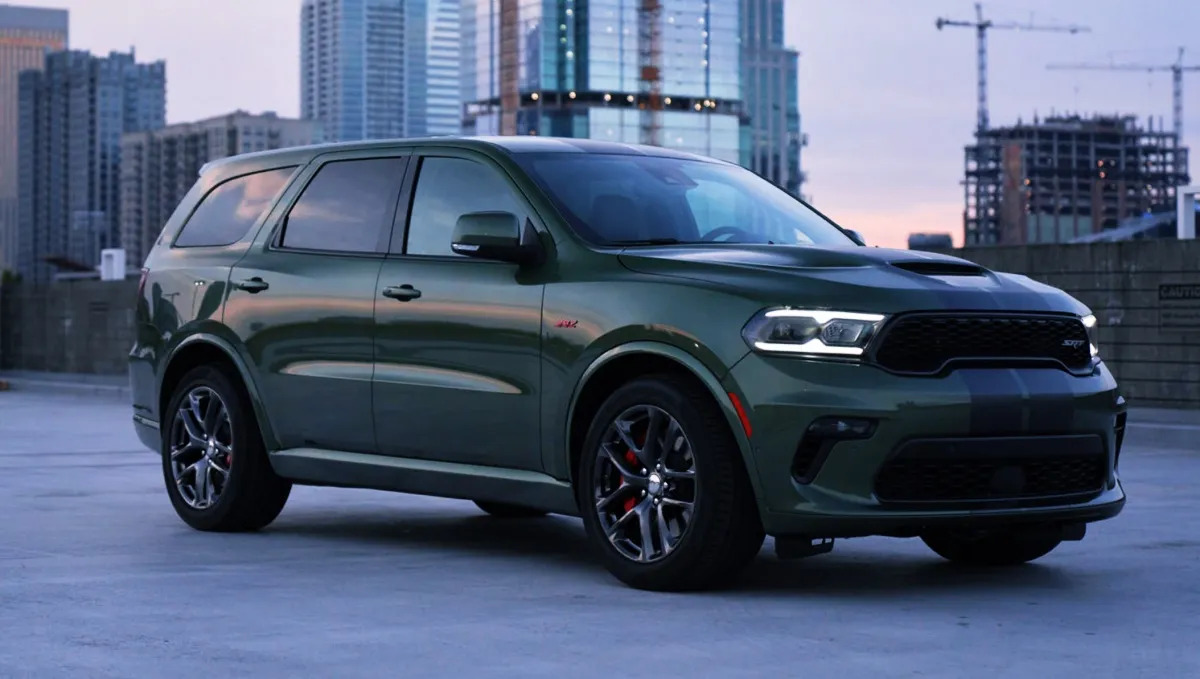
Modern automotive engineering has significantly transformed the way engines perform, sound, and endure over time.
Among the most noteworthy changes has been the development of V6 engines, which balance power, efficiency, and packaging flexibility, making them a staple in sedans, SUVs, and performance vehicles.
The V6 configuration offers a compact yet potent engine option, allowing manufacturers to achieve strong performance without resorting to larger, less efficient V8 engines.
One of the critical factors affecting engine durability and owner satisfaction is the design of the valvetrain, specifically the use of timing chains versus timing belts.
Timing chains are favored in modern designs for their longevity and low maintenance requirements, while timing belts can require periodic replacement and sometimes contribute to engine noise if tensioners degrade.
However, not all timing chains are created equal. Some engines are engineered with precision components, tight tolerances, and excellent lubrication systems that prevent any rattling throughout the life of the vehicle.
Owners of these vehicles often praise the quiet, refined operation that gives the impression of an almost frictionless engine.
Conversely, there are V6 engines that, despite being modern and technically advanced, produce a distinct mechanical noise resembling that of a diesel engine.
These sounds are often the result of aggressive timing chain designs, material choices, or engine harmonics that create a heavier mechanical resonance.
For consumers, understanding which V6 engines operate quietly and which generate noticeable mechanical noise is essential when evaluating longevity, comfort, and ownership experience.
Beyond the mechanics, the perception of engine sound can strongly influence the driving experience. Some drivers prefer the smooth, near-silent operation of a well-engineered timing chain V6, which feels refined and sophisticated during daily driving.
Others may find satisfaction in the deep, growling mechanical noise of a more resonant engine, associating it with ruggedness and performance character, even if it hints at higher mechanical stress.
Automotive enthusiasts often debate these characteristics, comparing vehicles not only on horsepower and torque but also on the quality of the engineering that ensures long-term reliability without intrusive noises.
With that in mind, this article will highlight five modern V6 engines that use timing chains and never rattle, followed by five that produce a mechanical sound similar to diesel engines.
The discussion will provide insight into design choices, materials, and real-world driving impressions to guide anyone interested in V6 performance and refinement.
5 Modern V6 Cars With Timing Chains That Never Rattle
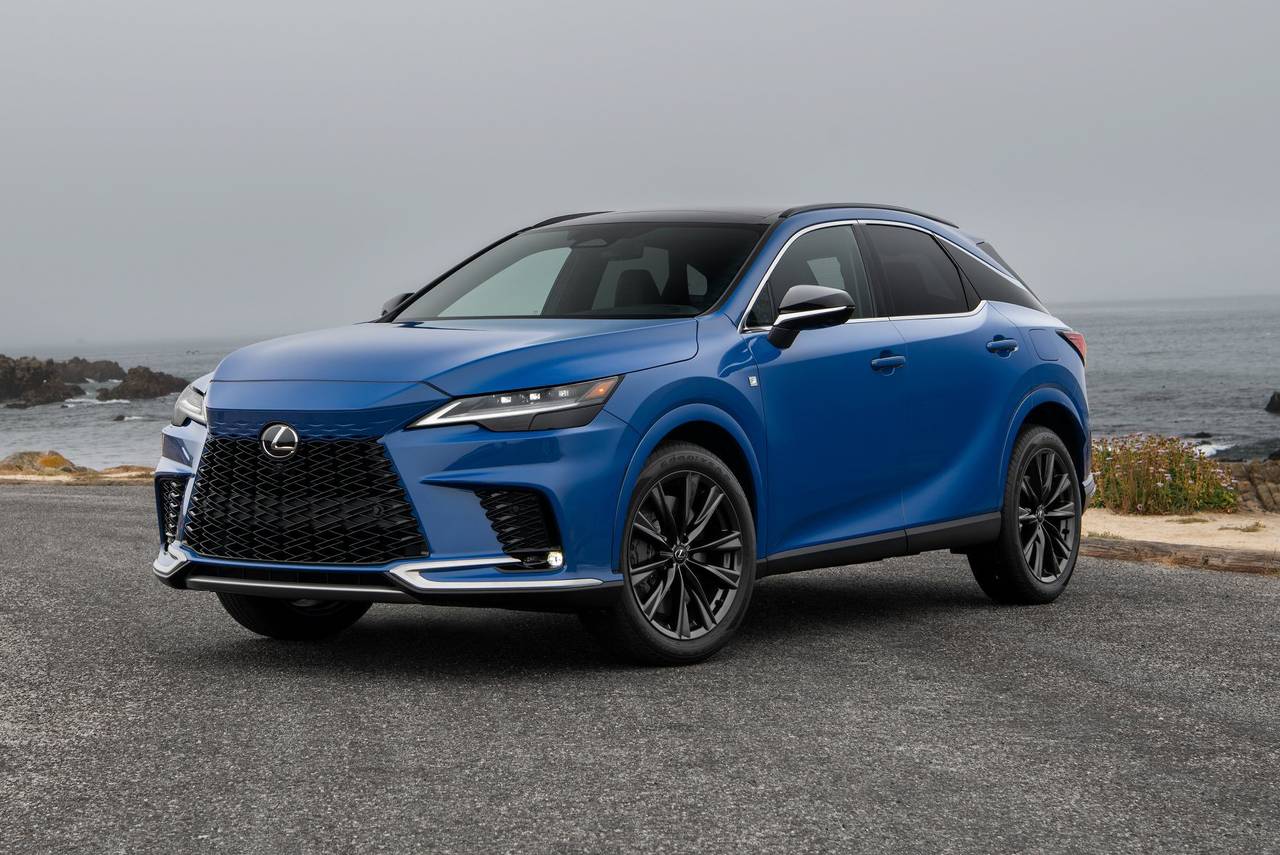
1. Lexus RX 350
The Lexus RX 350 has consistently been recognized for its quiet, refined V6 engine, a hallmark of the brand’s dedication to luxury and reliability.
The 3.5-liter V6 is equipped with a meticulously designed timing chain system that prioritizes long-term durability and minimal noise production.
Lexus engineers optimized the chain tensioners and guides with precision, ensuring that they maintain consistent tension under a wide range of operating temperatures and driving conditions.
This careful engineering prevents the chain from slapping against the timing cover or sprockets, a common cause of rattle in less sophisticated designs. The quiet operation contributes to the sense of refinement that has made the RX 350 a benchmark for midsize luxury SUVs.
Beyond the mechanical precision, the engine incorporates an advanced lubrication system that ensures the timing chain receives continuous oil flow regardless of engine speed or load. This consistent lubrication reduces metal-to-metal contact, which is a primary source of mechanical noise in engines.
The V6 also benefits from precision manufacturing tolerances that ensure alignment and tension remain intact even after thousands of miles.
As a result, drivers rarely experience any rattling or clattering, even under aggressive acceleration or extended highway cruising. This level of reliability reinforces the RX 350’s reputation as a vehicle that can provide both luxury and peace of mind for many years.
Performance in the RX 350 is smooth and predictable, making the quiet timing chain even more noticeable in its contribution to a refined driving experience.
Producing over 290 horsepower and approximately 260 pound-feet of torque, the engine delivers sufficient power for most driving scenarios without the need for overly aggressive mechanical components that might compromise quiet operation.
Lexus also focuses on insulating the engine compartment and cabin with carefully designed sound-deadening materials, ensuring that even the minimal mechanical sounds are absorbed before they reach passengers.
This combination of engineering and thoughtful design makes the RX 350’s V6 a benchmark for silent, chain-driven engines.
Finally, the long-term durability of the RX 350’s timing chain is a major selling point for owners. Unlike older engines that may develop slack or wear in the chain and tensioners, the RX 350’s components are designed to maintain proper tension over the life of the engine.
Routine maintenance primarily involves regular oil changes and inspections, with no expectation of chain replacement for the vehicle’s lifespan.
For anyone seeking a modern V6 that combines smooth power delivery, longevity, and silence, the RX 350 exemplifies the ideal balance between mechanical sophistication and real-world usability.
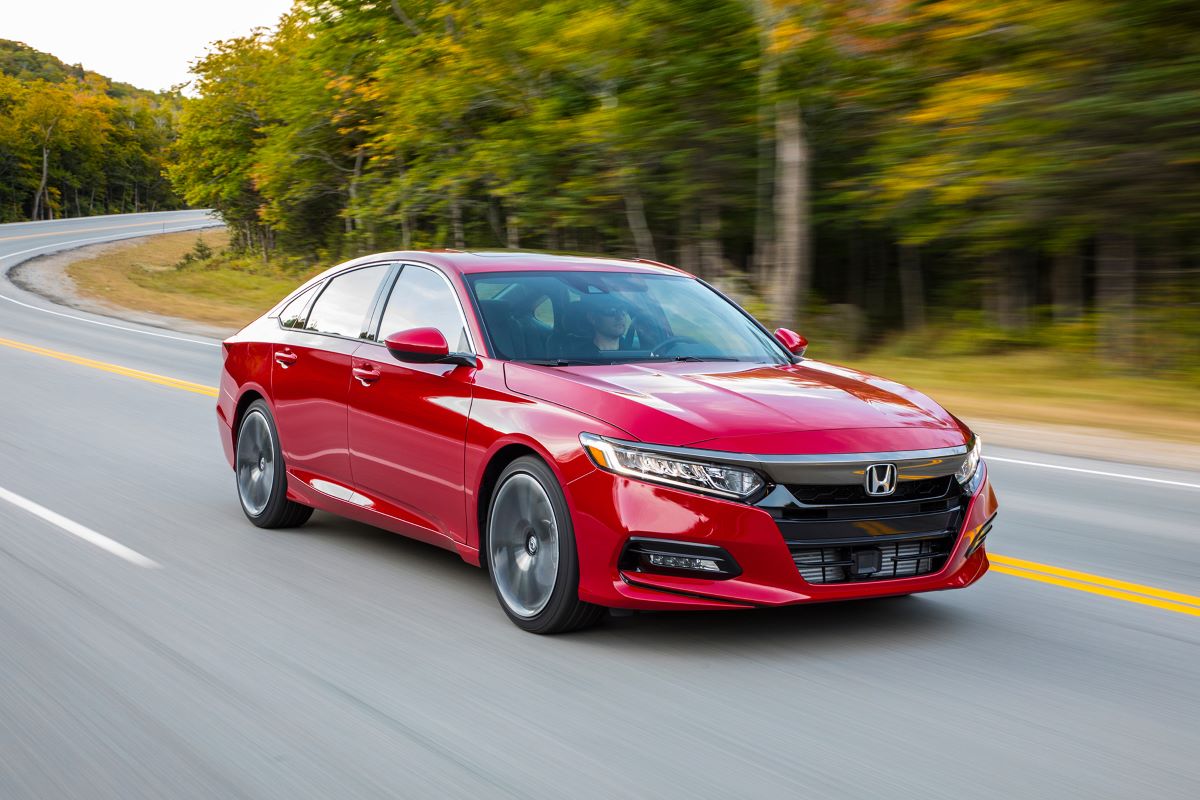
2. Honda Accord 3.5 V6
The Honda 3.5-liter V6 engine in recent Accord models is renowned for its combination of reliability, performance, and quiet operation.
Unlike engines that develop rattling over time, this engine features a timing chain system that is engineered to operate silently for hundreds of thousands of miles.
The tensioners and guides are made from a mix of reinforced polymers and high-strength steel, which not only reduces vibration but also prevents common chain noises that occur in engines with less robust designs.
Honda’s engineers applied lessons from previous generations to ensure that the chain maintains consistent tension, even under varying temperature and load conditions, contributing to a long-lasting, rattle-free engine.
The integration of variable valve timing with the timing chain system is another factor in the Accord’s smooth operation. The chain drives the camshafts precisely, allowing for seamless timing adjustments without producing noticeable noise.
The engine produces a linear power curve, delivering strong mid-range torque without introducing harsh mechanical sounds.
Owners often remark on how the engine feels “invisible” during normal driving, providing confidence that the components are operating as intended without the distraction of rattling chains.
The engine’s lubrication system is also finely tuned to reduce friction on the chain and its guides. Oil flows evenly under all operating conditions, ensuring the chain is properly lubricated from startup through extended driving.
Even at higher RPMs or under heavy throttle, the engine maintains a smooth, near-silent character. This combination of careful tensioning, precise lubrication, and high-quality materials demonstrates Honda’s commitment to both performance and refinement, making the Accord V6 a quiet yet capable engine choice in the midsize sedan segment.
Finally, the long-term reliability of this V6 is a significant advantage. Many owners report surpassing 150,000 miles without any signs of chain wear or mechanical noise.
The engine design, combined with routine maintenance of oil and filters, ensures that the timing chain remains in perfect working condition.
This makes the Accord V6 an exemplary model for drivers who want a modern, quiet engine without sacrificing performance or efficiency.
Honda successfully balances engineering precision with real-world usability, offering a vehicle that feels refined and dependable over the long term.
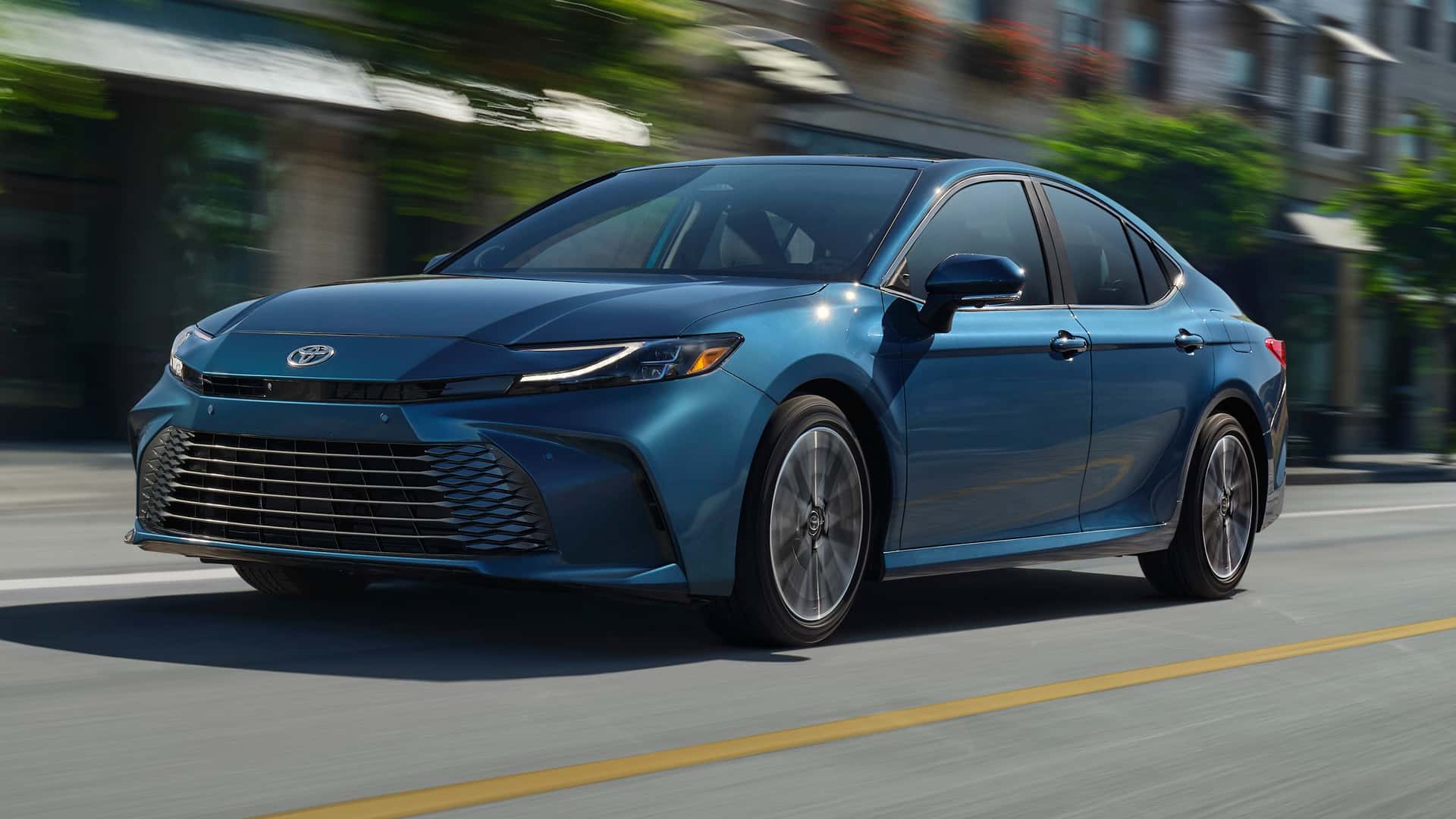
3. Toyota Camry V6
The Toyota Camry’s 3.5-liter V6 engine is widely considered one of the quietest in its class, and much of this reputation comes from the timing chain system.
Toyota engineers focused on minimizing mechanical noise from the start, designing a chain with robust guides and tensioners that resist slack and maintain proper alignment over time.
Unlike older engines that may develop chain rattle as components wear, the Camry’s timing chain maintains consistent tension, reducing friction and preventing the type of metallic noises that can be intrusive to drivers. This attention to detail ensures a smooth and refined driving experience in a midsize sedan.
Toyota’s modular approach to engine construction further enhances quiet operation. By isolating the timing chain system from high-vibration areas of the engine, mechanical resonance is minimized, reducing the likelihood of noise reaching the cabin.
The selection of materials for the chain, guides, and tensioners contributes to longevity while also maintaining a low sound signature.
Additionally, Toyota’s precision manufacturing ensures tight tolerances across components, further reducing the risk of wear-induced rattling. This combination of materials, design, and precision results in an engine that remains quiet even after extended use.
In terms of performance, the Camry V6 delivers smooth and responsive acceleration without compromising refinement.
Producing more than 300 horsepower, the engine provides ample power for highway merging and overtaking, yet the timing chain operates unobtrusively, maintaining a serene cabin environment.
Toyota’s sound insulation materials further enhance the perception of quiet, absorbing minor vibrations and engine noises before they can be detected by occupants. This synergy between mechanical design and vehicle acoustics ensures a highly refined driving experience.
Finally, the Camry V6 demonstrates that reliability and quiet operation are not mutually exclusive. The timing chain requires minimal maintenance beyond regular oil changes, avoiding the costly replacements associated with timing belts.
The engine’s durability and silence make it ideal for drivers who prioritize comfort, efficiency, and long-term dependability.
Toyota successfully combines engineering excellence with practical usability, resulting in a V6 that can serve as a benchmark for quiet, chain-driven engines.
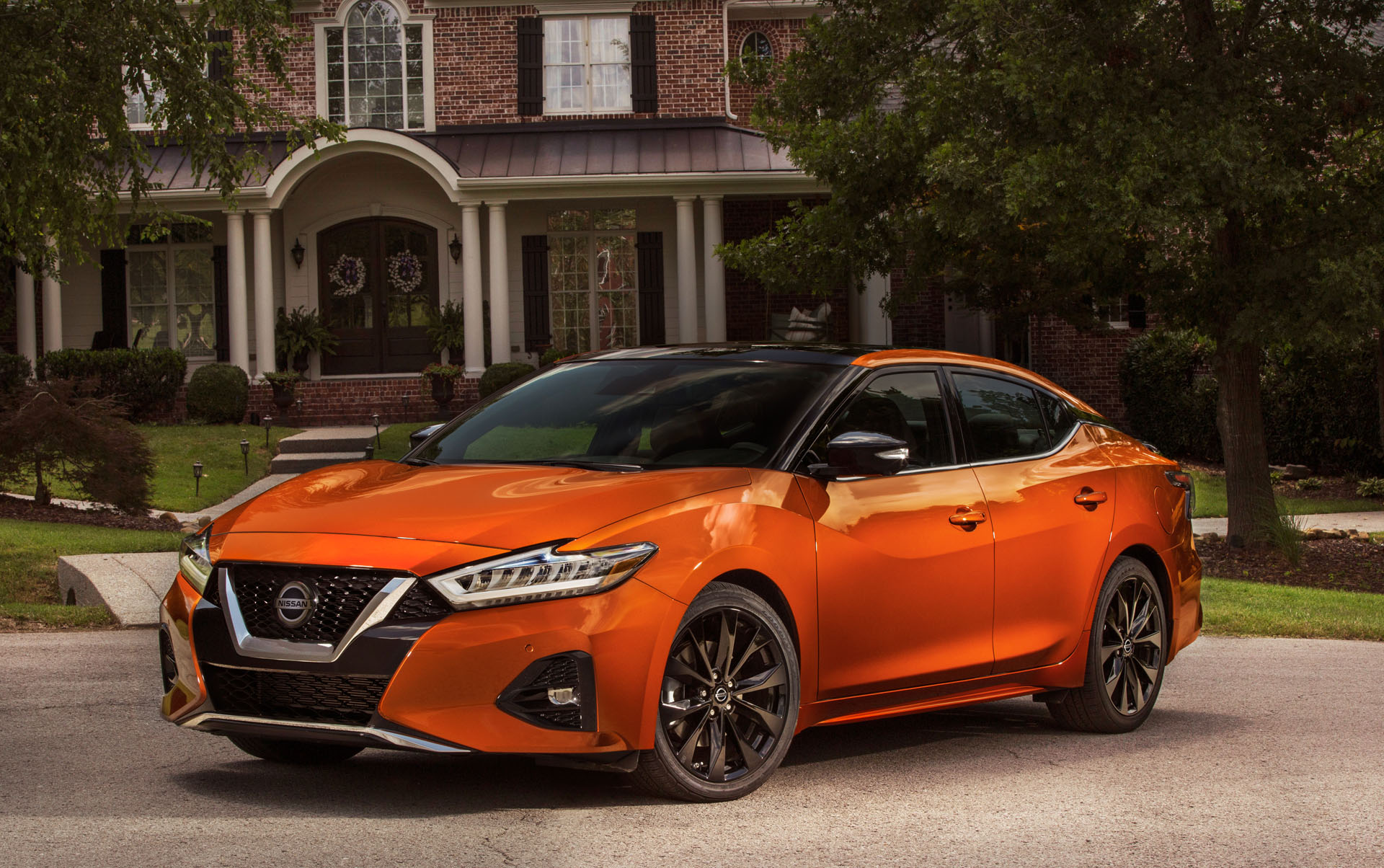
4. Nissan Maxima 3.5 V6
The Nissan Maxima’s 3.5-liter V6 is designed to deliver a combination of performance and refinement, with a timing chain system that rarely produces noise.
Unlike older engines prone to chain slack, Nissan employs high-tension chains paired with advanced guides and tensioners to maintain proper alignment and reduce vibration.
This careful engineering ensures smooth operation across all driving conditions, contributing to the Maxima’s reputation as a comfortable and capable sports sedan.
The timing chain operates silently, even during aggressive acceleration, emphasizing the engine’s refined character.
Integration with variable valve timing further enhances the smoothness of the Maxima’s V6. The chain drives the camshafts precisely, allowing seamless adjustments without producing noticeable mechanical noise.
The engine delivers a linear power curve, with sufficient mid-range torque to ensure confident acceleration without the need for noisy mechanical compromises.
Drivers often report that the engine feels almost invisible during daily use, reinforcing the notion that a well-engineered timing chain can be entirely free of rattle.
Lubrication plays a critical role in maintaining quiet operation. Nissan’s oil delivery system ensures consistent flow to the chain and guides, reducing friction and wear.
This not only prevents noise but also extends the longevity of the timing chain system. Even after years of high-mileage driving, the chain maintains proper tension and alignment, demonstrating Nissan’s commitment to durability and refinement.
Finally, the Maxima’s timing chain supports a performance-oriented V6 without sacrificing smoothness or quietness. The engine offers strong acceleration and responsive driving characteristics while remaining virtually free of intrusive mechanical noise.
For buyers seeking a modern V6 that blends performance, refinement, and long-term reliability, the Nissan Maxima exemplifies how thoughtful engineering and high-quality materials can result in a timing chain system that never rattles.
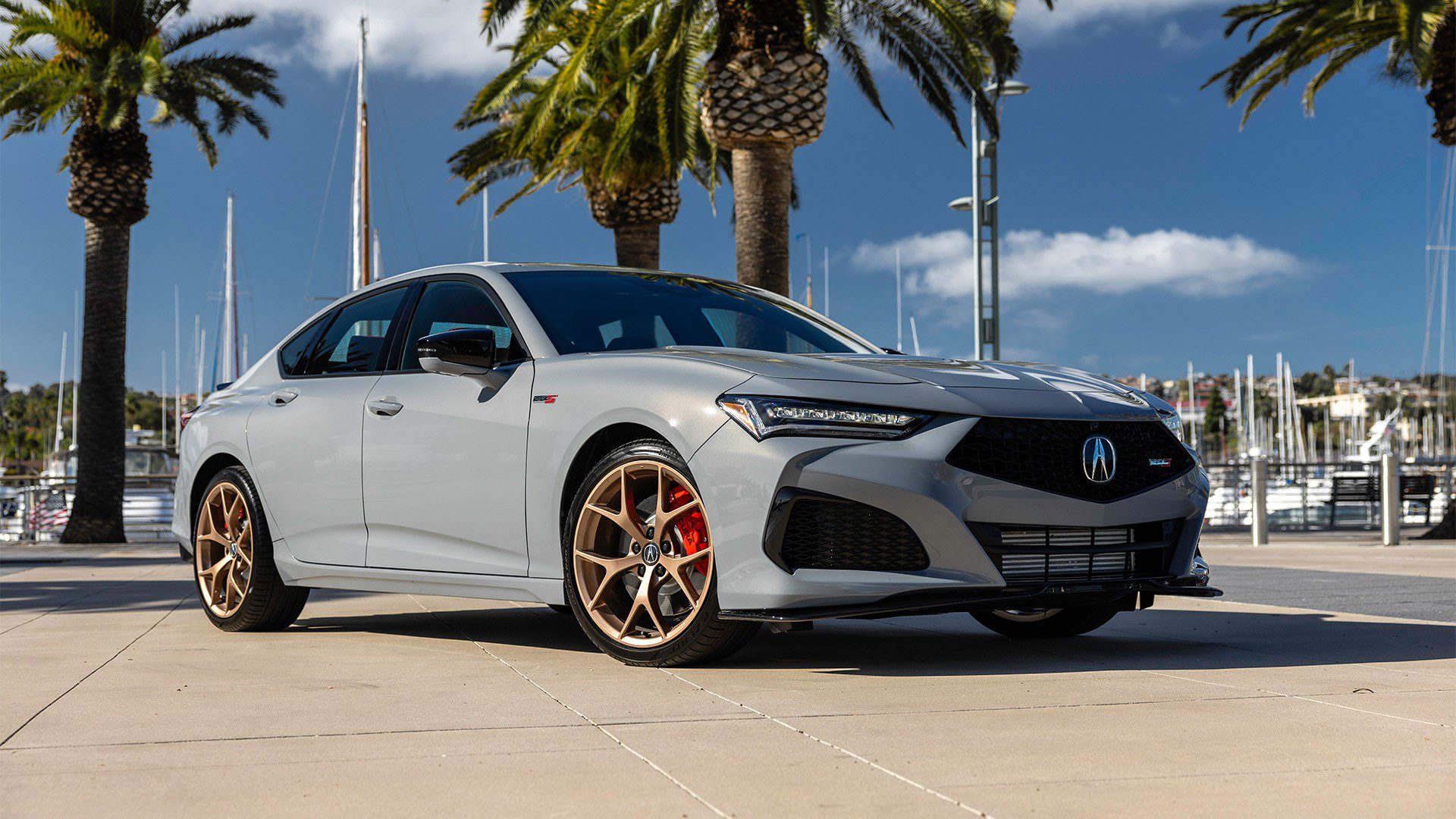
5. Acura TLX 3.5 V6
The Acura TLX’s 3.5-liter V6 is an exemplary model of refinement and mechanical reliability, with a timing chain system designed for long-term silence. Acura engineers focused on precise tensioning, reinforced chain guides, and advanced lubrication to eliminate the rattling that plagues many other V6 engines.
The chain operates quietly throughout all operating conditions, contributing to the smooth and linear acceleration that the TLX is known for. The engine’s design emphasizes both performance and luxury, ensuring that mechanical sounds remain imperceptible in normal driving.
Variable valve timing is integrated seamlessly into the TLX’s chain-driven system, allowing for smooth adjustments without producing metallic noise.
Owners frequently remark on the engine’s refined character, noting how the V6 feels effortless during city driving, highway cruising, or spirited acceleration. The absence of intrusive mechanical sounds reinforces the perception of a premium driving experience, where engine performance is both responsive and unobtrusive.
Durability is another highlight of the TLX V6. The chain and associated components are built to resist stretching and wear over hundreds of thousands of miles.
Routine maintenance consists mainly of regular oil changes and inspections, with no expectation of chain replacement. This long-term reliability complements the vehicle’s luxury positioning, providing peace of mind to owners while maintaining quiet, consistent operation.
Finally, the TLX V6 demonstrates that a modern timing chain engine can achieve a perfect balance of performance, refinement, and mechanical tranquility.
The precise engineering ensures that the timing chain never rattles, while the engine delivers strong acceleration and a satisfying driving experience.
For those who prioritize both reliability and cabin serenity, the Acura TLX stands out as a prime example of a V6 that combines sophistication, power, and quiet operation.
5 Modern V6 Cars That Sound Like Diesels
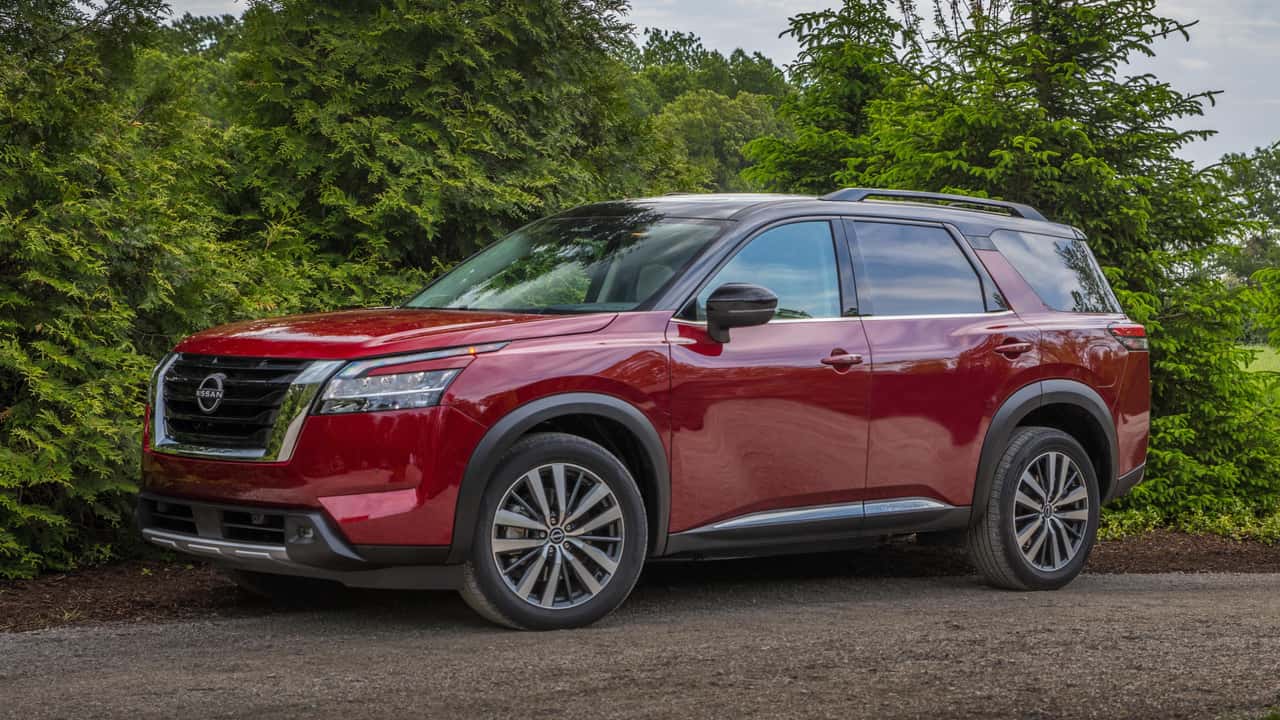
1. Nissan Pathfinder 3.5 V6
The Nissan Pathfinder’s 3.5-liter V6 engine is often criticized for its harsh, diesel-like sound at lower RPMs, especially during cold starts or aggressive acceleration.
Unlike engines designed with refined timing chains and insulated cabins, the Pathfinder’s V6 exhibits noticeable mechanical vibrations that can be amplified by the vehicle’s body structure.
This sound is partially due to the relatively long timing chain and guides, which, while durable, have less effective damping compared to luxury-oriented designs.
Drivers may notice a distinct metallic thumping or clattering under light throttle, particularly in city driving conditions where the engine operates at low speeds.
The engine’s sound characteristics are also influenced by the way torque is delivered. Producing around 284 horsepower and 259 pound-feet of torque, the engine generates a strong mid-range punch, but the combustion pulses can resonate through the intake manifold, valve train, and exhaust system.
Unlike luxury V6 engines, where multiple countermeasures dampen these vibrations, the Pathfinder allows some of these mechanical frequencies to be transmitted to the cabin, resulting in a sound reminiscent of a diesel.
The V6’s naturally aspirated configuration contributes to this effect, as it lacks the muffling characteristics of turbocharged or highly insulated engines.
Another factor contributing to the diesel-like sound is the engine’s combustion timing and cylinder firing order. Nissan designed the engine to prioritize durability and simplicity over quietness, which means the valvetrain components and chain can generate sharper metallic noises under load.
Additionally, engine mounts are designed more for robustness than vibration isolation, allowing more of the mechanical sound to enter the passenger compartment. These factors combine to produce a V6 that, while reliable and powerful, can feel rough and noisy compared to more refined competitors.
Despite these audible characteristics, the Pathfinder V6 offers solid performance and longevity. The timing chain is durable and unlikely to require replacement over the vehicle’s lifespan if maintained properly, but the trade-off is a mechanical and audible presence that some drivers find intrusive.
For buyers who prioritize durability, torque, and simple engineering over refinement, the Pathfinder represents a V6 that performs well but sacrifices the smooth, silent operation that luxury vehicles achieve.

2. Jeep Grand Cherokee 3.6 V6
The Jeep Grand Cherokee’s 3.6-liter Pentastar V6 is a well-known engine that produces noticeable diesel-like vibrations, particularly under acceleration or at idle. The chain-driven design, while highly durable, does not incorporate extensive acoustic damping found in premium sedans or SUVs.
As a result, drivers may hear a pronounced mechanical rumble emanating from the timing chain, camshaft, and valvetrain during everyday driving.
This effect is amplified in early model years, where tolerances between chain, tensioners, and guides allow minor flexing that translates into sound.
The engine’s output of roughly 295 horsepower and 260 pound-feet of torque comes with strong low-end torque characteristics that, combined with the cylinder firing pattern, create resonance in the intake and exhaust systems.
Jeep’s focus on off-road capability and reliability often prioritizes structural stiffness and robustness over sound insulation, which means engine noises are more readily transmitted to the cabin.
The diesel-like tonal quality is especially noticeable during cold starts, where oil is thicker and tensioners take time to fully engage, leading to a temporary rattle that resembles older diesel engines.
Moreover, the Grand Cherokee’s sound profile is influenced by the rigid engine mounts and body structure.
While these provide excellent handling and off-road stability, they also transmit low-frequency mechanical vibrations that can make the V6 sound heavier and rougher than it actually is.
Unlike luxury vehicles that use hydraulic mounts and active engine damping, Jeep’s design favors simplicity and long-term durability, which comes at the cost of acoustic refinement.
Drivers often describe the sound as “clattery” or “throaty,” giving the engine a presence that can be off-putting for those accustomed to smooth V6s.
Despite the auditory drawbacks, the Pentastar V6 is widely respected for its reliability and torque delivery.
The timing chain system is robust, rarely requiring maintenance over the lifespan of the engine, and the V6 provides ample power for towing, off-road driving, and highway acceleration.
The trade-off between durability and cabin refinement makes the Grand Cherokee’s V6 a vehicle where mechanical honesty is prioritized over silence, resulting in a diesel-like engine character that some drivers either tolerate or even find satisfying in rugged driving conditions.
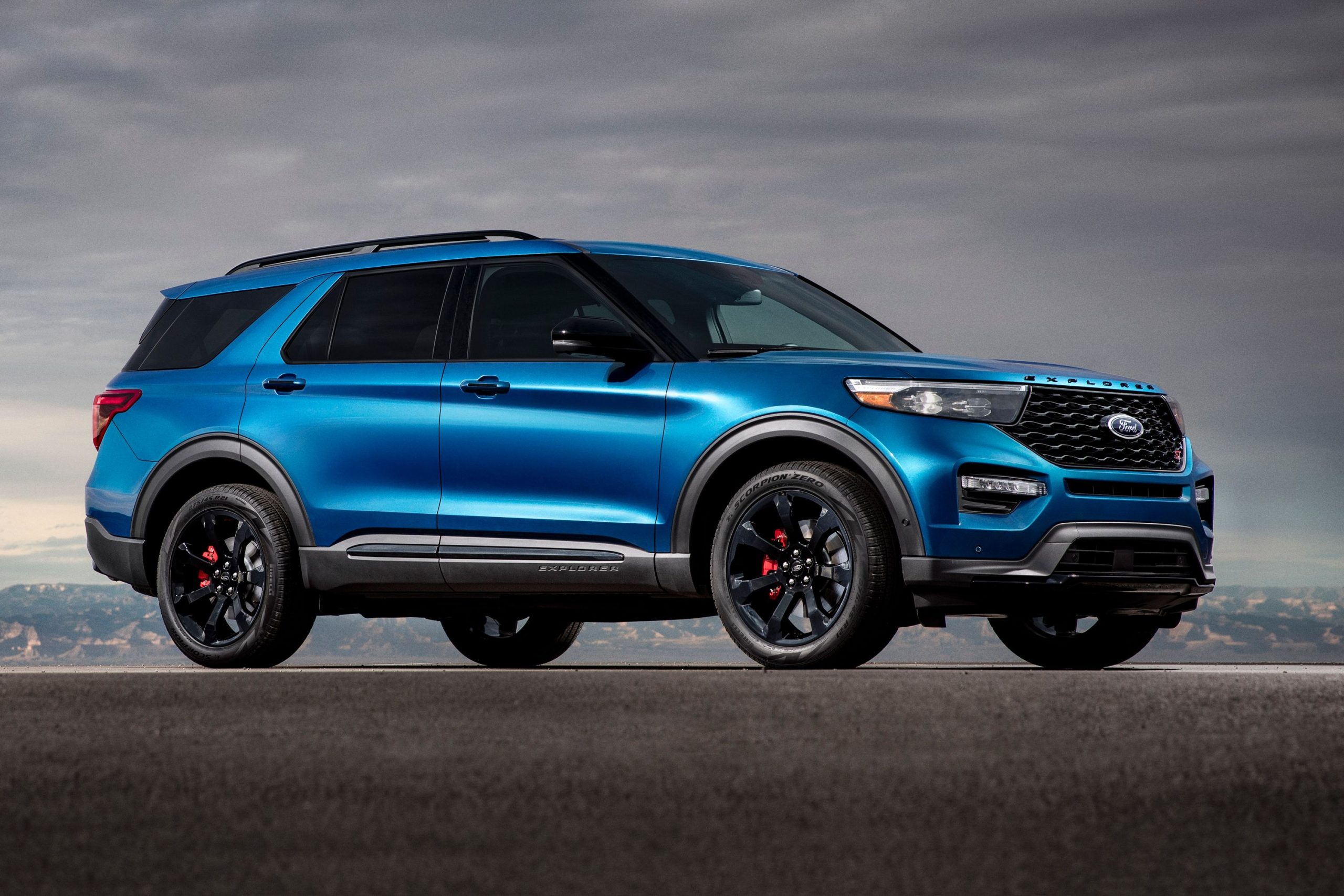
3. Ford Explorer 3.5 V6
The Ford Explorer’s 3.5-liter V6 engine, used in several model years, has developed a reputation for producing a harsh, diesel-like sound during startup, idle, and under heavy acceleration.
The engine features a timing chain system that, while durable, allows some mechanical vibrations to travel through the cylinder head and timing cover.
These vibrations, combined with the engine’s naturally aspirated combustion characteristics, produce a low, clattering thump that is often noticeable inside the cabin.
Many owners report that the engine sounds rough compared to quieter competitors, giving the V6 an unexpectedly industrial character for a modern SUV.
This sound is exacerbated by the Explorer’s intake and exhaust design. The engine’s firing pulses create pressure waves that resonate in the exhaust manifold, producing a characteristic “rumble” reminiscent of diesel engines.
Additionally, the chain guides and tensioners are engineered for longevity rather than noise reduction, which allows minor chain slap or flex under certain driving conditions.
These factors combine to make the V6 audibly present even at moderate speeds, particularly during low-speed acceleration or while climbing steep inclines.
Engine mounts and cabin insulation also play a role in the perceived sound quality. The Explorer’s mounts are firm, and while they provide excellent structural support and handling stability, they transmit more vibrations into the passenger compartment.
Unlike more refined luxury SUVs, Ford did not heavily prioritize acoustic isolation in these models, allowing the chain-driven valvetrain’s metallic noises to be audible to occupants. The resulting diesel-like sound can be off-putting for drivers expecting a smooth, quiet V6.
Despite the auditory drawbacks, the Explorer’s V6 remains highly capable and durable. Producing around 290 horsepower and over 255 pound-feet of torque, the engine performs well in towing and highway driving scenarios.
The timing chain is designed to last the life of the engine with routine maintenance, but the audible mechanical presence remains an inherent characteristic of this design.
For drivers who value performance, durability, and straightforward engineering, the Explorer delivers a V6 that is strong and reliable, albeit with an unmistakable diesel-like sound.
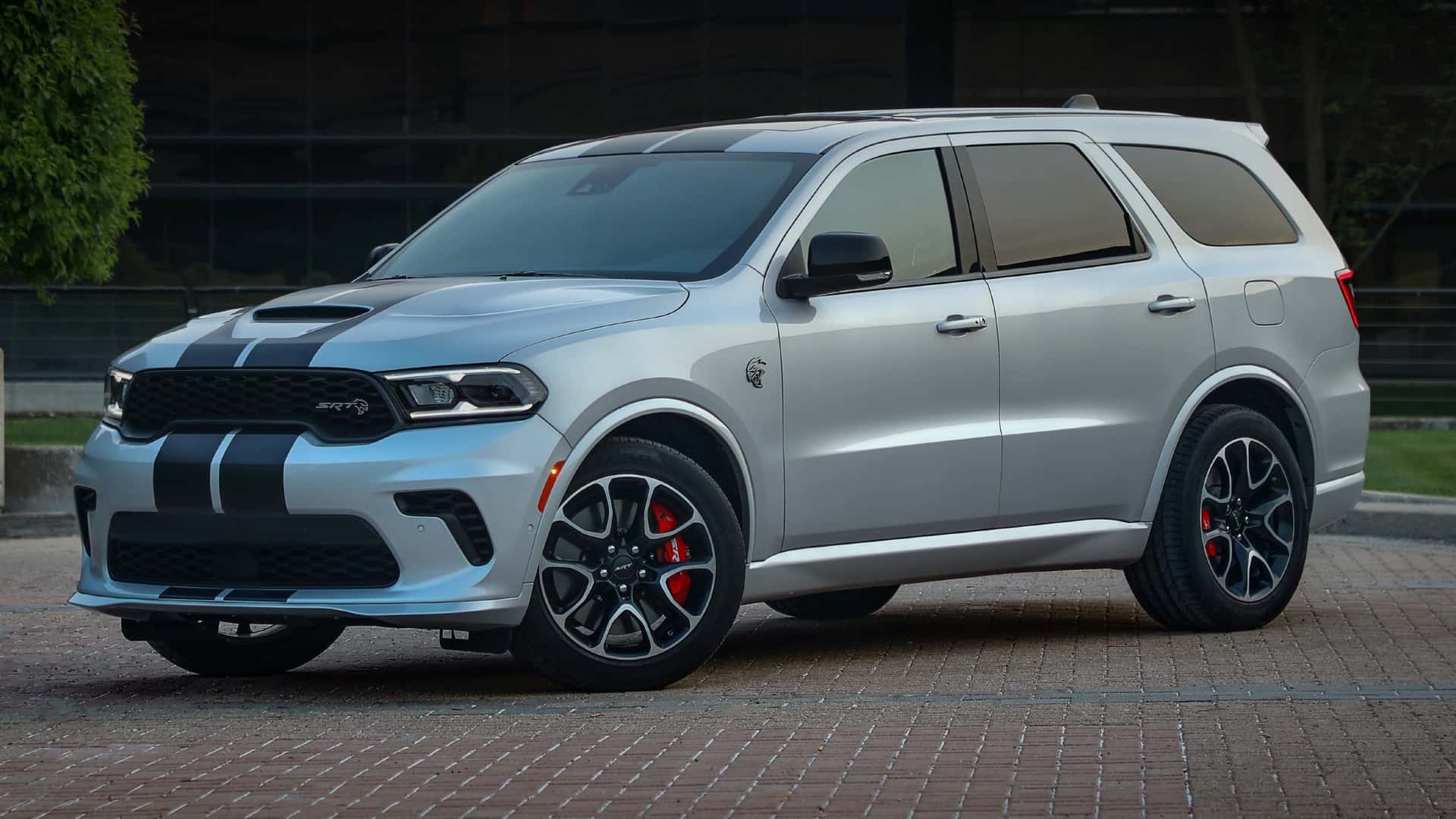
4. Dodge Durango 3.6 V6
The Dodge Durango’s 3.6-liter Pentastar V6 is another modern engine known for its somewhat harsh, diesel-like acoustic qualities.
While the engine is mechanically sound and produces robust performance, the timing chain design can allow mechanical noise to be transmitted to the cabin, especially during startup or cold-weather operation.
The metallic clatter and low-frequency rumble are noticeable in quiet environments, contributing to a V6 that feels rougher than its power output suggests.
The engine produces 295 horsepower and 260 pound-feet of torque, with a strong focus on low- to mid-range performance. These torque characteristics, combined with the firing order and cylinder spacing, create resonances in both the intake and exhaust systems.
Unlike luxury vehicles that employ sophisticated damping and counterbalancing, the Durango allows these resonances to remain audible, giving the V6 a characteristic diesel-like tone under load.
The engine’s naturally aspirated design and aggressive throttle response further emphasize these mechanical sounds during everyday driving.
The Durango’s structural design also contributes to its V6 sound profile. Engine mounts are firm to provide towing stability and minimize body flex, but they transmit vibrations into the cabin.
Additionally, while the vehicle includes some sound-deadening material, it is not enough to fully mask the timing chain and valvetrain noise, making the diesel-like character evident even at moderate speeds.
Many drivers describe this as a low, clattering thrum that can feel intrusive during city traffic or extended idle periods.
Despite these sound qualities, the Durango V6 is highly reliable and capable in terms of performance and longevity. The timing chain is designed to endure hundreds of thousands of miles without maintenance if proper oil changes are observed.
For buyers who prioritize towing capacity, low-end torque, and rugged durability over a perfectly smooth and quiet V6, the Durango provides an engine that is mechanically honest and robust, albeit with an unmistakable diesel-like presence that adds character to the driving experience.
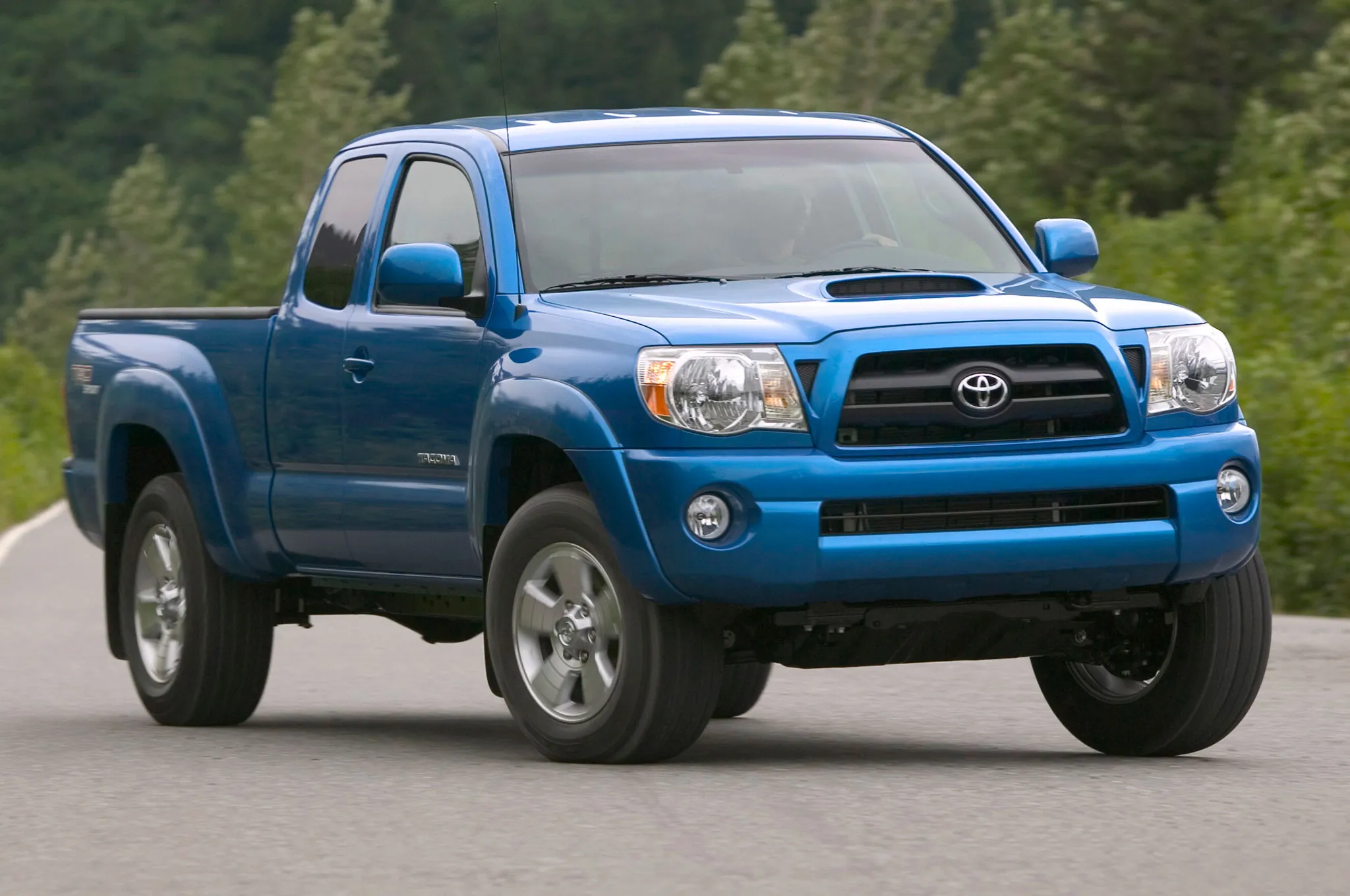
5. Toyota Tacoma 3.5 V6
The Toyota Tacoma’s 3.5-liter V6 engine is a solid and reliable powerplant, but it has developed a reputation for producing a harsh, diesel-like sound under certain conditions.
This is partly due to the timing chain design, which, while durable, allows some metallic noise to be audible at startup and low RPMs.
Combined with the engine’s naturally aspirated combustion characteristics, this creates a distinct mechanical rumble that resembles the sound of a diesel engine.
The Tacoma’s body and suspension design can also amplify these vibrations, making the V6 audibly present in the cabin.
With approximately 278 horsepower and 265 pound-feet of torque, the engine delivers strong mid-range power ideal for towing, off-road use, and hauling heavy loads.
However, the firing order and torque characteristics contribute to a noticeable low-frequency vibration that resonates through the frame and body.
Unlike luxury trucks or SUVs that employ advanced acoustic insulation, the Tacoma allows much of this mechanical sound to reach the occupants, resulting in a diesel-like auditory experience that is often described as rough but purposeful.
The timing chain system itself is highly durable, designed to last the life of the engine with regular maintenance, but the chain guides and tensioners can create minor mechanical noises, especially under cold start conditions.
Engine mounts, designed for robustness and off-road stability, further transmit these vibrations into the cabin. While this does not affect the Tacoma’s reliability or performance, it does create a perceptible difference in refinement compared to quieter V6 engines in luxury sedans and SUVs.
Despite the harsh sound profile, the Tacoma’s V6 remains a favorite for drivers who prioritize durability, simplicity, and capability.
The diesel-like tone is almost a side effect of the engine’s strength and robustness, providing feedback that some drivers interpret as purposeful and rugged.
For those willing to trade cabin quiet for reliability and mechanical honesty, the Tacoma V6 delivers consistent performance and longevity, even if it lacks the refined silence of premium engines.
