
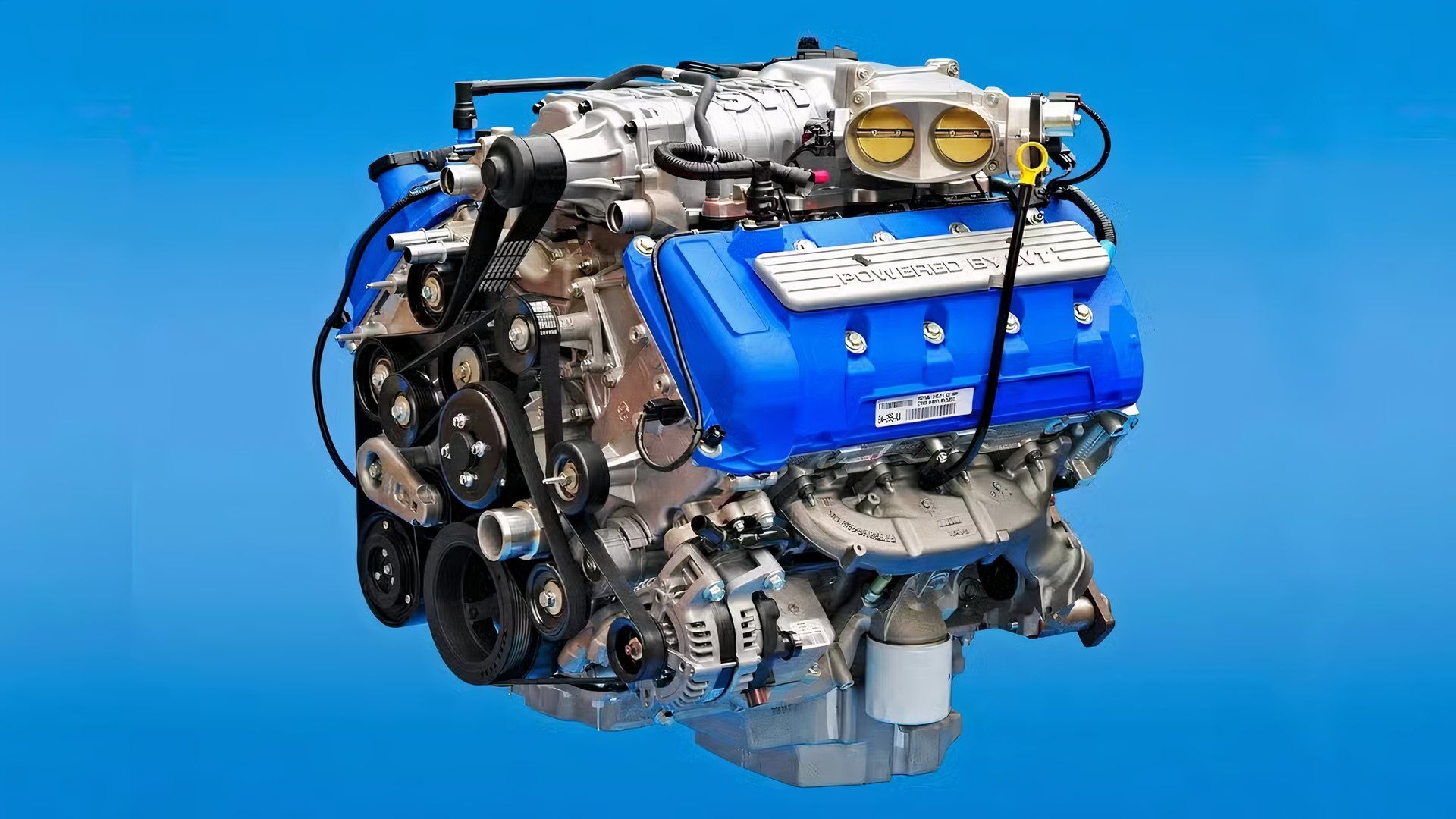
The reliability of an engine under adverse weather conditions has always been a critical concern for drivers and automotive enthusiasts.
Rain, puddles, and wet road surfaces introduce unique challenges that can test the integrity of a vehicle’s mechanical and electrical systems.
Engines are not all created equal in this regard. Some engines are renowned for maintaining smooth performance even under heavy rainfall, while others falter, stalling or misfiring when exposed to wet conditions.
Understanding the factors that contribute to this difference is essential for anyone considering vehicle purchase, maintenance, or modification.
An engine’s ability to resist misfires during rain primarily depends on its ignition system, fuel delivery mechanisms, and design.
For instance, engines with coil-on-plug ignition systems and sealed wiring are far less prone to moisture-related misfires compared to older engines with distributor-based ignition or exposed spark plug wires. Fuel injection technology also plays a significant role.
Modern engines with precise electronic fuel injection systems can maintain proper air-fuel ratios even in challenging weather, while carbureted engines or poorly maintained fuel systems are more likely to falter under similar circumstances.
Other considerations include the placement of air intakes, the quality of gaskets and seals, and the engine’s tolerance for sudden changes in humidity and temperature.
Conversely, certain engines are notorious for their sensitivity to wet conditions. Older performance engines, some high-output turbocharged setups, or engines with aging ignition components often develop misfires when water interacts with electrical components.
In extreme cases, puddle water can reach vulnerable engine parts, leading to sudden stalling, short circuits, or even temporary damage.
Drivers of these engines must be more cautious when navigating flooded streets, heavy rainfall, or wet tracks, as their vehicles may require frequent maintenance or preventive adjustments to ensure reliability.
This article categorizes engines into two distinct groups. The first group highlights five engines that rarely misfire, even in torrential rain, emphasizing their design, durability, and weather resilience.
The second group examines five engines that struggle when encountering puddles, explaining the factors that make them vulnerable.
By comparing these contrasting examples, readers gain insight into the engineering choices that influence reliability under wet conditions and the practical considerations necessary for choosing or maintaining a vehicle that can withstand the unpredictable nature of rainy weather.
5 Engines That Never Misfire in Rain
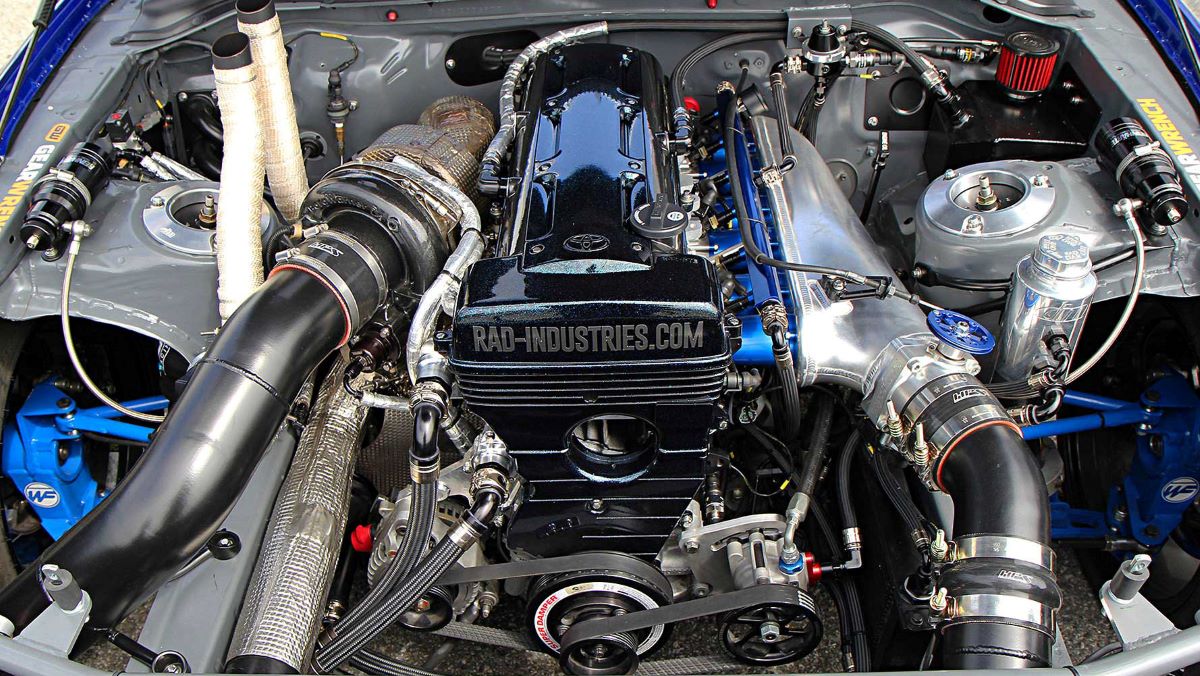
1. Toyota 2JZ-GTE
The Toyota 2JZ-GTE is widely regarded as one of the most durable and reliable engines ever produced, and its resilience extends beyond just high-performance tuning. Its inline-six design provides inherent balance and smoothness, which reduces vibration-induced stress on ignition components.
This is particularly important in wet conditions because excessive vibration combined with moisture can sometimes lead to arcing or misfires in less robust engines.
The 2JZ-GTE also benefits from a very robust cylinder head and block design, which ensures that critical tolerances remain consistent even when exposed to sudden temperature and humidity changes.
High-pressure turbocharging is carefully managed with factory-engineered blow-off valves and wastegates, preventing abrupt pressure spikes that could otherwise amplify the risk of misfires when environmental conditions fluctuate rapidly during rainfall.
The ignition system of the 2JZ-GTE is a major reason why it performs so well in wet weather. Coil-on-plug ignition eliminates the need for high-voltage spark plug wires, which are common failure points in moisture-prone environments.
Unlike older engines where rain could cause spark to jump to the engine block or other nearby metal surfaces, the 2JZ-GTE’s spark is directed precisely into the combustion chamber.
Additionally, Toyota’s engineers carefully routed all wiring harnesses away from sources of water ingress and used grommets and protective coverings that remain effective even after decades.
This meticulous attention to detail ensures that, even in torrential rain or when driving through road spray, the ignition system continues delivering a consistent and strong spark without hesitation.
Fuel delivery also plays a critical role in the engine’s reliability in rain. The 2JZ-GTE uses precise electronic fuel injection with highly accurate fuel mapping.
Unlike carbureted engines or older multi-port injection systems that can be thrown off by sudden air density changes or moisture in the intake, the 2JZ-GTE’s ECU constantly monitors engine parameters and adjusts fuel timing and volume for perfect combustion.
This means that wet weather, which increases air humidity and slightly alters oxygen availability, does not result in overly rich or lean combustion, preventing misfires caused by inconsistent ignition or incomplete burning of fuel.
Maintenance history and aftermarket support further enhance the 2JZ-GTE’s ability to perform flawlessly in rain.
Because the engine is so popular among enthusiasts, quality replacement parts for ignition and fuel systems are widely available, allowing owners to maintain original levels of water resistance even after years of use.
Many owners also report that the engine handles long-term exposure to wet climates exceptionally well, often running for hundreds of thousands of miles without the need for ignition repairs.
This combination of factory design, robust construction, and maintainability makes the 2JZ-GTE a benchmark for engines that can operate under extreme wet weather conditions without misfires or hesitation.
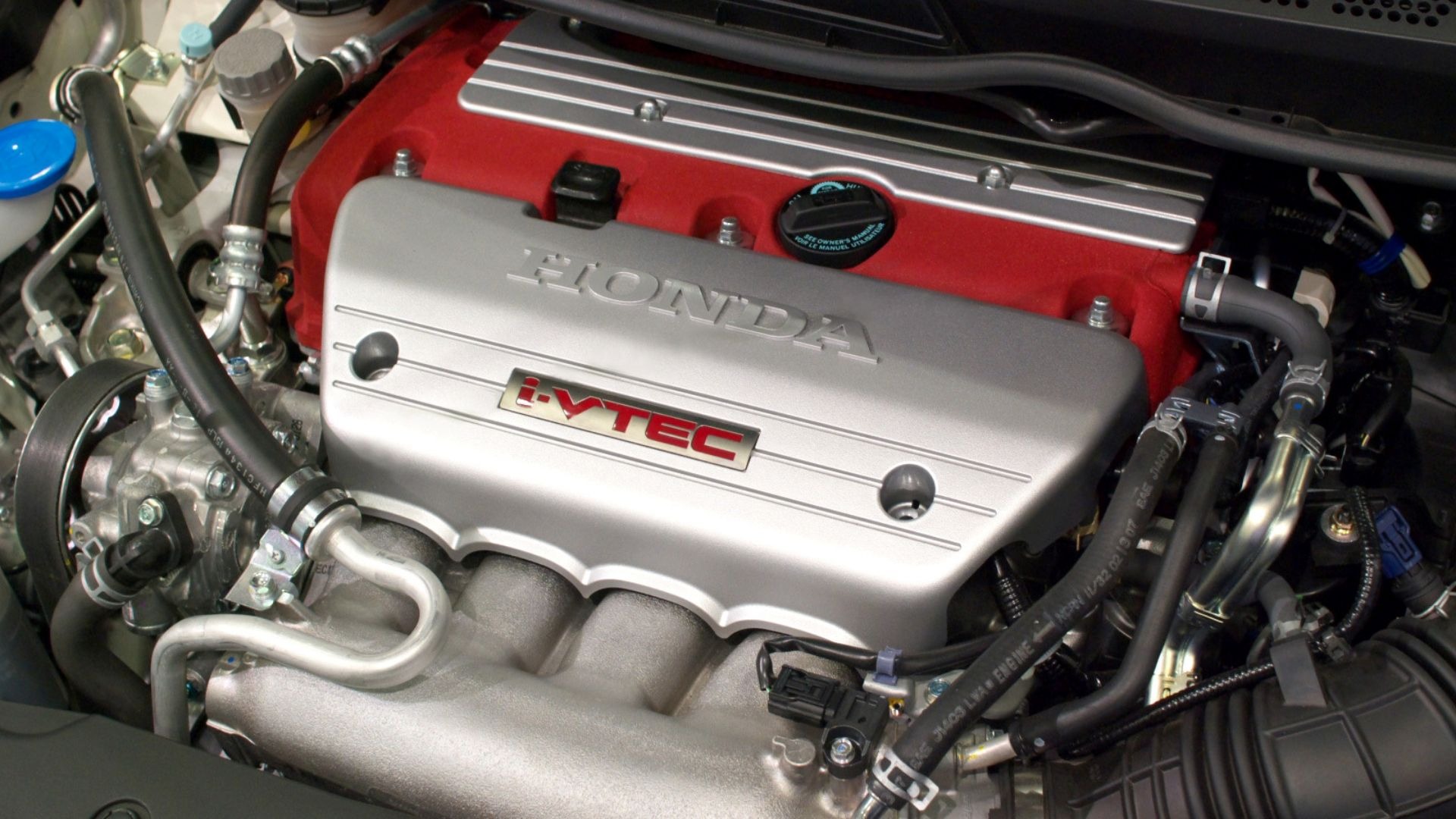
2. Honda K20 Series
The Honda K20 series is a marvel of modern small-displacement engineering, achieving both high-revving performance and exceptional reliability.
One of the key reasons it remains virtually immune to rain-induced misfires is the advanced coil-on-plug ignition setup combined with a compact and sealed engine layout.
Each cylinder has its own ignition coil mounted directly over the spark plug, minimizing the chance for moisture to interfere with the electrical path.
Even when driving in torrential downpours, the spark reaches the combustion chamber cleanly, ensuring consistent ignition.
The combination of precision ignition and high compression allows the K20 to deliver smooth power delivery and minimal engine hesitation, regardless of external humidity or water exposure.
The K20’s intake design also contributes significantly to its wet-weather reliability. The air intake is positioned to draw in air from an area that is largely shielded from road spray and puddle water, reducing the risk of hydrolock or moisture entering the combustion chamber.
Honda engineers also ensured that the throttle body and intake manifold are tightly sealed, with gaskets designed to resist temperature and moisture-induced expansion.
This prevents water from leaking into the engine’s intake system, which could otherwise dilute the air-fuel mixture and lead to misfires or incomplete combustion.
Additionally, the engine’s lightweight but rigid construction maintains precise tolerances, which is essential for consistent spark plug performance in wet conditions.
Another strength of the K20 is its engine control system, which continuously monitors a wide range of parameters, including air-fuel ratio, intake air temperature, and throttle position. During rain, humidity in the air increases, which slightly changes air density.
The K20’s ECU compensates for this by adjusting fuel injection and ignition timing in real-time, ensuring that combustion remains efficient.
This ability to adapt to changing atmospheric conditions is a key differentiator from older engines, which often misfire when the air becomes denser or more humid. As a result, drivers experience smooth, reliable performance even in prolonged rain or wet road conditions.
Finally, the K20’s long-term durability ensures that rain reliability is not just a temporary benefit. The engine is known for tolerating high-revving performance without developing moisture-related issues, and its components resist corrosion and wear over time.
With proper maintenance, including periodic replacement of ignition coils and careful attention to intake seals, the K20 continues to run flawlessly in all-weather scenarios.
This combination of precise engineering, advanced electronics, and durable construction makes the K20 series one of the most rain-resistant engines available, capable of performing under conditions that would challenge many other high-performance small engines.
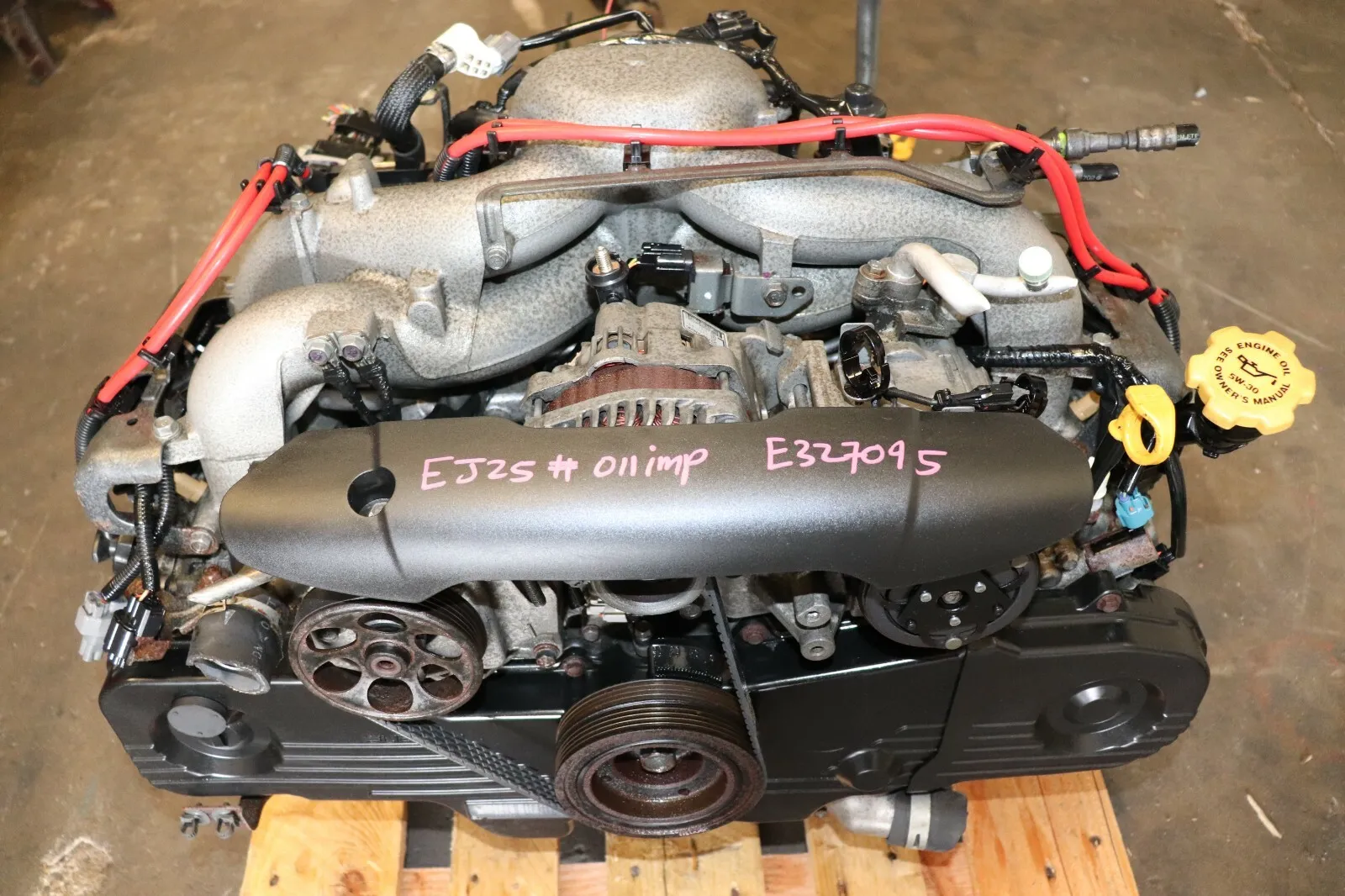
3. Subaru EJ25 (Post-2005 Models)
The Subaru EJ25 flat-four engine is renowned for its resilience, and post-2005 models are particularly well-suited for wet conditions.
Its horizontally opposed design contributes to an exceptionally low center of gravity, which is helpful not only for handling but also for engine stability.
This layout distributes weight evenly, reduces vibration, and ensures that ignition components remain in precise alignment, even during long drives through heavy rain or standing water.
Combined with a modern coil-on-plug ignition system and robust wiring harnesses, the EJ25 maintains clean spark delivery regardless of moisture exposure, making misfires extremely rare even under adverse conditions.
Sealing and protective measures in the EJ25 are also a major advantage. Subaru engineers designed the engine with covered coil packs, reinforced gaskets, and carefully routed wiring to prevent water intrusion.
Unlike some older flat-four designs where water could enter ignition components or sensitive electronics, the EJ25 keeps critical systems dry, ensuring stable engine operation.
Additionally, the intake and intercooler piping are arranged to minimize contact with road spray, which further reduces the likelihood of water-related performance issues.
These design choices mean that even when driving through puddle-strewn roads or encountering sudden downpours, the engine continues to run without misfires or hesitation.
Fuel management and ECU sophistication also contribute to the EJ25’s reliability in rain. The engine’s electronic control system constantly monitors oxygen sensors, throttle position, and intake air temperature to maintain precise air-fuel ratios.
When humidity increases, the ECU automatically adjusts fuel delivery to compensate for changes in air density, ensuring consistent combustion.
This capability prevents common wet-weather issues like partial misfires, stuttering, or hesitation that might affect less technologically advanced engines, even when exposed to heavy rainfall over long periods.
Finally, the EJ25’s proven durability in diverse driving conditions solidifies its reputation for reliability in wet weather. Subaru drivers frequently report that the engine continues to deliver smooth, uninterrupted power in rain-soaked climates, making it ideal for areas prone to heavy precipitation.
The combination of flat-four balance, protective engineering, advanced electronics, and routine maintenance creates an engine that not only performs reliably in rain but also inspires confidence in drivers who demand consistent operation regardless of external conditions.
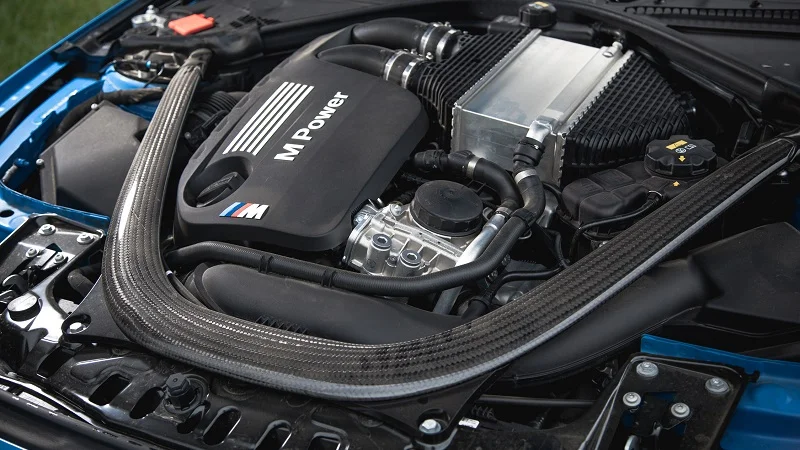
4. BMW N55
The BMW N55 inline-six turbocharged engine is a remarkable example of how modern engineering can combine performance and weather resilience.
Its direct injection system ensures that fuel is atomized precisely into the combustion chamber, providing consistent ignition even when the ambient air is humid or saturated with rain.
The turbocharger is carefully controlled to maintain stable boost levels, preventing pressure spikes that could otherwise exacerbate misfire risk under wet conditions.
The engine’s sophisticated ignition system is fully enclosed, preventing moisture from causing shorts or spark misfires, which is particularly important when driving through puddles or during heavy rain.
Construction quality is another significant factor. BMW has engineered the N55 with tightly sealed components, high-grade wiring harnesses, and moisture-resistant gaskets that maintain integrity over years of use. Electrical connectors are often protected with weatherproof seals, reducing the risk of shorts or misfires.
The engine block itself is manufactured to precise tolerances, reducing the likelihood of unwanted leaks or performance drops caused by water intrusion.
This meticulous attention to detail ensures that even in extremely wet conditions, the engine maintains consistent compression, combustion efficiency, and smooth power delivery.
The N55’s engine management system further enhances its resilience. The ECU continuously monitors key parameters, including boost pressure, air-fuel ratio, and ignition timing. When external humidity or temperature changes rapidly, the system compensates to maintain optimal combustion conditions.
This dynamic adaptability means that even during prolonged rainfall or when driving through wet roads, the engine can adjust in real time, preventing misfires and maintaining steady acceleration and responsiveness. It is a level of electronic control that older engines simply cannot match.
Finally, owners consistently praise the N55 for its all-weather reliability. Beyond just surviving rain, the engine delivers confident and predictable performance in adverse conditions, which is critical for safety and driver confidence.
The combination of robust construction, advanced electronics, direct fuel injection, and enclosed ignition systems creates an engine that thrives in rain, demonstrating that high performance does not need to come at the cost of environmental resilience.
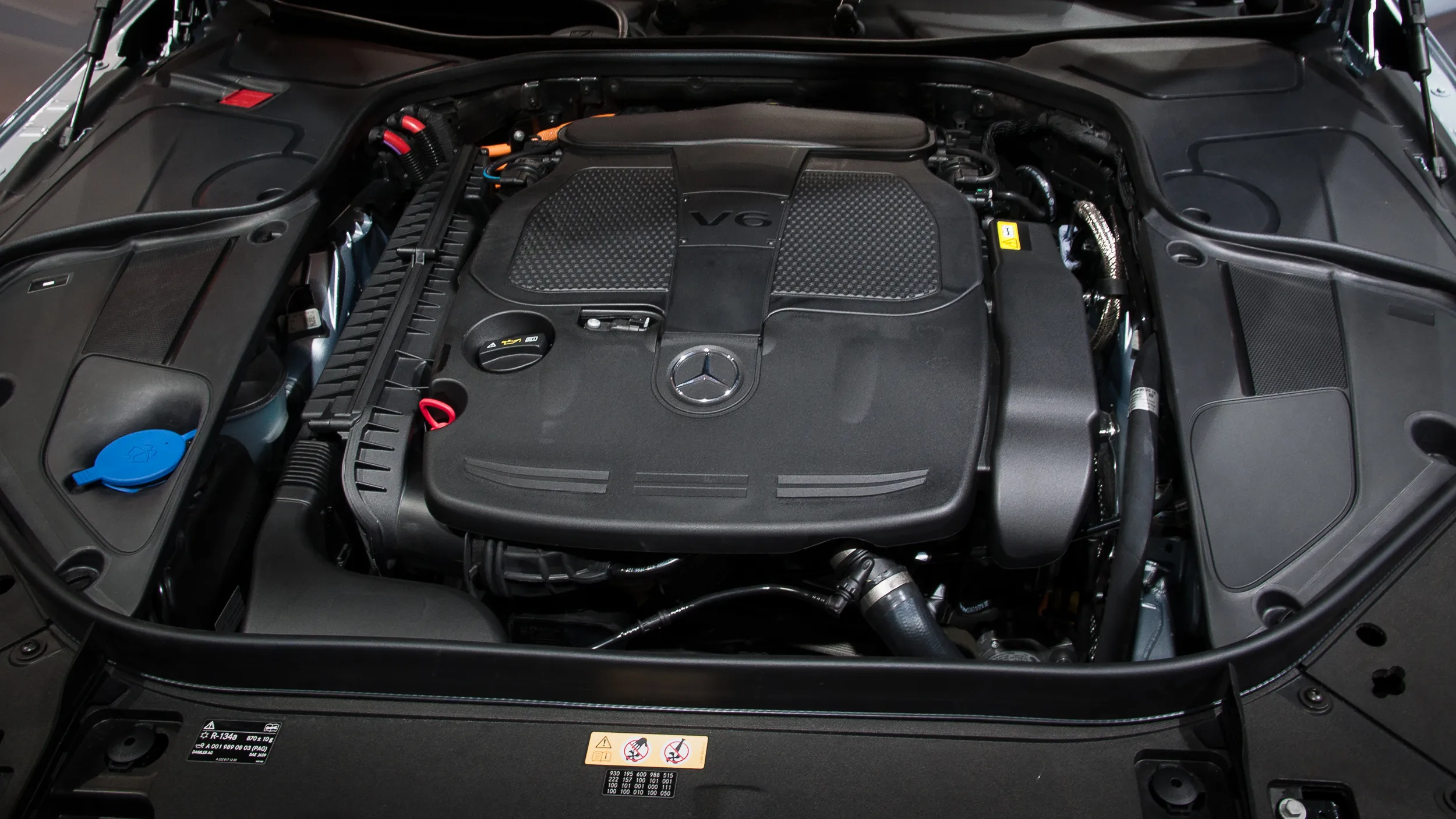
5. Mercedes-Benz M276
The Mercedes-Benz M276 V6 engine is designed for both high performance and long-term reliability, making it exceptionally resilient in wet conditions.
The M276 combines direct and multi-port fuel injection, providing highly accurate fuel delivery that maintains optimal combustion even when humidity levels are high.
This precision ensures that wet air does not dilute the air-fuel mixture or cause inconsistent combustion, which are common sources of misfires in other engines.
The ignition coils are fully insulated, and all wiring harnesses are securely routed to prevent water intrusion, allowing the engine to perform without hesitation even during prolonged rain or wet-road exposure.
Sealing and material quality are additional strengths of the M276. Mercedes engineers emphasized preventing water ingress in critical areas, including the cylinder head, intake manifold, and ignition system.
This design protects sensitive components from short circuits and combustion inconsistencies caused by moisture.
Coupled with gaskets engineered to resist thermal expansion and aging, the M276 maintains tight tolerances, which are essential for consistent spark delivery and smooth combustion under adverse conditions.
The engine control system further enhances the M276’s wet-weather performance. Its ECU continuously monitors parameters such as air-fuel ratio, ignition timing, and intake air pressure, making real-time adjustments to maintain combustion efficiency.
This adaptive capability is particularly important in rain, where sudden increases in humidity can affect air density.
By dynamically adjusting fuel injection and ignition timing, the M276 avoids the misfires and stuttering that can affect less technologically advanced engines, even in heavy downpours or when driving through puddles.
Finally, the long-term durability of the M276 reinforces its reliability in rain. Properly maintained engines consistently deliver smooth, uninterrupted power even after years of exposure to wet conditions.
The combination of high-quality construction, advanced electronics, precise fuel and ignition systems, and well-engineered sealing ensures that the M276 can perform confidently in a variety of wet weather scenarios.
Drivers benefit from not only exceptional performance but also peace of mind, knowing that the engine will continue running reliably regardless of external conditions.
5 Engines That Hate Puddles
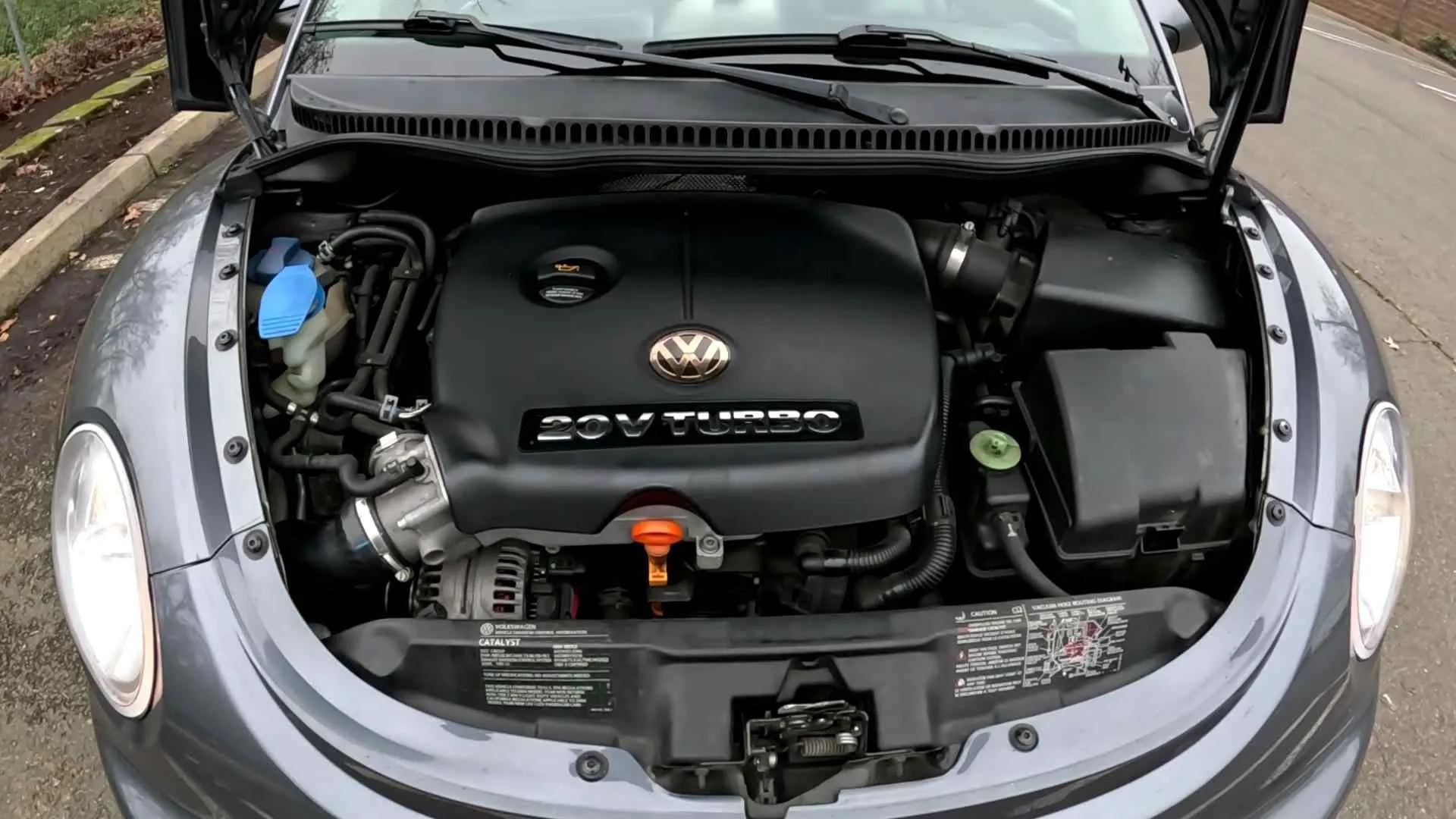
1. Volkswagen 1.8T (Early Models)
The early Volkswagen 1.8T engines are notorious for their sensitivity to water exposure, particularly because of their older ignition systems. Many models used distributor-less ignition systems with spark plug wires running over the engine, leaving them susceptible to moisture intrusion.
When driving through puddles, water can easily find its way into these wires or even into the connectors, causing arcing or weak sparks. Even minor exposure can result in misfires or rough running, which often manifests as hesitation or sudden power loss.
This sensitivity is compounded by the fact that these engines often operate at high boost pressures, meaning that incomplete combustion caused by misfires can place additional stress on internal components such as pistons and turbochargers.
The intake system in early 1.8T engines is another source of vulnerability. Many versions used intake manifolds and piping that were not fully sealed against water ingress, making them prone to drawing in moisture when driving through puddles.
Moisture in the intake can lead to hydrolock, or at the very least, reduce combustion efficiency, leading to rough running or temporary misfires.
Unlike more modern engines with air intakes positioned higher or routed to avoid road spray, the 1.8T’s intake often sits low, directly in the path of splashed water. Even small puddles can create enough spray to cause noticeable engine hesitation, particularly under acceleration.
Fuel management in these engines is also less adaptive than newer systems. While the 1.8T uses electronic fuel injection, the early ECUs are not as sophisticated in compensating for sudden changes in air density or moisture content.
This means that when the engine ingests humid or wet air from puddles, the air-fuel mixture may temporarily become too rich or too lean, causing incomplete combustion and misfires.
This problem is particularly noticeable in wet climates or during periods of heavy rainfall, where drivers frequently report sudden stumbling or hesitation that disappears once the engine dries out or the road surface improves.
Finally, maintenance issues can exacerbate these problems. The 1.8T’s ignition coils, wiring, and sensors often become worn or brittle with age, increasing their susceptibility to moisture.
Older spark plugs or degraded ignition wires are more likely to arc or short out when exposed to water, causing the engine to run poorly or even stall in severe cases.
While enthusiasts can mitigate some of these issues with aftermarket ignition components or raised intakes, the factory design is inherently prone to puddle-related misfires. This makes early 1.8T engines a classic example of high-performance units that struggle when faced with wet road conditions.
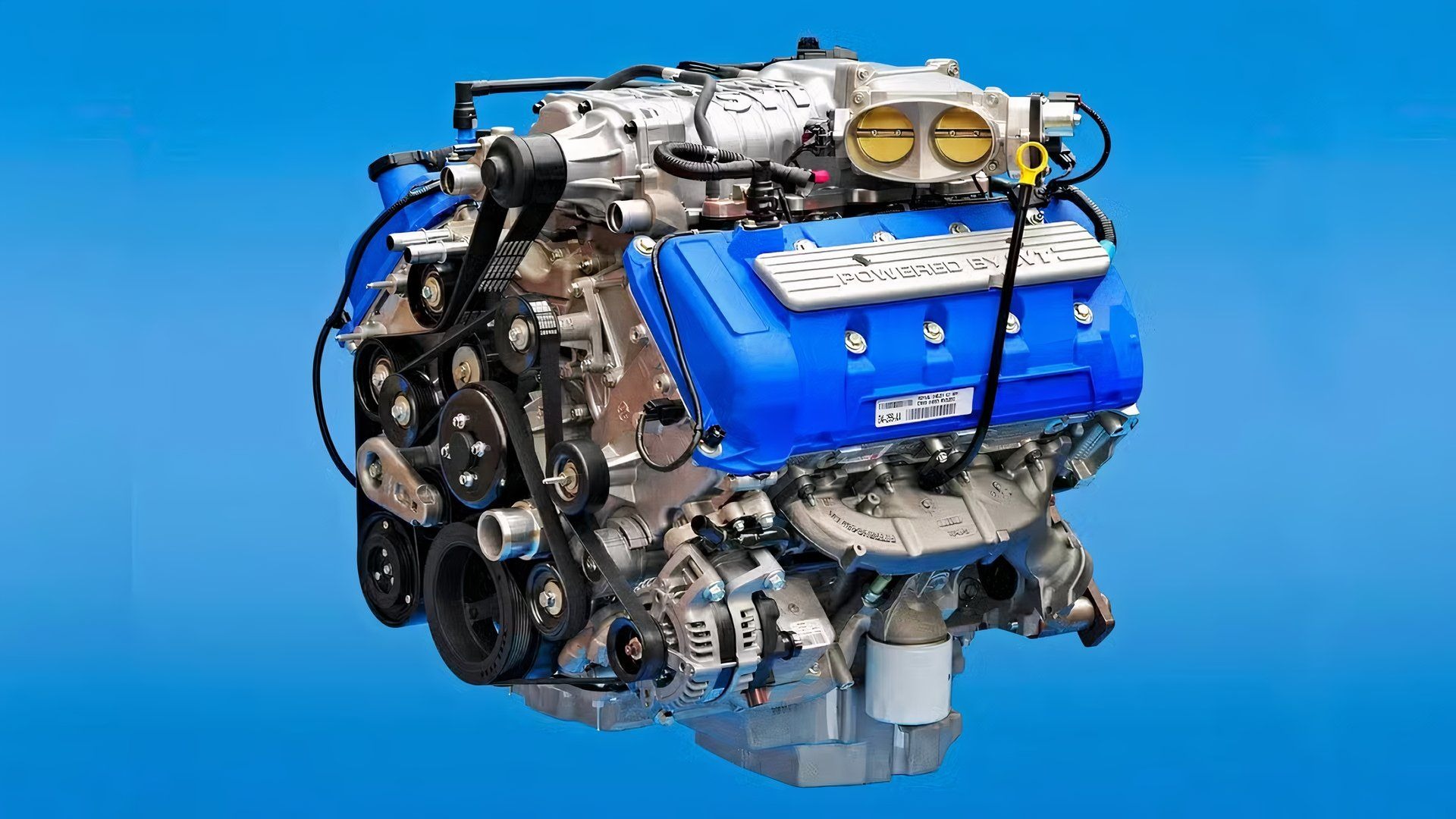
2. Ford 4.6L Modular V8 (1996–2004)
The Ford 4.6L Modular V8, particularly in its early single-cam versions, is well-known for its sensitivity to moisture.
The ignition coils sit relatively exposed on the cylinder heads, and the wiring harnesses are routed close to areas where water from the road or rain can reach them.
When driving through standing water or heavy rain, the risk of arcing or partial spark loss increases significantly. This can manifest as intermittent misfires, hesitation under load, or rough idle.
The issue is exacerbated by the fact that these engines are often equipped with larger vehicles such as trucks and SUVs, which are more likely to encounter deep puddles during city driving or off-road use.
The intake design in the 4.6L Modular V8 also contributes to its puddle sensitivity. The factory air intake tends to draw air from a lower position near the front of the engine bay, which is more susceptible to ingesting water.
Unlike modern engines with sealed snorkels or high-mounted intakes, these V8s can take in small amounts of water during puddle encounters, reducing combustion efficiency.
While a small splash might not completely stop the engine, it can cause misfires or hesitation, particularly when the engine is cold or under partial throttle. Moisture in the intake can also lead to corrosion over time, further aggravating performance issues in wet conditions.
Another factor is the engine’s older ECU and ignition timing management. The early 4.6L engines do not dynamically compensate as quickly or accurately for changes in air density or humidity as modern systems do.
When wet air enters the engine, the mixture can temporarily deviate from the ideal ratio, resulting in uneven combustion or partial misfires.
Drivers frequently report that the engine feels rough or stutters briefly after hitting a deep puddle, particularly during city driving or in heavy downpours. This highlights how even powerful and reliable engines in dry conditions can struggle when moisture exposure is significant.
Finally, component aging can worsen puddle sensitivity. Over time, ignition coils, spark plug wires, and connectors become brittle, allowing moisture to penetrate more easily.
Early 4.6L engines also have exposed sensors and vacuum lines that can develop leaks when exposed to water, leading to erratic sensor readings and further misfires.
Without proper preventative maintenance, these engines remain prone to hesitation and performance issues in wet weather. This combination of design choices, older technology, and component vulnerability makes the 4.6L Modular V8 particularly sensitive to puddles.
3. Nissan KA24DE
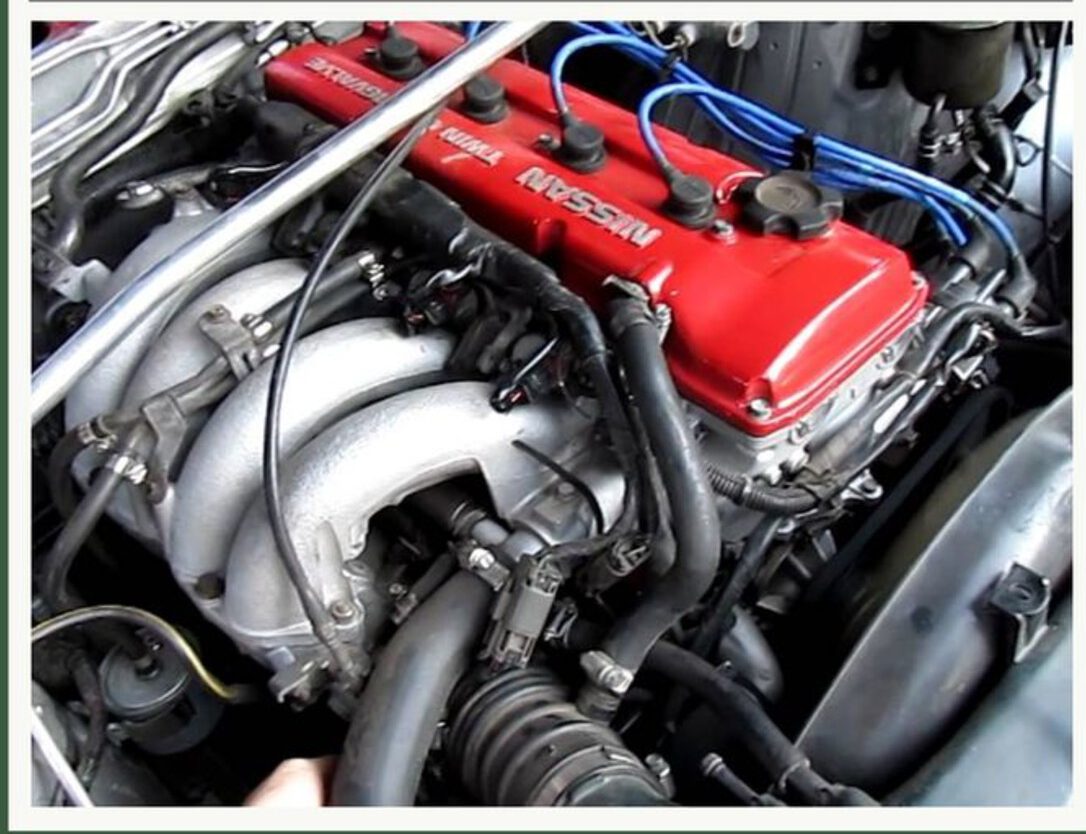
The Nissan KA24DE, found in vehicles such as the 240SX, is infamous for struggling in wet conditions due to its ignition and intake design. The engine uses an older distributor-based ignition system in many versions, which relies on a central coil and spark plug wires.
These wires are susceptible to moisture, and water on the distributor cap or wires can easily cause misfires, hesitation, or even stalling.
This problem is especially pronounced when driving through puddles or during heavy rain, where road spray can directly contact exposed ignition components.
The relatively high compression of the KA24DE amplifies the effects of incomplete combustion, making puddle-induced misfires more noticeable to drivers.
The intake layout is another source of vulnerability. Many KA24DE engines have low-mounted air intakes that can easily ingest water from puddles.
Unlike modern engines with elevated snorkels or sealed intake systems, the KA24DE’s design does not protect against splashed water, which can result in temporary rough running or misfires.
Moisture entering the intake can also cause corrosion or damage to the throttle body and intake manifold over time, further increasing the likelihood of performance issues in wet conditions.
Even minor puddle encounters can be enough to disrupt combustion if the engine is already worn or if seals and gaskets have degraded with age.
Fuel management and engine control also contribute to puddle sensitivity. While the KA24DE uses electronic fuel injection, the system is not as responsive to rapid changes in air density or moisture as modern ECUs.
When wet air enters the intake, the engine may run momentarily too lean or too rich, creating misfires or hesitation under load.
This is particularly problematic during acceleration through standing water or wet streets, where the engine may stumble or lose power briefly before stabilizing.
Drivers often note that these issues are more pronounced after prolonged exposure to rain or in older engines with less efficient ignition systems.
Finally, maintenance history plays a critical role in the KA24DE’s performance in wet weather. Aging spark plugs, distributor caps, or wiring insulation become more prone to moisture intrusion, increasing the likelihood of misfires.
Preventive measures such as replacing worn ignition components or upgrading to coil-on-plug systems can reduce puddle sensitivity, but the factory design remains inherently vulnerable.
This combination of exposed ignition components, low-mounted intake, and older electronic control makes the KA24DE a classic example of an engine that struggles when encountering wet conditions.
4. Chevrolet 5.3L Vortec (2000–2006)
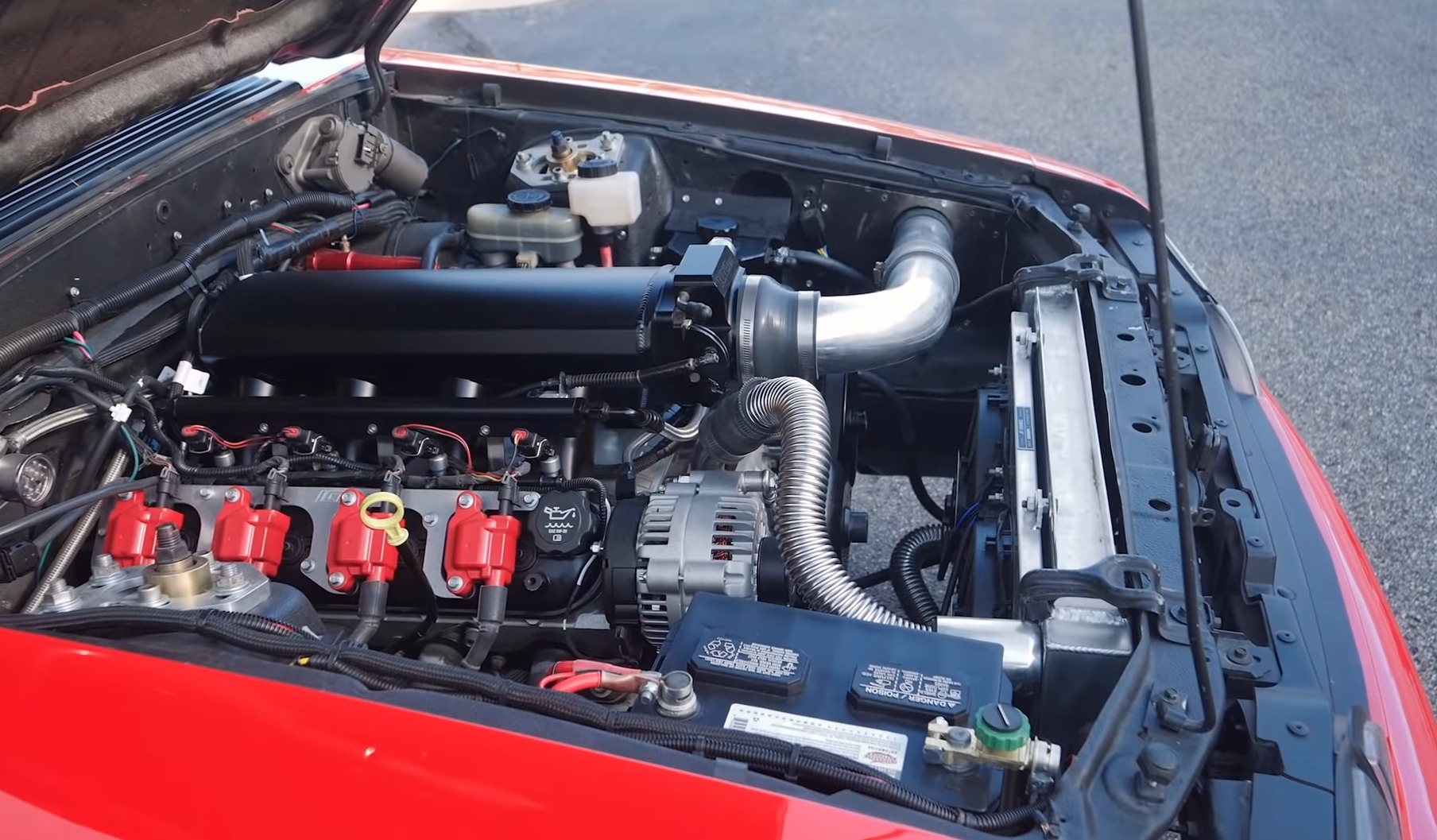
The Chevrolet 5.3L Vortec V8 is known for solid performance in general, but early models can be surprisingly sensitive to water exposure.
The ignition coils are mounted directly on the valve covers without complete weatherproofing, leaving them vulnerable to road spray or rain.
When driving through puddles, water can infiltrate the coils or wiring harness, causing arcing or intermittent misfires.
Even moderate misfires can lead to rough idling, hesitation under acceleration, and reduced power delivery. The issue is particularly pronounced in trucks or SUVs that frequently encounter standing water or poorly drained streets.
The engine’s intake system is another weak point. Many early Vortec engines draw air from low in the engine bay, close to the front bumper, where water kicked up by the tires can enter the intake.
Unlike modern engines with high-mounted or sealed air intakes, these designs allow splashes of water to reach sensitive components such as the throttle body, sensors, and intake manifold.
Moisture ingestion can reduce combustion efficiency or even lead to short-term stalling, particularly if the engine is under load or accelerating hard through puddles.
Over time, water exposure can also contribute to corrosion in the intake system and affect performance further.
Fuel management and ignition control also play a role in puddle sensitivity. While the Vortec V8 uses electronic fuel injection, the early ECUs are not optimized for rapid changes in humidity or air density.
When wet air enters the system, the engine may temporarily run too rich or too lean, leading to misfires or hesitation.
Drivers frequently report that after driving through deep puddles, the engine may stumble or briefly lose power, then return to normal once conditions stabilize.
These issues highlight how an otherwise reliable engine can experience noticeable performance disruptions when exposed to water unexpectedly.
Finally, age and wear exacerbate puddle-related problems. Over time, ignition coils, spark plug wires, and electrical connectors can degrade, increasing susceptibility to moisture.
Early Vortec engines also have exposed sensors and vacuum lines that may develop leaks when exposed to water, leading to additional misfires or erratic behavior.
Preventive maintenance, such as replacing worn ignition components and ensuring proper sealing of the intake system, can reduce these issues, but the factory design remains inherently vulnerable to puddles and standing water.
This combination of exposed ignition components, low air intake, and older ECU responsiveness makes the 5.3L Vortec a prime example of an engine that dislikes wet conditions.
5. Mitsubishi 4G63 (Non-Turbo NA Versions)
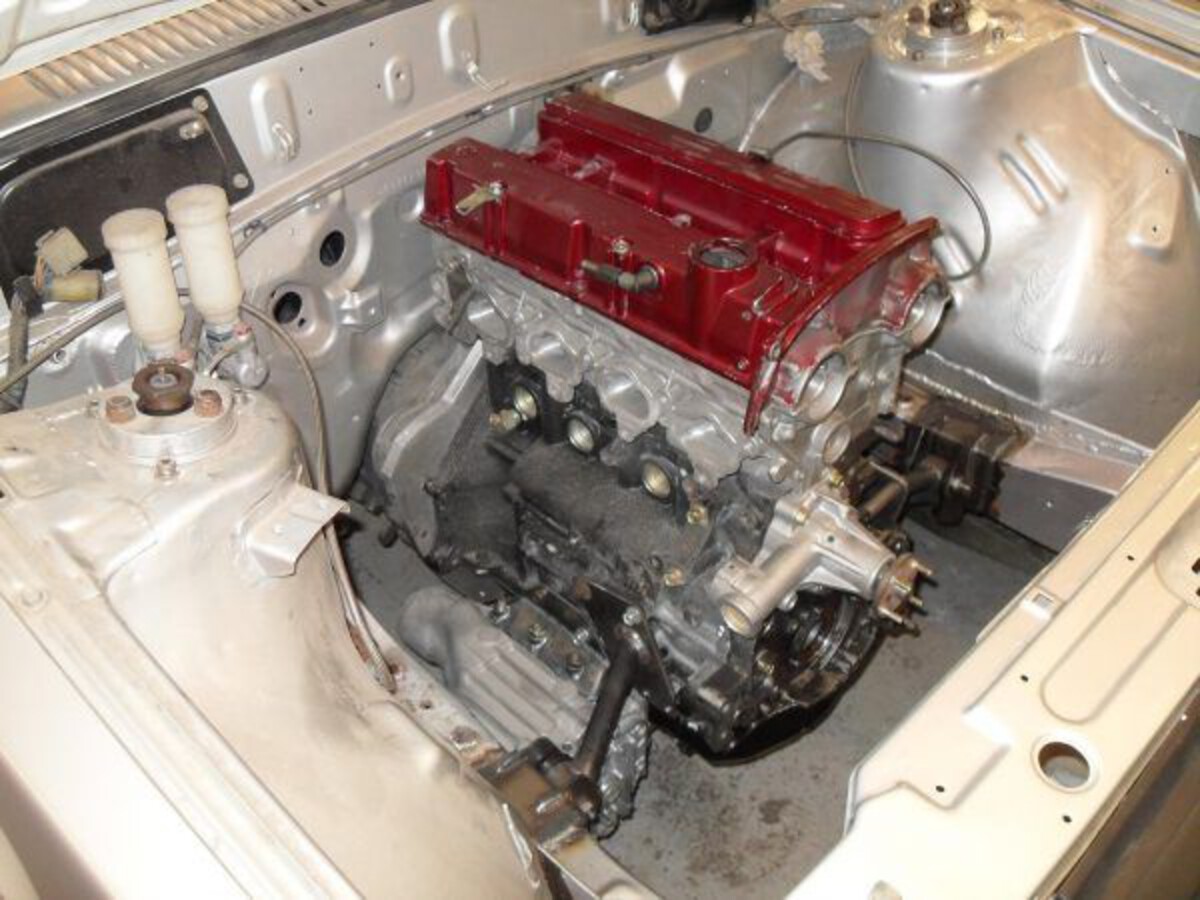
The naturally aspirated 4G63 engine, particularly the older non-turbo versions, has a long history of being sensitive to moisture exposure. The ignition system often relies on older coil packs with spark plug wires, leaving them susceptible to arcing when wet.
Driving through puddles or heavy rain can lead to misfires, hesitation, or rough idle, particularly on engines with worn wires or deteriorating distributor caps.
Even minor moisture exposure can disrupt spark delivery, causing the engine to lose power temporarily or stumble under load.
The intake design adds to the engine’s vulnerability. Many early 4G63 engines have low-mounted air intakes and throttle bodies that sit close to the front of the vehicle, making them prone to water ingestion during puddle encounters.
Unlike more modern engines with elevated air intake snorkels or sealed intake manifolds, these engines offer little protection against splashes.
Moisture in the intake can temporarily affect combustion, causing misfires, stuttering, or hesitation under acceleration, especially when the engine is cold or under moderate load. Over time, water ingress can also lead to corrosion and further mechanical issues.
Fuel management and ECU limitations contribute as well. The early 4G63 engines use simpler fuel injection systems with less adaptive ECUs.
Sudden changes in air density caused by wet air entering the intake can lead to improper air-fuel mixtures, causing misfires or partial combustion.
Drivers often notice that puddle-related issues are more pronounced after prolonged exposure to rain or in older engines where ignition components are degraded. Even modest amounts of water can affect engine performance, making puddle encounters risky for these engines.
Finally, aging components magnify these vulnerabilities. Worn spark plug wires, old coil packs, or degraded gaskets can allow moisture to reach sensitive areas more easily, increasing the likelihood of misfires.
Preventive measures such as replacing ignition components, adding protective covers, or upgrading to more modern ignition systems can mitigate some issues, but the factory design remains predisposed to water sensitivity.
The naturally aspirated 4G63 is therefore, considered an engine that dislikes puddles, highlighting how older designs without modern moisture-resistant engineering can struggle under wet driving conditions.
