
Classic trucks have always carried a certain appeal that modern vehicles often struggle to replicate. They are symbols of durability, utility, and a time when mechanical simplicity meant reliability. Among these vehicles, some stand out not just for their aesthetic charm but for their rugged drivetrains that can handle decades of abuse.
A truck’s drivetrain, which includes the engine, transmission, and differential, is the heart of its performance and longevity. The vehicles discussed here have earned reputations as reliable workhorses, capable of handling heavy towing, off-road challenges, and daily use without succumbing to frequent mechanical failure.
They often come with engines that can last hundreds of thousands of miles when maintained properly, paired with transmissions and differentials built to withstand significant stress. Many of these classic trucks have become collector favorites, partly because of the durability embedded in their design.
Unlike modern vehicles that rely heavily on electronic systems, these trucks focus on mechanical simplicity, making them easier to repair and maintain over long periods. Enthusiasts often seek these models not only for nostalgia but also for their functional value, as they can still serve as dependable transportation or work vehicles decades after their production.
Each truck on this list has its own story of mechanical endurance, offering a mix of rugged performance and timeless design. The following overview highlights ten classic trucks that have achieved legendary status for their drivetrain reliability, providing insight into why they continue to be sought after by collectors and mechanics alike.
From heavy-duty pickups designed to haul enormous loads to versatile light trucks that perform well in varied conditions, these vehicles exemplify the idea that a strong drivetrain is the foundation of lasting utility. By understanding what makes each of these trucks mechanically robust, enthusiasts can appreciate not only their historical significance but also their continued relevance on the road today.
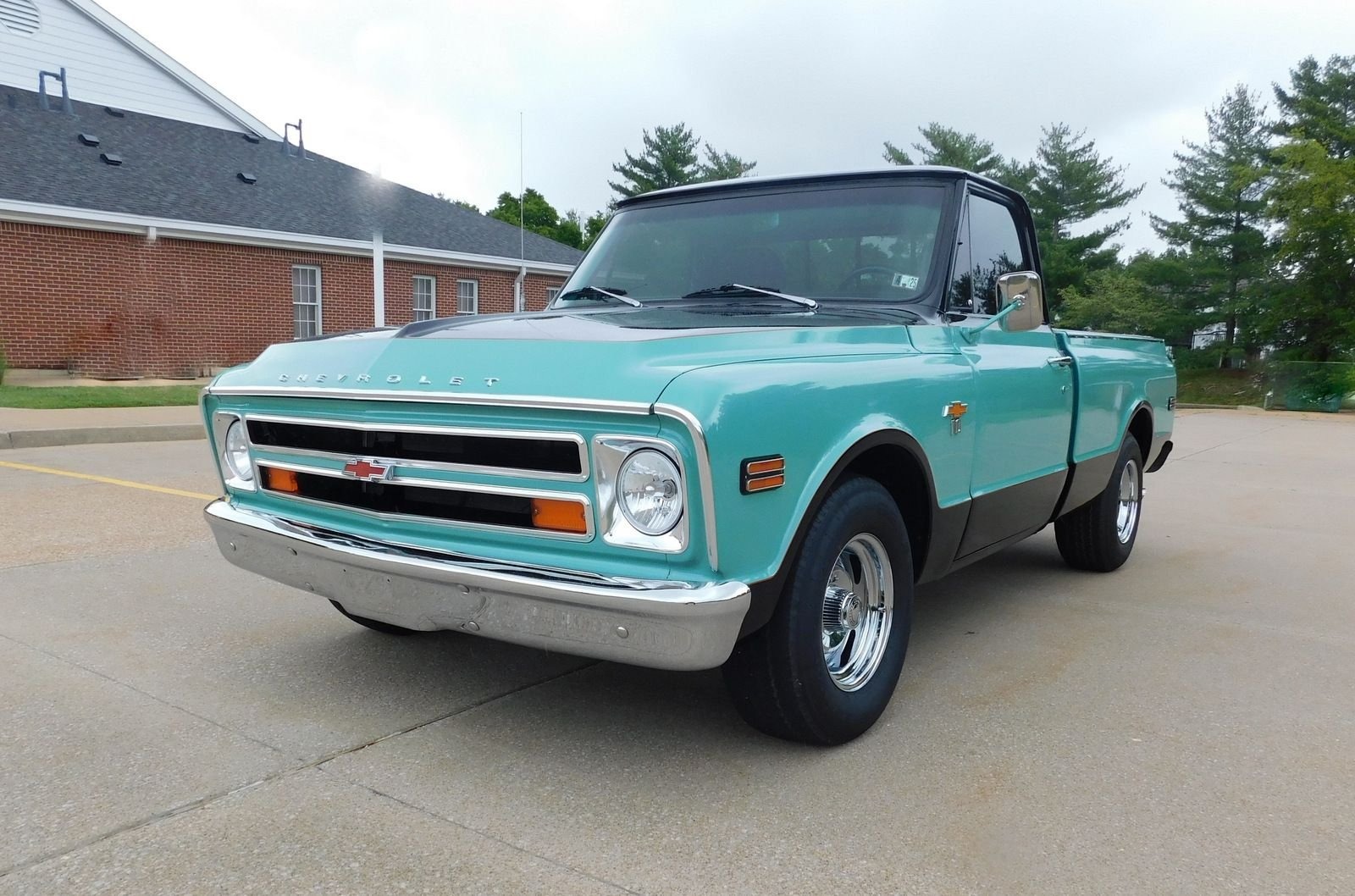
1. Chevrolet C/K Series (1967–1987)
The Chevrolet C/K series trucks from the late 1960s to the late 1980s are among the most durable American pickups ever produced. These trucks were built with simplicity and strength in mind, featuring body-on-frame construction and engines that could endure long-term use.
The straight-six engines and small-block V8s, in particular, have earned reputations for longevity, with many examples still running strong today. The manual transmissions paired with these engines were designed to handle heavy loads and frequent towing, making them ideal for work environments.
Beyond the engines, the C/K trucks featured robust differentials capable of surviving harsh conditions, including off-road use and heavy hauling. Many models came with optional four-wheel-drive systems that further reinforced their utility.
The drivetrain components were relatively straightforward to maintain, and replacement parts remain widely available, which adds to the trucks’ long-term reliability. These factors contributed to the C/K series becoming a favorite among farmers, tradespeople, and off-road enthusiasts alike.
One of the defining traits of the Chevrolet C/K trucks is their adaptability. While the engines and transmissions provided durability, the chassis and suspension were versatile enough to accommodate modifications. Owners often upgraded to larger tires, stronger axles, or modern fuel systems without compromising the integrity of the original drivetrain.
This adaptability allowed the trucks to remain functional and relevant across decades of automotive evolution. Even today, classic C/K trucks are frequently restored or customized for both work and recreational purposes, thanks to the enduring strength of their drivetrains.
Collectors also appreciate the balance between mechanical simplicity and performance. Unlike modern trucks with intricate electronic systems, the C/K series could often be serviced with basic tools and mechanical knowledge. This accessibility enhances their reputation as “bulletproof” pickups, and many enthusiasts consider them among the best examples of reliable, long-lasting trucks ever produced in the United States.
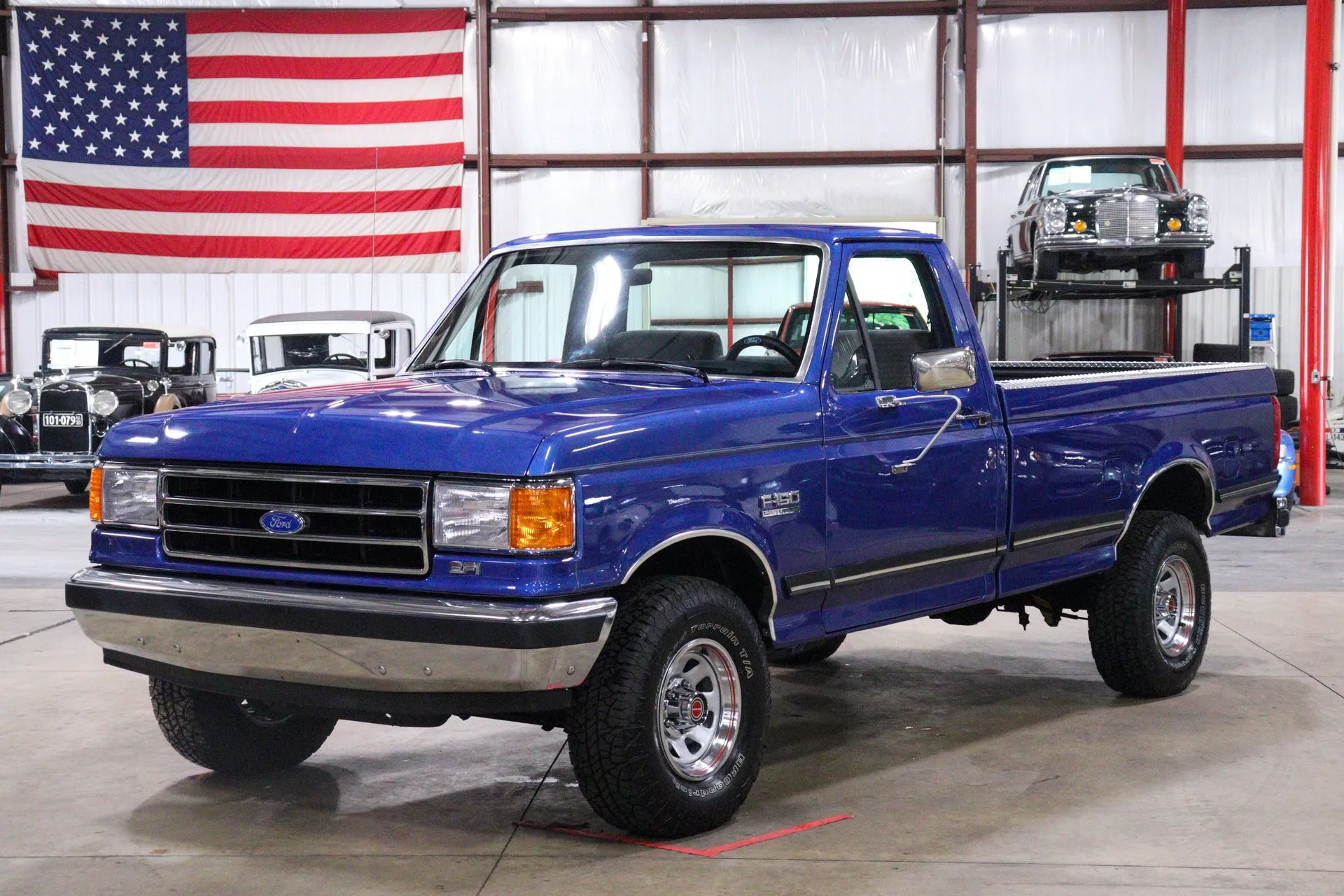
2. Ford F-Series (F-100/F-150, 1965–1979)
The Ford F-Series trucks from the mid-1960s to the late 1970s set a benchmark for American truck durability. These pickups featured sturdy inline-six engines and powerful V8s that could handle significant stress over long periods. Known for their strong frames and well-designed drivetrains, these trucks were often the go-to option for anyone requiring reliable daily performance and heavy-duty work capability.
The Ford F-Series engines were complemented by manual and automatic transmissions that proved resilient under various driving conditions. Many of these trucks were used in demanding settings such as farms, construction sites, and industrial environments, yet their drivetrains frequently withstood decades of service. The rear differentials, often equipped with limited-slip or heavy-duty gear options, allowed the trucks to manage both towing and off-road applications with ease.
A feature of these trucks is the combination of simplicity and effectiveness in their mechanical design. Ford focused on creating a balance between power and durability, ensuring that components like the clutch, driveshaft, and axles could endure continuous operation.
These trucks were engineered for repairability, which meant that owners could address issues without needing advanced diagnostic tools or extensive technical knowledge. This approach reinforced their long-term reliability.
Today, the F-Series pickups from this era are highly sought after for restoration projects and custom builds. Enthusiasts value the enduring performance of the engines and drivetrains, as well as the trucks’ ability to handle modern upgrades without losing their mechanical integrity. Their reputation as workhorses continues to attract both collectors and practical users who prioritize reliability and longevity.
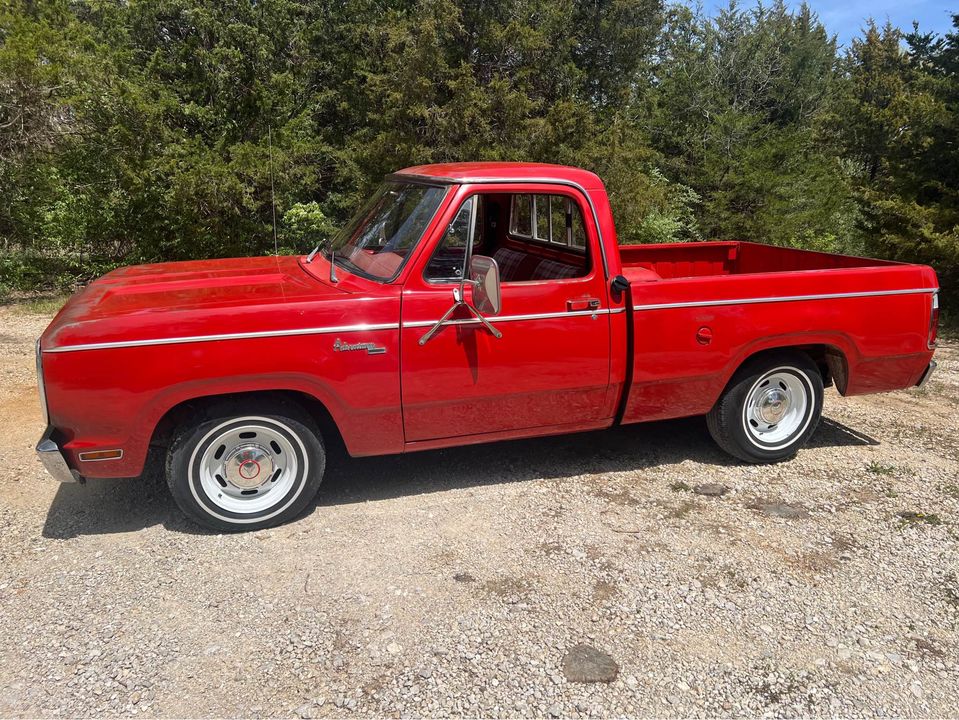
3. Dodge D Series (1960–1980)
The Dodge D Series trucks of the 1960s and 1970s earned a strong reputation for mechanical reliability, particularly in their drivetrain components. The engines, ranging from Slant-6 units to big-block V8s, were known for surviving extensive mileage with minimal major repairs. Paired with manual and automatic transmissions designed to handle stress, these trucks became dependable tools for both work and recreational purposes.
Dodge focused on building solid axles and differentials, which contributed to the trucks’ ability to endure heavy towing and off-road conditions. The transfer cases in four-wheel-drive models were straightforward yet robust, ensuring consistent performance even in challenging environments.
This attention to drivetrain strength made the D Series trucks a favorite among tradespeople and farmers who needed vehicles that could handle abuse without frequent breakdowns.
The trucks’ construction also emphasized ease of maintenance. Engine bays were spacious, and components were accessible, allowing owners to perform repairs and upgrades without extensive disassembly.
This practical design choice increased the trucks’ lifespan and further reinforced their reputation as reliable machines. Many examples still operate today, decades after their original production, demonstrating the effectiveness of Dodge’s approach to drivetrain durability.
Additionally, the versatility of the D Series allowed for modifications that enhanced their mechanical strength even further. Upgraded suspensions, heavier-duty axles, and modern engine swaps could be incorporated without compromising the original drivetrain. These factors have made the Dodge D Series not only a reliable workhorse historically but also a popular candidate for restoration and customization projects in the present day.
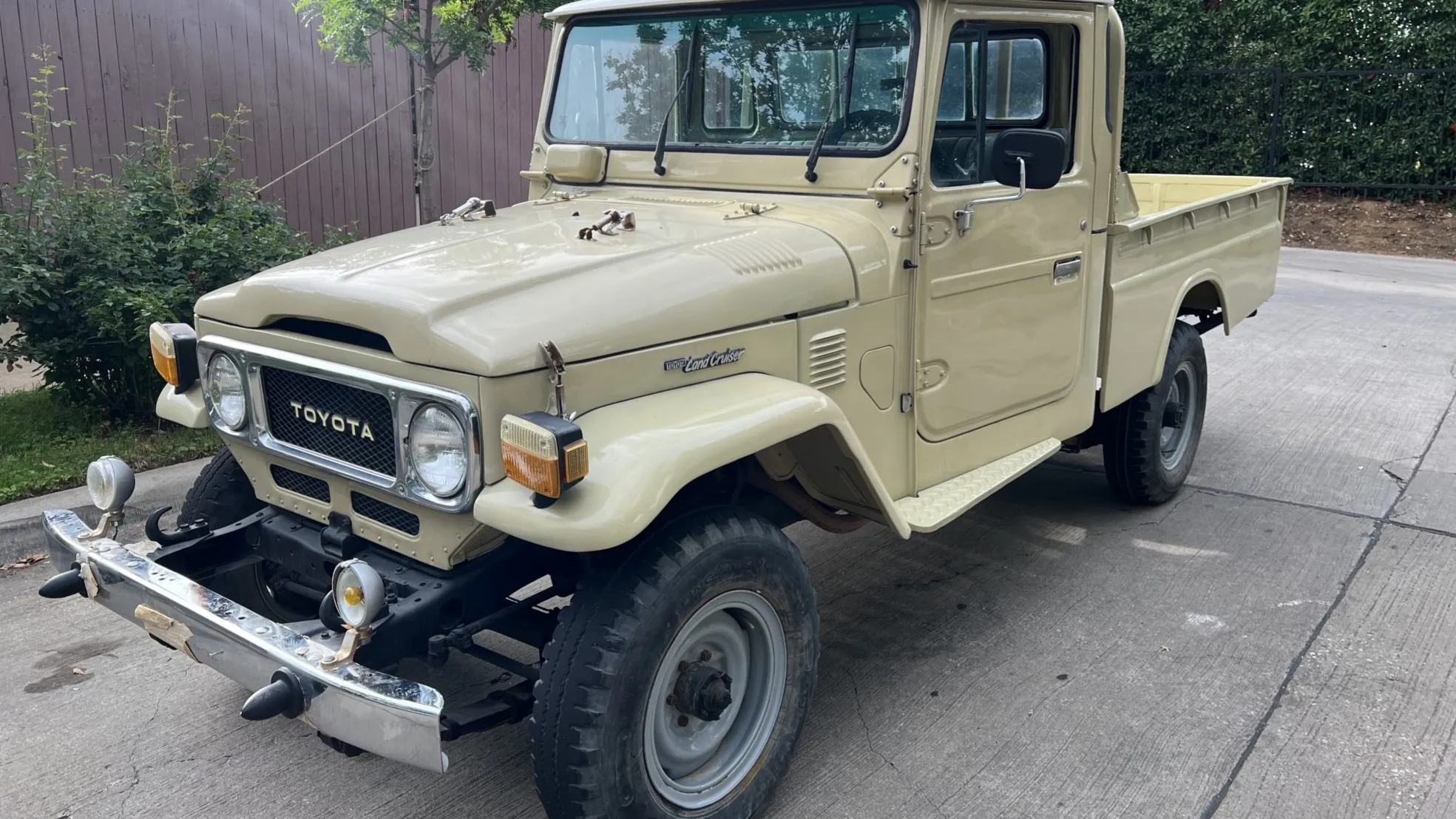
4. Toyota Land Cruiser Pickup (FJ45, 1960–1984)
The Toyota Land Cruiser Pickup, particularly the FJ45 model, is legendary for its enduring drivetrain reliability. Designed for tough conditions, these trucks featured robust inline-six engines and manual transmissions that could withstand years of demanding use. Their simplicity and mechanical precision allowed them to endure extreme climates, from scorching deserts to freezing mountains.
The Land Cruiser’s solid axles and strong transfer cases contributed to its reputation as a dependable off-road vehicle. Unlike many contemporaries, these trucks required minimal maintenance to keep the drivetrain functional, and when repairs were needed, parts were relatively straightforward to source. Their engines were designed for torque and longevity rather than high performance, making them ideal for carrying loads and navigating difficult terrain.
Owners often praised the Land Cruiser Pickup for its consistency under heavy stress. Whether used in agriculture, mining, or remote expeditions, these trucks rarely experienced drivetrain failures. The combination of a simple engine layout, durable transmission, and well-engineered suspension created a vehicle that could reliably perform in harsh environments for decades.
Today, the FJ45 remains a highly coveted classic truck. Enthusiasts seek out these models not only for their mechanical resilience but also for their ability to handle modern modifications while retaining the original drivetrain’s durability. The Toyota Land Cruiser Pickup exemplifies the principle that a mechanically sound foundation ensures longevity, making it a standout in the realm of classic trucks with bulletproof drivetrains.
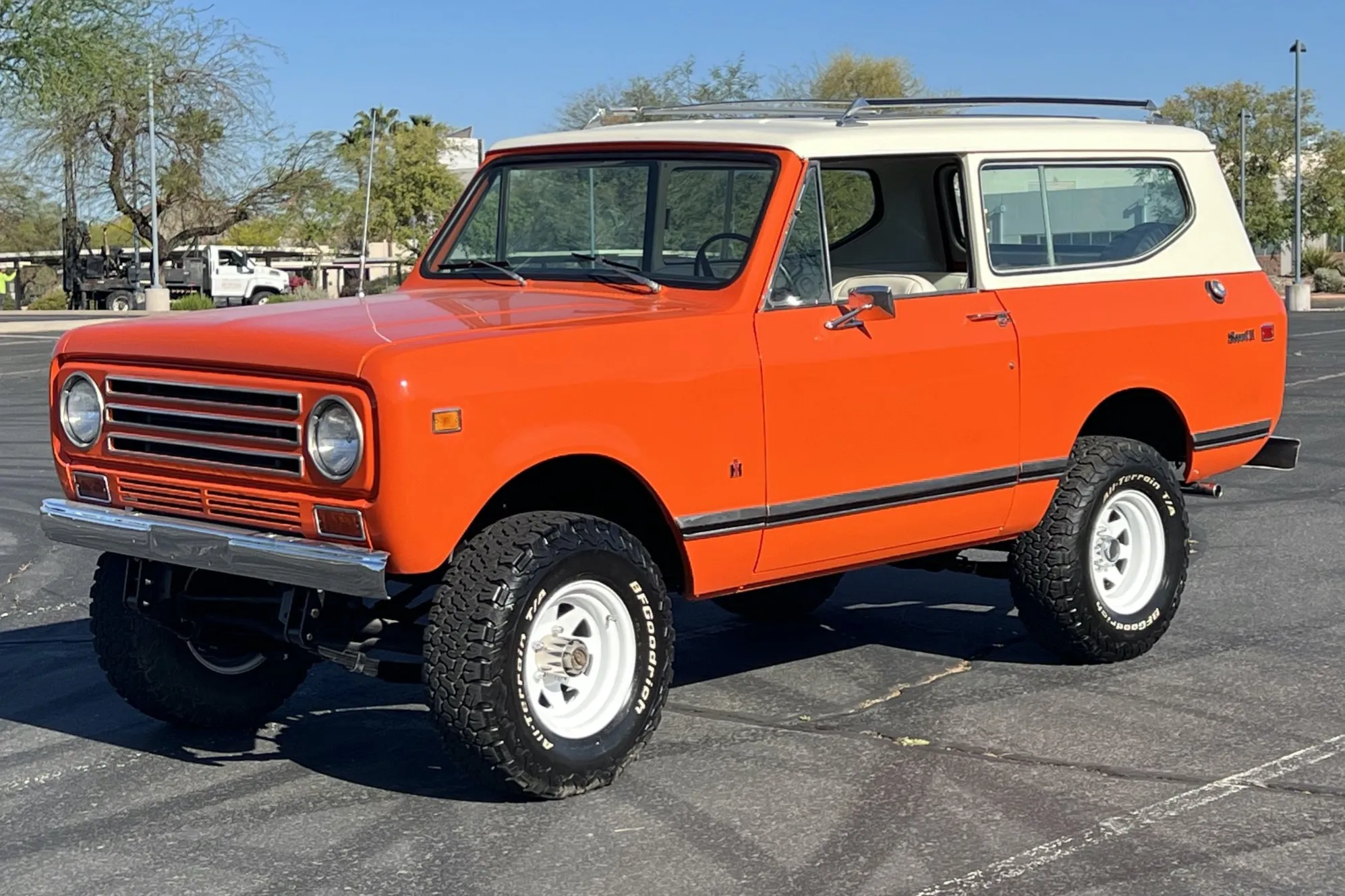
5. International Harvester Scout II (1971–1980)
The International Harvester Scout II may technically straddle the line between SUV and truck, but its drivetrain durability is undeniable. These vehicles were built for utility and off-road performance, with engines that could endure extensive use without major issues. Inline-six engines and V8 options offered reliable power, while transmissions and transfer cases were designed to survive tough conditions.
The Scout II’s rear and front axles were engineered for durability, allowing the vehicle to manage heavy loads and challenging terrain. Many owners used these vehicles in farming, forestry, and recreational off-roading, relying on their drivetrain’s consistent performance. Even in remote areas, the Scout II proved mechanically resilient, often running long periods without significant service needs.
Maintenance accessibility contributed to the Scout II’s longevity. Components were laid out in a manner that allowed for repairs without specialized tools, and parts interchangeability with other International Harvester vehicles added convenience. This practicality reinforced the Scout II’s reputation as a durable and long-lasting vehicle, suitable for both work and leisure applications.
Collectors today value the Scout II for both its reliability and historical significance. Restorations and custom builds frequently focus on preserving the drivetrain’s integrity, as it remains one of the key aspects of the vehicle’s enduring appeal. Its combination of toughness, simplicity, and utility makes it a standout among classic trucks known for bulletproof drivetrains.
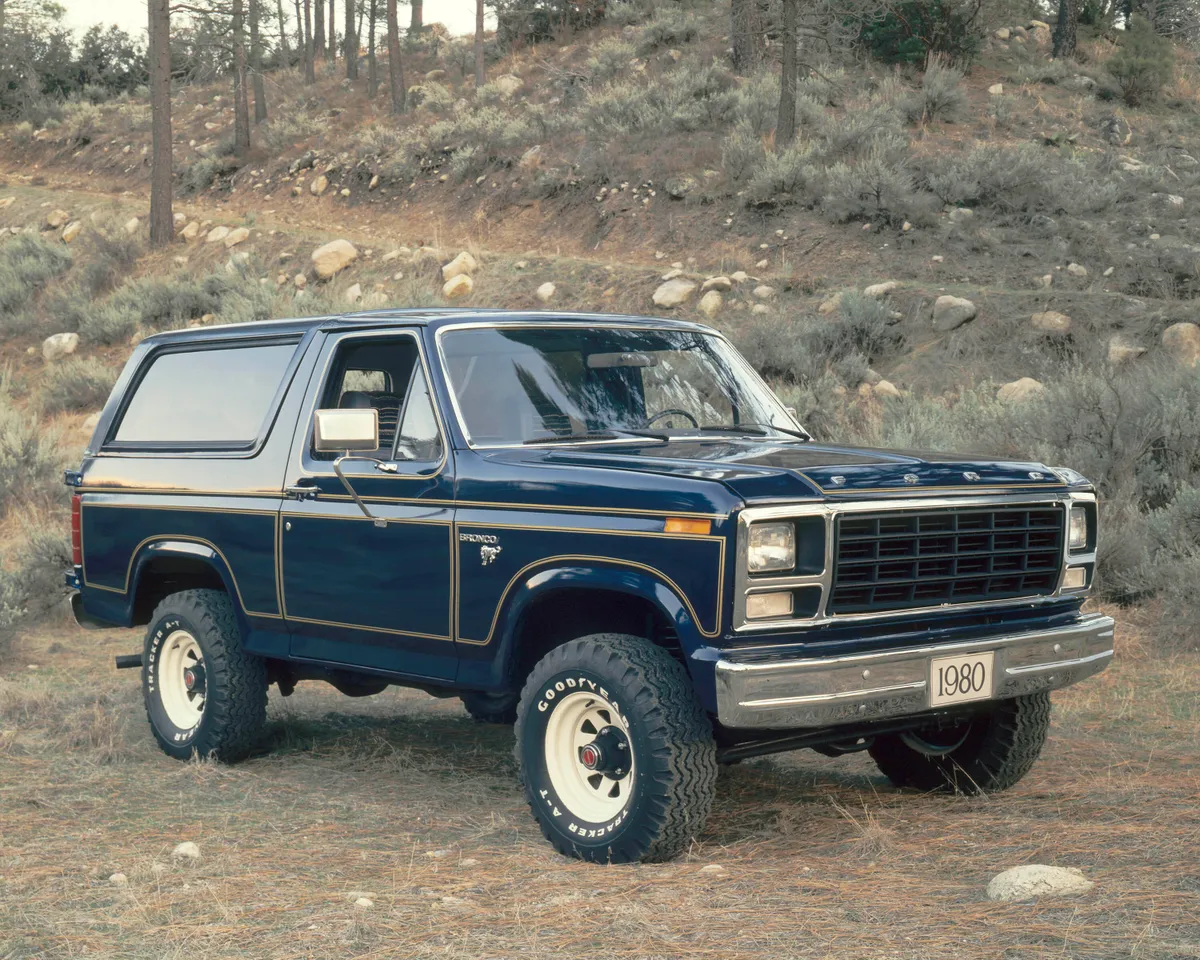
6. Ford Bronco (First Generation, 1966–1977)
The first-generation Ford Bronco was designed to compete in the emerging market of compact, off-road capable trucks, but its drivetrain proved to be as rugged as any full-size pickup of the era. Built on a short-wheelbase chassis, these Broncos were lightweight yet sturdy, which allowed their engines and transmissions to endure heavy usage without excessive strain.
The standard inline-six engine was known for reliability and ease of repair, while the optional small-block V8 added extra power for towing and off-road challenges. Paired with a four-speed manual transmission or a three-speed automatic, the drivetrain configuration was simple, durable, and forgiving even under demanding conditions, allowing the vehicle to last well beyond what many owners expected.
One of the defining characteristics of the first-generation Bronco was its solid front and rear axles, which contributed to excellent off-road performance and long-term durability. The transfer case, while mechanically straightforward, was built to handle steep inclines, mud, sand, and other adverse conditions.
Because the vehicle was designed to endure rural and recreational use, Ford prioritized a robust drivetrain over complex electronics, meaning owners could reliably maintain the Bronco themselves without relying on specialized tools or equipment. The combination of a strong engine, dependable transmission, and rugged axles made this truck a favorite for adventurers and work crews alike.
The Bronco’s reputation for drivetrain resilience was also enhanced by its simplicity and thoughtful engineering. For instance, parts such as driveshafts, differentials, and gear sets were designed to tolerate significant stress without failure.
In practical terms, this meant that even after decades of off-road abuse or heavy towing, many first-generation Broncos continue to operate without major engine or transmission issues. Enthusiasts often remark that the drivetrain seems almost overbuilt relative to the vehicle’s size, a testament to Ford’s focus on mechanical longevity.
Even today, first-generation Broncos are highly sought after, not just for their classic design but for the mechanical dependability that allows modern owners to restore or modify them without jeopardizing the original drivetrain.
Whether equipped for trail use or daily driving, these trucks demonstrate that simplicity and quality engineering can combine to produce a vehicle whose heart, the drivetrain, remains bulletproof even after decades of use. Their enduring appeal continues to make them a benchmark for those seeking compact trucks with mechanical resilience.
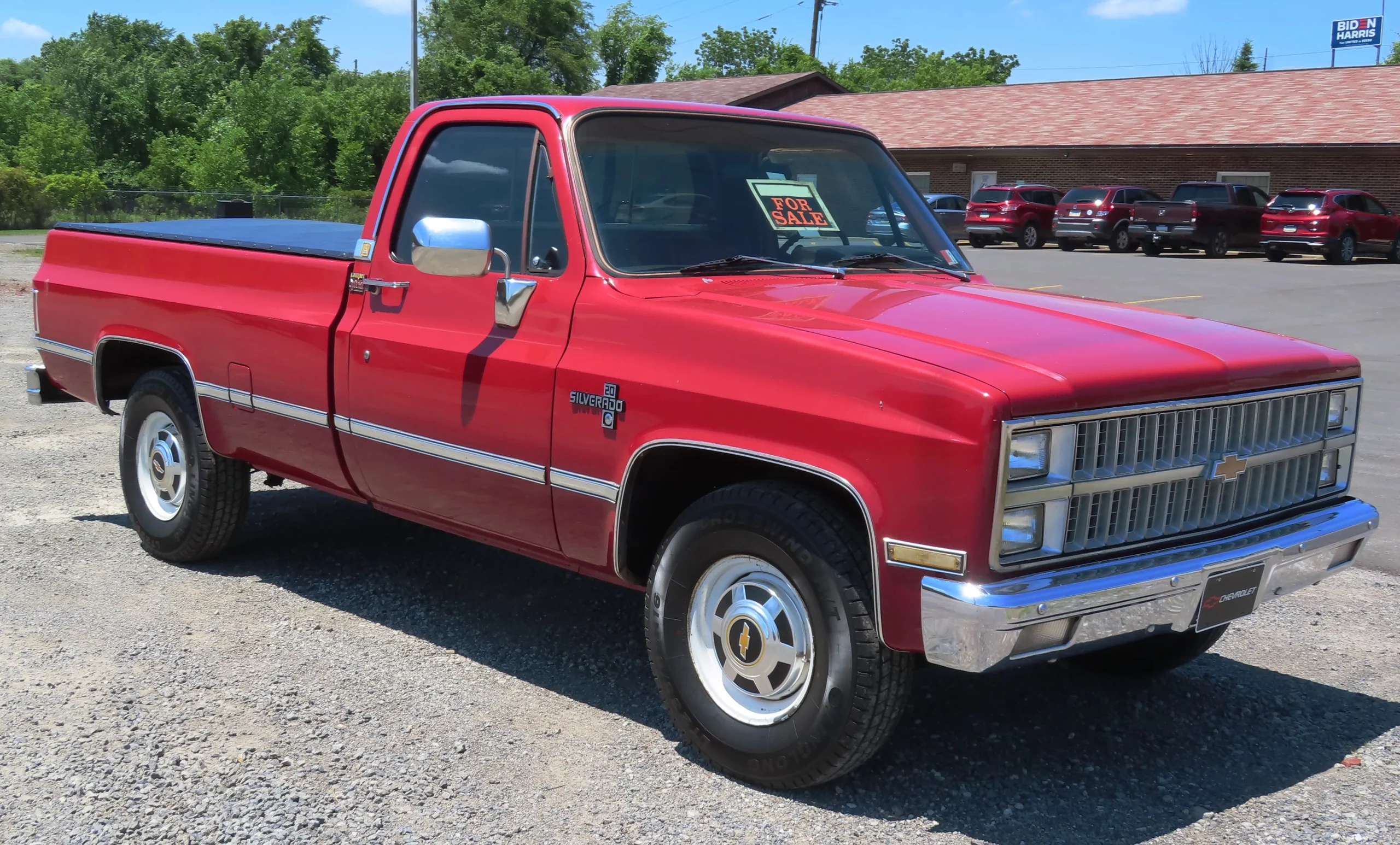
7. Chevrolet K10 (1973–1987)
The Chevrolet K10, part of the four-wheel-drive variant of the C/K series, became legendary among truck enthusiasts for its ability to endure extreme workloads while maintaining reliable performance.
The K10’s drivetrain, consisting of Chevrolet’s inline-six engines or small-block V8s, was paired with heavy-duty manual or automatic transmissions capable of handling significant torque and towing capacity. Its four-wheel-drive system added complexity but was engineered to withstand off-road conditions without frequent failure, ensuring the truck remained dependable in both urban and rural applications.
One of the most impressive aspects of the K10’s drivetrain is the robust front and rear axles. Chevrolet designed these components to handle rough terrain, high loads, and repeated stress. Many K10s were used in logging, construction, and ranching, environments that exposed the vehicle to constant mechanical strain.
Despite these harsh conditions, the engine and transmission combinations proved remarkably resilient. The manual transmission, in particular, could endure years of hard use with proper maintenance, and even the automatic units of the era were considered highly reliable relative to competitors.
The K10 also benefited from straightforward serviceability. Engine components were widely accessible, and replacement parts were plentiful, which allowed owners to perform repairs and upgrades without excessive difficulty.
The transfer case and differential were designed to be durable and easy to maintain, further reinforcing the truck’s status as a mechanical workhorse. Many enthusiasts today seek original or restored K10s specifically for their drivetrain robustness, appreciating the simplicity and durability that defined the design philosophy of this era.
Collectors and off-road enthusiasts often favor the K10 for its combination of historical significance, styling, and functional durability. Its drivetrain not only supports heavy towing and off-road adventures but also allows for modern upgrades such as engine swaps or suspension enhancements. The K10 exemplifies a truck whose longevity is rooted in strong mechanical components, offering a model that has earned a reputation as bulletproof and remains a sought-after classic today.
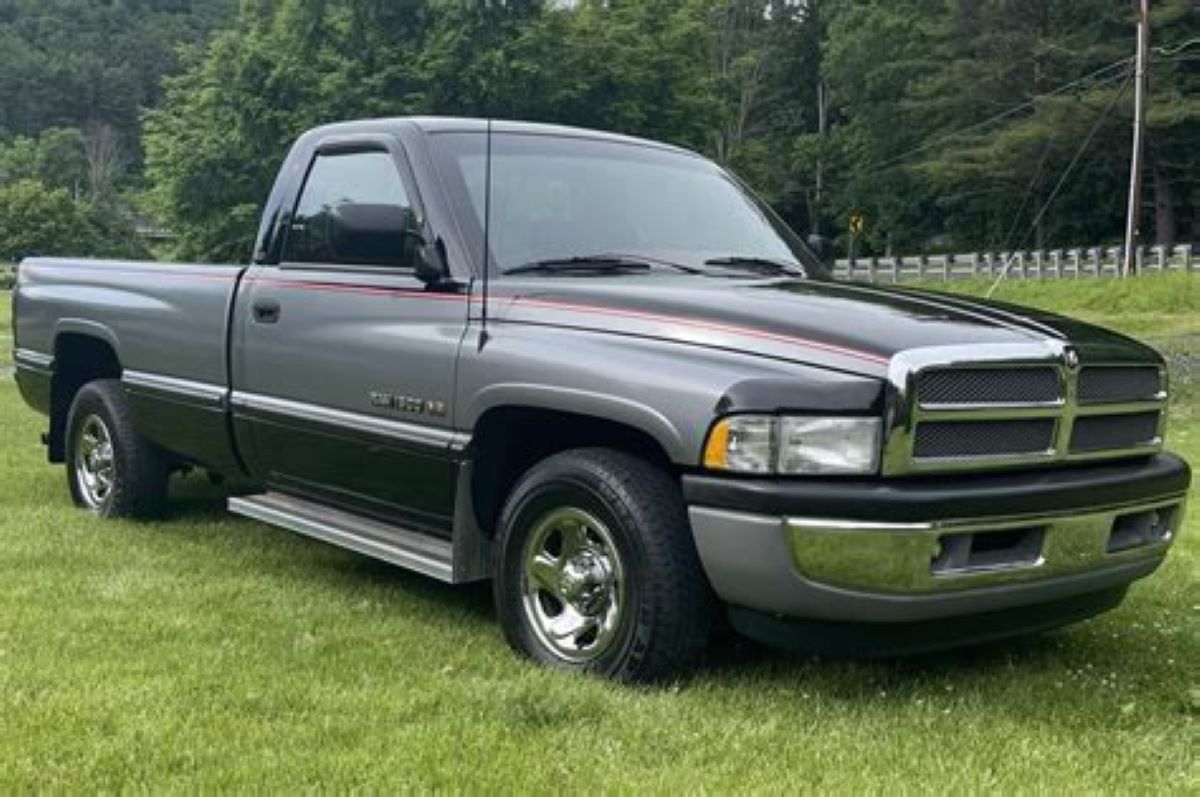
8. Dodge Ram D100 (1972–1980)
The Dodge Ram D100 series, introduced in the early 1970s, represents one of the most reliable compact trucks produced during the era. Equipped with a range of engines, including the durable Slant-6 and optional small-block V8s, these pickups were built to endure daily work, heavy hauling, and off-road excursions.
The transmissions, whether three-speed manual or three-speed automatic, were engineered to handle significant torque, while the solid rear axle and leaf spring suspension provided stability and strength under load. The drivetrain’s design emphasized simplicity and durability, which allowed many D100 trucks to reach mileages well into the hundreds of thousands without major failures.
Dodge focused on building a mechanically intuitive truck, allowing owners to maintain it with minimal expertise. The drivetrain components, including driveshafts, transfer cases, and differential gears, were over-engineered to withstand extended use.
This attention to robustness made the D100 a trusted tool for tradespeople, ranchers, and recreational users. Even under frequent use or challenging conditions, these trucks rarely suffered catastrophic failures, a testament to the quality of their engineering.
The D100’s solid mechanical foundation also made it a versatile platform for customization. Many owners upgraded the drivetrain with stronger axles, more capable transmissions, or improved four-wheel-drive systems without compromising reliability.
This adaptability contributed to the truck’s enduring popularity among enthusiasts who appreciate vehicles that can combine classic styling with modern performance enhancements. The mechanical simplicity and durability of the D100 made it not just a truck for its era but a model that remains reliable decades later.
Today, Dodge Ram D100 trucks are cherished by collectors and restoration experts for their combination of rugged reliability, ease of maintenance, and potential for upgrades. The bulletproof nature of the drivetrain is a key reason these vehicles continue to be used both on the road and in off-road adventures. Their reputation as long-lasting, dependable trucks has solidified their status as one of the classic pickups that exemplify mechanical durability.
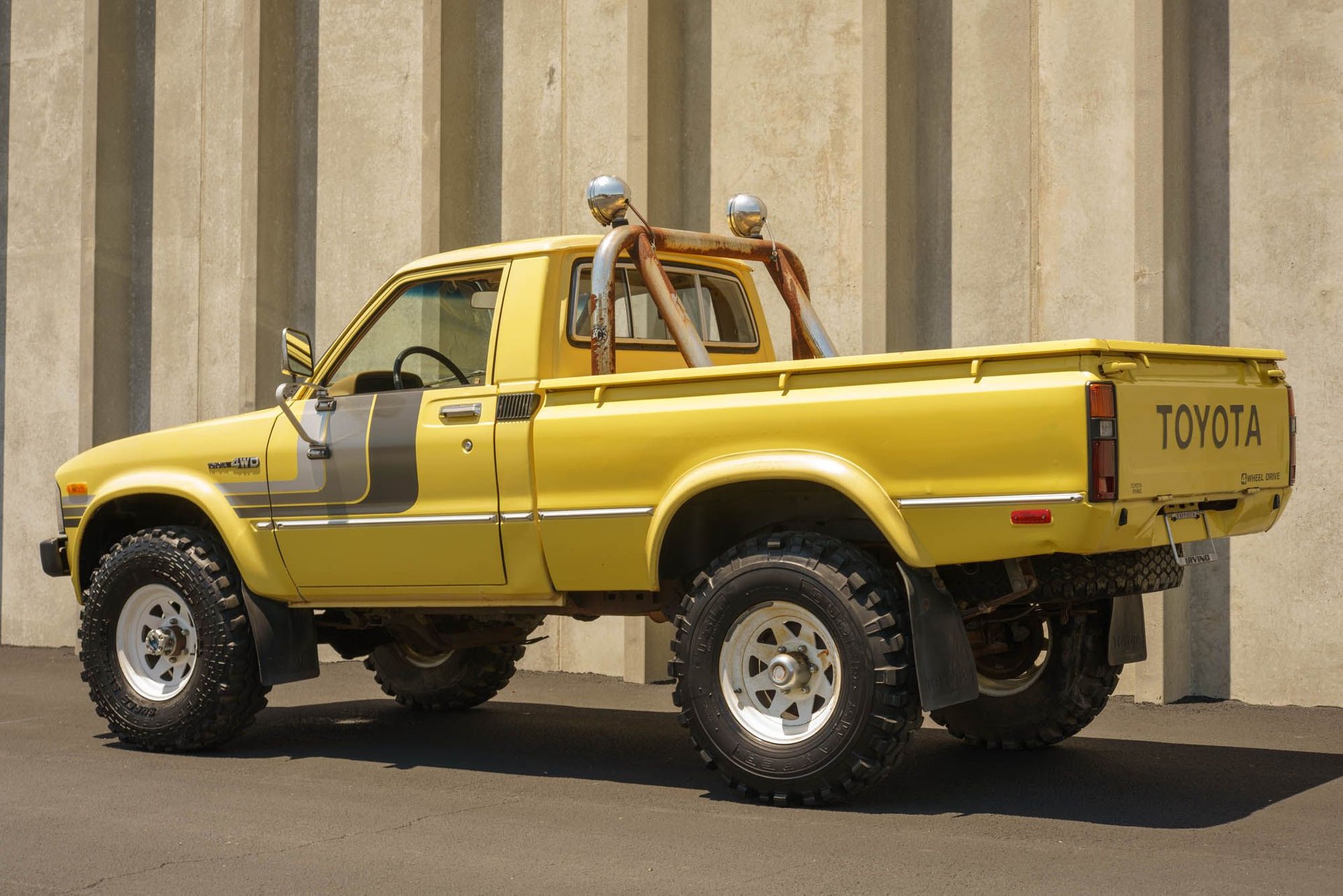
9. Toyota Hilux (First-Generation Pickup, 1968–1979)
The first-generation Toyota Hilux pickup quickly earned a reputation worldwide for mechanical resilience and dependable drivetrains. Designed with simplicity and practicality in mind, these trucks were powered by small yet robust inline-four engines and paired with manual transmissions that could survive decades of heavy use.
The drivetrain’s reliability made the Hilux a global favorite in agricultural, industrial, and remote environments where access to repair facilities was limited. Its mechanical design emphasized durability over complexity, which contributed to its remarkable longevity.
The Hilux’s drivetrain included a strong rear axle and solid front axle for four-wheel-drive variants, along with a robust transfer case capable of handling extreme off-road conditions. Its engines were designed for torque rather than high horsepower, allowing the truck to manage heavy loads, tow equipment, and navigate difficult terrain without overstressing the drivetrain. Unlike many vehicles of the era, the Hilux could often be repaired using basic mechanical skills, further contributing to its reputation for reliability.
Owners frequently praised the Hilux for its endurance under challenging conditions. From deserts to mountains, these pickups rarely failed mechanically, even under constant abuse.
The combination of a simple engine, strong transmission, and rugged axles ensured that the Hilux could operate in environments that would quickly incapacitate less well-engineered trucks. Its reputation for lasting performance made it a practical choice for farmers, explorers, and tradespeople who valued dependability over frills.
Even today, first-generation Hilux pickups are sought after for restoration and off-road use. The drivetrain’s longevity allows these vehicles to support modern enhancements such as suspension upgrades and engine tuning without compromising reliability. The Hilux remains an iconic example of a classic truck with a bulletproof drivetrain, demonstrating that thoughtful mechanical engineering can produce a vehicle capable of decades of use.
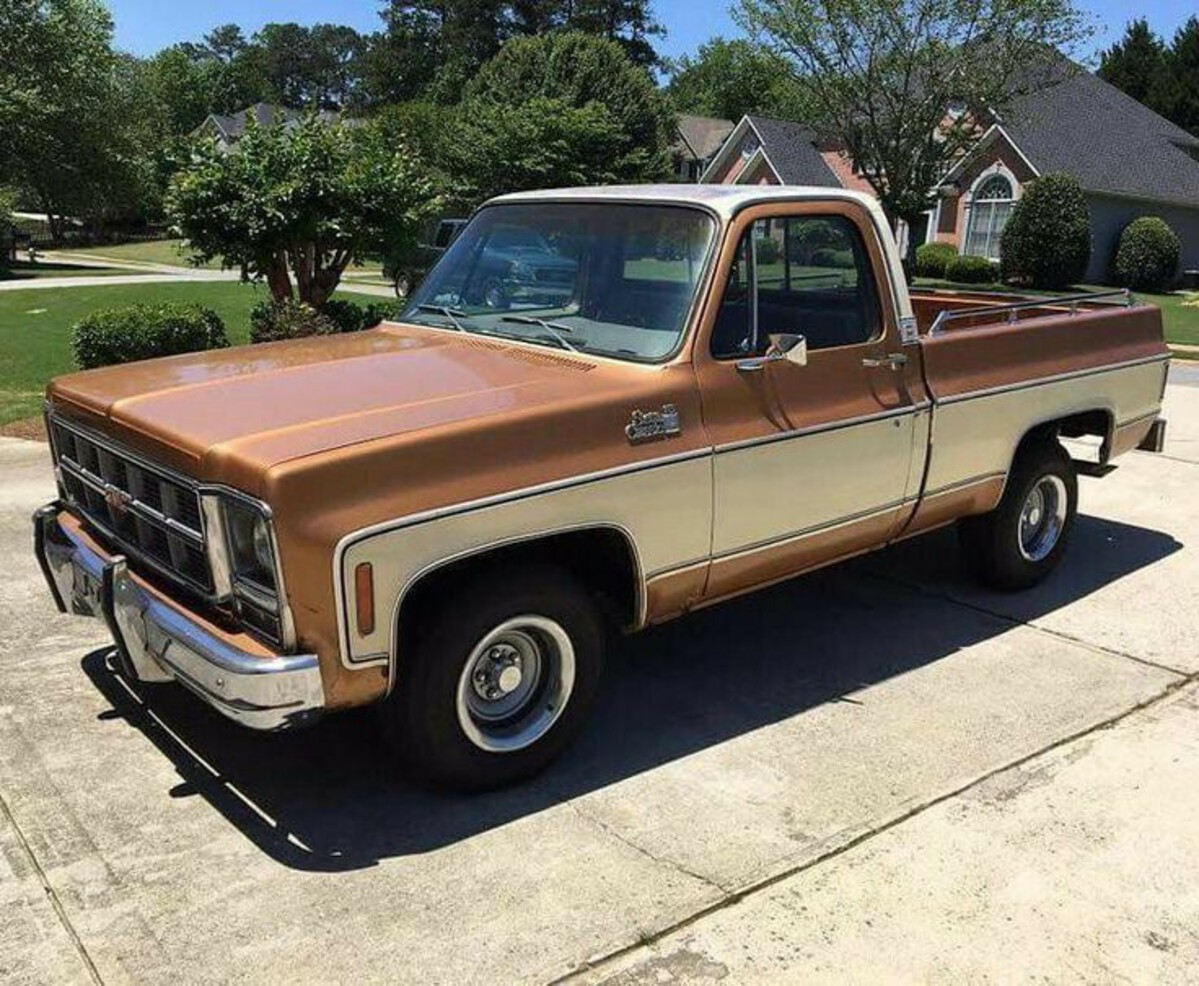
10. GMC Sierra (1973–1987)
The GMC Sierra, closely related to the Chevrolet C/K series but with unique styling and trim, is celebrated for its strong, reliable drivetrains. Equipped with inline-six engines and small-block V8s, the Sierra was designed to endure heavy work and off-road challenges.
Its transmissions, whether manual or automatic, were built to handle long-term stress and frequent towing. Coupled with solid axles and durable differentials, the drivetrain offered a combination of power, reliability, and ease of maintenance that has allowed many examples to remain operational decades after production.
The Sierra’s drivetrain components were engineered with longevity in mind. Axles, transfer cases, and differentials were overbuilt relative to typical use, ensuring the truck could handle continuous strain without failure. These trucks were popular in both commercial and personal applications, from construction sites to rural farms, where mechanical reliability was essential. The simplicity of the drivetrain also made it easier for owners to maintain the vehicle themselves, reducing downtime and repair costs.
In addition to robustness, the Sierra offered flexibility for modification and customization. Many enthusiasts reinforced the suspension, upgraded axles, or installed more powerful engines while retaining the original transmission and differential components.
This adaptability further strengthened the truck’s reputation as a mechanical workhorse, capable of supporting both vintage restoration projects and modern off-road builds. The design philosophy emphasized durability over unnecessary complexity, which helped cement the Sierra’s legacy as a truck with a virtually indestructible drivetrain.
Today, GMC Sierra trucks from this era are prized by collectors and off-road enthusiasts alike. The combination of durability, ease of repair, and performance capability ensures that the drivetrain remains functional and dependable even after decades.
This enduring mechanical integrity makes the Sierra one of the definitive examples of classic trucks with bulletproof drivetrains, capable of meeting the demands of both historical appreciation and practical use.
