
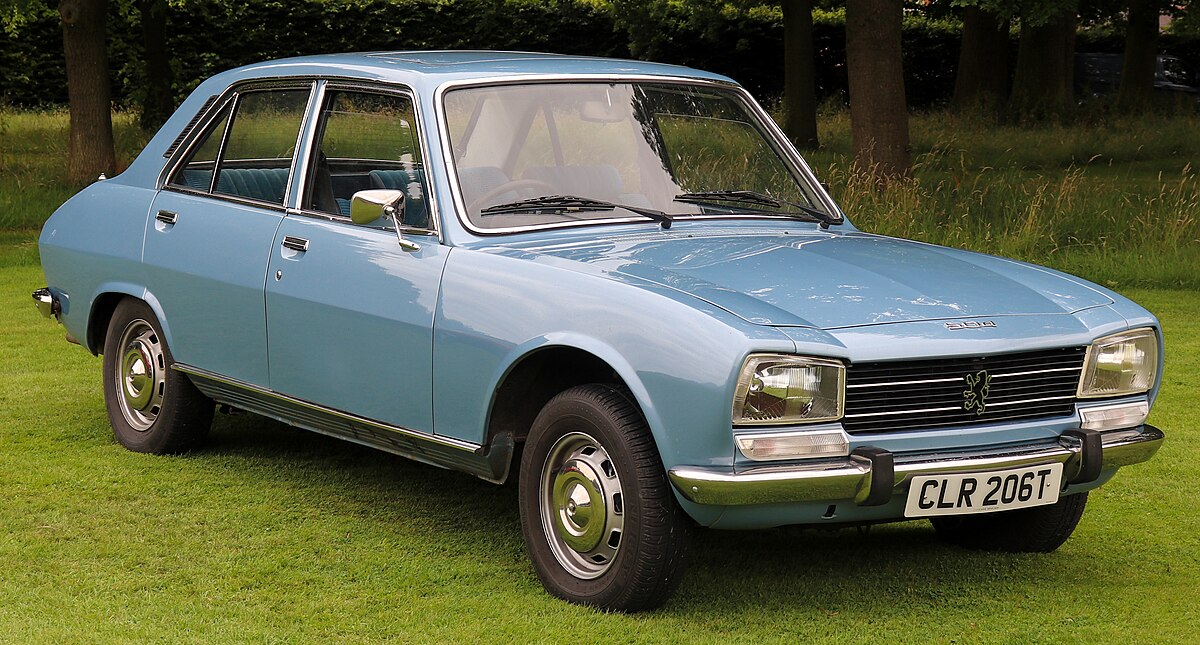
Vintage luxury cars often evoke images of elegance, style, and sophistication. They represent a time when automotive design focused on craftsmanship, distinctive aesthetics, and the joy of driving rather than just efficiency or practicality. For many enthusiasts, owning a luxury car from the past can provide a sense of pride and connection to automotive history.
However, the perception that vintage luxury vehicles are expensive to maintain often deters potential buyers. While it is true that some classic luxury cars can drain a wallet with frequent repairs and high fuel costs, there is a niche of vintage vehicles that balance the charm of luxury with relatively low running costs.
These cars can offer timeless design, a comfortable driving experience, and prestige without the financial strain typically associated with classic luxury ownership.
The concept of low running costs encompasses multiple factors: fuel efficiency, parts availability, simplicity of mechanical systems, and reliability. Cars that avoid overly complex electronics or exotic engines tend to be cheaper to maintain. Vehicles that have strong enthusiast communities often benefit from more affordable spare parts and resources for DIY repairs.
Additionally, some models have engines and drivetrains that were over-engineered for durability, meaning they can continue performing well decades after production if properly maintained. In this context, “bargains” do not necessarily mean cheap to buy; instead, they refer to vehicles that provide exceptional value for their purchase price in relation to their upkeep and enjoyment.
This article highlights ten vintage luxury cars that are not only accessible in terms of purchase price but are also manageable when it comes to running costs. These vehicles have earned reputations for reliability, efficiency relative to their class, and reasonable maintenance expenses.
By examining their history, mechanical characteristics, and driving experience, potential buyers can gain insight into which models offer the best combination of style, comfort, and financial practicality.
From understated European sedans to elegant sports cars, the list demonstrates that it is possible to experience the charm of a vintage luxury car without constant financial anxiety. Understanding these options allows enthusiasts to make informed decisions and enjoy the prestige of classic automotive craftsmanship sustainably and enjoyably.
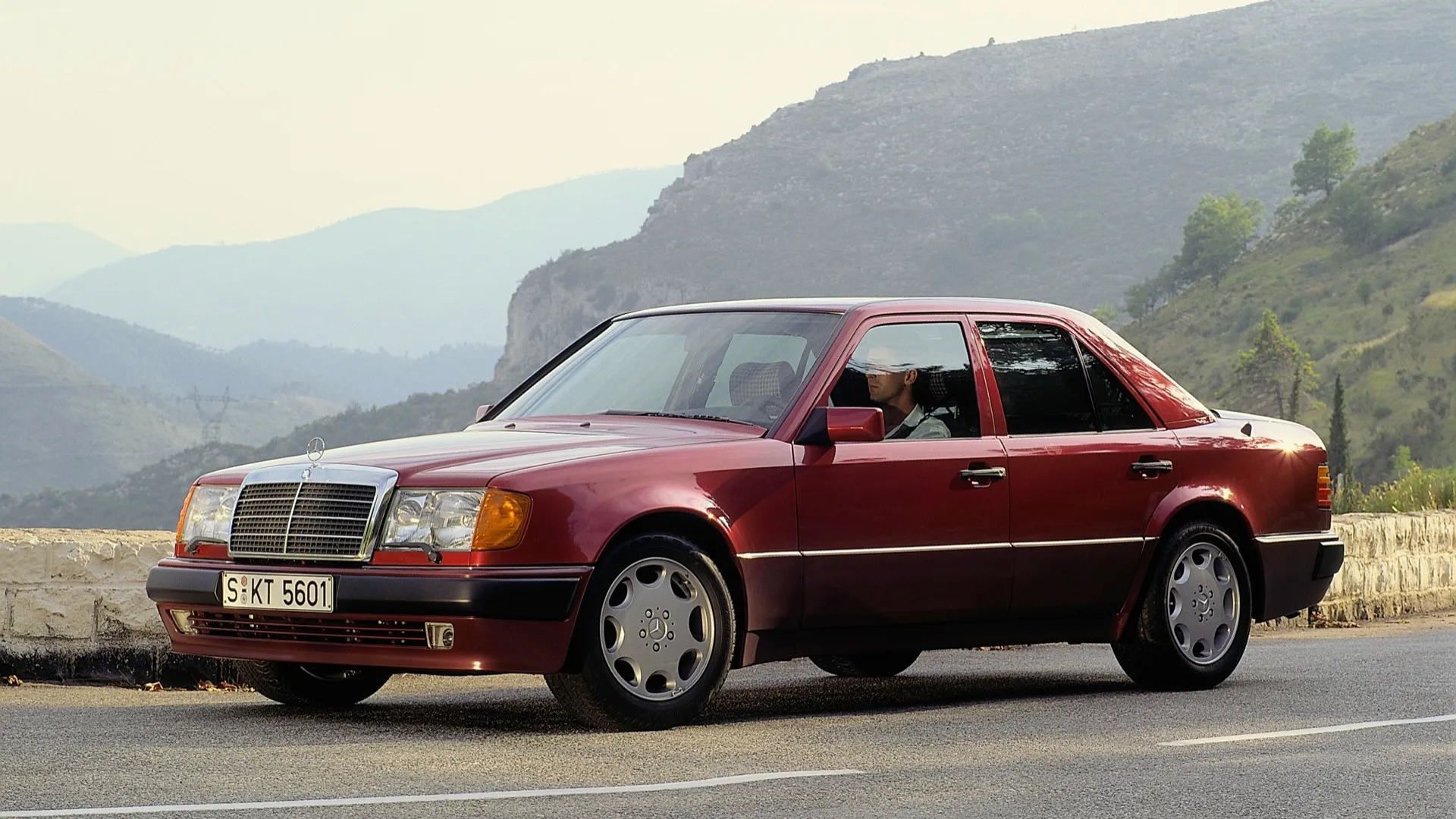
1. Mercedes-Benz W124 E-Class
The Mercedes-Benz W124 E-Class is widely considered one of the most reliable and meticulously engineered cars in automotive history. Produced from the mid-1980s to the mid-1990s, the W124 represents a period when Mercedes prioritized build quality and mechanical durability over flashy features. Its chassis is known for exceptional rigidity, and many examples have surpassed 300,000 miles with basic maintenance.
This era of Mercedes-Benz combined traditional craftsmanship with incremental technological innovation, offering features like multi-link rear suspension and optional automatic climate control while avoiding overly complex electronics that often plague later models.
For buyers seeking a vintage luxury car with low running costs, focusing on models with the M103 inline-six or M104 DOHC engines is ideal. These engines are renowned for smooth operation, longevity, and relatively straightforward maintenance, making them particularly suitable for enthusiasts who want both reliability and classic Mercedes appeal.
The interior of the W124 is timeless, combining functional elegance with a sense of understated luxury. Materials such as real wood trim, durable leather, and solid plastics ensure that the cabin ages gracefully, even after decades of use. Ergonomics were carefully designed, with controls within easy reach, supportive seating, and excellent visibility.
Unlike many modern luxury cars that rely on touchscreens and complex electronics, the W124 offers tactile controls that are intuitive and reliable. For daily driving, the car provides comfort, quietness, and a sense of solidity that few modern vehicles can replicate. The widespread availability of replacement parts, both from Mercedes specialists and third-party suppliers, helps maintain affordability over the long term.
Another advantage of the W124 is its practicality in terms of fuel economy and ownership costs. Naturally aspirated inline-six engines, particularly in the 200E and 300E variants, offer reasonable fuel efficiency, while diesel versions like the 300D are famously economical, durable, and capable of extremely high mileage with minimal mechanical issues.
Insurance costs are often lower than for newer luxury models due to the car’s age and safety reputation. While the W124 is no lightweight sports car, it offers composed handling and a smooth ride that make long-distance driving effortless, combining performance and economy in a package that appeals to vintage luxury buyers.
Maintenance for the W124 is predictable and straightforward, contributing to its reputation as a low-cost classic luxury car. Common service tasks, including suspension bushings, brake wear, and routine engine maintenance, are manageable for competent DIY enthusiasts or independent garages.
Electrical systems, although occasionally prone to minor issues, are generally simpler than modern luxury vehicles. The car’s over-engineered construction and robust components ensure that many examples remain on the road decades later. For collectors or enthusiasts seeking a dependable classic without the burden of constant repairs, the W124 represents an ideal combination of style, quality, and practicality, making it one of the most sensible vintage luxury purchases available today.
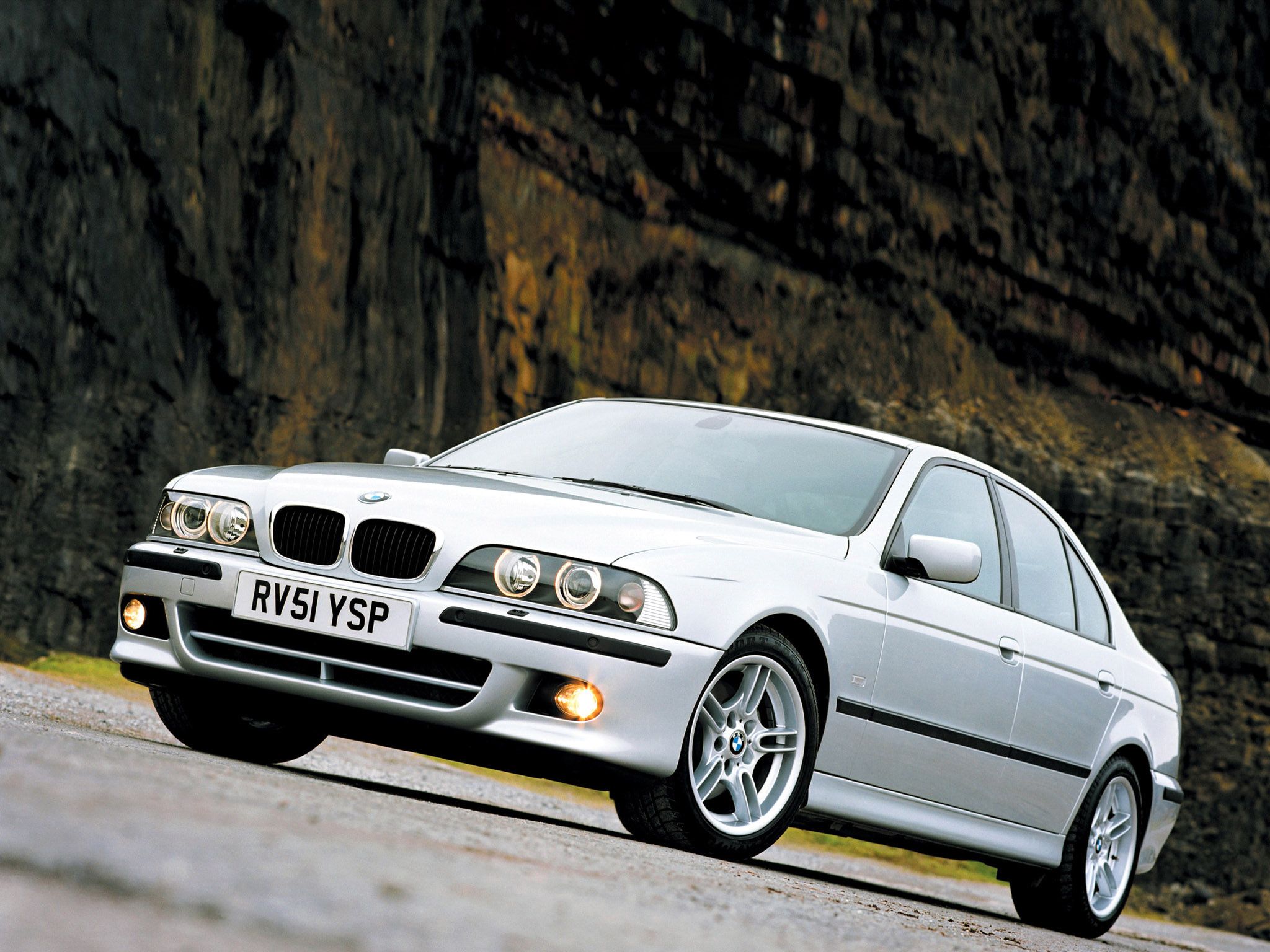
2. BMW E39 5-Series
The BMW E39 5-Series is widely regarded as one of the finest driving machines of its era. Produced between 1995 and 2003, it combined classic BMW styling with exceptional build quality, making it a benchmark for luxury sedans of the late 20th century.
The E39 offers a range of engines, from the efficient 525i with its smooth inline-six to the 540i with its powerful V8, providing options for both economical daily driving and spirited performance. Its chassis design, including a multilink rear suspension and balanced weight distribution, contributes to precise handling without compromising comfort. This combination of driving enjoyment and refinement makes the E39 particularly appealing as a vintage luxury bargain.
Part of the E39’s appeal lies in its interior design, which remains elegant and functional even decades after its release. Soft-touch materials, supportive seats, and logical control layouts create a driver-focused environment.
While many modern luxury cars rely heavily on digital interfaces, the E39 emphasizes simplicity and usability, which in turn reduces potential maintenance headaches. The cabin also offers generous space, making it practical for long trips or family use, while retaining a premium feel that rivals contemporary European luxury sedans. For owners, this translates to a car that is as comfortable today as it was when new.
Maintenance and parts availability contribute to the E39’s status as a low-cost vintage luxury car. Many components are widely available, and there is a large community of enthusiasts and independent specialists familiar with the model.
Common repairs, such as cooling system overhauls, suspension bushings, and brake maintenance, are predictable and can be completed without dealership intervention. Moreover, the engines in the six-cylinder variants are known for longevity, often surpassing 250,000 miles with proper care. This makes the E39 both practical and enjoyable for those who want a luxury vehicle that does not constantly demand expensive attention.
Financially, the E39 offers an excellent balance of affordability and quality. Depreciation has significantly lowered the purchase price for well-maintained examples, and insurance premiums are often lower than for modern equivalents due to age and safety ratings.
Fuel economy is reasonable for six-cylinder models, and the car’s durable construction means fewer unexpected costs over time. Enthusiasts who prioritize reliability, driving enjoyment, and vintage luxury aesthetics will find the E39 5-Series to be a practical and rewarding choice that combines engineering excellence with low ongoing expenses.
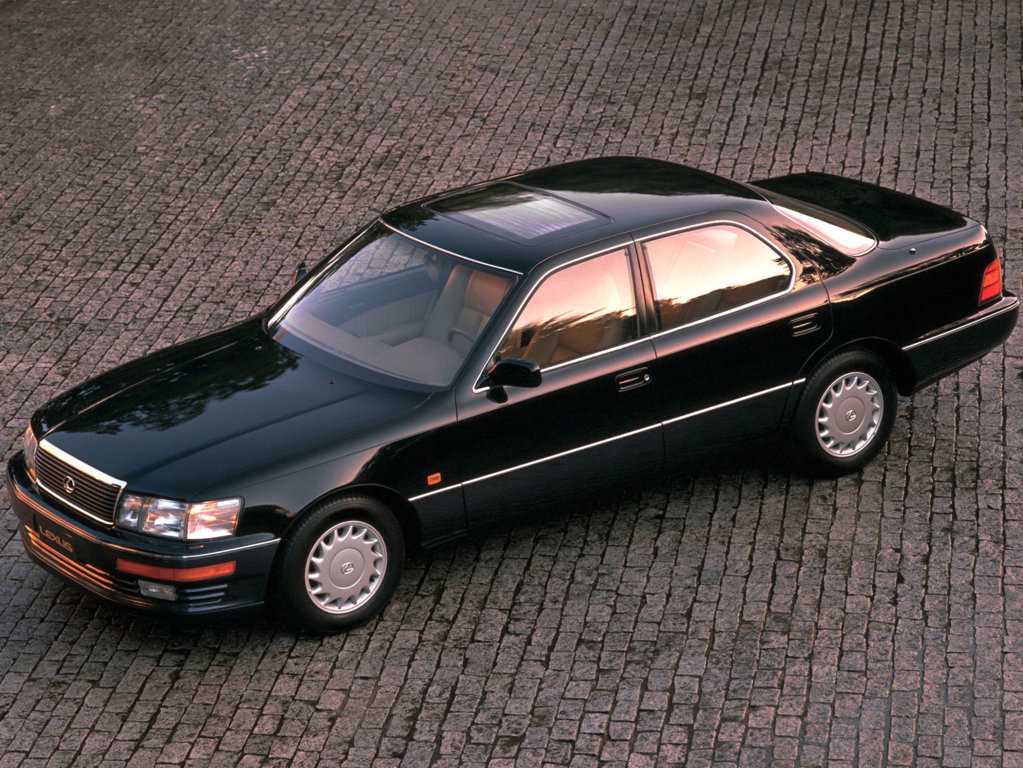
3. Lexus LS400
The Lexus LS400 was a groundbreaking car when it debuted in 1989, representing Toyota’s ambition to compete with established European luxury brands. It quickly earned praise for its engineering quality, reliability, and understated elegance.
Unlike many European luxury sedans of the era, the LS400 was designed with simplicity and durability in mind, resulting in a vehicle that could maintain its performance and comfort for decades with minimal issues. Today, it is widely regarded as one of the best vintage luxury bargains due to its combination of longevity, comfort, and low operating costs, allowing enthusiasts to enjoy a premium driving experience without excessive expenses.
The LS400’s engine is one of its standout features. Its smooth 4.0-liter V8, known for its reliability, is capable of running hundreds of thousands of miles with proper maintenance. Components such as the timing belt, water pump, and suspension parts are readily available and relatively inexpensive compared with European luxury vehicles of the same era.
Regular oil changes and routine servicing are sufficient to maintain the engine’s performance, reducing unexpected costs. Owners appreciate the fact that even after decades, these cars can offer a level of reliability that is uncommon in older luxury vehicles.
Inside, the LS400 provides a serene and refined driving environment. Seats are plush and supportive, controls are intuitive, and materials such as leather and wood trim remain in excellent condition over time. The design emphasizes comfort and quietness, creating a cabin atmosphere that rivals much more expensive cars today.
Features such as automatic climate control, premium sound systems, and power-adjustable seating were advanced for the period but remain easy to service. The LS400 offers a level of refinement that makes it an enjoyable daily driver while maintaining low long-term costs.
Ownership of the LS400 is financially practical. Its initial depreciation has already occurred, meaning buyers can acquire well-maintained examples at reasonable prices. Fuel economy for the V8 is respectable for its size, especially when driven conservatively, and maintenance costs are predictable.
Insurance rates are generally moderate, and the car’s reputation for reliability means fewer unexpected repairs. For those seeking a low-maintenance vintage luxury vehicle that combines elegance, comfort, and dependability, the LS400 stands out as an exceptional choice that rewards owners with decades of hassle-free driving.
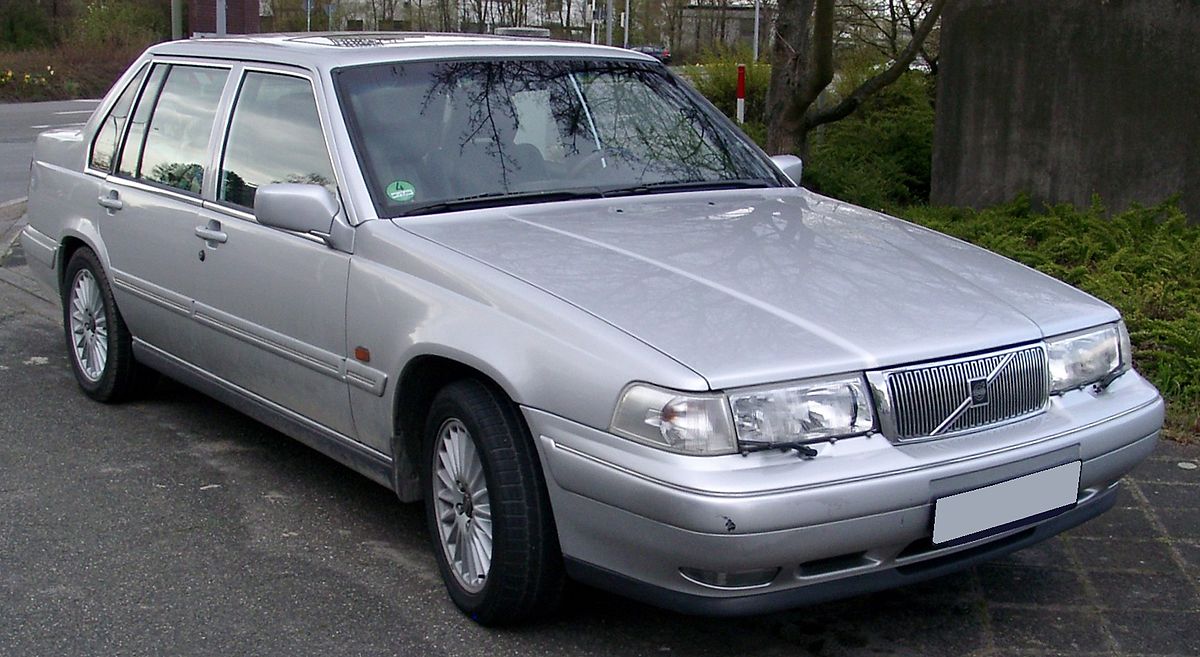
4. Volvo 700 and 900 Series
The Volvo 700 and 900 Series were produced from the early 1980s through the early 1990s and are for their combination of durability, practicality, and understated luxury. These cars were designed with longevity and safety in mind, resulting in a lineup that includes robust engines, spacious cabins, and simple mechanical systems.
While they do not carry the same prestige as Mercedes-Benz or BMW, their engineering excellence and reliability make them an excellent choice for vintage luxury buyers who want low running costs. For many enthusiasts, the appeal lies in the Volvo’s solid construction and longevity rather than flashiness or speed.
Engines in the 700 and 900 Series are known for their durability. Inline-four and inline-six powerplants are capable of high mileage with minimal issues if properly maintained.
Routine servicing, such as timing belt replacement, valve adjustments, and suspension upkeep, is straightforward and relatively affordable. Parts availability is excellent, with many components shared between different Volvo models, further reducing maintenance costs. For those willing to perform basic maintenance themselves, these vehicles offer exceptional reliability and longevity.
The interior of these Volvos emphasizes comfort and practicality. Seats are supportive, controls are logically arranged, and the cabin is spacious for both driver and passengers. While materials are not as luxurious as some European competitors, they are highly durable, ensuring that the interior can remain in excellent condition even decades later.
Features like climate control, power seats, and quality audio systems contribute to a sense of refinement that complements the cars’ utilitarian roots. This makes the 700 and 900 Series practical daily drivers that retain classic charm.
Running costs for these Volvos are exceptionally low. Fuel consumption is reasonable for the engines and size of the vehicles, and depreciation has already occurred, making purchase prices very attractive. Insurance costs are often lower than for other luxury models, and parts remain widely available and affordable.
For buyers who prioritize reliability, practicality, and low ownership expenses in a vintage luxury car, the Volvo 700 and 900 Series present a compelling option that combines classic style with sensible economics, making them an enduring favorite among enthusiasts.
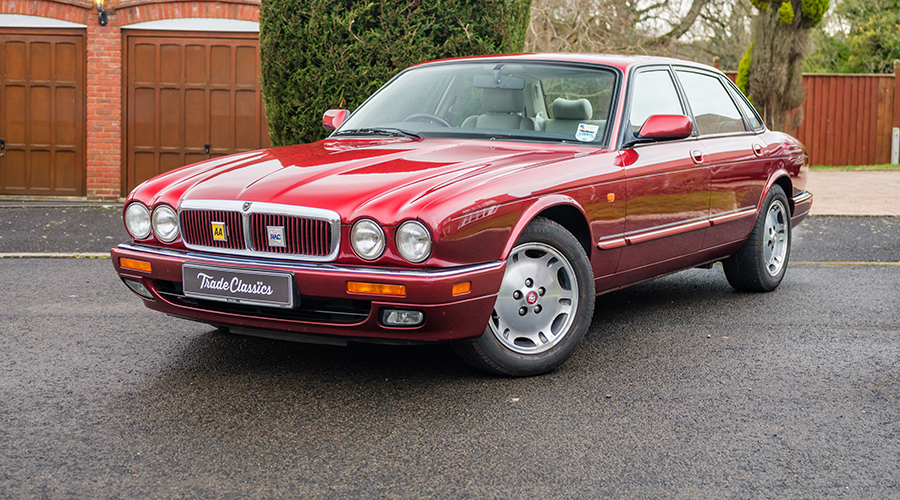
5. Jaguar XJ6 Series III
The Jaguar XJ6 Series III was produced from 1979 to 1992 and represents the pinnacle of British automotive luxury during the late 20th century. While Jaguars are often associated with high maintenance costs, the Series III is generally more manageable than many of its contemporaries.
With its smooth 4.2-liter inline-six engine, this model offers effortless cruising, refined power delivery, and a comfortable ride. Buyers seeking vintage luxury cars with character and reasonable running costs often find the XJ6 Series III to be a perfect balance of elegance and accessibility, especially when purchased with a well-documented maintenance history.
The interior of the XJ6 Series III exudes traditional British luxury. Leather seats, rich wood veneers, and meticulous craftsmanship create a sophisticated environment. Ergonomics were carefully considered, with controls placed for ease of use and long-distance comfort.
Even decades later, many XJ6 cabins retain their original charm, making these cars desirable for both driving enthusiasts and collectors. The attention to detail in the interior contributes to a sense of luxury that feels timeless and understated, enhancing the ownership experience.
Mechanically, the XJ6 Series III benefits from a relatively simple design compared with later Jaguars. Routine maintenance, such as suspension, braking, and engine servicing, is straightforward for knowledgeable owners or independent specialists.
Parts are generally available from a network of Jaguar enthusiasts and specialist suppliers, making repairs more affordable than many assume. The car’s inline-six engine is known for durability, providing long-term reliability when preventive maintenance is performed consistently.
From a financial perspective, the XJ6 Series III is an attainable vintage luxury car. Depreciation has already significantly lowered purchase prices, while insurance rates remain reasonable due to the car’s age and moderate market demand. Fuel consumption is in line with other vehicles of its era, and running costs are manageable for those who maintain the car conscientiously.
For buyers who appreciate the elegance, driving comfort, and unique character of a British luxury sedan, the XJ6 Series III provides an accessible and rewarding ownership experience without the extreme expenses typically associated with classic Jaguars.
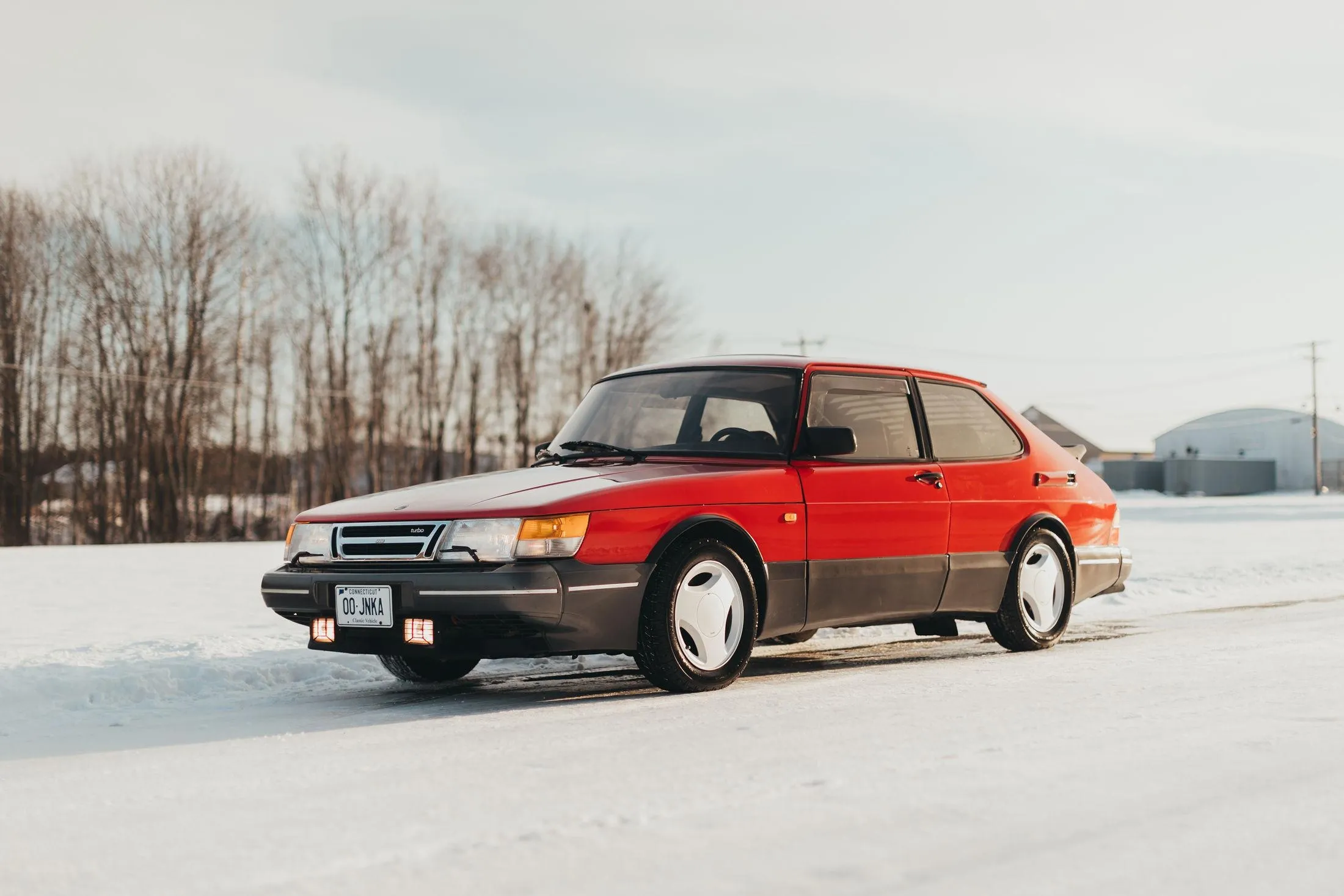
6. Saab 900 Turbo
The Saab 900 Turbo, produced from the late 1970s through the early 1990s, offers an unusual but highly appealing choice for vintage luxury enthusiasts. Saab’s focus on engineering innovation, driver safety, and practicality resulted in a car that remains distinctive today. Its turbocharged engine delivers excellent performance while maintaining reliability when properly maintained.
The car’s unique layout, front-engine front-wheel-drive configuration, and driver-oriented cockpit create a driving experience that is both engaging and functional. The Saab 900 Turbo is particularly attractive for buyers seeking a car that is different from mainstream luxury vehicles while remaining practical and economical.
The 900 Turbo’s interior emphasizes comfort and usability. Ergonomically designed seats, logically arranged controls, and a functional dashboard layout create a driver-friendly environment. Materials are durable and retain their quality over time, and features such as power windows, air conditioning, and optional leather trim enhance the sense of luxury.
While the Saab may not have the prestige of a Mercedes or BMW, it provides an excellent combination of comfort, refinement, and practicality that few other vintage cars offer.
Maintenance of the Saab 900 Turbo is relatively straightforward. While turbocharged engines can have specific requirements, parts are generally available, and the engines are robust when properly serviced. Routine maintenance, including timing belt replacement, turbo servicing, and general mechanical upkeep, ensures longevity and reliability.
The car’s simple electrical and mechanical systems reduce unexpected issues, helping keep running costs low. Enthusiast communities and specialist garages also provide guidance and support, making ownership easier and more affordable.
Financially, the Saab 900 Turbo represents one of the most practical vintage luxury options. Depreciation has lowered acquisition costs, fuel consumption is reasonable for a turbocharged vehicle when driven sensibly, and insurance premiums are often lower than for more prestigious brands. The combination of affordability, durability, and unique character makes the 900 Turbo a rewarding option for drivers who want a vintage luxury car that stands out from the crowd while remaining economical to own and maintain.
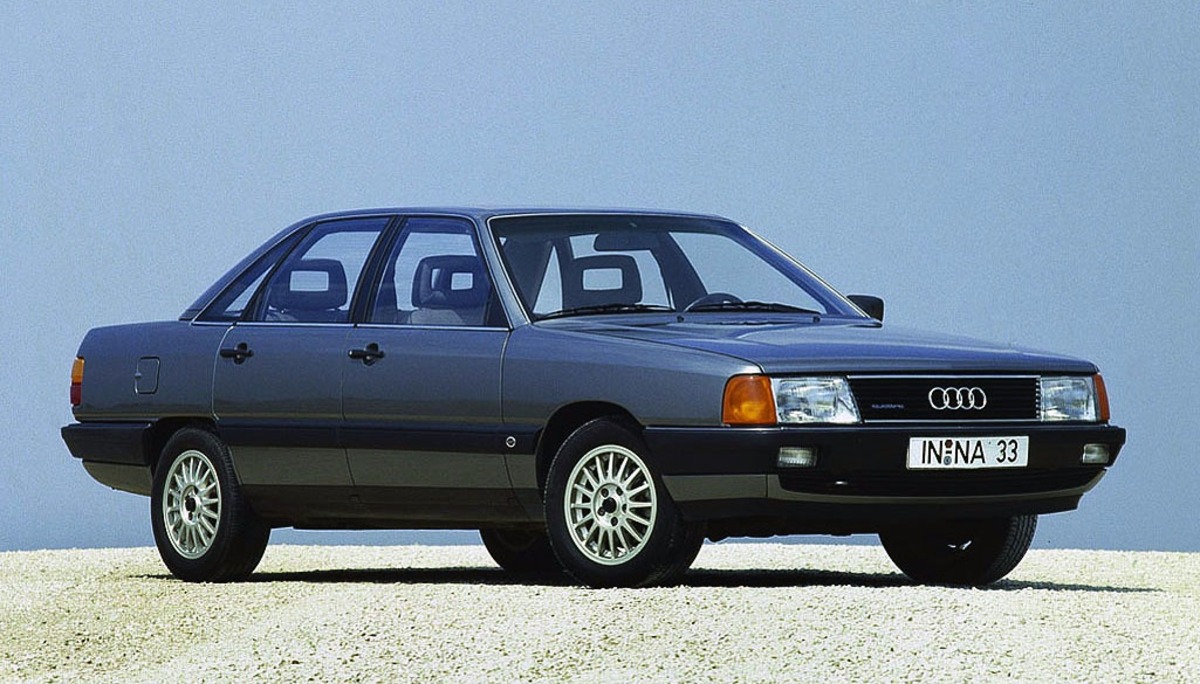
7. Audi 100 C3
The Audi 100 C3, produced from the early 1980s to the early 1990s, represents a period when Audi began gaining recognition for combining engineering precision with understated luxury. Its aerodynamic design was ahead of its time, resulting in impressive fuel efficiency for the era.
Buyers today can find these cars as affordable vintage luxury options, particularly for models equipped with the 2.2- or 2.3-liter inline-five engines, which are known for their smoothness and reliability. The C3 also features a sophisticated suspension setup that balances ride comfort with handling stability, making it an enjoyable car to drive even decades after its introduction.
The interior of the Audi 100 C3 is simple yet well-appointed, reflecting German design sensibilities that favor functionality alongside comfort. Seats are supportive, controls are logically laid out, and the cabin materials, including soft-touch plastics and quality upholstery, have proven remarkably durable.
Although not as opulent as some contemporaries, the Audi provides a premium feel without excessive complexity, ensuring long-term reliability. Features such as power windows, air conditioning, and premium audio systems were available on higher trims, allowing buyers to experience modern convenience in a vintage package.
From a maintenance perspective, the Audi 100 C3 is practical and predictable. Its engines are known for longevity, especially when owners adhere to routine maintenance such as timing belt replacements, oil changes, and cooling system checks.
Parts remain widely available due to the model’s popularity in Europe and North America, and repairs are generally straightforward for independent mechanics familiar with early Audi engineering. Additionally, the car’s mechanical simplicity relative to later Audi models means fewer potential electrical issues, contributing to low long-term ownership costs.
Financially, the Audi 100 C3 is an attractive vintage luxury bargain. Depreciation has made purchase prices accessible, insurance rates are moderate due to the car’s age, and fuel consumption is reasonable for its size.
Enthusiasts who appreciate understated styling, German engineering, and a car that offers a rewarding yet low-stress ownership experience will find the Audi 100 C3 to be a highly practical choice. Its combination of durability, comfort, and affordability makes it an appealing option for those seeking classic luxury without excessive costs.
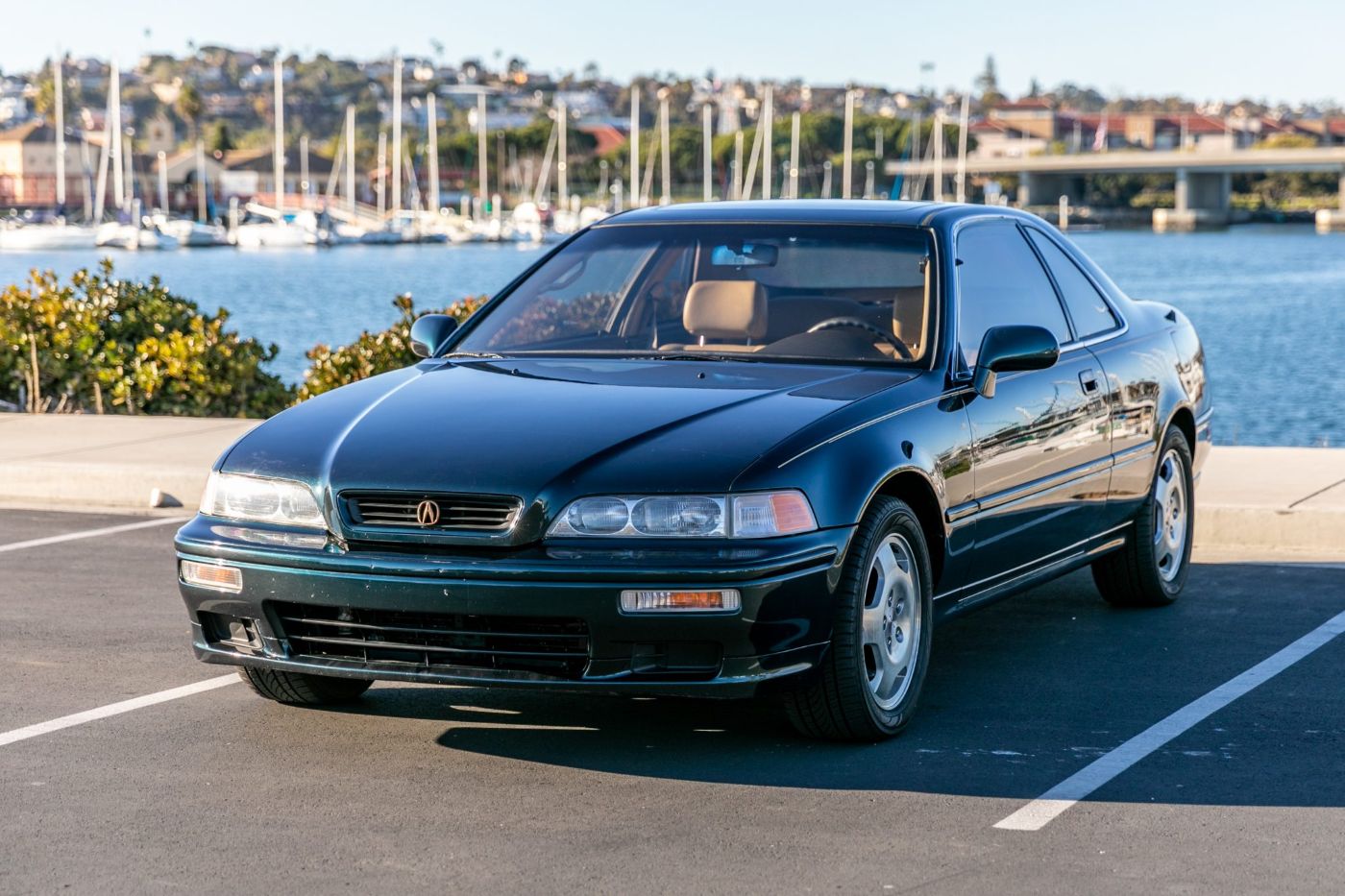
8. Acura Legend
The Acura Legend, produced in the late 1980s and 1990s, helped establish Honda’s luxury division as a credible competitor to European brands. Known for its reliability and refined driving experience, the Legend offers a blend of performance, comfort, and build quality that remains impressive today.
The 3.2-liter V6 engine, in particular, delivers smooth power and is known for exceptional longevity. For buyers looking for vintage luxury cars with low running costs, the Legend presents an opportunity to enjoy Japanese engineering that emphasizes reliability over ostentation.
The interior of the Acura Legend is both spacious and comfortable, with leather upholstery, quality plastics, and wood accents that create a refined environment. Ergonomics are a strong point, with controls easily accessible and seats designed for long-distance comfort.
Even by today’s standards, the Legend provides a quiet, smooth ride with minimal vibration or noise intrusion, demonstrating the thoughtfulness of its engineering. Higher trims include features such as automatic climate control, power-adjustable seating, and premium audio, offering a sense of luxury without complicating maintenance.
Maintenance costs for the Acura Legend are generally very low compared to European luxury cars of the same era. Parts are widely available, labor is straightforward for competent mechanics, and engines are known to exceed 250,000 miles without major issues when properly serviced.
Common maintenance tasks include timing belt replacements, fluid changes, and occasional suspension work, all of which are predictable and affordable. This reliability is a major factor in the Legend’s appeal, making it an accessible entry point into vintage luxury ownership.
Financially, the Acura Legend remains very reasonable to acquire, with prices for well-maintained examples being affordable due to depreciation. Insurance costs are typically lower than for European competitors, and fuel economy is solid for a V6 luxury sedan. For enthusiasts who value reliability, comfort, and understated elegance over badge prestige, the Acura Legend offers a compelling combination of luxury and practicality that continues to reward owners decades after production ended.
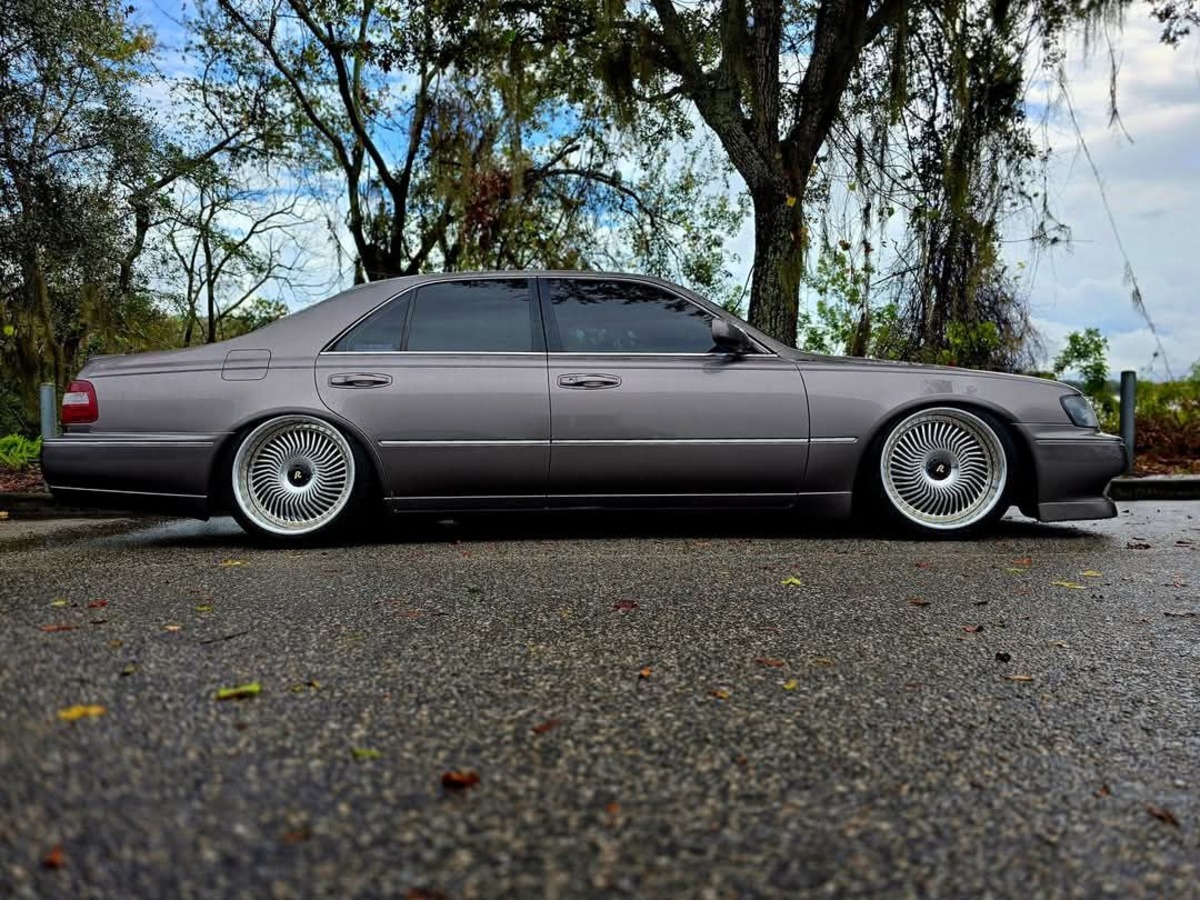
9. Infiniti Q45
The Infiniti Q45, introduced in the early 1990s, was Nissan’s answer to full-size luxury sedans from Germany and the United States. Its bold styling and powerful V8 engine made it a standout at the time, while its Japanese engineering ensured a level of reliability and low running costs that is often missing in older luxury vehicles.
For buyers seeking a vintage luxury sedan that combines performance, comfort, and long-term durability, the Q45 offers a strong alternative to more traditional European options. Its smooth automatic transmission, precise handling, and strong braking performance make it enjoyable for both daily driving and spirited cruising.
Inside, the Infiniti Q45 features a spacious cabin that emphasizes driver comfort. Leather seats, wood trim, and a well-laid-out dashboard create a sense of understated elegance, while controls are logically arranged for ease of use.
Sound insulation is excellent, keeping road and wind noise to a minimum, and the rear seat provides ample space for passengers, making it practical as well as luxurious. Optional features such as premium audio, power-adjustable seats, and automatic climate control further enhance the experience without introducing unnecessary complexity.
Maintenance of the Q45 is manageable for a luxury vehicle of its era. Its V8 engines are robust and capable of high mileage, with parts availability aided by Nissan’s global reach. Routine maintenance tasks, including fluid changes, spark plugs, and suspension upkeep, are straightforward and inexpensive relative to European competitors.
Owners who maintain the car responsibly can enjoy decades of reliable service, making it an excellent choice for those who want classic luxury without constant mechanical stress.
From a financial perspective, the Infiniti Q45 is an appealing bargain. Depreciation has lowered acquisition costs significantly, while insurance rates are reasonable due to the car’s age and moderate market demand. Fuel consumption is in line with other large sedans of its era, and ongoing maintenance costs remain low. For drivers seeking a vintage Japanese luxury car that offers both performance and reliability, the Q45 delivers a compelling balance of comfort, practicality, and enduring style.
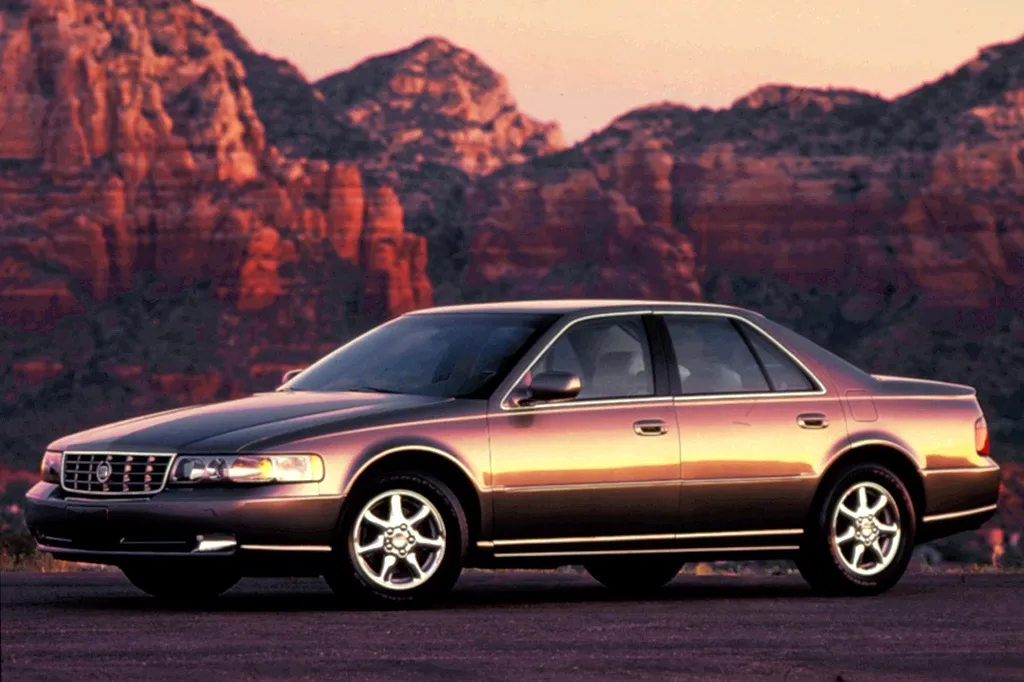
10. Cadillac Seville (Third Generation, 1986–1991)
The third-generation Cadillac Seville is an intriguing option for vintage luxury buyers who want American refinement without excessive costs. Produced between 1986 and 1991, this Seville marked a departure from traditional large American sedans by offering a more compact, European-influenced design with improved handling and ride comfort.
Its V6 and V8 engines are smooth, reliable, and relatively easy to maintain, making this model a practical choice for collectors and enthusiasts seeking a vintage American luxury car that is both stylish and affordable.
Inside, the Seville’s interior is well-appointed with leather seating, wood trim, and driver-focused controls. Ergonomics were carefully considered, with a comfortable seating position and a layout that makes long drives enjoyable.
Features such as automatic climate control, power windows, and high-quality audio systems were available, providing a premium experience for drivers and passengers alike. The cabin’s spaciousness and attention to comfort make it suitable for both daily use and weekend drives, enhancing its appeal as a low-maintenance vintage luxury vehicle.
From a maintenance standpoint, the Cadillac Seville is approachable for owners. Its engines are robust, its electrical systems are relatively simple, and its suspension components are durable.
Routine maintenance tasks, such as oil changes, brake service, and minor mechanical repairs, are straightforward and affordable. Parts availability is strong, and the Seville’s popularity during its production years means that knowledgeable mechanics are generally familiar with its systems, contributing to lower ownership costs.
Financially, the Seville represents one of the more accessible options in vintage American luxury. Depreciation has made purchase prices reasonable, insurance rates are modest, and fuel consumption is manageable given the car’s size. For enthusiasts who want the comfort, presence, and style of a Cadillac without excessive financial or mechanical burdens, the third-generation Seville provides an appealing blend of elegance, practicality, and low long-term costs.
