
The 1970s was a decade that marked a unique chapter in automotive history. This period is remembered not just for its distinctive style, but also for the experimentation and innovation that defined the era. During these years, car manufacturers sought to combine performance, luxury, and aesthetic appeal in ways that had rarely been attempted before.
The decade was influenced by the oil crisis, changing safety standards, and evolving consumer tastes, which all played a role in shaping the vehicles of the time. Despite these challenges, the 1970s produced some of the most iconic and sought-after cars in automotive history.
These vehicles were known for their bold designs, powerful engines, and sometimes extravagant interiors. They were symbols of status, freedom, and technological progress, reflecting a period in which automotive culture was thriving.
Cars of this era often featured aggressive lines, elongated hoods, and a sense of presence that modern vehicles sometimes lack. Muscle cars were at their peak, representing raw power and speed that appealed to a generation of enthusiasts. European manufacturers were experimenting with sophisticated engineering, delivering handling precision and comfort in ways that American cars rarely attempted.
Japanese automakers were beginning to gain recognition for their reliability and efficient design, setting the stage for the global automotive industry we know today. Collectors and enthusiasts now look back at the 1970s with nostalgia, appreciating the craftsmanship, personality, and character of these vehicles. Even decades later, the styling cues, engine configurations, and performance capabilities of 1970s cars continue to influence modern car design.
The cars of this decade were more than transportation. They were statements of personality and lifestyle. Whether it was a flashy convertible cruising along the coastline, a luxury sedan delivering comfort to its passengers, or a high-powered sports car tearing up the racetrack, each vehicle carried a story.
Many of these cars have become highly prized collectibles, commanding attention at car shows and auction events around the world. Owning a car from the 1970s is often considered a journey back in time, a way to experience the engineering and design philosophies that defined an era. The charm of these vehicles lies not only in their performance but also in the sense of history and nostalgia they carry.
In this article, we will examine ten of the best vintage cars from the 1970s. Each car on this list stands out for its unique contribution to automotive history, whether through design, performance, innovation, or cultural impact. From American muscle to European luxury and Japanese ingenuity, these vehicles exemplify the diversity and creativity of the decade.
Their legacy continues to influence car enthusiasts, collectors, and designers alike. Understanding these cars gives insight into a time when the automobile was as much about personality as it was about engineering. The following selections represent some of the most iconic and influential vehicles of the 1970s, each with its own distinct story and enduring appeal.
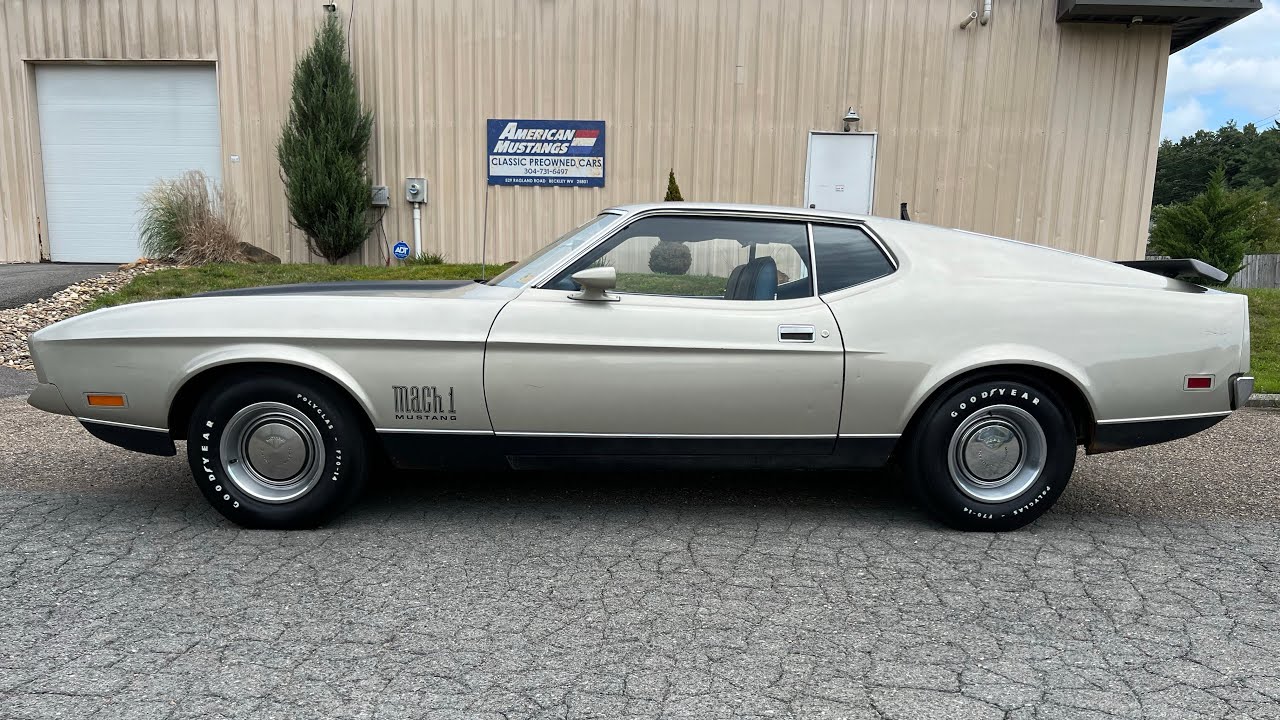
1. Ford Mustang Mach 1 (1971-1973)
The Ford Mustang Mach 1 is often remembered as one of the most iconic muscle cars of the 1970s. Introduced as a performance-oriented version of the standard Mustang, it combined aggressive styling with powerful engine options. The Mach 1 was distinguished by its hood scoops, bold stripes, and sporty interiors.
Its design emphasized both speed and visual impact, making it instantly recognizable on the road. Drivers of the Mach 1 could choose from a range of engines, including the 351 Windsor, the 428 Cobra Jet, and even the legendary 429 Super Cobra Jet. These options allowed the car to deliver impressive horsepower, making it a favorite among enthusiasts who valued straight-line performance.
The handling of the Mach 1 was significantly enhanced compared to the base Mustang. Suspension upgrades and wider tires improved cornering, while maintaining the muscle car’s reputation for thrilling acceleration. Interior features were also upgraded, with optional woodgrain accents, bucket seats, and distinctive badging, giving the car a sense of refinement alongside its raw power.
The Mach 1 became a symbol of American performance, balancing affordability with high performance. Enthusiasts today still prize early Mach 1 models, particularly those with rare engine configurations and original factory options.
One of the defining features of the Mustang Mach 1 was its versatility. The car could serve as a daily driver, a weekend racer, or a showpiece for collectors. Its combination of performance, style, and accessibility contributed to its enduring popularity. Many Mach 1s were involved in street racing culture and became icons of 1970s automotive media. The car’s design also influenced later Mustang generations, with its aggressive styling cues inspiring the modern interpretations of the model.
The Mach 1 continues to captivate collectors due to its historical significance and its representation of the muscle car era at its peak. Original examples with preserved condition and factory options fetch high prices at auctions, reflecting their rarity and desirability.
The car embodies the spirit of American automotive ingenuity during the early 1970s, making it a standout model for anyone interested in vintage performance vehicles. Its enduring appeal is a testament to the balance of design, power, and cultural impact it achieved during its production years.
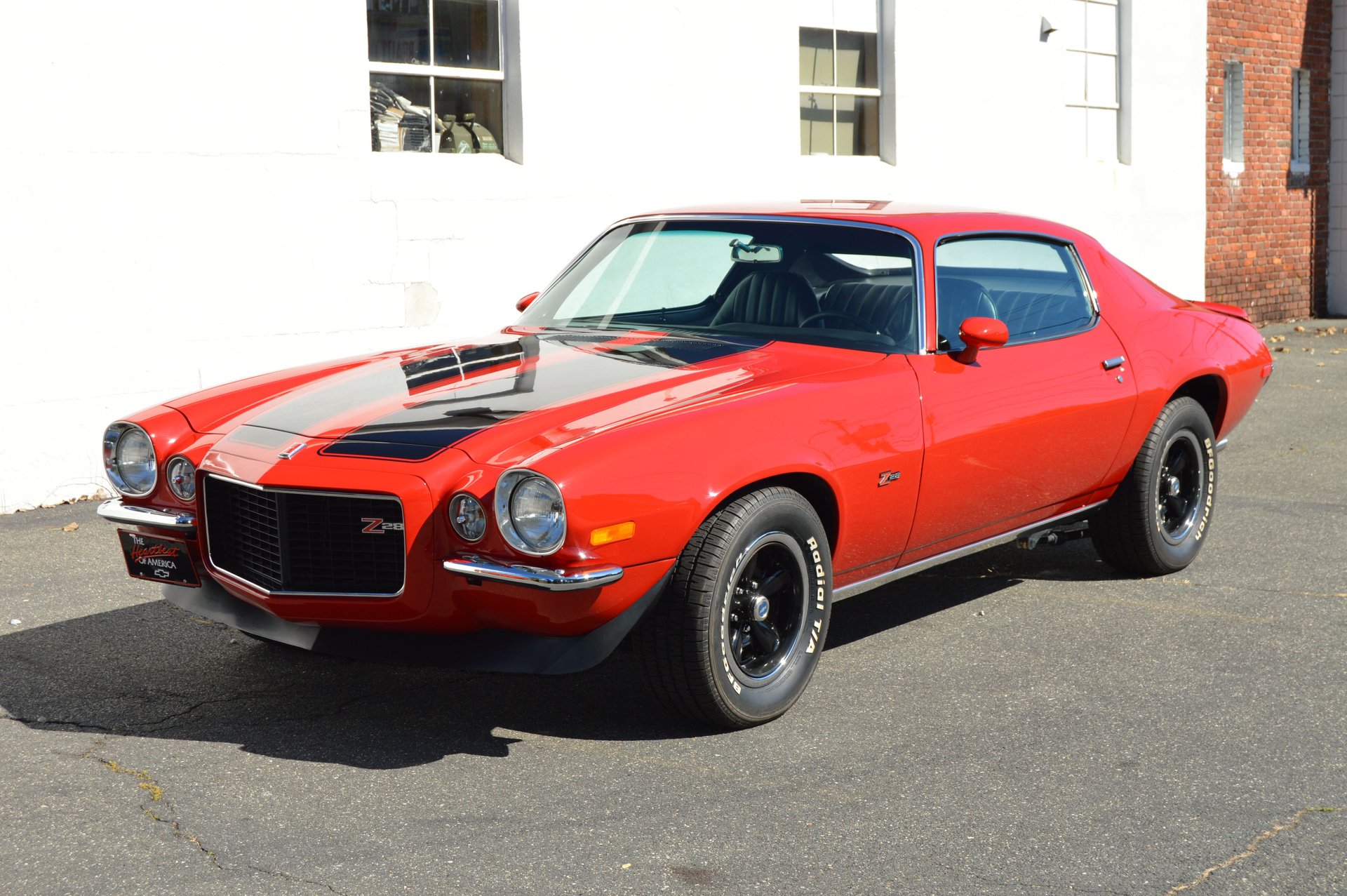
2. Chevrolet Camaro Z28 (1970-1973)
The Chevrolet Camaro Z28 was introduced as a competitor to the Ford Mustang, offering performance and style aimed at enthusiasts seeking a track-capable vehicle. The Z28 model distinguished itself with a high-revving 302 cubic inch engine, specifically designed to meet the requirements of Trans-Am racing.
Lightweight construction and performance-tuned suspension made the car nimble, a sharp contrast to the heavier muscle cars of the era. The Camaro Z28 quickly earned a reputation as a formidable competitor on both the street and the racetrack.
Exterior design played a critical role in the Camaro’s appeal. Bold stripes, hood scoops, and aggressive front-end styling created a commanding presence. The interior was focused on driver engagement, with well-positioned gauges, supportive seats, and a functional layout that prioritized performance over luxury.
These features combined to make the Z28 both visually striking and enjoyable to drive, a rare combination in the muscle car market of the 1970s. The Z28’s balance of aesthetics and performance contributed to its lasting popularity.
The Z28 also had an impact on Chevrolet’s brand image. It demonstrated the company’s ability to produce a vehicle capable of serious performance while remaining accessible to everyday buyers.
The car was a favorite among enthusiasts who valued both competition heritage and street credibility. Its engineering, from suspension tuning to engine reliability, showcased Chevrolet’s commitment to blending technology and excitement in a compact package. Over time, the Z28 became synonymous with performance-oriented Camaros, a trend that continues with modern models.
Collectors today prize the early Z28s for their historical significance and rarity. Limited production numbers, combined with distinctive features such as factory-installed performance options, make these vehicles highly sought after.
Restoration efforts often focus on preserving original details, emphasizing the car’s authenticity and connection to the golden age of muscle cars. The Chevrolet Camaro Z28 remains a classic example of 1970s American performance, admired for its combination of style, speed, and competitive legacy.
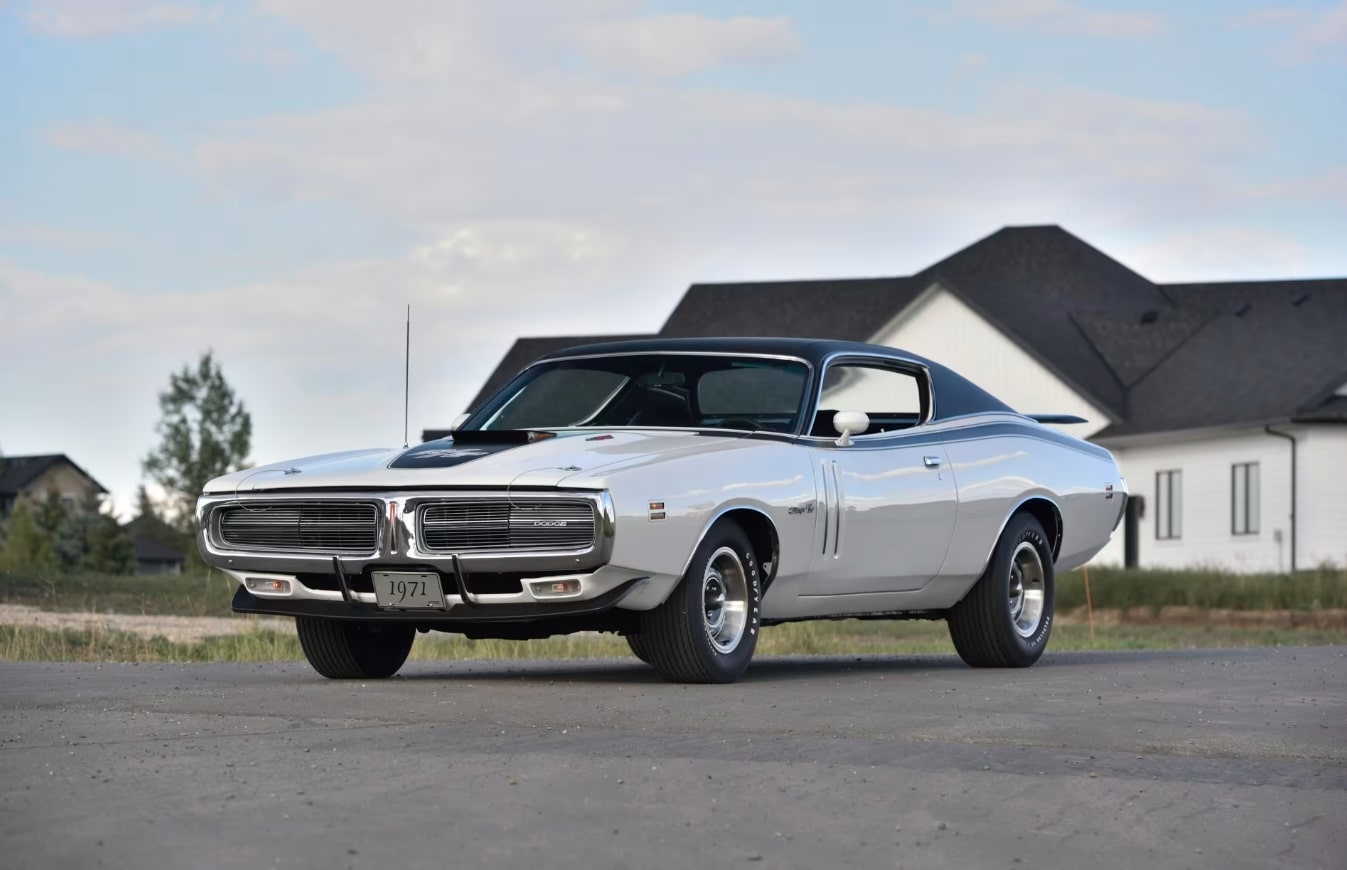
3. Dodge Charger R/T (1970-1974)
The Dodge Charger R/T is widely regarded as one of the most iconic muscle cars of the 1970s. Its aggressive, fastback design made it an instant standout, with wide stance and sculpted lines that conveyed power even at a standstill. Under the hood, the Charger R/T offered an impressive range of engines, including the legendary 426 HEMI and 440 Magnum.
These engines delivered tremendous horsepower, allowing the car to dominate both drag strips and highways. The R/T, short for Road/Track, was intended to combine high performance with street usability, achieving a balance that few competitors could match.
Interior features emphasized comfort and style alongside performance. Bucket seats, distinctive instrument clusters, and optional luxury touches made the Charger R/T appealing to a broad range of buyers.
The vehicle was not merely a straight-line performer; suspension enhancements and handling improvements gave it more control on curves, contributing to its reputation as a well-rounded muscle car. Its design also included safety innovations, responding to the growing awareness of automobile safety standards during the decade.
Cultural significance contributed to the Chargers’ enduring legacy. The car was featured in films and television shows, cementing its place as an emblem of 1970s American car culture. Street racing enthusiasts and collectors alike celebrated the Charger for its combination of power, style, and versatility.
Its aggressive appearance and performance capabilities made it a vehicle that commanded attention wherever it went. The Charger R/T became synonymous with performance and rebellion, reflecting the bold attitudes of the era.
Today, Dodge Charger R/T models from the early 1970s are highly sought after in the collector market. Original examples with high-performance engines and well-maintained bodies command premium prices, reflecting both rarity and iconic status. Restoration projects often focus on preserving factory specifications, highlighting the car’s authenticity.
The Dodge Charger R/T exemplifies the spirit of 1970s muscle cars, combining engineering excellence, striking design, and cultural impact into a single legendary package.
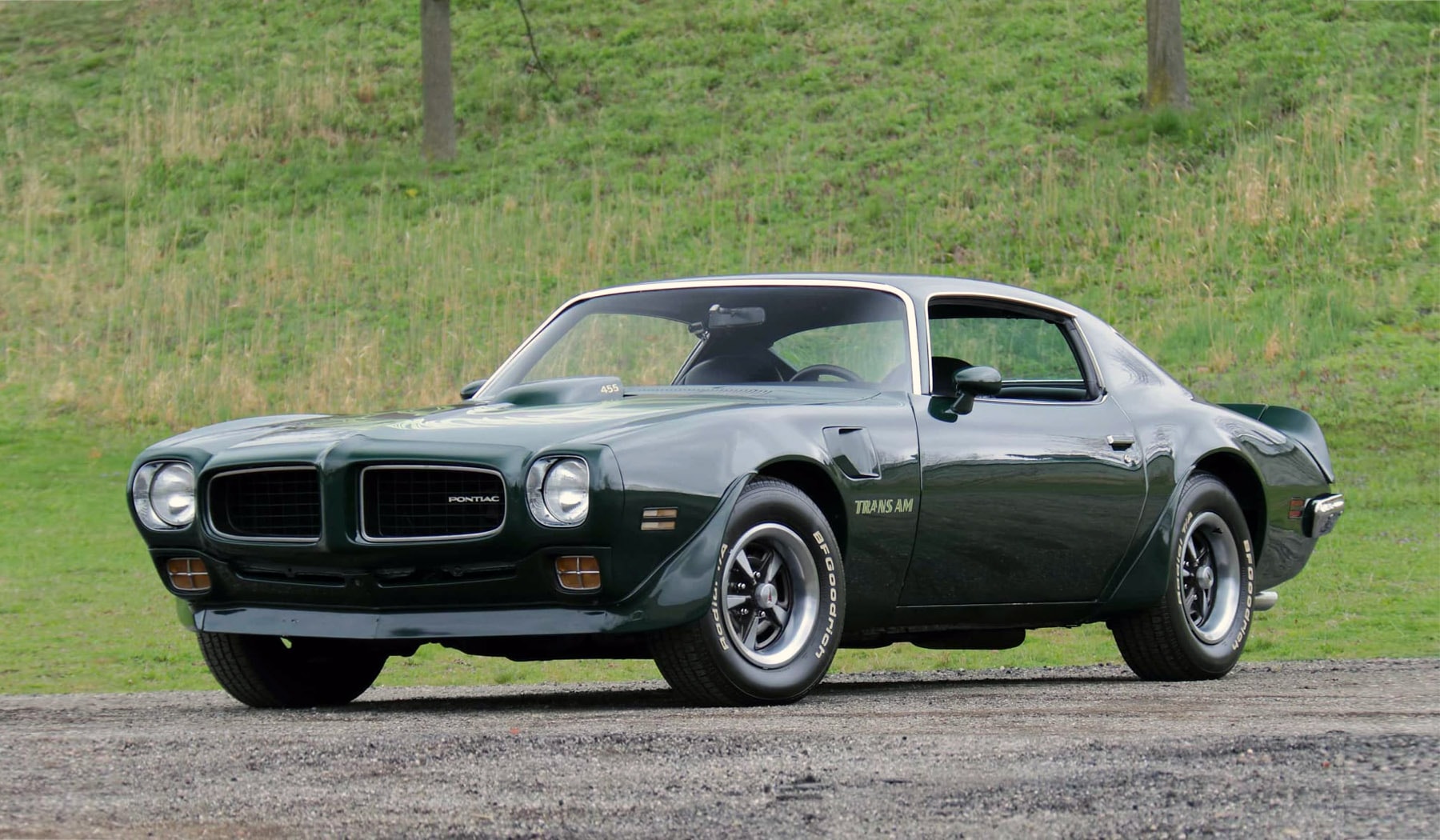
4. Pontiac Firebird Trans Am (1970-1979)
The Pontiac Firebird Trans Am emerged as one of the most celebrated American performance cars of the 1970s, combining aggressive styling with powerful engine options and a distinct personality. Introduced as a more performance-oriented version of the Firebird, the Trans Am became synonymous with speed and presence, offering drivers a unique combination of style and capability.
Its long hood, sweeping fenders, and distinctive front-end design created a bold silhouette that stood out in traffic, while the interior combined sport-focused elements with luxury touches that appealed to a wide audience. Unlike many muscle cars, the Trans Am was marketed not just for its performance but also for its image, representing a lifestyle of excitement and sophistication.
Under the hood, the Trans Am offered a range of potent engines, from the Pontiac 400 to the legendary 455 cubic inch V8, producing impressive horsepower and torque. These powerplants allowed the Trans Am to accelerate aggressively while maintaining stability at higher speeds.
Performance features such as heavy-duty suspensions, handling packages, and wide tires further enhanced the car’s capability, making it suitable for both street driving and track use. Its versatility was one of the car’s strongest selling points, as enthusiasts could enjoy the thrill of a muscle car while still maintaining some level of comfort and usability for everyday driving.
The cultural impact of the Firebird Trans Am cannot be overstated. Its appearance in films and television shows throughout the decade helped solidify its reputation as an icon of American car culture. The “screaming chicken” hood decal, introduced in the mid-1970s, became a symbol of power and rebellion, instantly recognizable to fans of performance vehicles.
The Trans Am’s blend of style, sound, and performance captured the imagination of a generation, making it a car that people aspired to own both for its capabilities and its image. Collectors today prize early Trans Am models, particularly those with rare options or factory-installed performance enhancements.
Over the years, the Trans Am has continued to enjoy a loyal following among enthusiasts and collectors. Original models in pristine condition are highly sought after, and restorations often focus on maintaining authenticity while upgrading certain components for modern reliability.
The car’s legacy is tied not only to its performance but also to the way it represented the era’s attitude toward cars: bold, expressive, and unapologetically powerful. The Pontiac Firebird Trans Am remains a defining example of 1970s American automotive design, celebrated for its combination of innovation, style, and cultural resonance.
5. BMW 3.0 CSL (1972-1975)
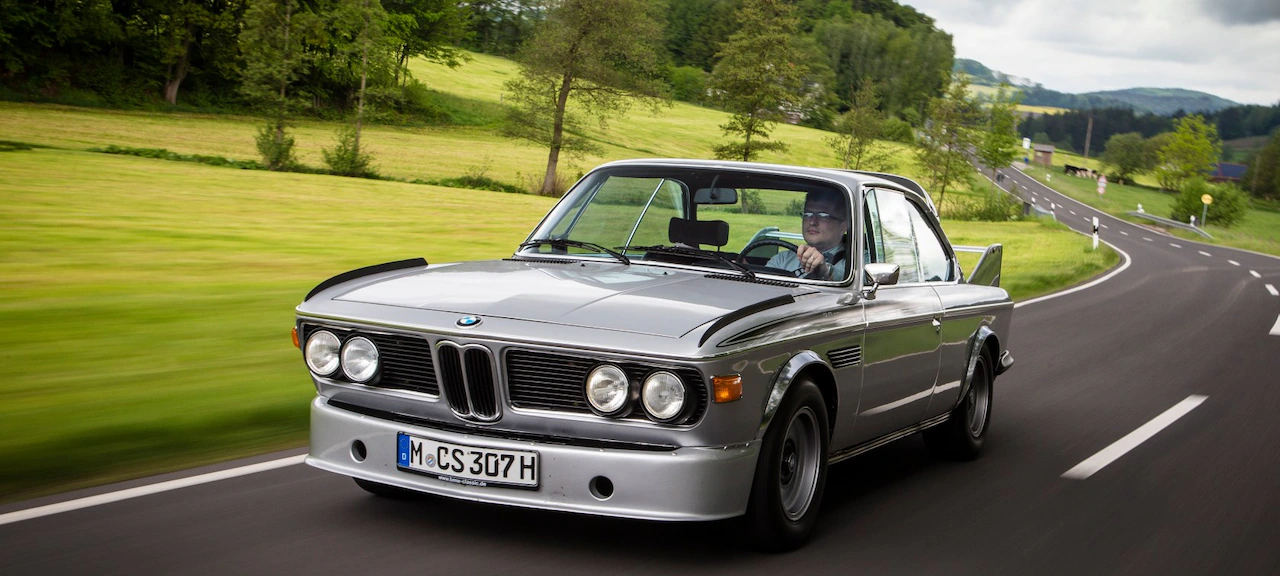
The BMW 3.0 CSL was one of Europe’s most significant performance cars during the 1970s, representing the pinnacle of German engineering and precision. Built as a lightweight version of the BMW E9 coupe, the CSL emphasized weight reduction, aerodynamics, and performance enhancements that allowed it to compete effectively in touring car racing.
Known as the “Batmobile” due to its distinctive aerodynamic appendages, the 3.0 CSL combined innovative design with engineering excellence, offering enthusiasts a vehicle that was both practical for the road and formidable on the track. Its sleek, elegant lines reflected BMW’s commitment to design as much as performance, making it a symbol of refined sportiness.
Powering the 3.0 CSL were inline-six engines ranging from 2.8 to 3.2 liters, producing impressive horsepower and torque for the era. Advanced engineering techniques, such as lightweight materials, aluminum panels, and strategic weight reduction, helped improve acceleration, handling, and driving dynamics.
The car’s suspension and braking systems were carefully tuned to provide precision at high speeds, making the CSL a favorite among drivers who valued control and responsiveness. It was a true driver’s car, where performance and handling were inseparable from the joy of driving itself.
The CSL also played a major role in BMW’s racing heritage. It dominated European touring car competitions, earning victories that helped establish BMW as a serious contender in motorsports. Its success on the track translated into credibility on the street, as enthusiasts sought models that offered a similar level of performance and design excellence.
Limited production numbers and racing pedigree made the CSL highly desirable, and it remains one of the most celebrated collector cars from Europe in the 1970s. The car represented a perfect blend of technology, design, and racing influence, setting a benchmark for performance coupes that followed.
Today, the BMW 3.0 CSL is a prized collector’s item, admired for both its performance capabilities and its distinctive design. Its rare production, combined with historical significance and racing success, has made it an iconic vehicle in the world of classic European sports cars.
Restored examples command premium prices, reflecting the car’s enduring appeal and status as one of the finest performance cars of the decade. For enthusiasts who appreciate engineering, style, and driving excitement, the CSL represents the essence of 1970s European automotive innovation.
6. Datsun 240Z (1970-1973)
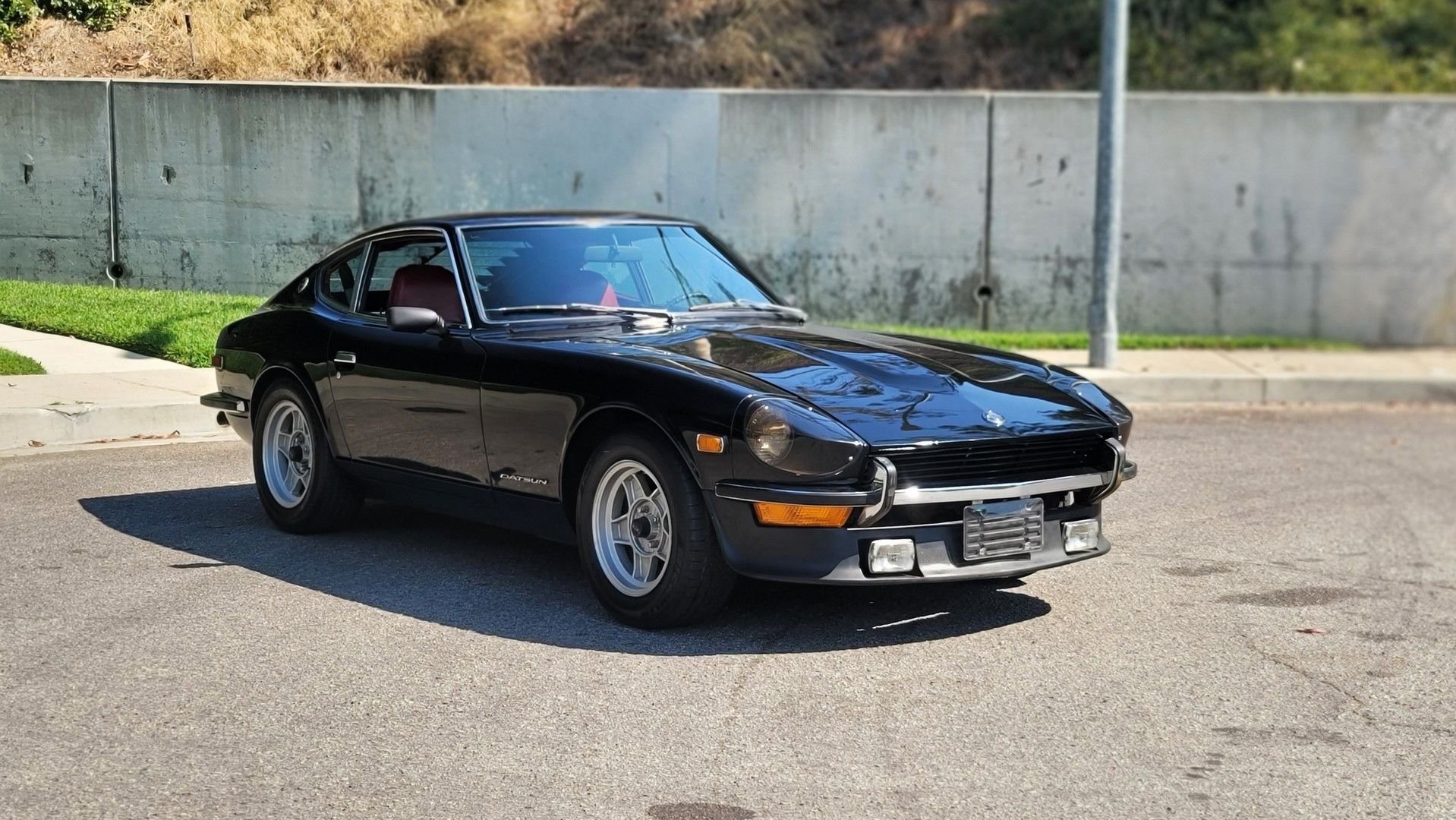
The Datsun 240Z, introduced by Nissan under its Datsun brand, marked a turning point for Japanese sports cars in the global market. Combining affordability, reliability, and spirited performance, the 240Z offered drivers a vehicle that could compete with European sports cars at a fraction of the cost.
Its sleek, long-hood design with a fastback rear created an elegant silhouette that appealed to enthusiasts seeking style as well as performance. The car offered an experience that was both exhilarating and accessible, allowing a new generation of drivers to enjoy a true sports car without the prohibitive costs of European models.
Powered by a 2.4-liter inline-six engine, the 240Z delivered smooth power and responsive acceleration, making it ideal for both spirited road driving and more relaxed cruising. The car’s lightweight construction contributed to agile handling, while independent suspension and a well-balanced chassis provided confidence at higher speeds.
Drivers appreciated the combination of reliability and excitement, as the 240Z rarely required extensive maintenance, distinguishing it from more temperamental European sports cars of the same era. Its practicality, combined with performance, allowed the car to attract a broad audience, from young enthusiasts to seasoned collectors.
The cultural impact of the Datsun 240Z extended beyond performance. Its introduction challenged perceptions of Japanese automakers, proving that they could produce stylish, reliable, and high-performing sports cars. The 240Z became a symbol of accessible performance, bringing excitement to drivers who previously could not afford such vehicles.
Its racing success, particularly in endurance and touring competitions, further cemented its reputation as a capable sports car. Enthusiasts embraced the car for its balance of aesthetics, performance, and reliability, making it a defining model of the decade.
Collectors today value the Datsun 240Z for its combination of style, engineering, and historical significance. Original examples in good condition are highly sought after, particularly those with factory-original parts and rare options. Its enduring popularity has led to a dedicated following, with clubs, shows, and online communities celebrating the car’s legacy.
The 240Z remains an iconic representation of 1970s sports car innovation, illustrating how Japanese automakers could successfully compete on both the road and in motorsports while maintaining affordability and reliability.
7. Mercedes-Benz 450SEL 6.9 (1975-1980)
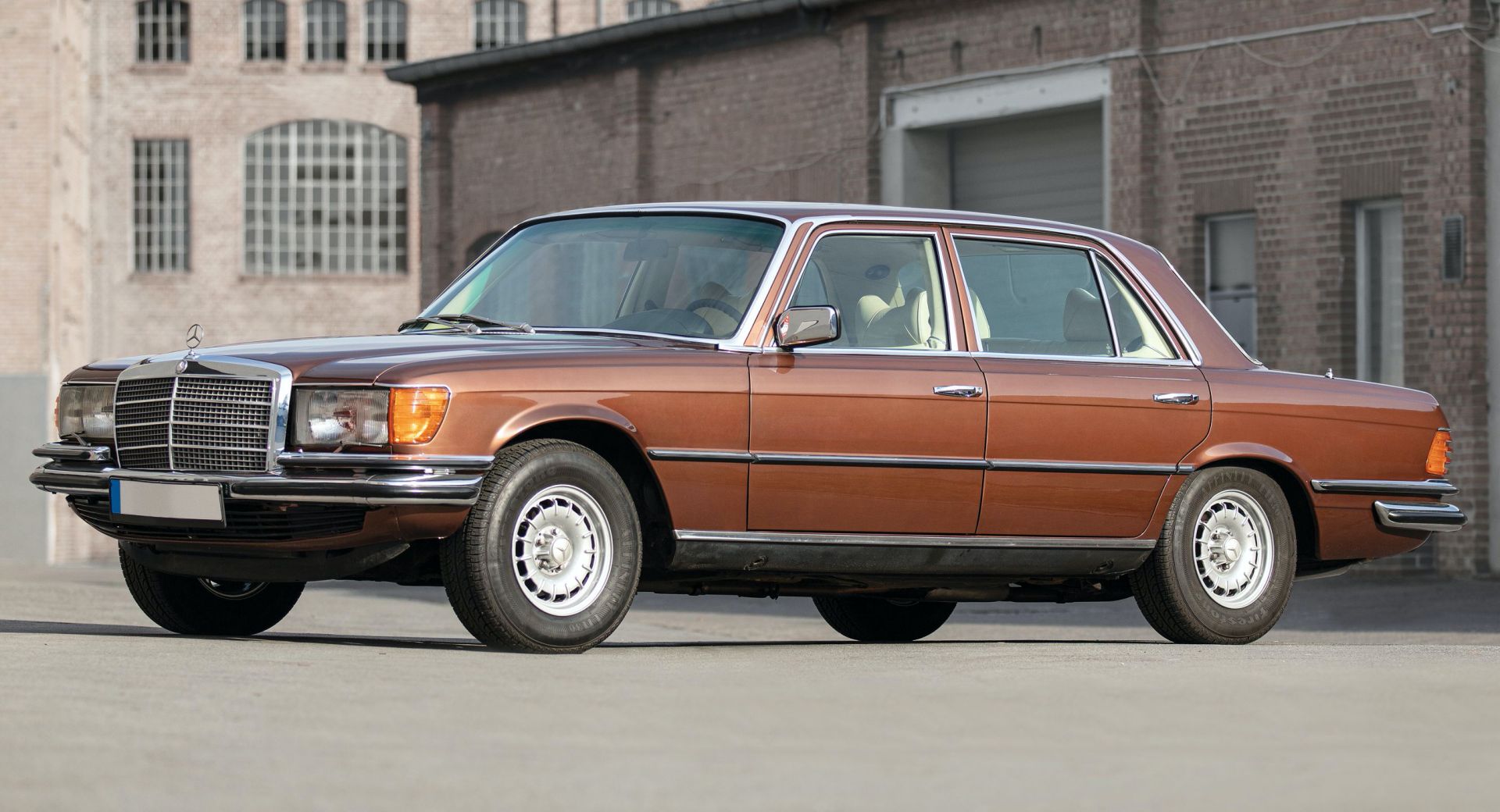
The Mercedes-Benz 450SEL 6.9 was a landmark luxury sedan of the 1970s, representing the pinnacle of engineering, comfort, and performance in a four-door format. This flagship model of the S-Class combined the refinement and quality Mercedes-Benz was known for with a high-performance 6.9-liter V8 engine, capable of producing exceptional power for its class.
The 450SEL 6.9 demonstrated that a luxury car could offer exhilarating performance while maintaining the elegance and comfort expected by discerning buyers. Its understated yet commanding design exuded sophistication, with smooth lines, elegant chrome accents, and a presence that reflected prestige.
The 6.9-liter engine, paired with advanced suspension technology, delivered both speed and stability, allowing the car to accelerate quickly despite its size and weight. Mercedes-Benz included hydropneumatic self-leveling suspension, which provided a smooth, controlled ride and enhanced handling.
Inside, the 450SEL 6.9 offered lavish appointments, including leather upholstery, wood trim, and comprehensive instrumentation. The combination of engineering prowess and attention to detail resulted in a car that excelled both on highways and in urban driving conditions, making it a standout in the luxury market.
The car also symbolized technological innovation during the era. Mercedes-Benz integrated advanced safety features, including anti-lock brakes, reinforced structures, and crash protection elements, which were ahead of their time. The 450SEL 6.9 demonstrated that luxury, performance, and safety could coexist in a single package.
Its presence on the road conveyed authority and refinement, attracting buyers who valued both comfort and power. The car’s reputation extended beyond enthusiasts, influencing how other manufacturers approached the design of high-performance luxury sedans.
Collectors today view the 450SEL 6.9 as a milestone in automotive history. Its rarity, engineering sophistication, and combination of luxury and performance make it highly desirable. Restored examples often retain original features while benefiting from modern maintenance, highlighting the car’s timeless appeal. The 450SEL 6.9 remains a symbol of the 1970s era in luxury performance vehicles, admired for its engineering excellence, comfort, and understated power.

8. Porsche 911 Carrera RS (1973)
The Porsche 911 Carrera RS of 1973 is widely regarded as one of the most important sports cars of the decade, setting standards for performance, handling, and engineering excellence. Designed as a homologation special for racing, the Carrera RS was lighter, more powerful, and more agile than the standard 911 models.
Its iconic ducktail rear spoiler, lightweight construction, and precision engineering made it a legend among driving enthusiasts and collectors. The RS represented a perfect blend of racing pedigree and road usability, offering an exhilarating driving experience without sacrificing practicality entirely.
Under the hood, the Carrera RS featured a 2.7-liter flat-six engine producing over 200 horsepower, a remarkable figure for its size and era. Combined with a lightweight body and refined suspension, the car delivered precise handling and outstanding cornering ability.
Its engineering emphasized balance and driver control, with a focus on enhancing the connection between car and driver. The RS’s reputation as a driver-focused machine was solidified through both road performance and motorsports success, earning accolades and respect from enthusiasts worldwide.
The cultural impact of the 911 Carrera RS extended beyond its technical achievements. It became a symbol of German automotive ingenuity and a benchmark for sports car performance. Its distinctive styling, performance credentials, and limited production numbers created a sense of exclusivity and desirability.
Enthusiasts valued the car not only for its speed and handling but also for its contribution to the evolution of modern sports cars. Its influence can still be seen in contemporary 911 models, which retain the balance, performance, and driver engagement that the RS exemplified.
Collectors today prize the Carrera RS above almost any other 1970s sports car. Original models, particularly those in pristine condition, fetch extraordinary sums at auctions, reflecting both rarity and historical significance.
Restoration efforts focus on preserving factory specifications and iconic features such as the ducktail spoiler and distinctive badging. The Porsche 911 Carrera RS remains an enduring icon of the 1970s, celebrated for its precision, performance, and lasting impact on the sports car world.
9. Jaguar XJ-S (1975-1979)
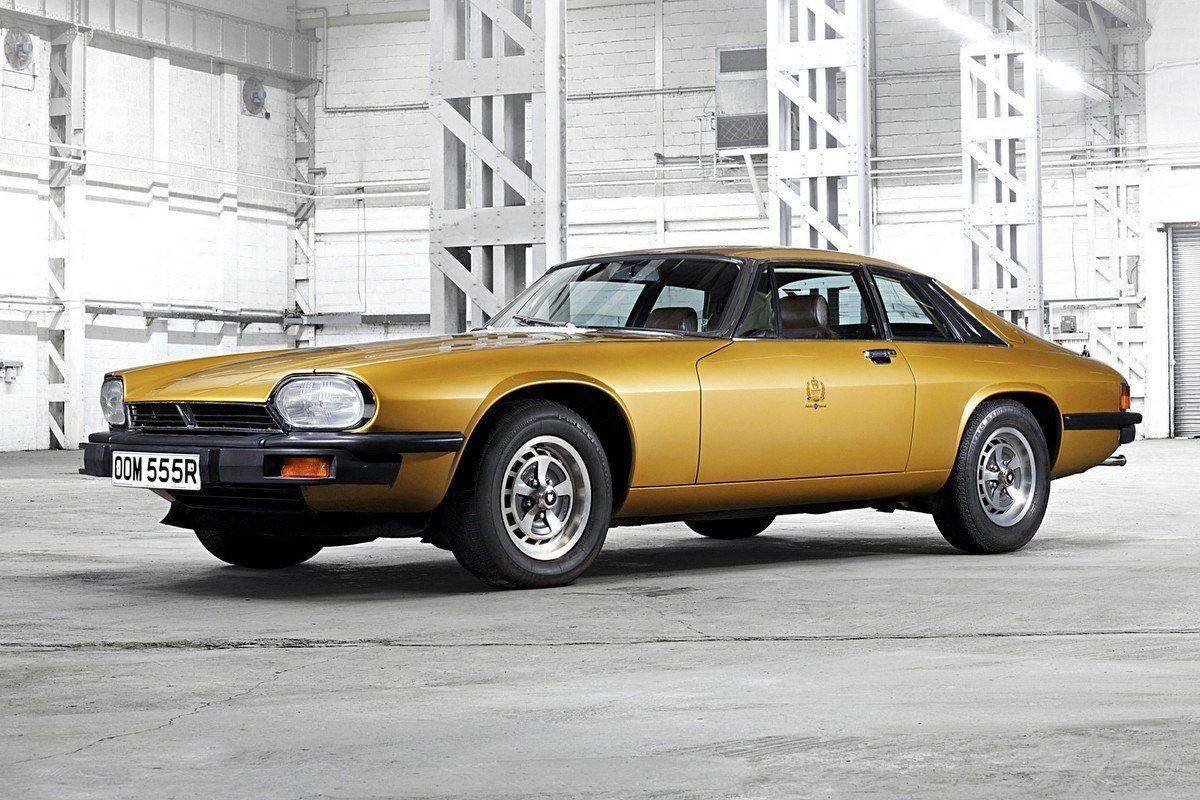
The Jaguar XJ-S was a luxury grand tourer that defined the British marque’s approach to performance, comfort, and style during the late 1970s. Built on the XJ saloon platform, the XJ-S combined sophisticated styling, smooth V12 power, and a focus on long-distance comfort.
Its wedge-shaped profile, flowing lines, and elegant presence made it immediately recognizable, while the luxurious interior featured leather upholstery, wood trim, and advanced instrumentation. The XJ-S appealed to buyers seeking a combination of performance and refinement, offering a driving experience that was both exhilarating and comfortable.
At the heart of the XJ-S was a 5.3-liter V12 engine, capable of producing smooth and powerful acceleration while maintaining refinement suitable for grand touring. The car’s suspension system balanced comfort with handling, allowing it to navigate winding roads confidently while providing a stable and composed ride at high speeds.
Optional upgrades such as air conditioning, premium sound systems, and advanced seating further enhanced the grand touring experience, making it a preferred choice for enthusiasts who valued both style and practicality.
The Jaguar XJ-S also reflected broader trends in the 1970s luxury car market, where performance, comfort, and image were equally important. Its long wheelbase, advanced engineering, and attention to detail demonstrated Jaguar’s commitment to producing vehicles that were both visually striking and technically capable.
While initially criticized for some design and reliability issues, improvements over the years solidified its reputation as a desirable and unique grand tourer. The XJ-S represented an era when British manufacturers were experimenting with combining luxury, performance, and innovation in ways that resonated with global buyers.
Today, the XJ-S enjoys a cult following among collectors and enthusiasts. Its distinctive design, V12 performance, and historical significance make it a highly sought-after classic car. Restorations often focus on maintaining the luxurious appointments and mechanical originality, reflecting the car’s enduring appeal.
The Jaguar XJ-S remains a symbol of 1970s automotive sophistication, bridging the gap between high-performance sports cars and luxurious grand touring vehicles with elegance and style.
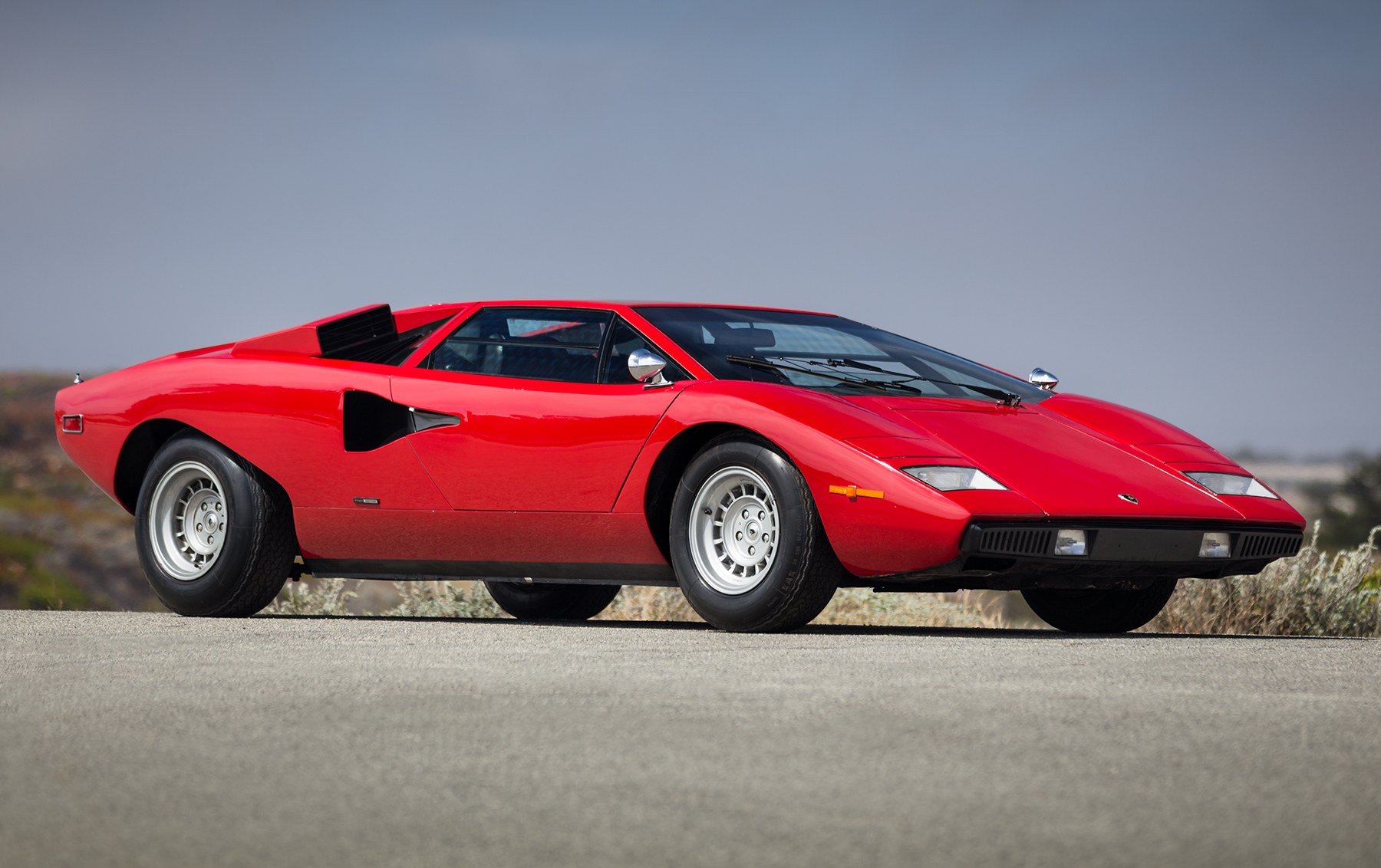
10. Lamborghini Countach (1974-1979)
The Lamborghini Countach is arguably one of the most dramatic and influential supercars of the 1970s, redefining what a high-performance exotic car could look like and how it could perform. Introduced as a successor to the Lamborghini Miura, the Countach featured bold, angular lines, scissor doors, and a futuristic wedge shape that captured the imagination of automotive enthusiasts worldwide.
Its aggressive styling and extreme proportions were unlike anything else on the road, establishing Lamborghini as a leader in exotic performance cars and setting the standard for decades of supercar design to follow.
Powering the Countach was a V12 engine that produced extraordinary levels of horsepower for its time, paired with a chassis designed to handle the car’s immense performance capabilities. The driving experience was intense, with raw acceleration, tight handling, and an engine that delivered a symphony of sound.
Lamborghini prioritized performance and excitement over comfort, resulting in a vehicle that demanded respect and skill from its driver. Every element, from the aerodynamic body to the racing-inspired cockpit, emphasized the car’s purpose as a high-performance exotic sports car.
The Countach also became a cultural icon, appearing in magazines, posters, and movies, inspiring dreams of speed, luxury, and status. Its radical design pushed the boundaries of what consumers expected from a car, influencing automotive design for decades to come.
Collectors admired the Countach not only for its performance but also for its bold statement of individuality and innovation. The car’s limited production and groundbreaking aesthetics ensured its place in history as a benchmark for extreme automotive design and engineering.
Today, the Lamborghini Countach remains one of the most desirable and recognizable cars of the 1970s. Original examples, particularly early LP400 models, command extraordinary prices at auctions, reflecting their rarity, historical significance, and cultural impact.
Its influence on modern supercars is undeniable, and it continues to symbolize the audacity, engineering excellence, and aesthetic daring that defined Lamborghini’s approach to high-performance vehicles. The Countach is an enduring icon, celebrated as the expression of 1970s automotive ambition.
