
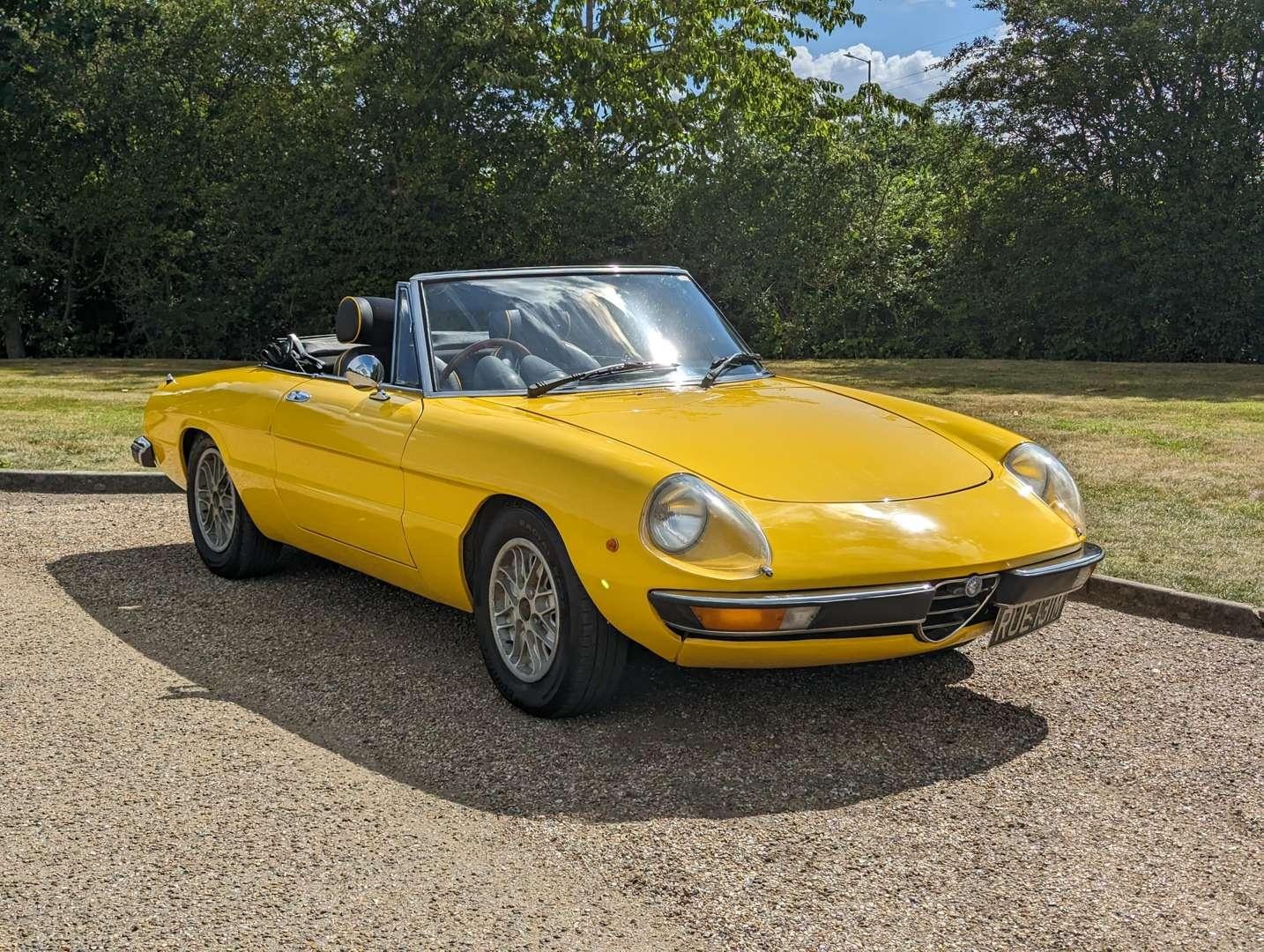
Classic cars hold a unique appeal for automotive enthusiasts. They combine nostalgia, timeless design, and the satisfaction of driving a vehicle that has history embedded in every line, every detail. For those starting out in the classic car world, affordability is often a major factor.
Not every enthusiast can spend tens or hundreds of thousands on a collectible, and yet the desire for a car with character, charm, and the unmistakable feeling of being part of a legacy remains strong. Fortunately, there are numerous options available that offer the classic car experience without the exorbitant price tag.
These vehicles often provide not only the opportunity to enjoy the aesthetics and mechanics of a bygone era but also a manageable entry point into a hobby that can grow over time.
Starter classics are particularly appealing because they are often simpler mechanically than high-end collectors’ cars, meaning repairs and maintenance can be easier to learn and less expensive to perform. They offer a perfect playground for enthusiasts to gain hands-on experience, from tinkering with the engine to restoring interior details, without the stress of risking a six-figure investment.
Additionally, many affordable classic cars have active communities of owners, online forums, and clubs, providing guidance and camaraderie. The shared knowledge helps newcomers navigate sourcing parts, troubleshooting mechanical issues, and understanding the quirks that give each vehicle its unique personality. This sense of community often makes owning a classic car even more rewarding, turning what might initially feel intimidating into a manageable, enjoyable pursuit.
Another aspect that makes these cars ideal for beginners is their versatility in use. While some high-end collectibles are delicate and intended primarily for show, starter classics are often more durable, making them suitable for occasional driving or weekend trips.
Their affordability does not necessarily compromise style, performance, or enjoyment. On the contrary, many offer lively engines, responsive handling, and distinctive designs that continue to attract attention wherever they go. For those who want to experience the joy of a vintage ride without committing to a significant financial outlay, these vehicles provide an excellent balance between practicality and passion.
They also serve as a foundation for future collection growth, allowing enthusiasts to upgrade or diversify their fleet as their experience and confidence increase.
Finally, investing in an affordable classic car offers long-term value beyond monetary considerations. These vehicles can provide an appreciation in sentimental and financial terms, as they often maintain or even increase in value when properly cared for.
They also encourage a deeper understanding of automotive history, design, and engineering, creating an immersive educational experience for their owners.
With so many well-maintained options under $15,000, newcomers can find a car that matches their personal style, mechanical comfort level, and driving preferences. Whether the goal is to enjoy weekend cruises, attend local car shows, or gradually restore a vehicle to its original glory, the entry-level classic car market provides a diverse range of opportunities that make the dream of owning a piece of automotive history achievable and immensely satisfying.
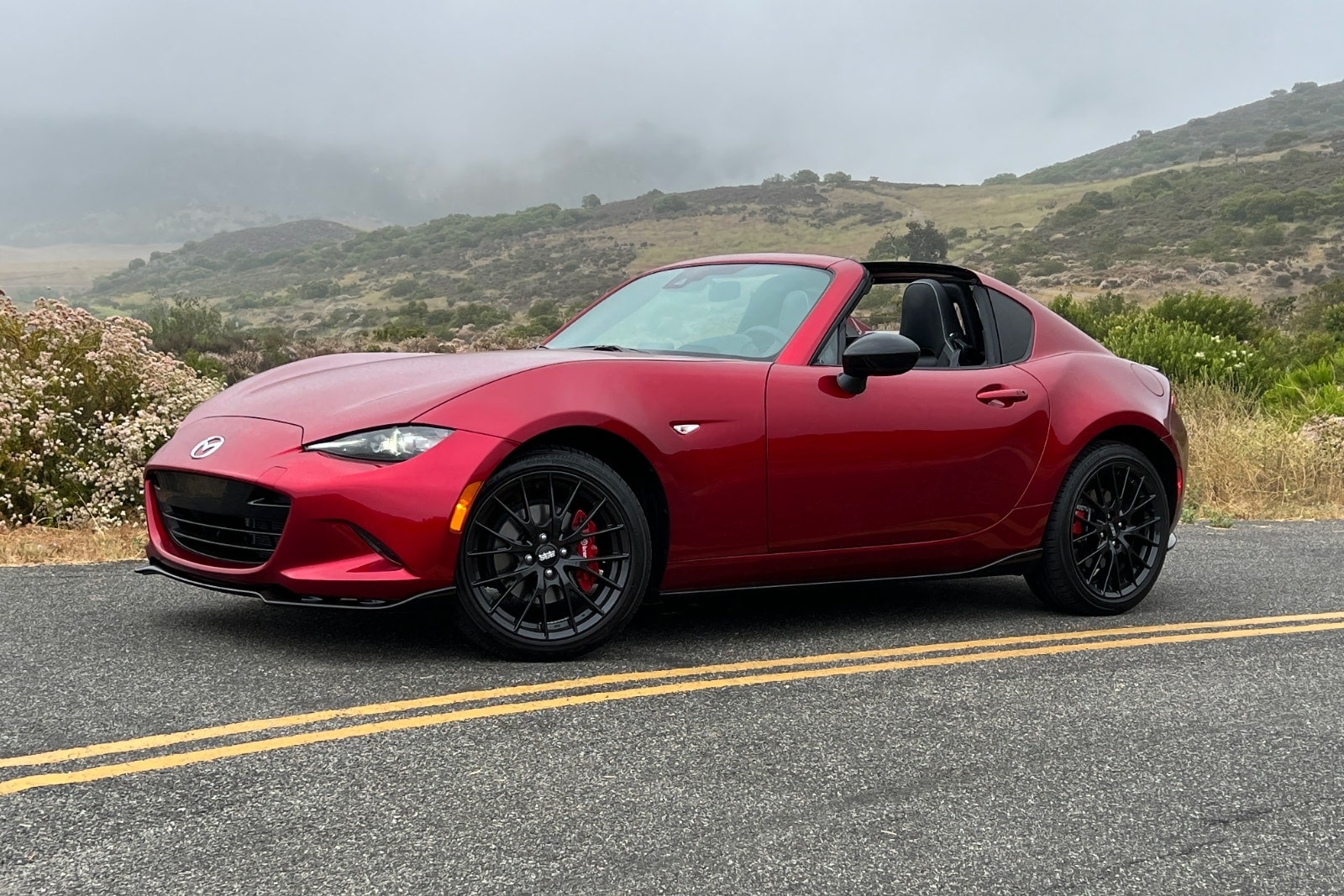
1. Mazda MX-5 Miata (NA/NB)
The first-generation Mazda MX-5 Miata, known for its lightweight body and spirited handling, remains a favorite among enthusiasts seeking a reliable and fun-to-drive classic. Produced in the late 1980s and early 1990s, the NA Miata offers the iconic pop-up headlights and balanced proportions that have become symbols of affordable sports cars.
Despite its small size and modest engine, the car delivers a pure driving experience that emphasizes connection and precision, making it a rewarding choice for beginners who want to learn the dynamics of performance driving without excessive power that can intimidate.
Maintenance on the Miata is straightforward, and parts are relatively inexpensive, allowing new owners to focus on enjoying the car rather than worrying about costly repairs. Engine swaps, suspension upgrades, and cosmetic modifications are all well-documented in the enthusiast community, making this car an accessible project for those wanting to personalize their ride.
The combination of simplicity, reliability, and engaging driving dynamics has contributed to its enduring popularity and has helped the Miata maintain a strong presence in the used car market under $15,000.
Beyond performance, the Miata has a timeless design that continues to attract attention. Its minimalist interior and soft top convertible format make it enjoyable for weekend drives in sunny weather, while the responsive steering and low curb weight provide confidence on winding roads.
Owners often describe the experience as a pure connection to the car and the road, a feeling that many modern vehicles struggle to replicate. Its classic design remains subtle yet unmistakably sporty, appealing to enthusiasts who appreciate cars with character without excessive flash.
Additionally, the Miata is highly versatile for customization or light restoration. From tuning the suspension to restoring the interior or upgrading the exhaust system, owners can engage in hands-on work without facing overwhelming costs.
The car’s wide community of enthusiasts offers guidance and advice for mechanical work and aesthetic improvements, ensuring newcomers have resources to make informed decisions. For anyone looking for a compact, fun, and manageable starter classic that provides both reliability and a touch of nostalgia, the Mazda MX-5 Miata is an excellent candidate that consistently ranks as a favorite under $15,000.
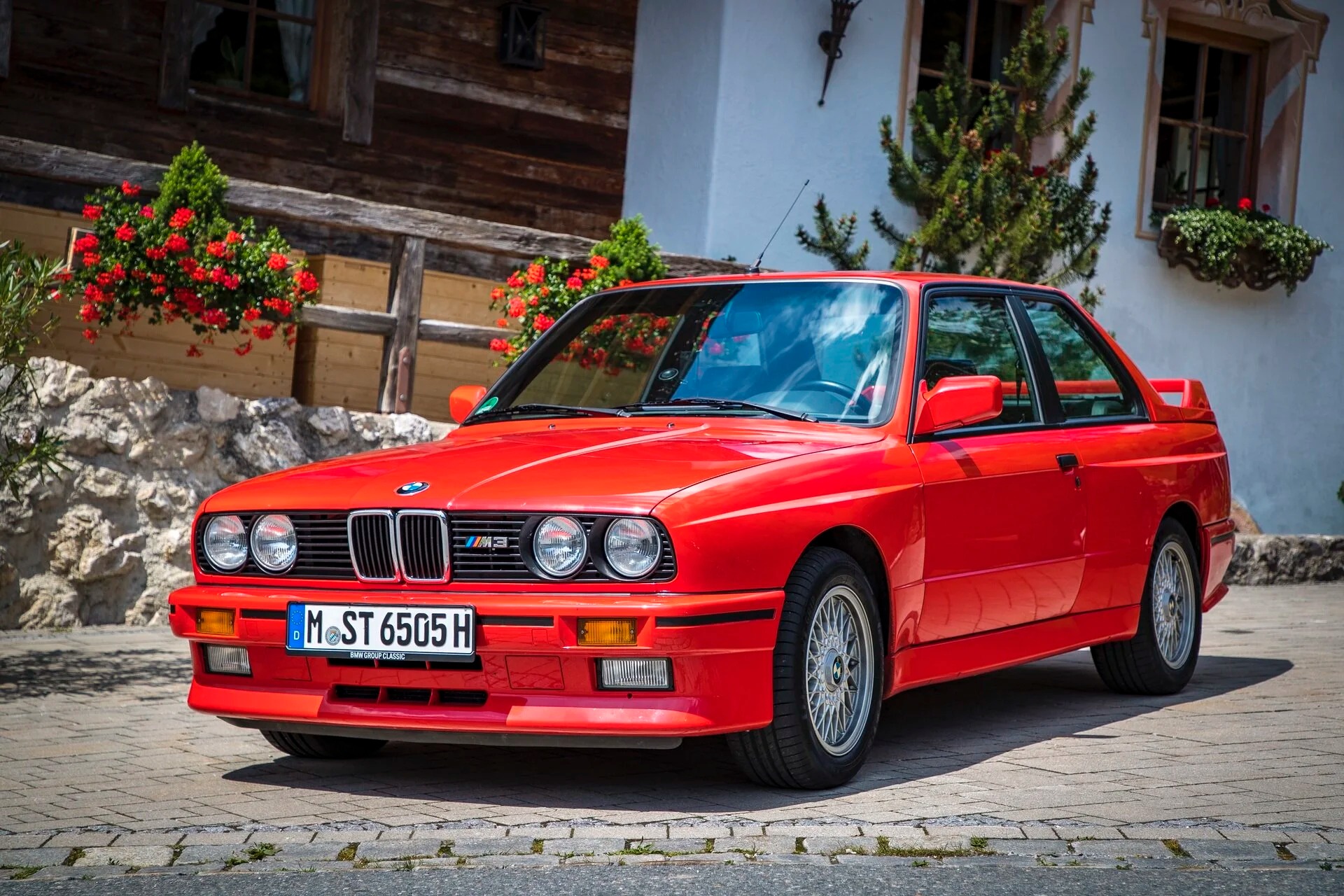
2. BMW E30 3 Series
The BMW E30 series, particularly the 318i, 325i, and convertible variants, is a prime example of an entry-level classic that blends driving enjoyment with iconic style.
Produced from the early 1980s to the early 1990s, the E30 has become a beloved vehicle for enthusiasts due to its balanced rear-wheel-drive platform, solid build quality, and relatively straightforward mechanical components. The driving experience is engaging, with precise steering and a chassis that encourages spirited cornering, giving owners a rewarding connection to the car.
One of the advantages of the E30 is its strong aftermarket support and parts availability. Whether it’s suspension bushings, brake upgrades, or interior restoration, finding replacements is relatively simple and affordable.
Many enthusiasts choose to maintain the car in its original condition, while others modify it for improved performance or aesthetic appeal. The E30 community is robust, offering forums, guides, and local clubs that make learning the maintenance and restoration process approachable for newcomers.
Aesthetically, the E30 has an enduring appeal. Its boxy yet elegant lines, combined with signature kidney grilles and simple interior layout, make it instantly recognizable and timeless. The convertible and coupe models offer a more refined presence, while the sedan variants provide a practical option for those who desire classic style with everyday usability.
The interior, although minimalist by modern standards, maintains a driver-focused design that emphasizes ergonomics and simplicity, making it less intimidating for beginners to understand and maintain.
Mechanically, the E30 is forgiving for those new to classic car ownership. Its engines are known for longevity and reliability if properly maintained, and the car’s straightforward suspension design is easier to work on than more modern, complex systems.
Whether the goal is casual driving, weekend enjoyment, or minor restoration projects, the E30 offers a balance of performance, charm, and affordability that makes it one of the most recommended starter classics under $15,000.
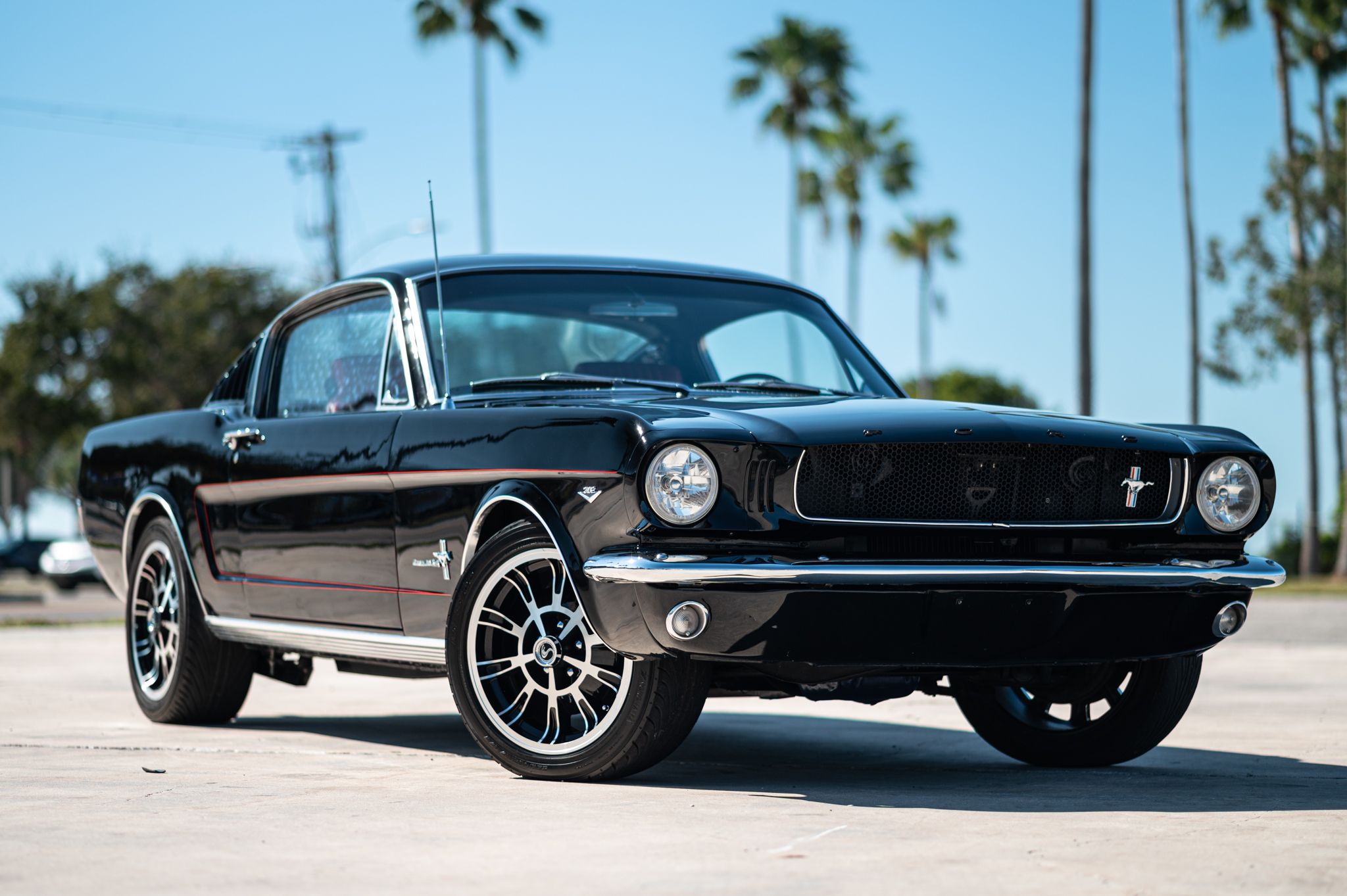
3. Ford Mustang (Fox Body, 1979–1993)
The Fox Body Mustang has long been recognized as a versatile, accessible entry point into American muscle car ownership. Produced over a decade, this generation of Mustang combines relatively low cost with strong aftermarket support and a wide range of engine options. Enthusiasts are drawn to its simplicity, the ease of modification, and the iconic styling that bridges the gap between classic muscle cars and modern performance vehicles.
Many Fox Body Mustangs are still available for under $15,000, making them an attractive option for first-time classic car owners. Their mechanical components are straightforward, which reduces the learning curve for maintenance and repairs.
The rear-wheel-drive layout and available V8 engines allow drivers to experience the thrill of American muscle without the complexities of more expensive or rare models. The car’s lightweight chassis also contributes to responsive handling, making it enjoyable on both highways and curvy backroads.
Styling is a significant factor in the Fox Body Mustang’s appeal. Its sharp lines, aggressive stance, and distinctive grille provide a classic muscle car aesthetic that remains desirable. The interior, while simple, offers a comfortable and functional driving environment.
Many enthusiasts appreciate the opportunity to personalize the car through cosmetic or performance modifications, ranging from engine swaps to suspension tuning, while still retaining its classic charm.
The Fox Body Mustang’s strong community ensures that advice, parts, and technical guidance are easily accessible. Clubs and online forums provide resources for troubleshooting mechanical issues, sourcing rare components, and sharing restoration tips.
For those looking to experience a classic American sports car without exceeding a budget, the Fox Body Mustang delivers an excellent combination of affordability, performance, and enthusiast support, making it an ideal starter classic under $15,000.
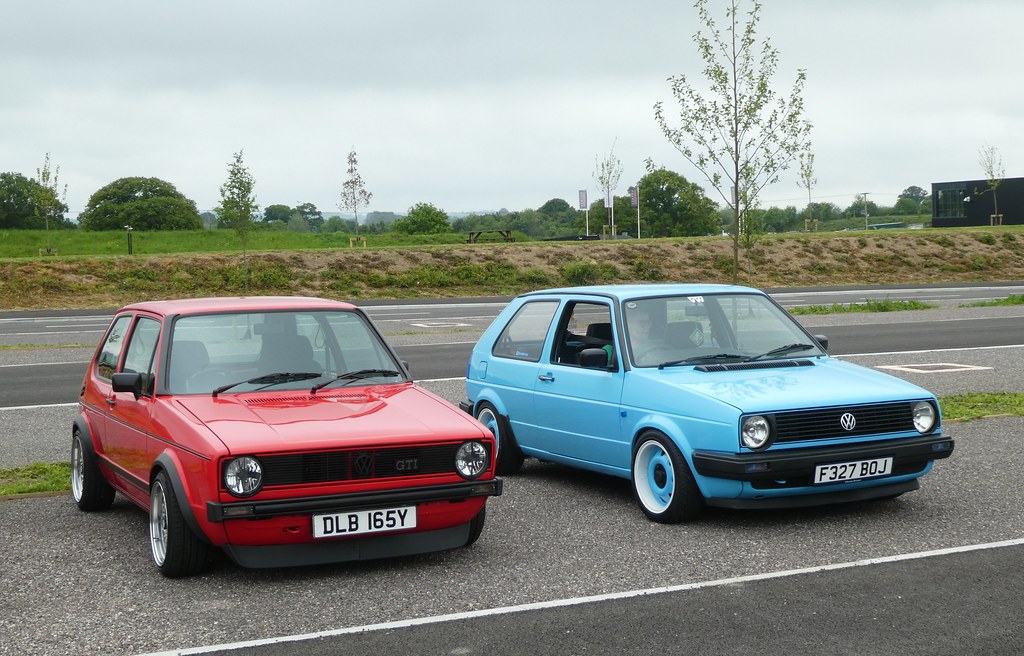
4. Volkswagen Golf GTI (Mk1/Mk2)
The Volkswagen Golf GTI, especially the first and second generations, offers a unique combination of European style, practicality, and engaging driving dynamics. Introduced in the late 1970s and gaining popularity through the 1980s, the Mk1 GTI became the original “hot hatch,” blending compact dimensions with spirited performance.
Its lightweight chassis, nimble handling, and responsive engines make it an excellent choice for those seeking a practical yet thrilling driving experience. Unlike many larger classic cars, the Golf GTI is easy to park and maneuver, which adds to its appeal for younger enthusiasts or those living in urban environments.
Maintenance on these early GTIs is relatively straightforward. Parts are generally affordable and widely available due to the model’s popularity, making them ideal for newcomers who want a mechanically approachable classic. Enthusiasts often appreciate the opportunity to perform simple repairs or upgrades themselves, from suspension tweaks to engine tuning.
The Golf GTI’s simple, modular design allows for learning about European car mechanics without the intimidation factor of more complex luxury vehicles, giving first-time classic owners the confidence to handle minor issues independently.
Stylistically, the GTI has a charm that has endured for decades. Its boxy hatchback profile, combined with the distinctive red trim and sporty wheels, projects a purposeful yet understated look. The interior is compact but driver-focused, featuring basic gauges, supportive seats, and an intuitive layout.
This simplicity contributes to its appeal as a starter classic because it is easy to restore or maintain without expensive modern electronics or complicated systems. The hatchback design also adds practicality, allowing owners to enjoy their classic car without sacrificing functionality for daily life or road trips.
The Golf GTI also benefits from a passionate community of owners and enthusiasts. Forums, clubs, and social media groups provide extensive technical knowledge, advice on sourcing original or aftermarket parts, and guidance for restoration projects.
Many owners share detailed instructions for engine maintenance, suspension upgrades, and cosmetic refurbishments, creating a supportive environment for newcomers. With its blend of affordability, style, and engaging performance, the Mk1 or Mk2 GTI stands out as a European alternative for first-time classic car buyers who want something unique, reliable, and fun to drive under $15,000.
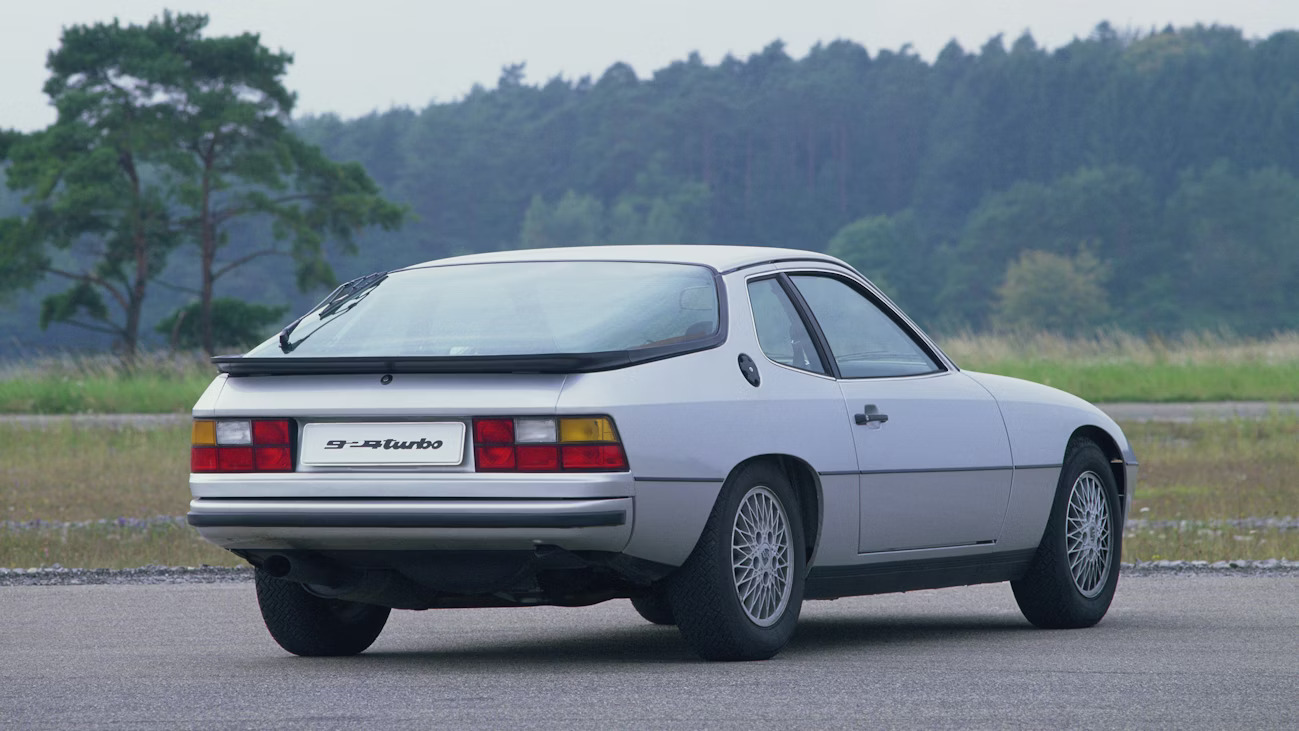
5. Porsche 924/944
The Porsche 924 and 944 series represent an accessible entry point into the world of classic Porsche ownership. Produced during the late 1970s and 1980s, these vehicles combine sleek European styling, balanced weight distribution, and respectable performance at a fraction of the cost of more famous Porsche models like the 911.
While some might be hesitant about owning a Porsche due to maintenance expectations, the 924 and 944 are mechanically straightforward compared to higher-end models, making them manageable for new classic car enthusiasts willing to learn.
Mechanically, the 924 and 944 feature front-engine, rear-wheel-drive layouts that provide predictable handling and driving enjoyment. The 944, in particular, is praised for its near-perfect 50/50 weight distribution and responsive steering, giving it confidence-inspiring road manners.
Both models use reliable engines, and many parts are shared between the two series, which helps reduce long-term maintenance costs. With careful selection, it is possible to find well-maintained examples under $15,000 that are ready to drive without significant mechanical work. Enthusiasts often view these cars as ideal platforms for learning about European performance cars, providing hands-on experience without the anxiety associated with more expensive Porsches.
Aesthetically, the 924 and 944 have a low-slung, aerodynamic profile that still looks contemporary despite decades passing since their production. Pop-up headlights, sloping hoods, and clean lines create a distinctive, recognizable presence. Interiors, while modest, are driver-oriented, with straightforward controls and supportive seats.
The cockpit offers a focused driving experience without unnecessary complexity, further enhancing their suitability as a starter classic. Many owners enjoy personalizing the interior or restoring original trim, taking satisfaction from small projects that enhance both functionality and aesthetics.
Ownership is supported by an active and passionate community. Clubs, forums, and regional meet-ups provide technical advice, sourcing tips for parts, and general camaraderie, which is invaluable for first-time classic car buyers.
The affordability of the 924 and 944, combined with their manageable maintenance, attractive styling, and engaging driving characteristics, makes them a compelling option for those looking to enter the world of European classics. For under $15,000, these vehicles offer a taste of Porsche heritage while remaining practical enough for regular enjoyment.

6. Chevrolet Camaro (Third Generation, 1982–1992)
The third-generation Chevrolet Camaro is a classic American sports car that combines aggressive styling with relative affordability. Produced in the 1980s and early 1990s, this Camaro generation offers a range of engines from economical inline-fours to powerful V8s, giving buyers the ability to choose a model that fits both budget and performance preferences.
With its angular lines, pop-up headlights, and low-slung profile, the Camaro maintains a sporty, unmistakably American aesthetic that continues to resonate with enthusiasts today.
Maintenance and repair for the third-generation Camaro are generally straightforward due to the car’s simple mechanical design and widespread availability of parts. Owners have a wealth of aftermarket options, from performance upgrades to cosmetic enhancements, which makes personalization and restoration feasible even for those new to classic cars.
This combination of accessible parts and uncomplicated mechanics allows beginners to gain confidence in working on their vehicles without the intimidation of overly complex modern systems. The Camaro also has a strong following, meaning there is a wealth of knowledge and support from experienced owners available to help newcomers navigate repairs or modifications.
Driving the third-generation Camaro offers a classic muscle car experience. Rear-wheel drive and a well-tuned suspension make for engaging handling, while the V8 models deliver the iconic American muscle car sound and acceleration. Smaller engine variants still provide spirited driving without overwhelming less experienced drivers.
For enthusiasts seeking a blend of performance, style, and nostalgic appeal, this Camaro generation provides a balanced package that can satisfy both casual driving enjoyment and hobbyist-level restoration or modification interests.
Stylistically, the third-generation Camaro is a statement vehicle. Its wedge-shaped front end, sloped windshield, and sporty rear deck give it a bold road presence that remains distinctive decades later. Inside, the cabin is driver-focused but simple, with durable materials and easy-to-understand gauges.
These traits make it a practical and enjoyable option for new classic car owners who want a visually striking vehicle with approachable mechanics. With models available for under $15,000, the third-generation Camaro offers the classic muscle car experience in a format that is accessible, enjoyable, and rewarding for entry-level enthusiasts.
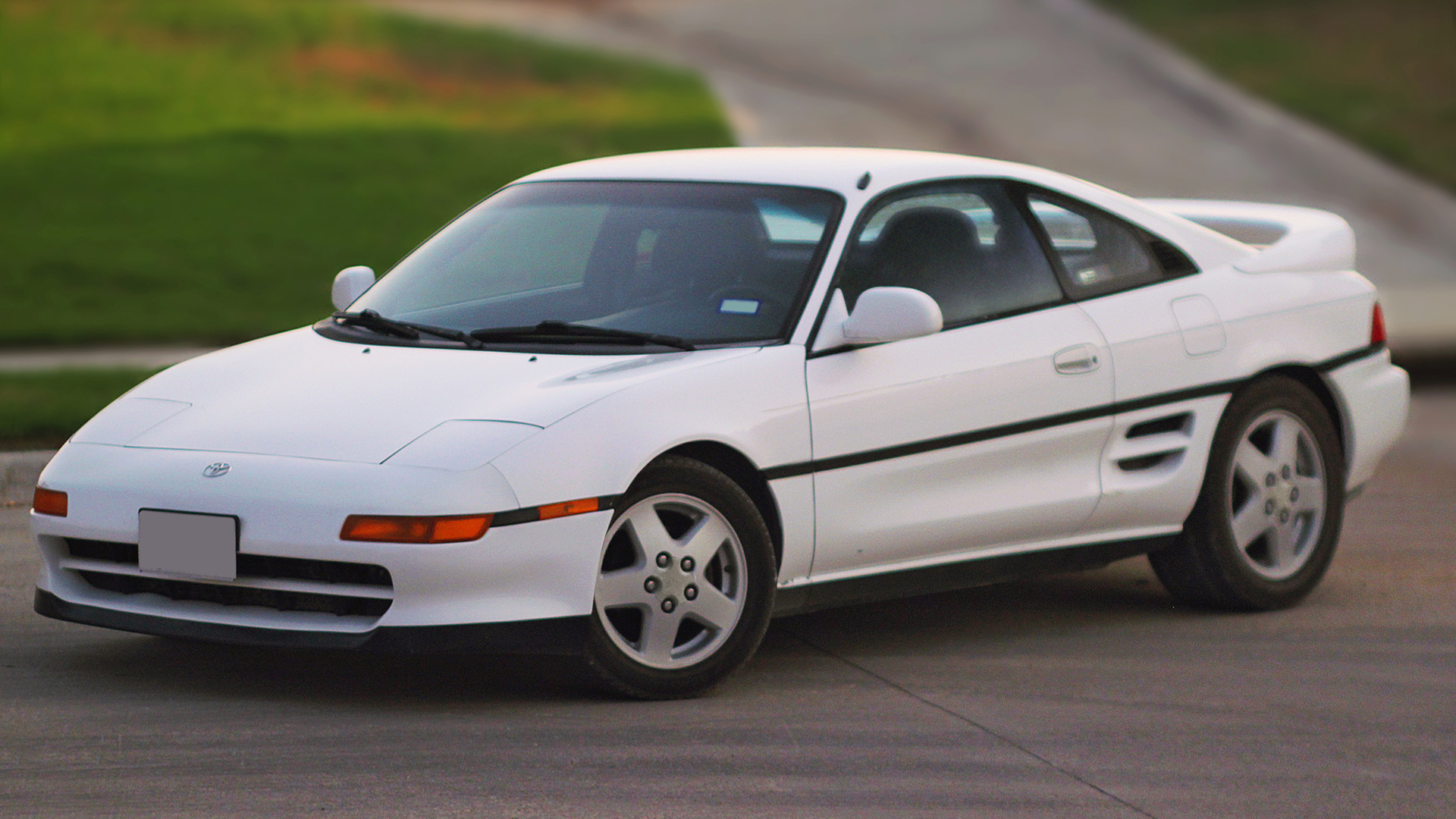
7. Toyota MR2 (AW11)
The first-generation Toyota MR2, known as the AW11, is a mid-engine, rear-wheel-drive compact sports car that combines precision handling with lightweight performance. Produced in the mid-1980s, the MR2 offers the thrill of a European-style sports car at a fraction of the cost.
Its balanced chassis and nimble responsiveness make it a joy on twisty roads, while the compact size and reliable mechanics allow for practical, low-cost ownership. For newcomers to classic cars, the MR2 provides a unique and rewarding driving experience without the complexity or high cost of exotic vehicles.
Maintenance on the AW11 MR2 is generally approachable for beginners. Toyota’s engineering reliability and the relative simplicity of the car’s layout make repairs manageable, and aftermarket parts are available at reasonable prices.
Common upgrades and preventative maintenance items, such as timing belts, suspension components, and brake work, can often be performed by owners themselves. This makes the MR2 an excellent choice for learning about sports car mechanics and handling, providing valuable hands-on experience for someone new to classic car ownership.
Styling for the MR2 is unmistakably 1980s yet still appealing today. Its wedge-shaped design, pop-up headlights, and compact proportions give it a purposeful, sporty appearance. The interior is minimalistic but functional, offering a driver-focused environment with supportive seats and straightforward controls.
This simplicity allows first-time owners to focus on enjoying the driving experience rather than managing complex electronics or features. The MR2’s mid-engine layout also delivers a unique sense of balance and road feel that distinguishes it from front-engine competitors, offering a learning experience that is both exciting and educational for a new enthusiast.
The MR2 community is active and welcoming, guiding maintenance, sourcing parts, and restoring or modifying vehicles. For enthusiasts seeking a small, lightweight, and engaging sports car, the first-generation MR2 represents one of the best starter classics under $15,000.
Its combination of affordability, reliability, distinctive design, and exceptional driving dynamics makes it an enduring favorite for entry-level collectors who want a car that is fun to drive and rewarding to maintain.
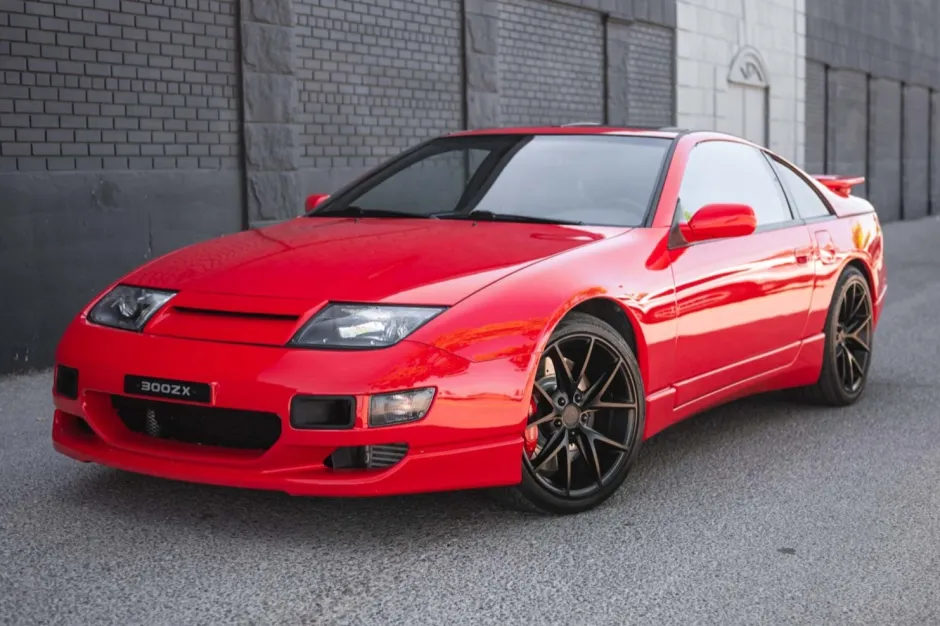
8. Nissan 300ZX (Z31, 1984–1989)
The first-generation Nissan 300ZX, also known as the Z31, represents a unique blend of 1980s Japanese styling and sports car performance. With its sharp angular lines, pop-up headlights, and low-slung profile, the 300ZX exudes a sense of purpose and athleticism that remains appealing today.
While not as expensive as later Z-cars, the Z31 provides a genuine sports car experience, offering responsive handling, rear-wheel drive, and a turbocharged engine option for those seeking extra performance. Its lightweight chassis makes it nimble on curvy roads, providing drivers with a connected and satisfying feel behind the wheel.
Maintenance on the Z31 300ZX is relatively approachable for beginners. While turbo models require more attention, naturally aspirated versions are simpler and more forgiving for entry-level enthusiasts. Parts are moderately priced and widely available, thanks to the model’s popularity during its production run.
The straightforward mechanical design also allows new owners to gain hands-on experience with engine maintenance, suspension work, and basic tuning. Many owners report that the car responds well to minor upgrades or restorations, giving newcomers the chance to personalize or improve performance without significant financial risk.
The 300ZX’s interior reflects the 1980s Japanese sports car ethos, with a driver-focused cockpit, analog gauges, and simple controls. The cabin is compact but comfortable, emphasizing functionality and engagement over luxury.
This simplicity makes it easier for new owners to understand the car’s systems and perform maintenance without being intimidated by modern electronics or overly complex features. Combined with the car’s distinctive exterior styling, the Z31 offers a complete package for those seeking a visually striking, fun-to-drive classic that is accessible under $15,000.
Community support is another advantage for prospective owners. The Z31 enjoys a dedicated following of enthusiasts who guide maintenance, restoration, and performance upgrades. Forums, clubs, and social media groups offer valuable insights for sourcing parts, troubleshooting common issues, and sharing project ideas.
For beginners, this support network makes owning and maintaining a 300ZX more manageable and enjoyable. With its combination of style, reliability, and affordability, the Nissan 300ZX Z31 remains a standout option for anyone looking to enter the world of Japanese classic sports cars without breaking the bank.
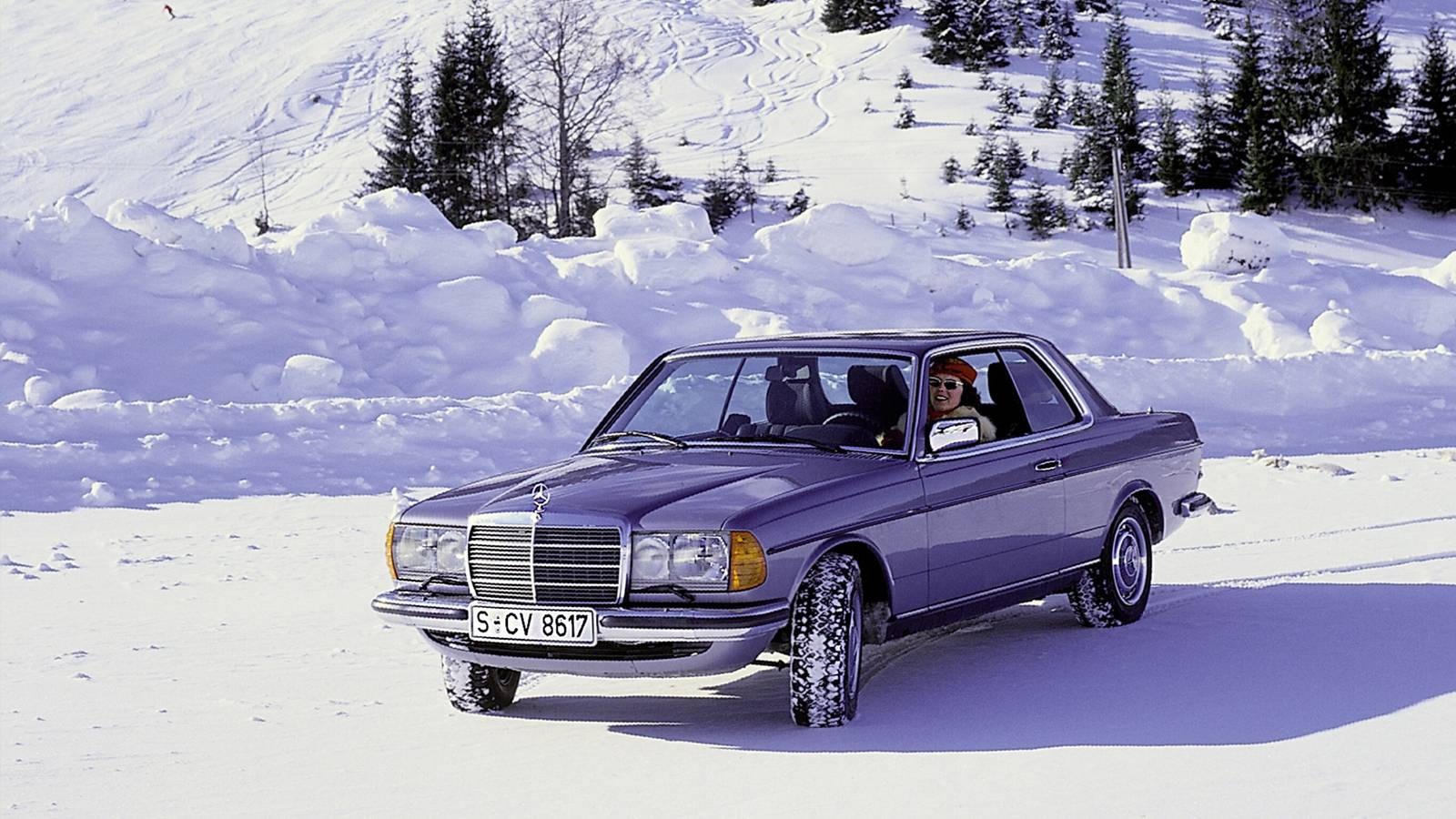
9. Mercedes-Benz W123 (1976–1985)
The Mercedes-Benz W123 series is a classic that combines durability, refinement, and a touch of European sophistication. Produced in the late 1970s and early 1980s, the W123 was known for its robust engineering, comfortable ride, and elegant yet understated styling.
For a starter classic, the W123 provides a unique experience: it is reliable, mechanically simple compared to modern luxury cars, and offers a presence that turns heads without feeling ostentatious. Sedans, coupes, and wagons are all available, giving buyers flexibility based on preferences for style or utility.
Mechanically, the W123 is celebrated for its longevity. Many of these vehicles have reached hundreds of thousands of miles with basic maintenance, demonstrating the resilience of Mercedes-Benz engineering from this era.
Engines are relatively simple, and the car’s modular design allows for straightforward repairs, which is ideal for someone new to classic car ownership. The diesel variants, in particular, are famous for longevity and fuel efficiency, providing a practical option for enthusiasts who want to enjoy classic driving without excessive running costs.
Aesthetically, the W123 exudes a timeless elegance. Its clean lines, chrome accents, and balanced proportions give it an enduring appeal that does not rely on flash or gimmicks.
Inside, the cabin emphasizes quality and comfort, with durable materials, spacious seating, and thoughtful ergonomics. The combination of luxury touches and mechanical simplicity makes it an excellent platform for beginners who want to experience European refinement while still being able to perform basic maintenance or restoration work themselves.
The W123 also benefits from an active community of enthusiasts who guide restoration, sourcing parts, and preventative maintenance. Forums, clubs, and regional meet-ups are excellent resources for newcomers learning about vintage Mercedes-Benz ownership.
This support network reduces the intimidation factor for first-time classic car buyers and ensures that maintenance or small projects can be handled confidently. For under $15,000, the W123 offers a blend of reliability, comfort, and sophistication, making it one of the most approachable European classics for beginners.
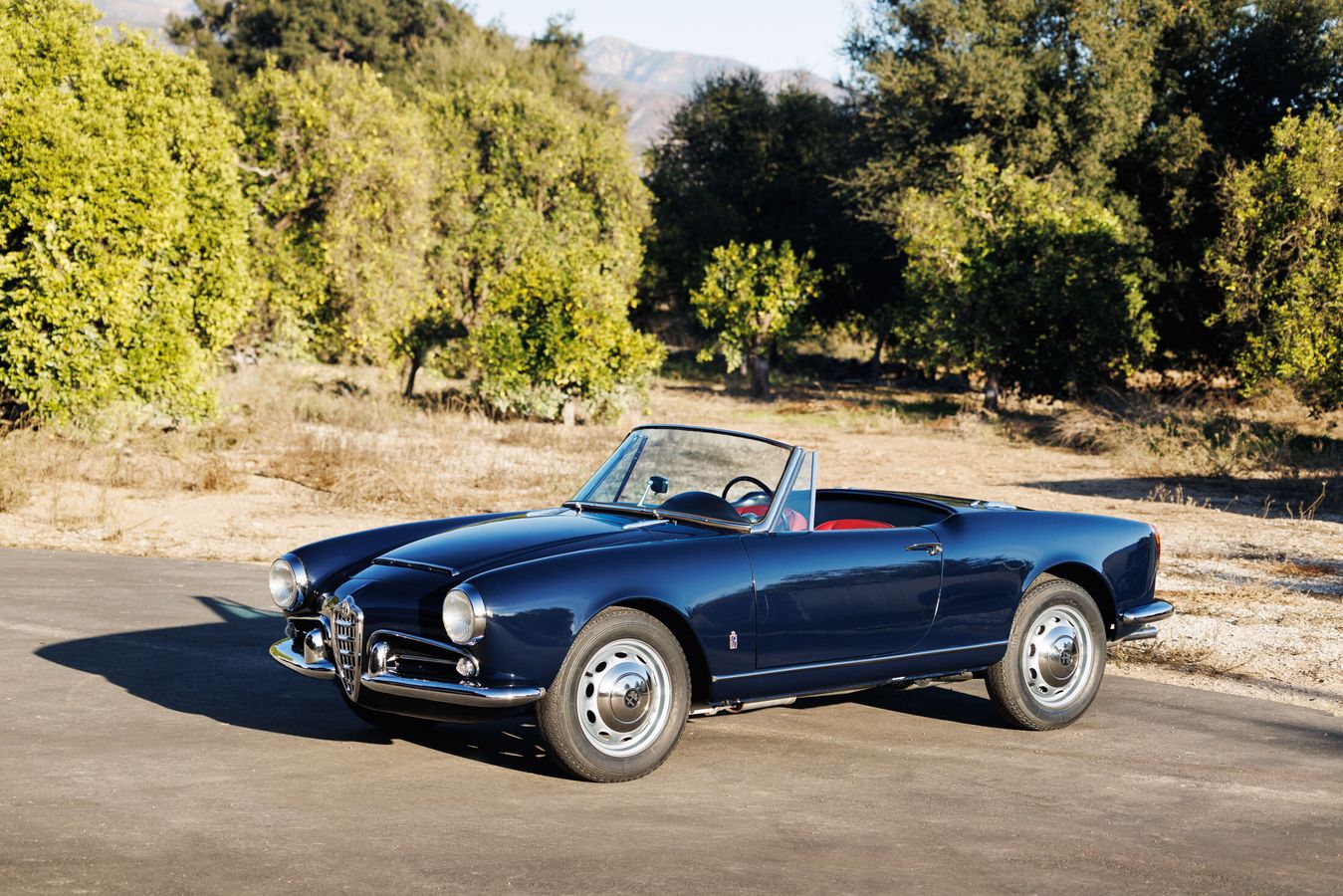
10. Alfa Romeo Spider (Series 3, 1983–1989)
The Alfa Romeo Spider Series 3 is an Italian classic that emphasizes style, charm, and open-air driving pleasure. Produced in the 1980s, it retained the beloved wedge-shaped design while incorporating subtle updates for improved performance and comfort.
The Spider offers a convertible experience that combines lightweight handling with responsive steering, making it an engaging and lively option for those who want a more spirited driving experience without straying into high-cost territory. Its combination of aesthetics and driving enjoyment makes it one of the most attractive starter classics for those with a love of European design.
Maintenance for the Series 3 Spider requires a bit more attention than some other starter classics, but it remains manageable for a new owner who is willing to learn. Italian engineering from this era rewards careful maintenance and routine care, with common tasks such as timing belt replacement, brake work, and suspension upkeep providing valuable hands-on experience.
Parts availability is reasonable, particularly in regions with established Alfa Romeo communities, and many enthusiasts find it rewarding to keep a Spider running smoothly through personal effort rather than relying entirely on professionals.
The Spider’s styling is a major part of its appeal. Its long hood, rounded fenders, and classic convertible profile make it an unmistakable presence on the road. Inside, the cabin emphasizes the joy of driving, with simple controls, supportive seats, and a layout that puts the driver at the center.
The tactile experience of shifting gears, feeling the steering feedback, and hearing the engine’s distinctive note creates a connection to the car that is difficult to replicate in modern vehicles. This driver-focused environment is ideal for beginners seeking a classic car that is both visually striking and enjoyable to operate.
Finally, the Alfa Romeo Spider has an enthusiastic following that provides excellent support for maintenance, restoration, and upgrades. Clubs, forums, and regional events give newcomers opportunities to learn from experienced owners, source original parts, and share advice on keeping their car in top condition.
For under $15,000, the Series 3 Spider offers an unforgettable driving experience, Italian style, and the chance to participate in a vibrant classic car community. Its combination of charm, performance, and practicality for hands-on enthusiasts makes it a perfect choice for a first-time classic owner.
