
Station wagons have a unique place in automotive history. They were once the primary choice for families who needed versatility, comfort, and cargo capacity all in a single vehicle. Unlike modern SUVs or minivans, wagons offered a lower driving position, a car-like handling experience, and an extended cargo area that could easily accommodate groceries, sports equipment, or luggage for a long family trip.
For those who grew up in the 1970s and 1980s, wagons were more than just transportation; they were a symbol of family life and practicality. The charm of vintage wagons today lies not only in their nostalgia but also in their spacious interiors, clever design features, and the sense of connection they fostered among family members on long journeys.
Their durability and straightforward engineering make them appealing to collectors, restorers, and families who appreciate a simpler, yet functional, vehicle.
Vintage wagons come in many shapes and sizes, from the elegant wood-trimmed American models to the sportier European versions. Each vehicle reflected the era’s priorities, such as safety, space, or style. Families needed a wagon that could carry children, pets, and luggage comfortably, yet still provide an enjoyable driving experience.
Some wagons emphasized luxury and creature comforts, while others focused on practicality and utility. Despite differences in style and performance, all these vehicles share the core purpose of family mobility. The following list highlights ten of the best vintage wagons that offer genuine interior space for families.
Each entry provides a glimpse into the vehicle’s history, design, and practicality, showing why these models have earned a special place in the hearts of car enthusiasts and families alike.
These wagons represent a mix of domestic and international choices, illustrating how various automakers approached the challenge of creating family-friendly vehicles. Some are known for their iconic looks, others for their engineering reliability, and many for their surprisingly roomy interiors.
The combination of performance, durability, and capacity makes these wagons worth considering for anyone interested in vintage cars that serve a practical purpose. Even decades after their release, these models continue to impress with their thoughtful layouts and spacious cabins.
They are not only functional but also a testament to an era when family vehicles were designed to meet real-world needs rather than trends. The following list covers ten models that have stood the test of time, showing that vintage wagons can still deliver what modern families value: space, comfort, and utility.
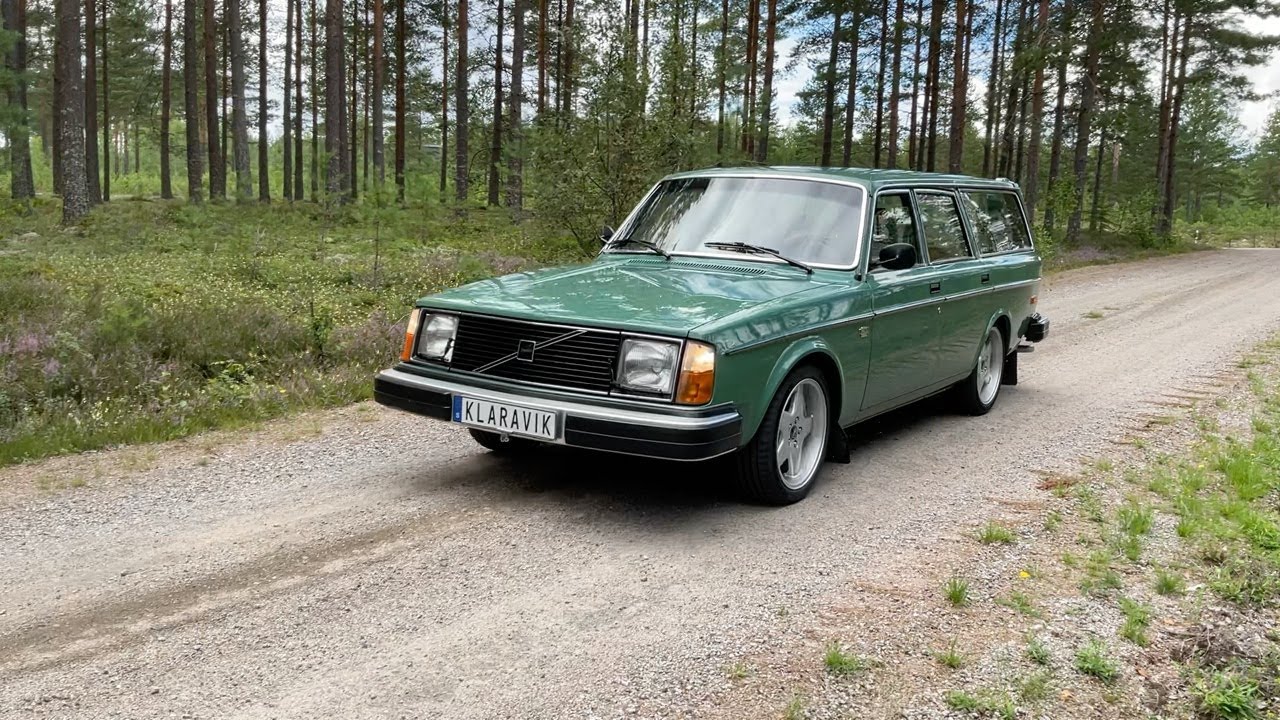
1. Volvo 245 (1974–1993)
The Volvo 245 is widely regarded as one of the most durable and spacious wagons ever produced. Its boxy exterior may appear simple, but it masks an incredibly practical interior. With upright seating and a flat floor, the cabin could easily accommodate a family of five, plus a significant amount of luggage.
Rear passengers enjoyed generous legroom and a sense of openness that few wagons of its era could match. The rear seats folded down in seconds, creating a flat cargo area suitable for bicycles, camping gear, or even small furniture. Volvo emphasized safety as well, with reinforced frames and energy-absorbing crumple zones, giving parents peace of mind while traveling with children.
Under the hood, the 245 offered a range of reliable engines. Four-cylinder powertrains dominated the lineup, providing adequate performance for everyday family use. Some later models were available with turbocharged options, which added more excitement without sacrificing reliability.
The suspension system struck a balance between comfort and control, making long road trips less tiring for both drivers and passengers. Steering was precise for a vehicle of its size, and visibility was excellent thanks to large windows on all sides. These features contributed to a driving experience that was surprisingly enjoyable despite the wagon’s utilitarian appearance.
The interior was designed with practicality in mind. Storage compartments were plentiful, including door pockets, under-seat spaces, and a large rear cargo area. Optional roof racks could accommodate oversized items, making the Volvo 245 suitable for outdoor adventures.
Upholstery and trim were simple but durable, resisting wear and tear over decades. Many models remain on the road today because of their robust construction, and restoration parts are relatively easy to find. This combination of space, safety, and reliability has cemented the 245’s reputation among collectors and enthusiasts alike.
Another reason the Volvo 245 stands out is its timeless design. The boxy shape, once considered plain, is now celebrated for its functional elegance. Unlike more curvaceous wagons, the 245 maximized interior volume while keeping exterior dimensions manageable. Its design allows for easy access to both the driver’s seat and rear cargo area, and the simplicity makes maintenance less complicated.
For families seeking a vintage wagon that combines practicality, durability, and understated style, the Volvo 245 remains a top choice even decades after its initial release.
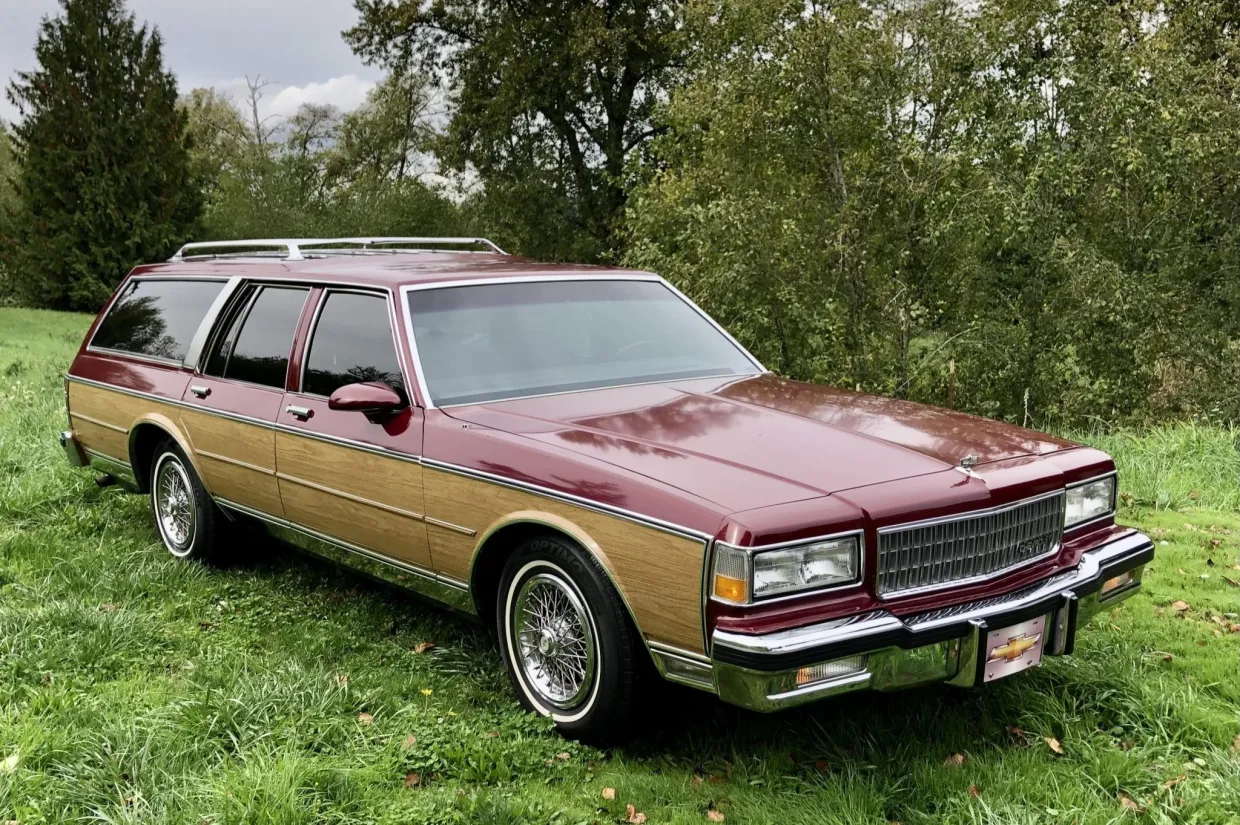
2. Chevrolet Caprice Estate (1971–1990)
The Chevrolet Caprice Estate epitomized American wagons of the 1970s and 1980s. Known for its large dimensions, the Caprice Estate could effortlessly carry a family of six or more. Bench seating in the front and rear provided comfort for long drives, and the fold-down rear seats created a nearly flat cargo floor ideal for large items.
Families could load everything from suitcases to groceries without worrying about space limitations. Woodgrain exterior trim added a touch of style that made the wagon feel more upscale than its competitors, signaling that practicality did not require sacrificing aesthetics.
Underneath its polished exterior, the Caprice Estate offered powerful V8 engines. While fuel efficiency was not a priority in this era, the smooth performance of these engines made highway driving effortless. The suspension prioritized comfort, cushioning occupants from bumps and road imperfections.
Steering was responsive for such a large vehicle, and braking systems were robust, ensuring safety even when fully loaded. Despite its size, the Caprice Estate remained approachable and relatively easy to maneuver, making it a favorite among families who wanted a large, comfortable wagon.
The interior emphasized convenience and versatility. Multiple storage compartments, an optional third-row seat, and ample legroom ensured every passenger had a comfortable space. Rear tailgates were designed for practicality, some featuring split designs that allowed partial opening for small items while still providing full access when needed.
Upholstery options included both cloth and vinyl, with durability prioritized to withstand the wear and tear of family life. The combination of passenger comfort, storage space, and simple controls contributed to the Caprice Estate’s reputation as a true family vehicle.
The Caprice Estate is also appreciated for its classic American styling. Its long hood, expansive glass surfaces, and characteristic woodgrain details evoke a sense of nostalgia for an era when vehicles were designed to impress on the road and at the driveway.
These wagons are highly sought after by collectors who appreciate their scale and character. Even decades after production ended, the Caprice Estate remains a symbol of family-oriented automotive design, proving that large wagons can offer both space and elegance simultaneously.
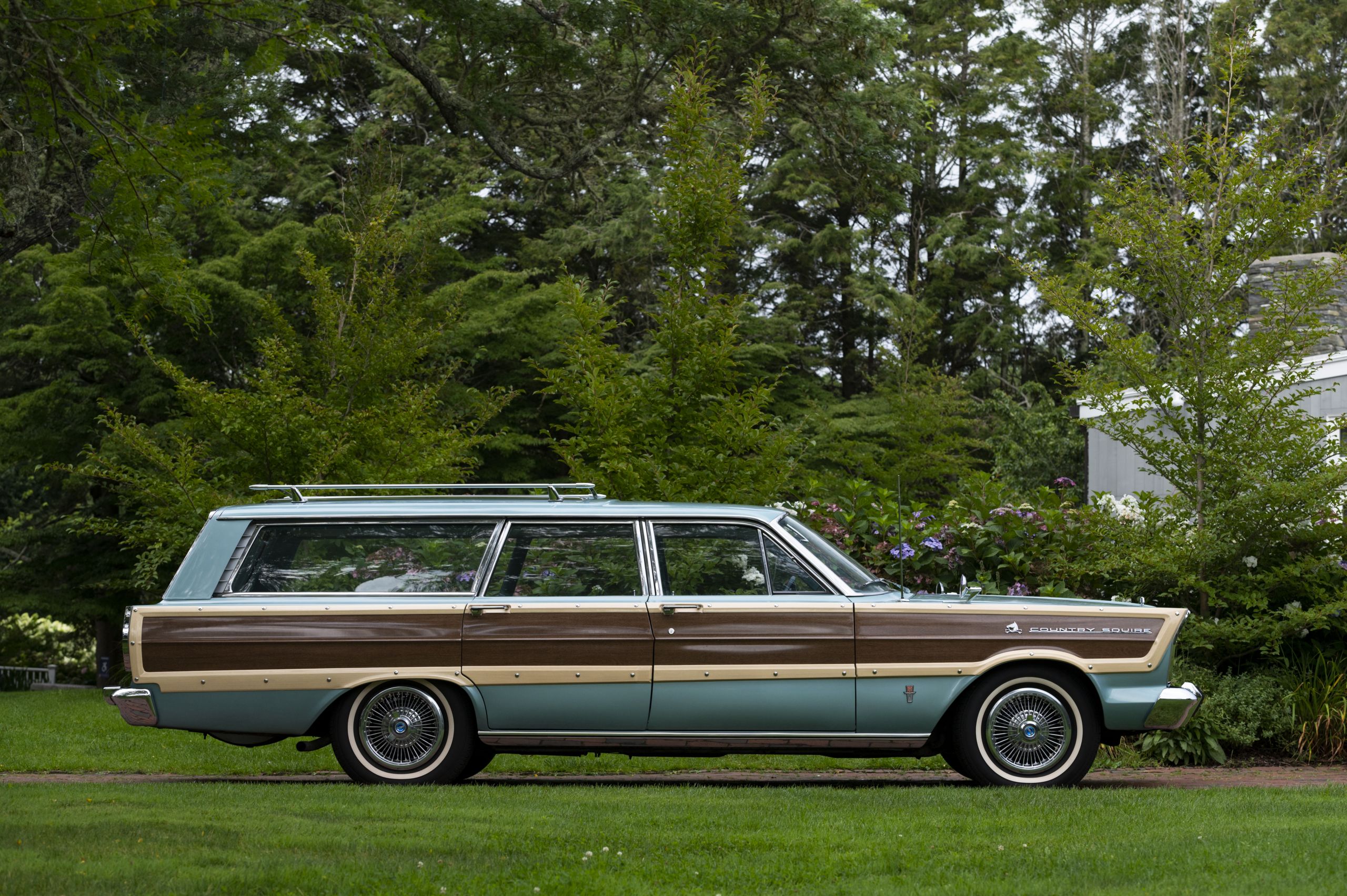
3. Ford Country Squire (1950–1991)
The Ford Country Squire is an iconic example of the classic American wagon. Its distinctive woodgrain paneling became a defining feature, instantly recognizable and often associated with family road trips and suburban life. Beyond its aesthetics, the Country Squire excelled in interior space.
With three rows of seating, the wagon could accommodate large families with ease. Rear passengers enjoyed wide seats and generous legroom, while the cargo area behind the final row offered plenty of space for luggage or sports equipment. Folding seats and adjustable storage areas added to the wagon’s versatility, making it suitable for both daily errands and long vacations.
Performance was tailored to comfort and reliability. V8 engines provided ample power for highway cruising, while suspension systems were tuned to absorb road imperfections. Despite its considerable size, the Country Squire handled predictably, allowing drivers to navigate suburban streets and highways without stress.
Steering was smooth, and braking systems were robust, ensuring safety even when the wagon was fully loaded. The combination of strong performance and forgiving handling made the Country Squire a practical choice for families who valued space and comfort.
The interior was designed with convenience in mind. The dashboard featured straightforward controls, while rear passengers could access heating and ventilation options that improved comfort for longer trips. Storage solutions included underfloor compartments, glove boxes, and optional roof racks.
Upholstery was designed to resist wear and tear, with vinyl and cloth options that could withstand the challenges of family life. Every detail reinforced the wagon’s purpose as a family-friendly vehicle, from its spacious seating layout to its practical cargo solutions.
The Country Squire also represents an era when vehicles had character and presence on the road. Its long body, woodgrain accents, and chrome trim signaled both style and utility. These wagons are cherished today by enthusiasts for their nostalgic appeal and practical design.
Owning a Country Squire provides not only a functional family vehicle but also a piece of automotive history that demonstrates how American manufacturers once balanced style, space, and practicality in a single package.
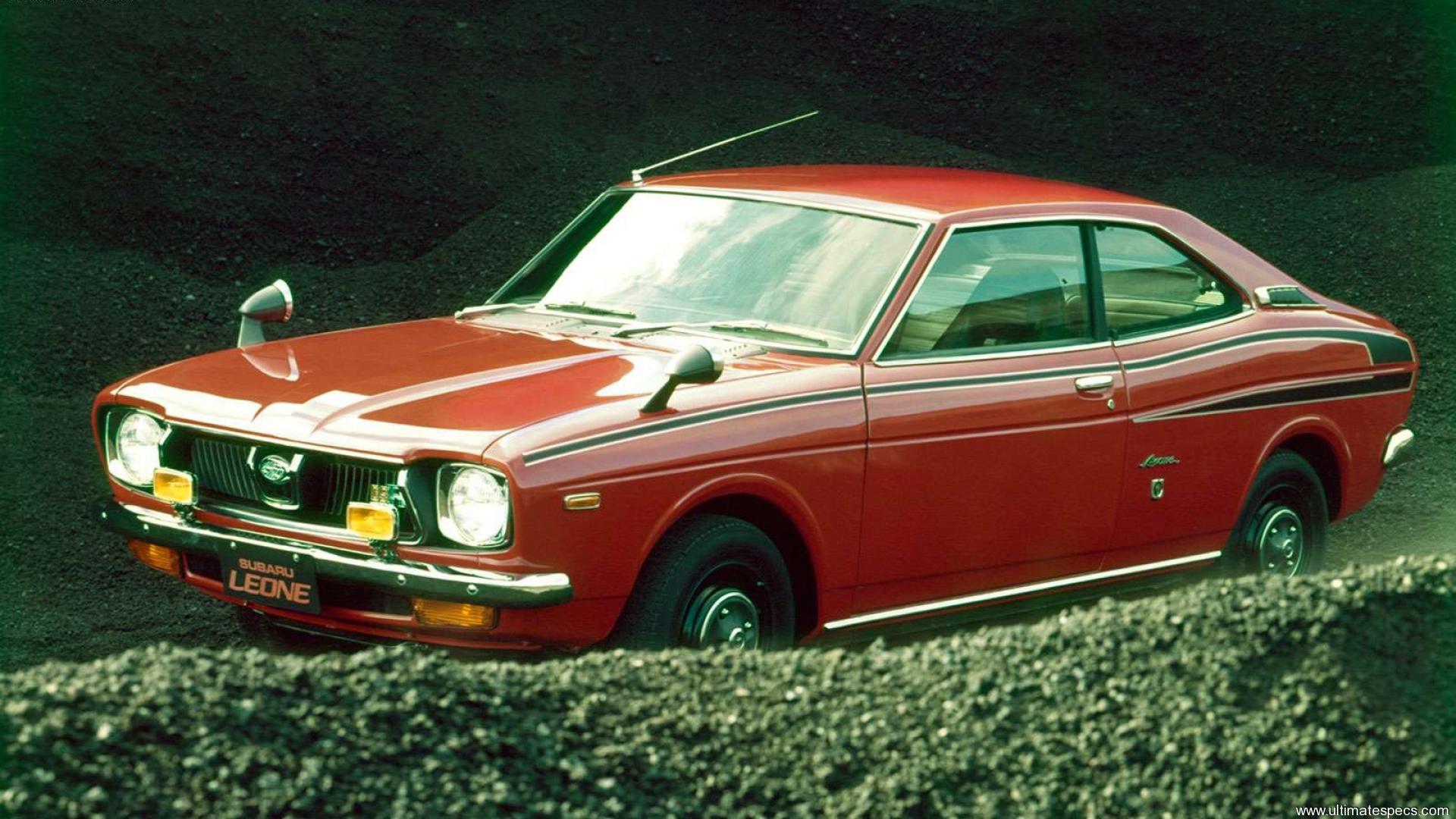
4. Subaru Leone/GL Wagon (1971–1994)
The Subaru Leone, also known as the GL Wagon in certain markets, became a symbol of practical family transport in a compact package. Unlike the oversized American wagons, the Leone combined efficiency with interior space, making it a versatile choice for urban and suburban families.
Despite its modest exterior dimensions, the wagon offered a surprisingly roomy cabin. Its boxy design allowed for upright seating and a flat cargo floor, which could easily accommodate strollers, sports equipment, or luggage.
Rear seats folded down completely, creating a near-flat area for larger loads, while the hatchback opening allowed for easy loading and unloading. Subaru’s attention to interior layout emphasized functionality over luxury, but the result was a vehicle that met the real needs of families without unnecessary frills.
Mechanically, the Leone was for its rugged reliability and the introduction of all-wheel drive in later models. Families who lived in areas with harsh winters or unpaved roads appreciated the additional traction and stability offered by this system. Engines were modest but efficient, balancing performance with fuel economy.
Suspension tuning favored comfort over sporty handling, providing a smooth ride even on rougher surfaces. The combination of dependable mechanics and practical interior space made the Leone a sensible choice for parents who wanted both safety and utility without the bulk of a larger wagon.
Inside, the Leone’s design prioritized practicality. Door pockets, under-seat storage, and a reasonably sized glove compartment allowed families to organize essentials for daily use or long trips. Rear passengers enjoyed legroom that exceeded expectations for a compact vehicle, and the hatch area was deep enough to handle groceries or weekend gear for multiple children.
The minimalist dashboard ensured that controls were intuitive and within easy reach, minimizing driver distraction. Every feature reinforced Leone’s purpose as a practical family companion, demonstrating that thoughtful design could outweigh sheer size when it came to interior utility.
The Leone also holds historical significance as one of Subaru’s early entries into family-oriented vehicles. It demonstrated the brand’s ability to provide dependable, space-conscious wagons that could handle challenging conditions while remaining easy to drive and maintain.
Today, vintage Leones are appreciated by collectors for their simplicity, reliability, and surprisingly spacious cabins. They may lack the flashiness of American models, but for families seeking functional design and mechanical resilience, the Leone remains an excellent choice among classic wagons.
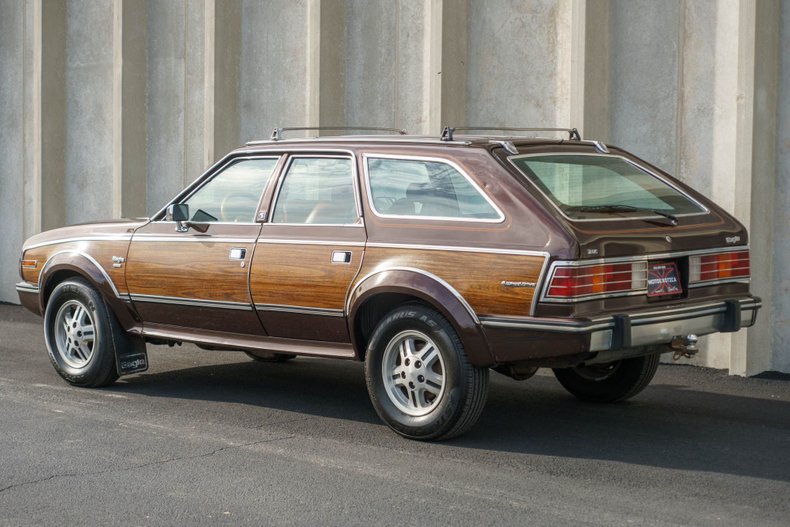
5. AMC Eagle Wagon (1980–1988)
The AMC Eagle Wagon occupies a unique place in automotive history. Often considered a precursor to the modern crossover, it combined the spaciousness of a traditional wagon with a higher ground clearance and all-wheel-drive capability. This made it an excellent choice for families who needed a versatile vehicle capable of handling snow, dirt roads, or longer trips.
The Eagle’s cabin offered ample room for passengers, with wide bench seats and generous headroom. Rear seats folded flat, providing a long, usable cargo area that could accommodate larger items, while rear passengers benefited from comfortable seating and unobstructed windows. The interior layout prioritized usability, ensuring that families could travel comfortably with both passengers and gear.
Under the hood, the Eagle typically offered six-cylinder engines, providing enough power for daily driving and moderate towing. The all-wheel-drive system was advanced for its time, enhancing traction and stability in adverse conditions.
Suspension systems were tuned to handle heavier loads, maintaining comfort for passengers even when the wagon was fully loaded. Steering and braking systems were designed to provide confidence behind the wheel, especially on slippery surfaces. These features combined to make the Eagle a practical and reliable vehicle for families living in regions with variable weather or rough terrain.
Inside, the Eagle was thoughtfully organized. Storage compartments, cup holders, and door pockets allowed families to keep essentials within reach, while the rear cargo area remained uncluttered and flexible. The combination of fold-flat rear seats and a wide tailgate opening made loading bicycles, luggage, or camping gear straightforward.
Upholstery materials were durable, able to withstand repeated use over years of family life. AMC’s emphasis on practicality over luxury ensured that the Eagle remained a functional and resilient vehicle for parents and children alike.
The Eagle Wagon remains appreciated today for its distinctive design and early crossover characteristics. Its slightly elevated ride height and rugged styling set it apart from the typical wagon silhouette, while the spacious interior maintained family-friendly functionality.
Enthusiasts often note that it provided a glimpse of the direction family vehicles would take in the decades to follow, combining space, comfort, and versatility in a package that could handle more than just smooth pavement. For families seeking vintage practicality with a touch of adventure, the AMC Eagle Wagon remains an excellent choice.
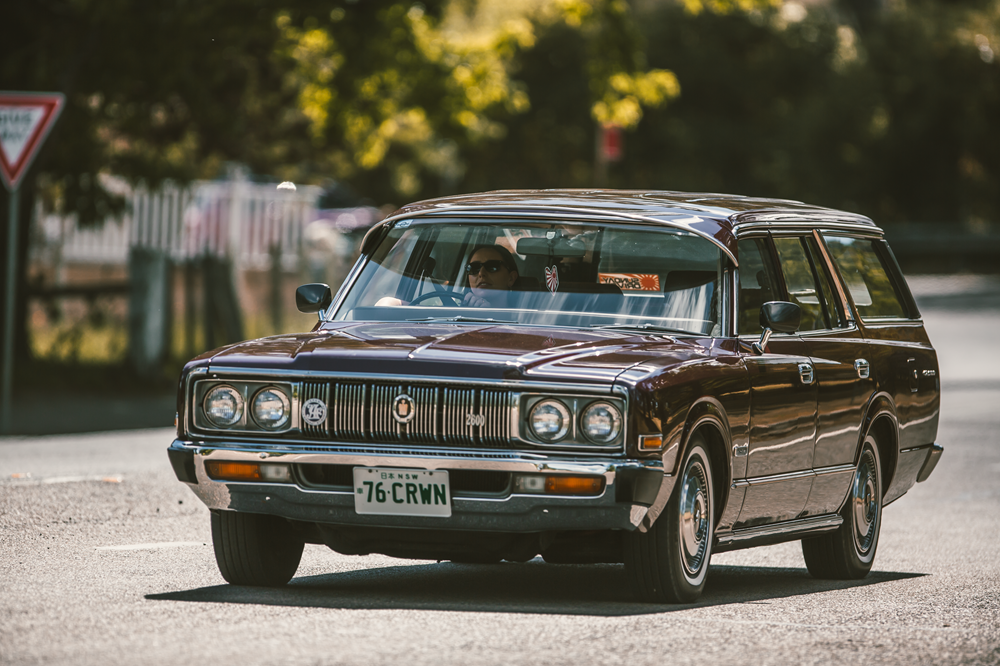
6. Toyota Crown Wagon (1969–1999)
The Toyota Crown Wagon is a example of a luxury-oriented family wagon that still prioritizes interior space. While many wagons of the era focused solely on practicality, the Crown combined comfort, refined styling, and a functional layout. Rear seats were spacious and well-padded, providing ample legroom for adult passengers.
Families could easily fit children and luggage simultaneously, with rear seats folding flat to maximize cargo area. The wagon’s long wheelbase and carefully designed cabin ensured that no space was wasted, creating an environment conducive to long-distance travel and everyday errands alike.
Toyota emphasized reliable performance with the Crown Wagon. Inline-six engines provided smooth, consistent power, while the suspension system balanced comfort and stability. Handling was responsive for a vehicle of its size, and braking systems were adequate to ensure safety for fully loaded family trips.
The combination of mechanical durability and comfortable driving dynamics made the Crown Wagon a dependable companion for families who expected both longevity and ease of use. Even after decades, many examples remain functional due to Toyota’s reputation for reliability and engineering excellence.
The interior layout of the Crown Wagon reinforced its family-friendly nature. Storage compartments were thoughtfully placed throughout the cabin, and the fold-flat rear seats created a continuous cargo space that could accommodate everything from luggage to sports equipment.
Optional features such as air conditioning, adjustable seats, and upgraded audio systems added comfort and convenience without sacrificing practicality. Upholstery and trim were durable, able to withstand the rigors of daily use while maintaining a sense of refinement.
The Toyota Crown Wagon holds an enduring legacy as a vehicle that blended practicality with understated luxury. Its spacious interior, dependable engineering, and comfortable ride made it a favorite among families who wanted more than a basic station wagon.
For collectors today, the Crown Wagon represents a classic example of Japanese craftsmanship applied to a vehicle designed for everyday family life. It demonstrates that space, comfort, and reliability can coexist in a vintage wagon without compromise.
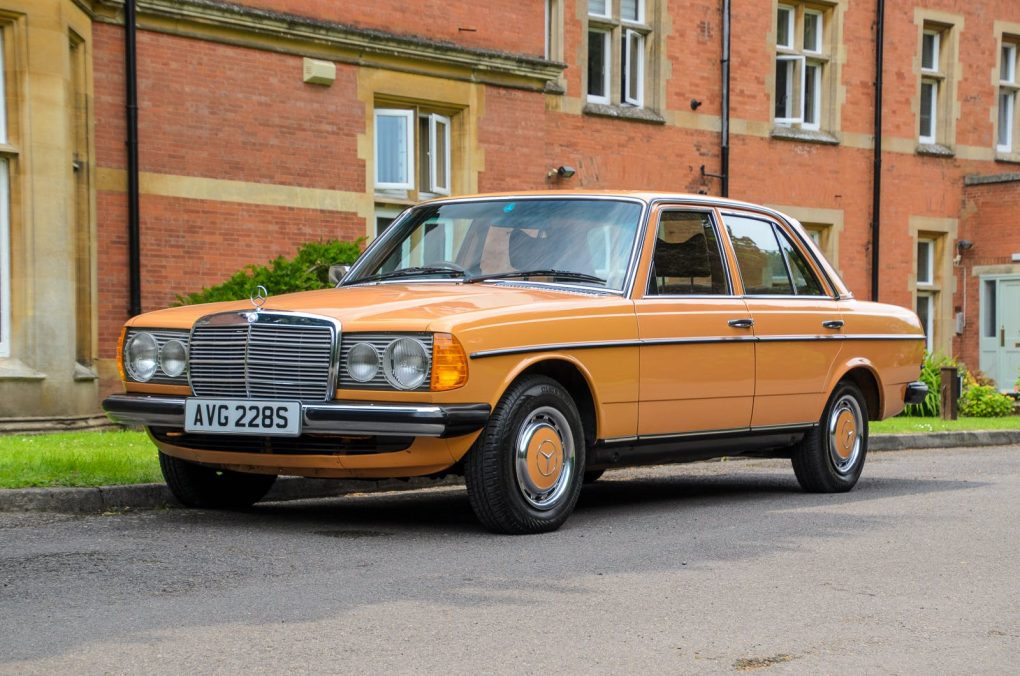
7. Mercedes-Benz W123 Estate (1977–1986)
The Mercedes-Benz W123 Estate is often praised as a pinnacle of German engineering applied to family wagons. Its reputation for durability, combined with generous interior space, made it an ideal choice for families seeking long-term reliability. Rear seats offered ample legroom, while the flat cargo area allowed for easy loading of luggage, furniture, or sporting goods.
The W123 Estate featured a robust construction, ensuring passenger safety and a solid feel on the road. Its reputation for longevity has led many to survive for decades, often exceeding 300,000 miles without major issues, which is a testament to the vehicle’s engineering quality.
Performance and comfort were central to the W123 Estate’s appeal. Inline-four and six-cylinder engines provided adequate power, while diesel options offered exceptional fuel efficiency for long trips. Suspension systems were finely tuned to absorb bumps without compromising stability, giving passengers a smooth ride even over longer journeys.
Steering was precise and predictable, and braking systems were reliable under all conditions. For families who valued driving confidence alongside interior space, the W123 Estate offered one of the most balanced experiences of its era.
Inside, the W123 Estate was designed with practical elegance. Multiple storage options, including under-seat compartments and a sizable glove box, kept essentials organized, while the rear cargo area provided generous volume for luggage or groceries.
Folding rear seats created a flat loading surface, and optional roof racks expanded carrying capacity for longer trips. Materials were chosen for longevity, with upholstery that remained comfortable and resilient over decades of use. Every element reinforced the Estate’s suitability as a family vehicle.
The W123 Estate also carried the prestige of the Mercedes-Benz brand, combining utility with style. Its classic lines, chrome accents, and thoughtful interior design created an impression of refinement without sacrificing functionality.
For collectors and families alike, the W123 Estate represents a wagon that can handle real-world demands while offering a durable, comfortable, and stylish driving experience. Its combination of space, safety, and longevity makes it one of the most respected vintage wagons in history.
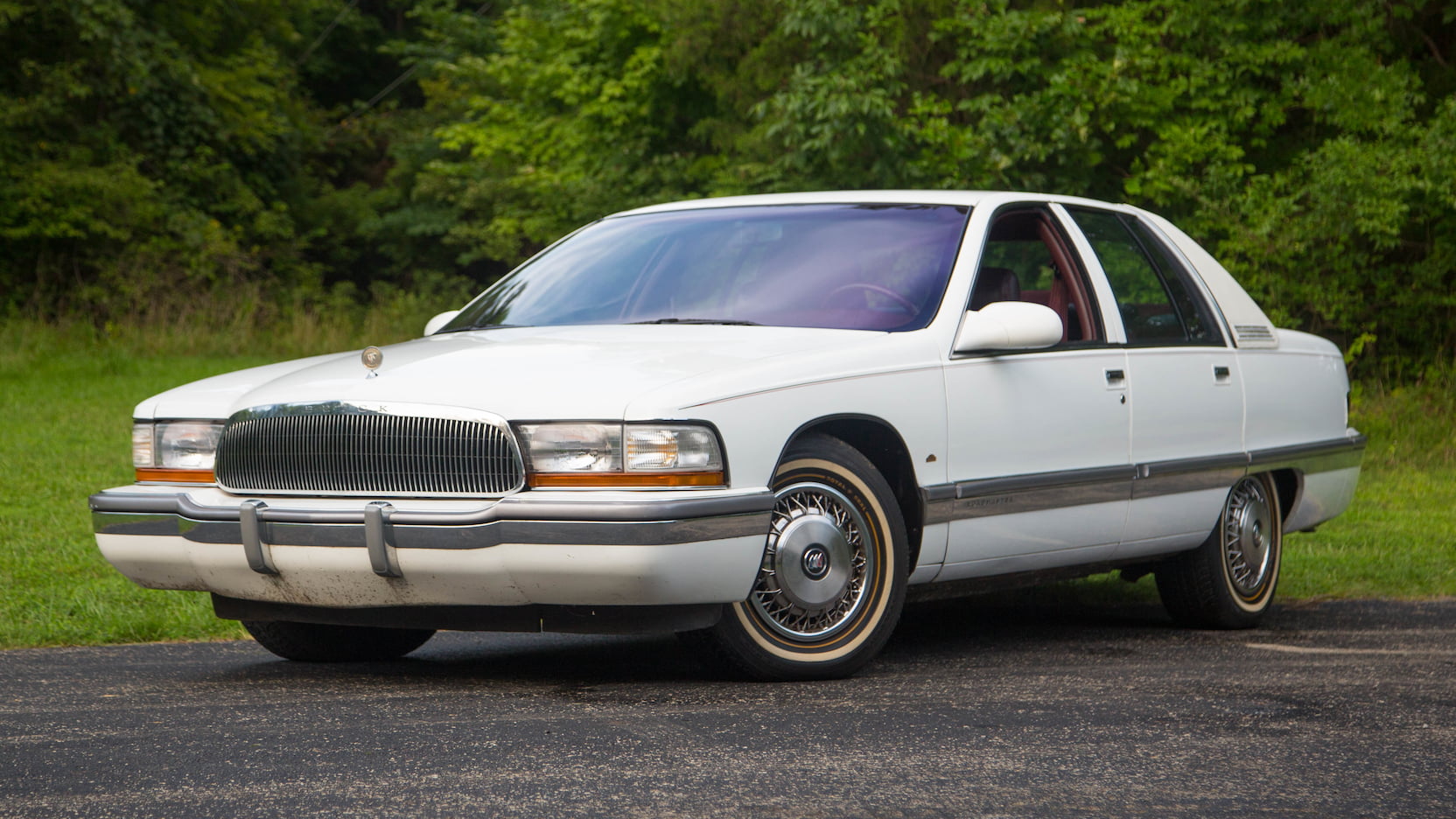
8. Buick Roadmaster Estate Wagon (1991–1996)
The Buick Roadmaster Estate Wagon represents the peak of full-size American station wagons. By the 1990s, it carried forward decades of tradition, offering immense interior space and comfort for families. Its cabin could easily accommodate six or seven passengers with the optional third-row seating, while the rear cargo area was vast and practical for everything from luggage to sports equipment.
Rear passengers enjoyed generous legroom and wide, cushioned seats, ensuring comfort even on long trips. The folding rear seats and wide tailgate allowed families to load bulky items effortlessly. The Roadmaster Estate Wagon combined the sense of classic American luxury with the practical design that families required.
Performance was a defining feature of the Roadmaster. Equipped with a 5.7-liter V8 engine, it delivered smooth, effortless power, making long highway drives and heavy cargo loads manageable. The suspension system provided a comfortable ride, with soft yet stable handling that absorbed bumps without compromising control.
Steering and braking systems were designed for ease of use, giving drivers confidence even with a fully loaded vehicle. While fuel economy was modest, the focus was on comfort, power, and reliability, qualities families valued over efficiency during long journeys.
The interior of the Roadmaster Estate Wagon emphasized both utility and comfort. It offered multiple storage compartments, cup holders, and a flat, foldable rear cargo floor. The optional third-row seat could be folded into the floor, creating a flat surface for larger loads, while leather upholstery and wood trim added a sense of refinement.
Heating and ventilation were effective throughout the cabin, ensuring that all passengers remained comfortable regardless of weather conditions. This combination of luxury touches and practical design elements made it a highly functional family vehicle.
Stylistically, the Roadmaster Estate Wagon carried the unmistakable presence of a classic American wagon. Its long, sweeping lines and chrome accents created a commanding road presence, while the spacious interior demonstrated that size could be a virtue.
Today, collectors appreciate the Roadmaster Estate for its blend of nostalgia, luxury, and family practicality. It is one of the last of the large American wagons that prioritized real passenger and cargo space, making it a standout choice for those seeking a vintage vehicle capable of carrying a family comfortably.
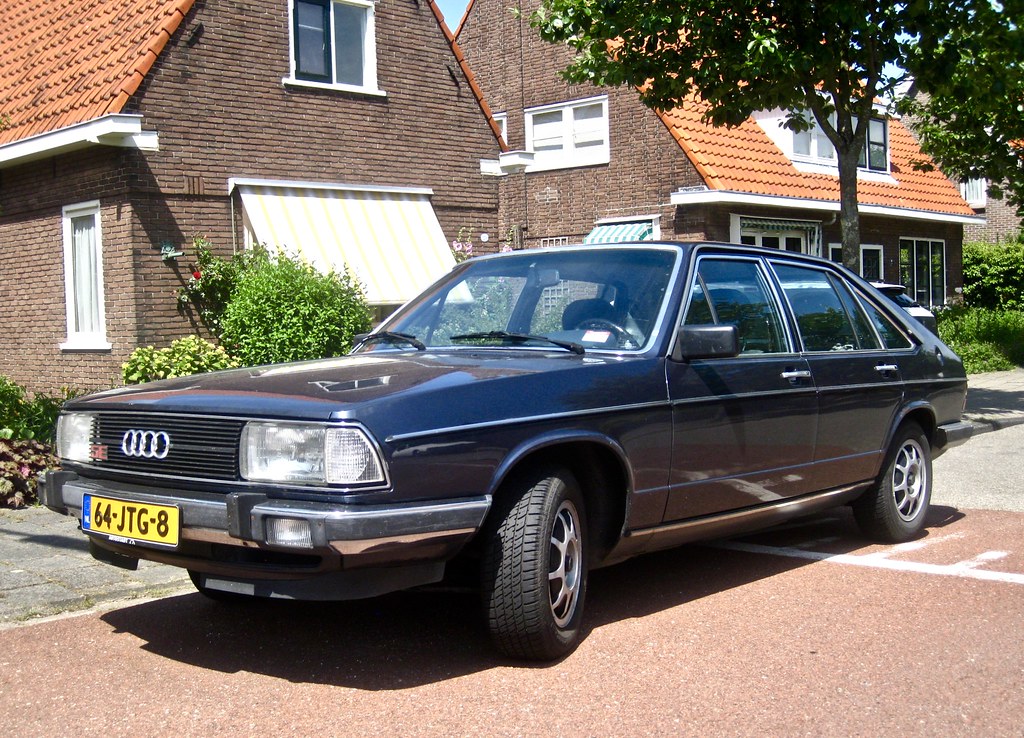
9. Audi 100 Avant (1976–1991)
The Audi 100 Avant represents the European approach to family wagons, blending engineering precision with clever use of interior space. The Avant featured a sleek, aerodynamic design that set it apart from boxier wagons, yet it provided ample room for passengers and cargo.
Rear seating was spacious for adults, and the fold-flat rear seats created a large cargo area for luggage, strollers, or sporting equipment. The layout emphasized practicality without feeling cramped, making it an excellent choice for families who desired a vehicle that was both functional and stylish. Large windows enhanced visibility and created an open, airy feel inside the cabin, contributing to passenger comfort on longer trips.
Mechanically, the Audi 100 Avant offered a variety of engines, ranging from four-cylinder to more powerful five-cylinder options. All models were praised for their reliable engineering, precise steering, and excellent handling dynamics. Suspension systems were tuned to balance comfort and performance, ensuring a smooth ride even on winding roads.
Quattro all-wheel-drive models added additional stability and traction, making them capable of handling adverse weather conditions while keeping the cabin quiet and composed. Families appreciated the combination of driving confidence and practical utility, which made the Avant a versatile wagon for everyday use and weekend getaways.
Inside, the Avant’s design focused on both comfort and practicality. Storage options included door pockets, a glove compartment, and a deep rear cargo area, while the fold-flat seats allowed families to carry larger items without difficulty. The dashboard layout was intuitive, keeping controls within easy reach of the driver and minimizing distraction.
Materials were chosen for durability, and the cabin retained a quality feel even in earlier models, emphasizing Audi’s commitment to build quality and longevity. These features made the 100 Avant not only a functional wagon but also a vehicle that families could rely on for many years.
The Audi 100 Avant also reflected a modern European aesthetic, emphasizing clean lines and understated elegance. Its combination of practicality, mechanical refinement, and interior space made it a standout among vintage wagons.
Today, enthusiasts and collectors appreciate the Avant for its timeless design and versatile utility, proving that European manufacturers could create family-oriented vehicles that were both stylish and spacious. For families seeking a balance of refinement, performance, and practicality, the Audi 100 Avant remains a top contender in the world of vintage wagons.
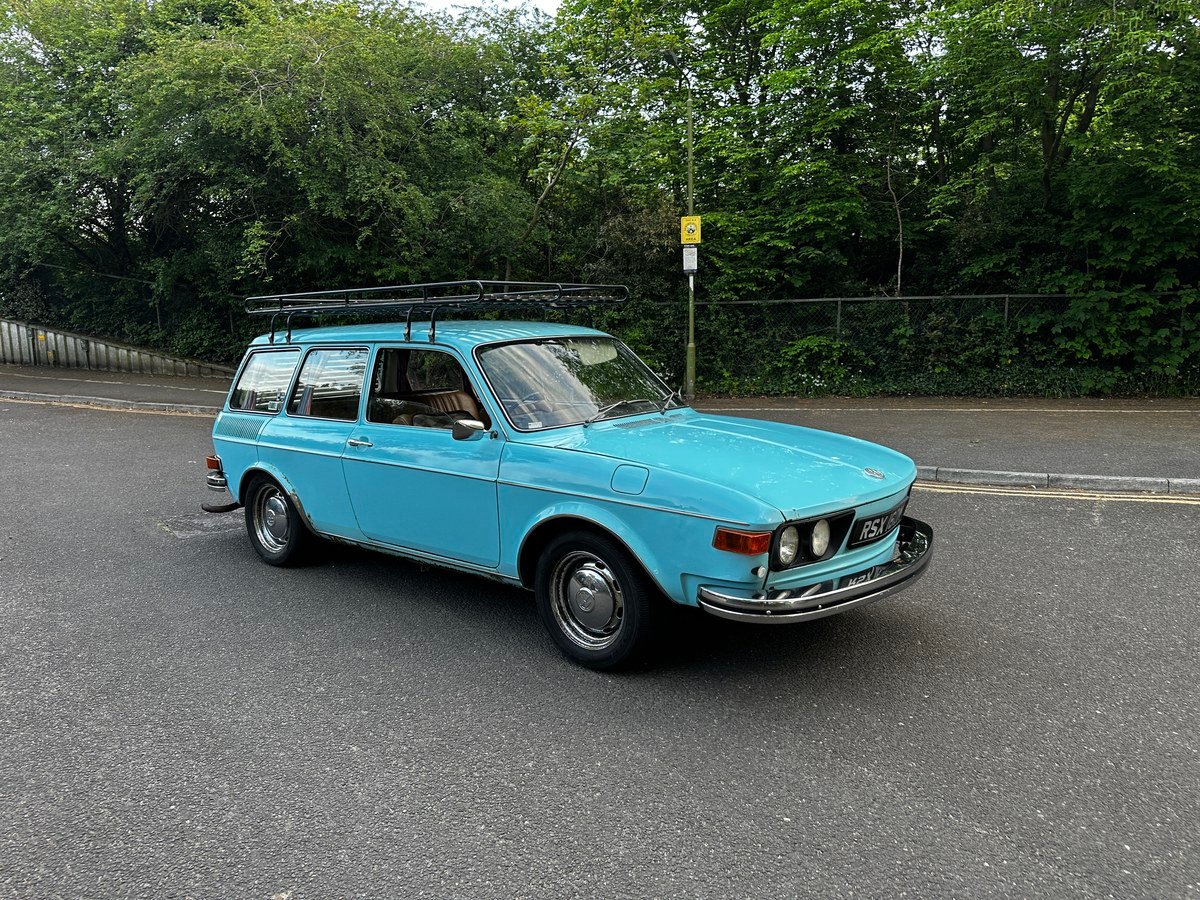
10. Volkswagen Type 4 Variant (411/412) (1968–1974)
The Volkswagen Type 4 Variant, including the 411 and 412 models, offered an innovative approach to family wagons in the late 1960s and early 1970s. Unlike many wagons of its era, the Type 4 featured a rear-engine layout and a spacious, flat cabin floor that maximized interior room.
Passengers enjoyed comfortable seating for five, with rear seats that could fold to expand cargo capacity. Despite the compact external dimensions compared to American wagons, the Type 4 Variant provided generous luggage space, making it practical for families navigating urban streets while still accommodating weekend trips. Its practical design demonstrated Volkswagen’s ability to blend efficiency and utility in a family-oriented vehicle.
The Type 4 Variant was powered by air-cooled four-cylinder engines, delivering reliable performance suitable for everyday driving. The rear-engine configuration provided good traction and allowed for a lower floor in the passenger area, enhancing cabin space.
Suspension and chassis tuning prioritized comfort and stability, giving passengers a smooth ride despite the vehicle’s modest size. Steering was responsive, and braking systems offered confidence even when the wagon was fully loaded. Families valued the Type 4 Variant for its reliability, ease of maintenance, and functional design, which all contributed to a practical and enduring vehicle.
Inside, the Type 4 Variant featured thoughtful storage solutions. Door pockets, a sizeable glove compartment, and a flat cargo area ensured that families could transport groceries, luggage, or sporting equipment with minimal difficulty. Upholstery was simple but durable, able to withstand wear over decades.
The cabin emphasized visibility and ease of access, allowing both front and rear passengers to enter and exit comfortably. This practical approach to interior layout reinforced the Type 4 Variant’s reputation as a functional and dependable family wagon.
The Volkswagen Type 4 Variant is remembered as an innovative design that offered space, reliability, and versatility in a compact format. Its rear-engine layout, flat cabin floor, and practical interior solutions set it apart from other wagons of its era.
Today, collectors and enthusiasts appreciate its unique engineering and the balance it struck between efficiency and passenger comfort. For families seeking a vintage wagon that maximizes space without overwhelming size, the Type 4 Variant remains an excellent example of thoughtful automotive design.
